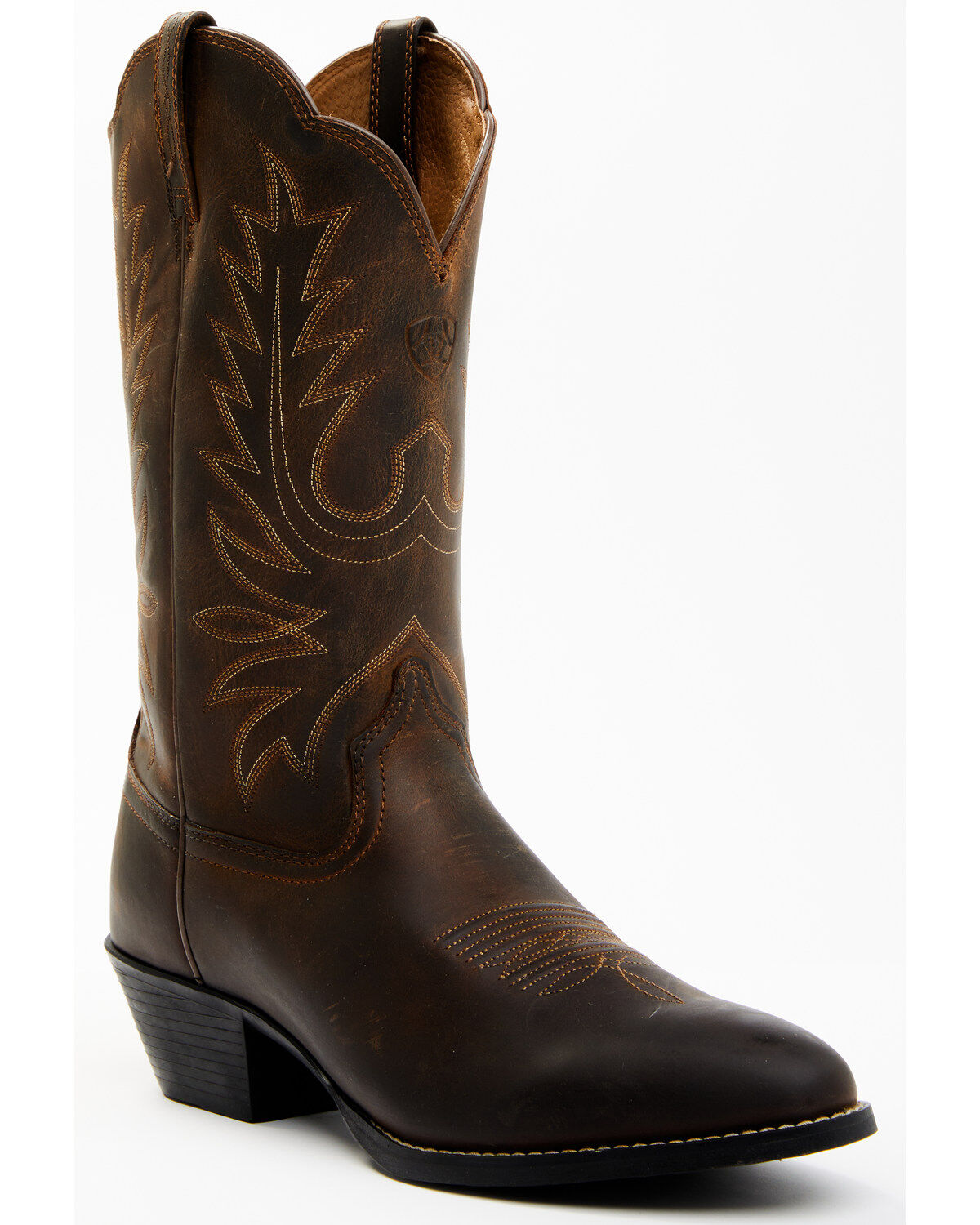
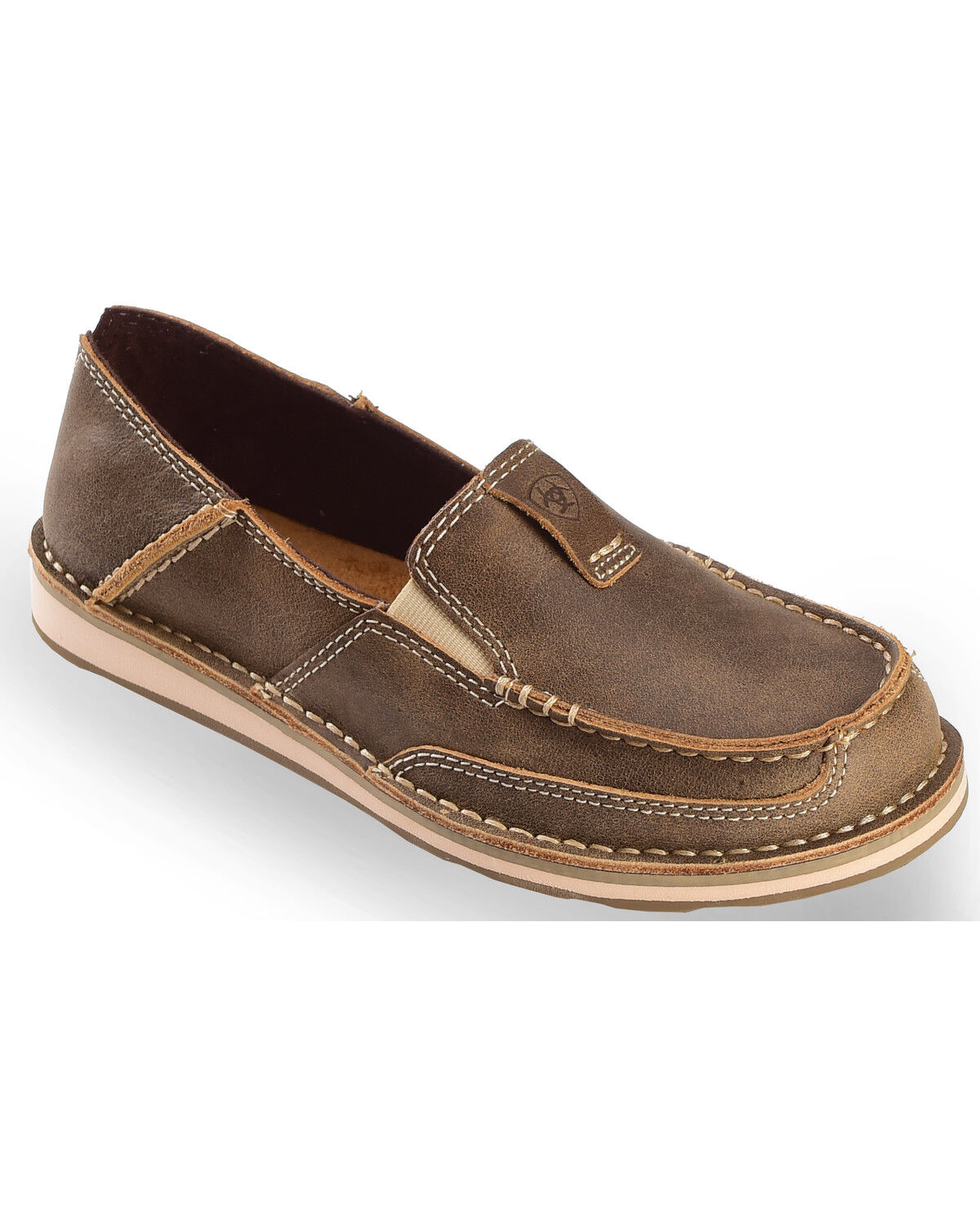
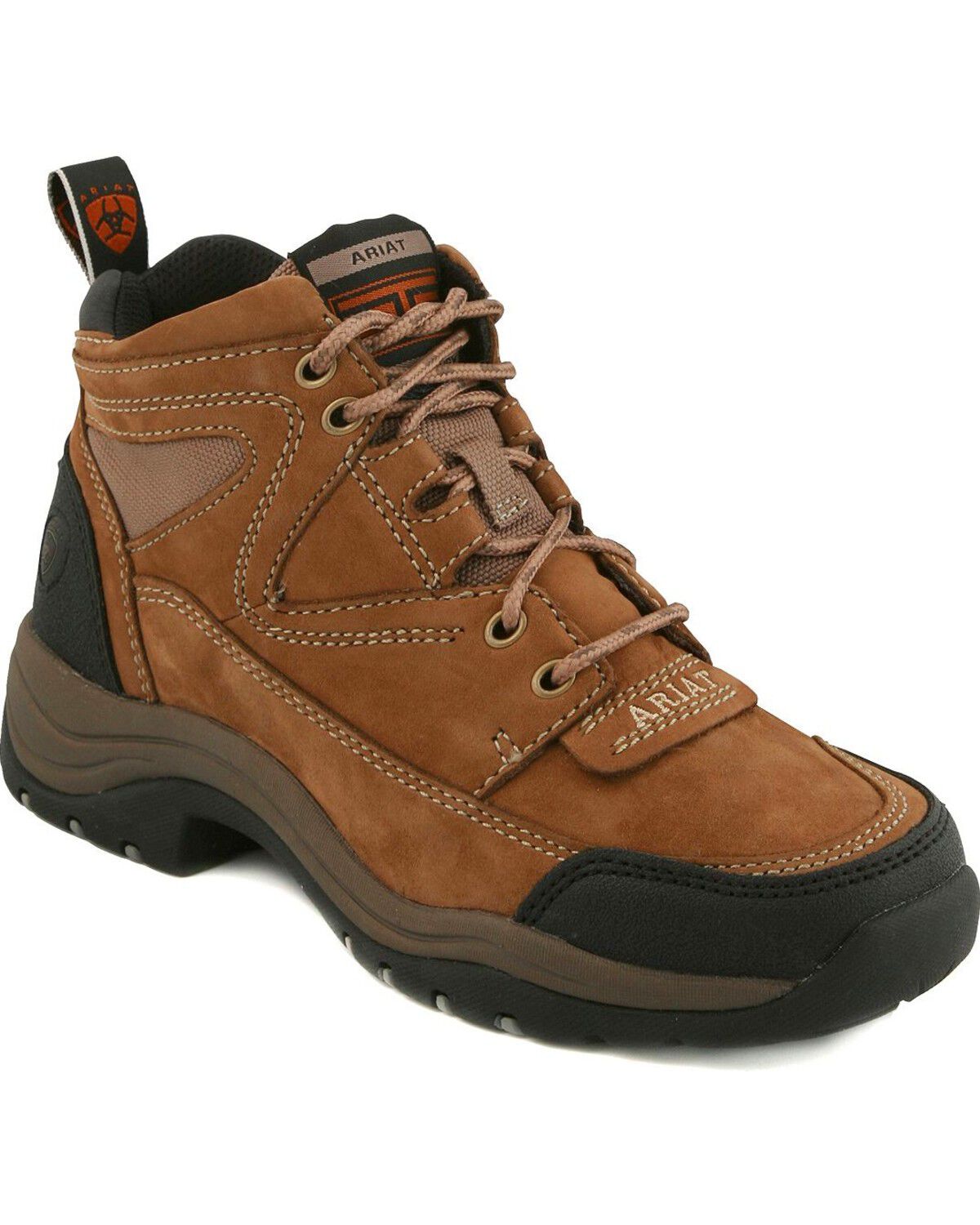
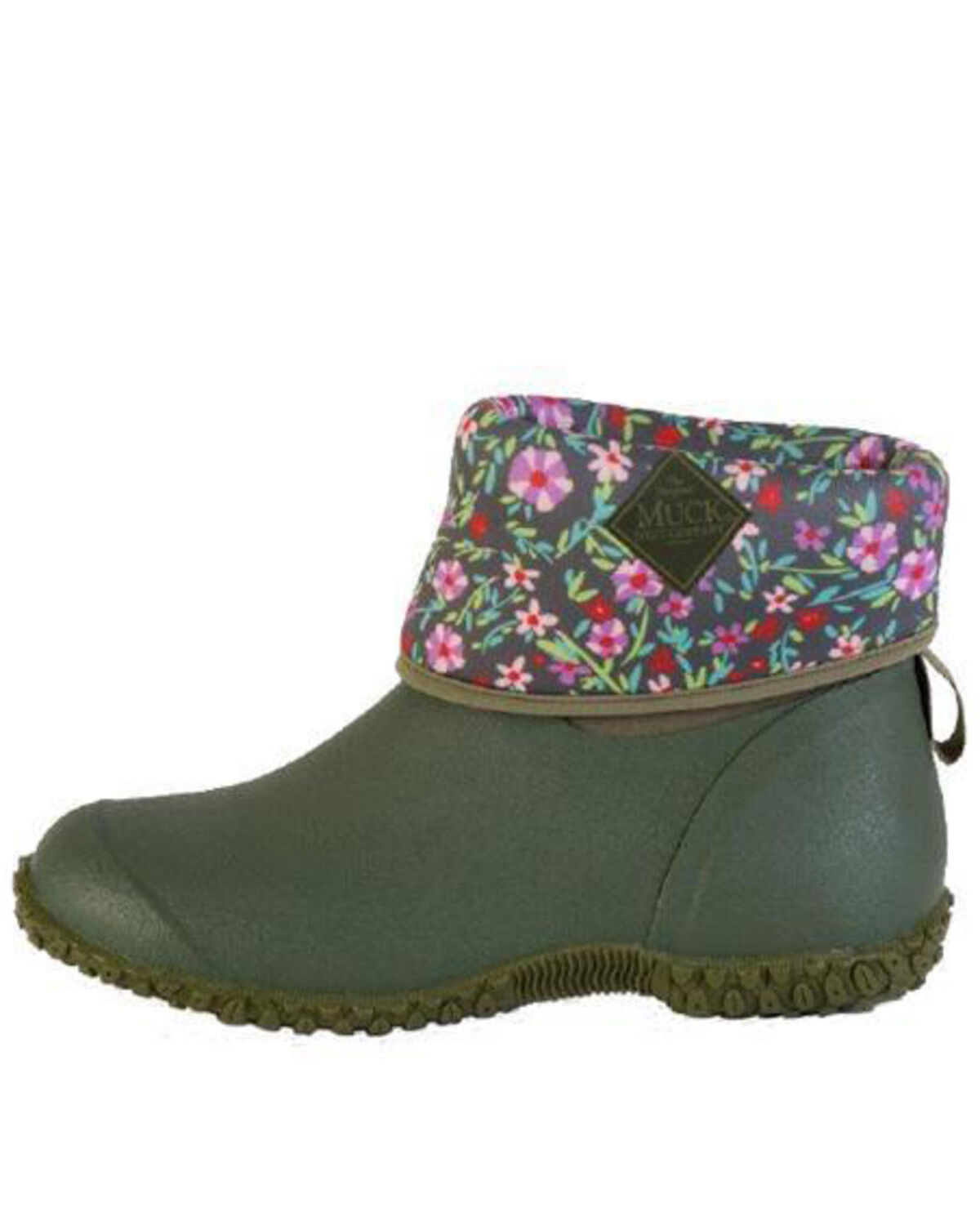
Lace Up Equestrian Boots

Shop lace-up equestrian boots with an adjustable fit for your riding routine. Compare available styles by boot height, sole design, and intended use to find a pair suited to your needs.

Read More

Shop Your Store: Shop Your Store: Find a Store

(Turn off Shop Your Store to see all items)

(Turn off Shop Your Store to see all items)

close
  • Recommended
  • Lowest Price
  • Highest Price
Skip pass products

End of products

Lace Up Equestrian Boots

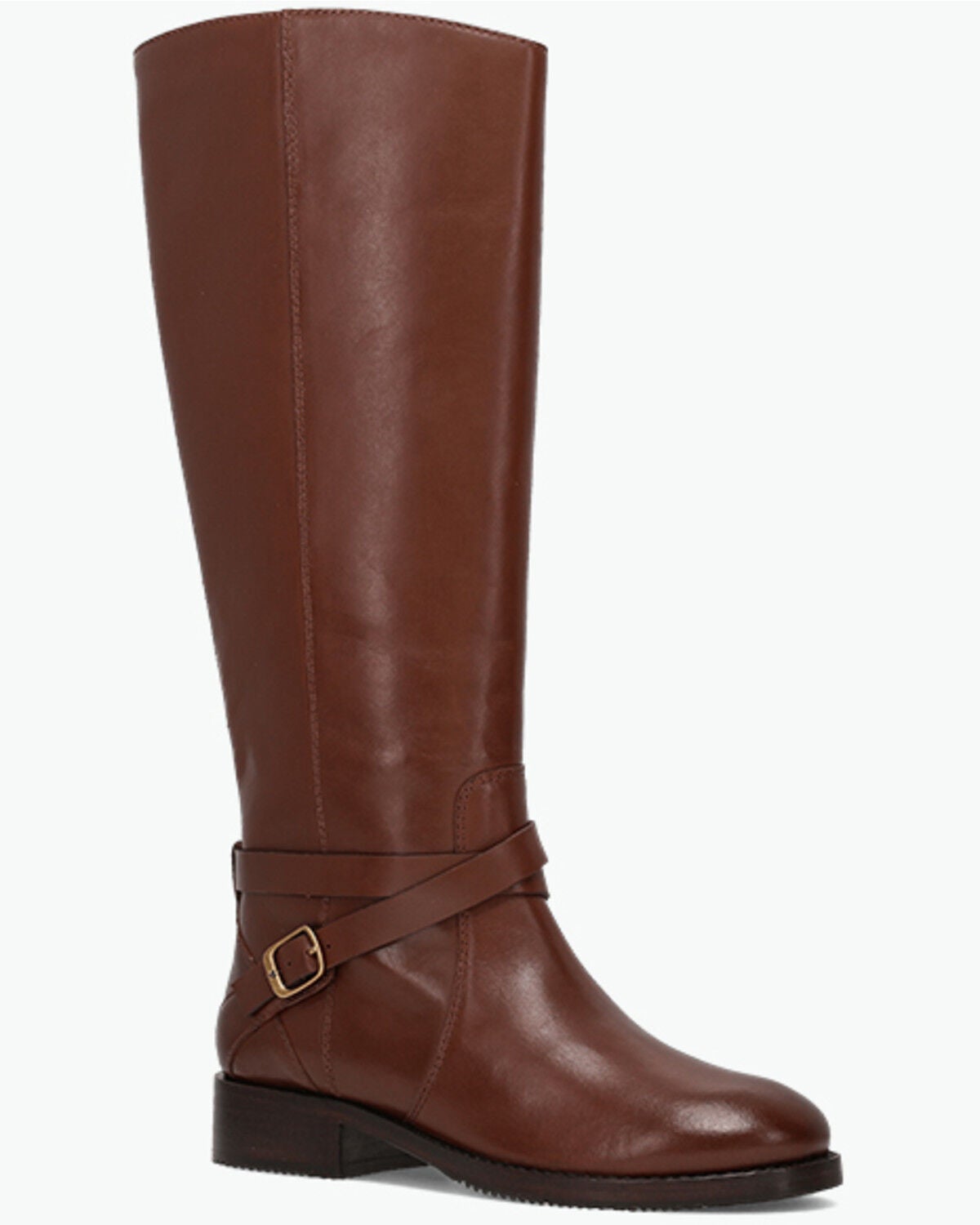
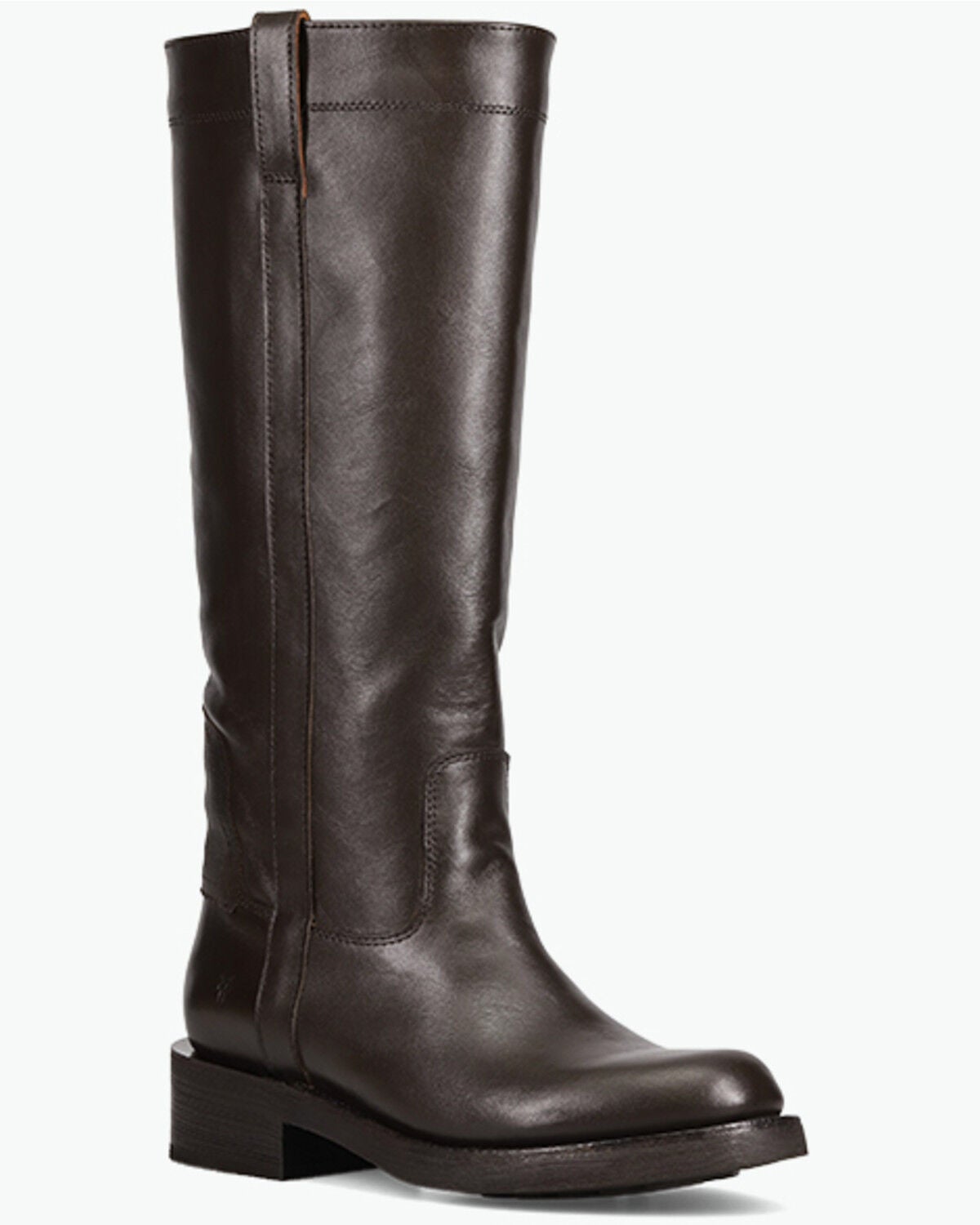
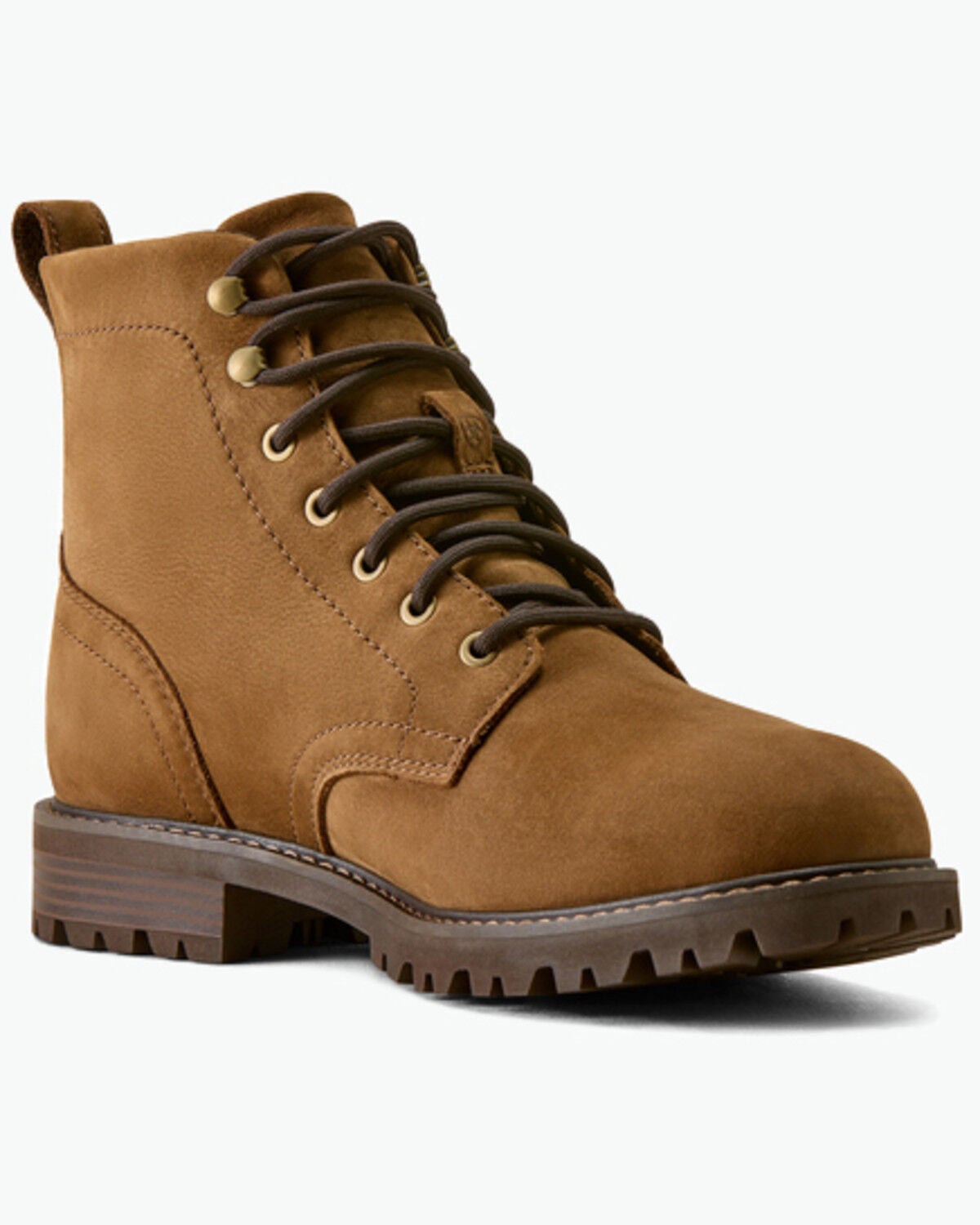
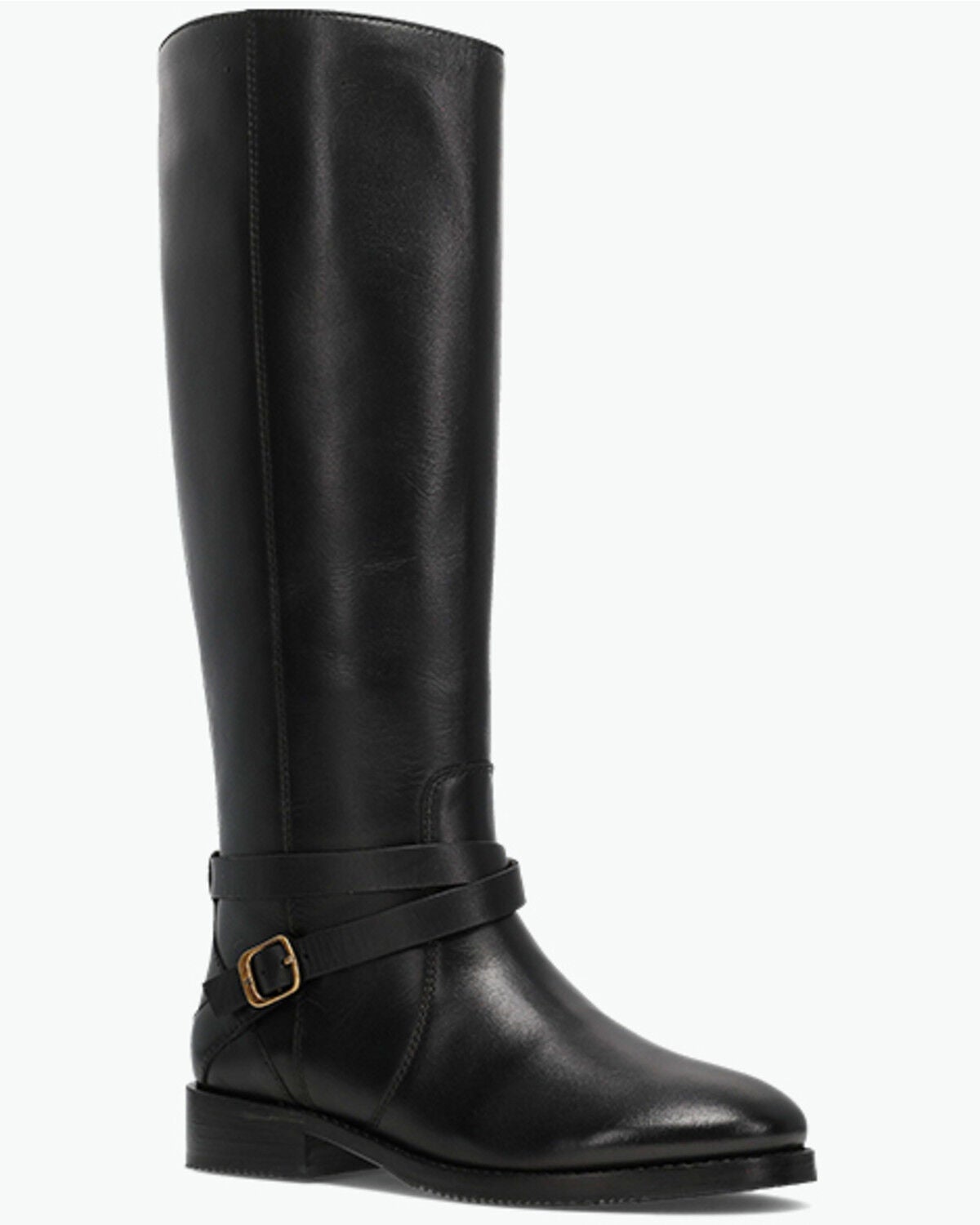
Lace-up equestrian boots are riding boots with laces that help shape the fit around the foot and ankle. Two common styles are short paddock boots and tall field boots. Lace-up paddock boots generally end just above the ankle and use functional front laces to adjust the fit over the instep. Field boots extend up the calf and often have a small section of elastic lacing over the instep, sometimes paired with a back zipper for entry. Those laces allow flexibility at the ankle without requiring the entire boot to lace open. Fully laced tall riding boots are another design, but the presence of laces alone does not make a boot suitable for riding. The sole, heel, shape, and intended use matter just as much. Short paddock boots are a practical choice for riding lessons, schooling, grooming, and time around the barn. Worn with properly fitted half chaps, they provide lower-leg coverage while keeping the boot and leg covering separate. Tall field boots create a continuous line from foot to calf and are associated with several English riding disciplines, including hunter and jumper riding. Competition requirements vary, so the appropriate style depends on the discipline and event. For everyday riders, the decision often comes down to riding habits and comfort. A rider who moves between grooming, tacking up, and a lesson may appreciate the adjustable fit of a paddock boot. Someone who prefers full lower-leg coverage may favor a tall design. Equestrian-inspired lace-up boots intended for casual wear serve a different purpose. They can carry the clean lines and structured shape of riding footwear without having construction suited to stirrups. Keeping that distinction clear helps match the boot to the job, whether that means hours in the saddle or everyday wear away from the barn.

Fit has a direct effect on how lace-up riding boots feel and function. The foot should sit securely without the toes pressing against the front or the laces drawing the sides together under strain. There should be enough room for the socks normally worn while riding, but not so much space that the foot slides forward or shifts from side to side. Lacing can refine the fit over the instep; it cannot correct a boot that is too short, too narrow, or the wrong shape. A higher instep may need more room beneath the tongue, while a narrower foot may need a closer fit through the heel and midfoot. Even lace tension helps keep the tongue flat and avoids concentrated pressure across the top of the foot. The ankle also needs enough movement for a rider to lower the heel without a stiff edge digging into the leg. Tall boots add calf width and shaft height to the fit considerations. Measurements are most useful when taken over the breeches and socks that will be worn with the boots, following the maker’s measuring method. A tall shaft should not force the back of the knee into an uncomfortable position when the leg bends. Some leather shafts settle with wear, but that does not make a painful fit acceptable. Underfoot, riding boots generally use a defined heel and a sole shaped to work with an appropriately sized stirrup. A broad work-boot sole or deep, aggressive tread is not automatically a better choice for riding. The boot and stirrup need suitable clearance together. For riders who also spend time walking on firm barn aisles, cushioning and support can make a noticeable difference. Securely tied laces with short, tucked-away ends keep the fit tidy and reduce loose material around tack and equipment.

Materials and construction influence how lace-up equestrian boots wear, feel, and respond to care. The appeal of leather equestrian boots includes a structured feel that can become more flexible with use, though leather type, thickness, lining, and reinforcement all affect the result. Smooth leather offers a traditional appearance and a surface that is relatively straightforward to wipe clean. Suede and other textured finishes need different cleaning tools and should not be treated like polished leather. Synthetic uppers can offer another approach to maintenance, but their care requirements and flexibility depend on the material. Strong stitching, sound lace attachments, and a firmly joined sole matter wherever repeated bending puts stress on the boot. The crease across the forefoot, the area around the ankle, and the junction between the upper and sole all see regular movement. Dirt left in those areas can work against the finish and stitching, making routine cleaning worthwhile. Loose dust and dried mud should be brushed away gently, followed by cleaning suited to the upper material. Leather conditioner belongs on compatible leather in the amount directed; heavy applications can leave residue and affect the finish. Boots that become damp should dry with airflow, away from direct heat, and storage should support the shaft without crushing it. Laces deserve attention, too. Frayed sections, damaged eyelets, and worn soles are reasons to assess the boot before another ride. For a gift, lace-up equestrian boots are most useful when the recipient’s riding discipline, measurements, and preferences are known. An experienced rider may have firm expectations about ankle flexibility, calf fit, or sole feel, while a newer rider may need footwear suited to lesson requirements. A dependable pair earns its place through secure fit, appropriate construction, and comfort during the work it is meant to do.
Read More

FAQs