Stylish Riding Boots

Find stylish riding boots that suit your wardrobe and how you plan to wear them. Browse the selection to compare styles, and check each pair’s sizing, fit, and intended use before choosing boots for riding or everyday wear.

Read More

Shop Your Store: Shop Your Store: Find a Store

(Turn off Shop Your Store to see all items)

(Turn off Shop Your Store to see all items)

close
  • Recommended
  • Lowest Price
  • Highest Price
Skip pass products

End of products

Stylish Riding Boots

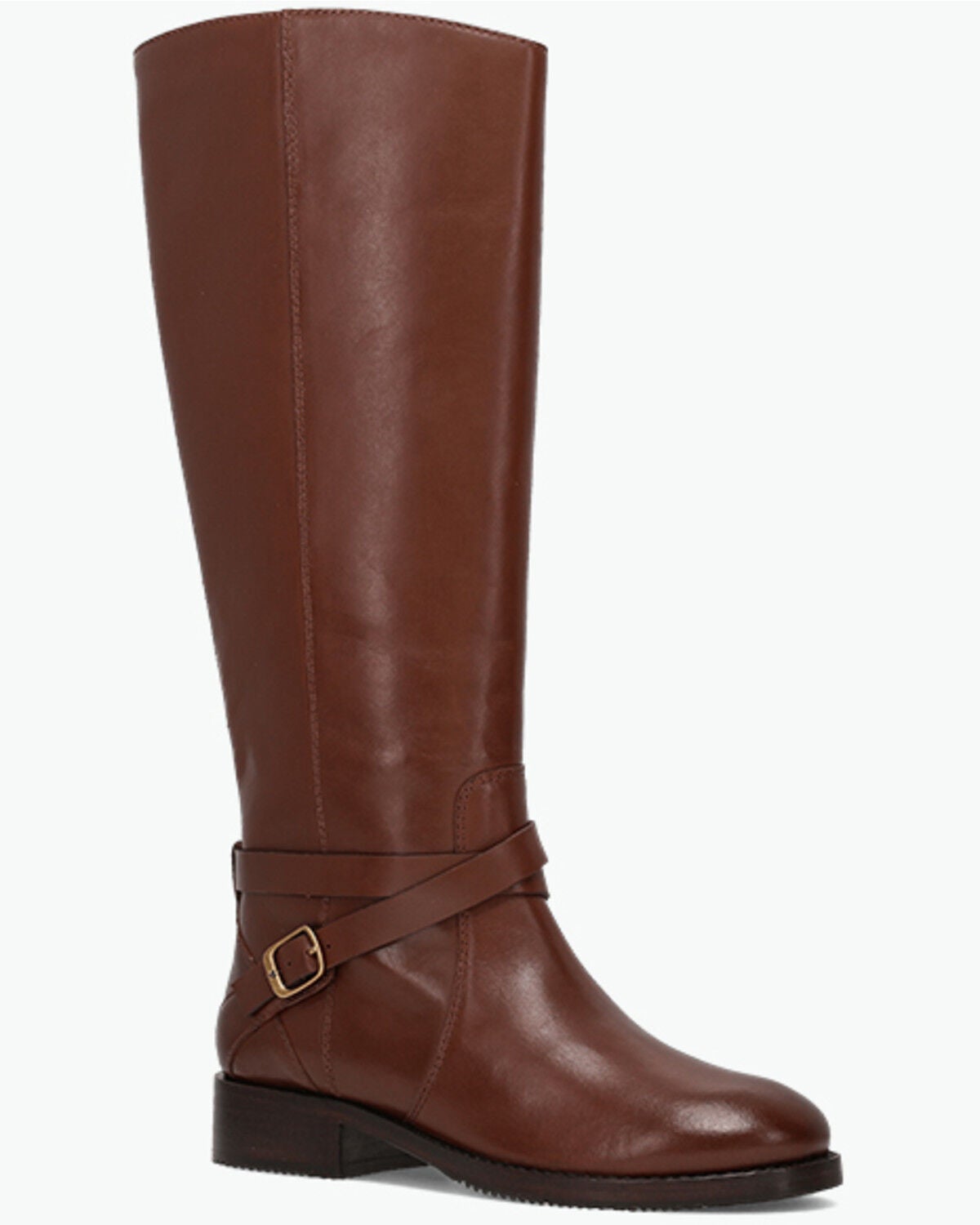
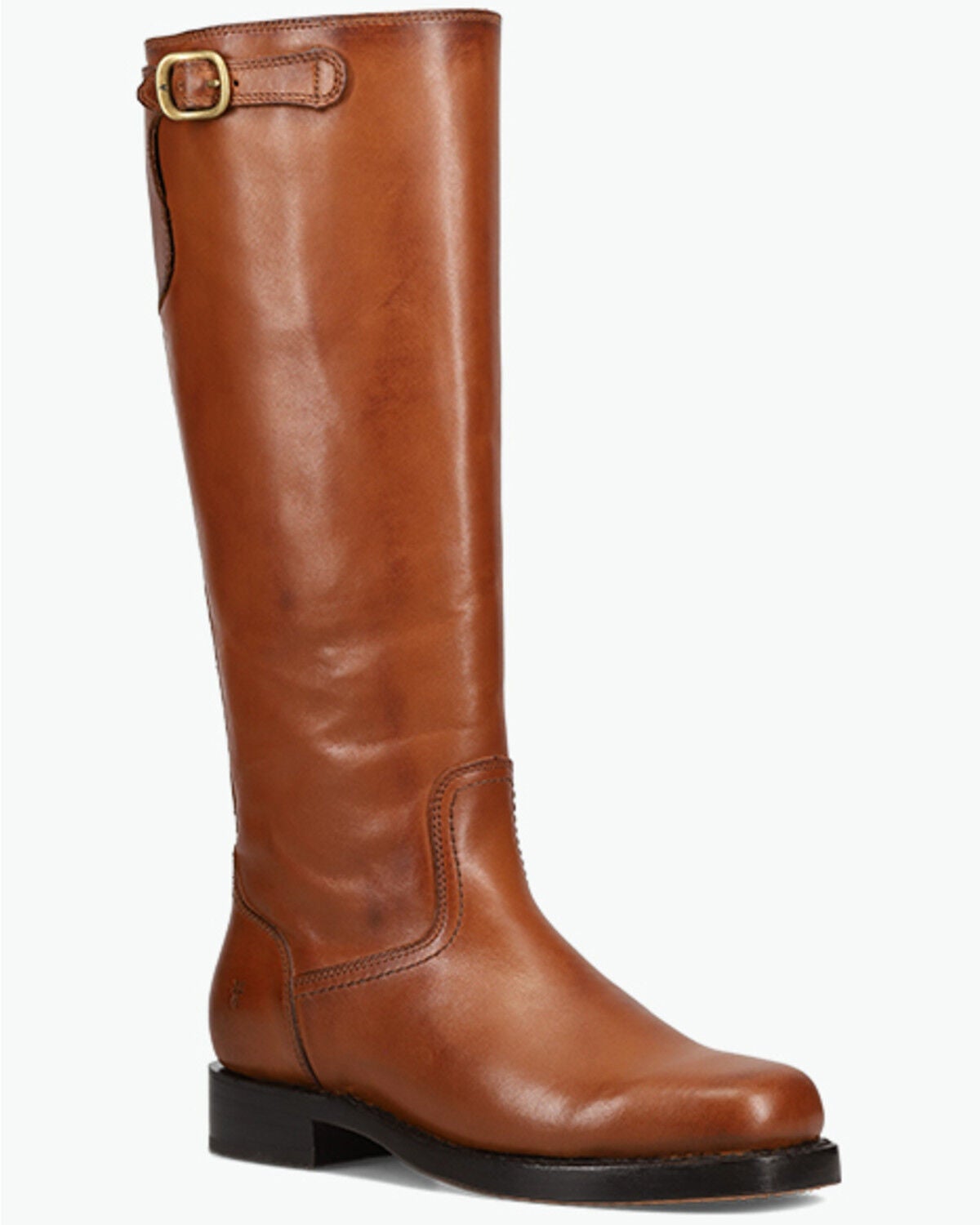
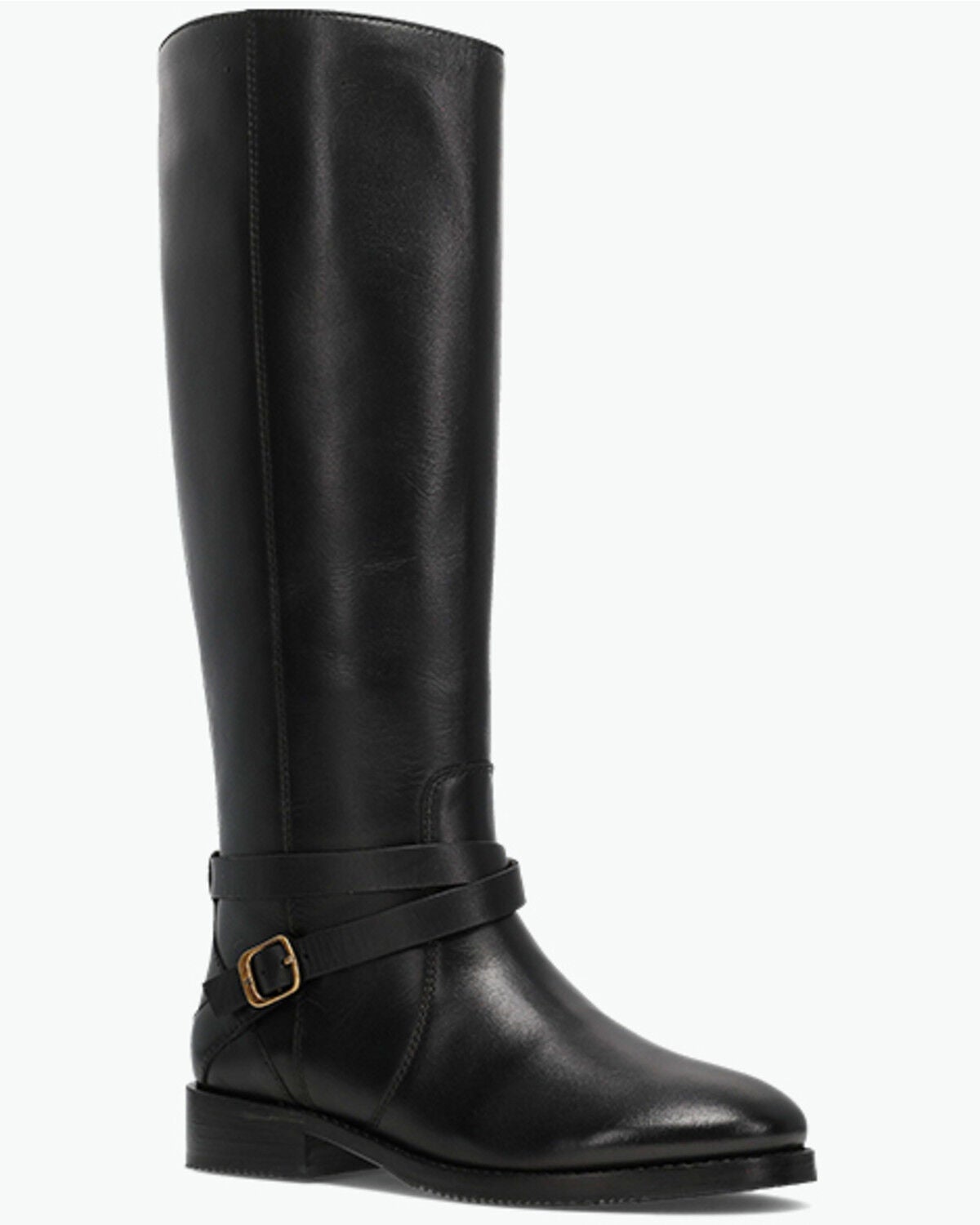
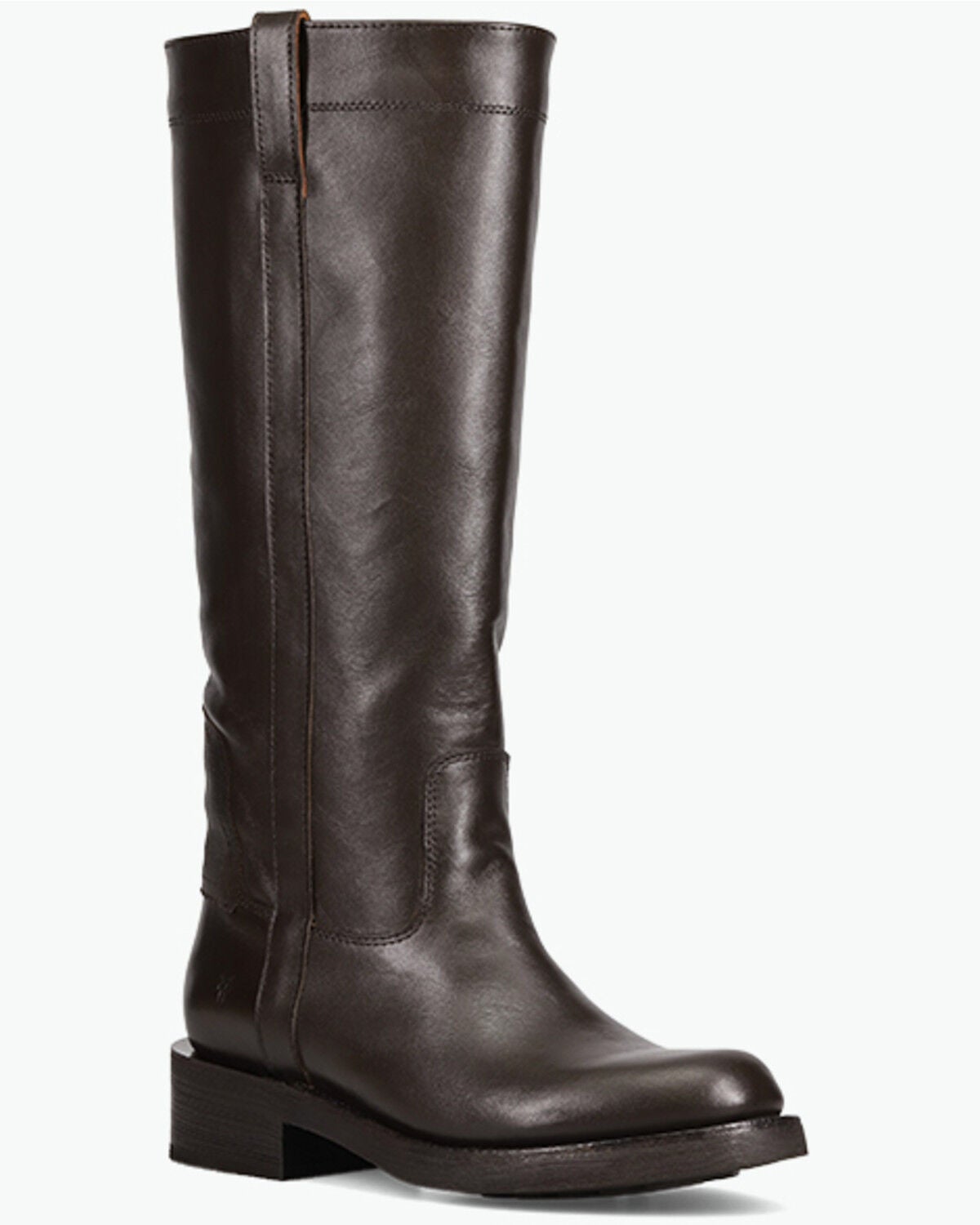
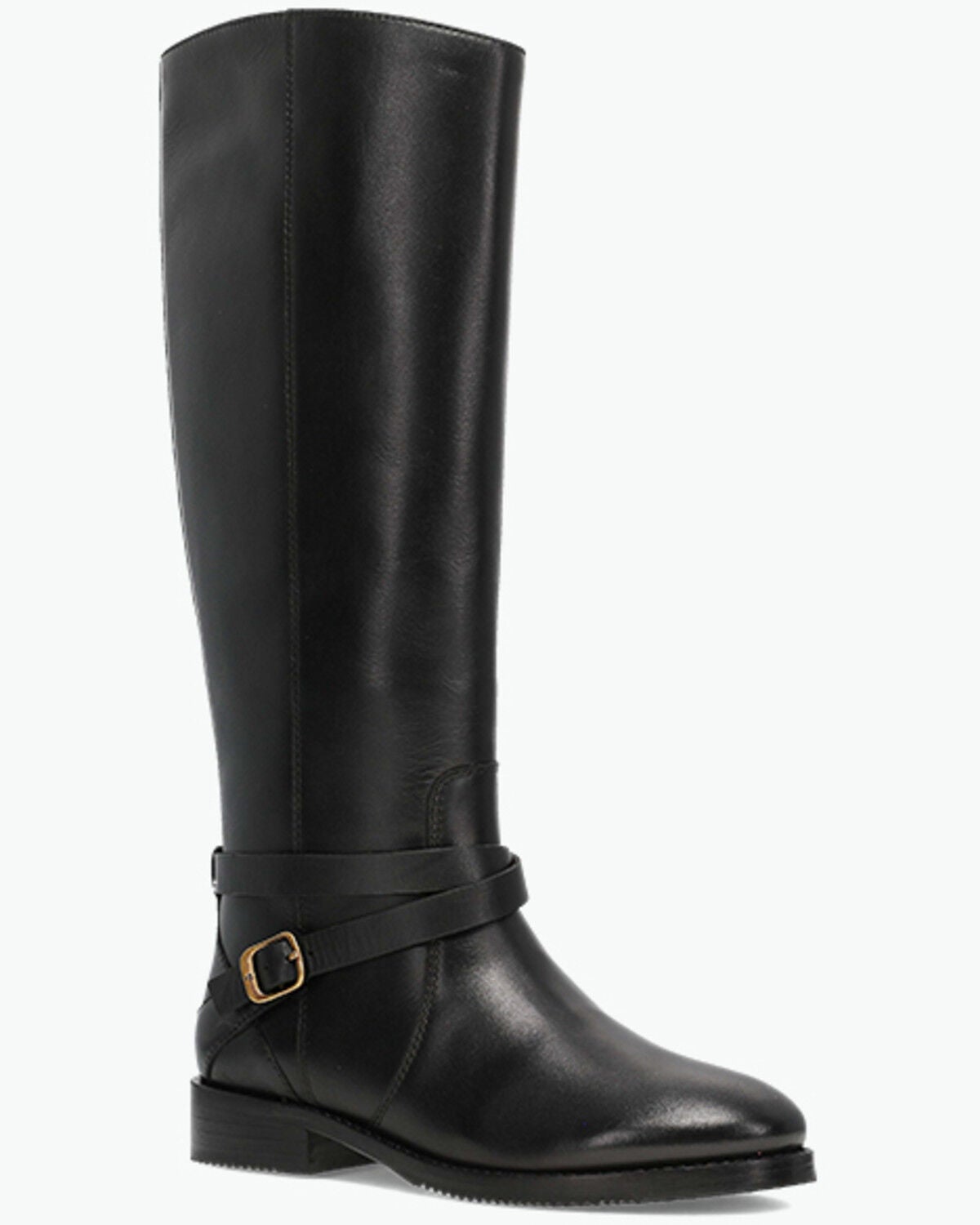
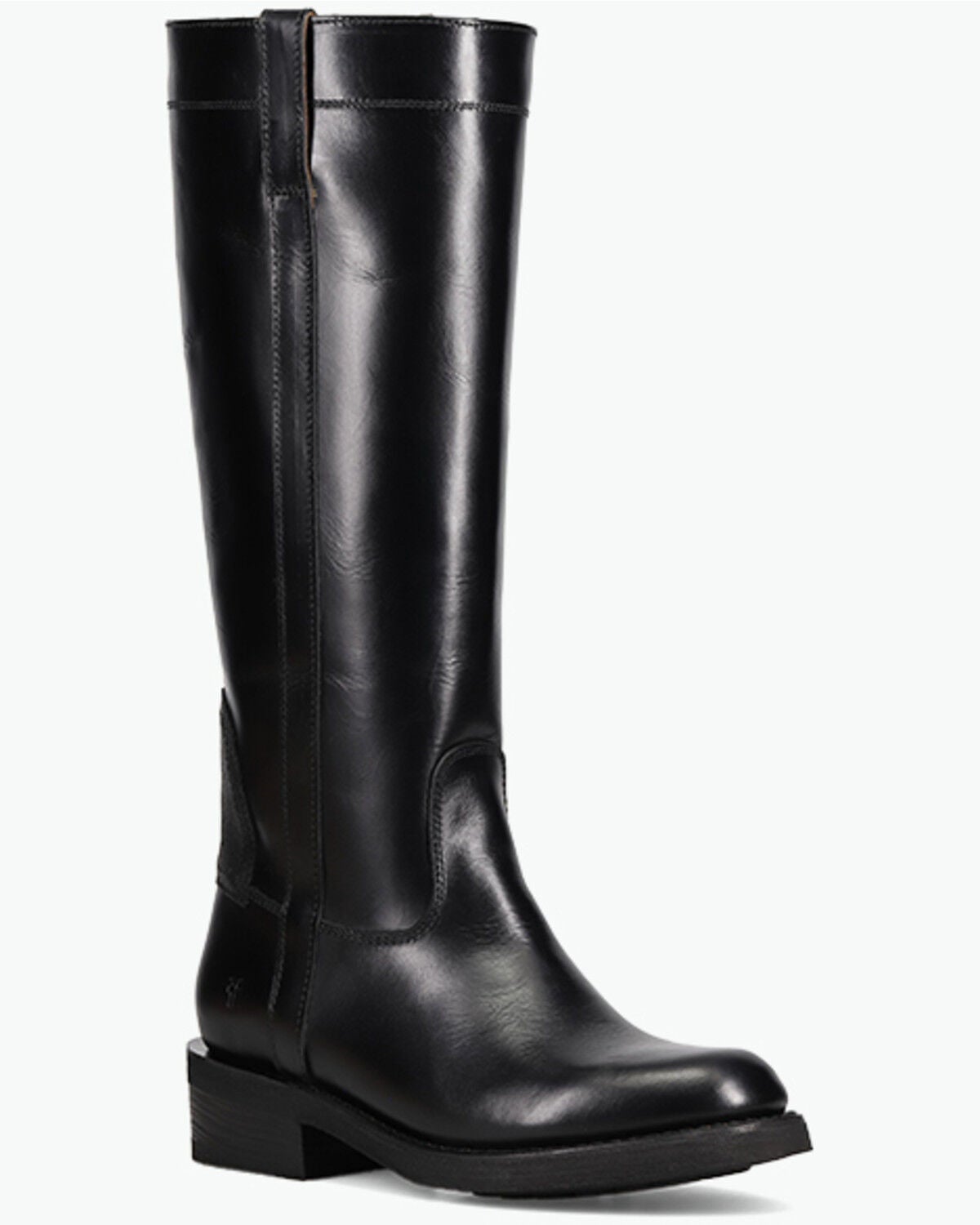
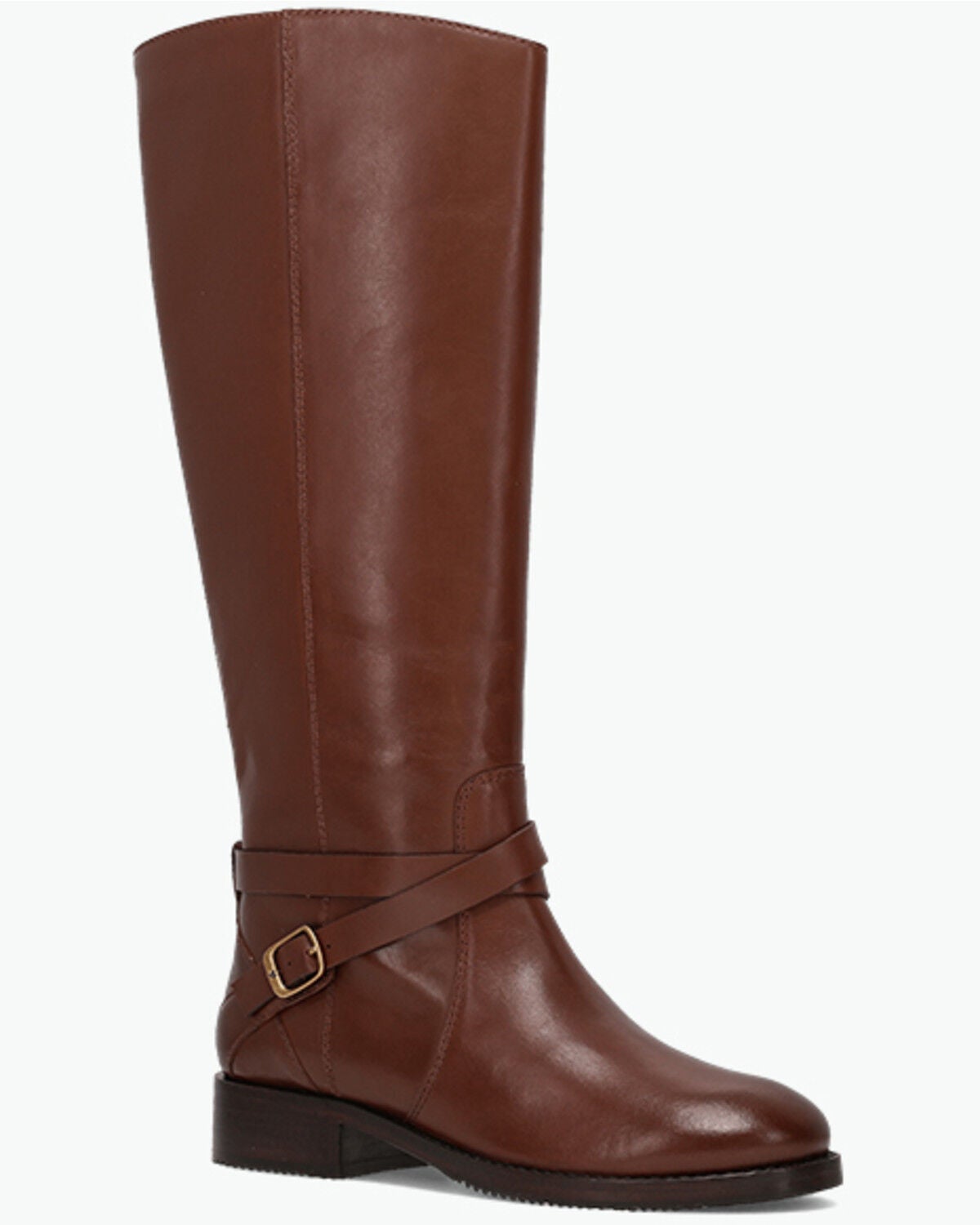
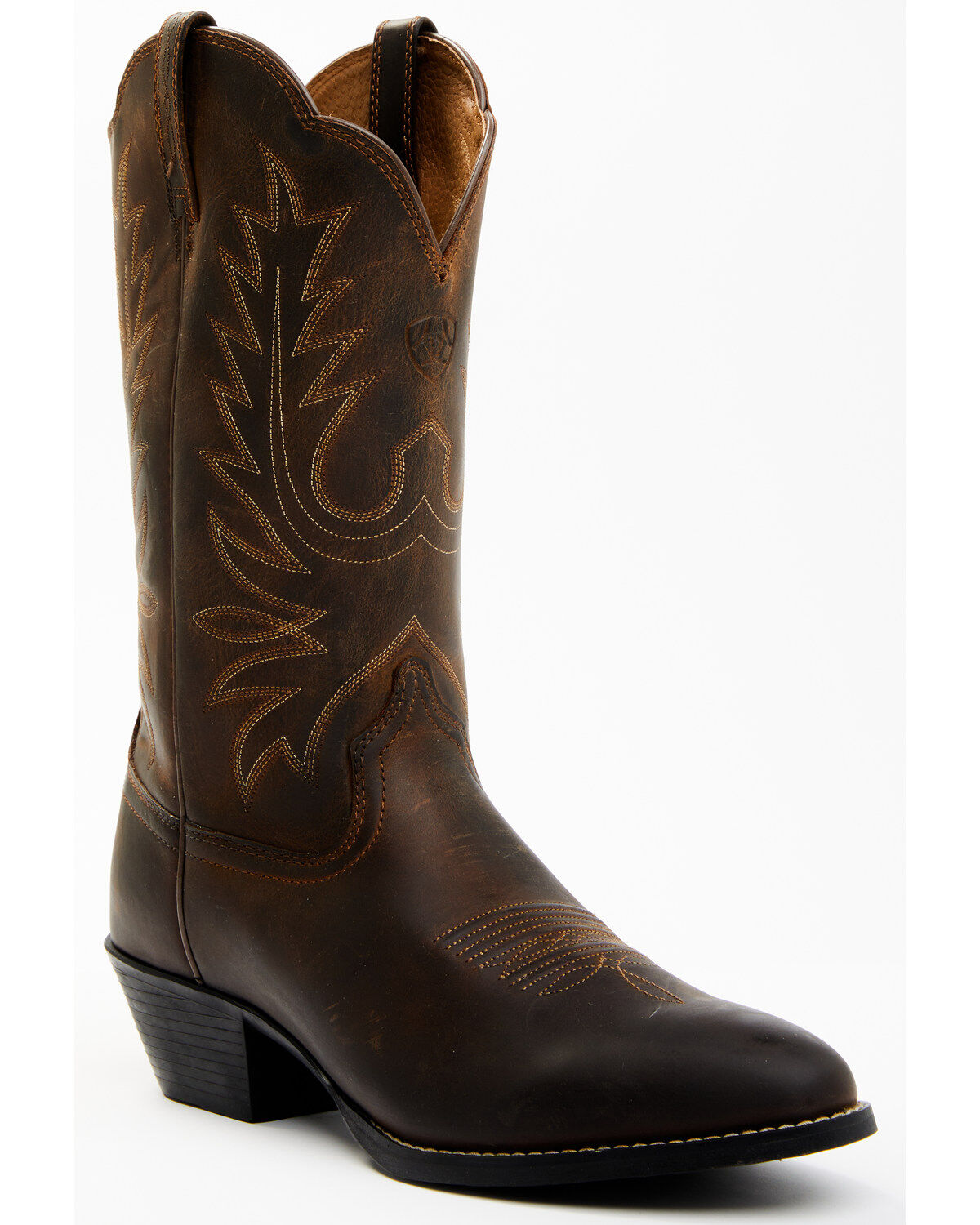
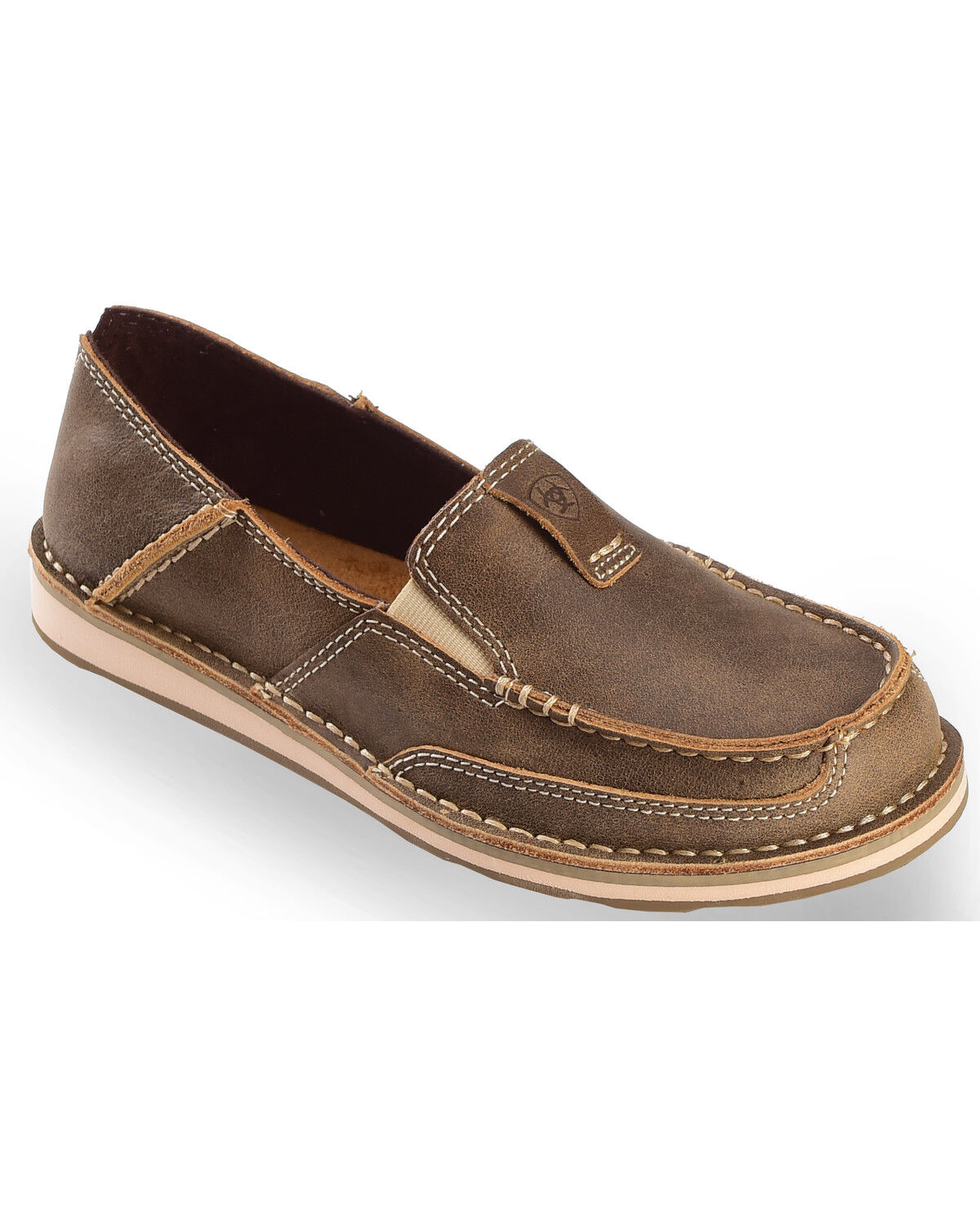
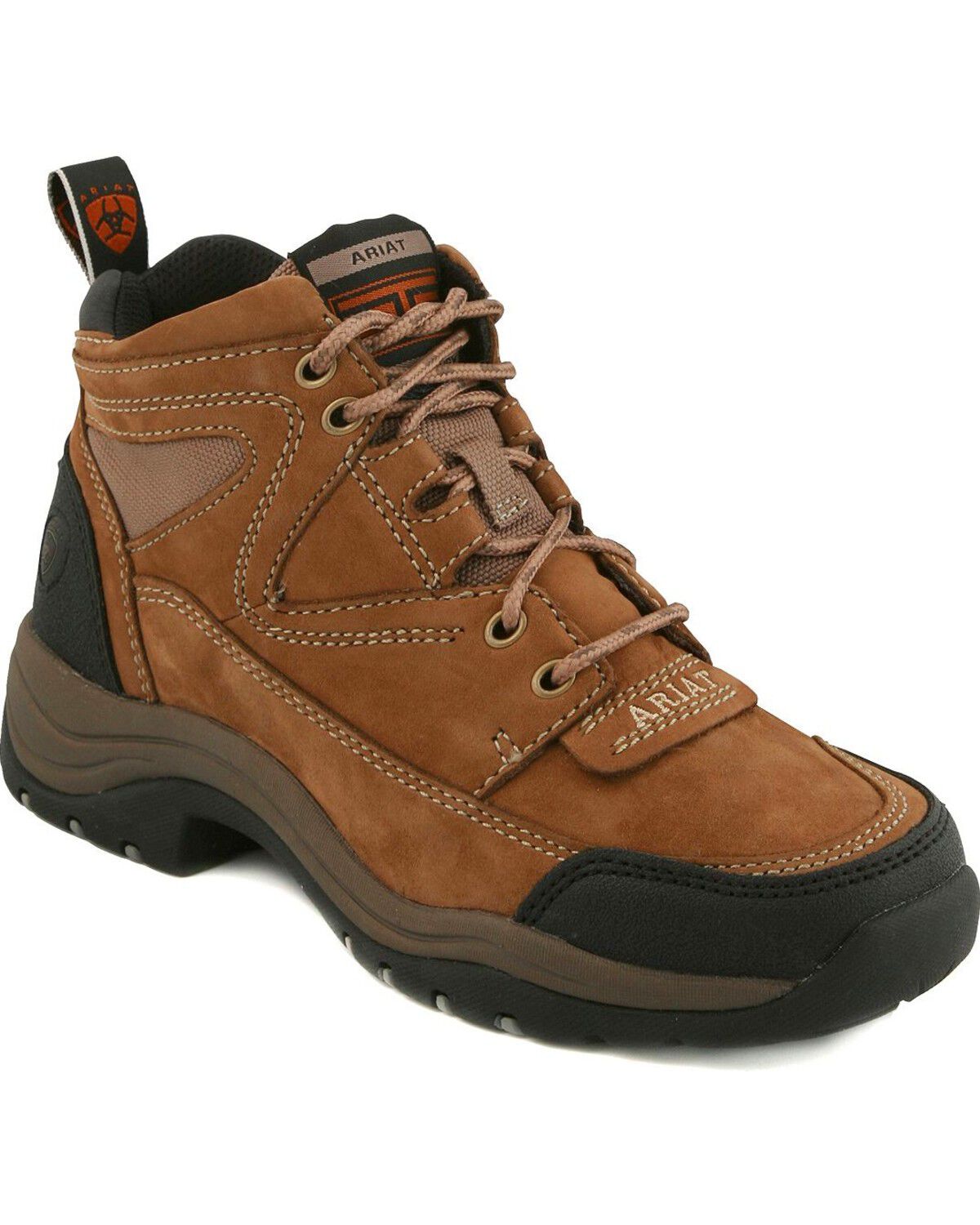
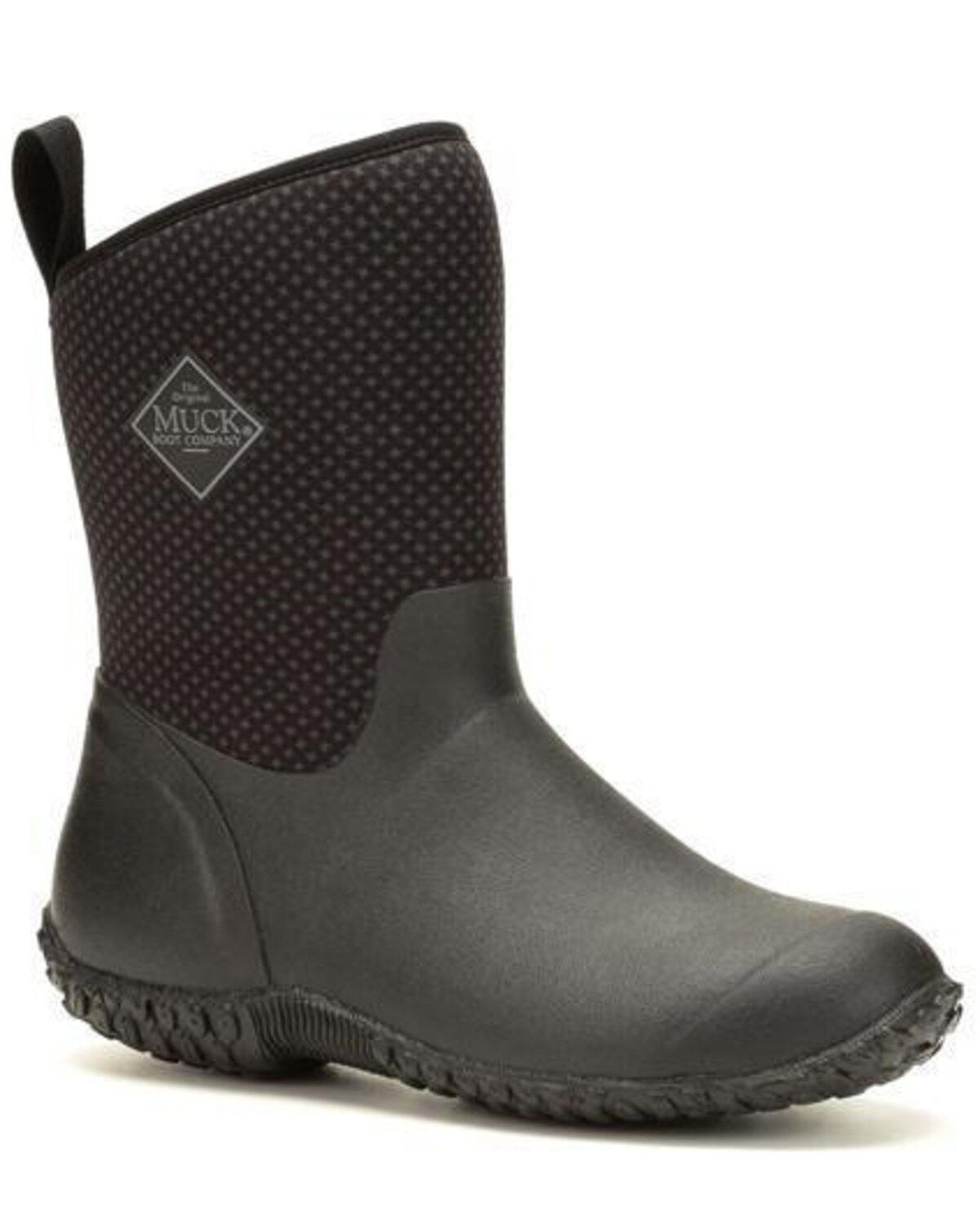
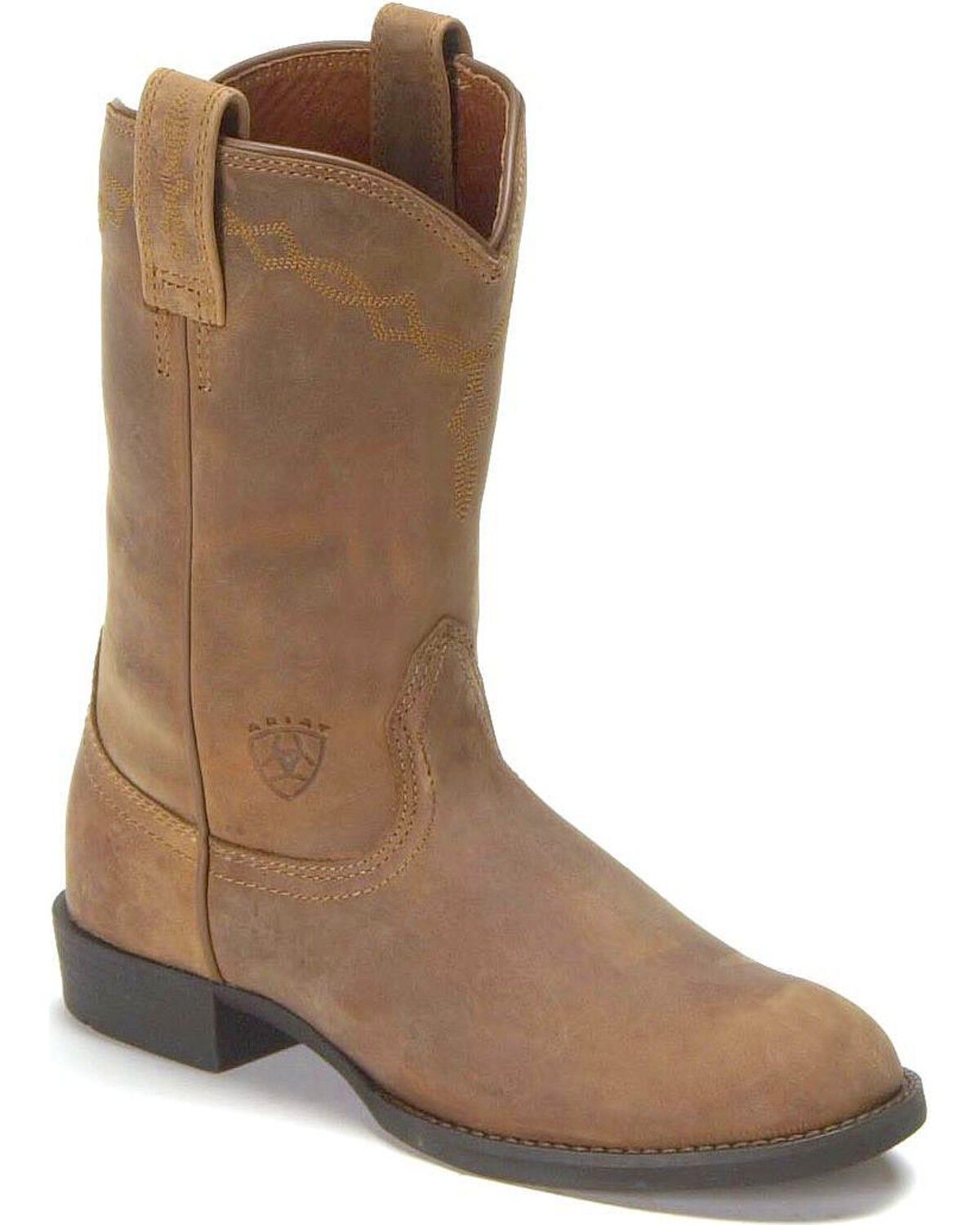
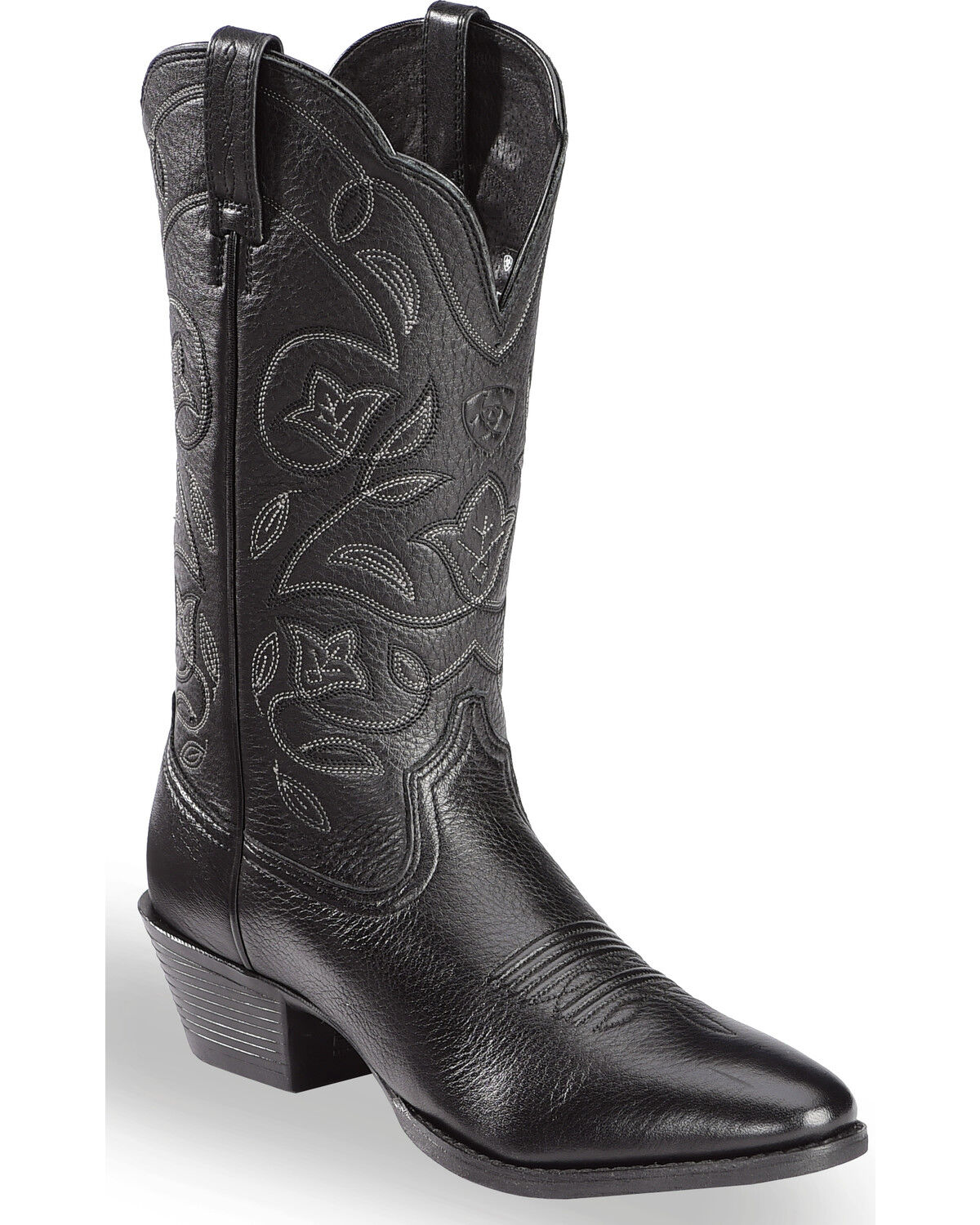
Stylish riding boots bring a clear sense of purpose to an outfit: a defined heel, a substantial shaft, and a shape that looks right with denim, tailored layers, or a simple dress. Their appeal comes from more than decoration. Riding-inspired details have practical roots, from taller shafts that cover the lower leg to pull straps that help with entry. Western profiles often feature shaped tops and stitched shafts, while equestrian-inspired silhouettes tend toward straighter lines and restrained hardware. Both can anchor an everyday wardrobe without needing much around them. A smooth leather pair under straight-leg jeans creates a different look from a tall shaft worn over fitted pants, even when the color is the same. Brown leather brings depth through grain and variations in finish; black creates a sharper outline and pairs easily with darker clothing. For a wardrobe built around dark denim, gray trousers, and simple button-down shirts, Mens Stylish Black Riding Boots offer a focused starting point. Toe shape also changes the overall impression. Rounded toes have a familiar, understated appearance, square toes create a broader profile, and narrower shapes look more refined. None of those shapes guarantees extra room inside; the internal shape and size determine how the boot actually fits. Materials deserve equal attention. Full-grain leather retains natural surface character and can develop a worn-in finish with regular use and proper care. Suede has a softer, textured appearance but needs care suited to its nap. Synthetic materials can offer a uniform finish, though flexibility and maintenance needs vary by construction. Decorative stitching, buckles, and contrasting panels work best when they support the shape rather than overwhelm it. A clean shaft can be just as distinctive as an embroidered one, particularly when the leather has visible grain. The strongest choice is a pair that feels consistent with the clothes already getting regular wear, whether that means rugged jeans, a plain belt, and a tucked shirt or a skirt with a longer hem.

Fit determines whether riding boots become a regular part of that wardrobe or spend most of their time by the door. The foot should feel supported without being squeezed across its widest point, and the toes need enough room to rest naturally. Leather may soften with wear, but a boot that pinches or forces the toes together is not a sound starting point. Pull-on construction usually needs a secure fit through the instep, with some initial heel movement possible depending on the design. A zippered boot can hold the ankle differently, so the same size may feel noticeably different across silhouettes. Shaft height and circumference matter just as much as foot length. A tall shaft should allow comfortable movement without pressing into the back of the knee when seated, and the calf needs room for the clothing worn underneath. Trying boots with the intended socks and pants gives a more useful sense of fit than trying them with unfamiliar layers. Cushioning, lining, and arch support also affect comfort, particularly for someone moving between a desk, a concrete aisle, and a long walk across a parking lot. More padding is not automatically better; stable support and enough interior room matter together. Intended use is another important distinction. A riding-inspired fashion boot is not automatically suitable for time in the saddle. Actual riding calls for footwear designed for that purpose, with heel shape, sole profile, and overall width appropriate to the stirrup and riding discipline. Deep tread or an overly broad sole may interfere with easy entry and release from a stirrup. Walking comfort alone does not establish riding suitability. For everyday wear, flexibility and traction underfoot may take greater priority. A balanced heel, secure attachment between the upper and sole, and even stitching are useful construction details to examine. Reinforcement around high-stress areas can contribute to durability, while a supportive shank can help maintain structure under the arch. The right balance depends on where the boots will be worn most often.

Regular care helps riding boots keep their shape and finish through repeated wear. Dirt left around seams, welt edges, and the base of the heel can be abrasive, so a soft brush or cloth belongs in the routine. Smooth leather generally benefits from a cleaner and conditioner made for its finish, used according to the care directions. Heavy applications can leave residue or change the color, and testing a small hidden area helps avoid an unwanted result. Suede needs a different approach: a suitable brush can lift the nap, while products intended for smooth leather may flatten or darken its surface. Decorative stitching and mixed-material panels also deserve attention before any treatment goes across the whole shaft. Boots that become damp should dry naturally away from direct heat, with enough support inside to help preserve their form. Boot trees can help maintain the foot shape, and shaft supports can limit folding in taller styles. Giving a pair time to air between wears helps the lining dry and keeps the interior more comfortable. Durability also depends on noticing wear before it spreads. A heel worn down unevenly or a sole beginning to separate is worth having assessed by a qualified repair professional; repair options depend on the construction. For someone who wears boots often, that attention can make a meaningful difference in useful life. Riding boots can also be a thoughtful gift for a partner, family member, or friend whose preferred fit and style are already familiar. Knowing the recipient’s usual size is helpful, but calf measurements, preferred toe shape, and intended use can be just as important. A person who spends hours around horses may need a different design from someone who wants a tall leather silhouette for everyday outfits. Good riding boots earn their place through that combination of appearance and purpose: a shape that suits the wearer, materials that reward proper care, and construction matched to the way they will be used.
Read More

FAQs