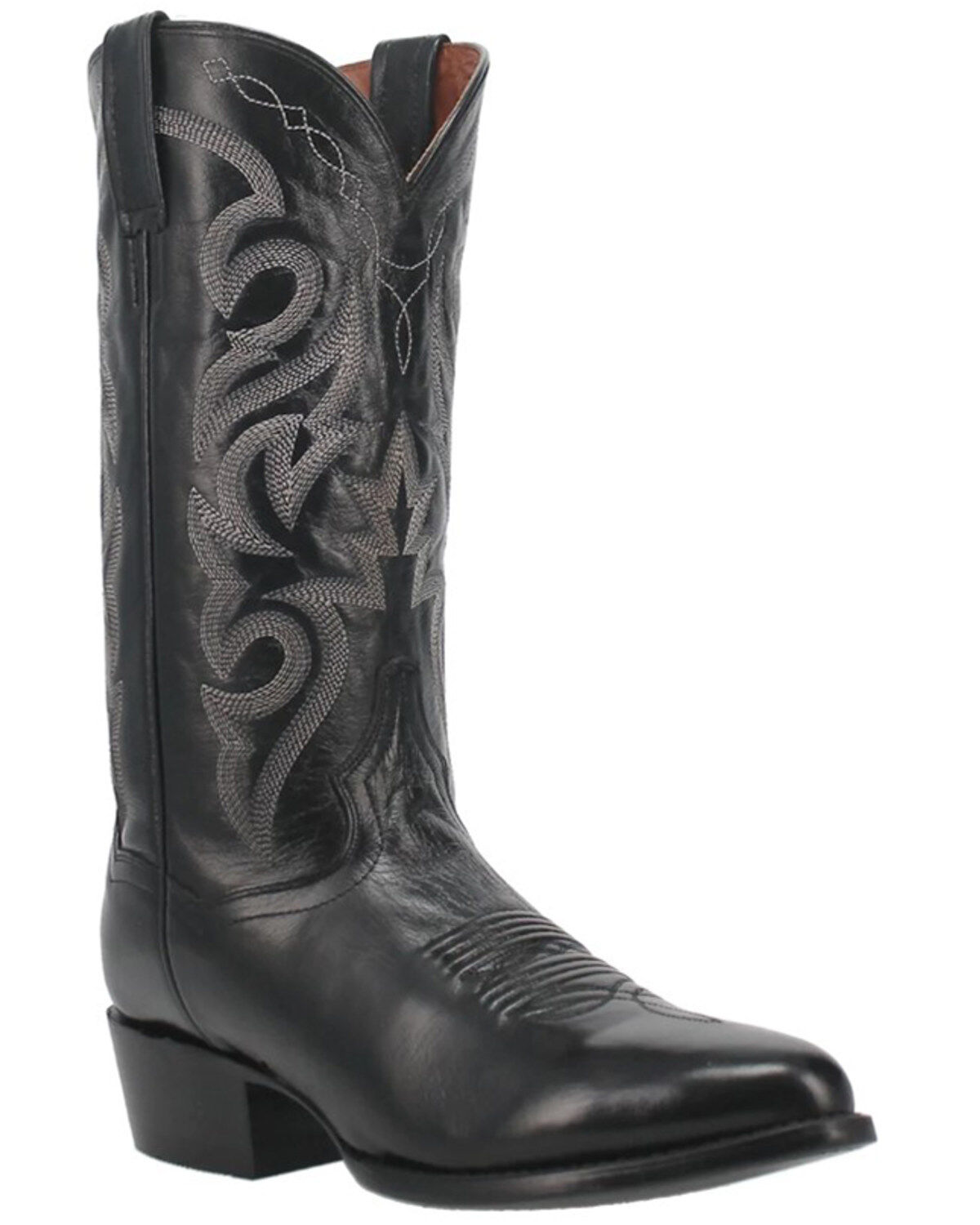
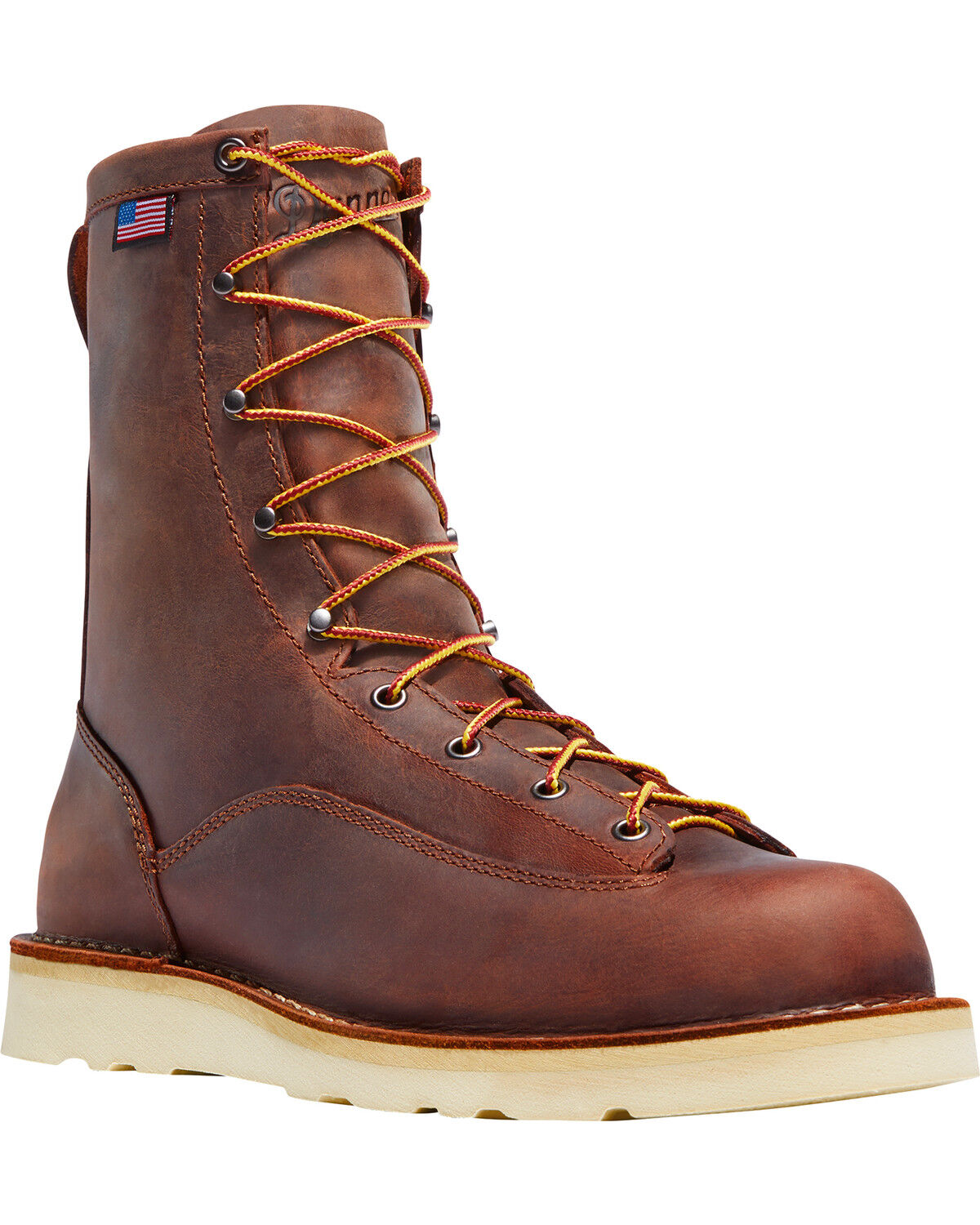
Boots For Horseback Riding

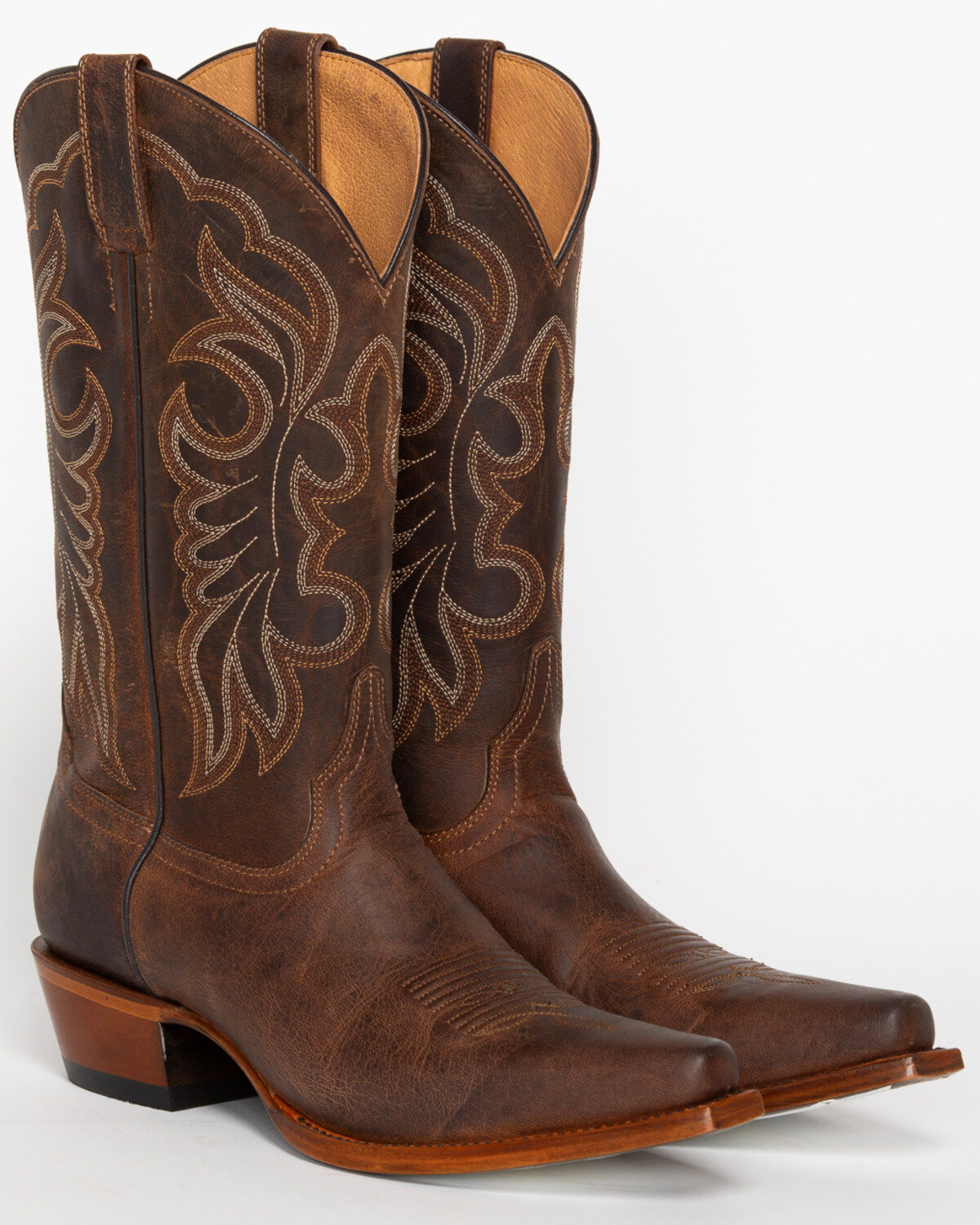
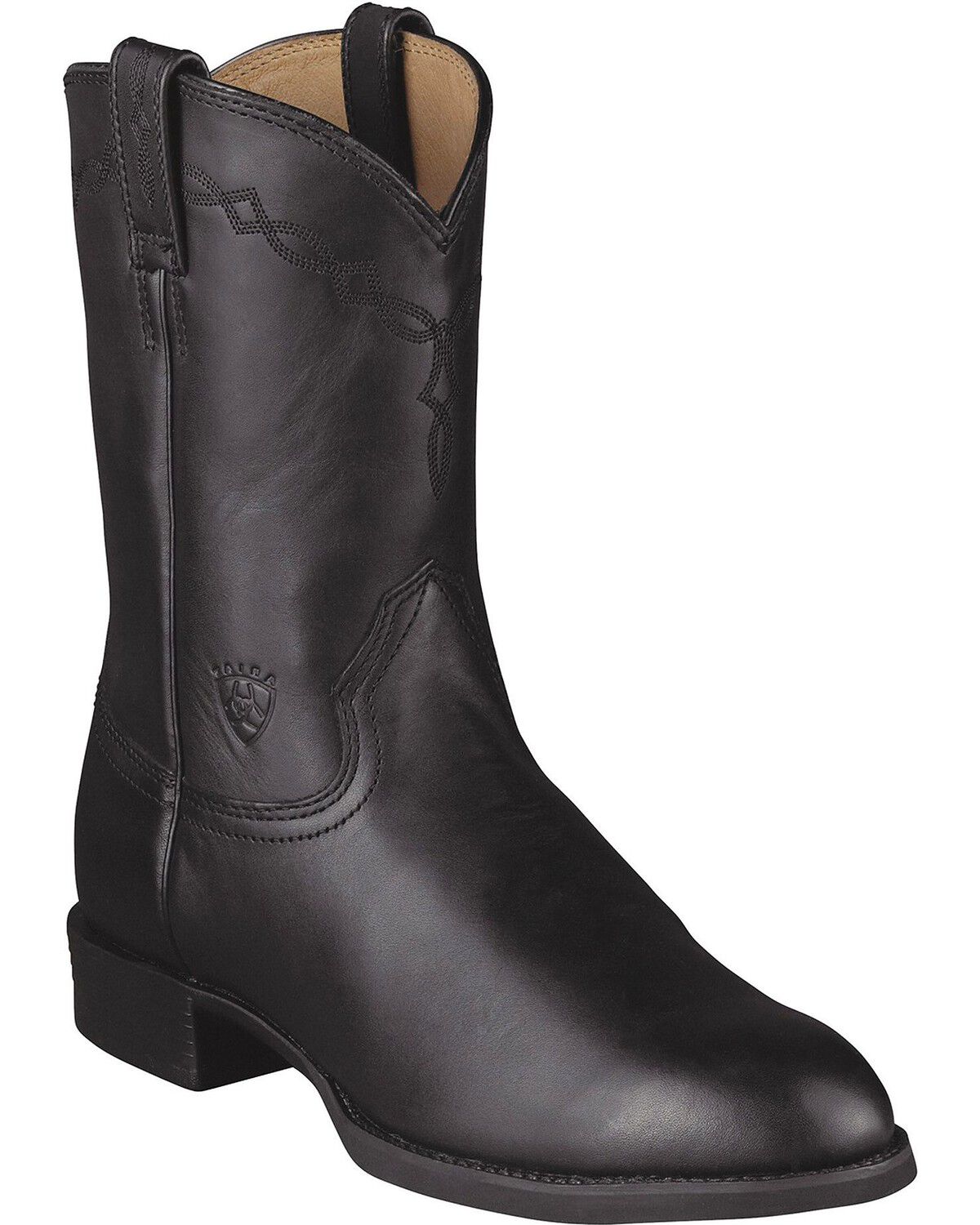
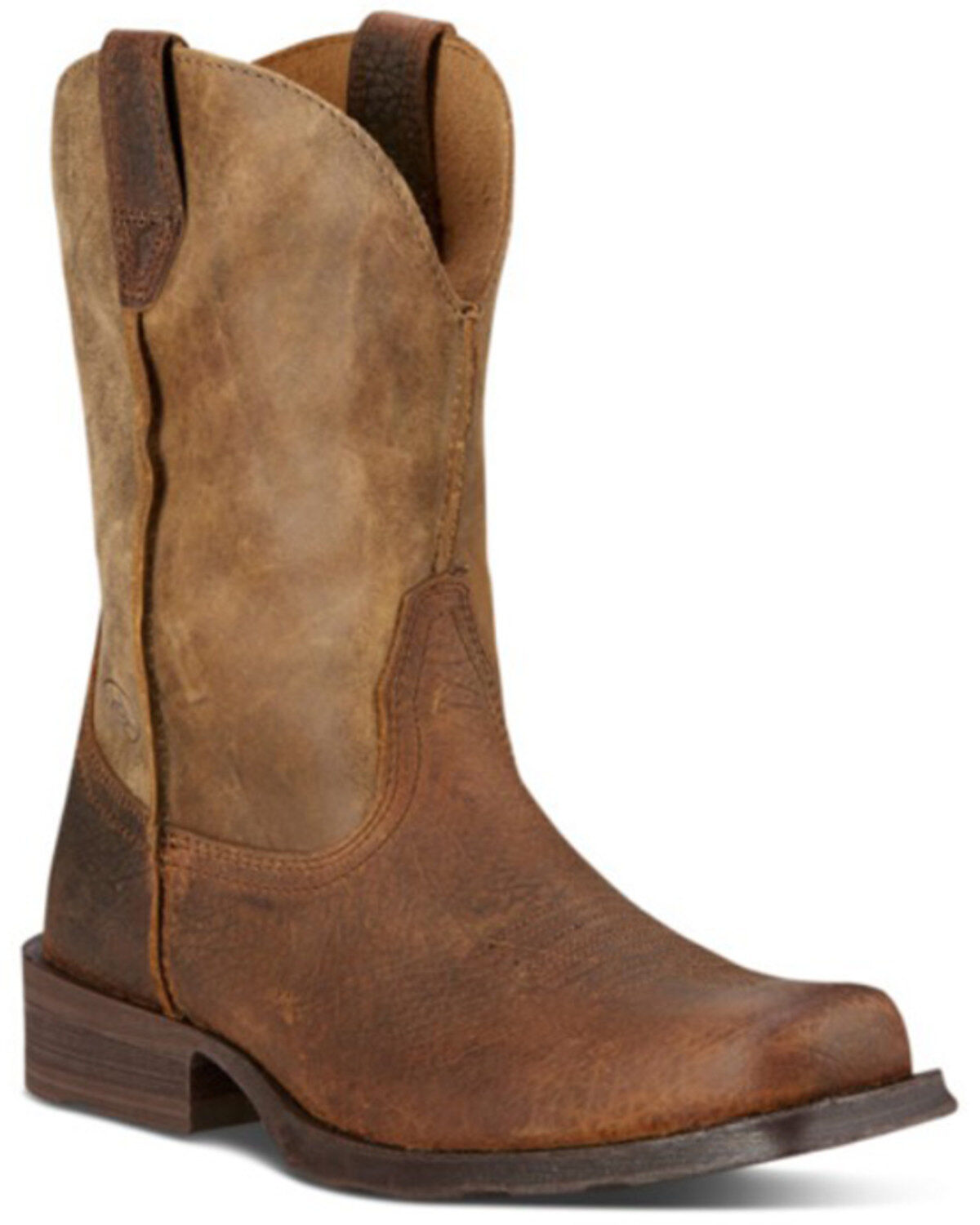
Find boots for horseback riding among western styles built around a secure fit and practical function. When comparing cowboy boots for saddle time, look for a defined heel, a sole that clears the stirrup easily, and a snug fit through the instep without pinching.

Shop Your Store: Shop Your Store: Find a Store

(Turn off Shop Your Store to see all items)

(Turn off Shop Your Store to see all items)

close
  • Recommended
  • Lowest Price
  • Highest Price
Skip pass products

End of products

Boots For Horseback Riding

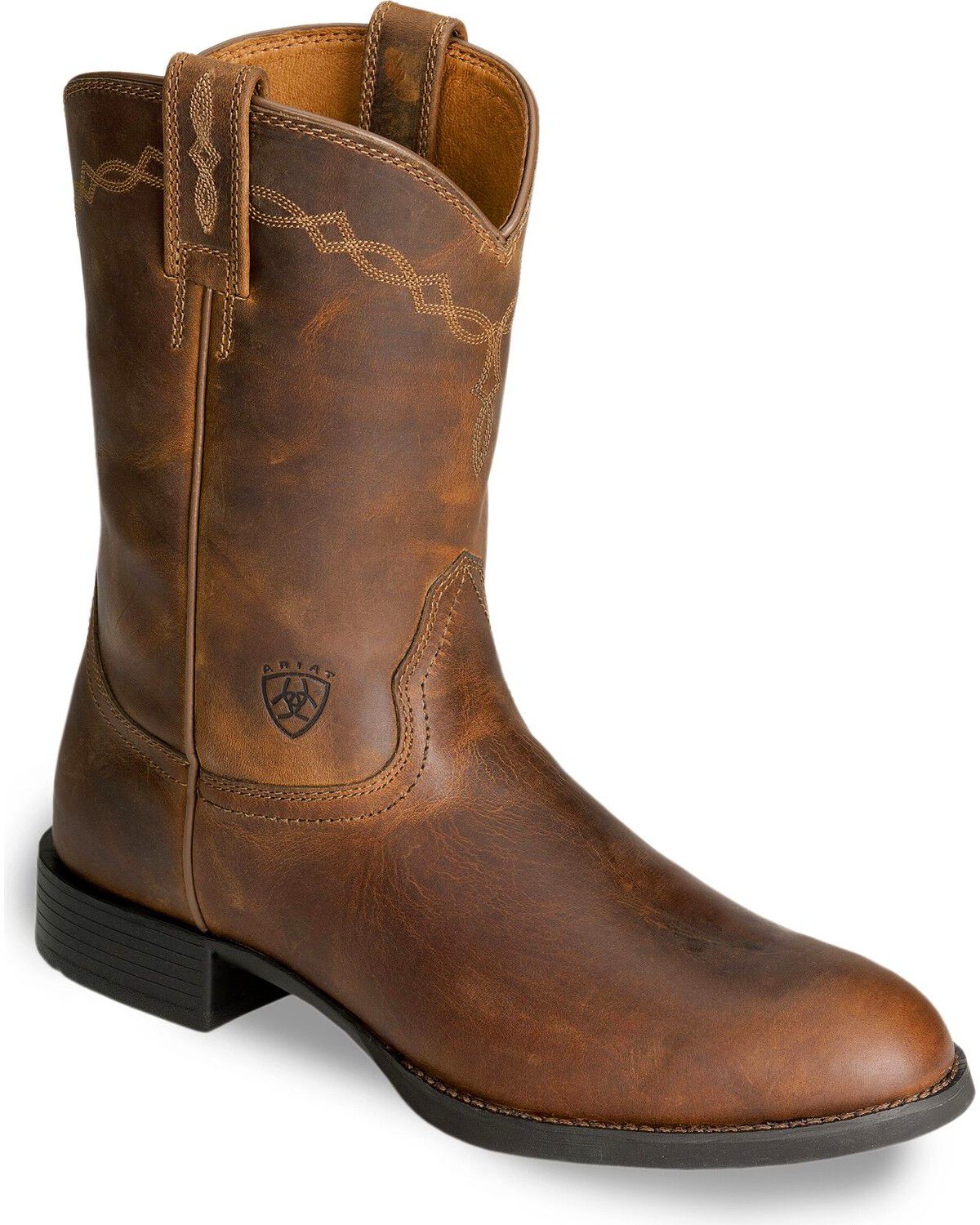
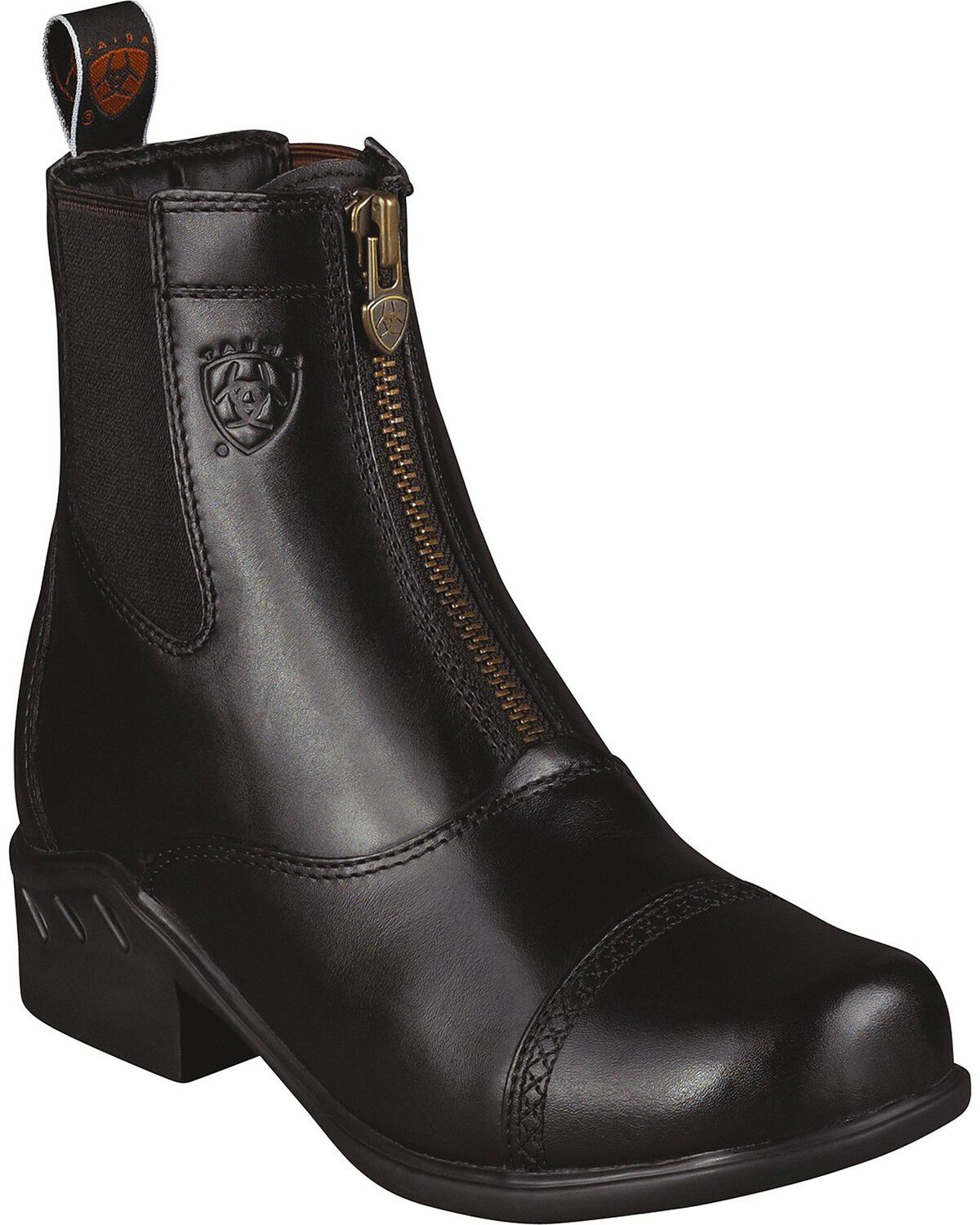
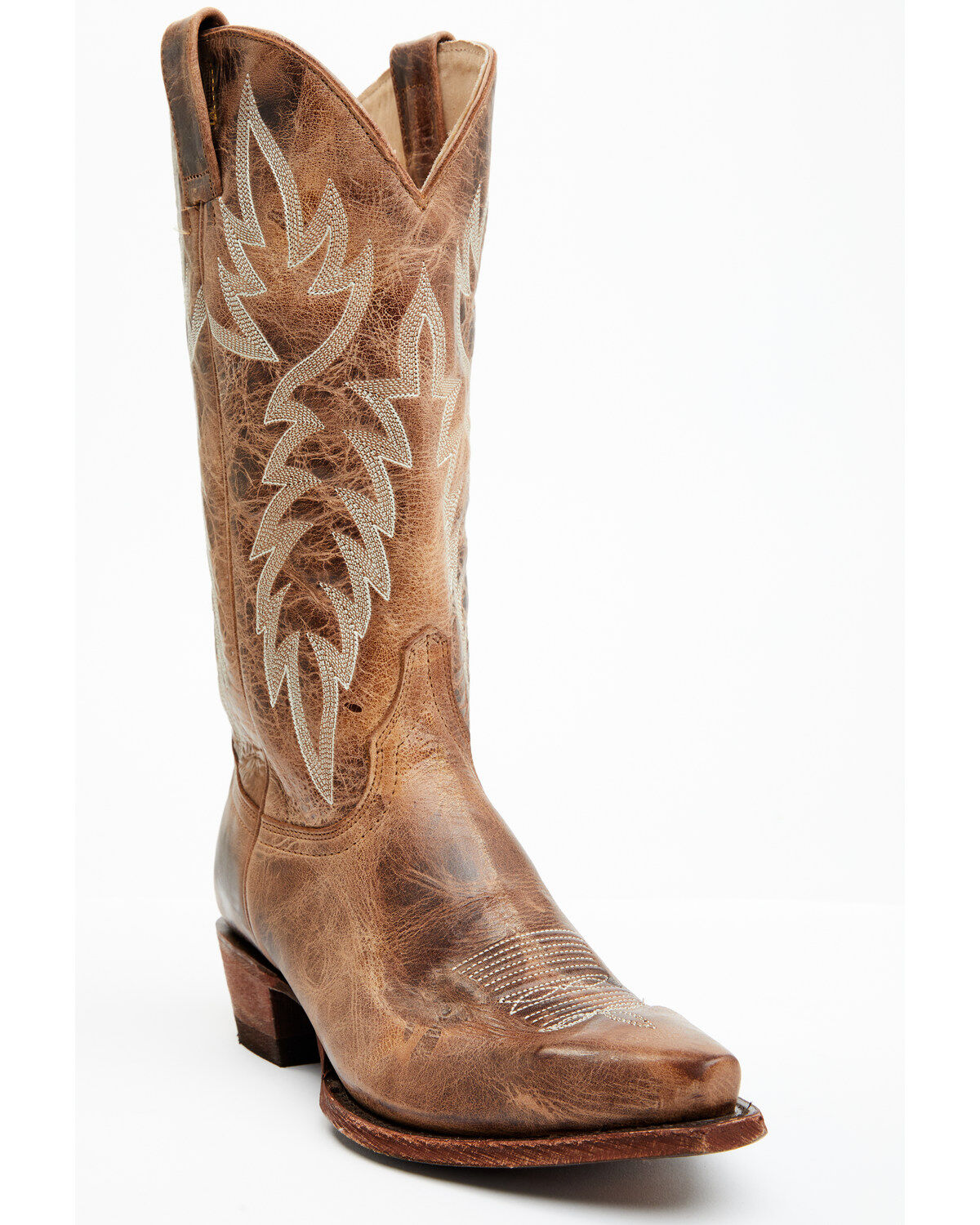
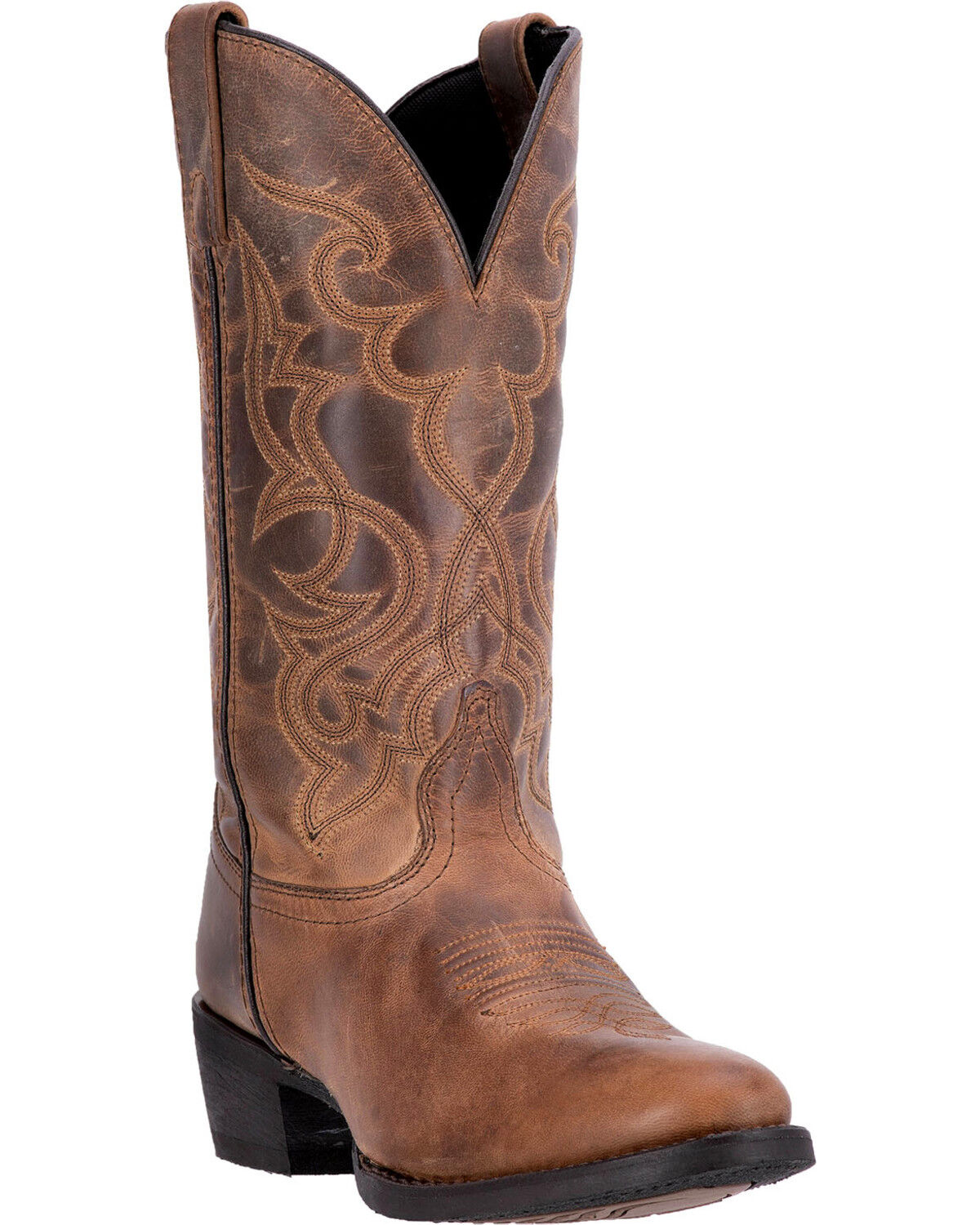
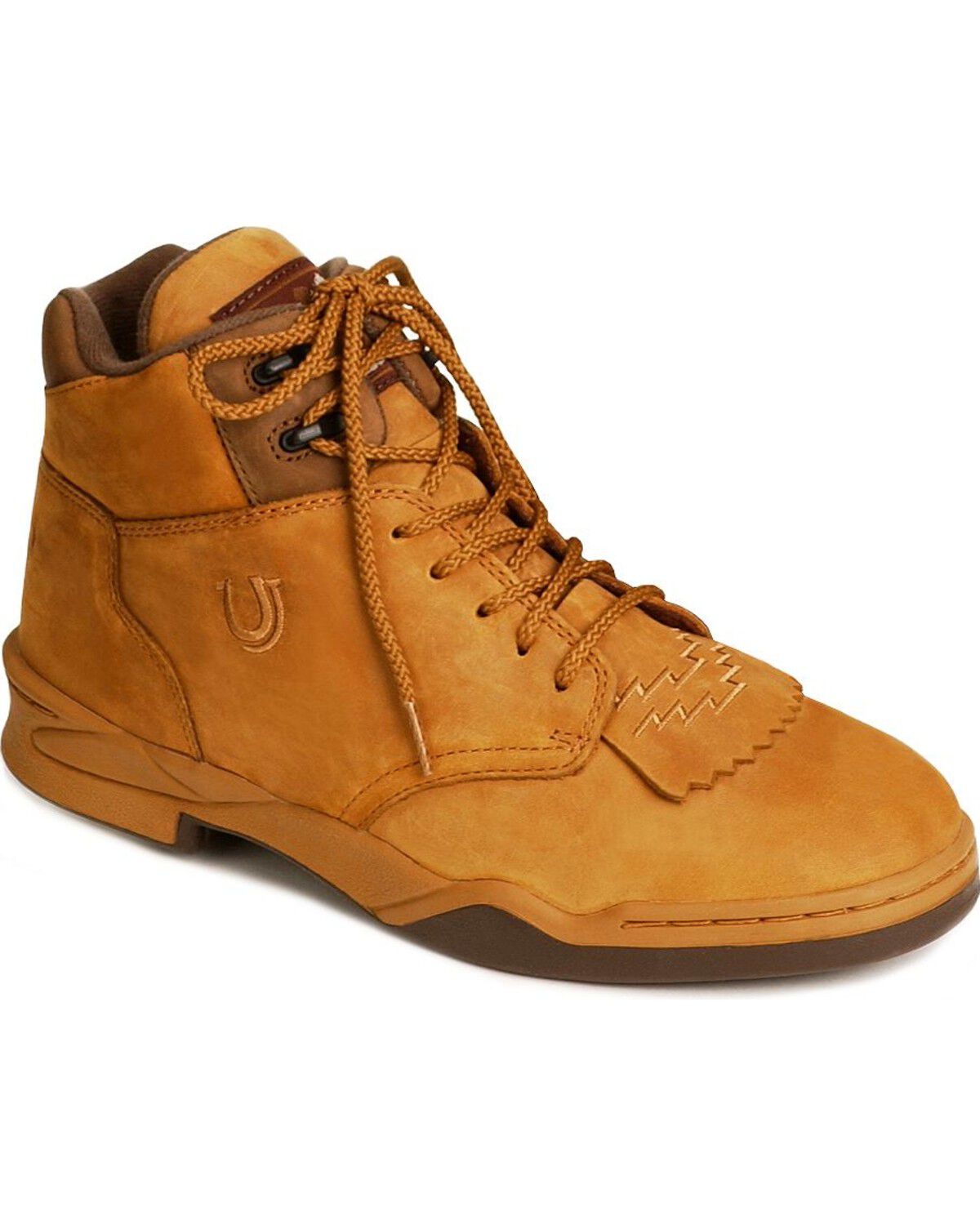
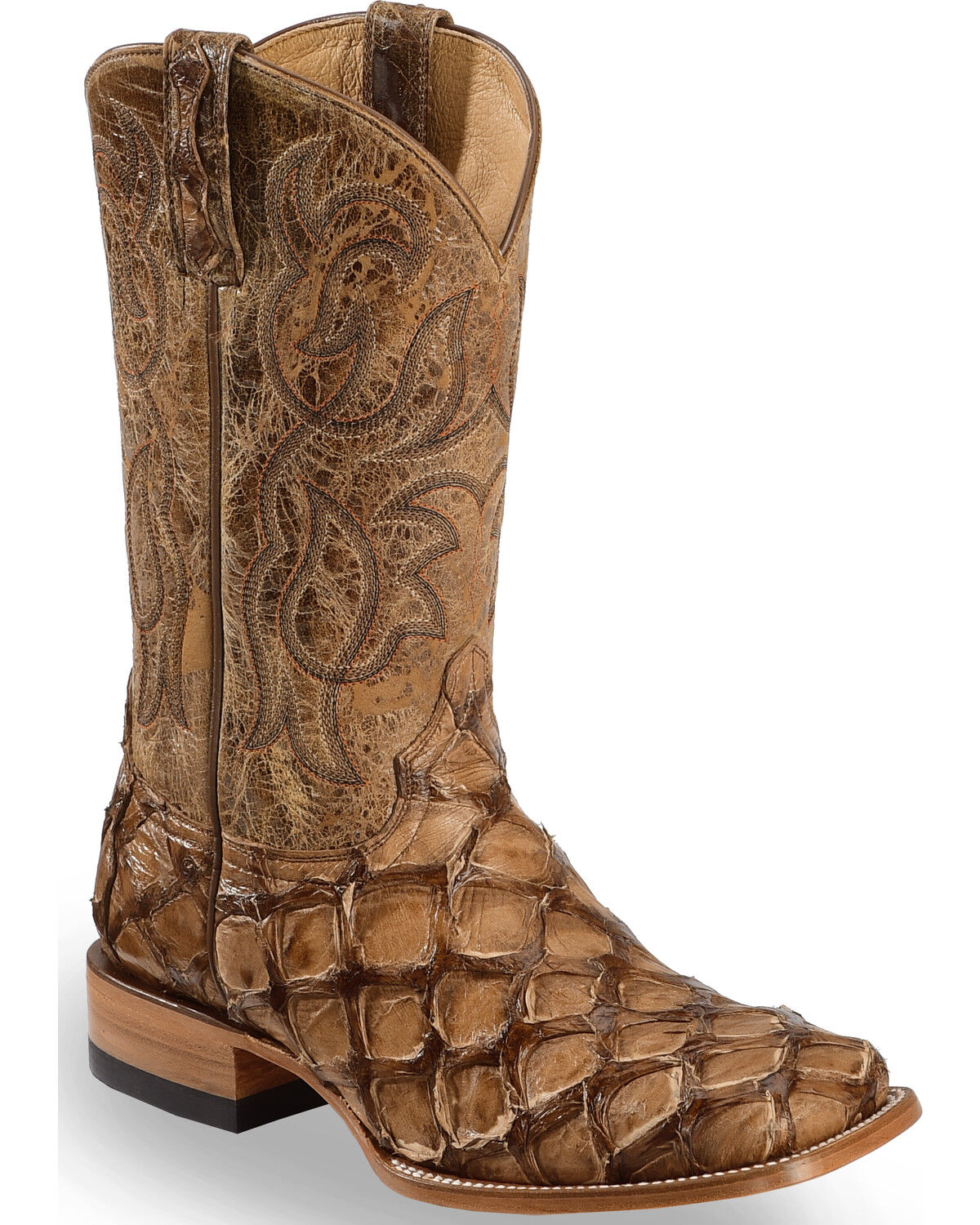
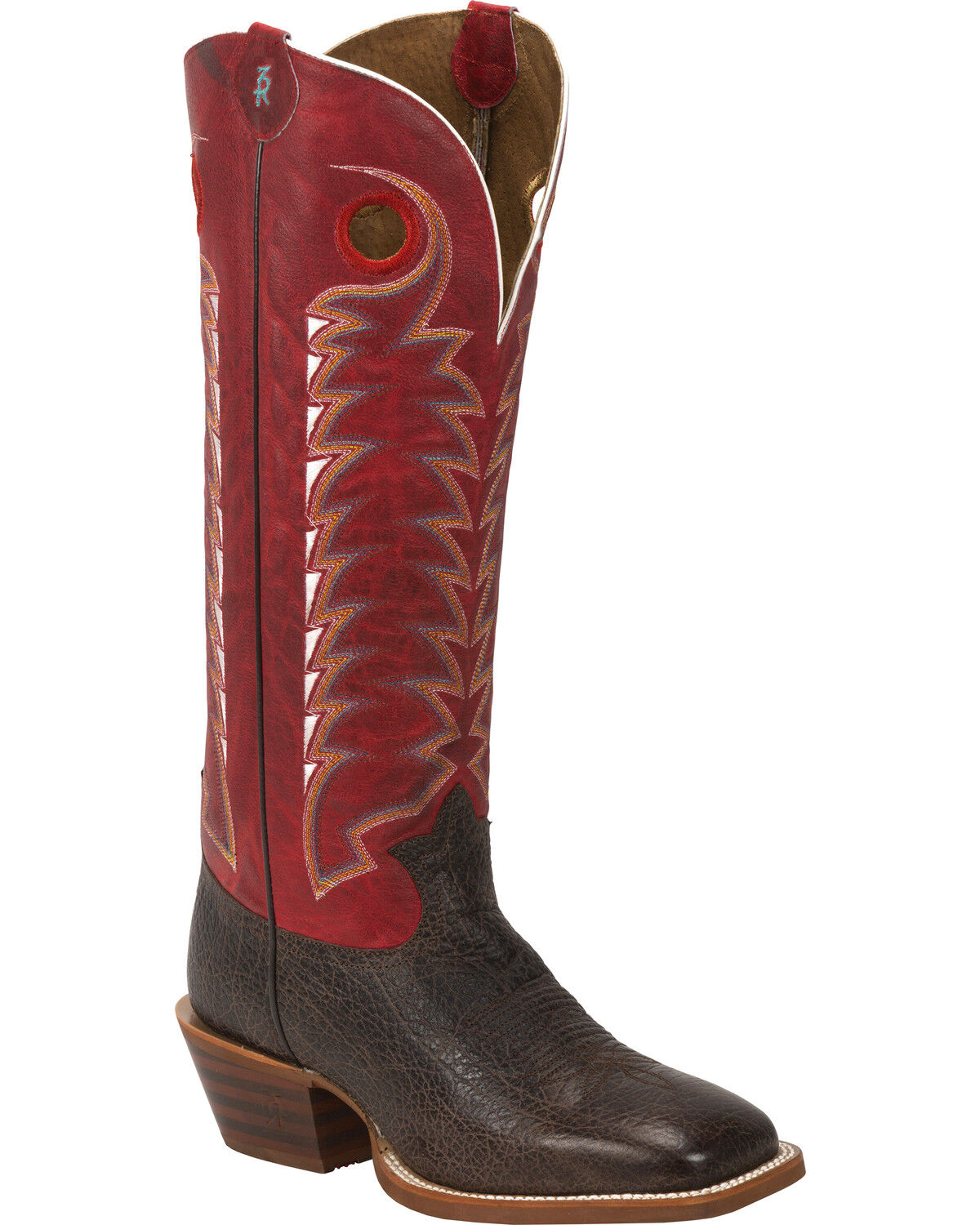
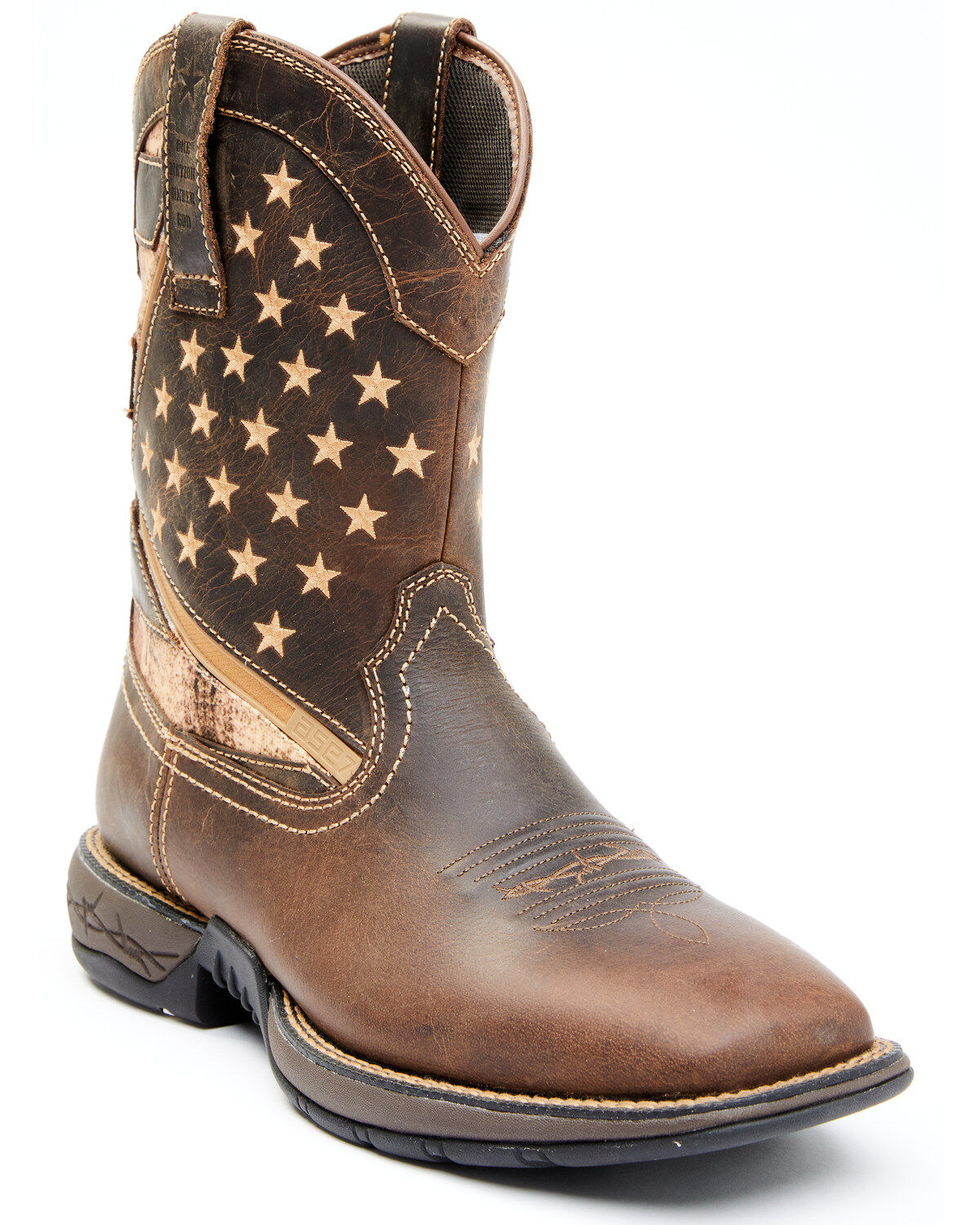
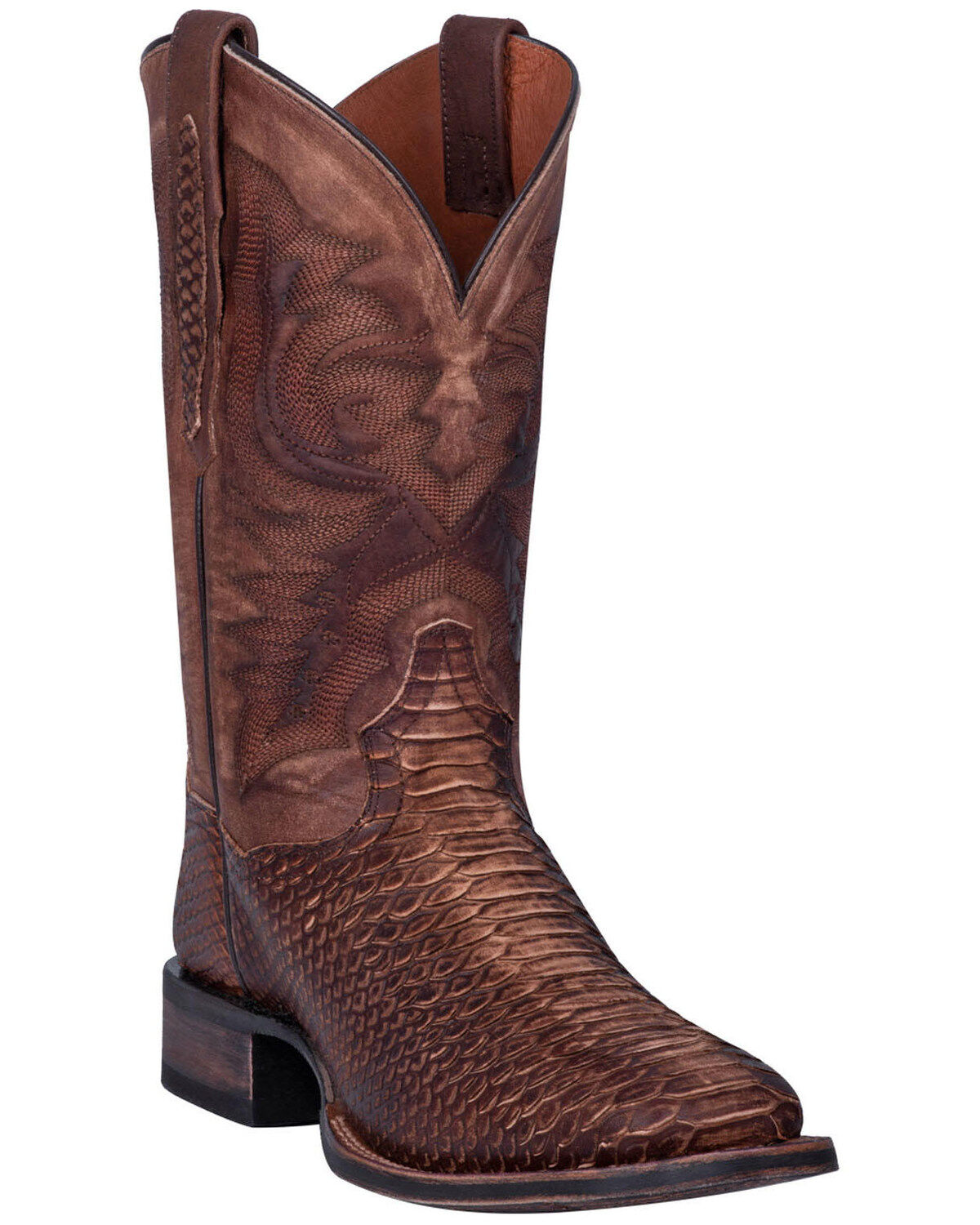
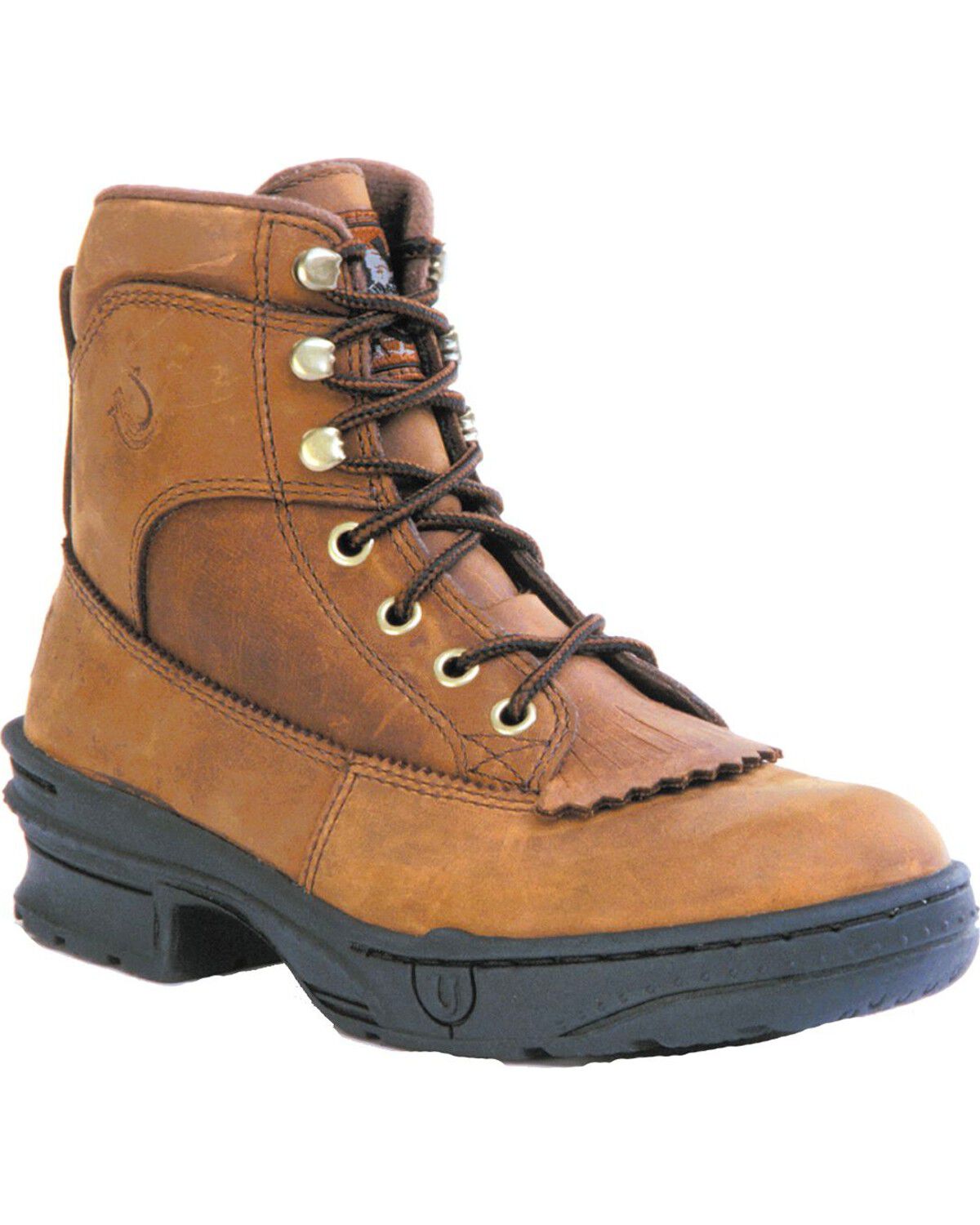
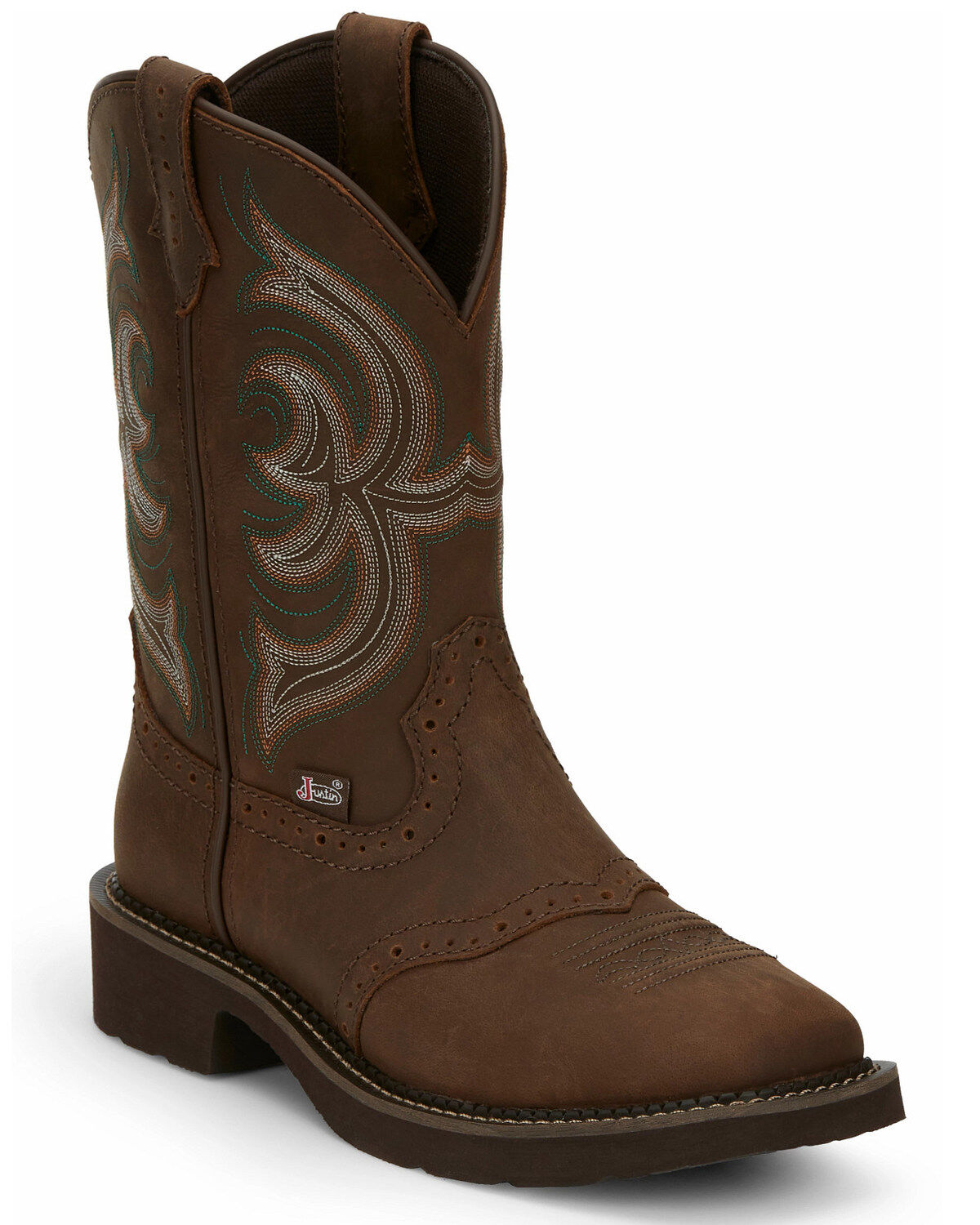
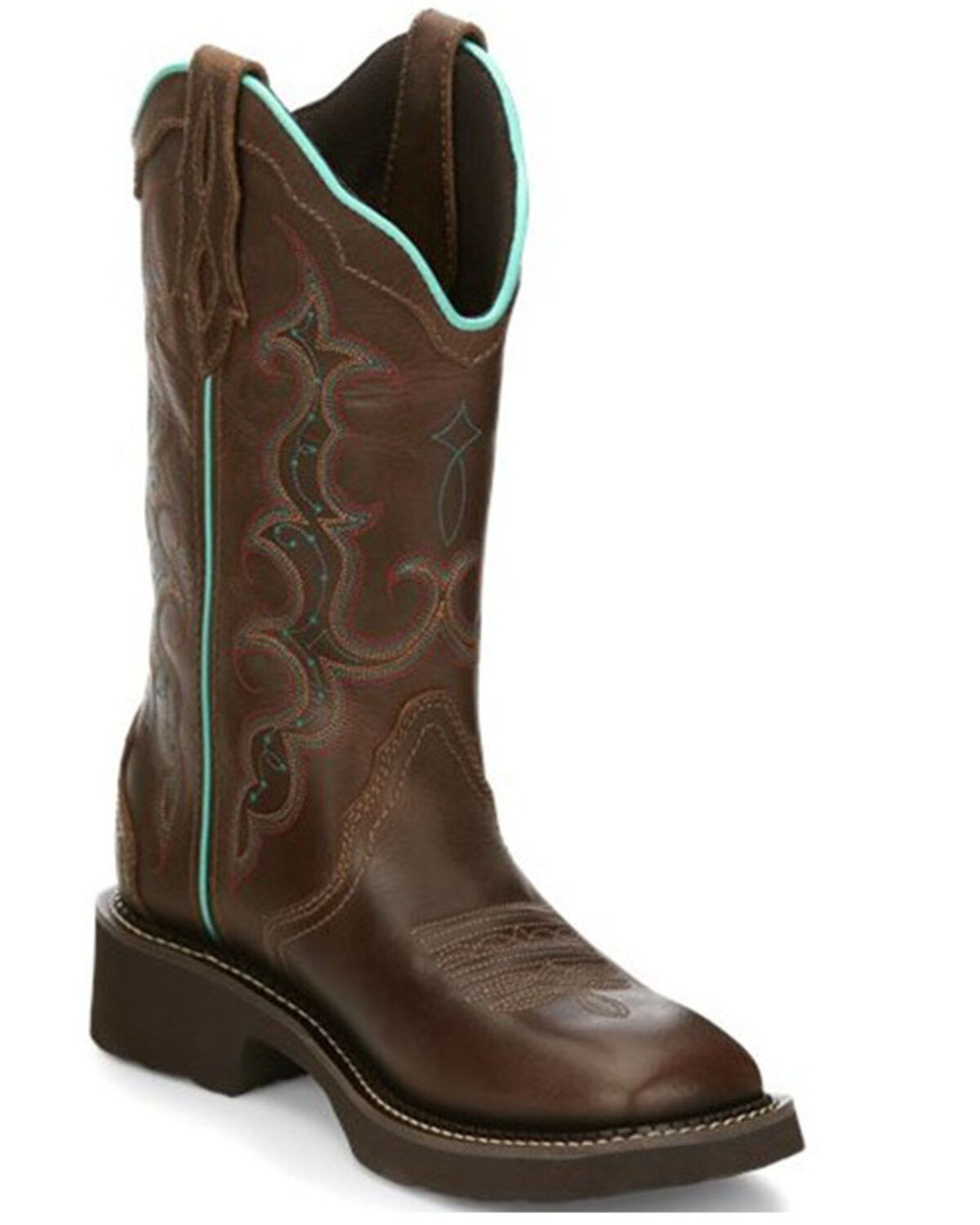
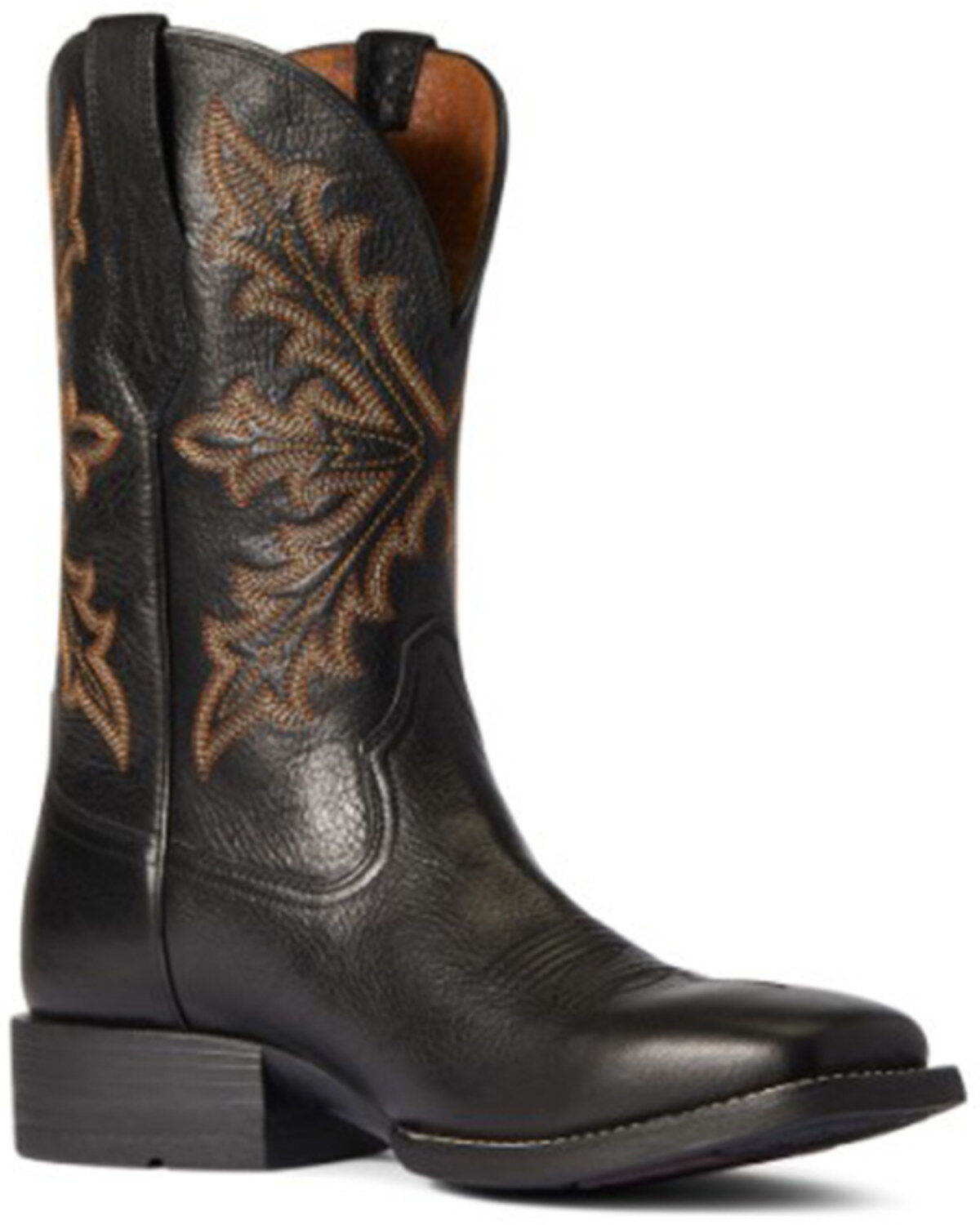
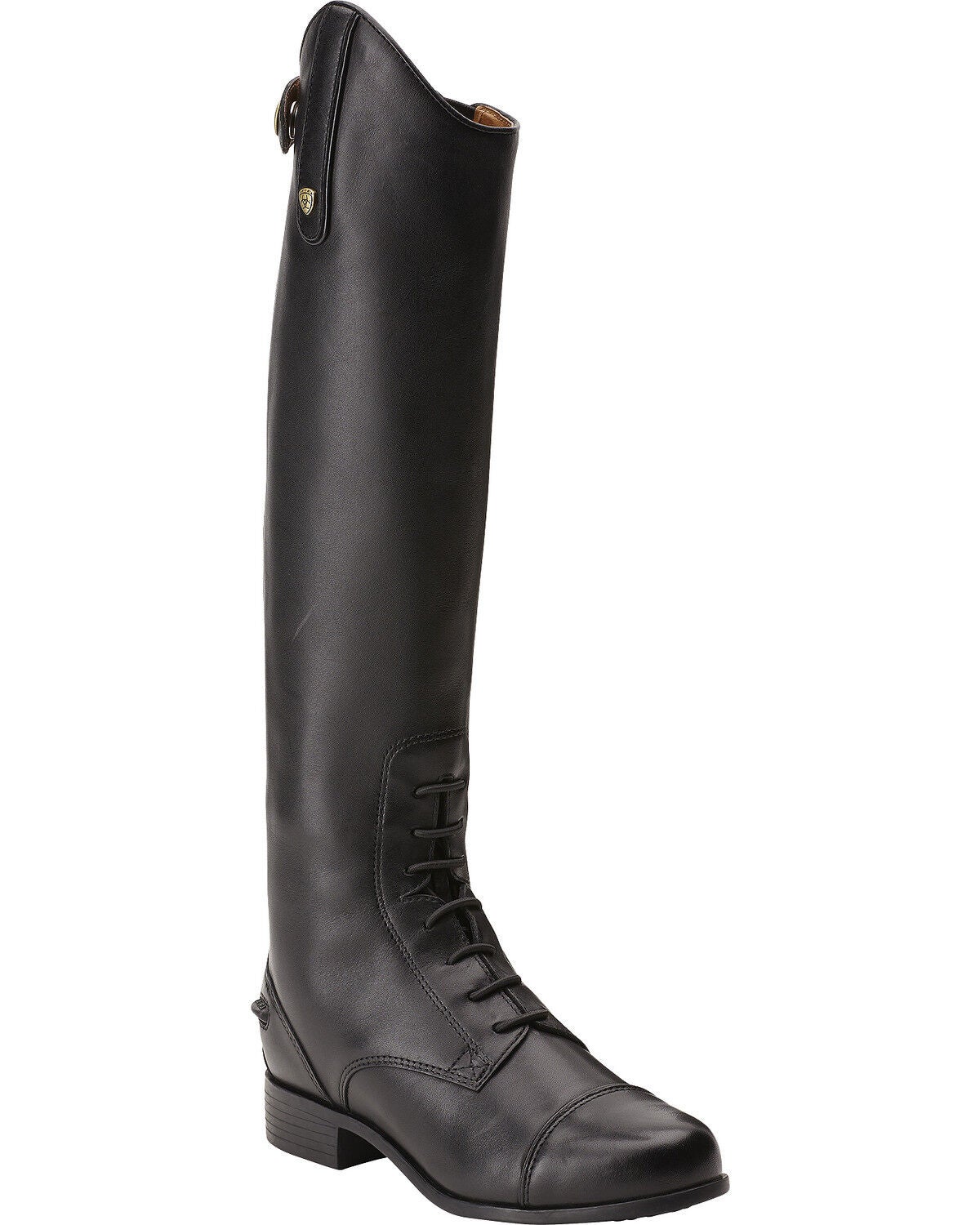
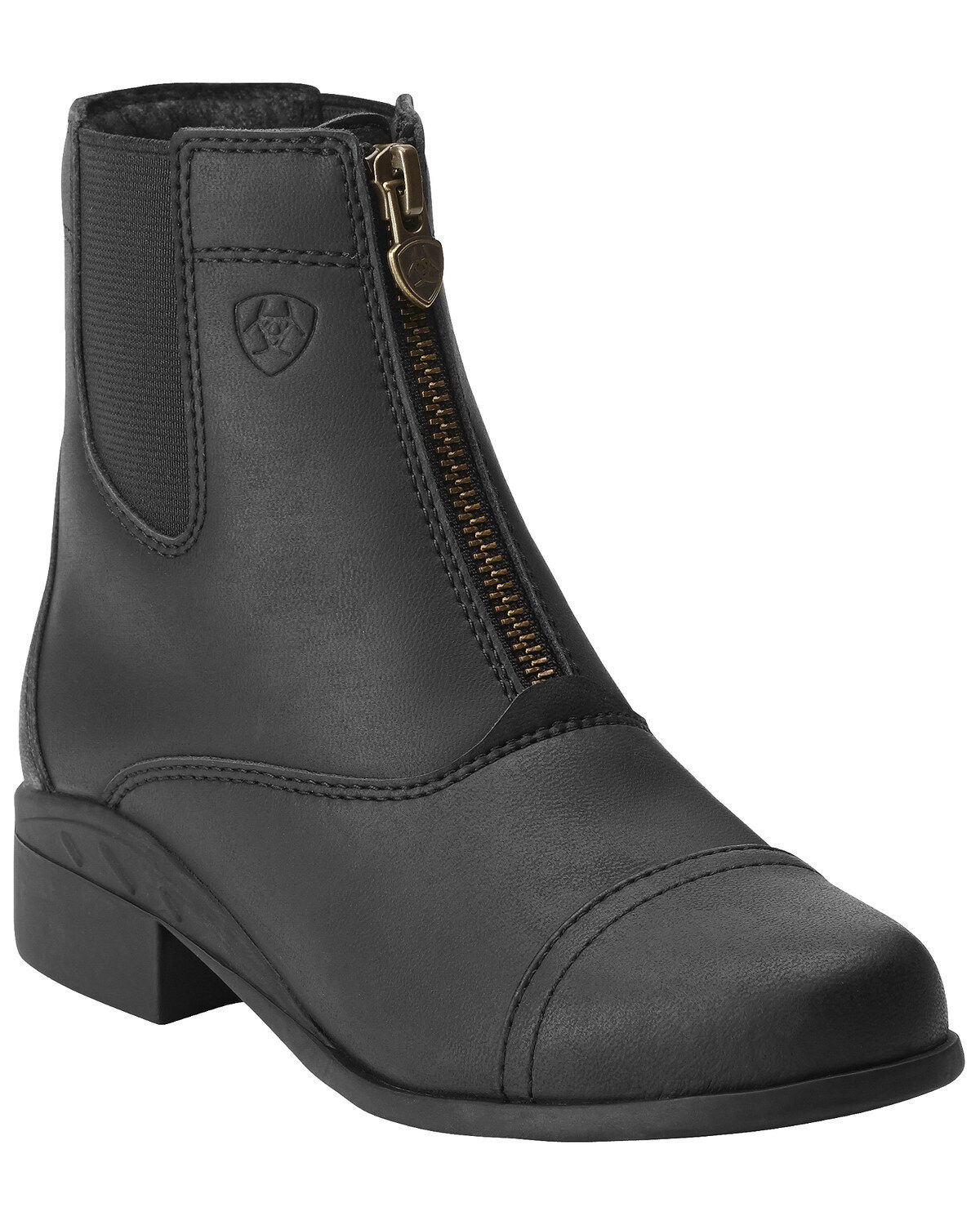
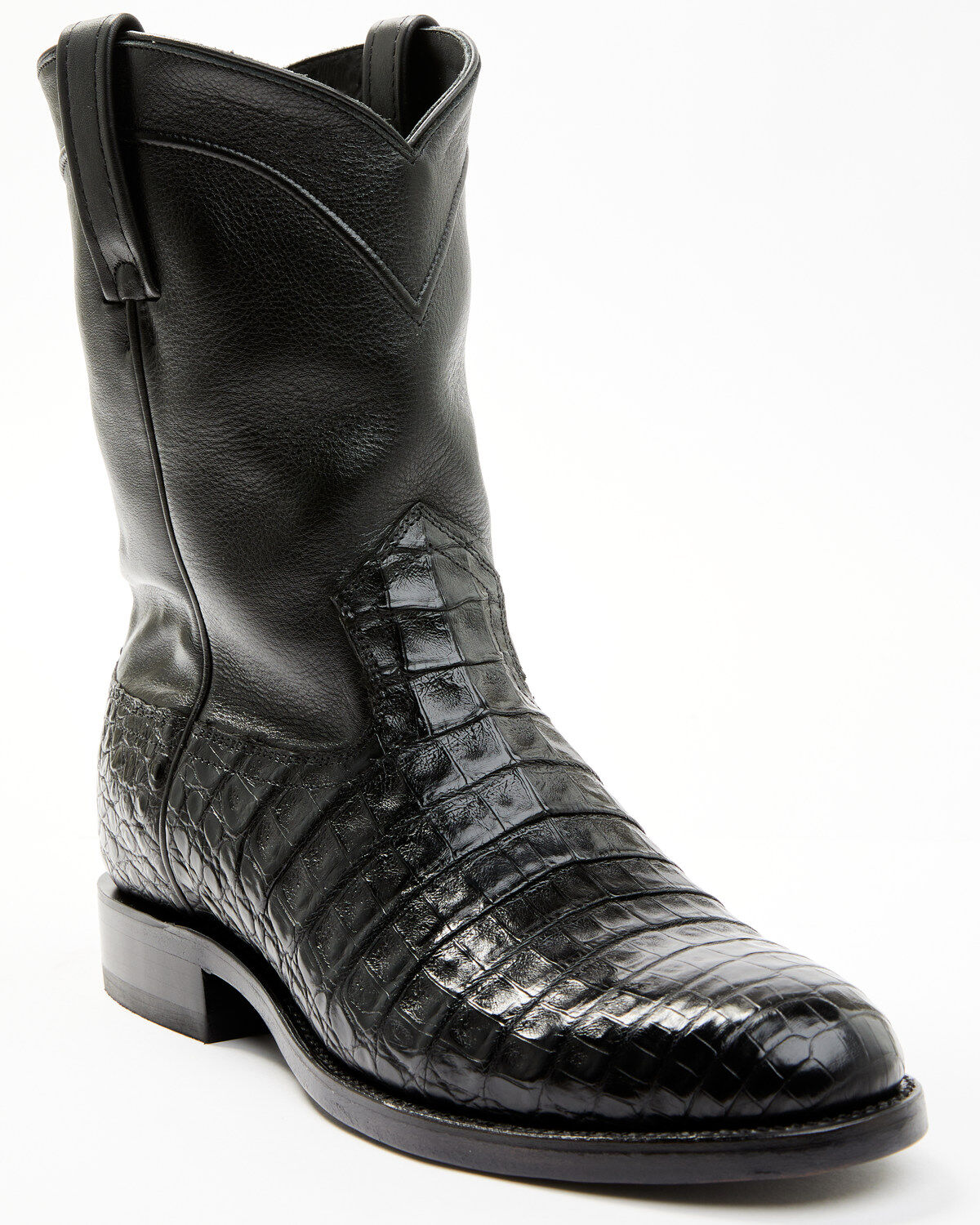
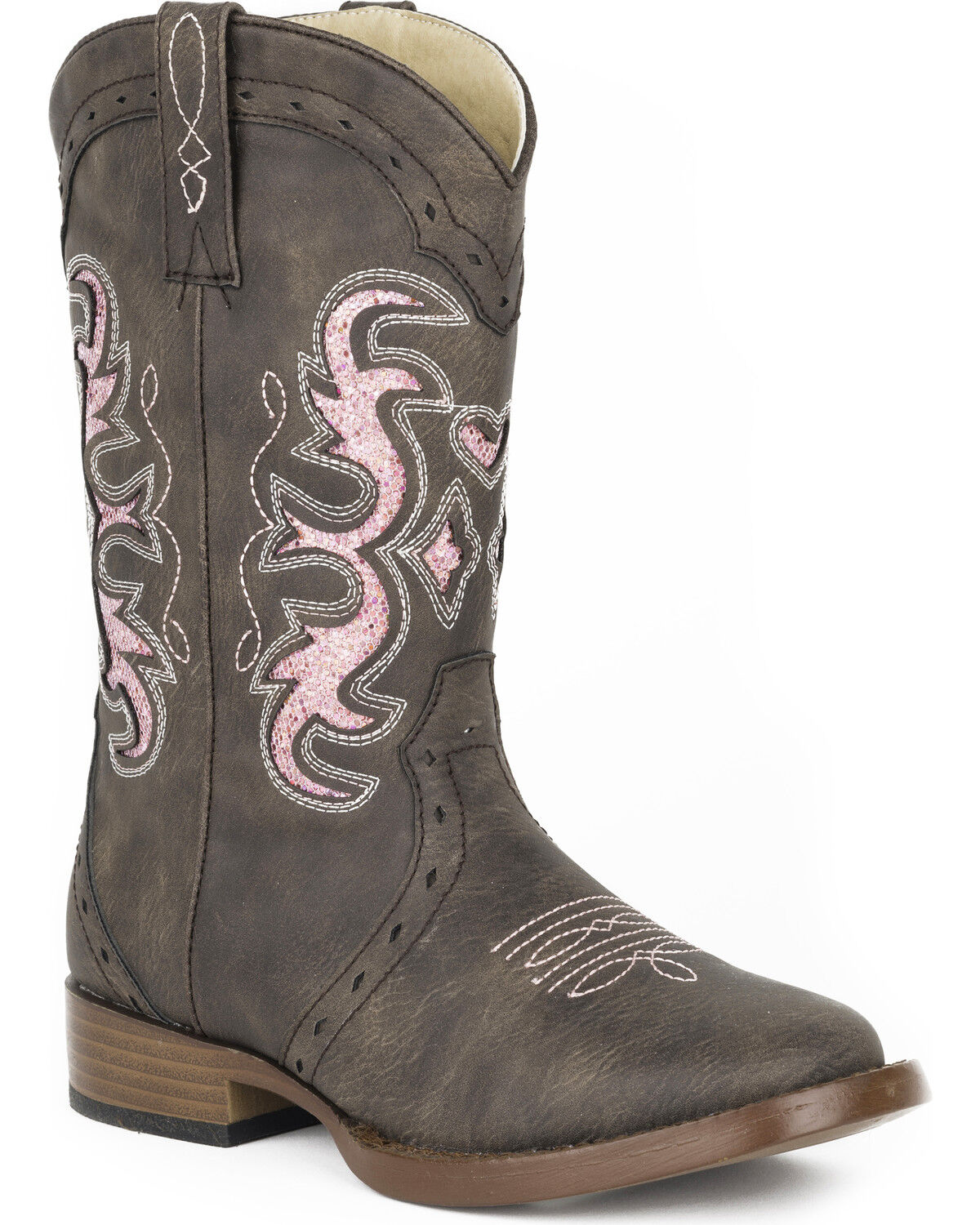
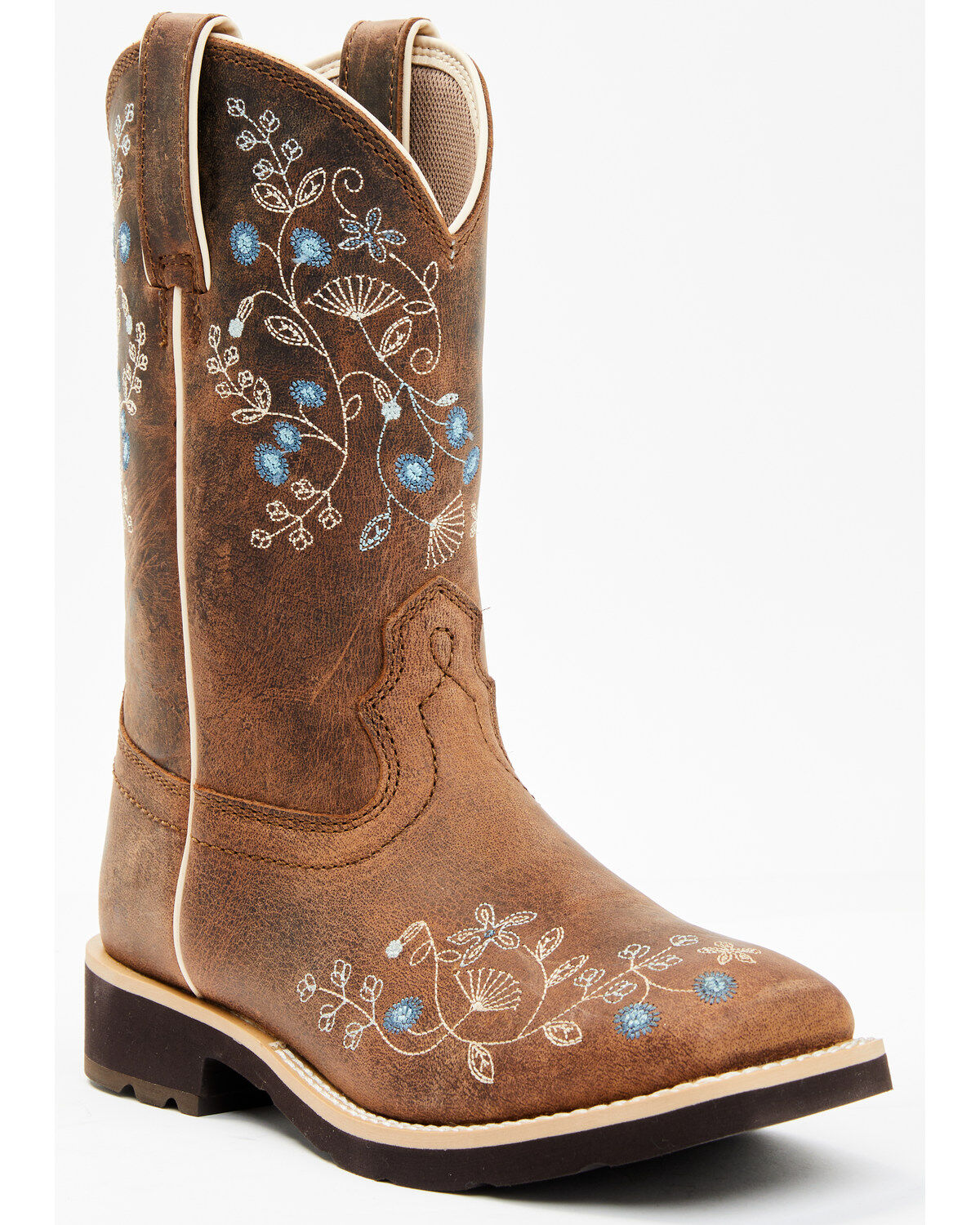
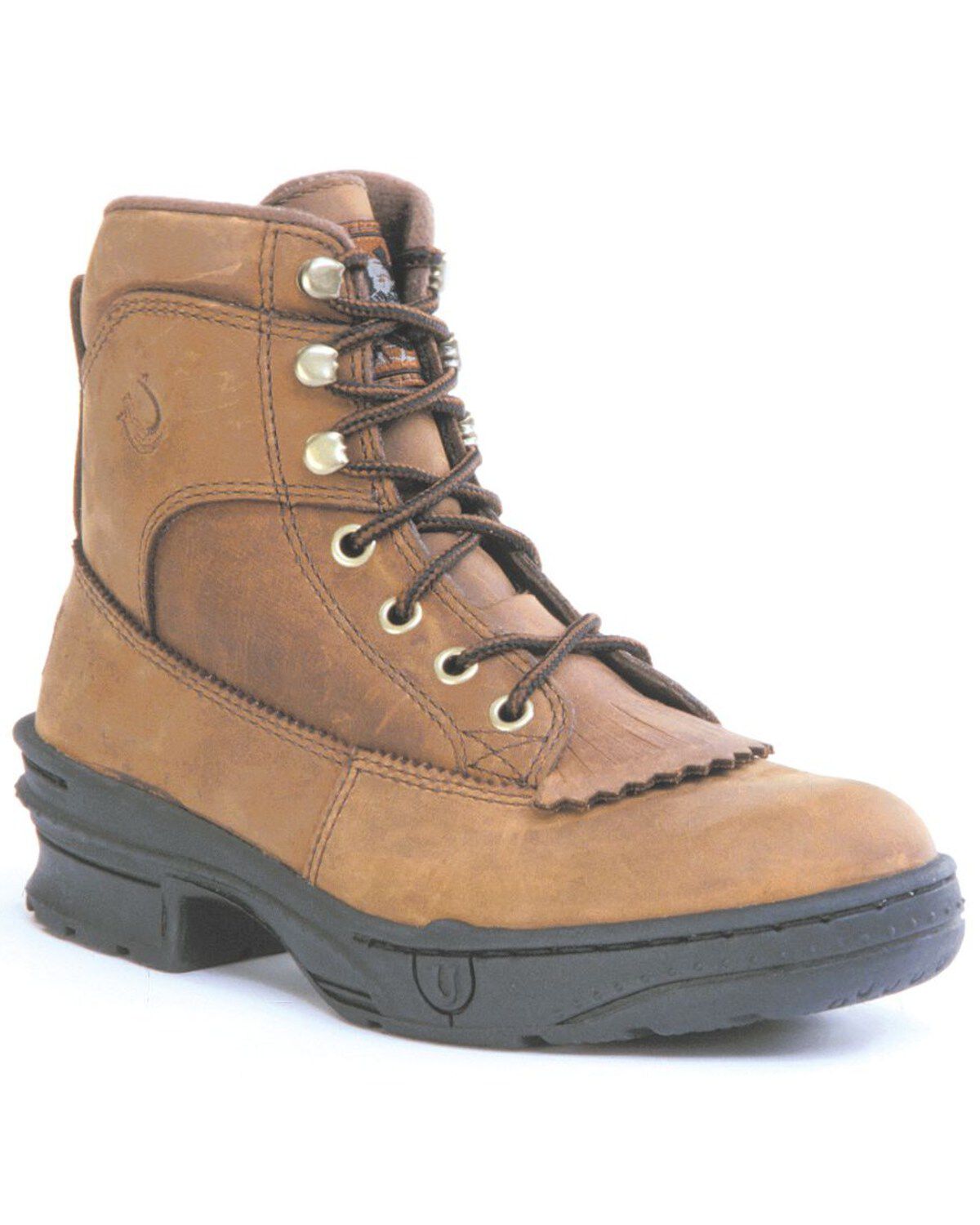
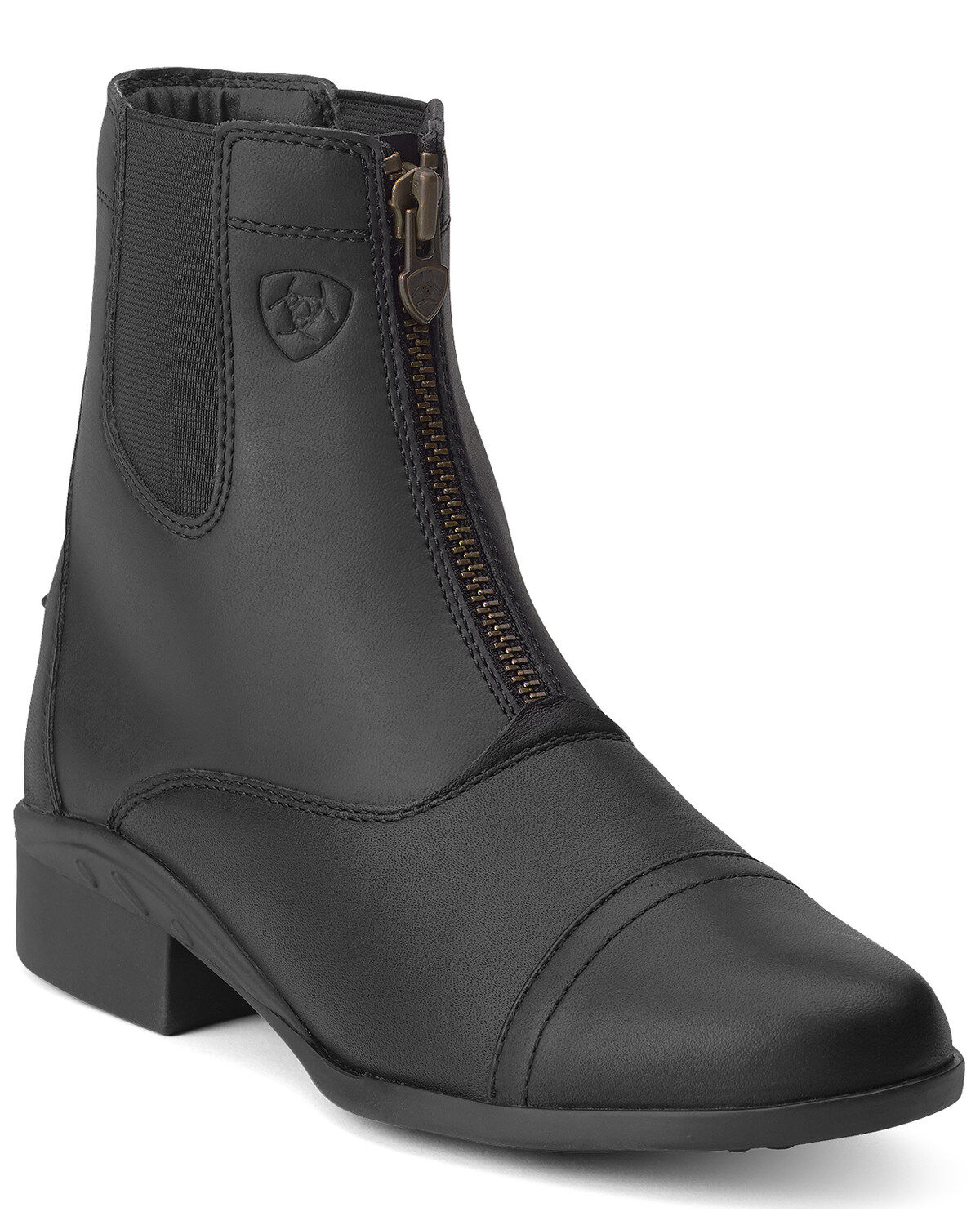
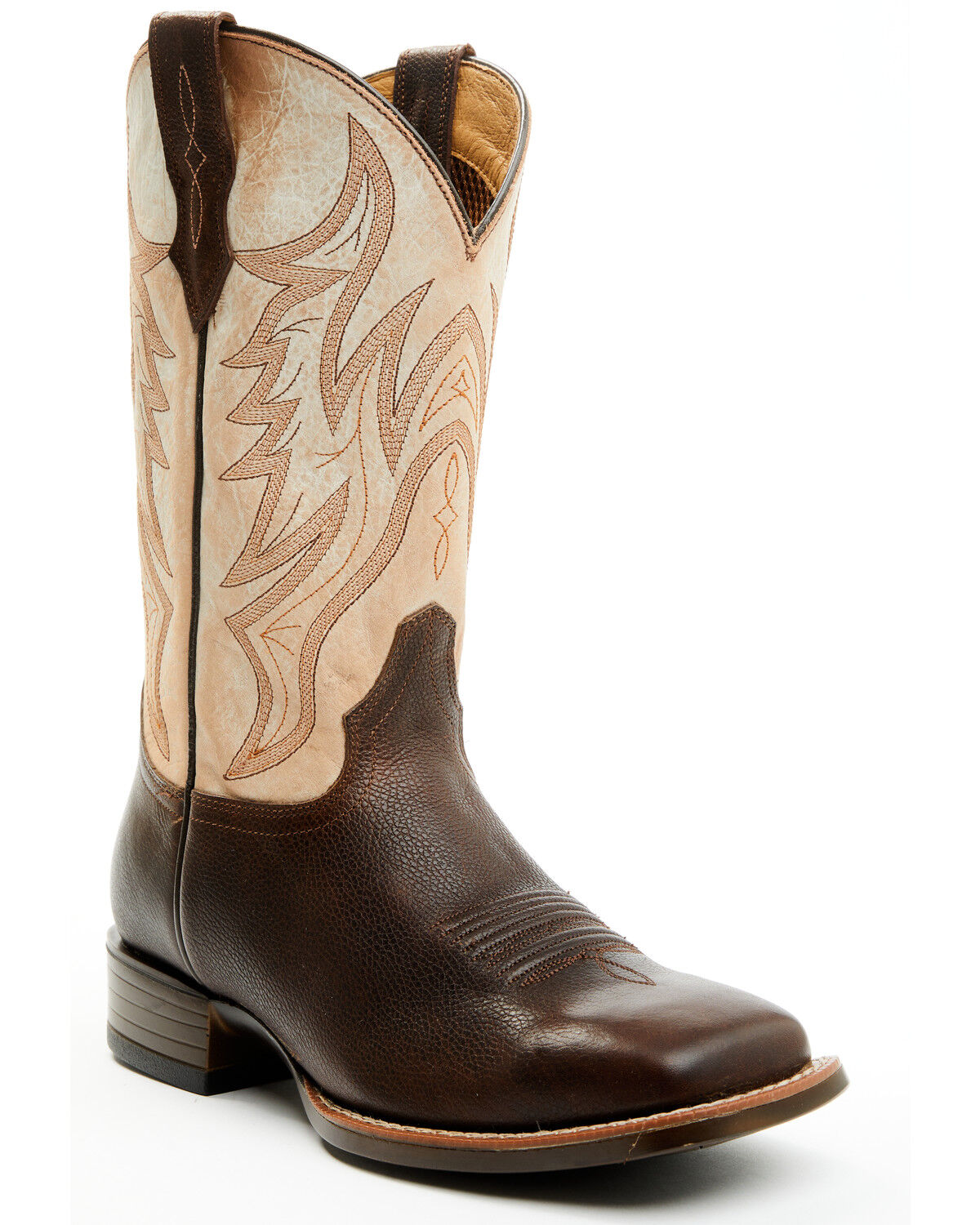
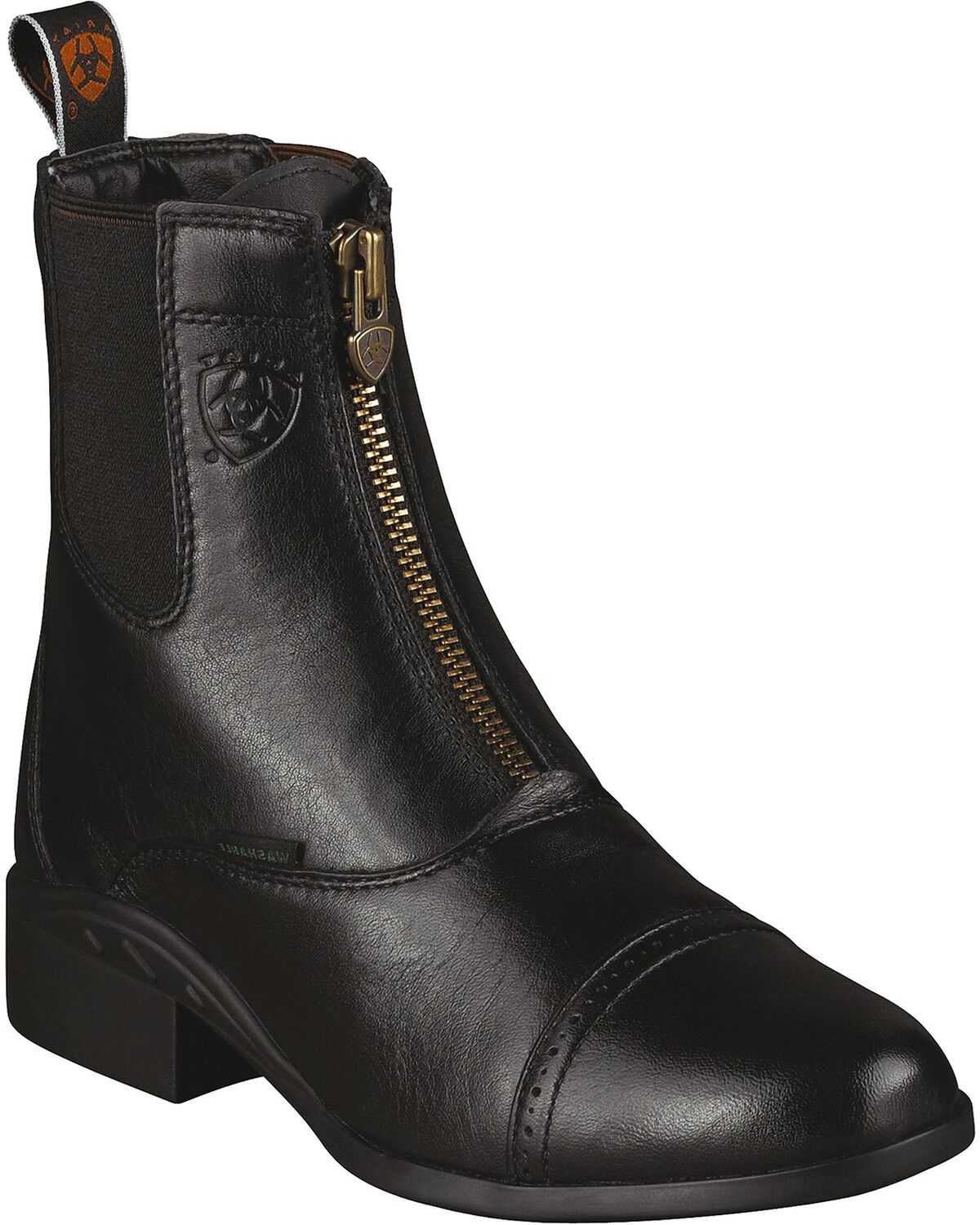
Boots for horseback riding are purpose-built footwear with a defined heel, a secure fit, and a sole suited to the stirrup. The heel helps limit how far the foot can slide forward, while a relatively smooth outsole allows movement without the deep, aggressive tread found on many hiking boots. The boot and stirrup must work together; footwear that is too wide or has a bulky sole can interfere with releasing the foot. These details matter whether a rider is taking lessons in an arena, checking fences from the saddle, or spending several hours on a trail. Western riding boots typically combine a pull-on shaft with a structured foot and a distinct heel. Their taller shafts provide coverage along the lower leg, and their construction suits the demands of riding and everyday ranch tasks. Heel profiles vary, so a western appearance alone does not establish that a boot is appropriate for horseback riding. English riding footwear takes several forms. Ankle-height paddock boots are common for lessons and schooling, often worn with half chaps that cover the lower leg and help reduce rubbing against stirrup leathers. Tall field boots usually have lacing across the front of the ankle for flexibility, while dress boots have a cleaner, unlaced ankle and are associated with dressage and formal turnout. The right category depends on the riding discipline, the saddle, and any requirements set by an instructor or competition. Appearance still has a place, from understated leather to traditional shaft stitching, but function comes first. A boot that looks right beside the tack room needs to perform just as well when the rider settles into the saddle. The same priorities apply when choosing men’s western boots for horse riding: a riding-appropriate heel, a dependable fit, and a sole matched to the stirrup. Riders moving between barn chores and mounted work may also value a practical walking heel, provided its shape remains suitable for their riding setup.

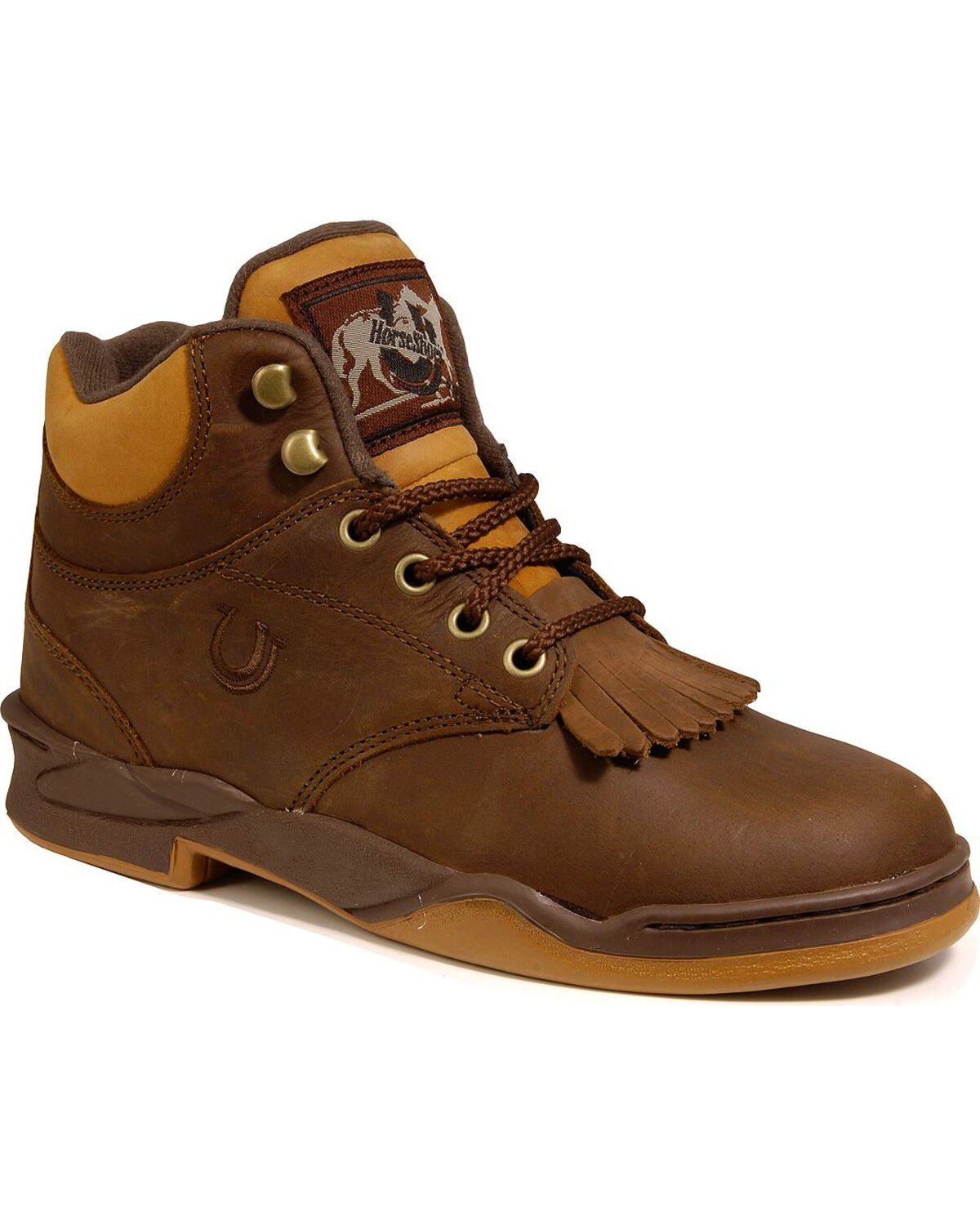
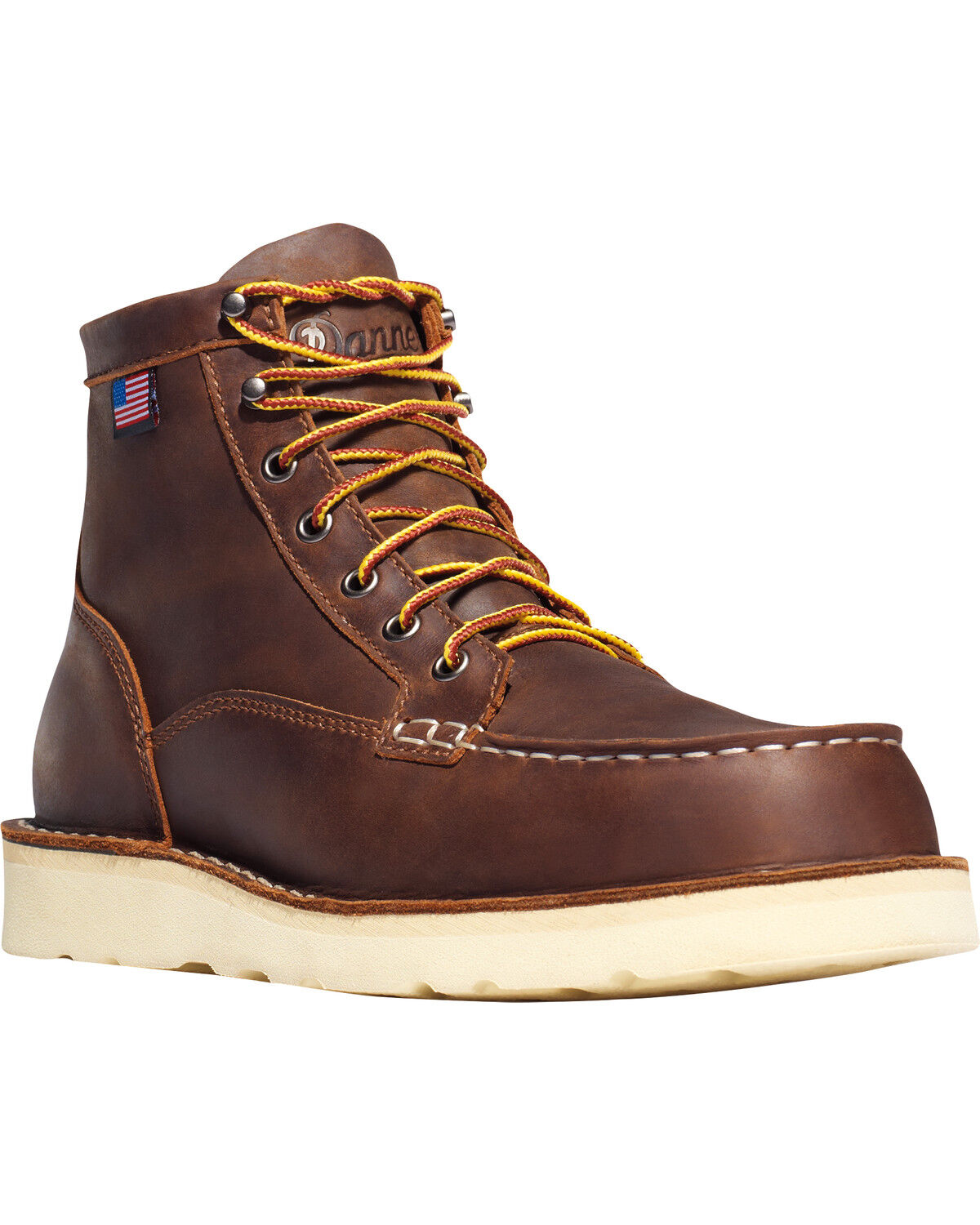
Materials and construction affect how riding boots feel on the first wear and how they hold up over repeated use. Full-grain leather is valued for its strength and its ability to develop flexibility with wear and proper care. A firm leather foot may gradually conform to the rider, but break-in should not be expected to correct a boot that is too short or too narrow. Synthetic uppers offer another option, with care requirements and flexibility that depend on the material. Leather outsoles generally have a smooth profile, while rubber outsoles can provide traction for walking around a barn. Rubber is not automatically unsuitable for riding; tread depth, sole thickness, and compatibility with the stirrup matter more than the material alone. Deep lugs and projecting edges deserve particular attention because they may catch rather than release cleanly. Fit begins at the foot. Toes need room without sliding forward, and the ball of the foot should sit at the widest part of the boot. The instep should feel secure without painful pressure. Some heel movement can be normal in a new pull-on western boot, but excessive lifting or side-to-side movement can leave the foot unstable. Lace-up and zippered styles offer different ways to achieve a close fit around the ankle. Shaft height and calf width matter as well, especially for tall English boots and western boots worn beneath jeans. A shaft that pinches behind the knee or presses against the calf can become distracting during a lesson or a long ride. Riding socks should be part of the fit check, since changing sock thickness can alter how the boot holds the foot. Cushioned footbeds may add comfort during standing and walking, while a structured sole and shank can help support the foot across the stirrup. Toe shape is largely a matter of fit and preference, but a broad square toe still needs adequate clearance. Trying footwear with the intended stirrups, with help from a knowledgeable instructor when needed, gives a more useful assessment than appearance alone.

Durability comes from the whole boot, not just a thick piece of leather. Secure stitching, sound sole attachment, reinforced stress points, and dependable closures all contribute to footwear that can handle repeated bending, walking, and time in the saddle. Some welted boots can be resoled, depending on their construction and condition, which may extend their useful life. Other constructions have different repair limits. Regular care helps preserve the materials and makes developing problems easier to notice. Barn dust and dried mud can be removed with a soft brush or cloth before they build up around seams and sole edges. Smooth leather benefits from a suitable cleaner and occasional conditioner, used according to the maker’s directions; too much conditioner can soften leather more than intended. Suede, roughout, and synthetic materials require care suited to their surfaces rather than the same treatment used on polished leather. Boots should dry away from direct heat, which can damage leather and adhesives. Zippers work best when kept clear of grit, and laces should be replaced when they become worn. Outsoles, heels, and stitching deserve regular inspection, particularly on boots used for both riding and chores. A rounded-down heel, separating sole, or damaged closure can change how the boot functions. These considerations apply to adults returning to riding, working horse owners, experienced competitors, and children starting lessons. Growing riders need fit checked often; extra room for growth should not come at the expense of a secure foot position. Riding boots can also make a thoughtful gift for someone who spends time around horses, especially when the giver knows the rider’s discipline, size, and preferred fit. For any rider, the most useful pair is one that suits the actual work: walking from the barn to the mounting block, keeping the foot comfortably positioned during a lesson, and remaining dependable through hours of wear. Good riding footwear earns its place through fit, construction, and consistent care.

FAQs