Classic Cowboy Boots

Find classic cowboy boots with traditional western style to pair with jeans and western wear. As you browse, consider toe shape, heel height, and fit to choose a pair that suits your style and how you plan to wear them.

Read More

Shop Your Store: Shop Your Store: Find a Store

(Turn off Shop Your Store to see all items)

(Turn off Shop Your Store to see all items)

close
  • Recommended
  • Lowest Price
  • Highest Price
Skip pass products
  • Men's Moonshine Spirit Gordon Roughout Western Boots - Square Toe
    Original Price $219.99 $99.00
    55% Total Savings

End of products

Classic Cowboy Boots

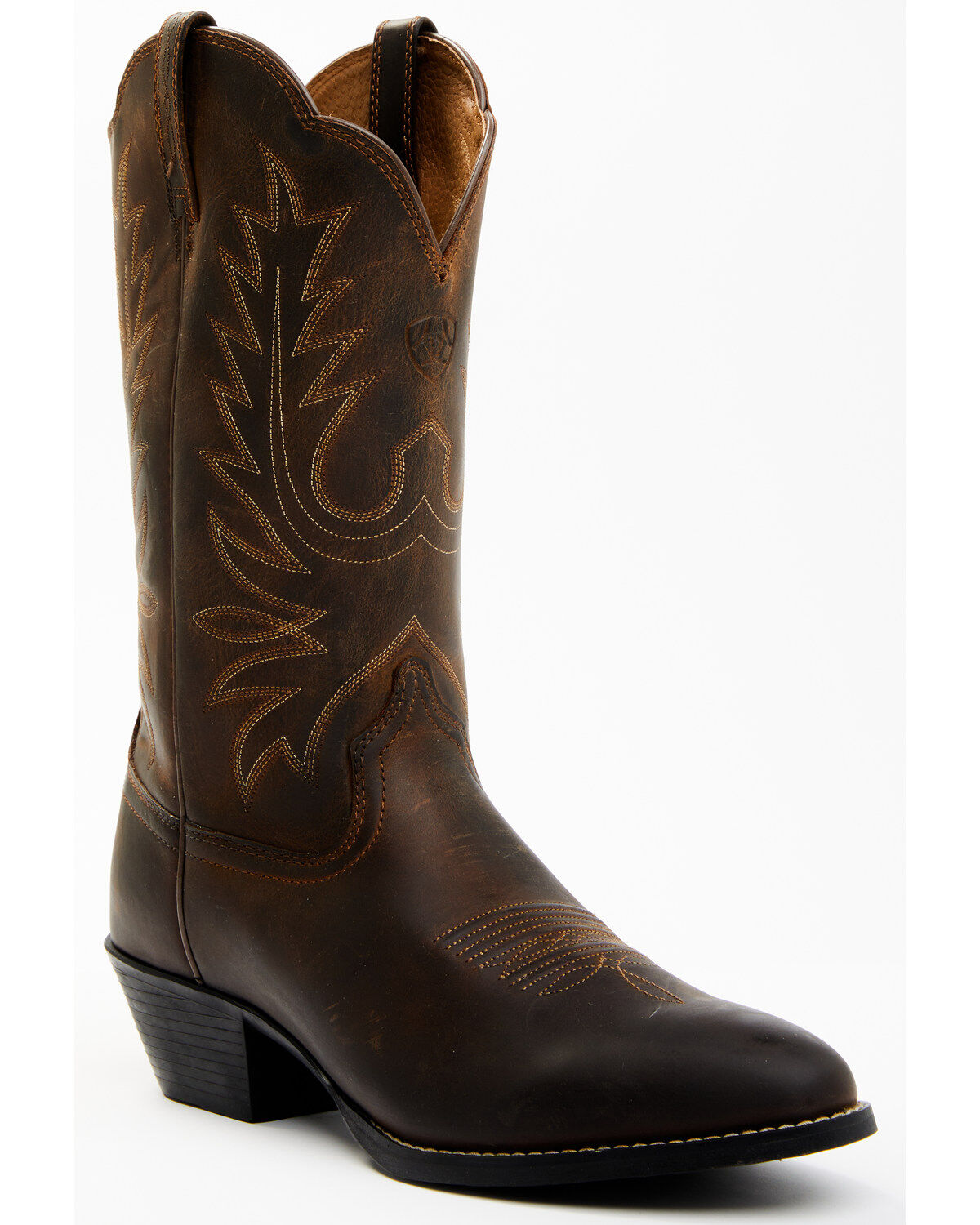
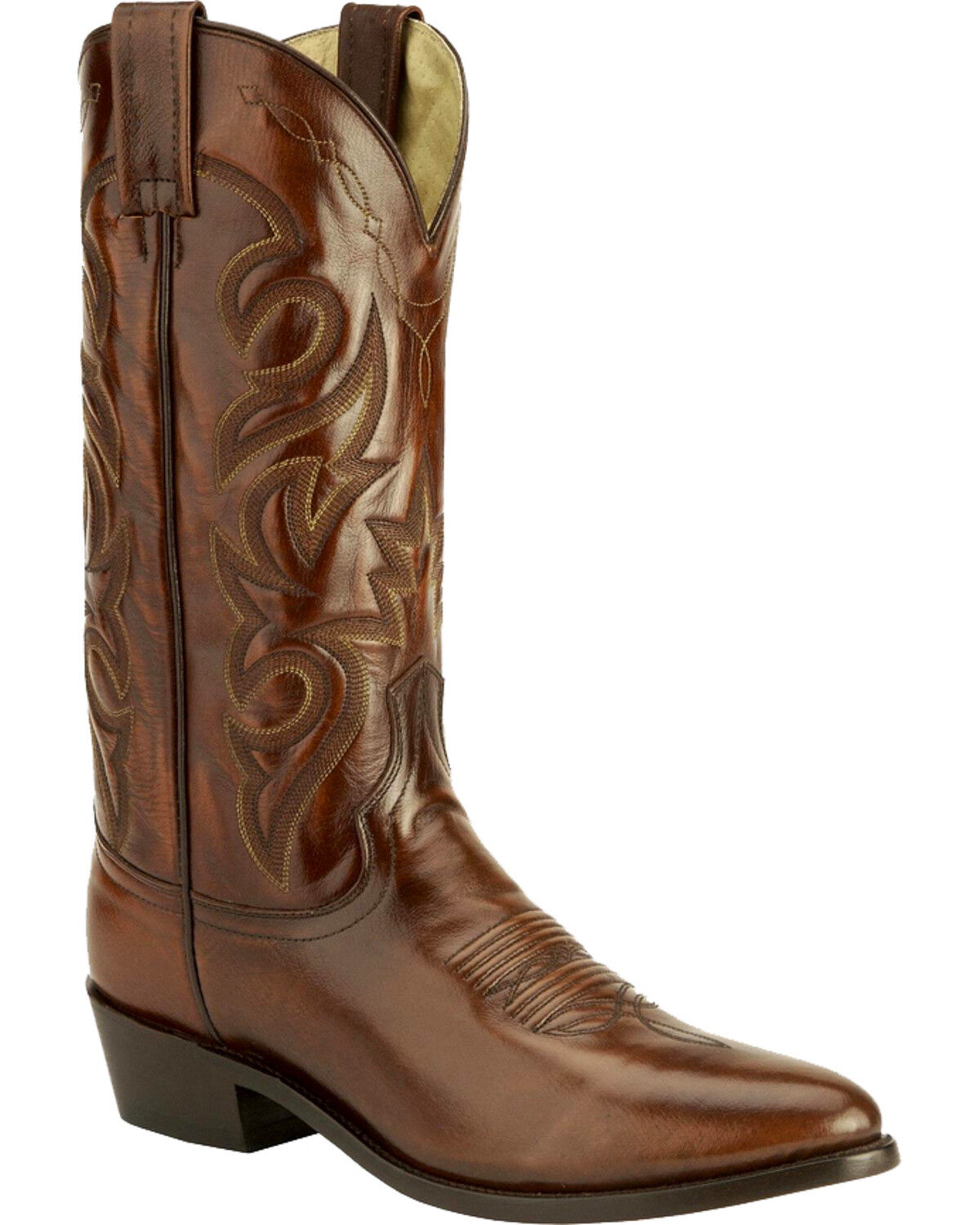
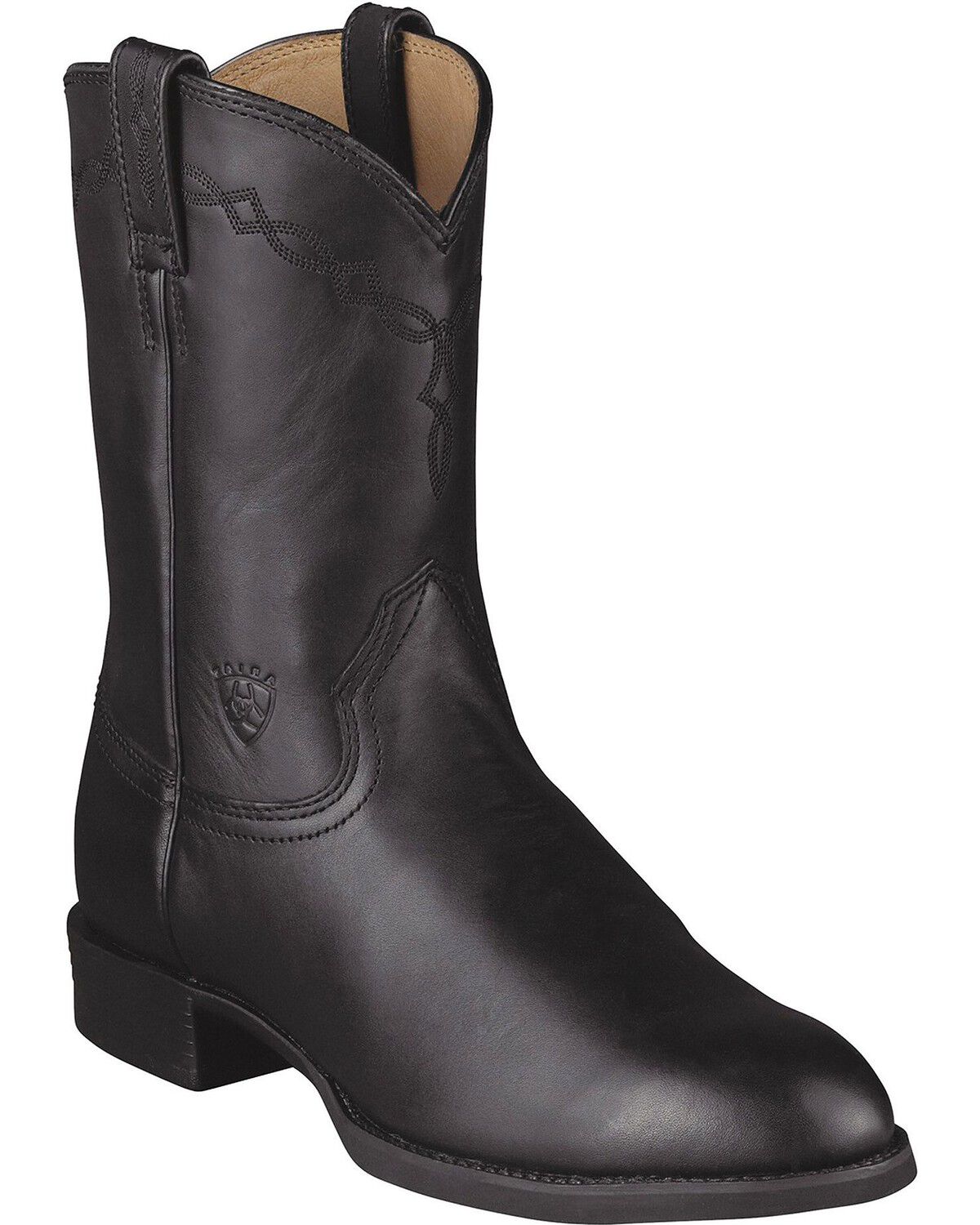
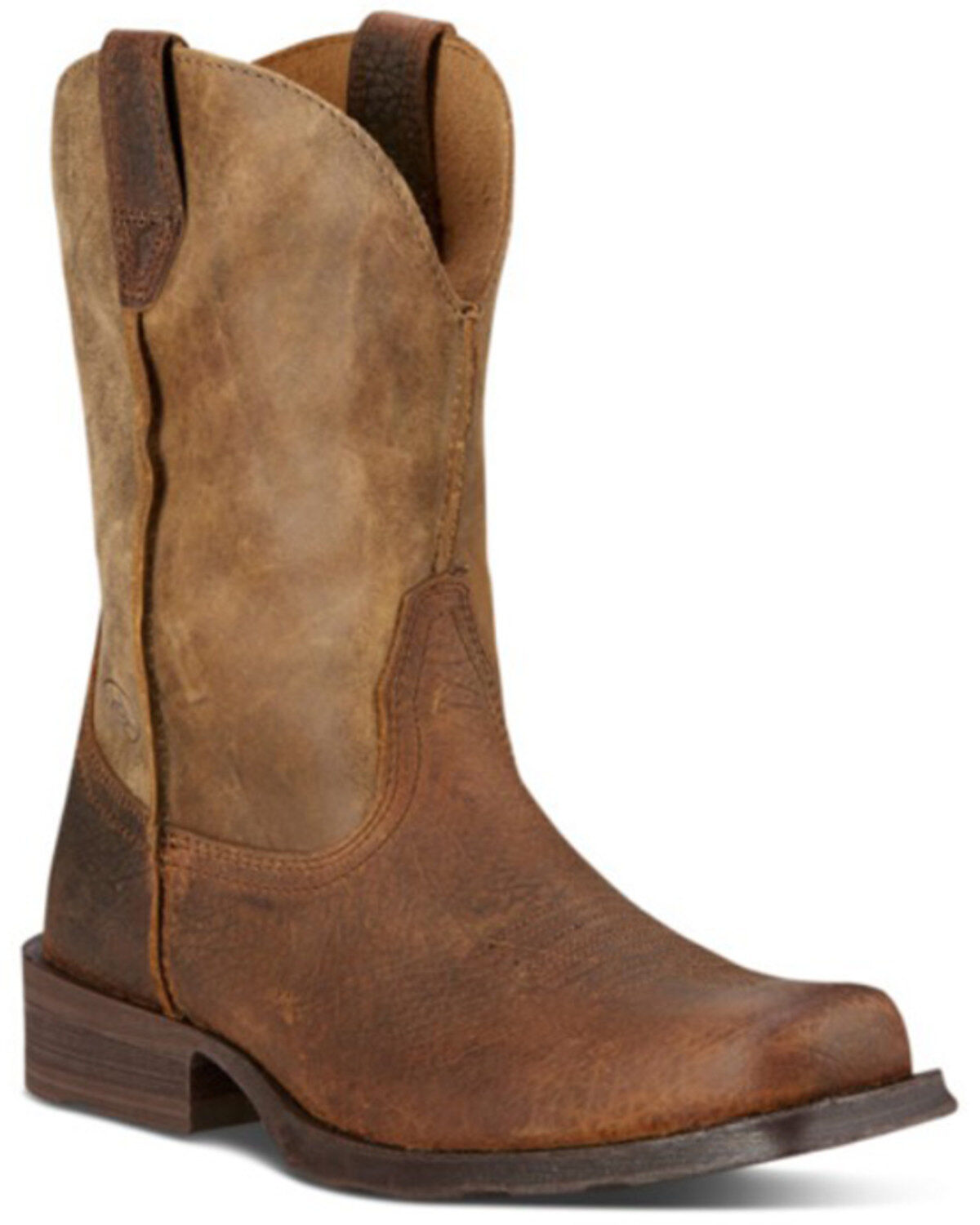
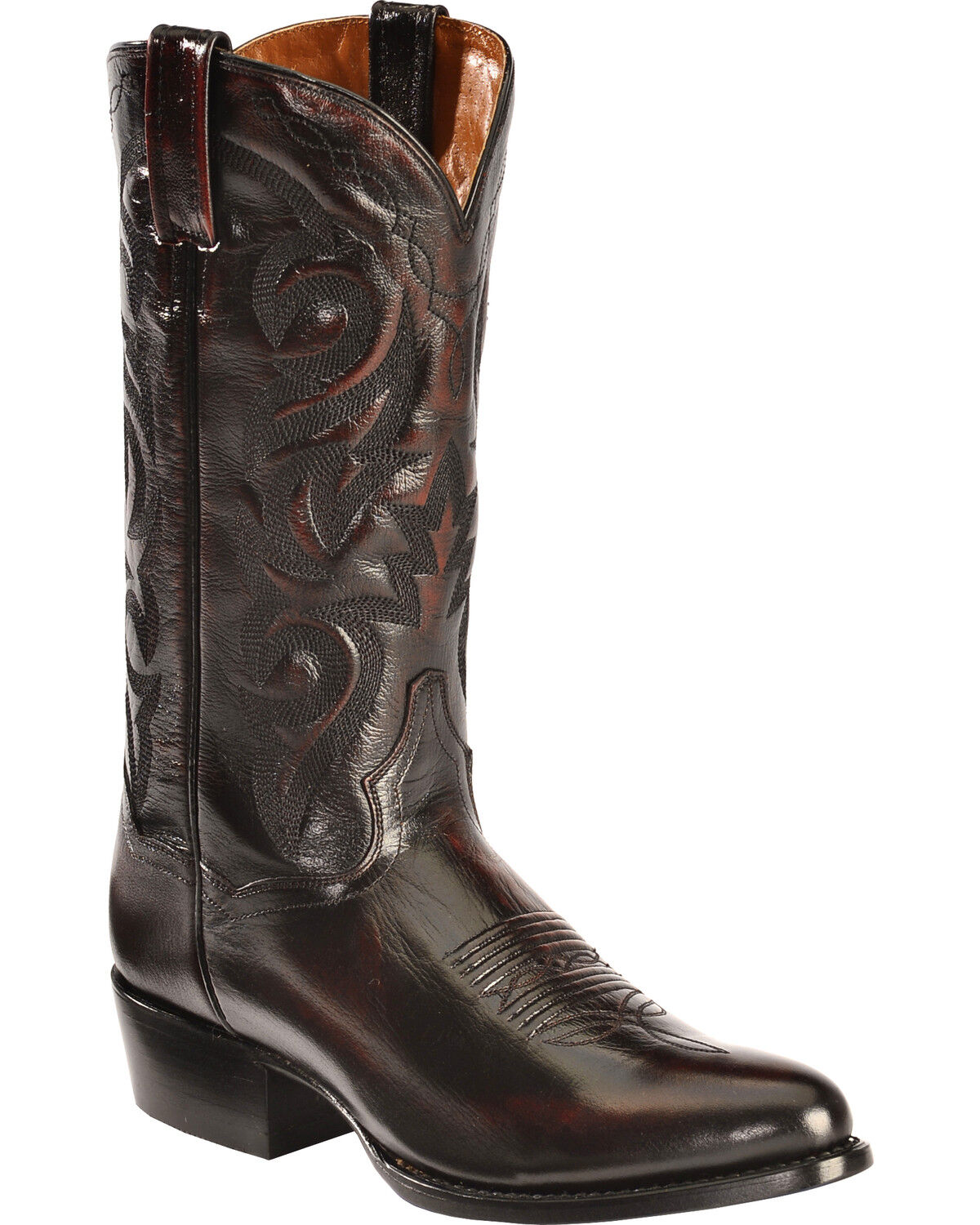
Classic cowboy boots are traditional pull-on western footwear defined by a tall shaft, a shaped heel, and a structured toe. Leather construction, decorative shaft stitching, and pull straps are common features, giving these boots a recognizable profile without requiring elaborate ornament. Their design grew out of practical riding needs: the shaft covers the lower leg, the heel helps keep the foot from sliding too far through a properly fitted stirrup, and the pull-on construction leaves no laces to manage. Those features remain central to the look, whether the boots are worn in the saddle, around a ranch, or with jeans for an ordinary day. A classic pair usually relies on balanced proportions rather than oversized details. Rounded and pointed toes are familiar choices, while narrower square toes offer another interpretation of traditional western style. Heel shapes and heights vary, so the silhouette alone does not tell the whole story about how a boot will feel underfoot. A lower heel can suit someone who spends more time walking, while a pronounced riding heel creates a different stance and profile. Smooth brown and black leather are established choices because they work easily with denim, western shirts, and simple belts. Natural variations in the hide give each pair its own surface character, and stitching can add definition without overwhelming the leather. The shaft may carry several rows of stitching, a restrained pattern, or contrasting thread, but the overall shape remains the defining feature. Worn beneath straight-leg or bootcut jeans, much of that detail stays out of sight; the toe, foot leather, and heel carry the look. With a skirt or dress, the shaft becomes a more visible part of the outfit. That combination of riding roots and everyday usefulness is central to the appeal of American Cowboy Boots. The strongest choice is a pair whose shape, construction, and finish match how it will actually be worn.

Materials and fit make the difference between boots that look right and boots that earn regular wear. Full-grain leather retains the hide’s natural grain and can develop a distinct patina with use, although its feel and break-in depend on thickness, tanning, and construction. A firm leather foot may soften gradually, while a more flexible leather can feel comfortable sooner. Neither appearance nor softness alone establishes durability. Sound seams, secure heel attachment, a supportive footbed, and an outsole suited to the job all matter. Leather outsoles are traditional and offer a relatively smooth profile, but they can feel slick on polished surfaces, especially before they have been worn. Rubber outsoles can provide more grip, depending on the tread and compound, and may suit frequent walking on hard surfaces. Some boots use welted construction that allows a qualified repair shop to replace worn soles; that possibility depends on the individual construction and condition of the boot. Fit deserves the same attention as the materials. The instep should feel secure without painful pressure, and the ball of the foot should sit near the widest part of the boot. Toes need room to rest naturally rather than being pushed together or held against the front. A pointed toe extends beyond the space occupied by the toes, so outside shape is not a reliable measure of interior room. Slight heel movement can be normal in a new pull-on boot, but excessive slipping or rubbing is not something to dismiss as break-in. Leather can relax across the foot, but a boot that is too short will not gain meaningful length. Try both boots with the socks intended for regular wear, then walk far enough to notice pressure at the instep, heel, and little toe. The shaft should also leave comfortable room around the calf. Width, arch shape, and foot volume can affect fit as much as the size printed inside.

Classic cowboy boots suit a range of routines, but intended use should guide the details. Someone moving between a desk, a truck, and a dinner table may value a moderate heel, a comfortable footbed, and leather that takes a clean polish. A rider needs a boot and sole profile appropriate for the stirrups and riding activity. Someone working around equipment or on demanding job sites should look beyond western styling and confirm any required safety features, including protective toes or rated slip resistance. A traditional cowboy boot is not automatically a safety boot. For long hours on concrete, cushioning and support deserve more attention than decorative stitching. For weddings, dances, and other gatherings, a restrained leather finish can look sharp without feeling formal, especially when the belt and clothing stay simple. Boots can also make a thoughtful birthday or graduation gift for someone who already wears western footwear, provided the recipient’s fit preferences are known. A familiar boot size is a starting point, not a guarantee across different shapes and constructions. Once a pair becomes part of the routine, consistent care helps preserve both comfort and appearance. Brush away loose dirt before it collects along seams and welts, then wipe smooth leather with a soft cloth as needed. Use a conditioner appropriate for the leather, following its directions rather than applying more than the surface can absorb. Suede and roughout generally call for their own brushes and suitable care supplies instead of ordinary leather polish. Let boots dry naturally after cleaning, away from direct heat, and allow the interiors to air between wears. Boot trees can help maintain the foot shape, while shaft supports can limit deep folds during storage. Check heel caps and soles periodically; repairing worn components before damage reaches the underlying structure can preserve more of the boot. With the right fit and steady care, classic cowboy boots can develop visible character while remaining a dependable part of everyday dress.
Read More

FAQs