White Cowboy Boots

Shop white cowboy boots for a fresh take on classic western style. White pairs well with dark denim, lighter outfits, and dressier looks, making these boots a distinct option for everyday wear or special occasions. Browse the available styles to find a pair that fits your wardrobe.

Shop Your Store: Shop Your Store: Find a Store

(Turn off Shop Your Store to see all items)

(Turn off Shop Your Store to see all items)

close
  • Recommended
  • Lowest Price
  • Highest Price
Skip pass products

End of products

White Cowboy Boots

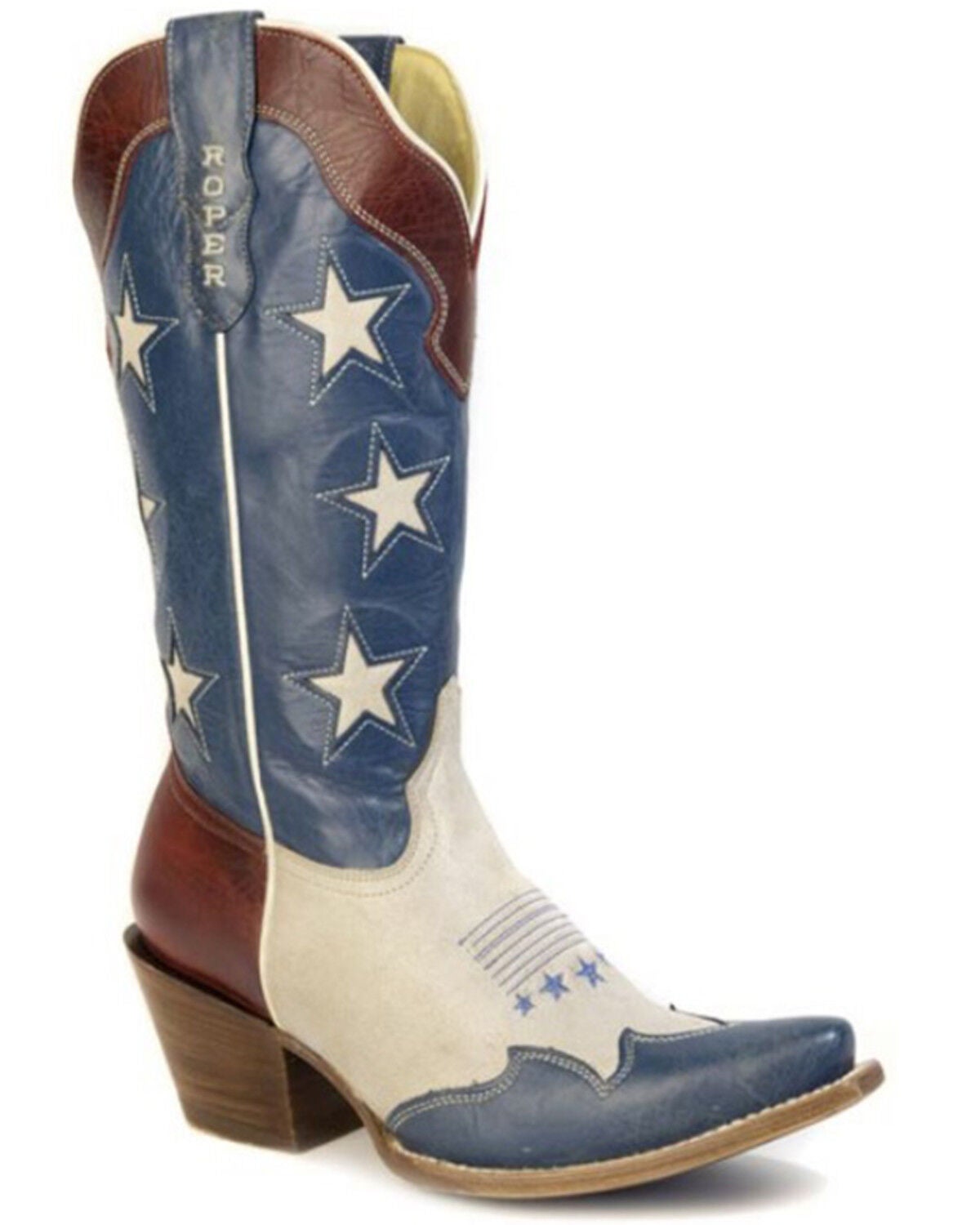
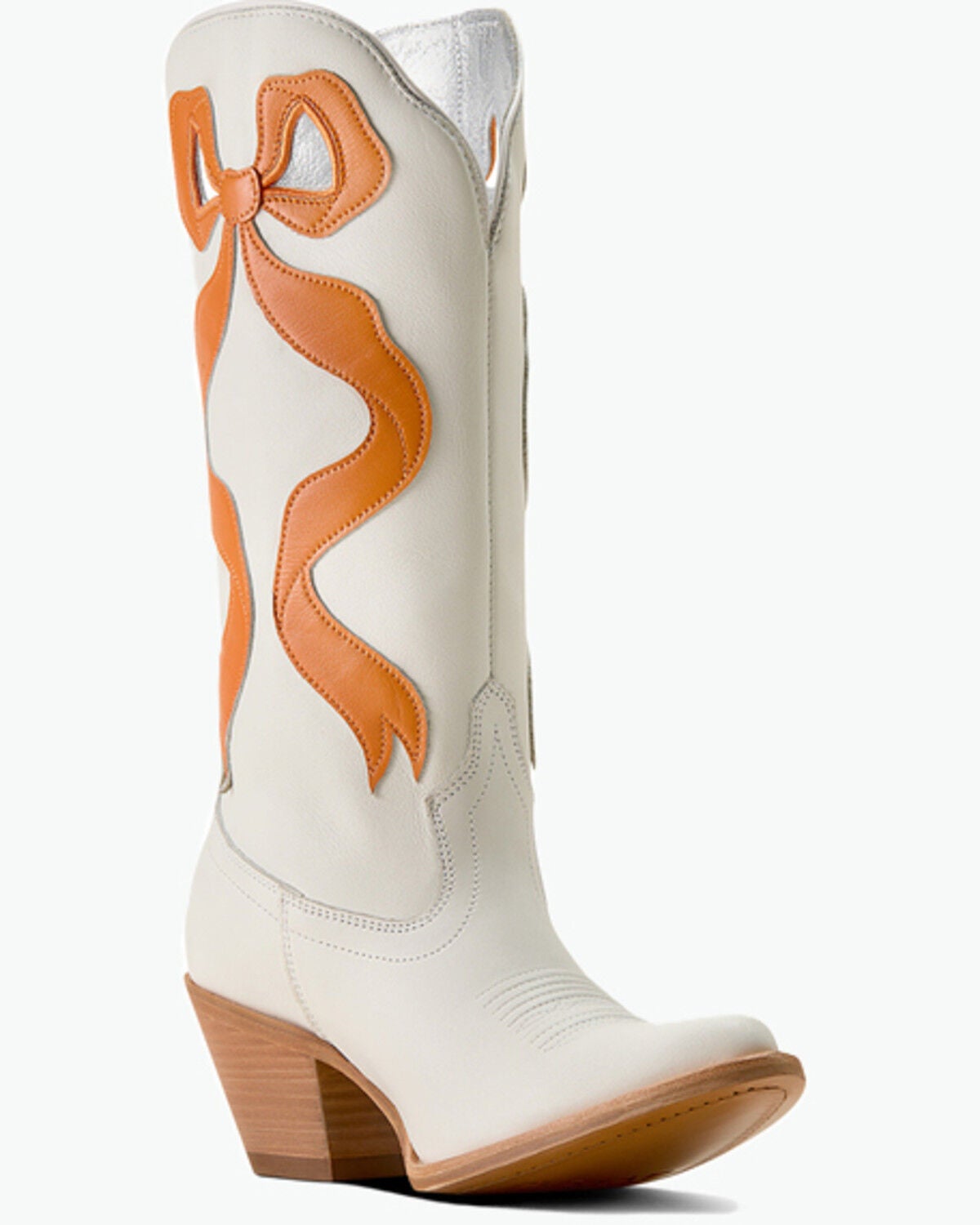
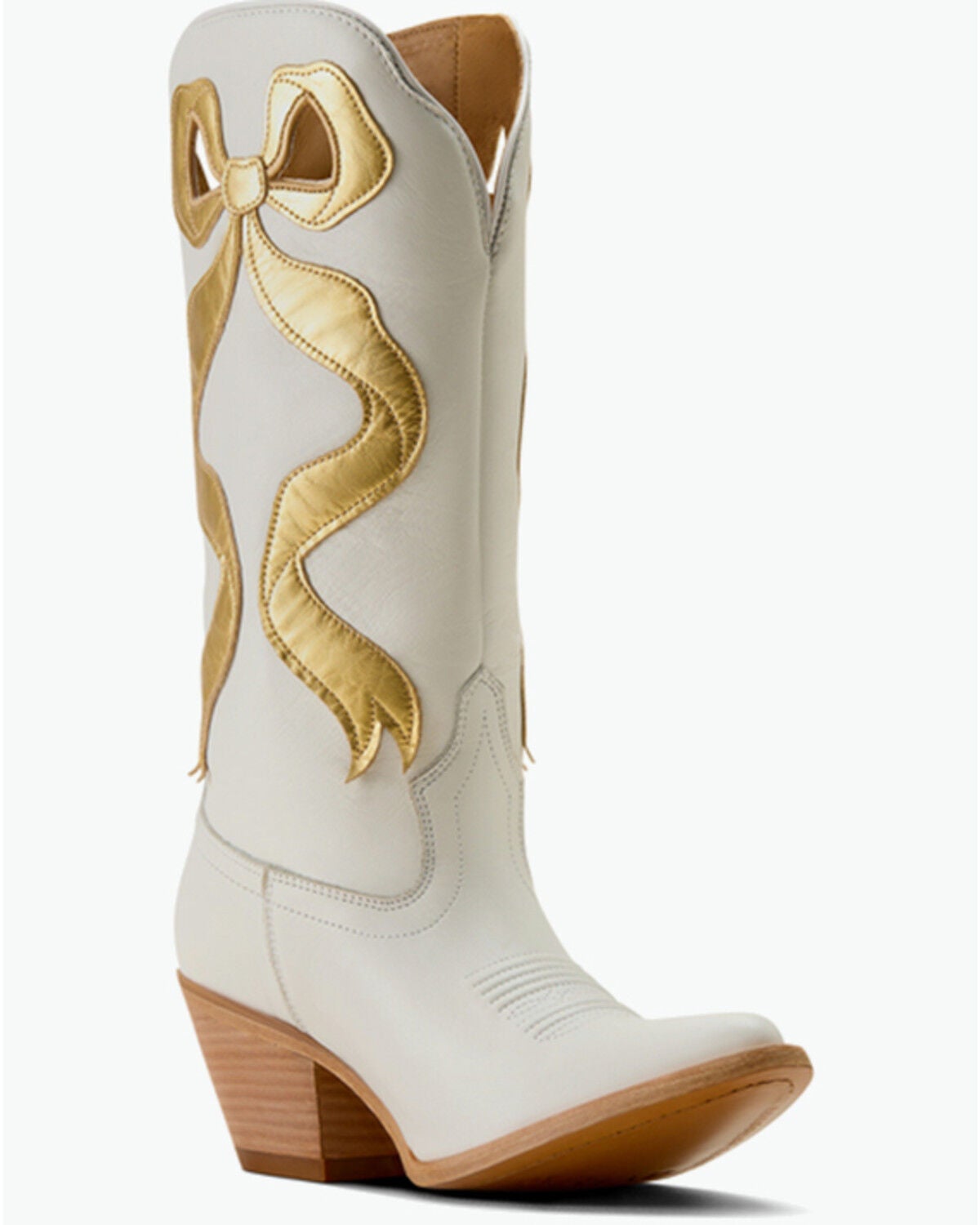
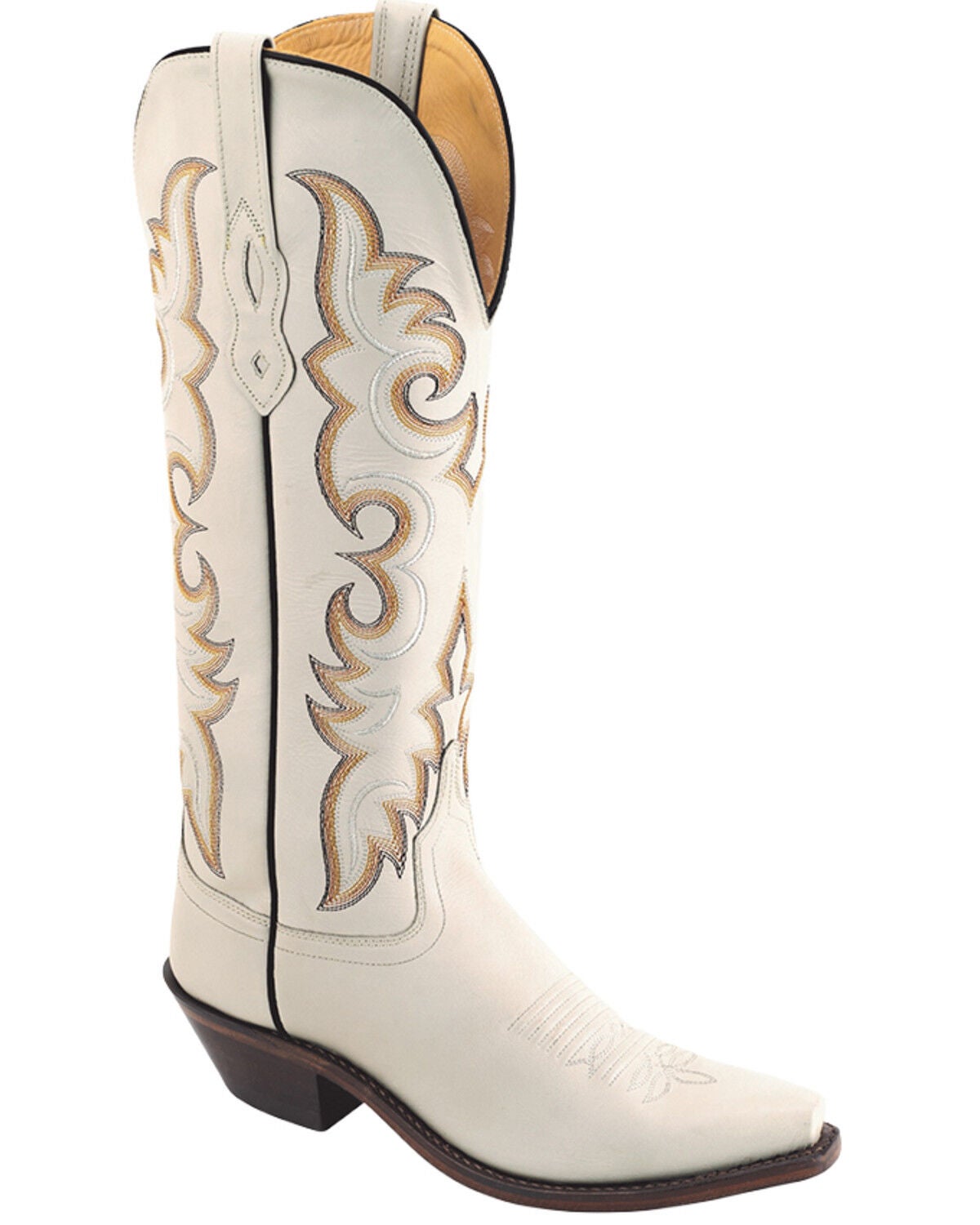
White cowboy boots are western-style boots with white or off-white uppers, shaped heels, and details such as stitched shafts, pull tabs, and pointed or rounded toes. Their light finish brings a distinct look to familiar cowboy boot construction, whether the design is simple or marked by detailed stitching. Bright white has a crisp appearance against dark denim, while ivory and cream offer a softer contrast with tan, brown, and other earth tones. The shade matters when coordinating boots with a dress, suit, or matching accessories, since two finishes described as white may look different side by side. Materials also affect how the boots look, feel, and hold up to wear. Full-grain leather retains the natural grain of the hide and can develop creases as it flexes. Other leather finishes may have a smoother, more uniform surface, while synthetic uppers have their own texture and care requirements. A light-colored finish does not make a boot waterproof or resistant to stains; those qualities depend on its materials and construction. Smooth uppers give stitching and seam placement a clear outline, while textured leather adds depth without relying on a contrasting color. Shaft height changes the overall silhouette, from shorter western profiles to mid-calf and taller designs. A taller shaft creates a longer line with a skirt or dress, while a shorter shaft can sit neatly beneath a wider pant leg. Toe shape makes another visible difference. A pointed or snip toe creates a narrower profile, a round toe gives a traditional shape, and a square toe adds a broader outline. Actual room inside the boot depends on its construction, not just the appearance of the toe. Heel height, lining, cushioning, and sole material complete the design. Together, these details separate boots intended mainly for dressed-up occasions from those built with greater emphasis on everyday comfort. White western boots can have a strong visual presence without elaborate detail; a clean upper, well-shaped shaft, and balanced heel often define the look.

Fit is central to how white cowboy boots feel through a full day of wear. A pull-on boot should hold the foot securely across the instep without painful pressure, with room for the toes to rest naturally. Some heel movement can occur in a new cowboy boot before the sole becomes more flexible, but excessive slipping or a foot that slides forward can point to a poor fit. Leather may soften with use, though a boot that is too short should not be expected to gain meaningful length. The shaft opening deserves attention as well, especially with taller styles or when wearing jeans tucked inside. A comfortable foot fit does not always mean the shaft will suit every calf. Sock thickness, foot width, and differences between manufacturers can all affect sizing. Cushioned insoles may improve comfort, but heel stability and the underlying fit still matter when standing through a ceremony or walking between a parking area and a concert venue. White cowboy boots work with blue jeans, black denim, skirts, dresses, and tailored separates. Straight or bootcut jeans worn over the shaft keep the outfit understated, while tucked-in slim denim leaves the stitching and shaft shape visible. With a midi skirt, the height of the boot and the hemline determine how much of the shaft shows. For women considering dress-focused styling, white cowgirl boots offer a closely related western footwear category. White boots can suit country concerts, line dancing, engagement photos, wedding receptions, and everyday outfits with a western influence. For bridal wear, the boot color and heel height need to work with the dress and its hem. Men can pair white western boots with dark jeans and a restrained shirt to keep the contrast deliberate. As a gift, they are best suited to someone whose size, preferred toe shape, and usual boot fit are known, especially if the pair is intended for a particular occasion.

White cowboy boots need care that respects both the upper material and its light finish. Dust, dark scuffs, and transferred dye tend to show clearly on white surfaces, making regular cleaning more useful than waiting for marks to build up. A soft brush or clean cloth can remove loose dirt before it is rubbed into seams or stitching. Leather cleaners and conditioners should be suitable for the specific finish, since some treatments can darken leather, leave residue, or change its sheen. Testing a treatment on a small, less visible area helps limit an unwanted color change. Suede, textured leather, coated leather, and synthetic uppers may require different methods, so the care directions supplied with the boots take precedence over a general leather routine. Strong household cleaners, heavy scrubbing, and soaking can damage finishes rather than restore them. Dye transfer is another practical concern: dark denim worn against a light shaft can leave marks, particularly when the fabric rubs repeatedly. Soles and heels also deserve attention. Leather outsoles have a traditional appearance and feel, while rubber outsoles can provide different levels of cushioning and traction depending on their design. No outsole should be assumed to offer slip resistance unless that feature is specified. Fashion-focused western boots are not a substitute for footwear with the protective features required on a jobsite. Durability depends on the upper, stitching, sole attachment, heel construction, and how the boots are used. Some constructions allow resoling or heel repair, which can extend useful wear when the uppers remain in good condition. Between outings, boots benefit from drying naturally away from direct heat and being stored where their shafts are supported rather than folded. Boot trees or shaft supports can help preserve their shape. White leather will still develop normal creases and signs of wear. With suitable care and a fit that supports regular use, white cowboy boots can remain a dependable part of a wardrobe built around denim, dresses, and straightforward western style.

FAQs