Comfort Cowboy Boots

Find comfort cowboy boots for everyday wear without giving up western style. Browse the selection with your routine in mind, and compare each pair’s fit information, toe shape, and listed comfort features to help choose boots that suit your feet and your day.

Shop Your Store: Shop Your Store: Find a Store

(Turn off Shop Your Store to see all items)

(Turn off Shop Your Store to see all items)

close
  • Recommended
  • Lowest Price
  • Highest Price
Skip pass products
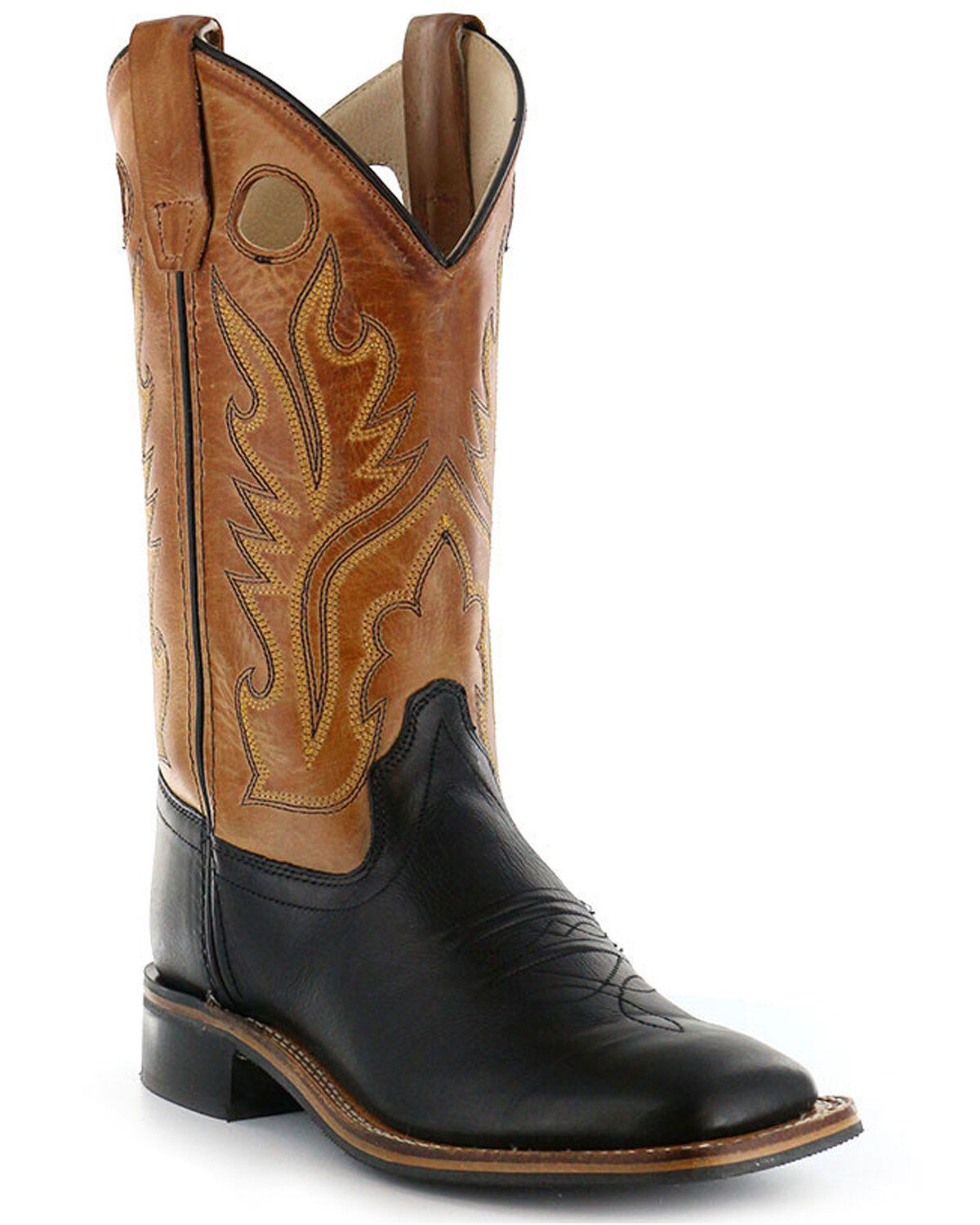
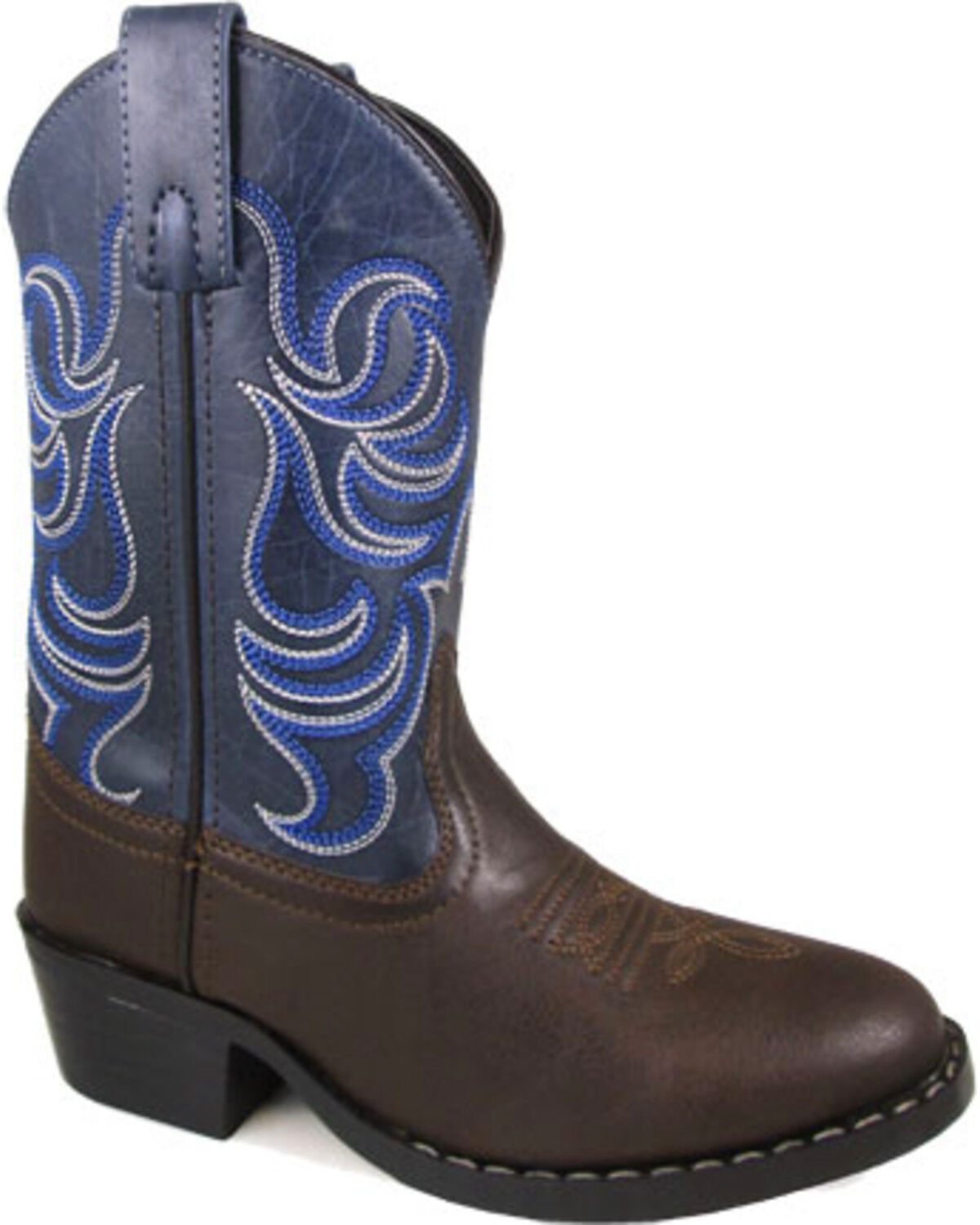
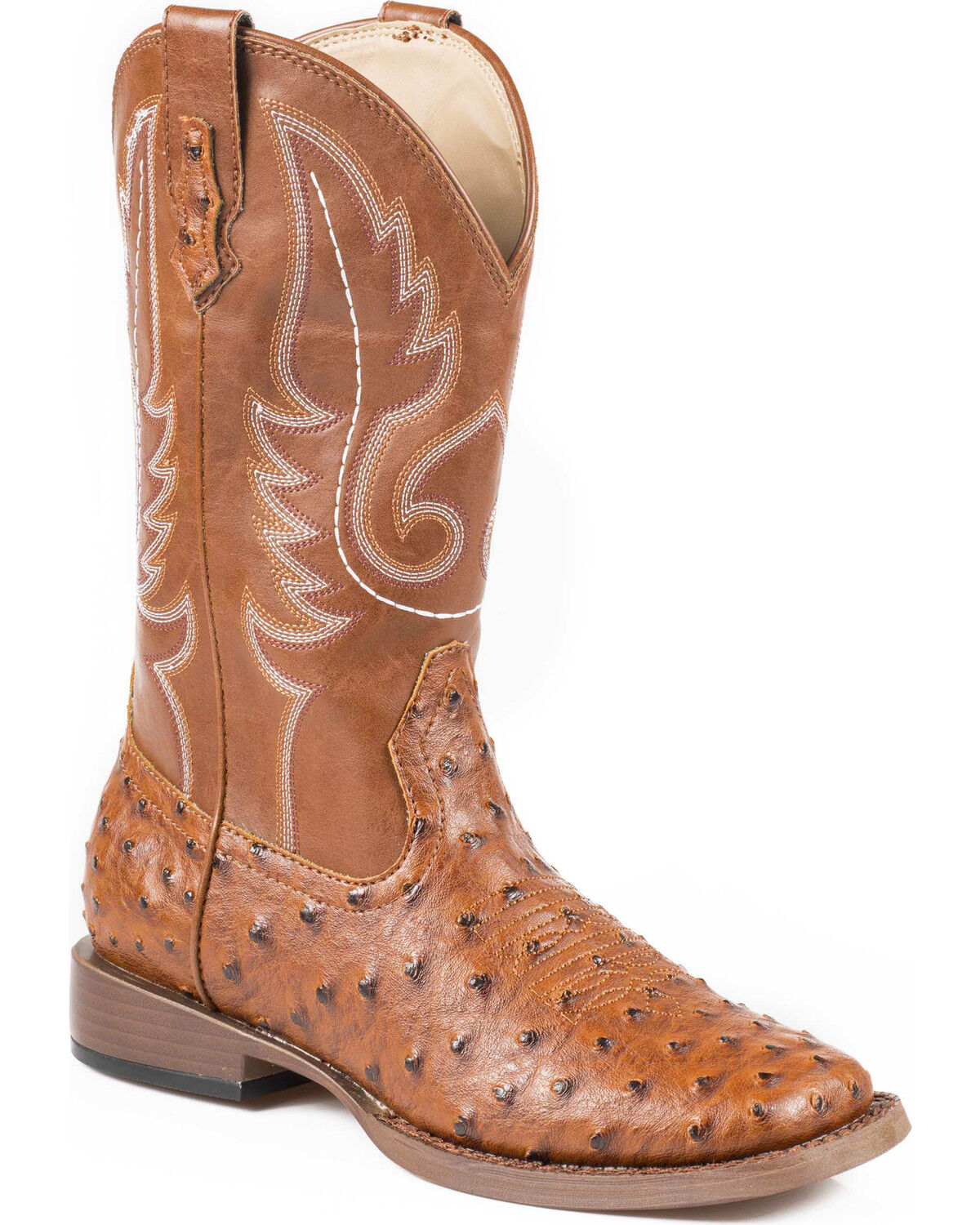
  • Boys' Cody James Canyon Western Boots - Square Toe
    Original Price $59.99 $49.99
    17% Total Savings

End of products

Comfort Cowboy Boots

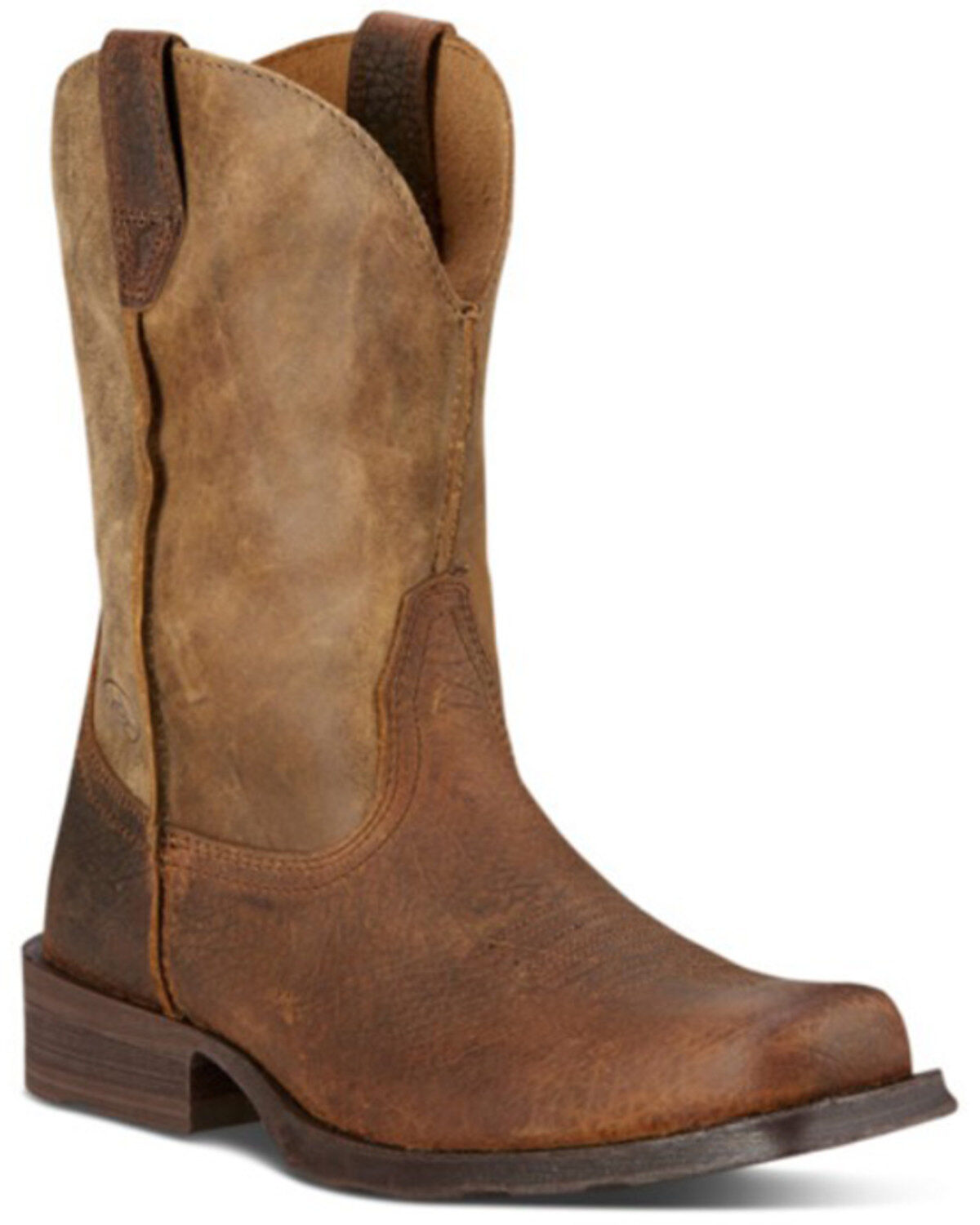
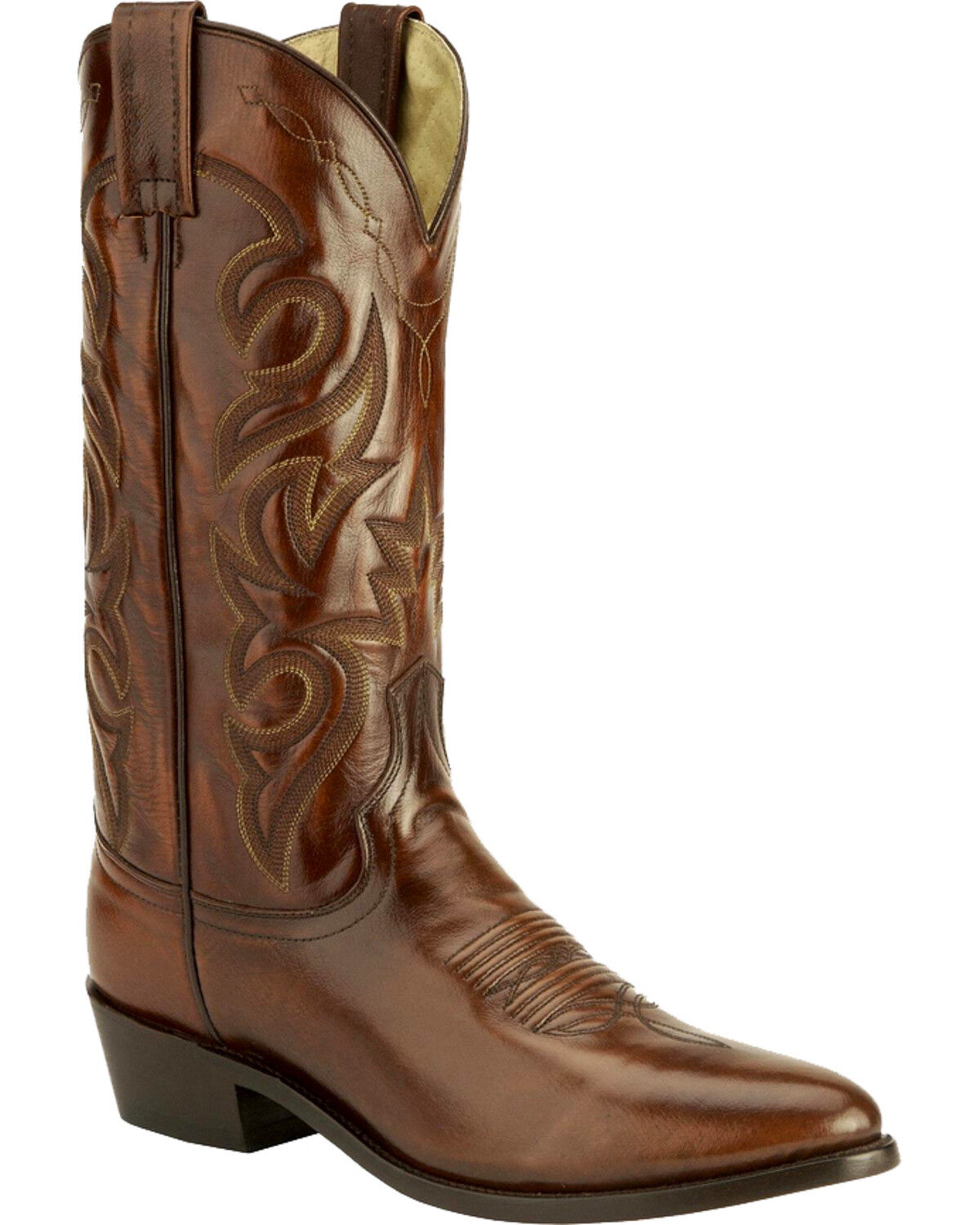
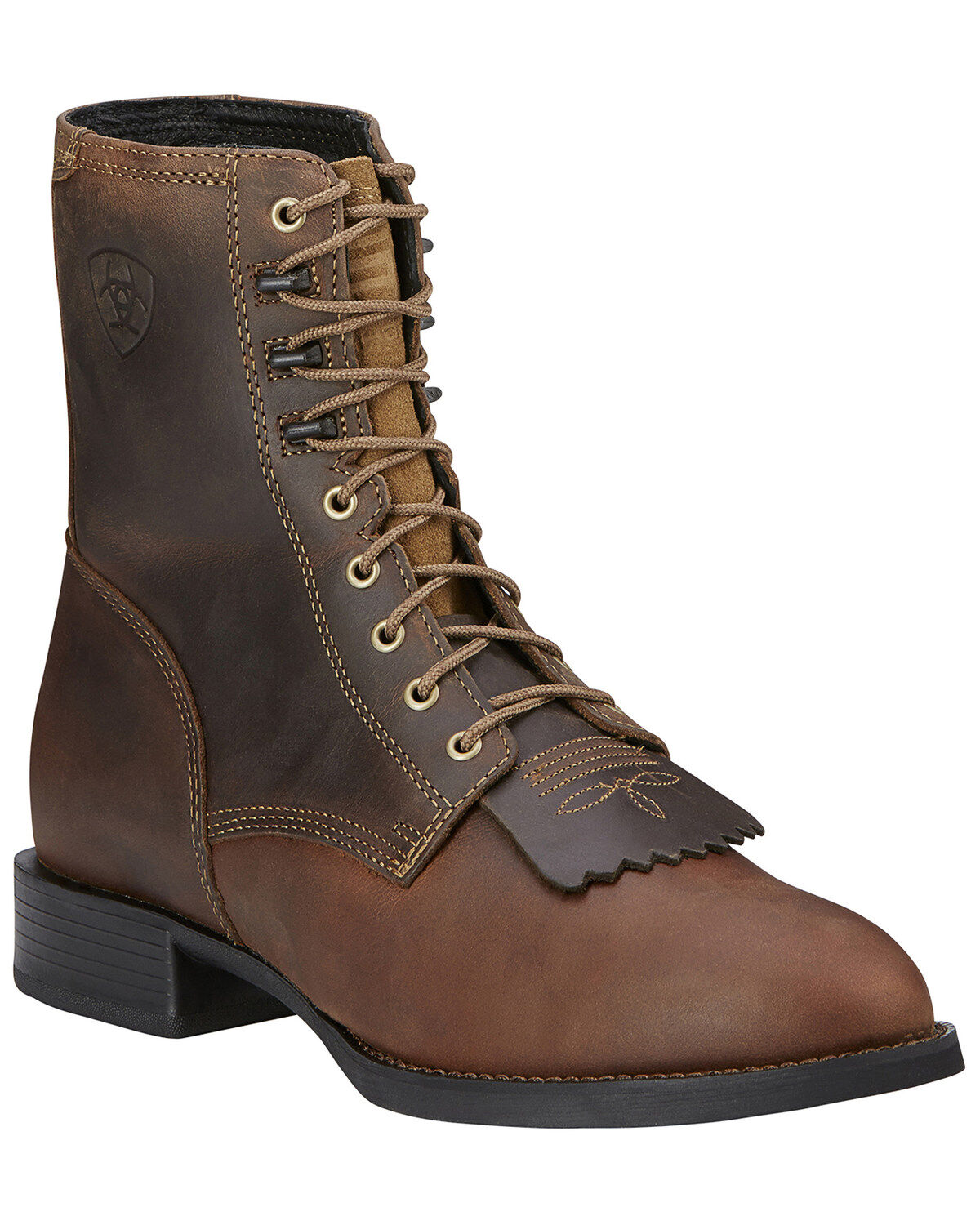
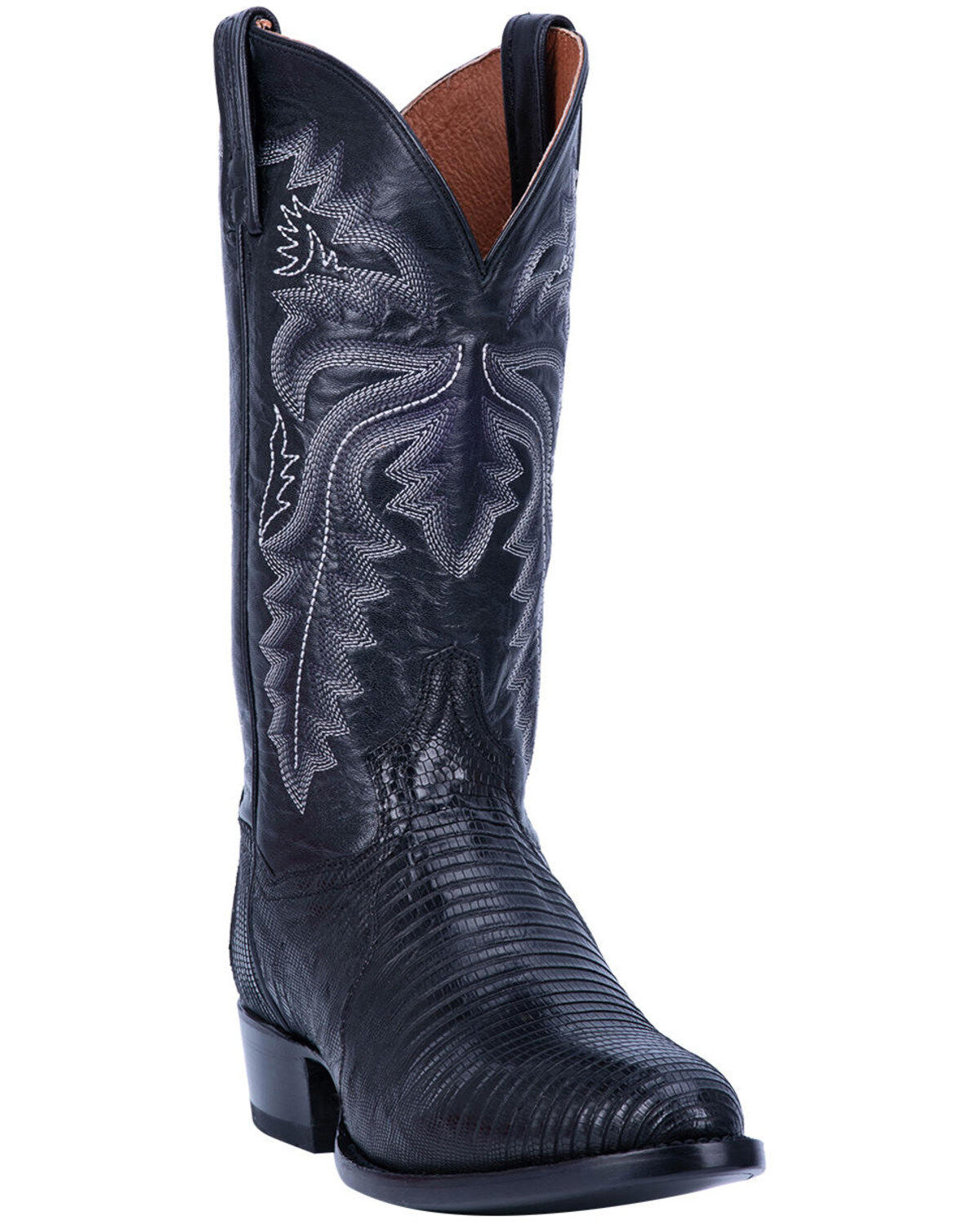
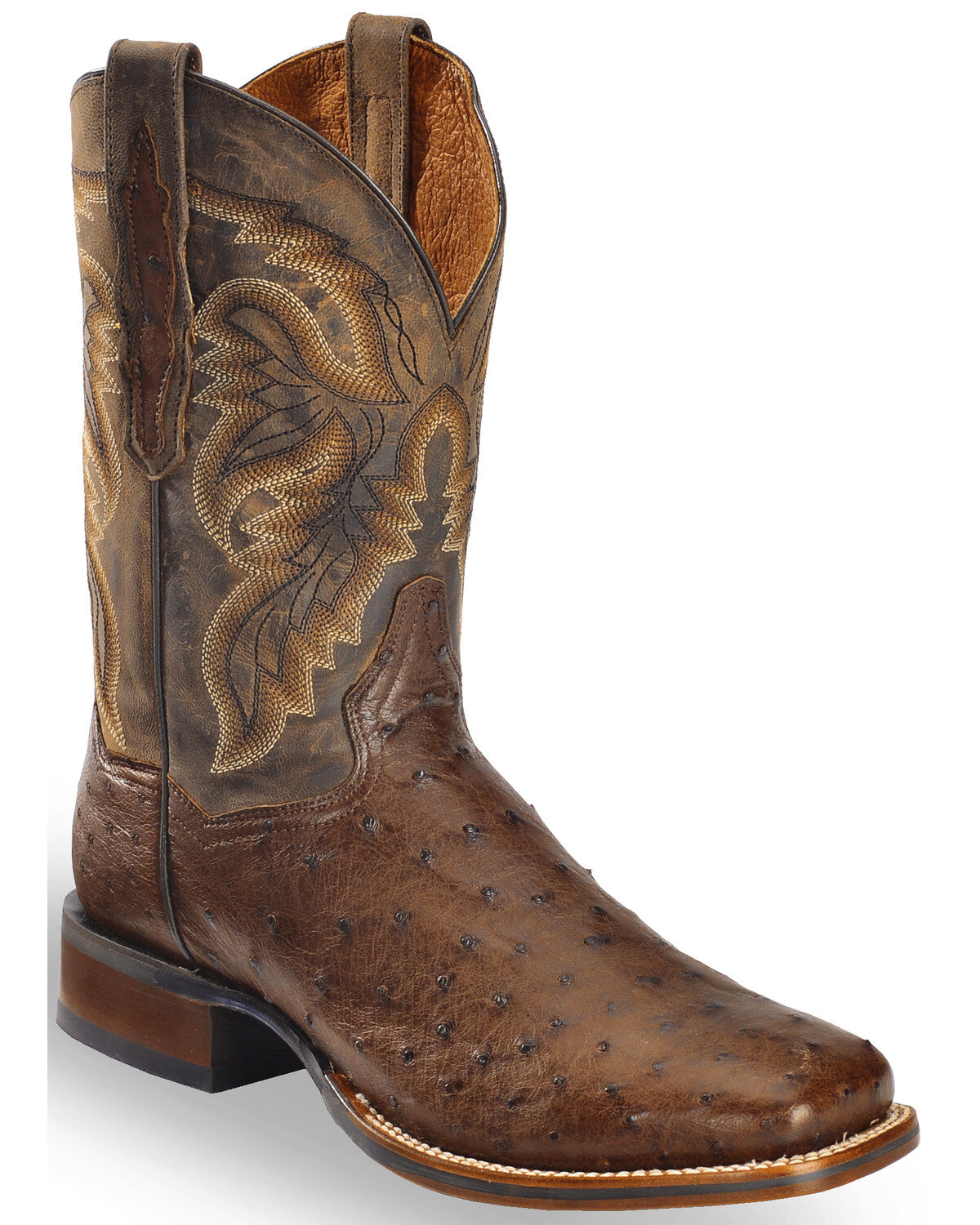
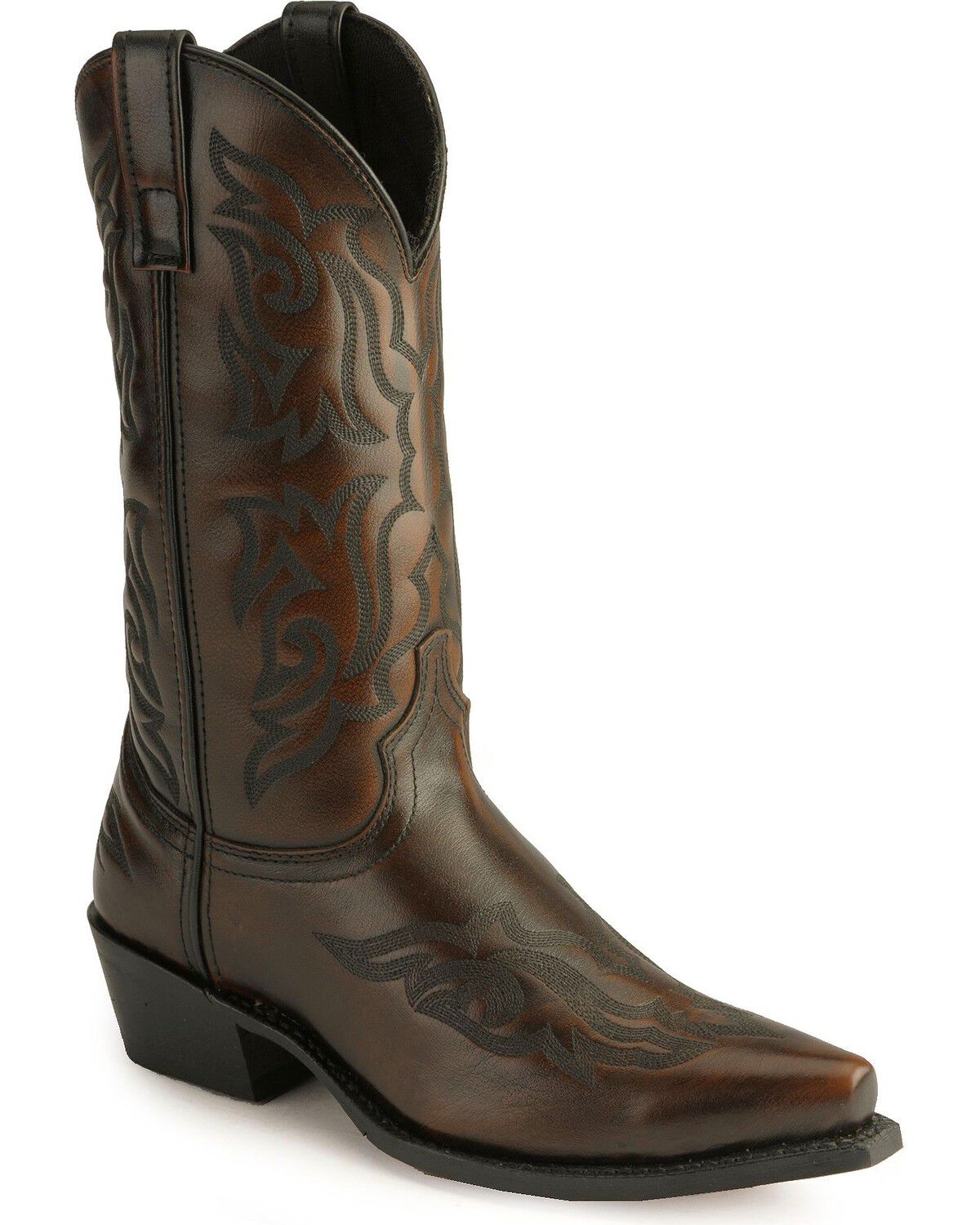
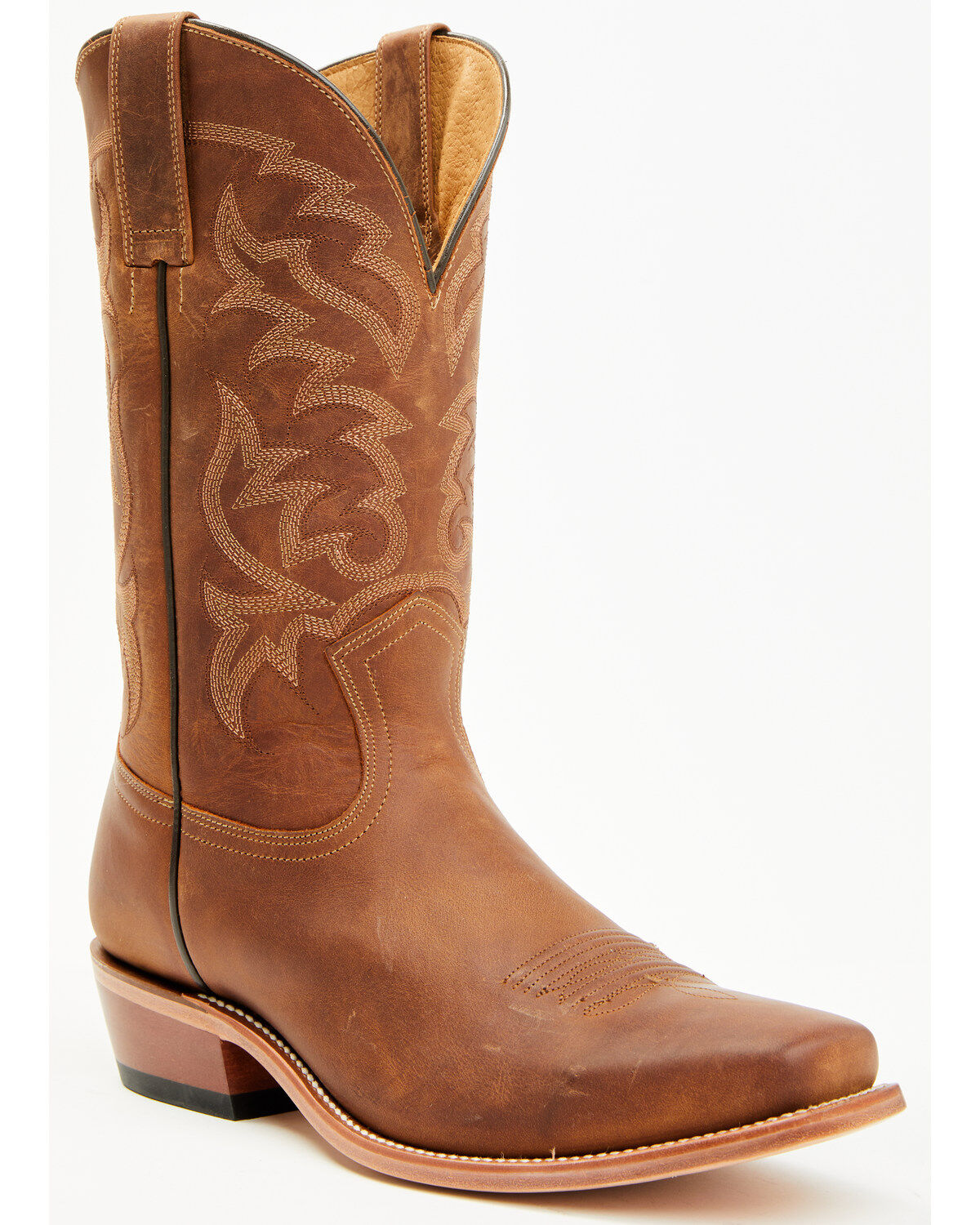
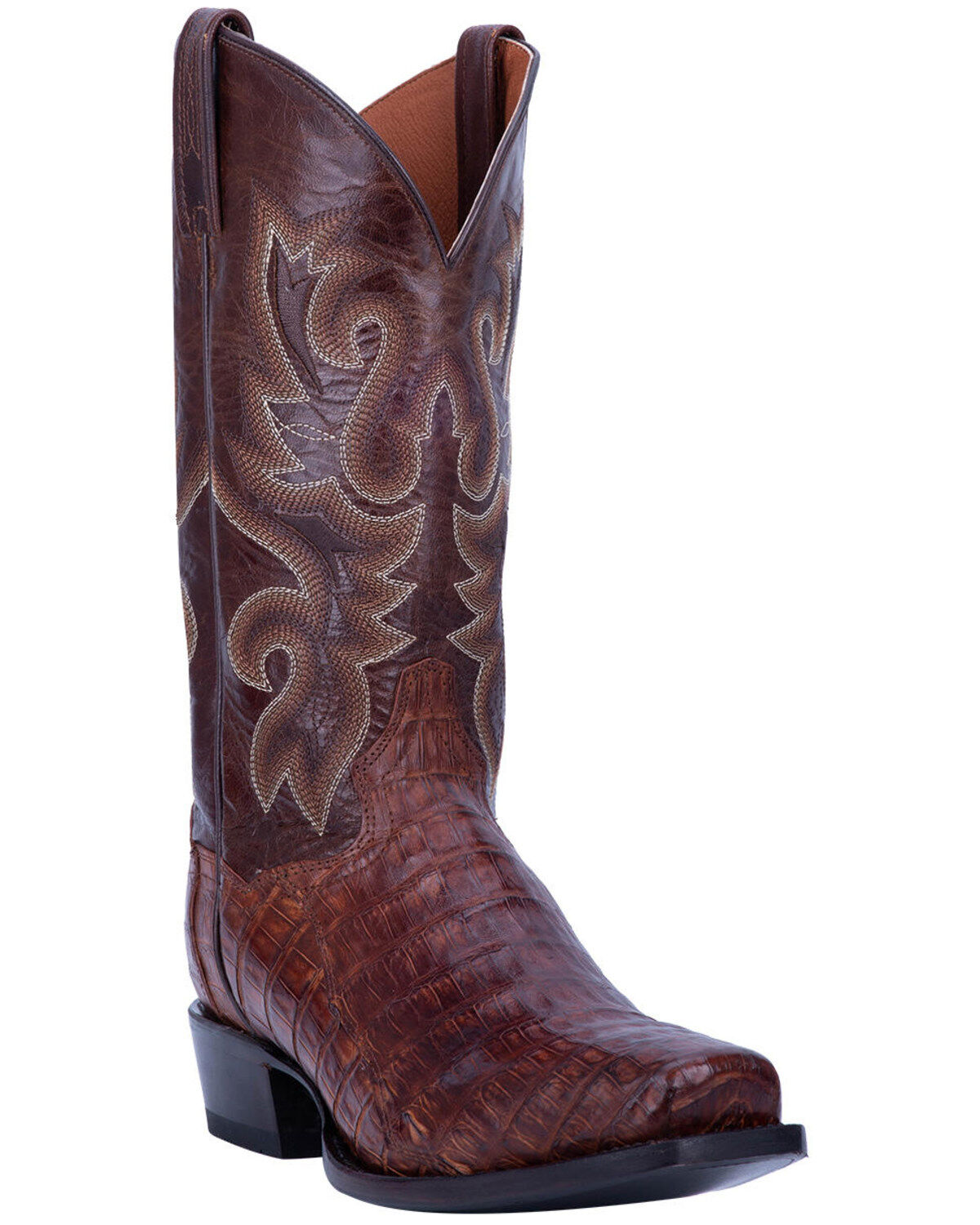
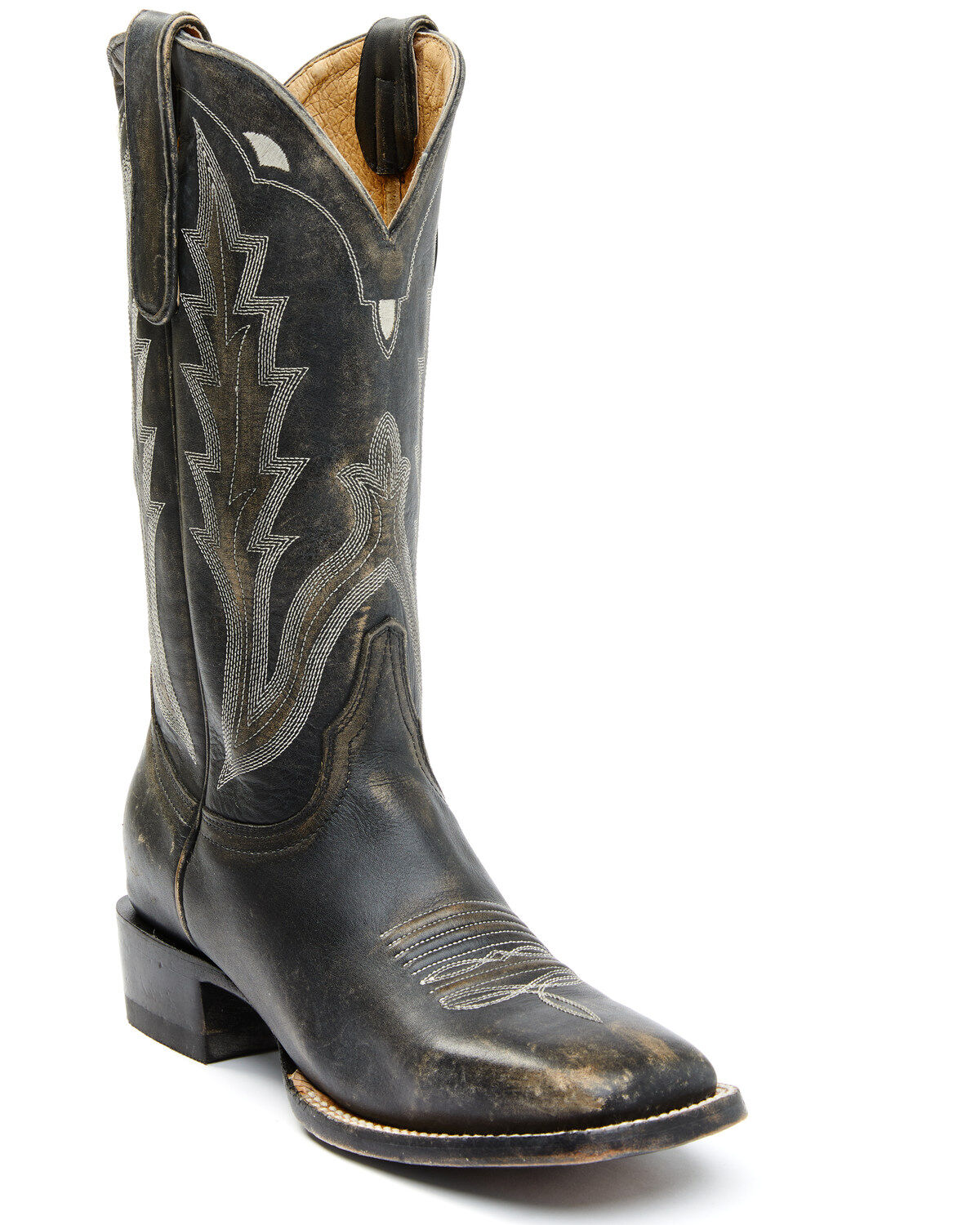
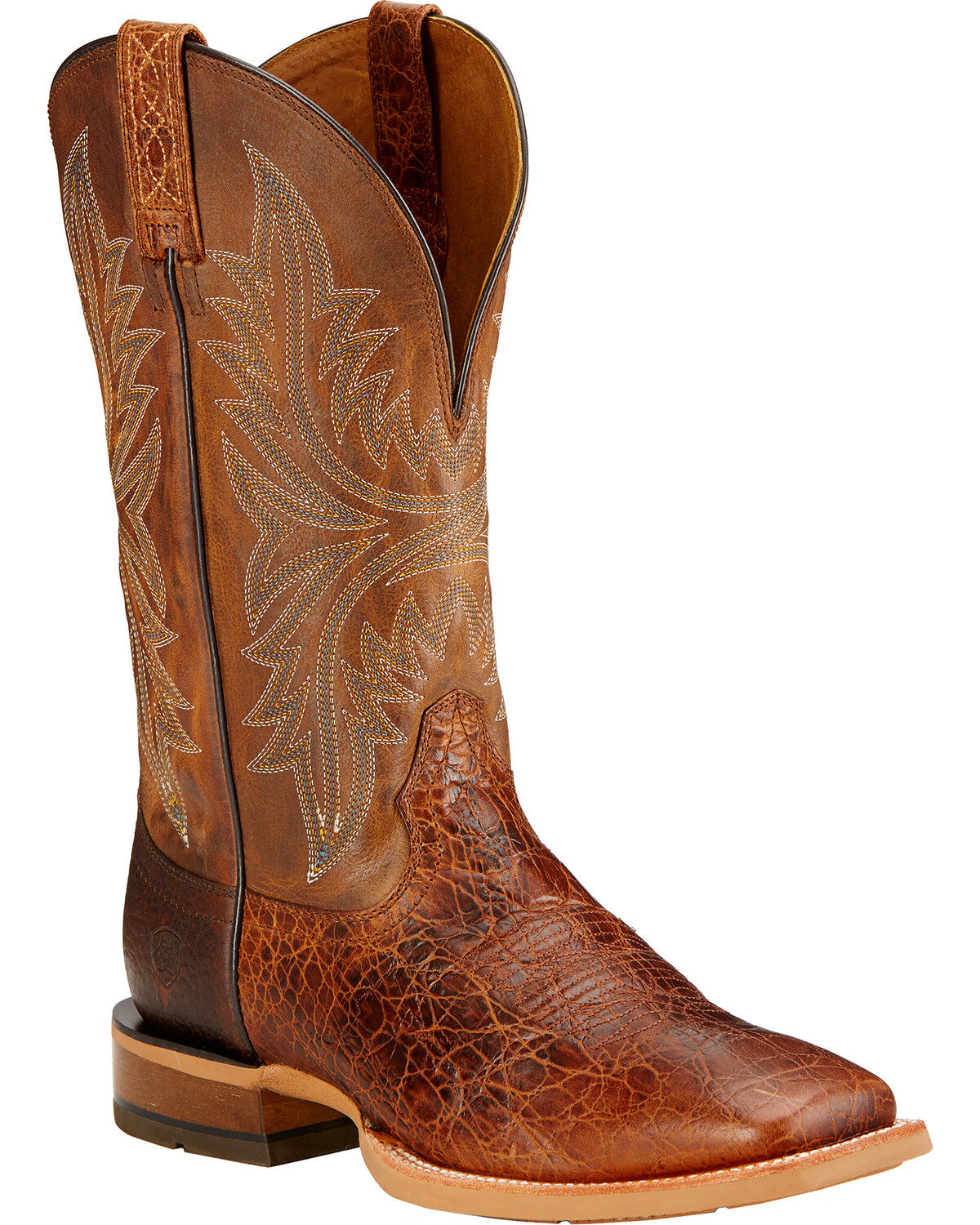
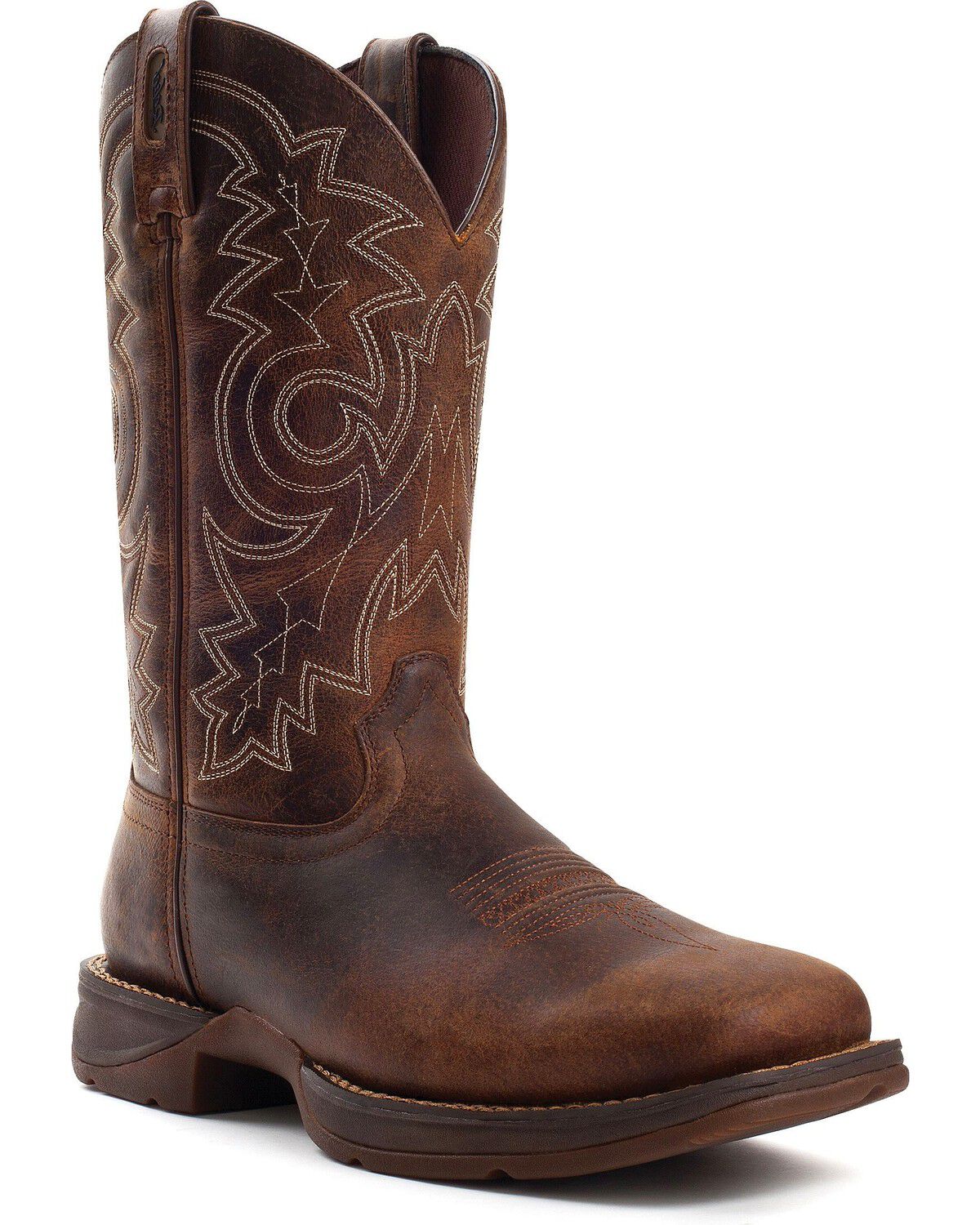
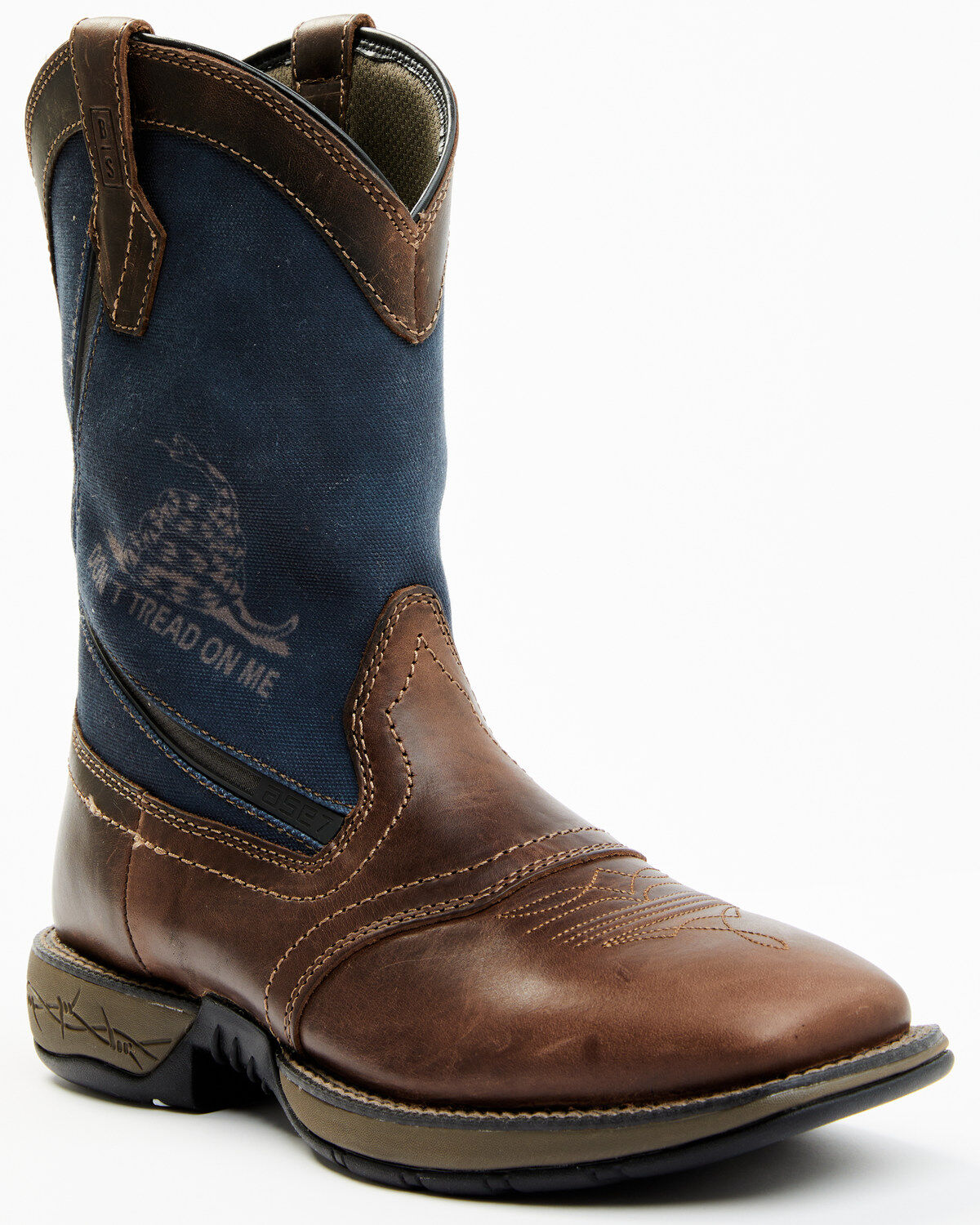
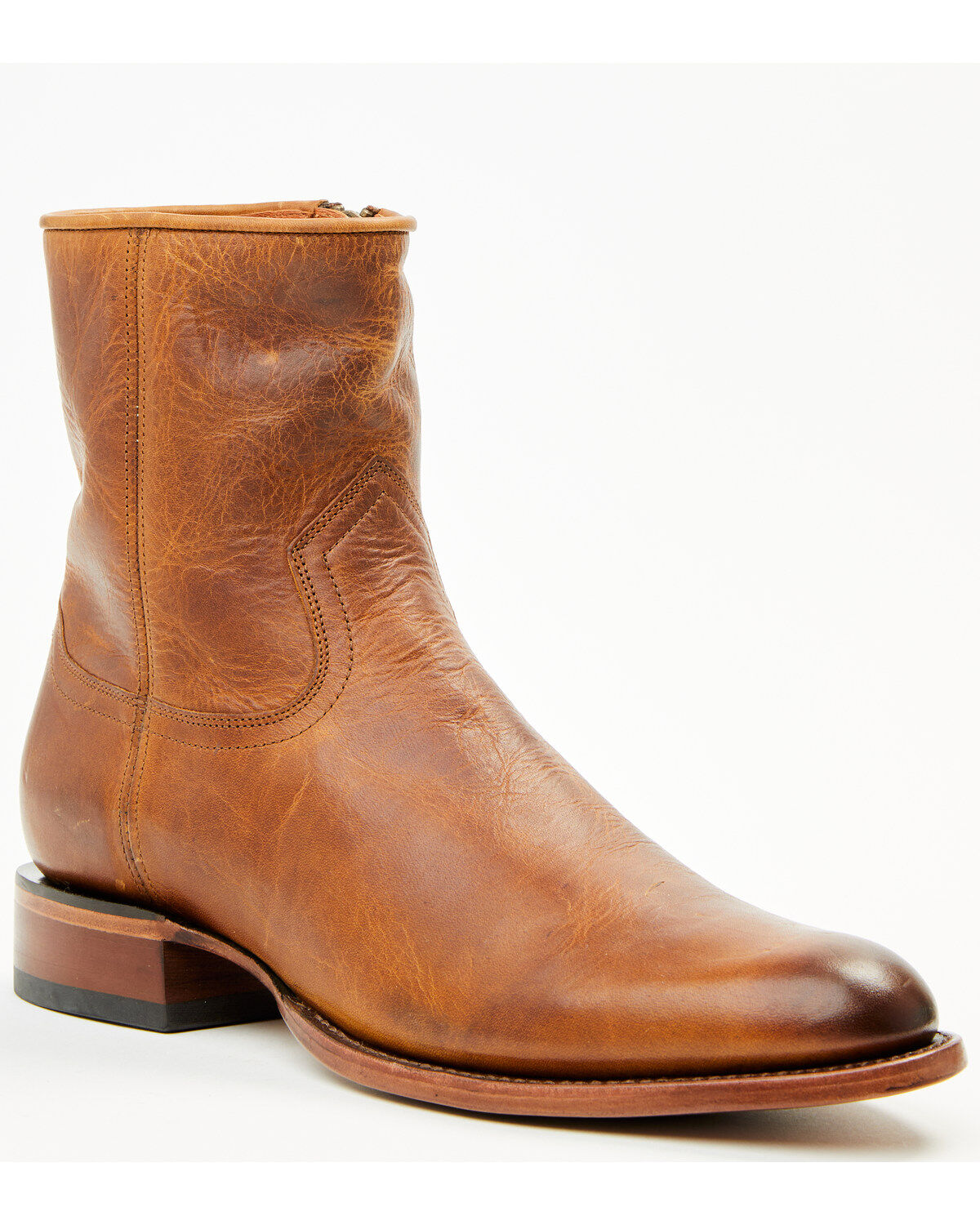
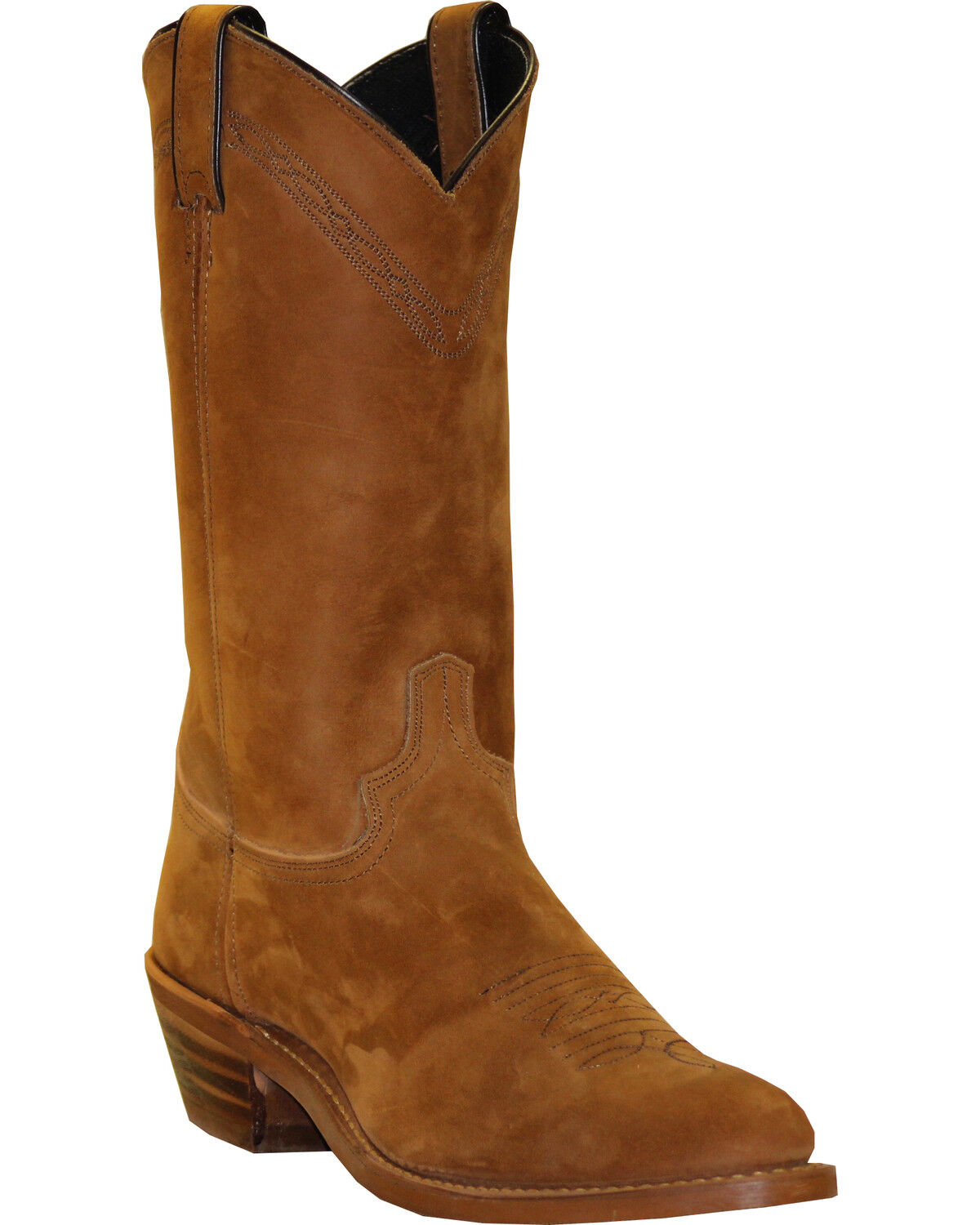
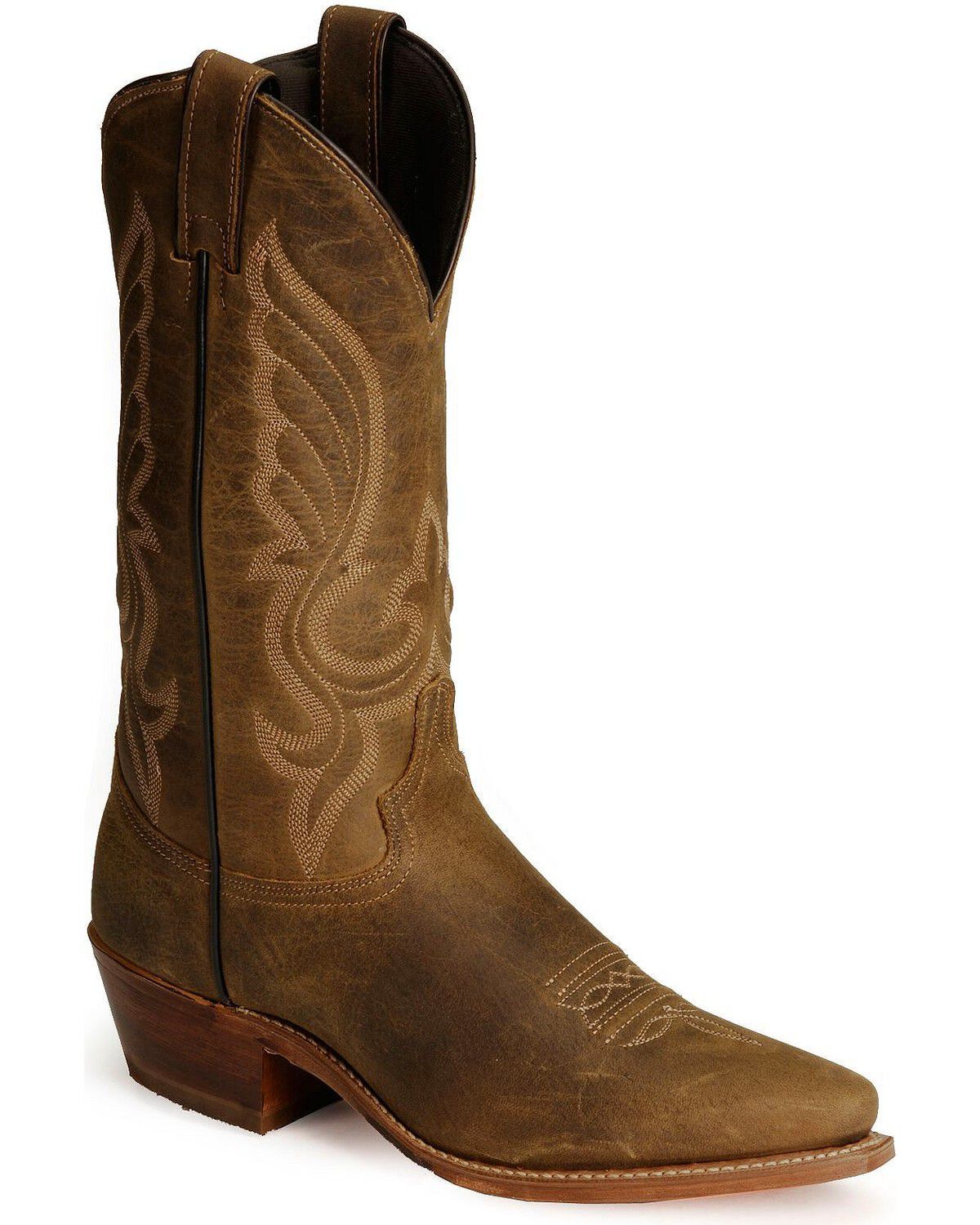
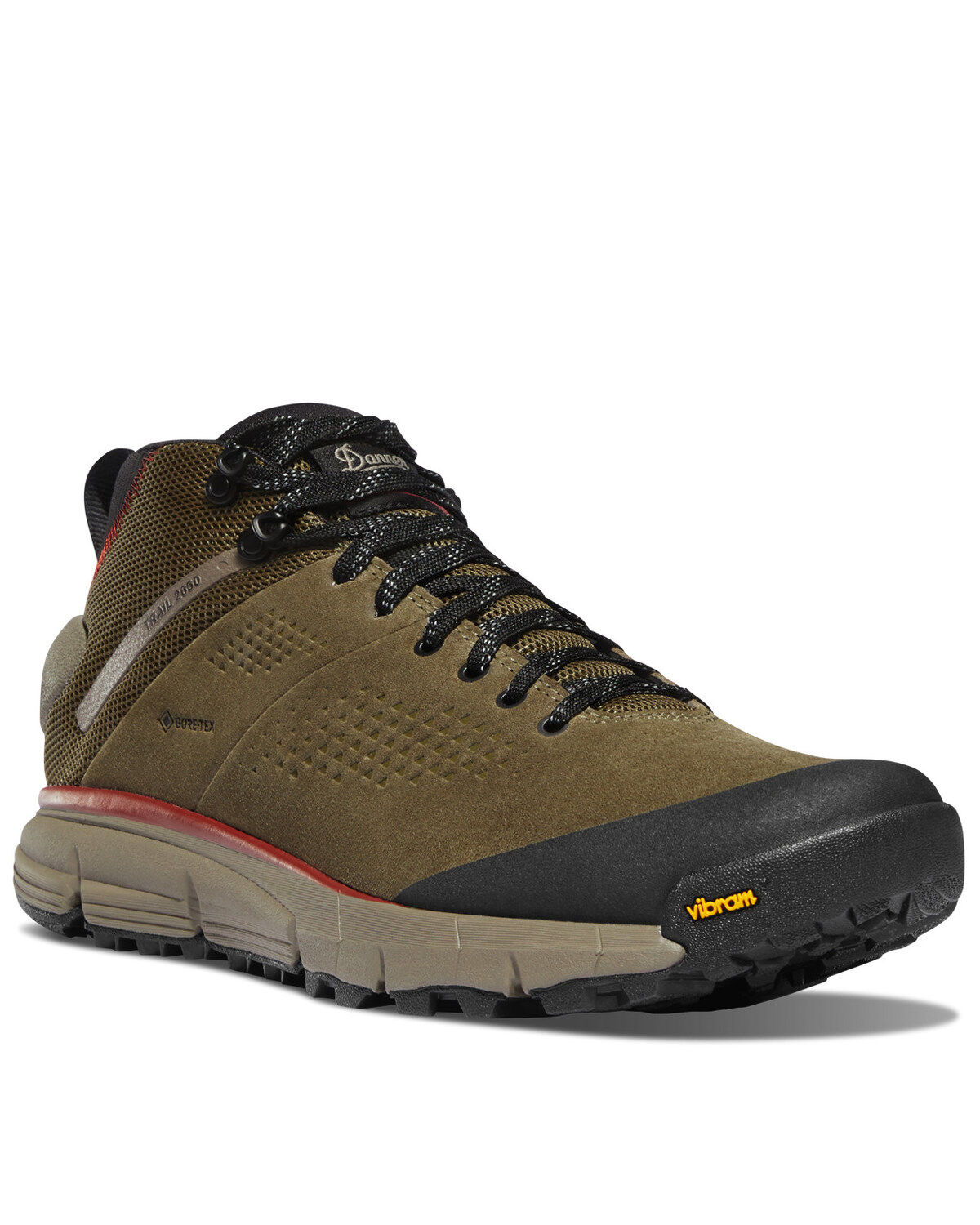
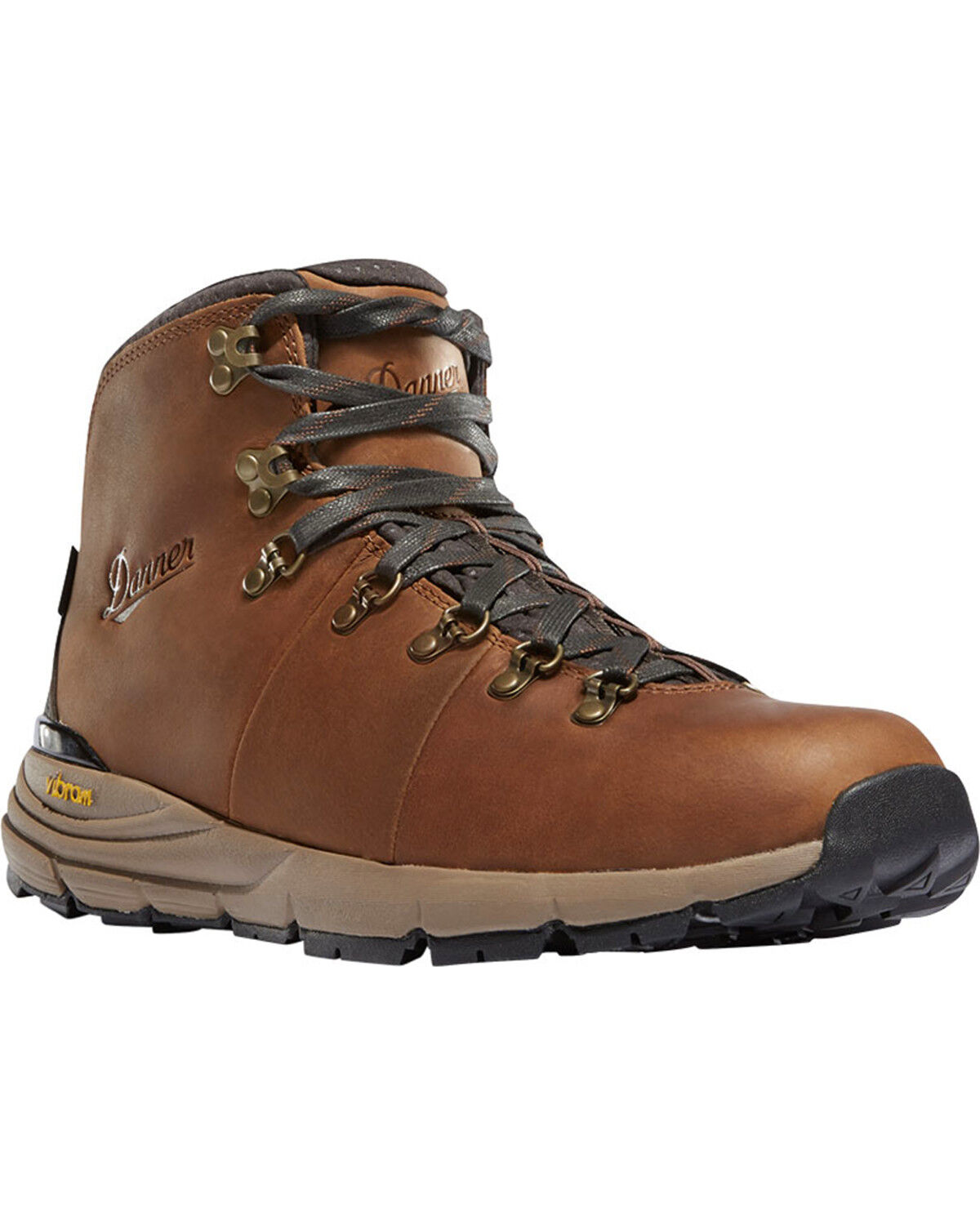
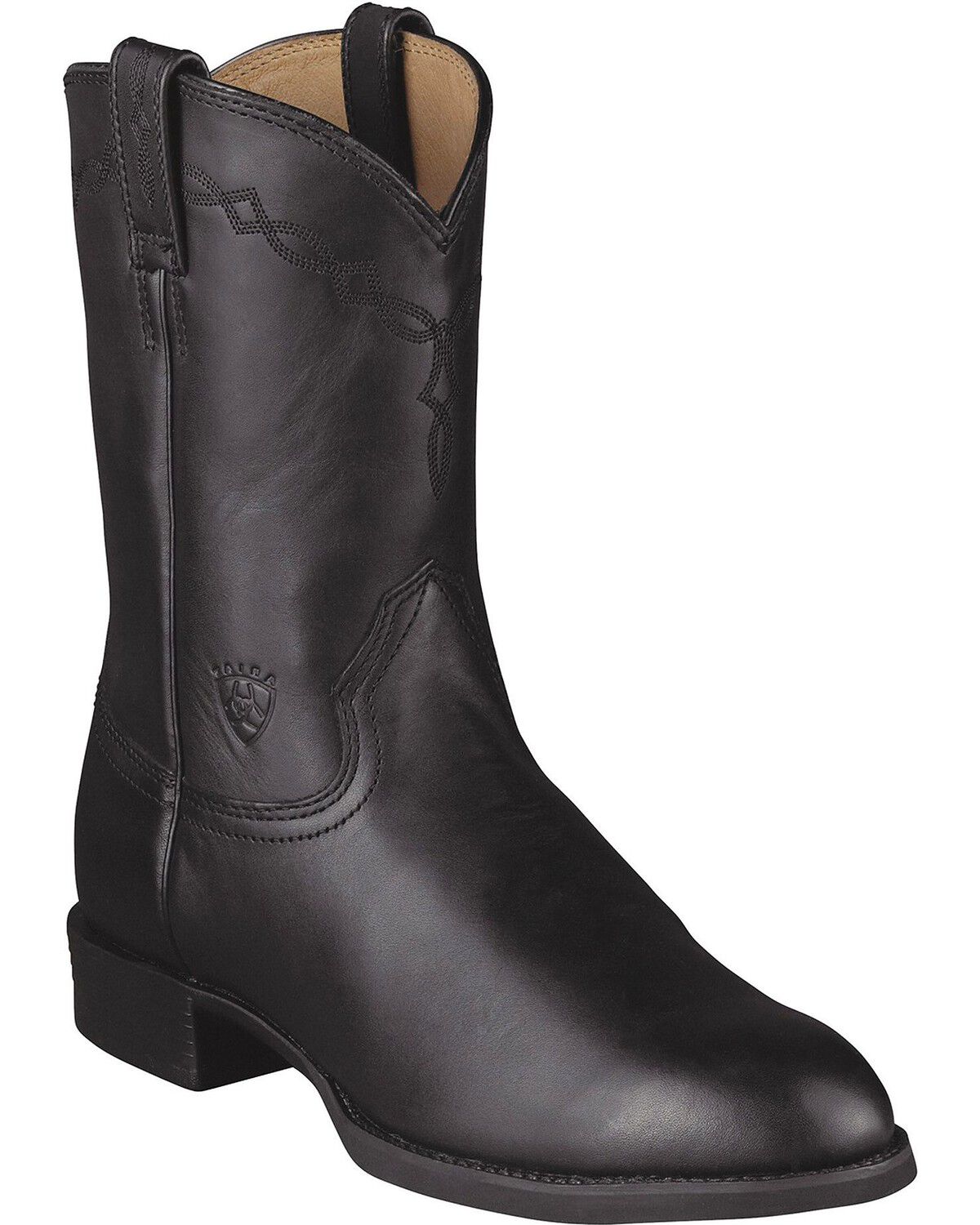
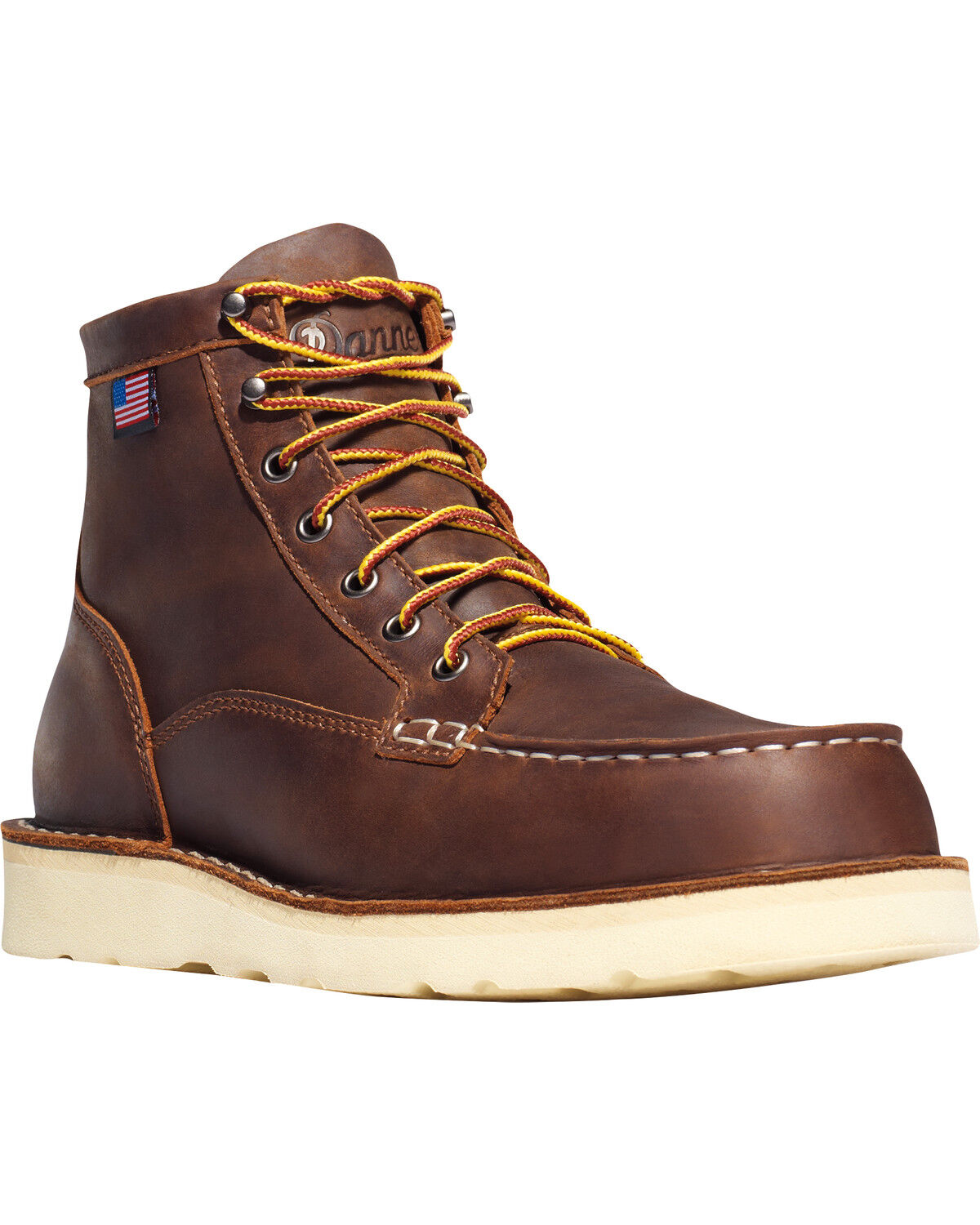
Comfort cowboy boots combine traditional western construction with features that make long hours on your feet more manageable. A cushioned footbed, a supportive shape, and an outsole suited to the ground underfoot all contribute to comfort. No single feature does the whole job. Soft padding cannot make up for a tight toe box, and flexible leather cannot correct a loose heel. The most comfortable cowboy boots are the ones that match the wearer’s foot shape and daily routine. Full-grain leather is a common choice because it is durable and can gradually conform to the foot without losing its structure. Its initial feel varies with the hide, thickness, finish, and construction; some leather feels supple from the start, while other leather needs regular wear to soften. Smooth interior seams and well-finished linings also matter, particularly around the ankle and instep, where rubbing can become noticeable during a full day. Inside the boot, foam or gel cushioning can help soften impact, while a contoured footbed can provide more support than a flat insert. Cushioning and support serve different purposes: cushioning softens the landing, while support helps hold the foot in a stable position. More padding is not always better if it crowds the foot or allows too much movement. Some designs have removable insoles that make it easier to replace a worn footbed or accommodate a suitable insert, provided there is enough room inside the boot. Lightweight midsoles and flexible outsoles can also improve the feel of repeated steps. Rubber and foam-based sole constructions often provide a softer feel on hard surfaces than traditional leather soles, although performance depends on the complete design. A leather outsole remains a familiar choice for a traditional profile and feel. These construction details let comfort-focused boots retain their western character, whether paired with everyday denim or represented by the styles found in Modern Cowboy Western Boots.

Fit is the foundation of comfortable cowboy boots, especially with pull-on construction that has no laces to adjust. The instep should feel secure without pressing painfully across the top of the foot. The heel may lift slightly in a new boot as the sole bends, but the foot should not slide around or repeatedly strike the front. Toes need room to rest naturally rather than curl or overlap. A wide square toe can provide a generous-looking front, but toe shape alone does not determine usable space. The last—the form that gives a boot its shape—along with the stated width and internal construction determines how much room the foot actually has. Round-toe boots can be comfortable for wider feet when properly sized, while a square-toe boot can still feel narrow through the ball or instep. Pointed styles often have extra length beyond the toes as part of their shape, so the fit should be judged where the foot sits rather than by the empty space at the tip. Length, width, and instep volume need to work together. Moving up a size simply to gain width can leave the heel too loose and place the foot incorrectly over the boot’s support. Socks also affect the fit. A smooth boot sock with appropriate cushioning can reduce friction, while thick seams or excess fabric may create pressure inside an otherwise well-fitting pair. Feet can become fuller after hours of standing or walking, making fit later in the day a useful consideration. Shaft height and circumference matter, too: the upper should allow comfortable movement around the calf without persistent rubbing. A stable heel and a sole that bends naturally at the ball of the foot can make walking feel easier. Leather may soften with wear, but break-in should not be expected to fix pinched toes, numbness, or sharp pressure. Comfortable fit starts with enough room in the right places and a secure hold everywhere else.

Intended use helps narrow the features that matter most. A person walking across concrete floors for much of the day may appreciate impact-softening cushioning and a rubber outsole, while someone wearing boots mainly for dinners, office days, or family gatherings may put equal weight on fit, leather feel, and a clean profile. Standing at a counter places different demands on footwear than moving between a truck, gravel paths, and a barn aisle. Outsole tread, flexibility, boot weight, and heel stability all become noticeable through those ordinary movements. For riding, heel shape and compatibility with the stirrup deserve attention; suitability depends on the boot’s design and the equipment being used. For jobs with protective-footwear requirements, comfort features do not replace required safety ratings. Slip resistance, protective toes, and other safety features should be confirmed in the product details rather than assumed from a western appearance. Durable construction matters because comfort can change as the outsole, heel, and footbed wear. Even wear underfoot, sound stitching, and an upper that holds its shape help a pair remain dependable. Care also affects how the boots feel over time. Dust and grit can be removed with a soft brush or cloth, and leather benefits from a conditioner appropriate to its finish. Too much conditioner can alter the appearance or soften leather excessively, so care directions matter. Suede and specialty finishes need treatment intended for those materials rather than a general leather cream. Damp boots should dry naturally away from direct heat, which can make leather stiff or damage other components. Giving the interiors time to dry between wears and replacing worn removable footbeds can help maintain everyday comfort. Where the construction allows it, professional heel or sole repair may extend useful wear. Comfort cowboy boots can also make a practical gift for someone who already wears western footwear, particularly when the recipient’s usual size, width, preferred toe shape, and intended use are known. Those details matter more than appearance alone. A well-chosen pair should feel secure, move naturally, and suit the hours and ground ahead.

FAQs