American Cowboy Boots

Shop American cowboy boots for everyday wear or dressier occasions. Browse the available western boot styles, compare sizing information, and check each pair’s product details to find the right fit for your needs.

Read More

Shop Your Store: Shop Your Store: Find a Store

(Turn off Shop Your Store to see all items)

(Turn off Shop Your Store to see all items)

close
  • Recommended
  • Lowest Price
  • Highest Price
Skip pass products
  • Boys' Ariat Patriot Western Boots - Broad Square Toe
    Original Price $99.99 $69.97
    30% Total Savings
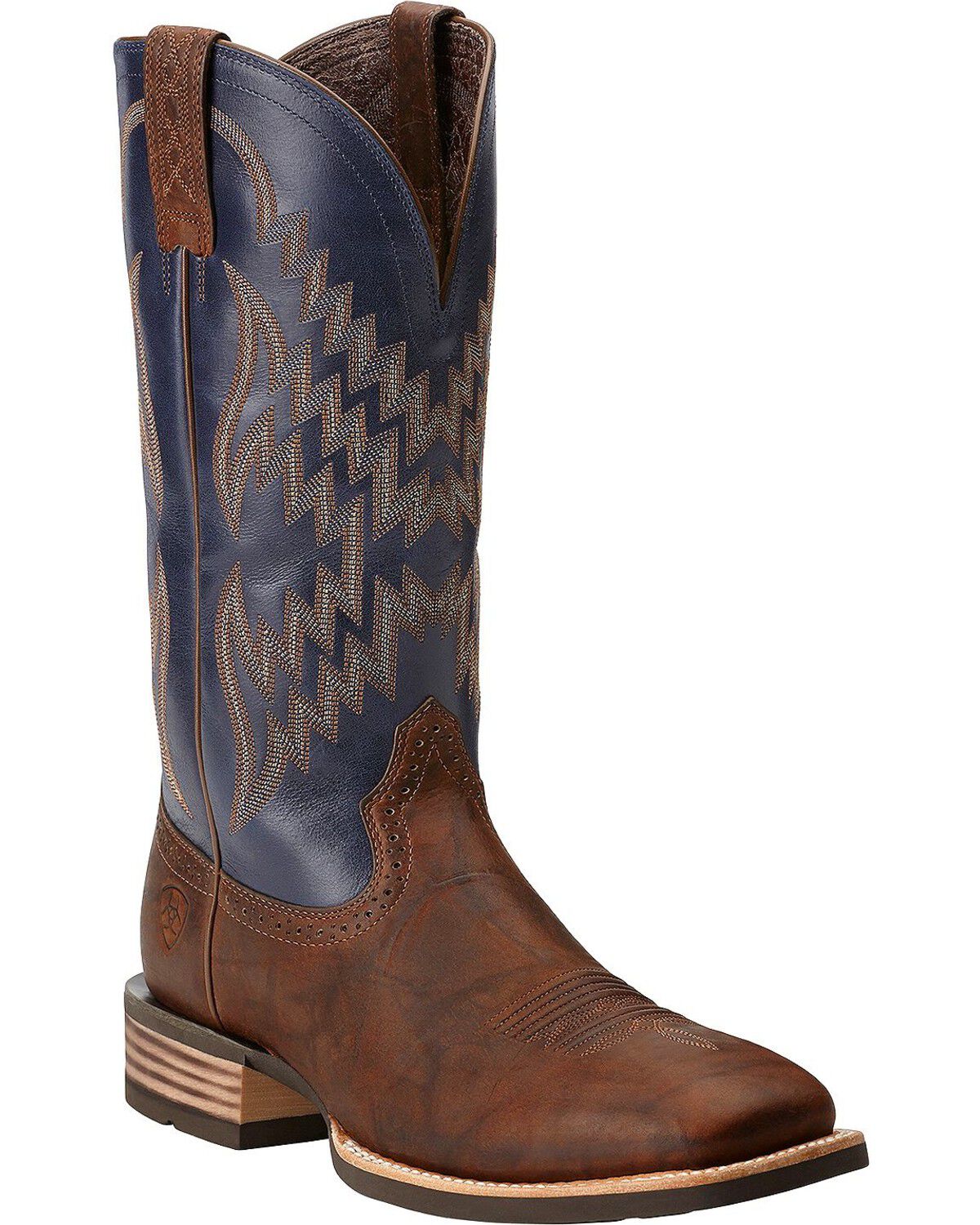
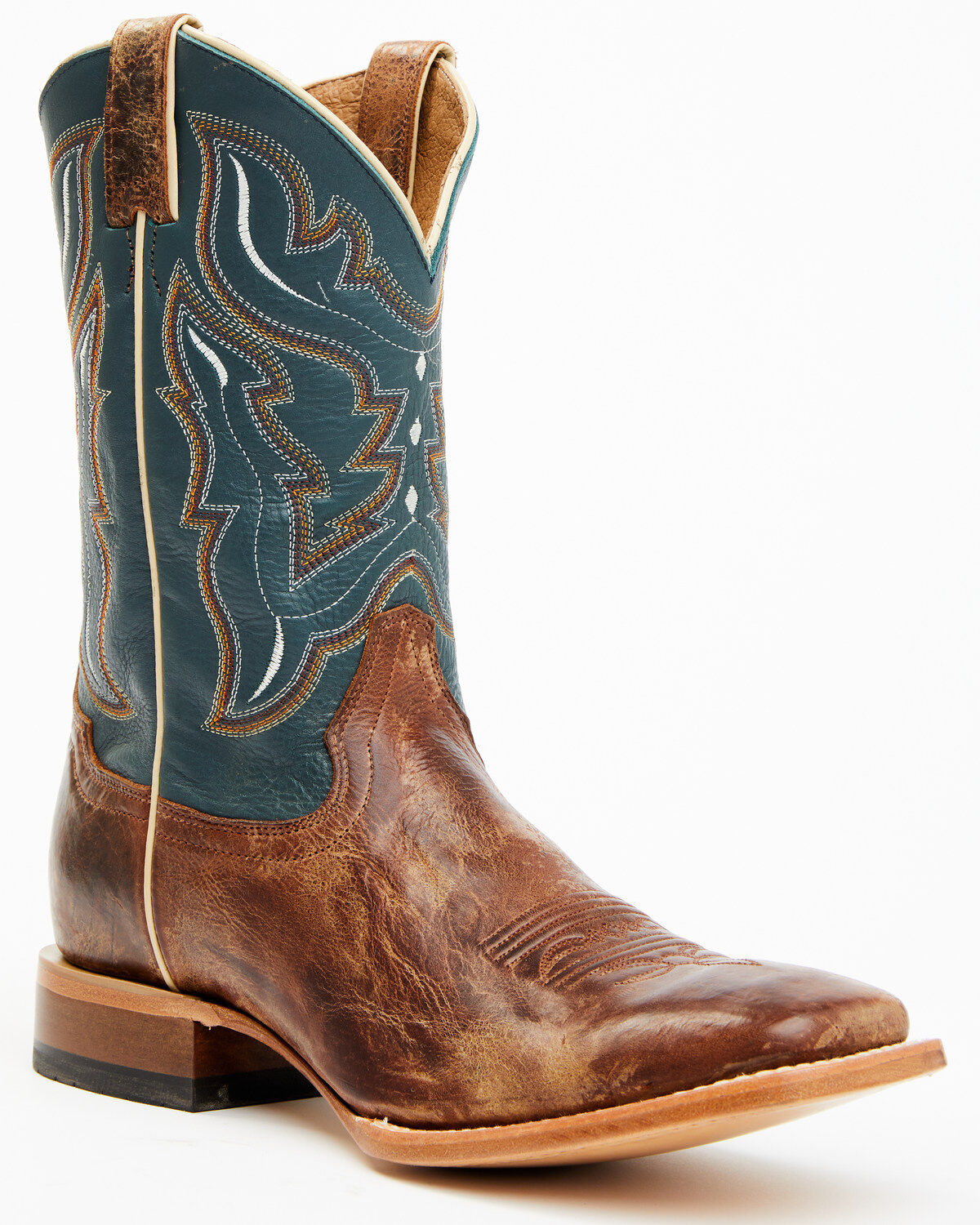
  • Men's Cody James Western Boots - Broad Square Toe
    Original Price $209.99 $159.99
    24% Total Savings
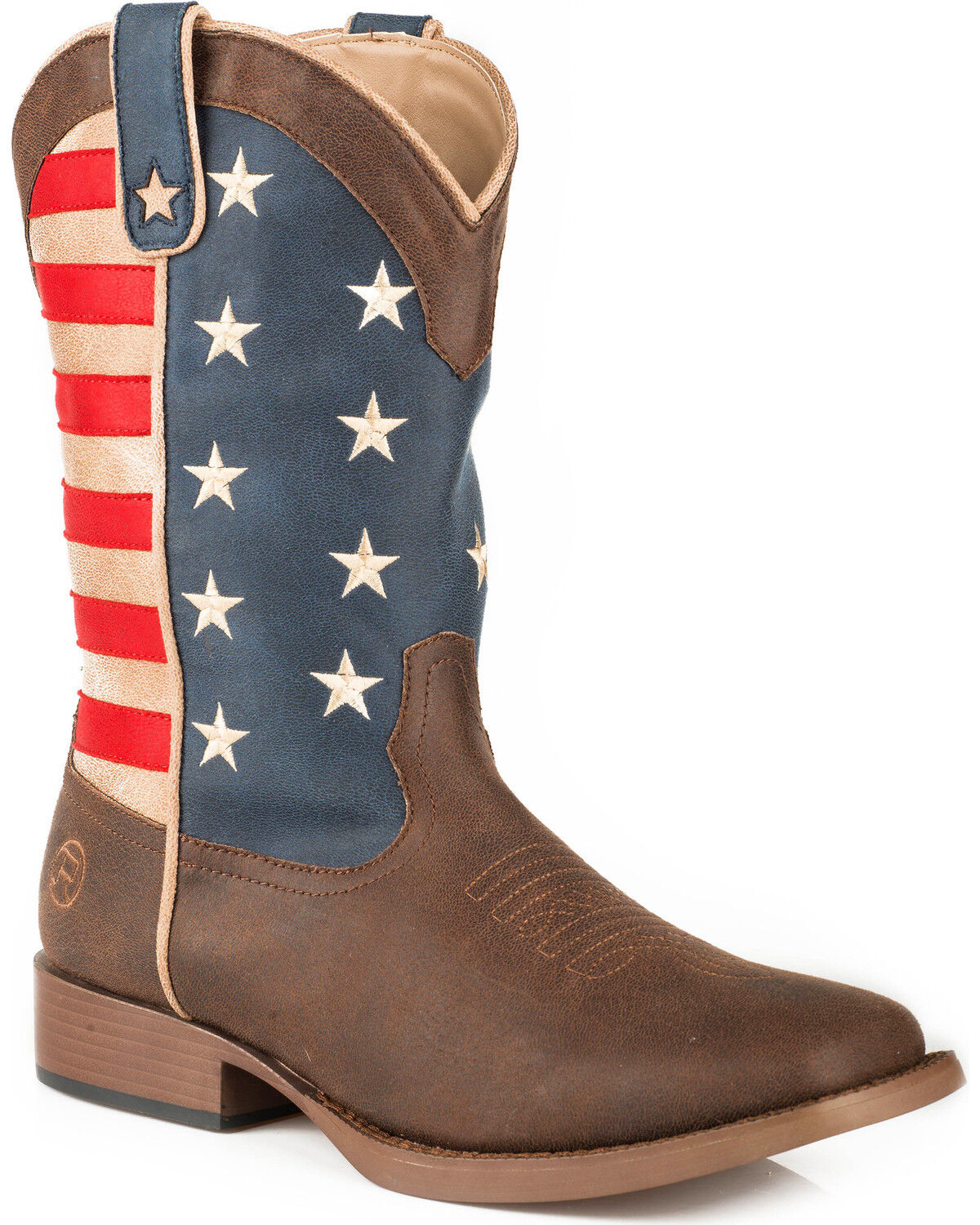
  • Boys' Cody James Ripped Flag Western Boots - Broad Square Toe
    Original Price $79.99 $54.97
    31% Total Savings
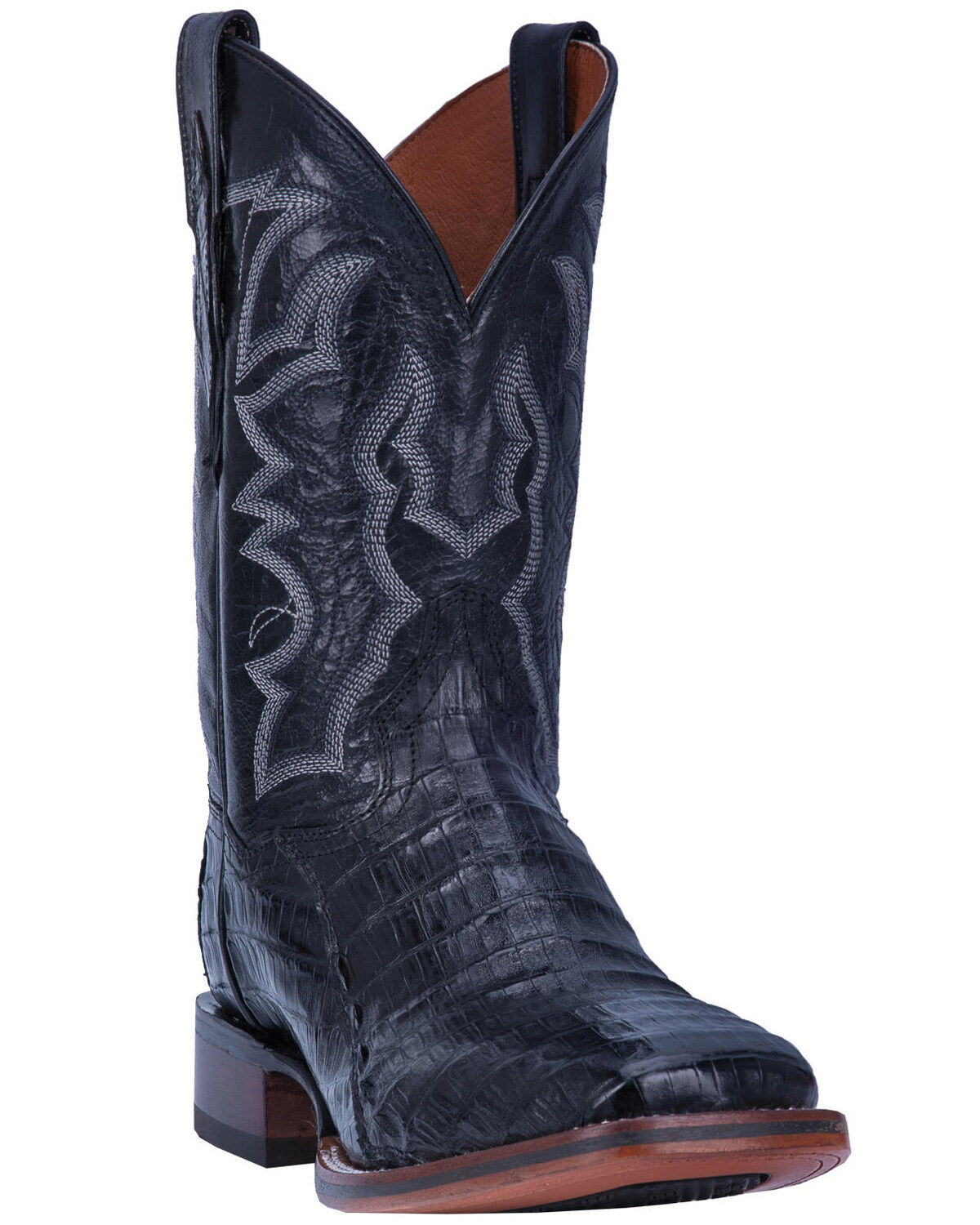
  • Men's Cody James Western Boots - Round Toe
    Original Price $229.99 $179.99
    22% Total Savings

End of products

American Cowboy Boots

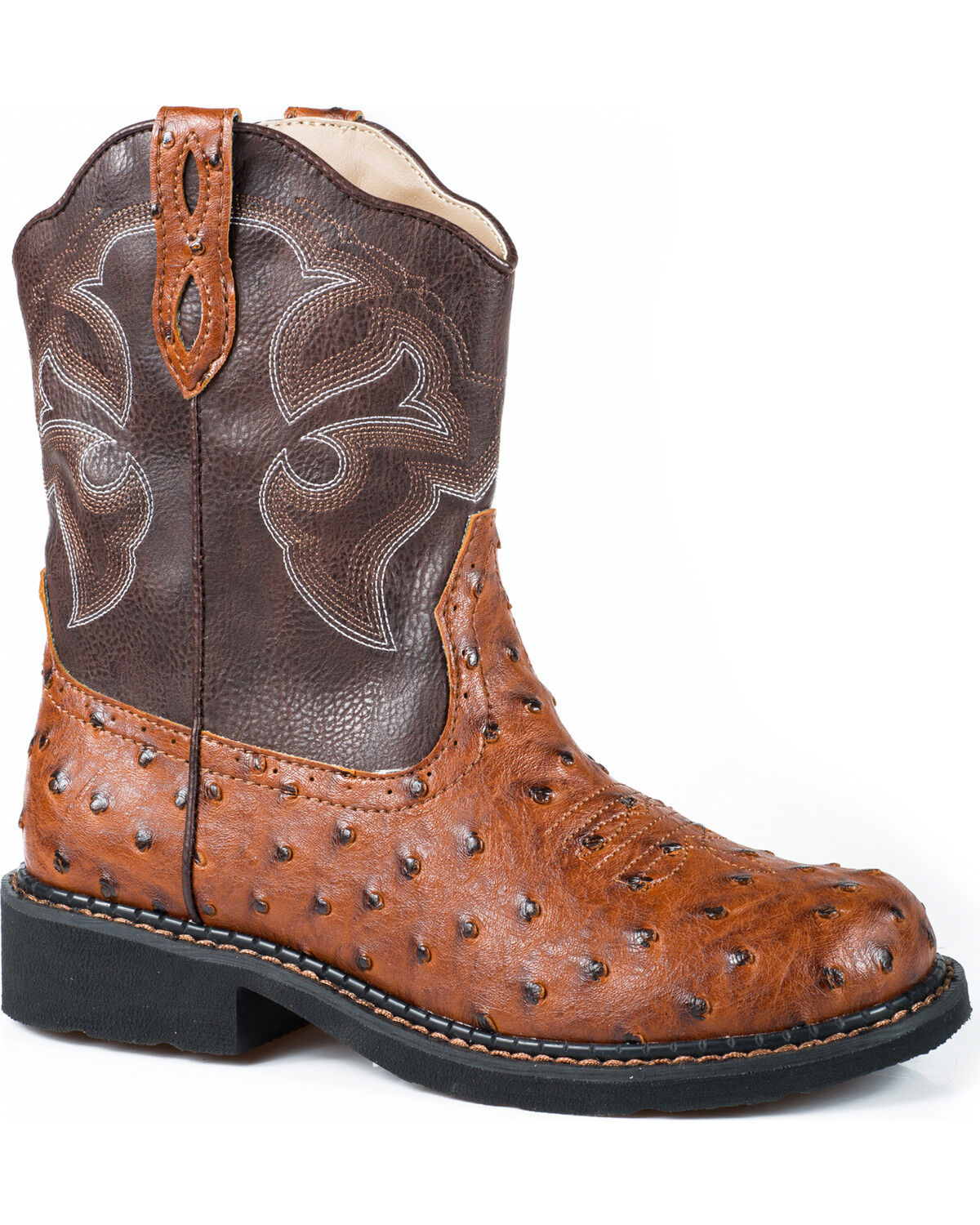
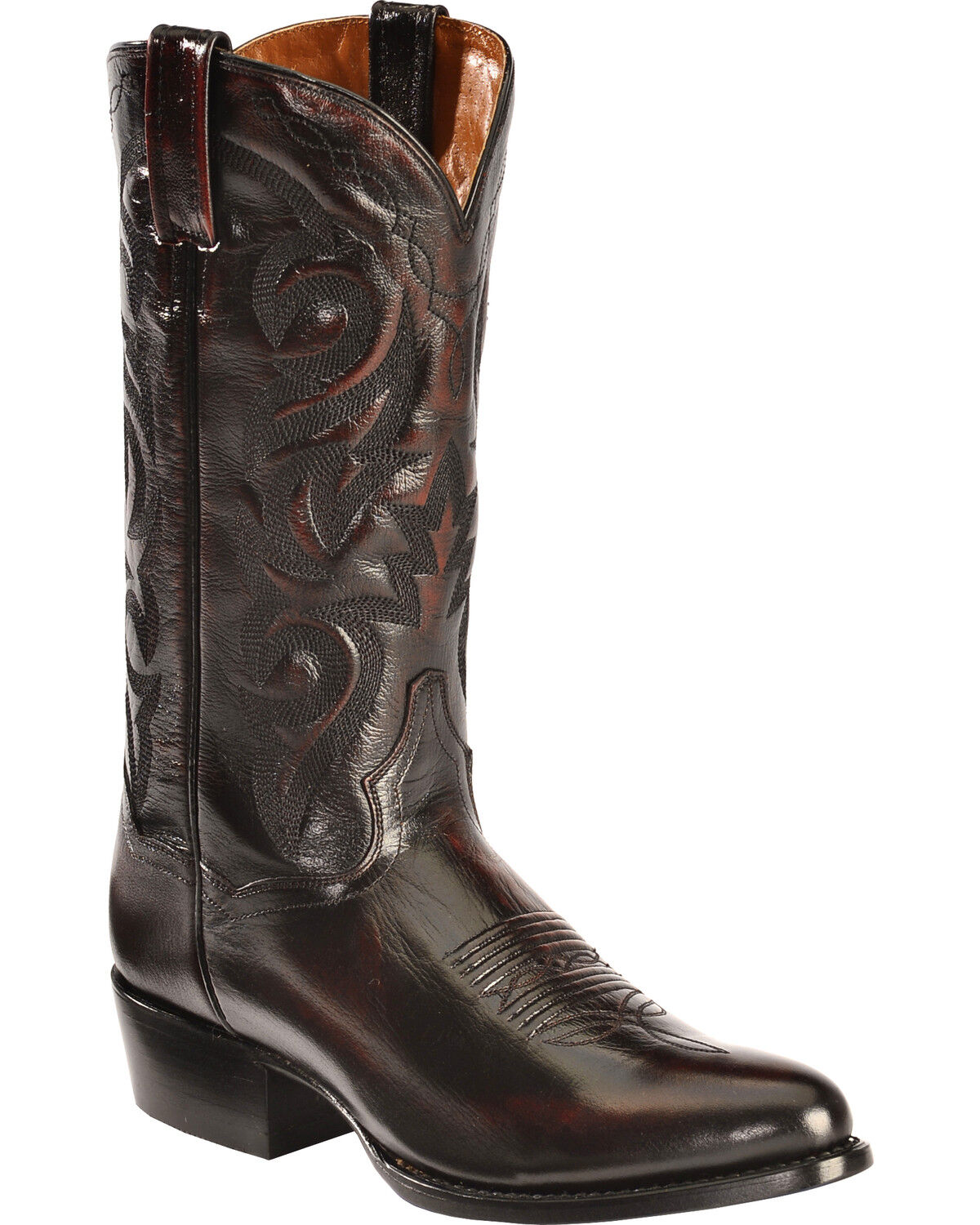
American cowboy boots are traditional western footwear defined by a pull-on design, a raised heel, a shaped toe, and a shaft that usually reaches above the ankle toward the calf. Rooted in the riding and ranching traditions of the American West, their construction reflects generations of practical use. The tall shaft provides coverage against brush and rubbing, while the laceless design keeps the profile clean. A defined heel can help keep a boot from sliding forward through a stirrup, although riding suitability depends on the boot, its sole, and the stirrup itself. Those working roots still shape the look, whether the boots are worn around horses, on a job that permits western footwear, or with jeans for everyday wear. Toe shape makes a noticeable difference in both appearance and feel. Round toes have a familiar, understated profile. Square toes create a broader outline and may provide more room across the front, depending on the last used to shape the boot. Snip and pointed toes have a narrower appearance, with extra length beyond the toes helping create the shape rather than serving as usable foot space. Heel height changes the stance, too. Lower walking heels tend to feel more familiar underfoot, while taller, angled riding heels create a more pronounced western profile. Shaft stitching, leather color, and the shape of the top opening add character without changing the basic purpose of the boot. A plain leather pair can sit naturally beneath straight-leg jeans, while detailed stitching becomes more visible with a shorter hem or a dress. American cowboy boots describe a footwear tradition, not a guarantee of manufacturing location. Country of origin is a separate product detail, an important distinction for anyone specifically seeking boots made in the United States. Across these variations, the strongest choice is one whose shape and construction match the way it will actually be worn.

Leather gives cowboy boots much of their character, but different leathers serve different preferences. Smooth cowhide is a familiar choice for its balance of strength, flexibility, and straightforward care. Full-grain leather retains the natural grain surface and can develop creases and a deeper patina with wear. Roughout presents the flesh side of the hide outward for a textured appearance, while suede has a distinct nap that calls for care suited to that finish. Exotic leathers vary widely in texture and maintenance needs, so their care requirements should not be treated as interchangeable. Thickness alone does not determine quality or comfort. Tanning, lining, seams, and the way the leather is shaped all affect how a boot feels and holds up. Inside, a supportive footbed and a well-fitted heel counter can matter more over a long day than decorative details on the shaft. Underfoot, leather soles offer a traditional look and feel, while rubber soles can provide useful grip and resistance to wear. Traction still depends on the tread and the surface; no sole grips every floor equally well. For walking across concrete or spending hours standing, cushioning, stability, and heel height deserve close attention. Ranch chores and shop work may call for tougher outsoles, but a western appearance does not establish safety protection. Jobs with protective-footwear rules require boots with the appropriate stated ratings. Construction also affects long-term service. Some welted boots can be resoled by a qualified repair shop, though repair options depend on the original build and the condition of the upper. Routine care helps preserve that investment in wear. Loose dirt is best brushed away before it settles into seams, and smooth leather benefits from a compatible cleaner and conditioner used according to the maker’s directions. Suede, roughout, and specialty finishes need their own suitable products. Excess moisture should dry naturally away from direct heat. Upright storage and enough space to keep the shafts from being crushed help the boots hold their shape between wears.

Fit is where a good-looking pair becomes a pair that gets worn regularly. Cowboy boots should feel secure across the instep, with the ball of the foot resting at the widest part of the boot. The toes need room to lie naturally rather than curl or press against the sides. A small amount of heel movement can occur in a new pull-on boot, especially before the sole becomes more flexible, but pronounced lifting or forward sliding can signal a poor fit. Leather may soften and give modestly across pressure points; it will not make a boot meaningfully longer. A painfully tight pair should not be counted on to become comfortable through wear alone. The socks intended for regular use belong in the fit decision, since a thick work sock and a thin dress sock take up different amounts of space. Shaft fit matters as well, particularly for wider calves or anyone who prefers jeans tucked inside. For jeans worn over the shaft, enough room through the leg opening allows the fabric to fall cleanly rather than catch at the top. Everyday use brings other details into focus: a manageable heel for walking between buildings, a flexible sole for frequent movement, or a lining that feels smooth through hours on the feet. Cowboy boots can also make a thoughtful gift for someone who already wears western footwear, provided the recipient’s size, width, preferred toe shape, and usual heel style are known. Matching a familiar silhouette is generally more useful than choosing decoration alone. For a different take on the same tradition, Modern Cowboy Western Boots offer another way to explore western styling. Whether the preference is restrained leather or more visible stitchwork, the details should suit the wearer rather than demand a different wardrobe. Well-chosen American cowboy boots bring together recognizable western design, a steady fit, and materials suited to the job at hand. Those qualities matter on the first wear and remain important long after the leather has taken on the marks of regular use.
Read More

FAQs