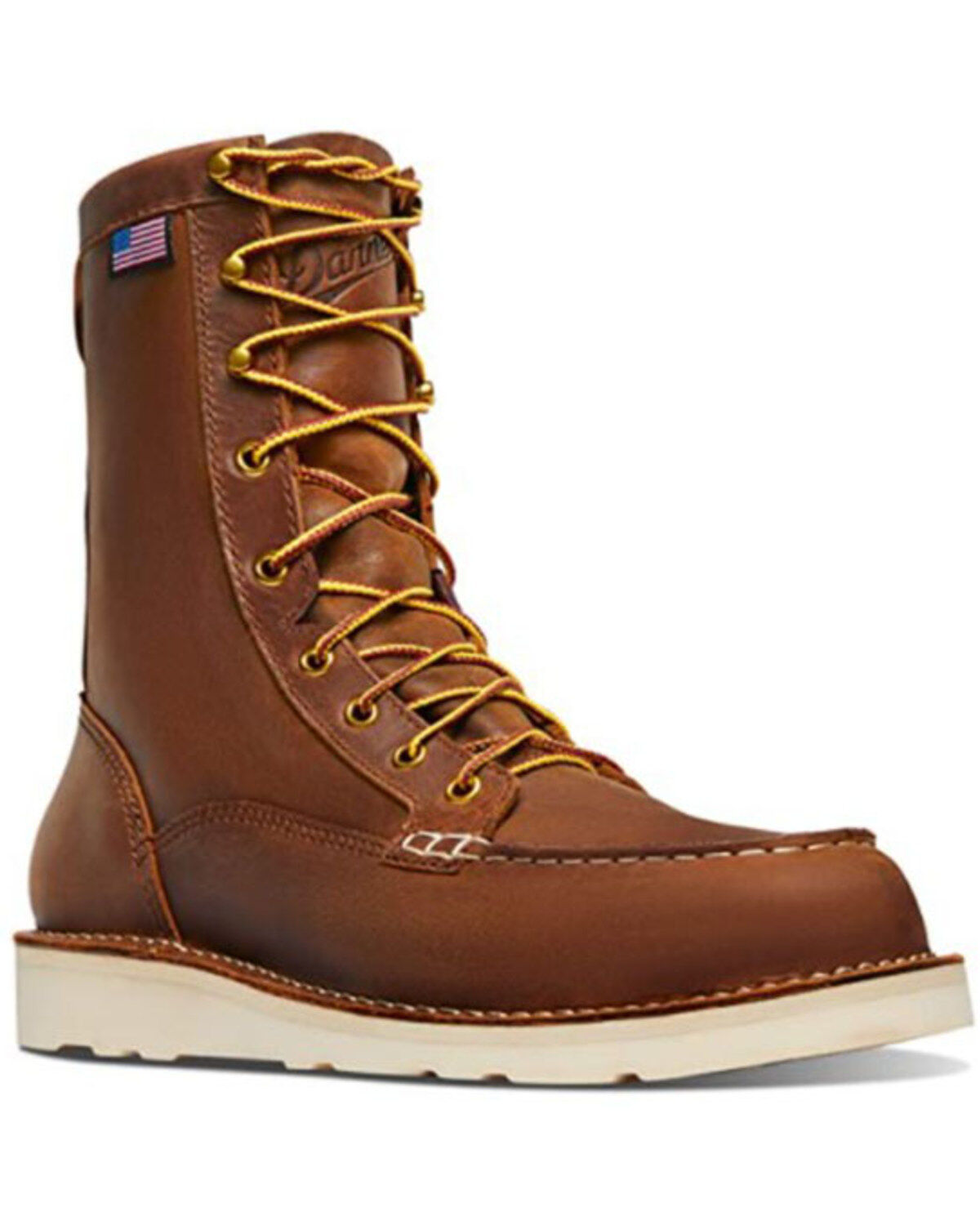
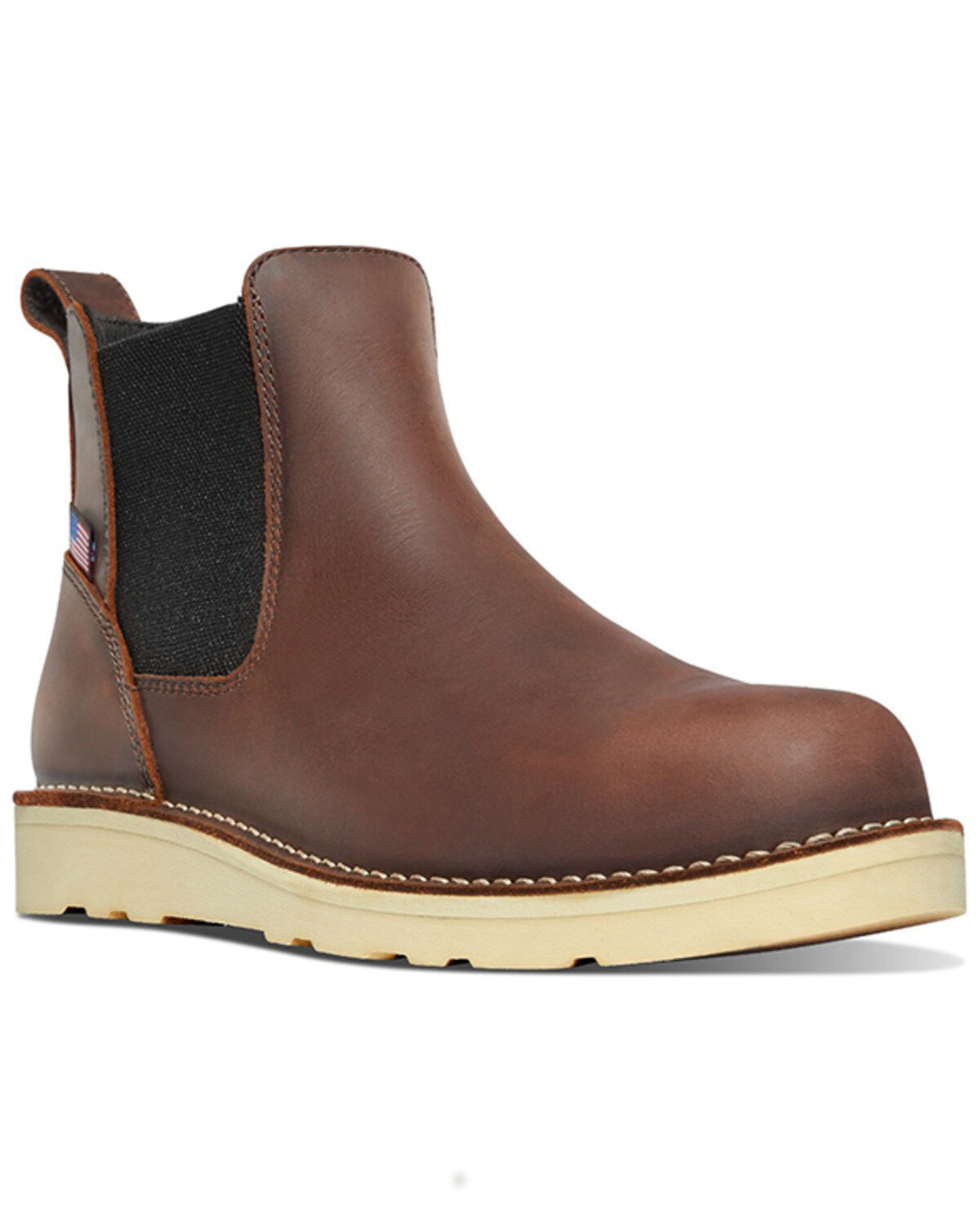
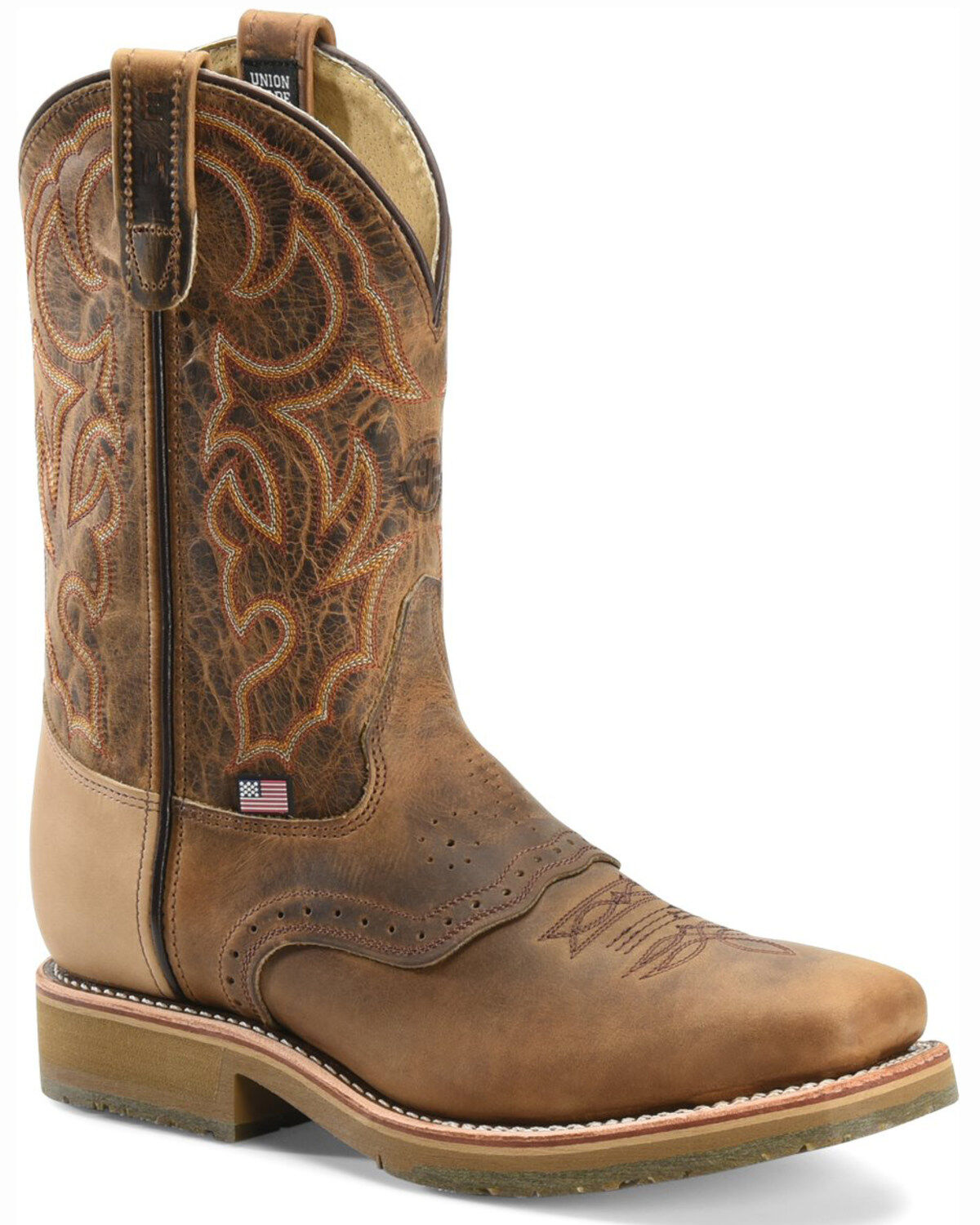
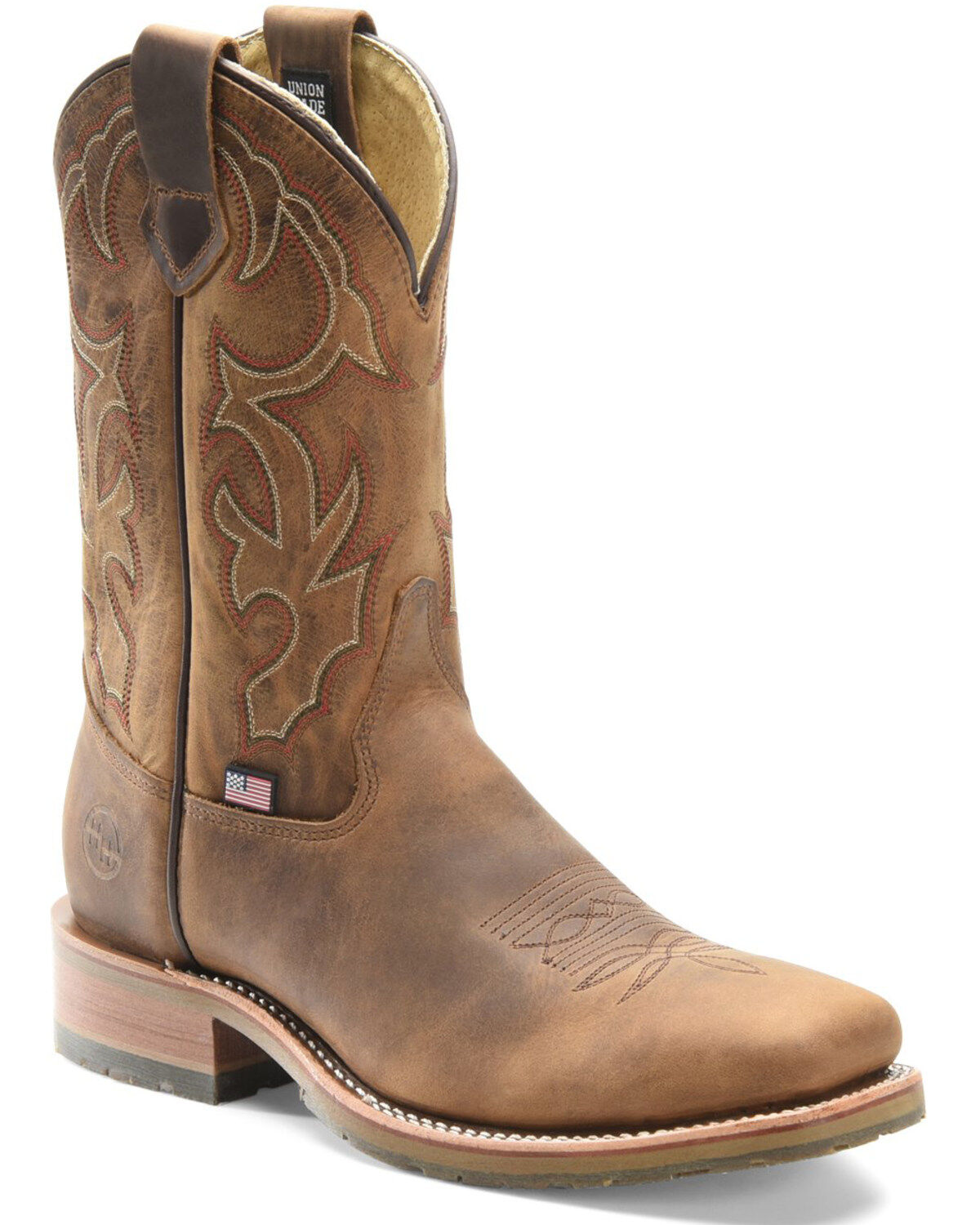
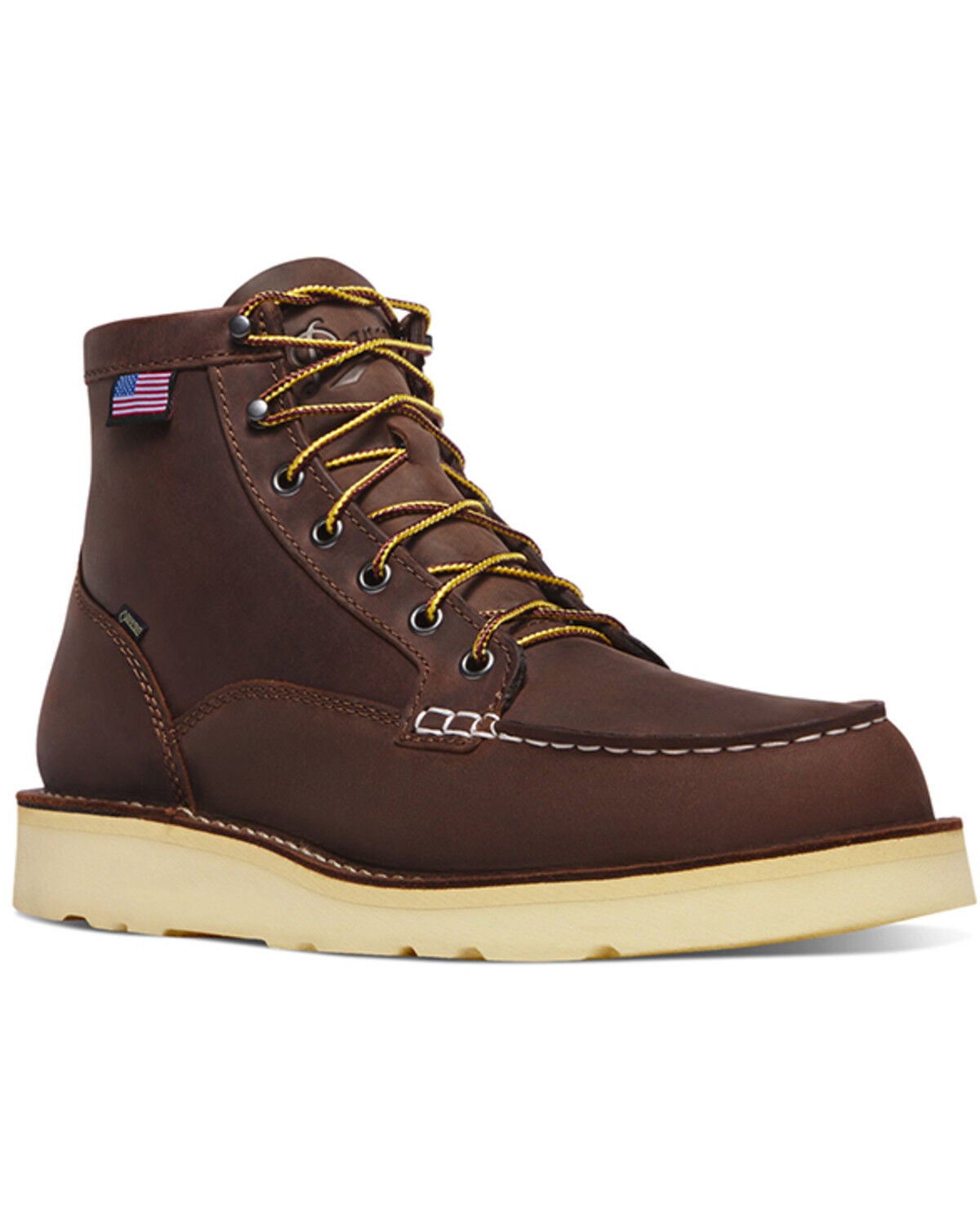
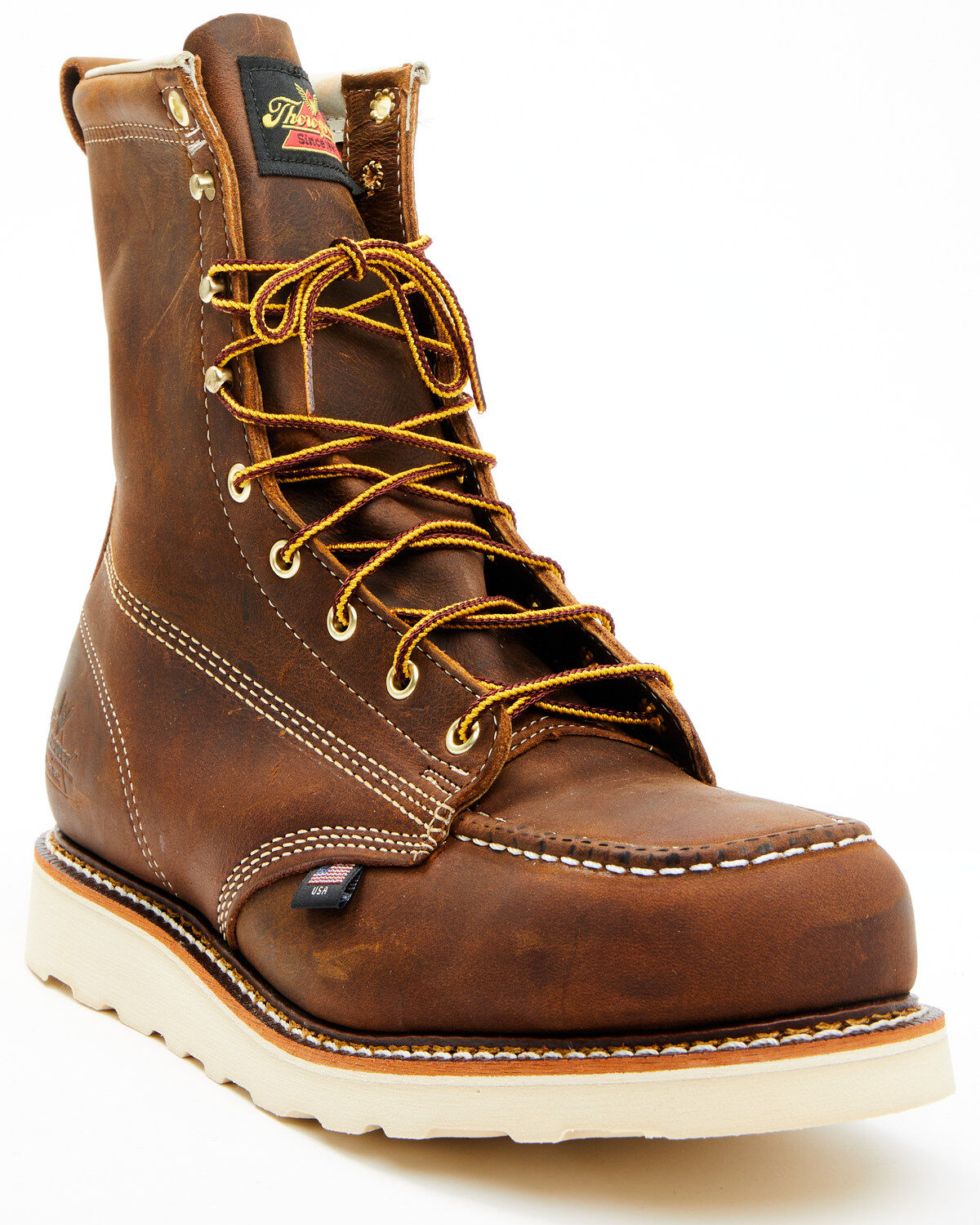
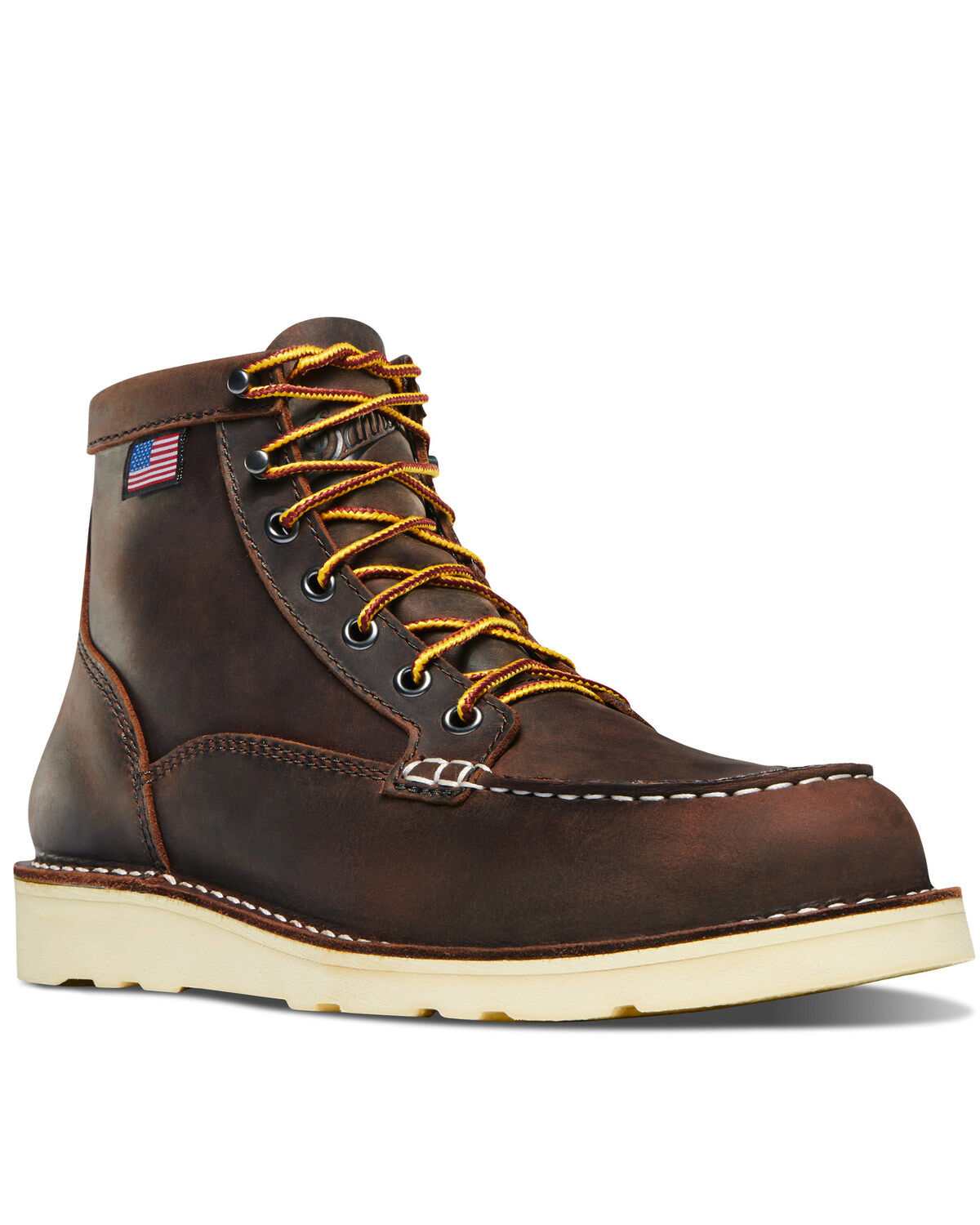
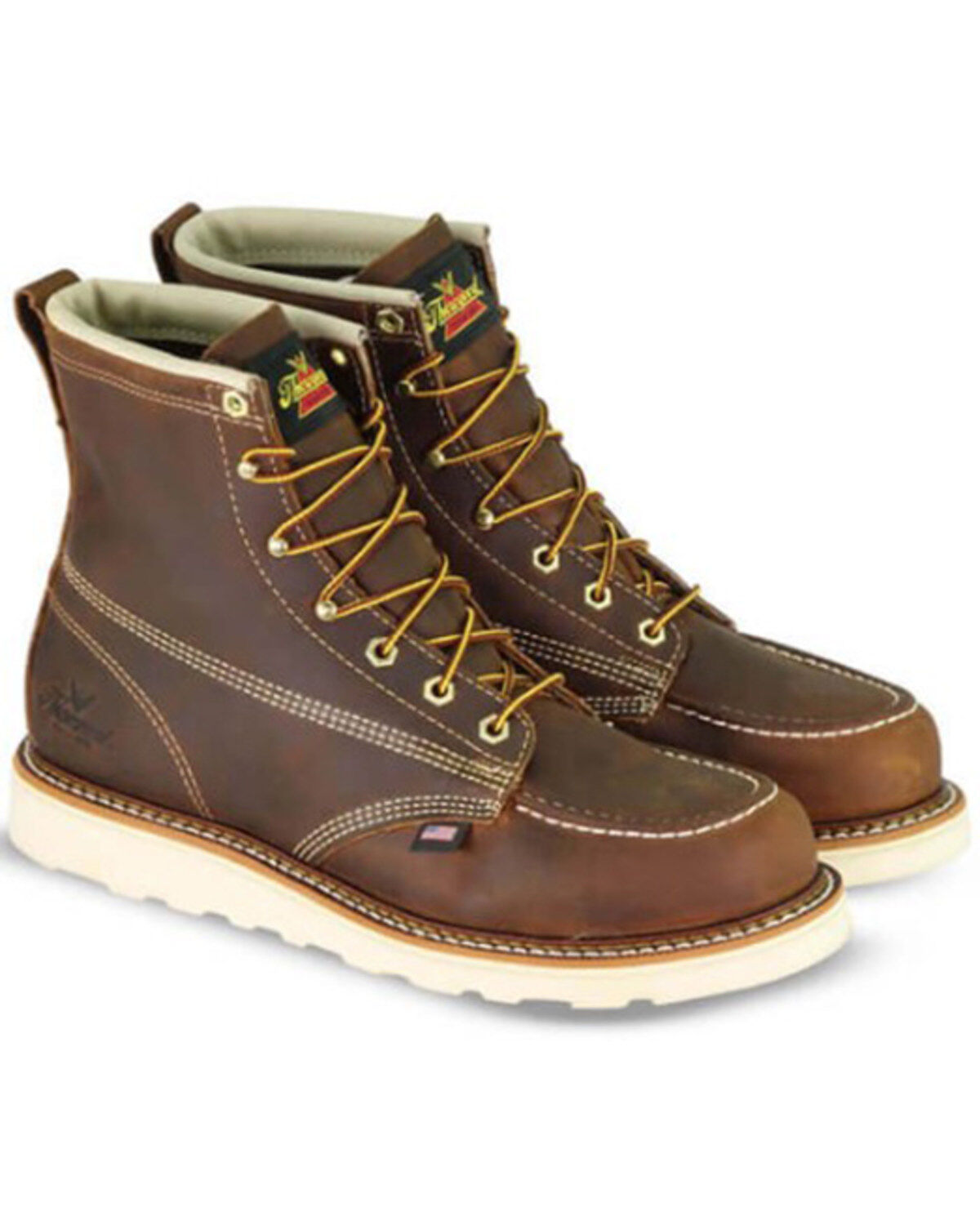
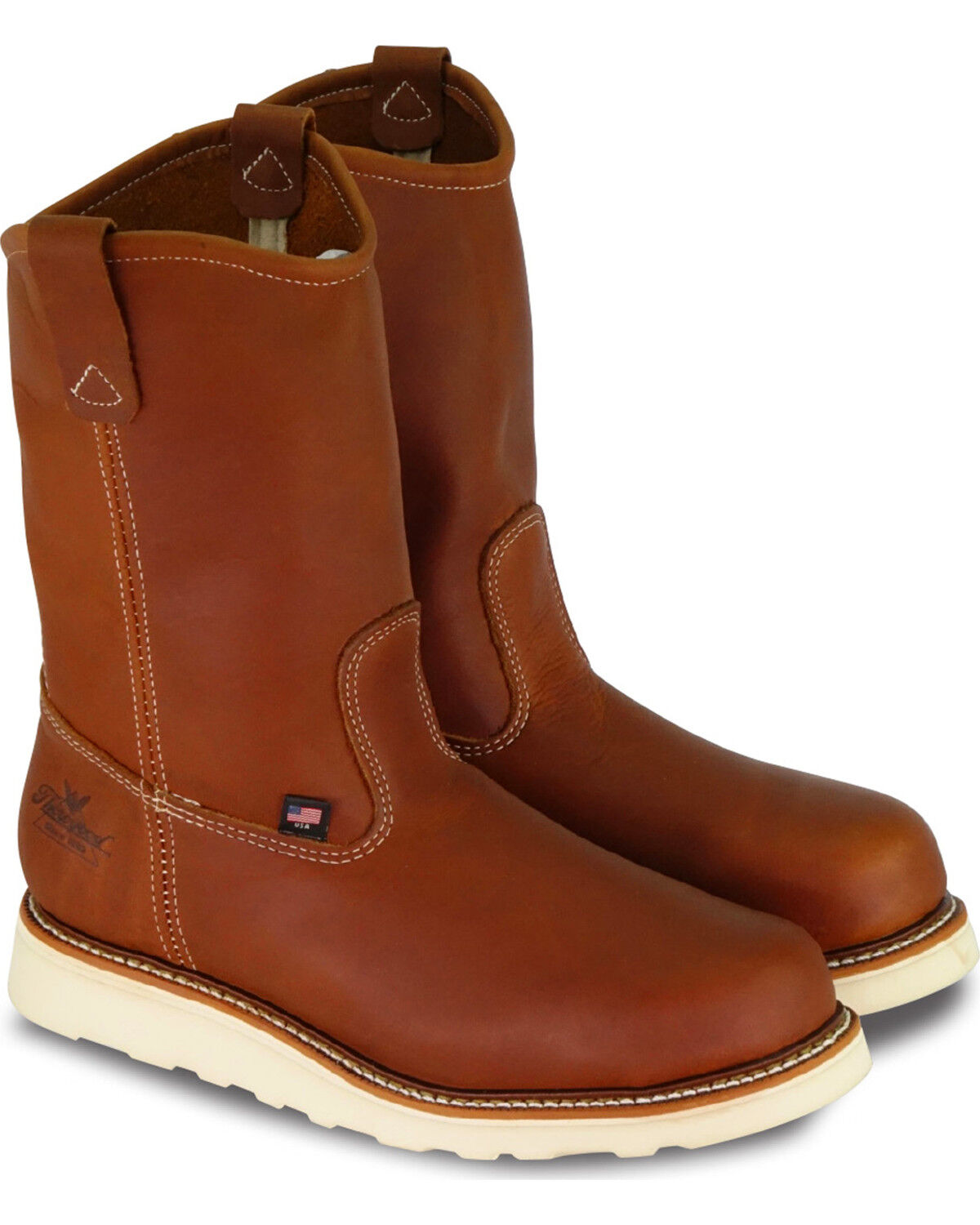
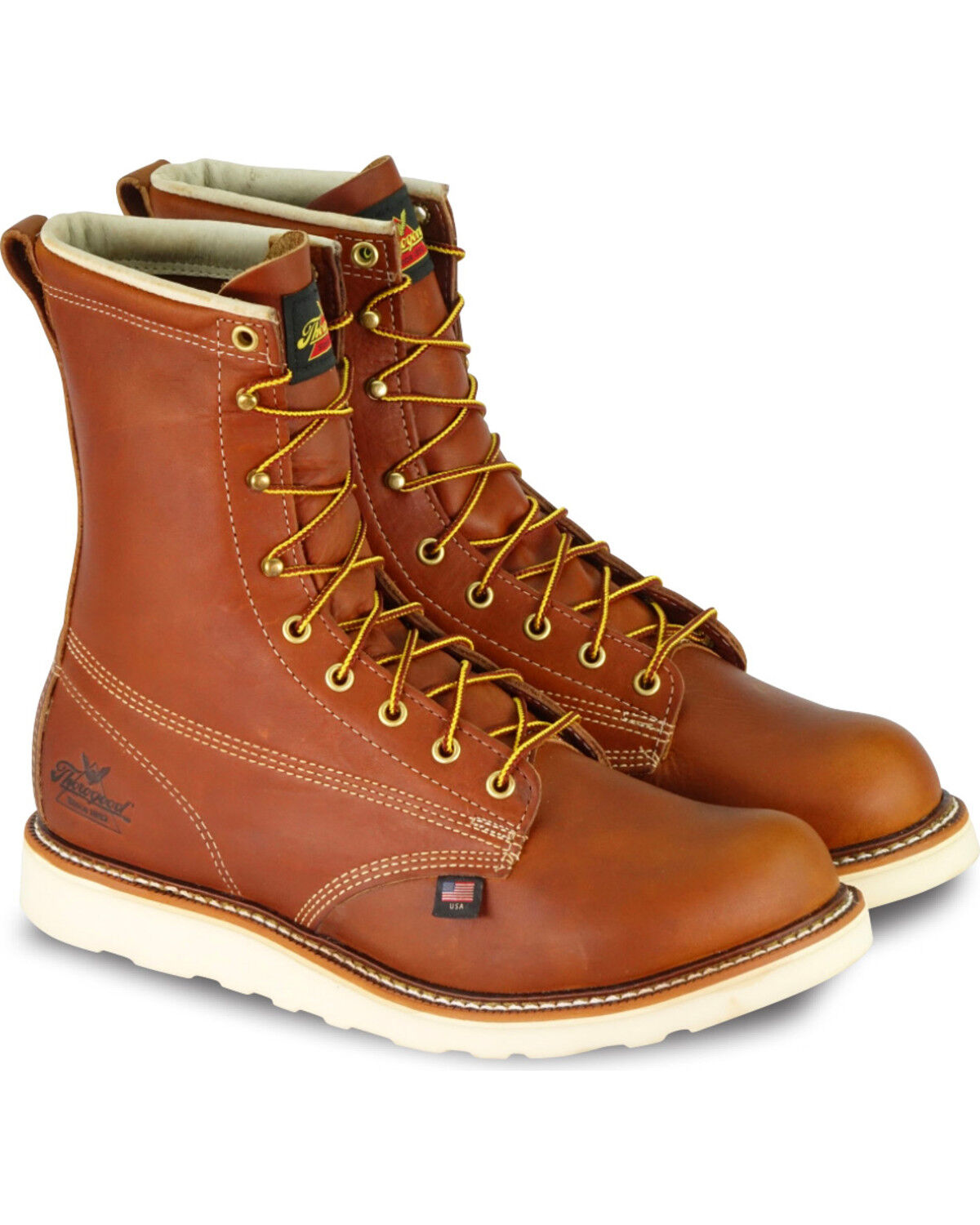
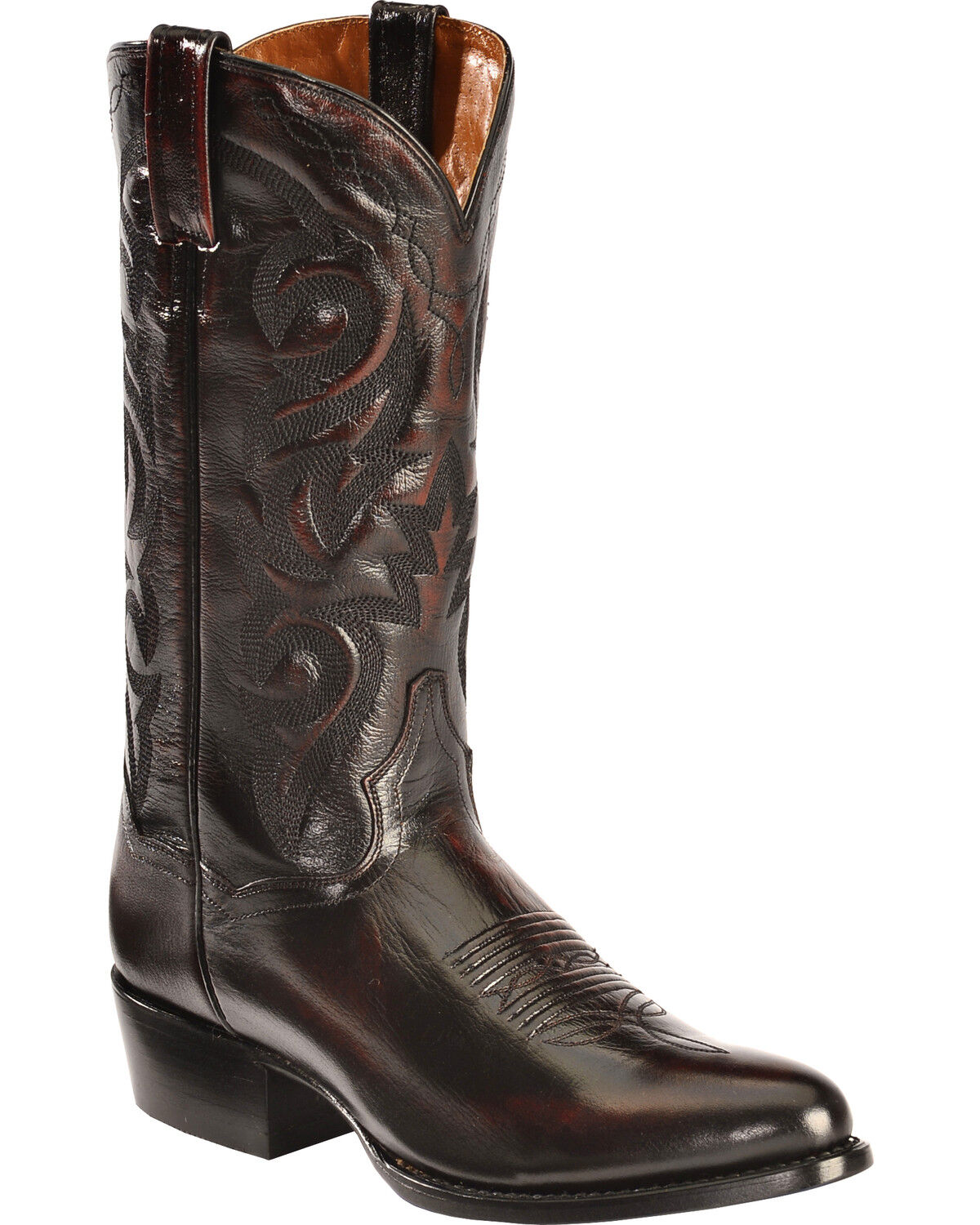
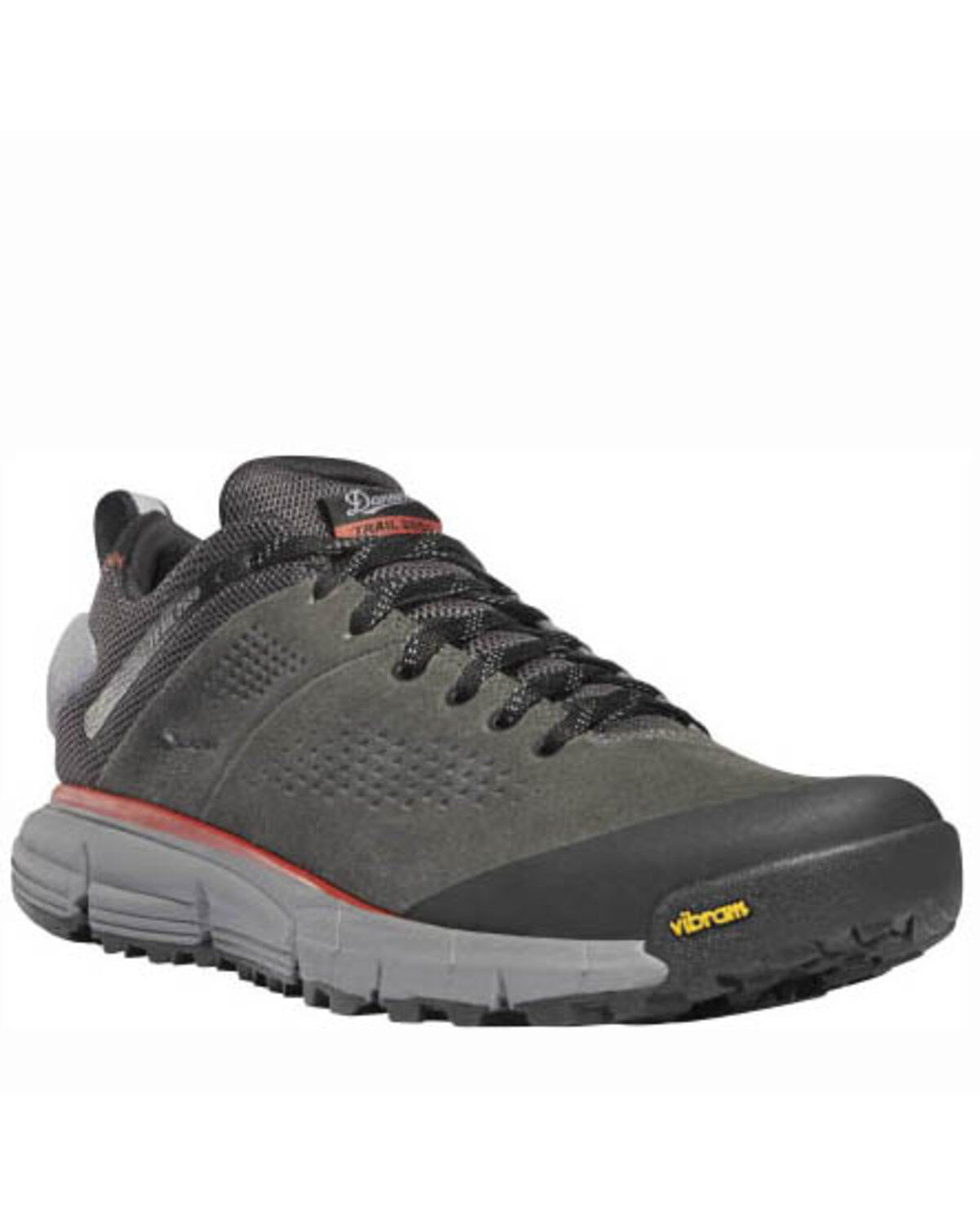
American Made Steel Toe Boots

Find American-made steel toe boots for work that calls for toe protection. Browse available work boot styles, sizes, and features, and review each pair’s product details for fit and safety ratings before choosing boots for your job’s requirements.

Read More

Shop Your Store: Shop Your Store: Find a Store

(Turn off Shop Your Store to see all items)

(Turn off Shop Your Store to see all items)

close
  • Recommended
  • Lowest Price
  • Highest Price
Skip pass products

End of products

American Made Steel Toe Boots

American-made steel toe boots combine U.S. manufacturing with protective footwear built for demanding work. A steel cap beneath the front of the upper helps protect toes against impact and compression when the footwear meets the applicable safety standard. That protection matters around dropped tools, shifting materials, and heavy equipment, whether the job involves framing a building, moving freight, maintaining machinery, or handling materials in a fabrication shop. Steel toe construction is only one part of a boot’s protection, though. Electrical hazard ratings, puncture resistance, and slip resistance are separate features, and each needs to match the work being done. ASTM F2413 markings identify specific protective footwear requirements; the boot’s label and product information establish which requirements it meets. Country-of-origin details deserve the same attention. An unqualified “Made in USA” claim means a product is all or virtually all made in the United States, while qualified claims may identify imported materials or U.S. assembly. Those distinctions help shoppers understand what domestic manufacturing means for a particular pair without assuming that every component has the same origin. Within the broader category of USA Made Men's Work Boots, steel toe styles serve workers whose jobs call for a protective toe rather than a soft toe. Lace-up designs allow adjustment across the instep and around the ankle, while pull-on designs offer straightforward entry without laces to manage. Moc toe and plain toe profiles give the category different looks, but appearance alone does not establish the safety rating. For tradespeople, warehouse crews, equipment operators, and maintenance workers, the right choice starts with the job’s requirements and continues with a fit that remains comfortable through repeated bending, climbing, standing, and walking.

Materials and construction shape how steel toe work boots feel and how they hold up. Leather uppers are common because they offer abrasion resistance and gradually conform around the foot outside the rigid safety cap. Full-grain leather retains the hide’s outer surface, while other leather finishes offer different textures and care needs. Upper thickness, stitching, lining, and reinforcement all contribute to performance; a rugged appearance does not tell the whole story. Work around rough lumber or unfinished metal calls for attention to abrasion-prone areas such as the toe, heel, and sides. Repeated kneeling can wear the front of a boot long before the rest of the upper wears out, making toe reinforcement useful for some tasks. Underfoot, the outsole needs to suit the surface. A wedge sole can provide a broad contact area on flat floors, while a defined heel may be required for certain climbing tasks or workplace rules. Neither shape is right for every job. Deep tread can help on loose ground but may carry debris onto finished surfaces, and a slip-resistant outsole still needs clean tread and careful footing around spills. Oil resistance describes how a material withstands oil exposure; it does not automatically establish traction on an oily floor. Construction methods also make a difference. A welted boot may allow resoling when the design and condition permit, while direct-attached construction bonds the sole assembly to the upper through a different process. Repairability should be confirmed rather than assumed. Inside the boot, cushioning, a supportive footbed, and adequate room across the forefoot can make long stretches on concrete more manageable. A shank can add underfoot support, but it is not the same as a puncture-resistant layer. Waterproof construction, electrical hazard protection, and metatarsal protection likewise address different needs. Each feature has a purpose, and the most useful combination is the one that fits the actual work environment without adding unnecessary bulk or stiffness.

Fit deserves particular attention with American-made steel toe boots because the steel cap will not stretch to make more room. Toes need space to move without striking the cap when walking, crouching, or stepping down. Pressure against the top or sides of the toe box is not something to dismiss as ordinary break-in. Leather may soften, but a safety toe that crowds the foot remains a fit problem. Trying boots with the socks intended for work gives a more accurate sense of interior space, especially when adding an orthotic or replacing the original footbed. Width matters as much as length. A wider size can relieve forefoot pressure without creating the excess length that lets the foot slide forward. The heel should feel secure without persistent rubbing, and lace-up styles should hold the instep comfortably rather than requiring overtightened laces to keep the foot in place. A pull-on boot may have some initial heel movement, but excessive movement can lead to friction and poor control. Daily care helps preserve the fit and construction that made the pair worth choosing. Brushing away dirt keeps grit from collecting around seams and flex points. Cleaning and conditioning products should suit the leather finish, since smooth leather, suede, and treated surfaces do not all respond to the same treatment. Boots need time to air-dry away from direct heat, and removable footbeds can be taken out when the manufacturer allows it. Regular checks of the outsole, stitching, lining, and toe area help reveal wear before it becomes a larger problem. A boot that has sustained a serious impact may need replacement even when the damage is not obvious, so manufacturer guidance matters after an incident. For someone buying a pair as a practical gift, knowing the recipient’s required safety features, size, and width is more useful than choosing by appearance alone. Domestic manufacturing, dependable materials, verified protection, and a comfortable fit all have a place in the decision. Together, they define work boots chosen for the job and cared for through daily use.
Read More

FAQs