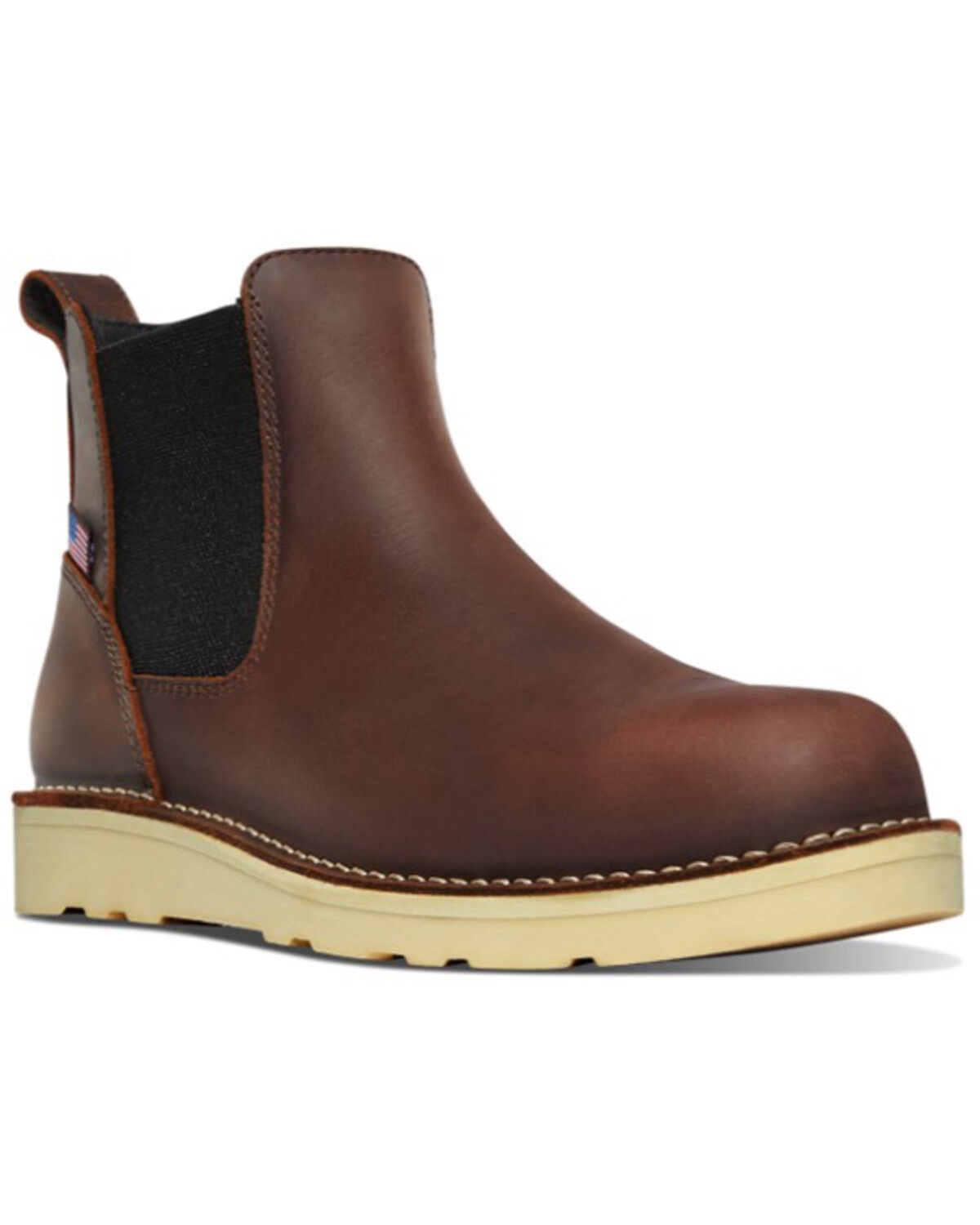
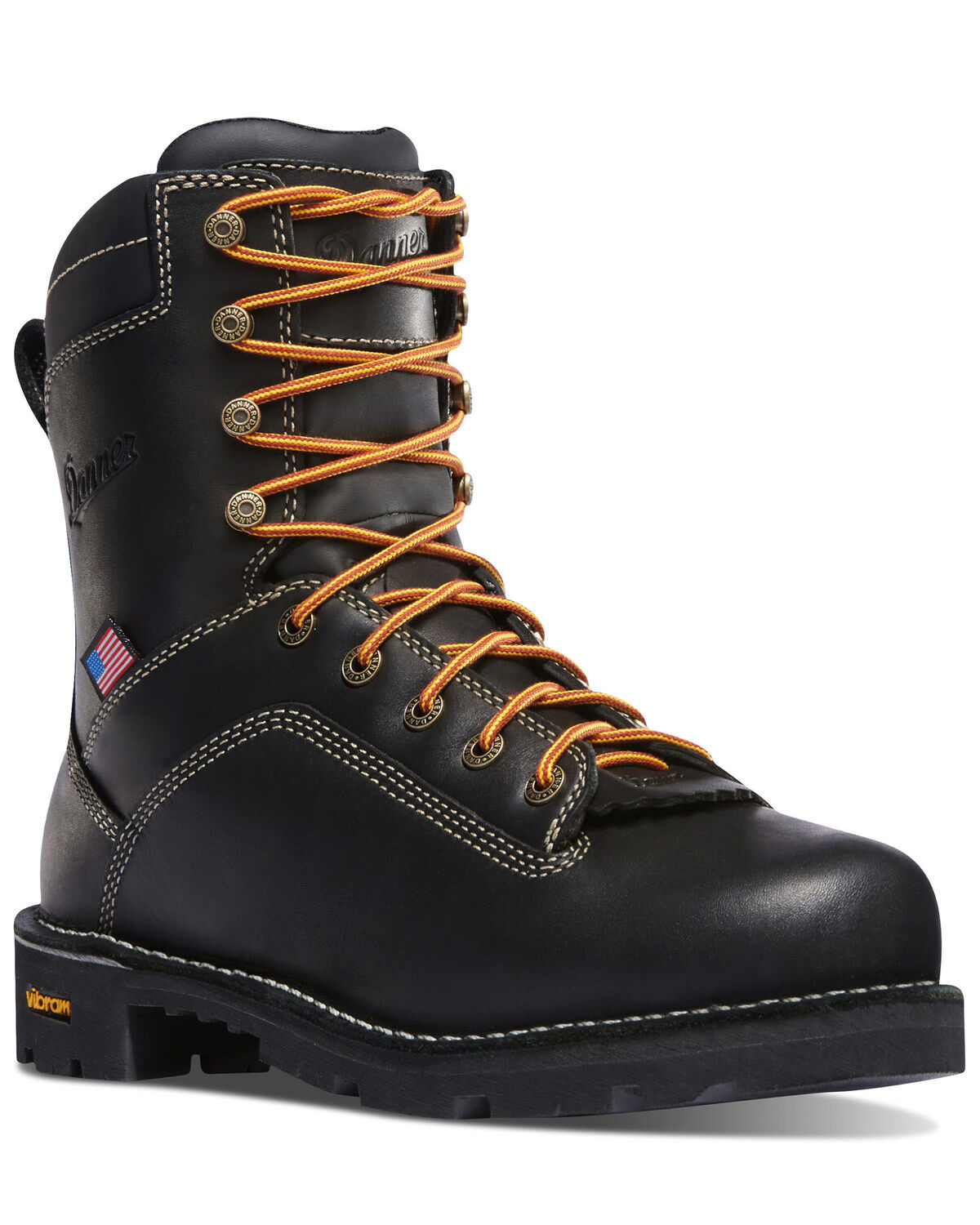
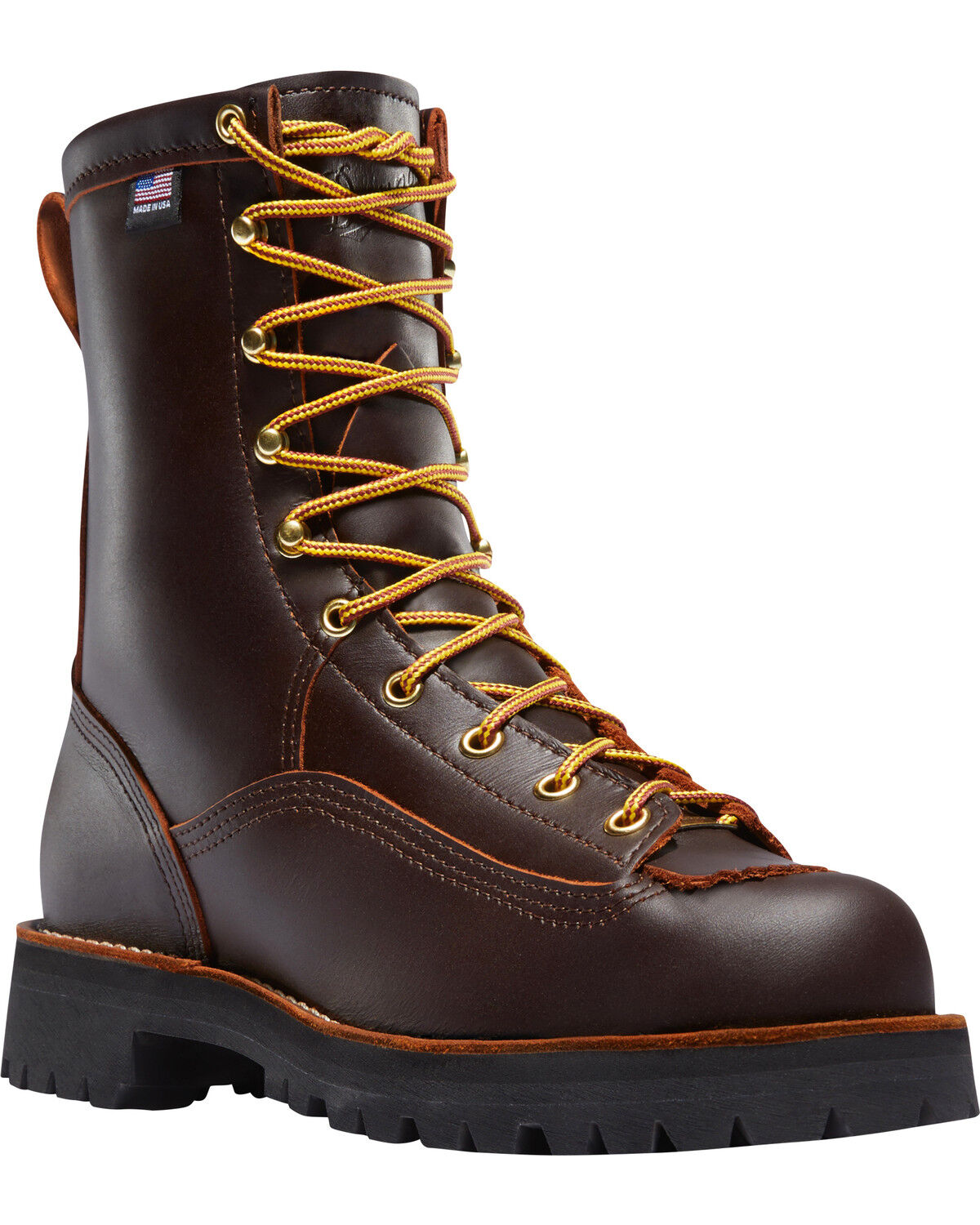
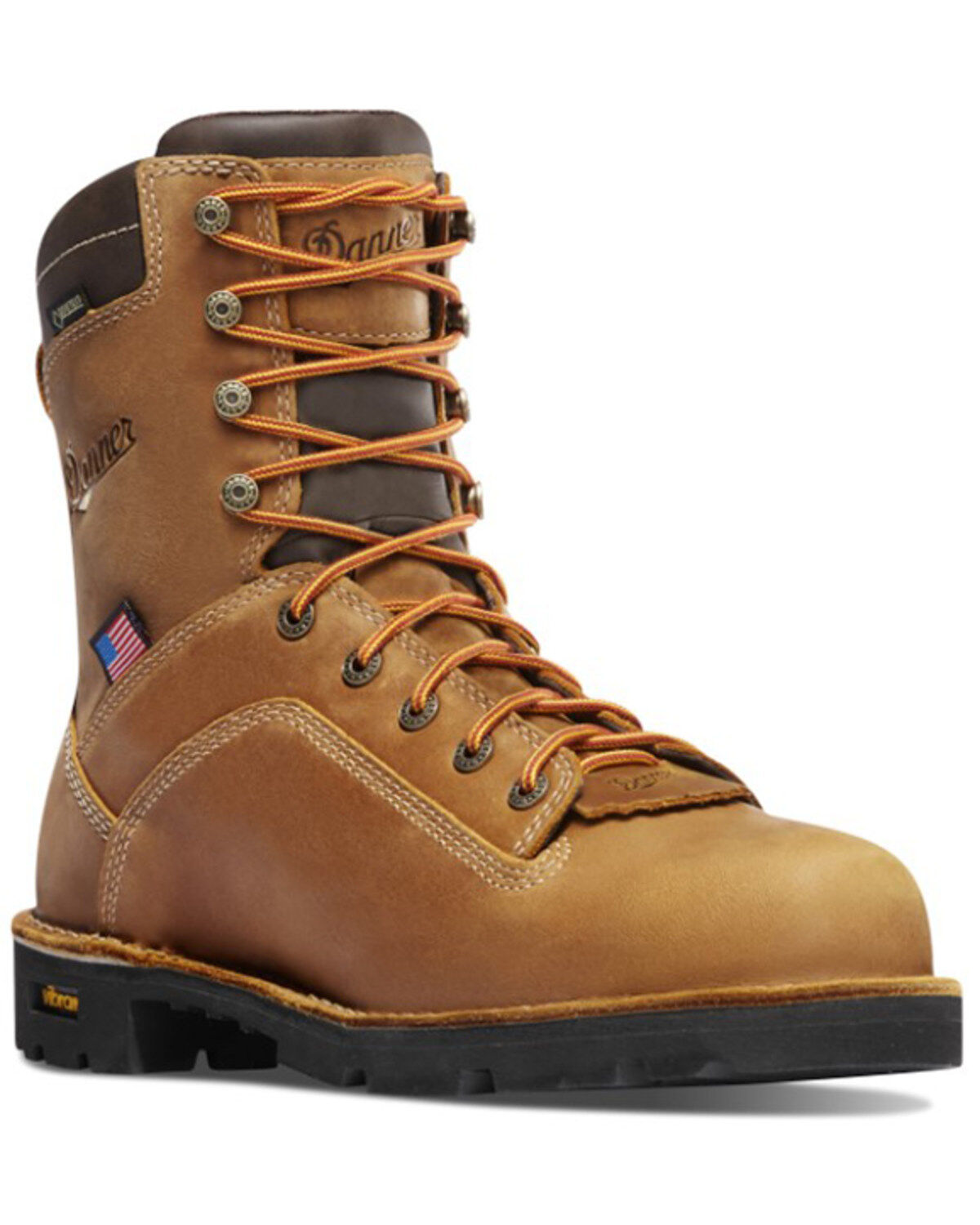
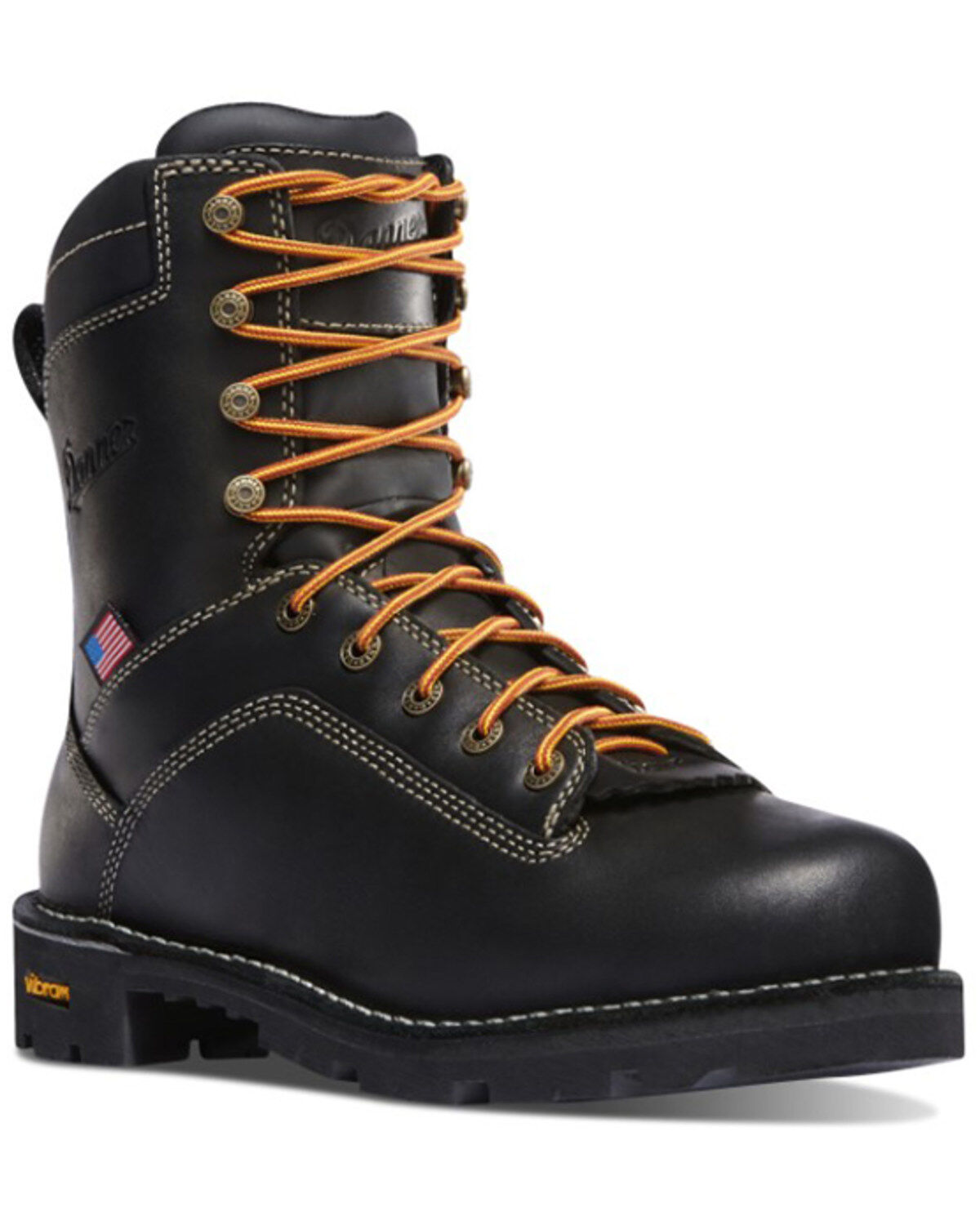
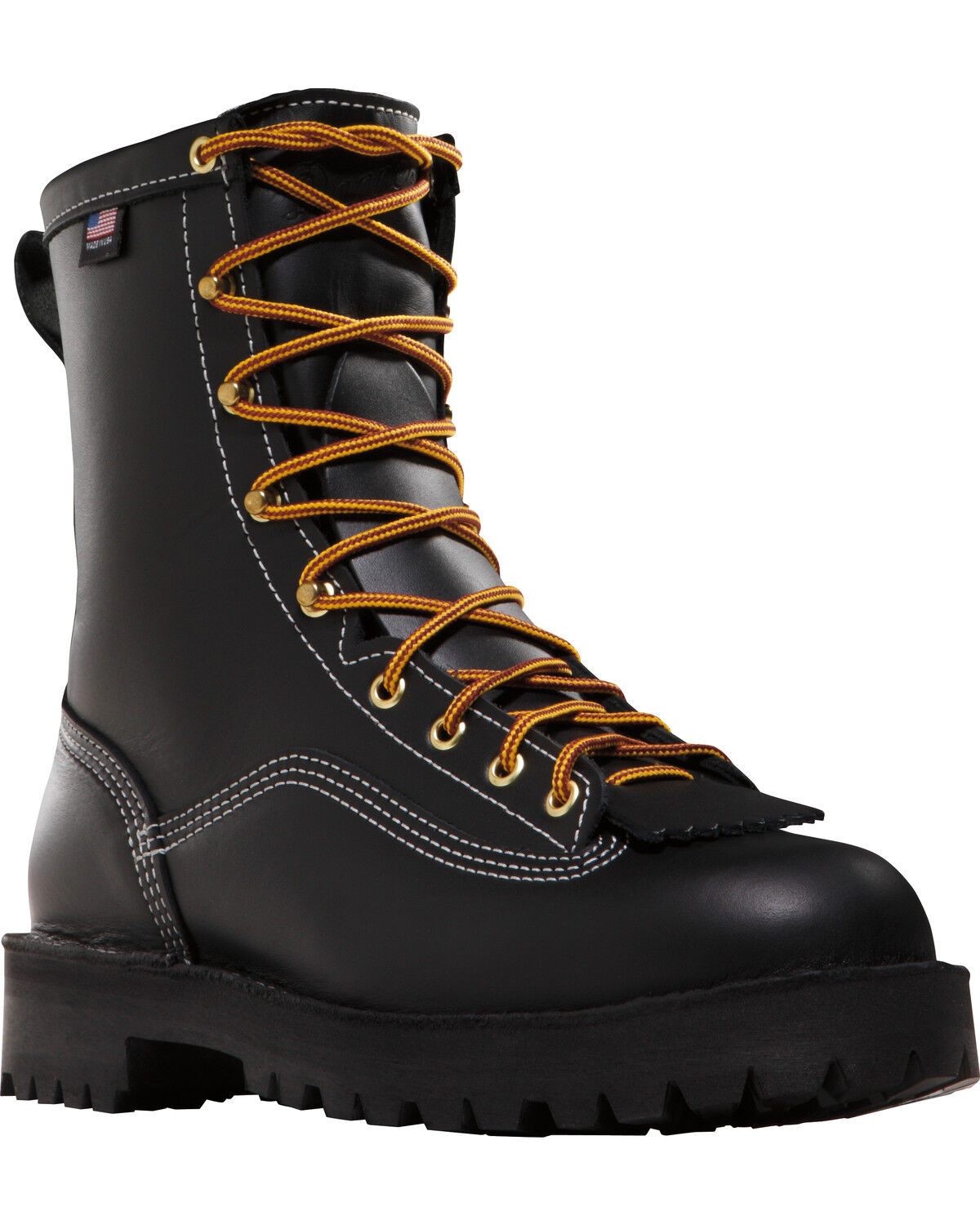
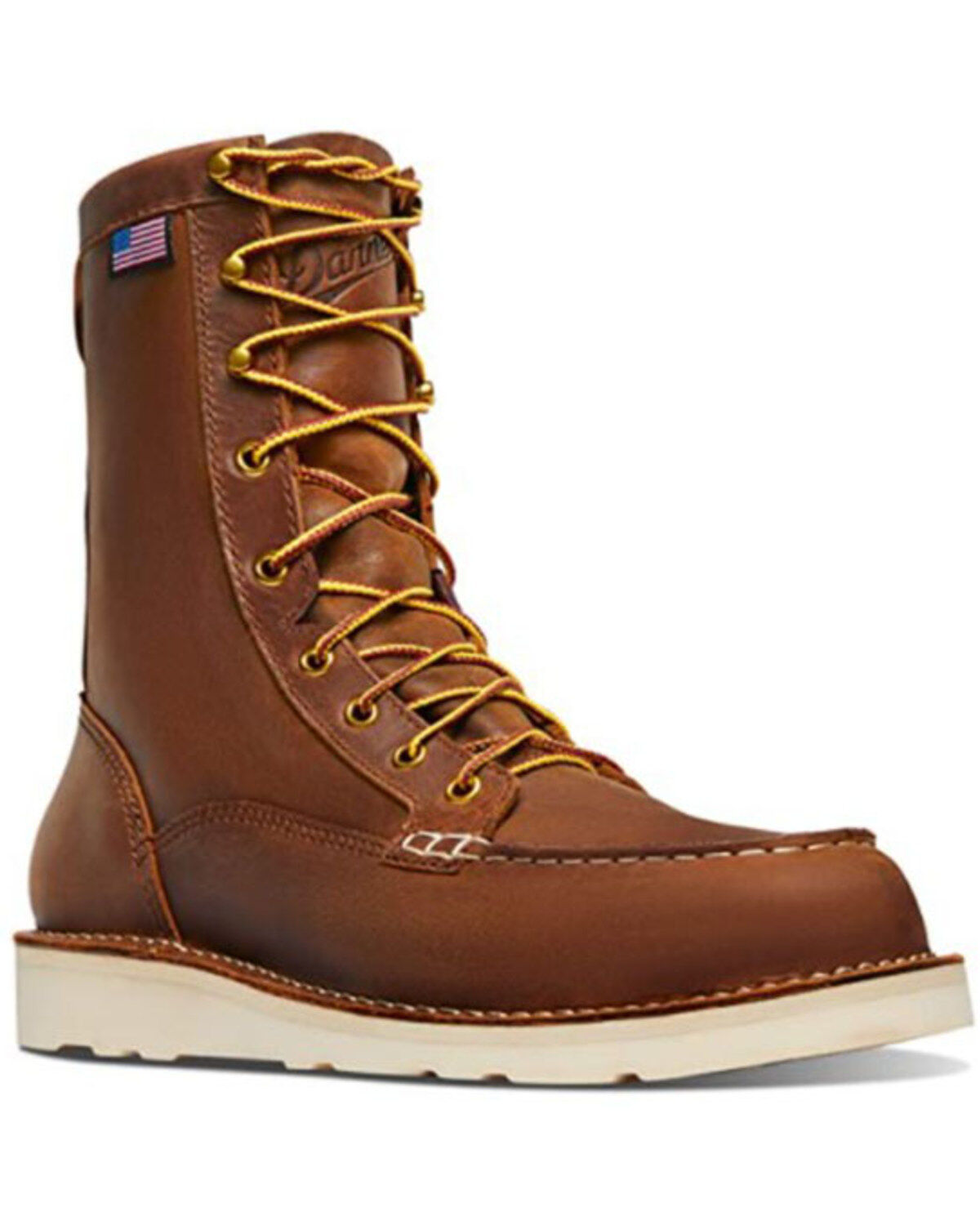
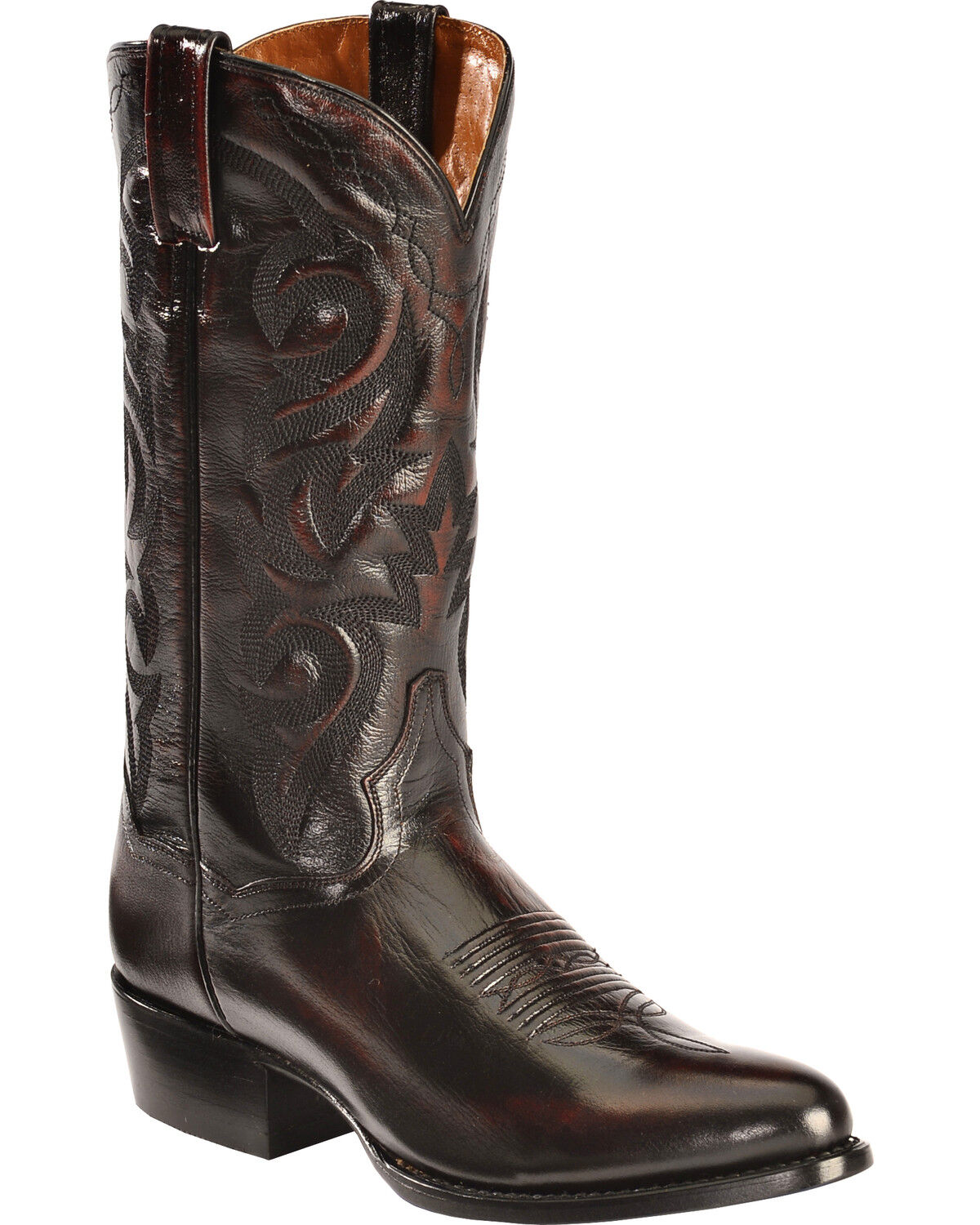
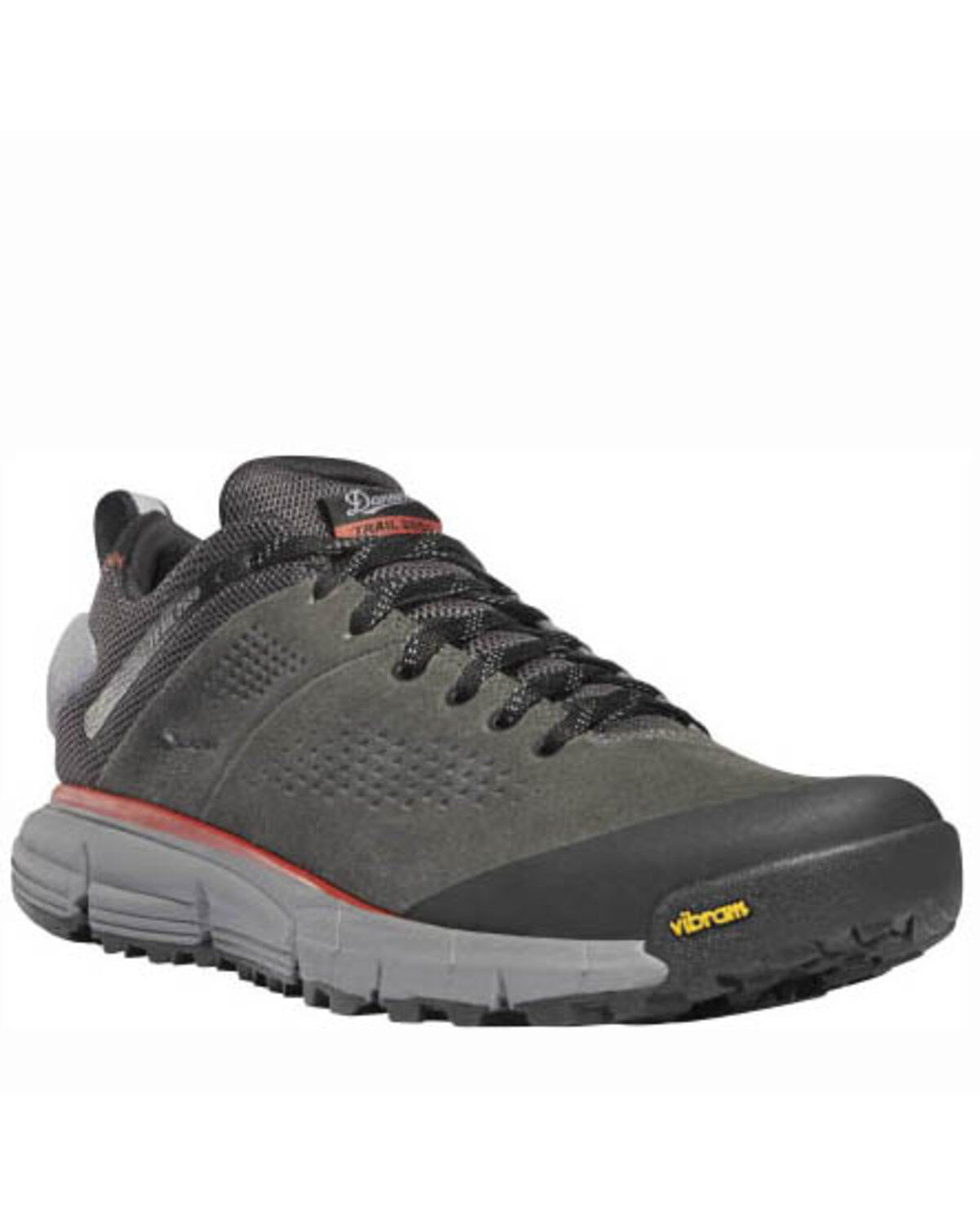
USA Made Men's Work Boots

Shop USA-made men's work boots with your job requirements in mind. Browse available styles and sizes, then check each pair's listed features and sizing information to find the right fit for your workday.

Read More

Shop Your Store: Shop Your Store: Find a Store

(Turn off Shop Your Store to see all items)

(Turn off Shop Your Store to see all items)

close
  • Recommended
  • Lowest Price
  • Highest Price
Skip pass products

End of products

USA Made Men's Work Boots

USA-made men's work boots combine job-focused construction with American manufacturing, but the exact country-of-origin label matters. An unqualified “Made in USA” claim means a product is all or virtually all made in the United States, including its significant parts and processing. Qualified claims such as “Made in USA with imported materials” and “Assembled in USA” describe different manufacturing and sourcing arrangements. Those distinctions are worth reading closely because American assembly does not necessarily mean every hide, outsole, eyelet, and thread originated here. Domestic manufacturing also does not, by itself, establish a boot’s safety rating, repairability, or suitability for a particular trade. The construction and specifications still need to match the work. Full-grain leather is a common choice for demanding use because it retains the hide’s outer grain and can hold up well with proper care. Leather thickness, tanning, stitching, and reinforcement all affect how a boot wears, bends, and handles repeated abrasion. Oiled leather has a different feel and maintenance routine from leather with a polished finish, while fabric panels introduce another set of cleaning needs. A lined boot can provide a smoother interior, though the lining also affects fit and how readily the inside dries between shifts. Lace-up designs allow adjustment across the instep and around the ankle. Pull-on work boots eliminate laces and rely more heavily on the shape of the foot, instep, and heel for a secure fit. Neither design is automatically the better choice. A carpenter walking unfinished floors, a mechanic moving around service bays, and a ranch hand stepping between pens and equipment place different demands on their footwear. American-made work boots earn their place through the details: solid stitching, appropriate materials, dependable traction, and a fit that stays comfortable through the workday. Origin is one part of that decision, alongside the boot’s build and intended use.

Underfoot construction makes a noticeable difference when the same task gets repeated for hours. A broad wedge outsole can provide continuous contact on relatively flat surfaces, while a defined heel may be required for certain ladder, climbing, or equipment tasks. Deep tread can help on loose ground, but it can also carry packed dirt into a cab or finished interior. Shallower tread may clear debris more readily, depending on its design. Rubber and polyurethane outsoles vary in weight, flexibility, cushioning, and resistance to workplace substances, so the material name alone does not tell the whole story. Slip-resistant footwear still has limits; traction depends on the floor, contamination, tread condition, and how the boot is used. Oil resistance is not the same as slip resistance, and neither label promises secure footing on every surface. For jobs with falling or rolling objects, safety-toe protection should match the required safety standard and employer rules. Steel and composite safety toes can both meet recognized impact and compression requirements when properly tested and marked. The toe material alone does not establish the protection level. Soft-toe work boots serve a different purpose and are not substitutes where protective footwear is required. Electrical hazard protection is another separate designation with specific limits, not permission to work around electricity without other safeguards. Water-resistant leather and a waterproof boot are also different constructions. A waterproof lining may matter around washdown areas or repeated water exposure, while a boot without that barrier may suit work where interior drying and moisture management take priority. Welt construction can allow resoling in some designs, but not every welted boot can be repaired in the same way. Cemented construction bonds the outsole to the upper and may provide flexibility without the same repair options. For someone who wears through tread before wearing out the leather, confirmed resoling options can be an important part of long-term usefulness. For someone working around sharp debris or abrasive surfaces, outsole toughness and upper reinforcement may deserve more attention.

Fit determines whether those construction details help or become distractions. Work boots should be tried with the socks normally worn on the job and any required orthotics. Feet often swell through a long day, making an end-of-day fitting useful. Toes need room to move without striking the front, and the widest part of the foot should sit comfortably at the boot’s widest point. A safety toe will not stretch to relieve pressure across the toes. Leather may soften with wear, but break-in should not be expected to correct numbness, pinching, or an incorrect size. Lace-up boots should hold the heel securely without forcing the laces tight enough to create pressure across the instep. Some initial heel movement can occur in pull-on styles, but excessive slipping, rubbing, or difficulty keeping the foot seated calls for another size or shape. Width matters as much as length, especially during long stretches on concrete or repeated kneeling and climbing. Care then becomes part of durability. Dry dirt and grit should be brushed away before they grind into stitching and flex points. Cleaning and conditioning products need to suit the leather and any protective finish, with the boot maker’s directions taking priority. Saturated boots should dry naturally away from heaters and other direct heat sources that can damage leather, adhesives, and linings. Removing removable insoles helps the interior dry, and alternating pairs gives each boot more time between demanding shifts. Worn tread, loose stitching, cracked soles, and damaged safety components deserve attention before the next job. A pair can look broken in and still be serviceable, but appearance alone cannot confirm that its protection remains intact. Work boots can also make a practical gift for a husband, father, son, or friend when the recipient’s size, preferred fit, and workplace requirements are known. For footwear needs beyond the jobsite, USA Made Boots provides a broader category to explore. The right work pair remains the one built for the actual work, fitted to the person wearing it, and maintained for the demands ahead.
Read More

FAQs