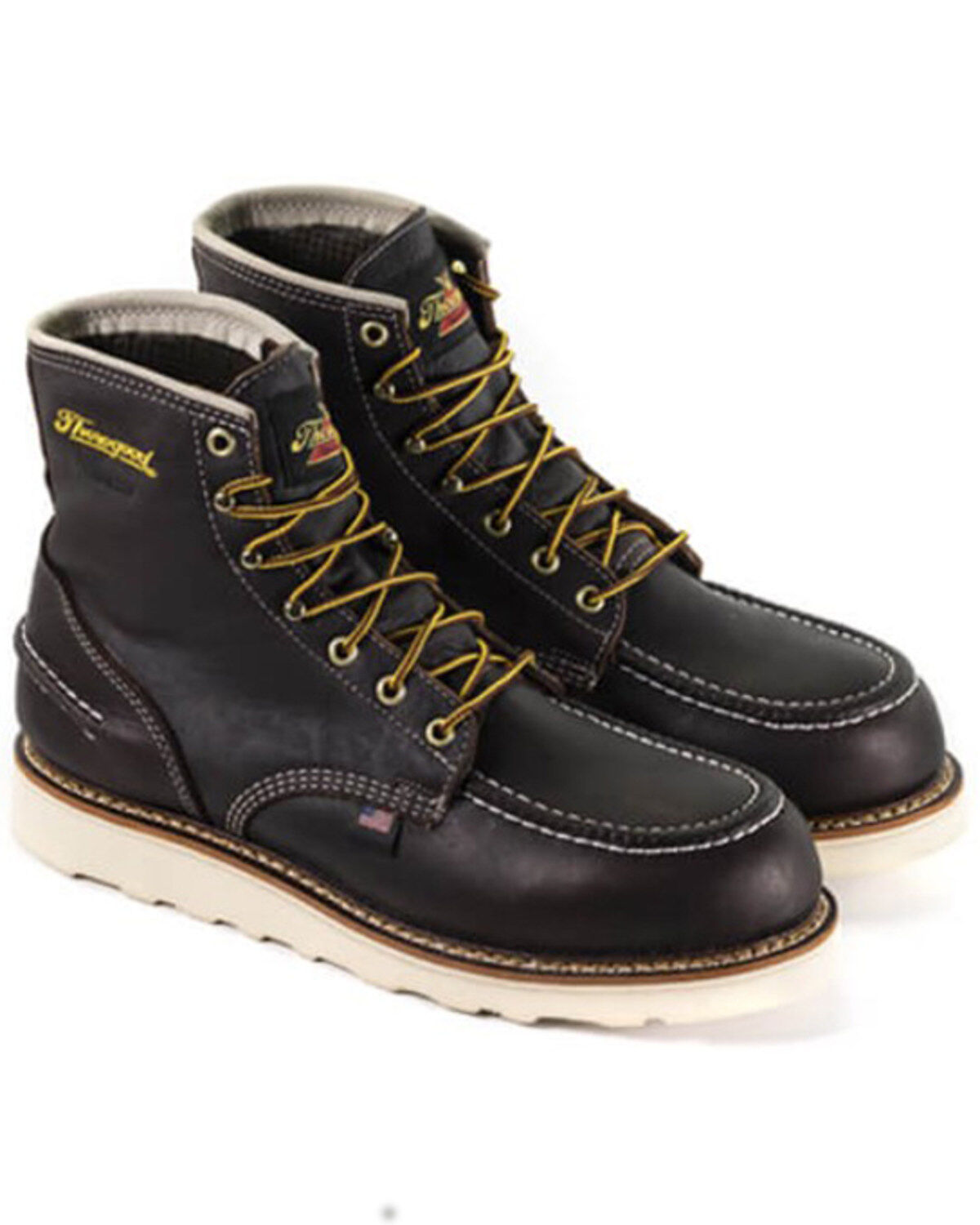
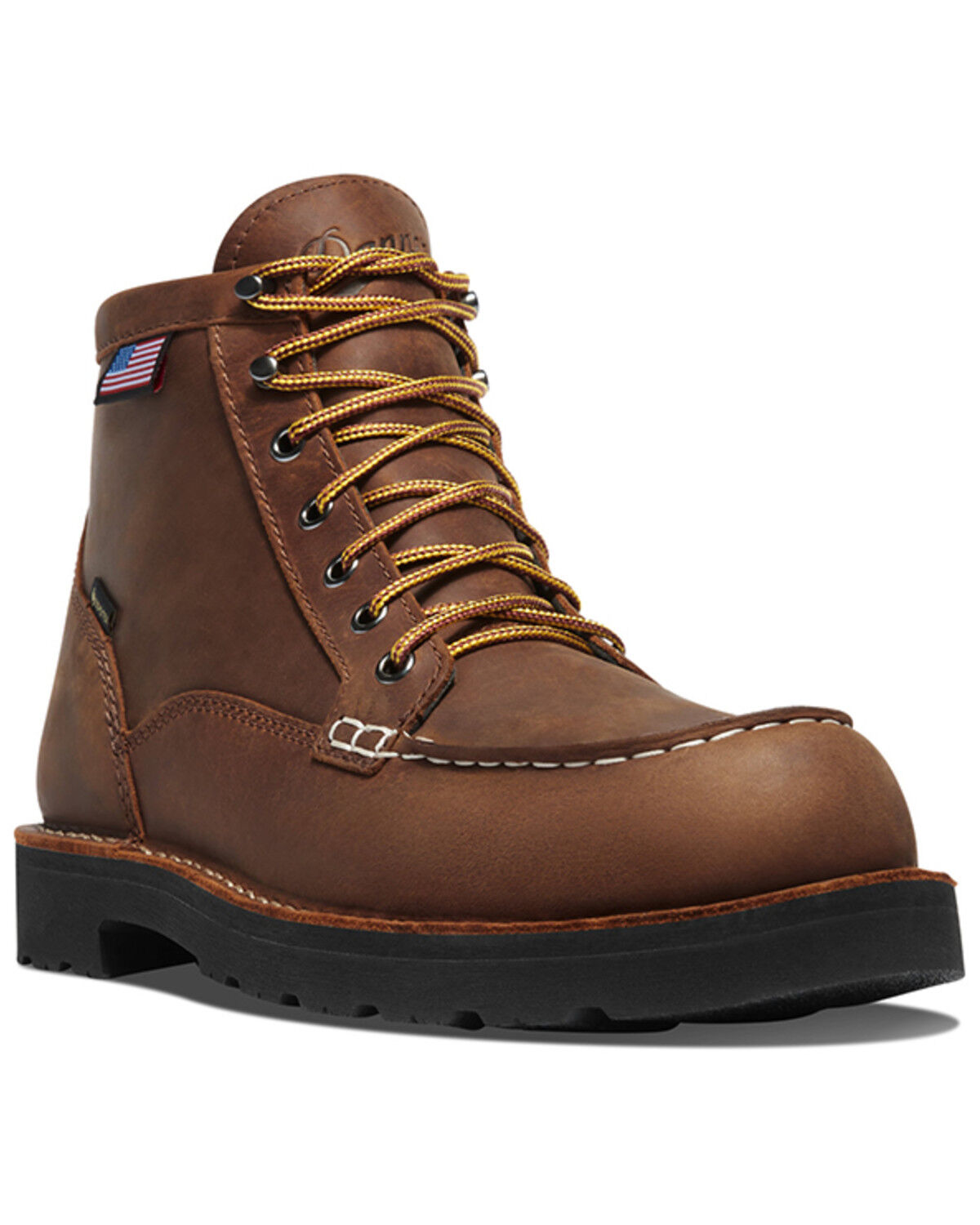
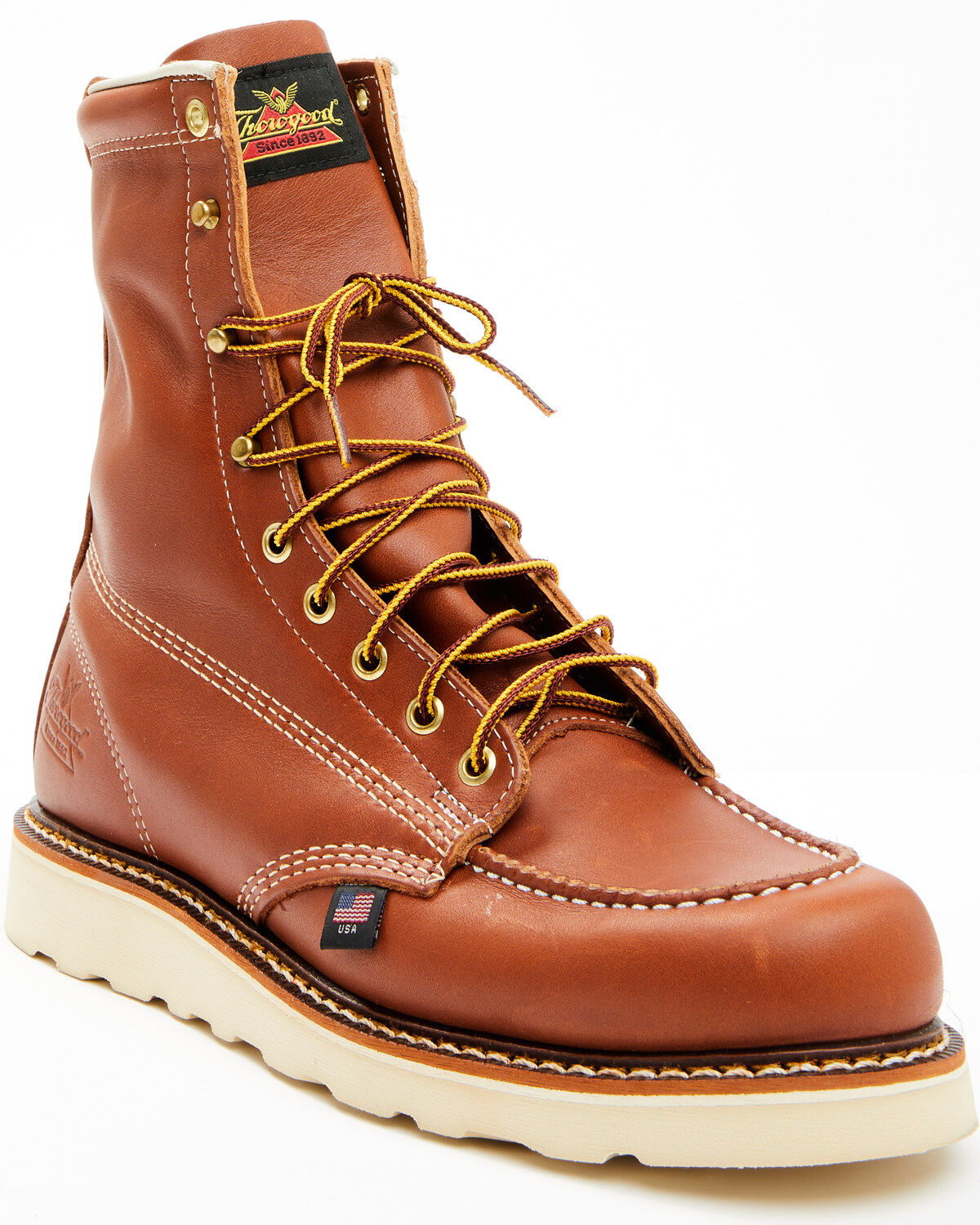
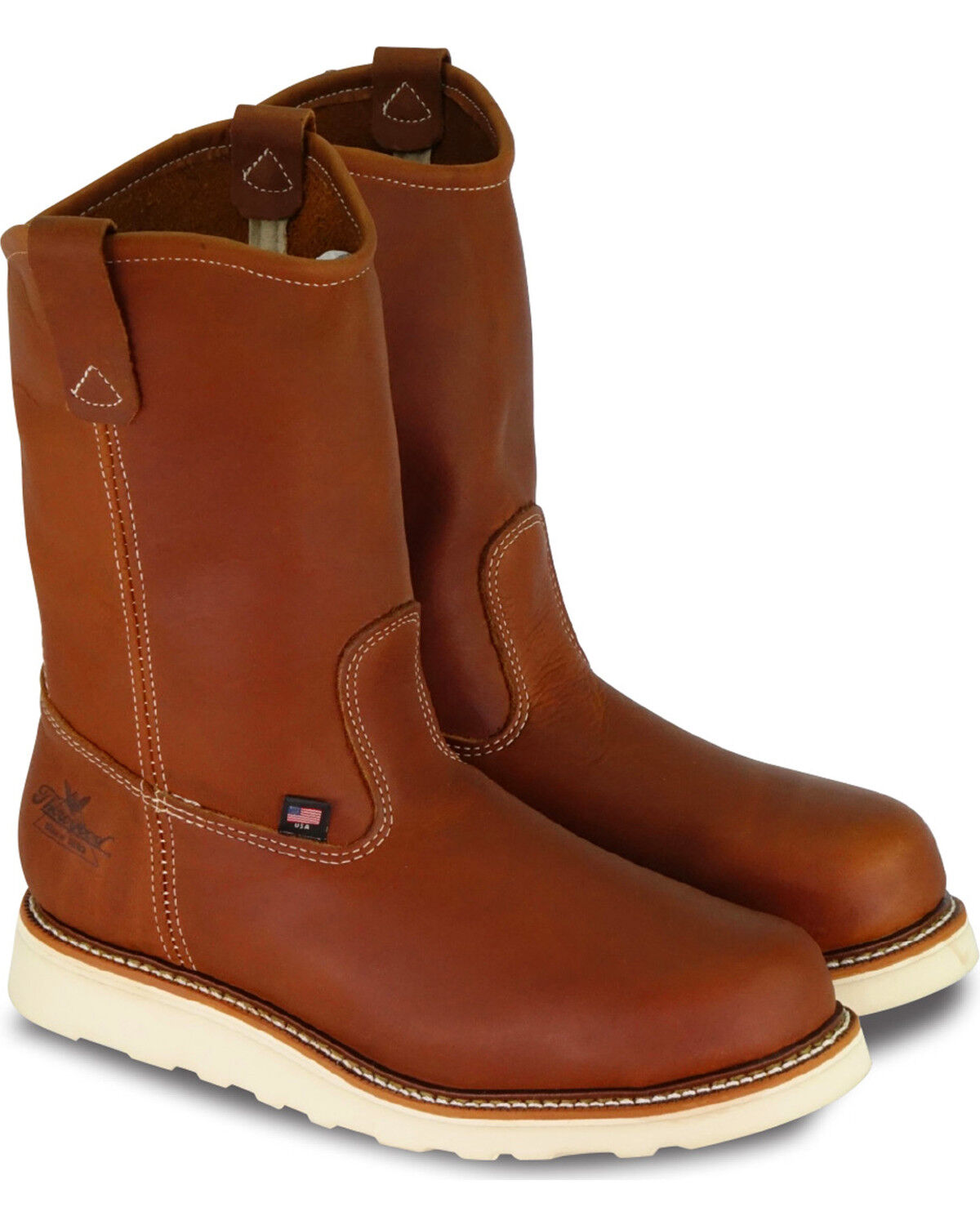
American Made Wedge Sole Work Boots

Shop American-made wedge sole work boots with the fit and job requirements of your workday in mind. Compare available styles and sizes, then check each pair’s fit guidance and listed safety features to find the right match for your work.

Shop Your Store: Shop Your Store: Find a Store

(Turn off Shop Your Store to see all items)

(Turn off Shop Your Store to see all items)

close
  • Recommended
  • Lowest Price
  • Highest Price
Skip pass products

End of products

American Made Wedge Sole Work Boots

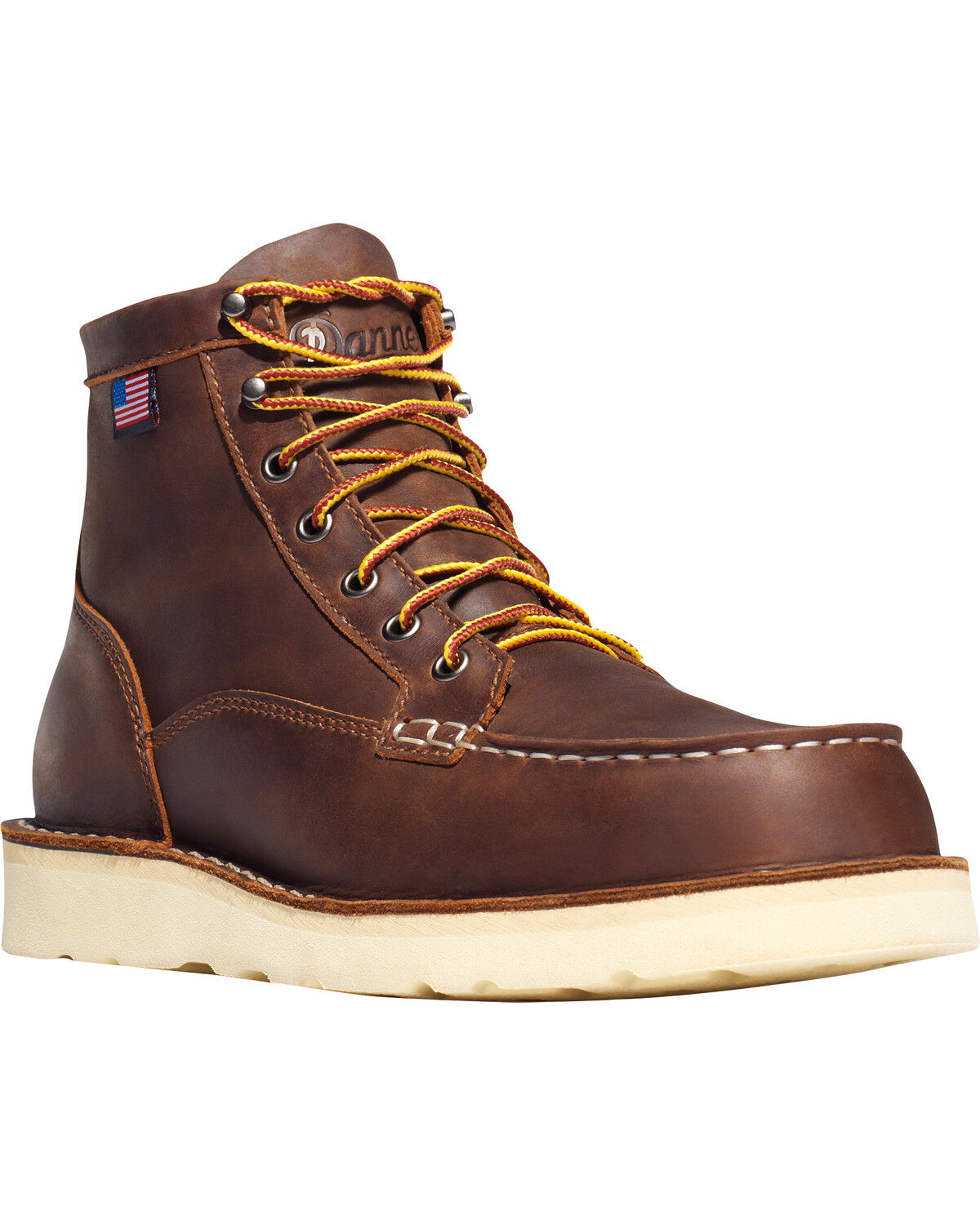
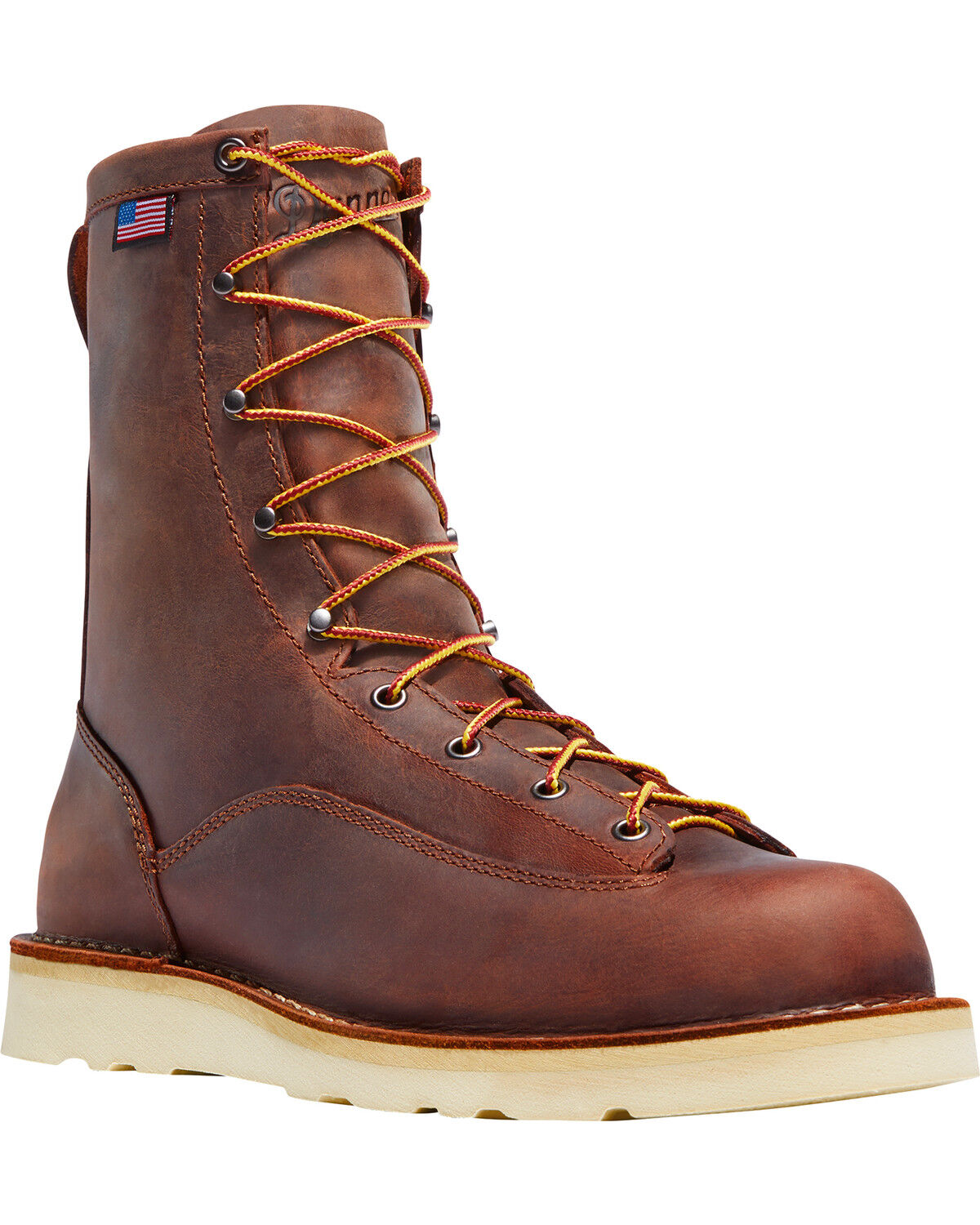
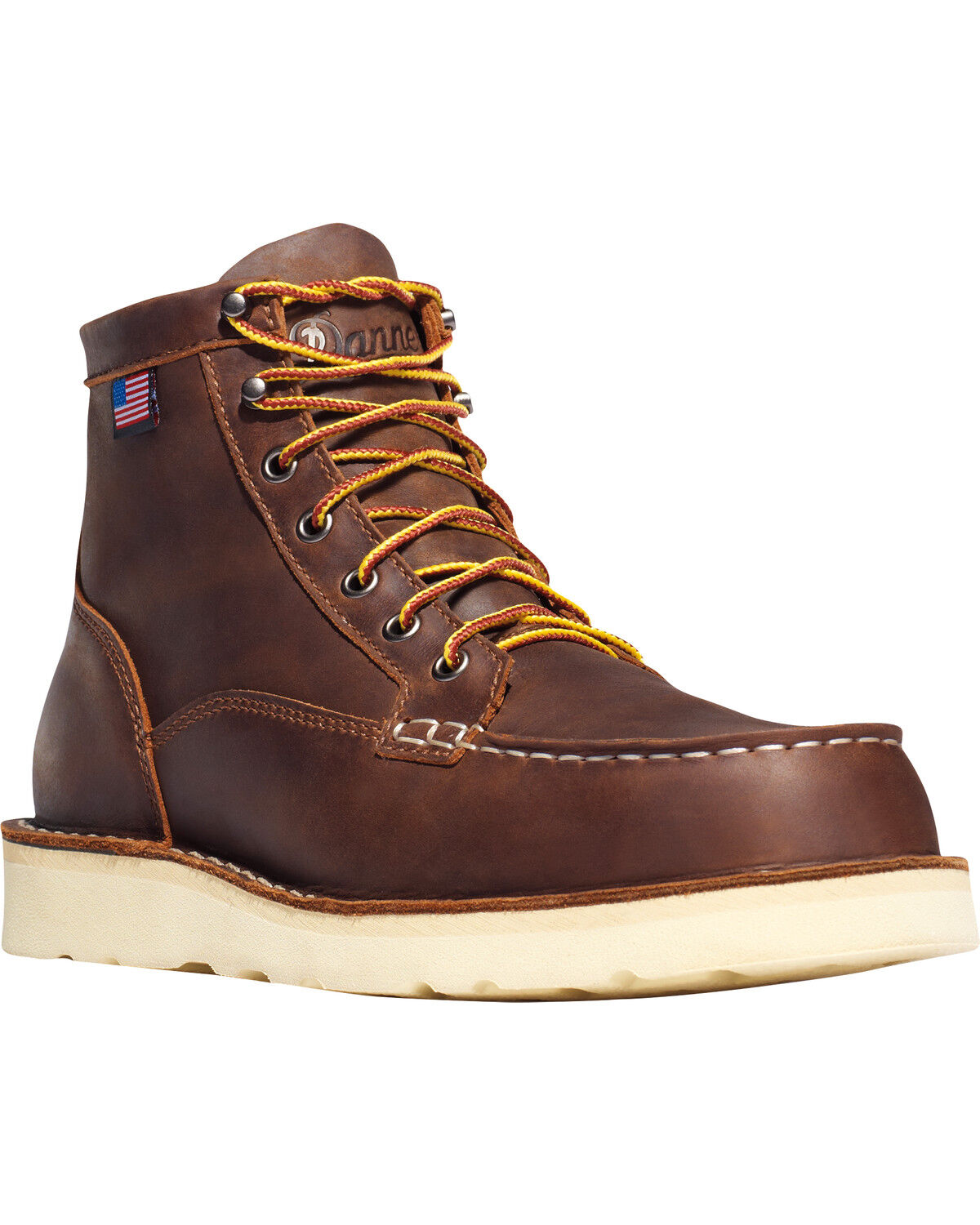
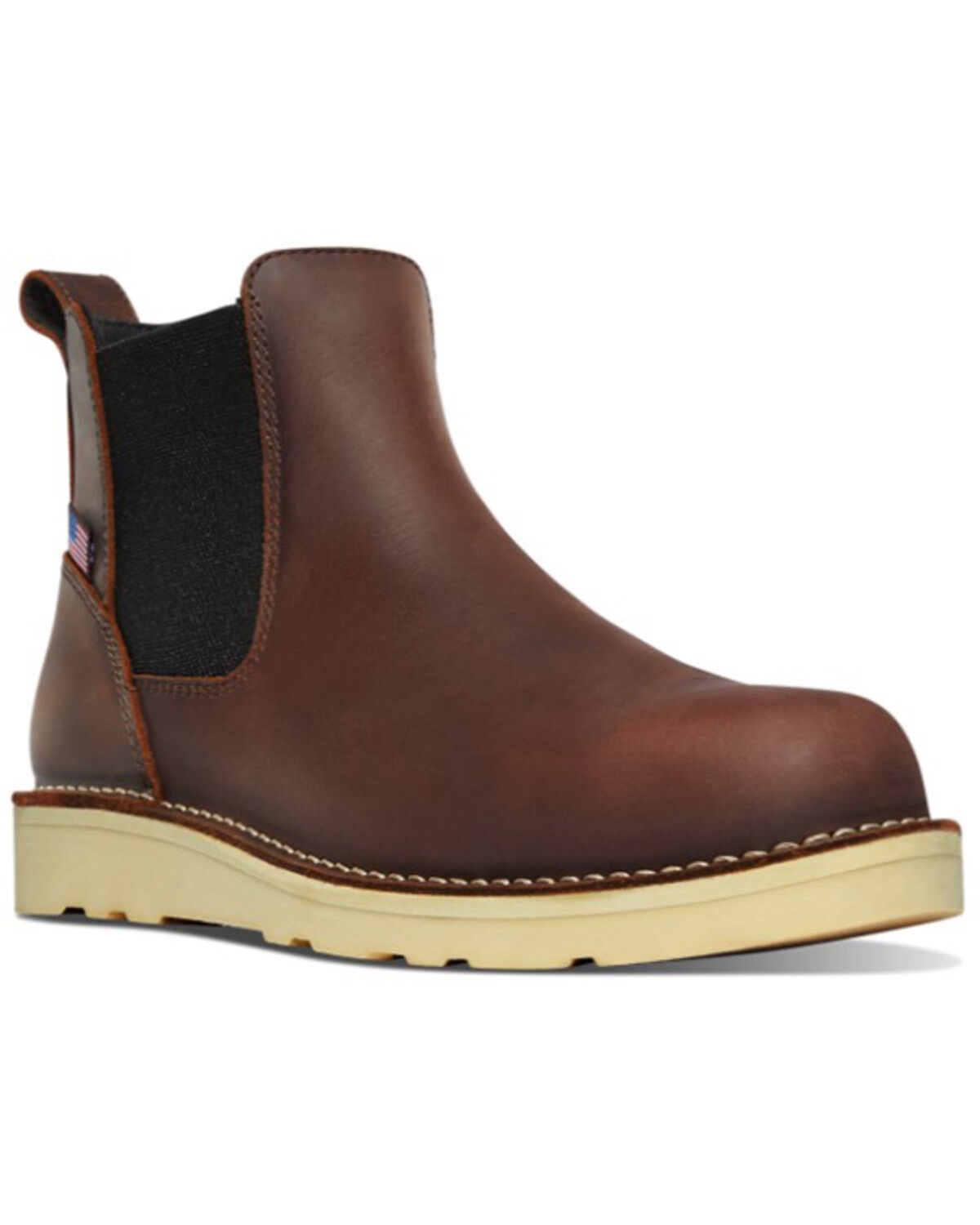
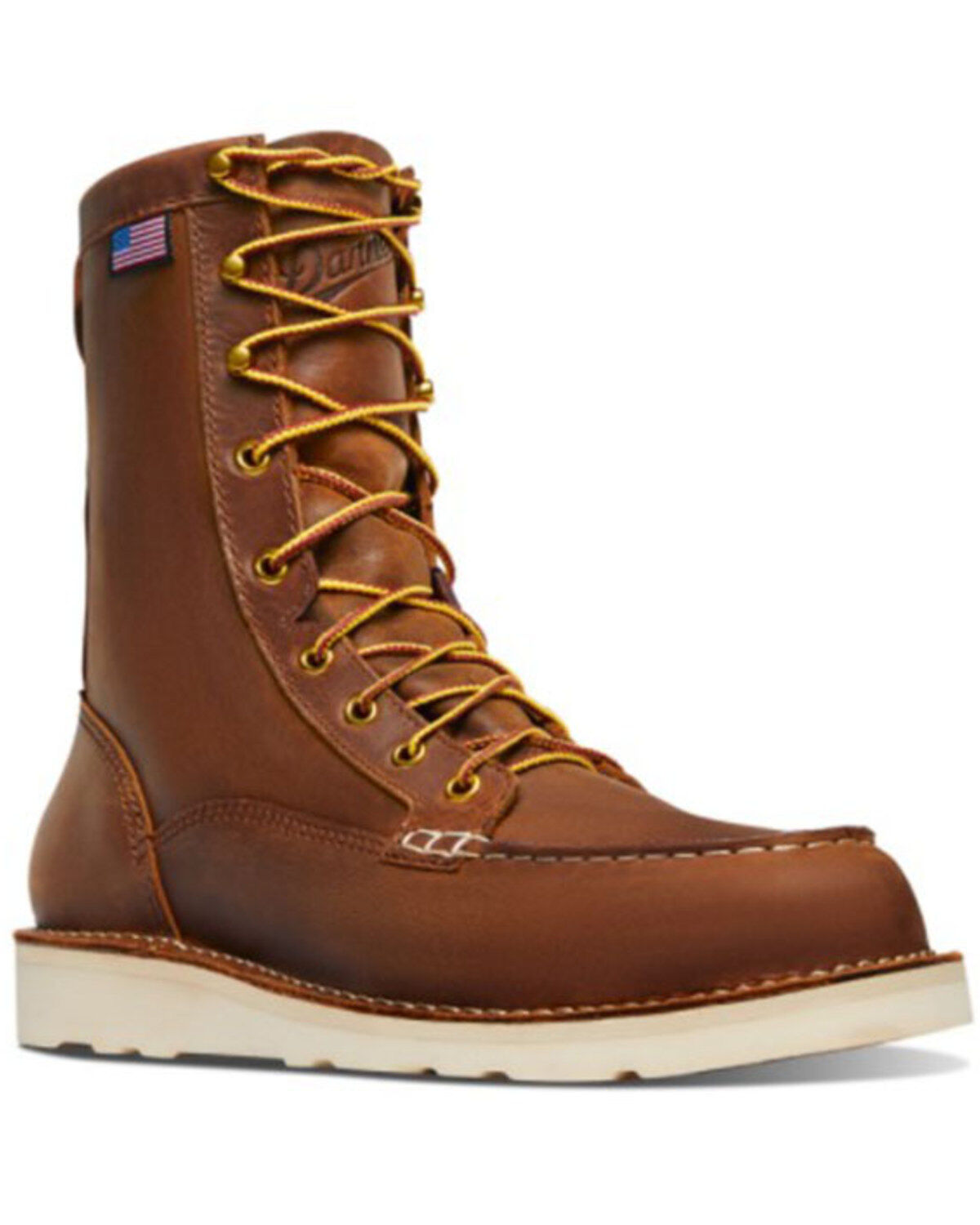
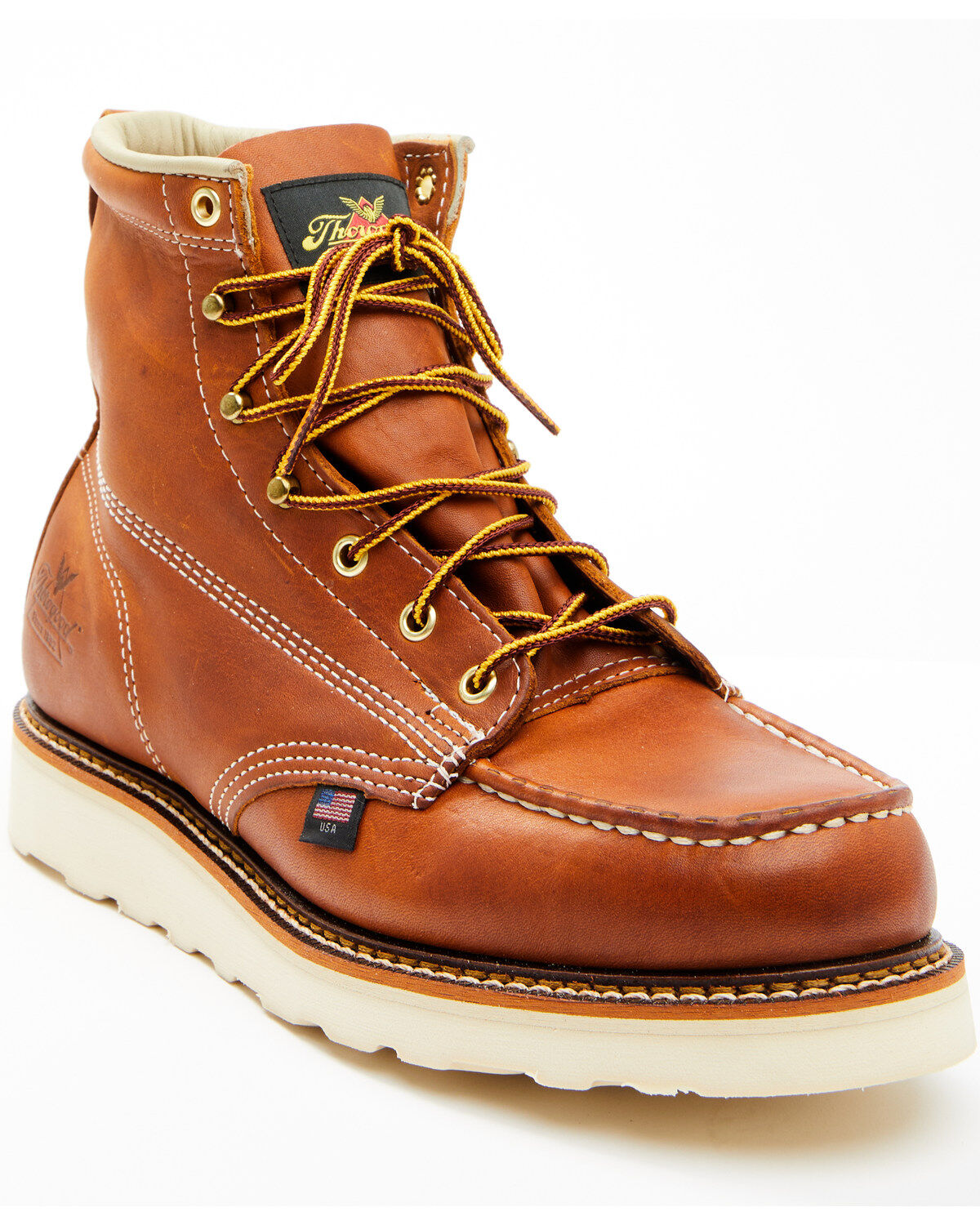
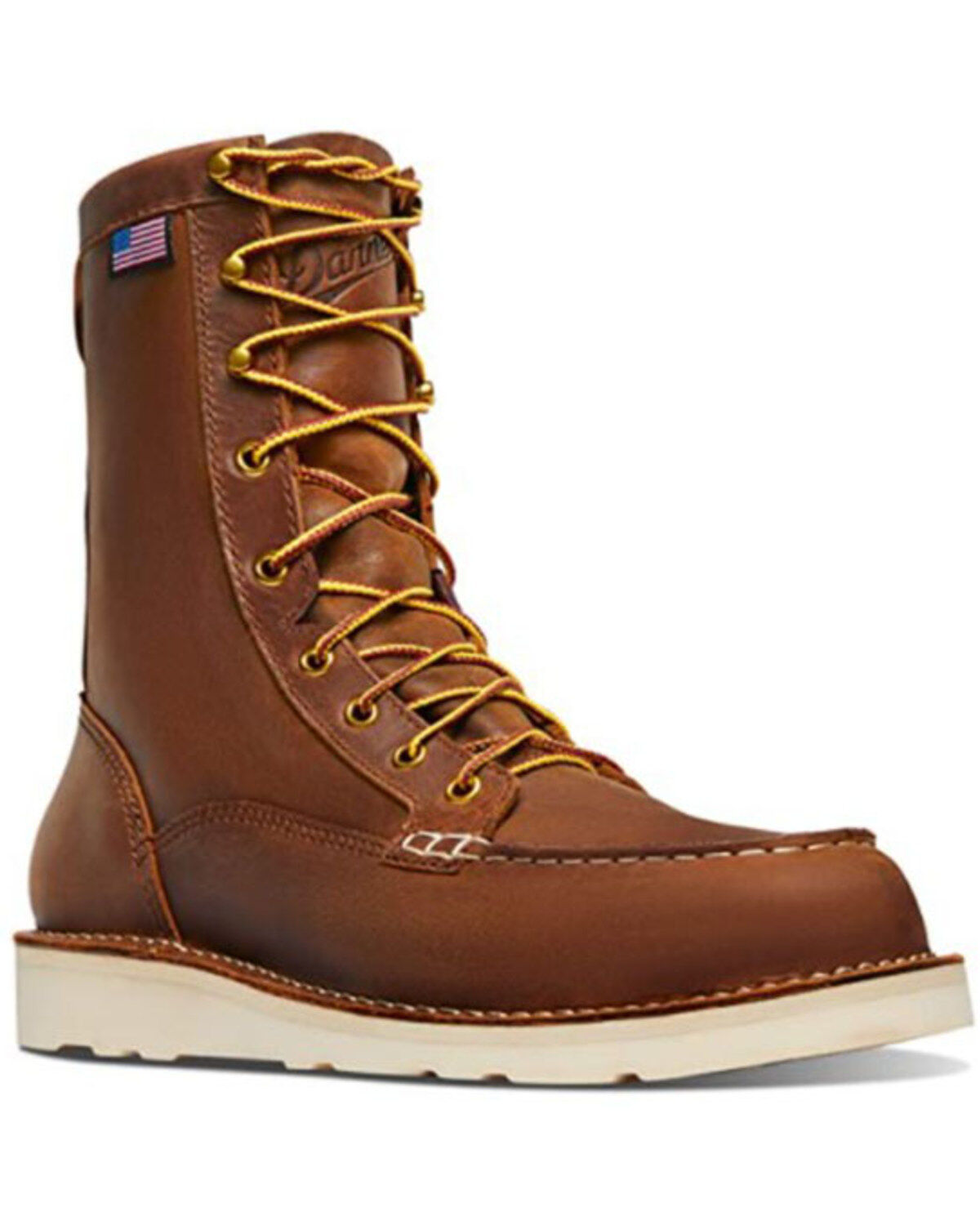
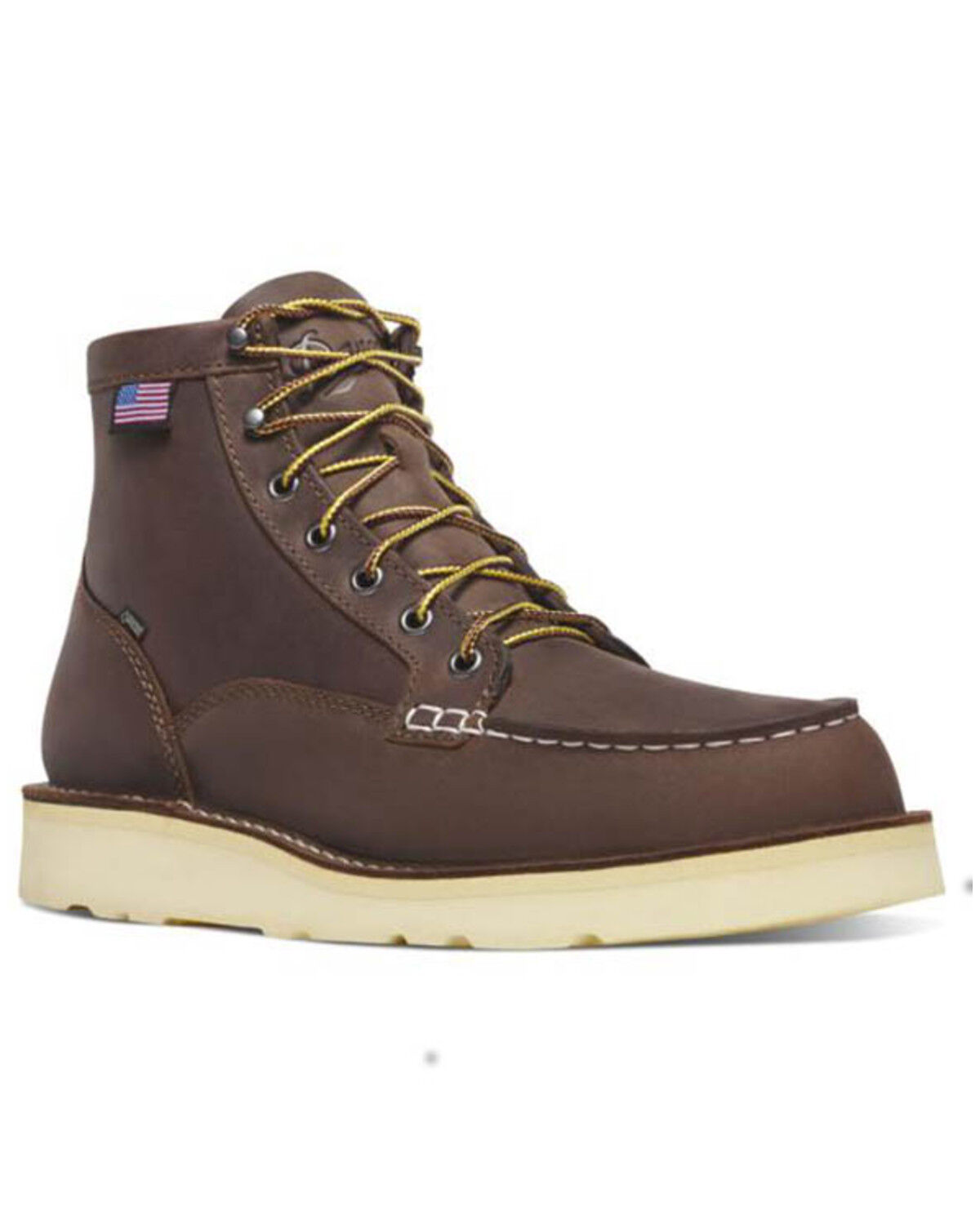
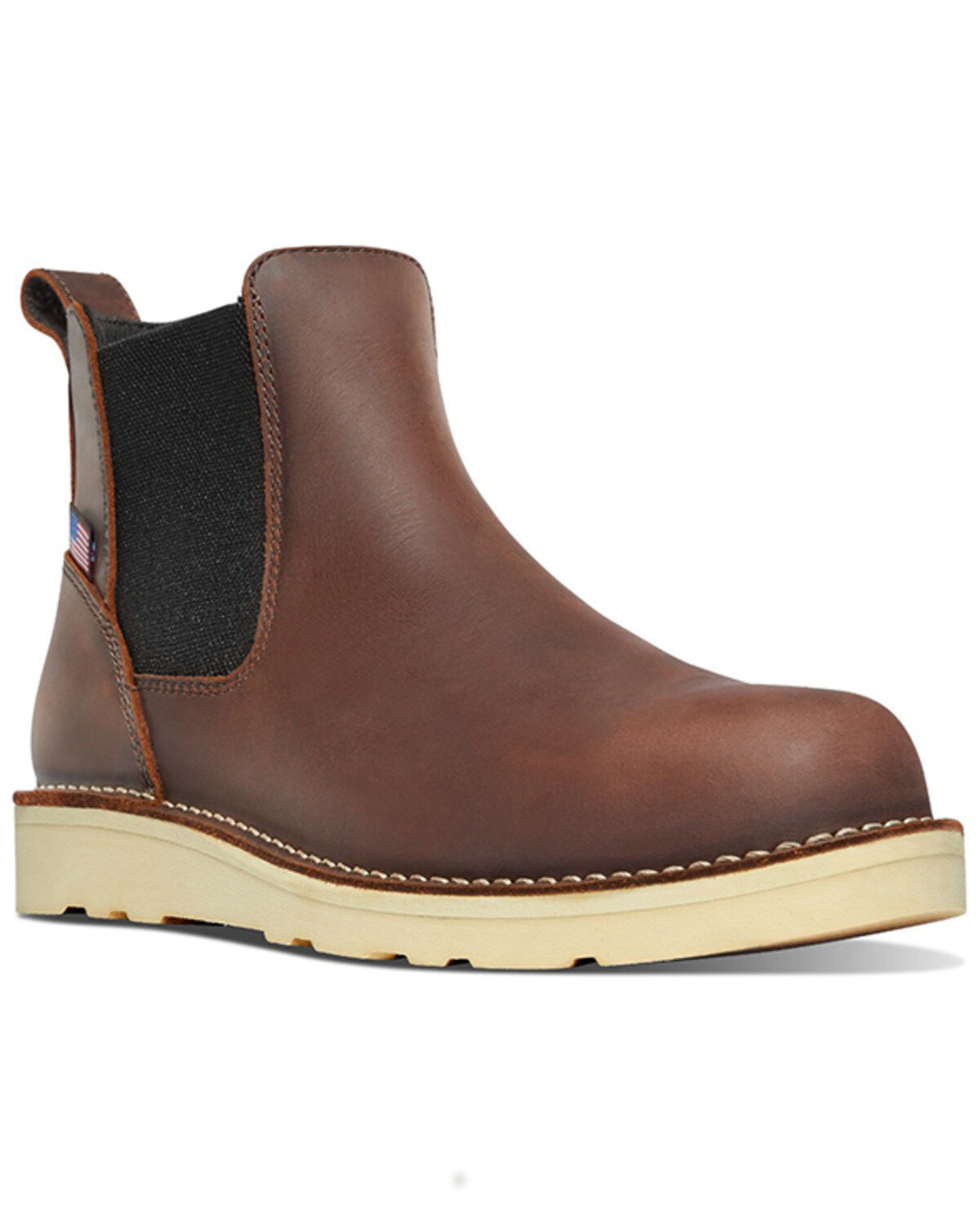
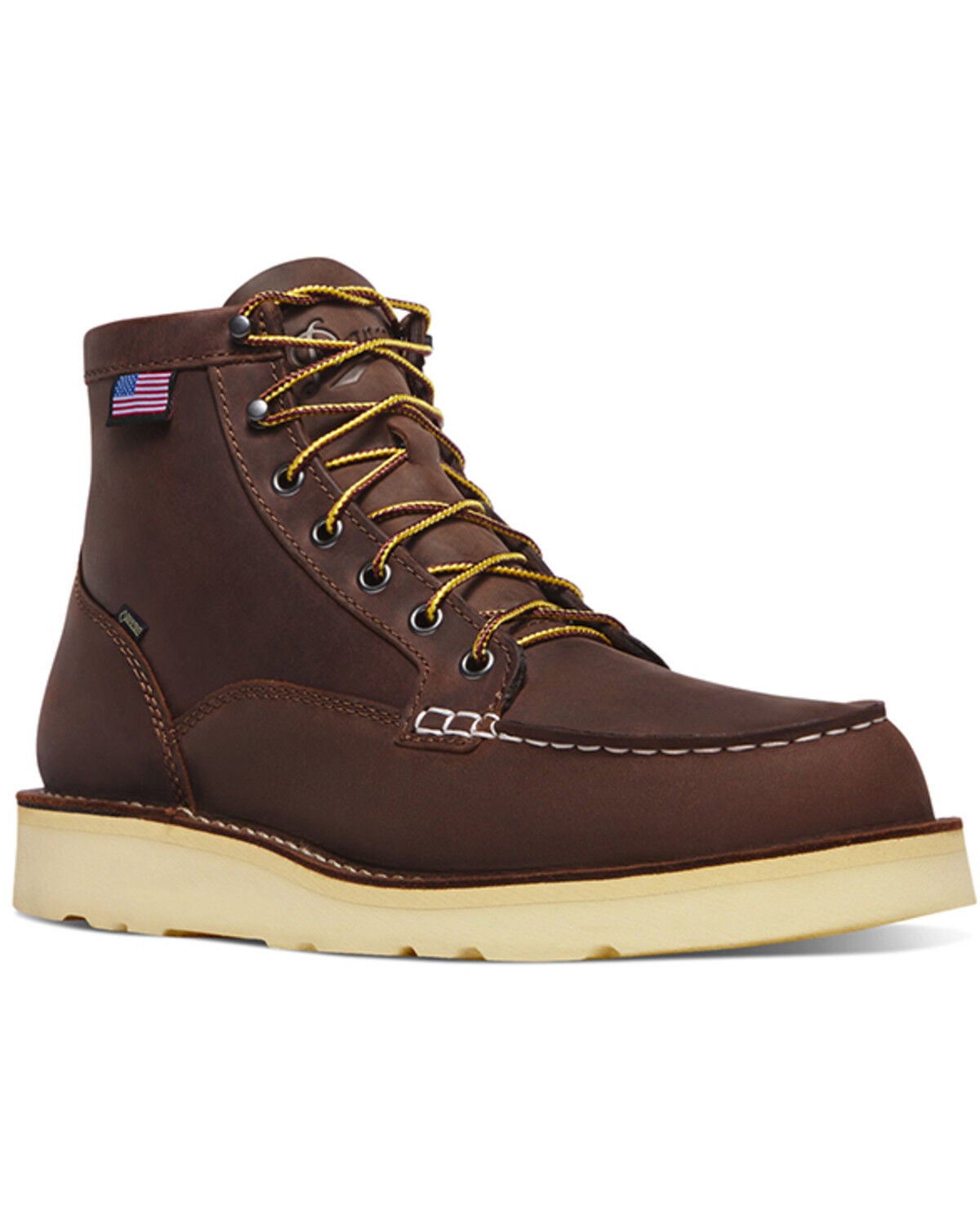
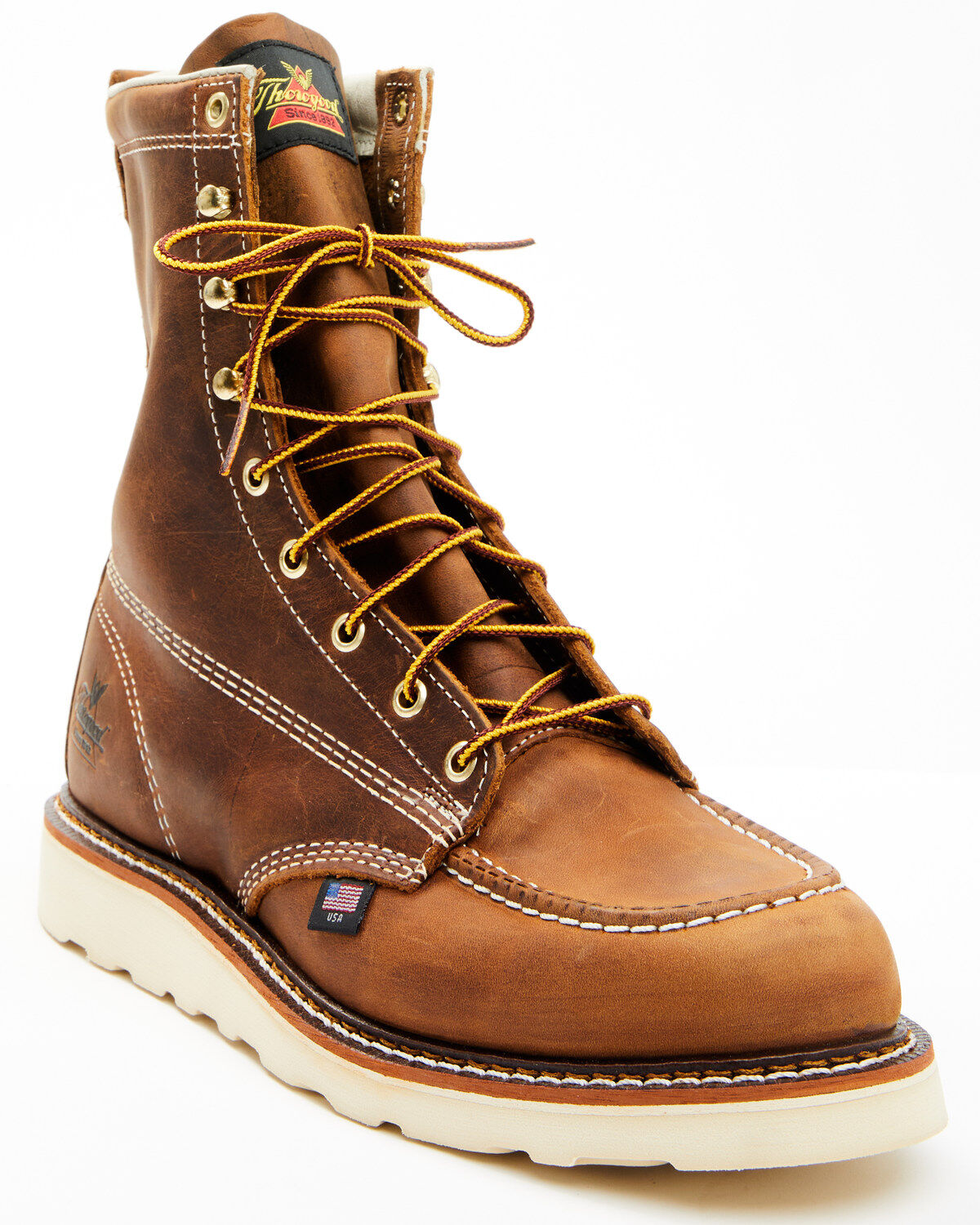
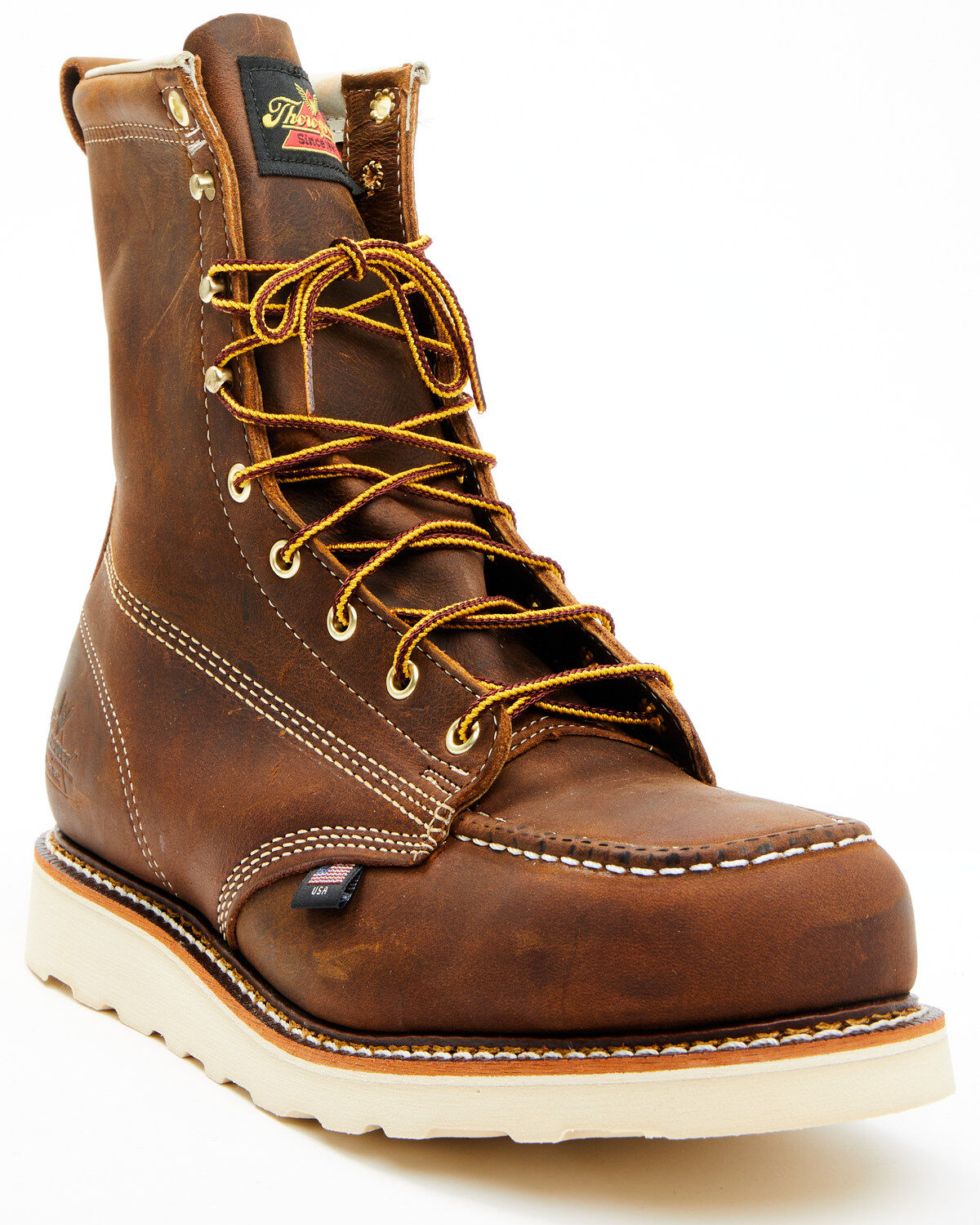
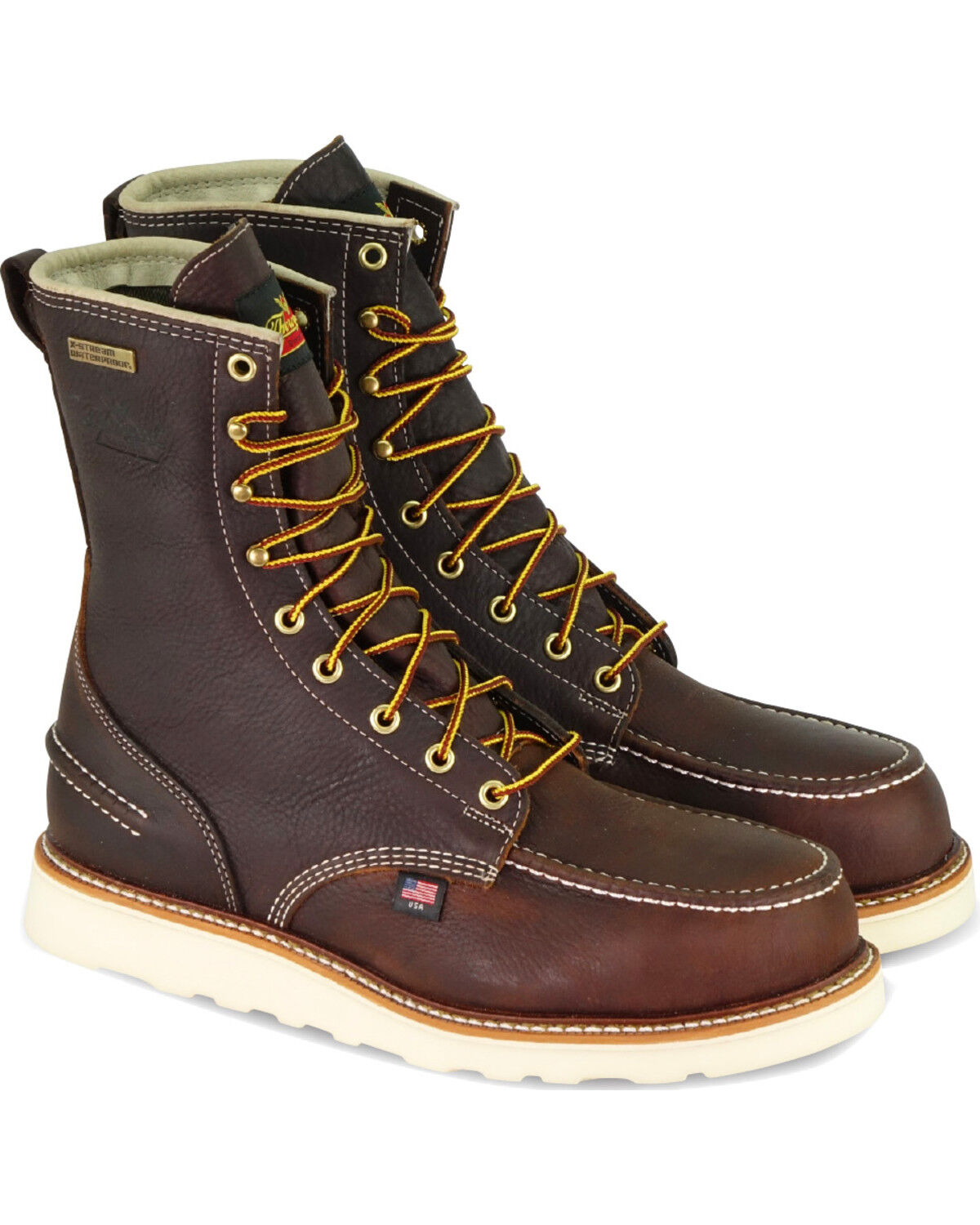
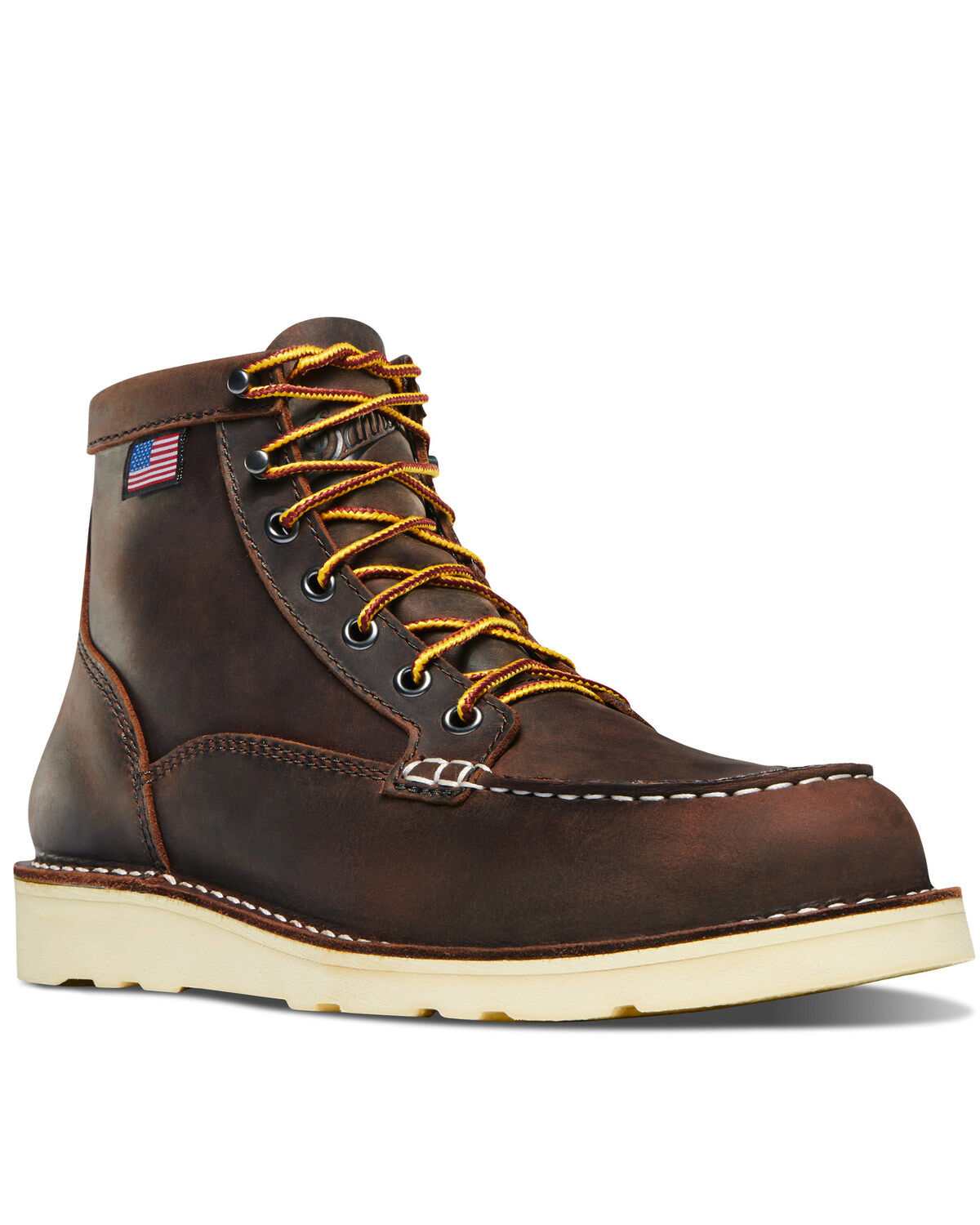
American made wedge sole work boots pair domestic manufacturing with a practical shape built for long hours on firm, level surfaces. The wedge outsole runs continuously from heel to toe, without the pronounced heel found on many traditional work boots. That broad contact area can help distribute pressure underfoot, while the sole material and internal cushioning influence how each step feels. For carpenters, shop workers, maintenance crews, and others who spend much of the day on concrete, this construction offers a useful balance of support and walking comfort. Picture a cabinetmaker standing at a bench, then crossing the shop to carry finished panels: the boot needs to handle both stationary work and repeated movement. A wedge sole suits that routine, though comfort still depends on the fit, footbed, and overall build. The relatively flat profile can also collect less debris than a deeply lugged outsole, depending on the tread pattern. It is not the right answer for every surface. Steep slopes, loose ground, ladder work, and jobs requiring a defined heel may call for a different sole design. Traction comes from the outsole compound and tread, not the wedge shape alone, so slip resistance deserves attention wherever smooth floors, oil, or other workplace hazards are involved. American manufacturing is another important distinction within this category. Country-of-origin language can vary, and domestic production does not always mean every component comes from the United States. Materials, assembly, and manufacturing claims should be considered separately when that distinction matters to the purchase. The appeal is straightforward: work footwear connected to American production and designed around the demands of a working day. That origin is meaningful, but it does not replace a close look at construction, protection, and fit. A boot earns its place through how well it serves the job, whether that means hours at a fabrication table, rounds through a large facility, or repeated trips across a warehouse floor.

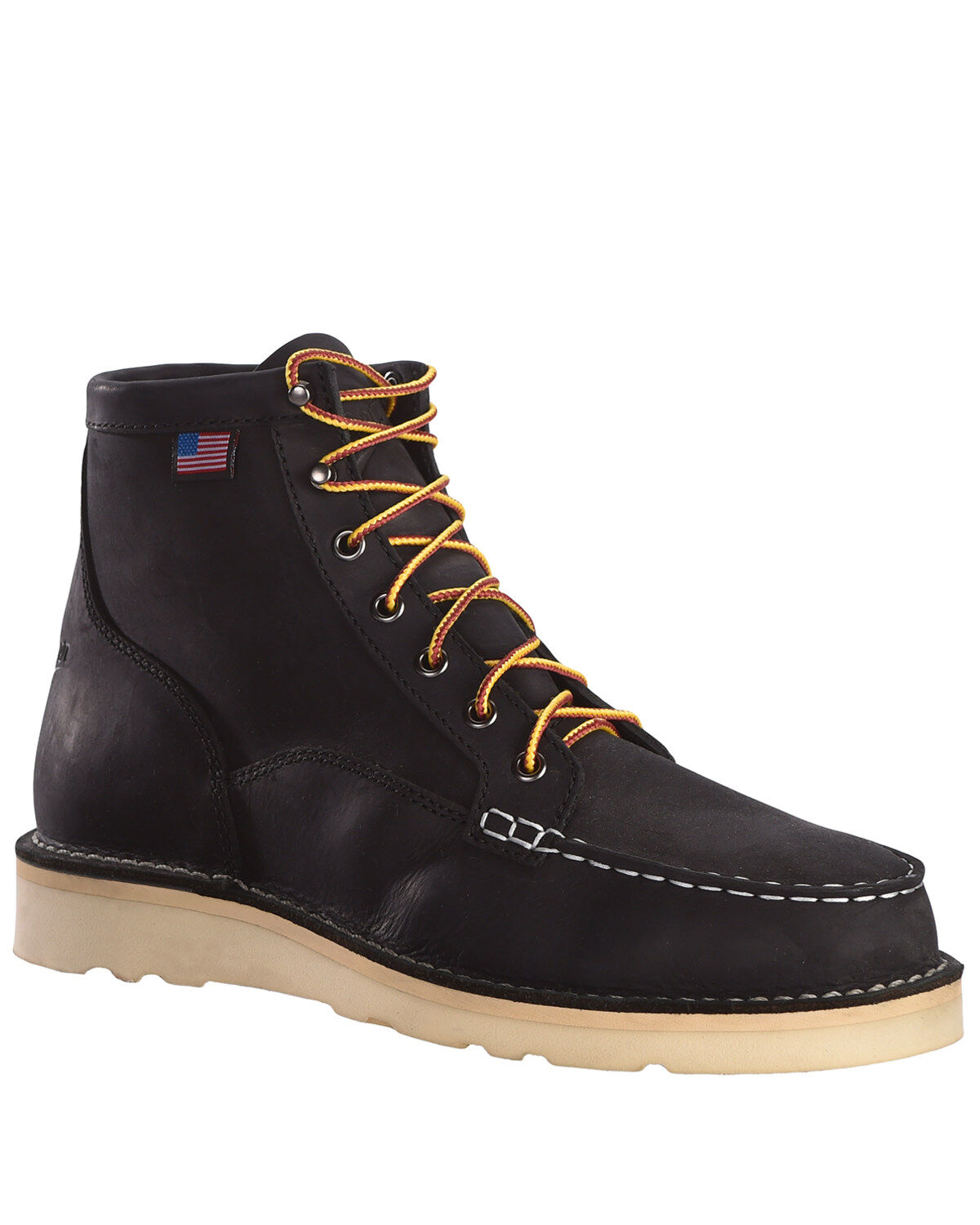
Materials and construction shape how American made wedge sole work boots wear over time. Leather uppers are common because they offer abrasion resistance and gradually conform to the foot. Full-grain leather retains the hide’s outer surface, while other leather finishes create a different appearance and feel. Thickness, stitching, and reinforcement matter as much as the finish. A worker who frequently kneels beside equipment puts pressure on the toe and forefoot; someone carrying materials through narrow aisles may repeatedly brush the sides of the boots against rough edges. Reinforced areas can help address that wear, but no leather upper is immune to damage. Outsoles also differ. Rubber formulations may emphasize grip and abrasion resistance, while certain polyurethane soles offer lower weight and cushioning. Neither material guarantees a particular level of performance without the details of the boot’s construction. Sewn and bonded builds have different characteristics, and some welted constructions allow worn soles to be replaced by a qualified repair shop. Repair options depend on the individual build and its condition. Inside the boot, footbeds, midsoles, and shanks contribute to cushioning and support. A soft footbed alone does not tell the whole story, especially during a shift that combines standing, walking, and lifting. Fit should leave room for the toes without allowing the heel to slide excessively. The forefoot needs enough width to avoid squeezing, and laces should hold the instep securely without creating sharp pressure. Work socks and any required orthotics belong in the fit equation because both change the space inside the boot. Leather may soften with use, but break-in will not correct a boot that is too short or too narrow. Moc-toe stitching and plain-toe designs offer different looks, not automatic differences in safety protection. Protective toes, electrical hazard ratings, puncture resistance, and other features must match the workplace requirements. A wedge sole is a construction choice, not a safety certification, and a familiar silhouette should never substitute for the required protection.

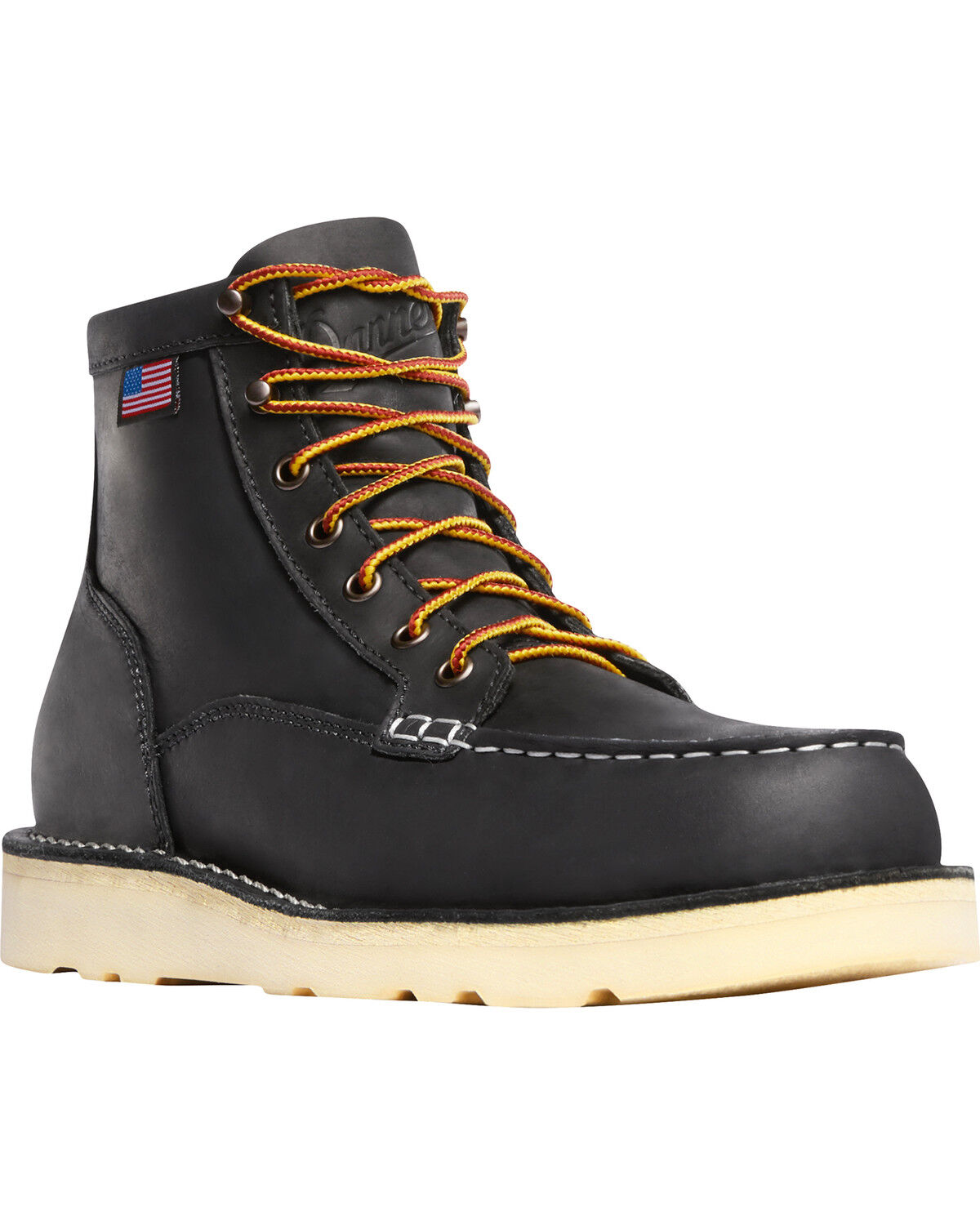
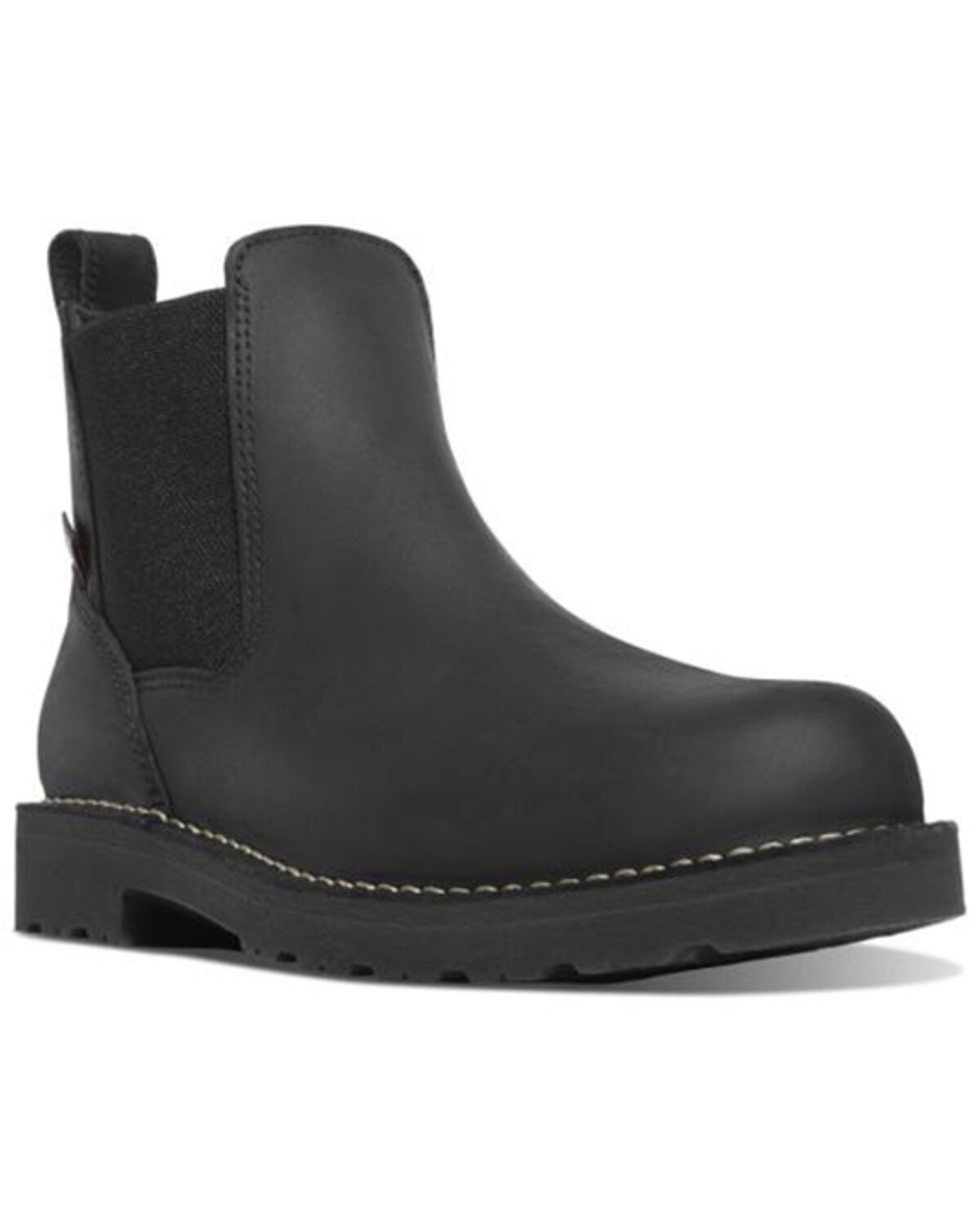
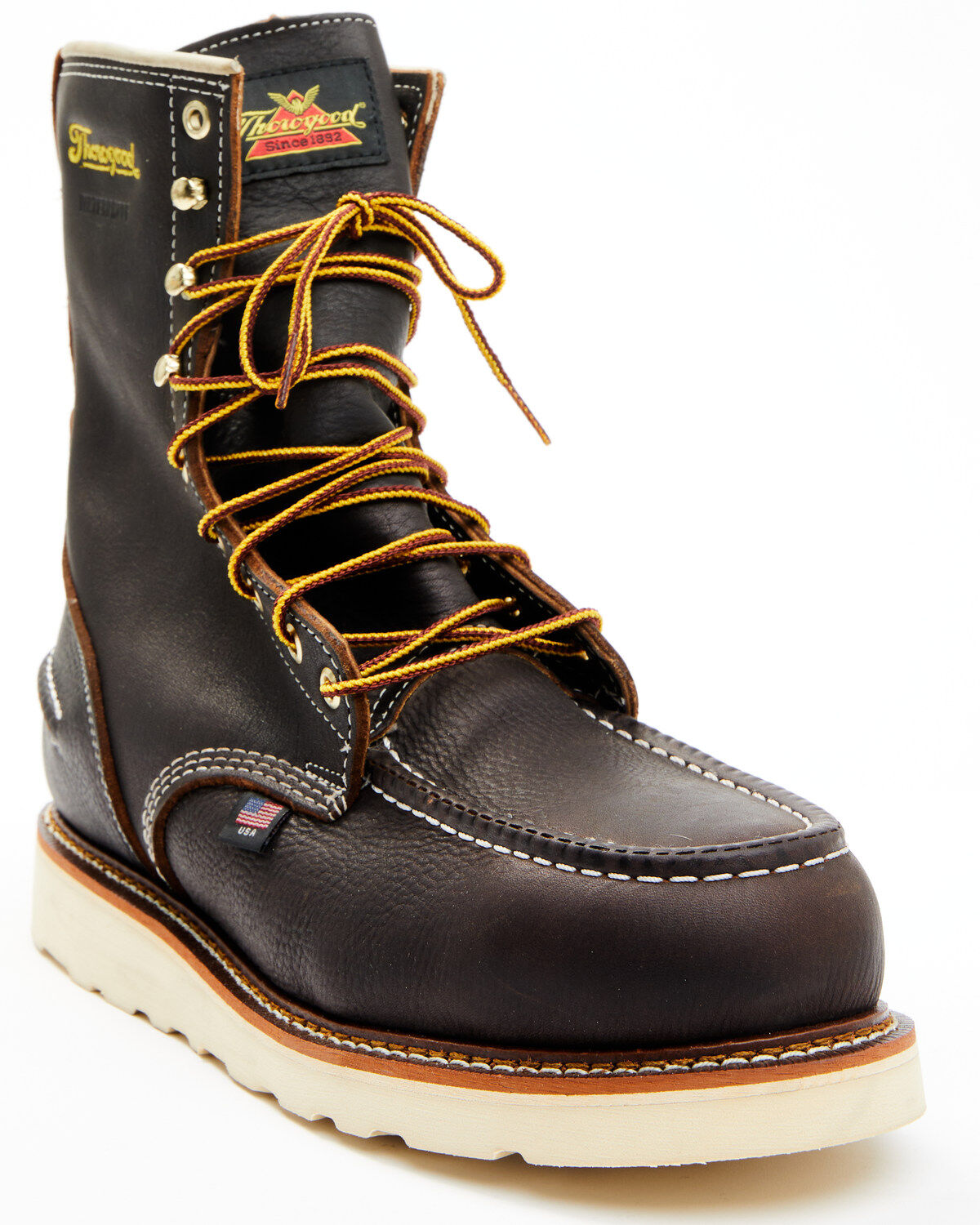
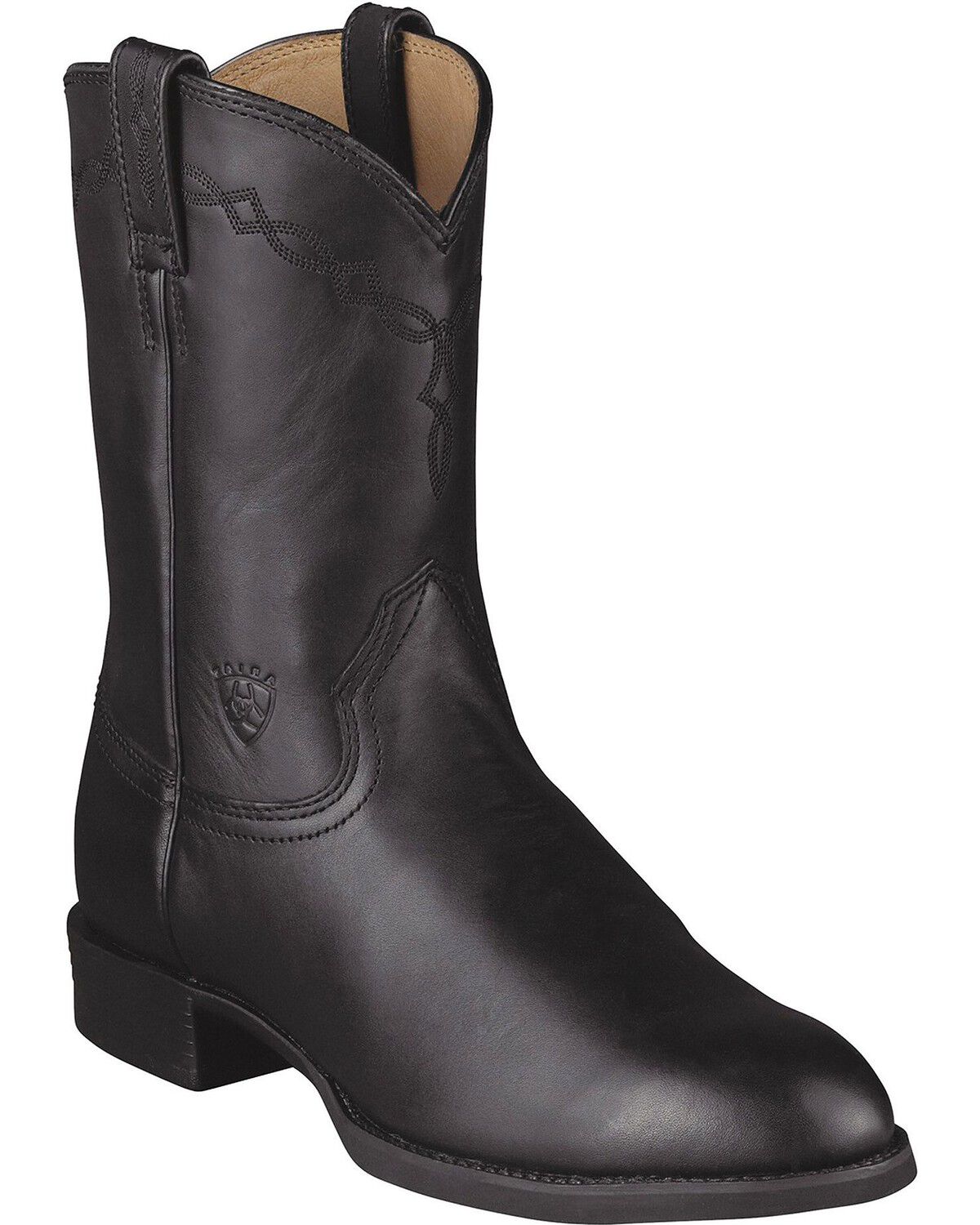
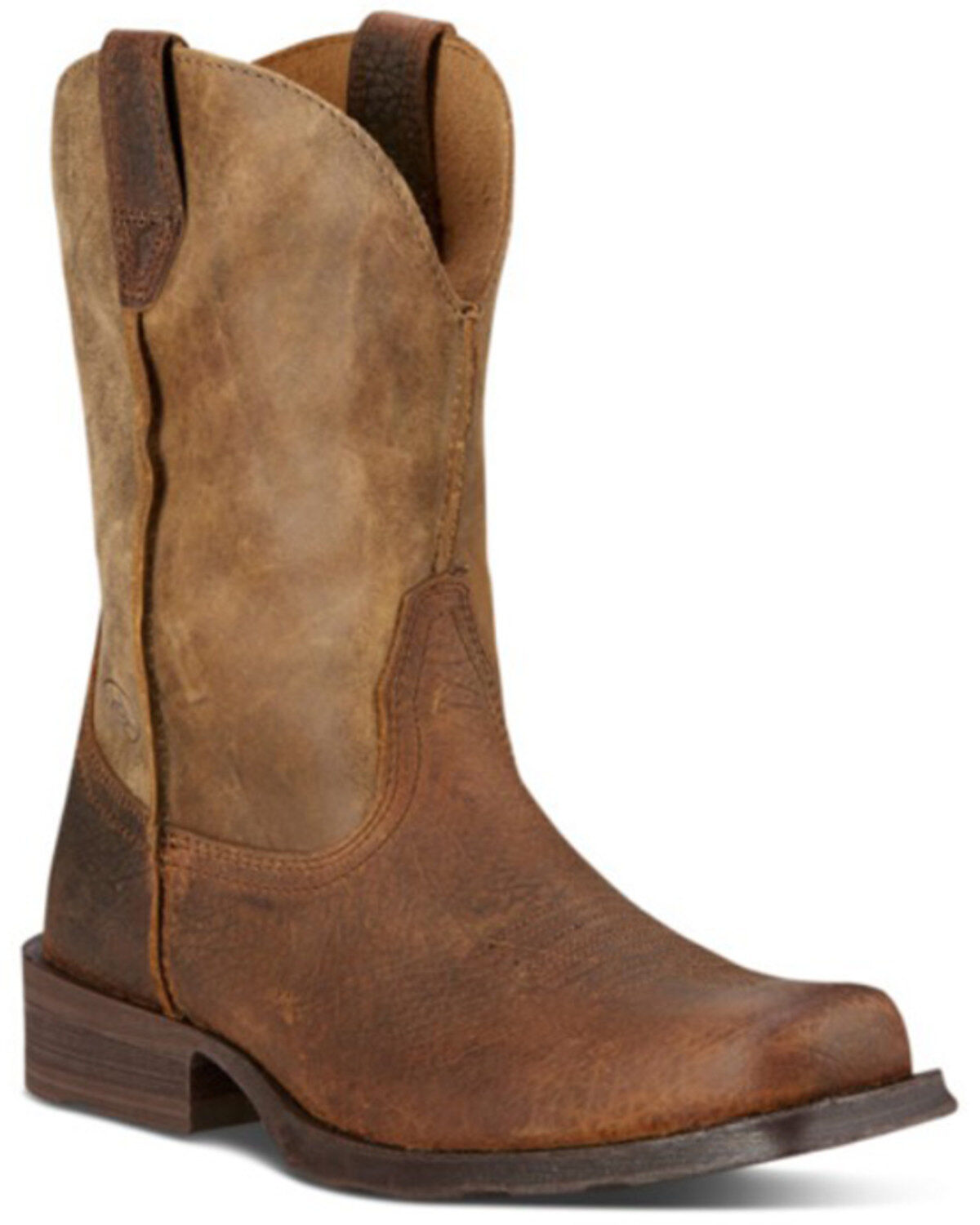
Daily care helps preserve the leather, stitching, and sole attachment that keep work boots serviceable. Dust and grit left along seams can contribute to wear, while jobsite residue can dry out or stain an upper if it sits too long. A soft brush or damp cloth handles routine surface cleaning, with leather cleaners reserved for materials they are designed to treat. Conditioning can help leather stay flexible, but the correct treatment depends on the finish. Smooth leather, suede, and nubuck do not call for the same care, and heavy applications of oil can change the appearance or soften leather more than intended. Boots also need time to dry naturally after cleaning or exposure to workplace moisture. Direct heat can damage leather and affect adhesives, so placing them beside a heater is not a sound shortcut. Removable footbeds can be aired separately when the construction allows it. Regular checks around the toe, heel, seams, and outsole make wear easier to spot before it interferes with the workday. Flattened tread, separated edges, damaged stitching, or exposed protective components deserve attention rather than another layer of conditioner. For repairable boots, addressing damage early may preserve more options than waiting until the upper and sole are both heavily worn. Appearance matters, too, particularly for people who move between hands-on work and customer-facing duties. Brown leather often develops visible character with use, while Black Wedge Sole Work Boots offer a darker finish that can fit workplace dress requirements or a preference for understated workwear. Color does not change the need for proper fit or job-specific protection. As a gift for a tradesperson, mechanic, or someone starting a hands-on role, work boots are most useful when the recipient’s size, width, and employer requirements are known. Familiarity with the way that person works matters more than choosing by appearance alone. The right pair brings together American manufacturing, suitable materials, dependable construction, and a sole designed for the surfaces underfoot. That combination gives the boots a clear purpose: supporting the person wearing them through the work they actually do.

FAQs