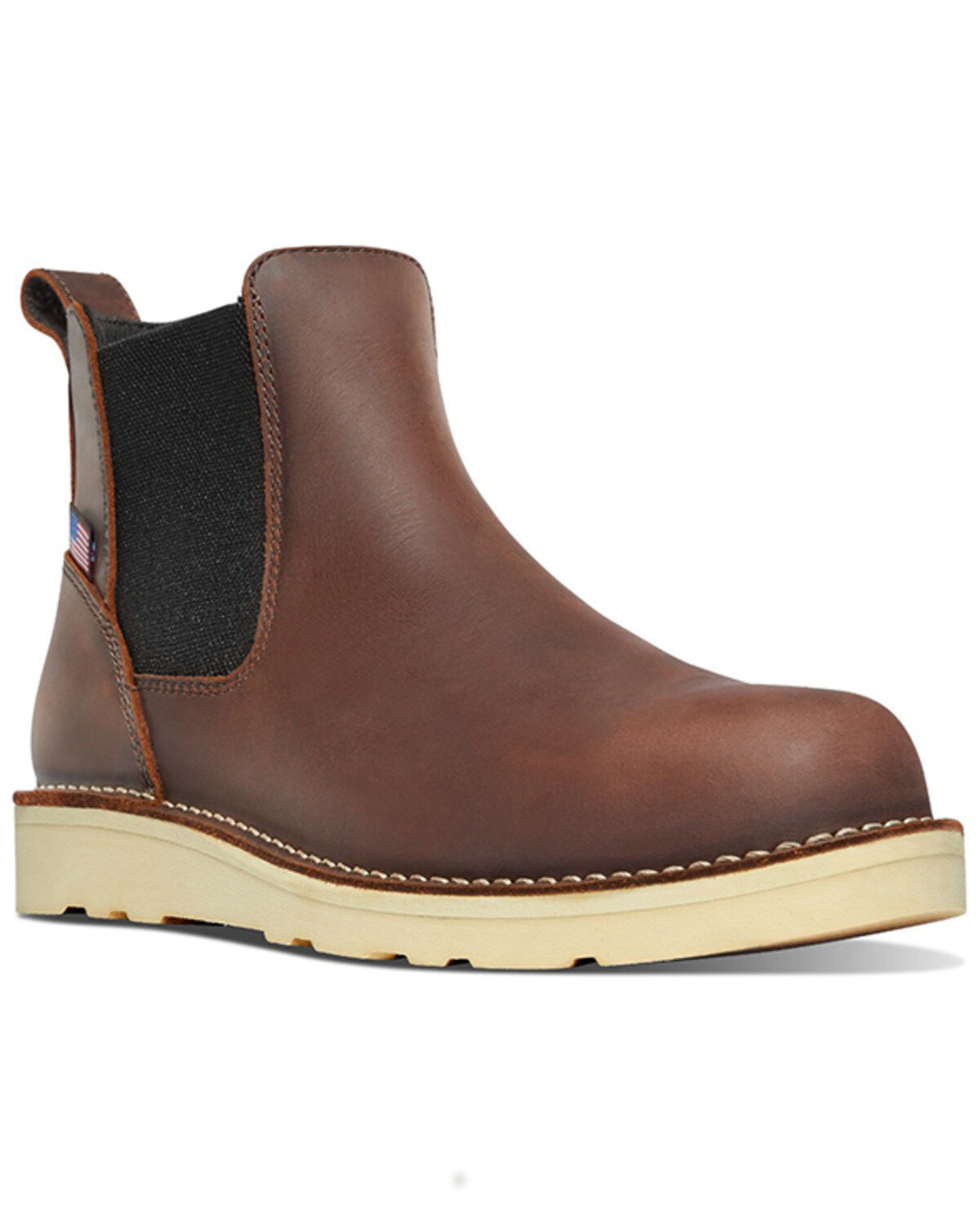
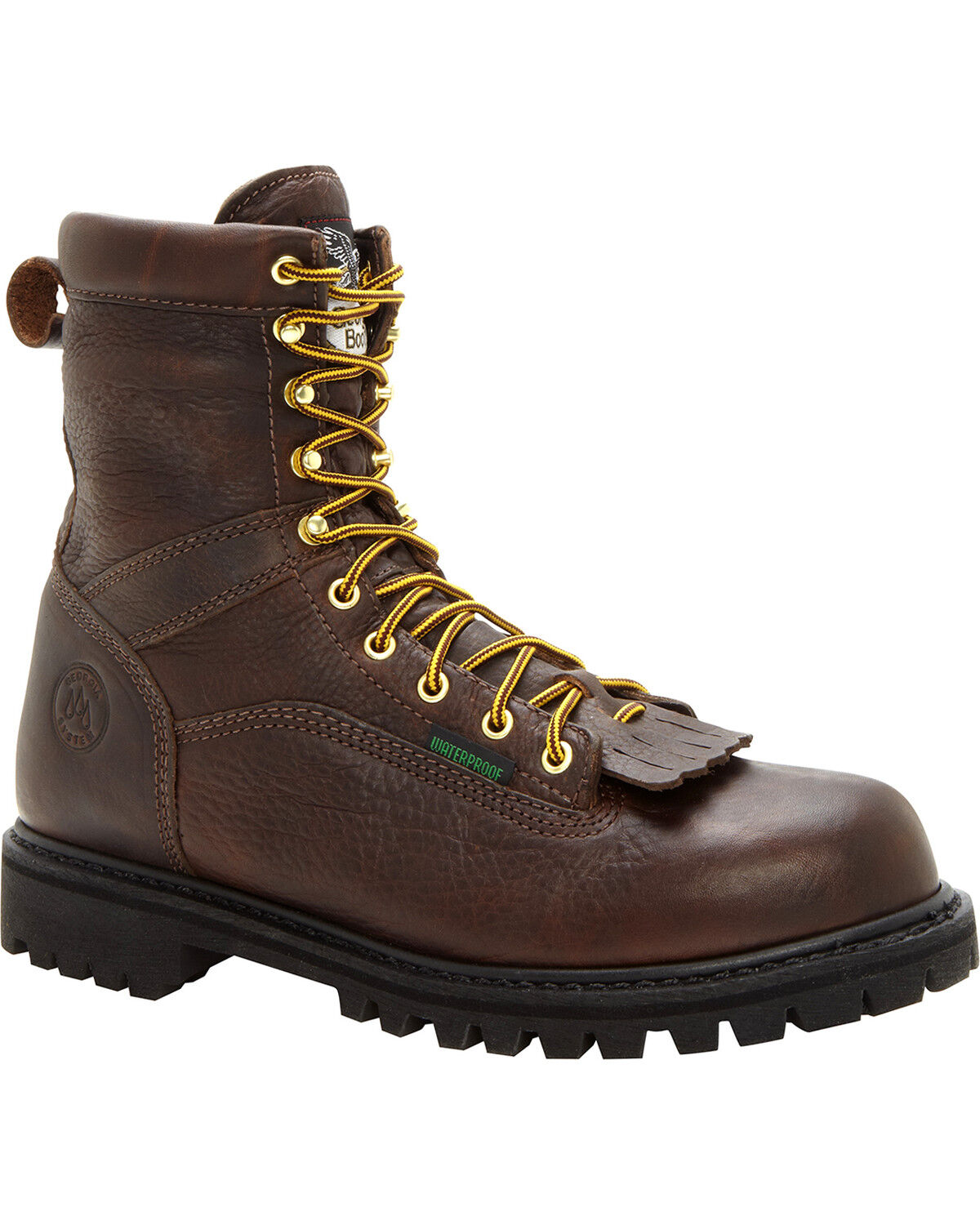
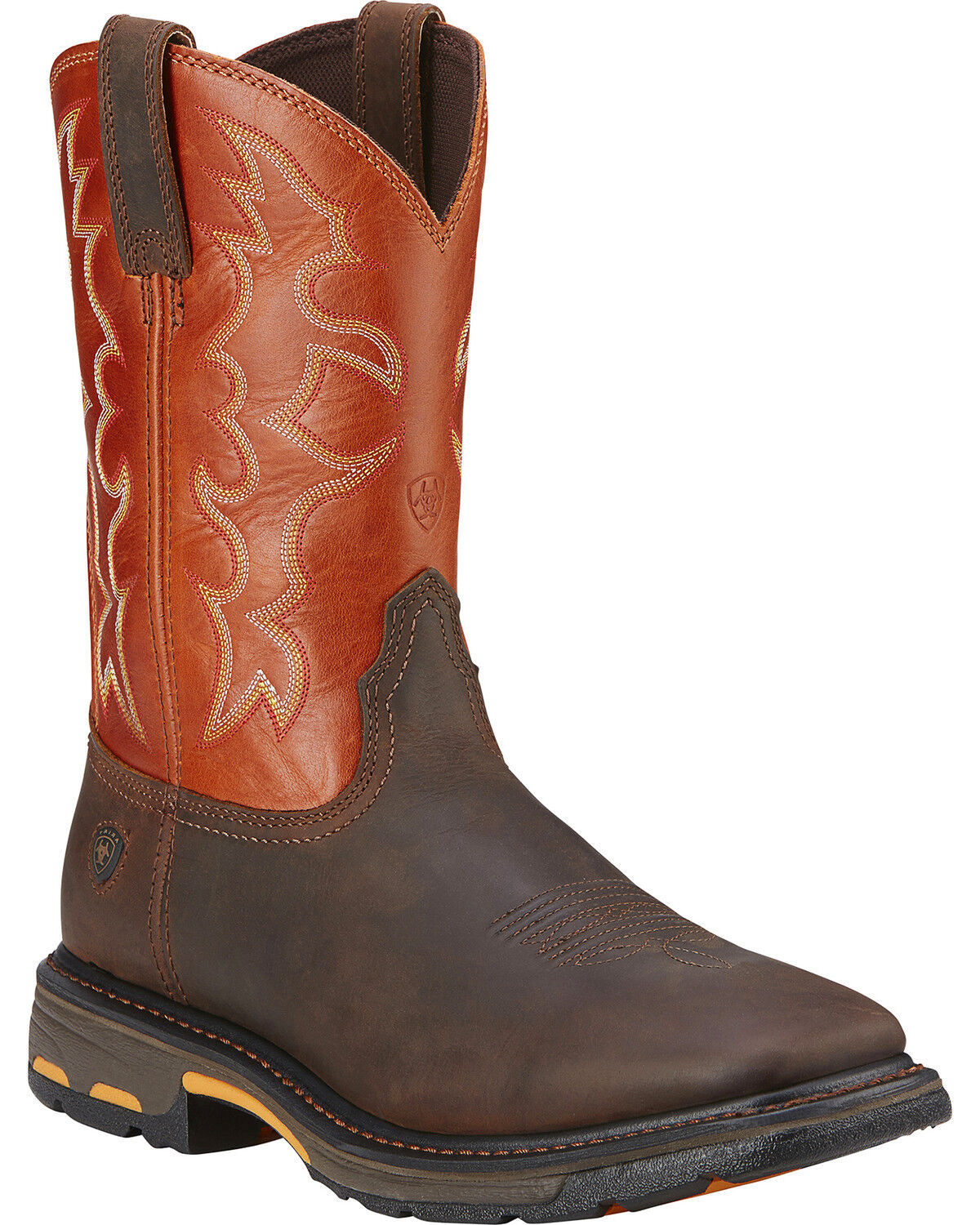
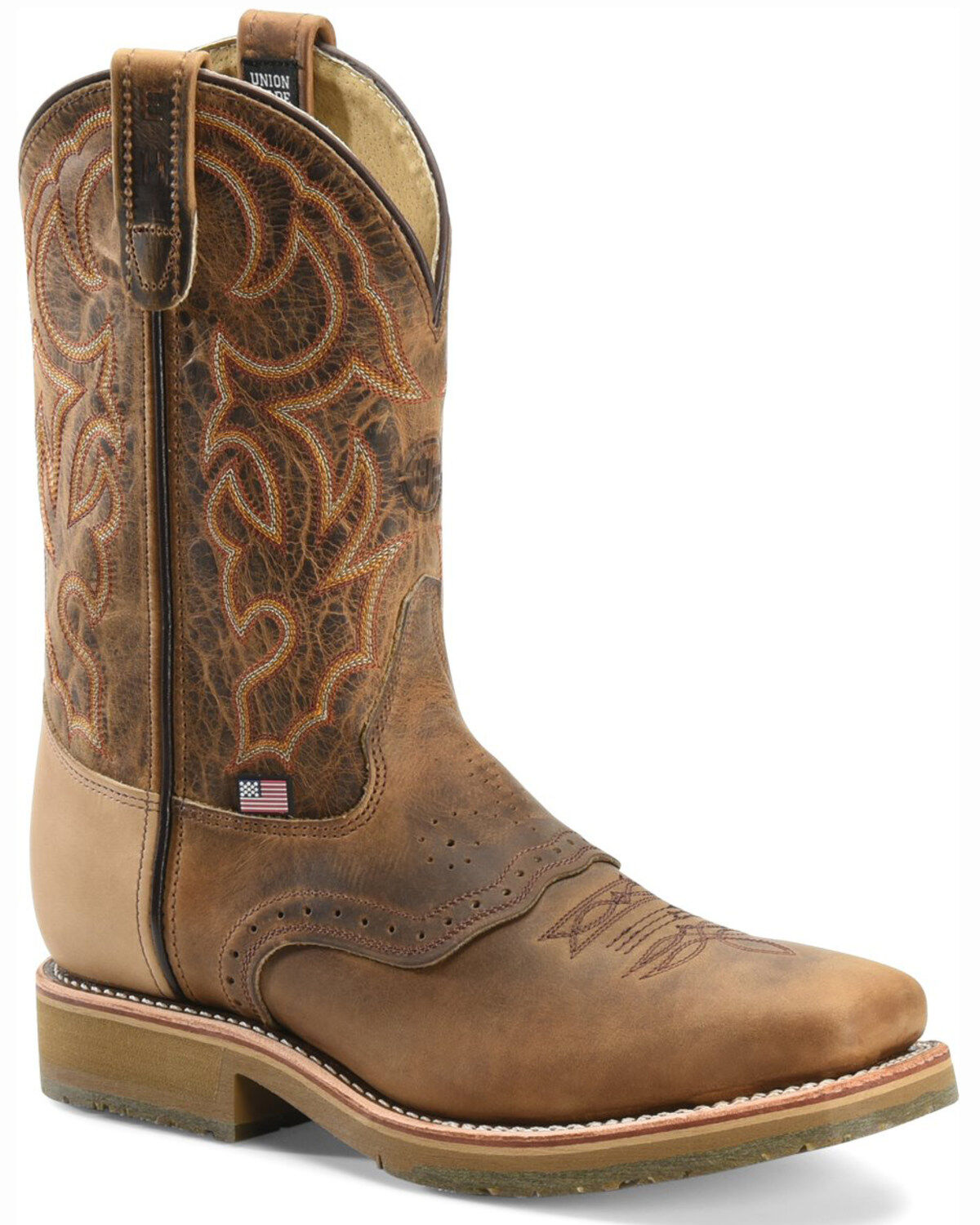
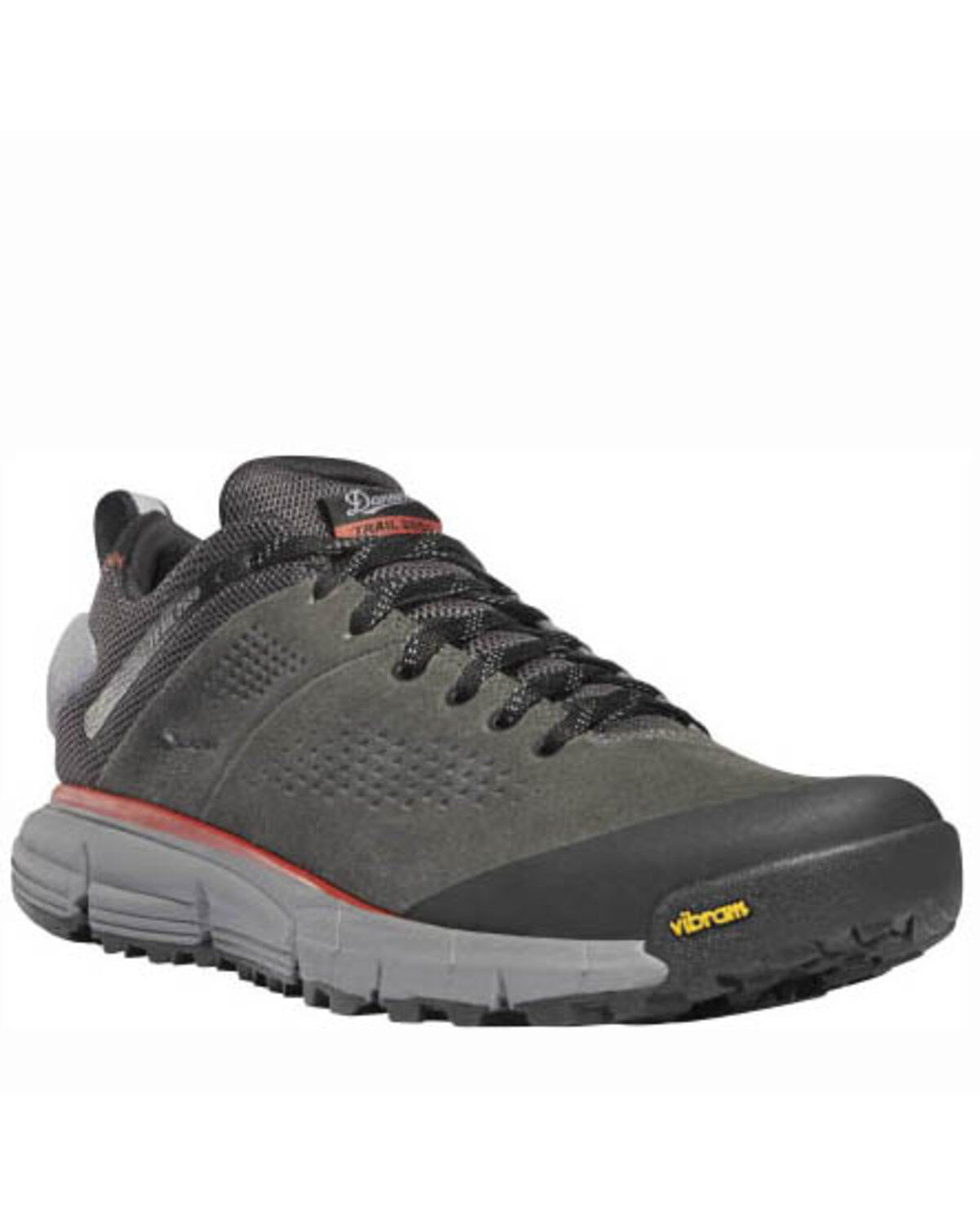
Construction Steel Toe Boots

Shop construction steel toe boots for jobsites that require toe protection. Compare work boots by fit and listed safety features, and check each pair’s specifications against your workplace requirements before choosing.

Read More

Shop Your Store: Shop Your Store: Find a Store

(Turn off Shop Your Store to see all items)

(Turn off Shop Your Store to see all items)

close
  • Recommended
  • Lowest Price
  • Highest Price
Skip pass products

End of products

Construction Steel Toe Boots

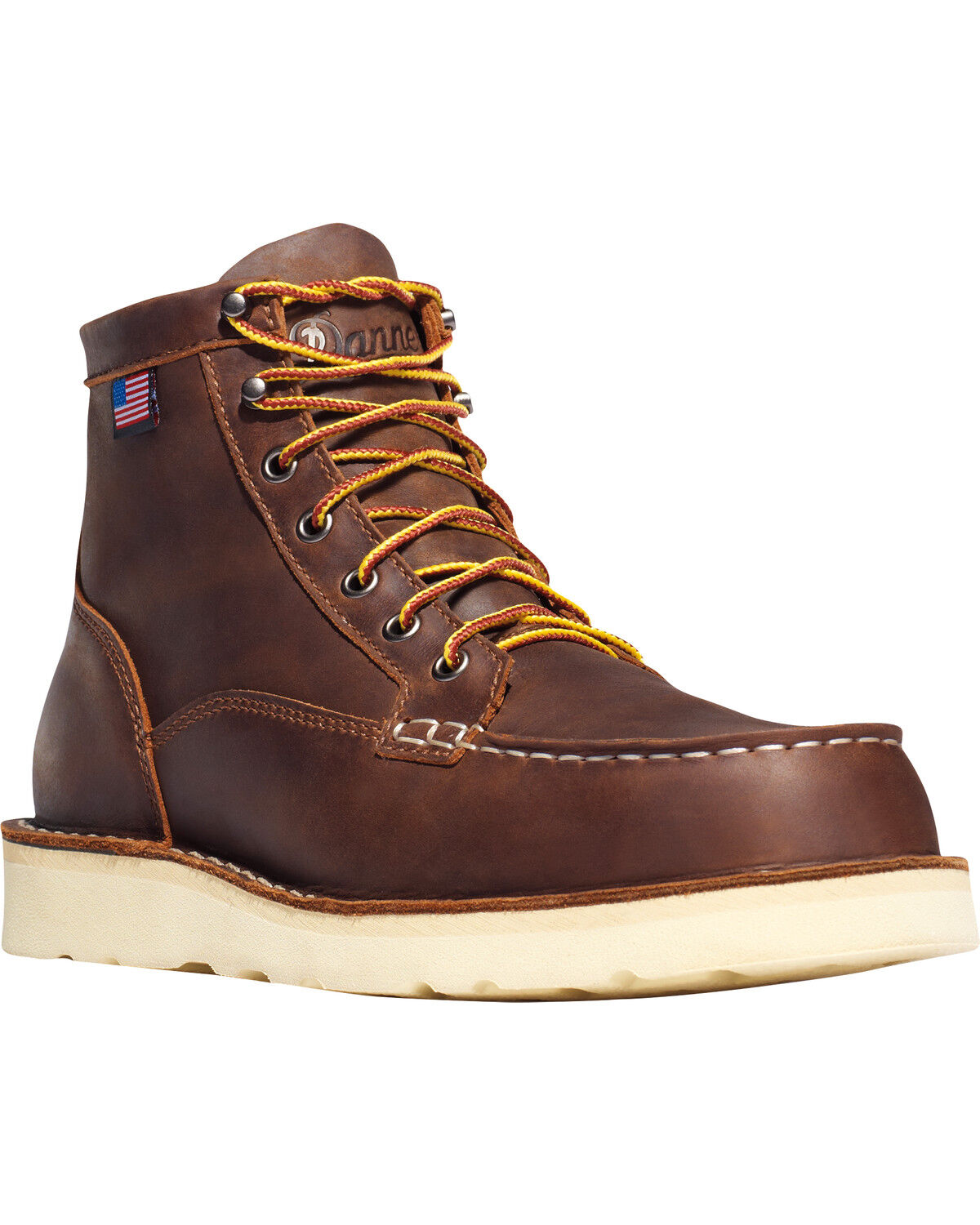
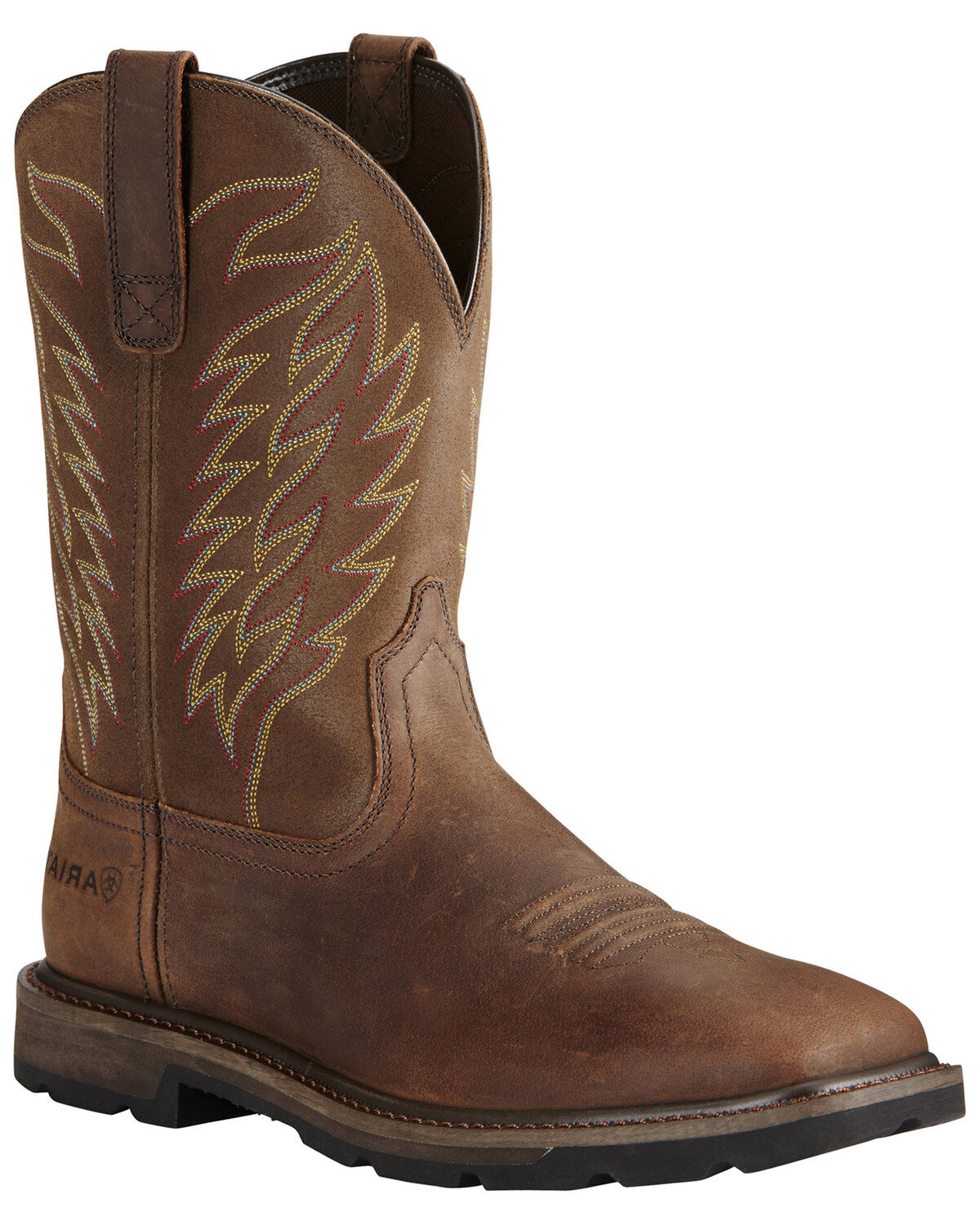
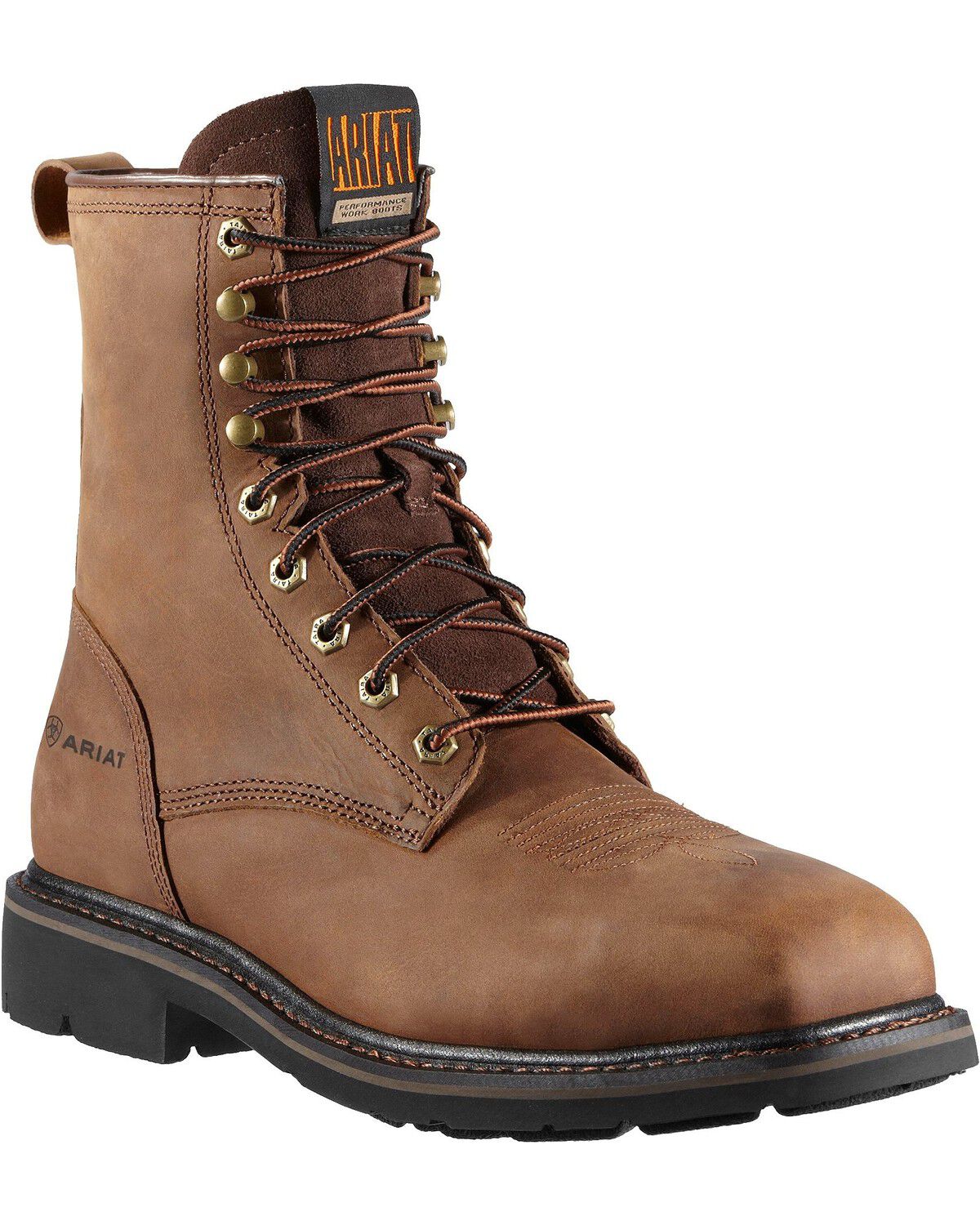
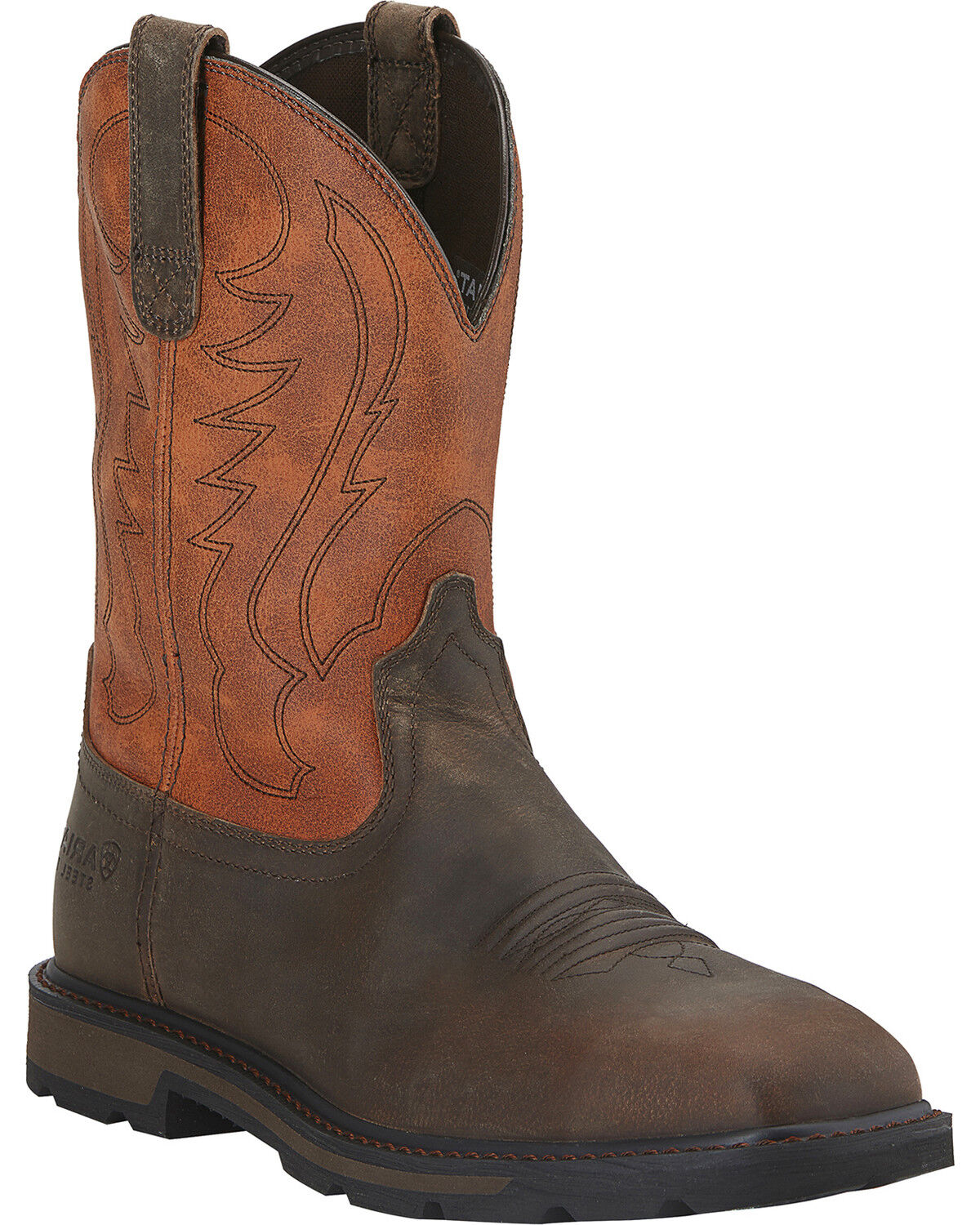
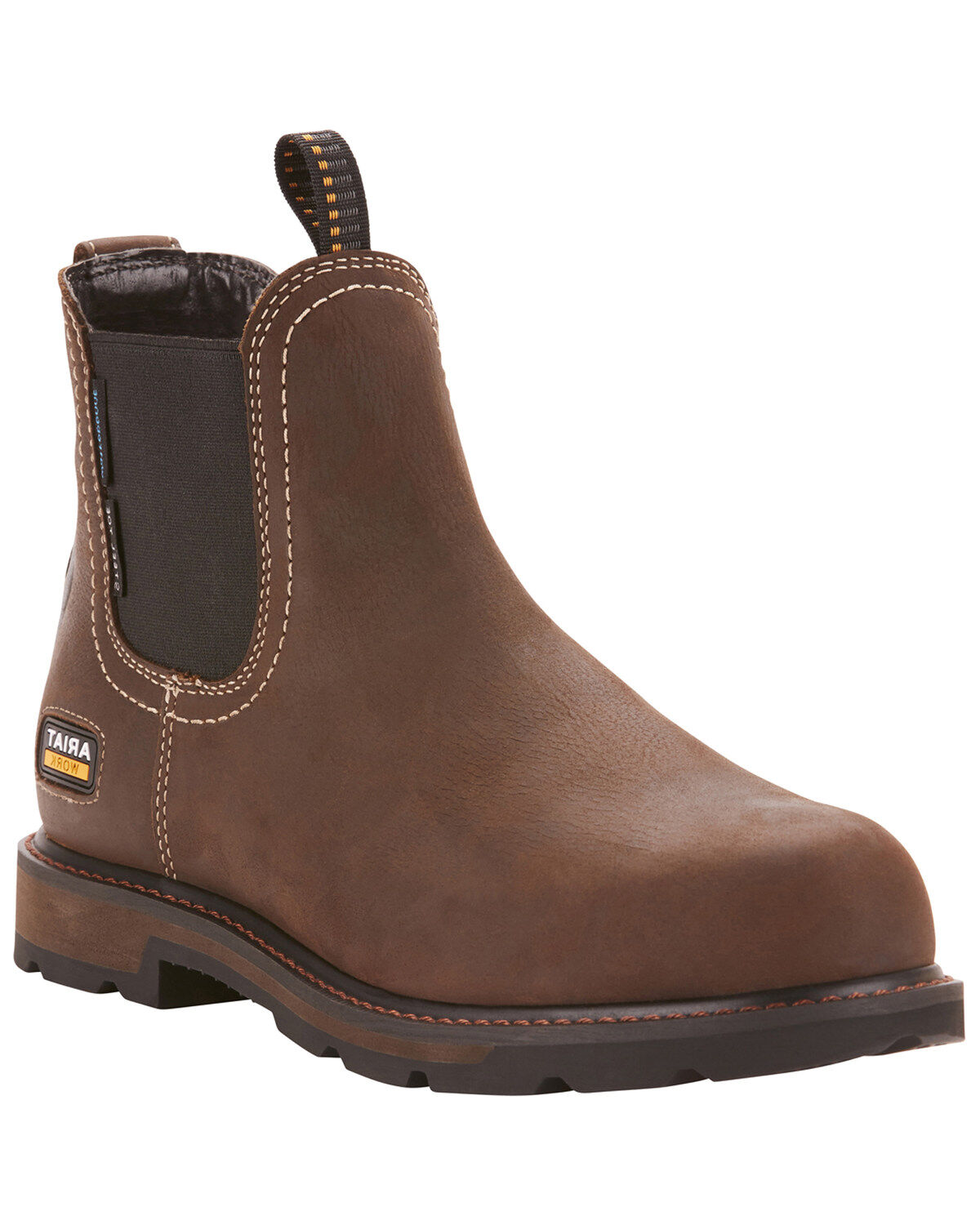
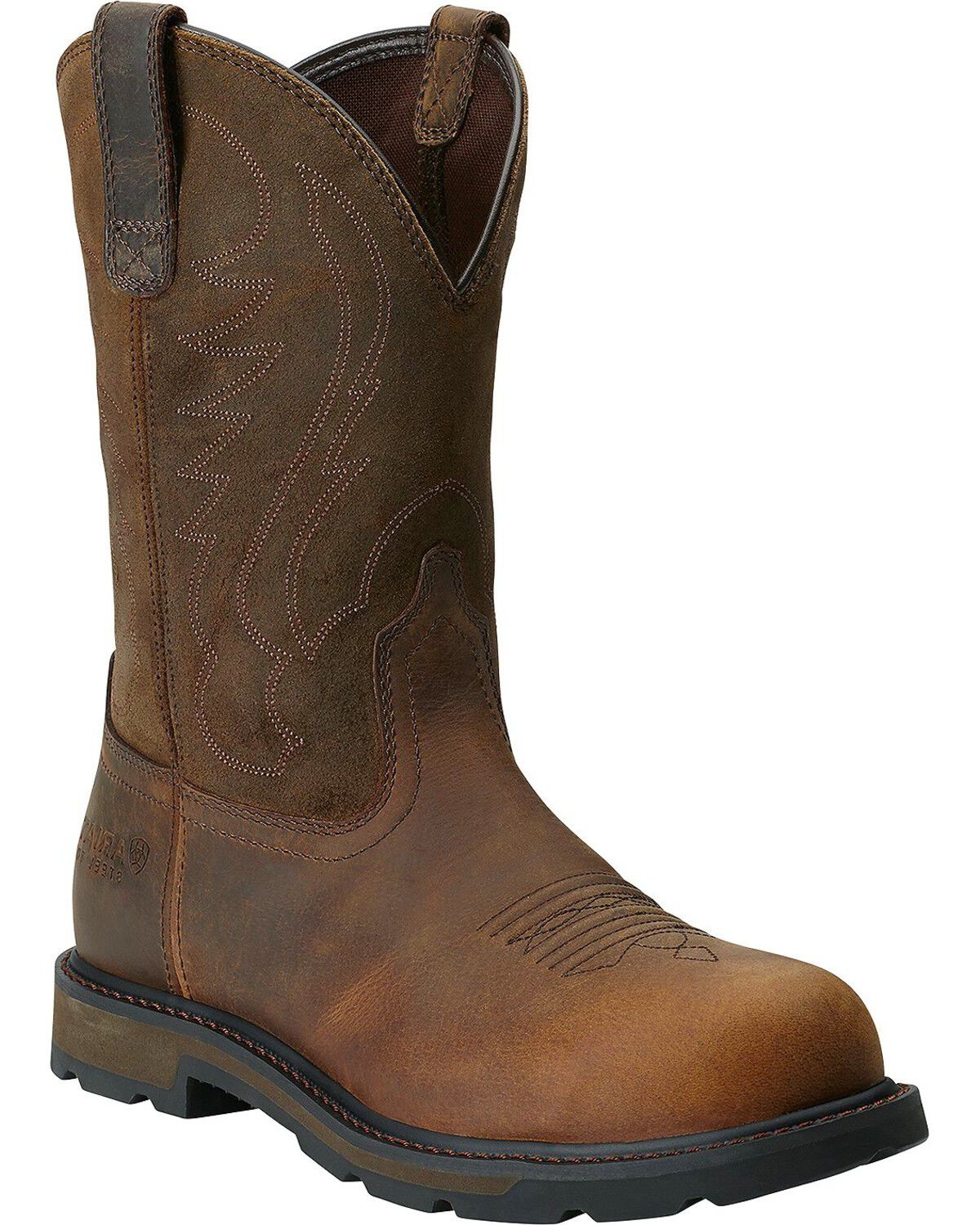
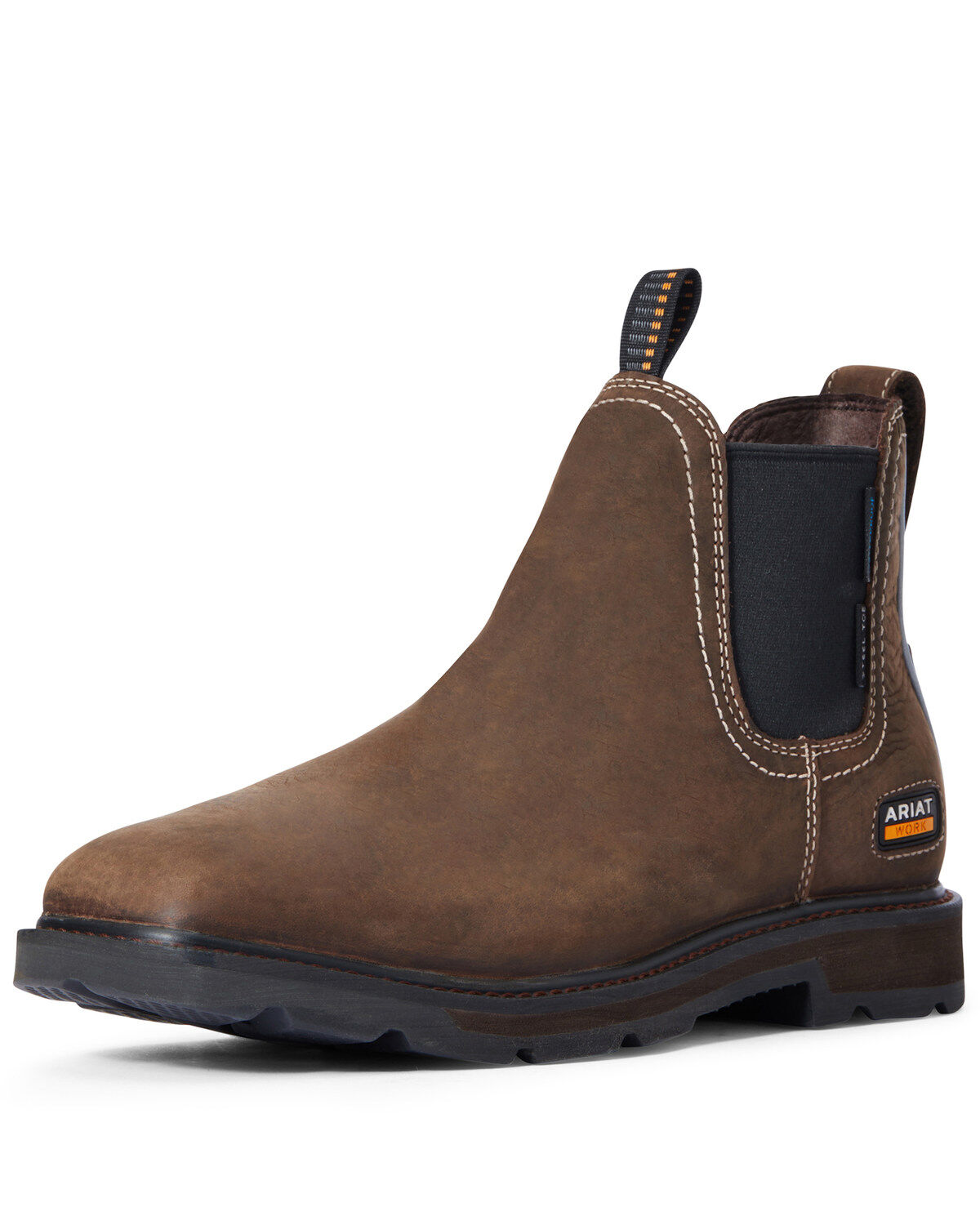
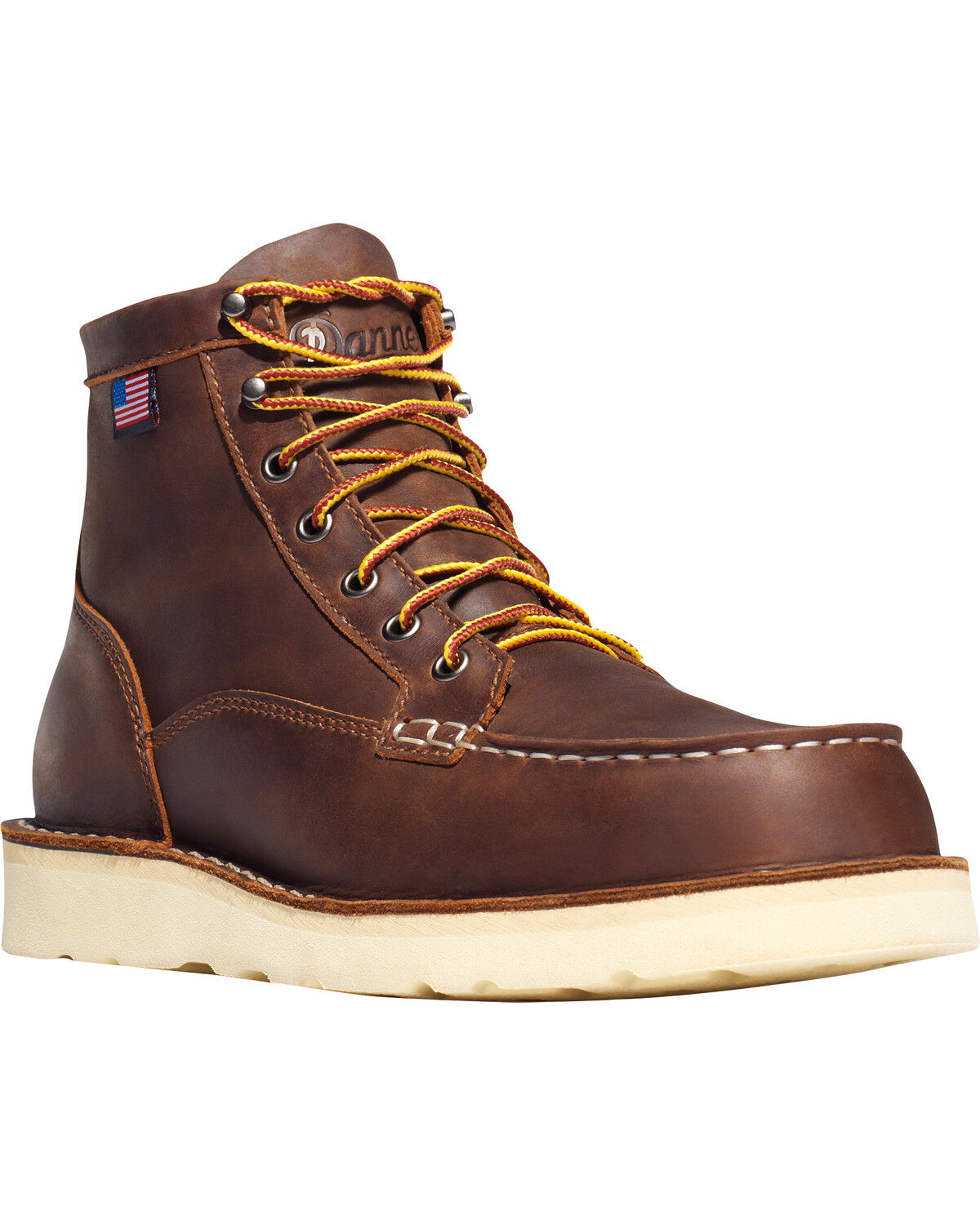
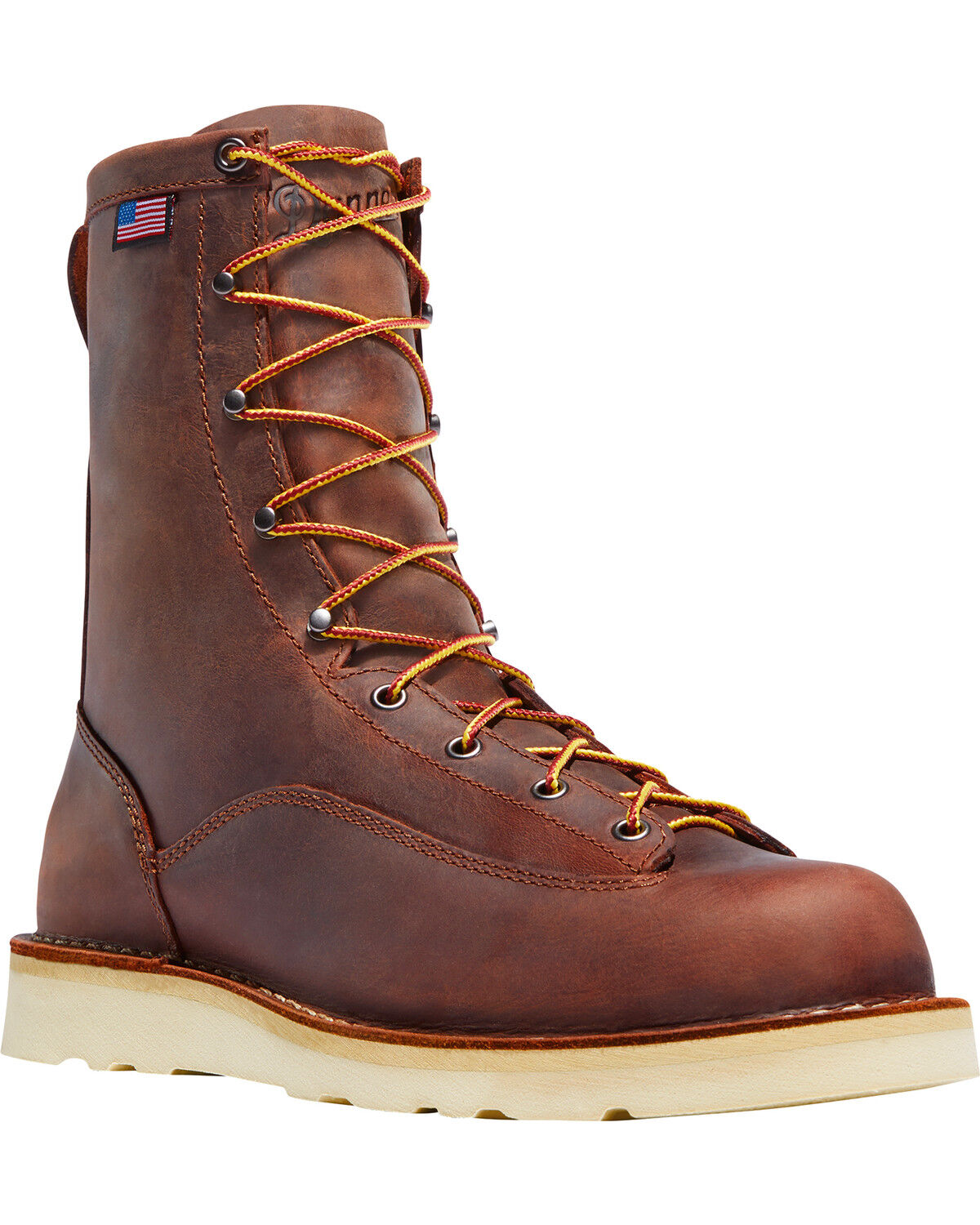
Construction steel toe boots are made for work that puts feet close to heavy materials, rough surfaces, and moving equipment. From carrying framing lumber to setting forms on a concrete slab, construction work calls for footwear that combines toe protection with dependable support underfoot. A steel safety toe helps protect against specified impact and compression hazards when the boot meets the required safety standard. It does not make the entire foot crushproof, and it is only one part of the protection a job may require. Carpenters, concrete crews, equipment operators, and general laborers often need different features even when they share the same site. The right match depends on the tasks, the surface underfoot, and the employer’s footwear requirements. Safety markings matter more than how heavy a boot feels or how rugged it looks. ASTM F2413 markings identify tested protective features, while electrical hazard protection and puncture resistance must be verified separately. A steel toe alone does not mean a boot has either feature. Electrical hazard footwear also has limitations and does not replace safe electrical work practices. Underfoot, outsole design makes a noticeable difference through a full shift. Deep, open tread can help on loose soil and gravel, while a flatter sole spreads contact across firm, level surfaces. A defined heel may be useful for work that includes ladder climbing, provided it suits the equipment and site rules. Slip-resistant outsoles can help with traction, but no sole grips every surface equally. Dust, oil, loose debris, and worn tread all affect footing. For workers moving between unfinished interiors, material staging areas, and compacted ground, construction steel toe boots need more than a protective cap. They need a sole, fit, and build suited to the actual work.

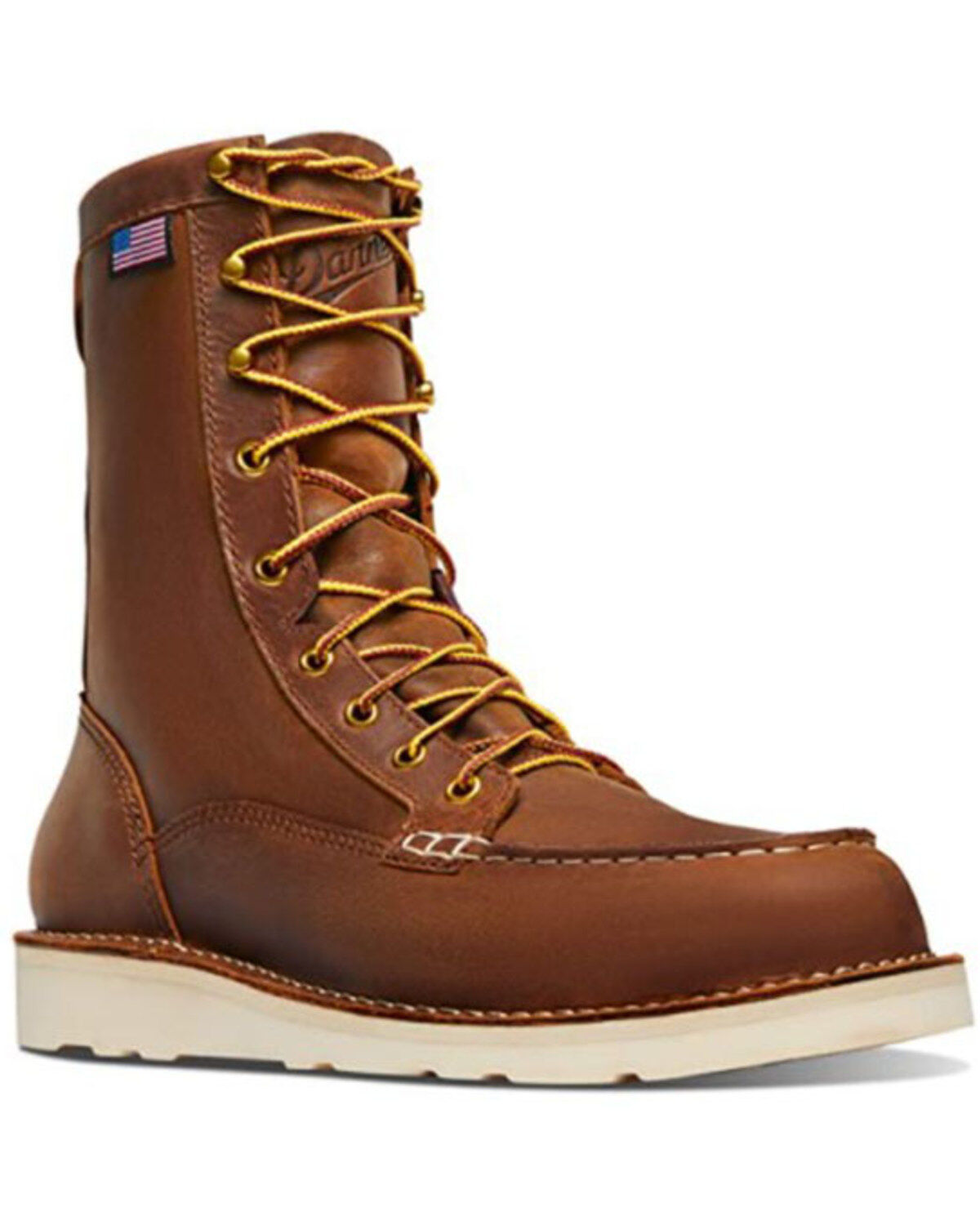
Materials and construction shape how a work boot handles repeated bending, abrasion, and long hours on hard ground. Leather uppers offer a durable outer surface, with differences in thickness, finish, and panel placement affecting flexibility and care. Reinforced areas around the toe and heel can help limit wear where boots scrape against forms, steps, and equipment. Exposed stitching, seams, and the connection between the upper and outsole deserve attention because those areas take repeated stress. Welted construction may allow resoling, depending on the design and condition of the boot. Cemented construction bonds the outsole to the upper and can offer flexibility without a stitched welt. Neither method tells the whole story; workmanship, materials, and intended use matter together. Waterproof construction can be useful for tasks involving water exposure, but a waterproof membrane does not prevent water from entering over the collar. Linings and removable footbeds also affect how the inside of the boot manages moisture from a full day of wear. Fit is just as important as construction. The steel cap should leave room for the toes without pressing across the top or crowding either side of the forefoot. Leather may soften with use, but the protective cap will not stretch to correct a poor fit. Work socks, foot shape, and any required inserts all affect the space inside the boot. A secure heel and a comfortable instep help keep the foot from sliding forward when walking down a ramp or stepping off equipment. Lace-up boots allow adjustment through the instep and ankle, while pull-on designs rely more heavily on the shape of the foot and shaft for a secure fit. Enough room to move the toes should not mean excess movement throughout the boot. Cushioning can soften the feel of standing on concrete, but support, stability, and flexibility need to work together. A boot that feels soft for a few minutes may feel very different after hours of carrying materials and moving between levels.

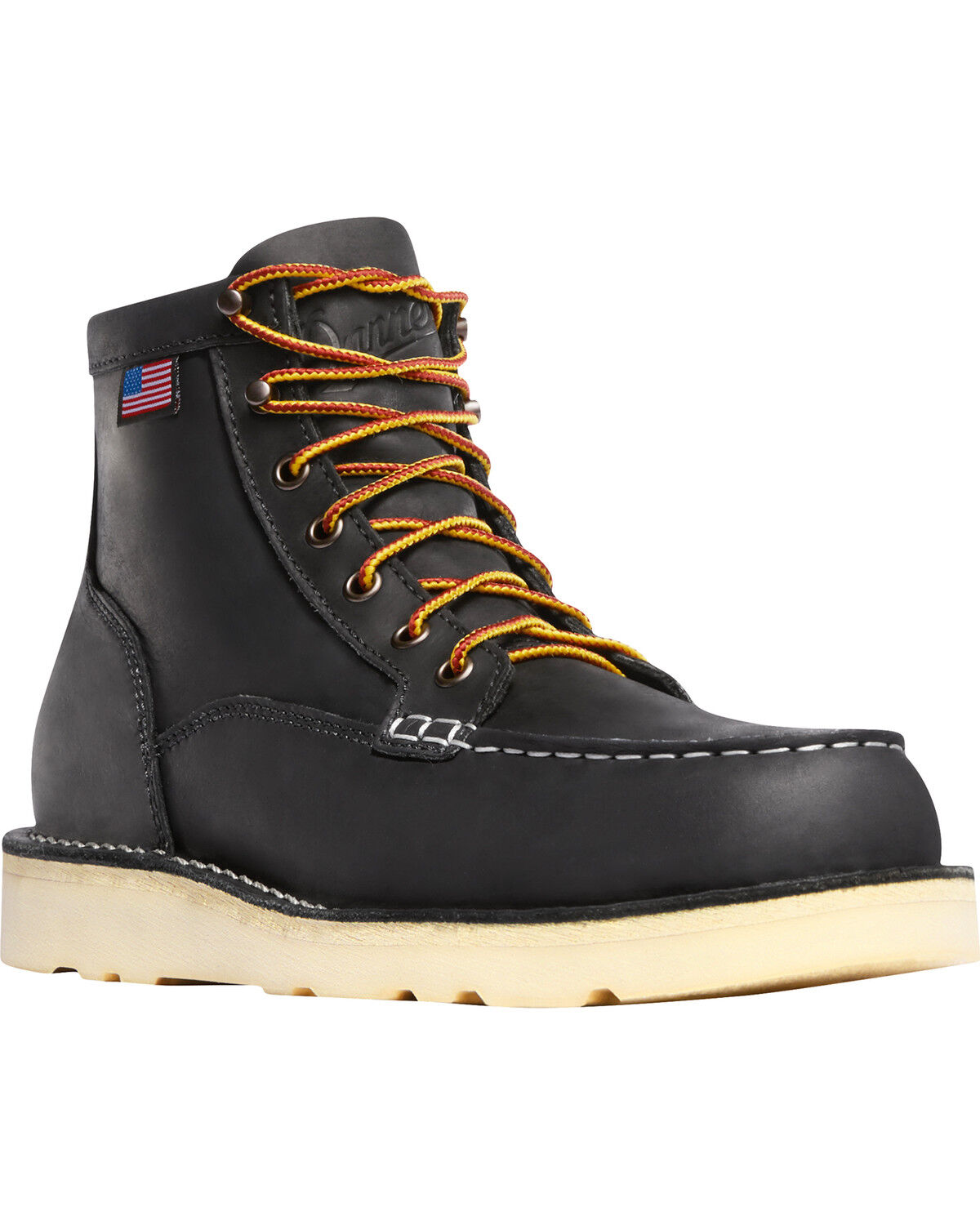
Daily care helps construction steel toe boots hold up to the demands of the job. Grit left in seams can grind against stitching, and packed tread can reduce the outsole’s contact with the ground. Brushing away loose dirt and removing lodged debris gives the materials a better chance to perform as intended. Concrete residue, oils, adhesives, and other jobsite substances may call for different cleaning methods, so care should follow the footwear manufacturer’s directions rather than a single treatment for every surface. Leather conditioner can help maintain suitable leather uppers, but the wrong product may change the finish or interfere with certain materials. Waterproof membranes, specialty coatings, and fabric panels each have their own care requirements. After cleaning, boots should dry with ventilation and away from direct heat, which can damage leather and bonding materials. Removable footbeds can be taken out when the design allows, giving the interior a chance to dry fully. Regular checks can reveal a separating sole, loose stitching, worn tread, or damage around the toe before those problems become harder to overlook. A boot that has sustained a significant impact may need replacement even when the damage is not obvious; the manufacturer’s guidance should determine whether it remains suitable for use. Appearance has a place alongside function. Dark leather keeps the overall look straightforward, and black steel toe boots can fit a uniform requirement or a preference for a darker finish without changing the need to verify safety ratings. For someone buying work boots as a gift, the recipient’s exact size, preferred fit, and job requirements matter more than appearance alone. Experienced tradespeople often know which shaft height, closure, and sole shape work best through their day. Whether the work involves framing walls, handling materials, or operating equipment, dependable construction footwear starts with the protection the job requires and a fit the worker can wear comfortably through a full shift.
Read More

FAQs