Women's Weatherproof Boots

Find women’s weatherproof boots for days when the forecast calls for wet conditions. Browse the selection with your daily routine in mind, and check each pair’s weather protection, fit, and care details to choose boots suited to where you work and walk.

Read More

Shop Your Store: Shop Your Store: Find a Store

(Turn off Shop Your Store to see all items)

(Turn off Shop Your Store to see all items)

close
  • Recommended
  • Lowest Price
  • Highest Price
Skip pass products
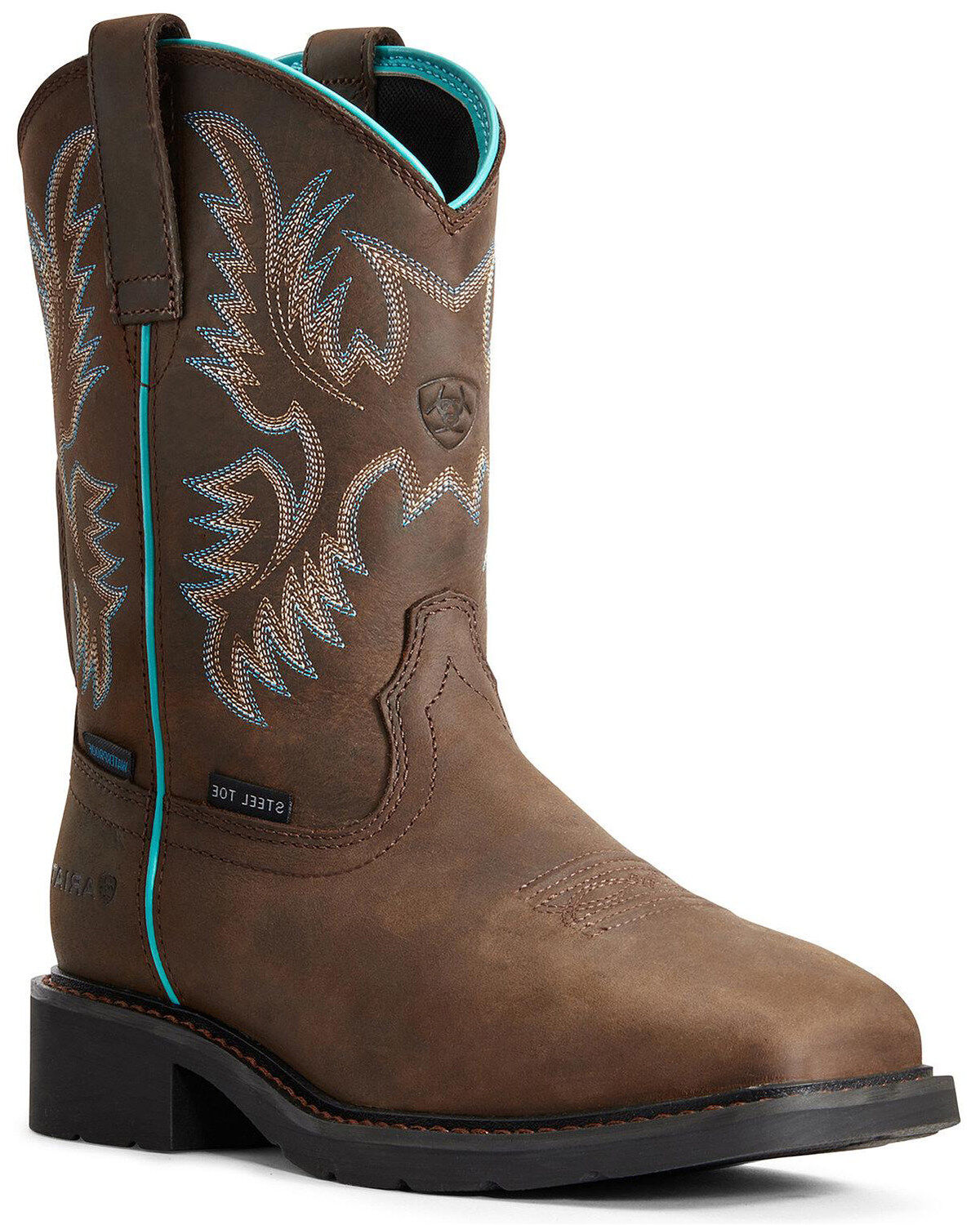
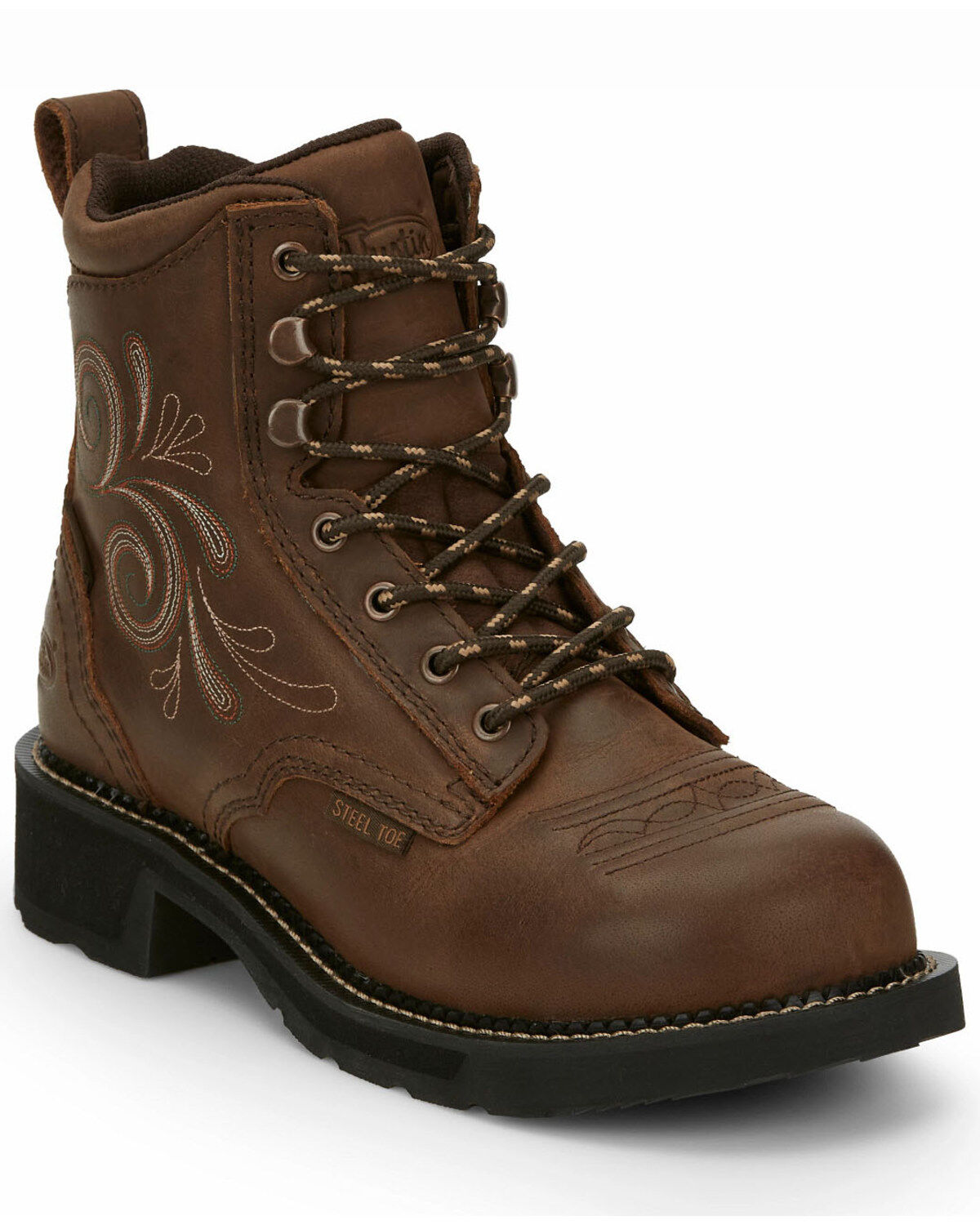
  • Women's Justin Katerina Waterproof Work Boots - Steel Toe

    Original Price $159.99 $159.95
    0% Total Savings

End of products

Women's Weatherproof Boots

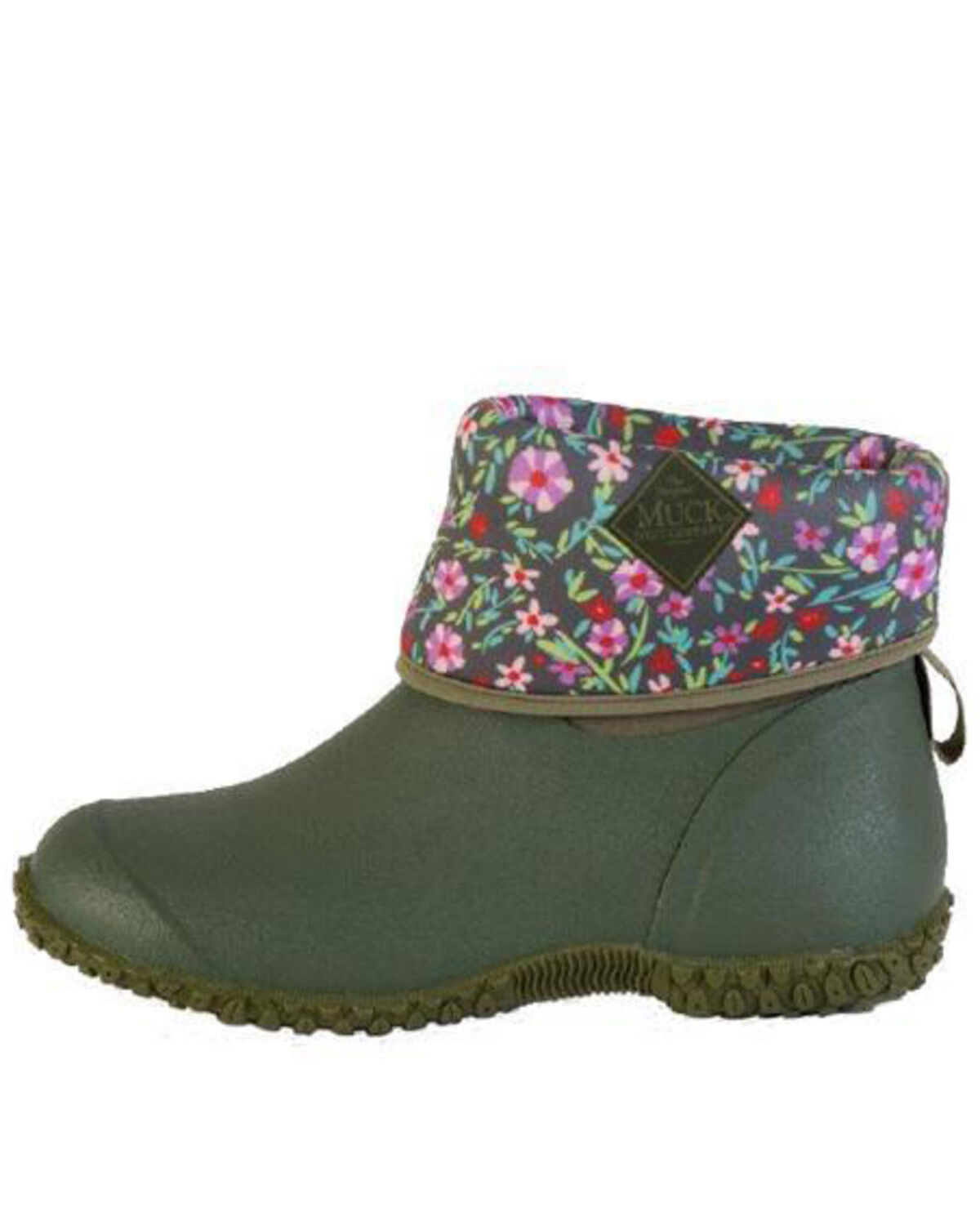
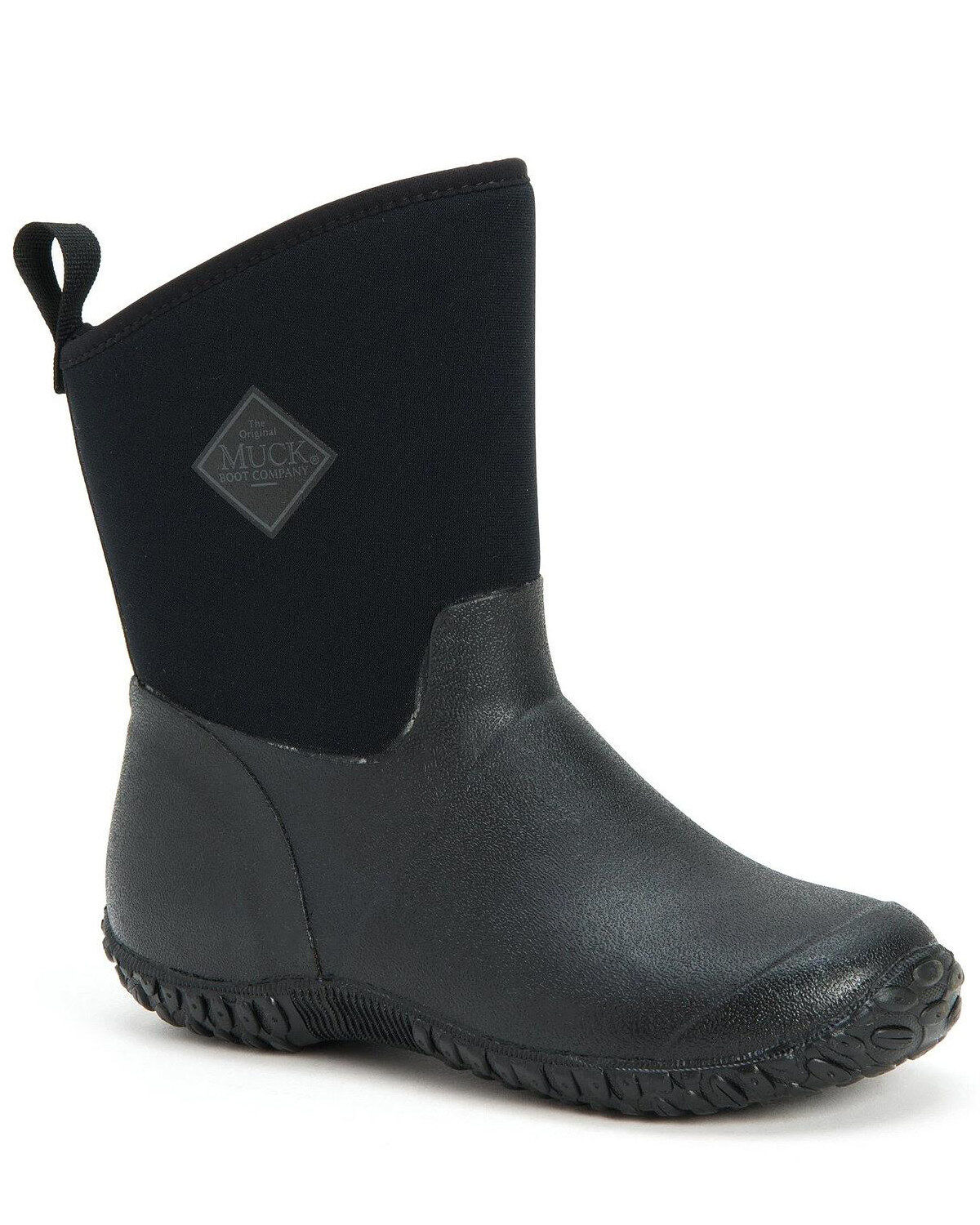
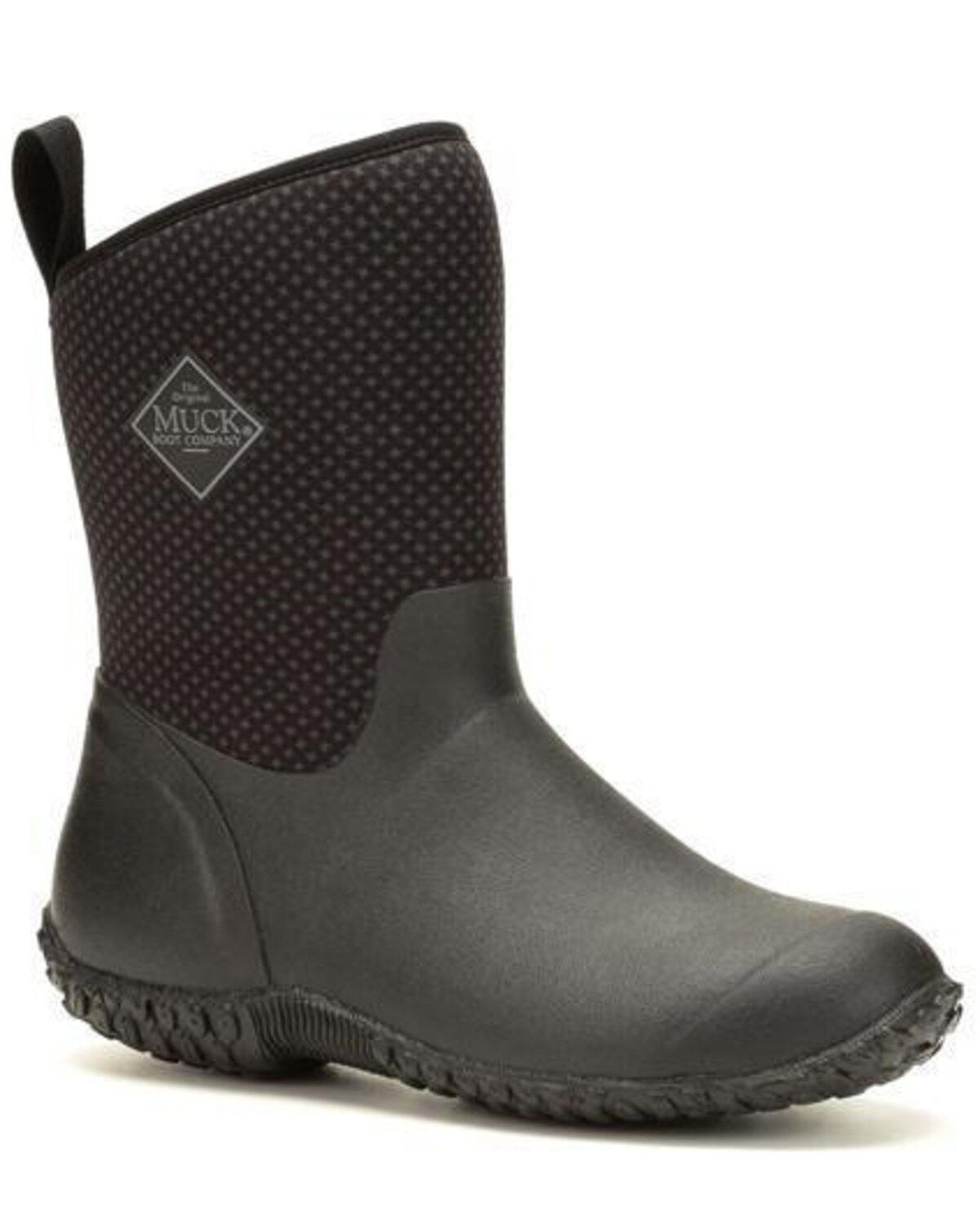
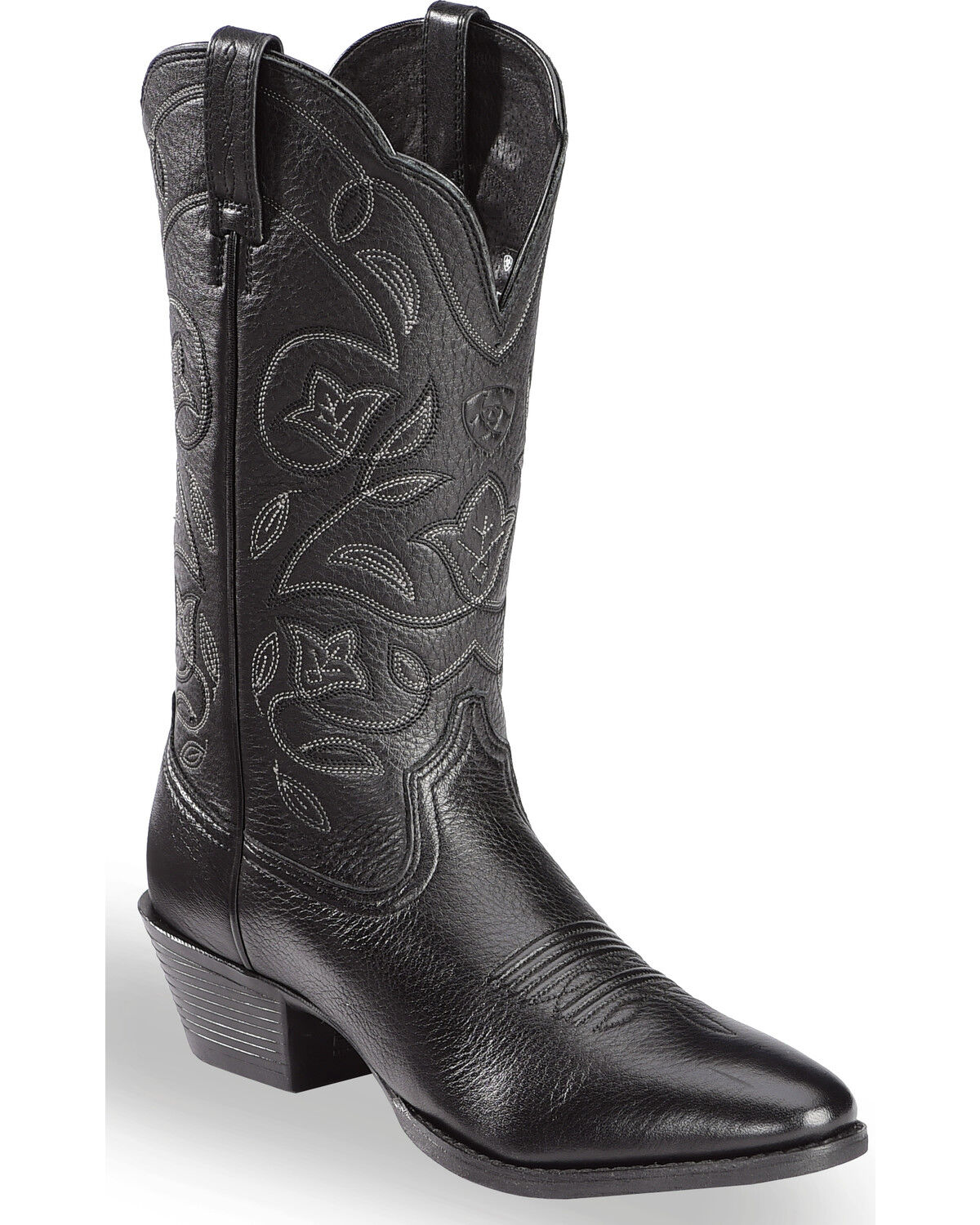
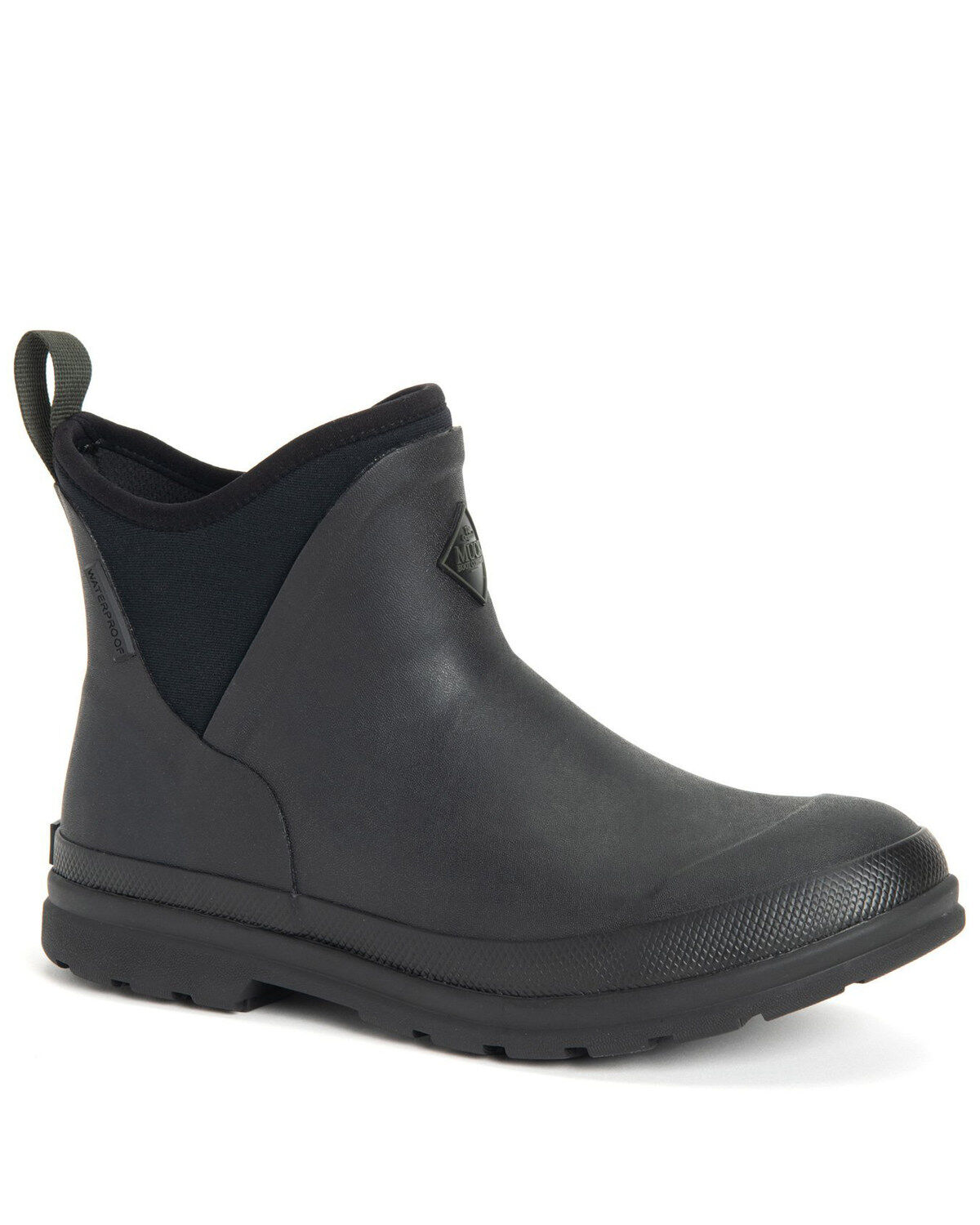
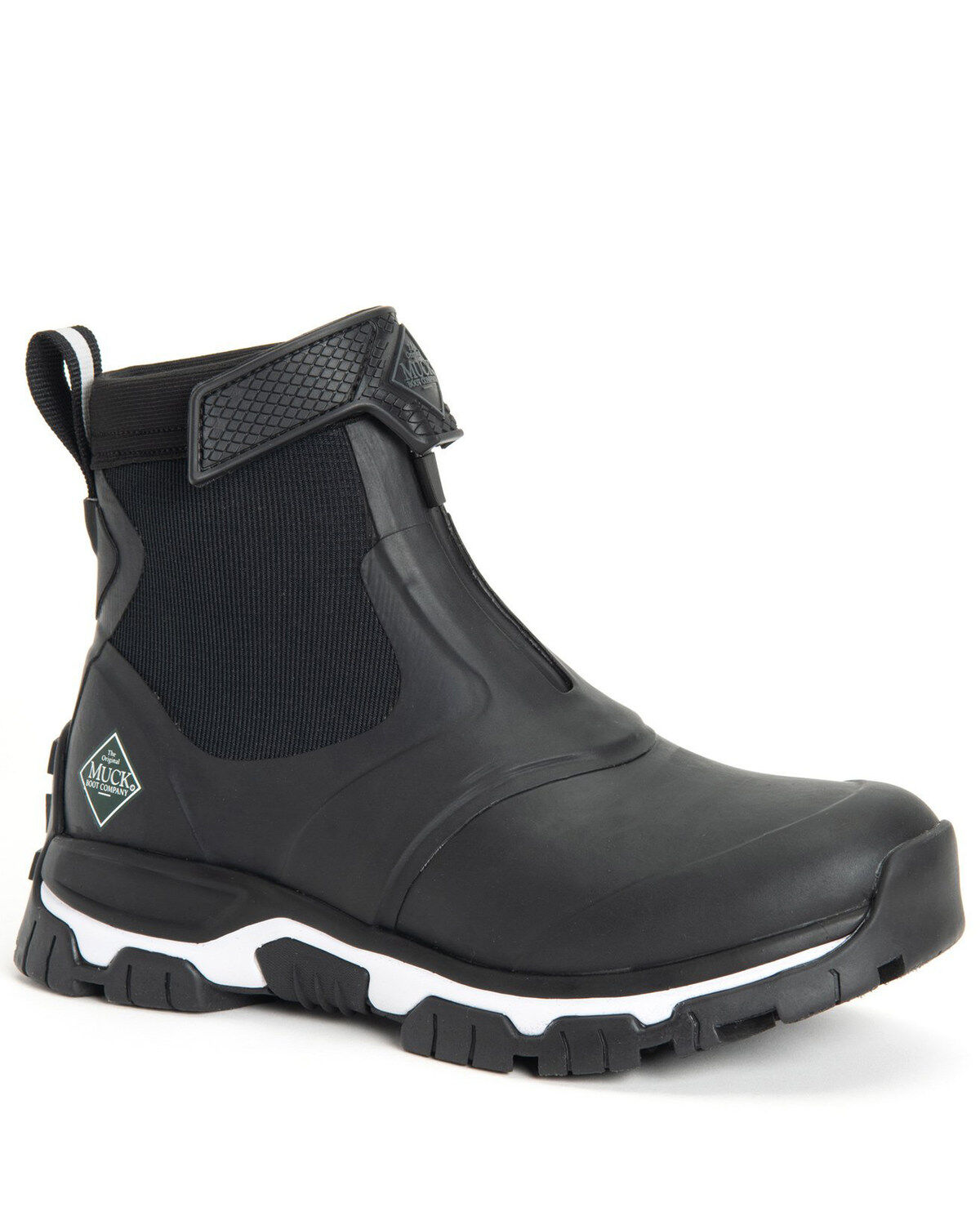
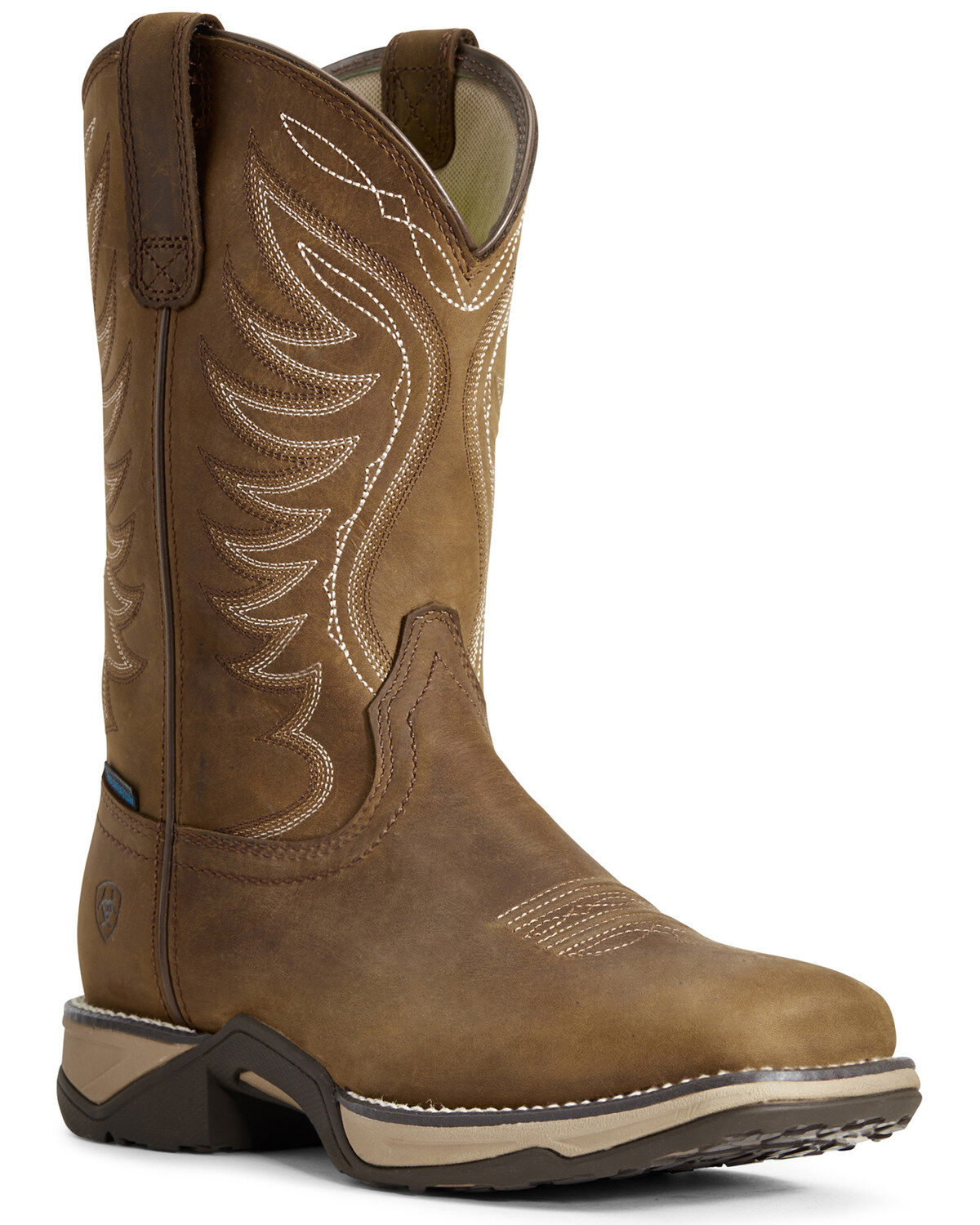
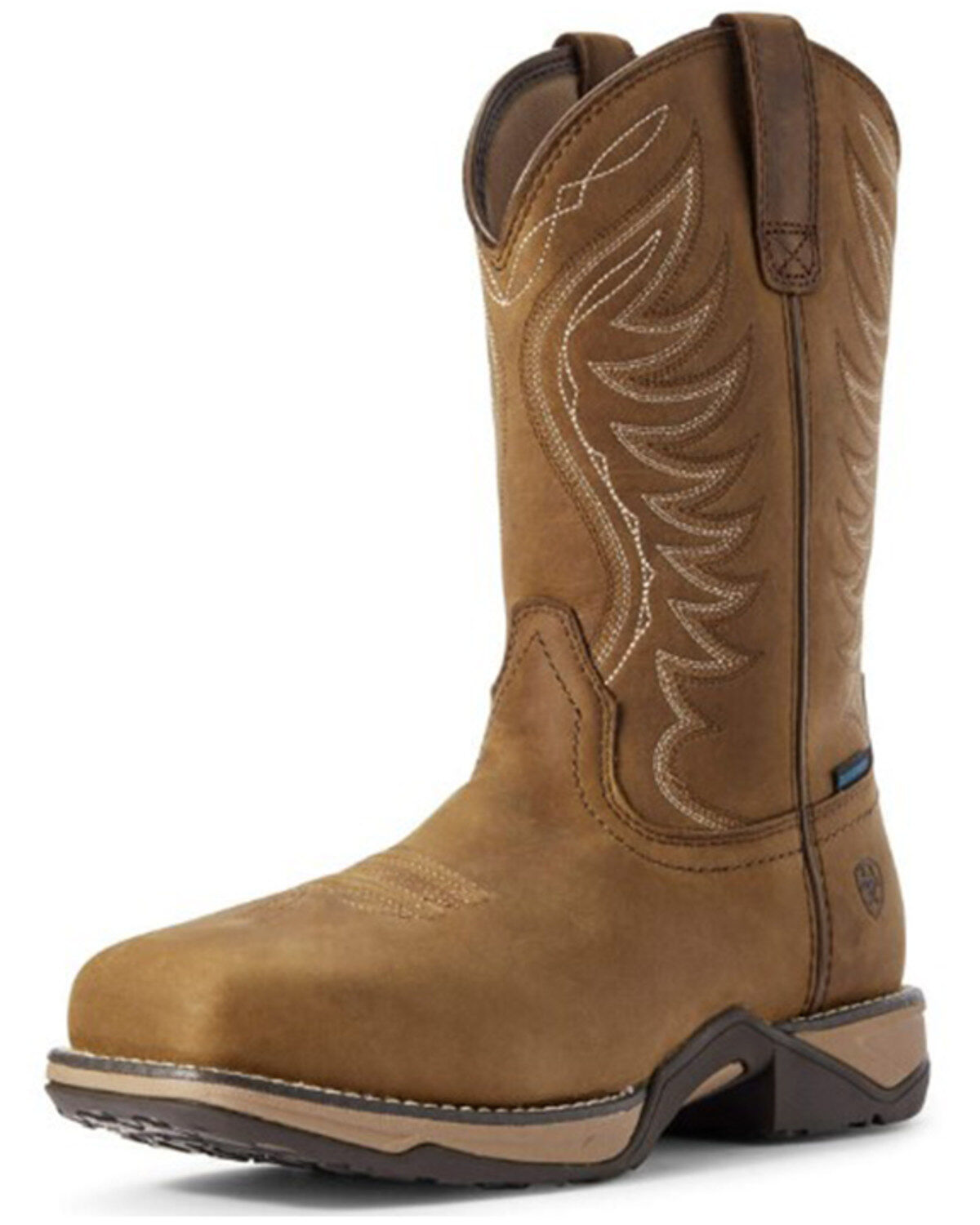
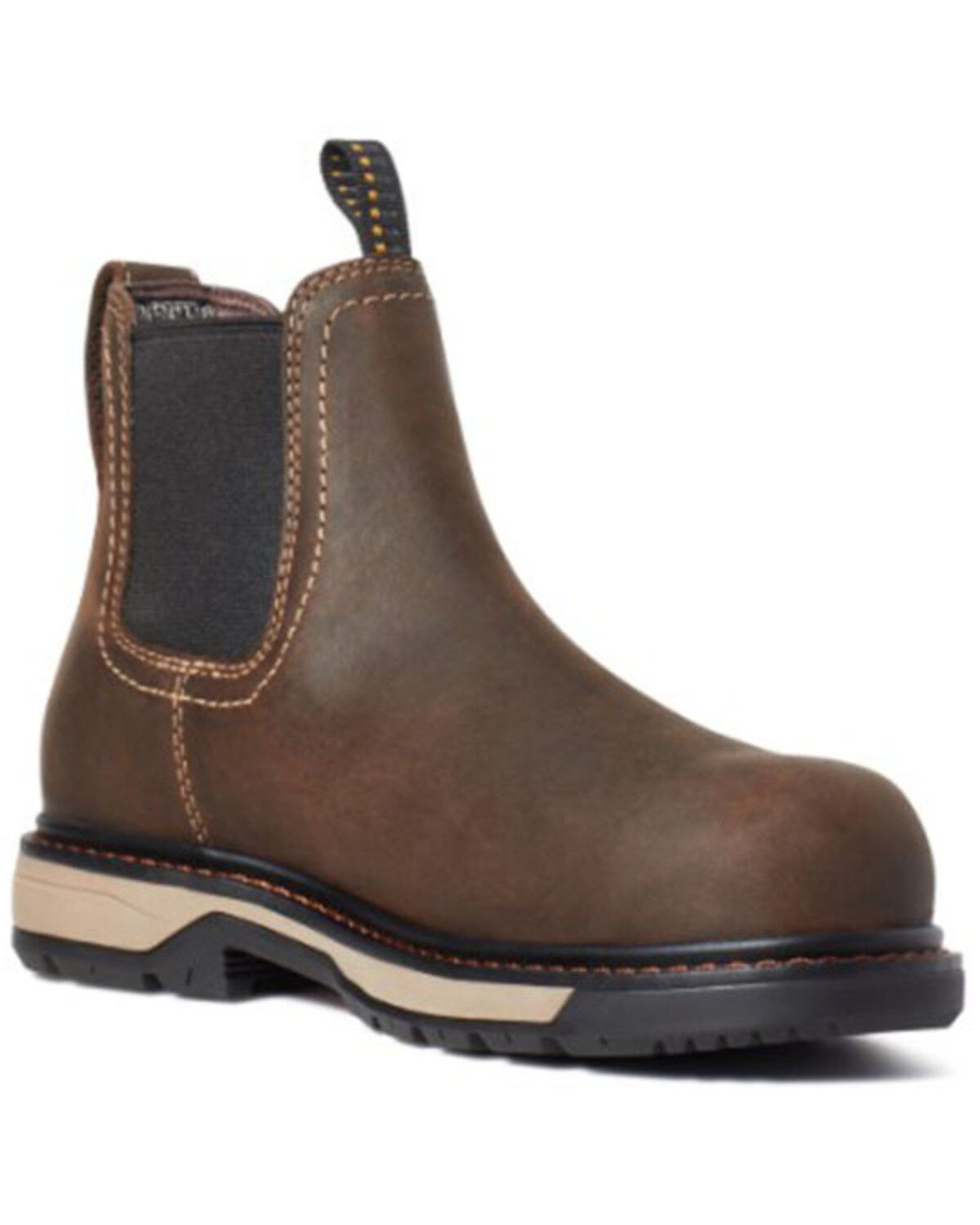
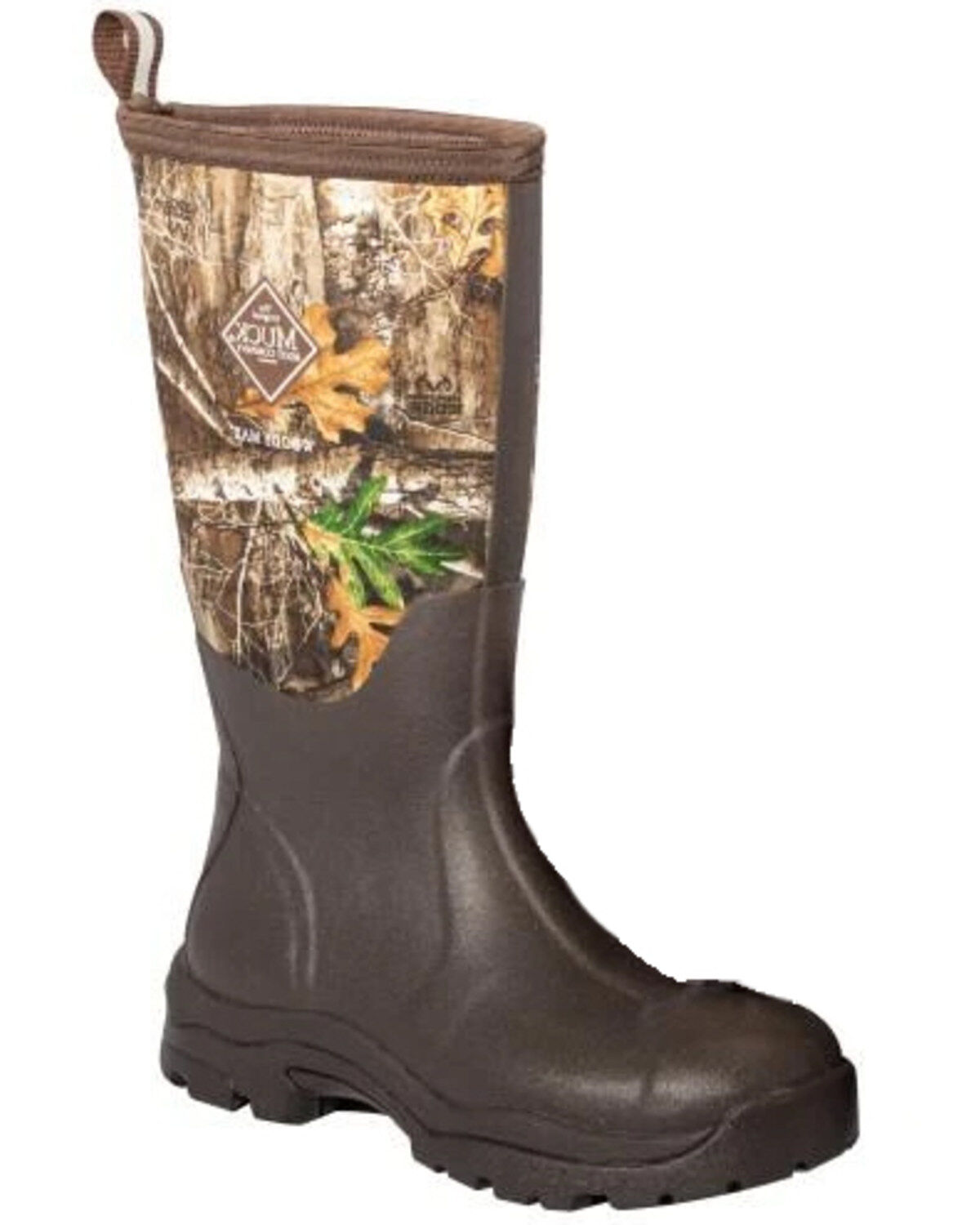
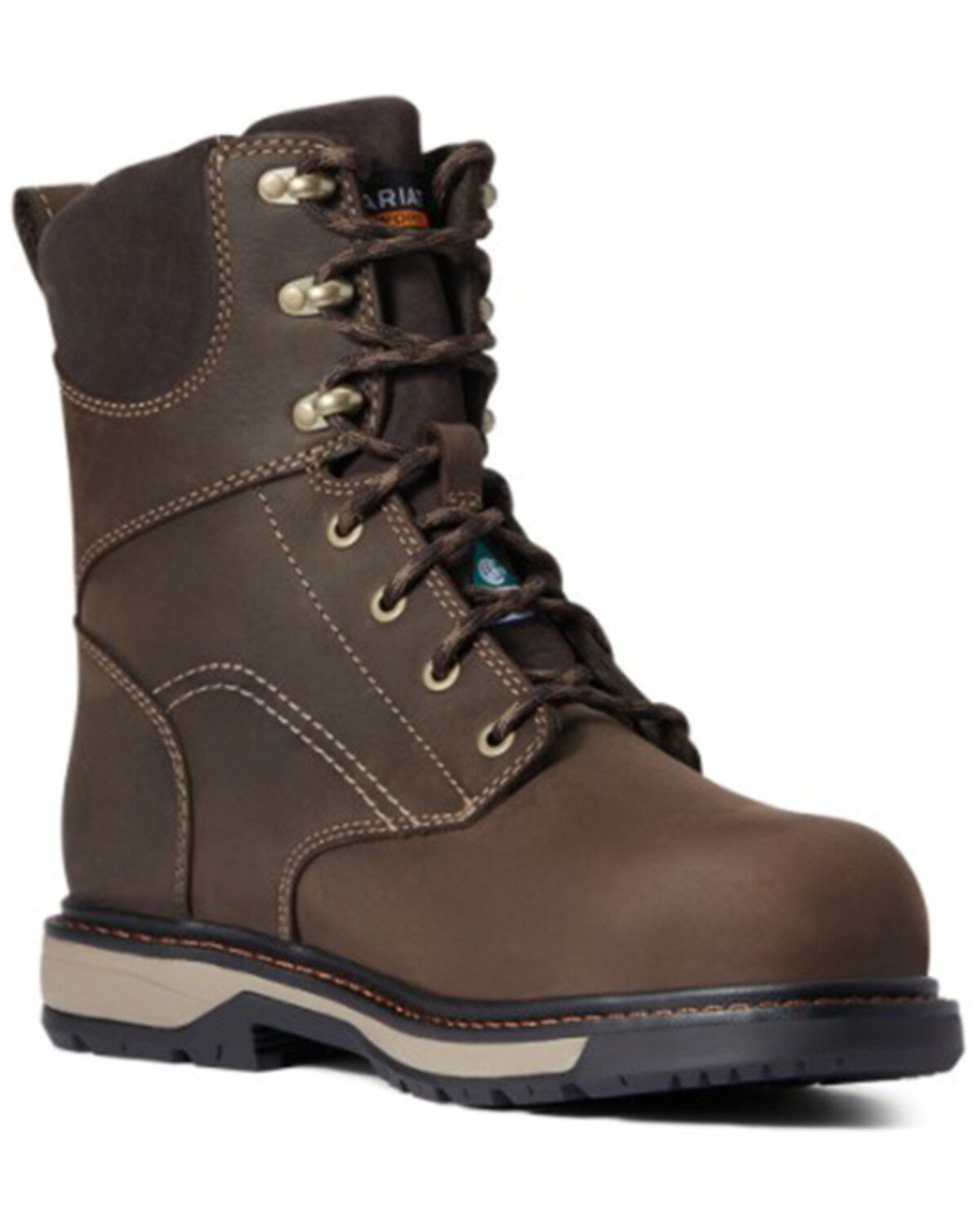
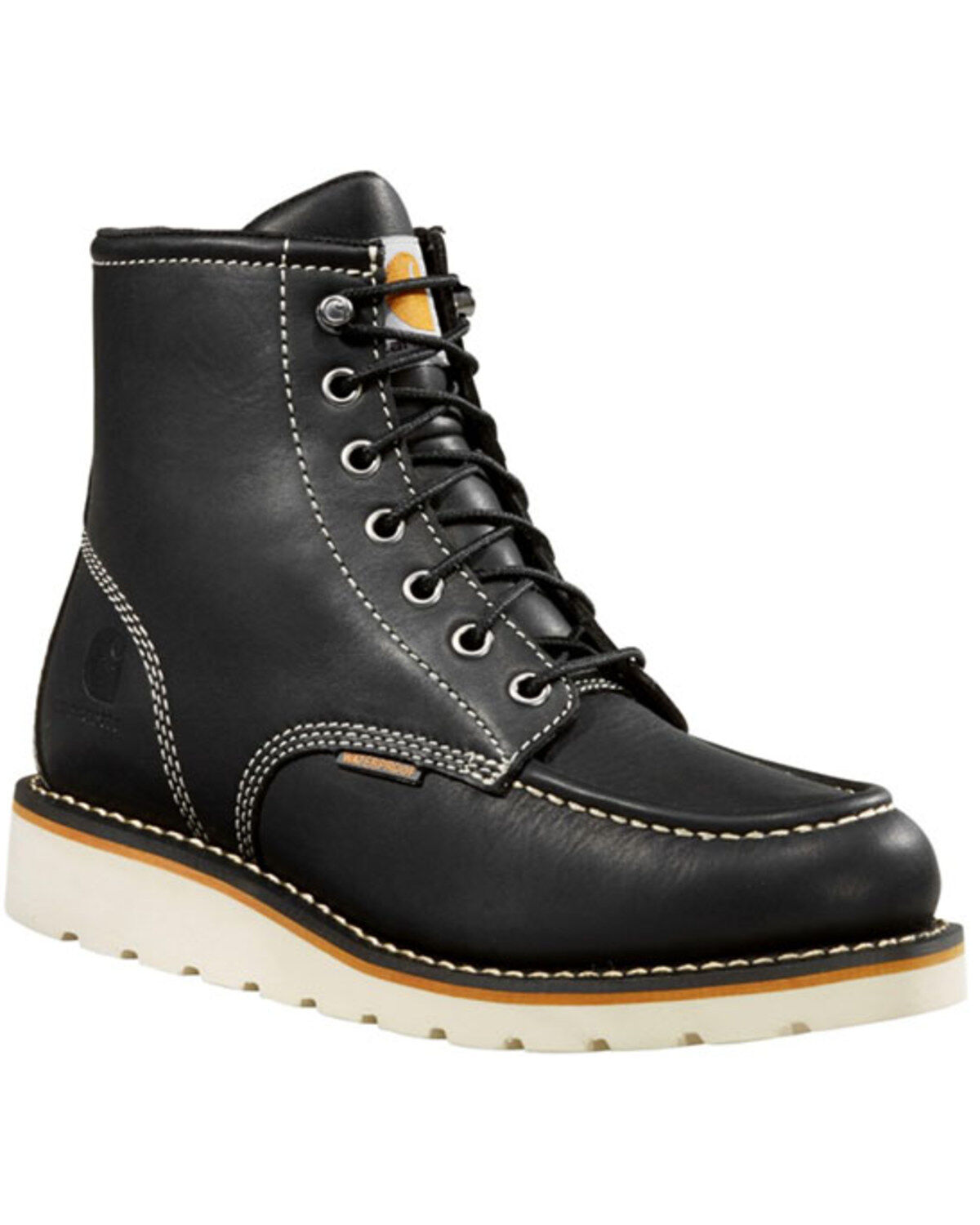
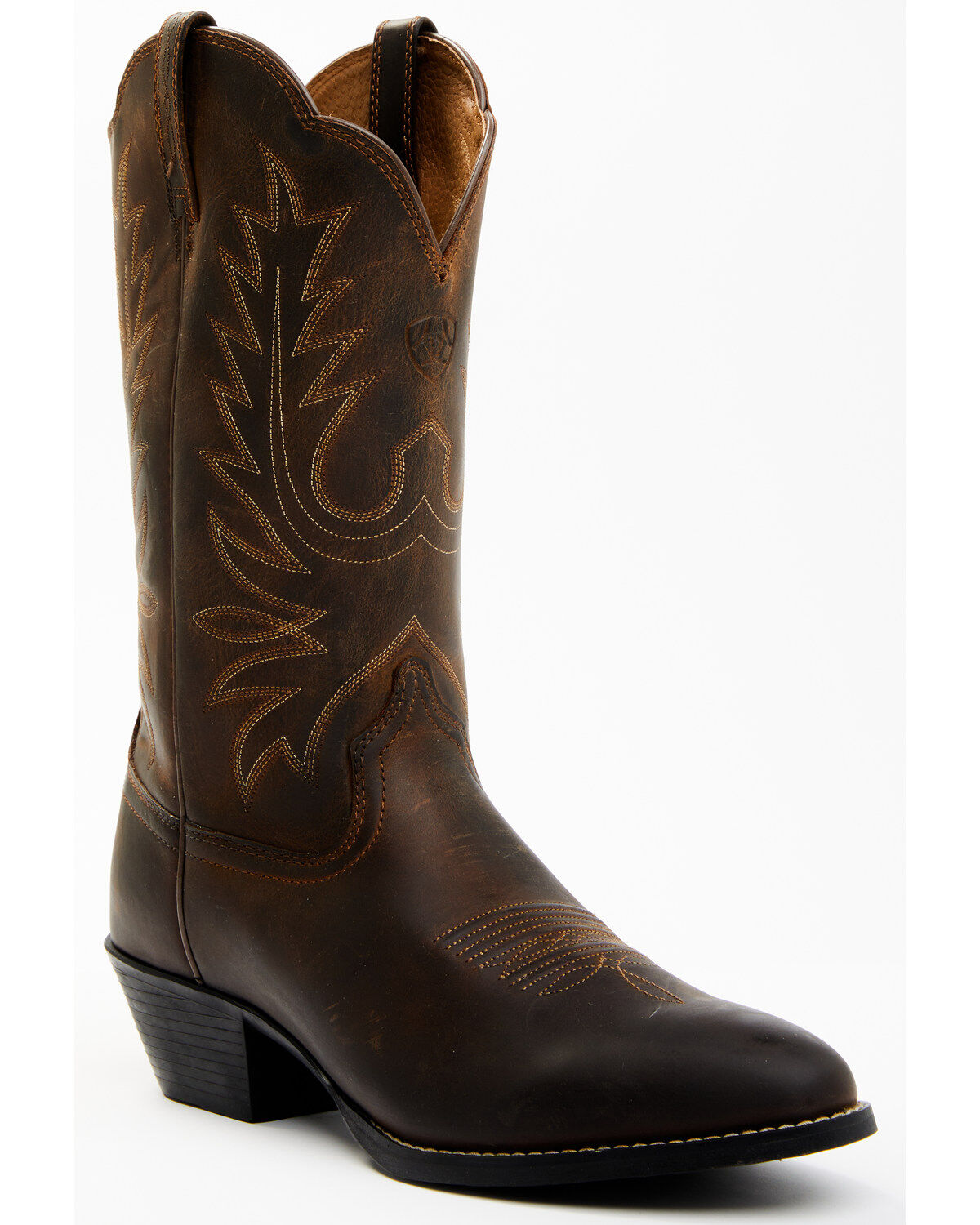
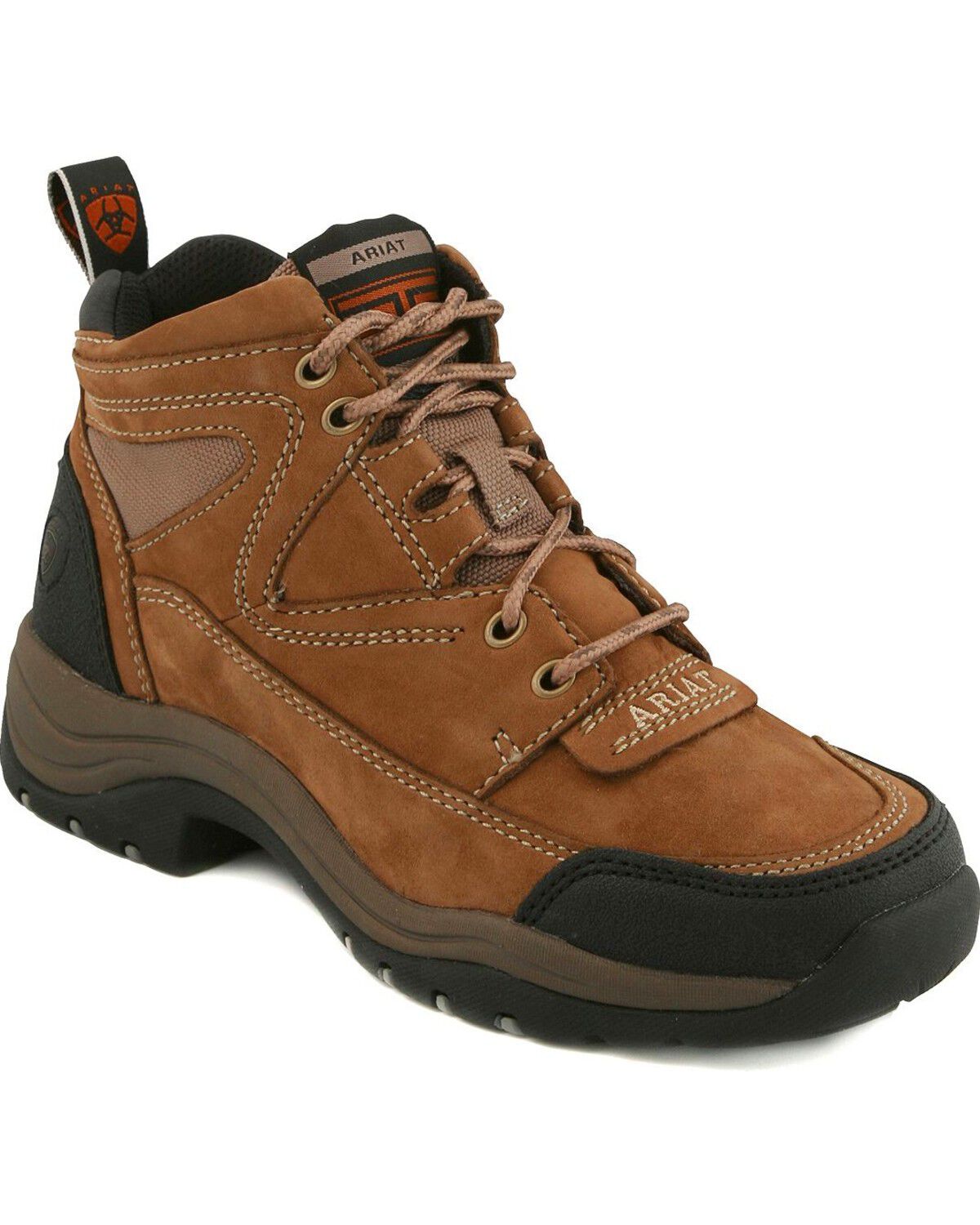
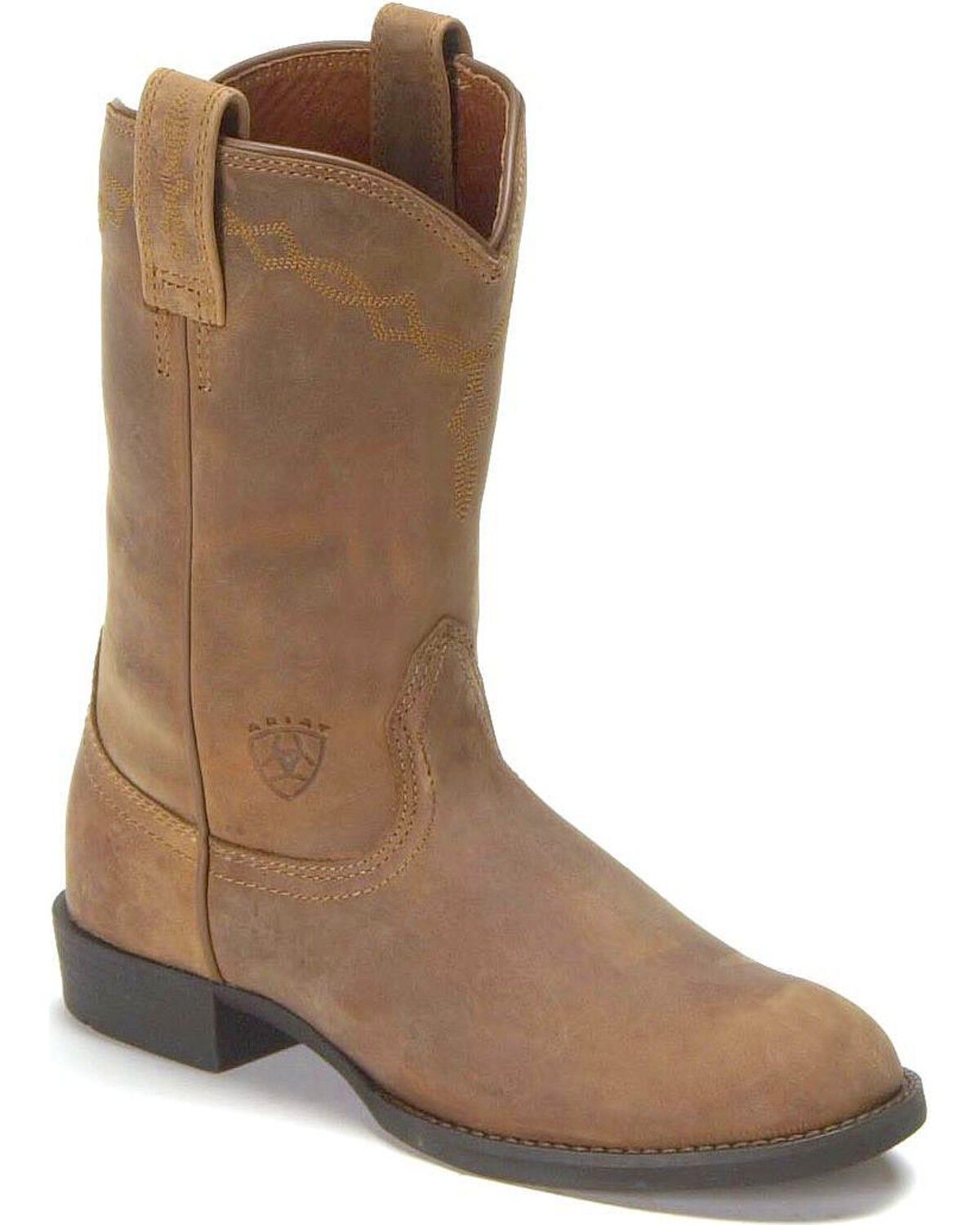
Women's weatherproof boots pair protection from wet conditions with practical designs for work, errands, and time outdoors. Common styles include ankle boots, pull-on rain boots, lace-up outdoor boots, and taller designs that cover more of the lower leg. The right construction depends on where the boots will be worn. A walk across a wet parking lot places different demands on footwear than a morning spent feeding animals, crossing muddy ground, or clearing a snow-covered walkway. Weatherproof is a broad description, not a single level of protection. Water-resistant materials can handle limited moisture, while waterproof boots use construction designed to keep water from passing through the upper under their intended conditions. Neither description means water cannot enter over the top. Waterproof leather offers a familiar look that works well with jeans and everyday clothing, with protection provided by treatments, an internal membrane, or a combination of features. Rubber uppers are common in rain boots because they shed water and wipe clean after contact with mud. Textile panels can reduce weight or add flexibility, but their performance depends on the materials and construction behind them. Sealed seams help block water at stitched areas, and a gusseted tongue helps close the openings beside the laces. Zippers, elastic side panels, and other openings also affect coverage, making the full design more important than the upper material alone. Ankle-height boots allow easy movement and fit naturally into everyday routines. Taller shafts offer more coverage against splashes, wet grass, and shallow mud, provided water stays below the opening. Pull-on designs are convenient beside the back door, while laces allow more adjustment through the instep and ankle. Western-inspired shapes can carry familiar styling into wet-weather footwear without replacing the need for verified waterproof features. A practical pair balances coverage, flexibility, and weight rather than relying on height or a rugged appearance alone. These differences matter whether the day involves walking the dog, tending a garden, or moving between a barn and the house.

Comfort matters just as much as keeping water out. Women's weatherproof boots should have enough toe room for natural movement without allowing the foot to slide forward on a slope. A secure instep helps limit shifting, and the heel should feel controlled rather than repeatedly rubbing against the lining. The socks worn with the boots affect that fit. Thick socks take up more space, and a boot that feels comfortable with a thin pair may become tight with heavier socks. Excess pressure can make long wear uncomfortable and reduce the space needed for insulating layers to work properly. Shaft width matters too, especially with tall pull-on boots. The opening needs room for the calf and any clothing tucked inside without pressing sharply behind the knee when sitting or bending. Lace-up construction allows fit adjustments, while pull-on styles depend more heavily on the shape of the footbed, instep, and shaft. Cushioned footbeds can soften the feel of firm ground, and supportive construction can make a difference during hours spent standing. Removable insoles, when included, allow easier drying and may accommodate a suitable replacement footbed. Outsole design should match the ground underfoot. Deeper lugs can help on loose soil and muddy paths, while tread spacing affects how easily mud releases from the sole. Slip-resistant labeling applies to specified testing conditions; it does not make every surface safe. Ice, wet metal, and smooth floors still require care. Insulation is an important consideration for Women's Waterproof Winter Boots, especially for time spent standing outside rather than walking steadily. Waterproofing and warmth are separate features. An uninsulated waterproof boot may suit rainy errands, while insulated construction adds warmth for snow, slush, and extended cold-weather use. Lining materials, sock choice, activity level, and fit all influence comfort. Breathable waterproof membranes can help moisture vapor escape, but feet may still feel damp from perspiration during active work. For workplace use, waterproofing also remains separate from safety requirements such as protective toes, electrical hazard ratings, or puncture resistance. Those features need their own clear identification.

Durability comes from the whole boot: the upper, seams, lining, outsole, and the points where those parts meet. Repeated bending at the forefoot, abrasion around the toe, and pulling at the heel place stress on different areas. Reinforced sections may help resist wear, but sturdy construction still benefits from regular care. Mud left along seams can hide damage and make cleaning harder once it dries. Loose dirt is easier to remove with a soft brush, followed by cleaning appropriate to the material. Rubber boots generally need a gentle wash and careful drying, while leather requires products suited to its finish and waterproof construction. Harsh cleaners can damage surfaces, and heavy applications of an unsuitable treatment may affect appearance or breathability. Leather conditioner helps maintain flexibility when approved for the material, but it does not turn every leather boot into a waterproof boot. Waterproof treatments also cannot repair a split seam or cracked sole. Drying deserves the same attention as cleaning. Direct heat from a radiator, heater, or hot vehicle interior can damage leather, rubber, adhesives, and linings. Air drying in a ventilated space is gentler, with removable footbeds taken out when the design allows. Clean, dry storage helps keep boots ready for repeated wear, and keeping shafts upright avoids unnecessary creasing. Packed tread, worn-down lugs, loose stitching, and cracks are useful signs that a pair needs attention. Good care supports service life, but footwear used daily in abrasive mud or around equipment faces more wear than a pair reserved for rainy errands. Women's weatherproof boots can make a useful gift for someone who spends time around horses, works outdoors, walks regularly, or wants dependable wet-weather footwear for everyday use. The most useful choice reflects her routine, preferred boot height, usual socks, and fit needs. Comfortable coverage and construction suited to the task matter more than an aggressive-looking sole or a tall shaft alone. A pair that handles the actual conditions underfoot earns its place by the door.
Read More

FAQs