Women's Water Boots

Find women’s water boots for wet weather and time spent around water. Browse the selection and compare fit, coverage, and each pair’s listed water protection to choose boots suited to the conditions you expect.

Shop Your Store: Shop Your Store: Find a Store

(Turn off Shop Your Store to see all items)

(Turn off Shop Your Store to see all items)

close
  • Recommended
  • Lowest Price
  • Highest Price
Skip pass products
  • Women's Keen Targhee II Waterproof Hiking Boots - Soft Toe
    Original Price $155.99 $119.97
    23% Total Savings

End of products

Women's Water Boots

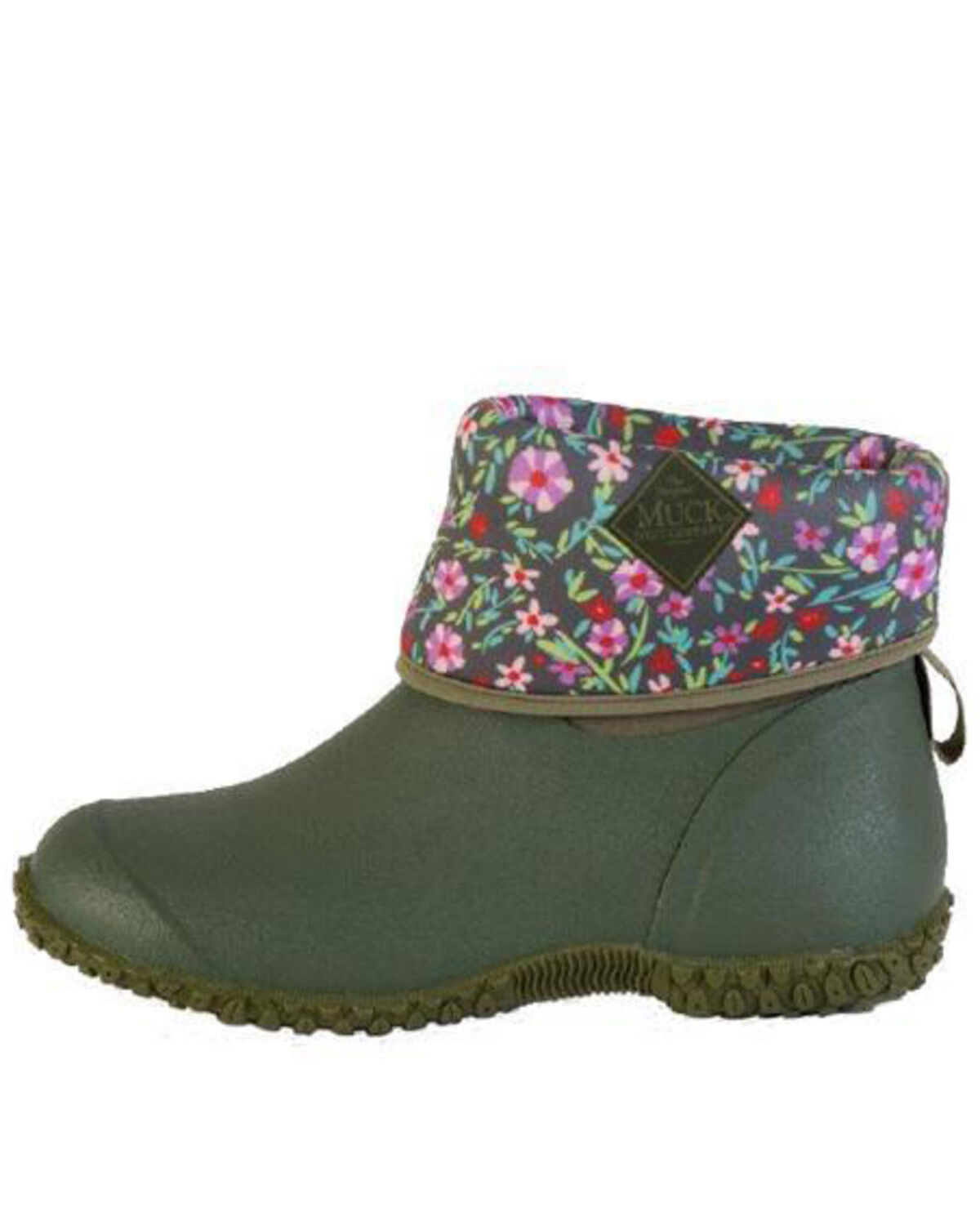
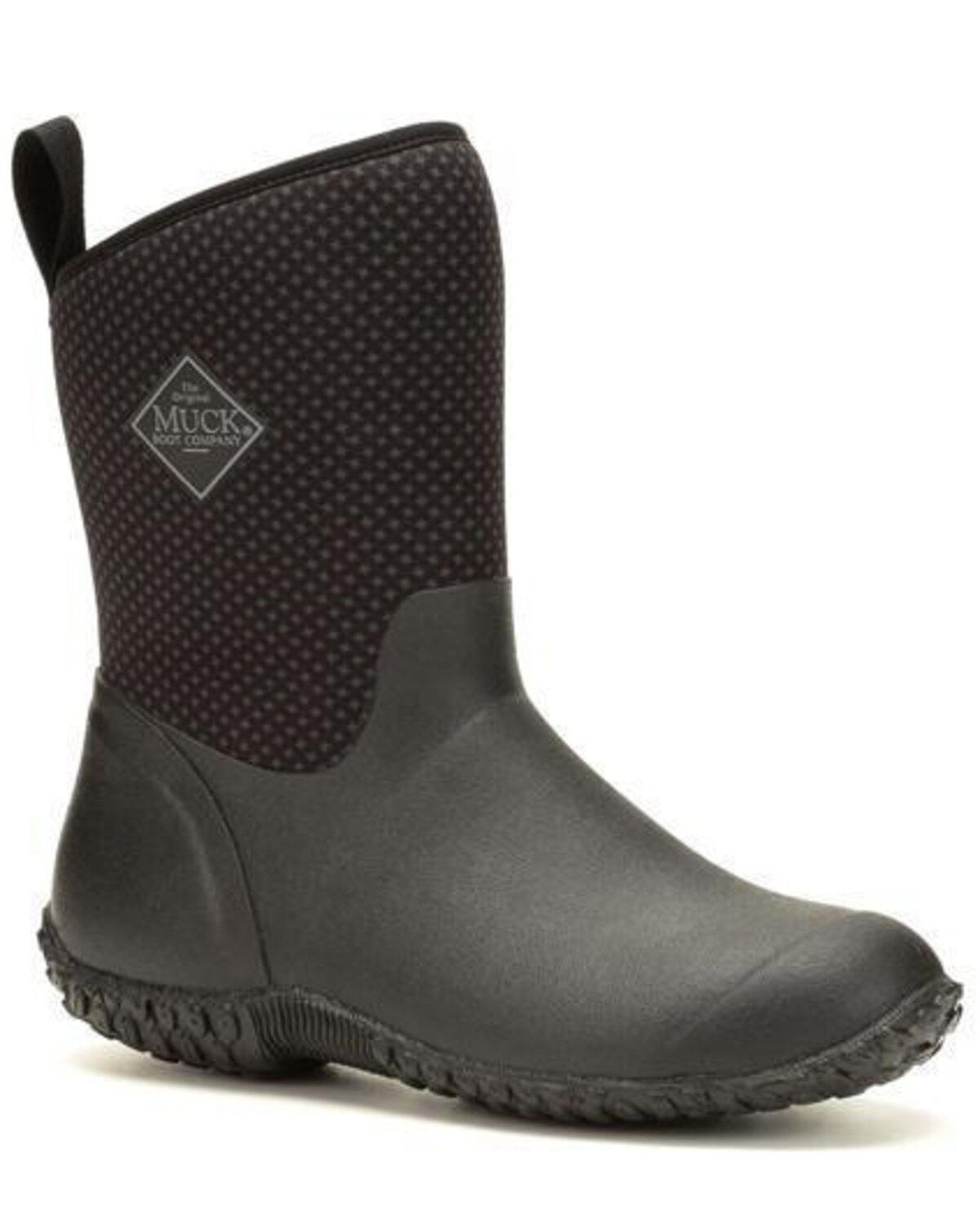
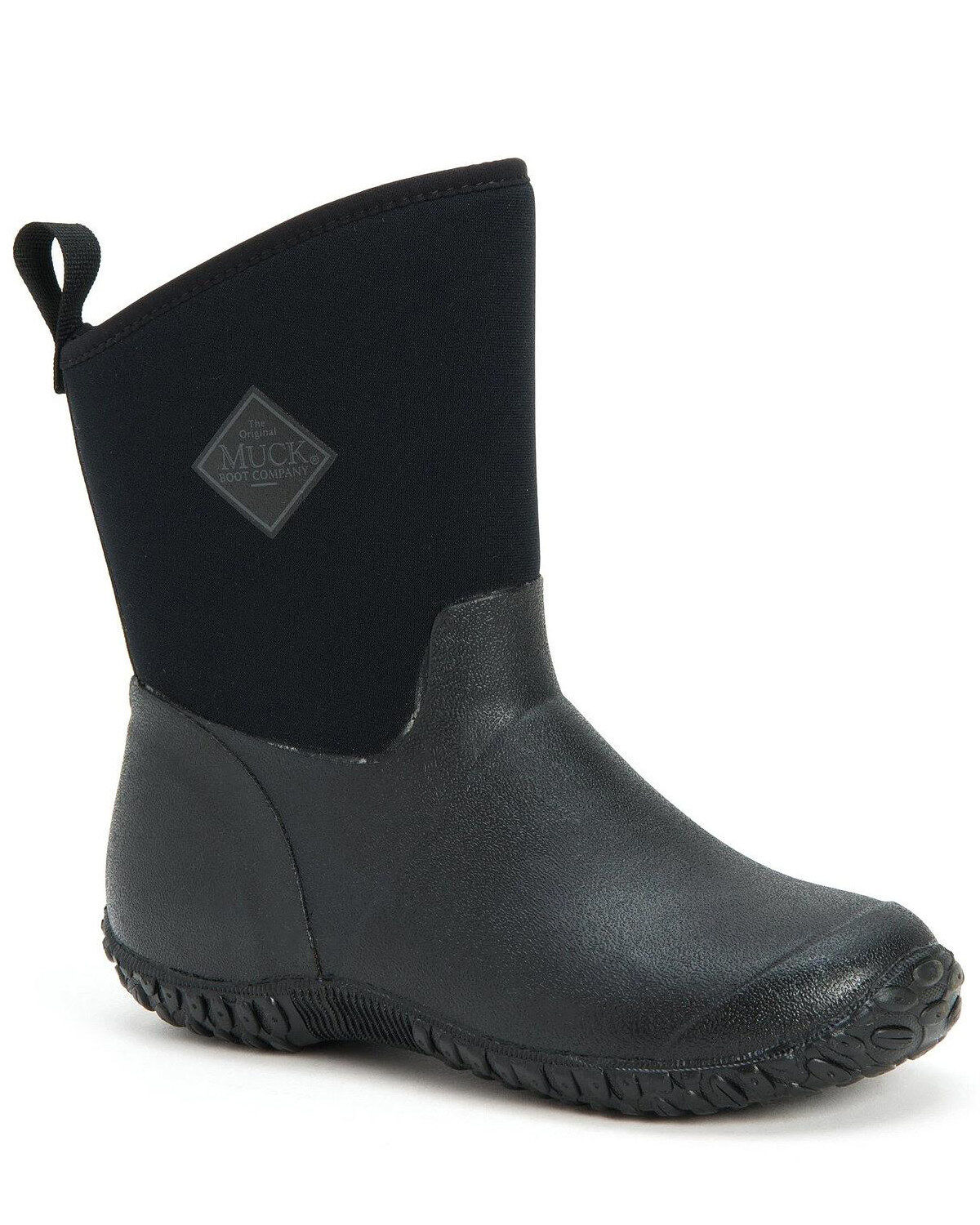
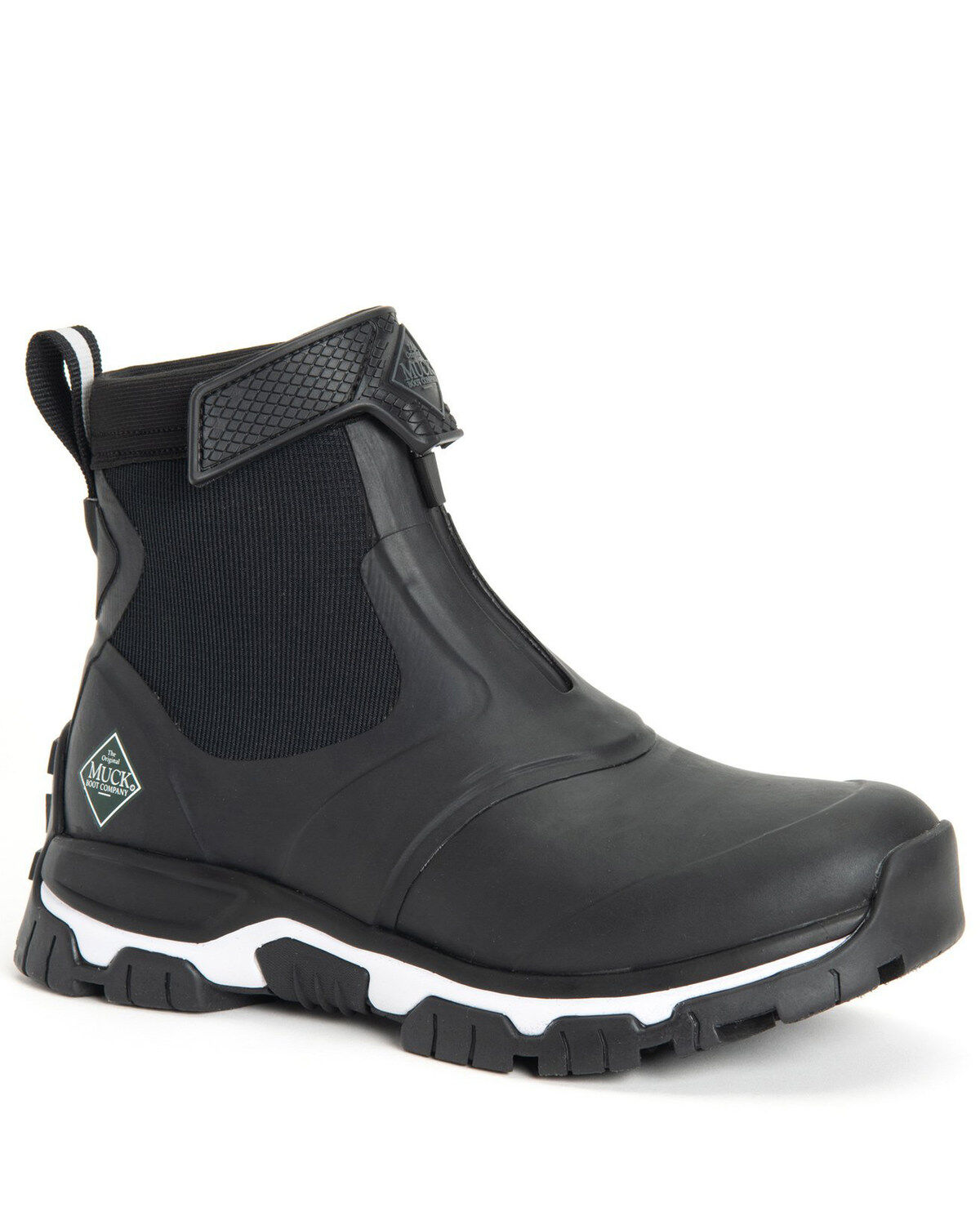
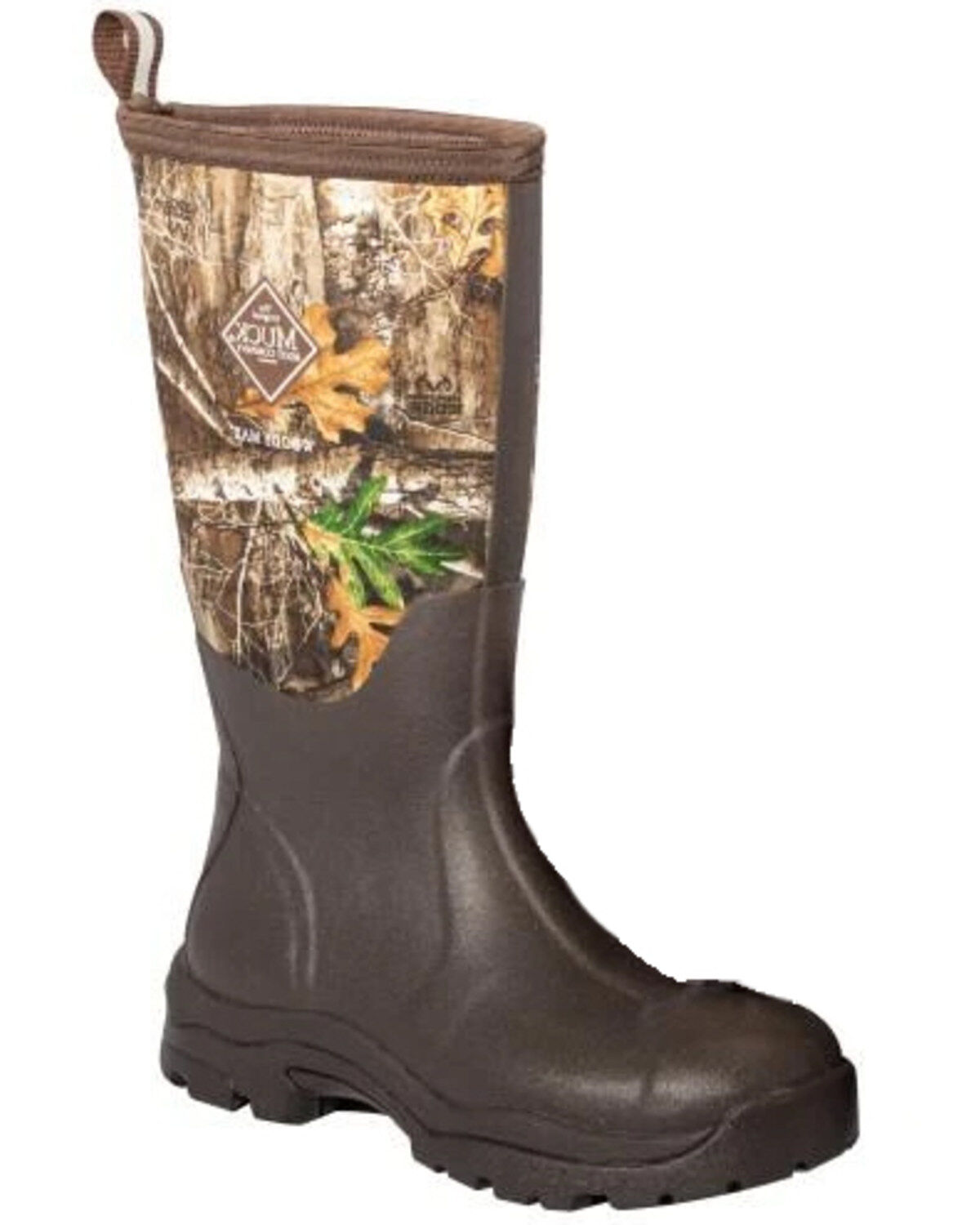
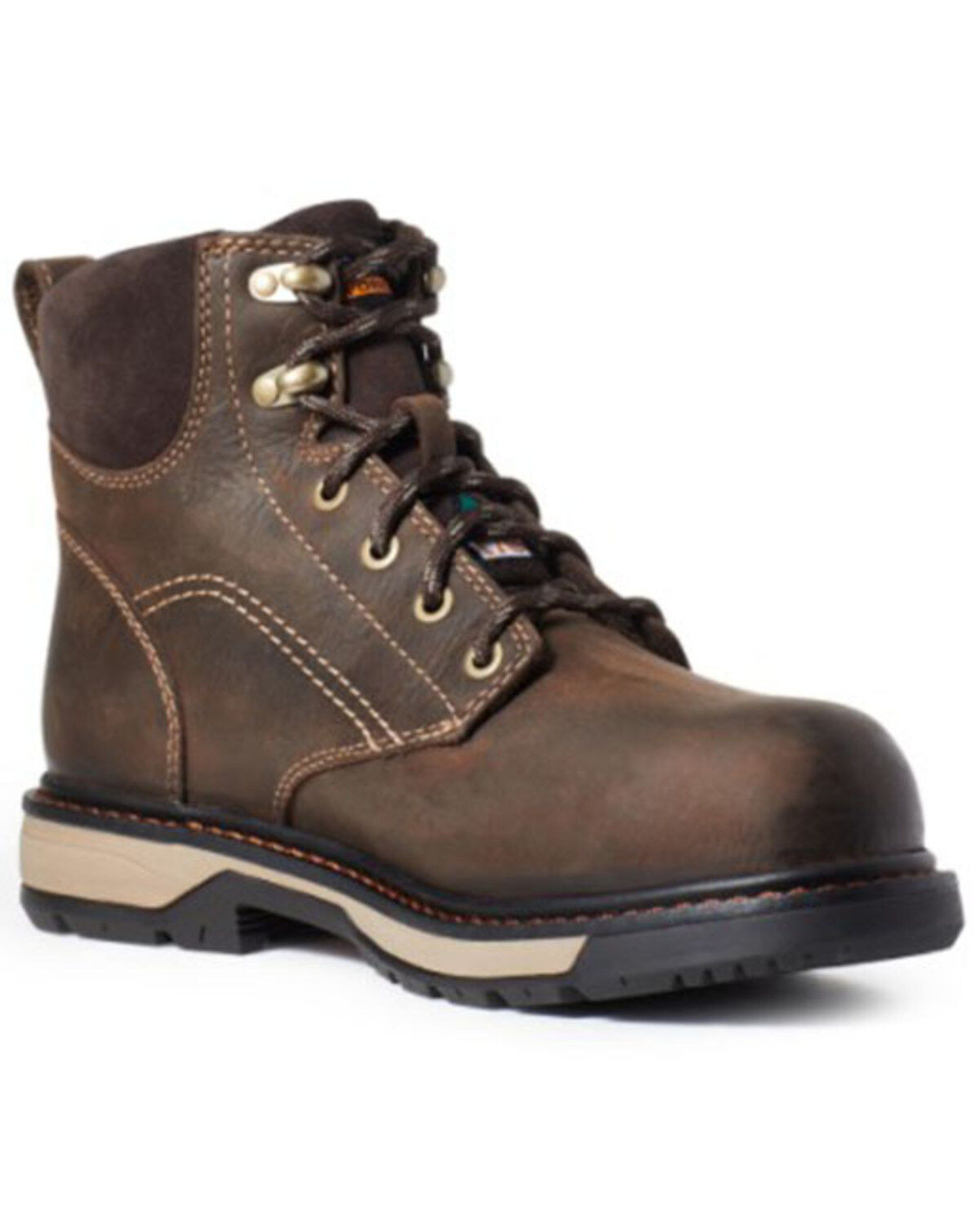
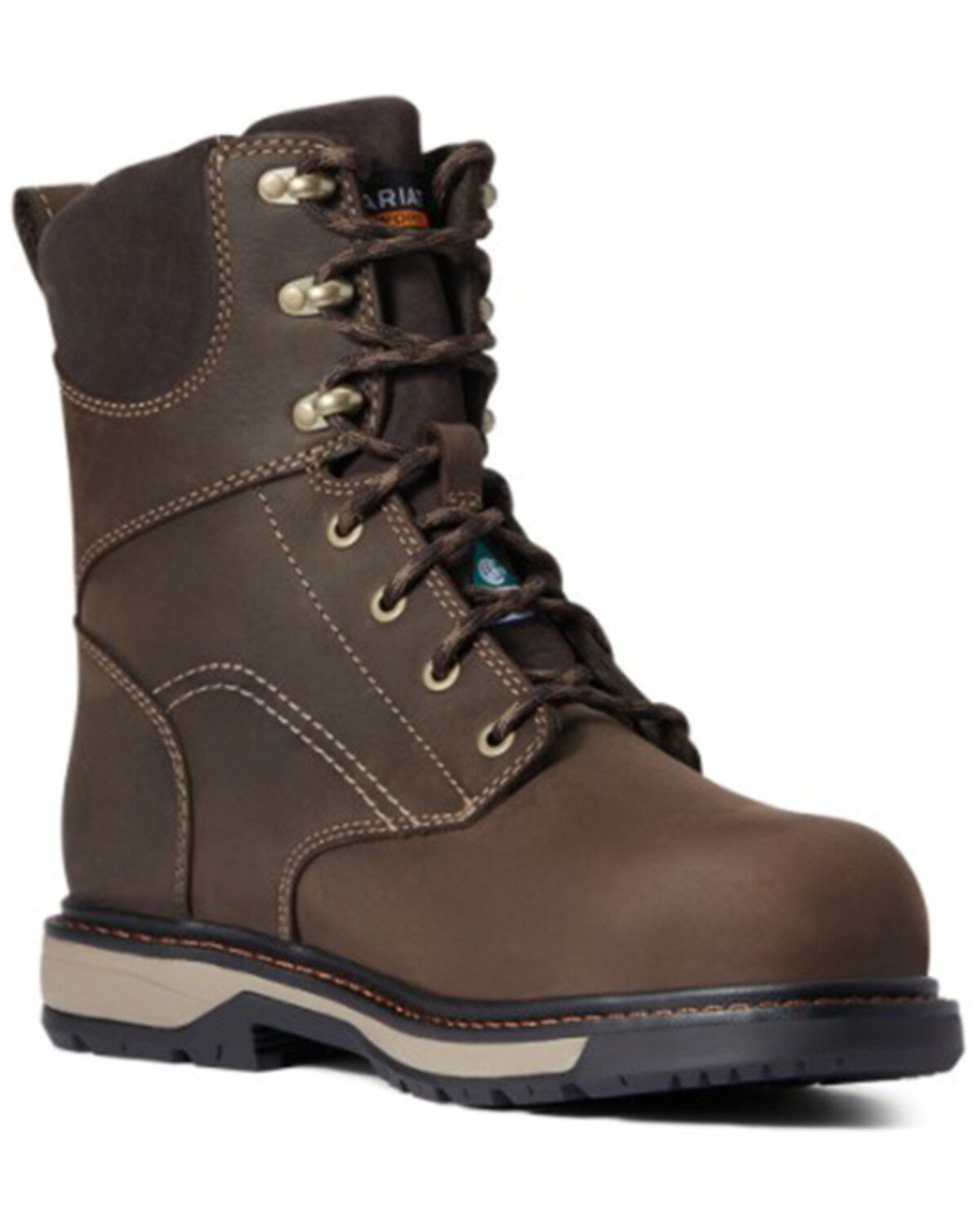
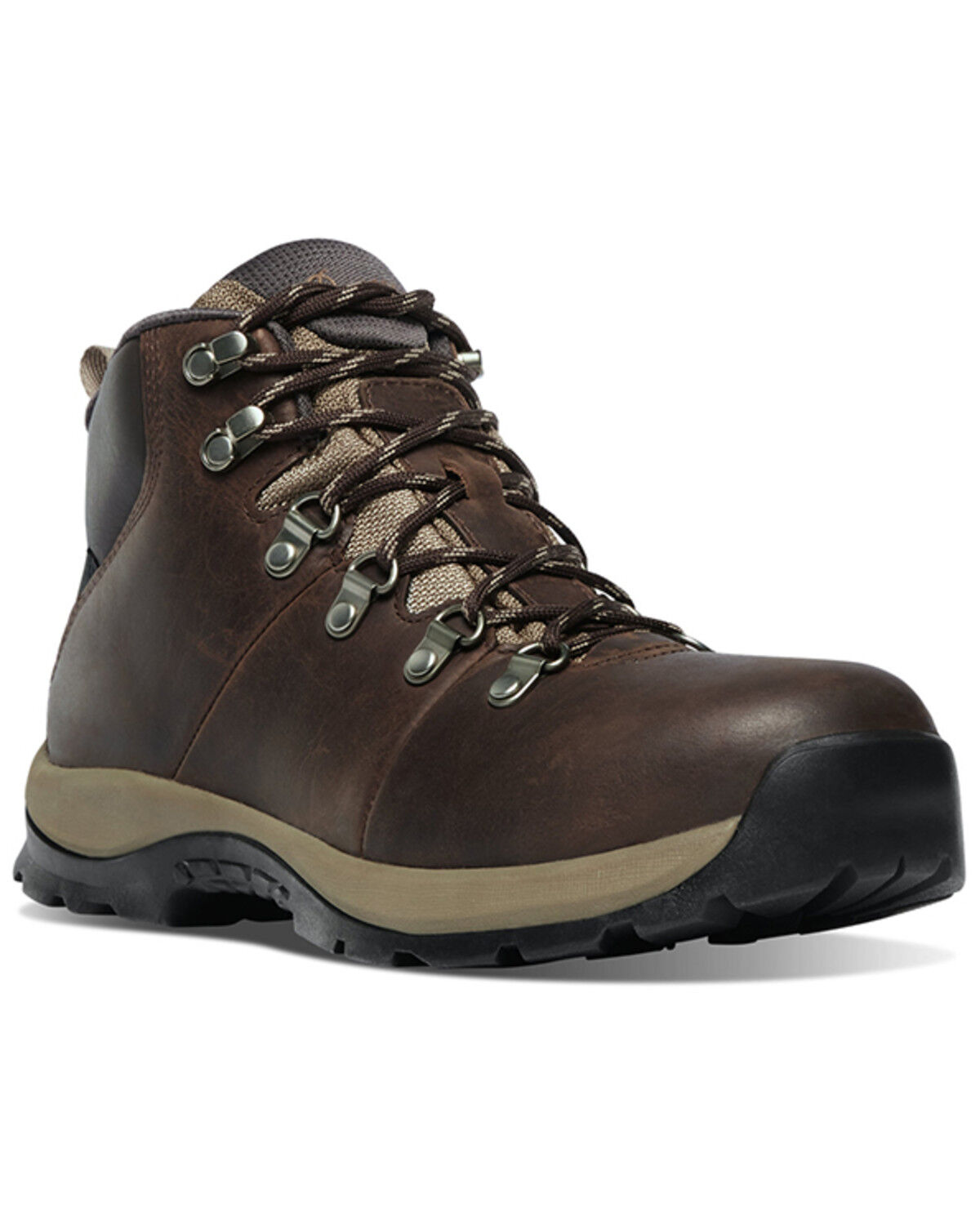
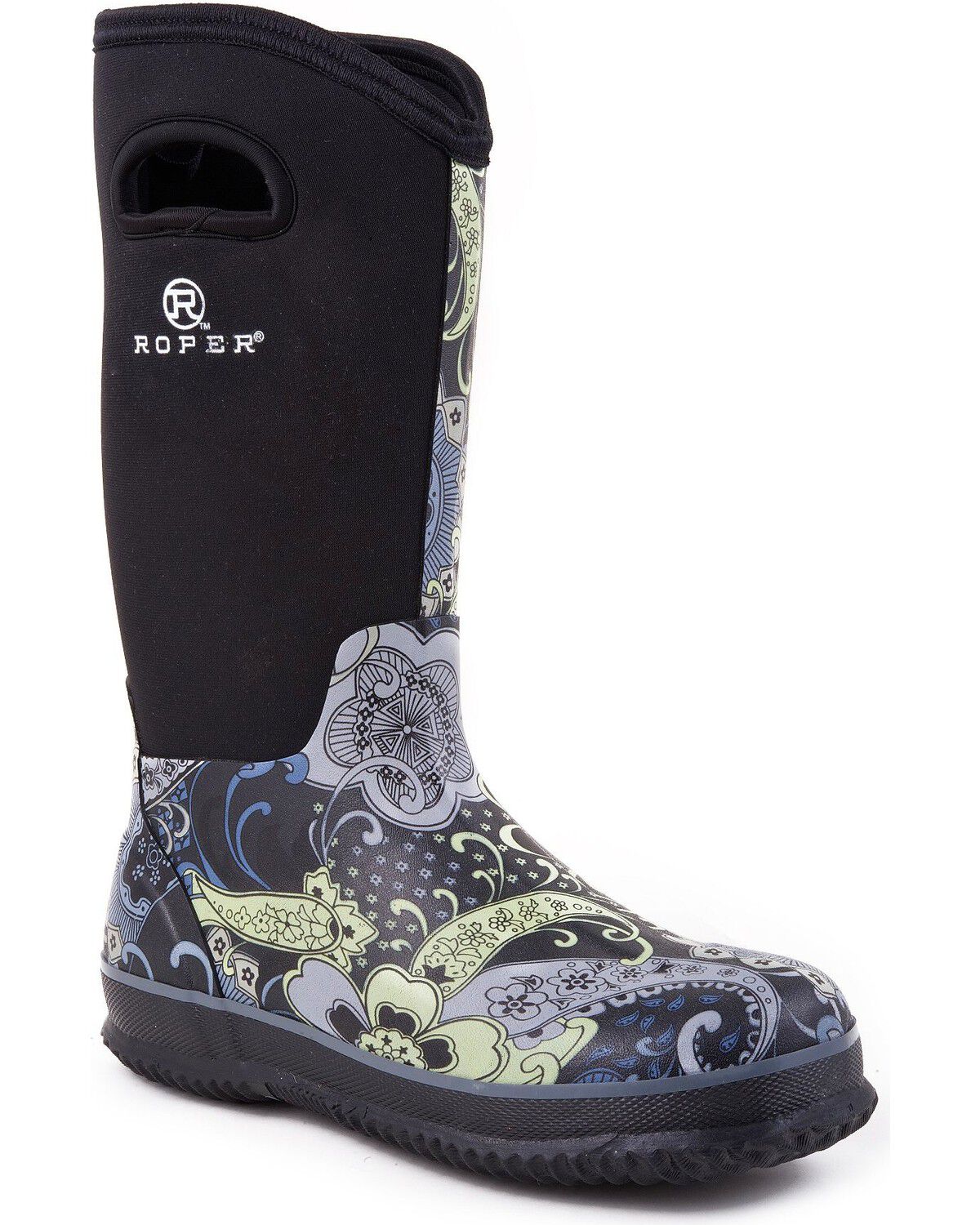
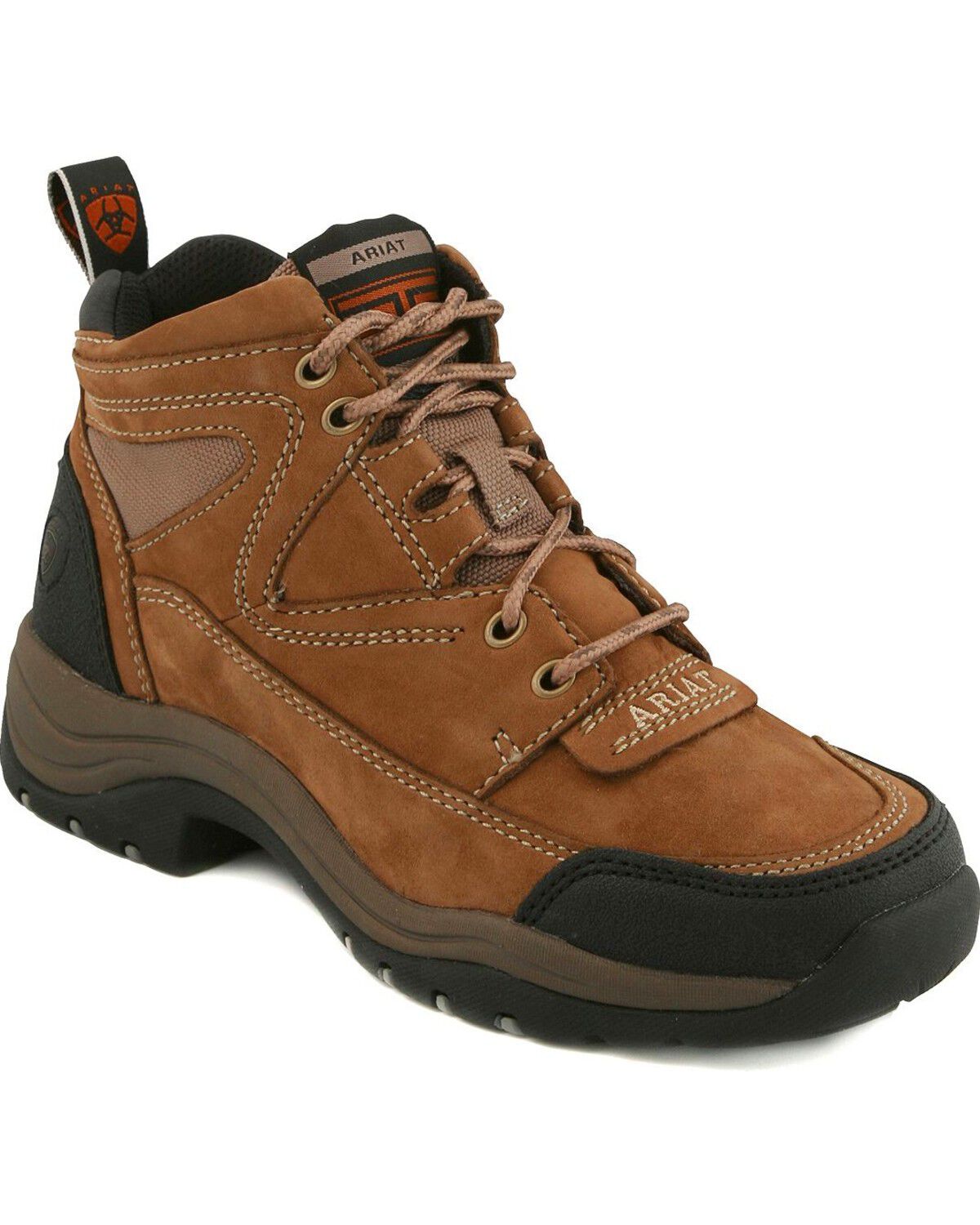
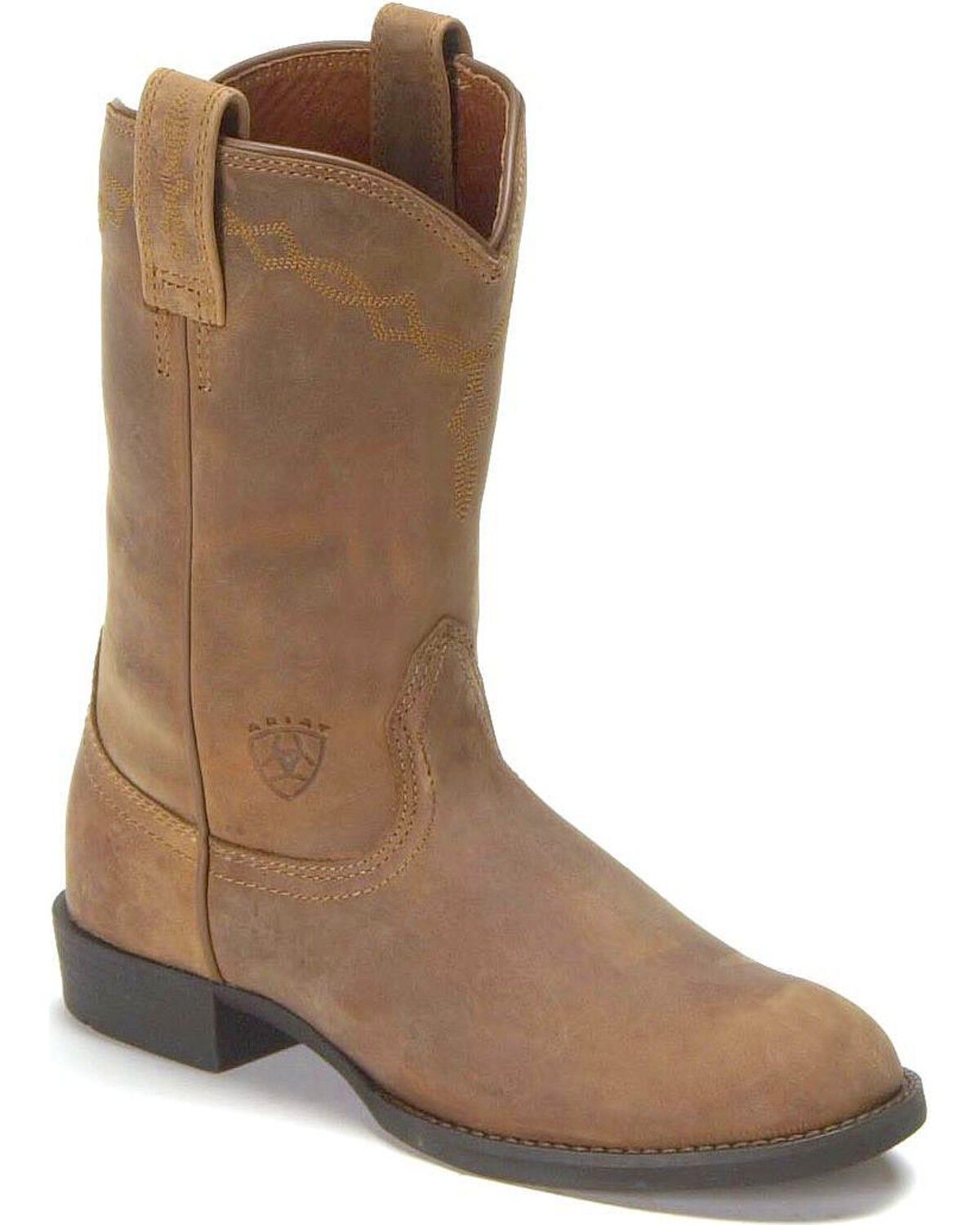
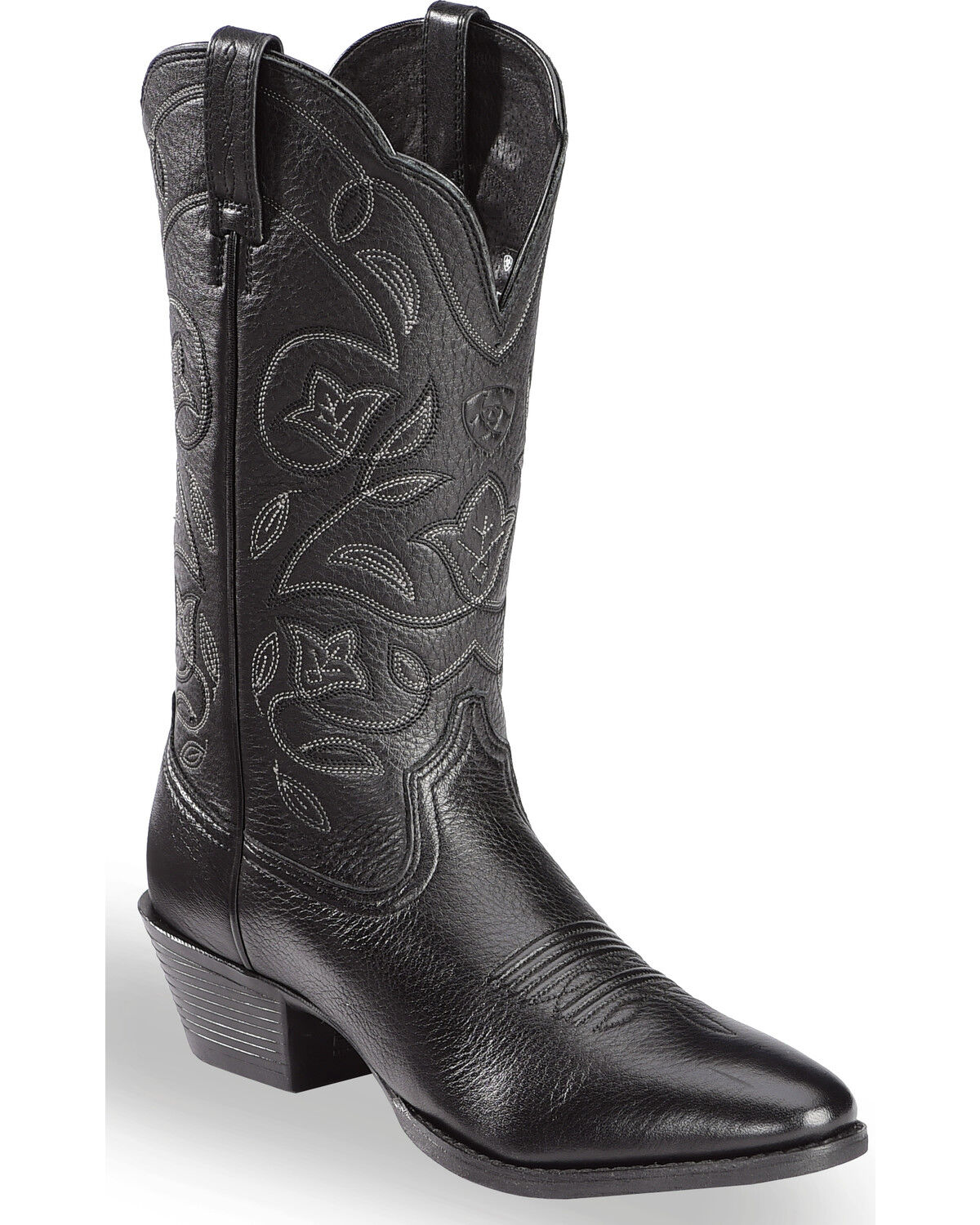
Women’s water boots are built for wet conditions, with designs that help keep feet dry through rain, mud, puddles, and damp ground. The category includes rubber rain boots, shorter waterproof pull-on styles, and waterproof leather boots suited to everyday wear or work. The right construction depends on where the boots will spend their time. A woman cleaning stalls needs footwear that handles mud and repeated rinsing. Someone walking a dog along a wet gravel road may prefer a lighter boot with enough support for a longer walk. Gardeners, property owners, and women working around barns or outdoor equipment often need dependable coverage without complicated closures. Rubber is a common material because it forms a protective barrier against water and wipes clean after messy chores. Molded construction can reduce the number of seams exposed to moisture, though openings, joins, and the condition of the material still affect protection. Flexible synthetic materials offer another option, while waterproof leather combines a more traditional boot appearance with construction designed to limit water entry. Leather alone does not make a boot waterproof; sealed seams, protective membranes, and other design details matter. Water-resistant footwear can handle light moisture but should not be treated as equal to a boot designed for sustained wet conditions. Boot height also changes the coverage. Ankle-height styles are practical for shallow puddles and quick trips outside, while mid-calf and taller shafts provide more protection from splashes and muddy ground. No shaft height prevents water from entering over the top. These boots are not a substitute for waders when a task involves standing in deeper water. Smooth finishes make cleanup straightforward, while understated colors and simple shapes work with jeans, work pants, and casual clothing. Patterns can add variety without changing the basic purpose. Whatever the appearance, useful water boots balance dependable moisture protection with a shape and weight that suit the wearer’s routine.

Comfort in women’s waterproof boots starts with fit, especially when the boots will stay on through several hours of walking or chores. Toes need room to move without the foot sliding forward, and the heel should feel secure rather than lifting enough to cause rubbing. Pull-on rubber boots may fit differently from lace-up leather styles, so measurements and the sizing information for each design are more useful than assuming every pair fits alike. Sock thickness makes a difference. A boot that feels comfortable with a thin everyday sock may become tight with a thicker work sock, reducing comfort across the toes and instep. A close fit should not squeeze the foot. Calf fit matters just as much in tall boots, particularly when pant legs are tucked inside. A shaft opening that presses against the calf can become uncomfortable during bending, kneeling, or climbing steps. Adjustable openings can provide flexibility, but they do not make every shaft suitable for every leg shape. Cushioned footbeds help soften contact with firm ground, while support through the arch and heel can matter more than extra padding during a long day on concrete. Removable insoles also make it easier to air out the interior. Insulated linings are useful for cold, wet conditions, while uninsulated styles may be more comfortable for active chores or indoor-to-outdoor use. Waterproof protection and warmth are separate features; one does not guarantee the other. Underfoot, tread depth and pattern affect how a boot handles loose dirt, mud, and wet surfaces. Widely spaced lugs can release mud more readily, while a smoother sole may be easier to clean. No tread makes every wet surface safe. Wet jobsite conditions also call for attention to women’s construction waterproof boots and the protection required for the task. Waterproof construction does not automatically include a safety toe, puncture resistance, electrical hazard protection, or a tested slip-resistance rating. Those features need to match the workplace requirements. For routine outdoor use, the priority may instead be flexibility, manageable weight, and secure footing on the surfaces encountered most often.

Durability depends on both construction and care. Water boots used around a barn or garden face repeated flexing, grit, and contact with rough ground, so the sole, heel, and areas where the foot bends deserve attention. Reinforced sections may help withstand wear, but even a sturdy boot can develop cracks or separation after prolonged use or poor storage. Dried mud left around seams and tread can hide damage, making regular cleaning useful beyond appearance. Most rubber boots can be wiped or gently rinsed after ordinary muddy use, following the manufacturer’s care directions. Waterproof leather needs care suited to its finish and construction, including appropriate cleaners or conditioners when recommended. Products intended for leather should not be assumed suitable for rubber or synthetic materials. Harsh solvents, strong cleaning chemicals, and direct heat can damage boot materials or linings. A radiator, fireplace, or hot vehicle interior is not a good shortcut for drying wet footwear. Air drying away from direct heat helps protect the shape and materials, and removable footbeds can be taken out to let trapped moisture escape. A waterproof exterior does not prevent perspiration inside the boot, so allowing the lining to dry between uses supports everyday comfort. Storage matters, too. Boots kept upright in a dry place are less likely to develop sharp folds than pairs left crushed under other gear. For women who spend time tending animals, maintaining a yard, or handling outdoor chores, water boots can be a practical gift with a clear purpose. Knowing the recipient’s size, preferred shaft height, and usual socks is more useful than choosing by appearance alone. A shorter pair may suit someone who wants easy footwear for taking the dog outside, while taller coverage may better suit frequent work in muddy areas. Women’s rain boots and waterproof work styles serve different routines, but the most useful pair has the same fundamentals: coverage appropriate to the task, a comfortable fit, traction suited to the ground, and materials that can handle repeated wear and cleaning.

FAQs