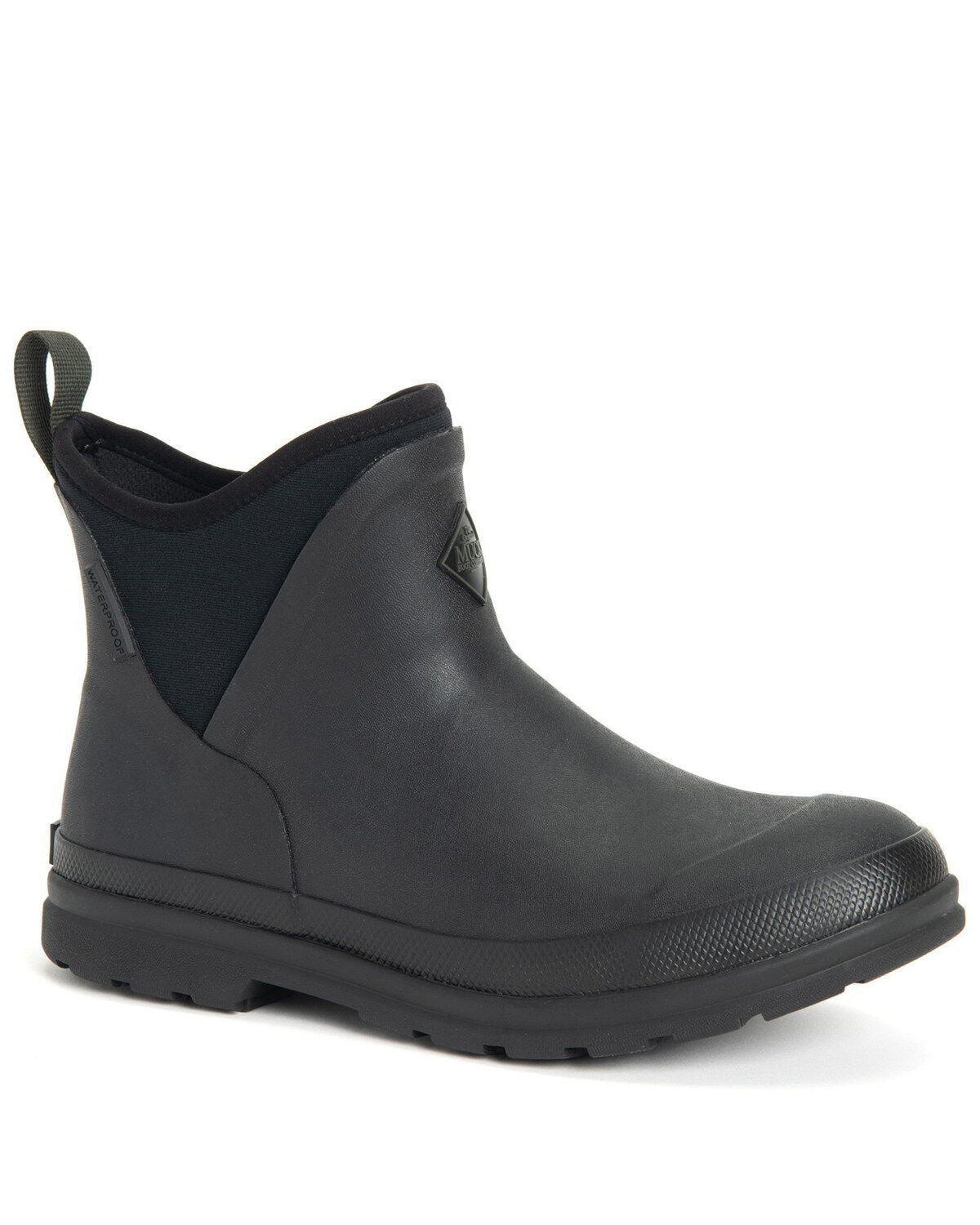
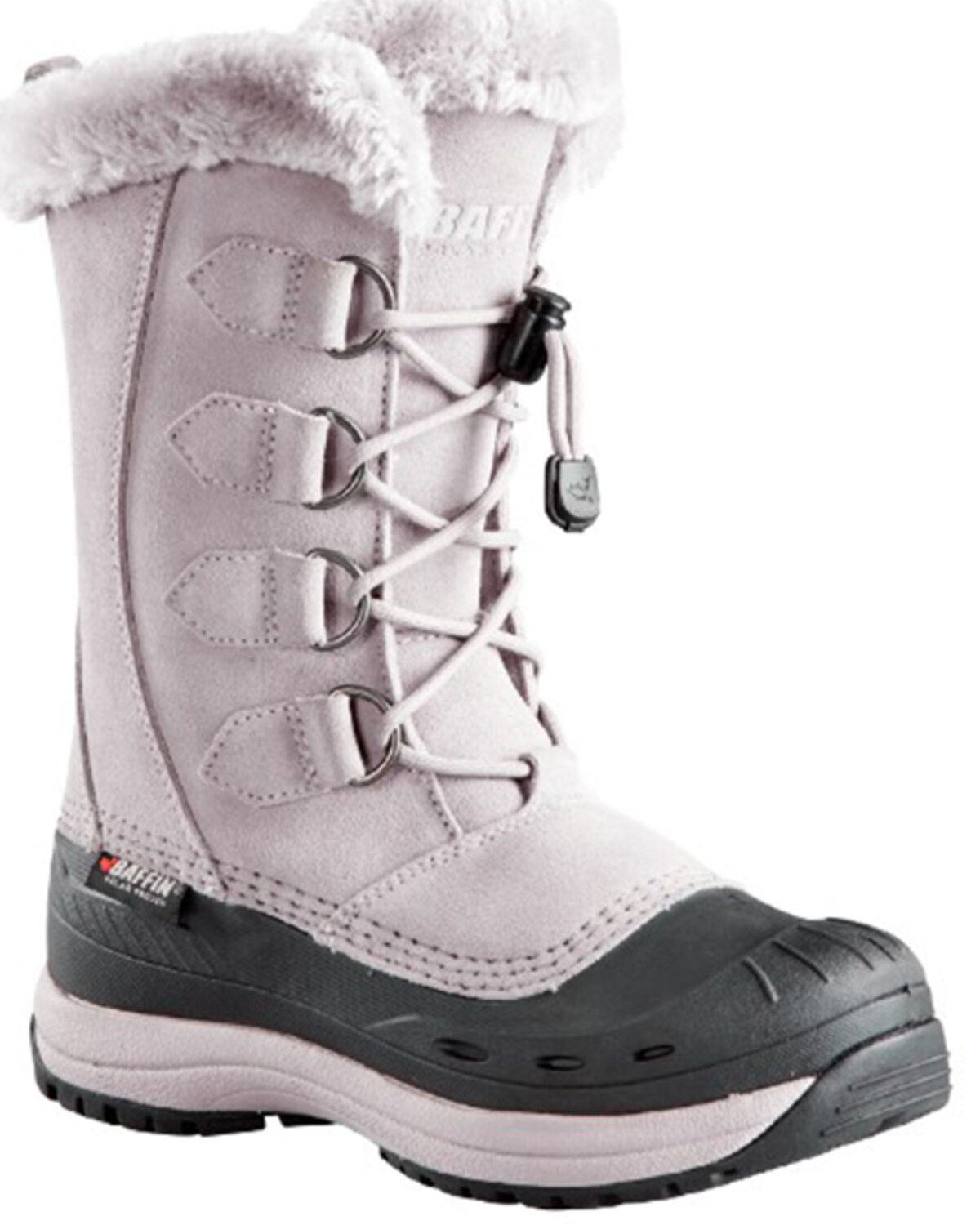
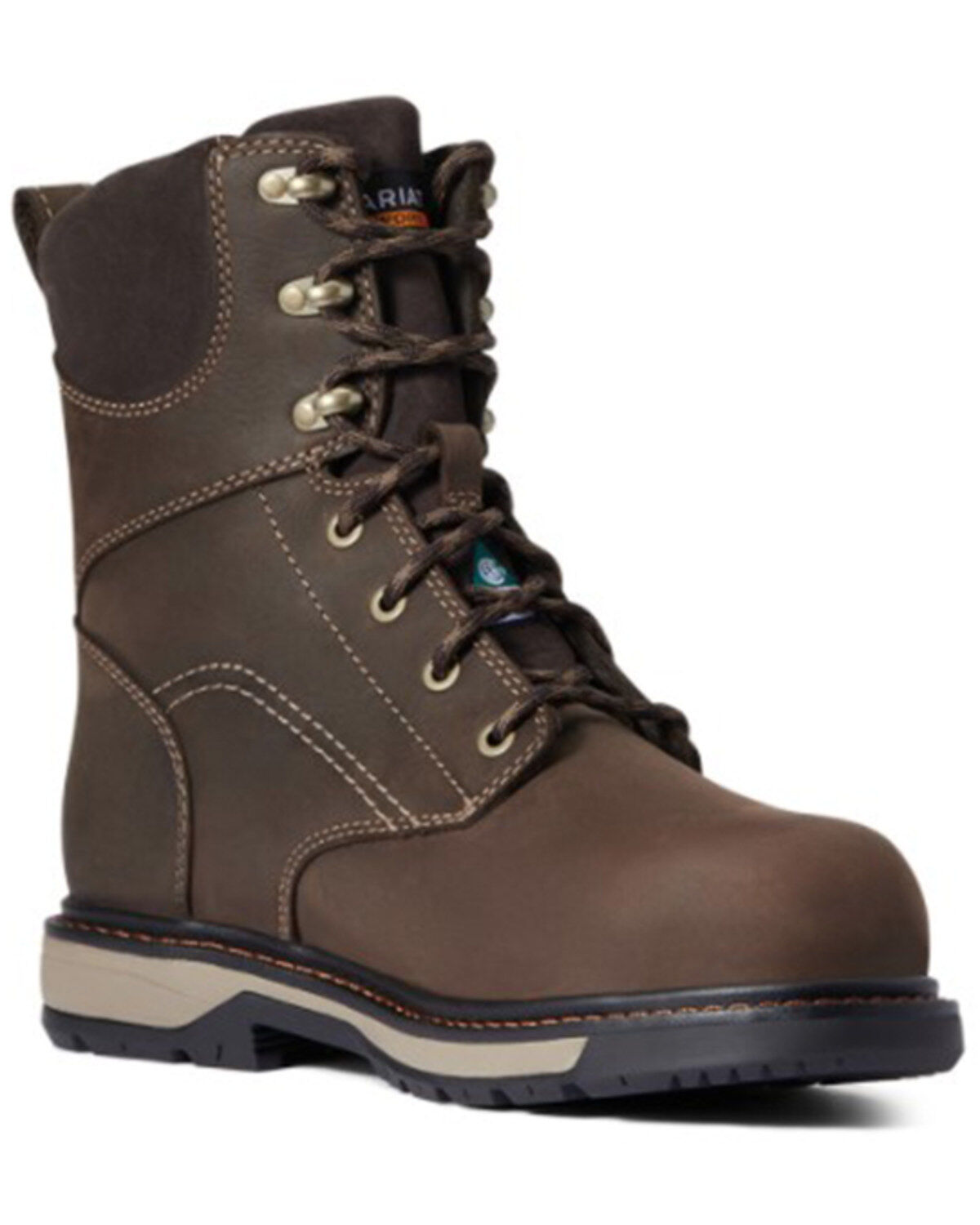
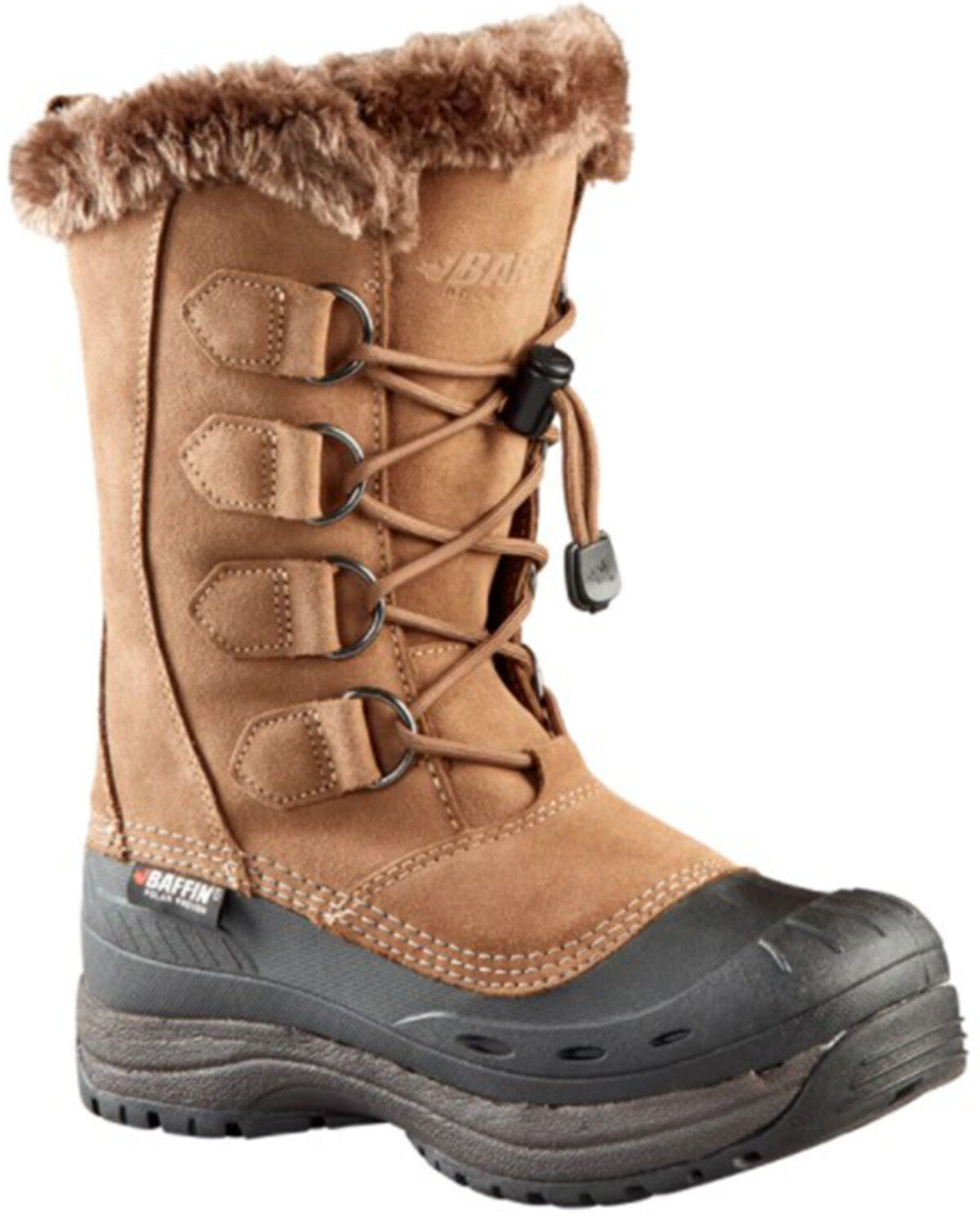
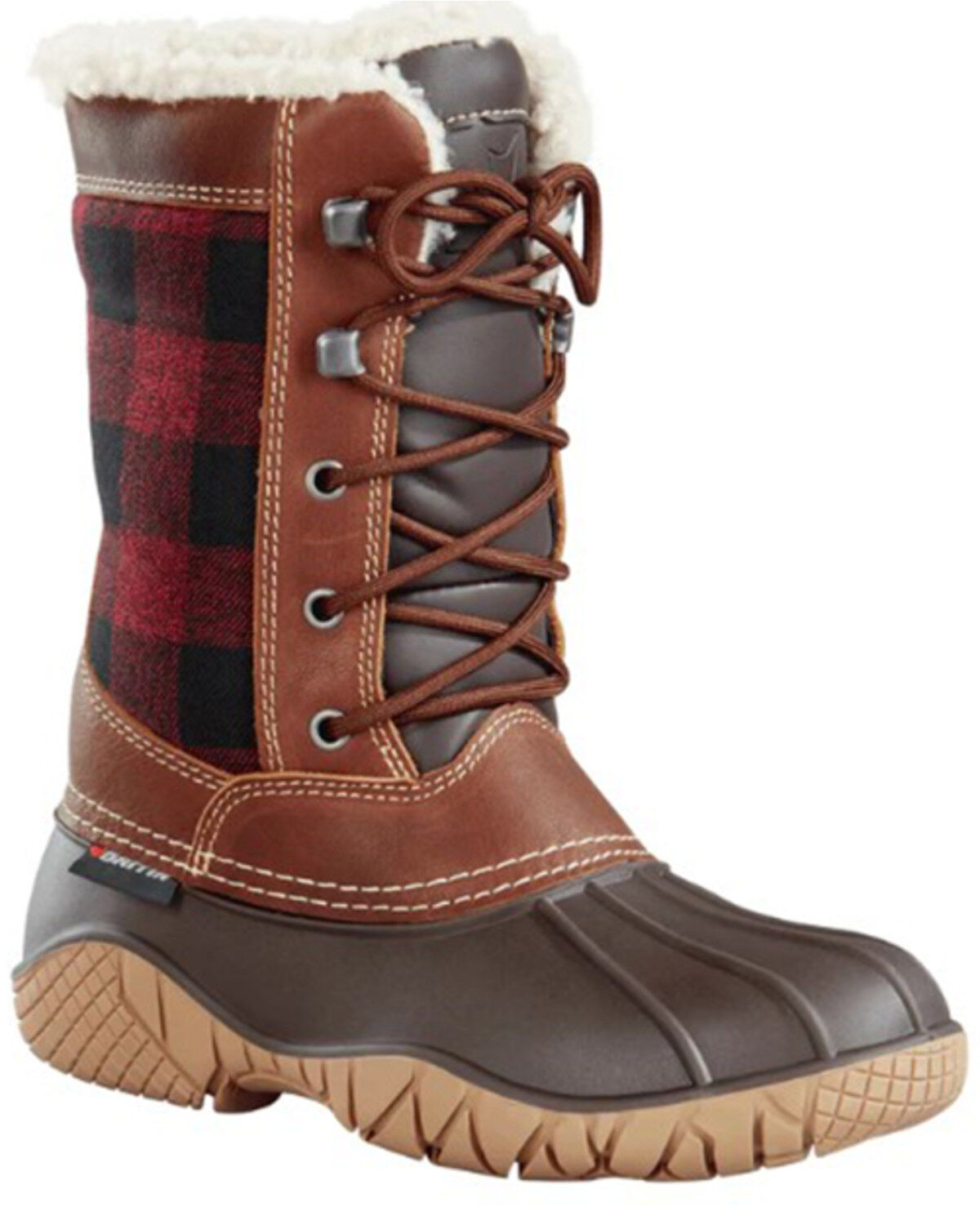
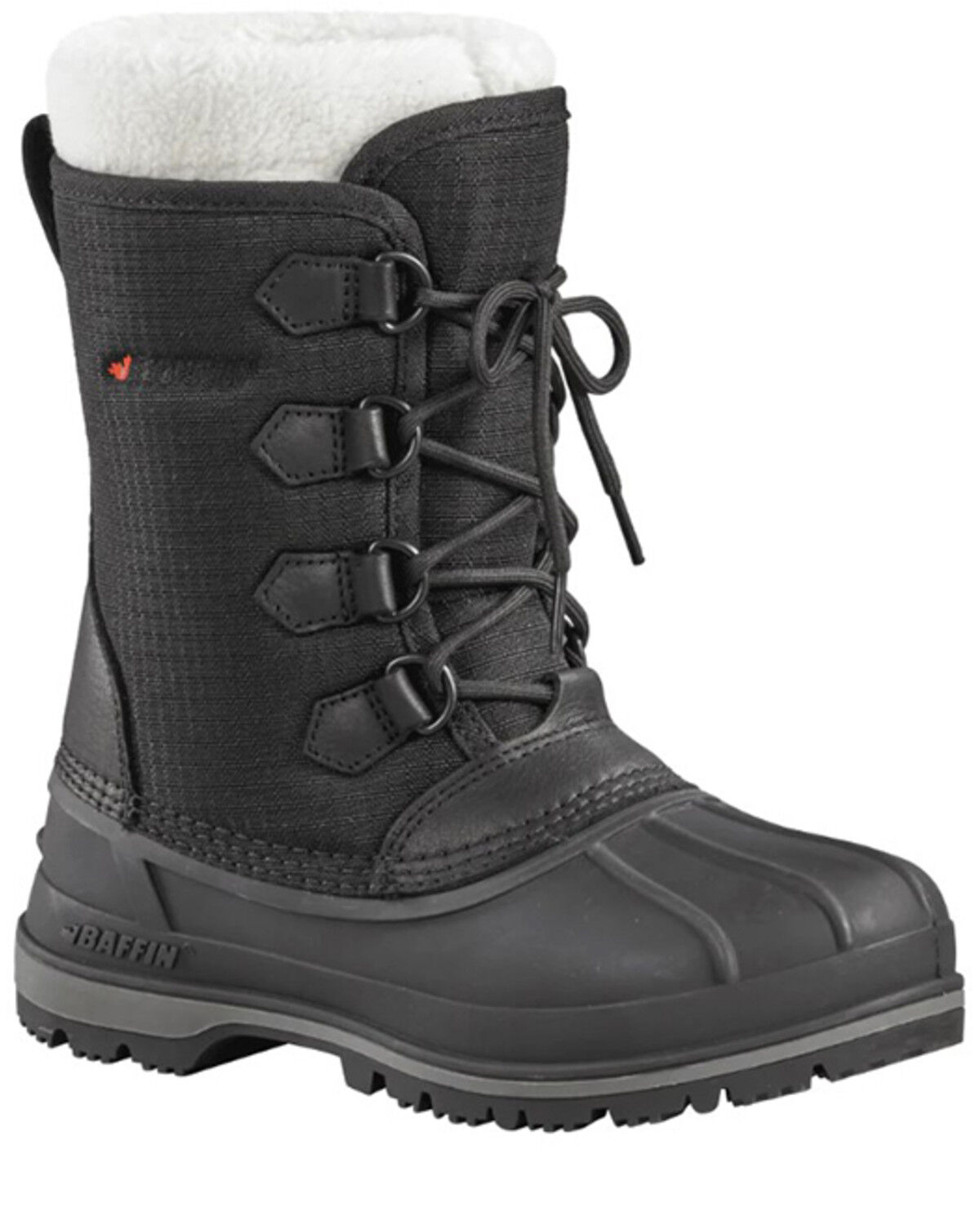
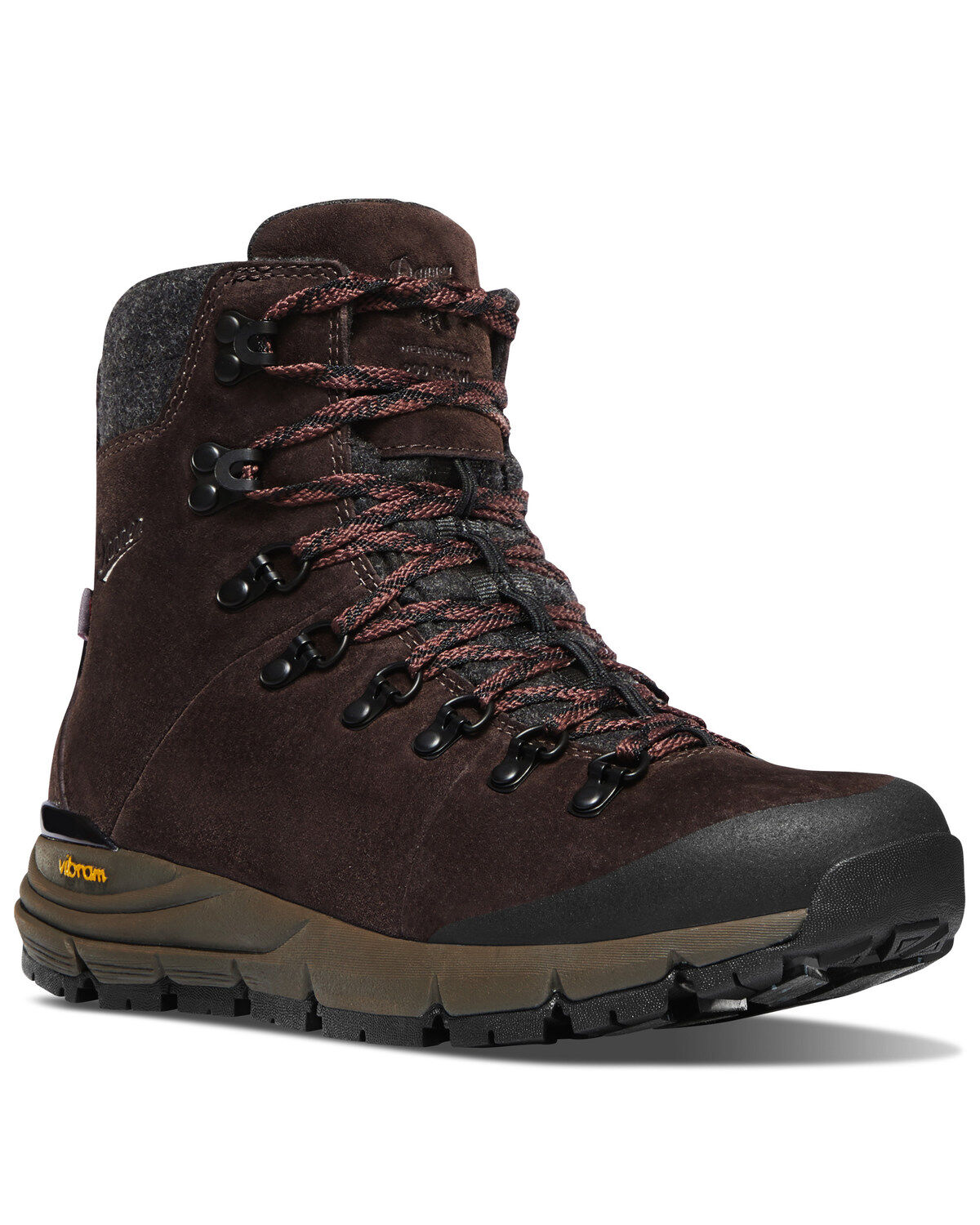
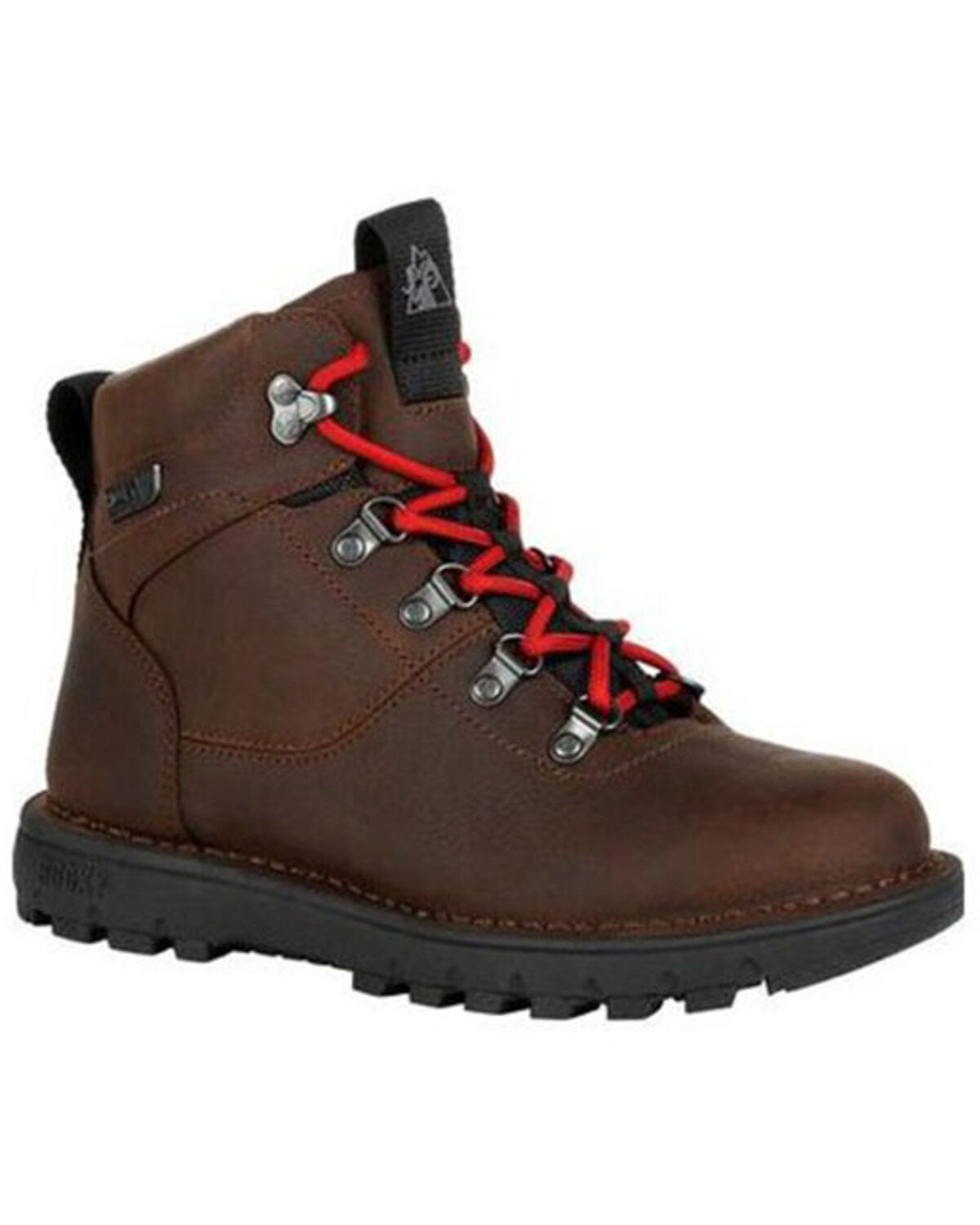
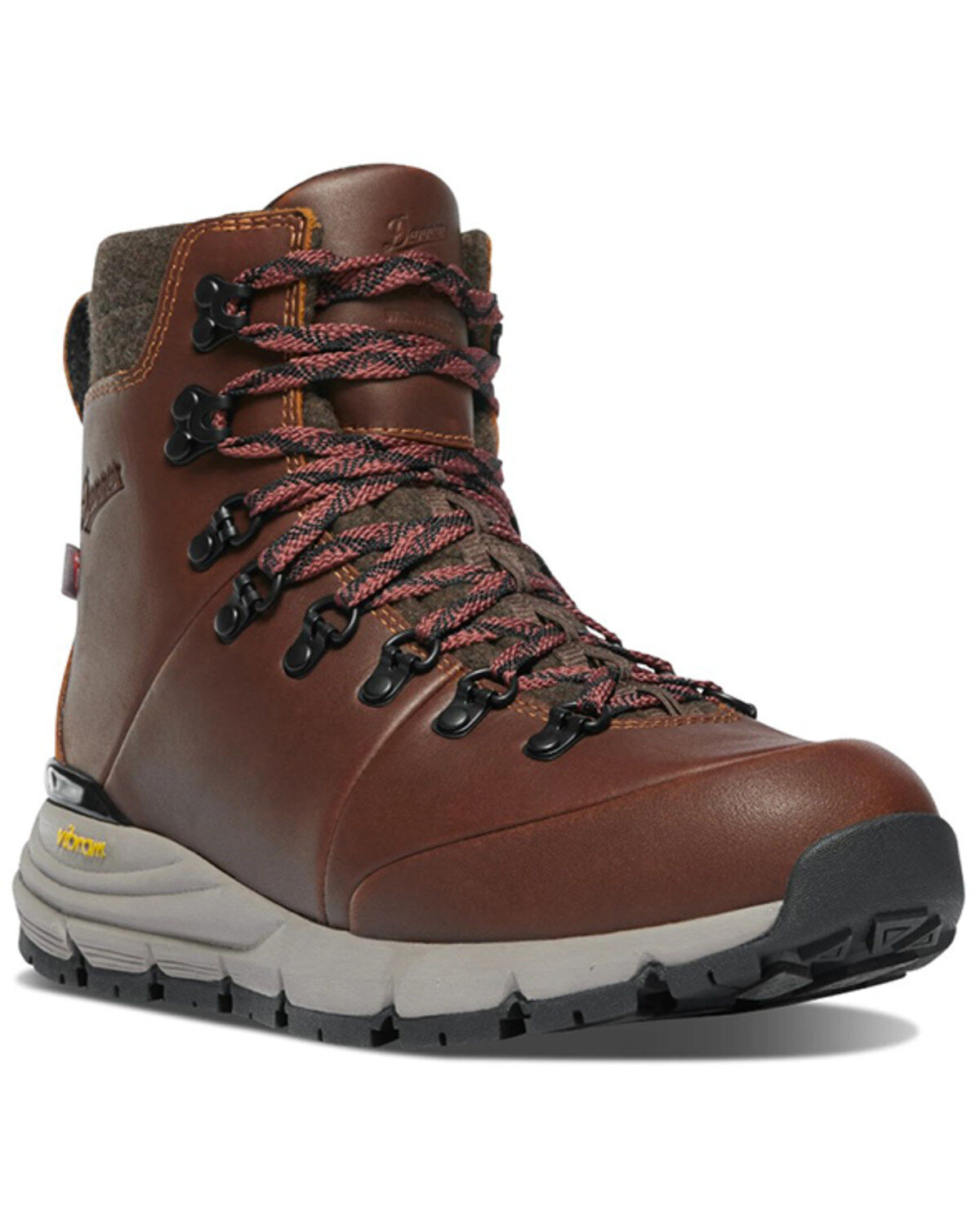
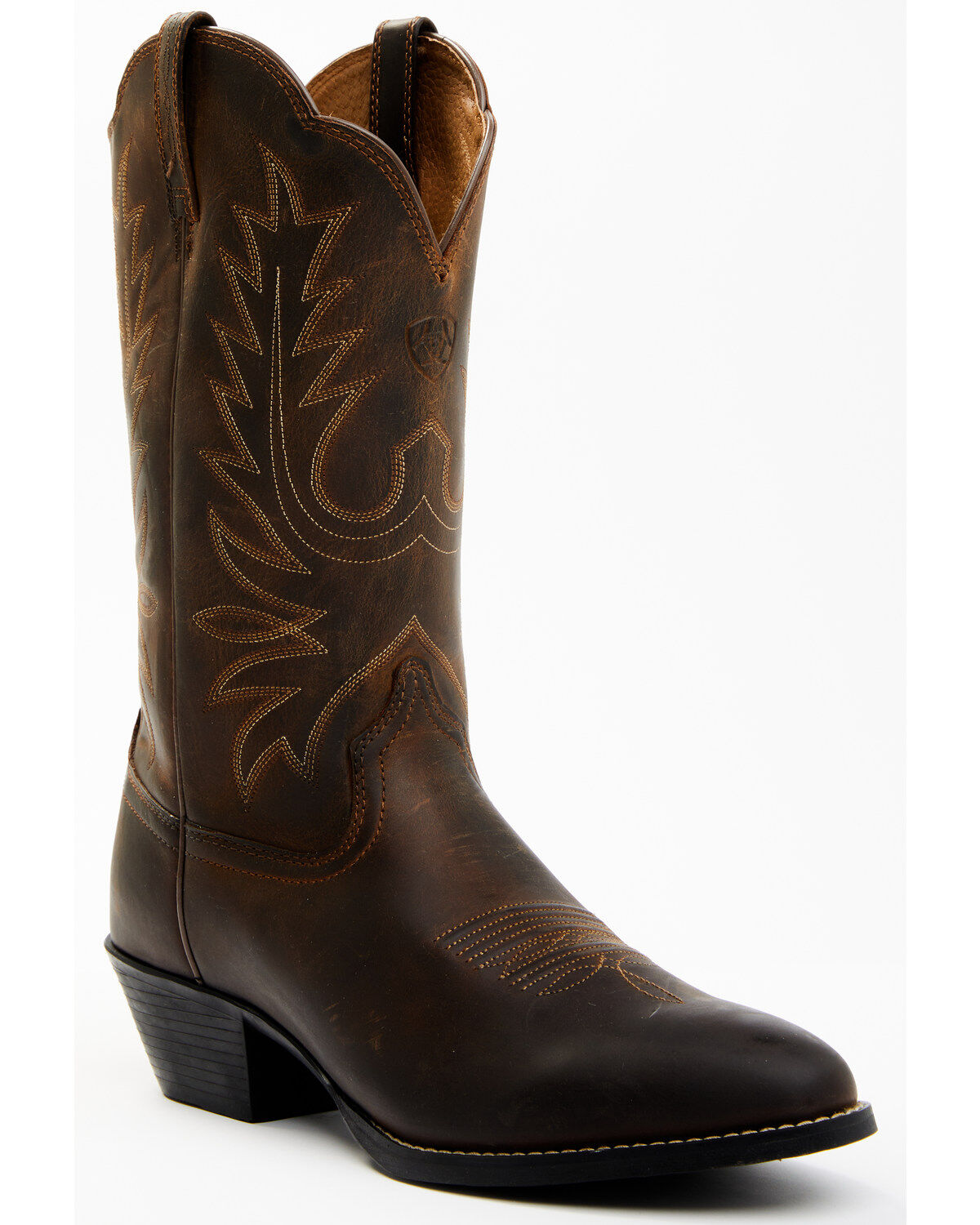
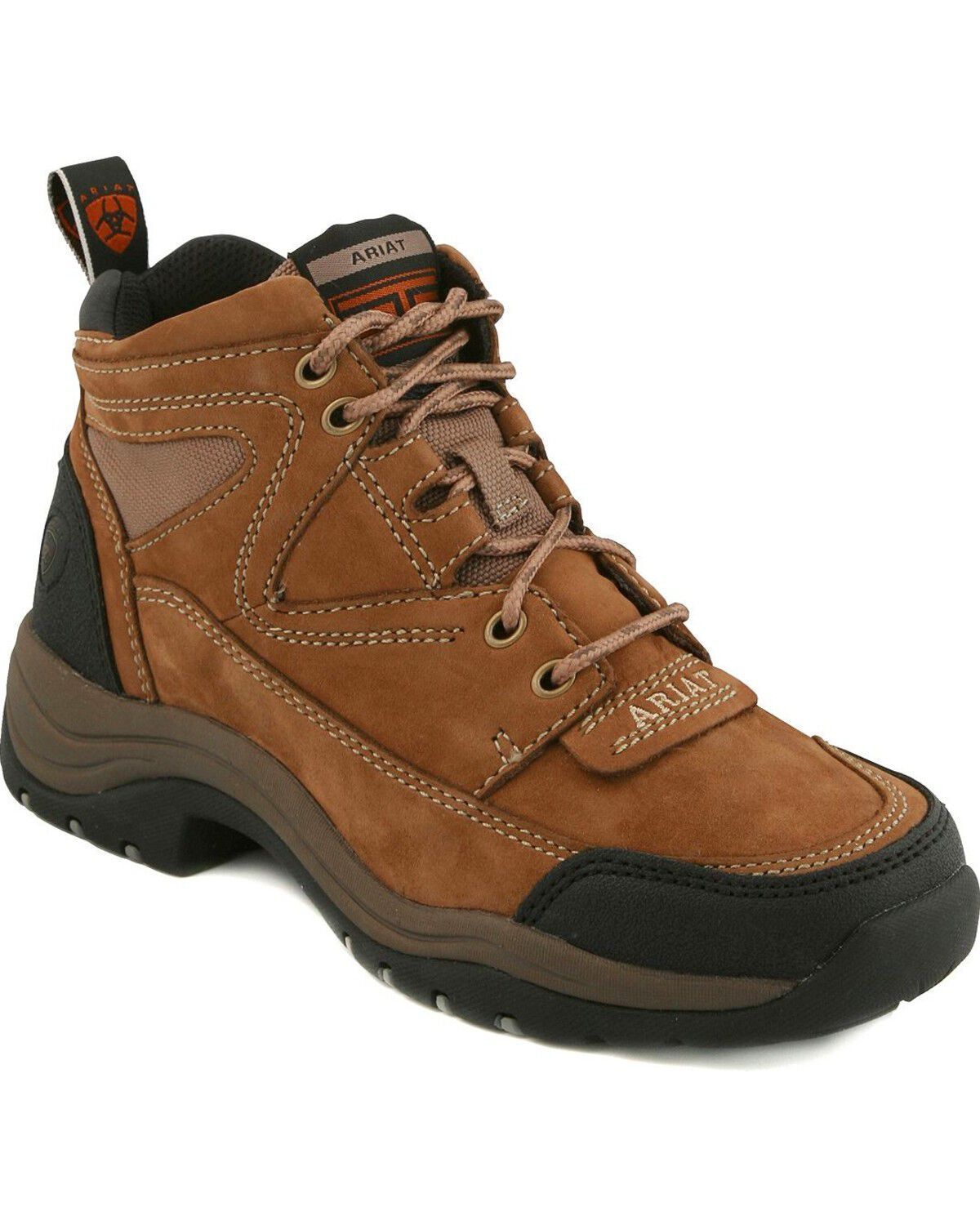
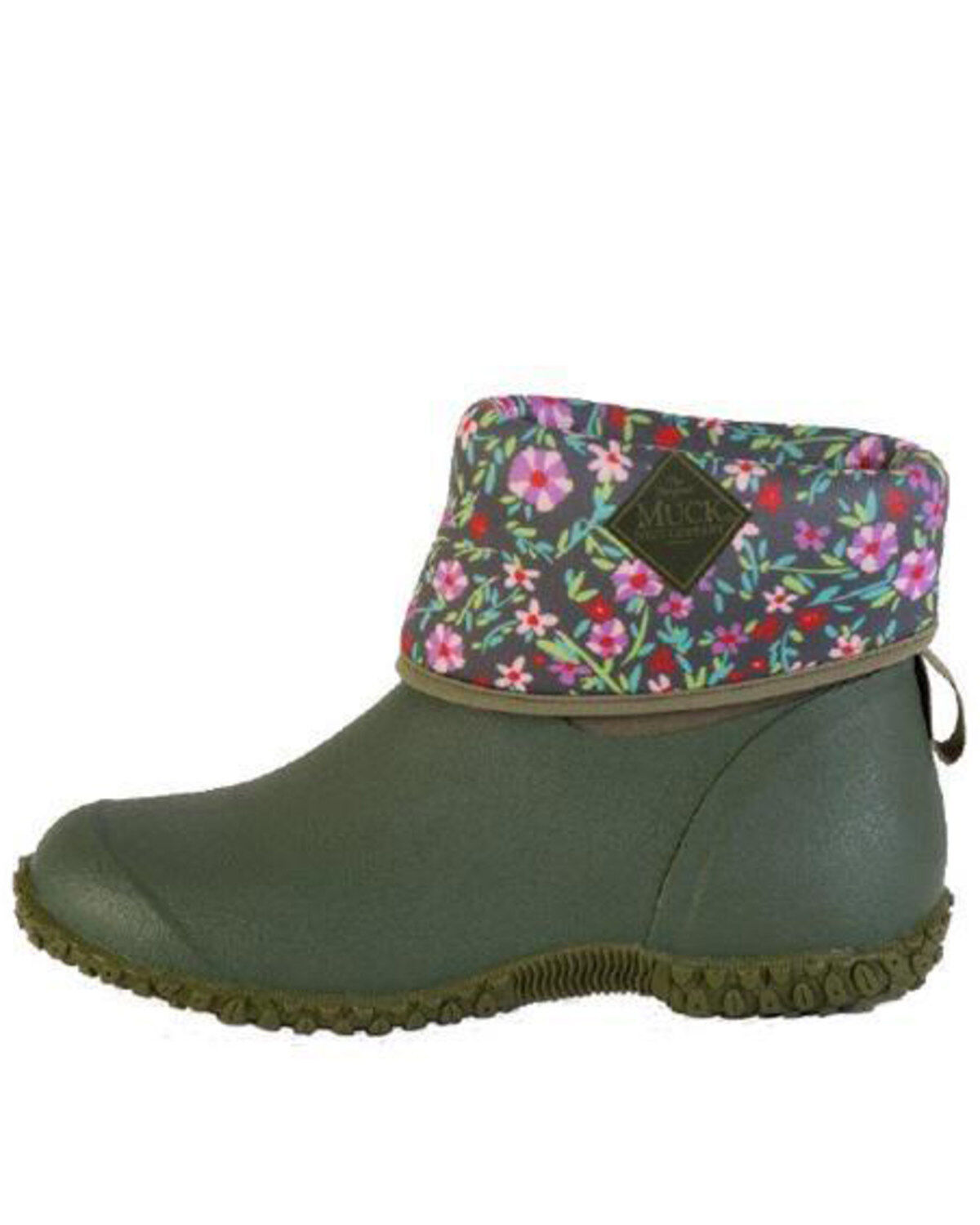
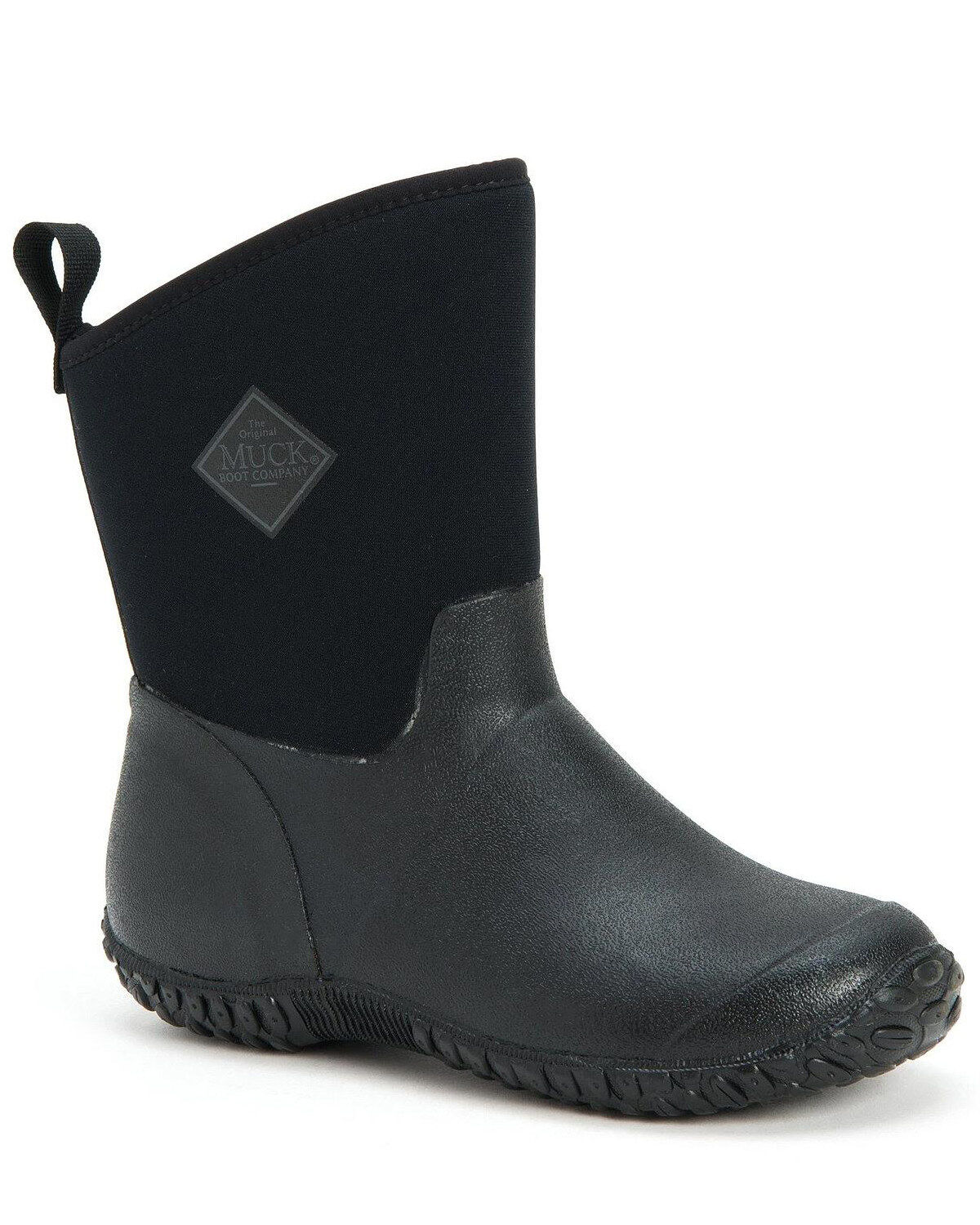
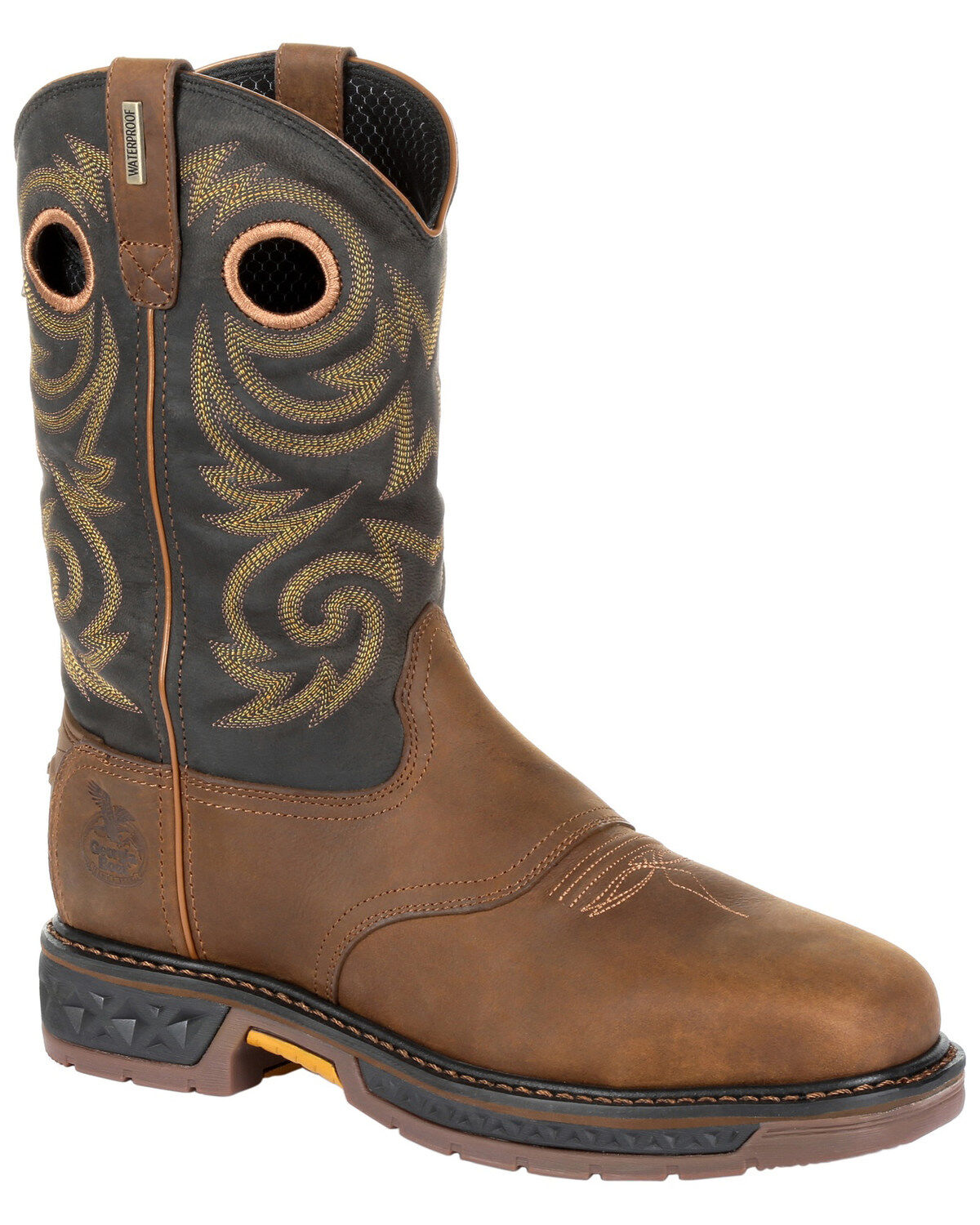
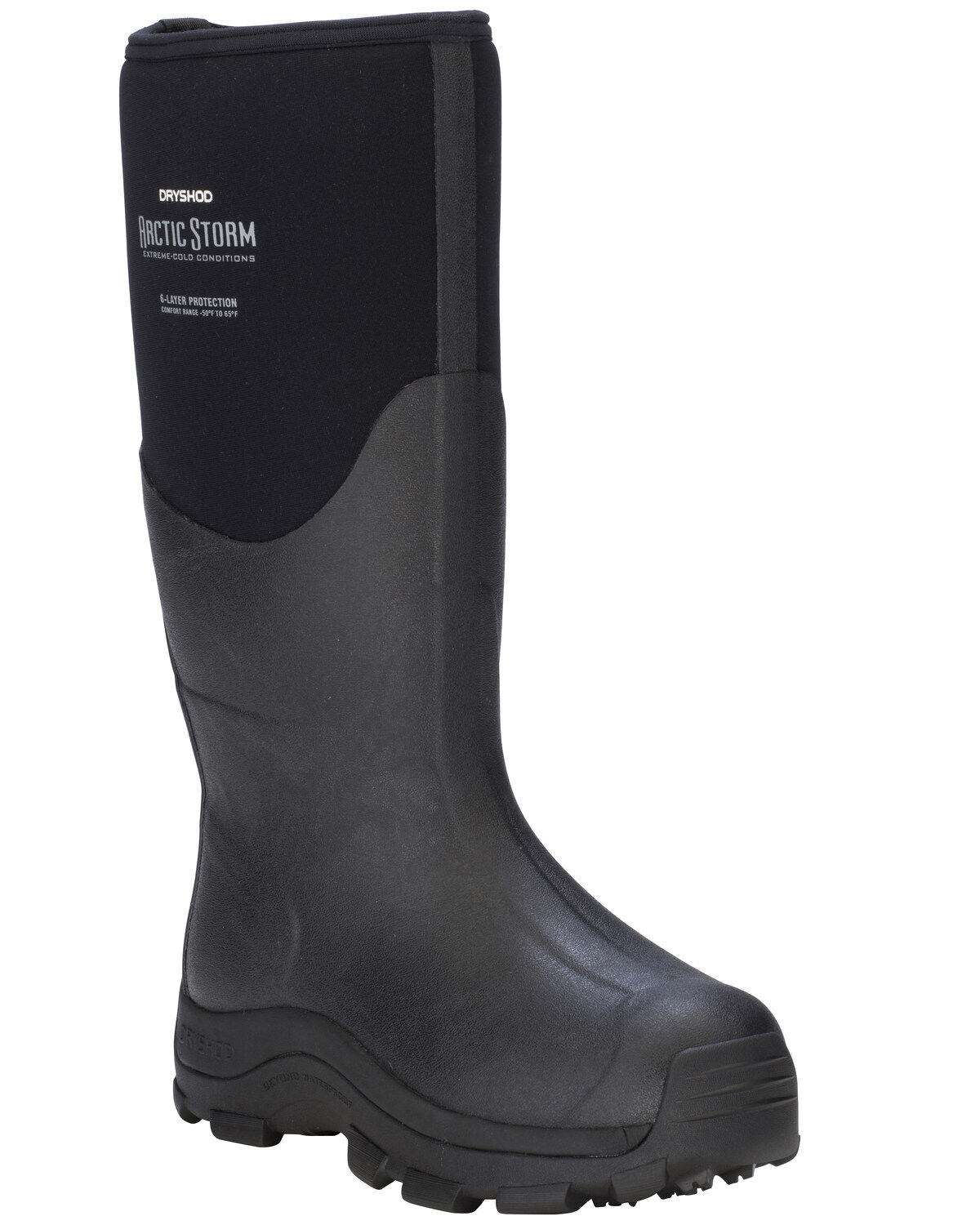
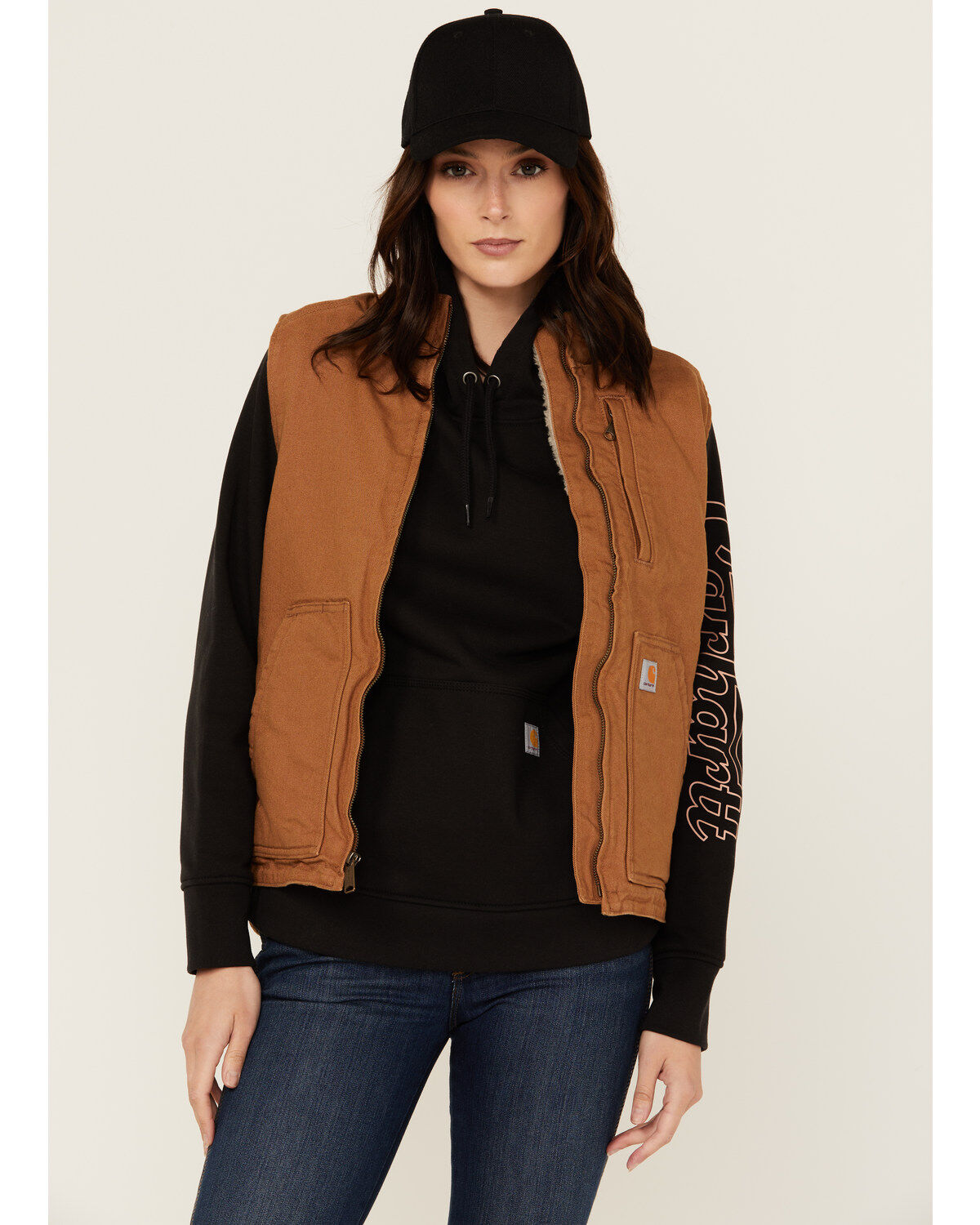
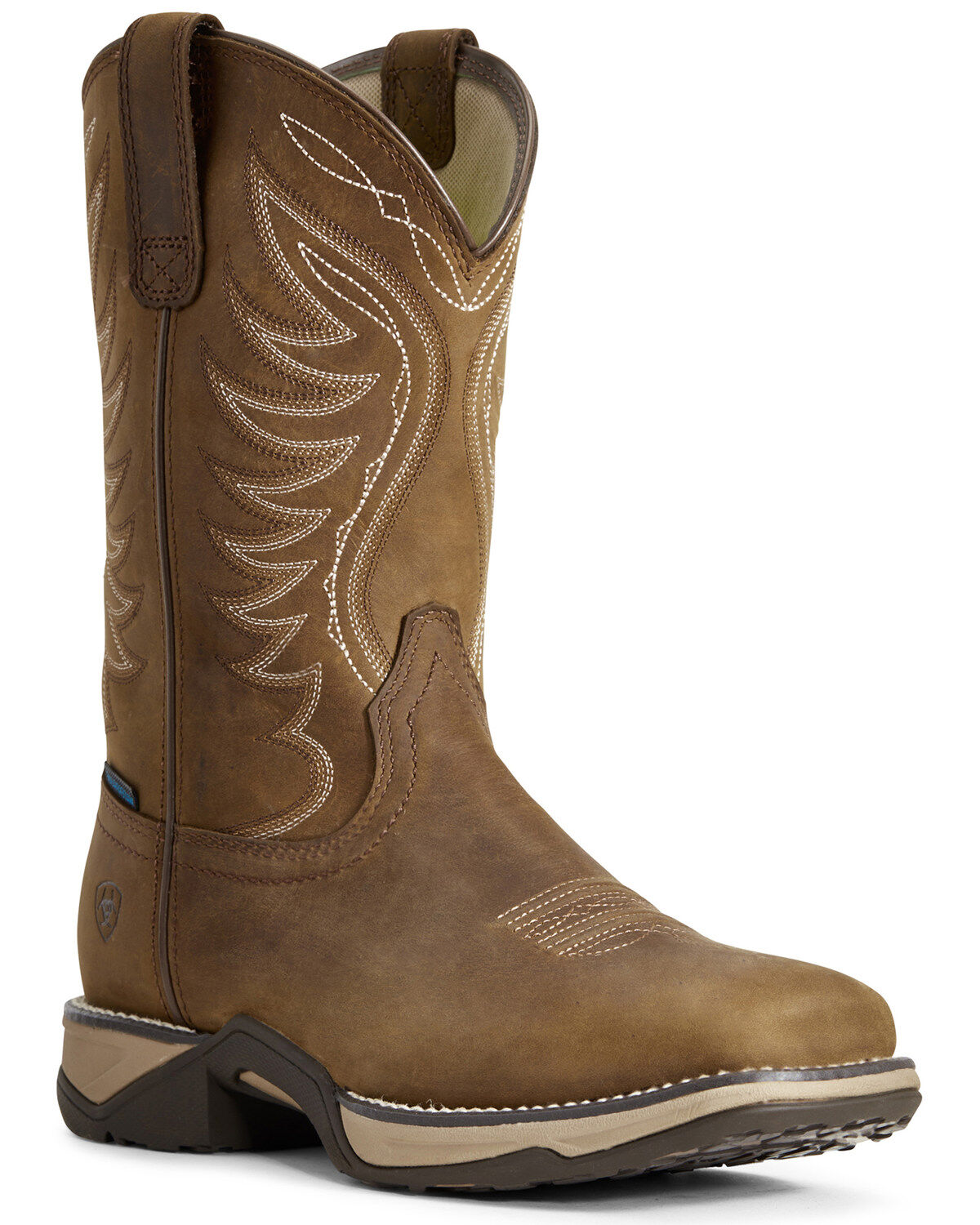
Step into warmth and style with this collection of women's insulated boots, perfect for those chilly days when you want to stay cozy without sacrificing... fashion. Whether you're navigating snowy streets or enjoying a brisk countryside walk, these boots are designed to keep your feet snug and comfortable. Explore a variety of designs that blend functionality with flair, offering everything from classic silhouettes to trendy twists.
Read more
Women's Insulated Boots
Step into warmth and style with this collection of women's insulated boots, perfect for those chilly days when you want to stay cozy without sacrificing... fashion. Whether you're navigating snowy streets or enjoying a brisk countryside walk, these boots are designed to keep your feet snug and comfortable. Explore a variety of designs that blend functionality with flair, offering everything from classic silhouettes to trendy twists.
Women's insulated boots bring warmth, support, and coverage to days spent on cold ground, whether that means feeding horses before daylight, walking a dog along a frosty road, or moving between a jobsite and a truck. Their defining feature is insulation that helps retain body heat without relying on thick socks alone. That insulation may take the form of synthetic fibers, felt liners, or foam-based materials, with each construction offering a different balance of warmth, weight, and flexibility. Synthetic insulation is often listed by weight in grams. A 200-gram designation generally points to less insulation than a 400-gram designation within a comparable construction, but neither number is a temperature guarantee. Activity level, sock choice, circulation, moisture, and time outdoors all affect how warm a boot feels. Someone walking steadily across a property may need less insulation than someone standing at a gate or watching an outdoor event for several hours. Heavier insulation can suit longer stretches of low activity, while a lighter build may feel more comfortable for frequent movement or trips indoors. The outsole and footbed also matter because cold pavement and frozen earth draw heat from beneath the foot. Insulation underfoot, not just around the ankle, is worth considering for stationary work. Shaft height adds another practical distinction: taller boots provide more coverage against snow and splashes, while shorter styles can offer easier movement and less bulk beneath pants. An insulated boot is not automatically waterproof, and a waterproof boot is not automatically insulated. Those are separate features with different jobs. For a broader look at footwear made for snow, slush, and cold-weather use, women's winter boots include styles with different approaches to coverage and warmth. The right balance depends on where the boots will go, how long they will stay on, and how much movement the day involves.
Materials and construction determine how insulated boots handle the ground underfoot and the moisture around them. Leather uppers offer structure and can hold up well to repeated wear when cleaned and conditioned appropriately. Textile panels can reduce weight and allow easier flex, while rubber lower sections provide a barrier against water where boots meet puddles, slush, or wet grass. Neoprene constructions combine flexible coverage with insulating properties, though overall warmth still depends on thickness and the rest of the boot. Waterproof membranes and sealed seams can help keep outside moisture from reaching the lining; water-resistant finishes provide a different level of protection and should not be treated as a substitute for waterproof construction. A gusseted tongue helps limit entry through the opening behind the laces, but water or snow can still enter over the top of the shaft. Breathability matters, too. Feet that get damp from perspiration can feel cold once movement stops, which makes moisture-managing socks and appropriate insulation important even when the upper keeps water out. Underneath, tread depth, lug spacing, and rubber formulation influence grip. Open tread patterns can release loose mud and snow more readily, while outsole compounds designed for cold conditions may remain more flexible as temperatures drop. No boot makes every icy surface safe, and packed snow over smooth pavement calls for caution regardless of tread. For chores around a barn, a sole that sheds debris and a lower section that wipes clean can be more useful than extra shaft height alone. For long walks, flex through the forefoot, secure heel support, and manageable weight become more noticeable with every step. Insulated work boots may also carry protective features, but insulation does not establish safety compliance. Toe protection, electrical hazard protection, and slip-resistance claims should be checked against the demands of the workplace and the boot's stated specifications. Reinforced wear areas, sound stitching, and a firm connection between the upper and sole are practical construction details for repeated use.
Fit has a direct effect on warmth and all-day comfort. Women's insulated boots should hold the heel securely while leaving enough room for toes to move without pressing against the front or top of the boot. A tight fit can compress insulation and restrict circulation; an overly loose fit can create rubbing and make footing less secure. Trying boots with the socks intended for daily wear gives a more useful sense of fit than trying them with a thin pair and planning to add thickness later. Wool-blend or synthetic socks that manage moisture are often better suited to cold-weather activity than cotton socks that stay damp. Extra socks are not always the answer, especially if a second pair crowds the toe box. Lace-up designs allow adjustment across the instep and ankle, while pull-on styles depend more on the shape of the shaft, heel, and foot opening for a secure feel. Calf room matters with taller boots, particularly when pants will be tucked inside. For someone receiving insulated boots as a gift, knowing their usual size, width, sock preference, and daily routine is more useful than choosing by appearance alone. Care should match the materials. Removing mud and grit before they dry into seams helps reduce abrasion, and wiping away road salt promptly can help protect leather and finishes. Boots should dry away from direct heat, which can damage leather, adhesives, and other components. Removable liners and footbeds can be taken out for drying when the care instructions permit it. Leather conditioner and waterproofing treatments should be compatible with the upper rather than applied indiscriminately. Before storage, boots need to be clean and fully dry. Regular checks for worn tread, separated seams, and damaged linings help identify problems before a long day outdoors. With a fit that allows movement, insulation suited to the task, and care matched to the construction, these boots serve women whose routines do not stop at the edge of a warm building.