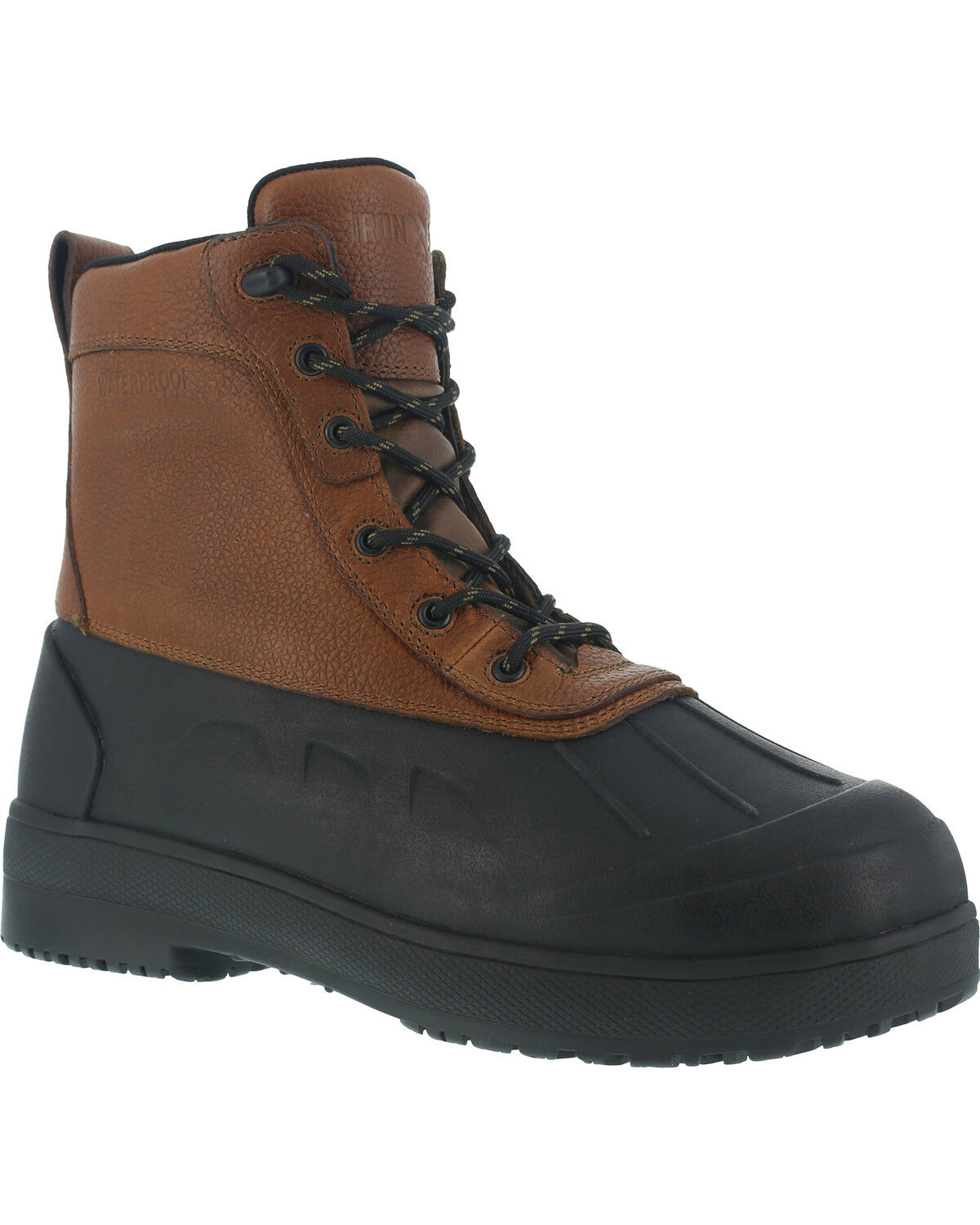
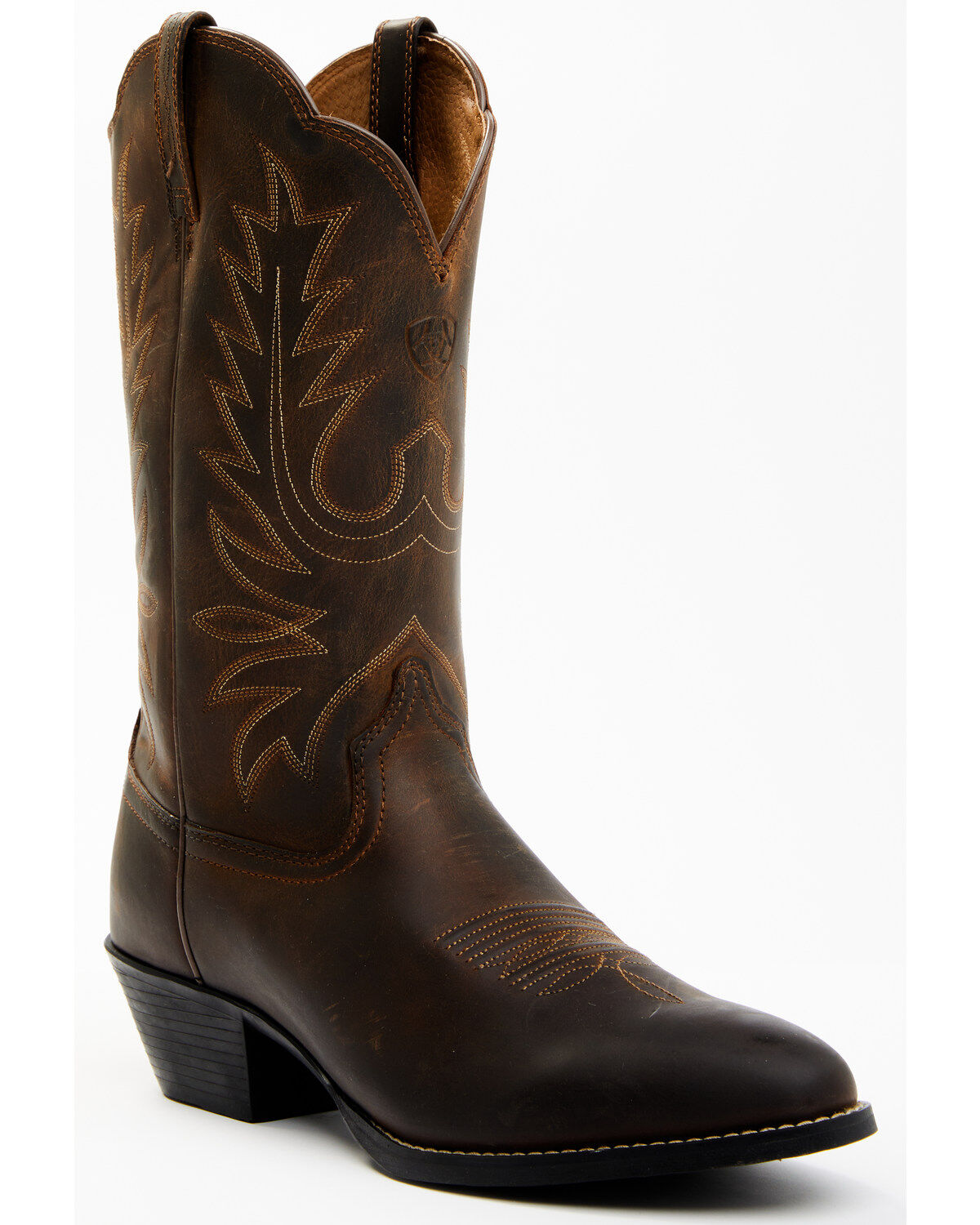
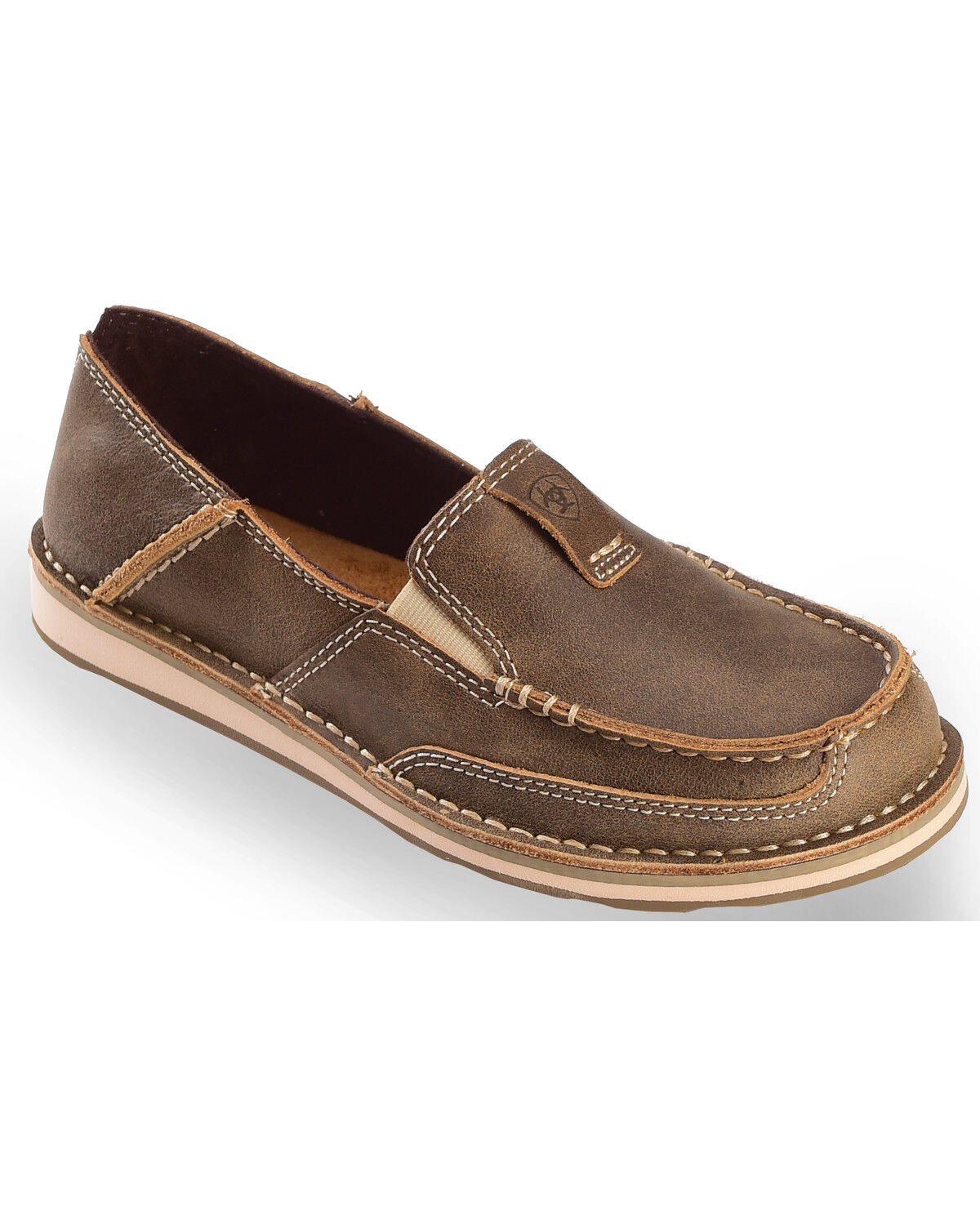
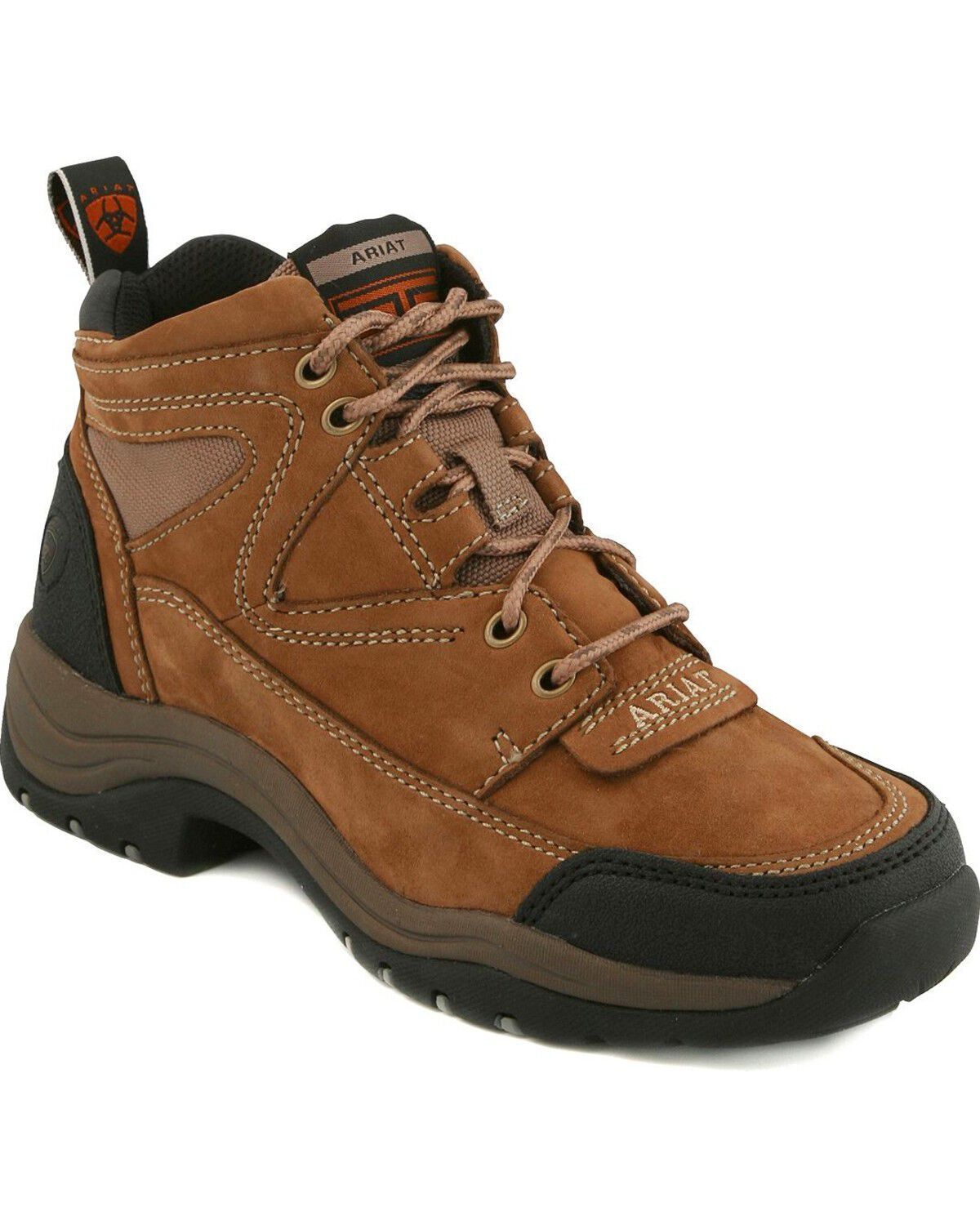
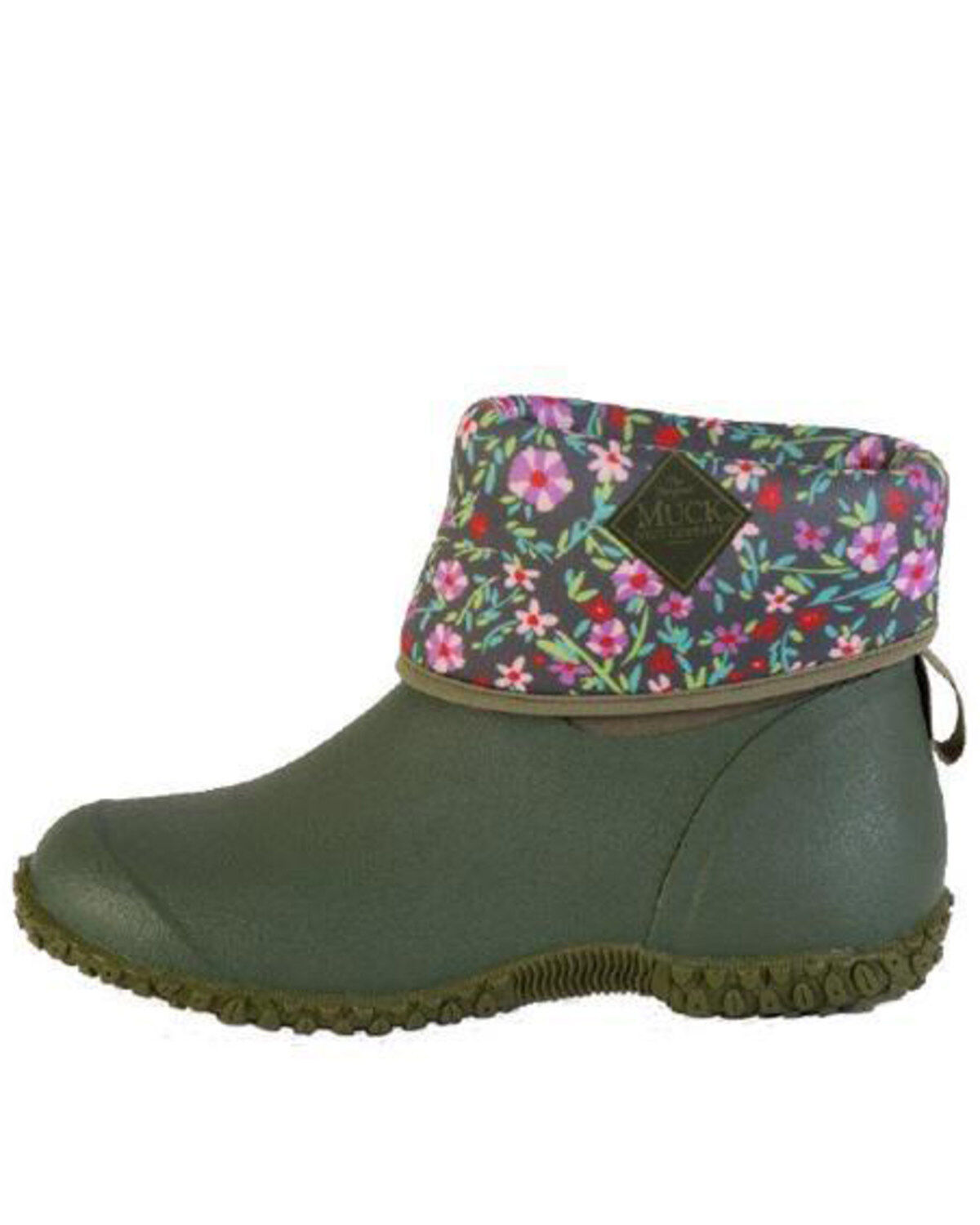
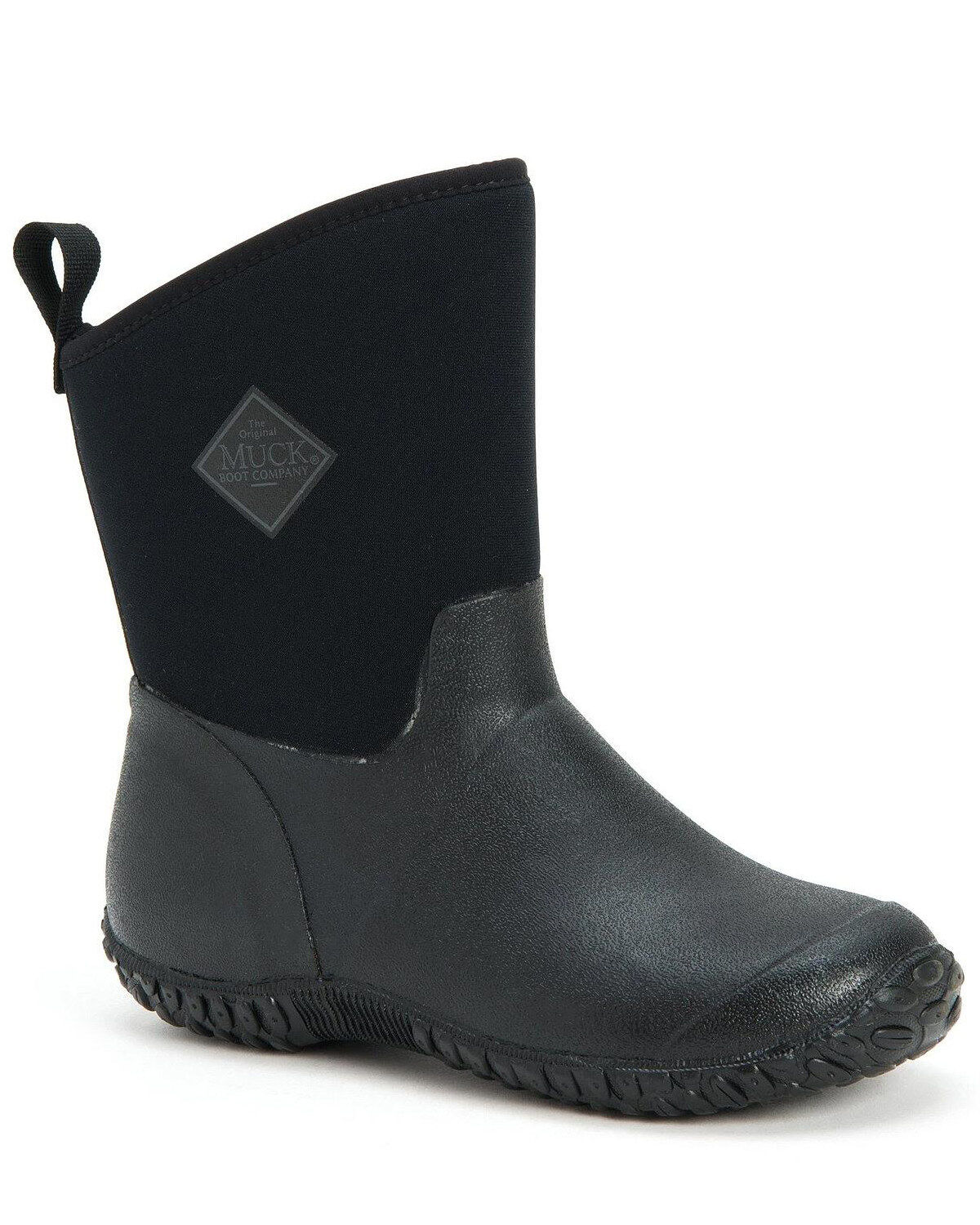
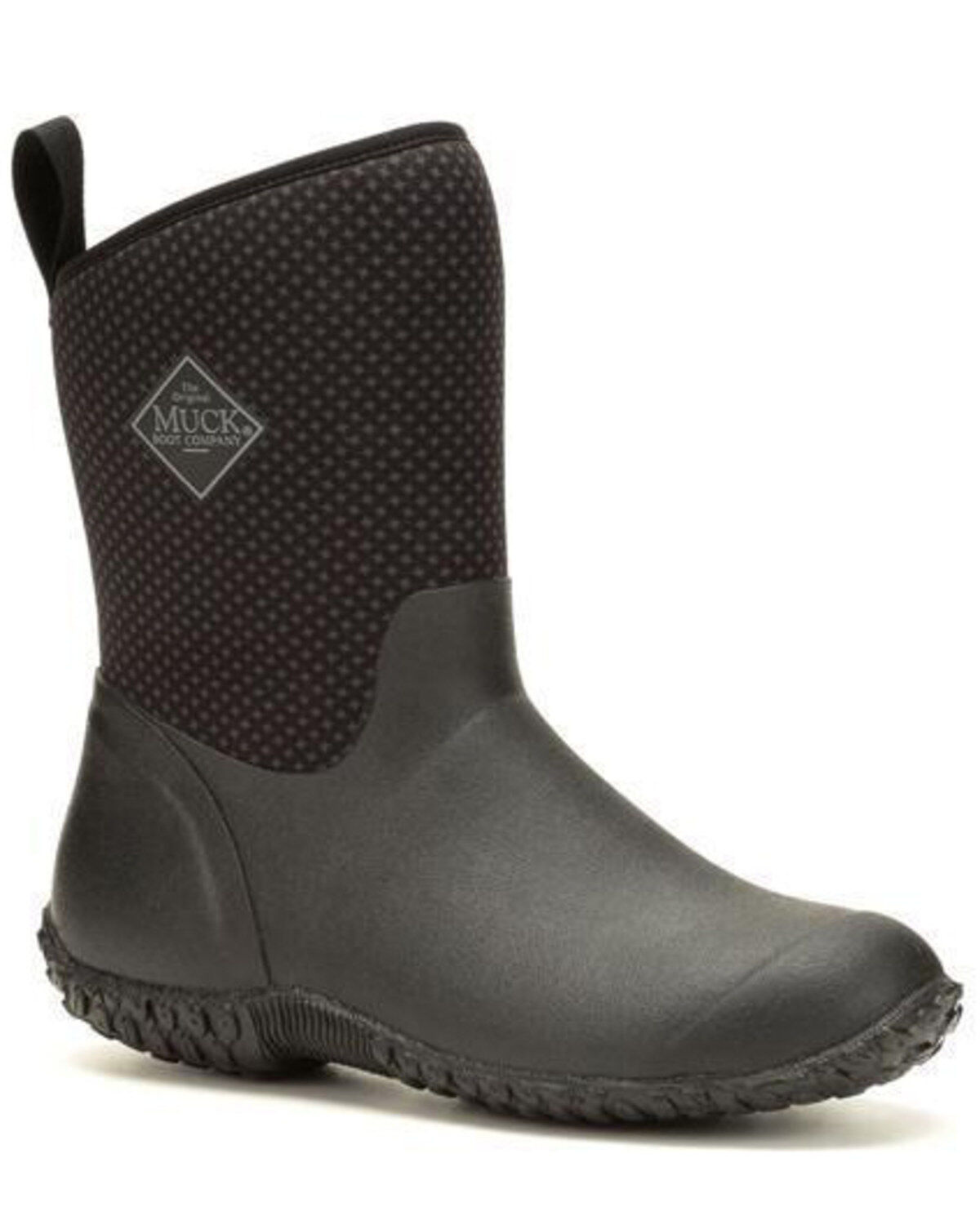
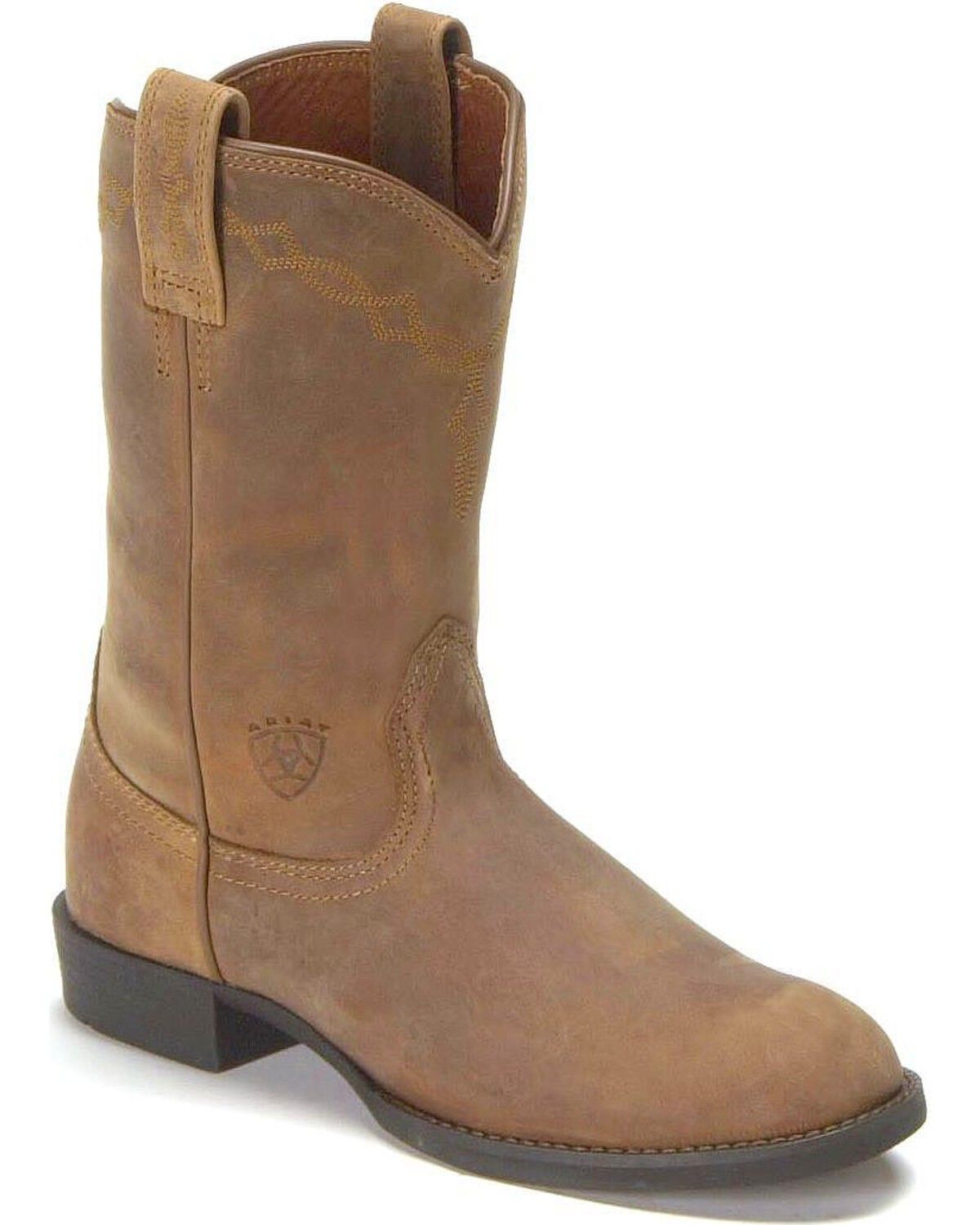
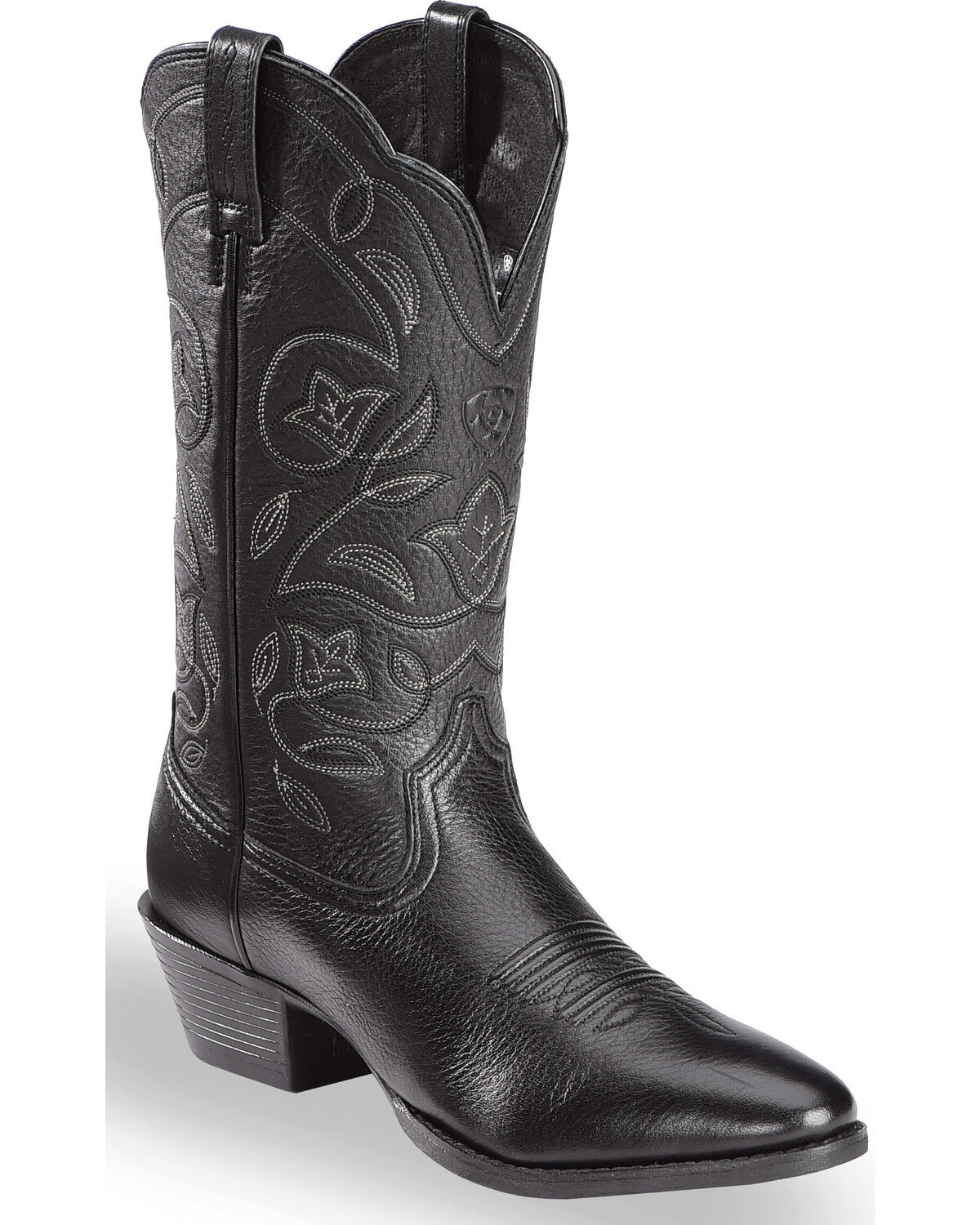
Women's Slip Resistant Steel Toe Boots

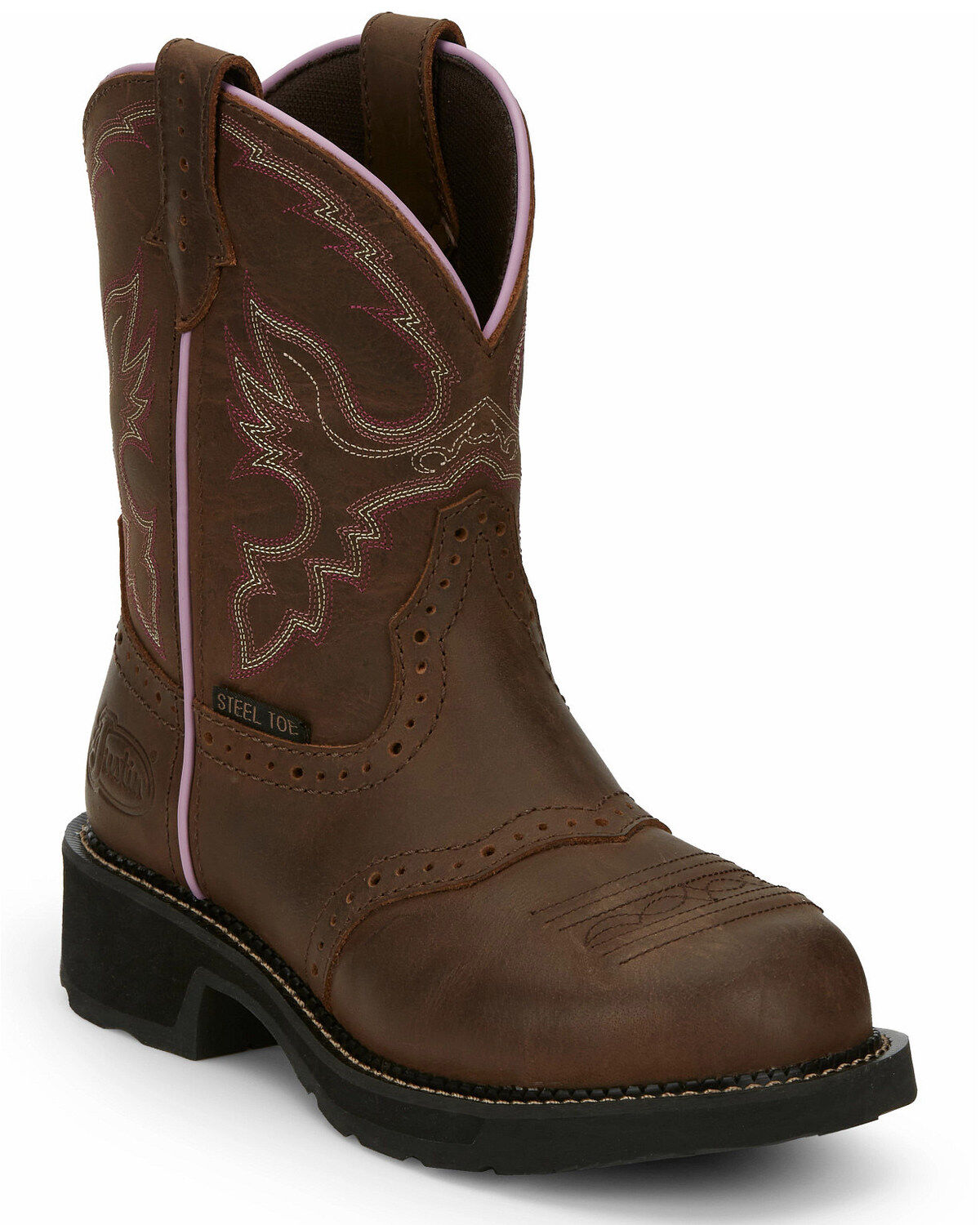
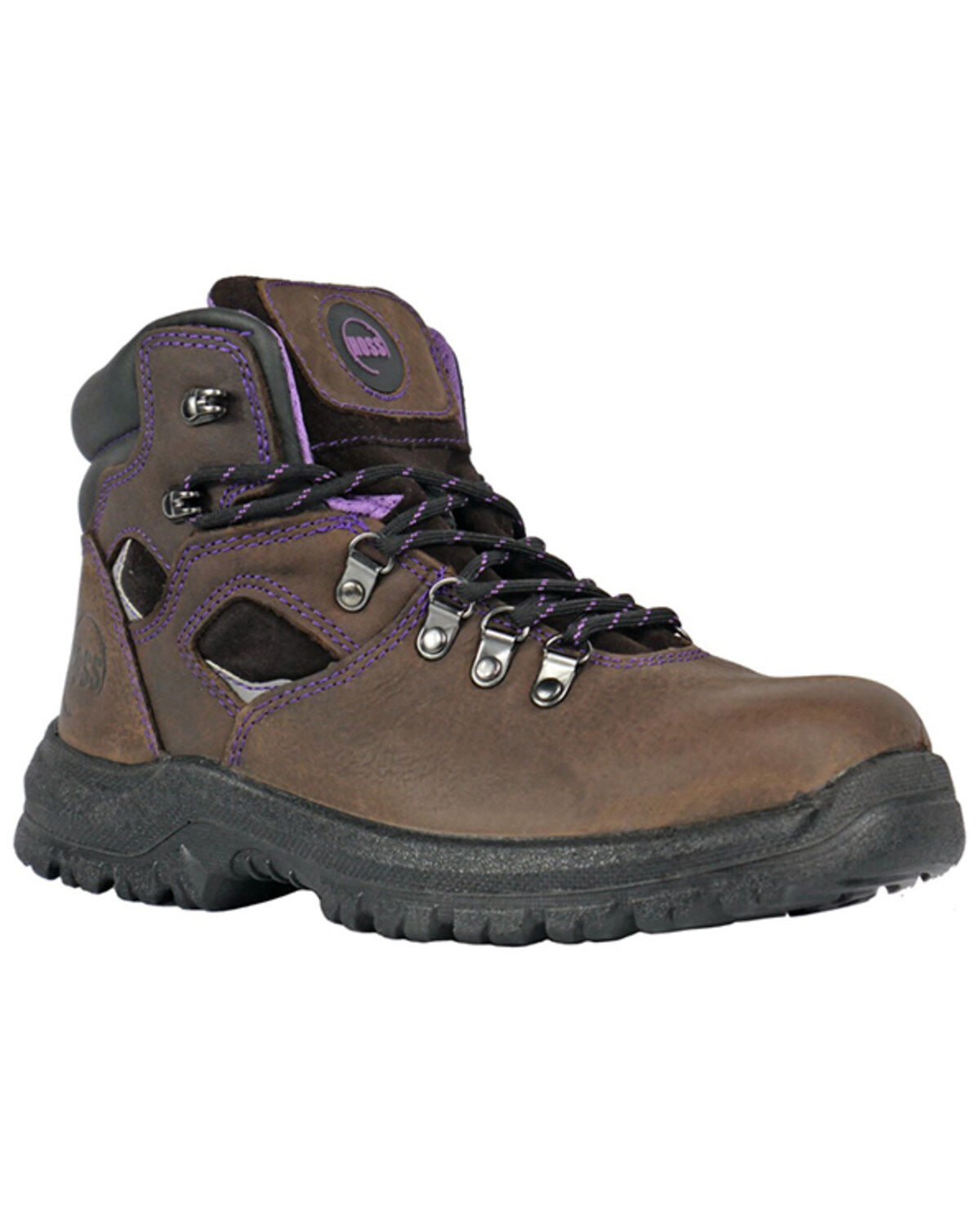
Shop women’s slip-resistant steel toe boots built for work that calls for protective footwear and reliable traction. Browse women’s work boots with steel toe protection, and check each pair’s fit, outsole details, and safety ratings against your job’s requirements.
Read More

Shop Your Store: Shop Your Store: Find a Store

(Turn off Shop Your Store to see all items)

(Turn off Shop Your Store to see all items)

close
  • Recommended
  • Lowest Price
  • Highest Price
Skip pass products

End of products

Women's Slip Resistant Steel Toe Boots

Women’s slip-resistant steel toe boots combine protective toe caps with outsoles designed to help maintain traction on workplace surfaces. They suit jobs where dropped tools, moving materials, and slick floors can be part of the workday, including warehouse operations, manufacturing, maintenance, and some construction and agricultural work. A steel toe cap protects the front of the foot against specified impact and compression hazards when the footwear meets the applicable safety standard. Slip resistance addresses a different concern: how the outsole grips the surface underfoot. Neither feature replaces the other, and a steel toe alone does not mean a boot has a slip-resistant sole. For jobs with defined footwear requirements, the boot’s safety label and manufacturer specifications should match the employer’s requirements. ASTM F2413 markings identify protective footwear that meets specified performance requirements, with additional markings identifying particular protections. Electrical hazard protection is a separate feature, not something every steel toe boot provides. Where specified, it supplies secondary protection under certain dry conditions and does not replace other required electrical safety measures. Slip resistance also depends on more than deep tread. Outsole material, tread pattern, floor finish, contaminants, and wear all affect traction. A sole that performs well on a clean warehouse floor may behave differently around oil, soap, or loose debris. Oil resistance describes a material’s ability to withstand exposure to oil; it does not, by itself, establish grip on an oily floor. No work boot prevents every slip, so clear walkways and proper floor maintenance still matter. For someone moving cartons off a pallet, working beside a production line, or carrying equipment through a service area, the right combination of protection and traction starts with the actual hazards of that job. The broader selection of Women's Steel Toe Boots provides another way to browse protective footwear, while slip-resistant styles address the added need for traction. The distinction matters when a workplace requires both features rather than protective toes alone.

Materials and construction shape how women’s slip-resistant steel toe work boots feel through repeated bending, walking, and contact with rough surfaces. Full-grain leather is valued for its strength and ability to develop flexibility with wear, although its performance depends on thickness, treatment, and care. Textile panels can reduce bulk and allow airflow, while reinforced areas around the toe and heel help handle abrasion from pallets, steps, and equipment. Exposed stitching, eyelets, and the connection between the upper and sole deserve attention because those areas take repeated strain. Welted construction can permit sole replacement in some designs, while cemented construction bonds the sole to the upper and can support a lighter, more flexible build. Neither construction method guarantees a longer service life; materials, workmanship, and working conditions all play a role. Underfoot, cushioning softens the feel of each step, while a supportive footbed helps distribute pressure. A shank can add structure through the midfoot, which may be useful when work involves uneven footing or time on ladder rungs. Ladder work still calls for footwear suited to the employer’s requirements and the equipment in use. Removable footbeds make it easier to replace worn cushioning or accommodate an appropriate insert, provided the change does not crowd the foot or conflict with the manufacturer’s guidance. Boot weight matters during frequent walking, but the lightest feel is not always the best match for rough service. Taller shafts provide additional coverage, while lower profiles may allow greater freedom around the ankle. Lace-up boots offer adjustment across the instep and ankle; pull-on styles depend more heavily on the shape of the boot for a secure fit. A worker who repeatedly kneels to reach low shelving may value forefoot flexibility and protection against toe abrasion. Someone stationed on concrete may place greater importance on cushioning and a stable base. Useful features earn their place by supporting the work, not simply by adding bulk.

Fit is especially important in women’s steel toe boots because the protective cap will not stretch to create extra room. The leather around it may soften, but persistent pressure against the toes is not a break-in issue to ignore. Footwear shaped on a women’s last can offer proportions suited to some women’s feet, though heel width, instep height, and toe shape still vary from person to person. A sound fit leaves space to move the toes without letting the foot slide forward into the cap during a stop or a step down. The heel should feel held without painful rubbing, and the widest part of the foot should align comfortably with the widest part of the boot. Trying boots with the socks intended for work gives a more useful sense of fit than trying them with thin casual socks. Feet can swell over a workday, so comfort after time spent standing matters as much as the initial feel. Walking, bending, and using a safe step can reveal pinching or unwanted movement that standing still may miss. Width deserves as much attention as length; sizing up to solve a narrow fit can leave too much movement elsewhere. Care then helps preserve both fit and function. Brushing dirt from the uppers and clearing packed debris from the tread keeps buildup from hiding wear or interfering with outsole contact. Leather benefits from cleaning and conditioning with products suited to its finish, while textile sections may require a different cleaning method. Manufacturer care directions matter, particularly for treated materials and bonded components. Boots should dry away from direct heat, and removable insoles can be taken out to air when permitted. Regular inspection should include worn tread, split seams, loose hardware, damaged lining, and separation between the sole and upper. A boot that has sustained a significant impact or compression event may need replacement even when the damage is not obvious. Dependable work footwear needs more than a presentable upper: secure construction, usable tread, and an intact protective toe all remain essential throughout its service life.
Read More

FAQs