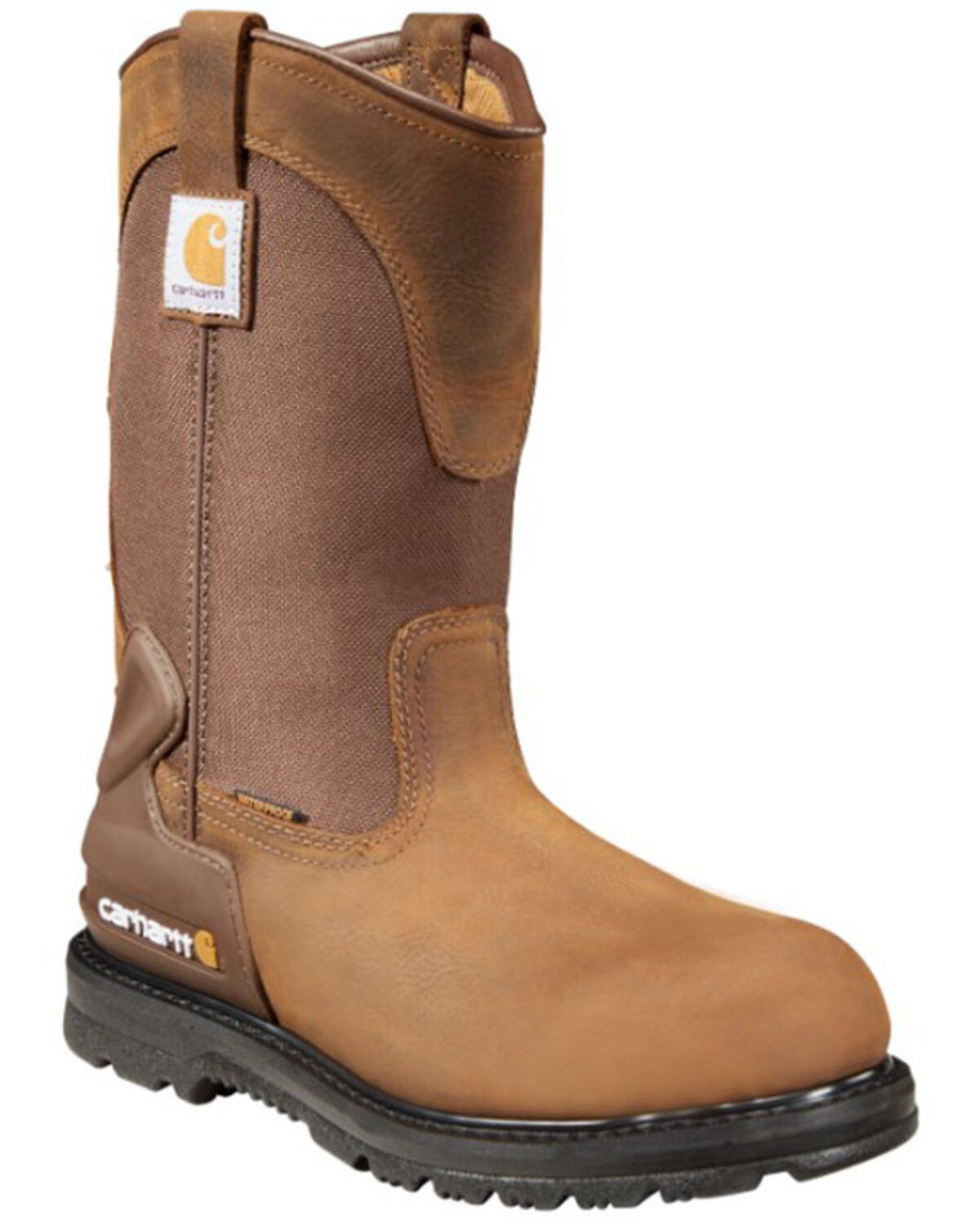
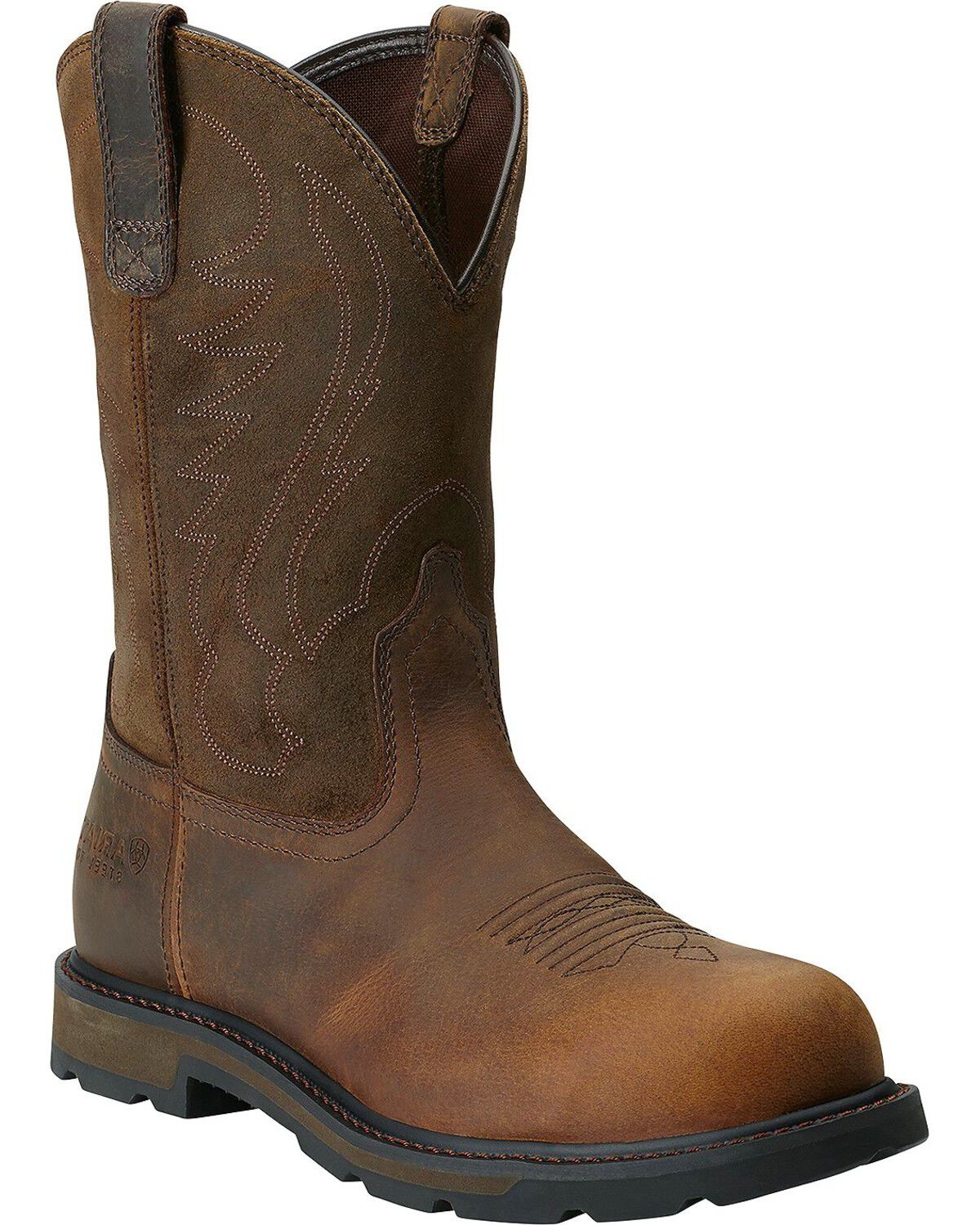
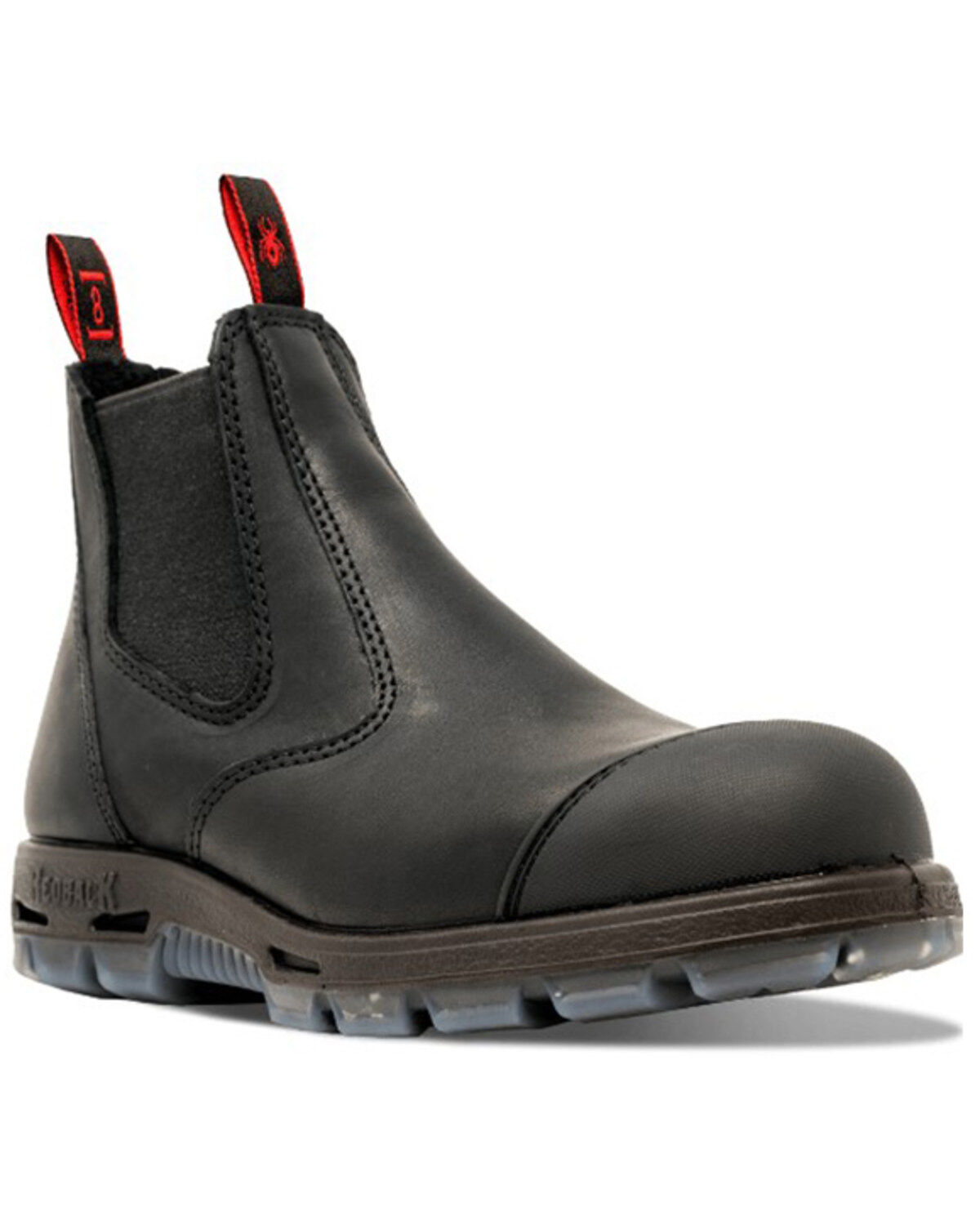
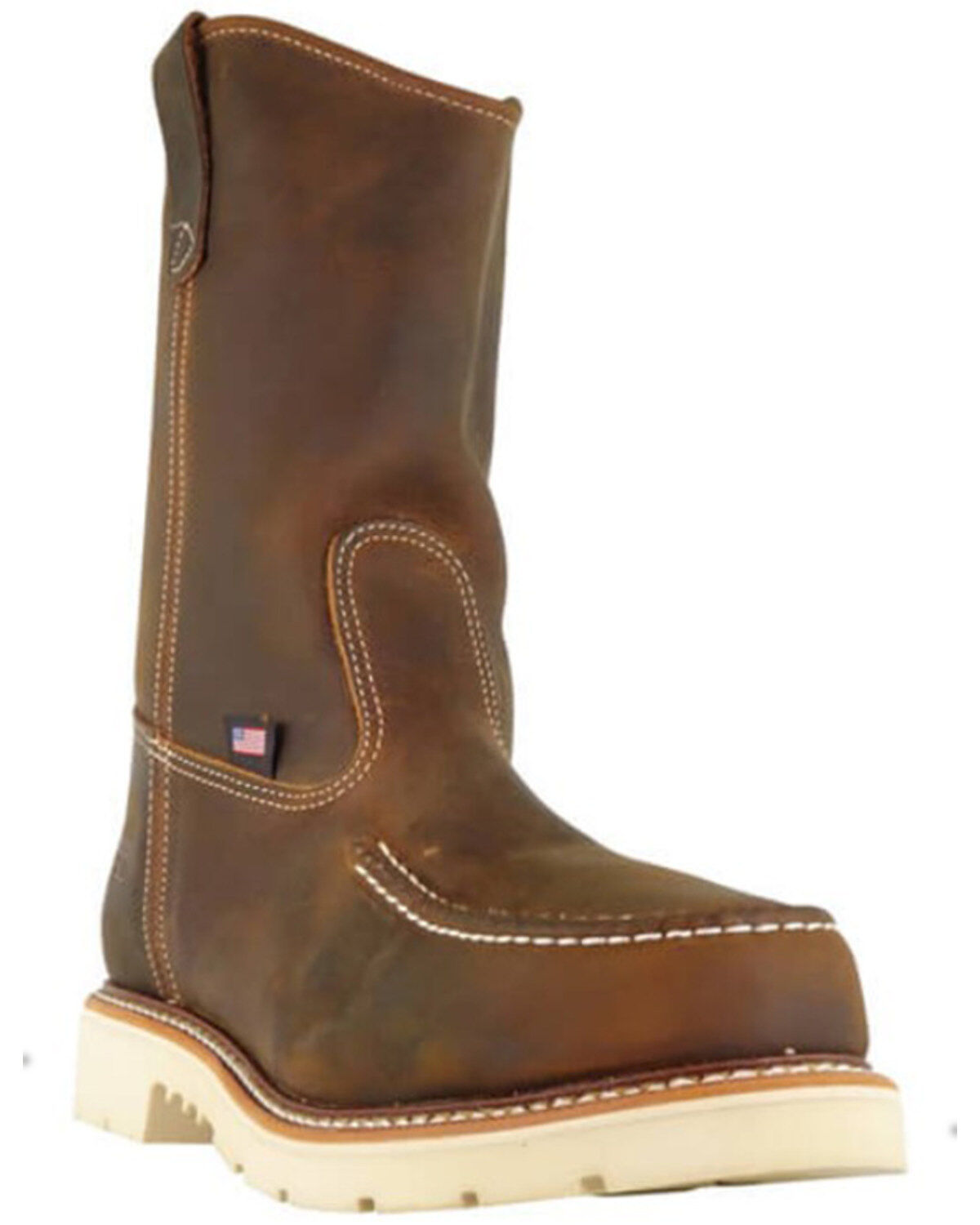
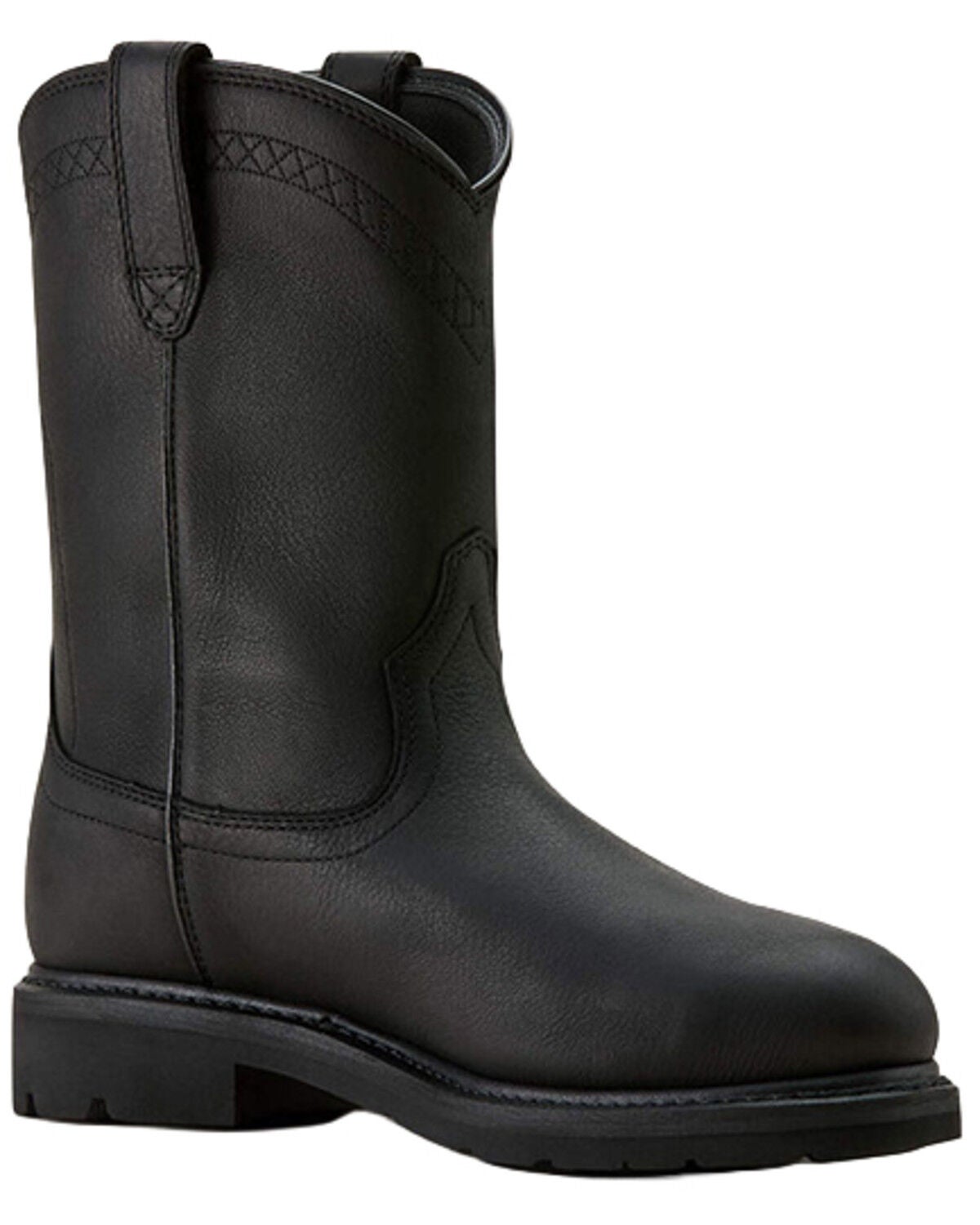
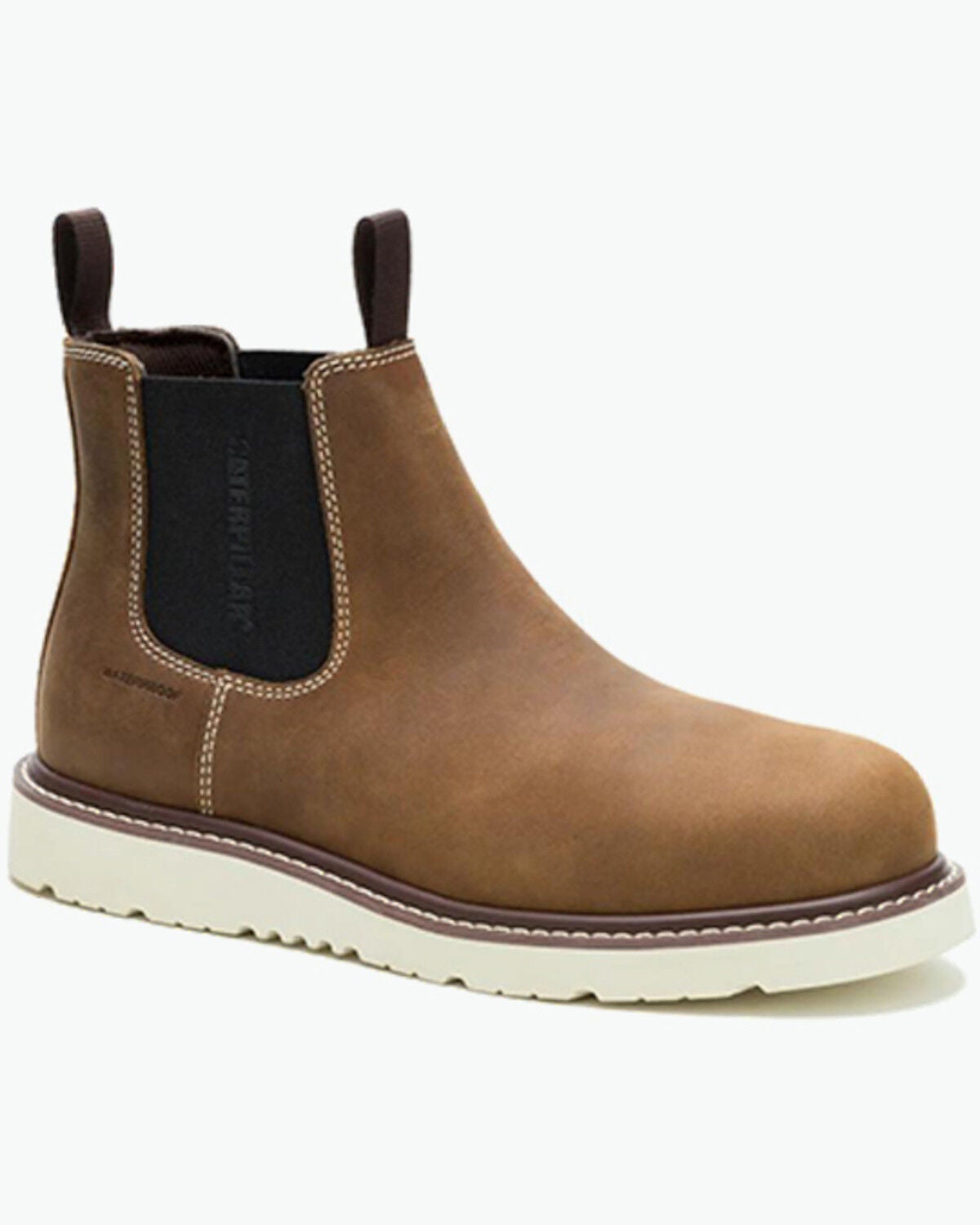
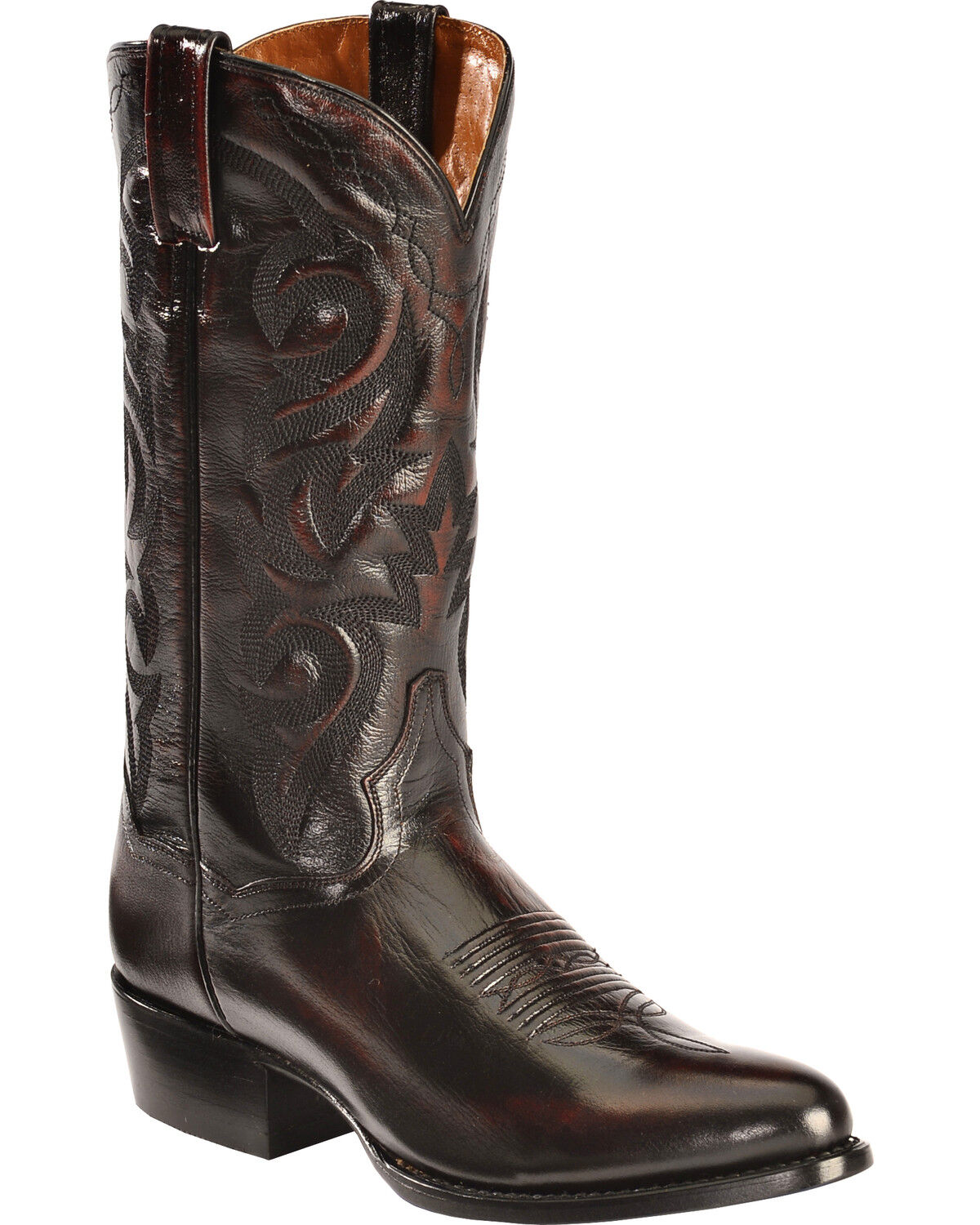
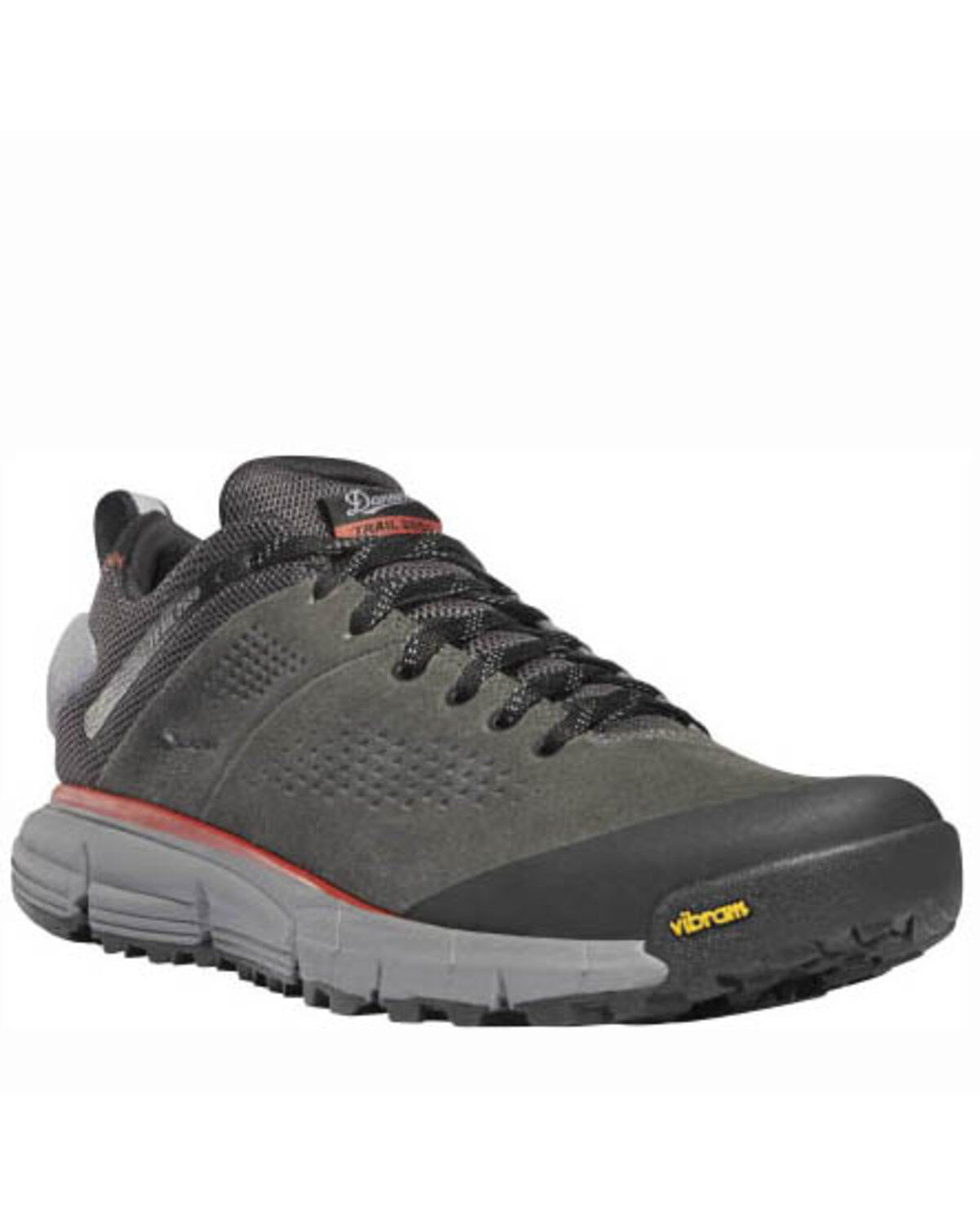
Men's Steel Toe Slip On Boots

Men’s steel toe slip-on boots combine toe protection with a pull-on design that needs no laces. Compare sizing and listed safety features, and check each pair’s specifications against your workplace requirements before choosing your work boots.

Read More

Shop Your Store: Shop Your Store: Find a Store

(Turn off Shop Your Store to see all items)

(Turn off Shop Your Store to see all items)

close
  • Recommended
  • Lowest Price
  • Highest Price
Skip pass products

End of products

Men's Steel Toe Slip On Boots

Men’s steel toe slip-on boots combine a protective toe cap with a pull-on design that does not require laces. They suit work that calls for safety footwear and the convenience of stepping into a boot before heading to the shop floor, warehouse, or jobsite. A steel toe cap sits inside the front of the boot to help protect the toes against specified impact and compression hazards. The shape of that cap matters as much as the shape of the leather around it. A broad-looking square toe does not automatically provide more usable space inside, and a rounded profile does not necessarily mean a narrow fit. Safety markings provide more useful information than appearance alone. For workplaces that require protective footwear, the boot’s stated ASTM rating should match the employer’s requirements. Steel toe construction does not, by itself, establish electrical hazard protection, puncture resistance, metatarsal protection, or slip resistance. Those are separate features to verify for the work involved. A warehouse worker moving loaded pallets may face different hazards than a mechanic working around fluids or a construction worker crossing debris. Steel is also just one protective toe material within the broader Mens Safety Toe Slip On Boots category, alongside options such as composite and alloy toes. The right choice depends on required protection, fit, boot weight, and the demands of the shift. Leather uppers are common because they provide structure and can hold up well to repeated use with proper care. Full-grain leather retains its natural surface, while other leather finishes offer different textures and maintenance needs. Reinforced stitching, protected seams, and sturdy pull tabs are useful details in footwear that gets pulled on, worked in, and pulled off day after day. None replaces the need for a boot built for the actual task.

Fit is especially important in steel toe pull-on boots because there are no laces to tighten across the instep. The boot needs to hold the foot securely through its shape, heel pocket, and upper construction. A comfortable fit feels snug across the instep without squeezing, with enough room for the toes to move without pressing against the protective cap. The steel cap will not stretch during break-in. Persistent pressure at the little toe, the top of the toes, or the front of the foot calls for a different size, width, or toe shape rather than more time wearing the boot. Some heel movement can occur in new pull-on footwear as the sole begins to flex, but excessive lifting or sliding can cause rubbing and reduce control on uneven ground. Work socks and any intended footbeds should be part of the fit assessment. Thick socks can change the space inside the toe box, while an added insert can raise the foot against the cap or make the instep too tight. Removable footbeds can make cleaning and replacement easier, but replacement inserts need to preserve proper fit and follow the footwear manufacturer’s guidance. Underfoot construction also affects how the boot feels across a full shift. Cushioning helps soften repeated steps, while a supportive midsole provides a more stable base when standing at a workbench or carrying materials. A flexible forefoot can make kneeling and climbing more comfortable, provided the overall boot remains appropriate for the job. Outsole design deserves the same attention. Deep lugs can provide grip on loose ground but may carry debris indoors. Flatter tread patterns can be easier to clean, though traction still depends on the sole compound and the surface. Slip-resistant footwear is not slip-proof, particularly around oil, grease, or smooth floors. A defined heel may matter for certain ladder tasks, but suitability depends on workplace rules and the ladder being used. Boot weight also adds up over a long day, making a secure fit and balanced construction worth considering alongside cushioning.

Durability comes from the whole boot, not just the steel toe. Leather quality, stitching, sole attachment, and the way the boot is used all affect its working life. Welted construction may allow resoling when the design and condition permit, while cemented construction can offer flexibility with less bulk. Neither construction method makes a boot suitable for every work environment. Repeated toe dragging can wear through leather before the outsole is worn out, so an abrasion-resistant toe covering can be useful for tasks that involve frequent kneeling. Water-resistant leather and waterproof construction are different features. Work around wash areas or frequent splashes calls for checking the boot’s stated protection rather than assuming a leather upper will keep water out. Care should match the upper material and the manufacturer’s instructions. Brushing away grit helps prevent abrasive dirt from working into seams and surface creases. Mud and residue should be removed before applying any approved leather conditioner, and conditioner should be used sparingly rather than layered over dirt. Smooth leather, suede, and nubuck require different care products. Direct heat can damage leather and adhesives, so damp boots should dry naturally with airflow instead of beside a heater. Cleaning the outsole matters, too. Packed tread can reduce its ability to grip, and trapped debris can hide cuts or damage. Regular checks should include worn heel edges, separating soles, loose stitching, torn elastic panels, and changes in how securely the boot holds the foot. A boot that has sustained a significant impact may need replacement even when the outside looks intact; the manufacturer’s guidance should determine the next step. For someone who spends hours unloading freight, tending equipment, or walking between work areas, dependable steel toe slip-on work boots need to do more than pull on easily. They need the right safety features, enough room through the toe, secure support through the heel and instep, and construction suited to repeated use. Those details are what make a work boot practical for the long shift ahead.
Read More

FAQs