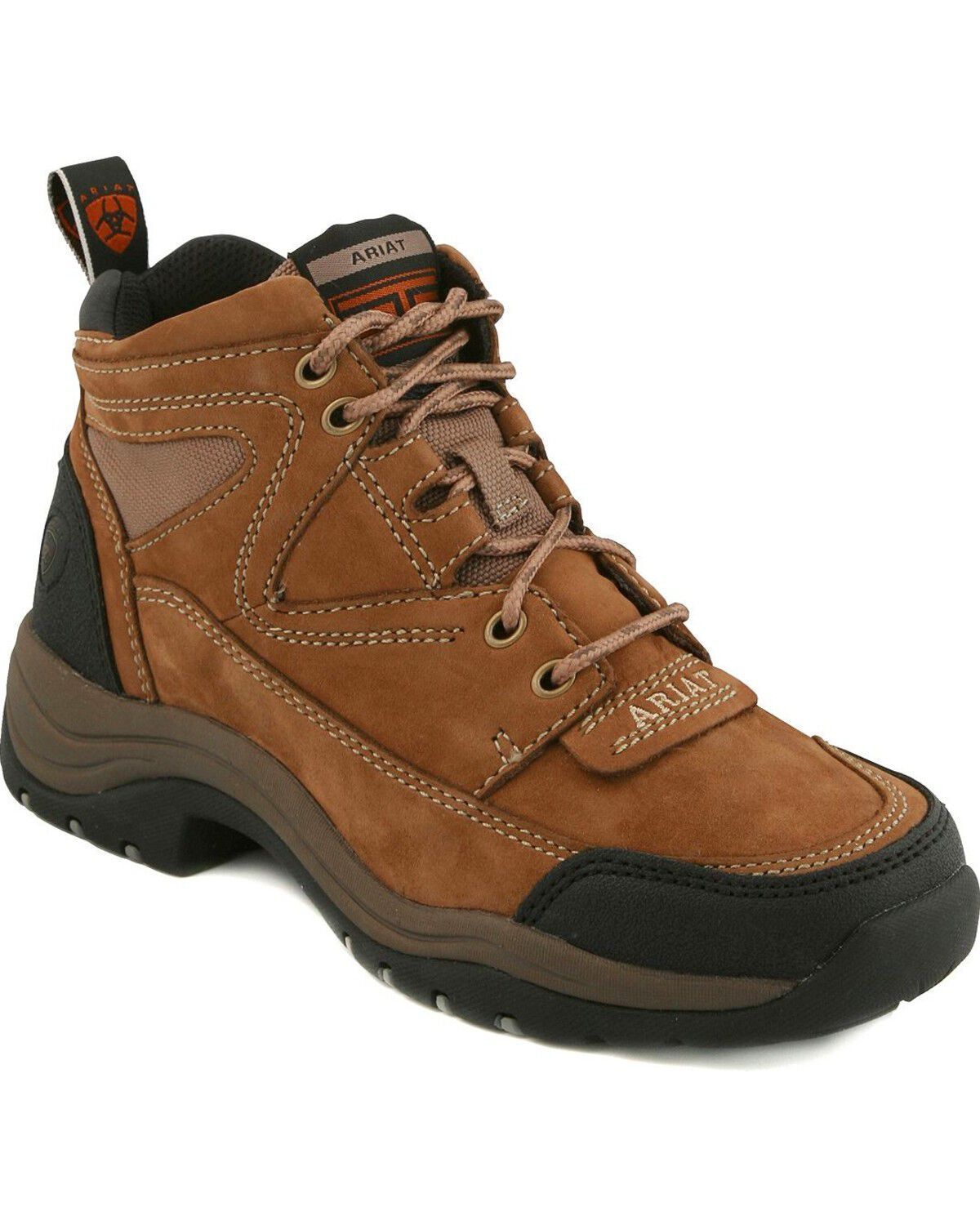
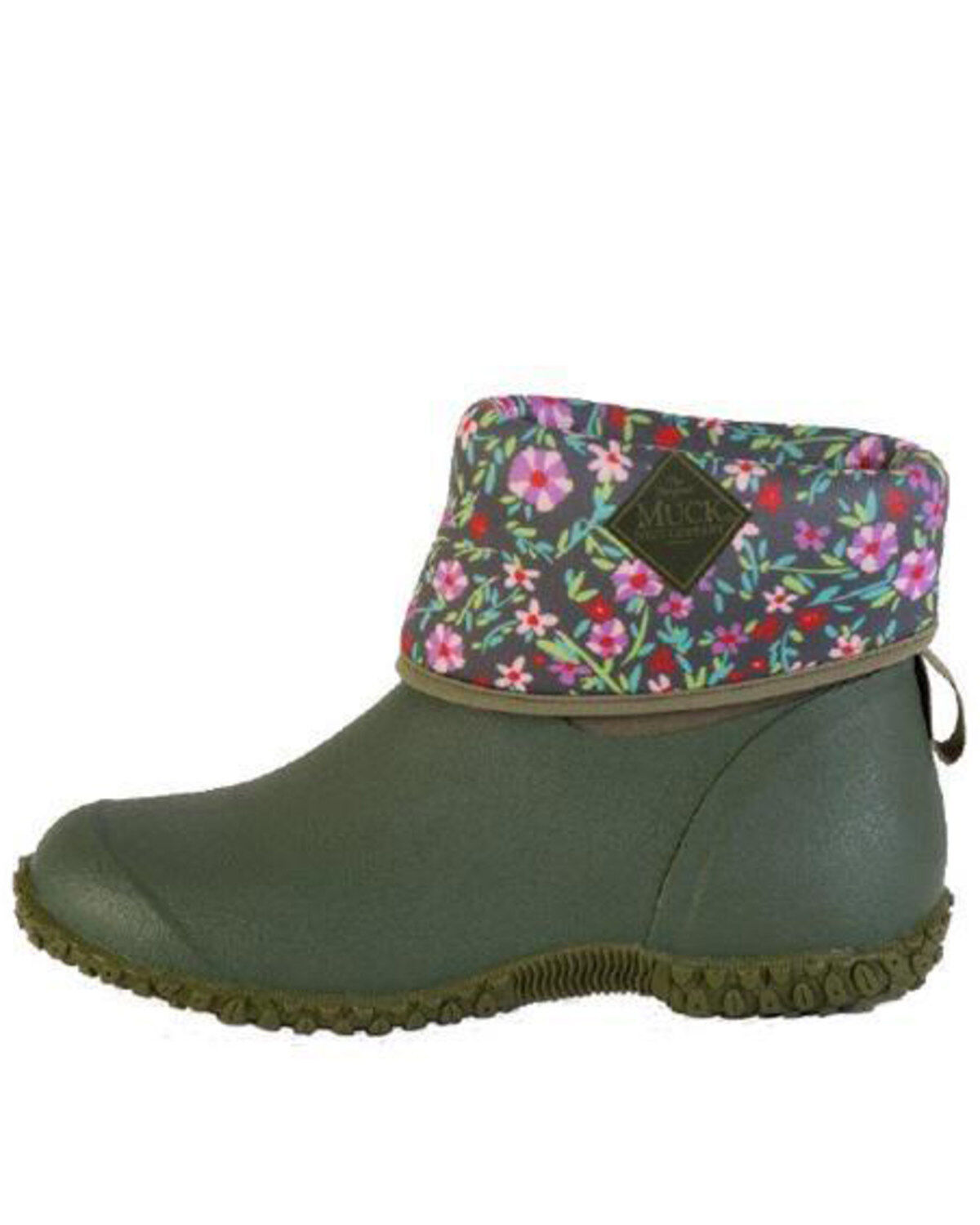
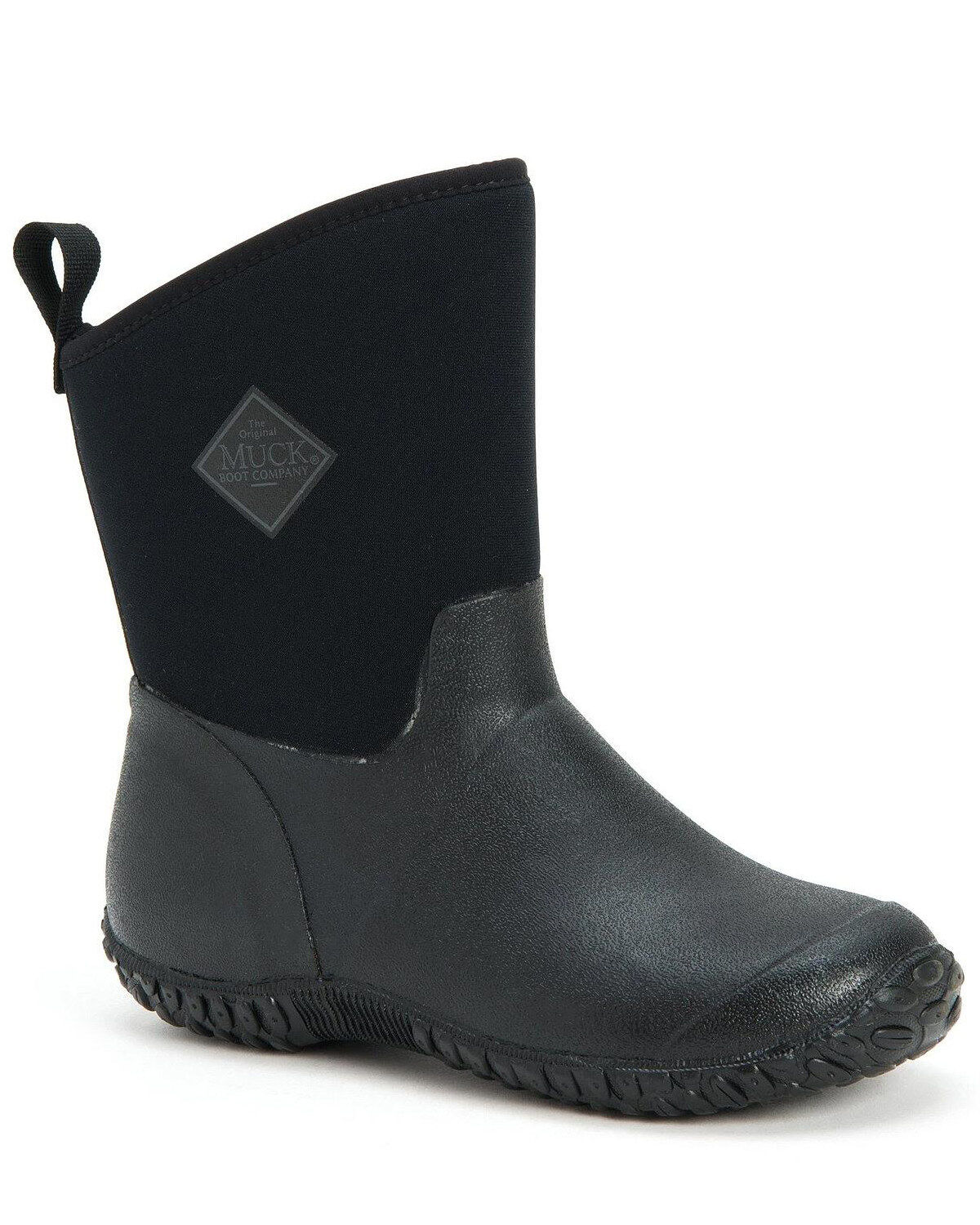
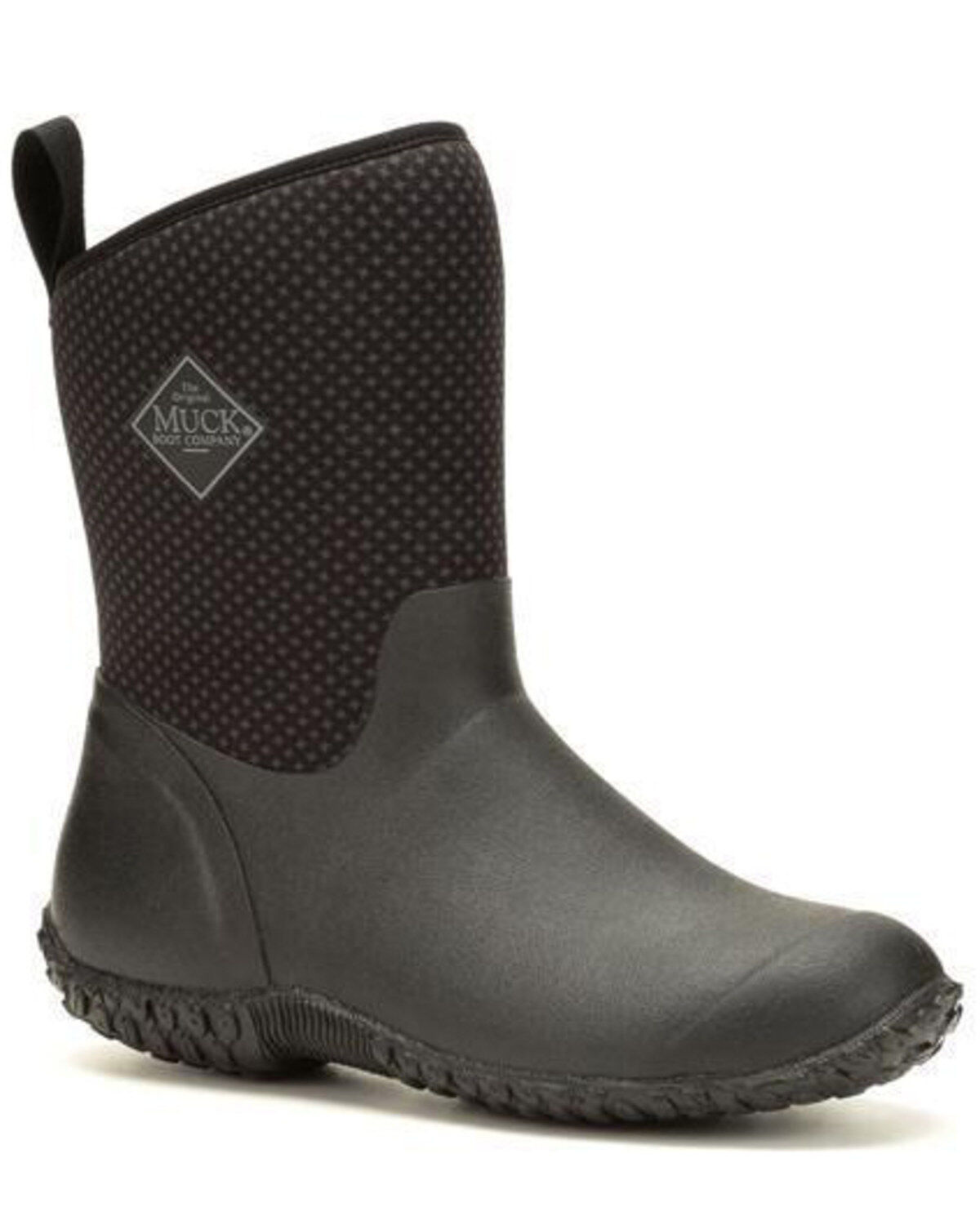
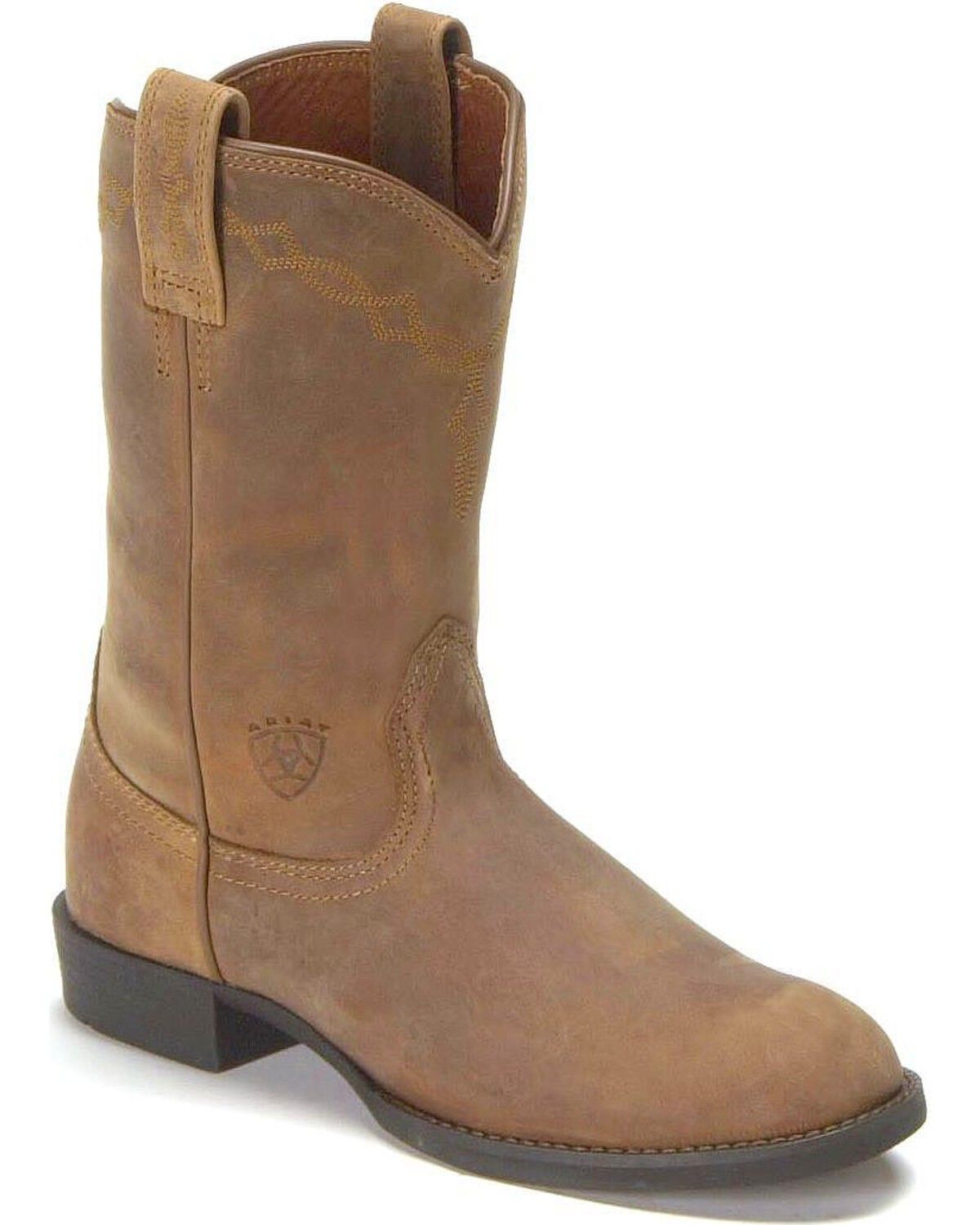
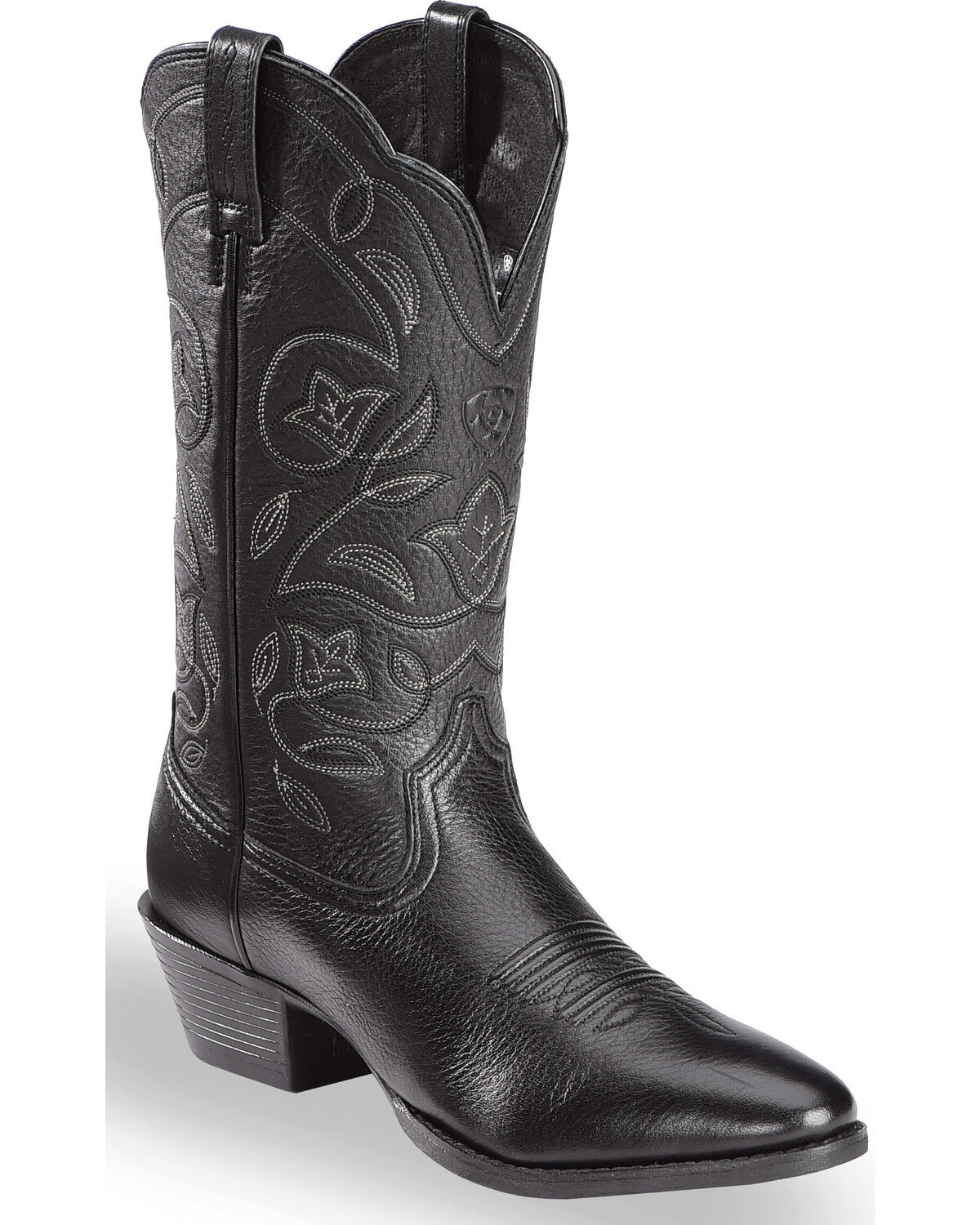
Women's Pull On Steel Toe Work Boots

Shop women’s pull-on steel toe work boots for toe protection without laces. Browse the selection with your job’s safety requirements in mind, and check each pair’s listed features, fit, and safety ratings to find the right boots for your workday.

Read More

Shop Your Store: Shop Your Store: Find a Store

(Turn off Shop Your Store to see all items)

(Turn off Shop Your Store to see all items)

close
  • Recommended
  • Lowest Price
  • Highest Price
Skip pass products

End of products

Women's Pull On Steel Toe Work Boots

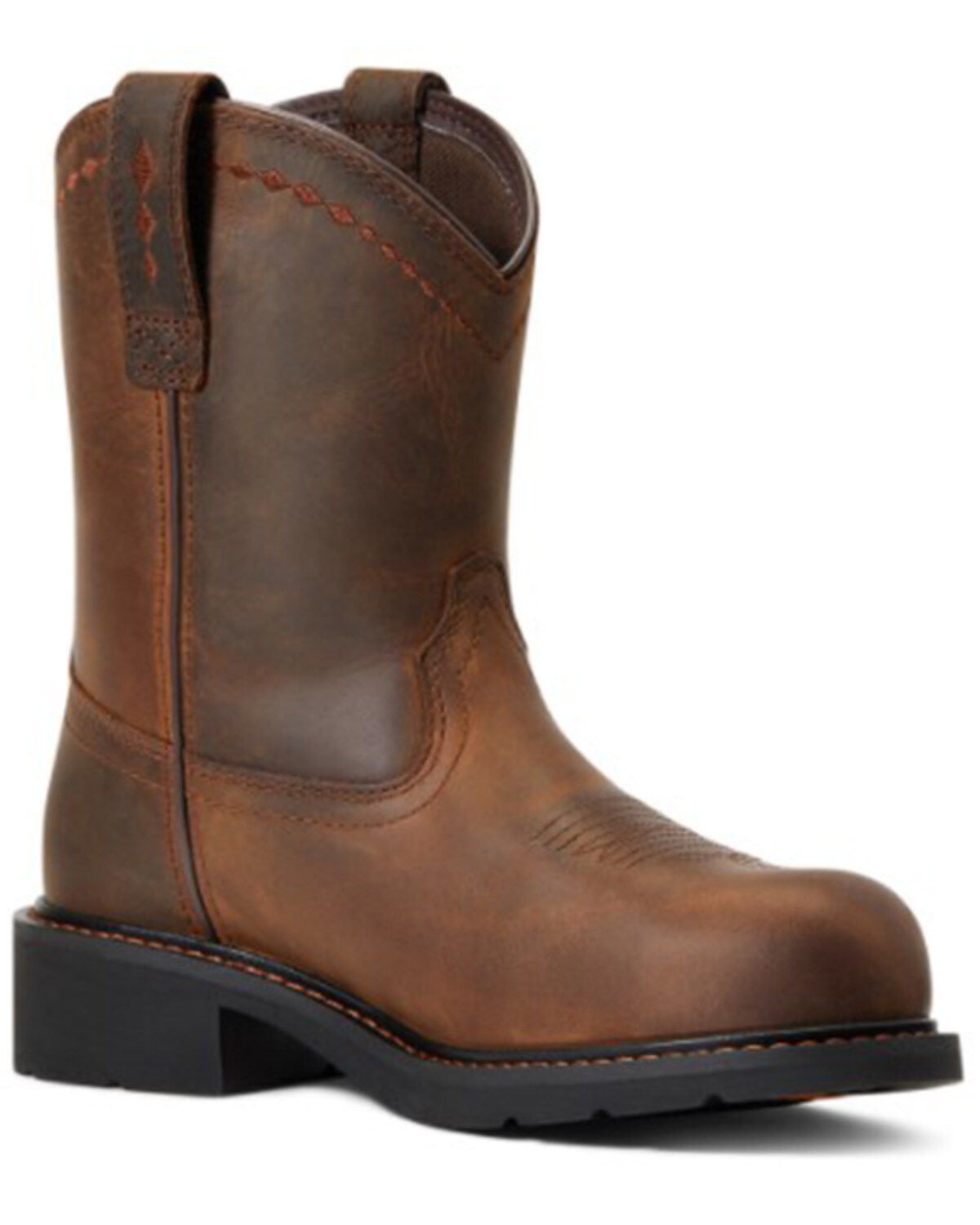
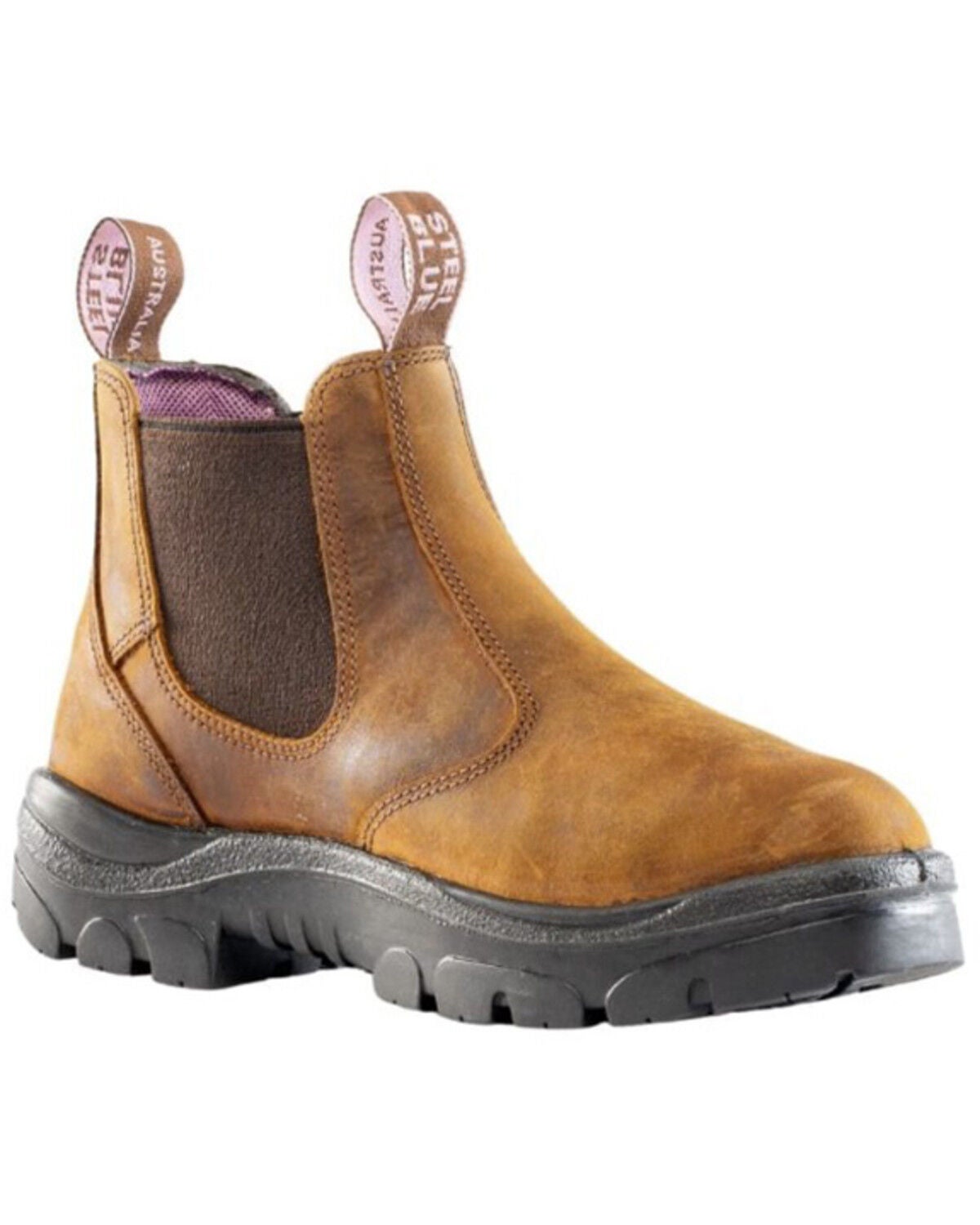
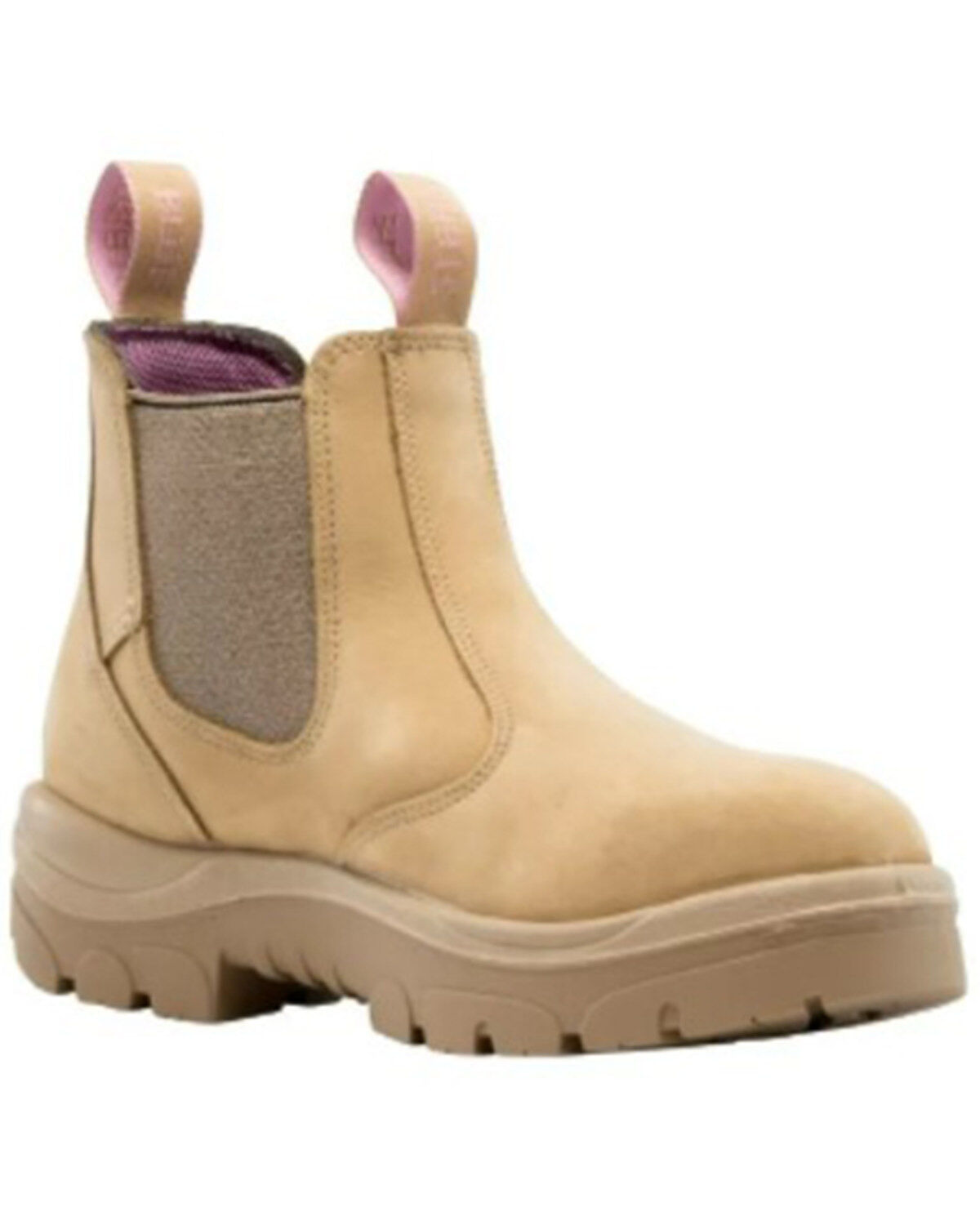
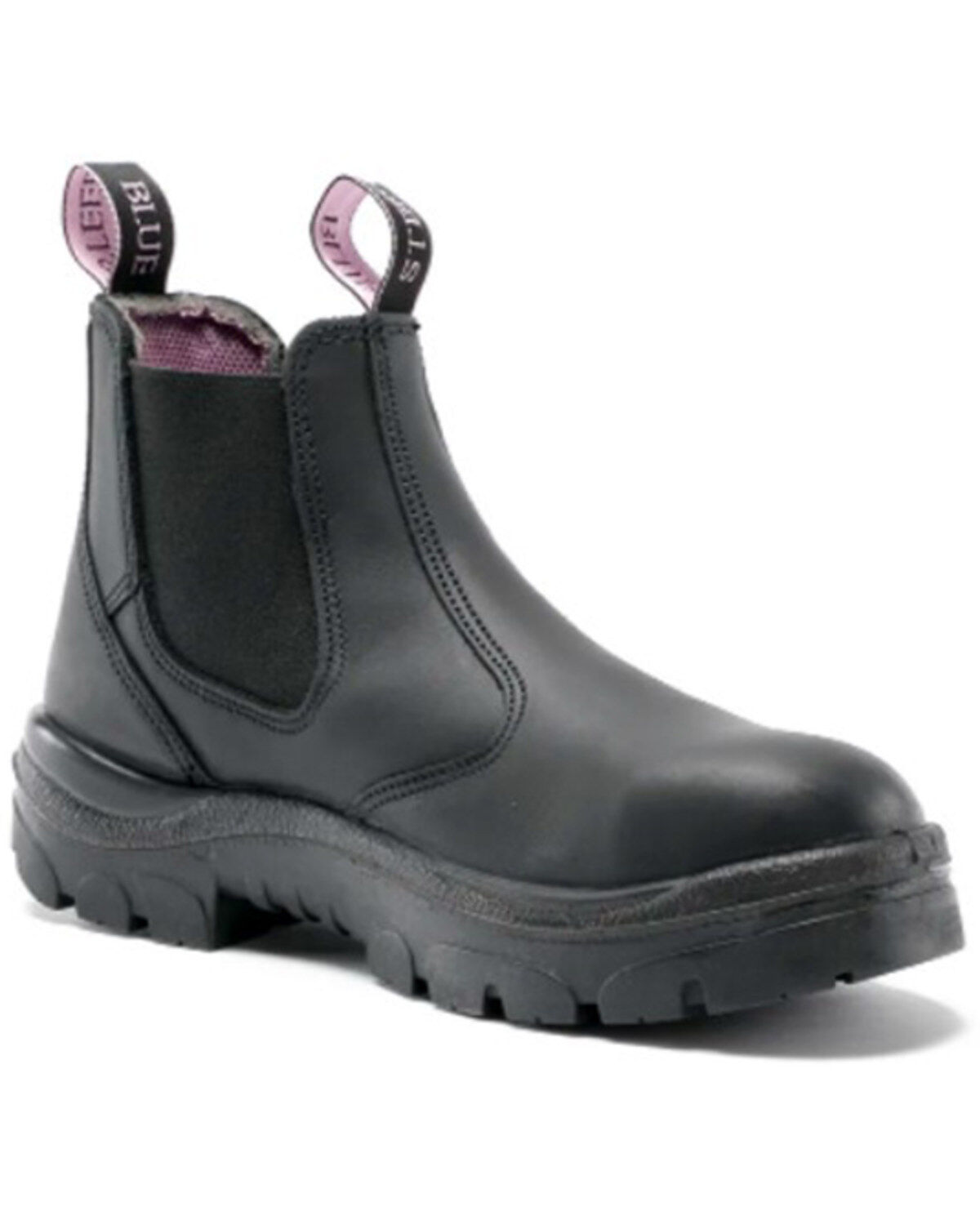
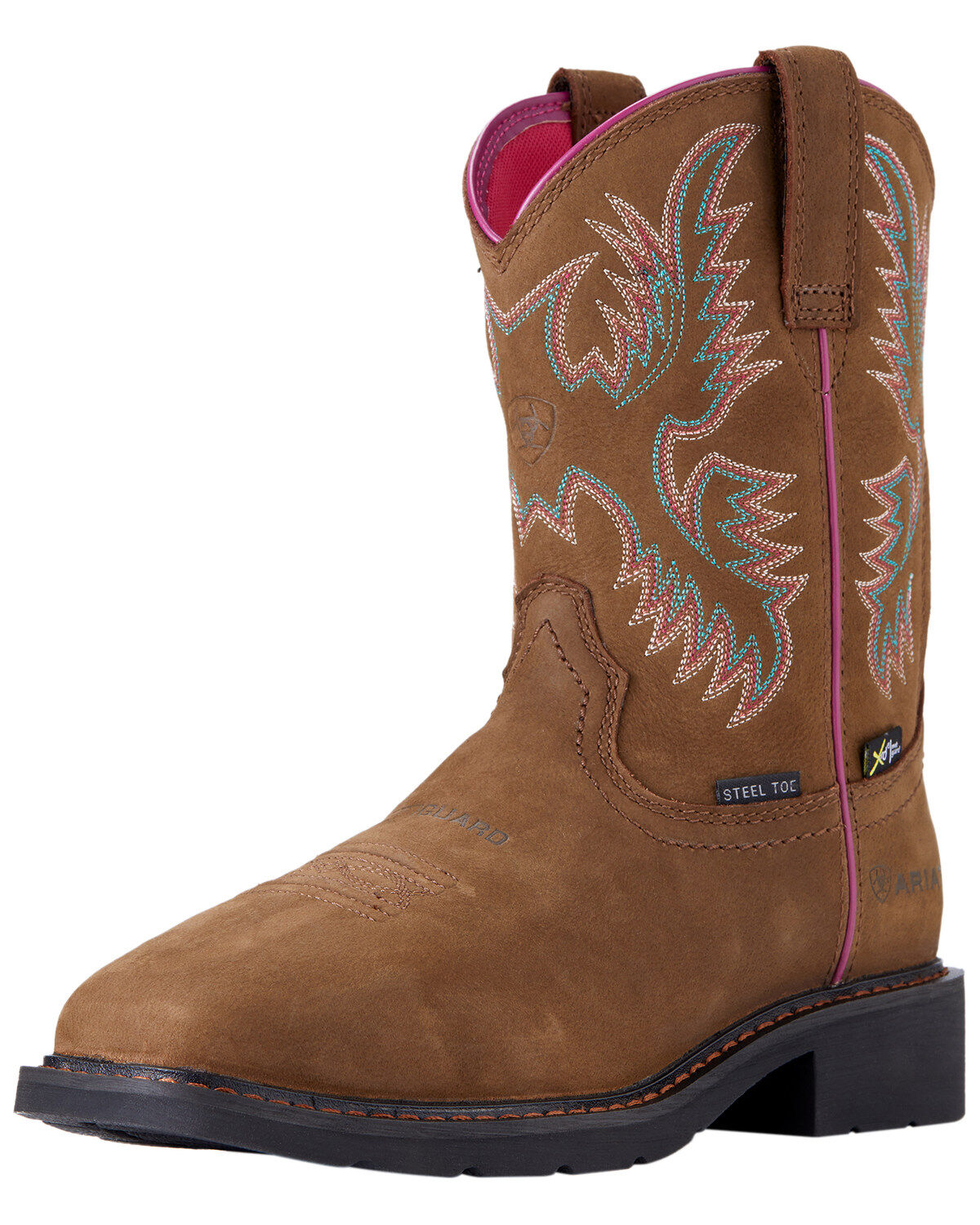
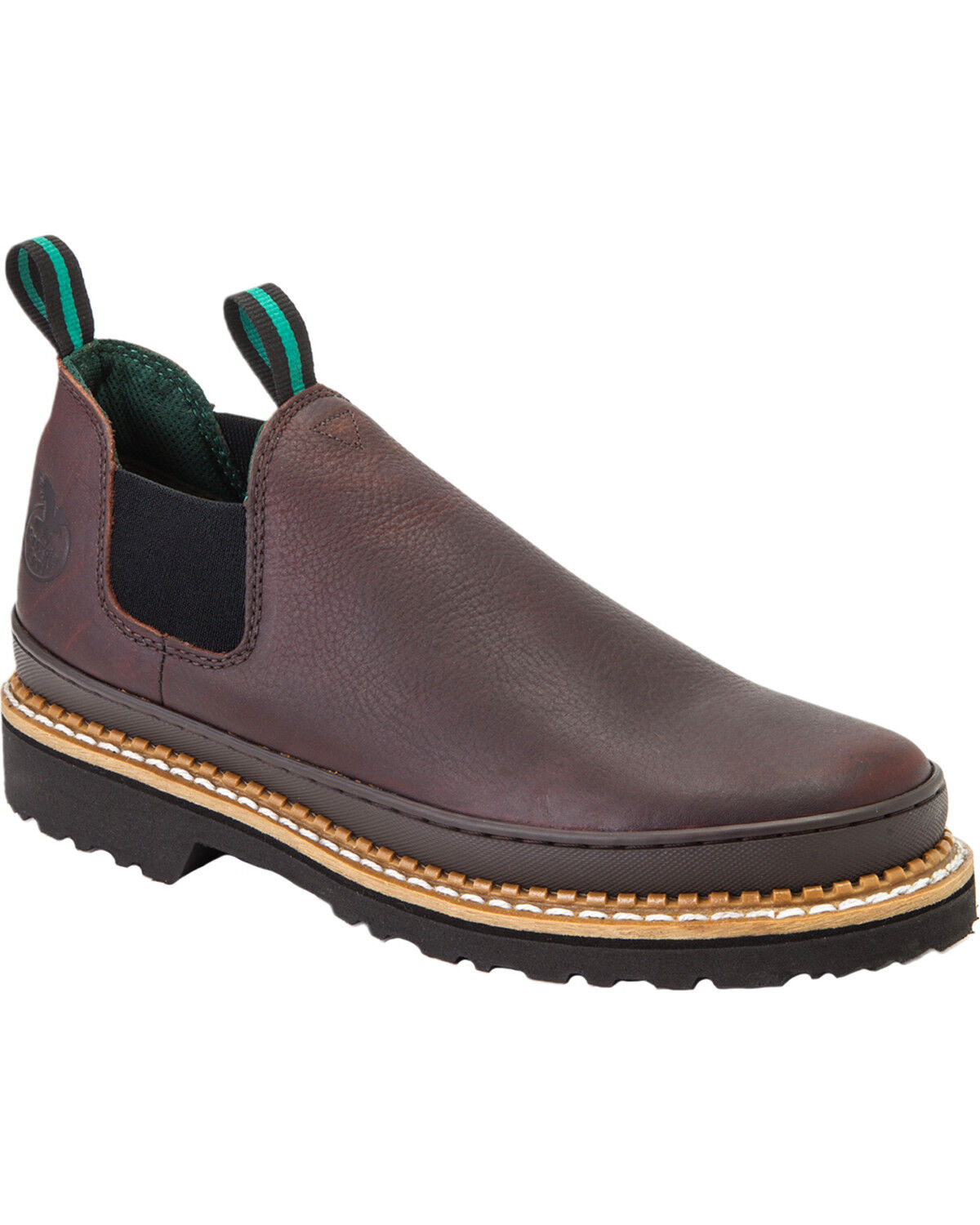
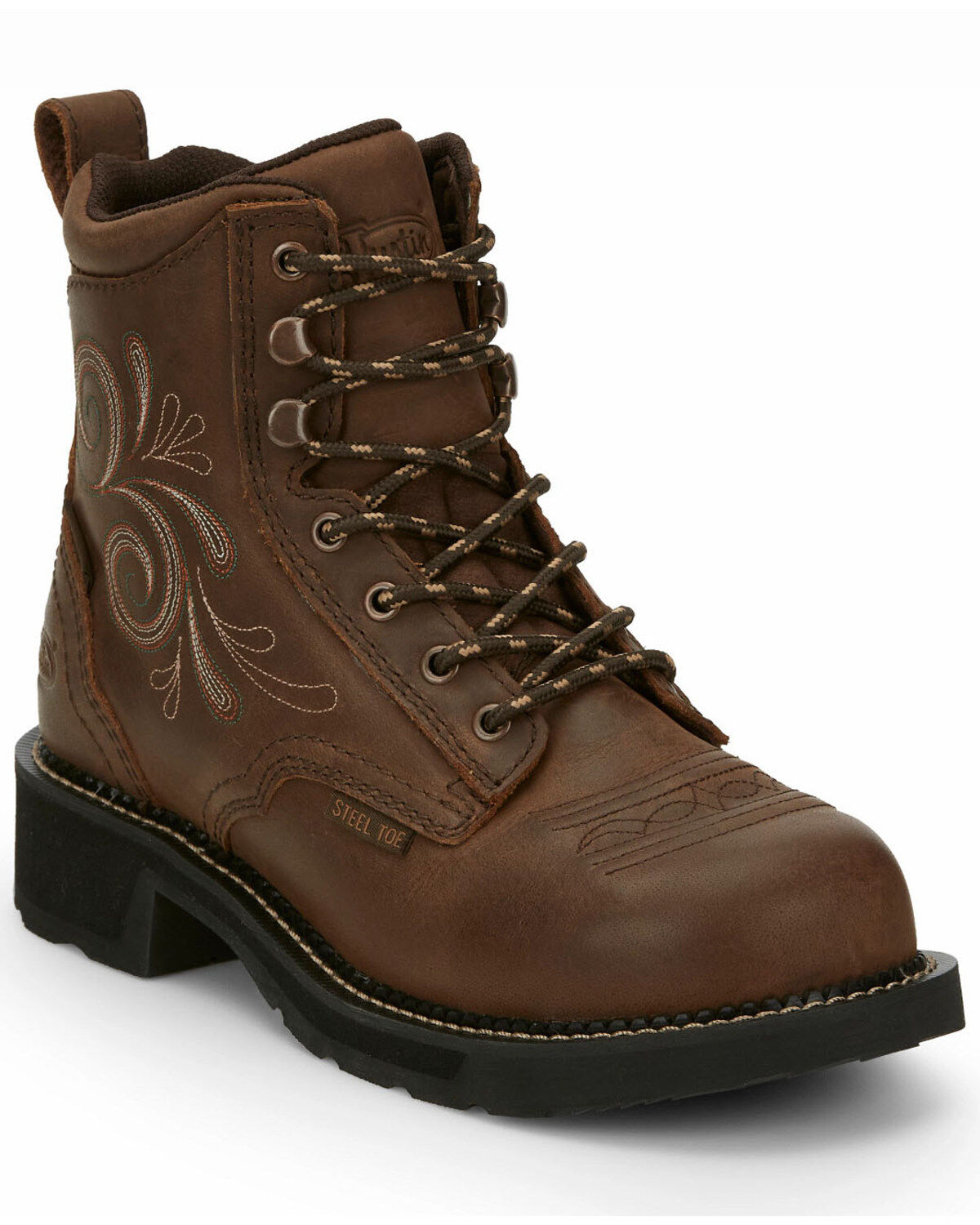
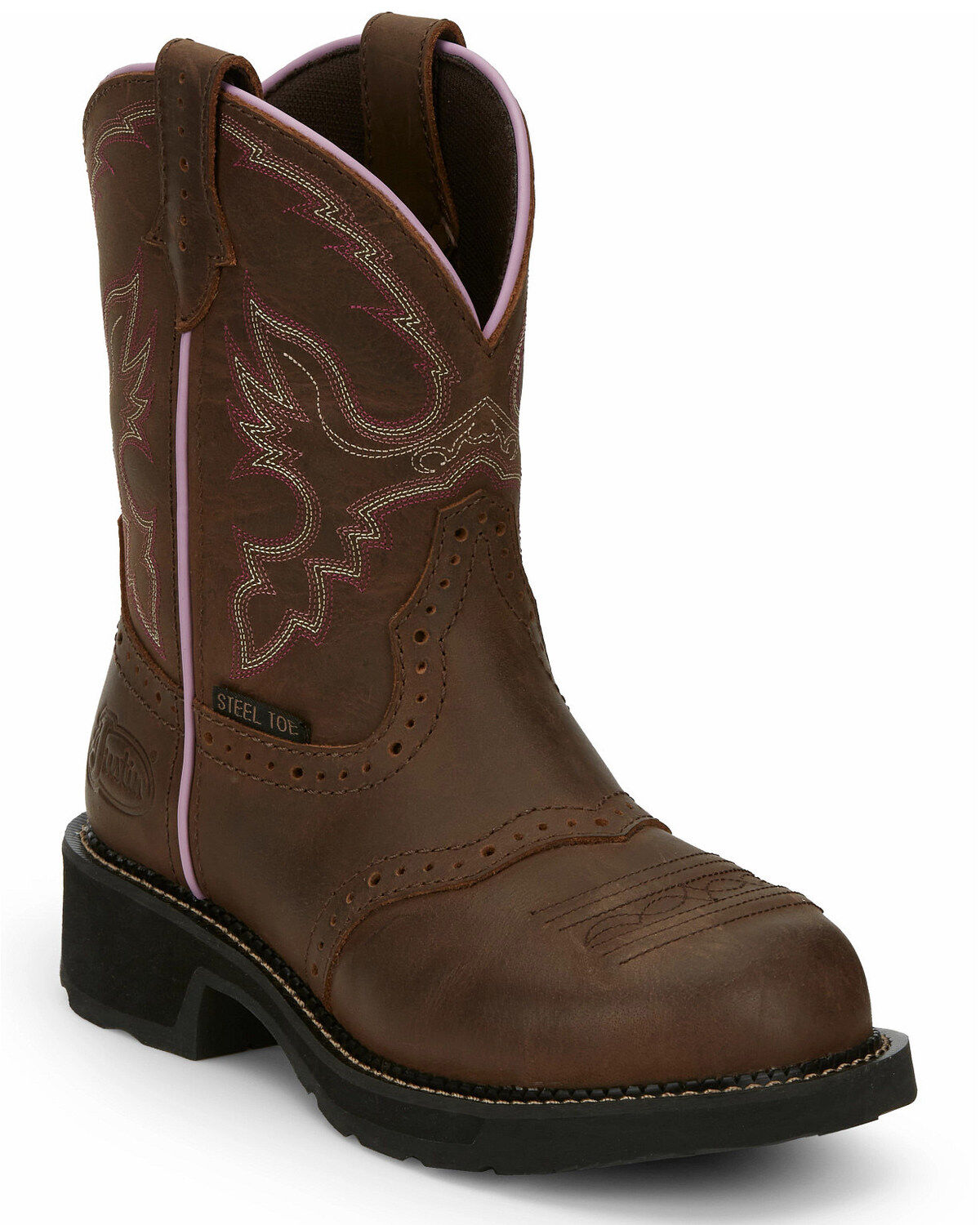
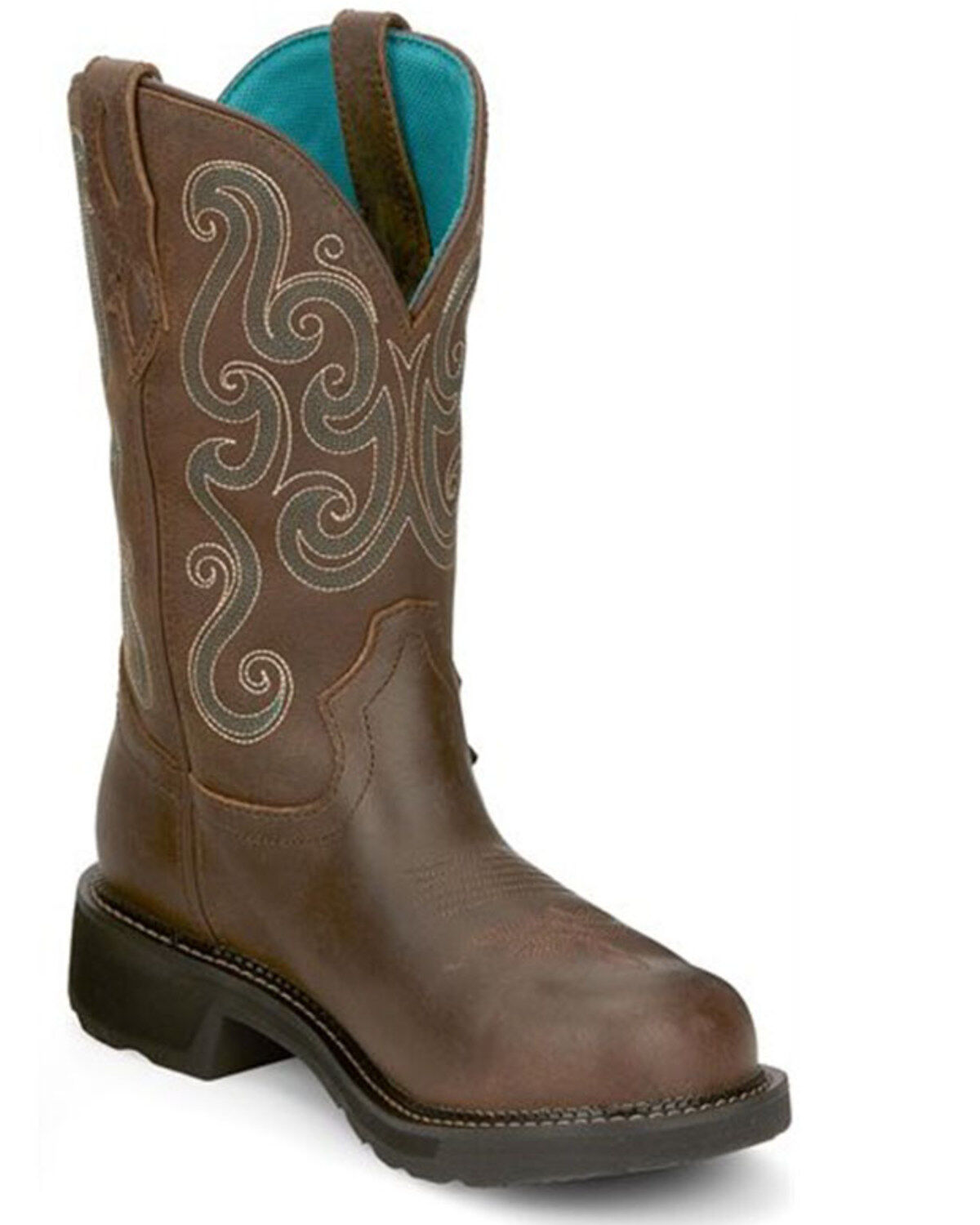
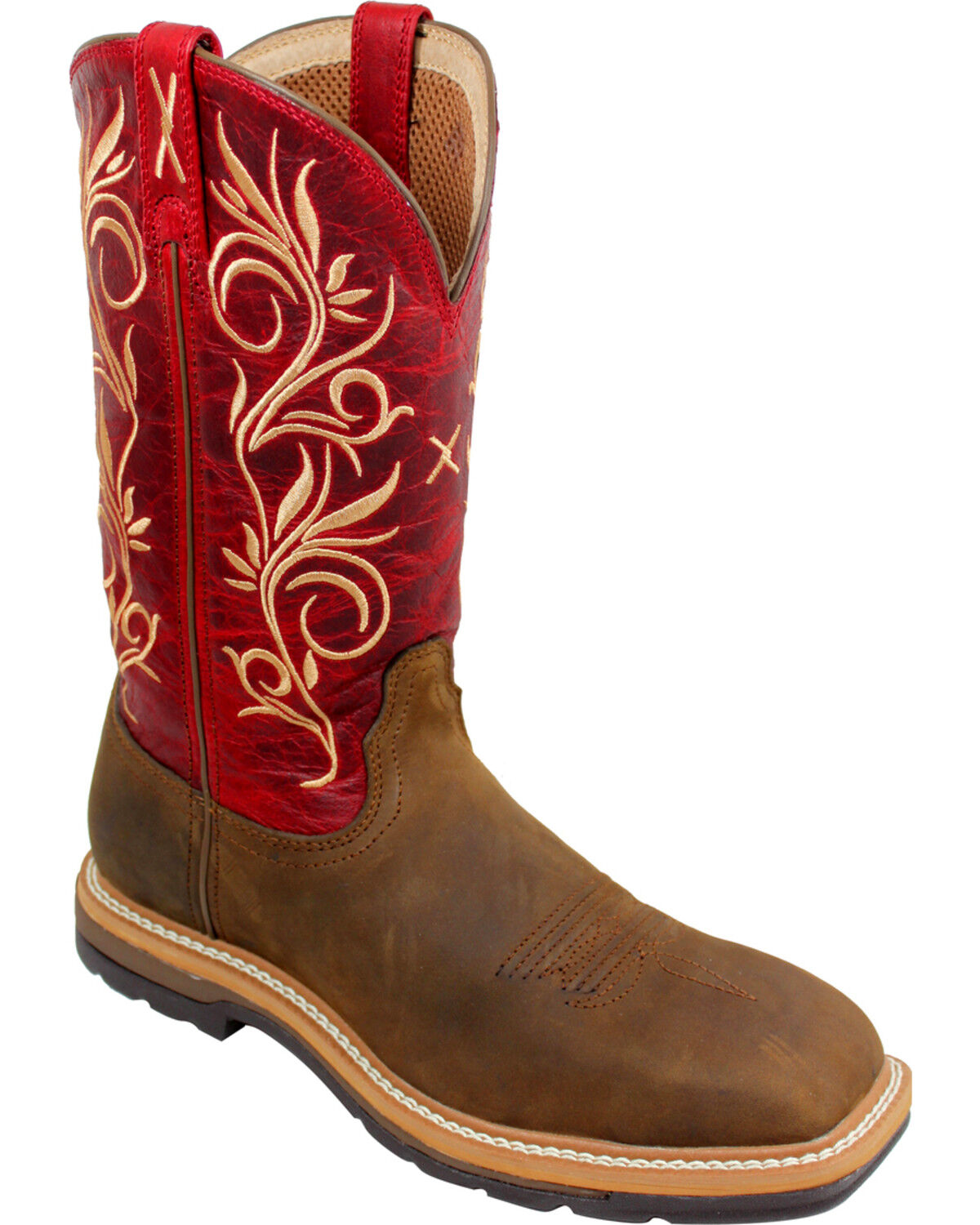
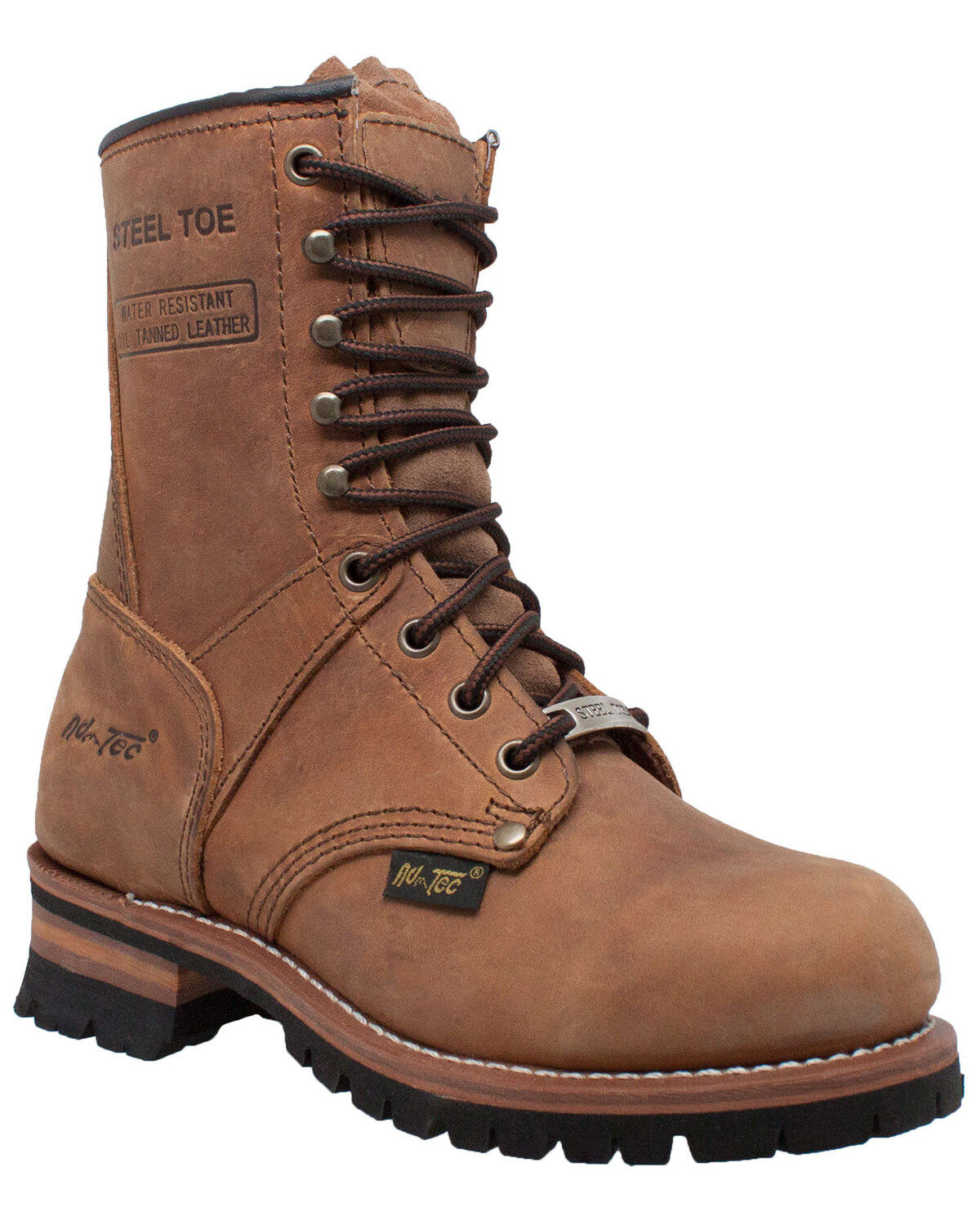
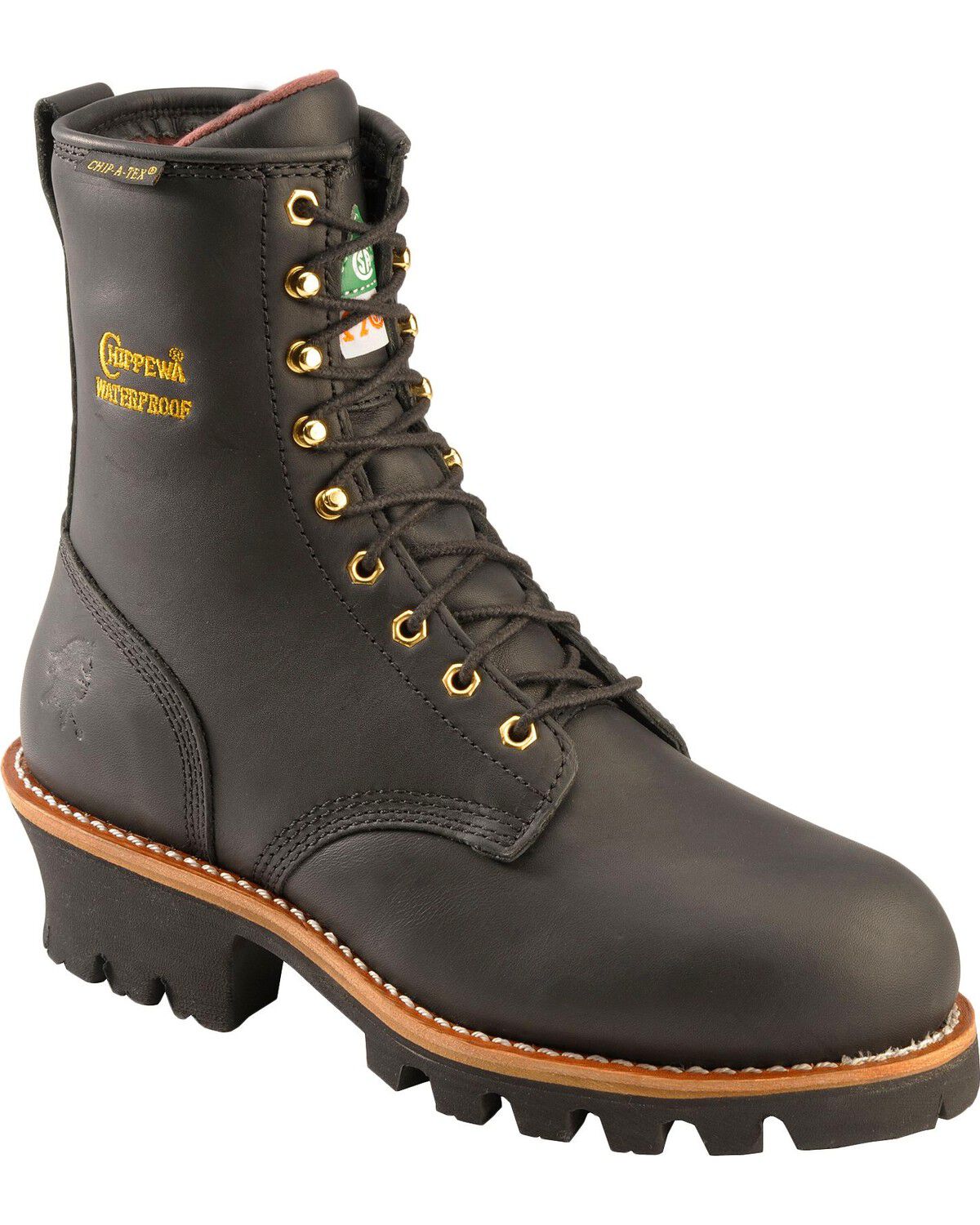
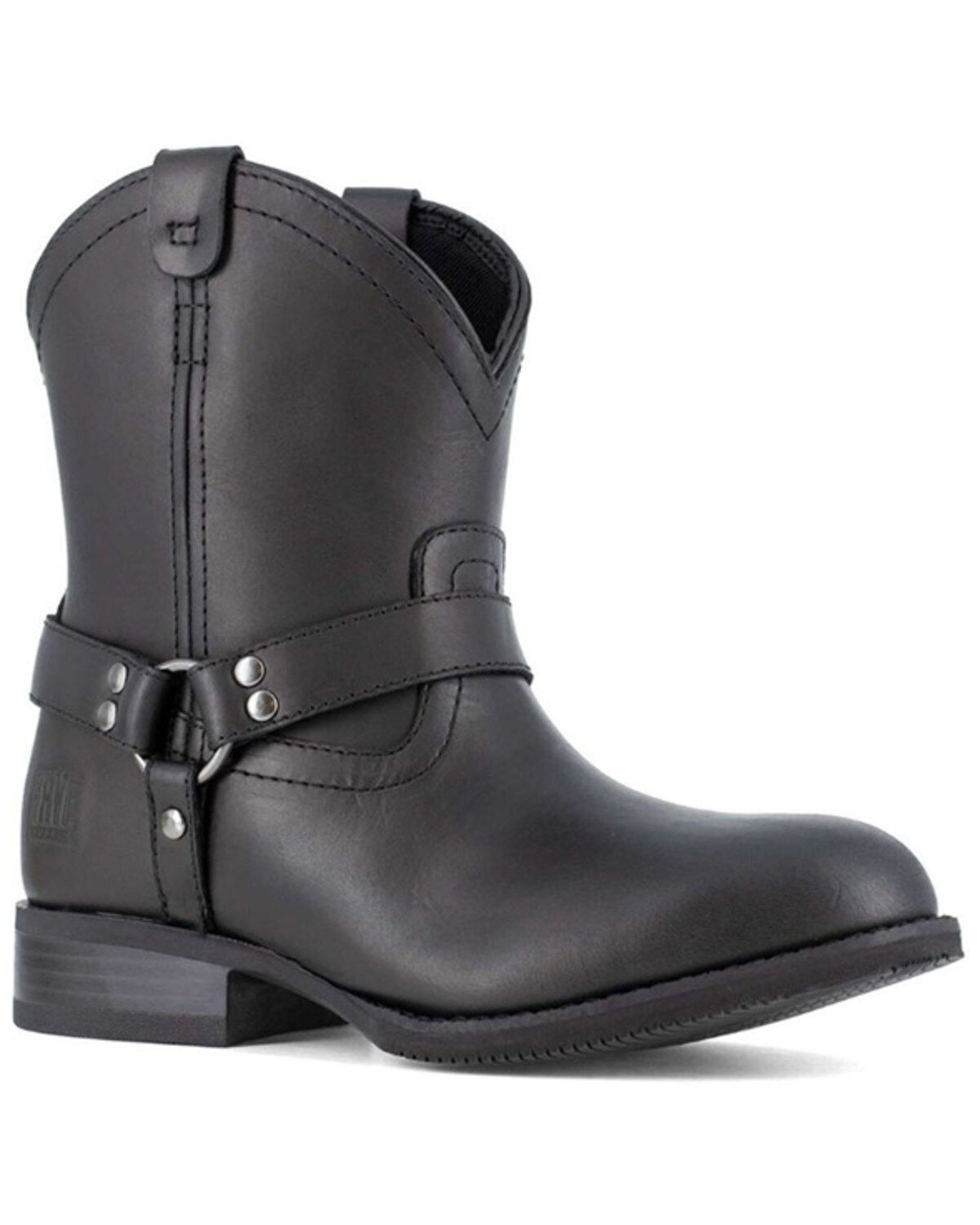
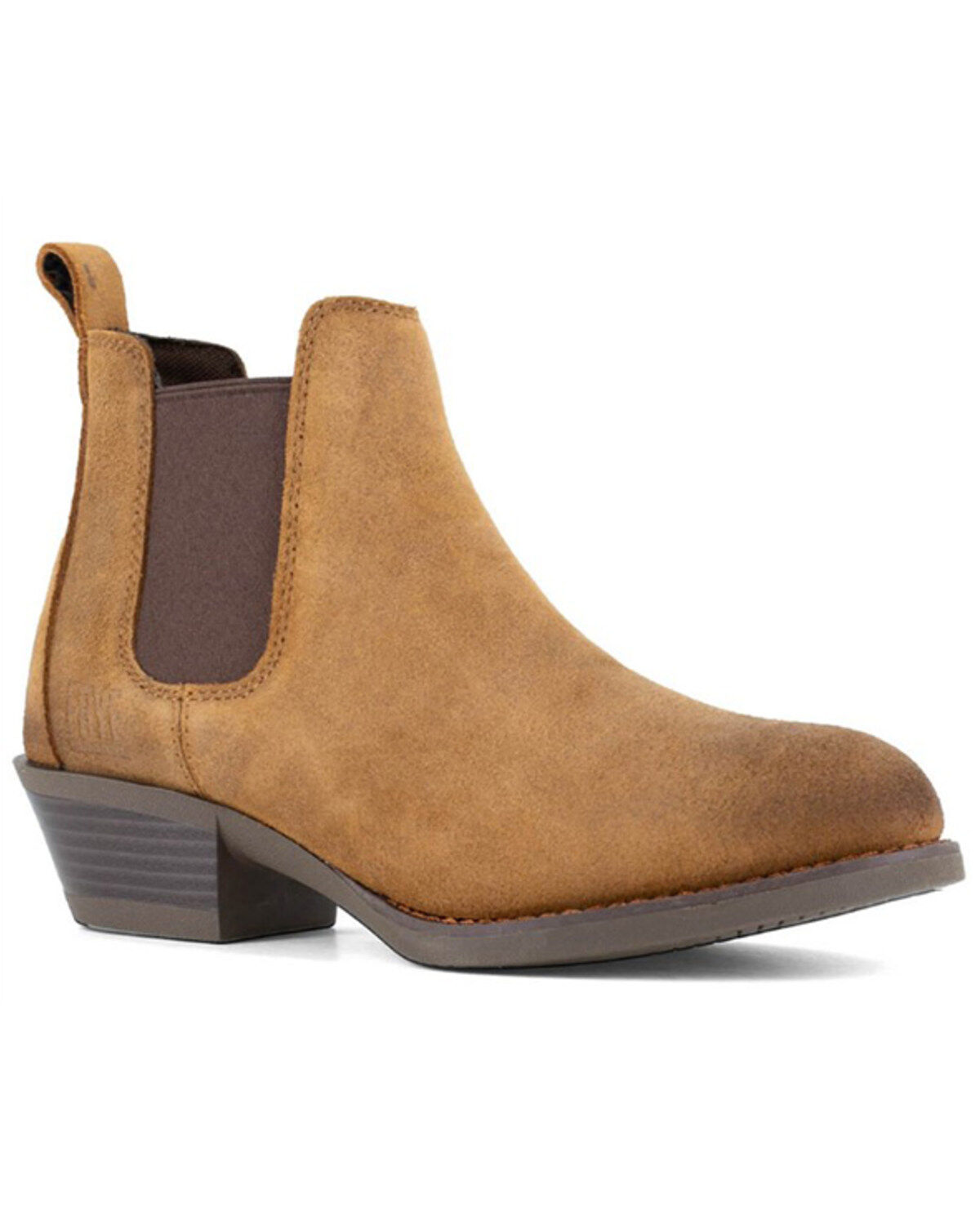
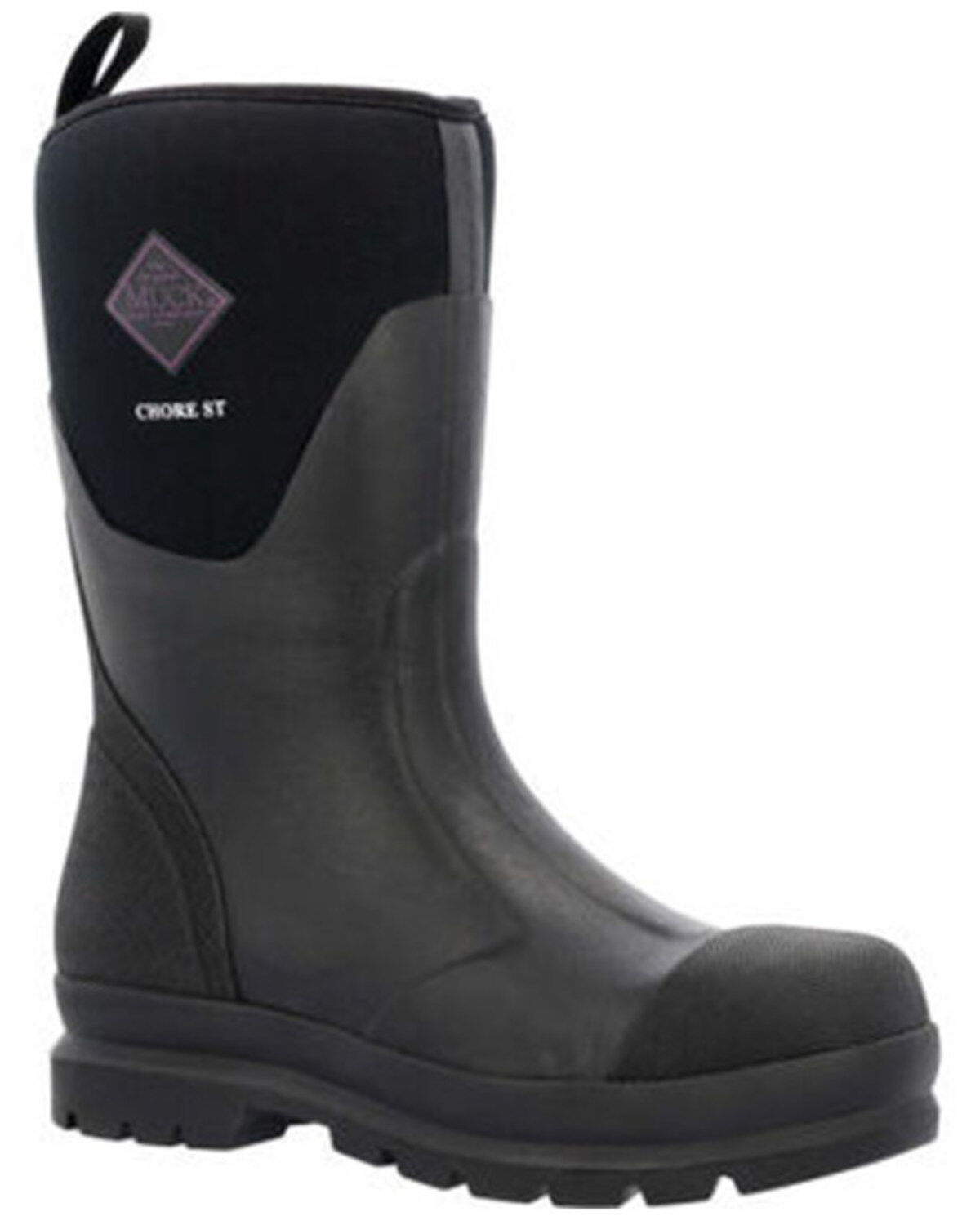
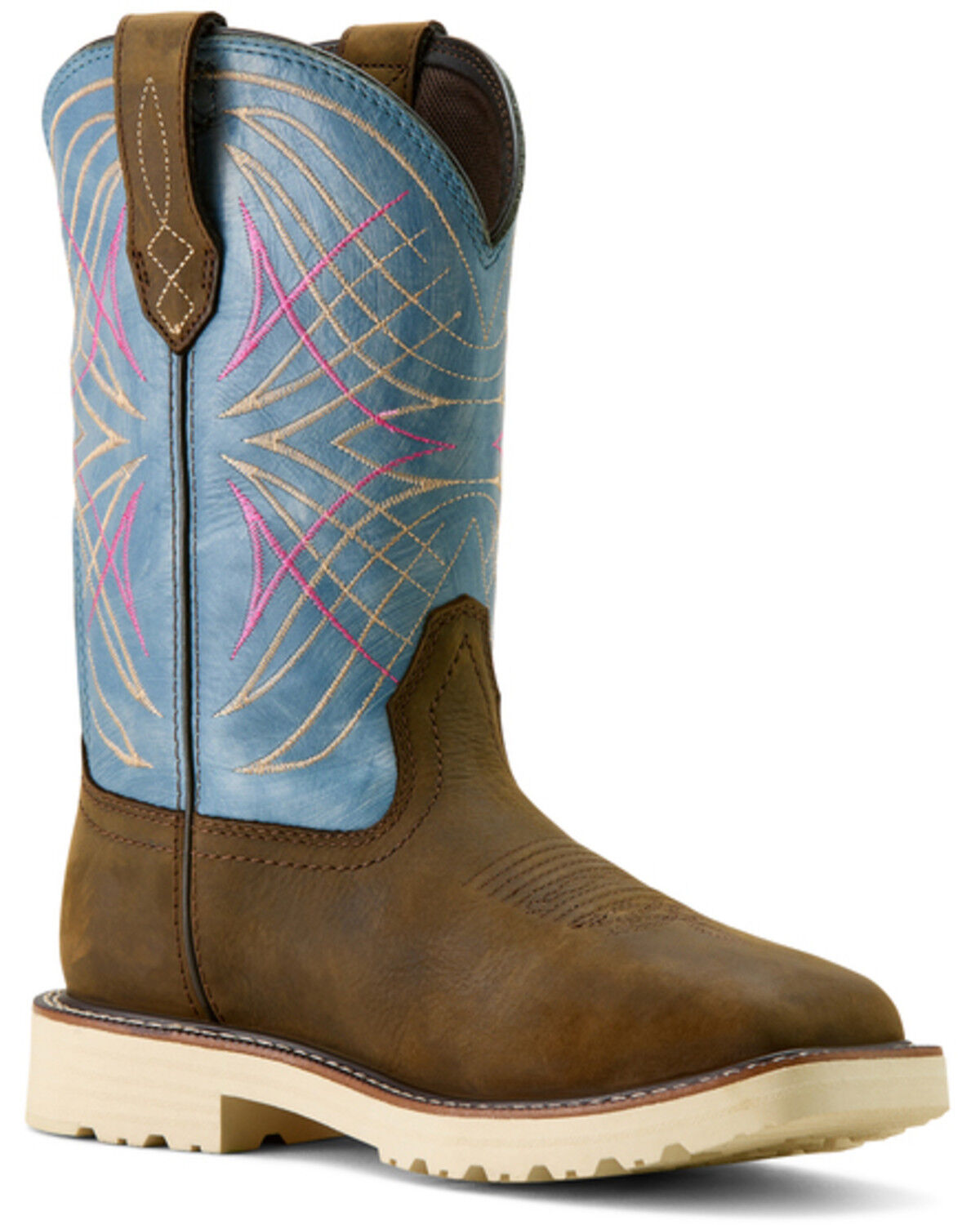
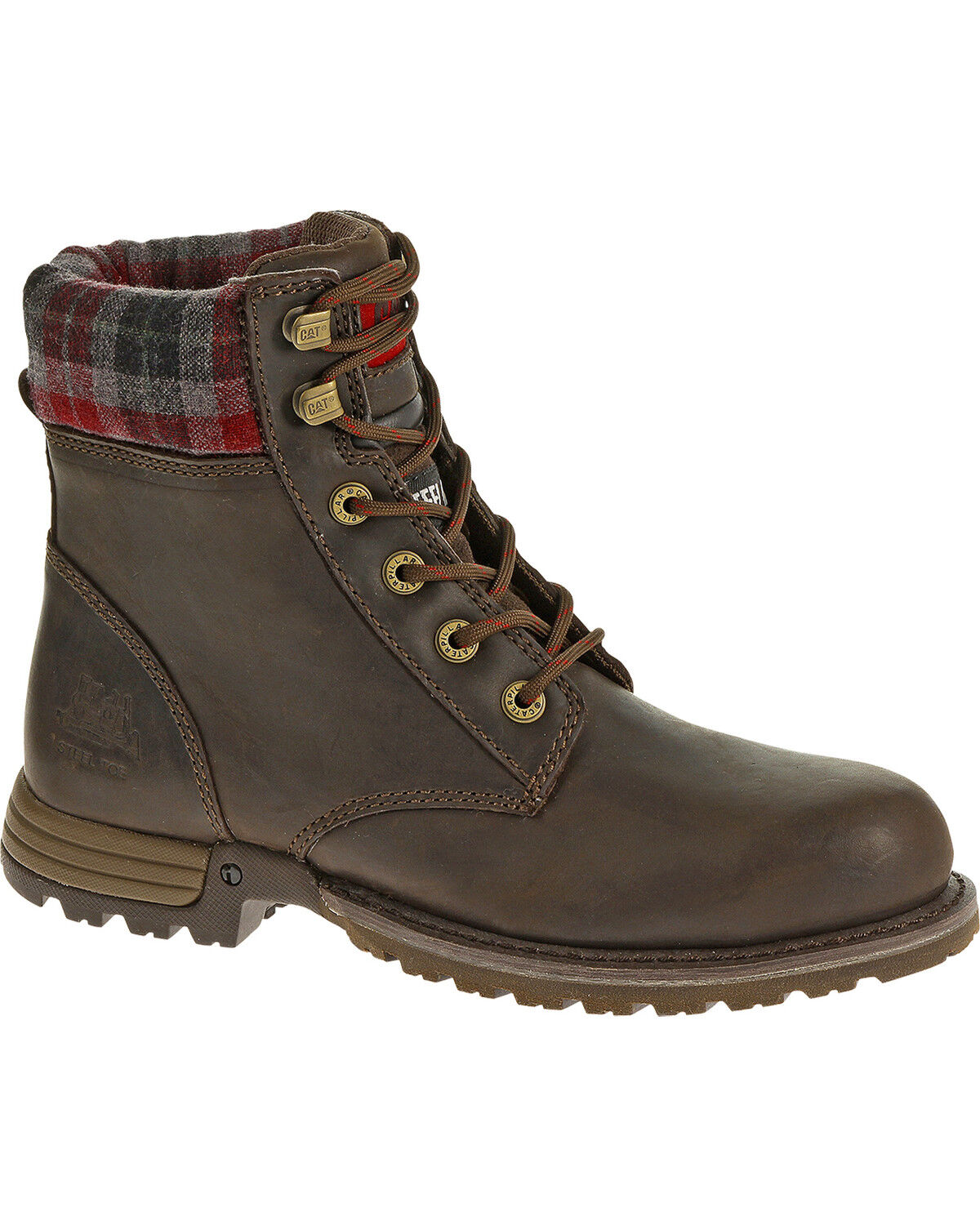
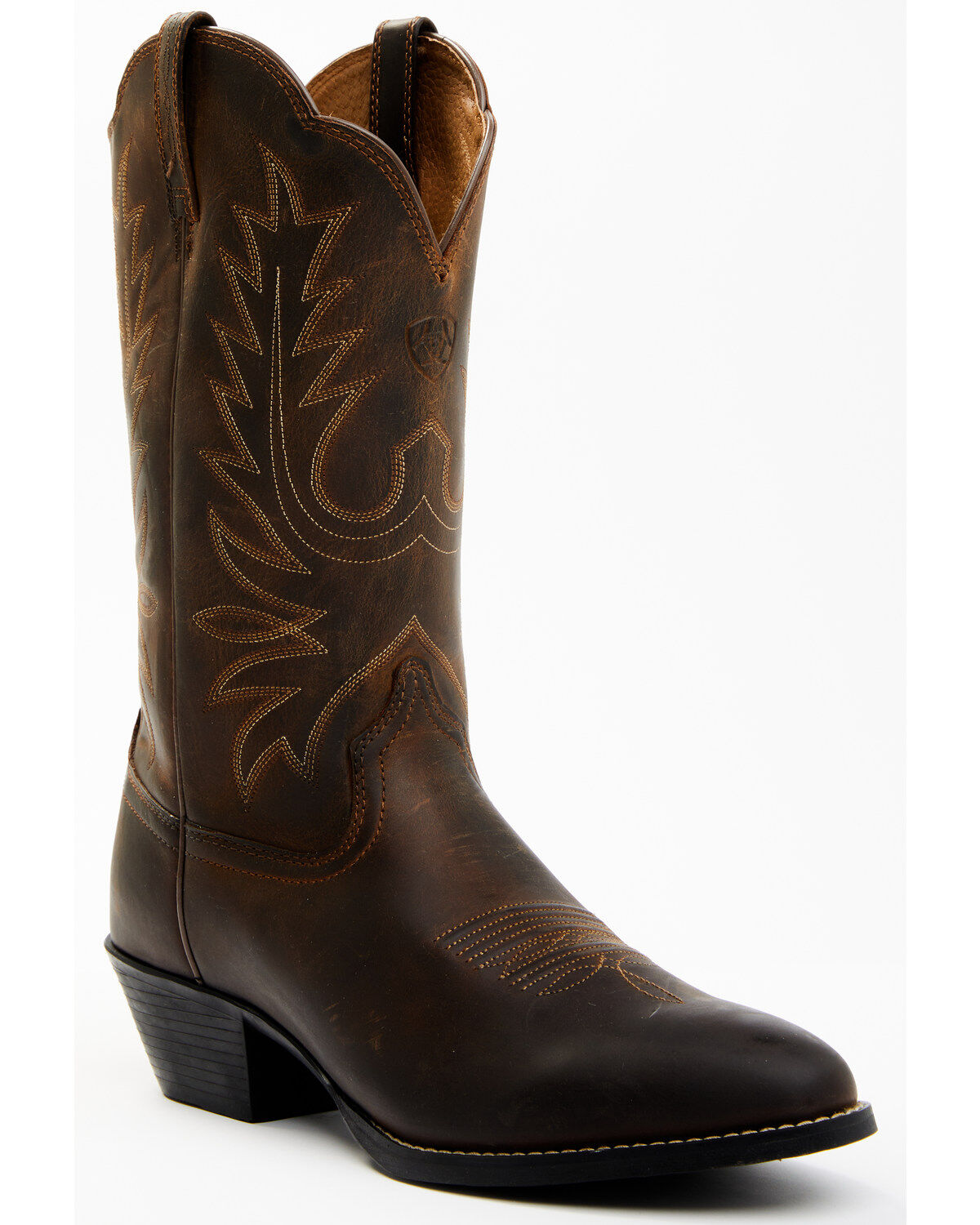
Women’s pull-on steel toe work boots combine a protective toe cap with a lace-free design for jobs that call for sturdy footwear and straightforward function. The steel cap sits inside the front of the boot, helping protect toes from impact and compression when the footwear meets the applicable safety standards. That protection matters when moving cartons in a warehouse, handling materials in a fabrication shop, or working around tools and equipment on a jobsite. A steel toe does not make every boot suitable for every task, though. The safety marking and the employer’s footwear requirements determine whether a pair belongs on that job. ASTM F2413 markings identify tested protective footwear, while additional markings may indicate features such as electrical hazard protection. Electrical hazard footwear provides secondary protection under specified dry conditions; it does not replace required electrical safety practices or other protective equipment. Toe protection also differs from metatarsal protection, which covers more of the top of the foot and requires a separate feature. Pull-on construction keeps laces out of the daily routine, with entry supported by pull tabs, a roomy shaft opening, or stretch panels, depending on the design. Taller shafts provide more coverage around the ankle and lower leg, while shorter profiles can allow easier movement beneath work pants. Neither shaft height nor a heavy appearance proves that a boot offers the protection a workplace requires. For women in manufacturing, agriculture, maintenance, and material handling, the useful details are often less visible: a stable heel, enough room around the safety cap, cushioning that holds up through a shift, and an outsole suited to the floor underfoot. Western-inspired stitching and familiar boot shapes can bring a traditional look to work footwear without changing those priorities. The strongest match is a boot built for the actual assignment, whether that means standing at a packing station or repeatedly stepping between a shop floor and a loading area.

Fit carries particular weight in women’s pull-on steel toe work boots because there are no laces to tighten across the instep or loosen over the forefoot. The instep should feel secure without painful pressure, and the heel should remain controlled while walking. Some heel movement can occur in a new pull-on boot, but repeated rubbing, pronounced lifting, or the foot sliding forward points to a fit problem rather than something to ignore. A women’s-specific last, the form used to shape a boot, may better match the wearer’s heel and forefoot proportions, but foot shape varies enough that the label alone cannot settle the fit. Length, width, arch position, and instep volume all matter. Trying boots with the socks worn on the job gives a more useful picture than trying them with thin everyday socks. Toes need space to move without pressing against the front or sides of the steel cap, including when crouching or walking down an incline. Leather may soften with wear; the protective cap will not stretch to create missing room. A wide-looking toe shape is not a substitute for the correct width, either. Square and rounded profiles describe appearance, not a guaranteed amount of interior space. Underfoot, cushioning helps soften contact with hard surfaces, while a supportive midsole and stable base can make long stretches of standing feel more manageable. Removable footbeds may allow room for suitable replacement insoles or prescribed orthotics, provided the change does not crowd the foot or conflict with the manufacturer’s guidance. Boot weight is worth considering alongside support, especially for work that involves frequent walking. A lighter feel has little value if the heel shifts with every step. For a gift, knowing the recipient’s usual boot size is only a starting point. Their required safety rating, preferred width, work socks, and experience with pull-on fit are just as important. Work footwear is personal equipment, and comfort depends on more than matching a familiar number.

Materials and construction determine how women’s pull-on steel toe work boots handle repeated bending, abrasion, and contact with work surfaces. Leather uppers are common because they offer a firm feel and can become more flexible with wear, while reinforced areas can help limit damage where a boot rubs against equipment or gets scraped during kneeling. Full-grain leather retains the hide’s natural grain surface, but leather type alone does not establish the life of a boot. Stitching, outsole attachment, lining quality, and the demands of the job all contribute. Welted construction may permit resoling when the design and condition allow it; other attachment methods have different repair limits. Rubber and polyurethane outsoles can offer different balances of grip, cushioning, weight, and abrasion resistance, so the material name is only part of the picture. Slip resistance and oil resistance are separate claims. An oil-resistant sole is not automatically slip-resistant, and no tread can guarantee secure footing on every surface. Broad contact areas may suit smooth floors, while deeper tread can help on loose ground, but the manufacturer’s stated use and workplace conditions remain the deciding factors. Debris packed into tread can reduce its usefulness, making outsole cleaning part of routine care rather than an appearance concern. Leather also benefits from regular attention: removing grit before it works into creases, wiping away residue with an appropriate cleaner, and applying a compatible conditioner as directed. Excess conditioner can change the leather’s finish or feel, so more is not always better. Let damp boots dry with airflow away from direct heat, and remove the footbeds when the care instructions allow it. Check for separated soles, damaged stitching, worn tread, and exposed protective components. Footwear that has taken a significant impact may need replacement even when the damage is not obvious. For a broader look at leather construction beyond this safety-toe category, women’s pull-on leather work boots include designs whose protective features should be checked individually. The right work boot brings together verified protection, a secure fit, and materials suited to repeated use. Those details matter from the first task through the last walk across the floor.
Read More

FAQs