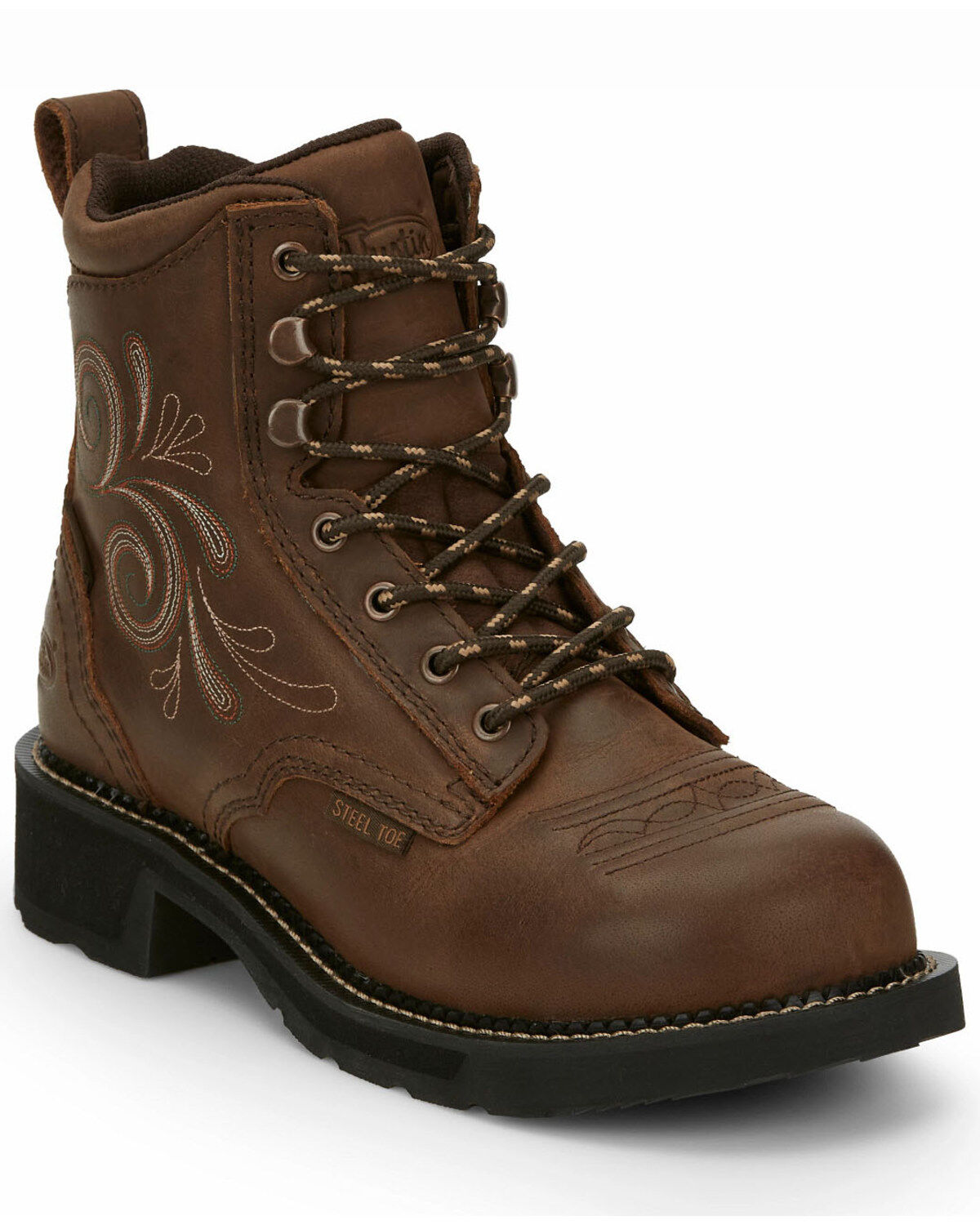
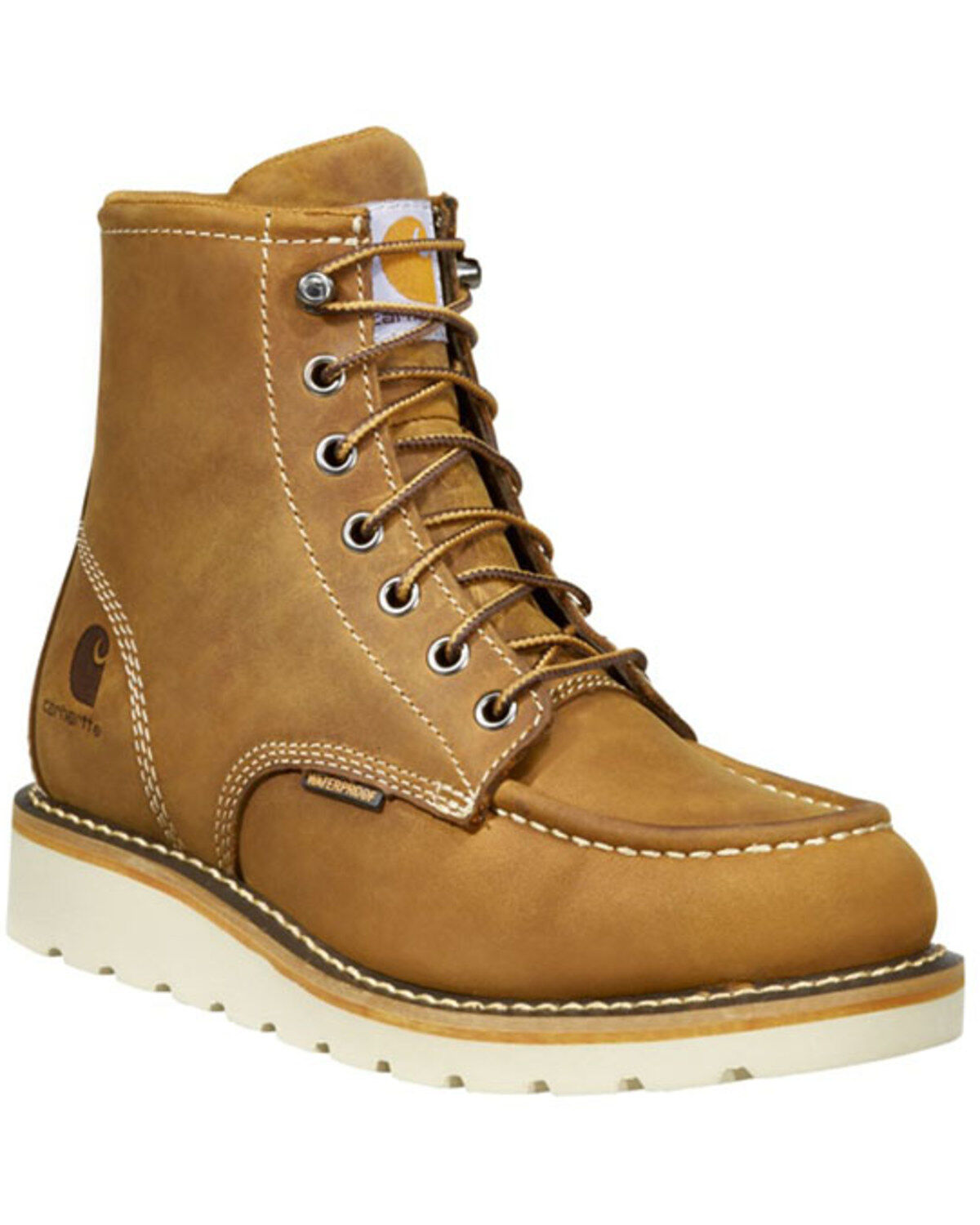
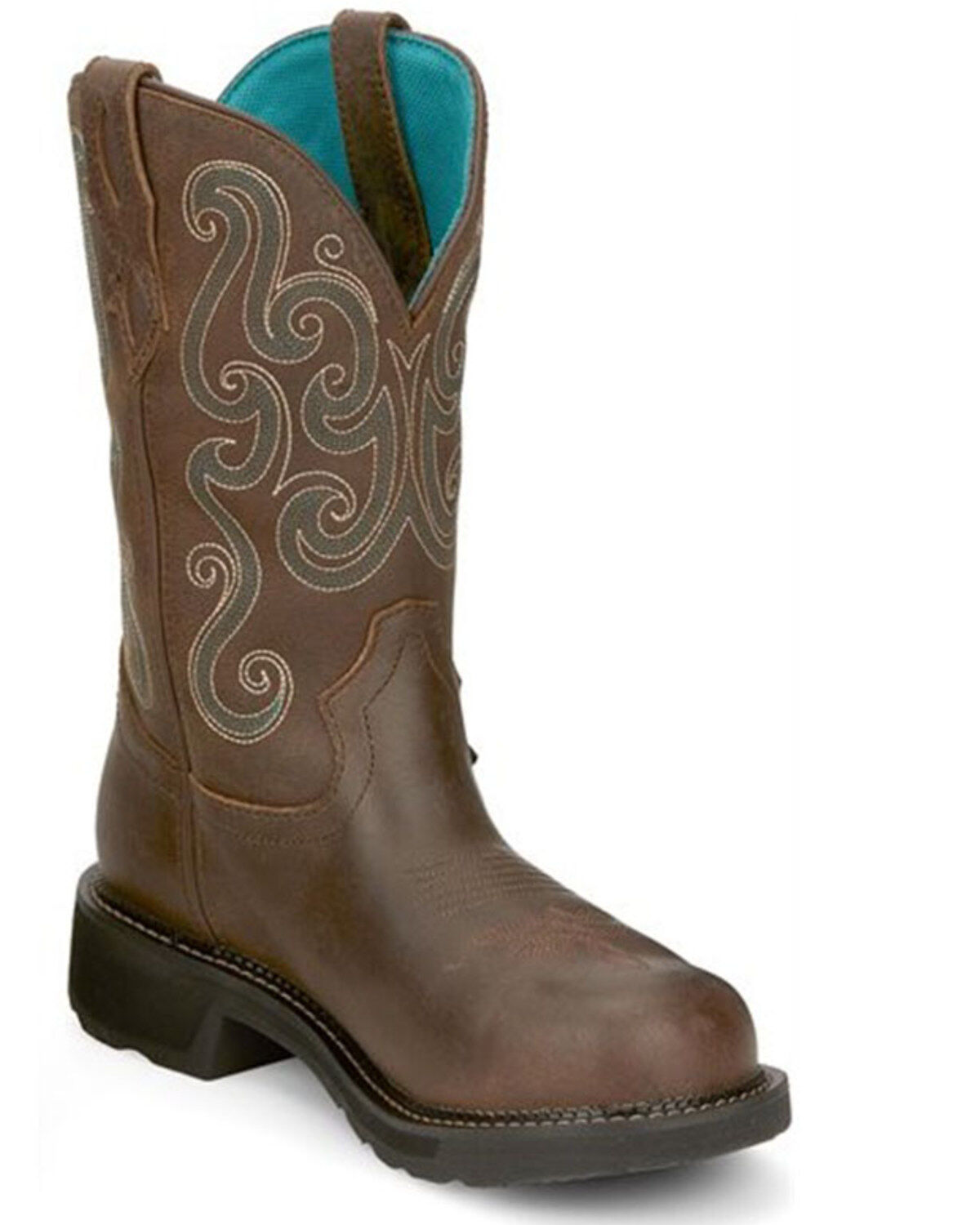
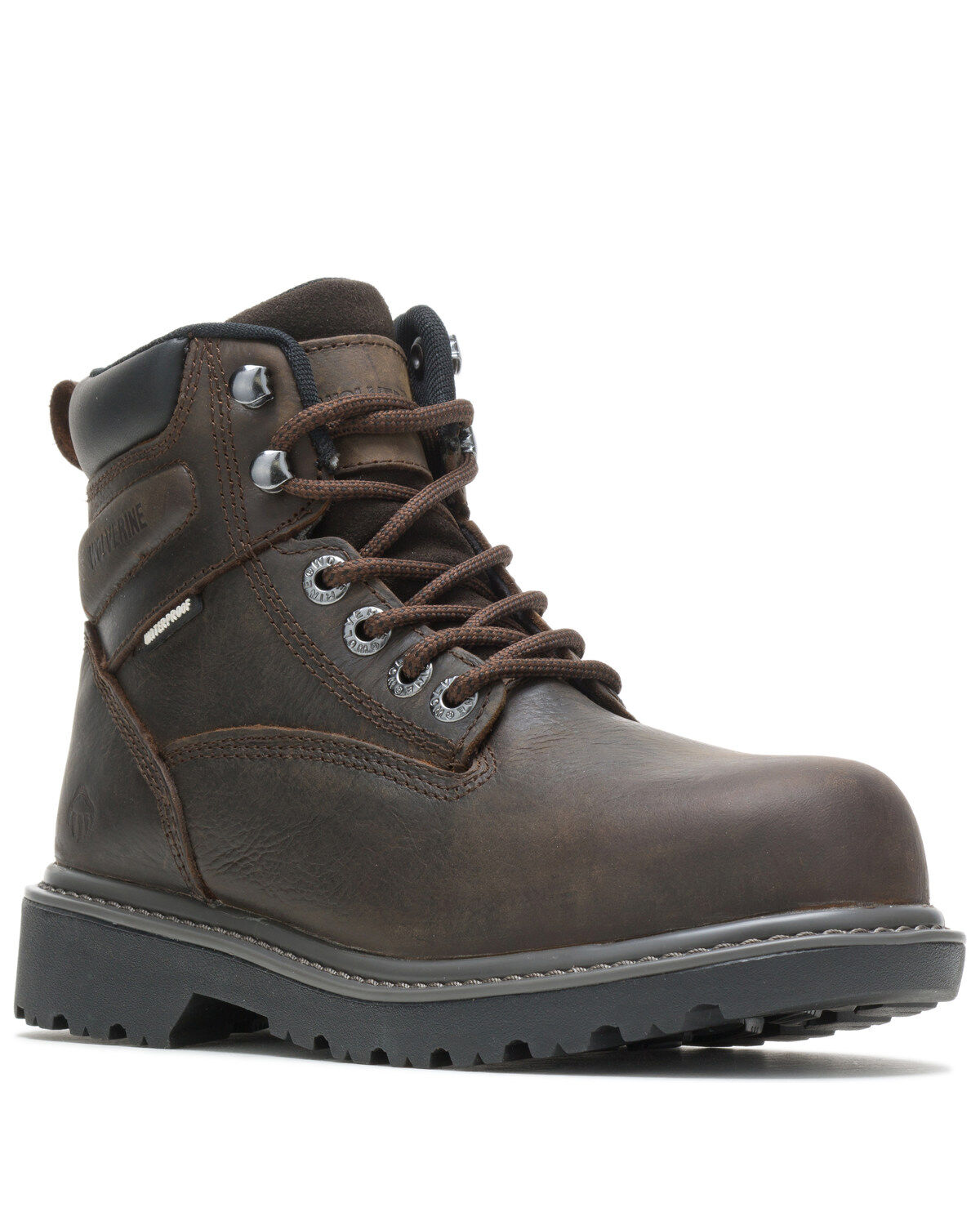
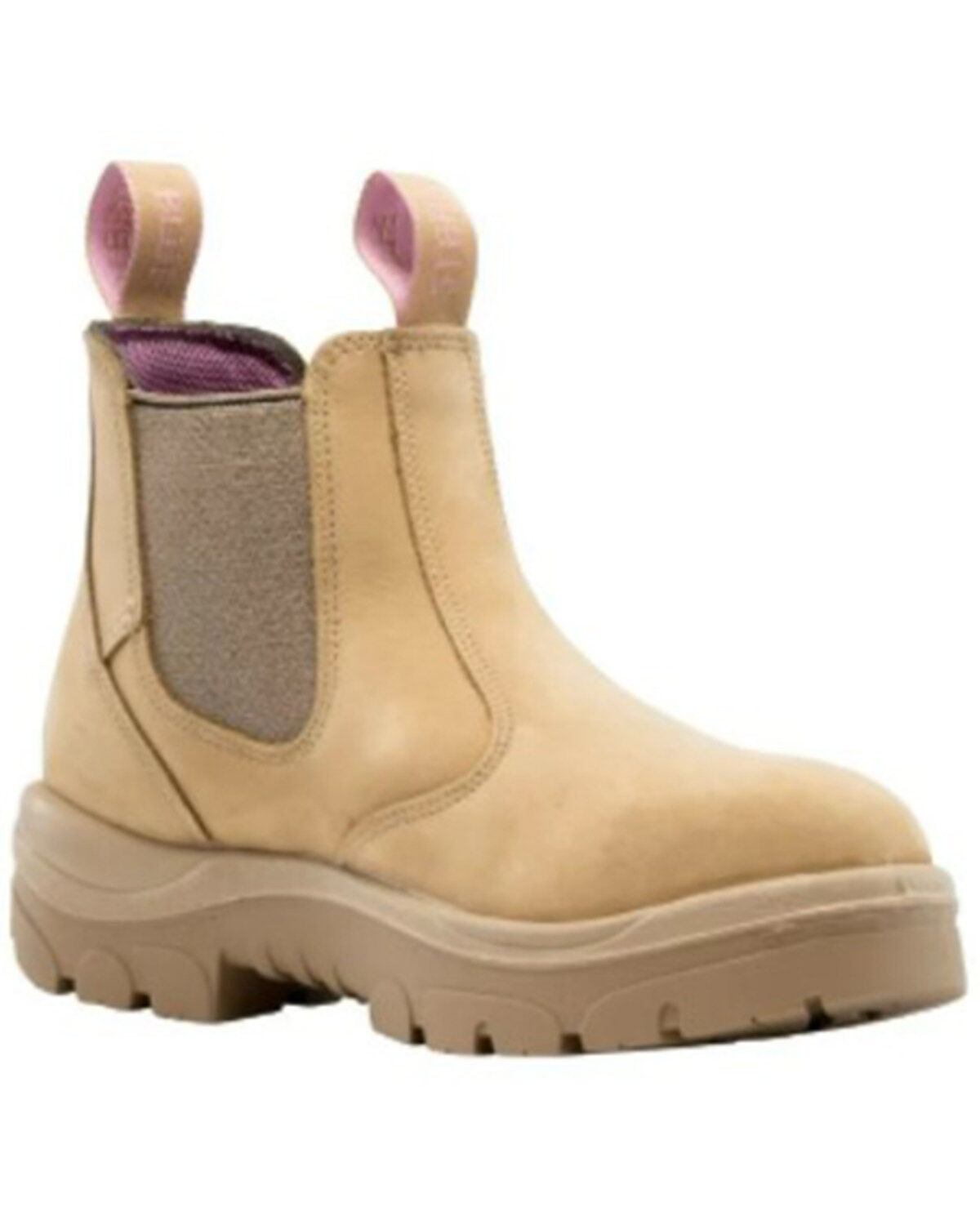
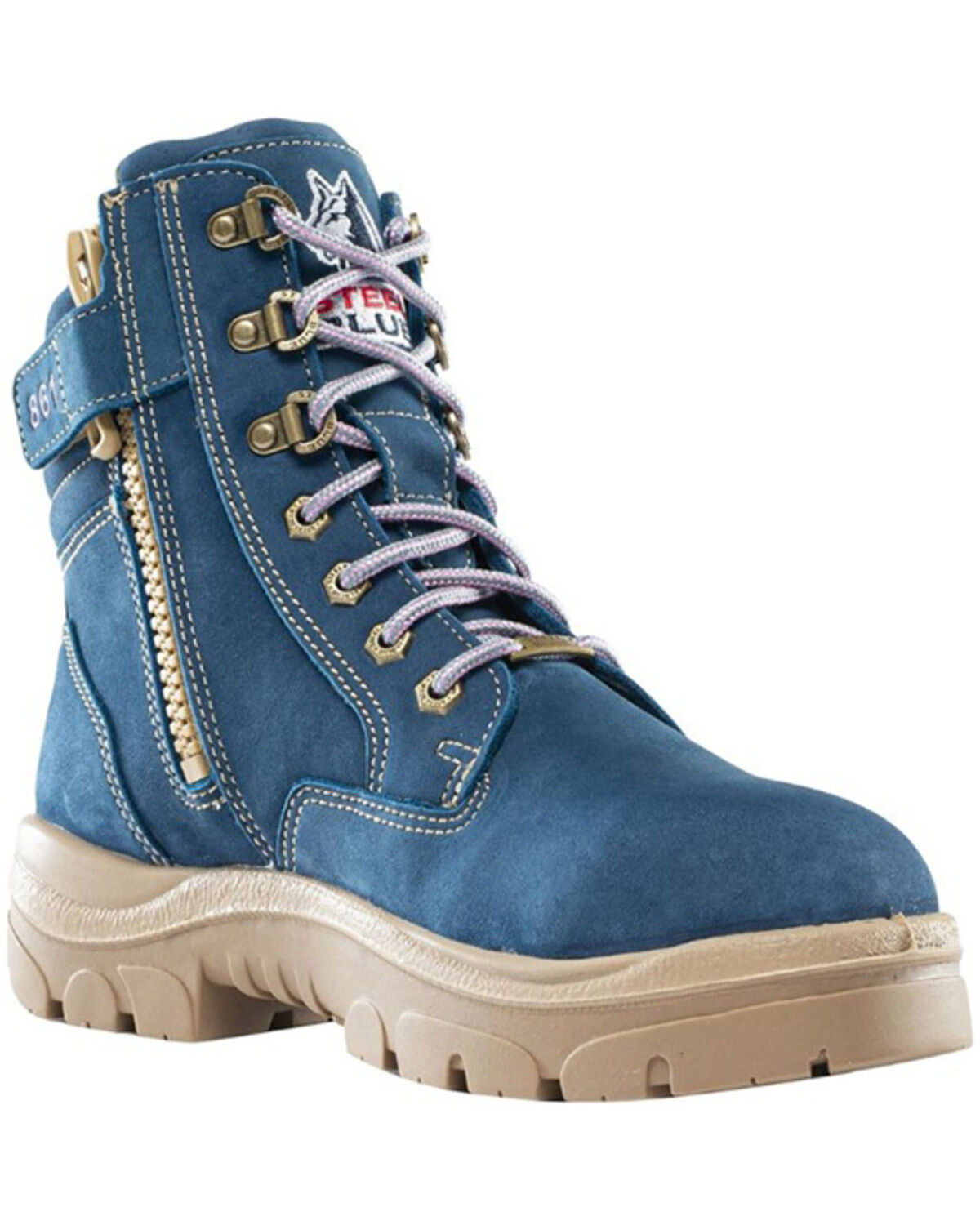
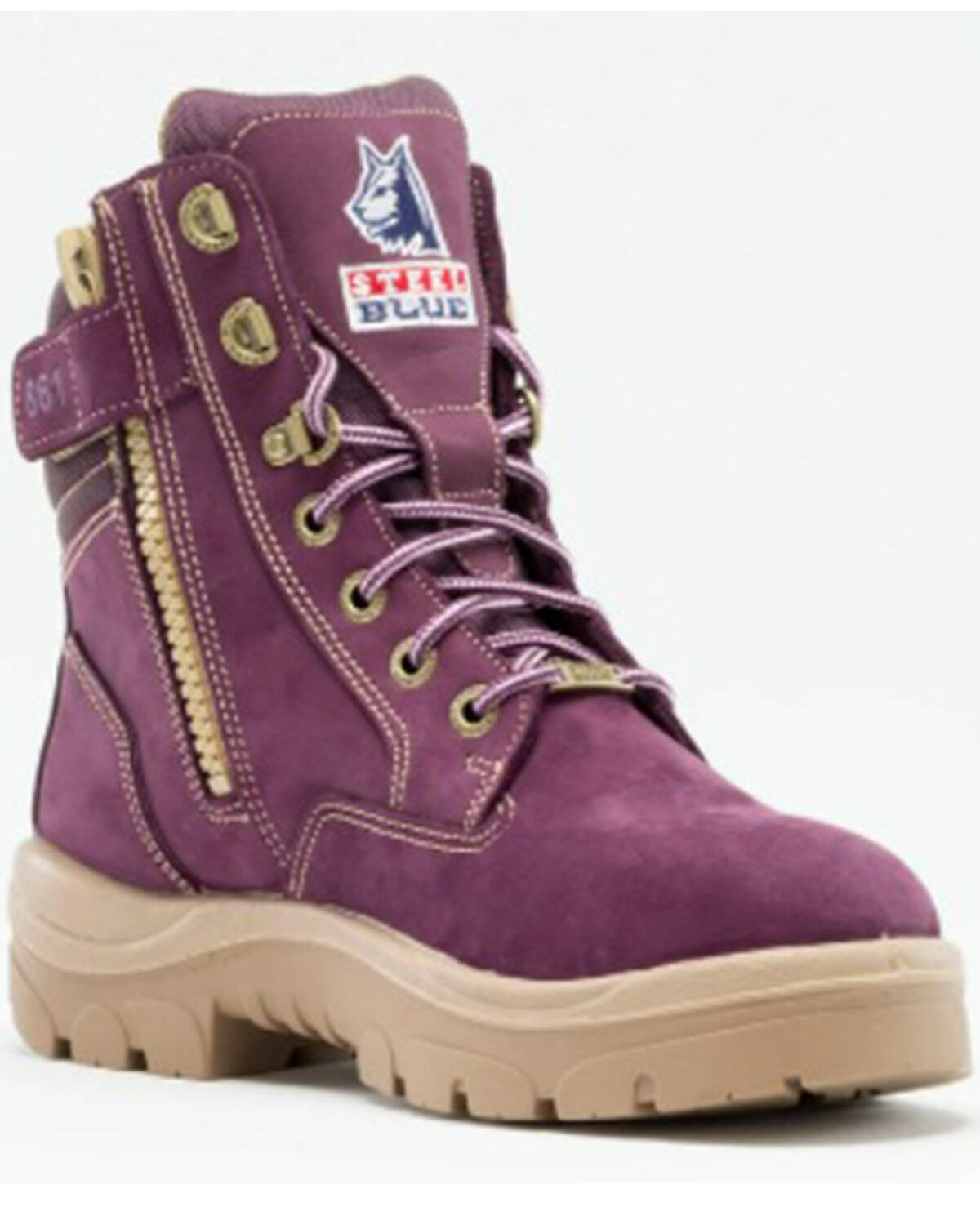
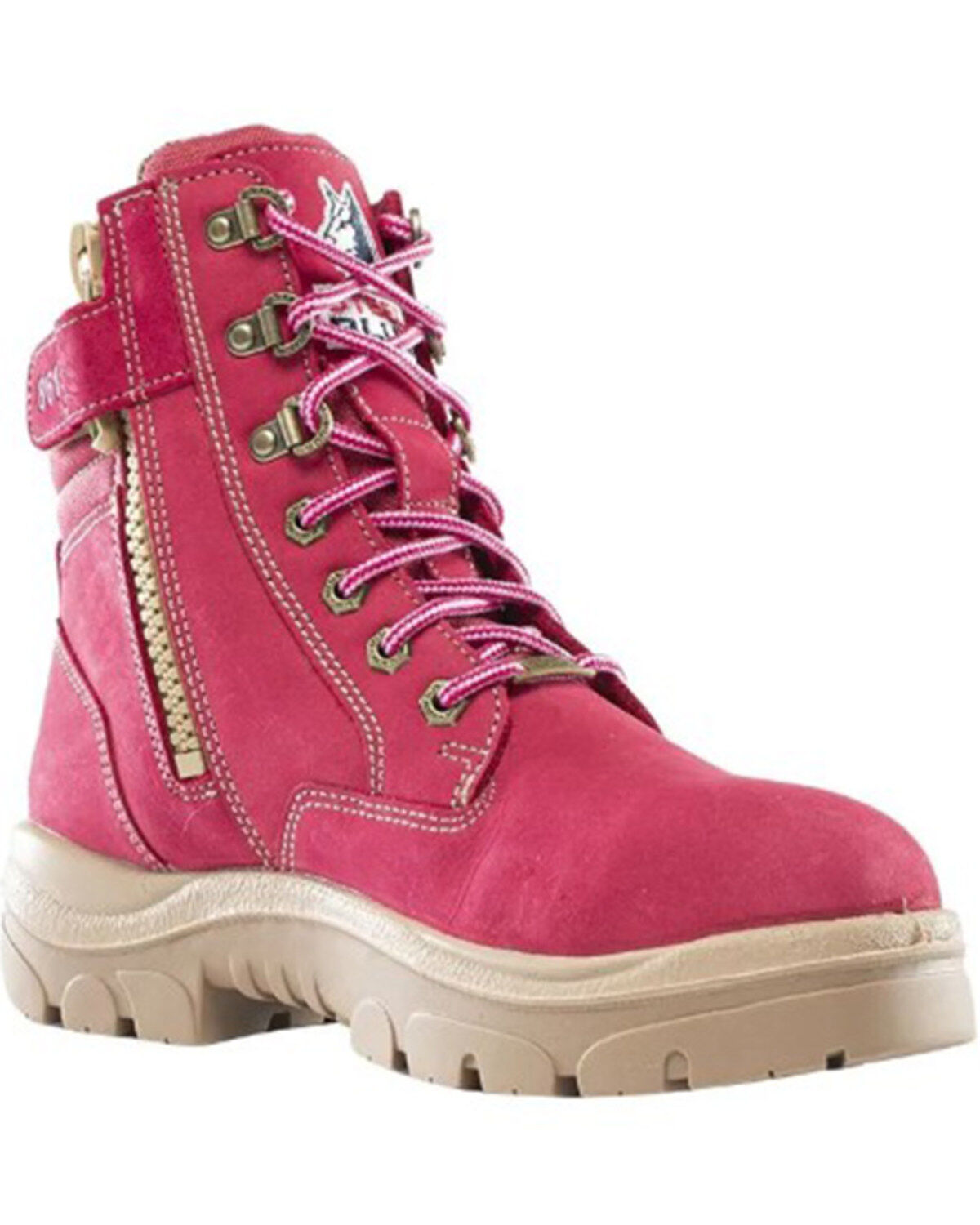
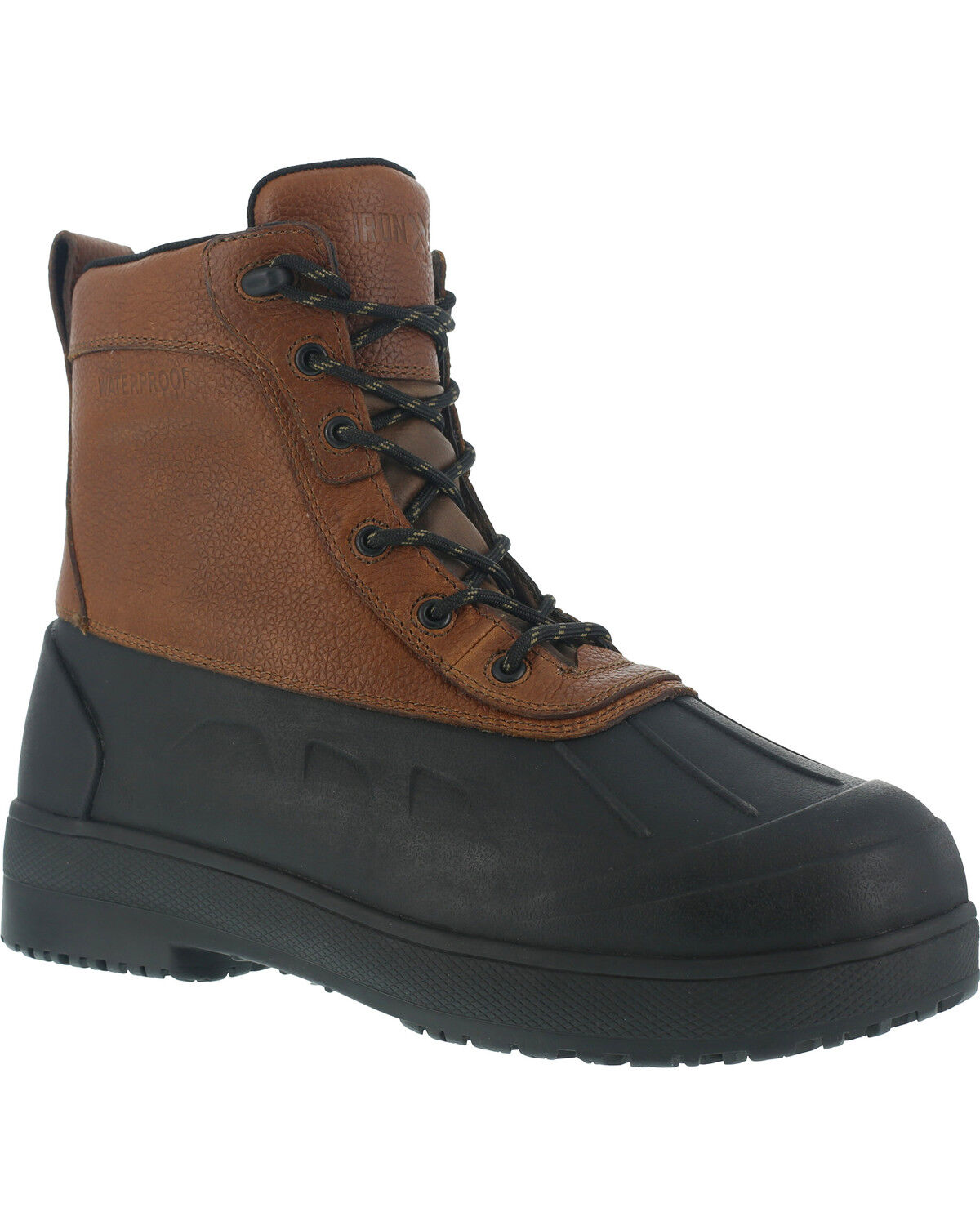
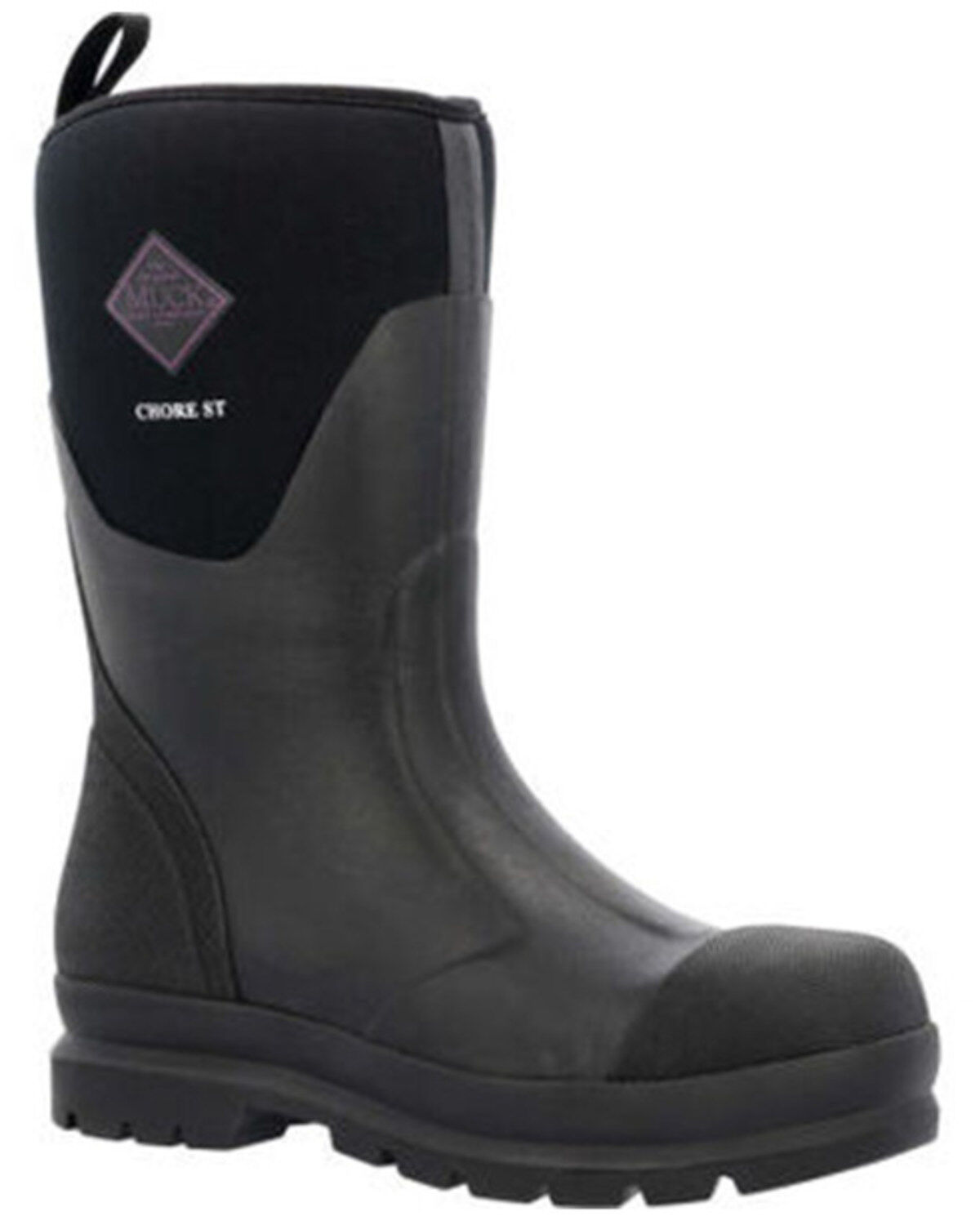
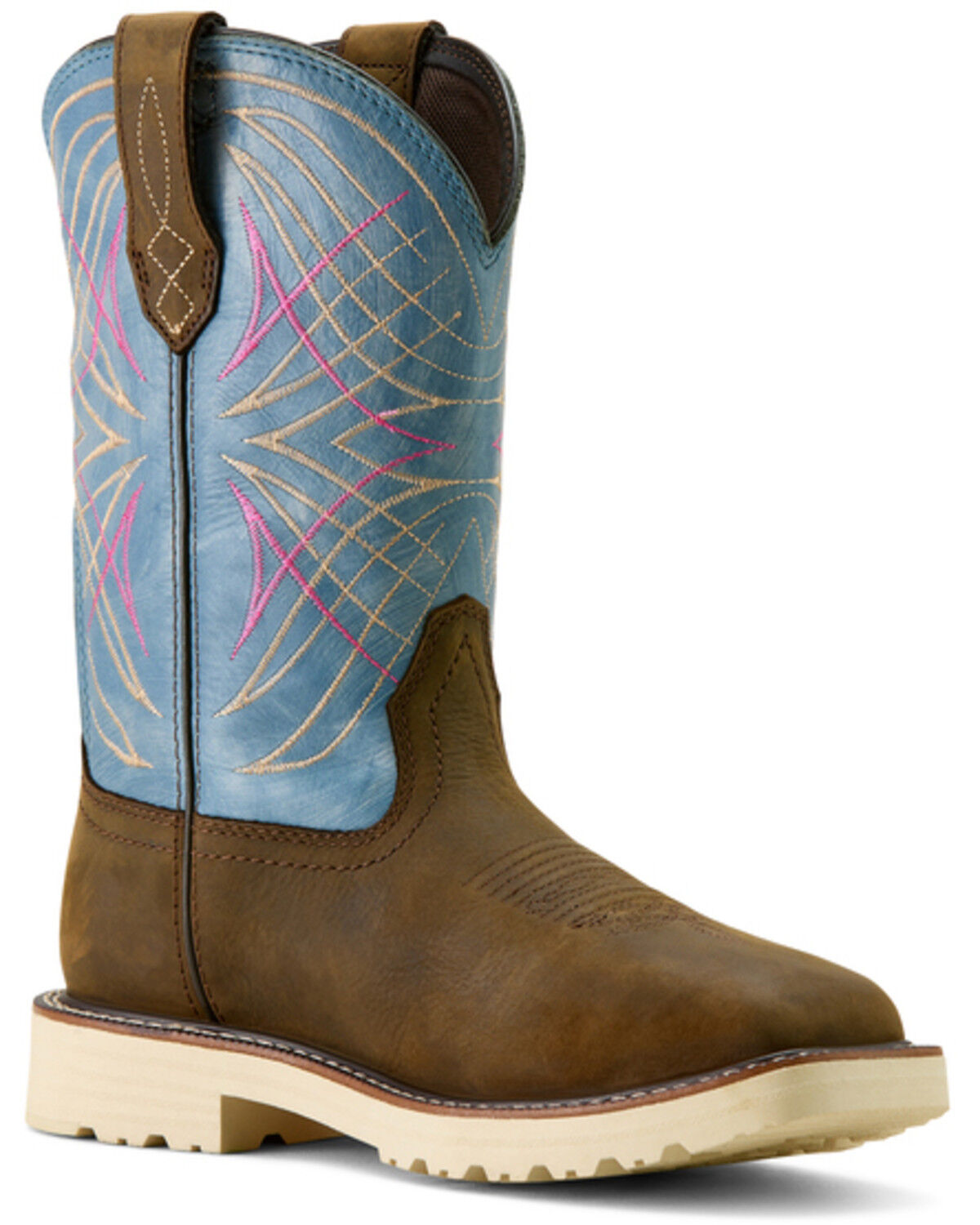
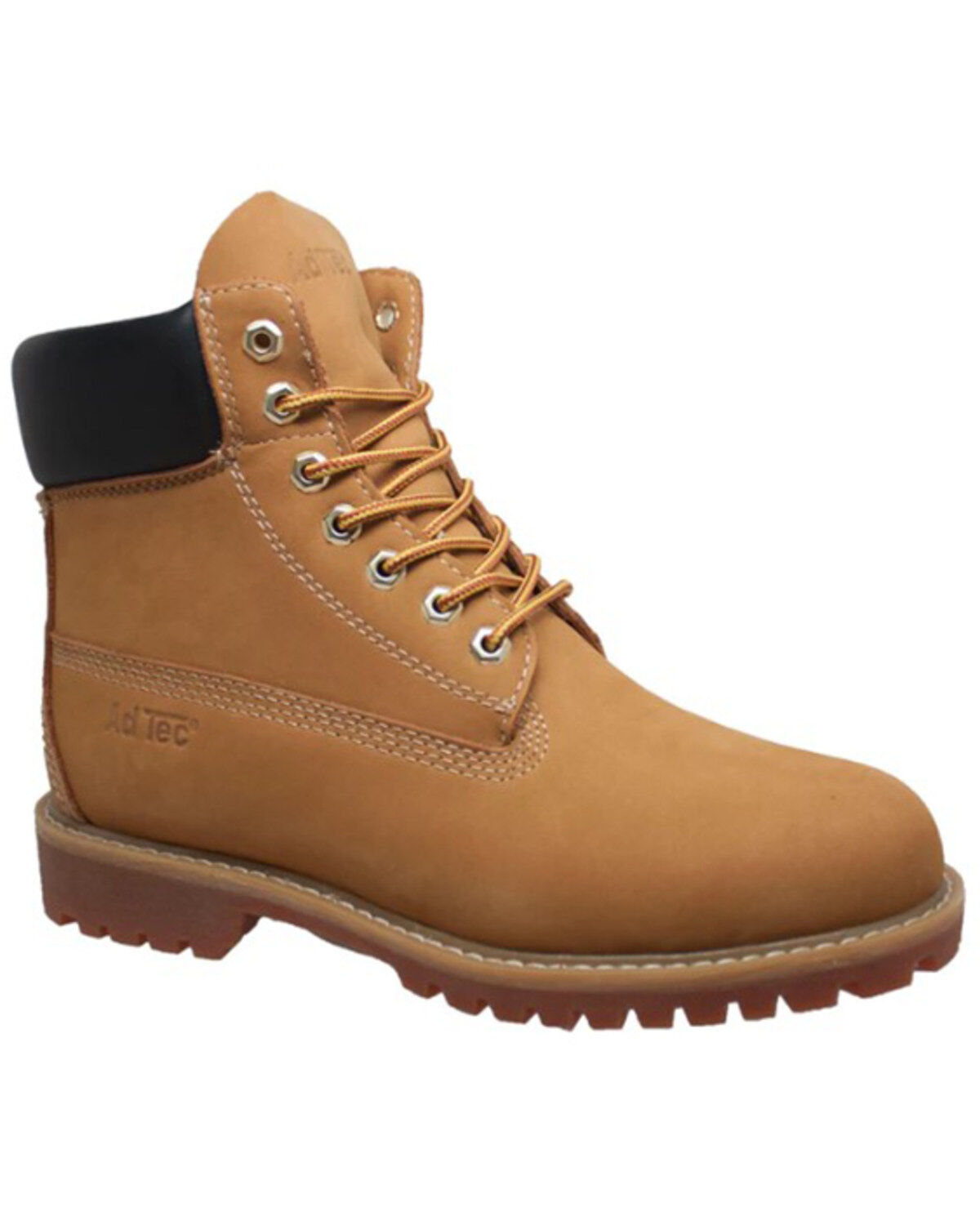
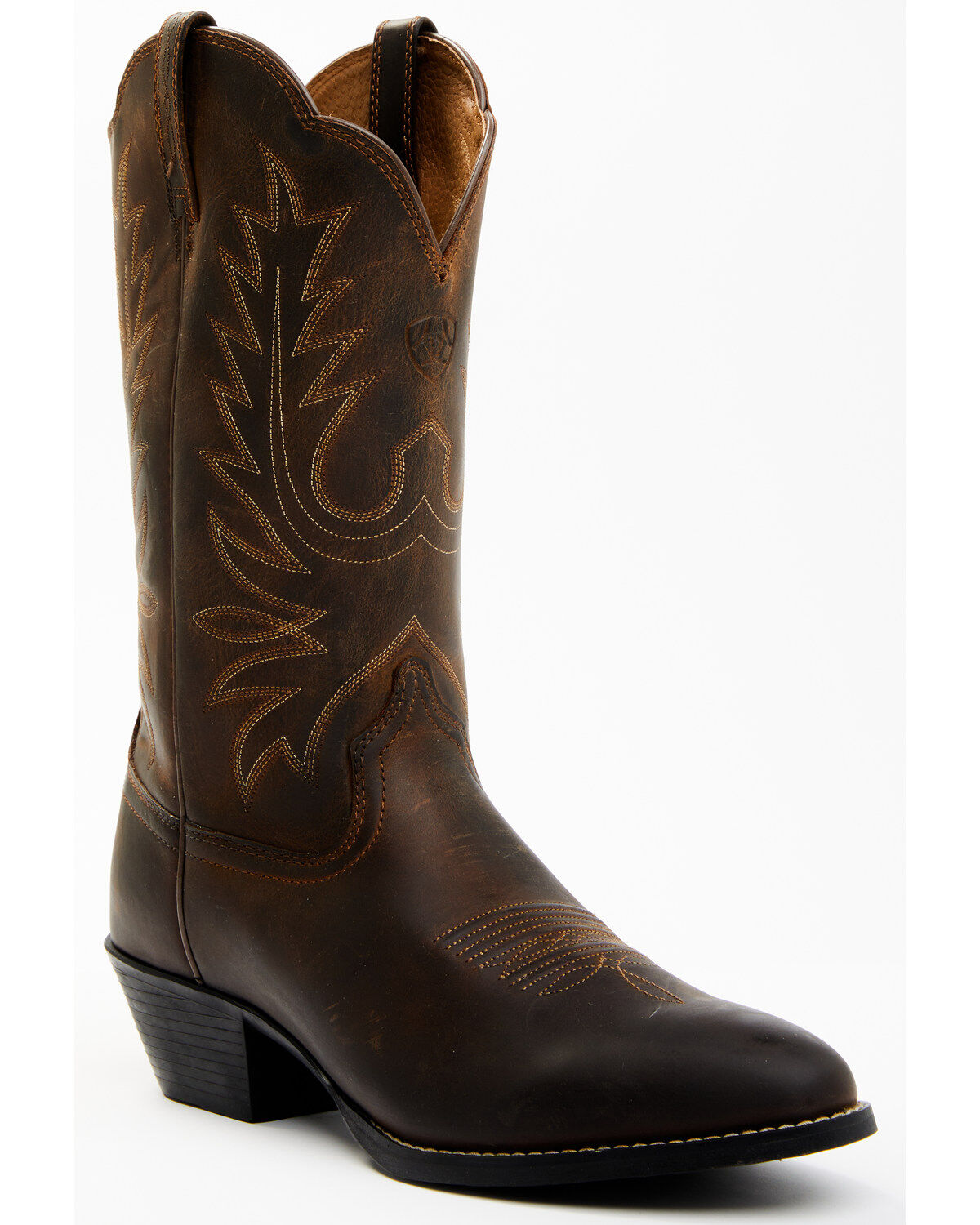
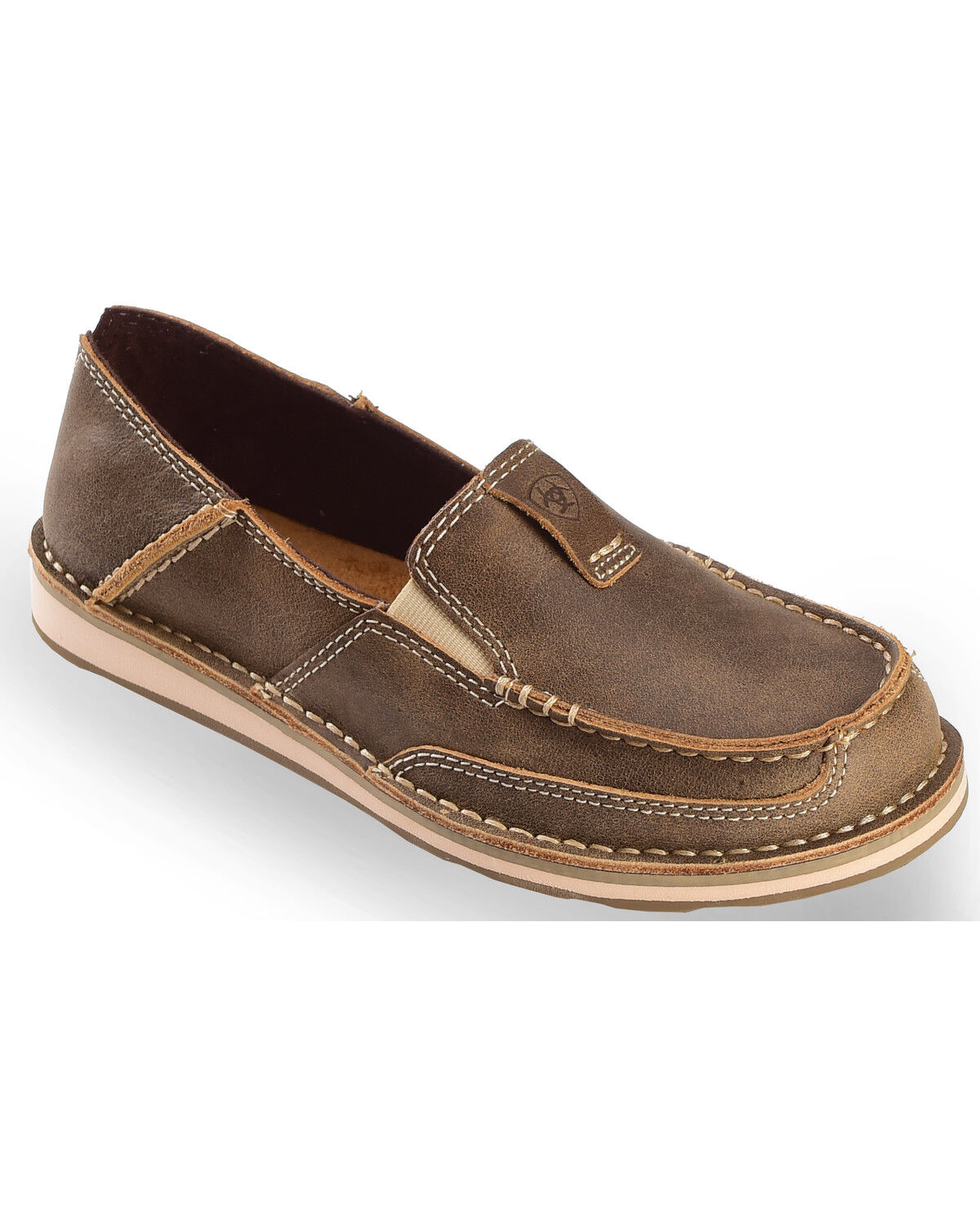
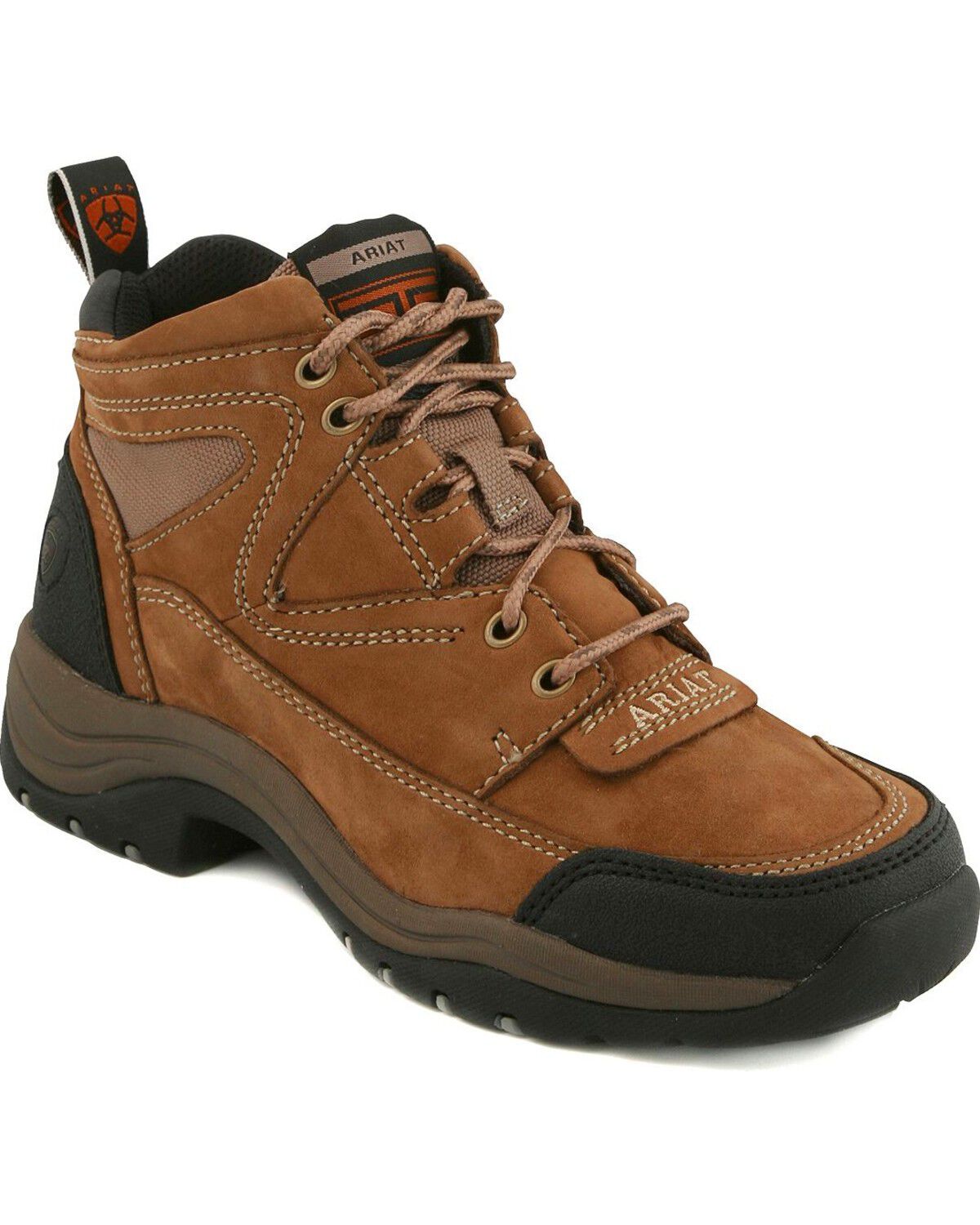
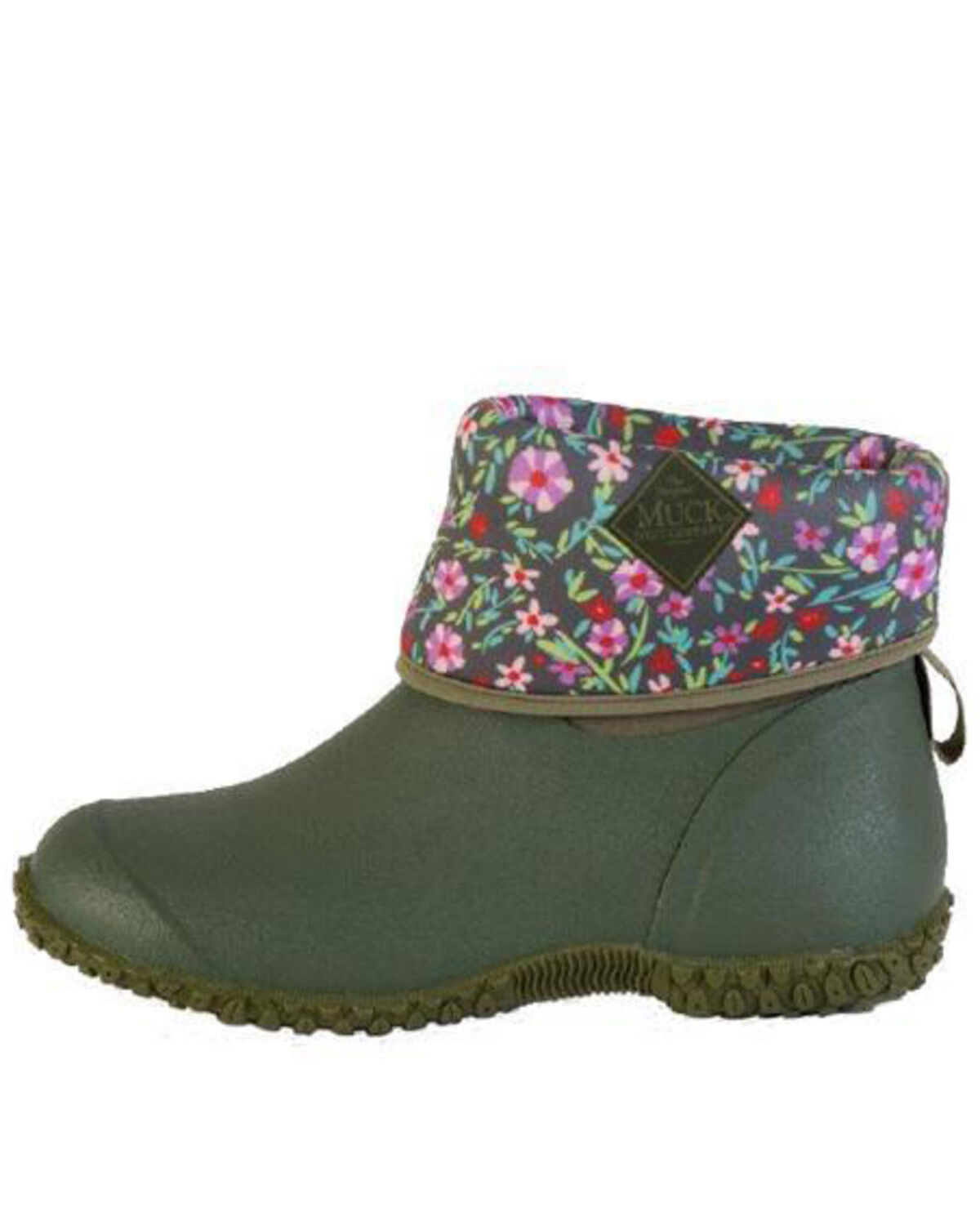
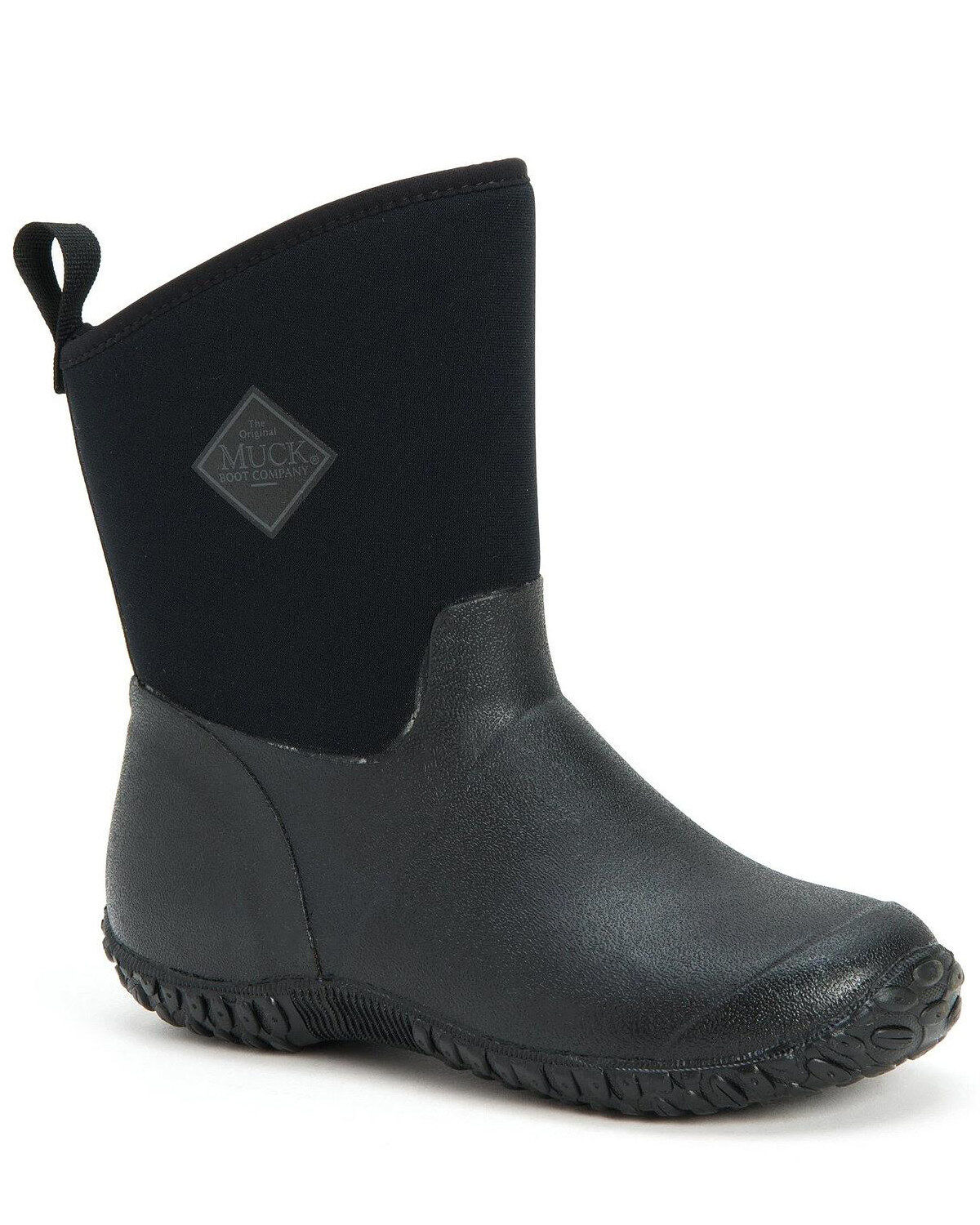
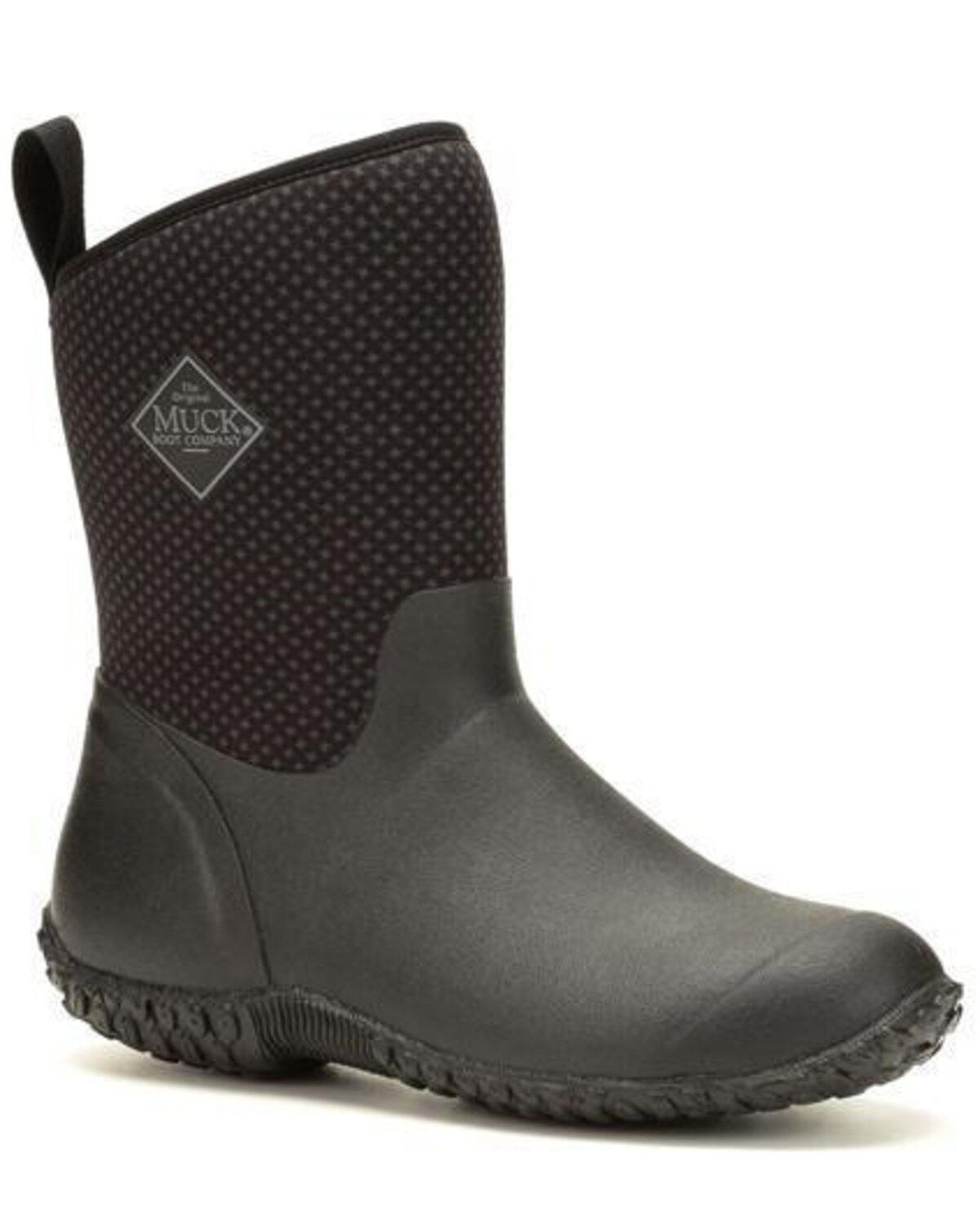
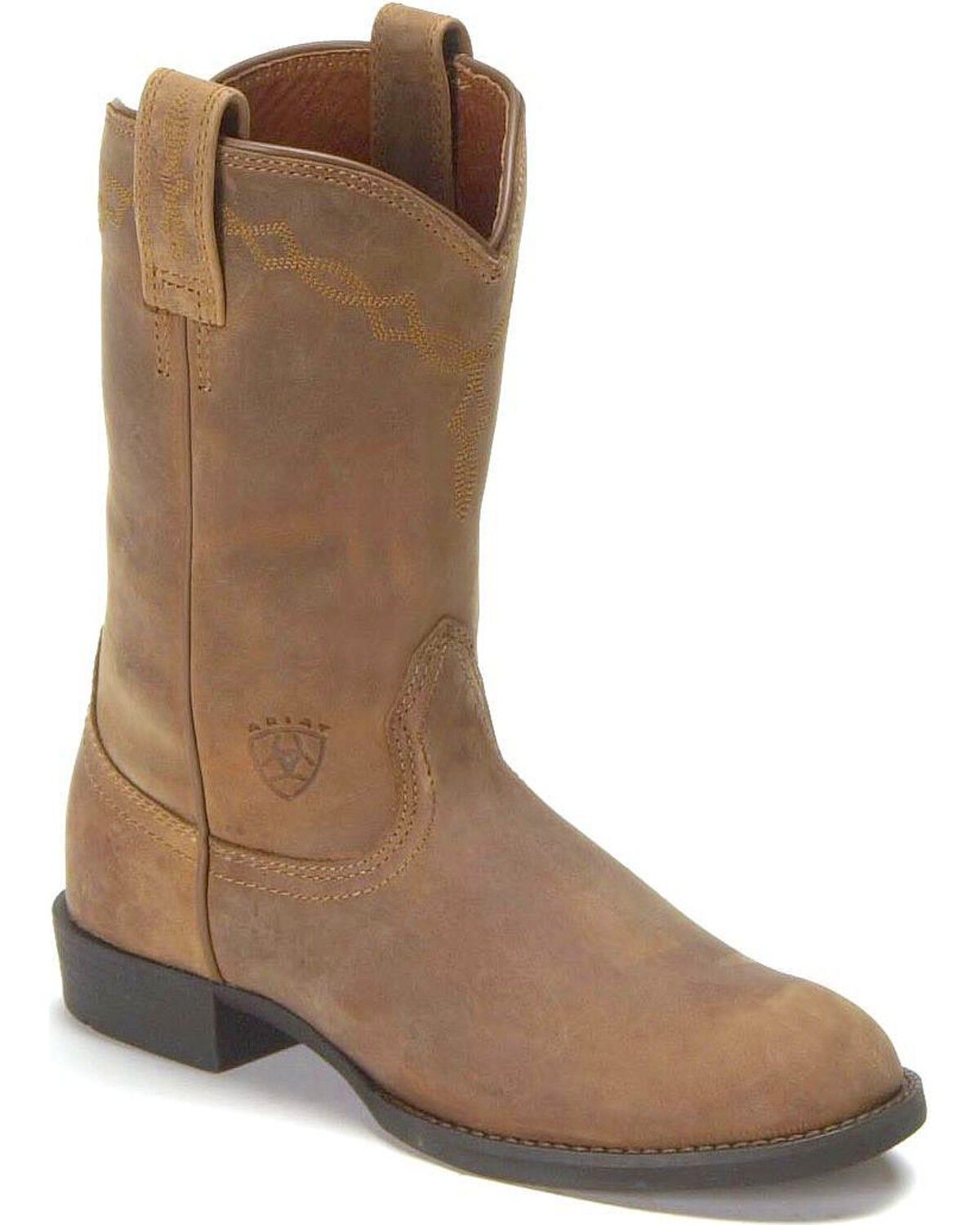
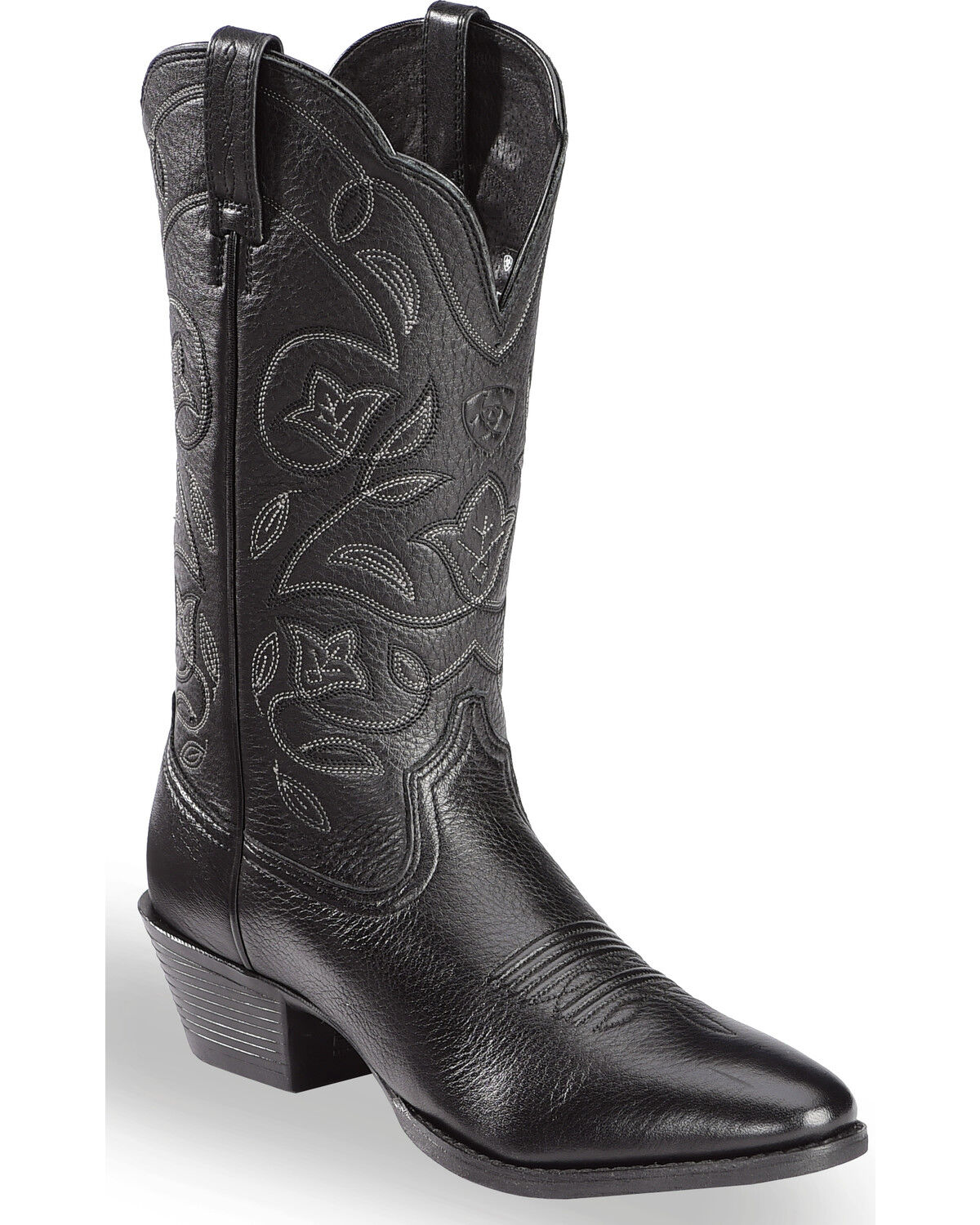
Women's Steel Toe Waterproof Boots

Find women's steel toe waterproof boots for toe protection and help keeping feet dry in wet working conditions. Browse work boots that combine these features, and check each style’s fit and listed safety details against your job requirements before choosing a pair.

Read More

Shop Your Store: Shop Your Store: Find a Store

(Turn off Shop Your Store to see all items)

(Turn off Shop Your Store to see all items)

close
  • Recommended
  • Lowest Price
  • Highest Price
Skip pass products

End of products

Women's Steel Toe Waterproof Boots

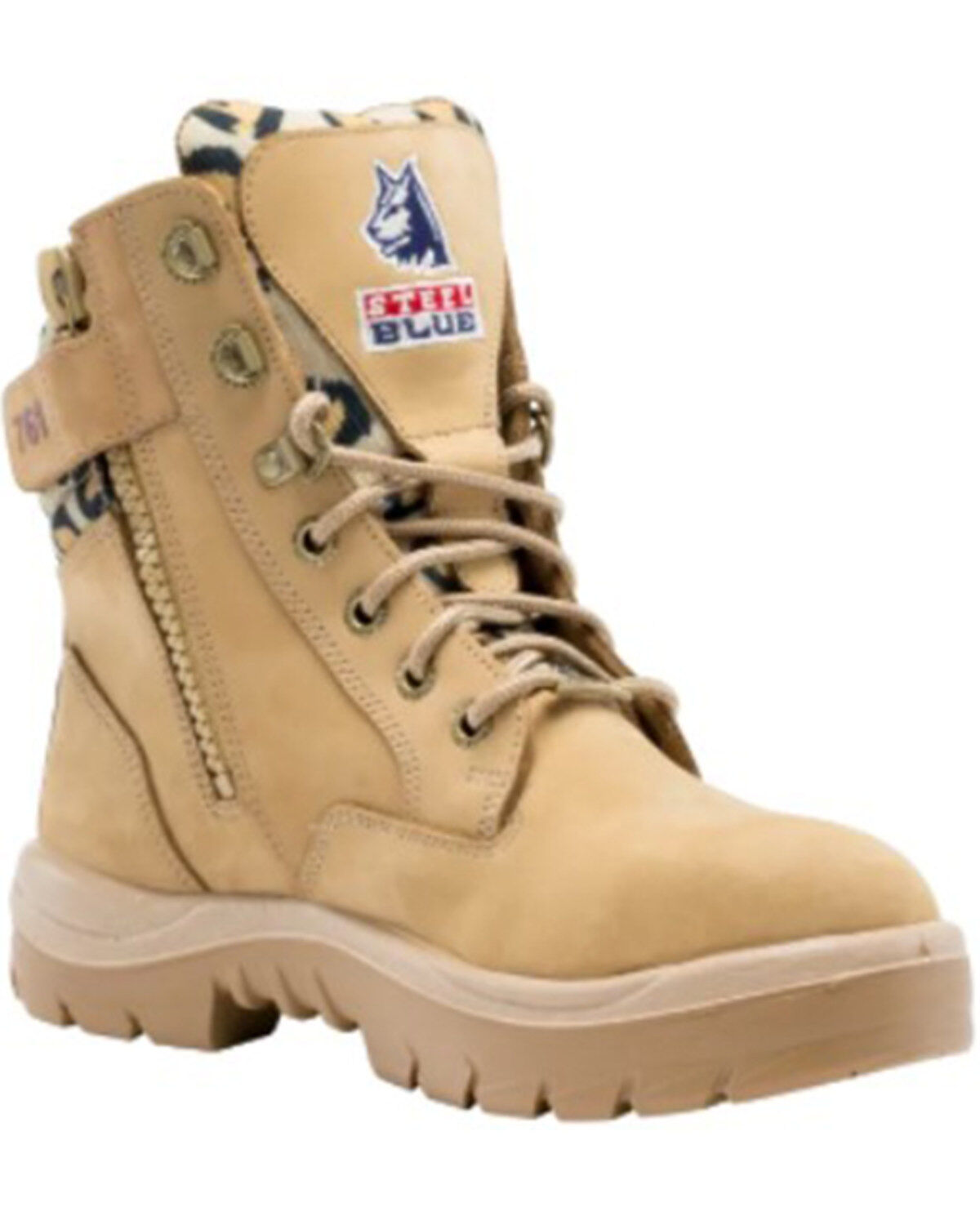
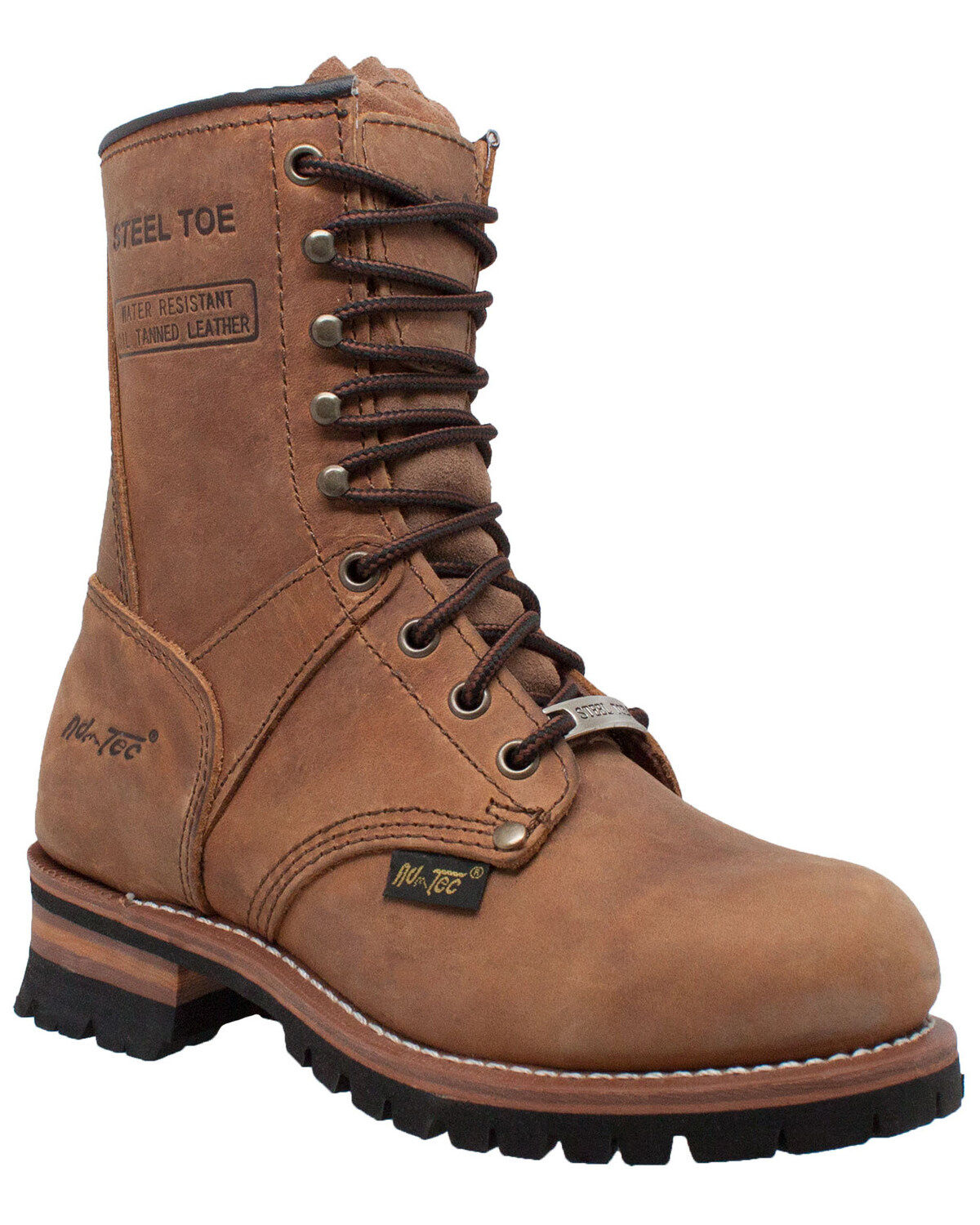
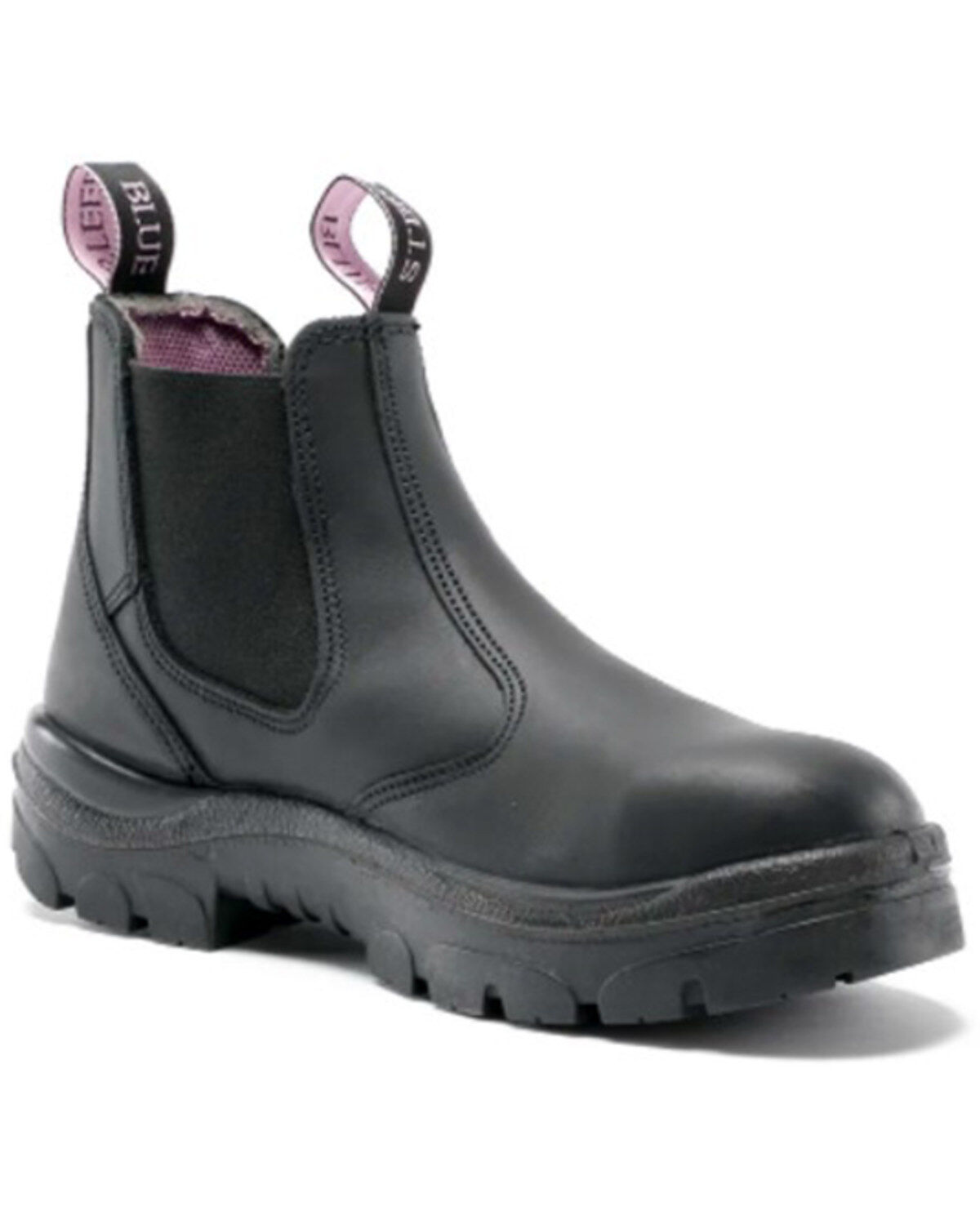
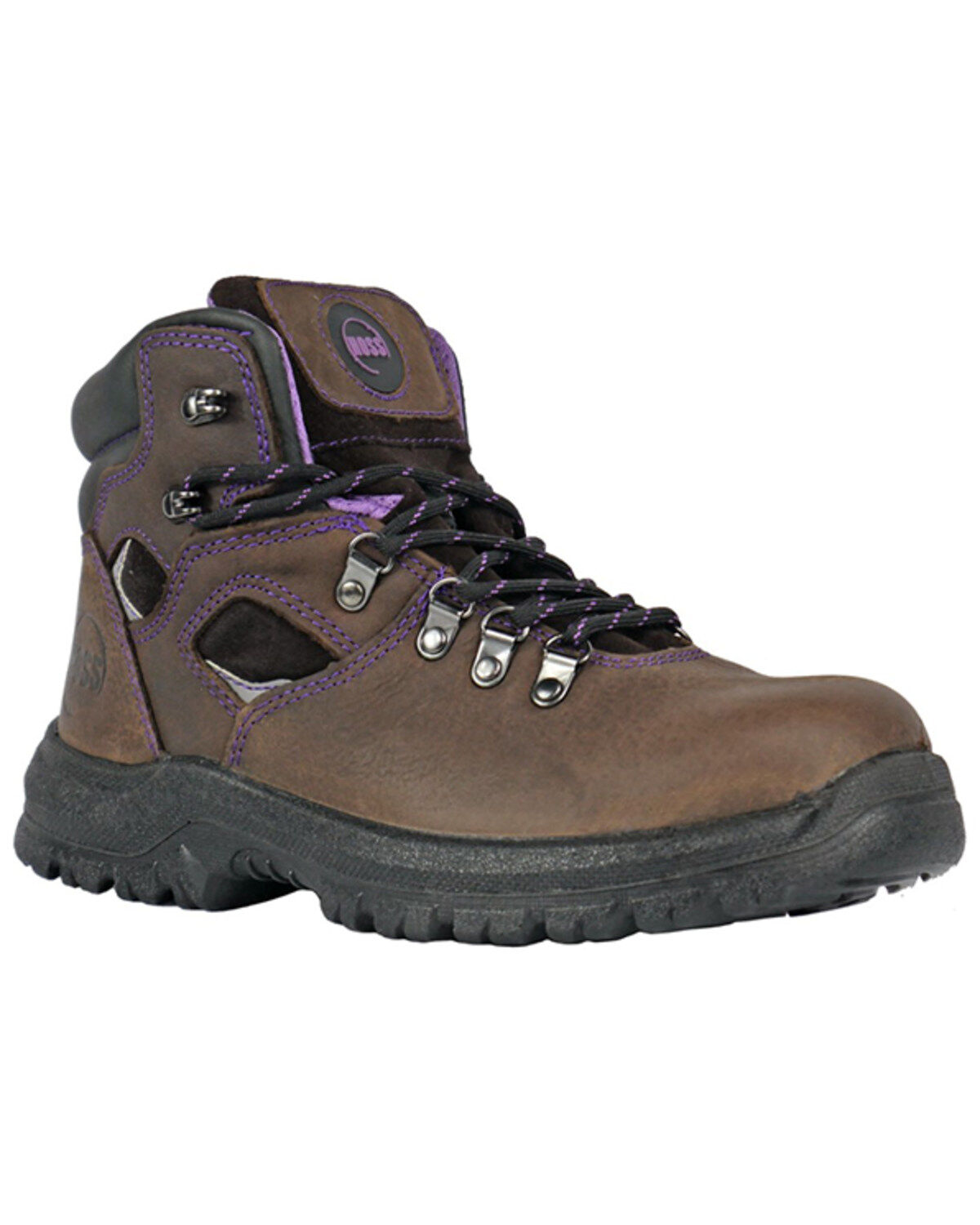
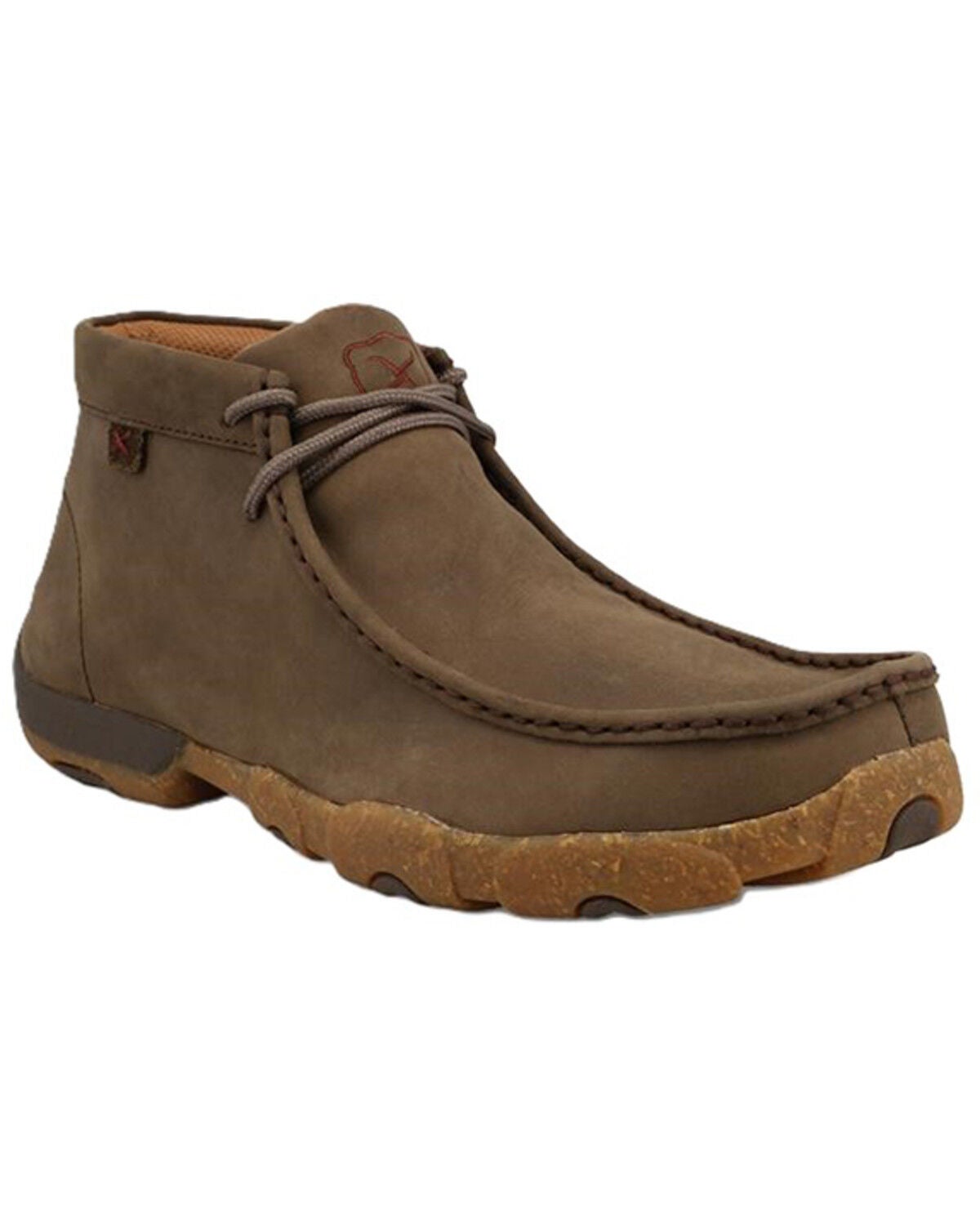
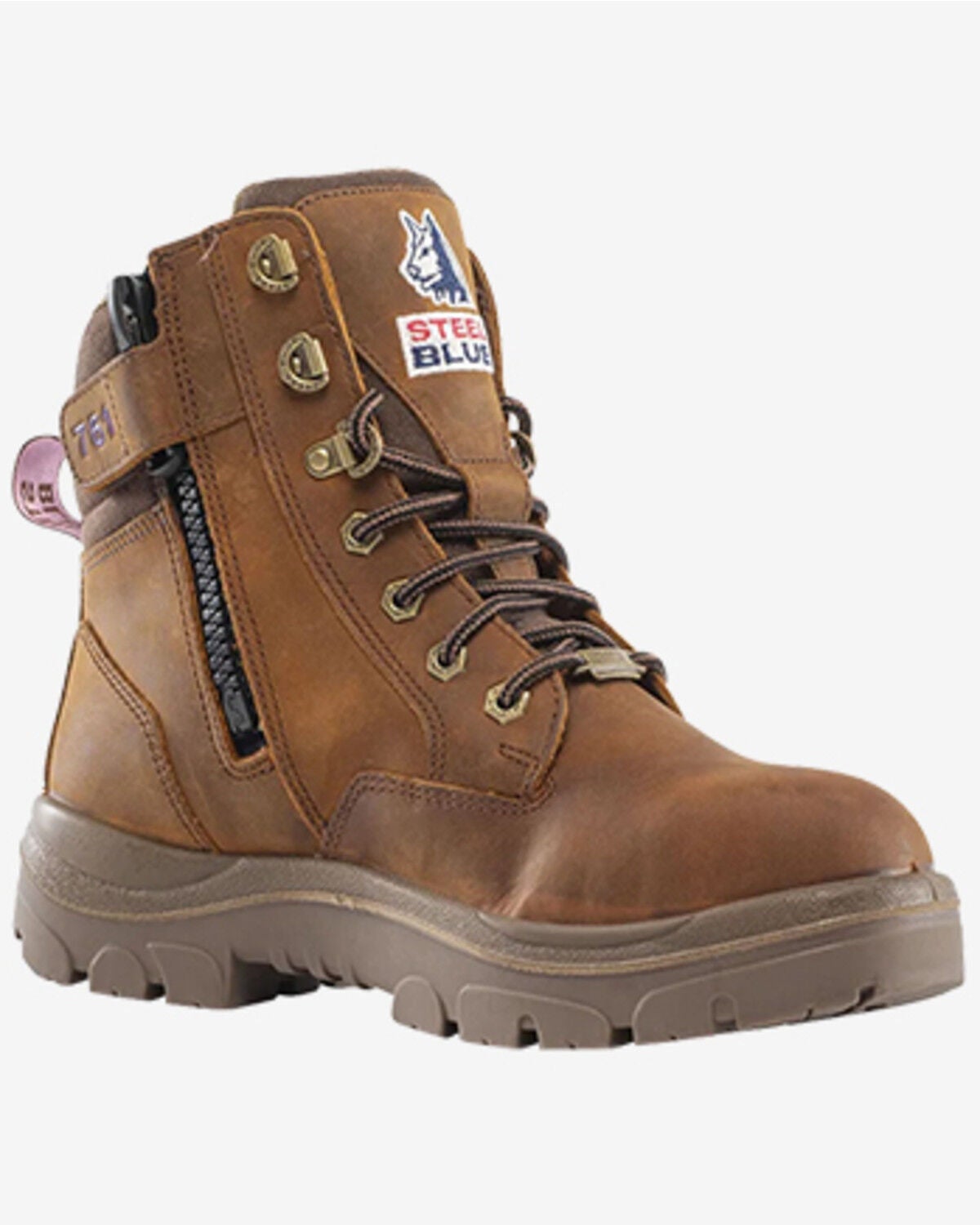
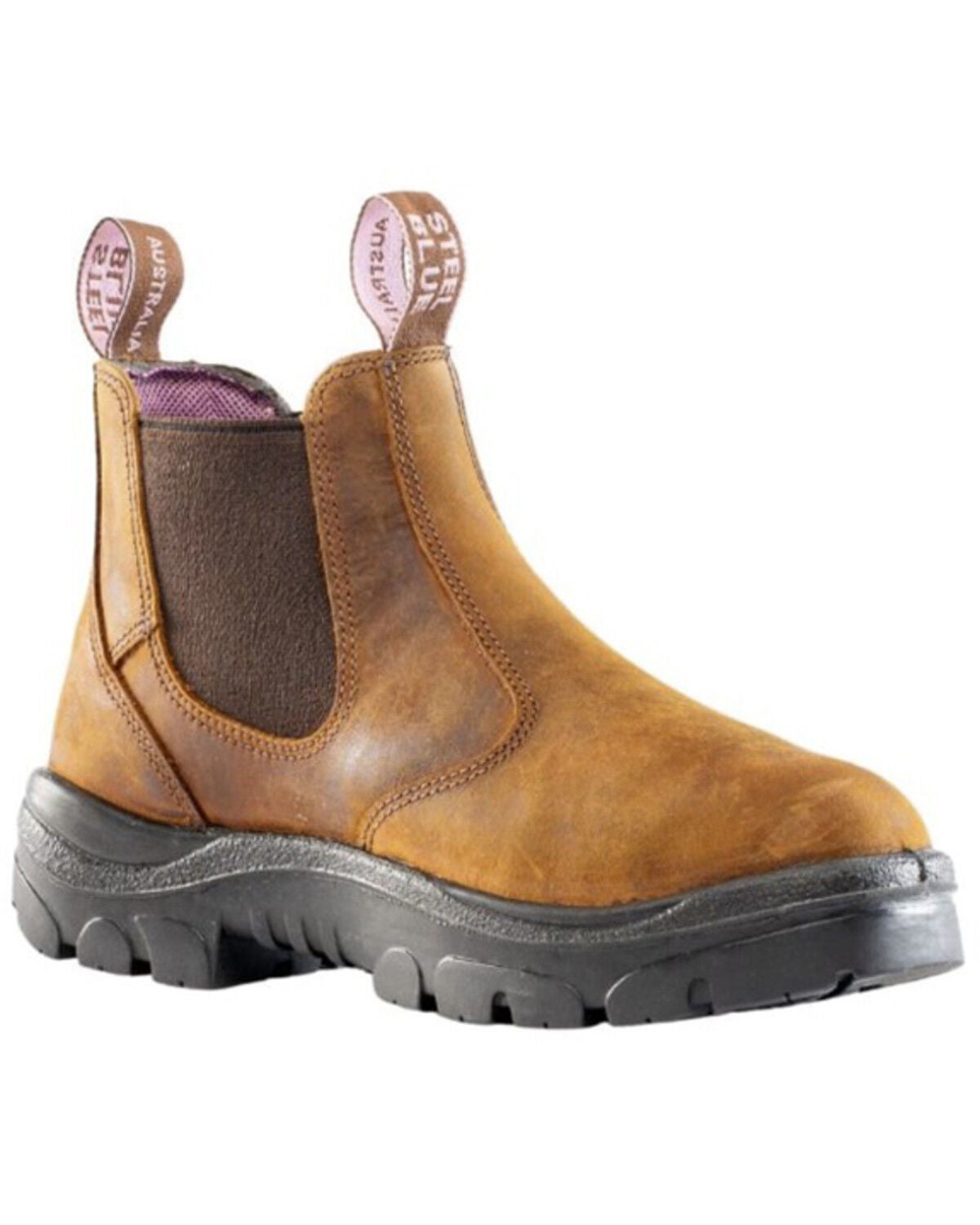
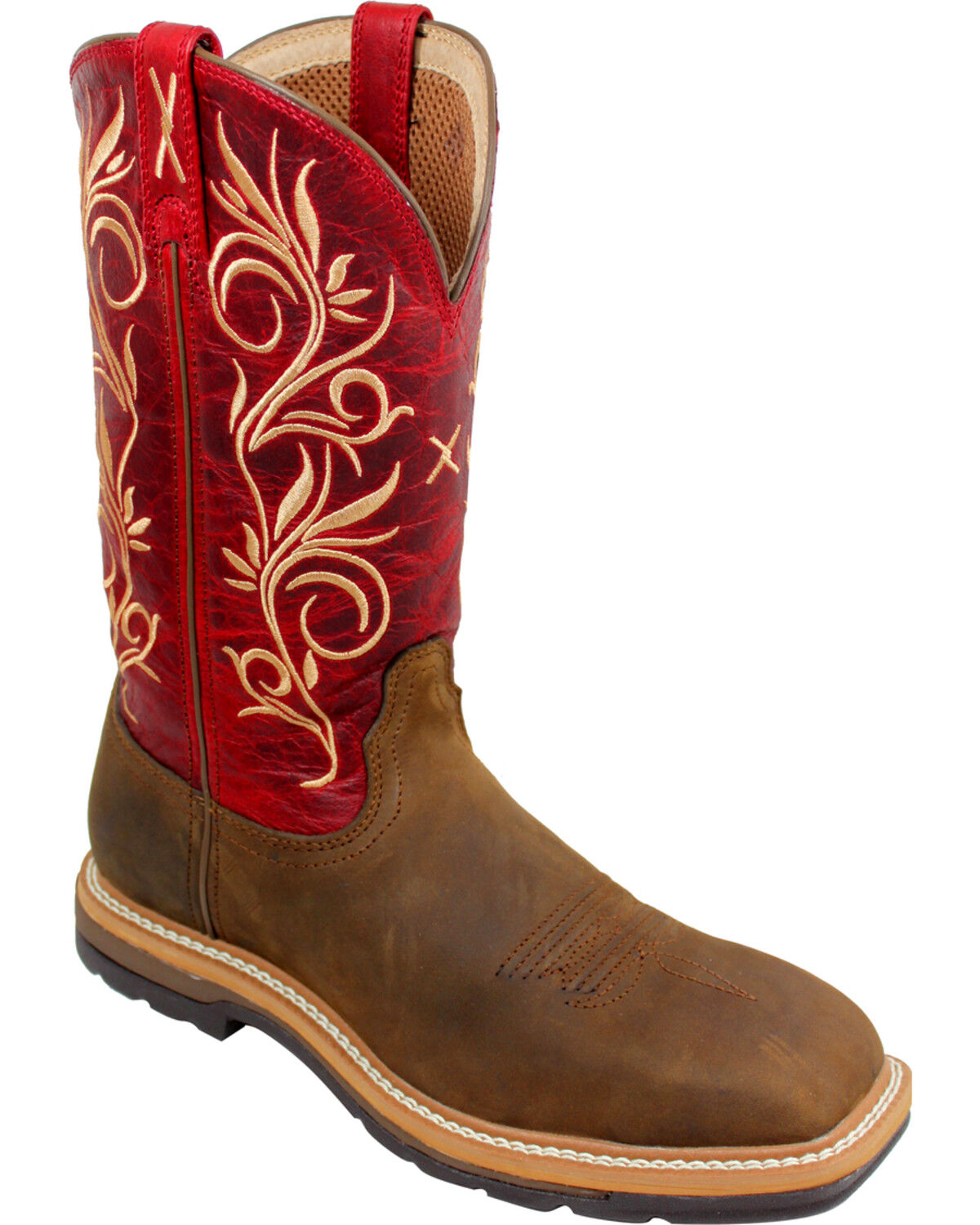
Women’s steel toe waterproof boots combine protective toe construction with a barrier against moisture for work that puts both demands on footwear. They belong on muddy jobsites, around damp loading areas, and in agricultural settings where wet ground can be part of an ordinary shift. A steel safety toe helps protect the front of the foot against impact and compression when the boot meets the standards required for the job. Waterproof construction serves a different purpose: keeping outside moisture from reaching the foot through the upper and its seams. Neither feature replaces the other, and both need to suit the work being done. Leather uppers are common because they offer a sturdy surface that can handle repeated flexing and abrasion with proper care. Textile panels can change the weight and flexibility of a boot, while reinforced areas around the toe and heel help address wear where footwear often takes the hardest knocks. Depending on the construction, moisture protection may come from a waterproof membrane, sealed seams, treated materials, or a combination of features. The complete boot matters more than the appearance of the leather alone. Water can still enter over the opening, so shaft height deserves attention when work involves puddles, washdown areas, or wet vegetation. A taller shaft adds coverage, but it does not turn a work boot into footwear meant for standing in deep water. Waterproof construction also does not establish resistance to every chemical or cleaning solution. Those exposures call for protection rated for the task. For women working in construction, maintenance, landscaping, or farm and ranch settings, the value is practical: toe protection and moisture control in footwear made for long hours on the move. The best match depends on the actual ground underfoot, the hazards nearby, and the movement the job requires, whether that means climbing equipment steps, carrying materials across gravel, or spending much of the day at a workbench.

Fit makes a difference from the first hour through the last. Women’s steel toe waterproof boots should hold the heel securely while leaving enough room for the toes to rest naturally inside the protective cap. The steel itself will not stretch to make extra space, so pressure across the toes is not something to dismiss as normal break-in. Leather may soften with wear, but the boot still needs the right length, width, and shape from the start. Work socks and any required orthotics affect that fit, especially through the instep and around the heel. A foot that slides forward on a ramp can meet the safety cap even when the boot feels comfortable while standing still. Walking, bending, and using a step reveal more than a seated try-on. Lace-up construction allows adjustment across the foot and ankle, which can help accommodate different foot shapes. Pull-on construction removes laces from the daily routine, though secure heel and instep fit remain important. Underfoot cushioning can soften the feel of hard floors, while a supportive midsole helps give the boot structure. Neither should be confused with the outsole, which handles contact with the ground. Deeper tread can help on loose dirt and uneven surfaces, while other tread patterns are designed with smoother work floors in mind. Slip resistance is a specific performance feature, not an automatic benefit of waterproofing, and no outsole prevents every slip. Oil resistance, puncture resistance, and electrical hazard protection are also separate features that need to be verified against workplace requirements. Construction affects how a boot handles repeated use as well. The way the upper joins the sole influences flexibility, weight, and repair options; not every work boot can be resoled. Reinforced stitching, durable lace hardware, and protection at high-wear areas can matter when boots regularly scrape against pallets, concrete edges, or equipment. Steel toe construction may add weight, but total boot weight also depends on the sole, shaft, and other materials. Comfort comes from how those parts work together, not from a single feature listed on a label.

Regular care helps preserve the materials that make waterproof work boots useful. Mud left packed around seams and sole edges can hide damage and make a boot harder to inspect. Removing loose dirt with a soft brush and cleaning the upper according to the maker’s directions keeps buildup from becoming part of the daily wear. Leather care needs to match the leather finish and the waterproof system; a treatment intended for one material may not suit another. Conditioning can help maintain appropriate leather uppers, but heavy applications of oil or an unsuitable coating can affect performance. A waterproofing treatment is not a repair for a torn membrane, split seam, or separating sole. After a wet shift, boots need time to dry in a ventilated place away from direct heat. Removable footbeds can be taken out when the care instructions allow, helping the inside dry more thoroughly. Waterproof does not mean insulated, and it does not eliminate moisture from perspiration, so sock choice and drying time remain part of everyday comfort. Wear deserves the same attention as cleaning. Flattened tread, damaged closures, exposed protective components, and separation between the upper and sole can change how a boot performs. A significant impact may damage a safety toe even when the outside does not show much, making the manufacturer’s inspection and replacement directions important. Across the Womens Waterproof Safety Boots category, fit and verified protection matter more than appearance alone. These boots can also make a practical gift for someone starting a hands-on role or replacing well-used work footwear, provided her size, preferred fit, and employer’s safety requirements are known. A familiar shoe size is only a starting point when a rigid safety cap and work socks are involved. The right pair earns its place through secure footing, manageable weight, and dependable construction suited to the job, with care that keeps the leather, lining, and outsole ready for repeated wear.
Read More

FAQs