Women's Boots

Shop women’s boots at Boot Barn, with cowboy boots, work boots, and western-inspired styles for everyday wear, days on the job, and nights out. Browse the selection to find a pair that fits your style and where you wear it.

Shop Your Store: Shop Your Store: Find a Store

(Turn off Shop Your Store to see all items)

(Turn off Shop Your Store to see all items)

close
  • Recommended
  • Lowest Price
  • Highest Price
Skip pass products

End of products

Women's Boots

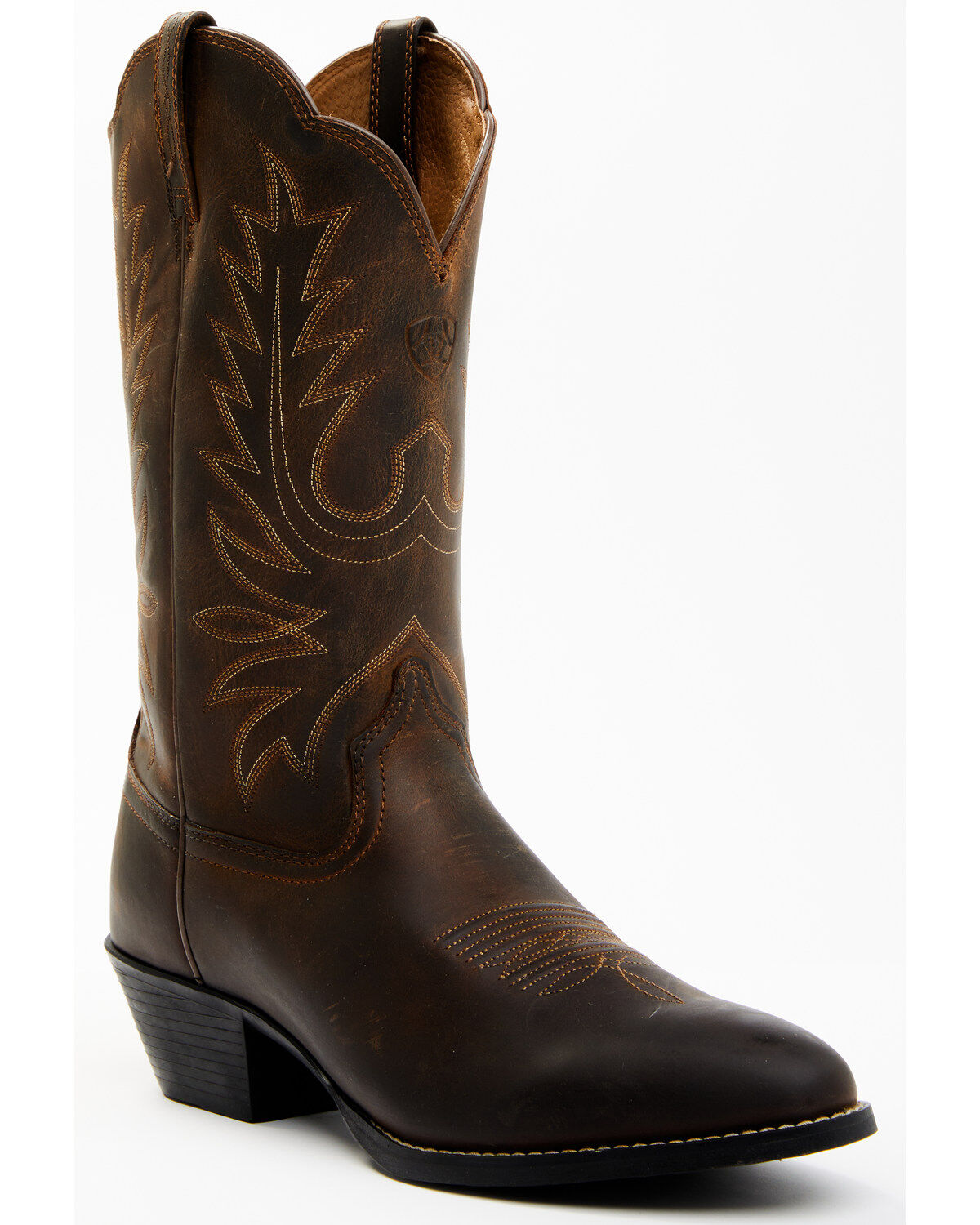
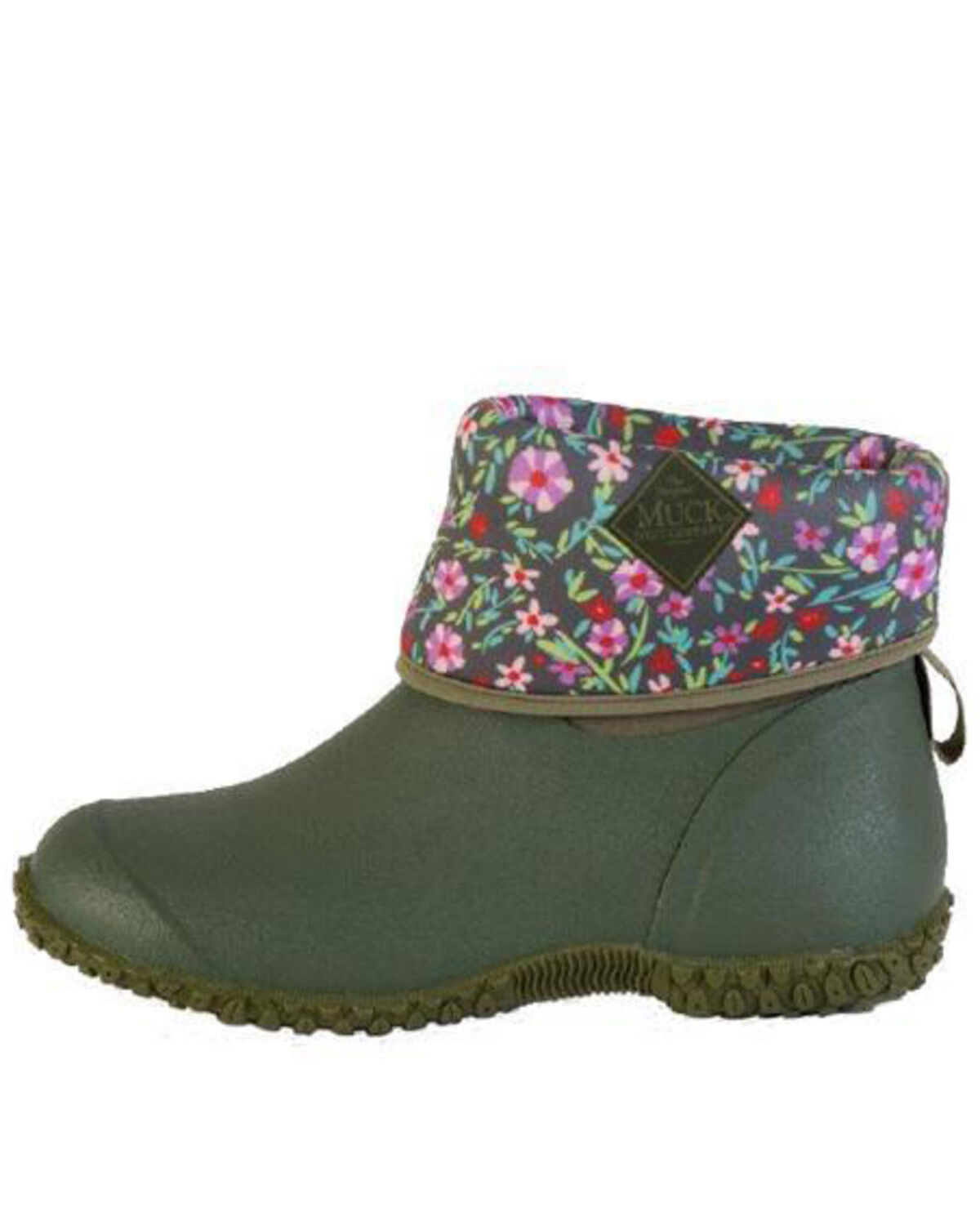
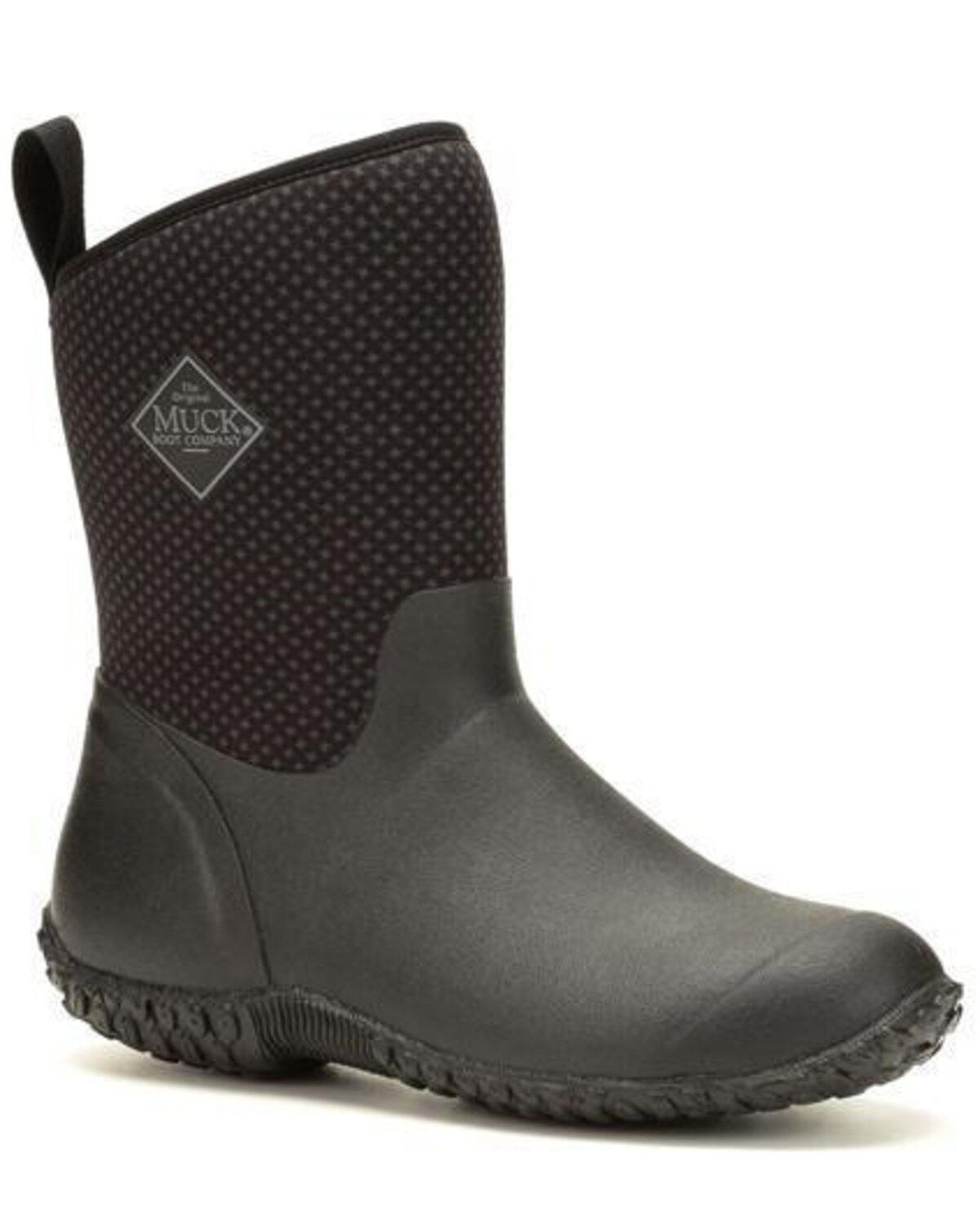
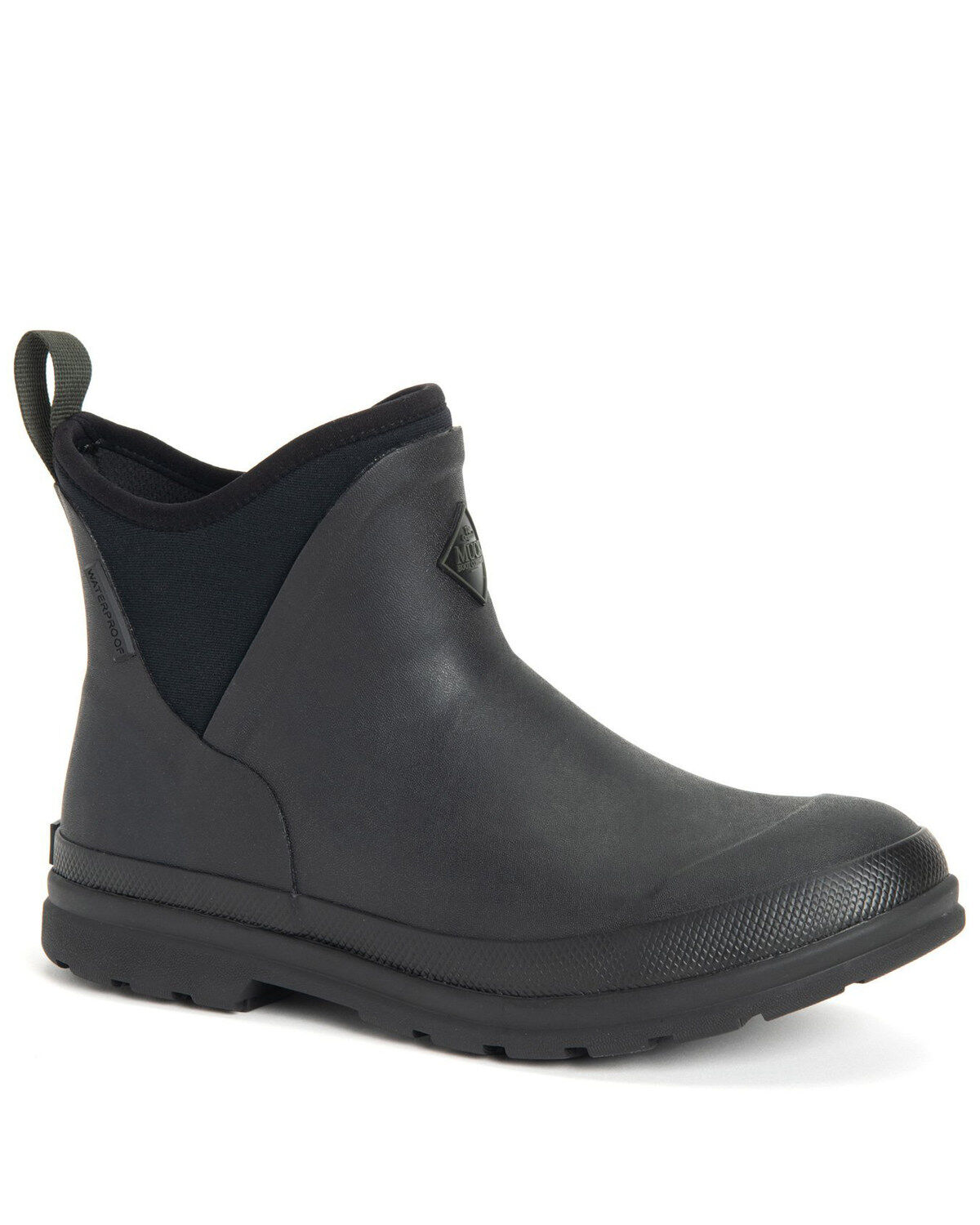
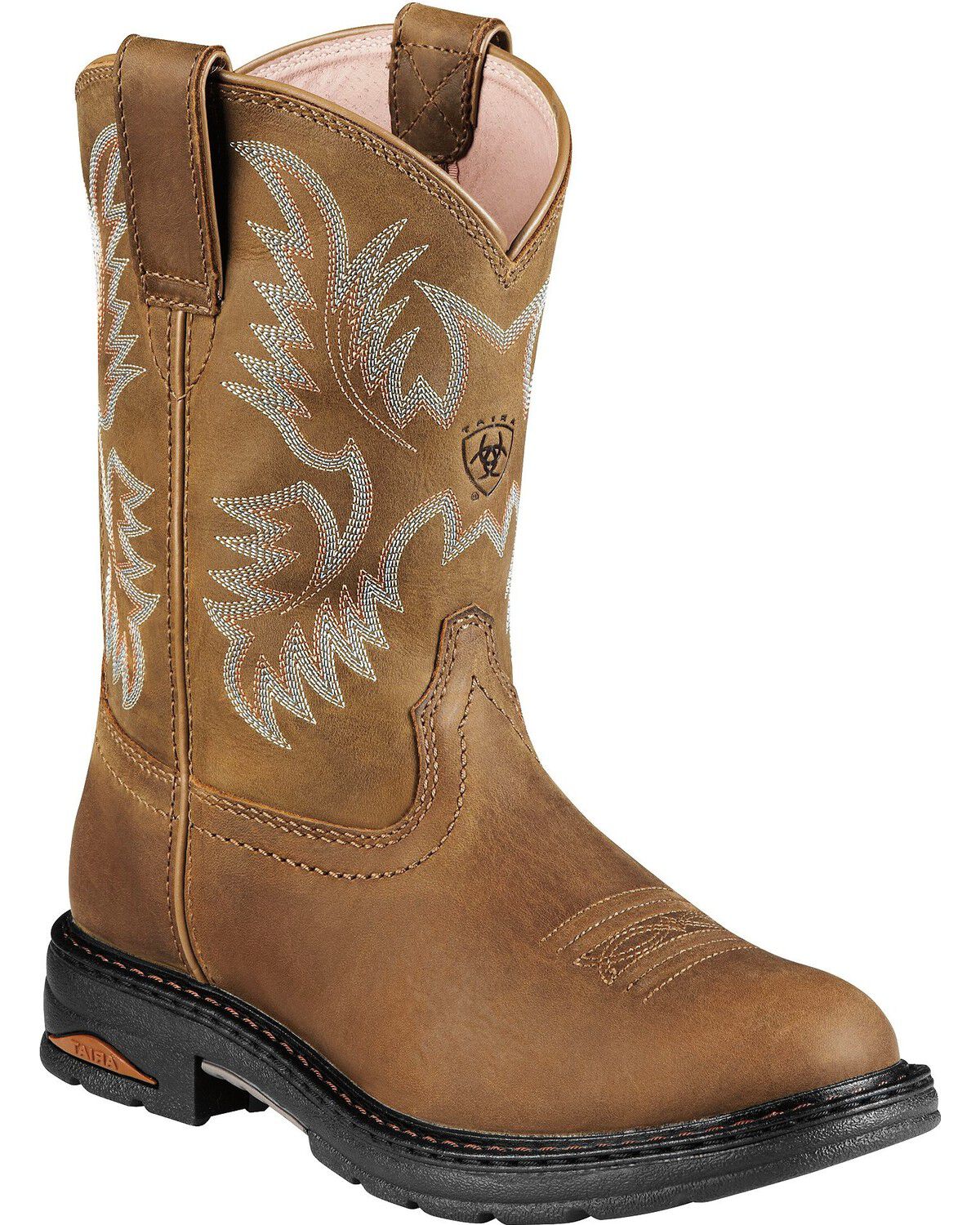
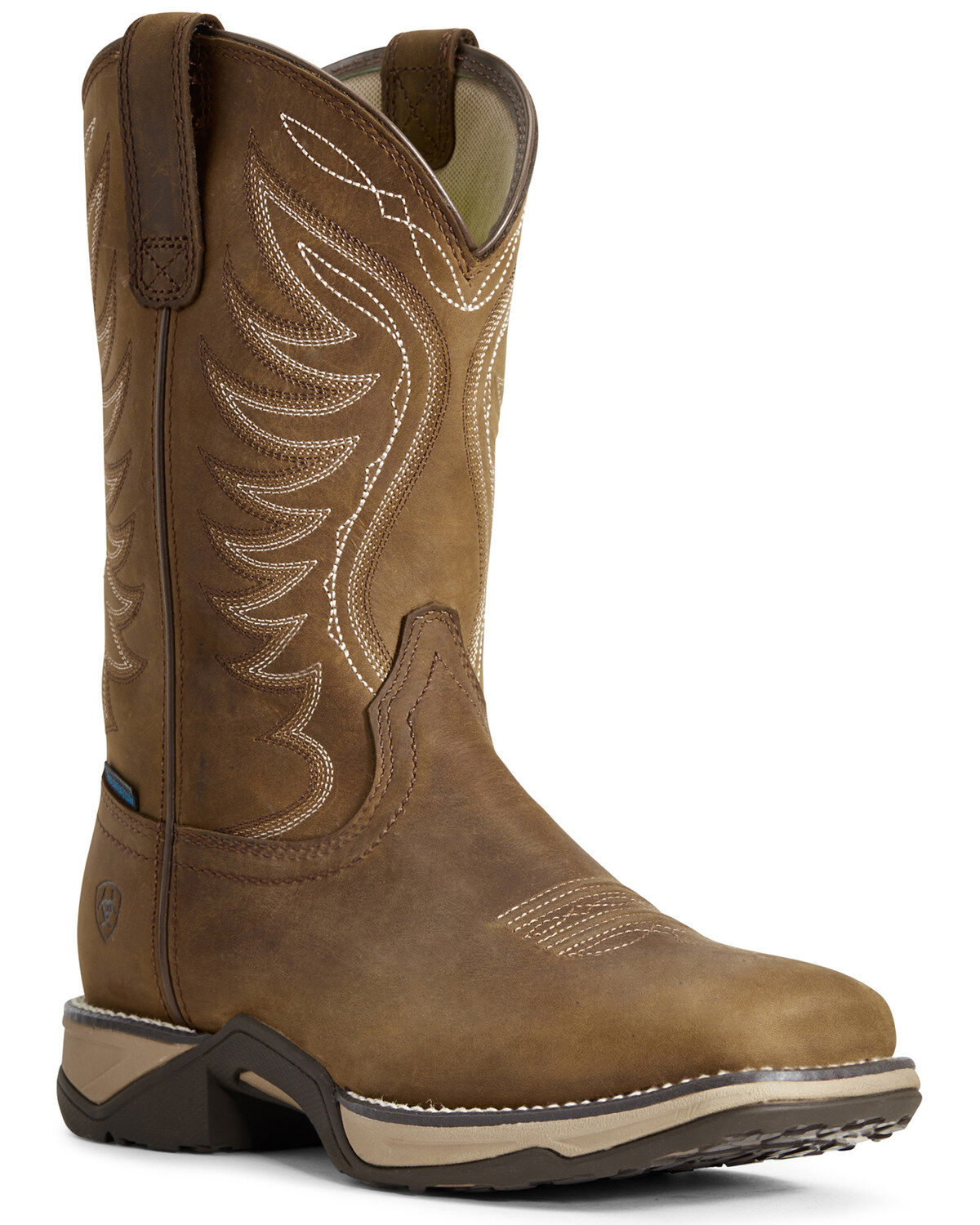
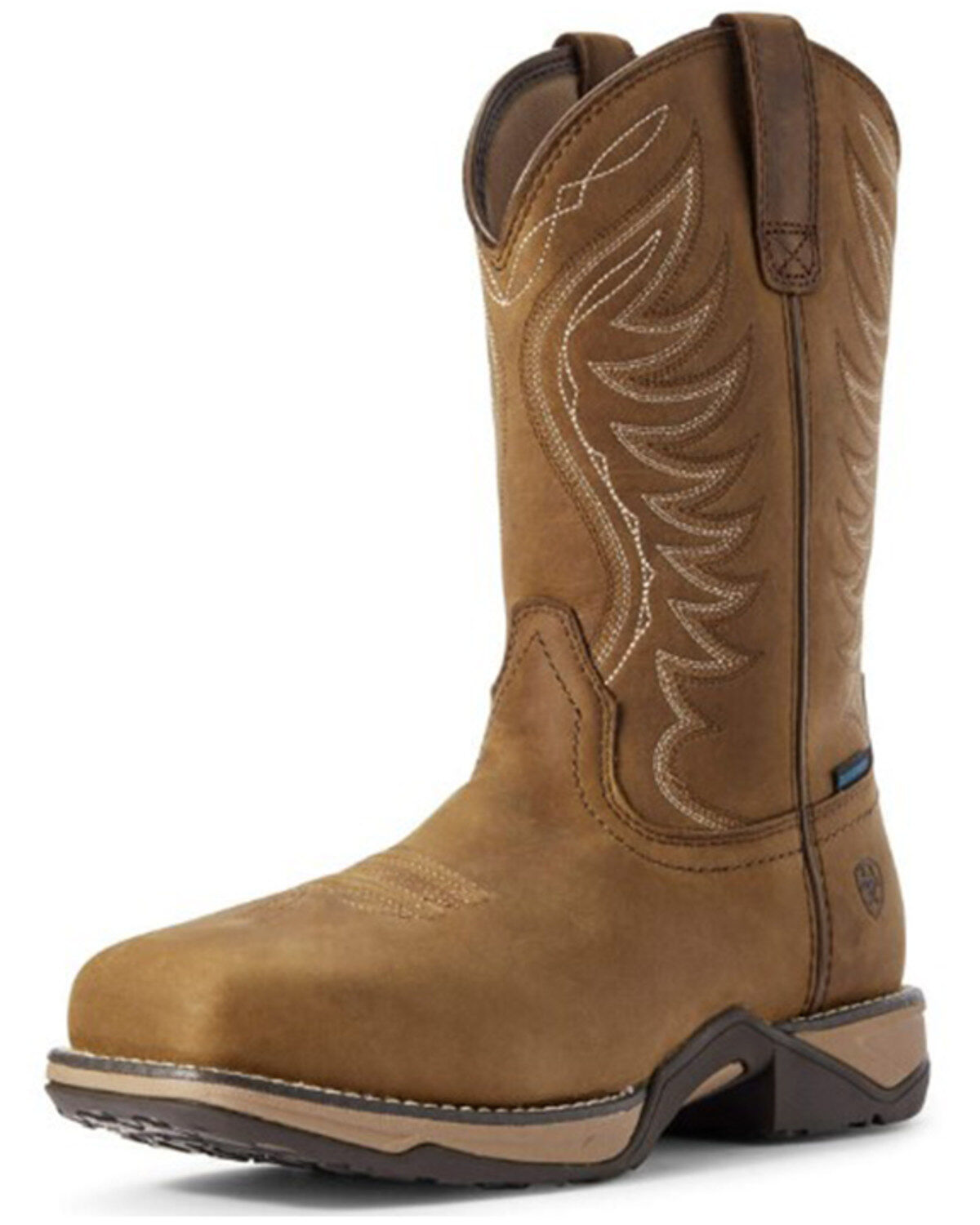
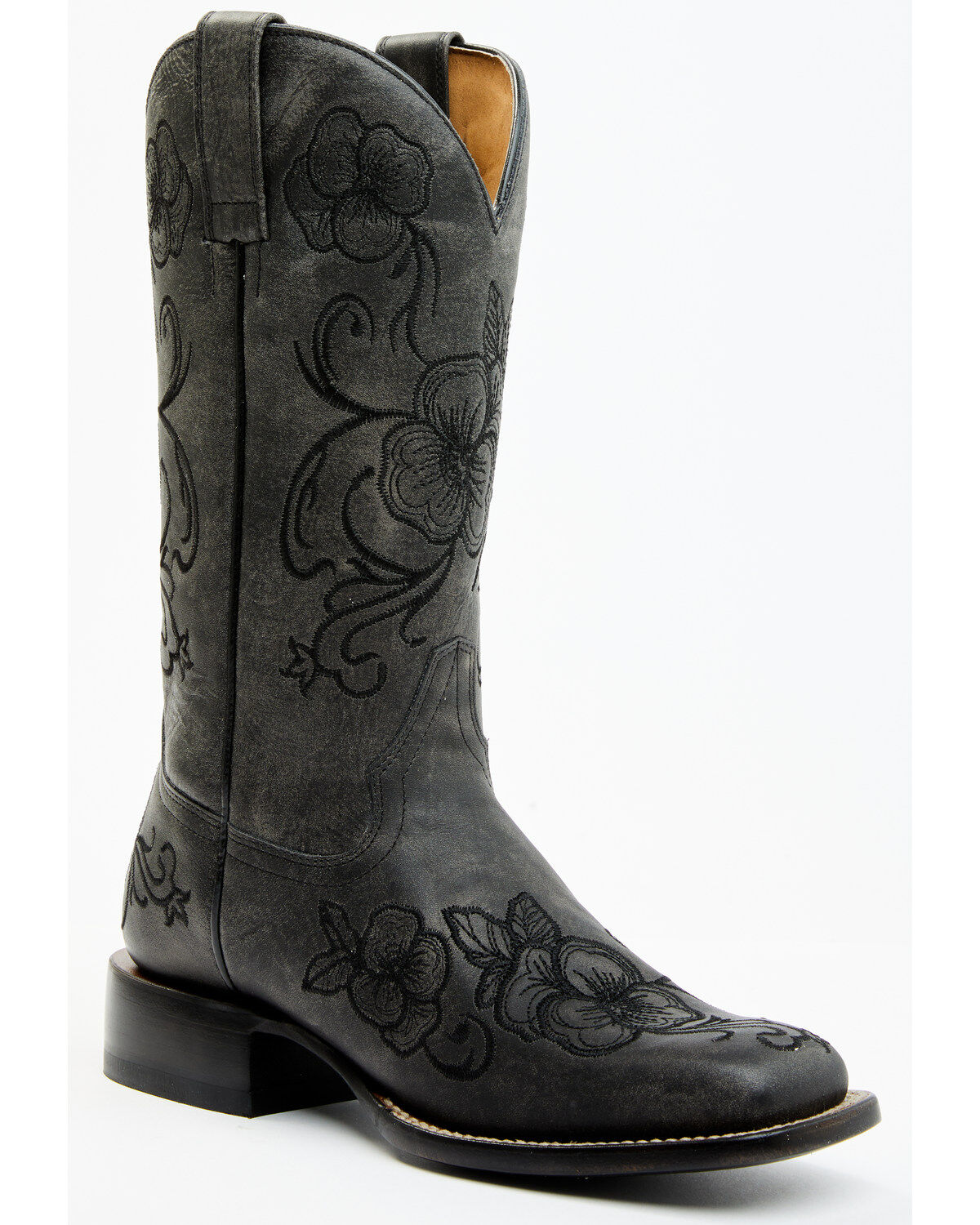
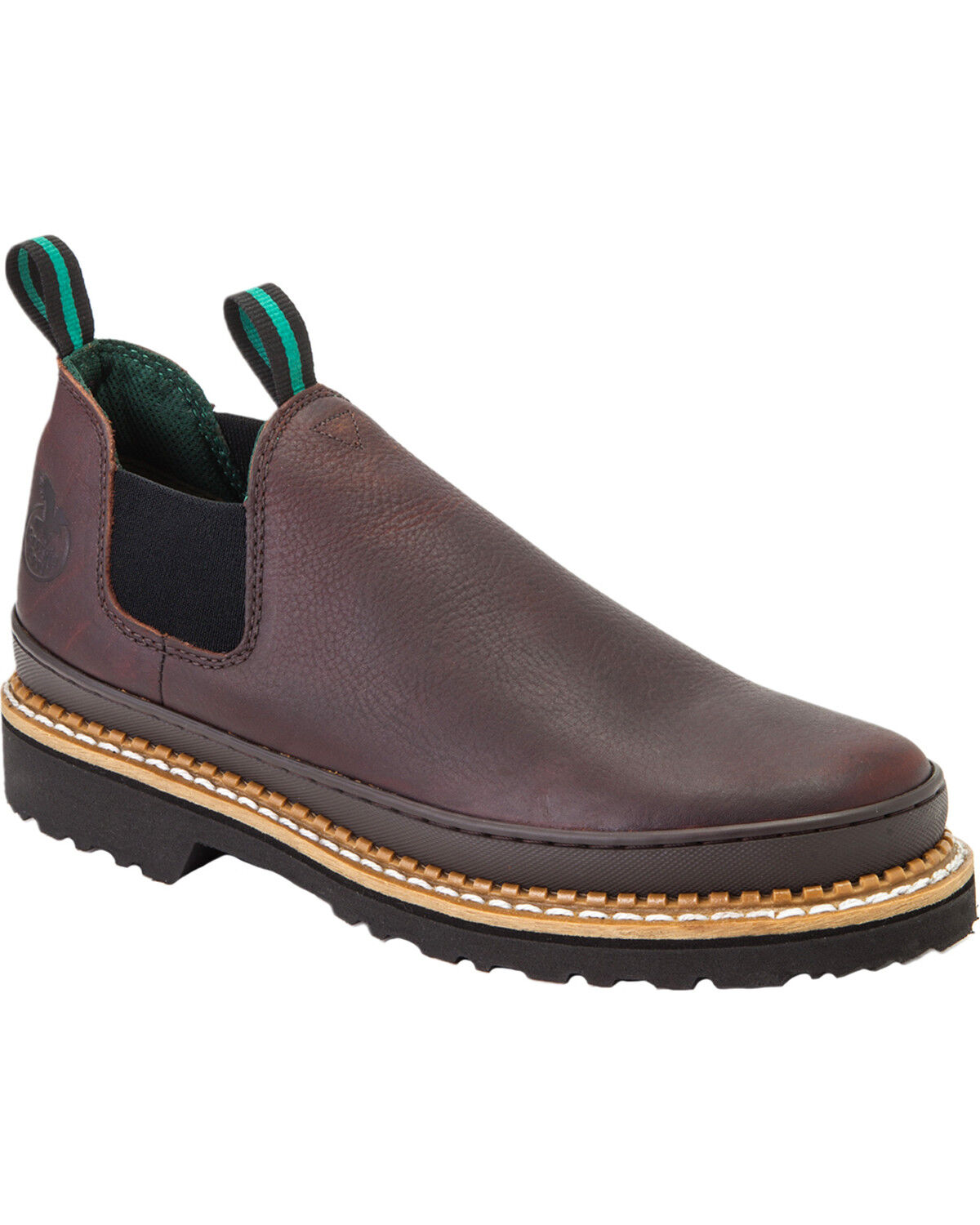
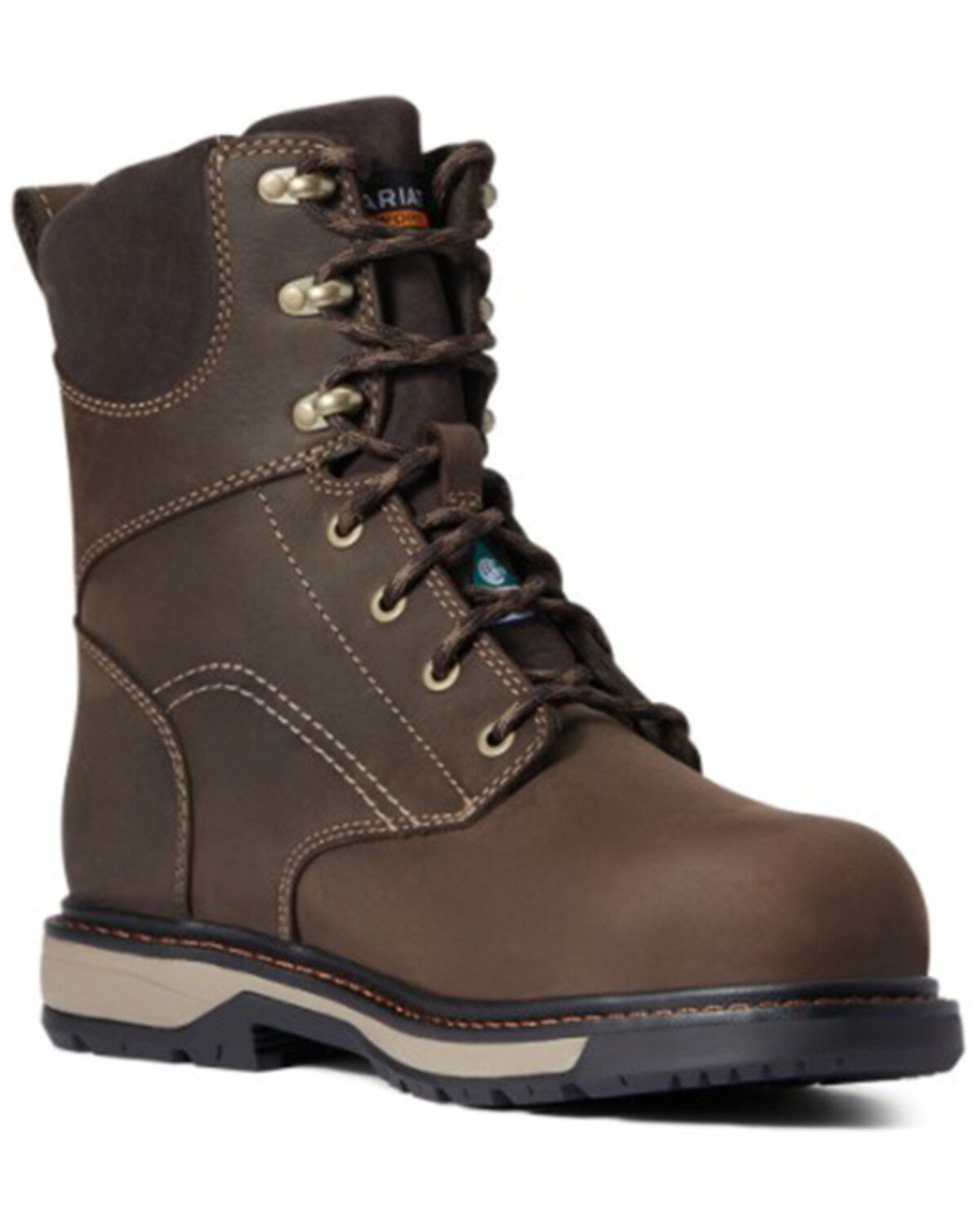
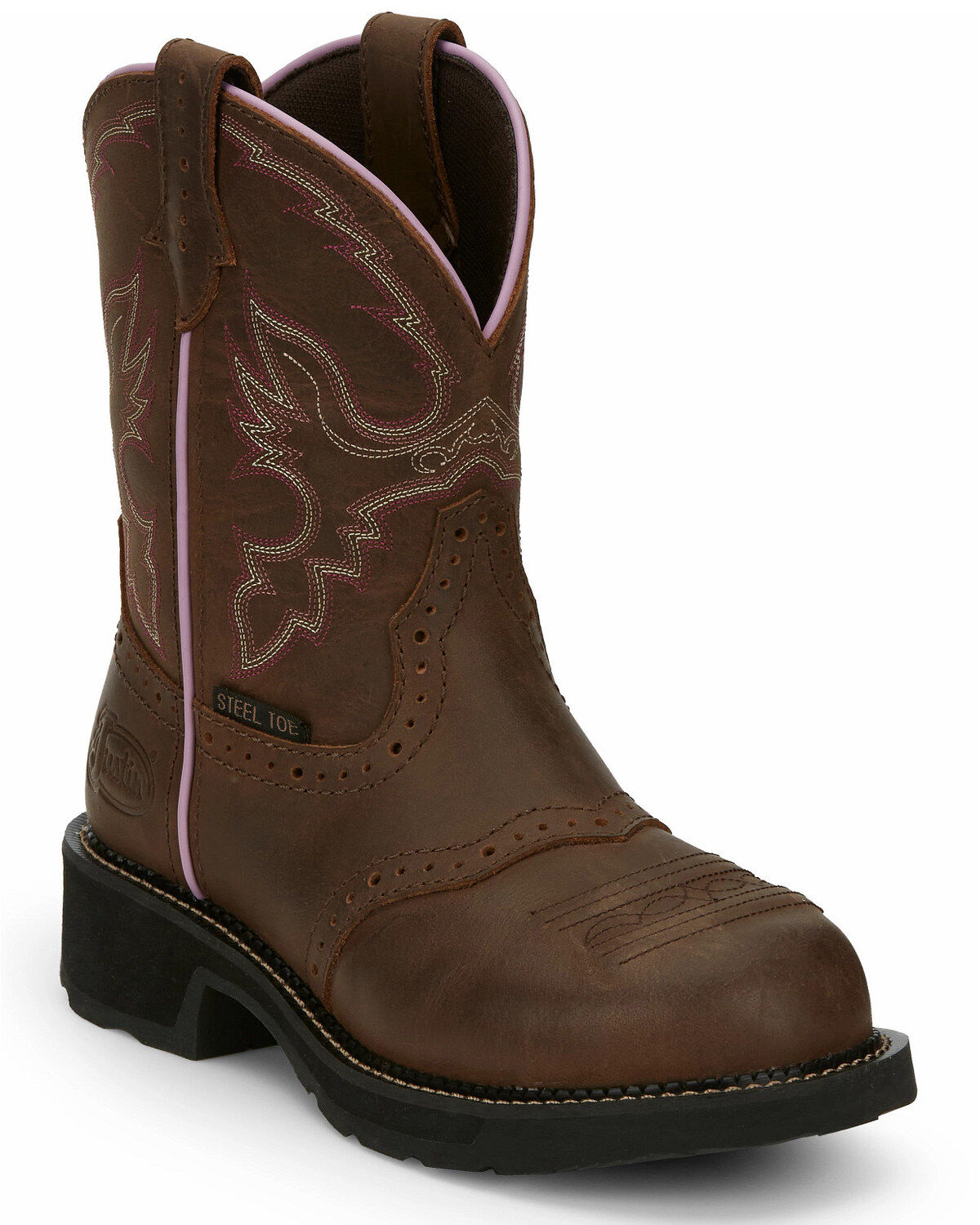
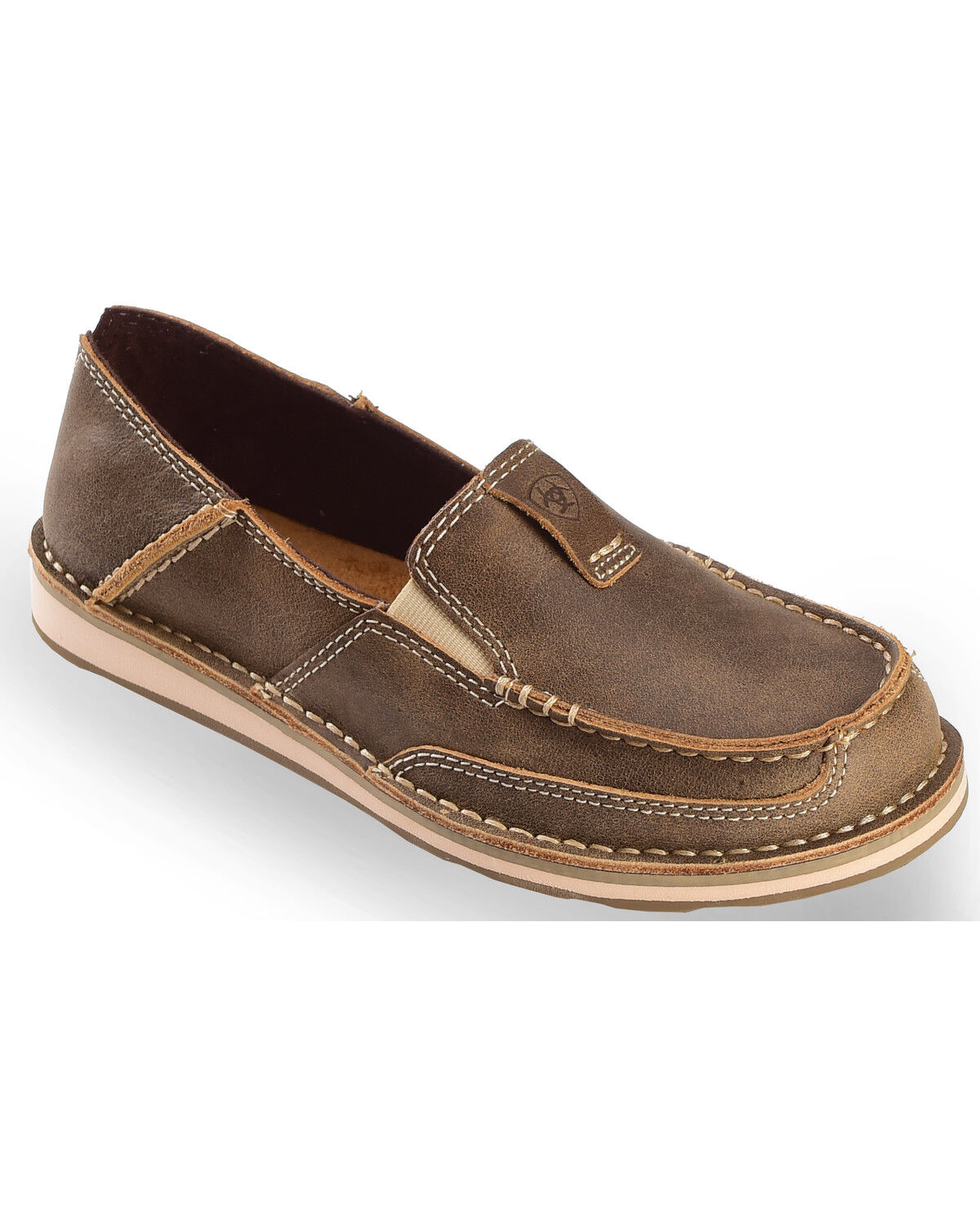
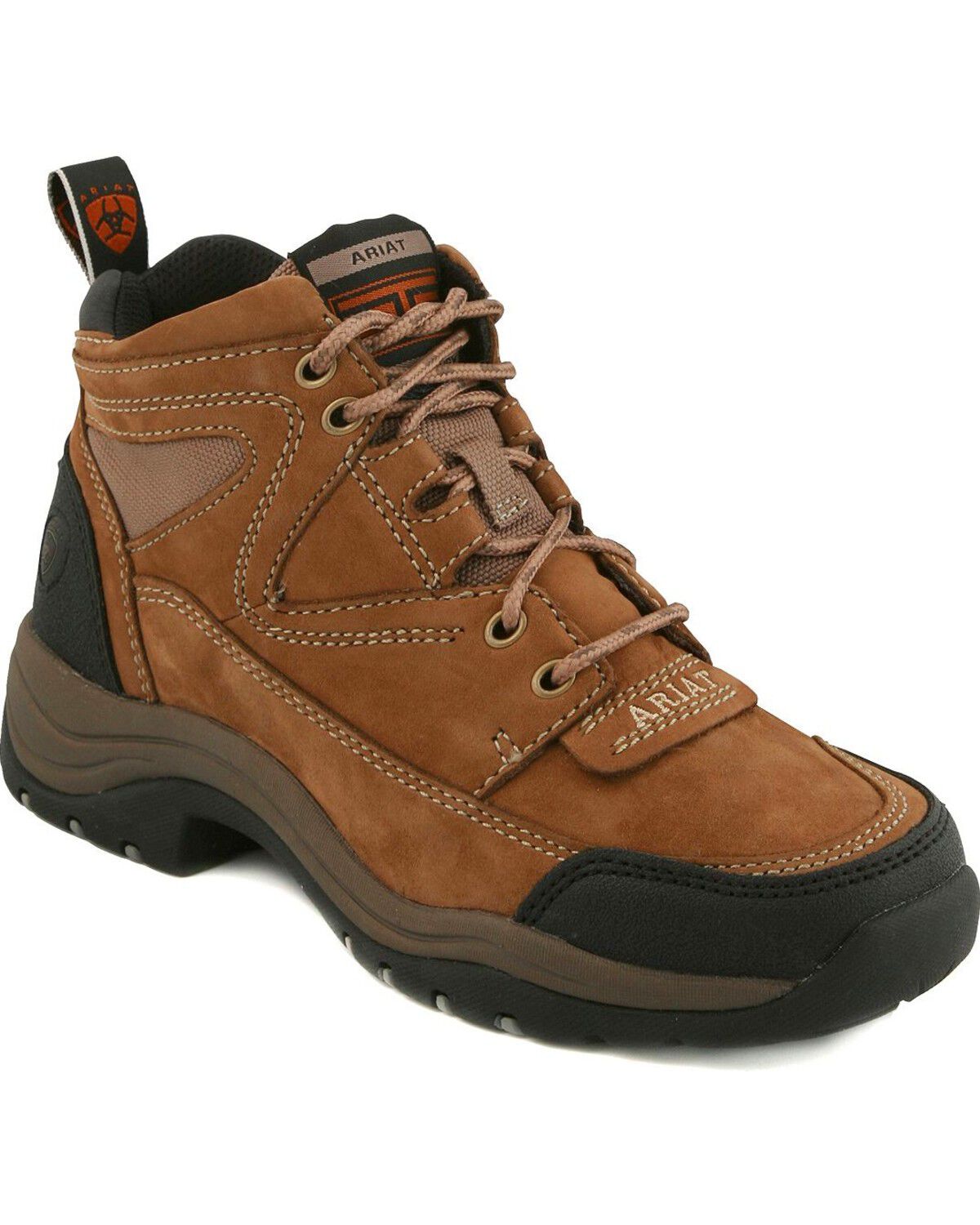
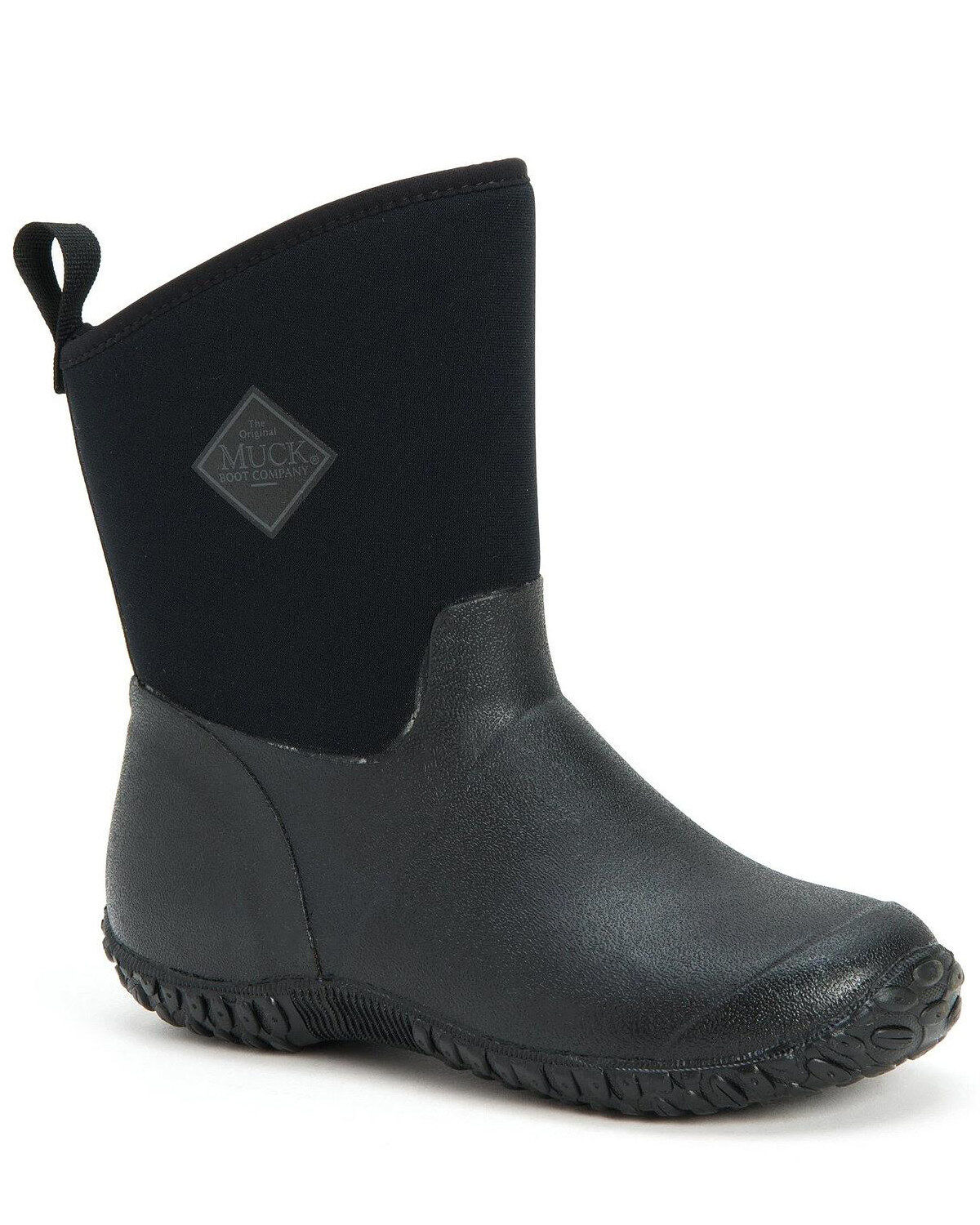
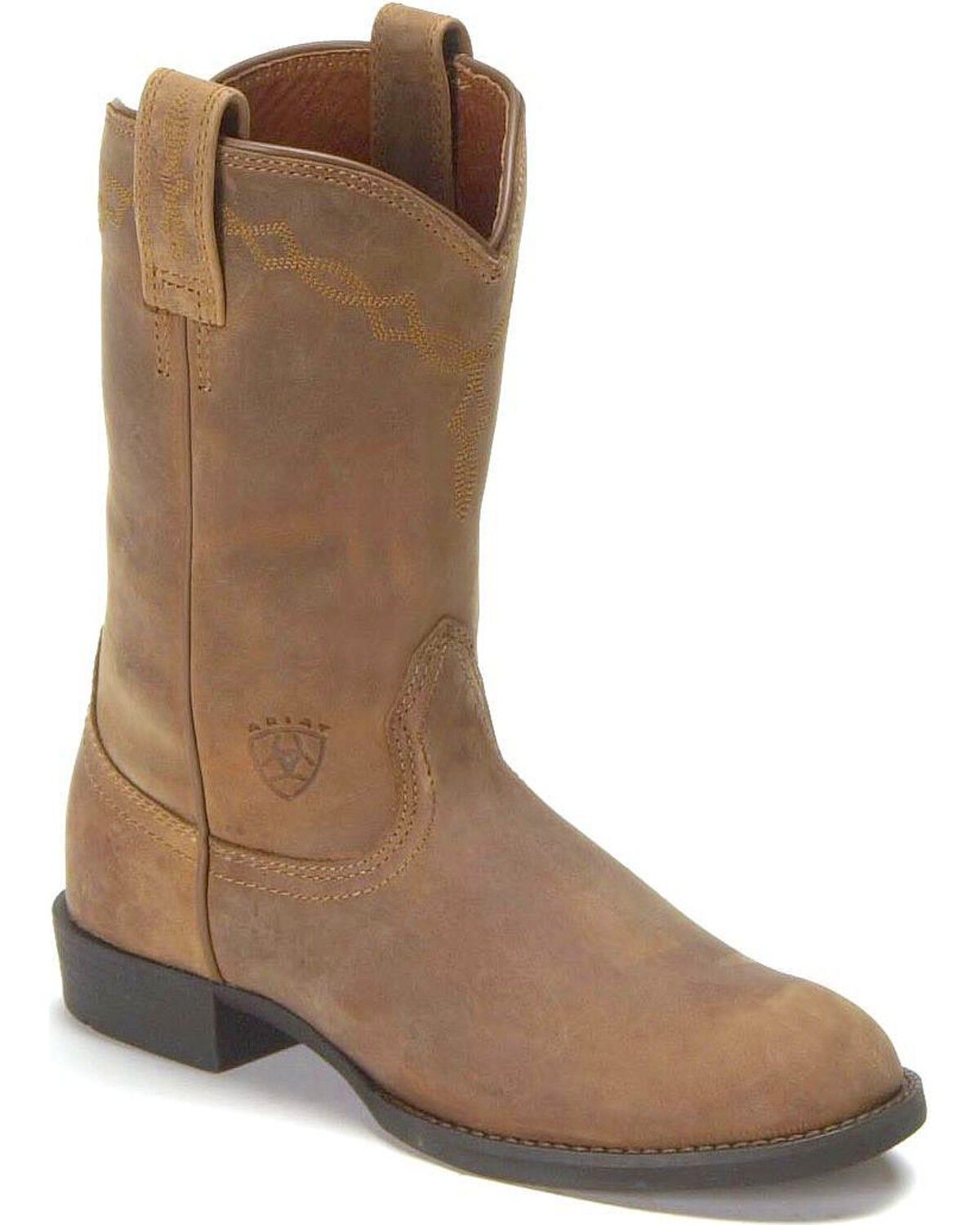
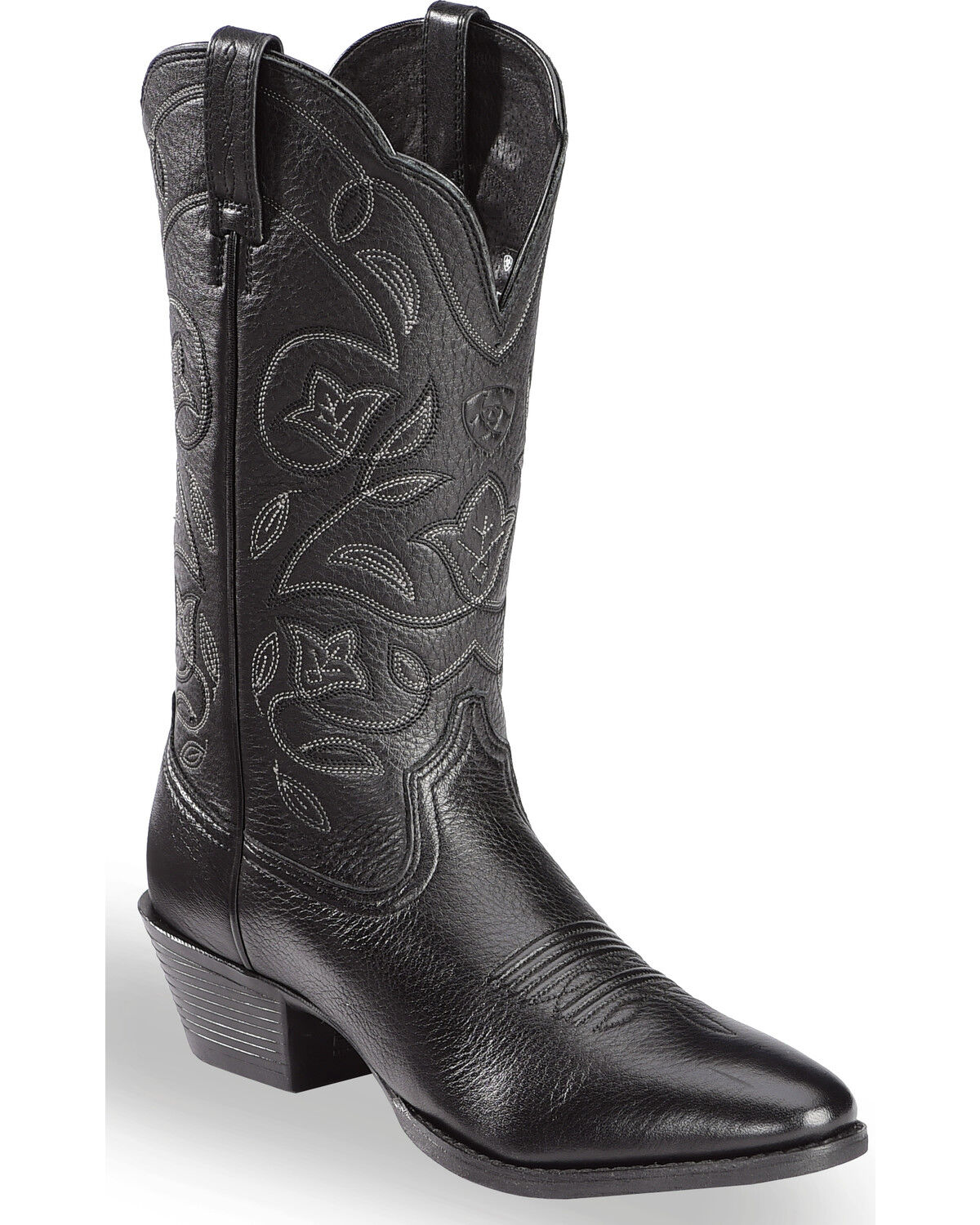
Women's boots include cowboy boots, western boots, ankle booties, Chelsea boots, tall boots, and work boots, each built for a different balance of style, support, and everyday use. Shaft height, toe shape, heel height, and sole construction help distinguish one type from another. Traditional western boots have pull-on shafts, shaped heels, and stitching that gives the leather its character. Short western booties carry many of those details in a lower profile that works with straight-leg jeans, cropped denim, and dresses. Chelsea boots use elastic side panels for easy entry and a clean silhouette, while lace-up boots allow more adjustment across the foot and ankle. Taller boots create a continuous line under a skirt or over close-fitting pants, with shaft width playing an important part in comfort. Materials make a difference in both appearance and feel. Smooth leather develops creases and character with wear, suede has a softer, textured surface, and textile or synthetic panels can add flexibility or change the weight of a boot. Leather finishes range from polished and uniform to distressed, with natural variations that make each pair look a little different. Stitching, overlays, and inlays add detail without changing the basic purpose of the boot. Color also affects how easily a pair fits into an existing wardrobe. Brown and tan show off the grain and finish of leather, while women's black boots pair naturally with dark denim, black trousers, and patterned dresses. Round, square, almond, and pointed toes offer distinct profiles, but the shape alone does not establish how much room is inside. A broad-looking toe can still have a close fit, and a pointed boot may provide usable space behind its tapered tip. Low heels generally suit regular walking and time on the feet, while taller heels create a more pronounced silhouette. For actual riding, purpose-built riding footwear matters more than a western appearance. For everyday wear, the strongest choice is a boot whose proportions, materials, and construction match the way it will be worn.

A comfortable fit starts with the foot, not just the size printed inside the shaft. Women's boot sizing can vary by construction and style, so length, width, instep volume, and calf room all deserve attention. The toes need space to rest naturally without pressing against the front or sides. Across the instep, a pull-on boot should feel secure rather than painfully tight. Some heel movement can be normal in a new western boot before the sole becomes more flexible, but excessive lifting or rubbing suggests that the fit needs another look. Leather may soften and conform with use; it should not be expected to correct a boot that is too short or significantly too narrow. The socks intended for regular wear belong in the fit decision, since a thicker work sock takes up more room than a lightweight dress sock. Removable footbeds and personal orthotics can also change the space inside. With tall boots, shaft height and circumference affect comfort at the calf and behind the knee, especially when sitting. With ankle boots, the opening should not press sharply into the ankle during a normal stride. Those details become noticeable during ordinary routines: walking across a parking lot, standing at a counter, climbing stairs, or spending several hours on a concrete floor. Cushioning can soften contact underfoot, while a supportive footbed and a stable heel help the boot feel secure. Outsole materials serve different purposes. Leather soles give many western boots a traditional profile, while rubber outsoles can provide traction and resist abrasion. A deep tread is not the same as a tested slip-resistant sole, and a fashion boot is not a substitute for protective work footwear. Jobs with specific requirements call for boots with the appropriate safety-toe protection, electrical hazard rating, or other stated features. Durable uppers, reinforced stitching, secure sole attachment, and a heel suited to the task all contribute to dependable wear. The right combination depends on whether the boots are headed to an office, a jobsite, a barn, or a full day of errands.

Regular care helps women's boots retain their shape, finish, and comfort. Smooth leather usually benefits from removing surface dirt with a soft brush or cloth, followed by a cleaner and conditioner appropriate for its finish. Conditioning should replenish the leather without leaving it saturated, and any treatment is best tested on a small, less visible area first. Suede and nubuck need products made for their textured surfaces; ordinary leather oils can darken them or flatten the nap. Synthetic materials and textile panels have their own cleaning requirements, so the care information supplied with the boots remains the best starting point. Pulling boots off by the shaft or stepping hard on the back of the heel can put unnecessary stress on seams and heel counters. A boot jack makes removal easier when used carefully, and boot trees or shaft supports can help tall styles hold their form between wears. Boots should dry away from direct heat, which can damage leather and affect adhesives. Allowing the lining to air out between wears also helps keep the interior comfortable. Durability comes from both construction and use: an outsole worn on abrasive concrete has a different workload from one worn mostly indoors, and repeated bending leaves natural creases across the vamp. Some welted boots can be resoled, although repair options depend on the construction and the condition of the upper. Small repairs to stitching or heel caps are worth addressing before wear spreads to nearby areas. For women who wear boots often, these practical details matter as much as the visible design. A familiar shaft height, comfortable heel, and dependable fit make a pair easier to reach for day after day. Boots can also make a thoughtful gift when the recipient's size, width, calf measurements, and preferred style are known. Someone who spends time around horses may need different features from someone who wears western boots with dresses or needs protective footwear for work. Matching the boots to those real routines gives the gift a purpose beyond appearance.

FAQs