Women's English Riding Boots

Find women's English riding boots for time in the saddle. Browse available styles and review sizing and fit details to choose a pair that suits your riding needs and works with your breeches.

Read More

Shop Your Store: Shop Your Store: Find a Store

(Turn off Shop Your Store to see all items)

(Turn off Shop Your Store to see all items)

close
  • Recommended
  • Lowest Price
  • Highest Price
Skip pass products

End of products

Women's English Riding Boots

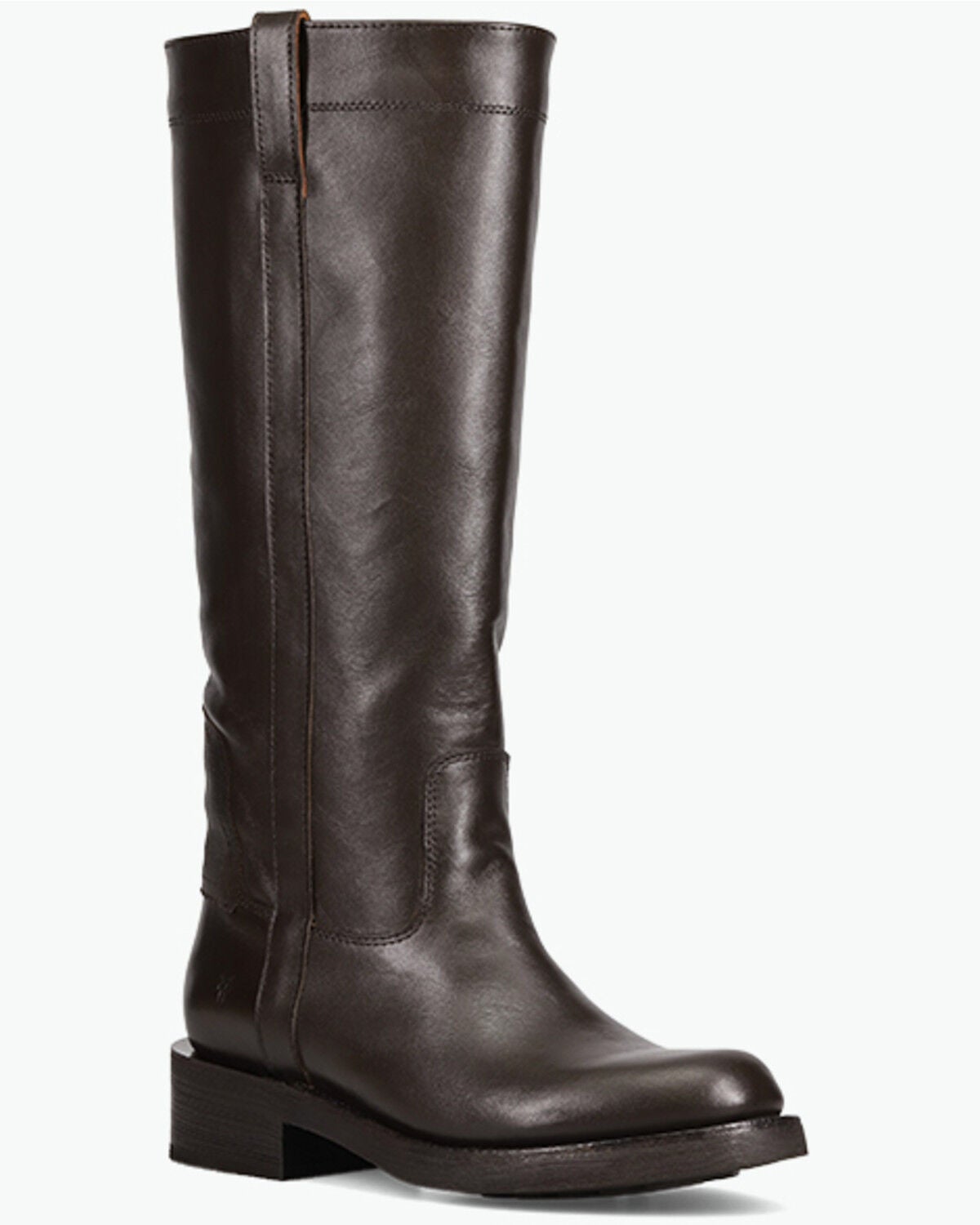
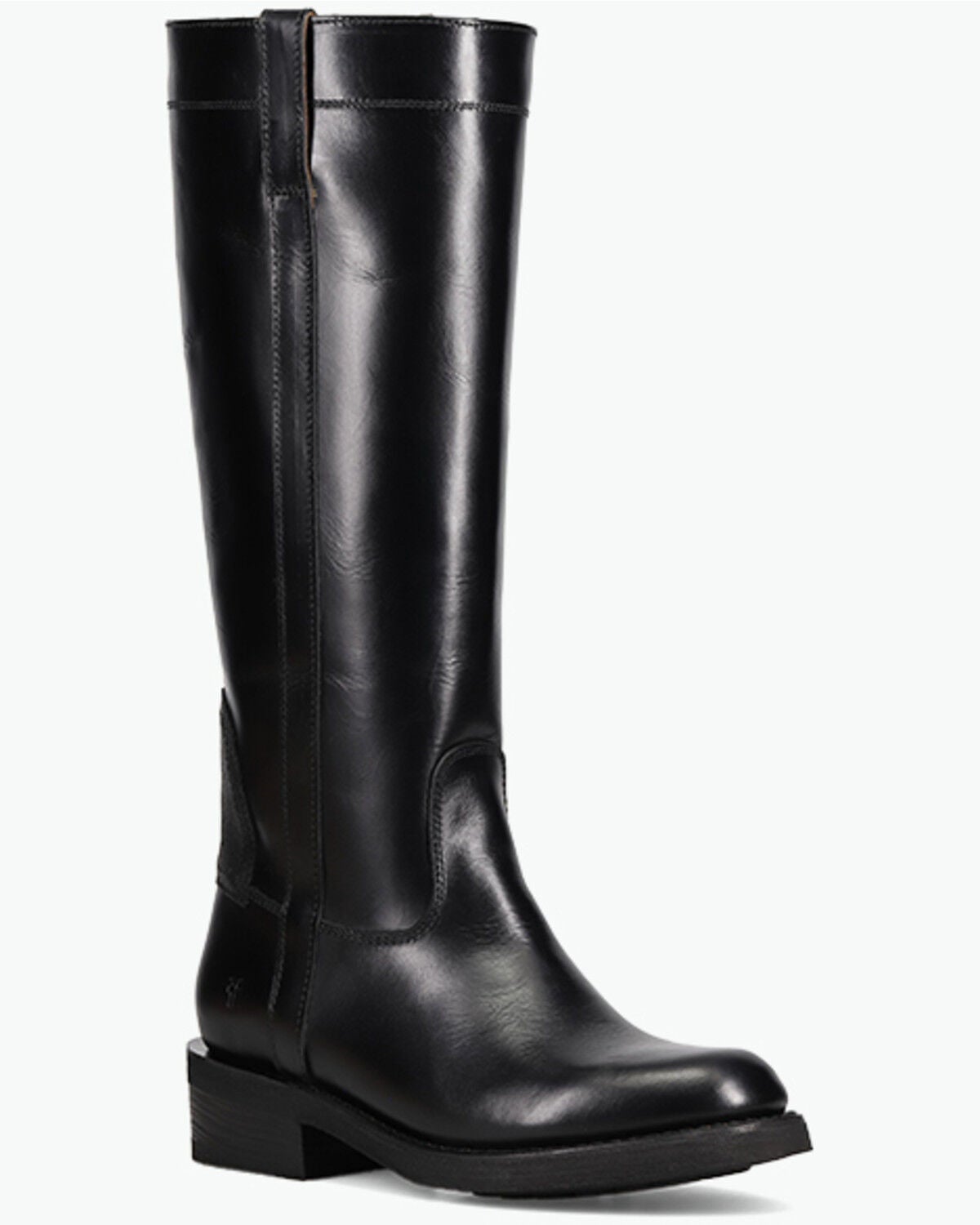
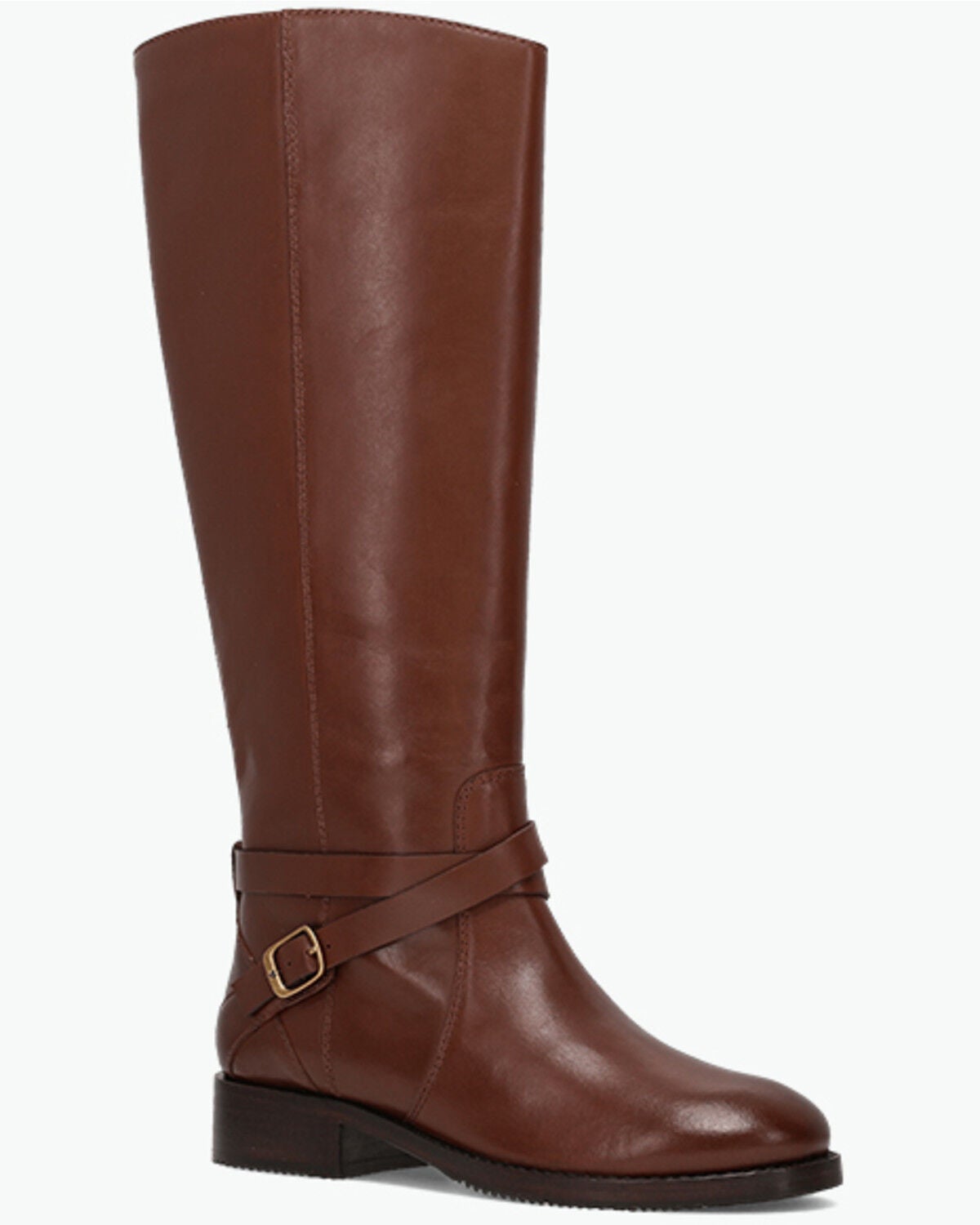
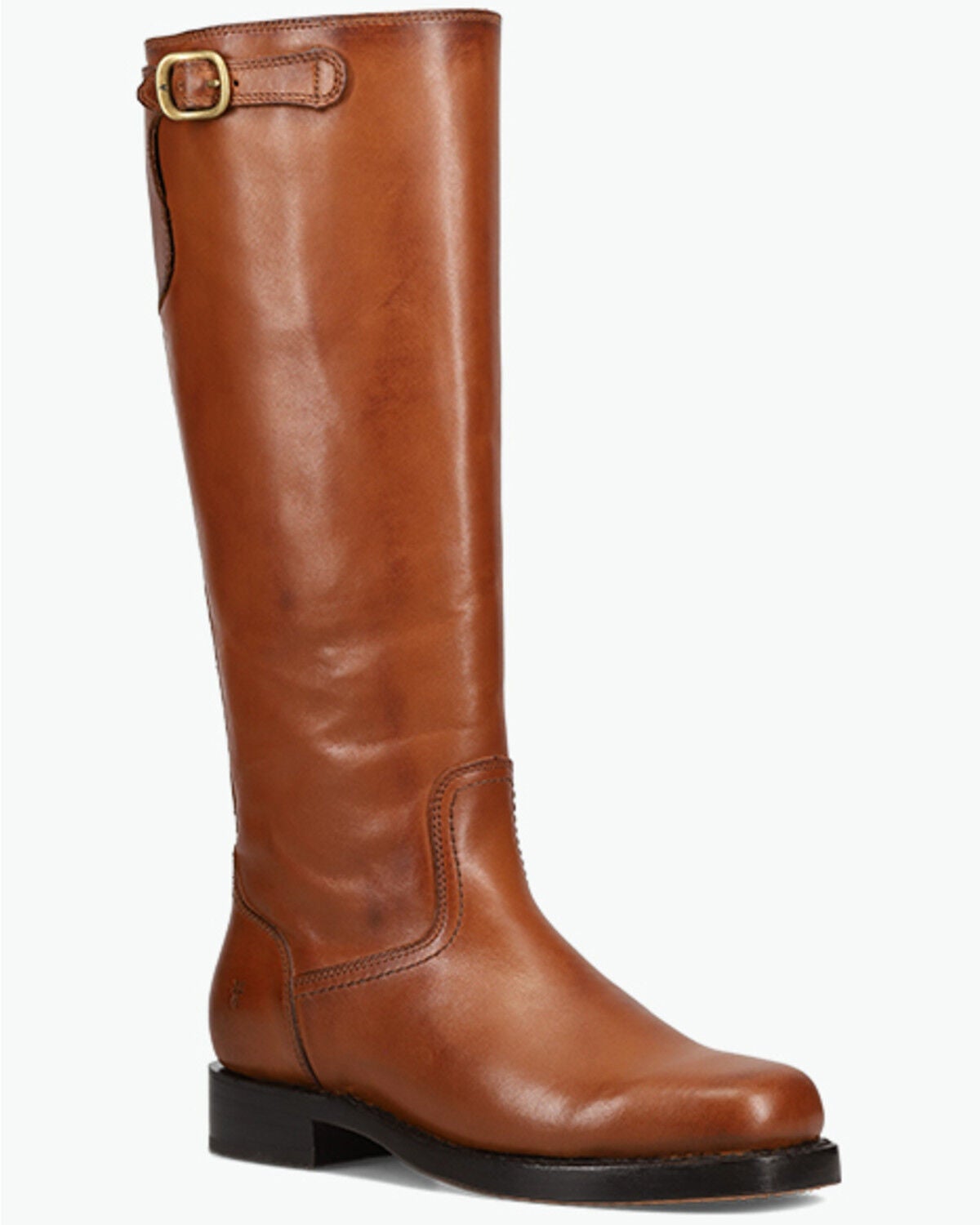
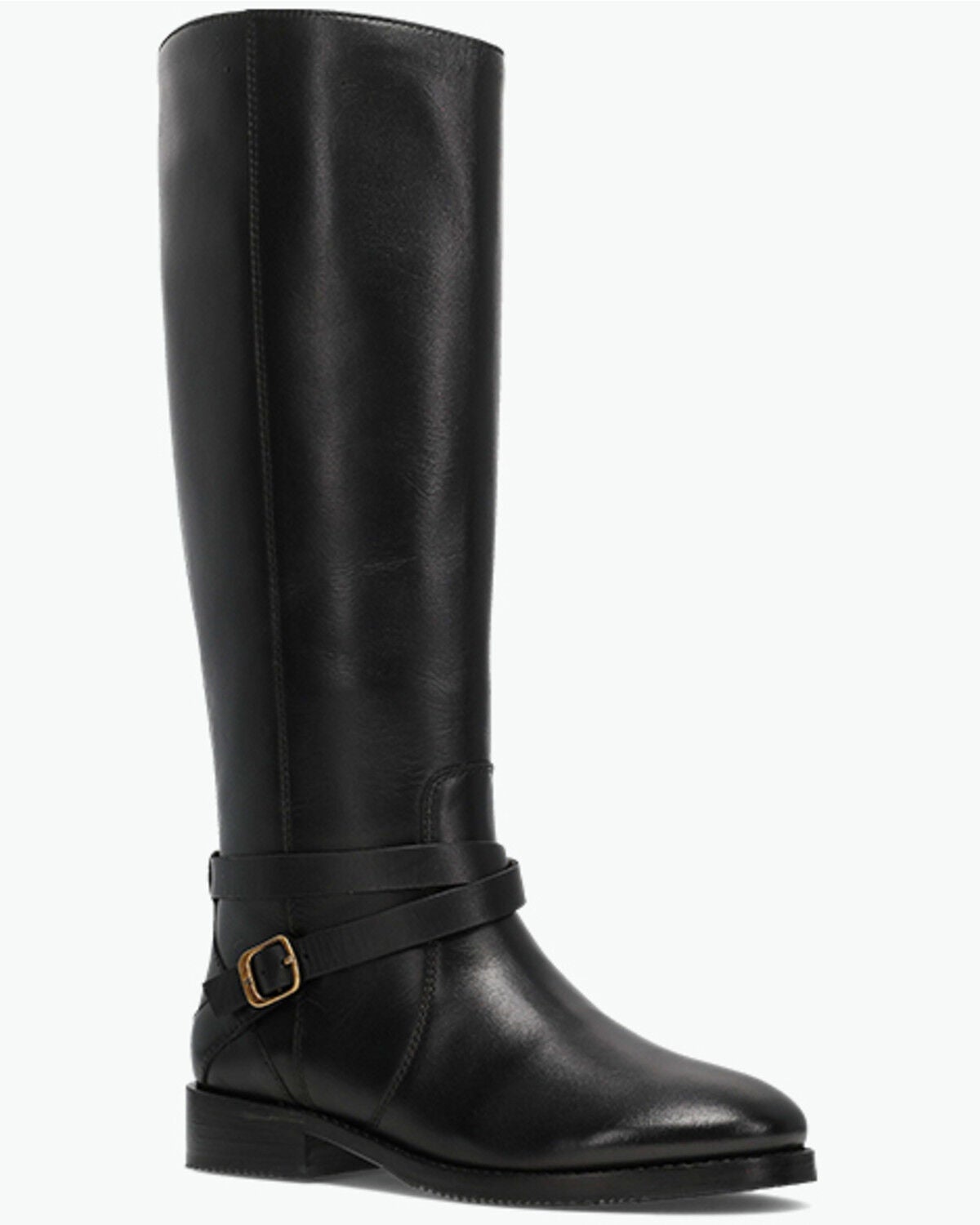
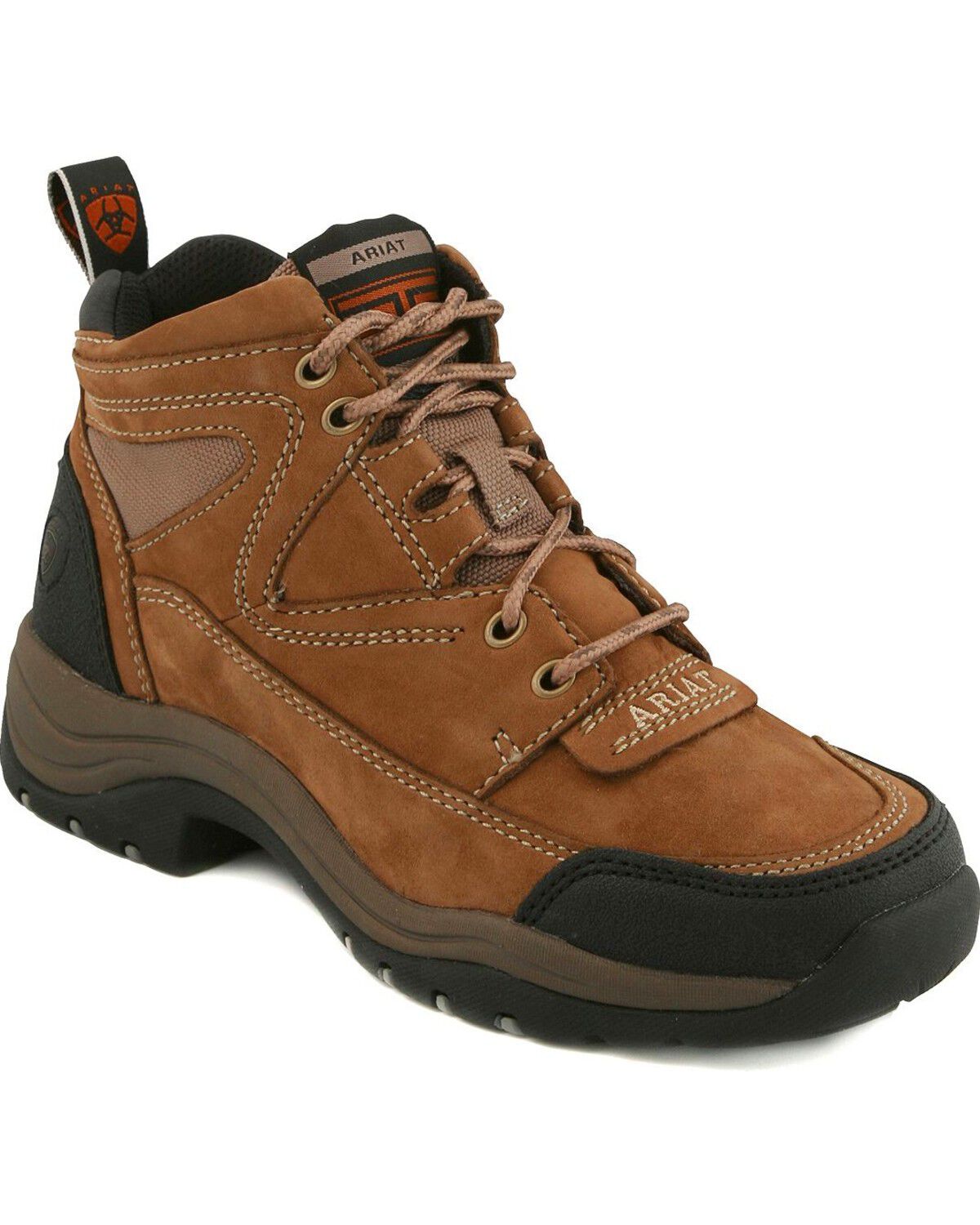
Women’s English riding boots are purpose-built footwear for riding in an English saddle, with a close fit through the foot and ankle and a defined heel suited to stirrup use. The two main styles are tall riding boots and short paddock boots, which are often worn with half chaps. Tall boots extend to just below the knee and provide coverage along the lower leg. Paddock boots finish above the ankle, offering a practical option for lessons, schooling, and time around the barn. Half chaps add lower-leg coverage over paddock boots without making them identical to tall boots in construction or suitability for competition. Within the tall-boot category, field boots have lacing across the instep that allows flexibility at the ankle. They are commonly associated with hunters, jumpers, and equitation. Dress boots have a clean front without instep laces and are often associated with dressage, although the level of structure varies. Some dressage boots have a firmer shaft that supports a more upright profile, while softer tall boots allow greater movement. The right style depends on the rider’s discipline, daily routine, and any applicable competition rules. A rider taking weekly lessons may value the easy movement of paddock boots, while someone preparing for the show ring may need a particular tall-boot style. English horse riding boots differ from fashion boots that borrow the same silhouette. Riding footwear needs an appropriate heel, outsole, and shape for use with a stirrup; a tall shaft alone does not make a boot suitable for riding. Across the broader category of English horse riding boots, women’s styles balance this practical foundation with different calf shapes, shaft heights, closures, and levels of support. A polished appearance has its place, but comfortable contact with the horse and a secure, unrestricted riding position matter more than decorative details.

Materials and construction affect how women’s English riding boots feel from the first lesson through regular use. Leather is a traditional choice because it can soften and conform to the foot and leg with wear. Its feel varies with the leather, thickness, lining, and reinforcement: a supple field boot and a structured dressage boot should not be expected to break in the same way. Synthetic materials offer another option, with flexibility, breathability, and cleaning requirements that depend on the construction. Neither a leather label nor a smooth finish tells the whole story. Stitching, zipper quality, sole attachment, and reinforcement at high-wear areas all contribute to durability. The inside of the leg encounters repeated friction against the saddle, while the foot bends at the ball with each step. Those areas need construction suited to regular riding rather than appearance alone. Fit is equally specific. Foot size is only one measurement for tall boots; calf circumference and lower-leg height also affect comfort and position. Measurements taken over the breeches and socks intended for riding give a more useful picture than measurements taken over bare legs. A close fit should feel supportive without painful pressure, numbness, or restricted circulation. The heel should remain reasonably secure, and the toes need room without excessive movement through the foot. A tall shaft should not press sharply behind the knee when the rider bends the leg. Some tall leather boots settle at the ankle and lose a little height during break-in, but the amount varies by design. Excessive tightness is not something to dismiss on the assumption that every boot will stretch. Elastic panels, adjustable laces, and different calf widths can accommodate different proportions, though none replaces an appropriate overall fit. With paddock boots, the ankle opening and instep deserve attention, particularly when half chaps will sit over them. Thick socks cannot reliably correct a boot that is too large, and extra layers can make a close-fitting boot uncomfortable. The useful fit is the one that works in riding clothes, both standing and seated.

Daily use places different demands on riding boots than an occasional lesson or competition. Walking between the tack room, arena, and mounting block calls for enough flexibility to move comfortably, while time in the saddle requires a shape that works with the rider’s stirrups. Underfoot cushioning may improve comfort during longer stretches on the feet, but a bulky outsole or aggressive tread is not automatically appropriate for riding. Boot dimensions and stirrup clearance need to work together, without the foot becoming wedged. Tall boots provide continuous lower-leg coverage, while paddock boots and half chaps allow the two pieces to be fitted and replaced separately. Neither arrangement substitutes for checking the footwear requirements of a lesson program or competition. Care also affects how well the boots hold their shape and how long their components last. Arena dust, sweat, and dirt collect around seams, ankle creases, and zipper teeth. Regular removal of that buildup helps keep surfaces clean and closures moving freely. Leather generally benefits from cleaning and conditioning products intended for its finish, used according to the maker’s directions. Suede, synthetic panels, and coated surfaces may require different treatment. Heavy applications of oil or conditioner can alter the feel, color, or structure of some leather, so more is not necessarily better. Boots that become damp need to dry away from direct heat, with enough air circulation to dry inside as well as outside. Boot trees or suitable shaft supports help tall boots retain their shape between rides. Zippers last better when they are kept clean and closed without forcing the two sides together under excessive tension. Regular checks of heels, soles, stitching, and closures can reveal wear before it interrupts a ride. For a gift recipient, riding discipline and exact measurements matter more than guessing from everyday shoe size. A rider starting lessons and an experienced competitor may need very different footwear. The most useful pair suits the rider’s actual routine, fits the foot and leg properly, and receives the care its materials require.
Read More

FAQs