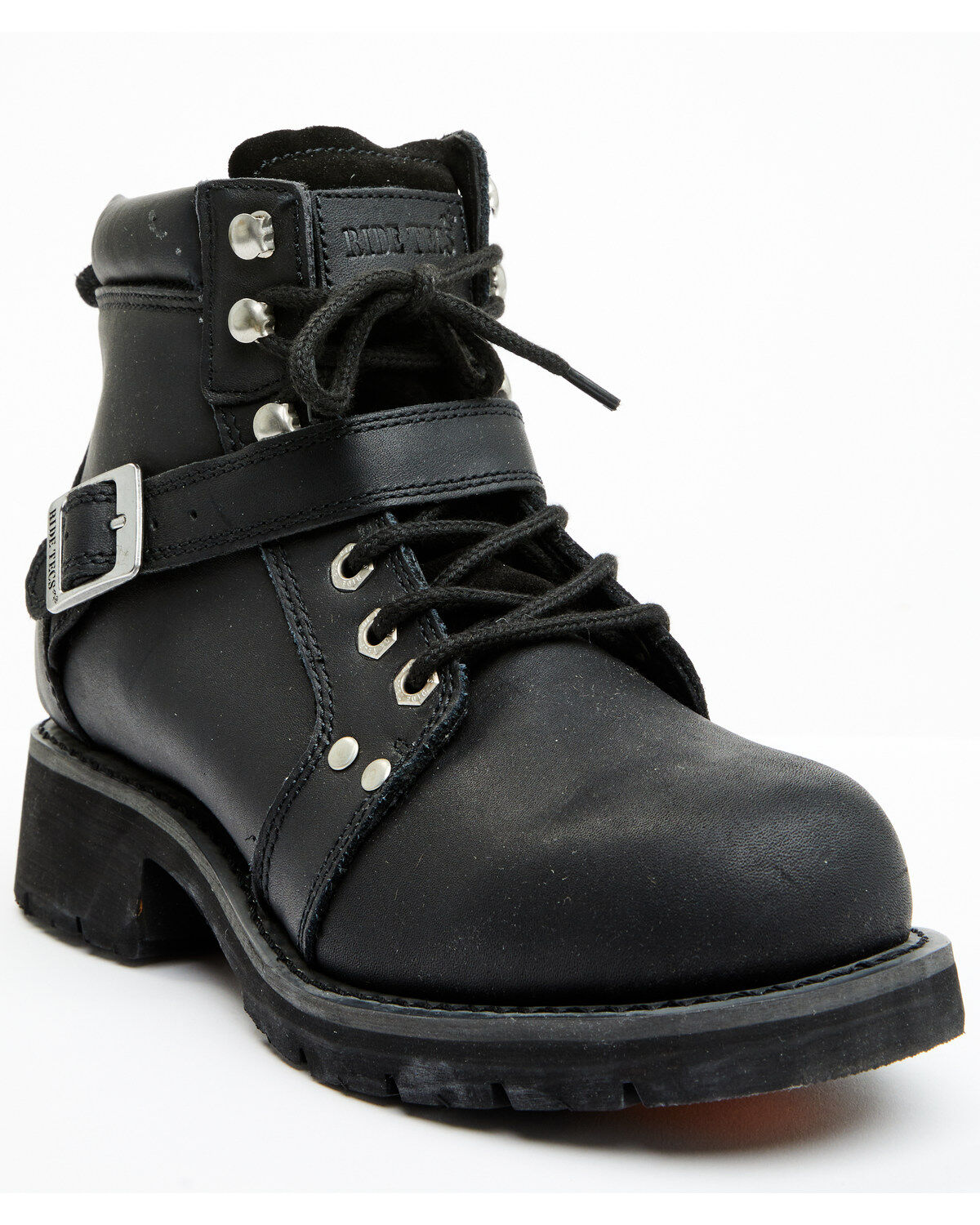
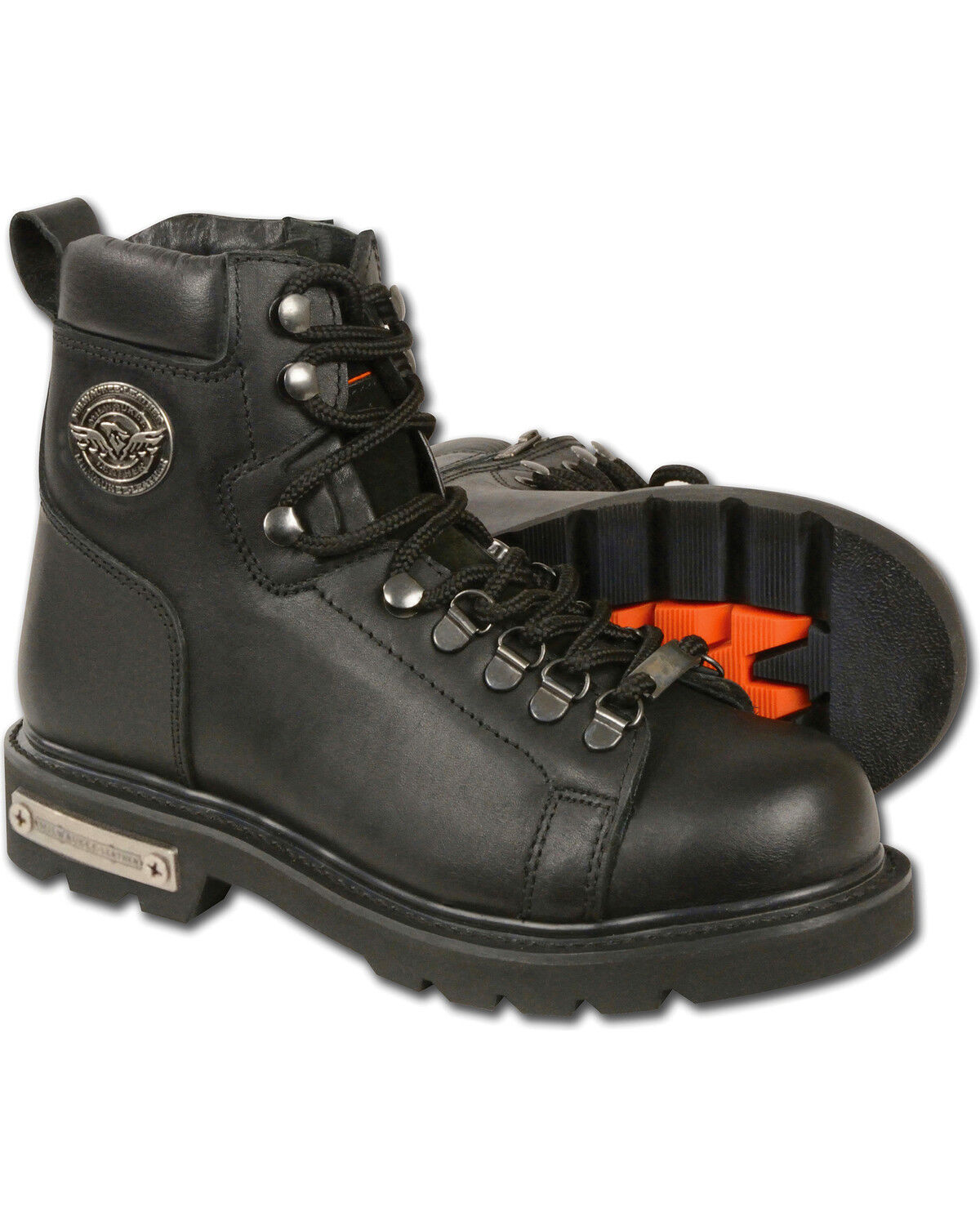
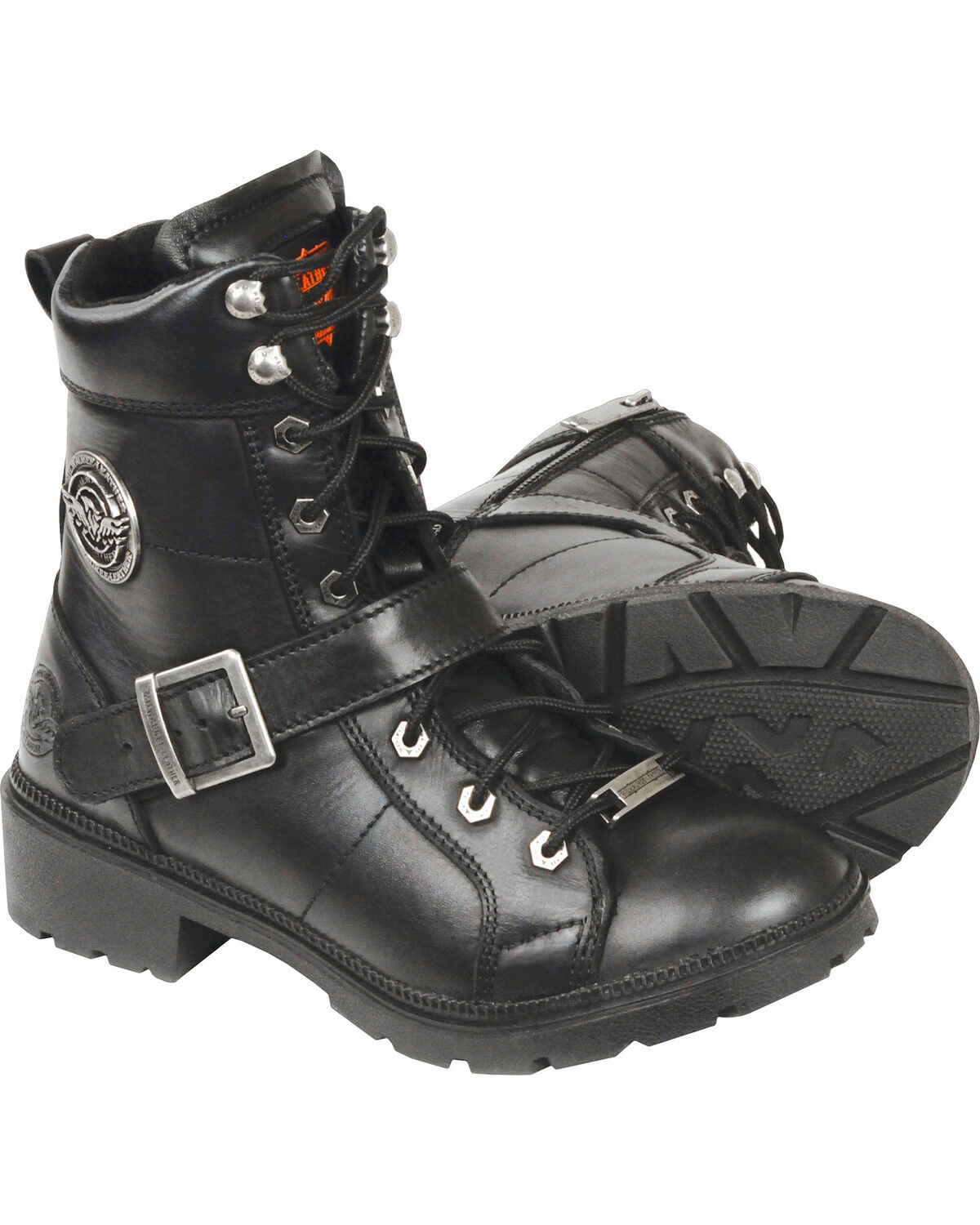
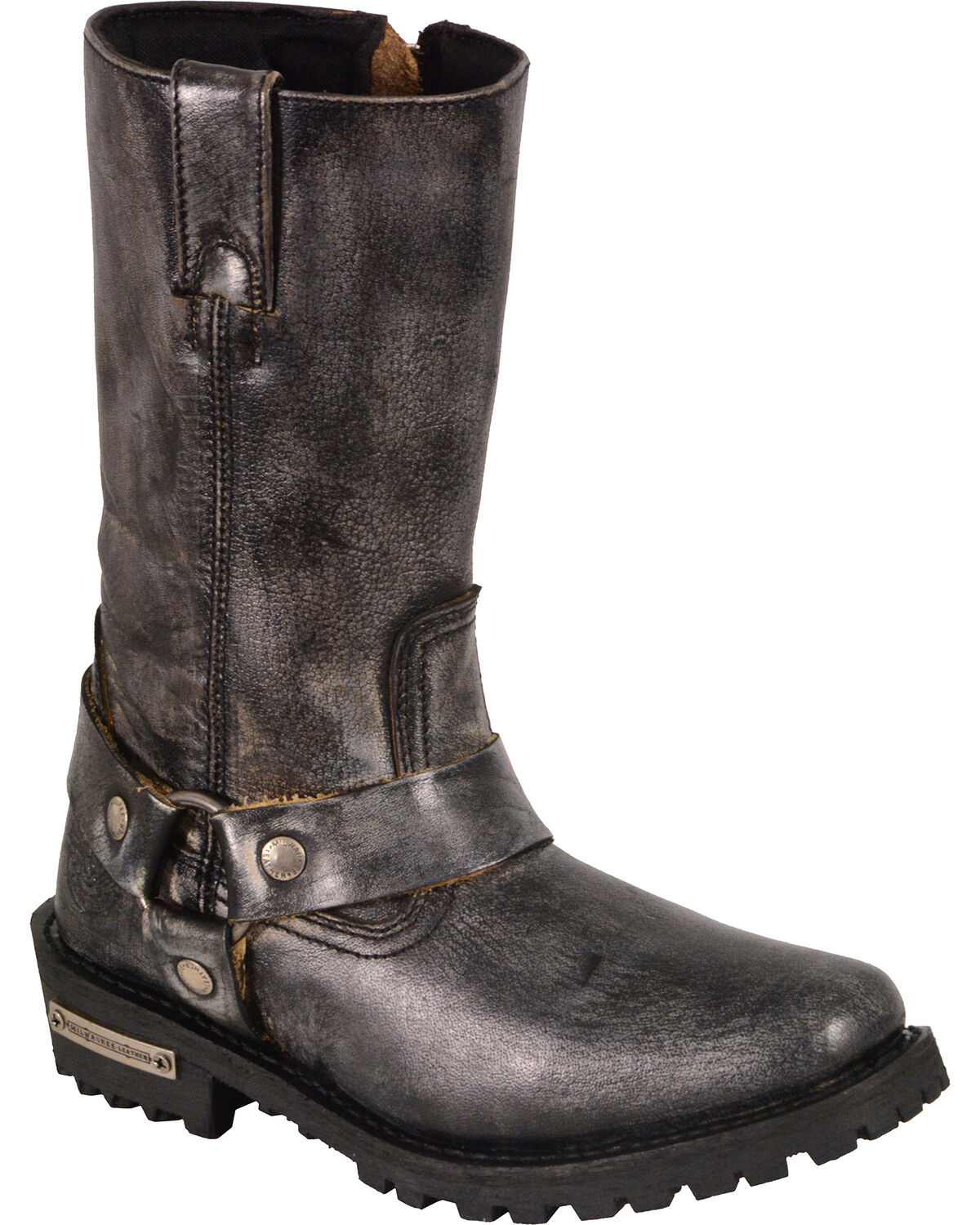
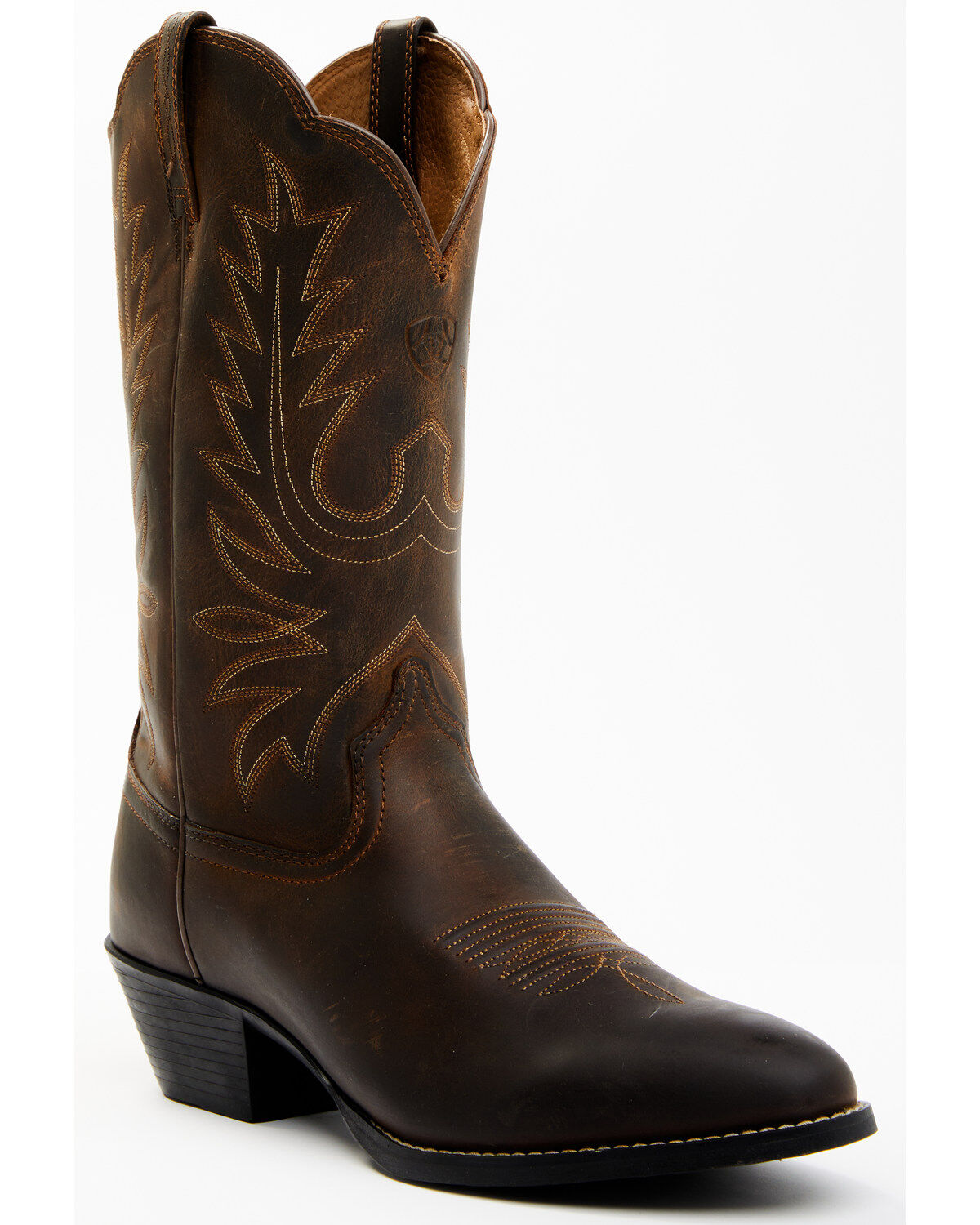
Ladies Black Leather Riding Boots

Shop ladies black leather riding boots with fit and intended use in mind. Compare available styles, and check each pair’s product details for sizing, shaft height, and calf fit. If you plan to wear them in the saddle, confirm they are designed for riding before choosing.

Shop Your Store: Shop Your Store: Find a Store

(Turn off Shop Your Store to see all items)

(Turn off Shop Your Store to see all items)

close
  • Recommended
  • Lowest Price
  • Highest Price
Skip pass products
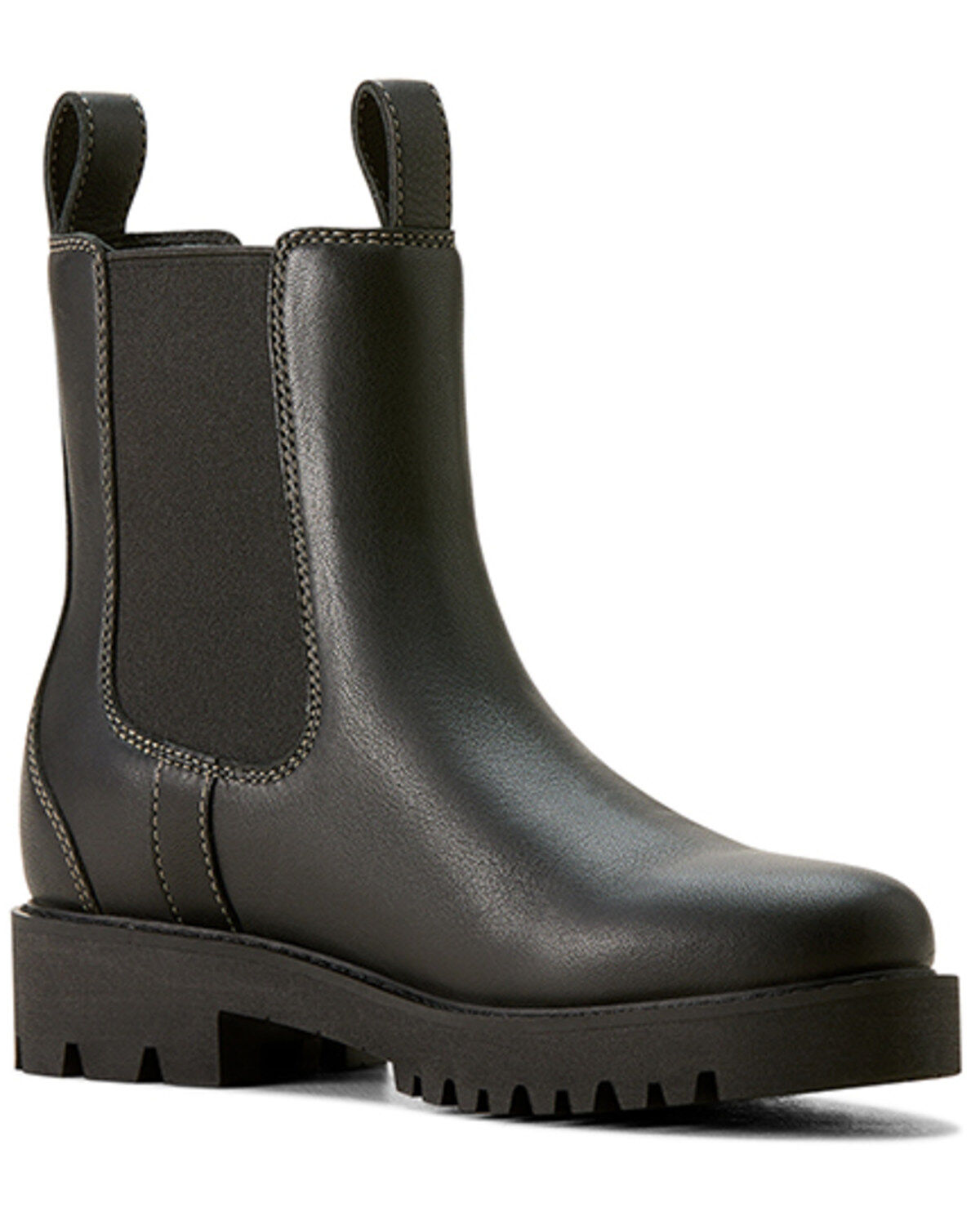
  • Women's Ariat Wexford Lug Waterproof Mid Boots - Round Toe
    Original Price $199.99 $139.97
    30% Total Savings

End of products

Ladies Black Leather Riding Boots

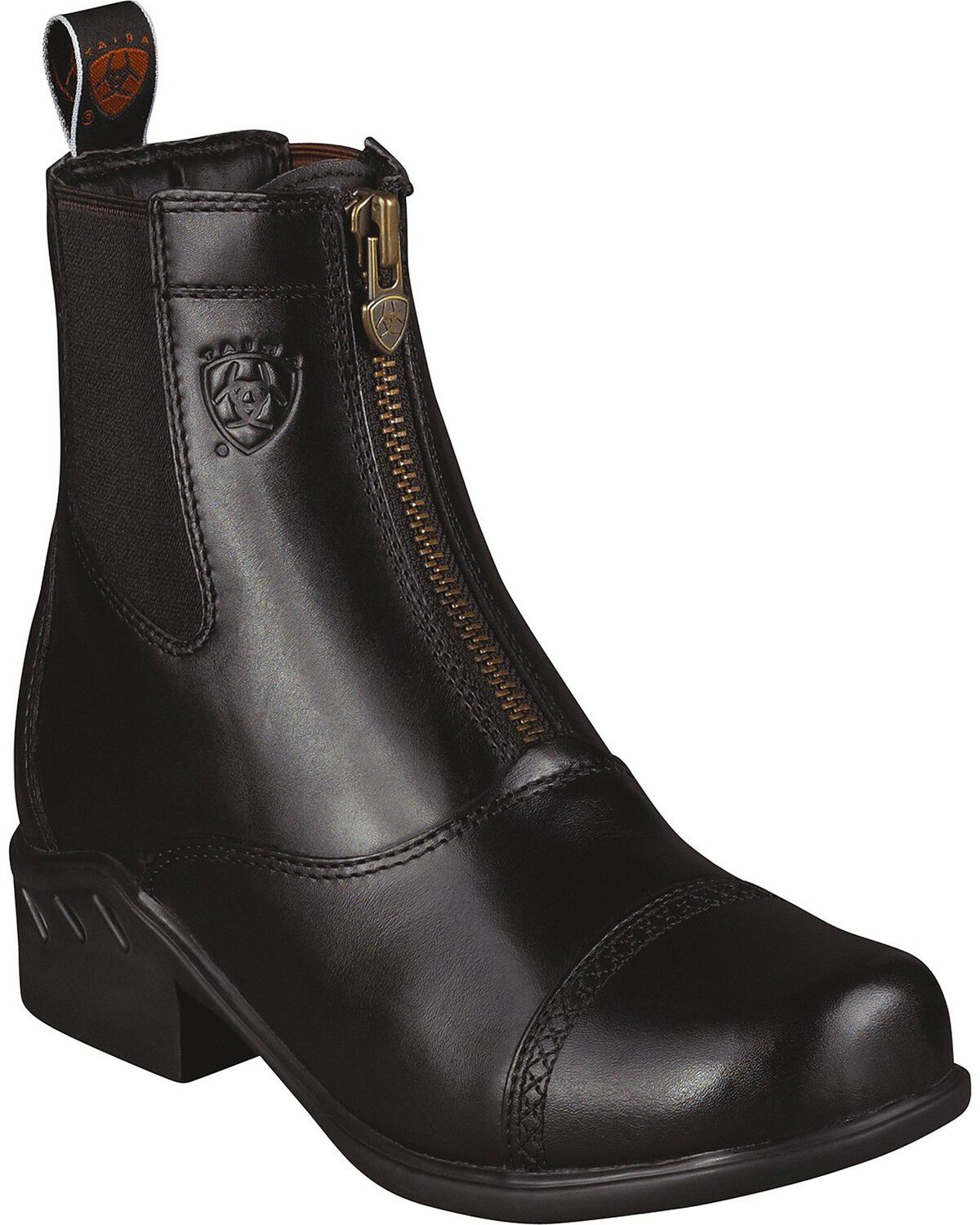
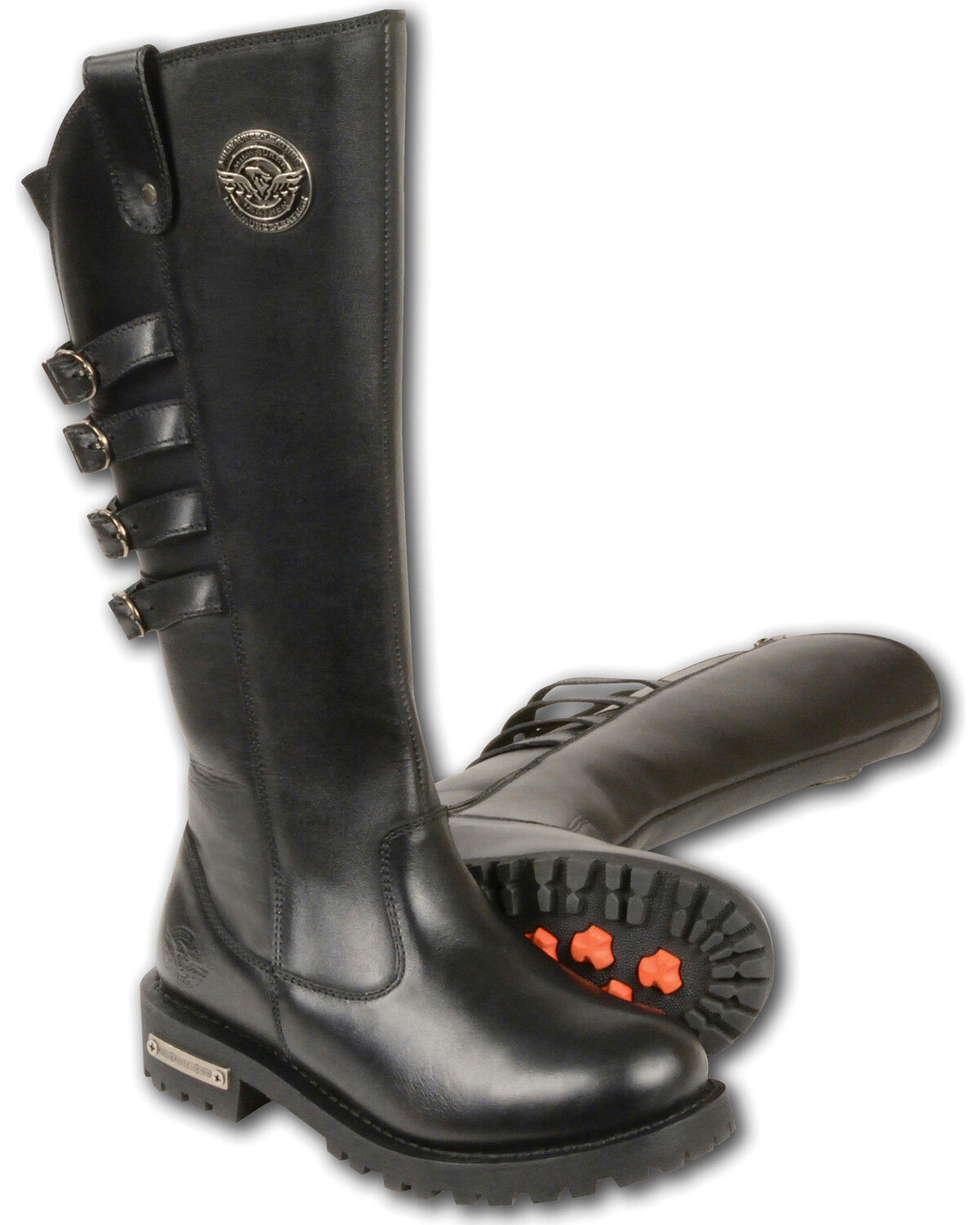
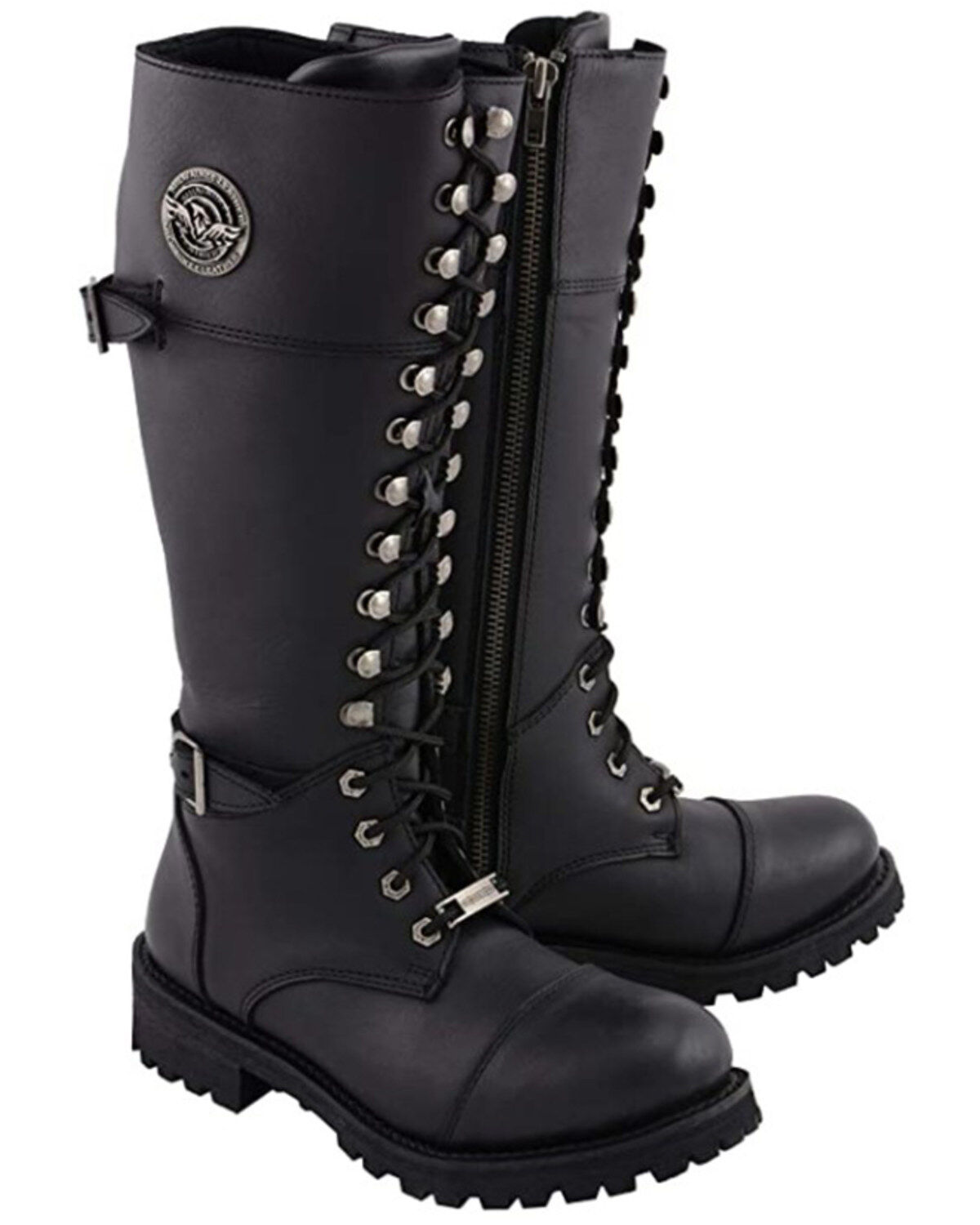
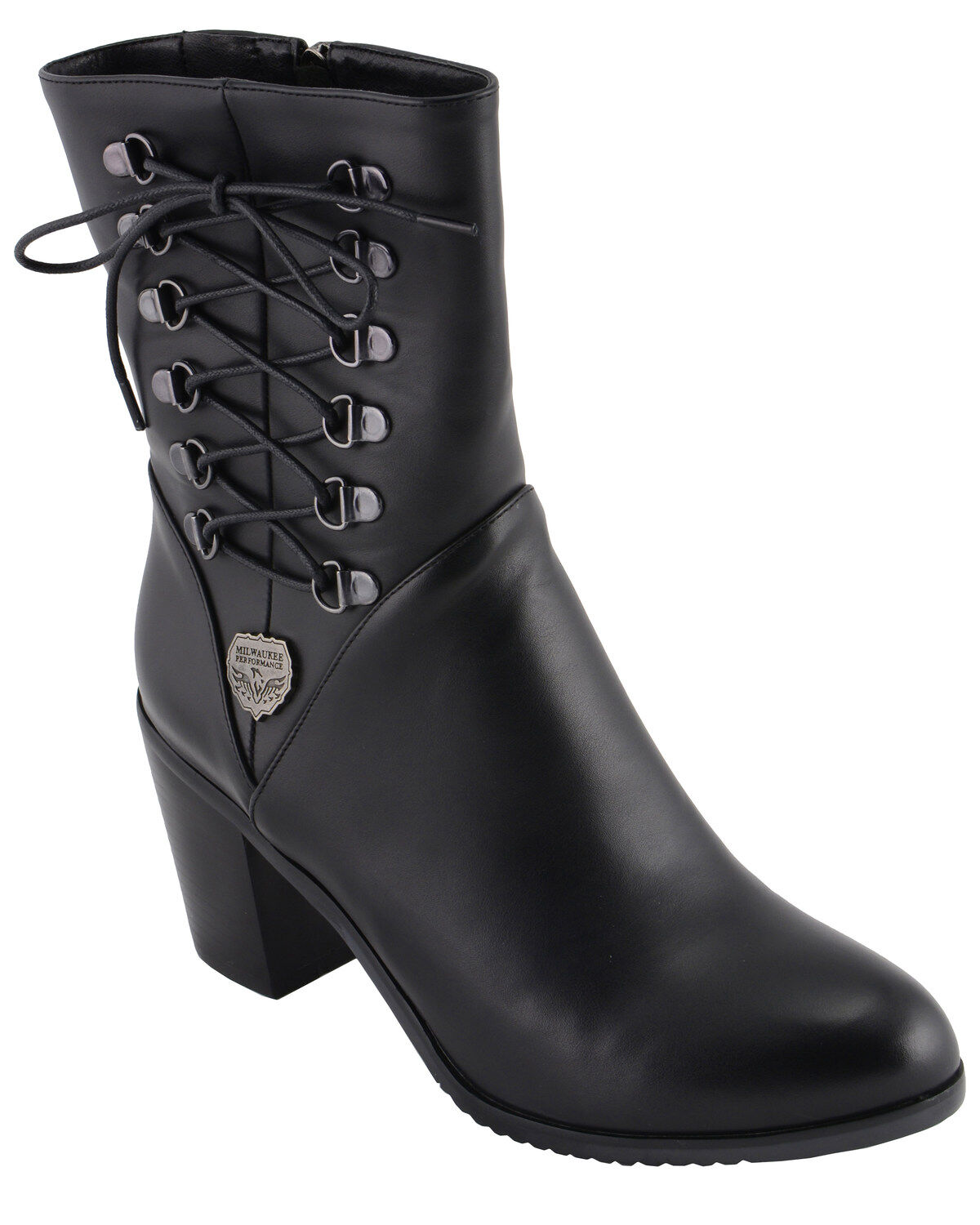
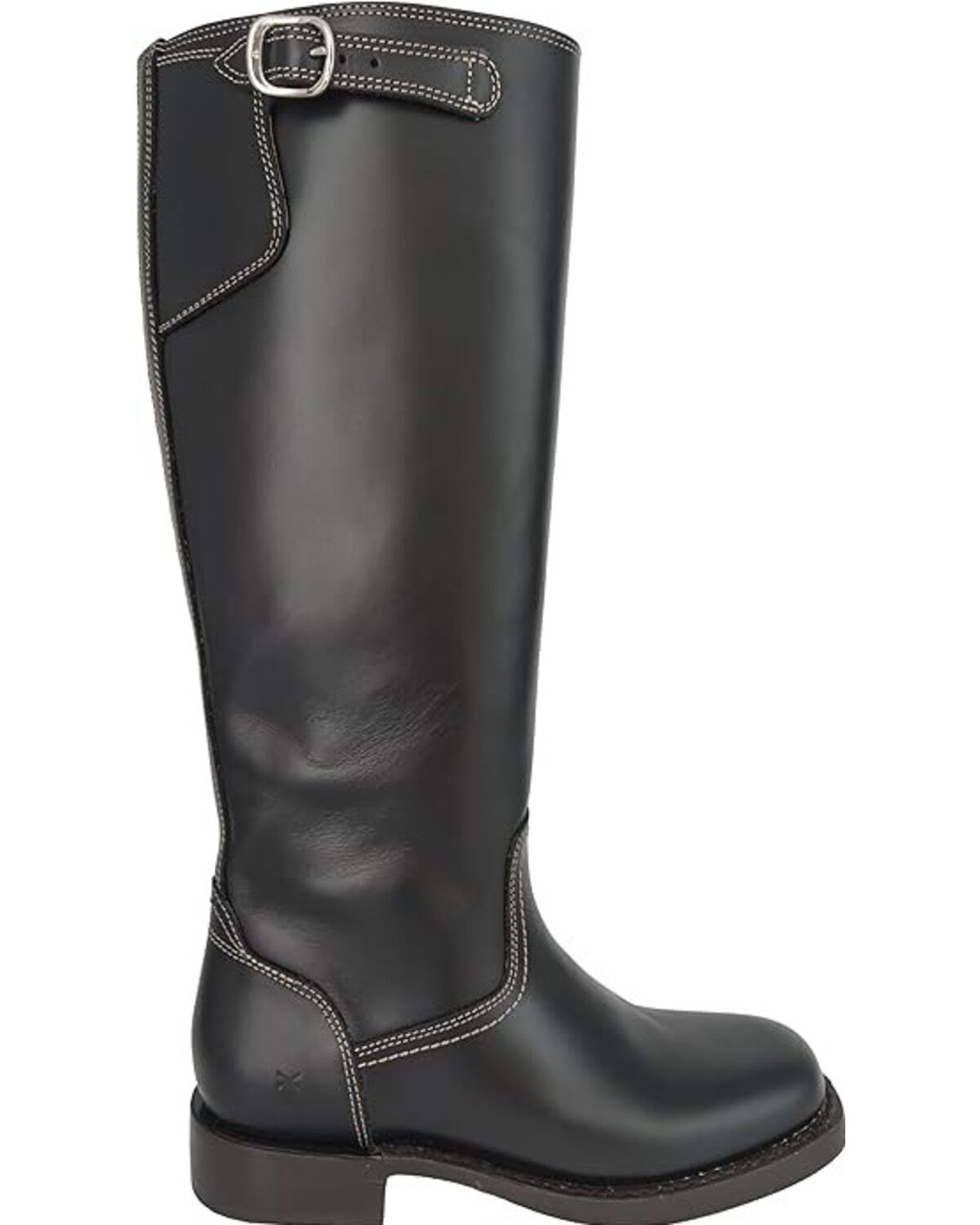
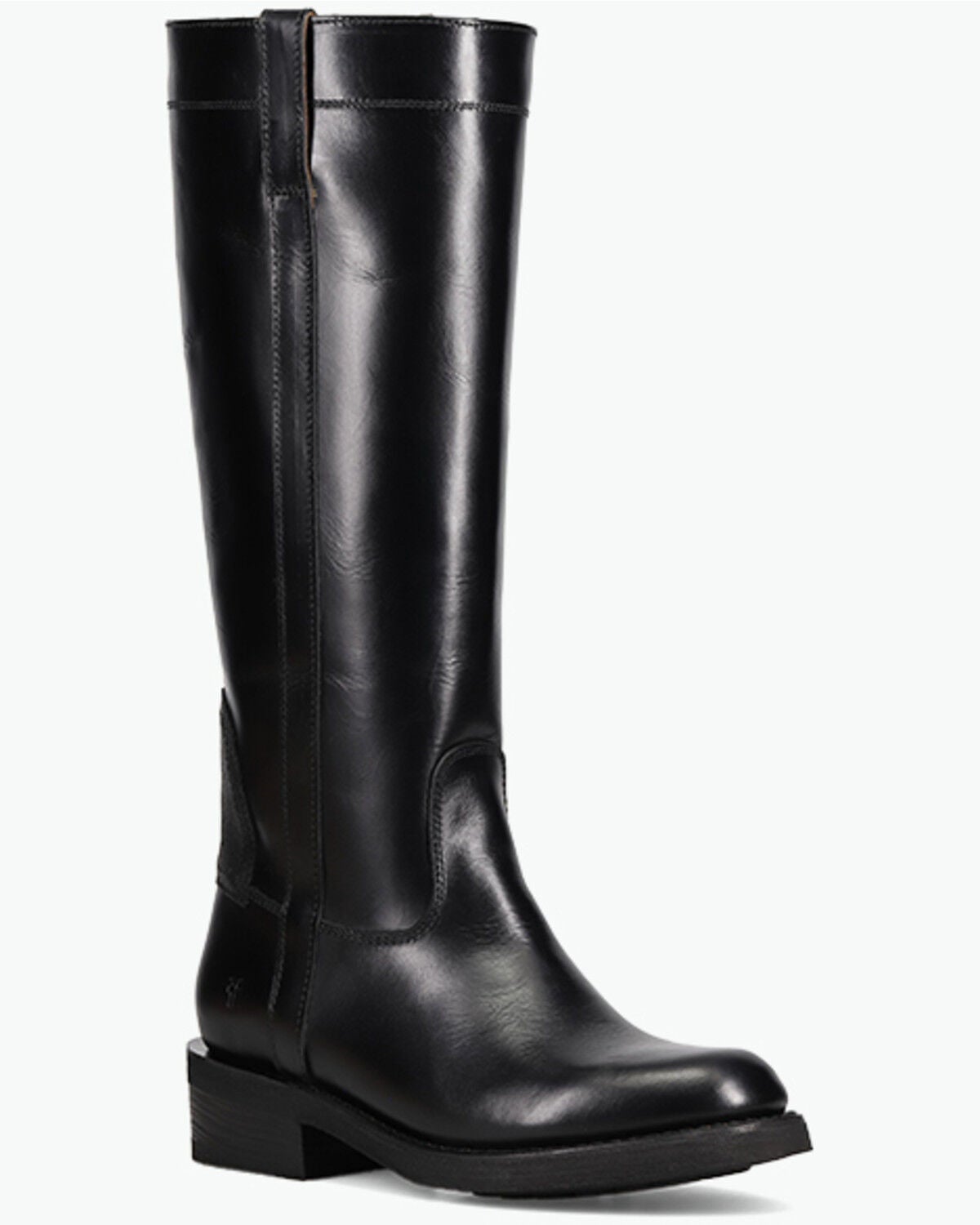
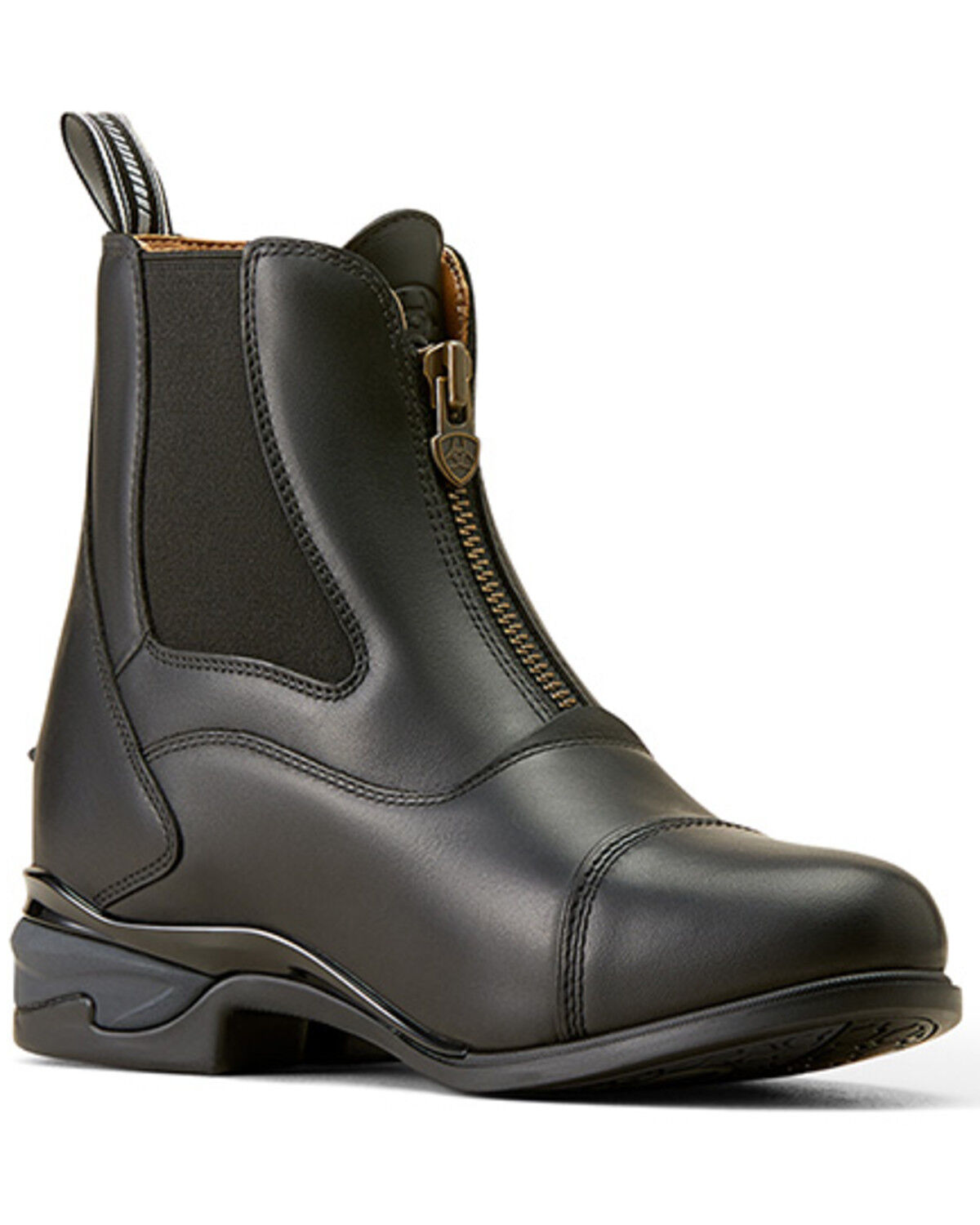
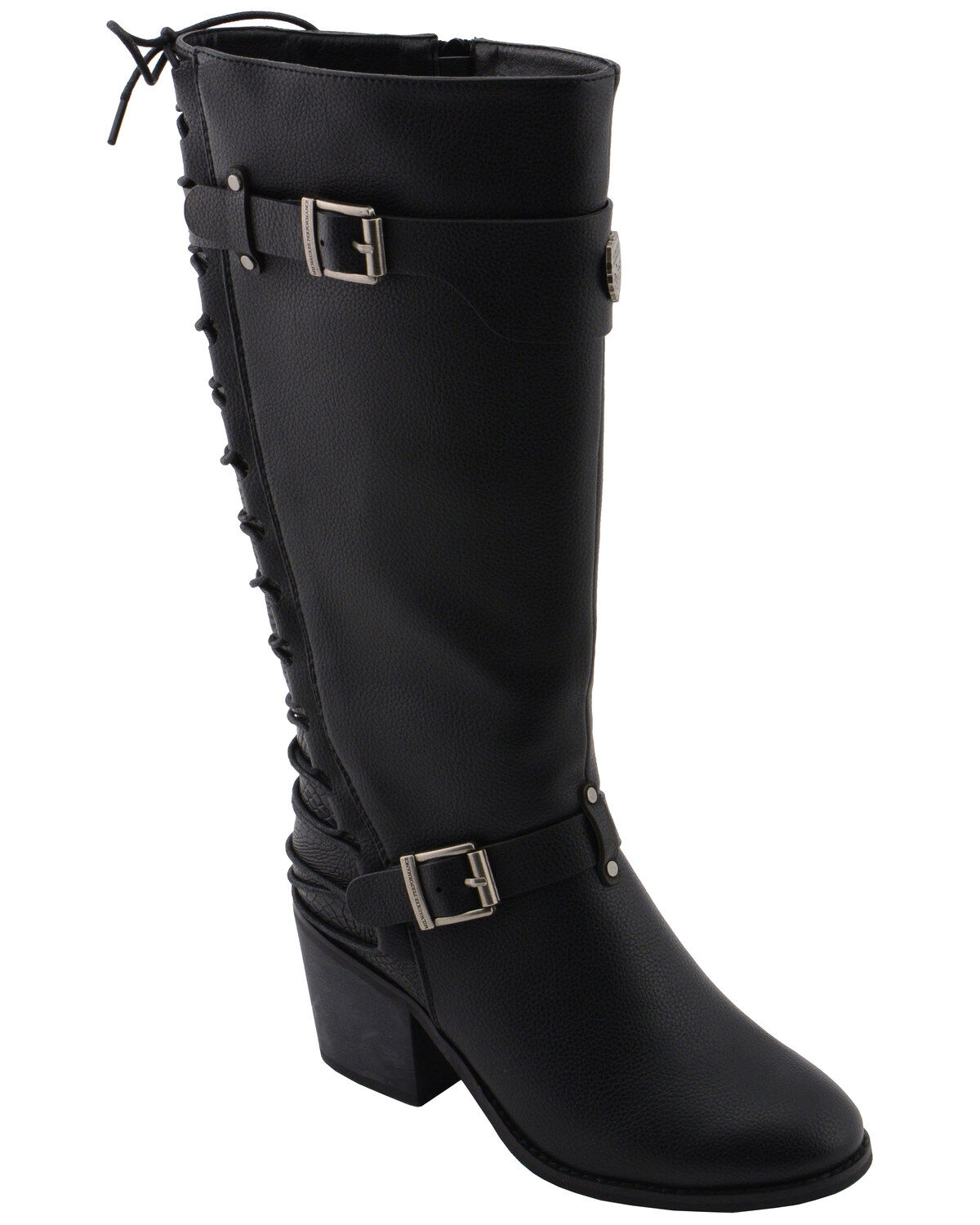
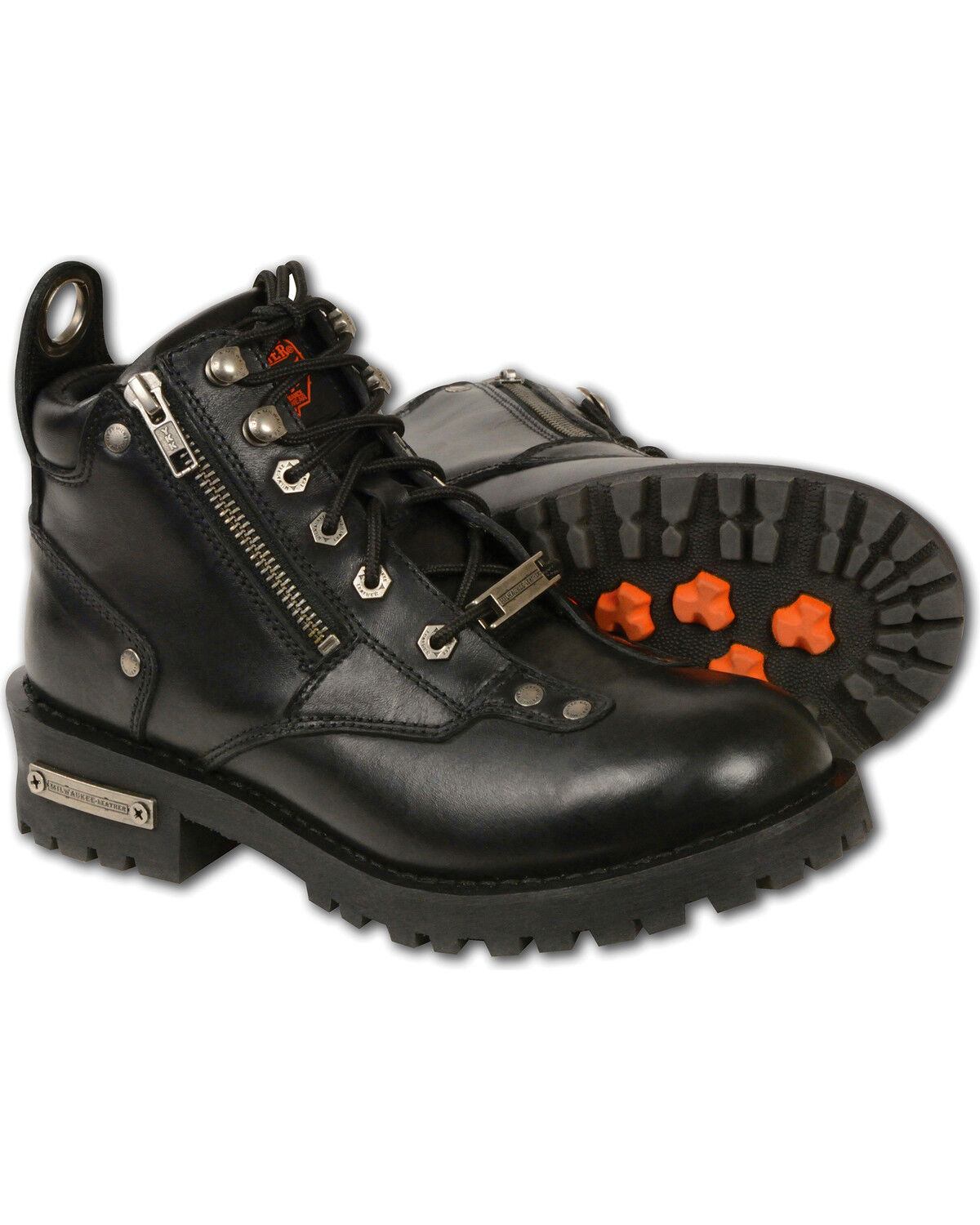
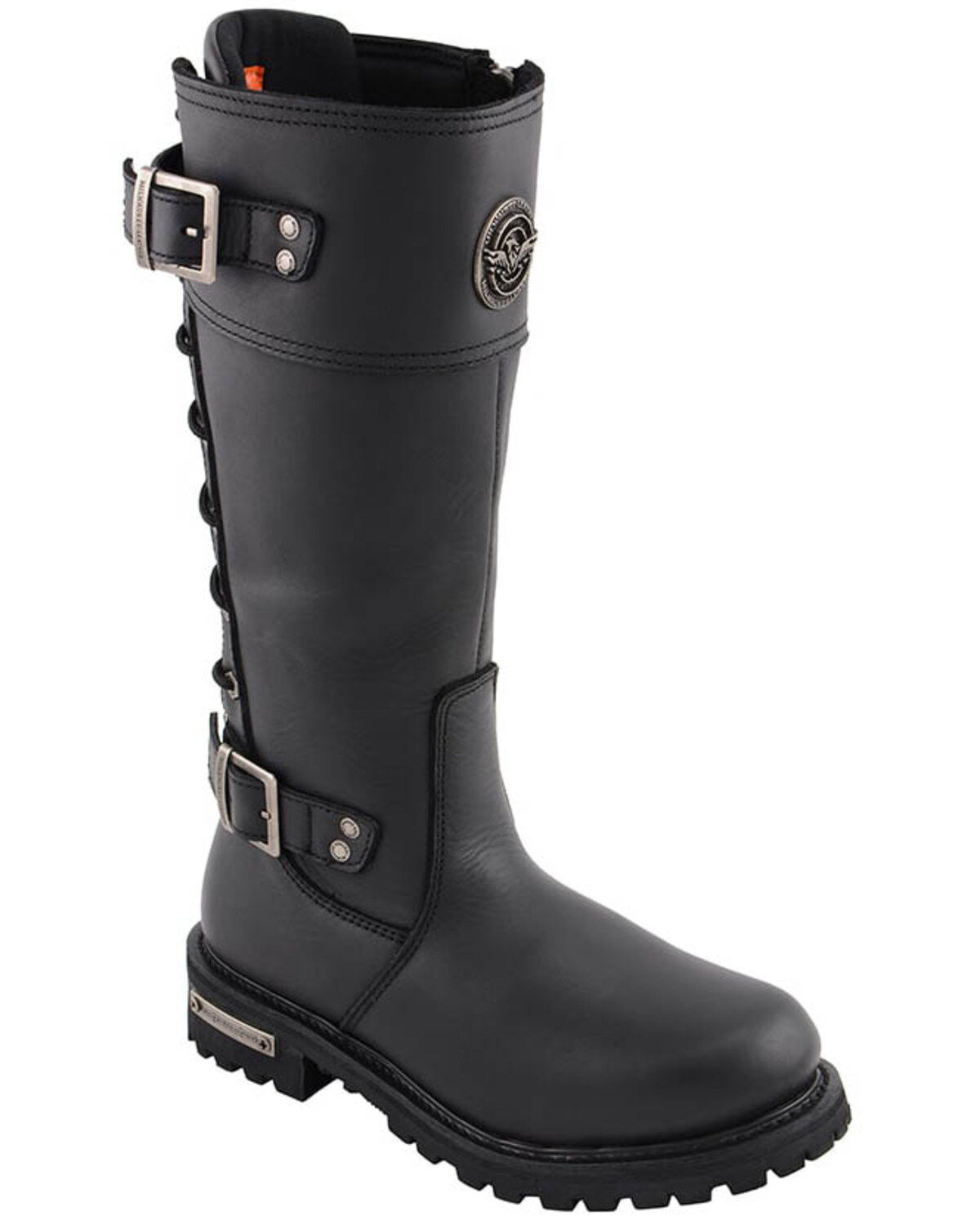
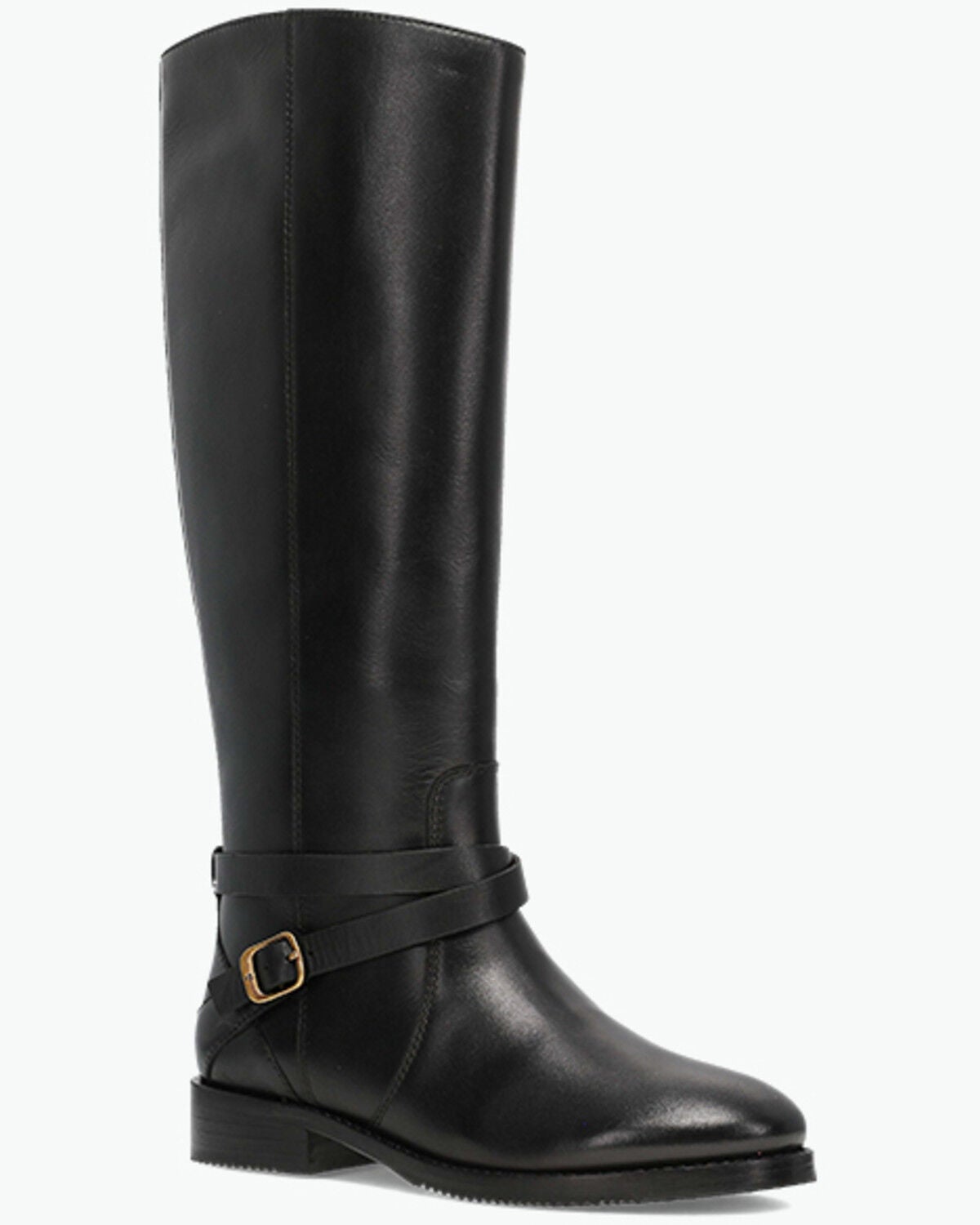
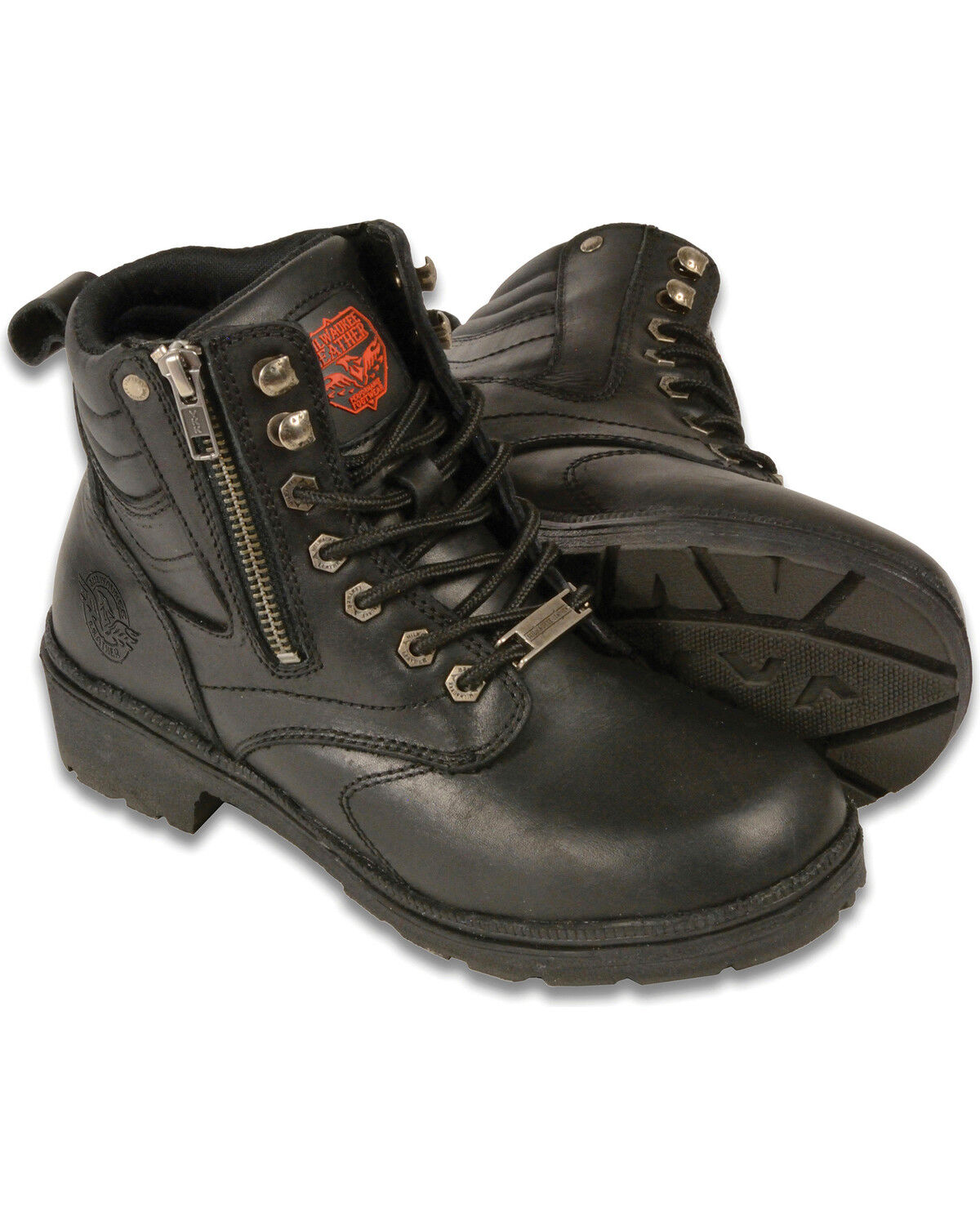
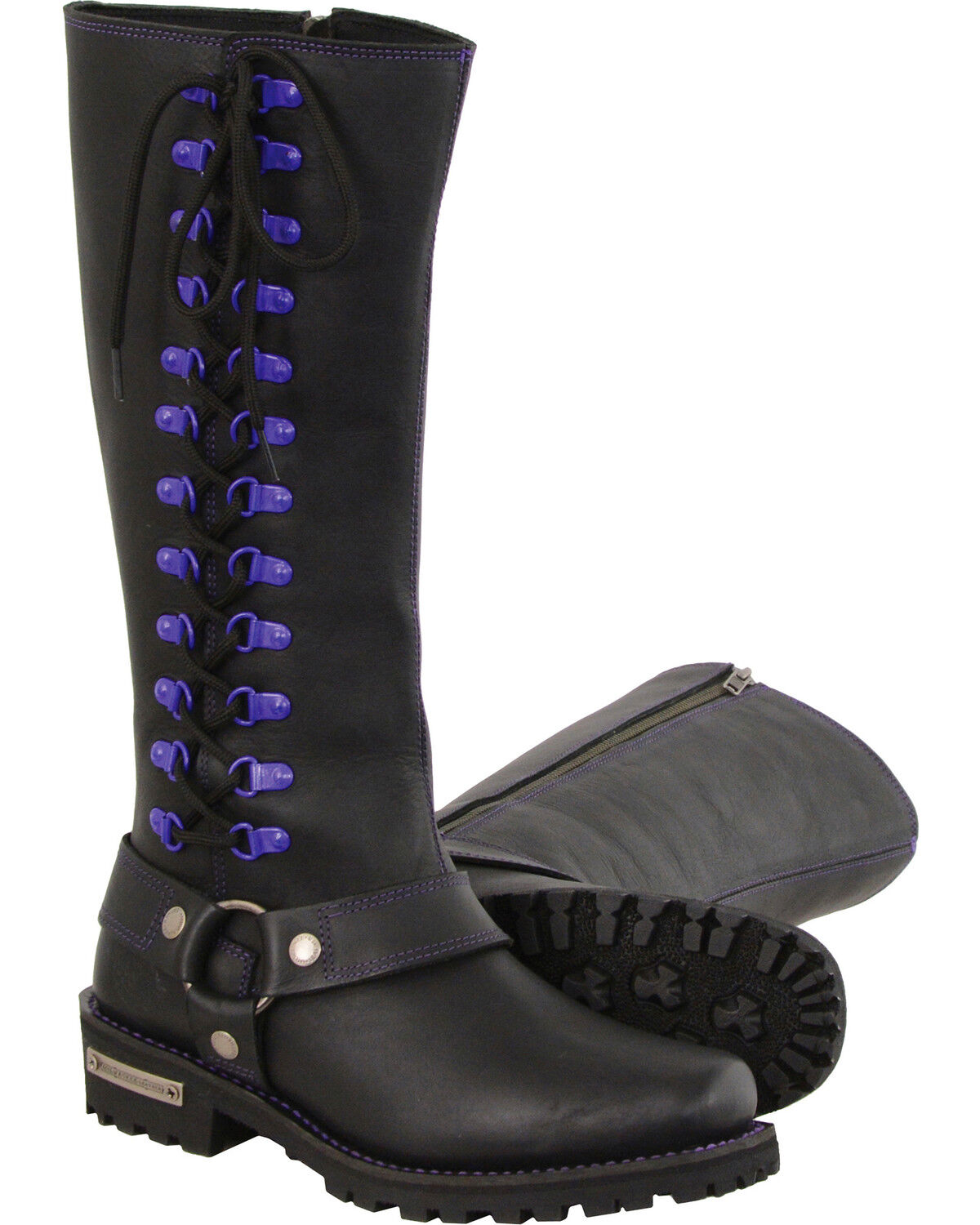
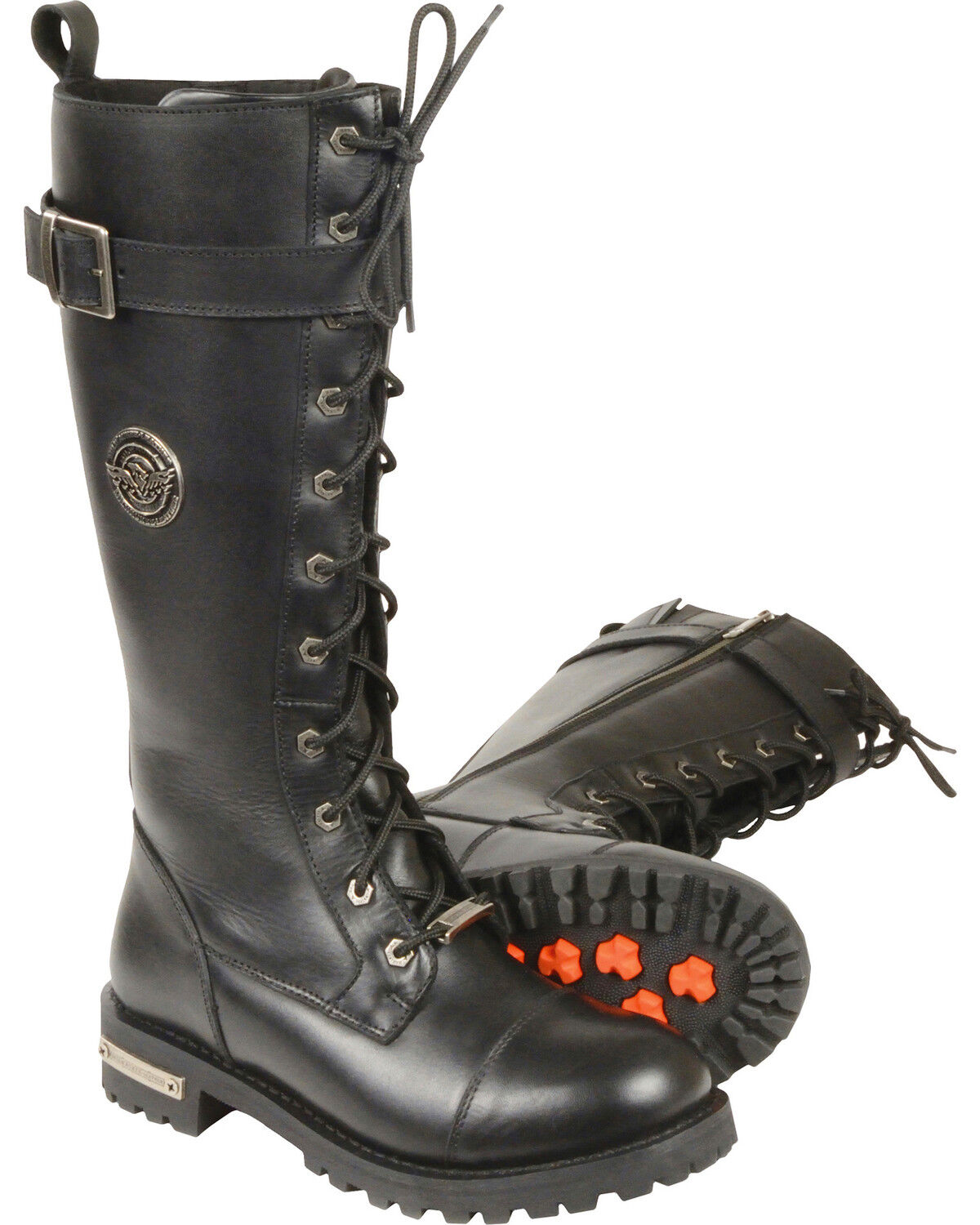
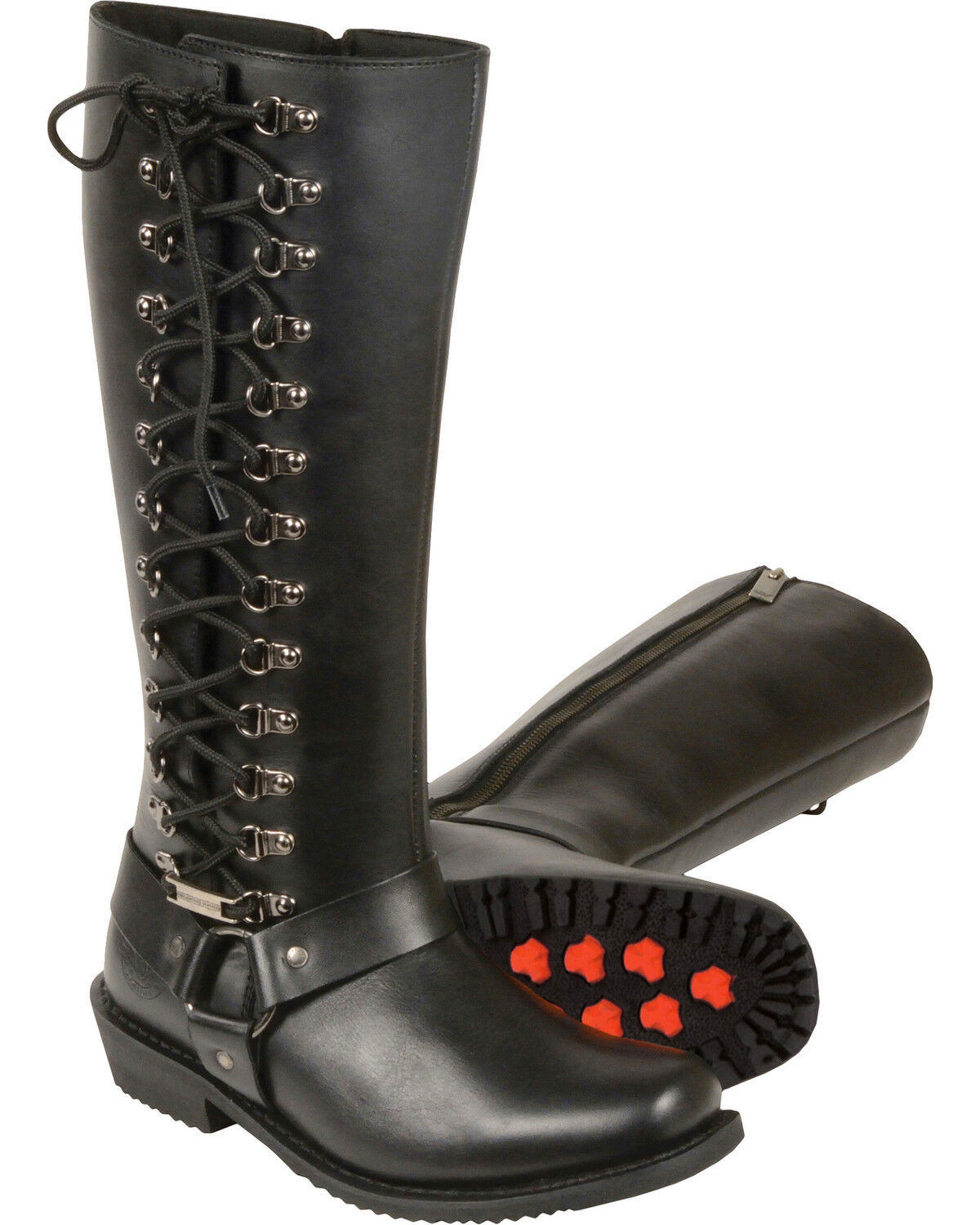
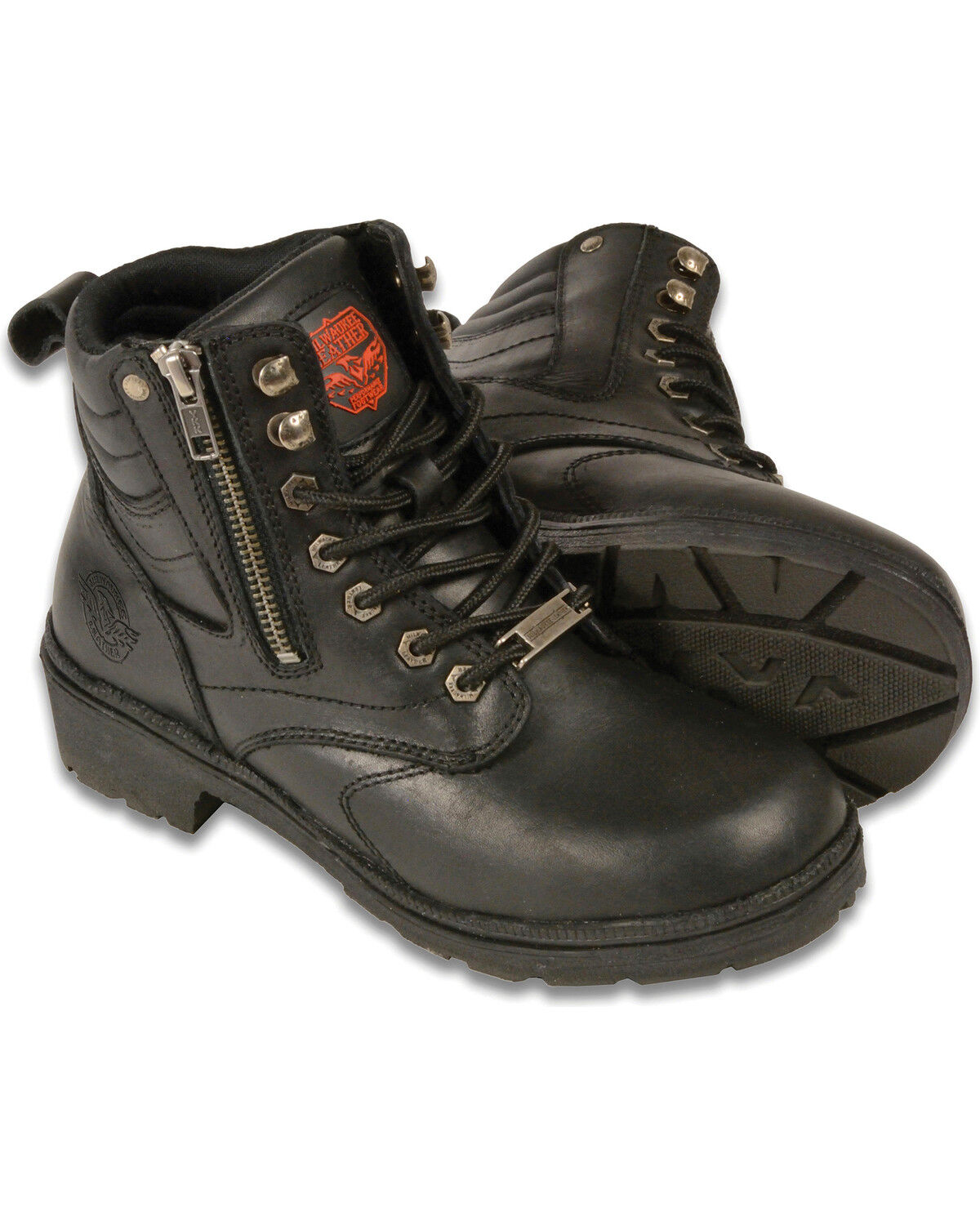
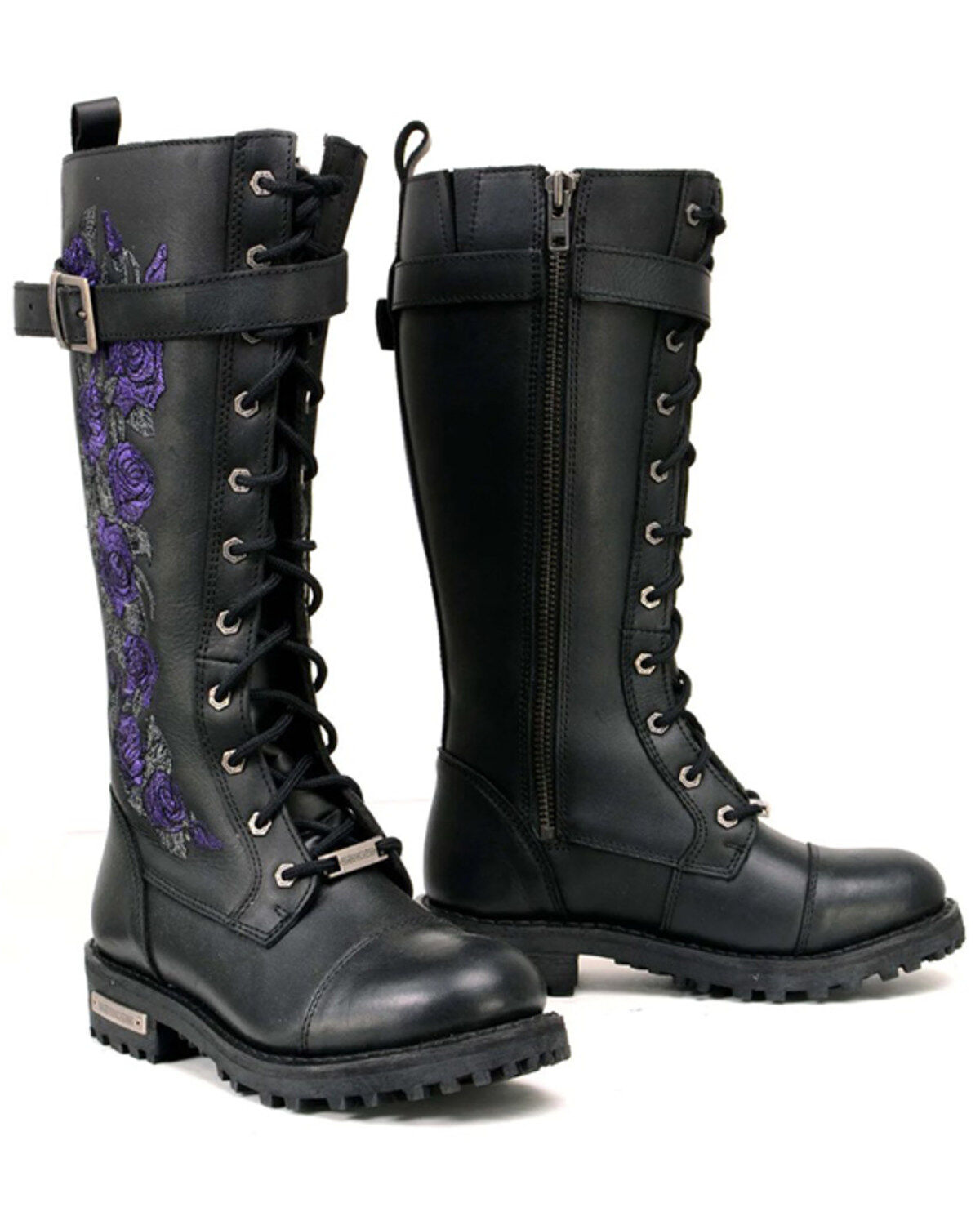
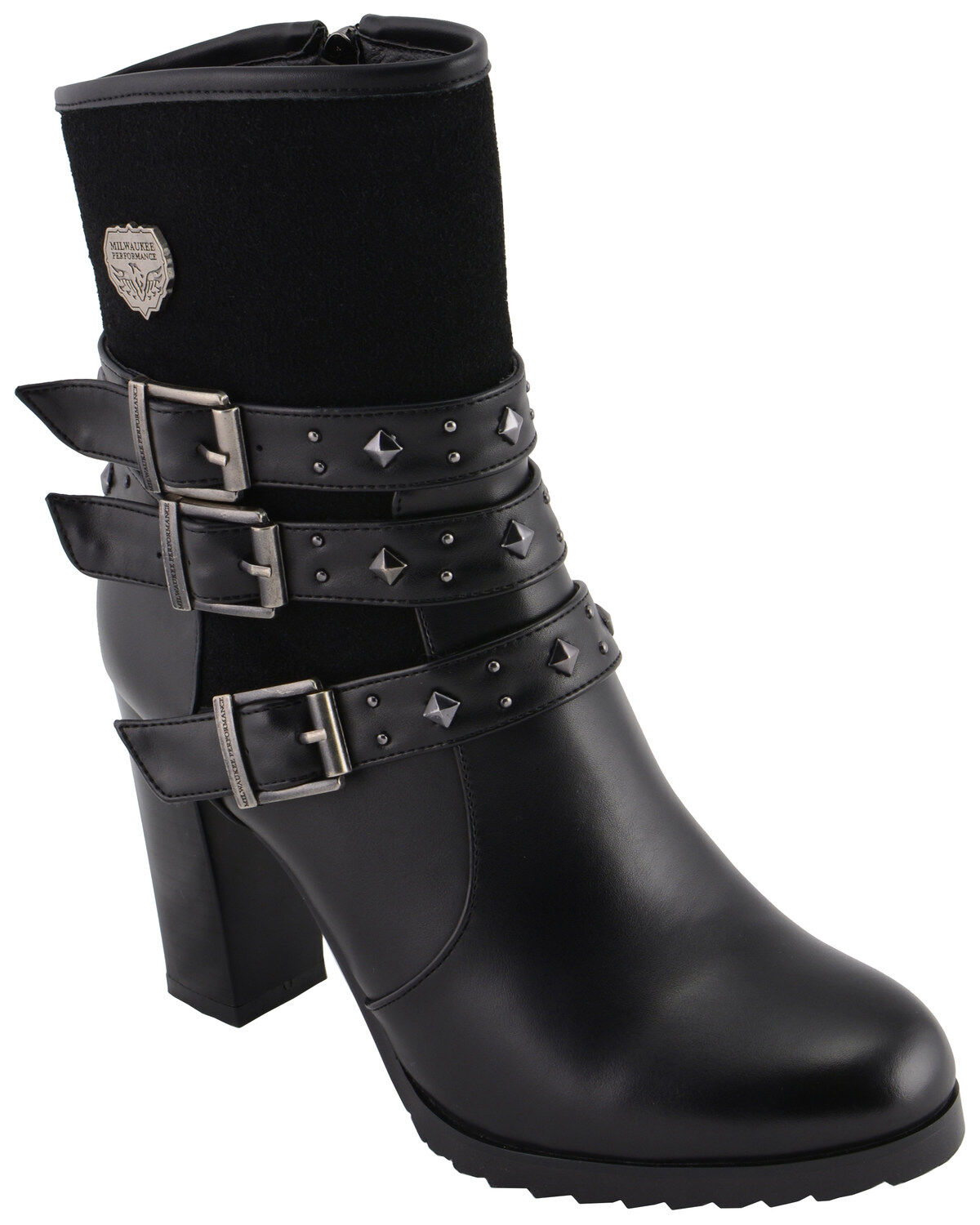
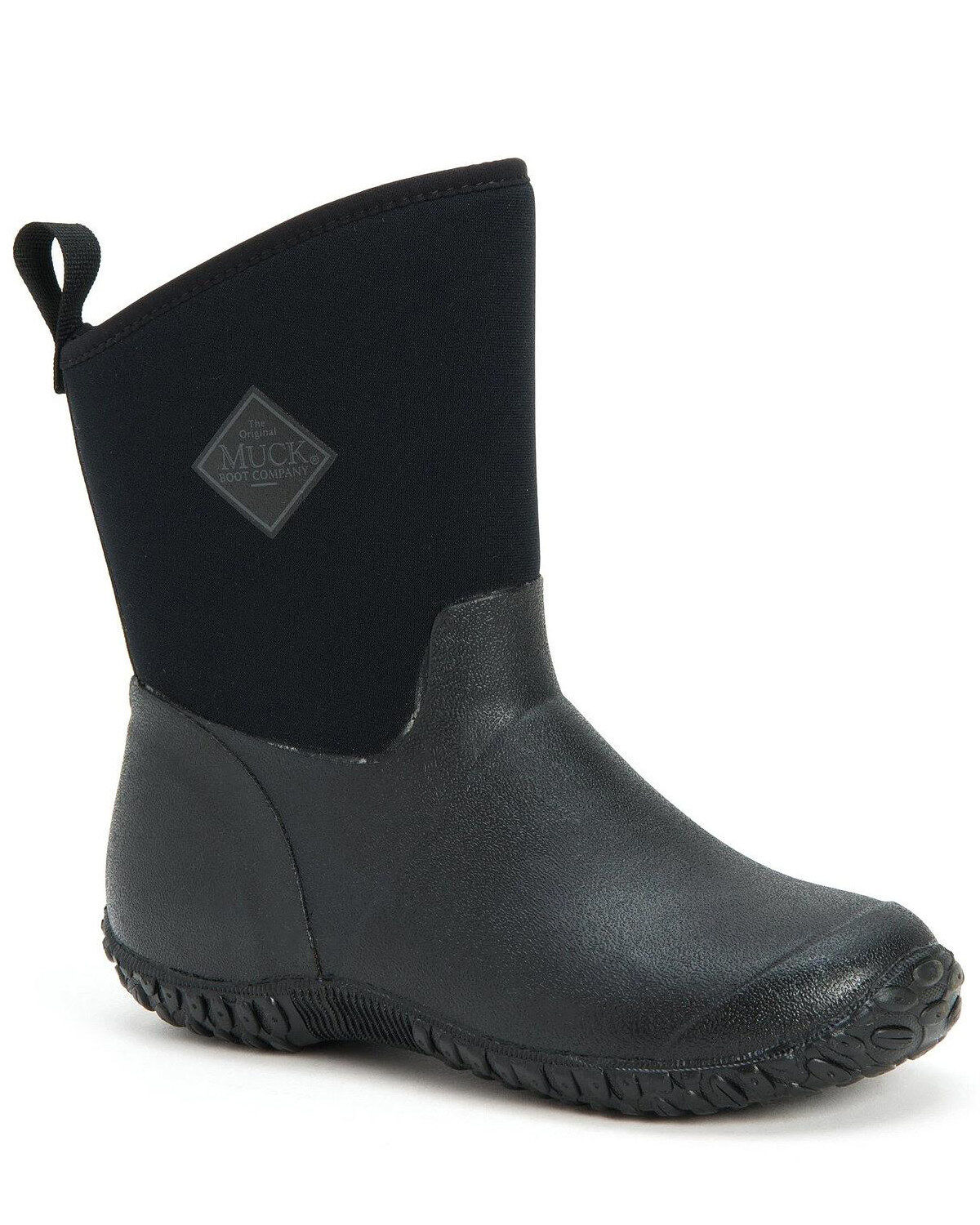
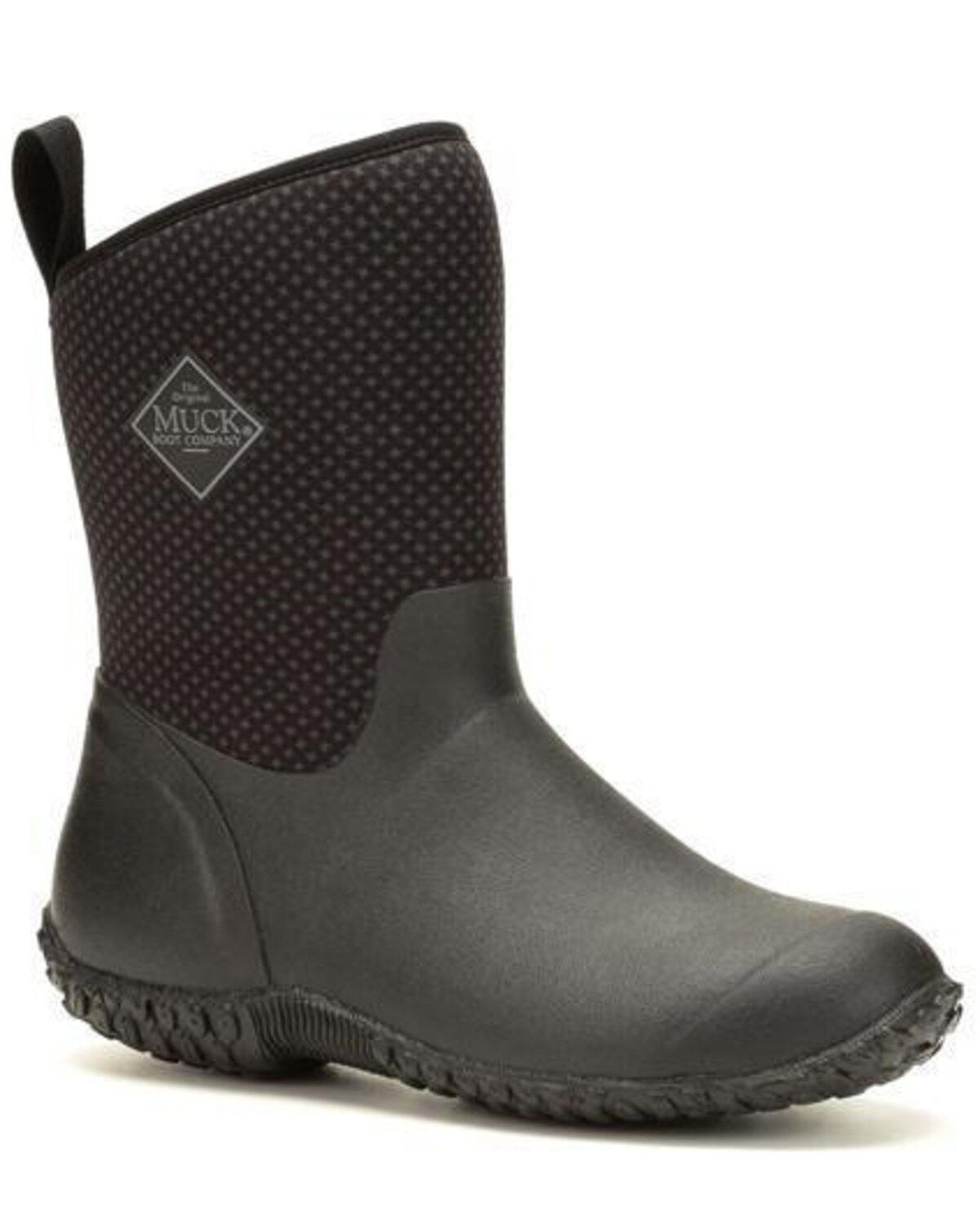
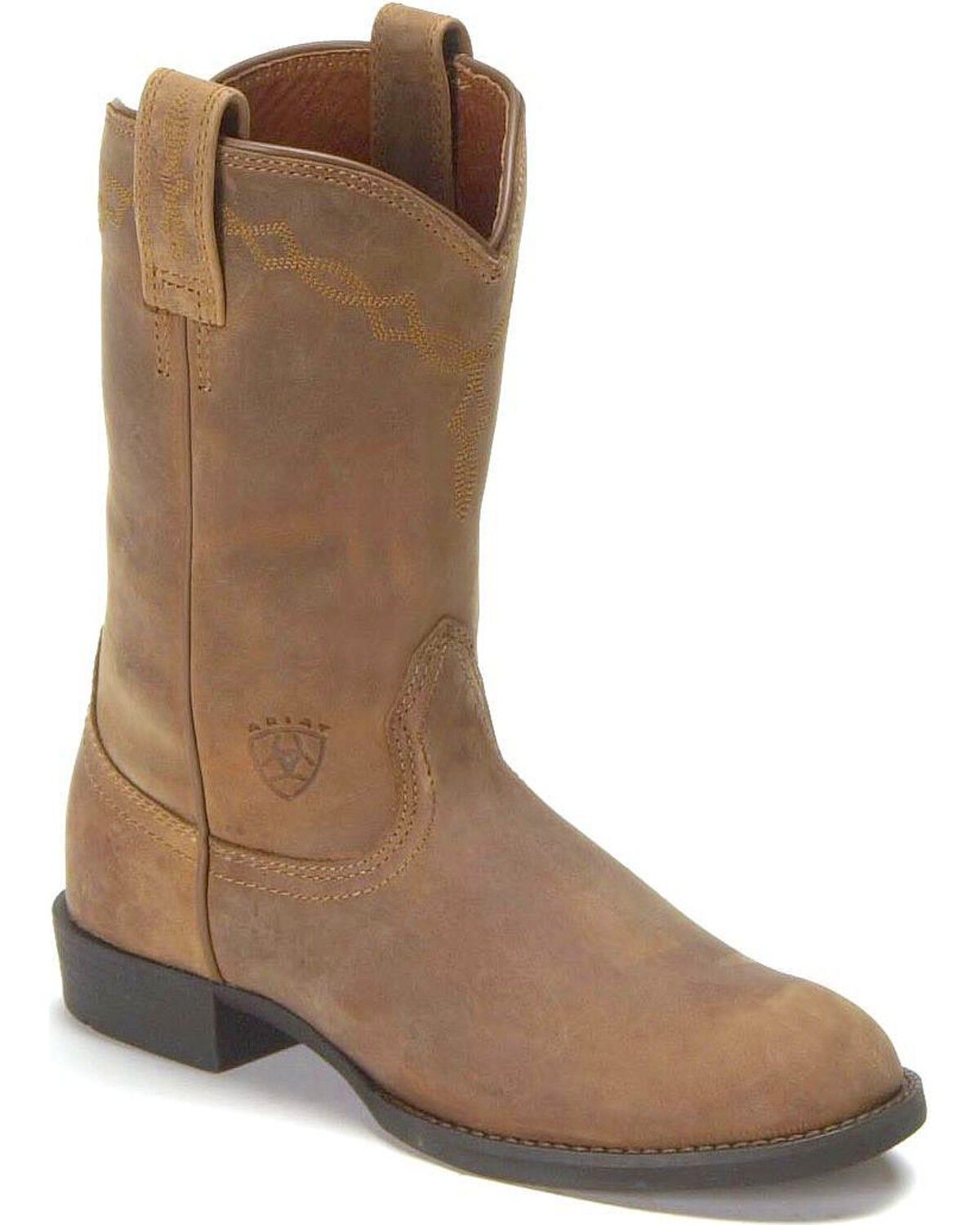
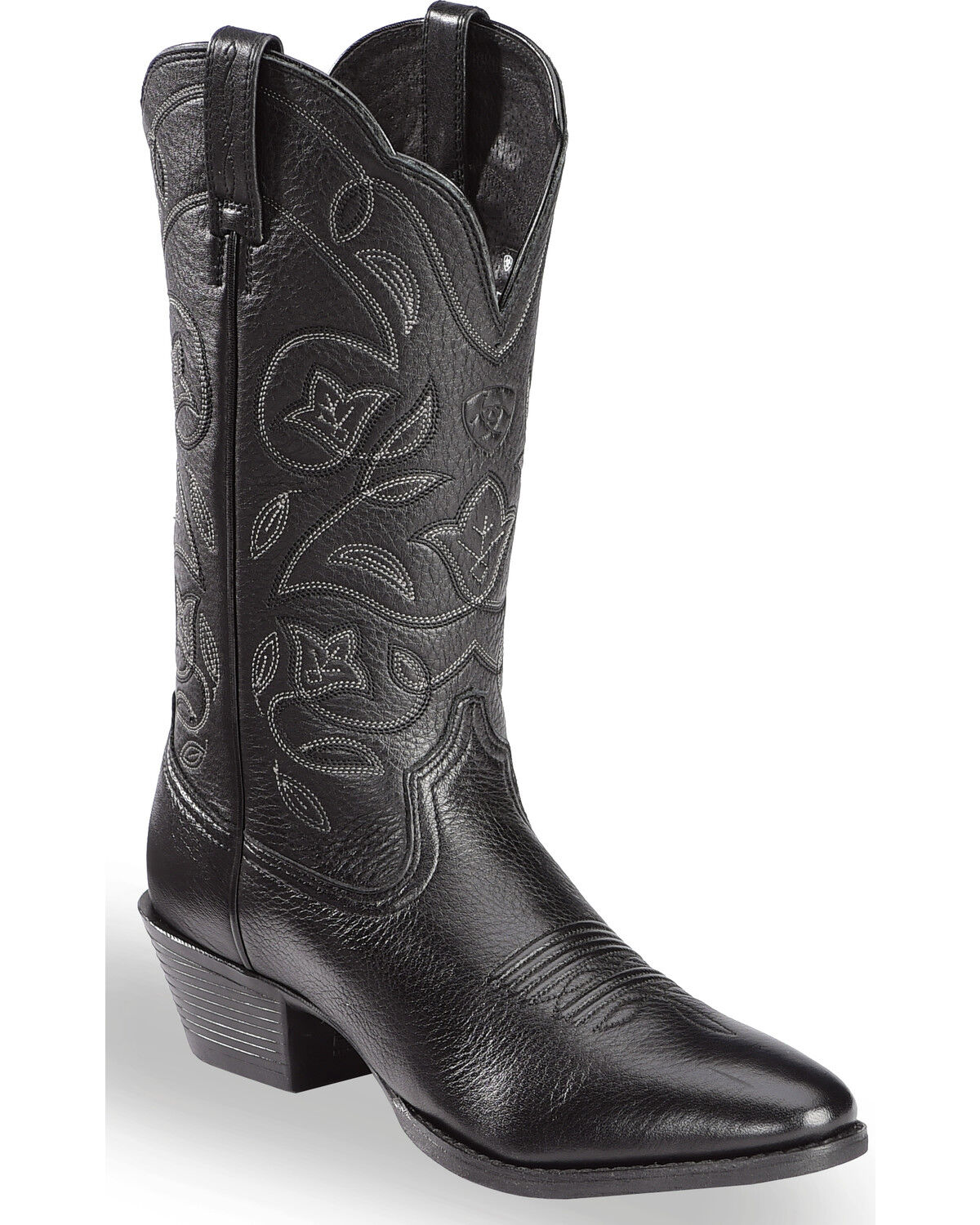
Ladies black leather riding boots include equestrian designs built for horseback riding and riding-inspired styles made for everyday wear. The distinction matters: a boot with a tall shaft and a low heel may have the familiar riding silhouette without being designed for use in a saddle. Traditional tall riding boots extend toward the knee, creating a clean line while helping reduce friction between the lower leg and the saddle. Shorter paddock boots sit around the ankle and are often worn with half chaps for schooling and lessons. Fashion riding boots borrow these shapes, sometimes adding buckles, decorative straps, or a roomier shaft suited to jeans. Black leather gives each style a straightforward appearance that works with riding clothes, denim, dresses, and tailored pants. Smooth leather can take a polished finish, while pebbled leather has a more textured surface that makes small scuffs less noticeable. Full-grain leather retains the hide’s natural grain; top-grain leather has been refined for a more uniform finish. Neither label alone tells the whole story of a boot’s quality. Leather thickness, stitching, lining, sole construction, and fit all affect how the boot wears. Leather also softens and creases with use, particularly across the ankle and forefoot. Those flex points are part of its character, although deep cracking can signal a need for care or excessive wear. For actual horseback riding, the important details extend beyond appearance. A defined heel helps limit the foot sliding through a stirrup, and the sole must suit the stirrup rather than catch against it. A bulky toe or heavily lugged outsole may be unsuitable for some riding setups. Stable work can call for different traction and protection than mounted riding. Boots intended for everyday outfits should not be assumed suitable for either task. Women taking lessons, riding regularly, or preparing for an equestrian event should match the boot’s intended use to their activity and check any applicable attire requirements. Women choosing a riding-inspired boot for daily wear can focus instead on walking comfort, shaft shape, and how the boot fits with their usual clothes.

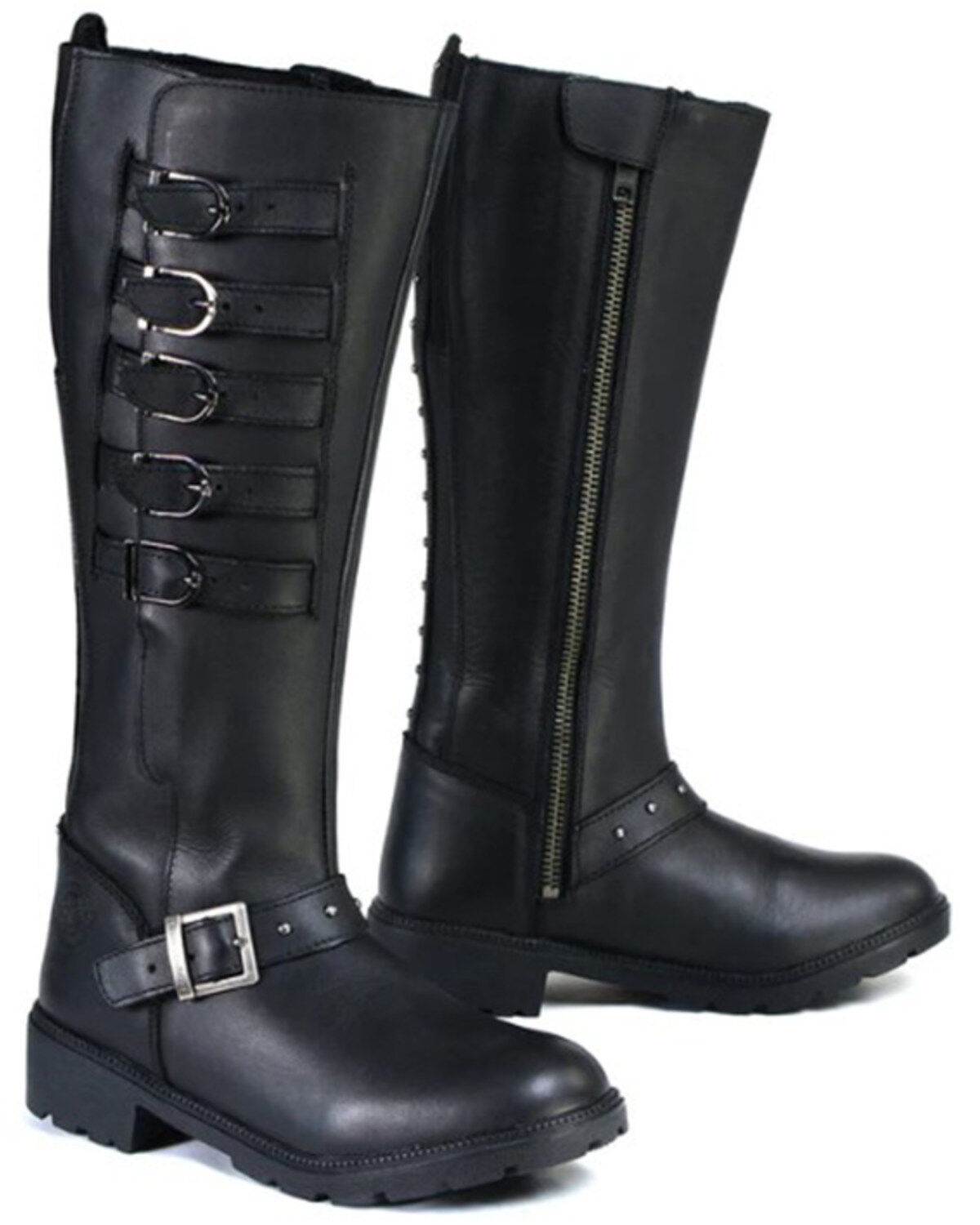
Fit determines whether black leather riding boots feel supportive or restrictive. Foot size is only the starting point, especially with knee-high styles. Calf circumference, shaft height, ankle shape, and instep volume can change the fit even when two boots carry the same size. Measurements are most useful when taken with the socks and pants intended for wear inside the boots. Measure both calves at their widest point, since one leg may be slightly larger, and compare the measurements with the sizing information for the style. A tall shaft should allow comfortable movement without pressing sharply behind the knee when sitting or bending. Purpose-built equestrian boots may settle at the ankle as they break in, but expected changes vary by construction and should follow the maker’s fit guidance. Leather can relax with use; it will not reliably correct a boot that is too short, pinches the toes, or causes numbness. The toes need room to lie naturally, the ball of the foot should sit at the boot’s intended flex point, and the heel should feel secure without rubbing. A little initial movement may be normal in some pull-on constructions, while persistent slipping can lead to discomfort. Zippers make close-fitting shafts easier to put on, elastic panels can allow some flexibility, and adjustable details may help accommodate different calf shapes. These features do not replace the need for the right measurements. Linings and footbeds also influence comfort. A smooth lining helps pants slide into the shaft, while cushioning can soften the feel underfoot during walking or standing. For everyday wear, a tall black boot should leave enough room for the chosen clothing without bunching fabric around the ankle or calf. Slim jeans usually sit more neatly inside a shaft than thick seams or loose folds. With a dress or skirt, the shaft’s shape becomes more visible, making a straight profile, shaped ankle, or understated buckle a useful style consideration. For riding, a closer fit may support clear leg contact, but the boot still needs to allow comfortable ankle movement in the saddle.

Durability comes from construction, appropriate use, and consistent care rather than leather alone. Closely finished seams, secure sole edges, and sturdy closures are worth attention because they handle repeated bending and movement. A zipper should travel smoothly without catching the lining, and its surrounding leather should not need to be pulled forcefully together. Outsoles gradually wear at the heel and forefoot, so uneven tread, loose stitching, and separating edges deserve attention before they affect comfort or function. Smooth black leather benefits from regular removal of dust and grit with a soft brush or cloth. Dirt left in creases can act like an abrasive as the boot flexes. Cleaning products should match the leather finish, and conditioner should be applied sparingly according to the care instructions. Excess product can leave residue or alter the surface. Black polish can restore color and shine on suitable smooth leather, but it is not appropriate for every finish, including suede and some treated leathers. Test unfamiliar care products on an inconspicuous area first. Leather riding boots are not automatically waterproof, and a leather upper does not establish how well the seams or sole will resist water. After cleaning or exposure to moisture, allow boots to dry naturally away from direct heat. Boot trees or shaft supports help tall boots keep their shape during storage, while a dry, ventilated space helps protect the leather and lining. Pulling boots off by stepping on the heel can strain the construction; a properly used boot jack is a better option for pull-on styles. Black leather riding boots can also make a practical gift for a rider or someone who regularly wears tall boots, provided the recipient’s foot size, calf measurements, and intended use are known. A familiar silhouette is not enough to establish the right fit. For a broader range of leather silhouettes beyond riding-inspired designs, browse Women's Leather Black Boots. The strongest choice is a boot that fits the wearer’s routine, moves comfortably, and can be cared for without guesswork.

FAQs