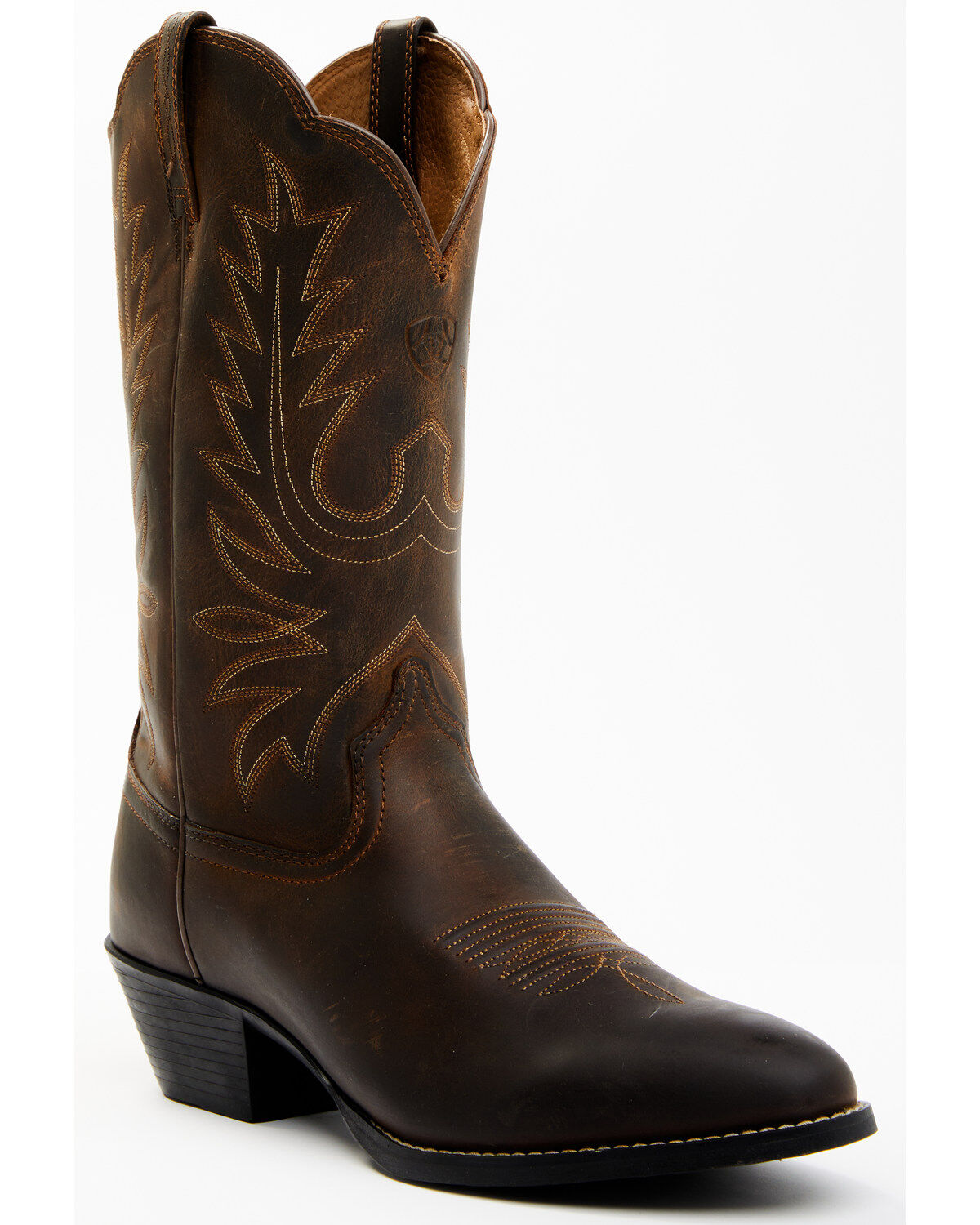
Women's Tall Riding Boots

Browse women's tall riding boots for styles to pair with jeans, skirts, and dresses. Compare shaft height, calf measurements, and heel height as you narrow your options, and check sizing details to help find the right fit.

Read More

Shop Your Store: Shop Your Store: Find a Store

(Turn off Shop Your Store to see all items)

(Turn off Shop Your Store to see all items)

close
  • Recommended
  • Lowest Price
  • Highest Price
Skip pass products

End of products

Women's Tall Riding Boots

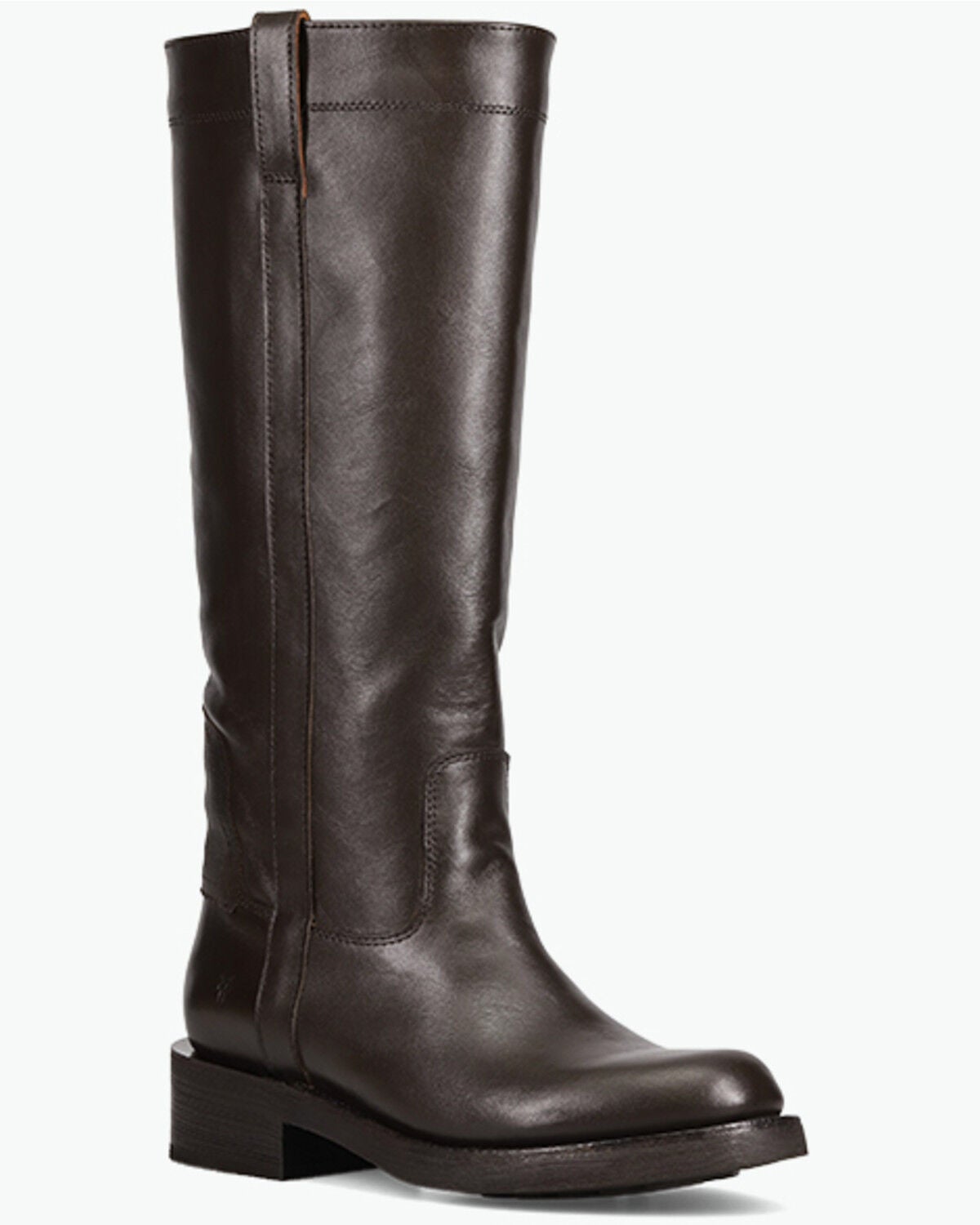
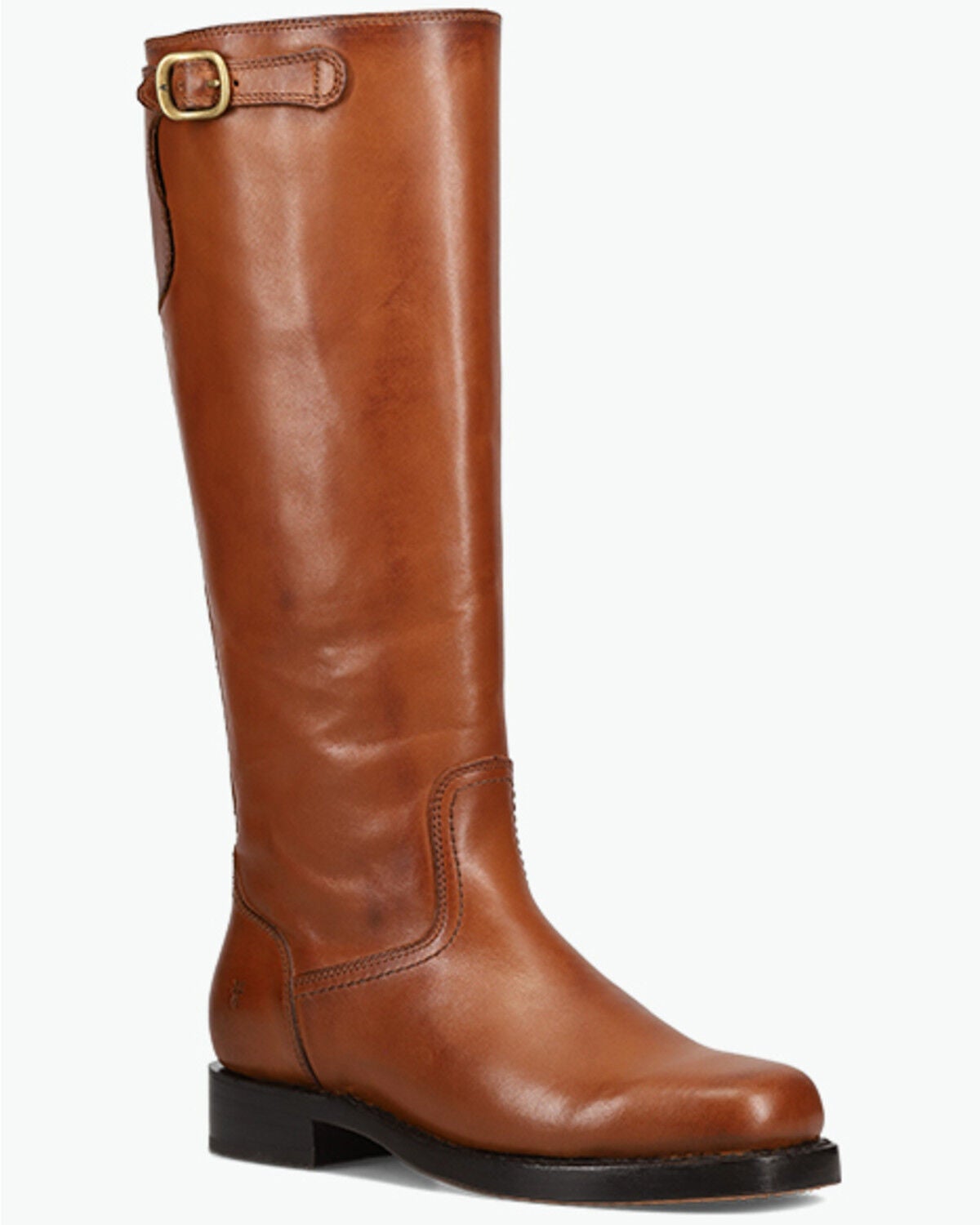
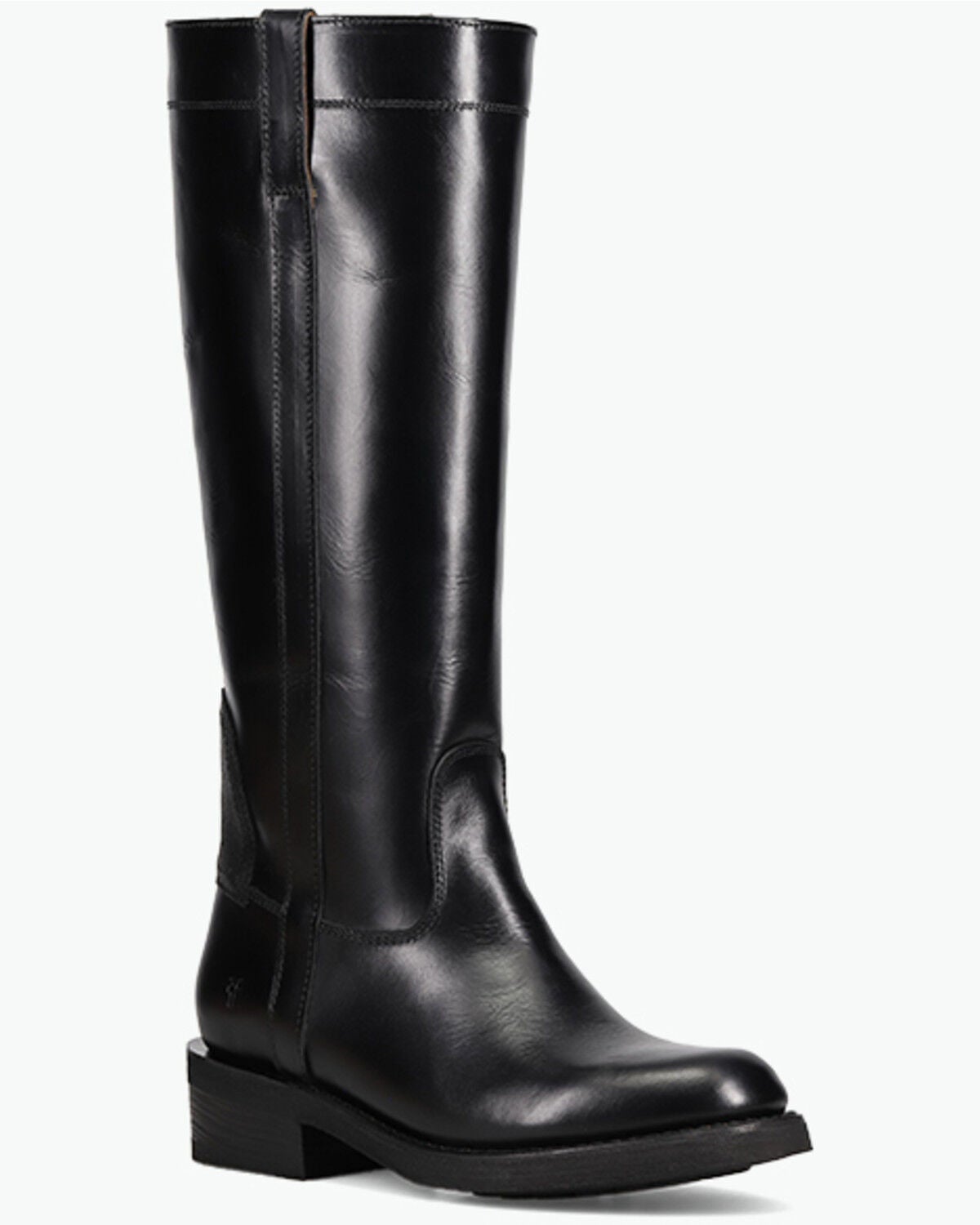
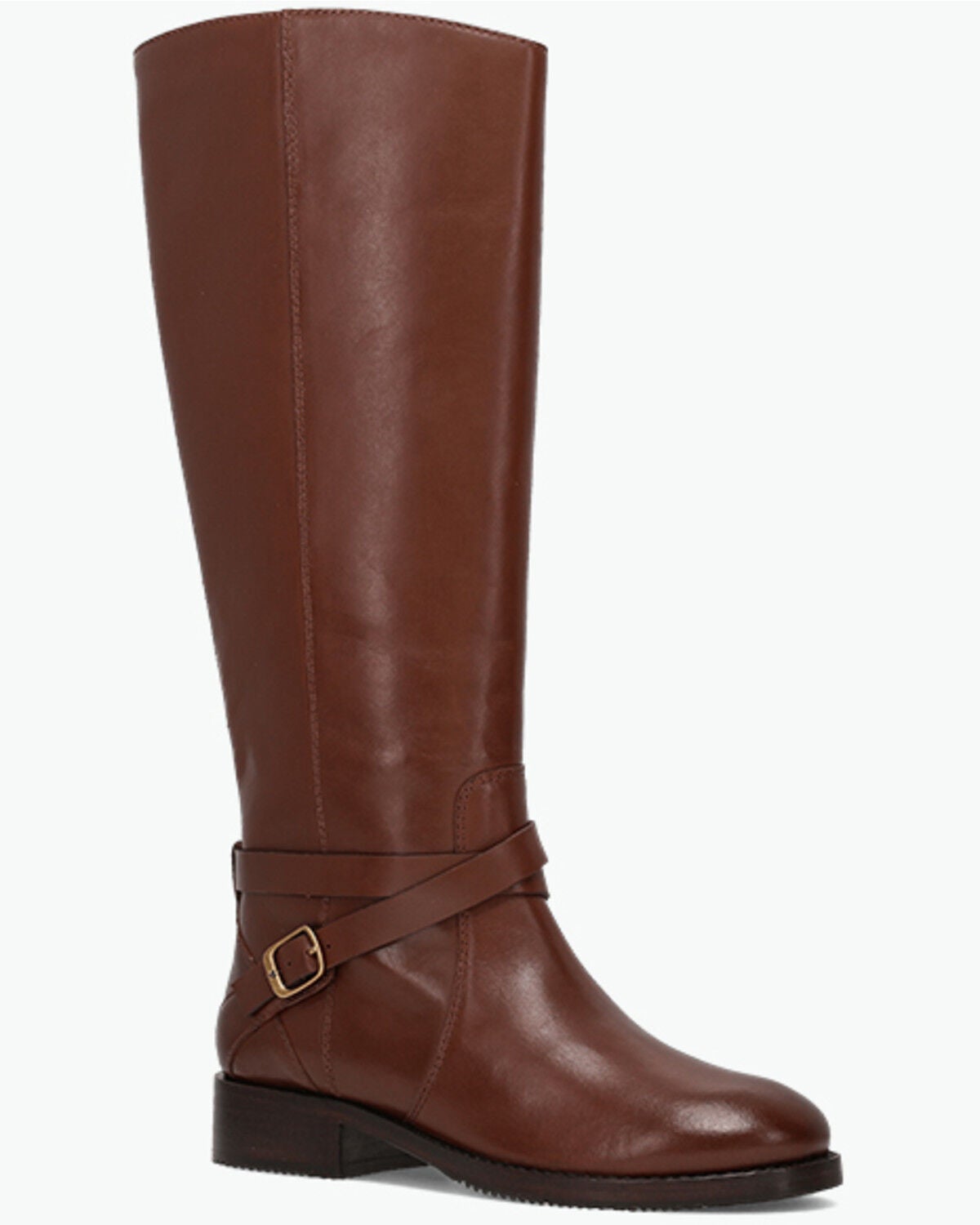
Women’s tall riding boots extend toward the knee and range from functional English equestrian footwear to riding-inspired boots made for everyday wear. Both share a long, clean profile, but their construction and intended use can differ substantially. Within the Tall Riding Boots Women's category, that distinction matters more than appearance alone. Boots intended for horseback riding need a heel, sole, and shape suited to use in stirrups, along with enough support and flexibility for the rider’s discipline. A riding-inspired fashion boot may have a similar silhouette without being designed for mounted use. English field boots commonly feature lacing across the instep, while dress boots generally have a smooth front. The amount of structure through the shaft also varies, with some designs allowing more ankle movement and others providing a firmer feel. Everyday versions often emphasize walking comfort, easy entry, and details such as buckles, straps, or stretch panels. Leather is a traditional material for both riding and casual styles because it can develop a distinctive finish and soften with wear. Full-grain leather retains its natural surface character, while suede offers a softer, brushed texture that needs different care. Synthetic uppers can provide a uniform finish and may require less involved cleaning, though their flexibility and breathability depend on the material and construction. Linings, seams, and reinforcement deserve attention alongside the outer material. A smooth interior can reduce friction, and strong stitching at the ankle and zipper helps support areas that receive repeated movement. Sole construction matters just as much as the upper. Walking-oriented tread, cushioning, and a stable heel can make a difference during errands or hours spent on foot. For riding, the relationship between the sole, heel, and stirrup takes priority over an aggressive tread pattern. A tall shaft alone does not establish that a boot is suitable for the saddle, and decorative hardware does not indicate riding performance.

Fit in women’s tall riding boots involves the foot, calf, ankle, and shaft height rather than shoe size alone. Two pairs marked with the same foot size can feel very different through the leg. A comfortable footbed should leave room for the toes without allowing the foot to slide forward, while the heel should feel secure without painful pressure. The calf needs its own consideration, especially when boots will be worn over breeches, leggings, or slim jeans. Measurements taken over the clothing intended for wear give a more useful picture than a bare-leg measurement. Both legs matter, since calf size can differ from one side to the other. Standard, wide, and narrow calf descriptions are not universal measurements, so the stated shaft circumference is more useful than the label by itself. Shaft height also changes the fit. A boot that reaches comfortably below the knee on one person may press into the back of another person’s leg when seated. For mounted use, the top edge needs to work with a bent knee and the rider’s position, not just look right while standing. Some leather riding boots settle at the ankle as they break in, but that expected change depends on their construction. Painful pressure, numbness, or a zipper that must be forced closed are not signs of a good starting fit. Stretch panels can accommodate movement, although they do not replace adequate calf room. Rear and side zippers make tall boots easier to put on, while pull-on designs depend more heavily on the shape of the opening and ankle. Socks affect the feel as well; thick seams or bunched fabric can create pressure inside an otherwise comfortable boot. For someone walking between appointments, sitting at a desk, or spending time around a stable, the right fit remains comfortable through changes in position. Cushioning can soften each step, but it cannot correct a boot that is too short, too narrow, or too tight through the leg.

Durability depends on materials, construction, use, and regular care rather than the height of the boot. Leather uppers benefit from having surface dirt removed before it works into creases or gathers along seams. Smooth leather, suede, and synthetic materials need cleaning methods suited to their finishes, so a treatment intended for one should not automatically be used on another. Leather conditioner can help maintain suppleness when the maker’s care directions call for it, but too much product may alter the finish or leave a residue. Suede generally needs a suitable brush and finish-specific treatment rather than standard leather cream. Dirt around a zipper can interfere with its movement, and pulling a zipper against a tightly stretched shaft places unnecessary strain on the closure. Boots that become damp need time to dry away from direct heat. Boot trees or shaft supports help preserve their shape during storage and keep tall uppers from folding into deep creases. Letting the interior dry between wears also helps maintain comfort. Scuffed toes, worn heel edges, loose stitching, and separating soles deserve attention before the damage spreads; repair options depend on how the boot was made. For everyday outfits, the tall profile works with slim denim tucked inside, leggings, or dresses and skirts that leave the shaft unobstructed. A clean, lightly detailed boot offers a different look from one with prominent straps or contrasting panels, even when the height is similar. For riders, suitability for lessons, schooling, or competition comes before outfit coordination, and discipline requirements may shape the choice. As a gift, tall riding boots call for more fit information than many other accessories. Knowing the recipient’s foot size is only a start; calf circumference, shaft height, intended use, and preferred feel are equally important. Those details help distinguish a pair meant for everyday dressing from footwear expected to perform in the saddle, giving the gift a purpose beyond its appearance.
Read More

FAQs