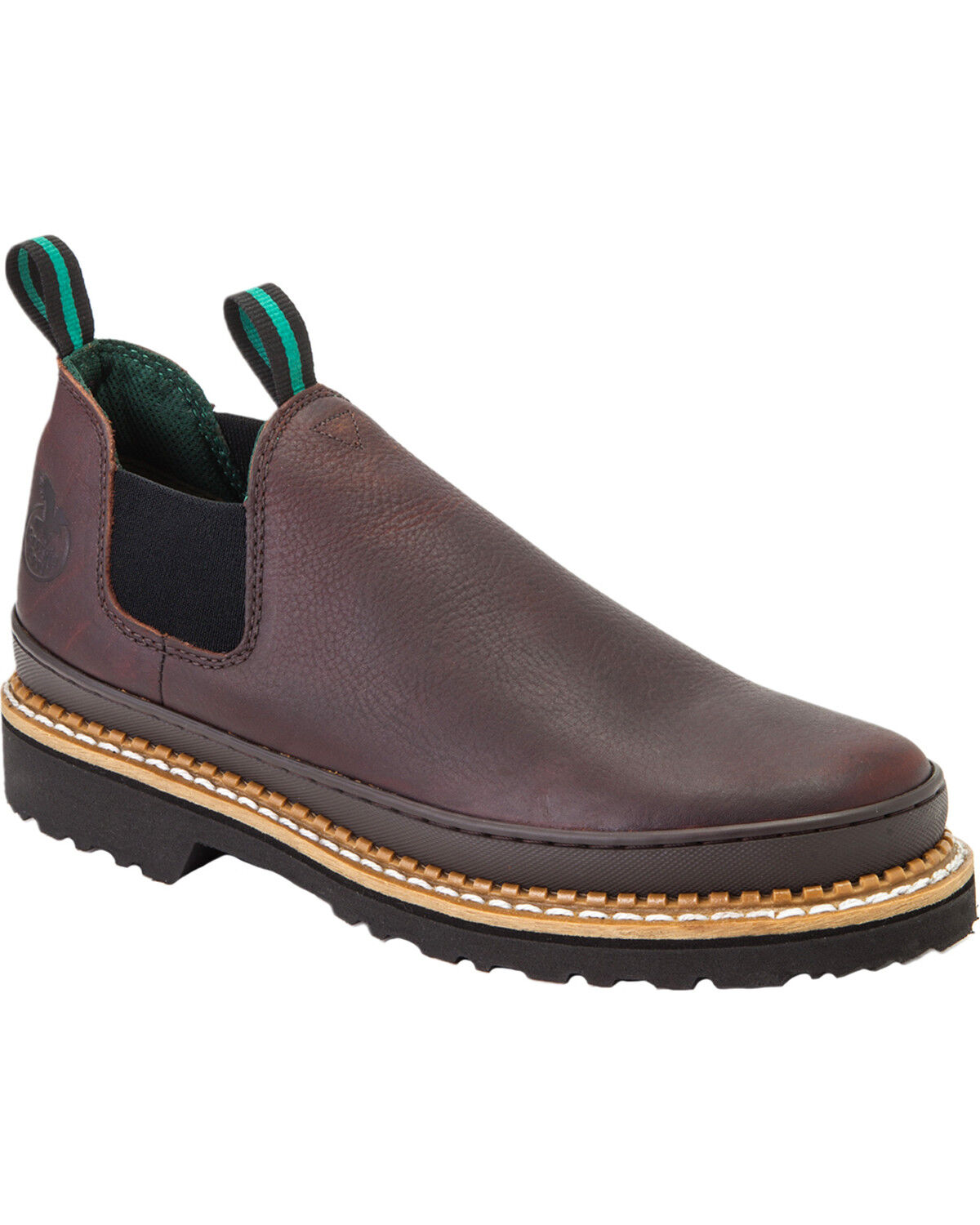
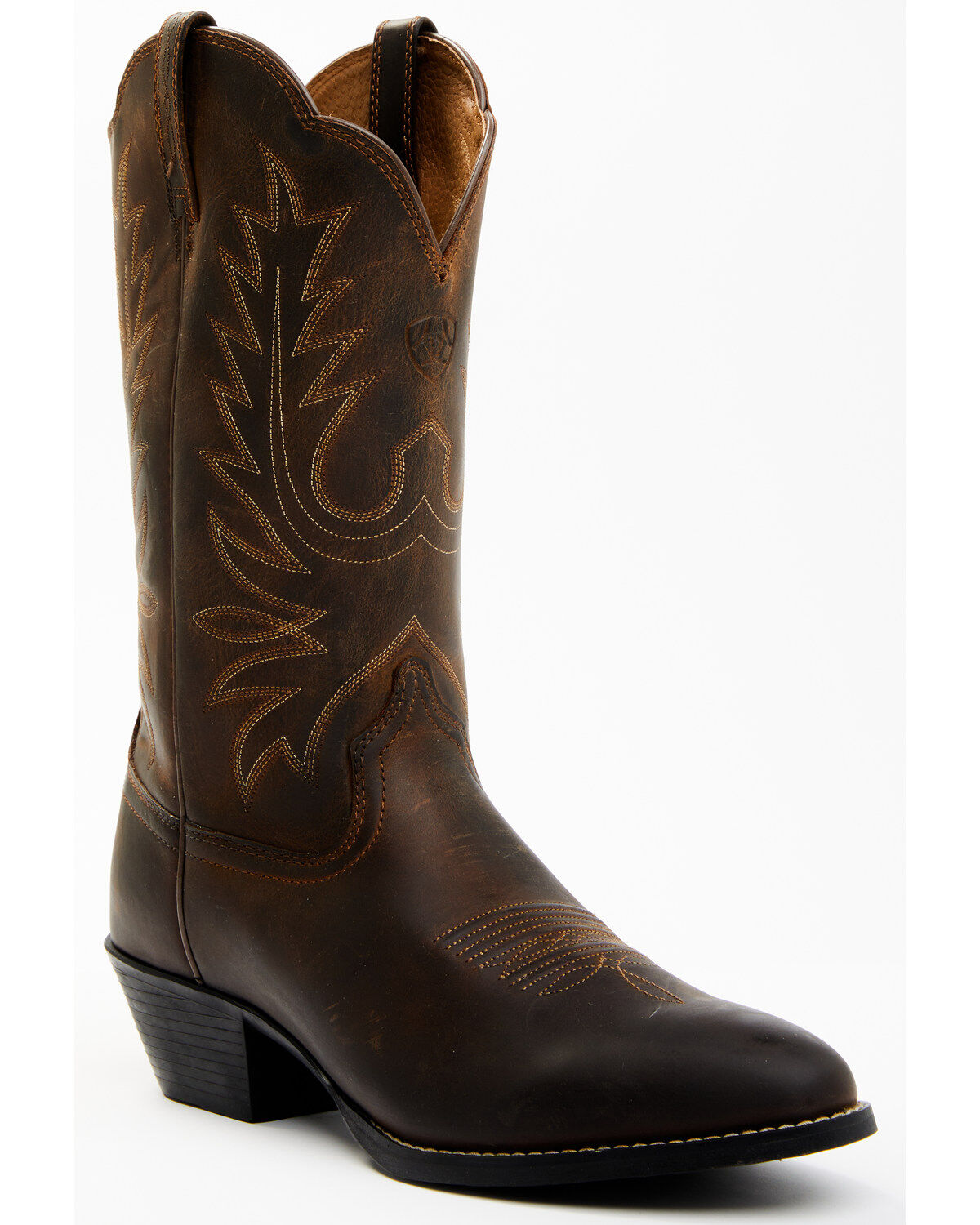
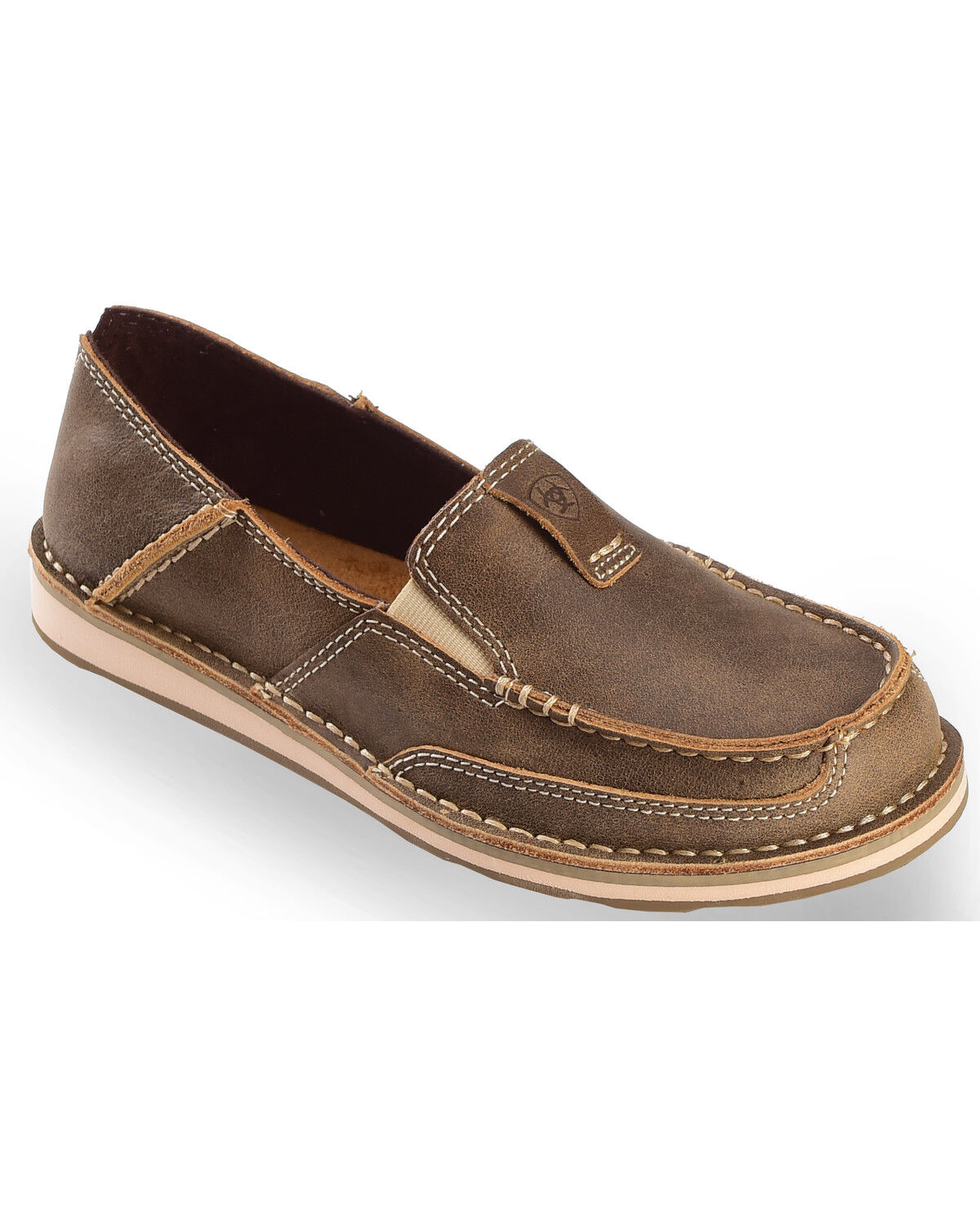
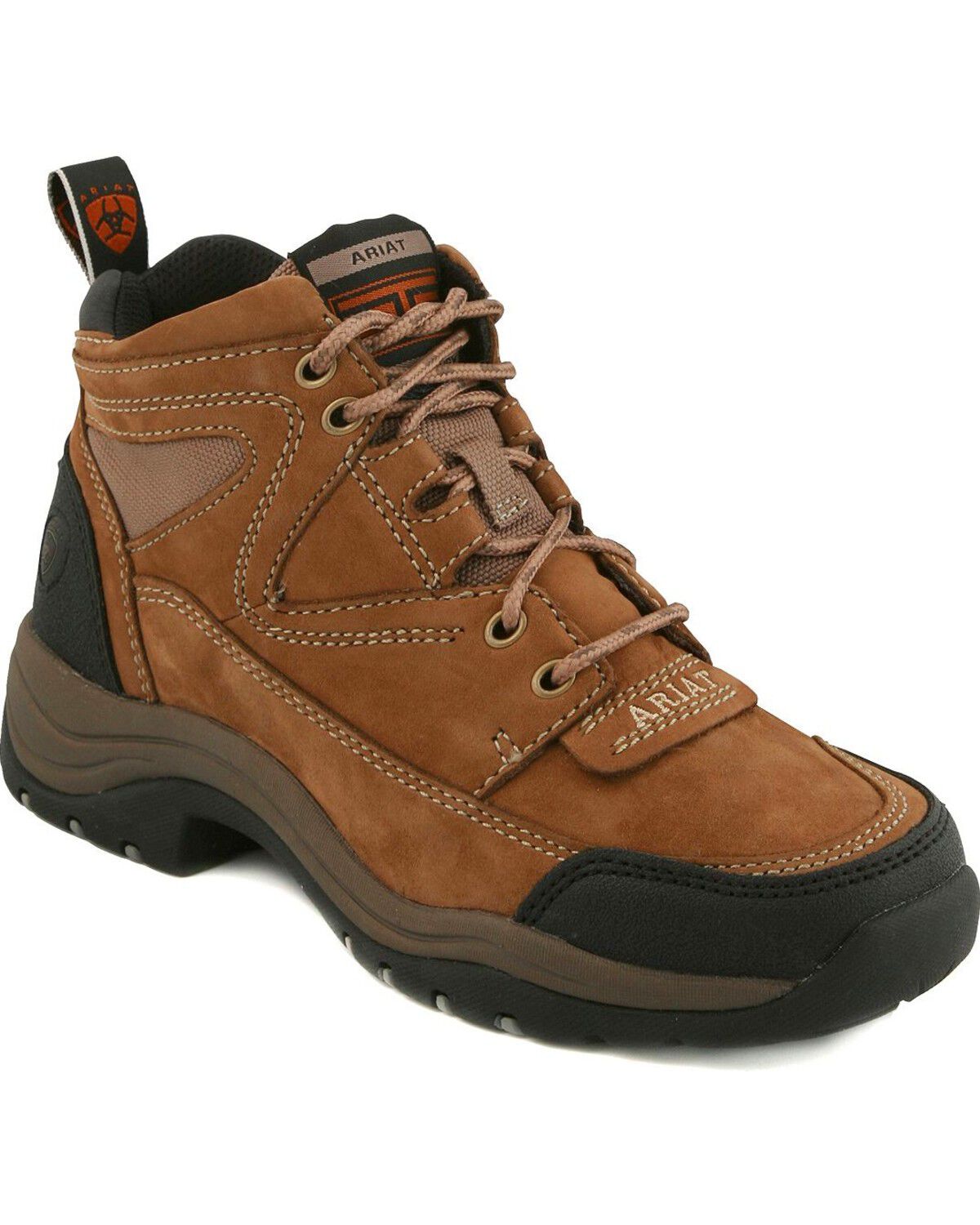
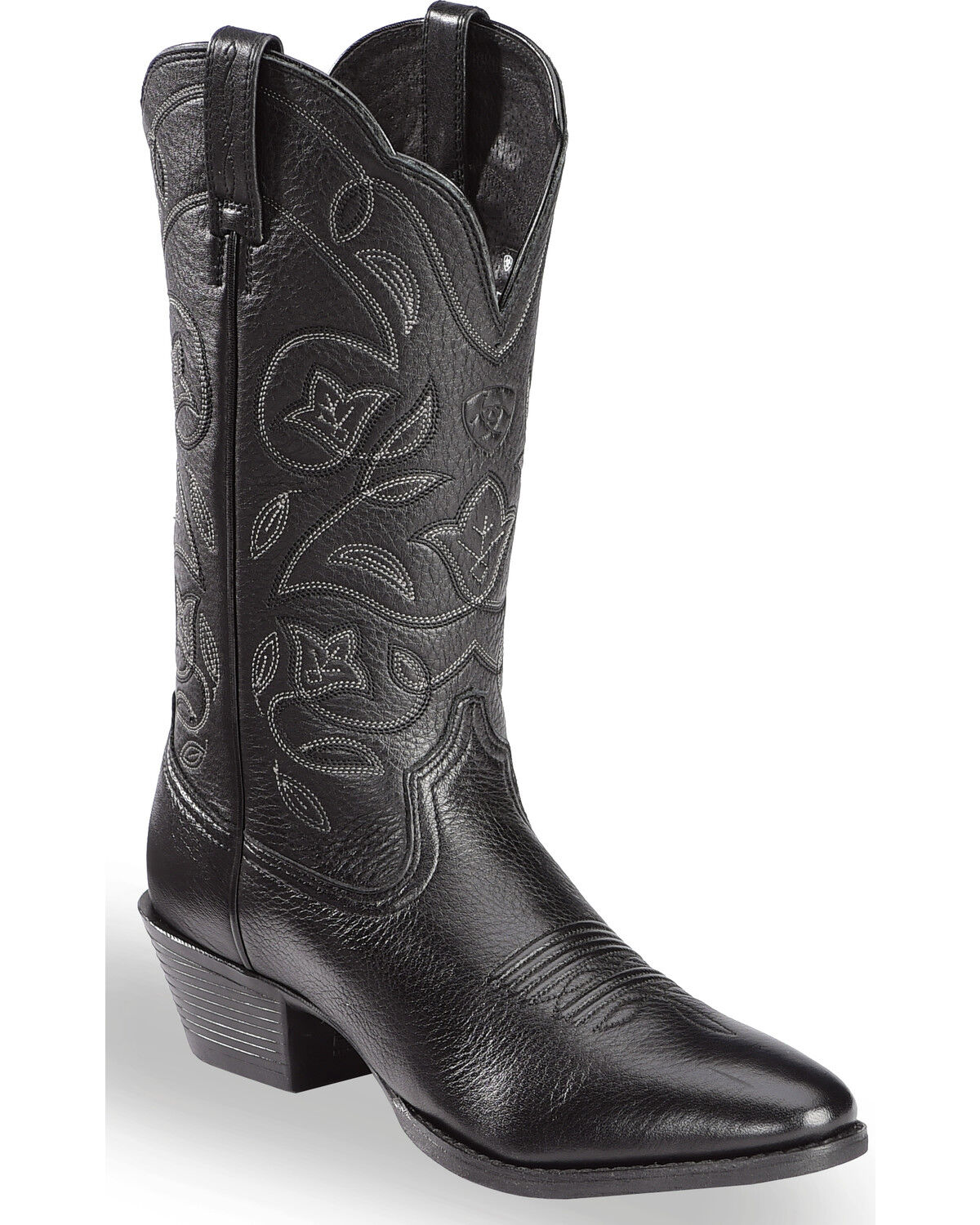
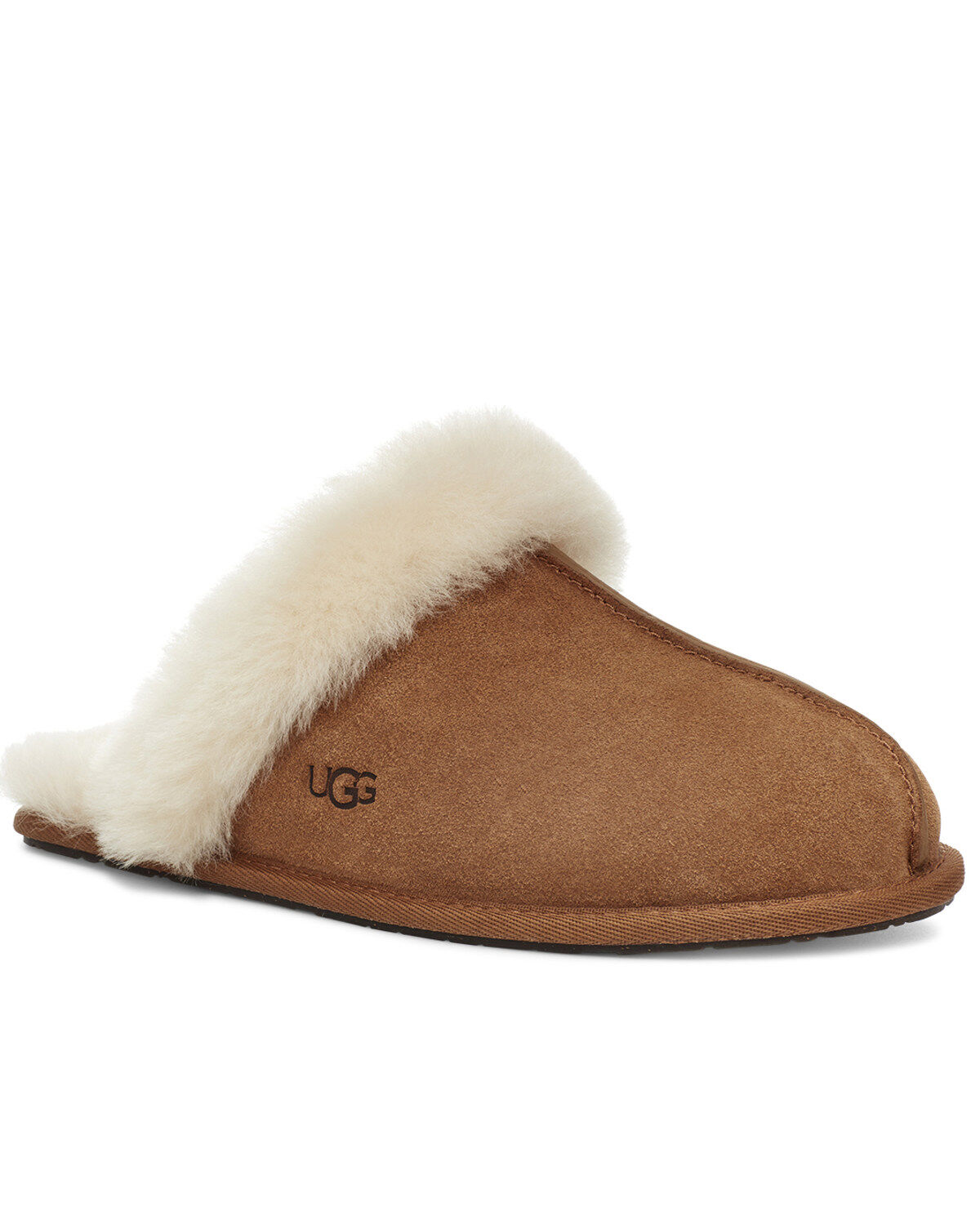
Wide Work Shoes

Find wide work shoes for a roomier fit on the job. Compare available styles and sizes, and check each pair’s sizing information and listed features to choose footwear that fits your feet and meets your workplace requirements.

Read More

Shop Your Store: Shop Your Store: Find a Store

(Turn off Shop Your Store to see all items)

(Turn off Shop Your Store to see all items)

close
  • Recommended
  • Lowest Price
  • Highest Price
Skip pass products

End of products

Wide Work Shoes

Wide work shoes provide additional room for broader feet while keeping the secure fit needed for a full day on the job. They serve warehouse associates walking concrete aisles, service technicians moving between work areas, and workers who spend much of a shift standing at a station. The best fit balances space across the forefoot with a stable heel and a secure midfoot. Extra width should not mean sliding inside the shoe, gripping with the toes, or tightening the laces until the upper bunches. A properly fitted wide work shoe allows the toes to move without letting the foot shift forward with every stop. Width and length are separate measurements, so buying a longer shoe to relieve pressure across the ball of the foot can leave too much space at the front and put the shoe’s flex point in the wrong place. Wide sizing also varies by manufacturer and shoe shape. Some designs provide more room through the forefoot, while others have greater depth over the top of the foot. A rounded toe can feel different from a narrower profile, even when both carry the same width designation. Work socks and any prescribed orthotics affect that fit, too. An insert that takes up additional space may change how the heel sits or how closely the upper fits across the instep. Cushioning should feel supportive rather than leave the foot unstable during turns, lifting, or repeated trips across a work floor. For workers whose feet feel fuller after hours of standing, enough room across the forefoot matters throughout the shift, not just at the first try-on. Protective toe caps deserve particular attention because the cap itself will not stretch to create more room. There should be no persistent rubbing against the toes or pressure along the sides. Wide work shoes should feel secure during ordinary movement without depending on a long break-in period to make a cramped fit tolerable.

Materials and construction determine how wide work shoes handle the demands of a particular workplace. Leather uppers can provide a sturdy surface for jobs involving regular scuffs and contact with equipment. Textile panels can make a shoe lighter and allow more airflow, while reinforced sections add coverage in areas that see repeated wear. Smooth uppers are generally easier to wipe down than open mesh, an important difference around spills, dust, or fine debris. The outsole matters just as much as the upper. Workers crossing hard floors need traction suited to those surfaces, and a slip-resistant designation does not mean a shoe will grip every floor under every condition. Oil, water, cleaning residue, and worn tread can all affect footing. Tread patterns and outsole compounds perform differently, so workplace requirements remain the starting point for choosing the appropriate construction. Safety toes are another job-specific feature rather than a requirement for every worker. Steel and composite toe designs can provide impact and compression protection when they meet the applicable safety standards. Their weight, shape, and interior space vary, making fit within the protective cap as important as the material itself. A soft-toe work shoe does not provide the same protection against falling or rolling objects. Electrical hazard protection and puncture resistance are separate features and should never be assumed from a shoe’s appearance. Underfoot, cushioning helps absorb repeated contact with hard surfaces, while the midsole and footbed influence how the shoe feels during extended standing. A flexible forefoot can support a natural walking motion, but a shoe that folds too easily may not provide the structure a particular task demands. Frequent kneeling can put added stress across the toe, while pushing loaded carts can wear down heel linings and outsoles. Strong seams, secure lace attachments, and reinforcement at common contact points contribute to durability. The useful combination is enough room for the foot, protection matched to the job, and construction that holds up to the movements repeated throughout a shift.

Daily care helps wide work shoes retain their shape and keeps wear easier to spot. Dirt left along seams and around the outsole can hide damage, while buildup in the tread can interfere with traction. Leather, textile, and synthetic uppers need cleaning methods suited to their materials; aggressive cleaners and excessive soaking can damage finishes, adhesives, or linings. Leather conditioner is appropriate only where the material and manufacturer’s care directions allow it. Shoes that become damp from workplace spills or perspiration should dry with normal airflow, away from direct heat that can harden leather or weaken bonded parts. Removable footbeds can be taken out for drying when the design permits, and alternating between pairs gives interior materials more time to dry between shifts. Laces also deserve attention. Fraying, damaged eyelets, or uneven tension can undermine an otherwise secure fit. Regular wear eventually changes how a shoe supports the foot, even when the upper still looks sound. Flattened cushioning, a tilted heel, separating soles, and smooth tread patches are signs that the shoe may no longer perform as intended. Persistent rubbing can also point to a fit problem rather than something thicker socks will solve. Replacement insoles may improve comfort in some shoes, but they cannot restore a worn outsole or create space inside a protective toe cap. For jobs that require coverage above the ankle, Extra Wide Work Boots provide another footwear category to consider, with fit and safety features still determined by the demands of the job. A higher shaft does not automatically mean a wider footbed, just as a wide shoe does not automatically provide extra depth. Whether the work involves walking a large facility, standing at a bench, or moving supplies between stations, dependable footwear comes down to a consistent fit and the correct features. Wide work shoes should leave room where it is needed, hold the foot securely, and remain comfortable through the ordinary demands of a working day.
Read More

FAQs