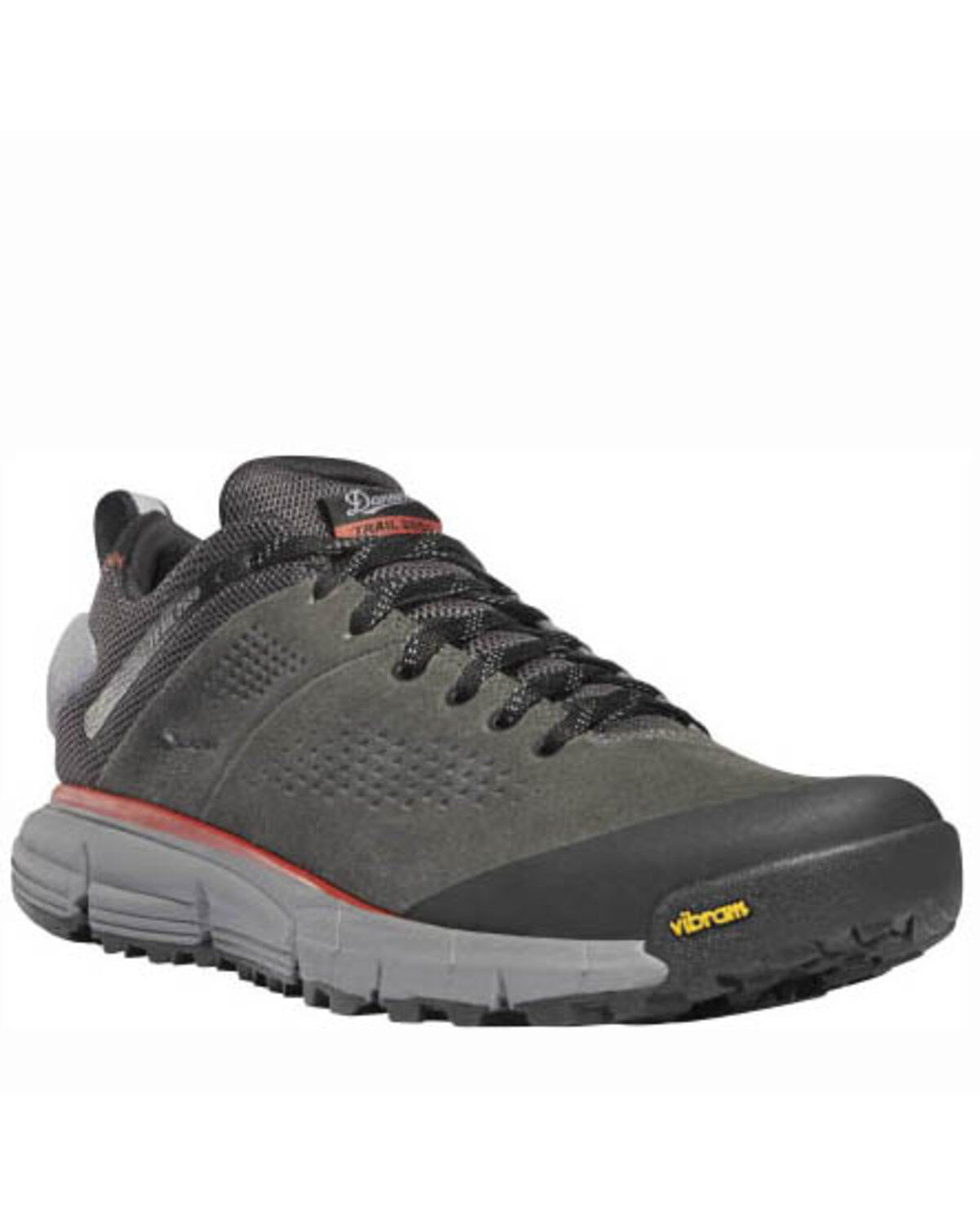
Warehouse Work Shoes For Men

Find warehouse work shoes for men that match your job requirements and daily routine. Browse men’s work footwear with your shift in mind, and check each pair’s fit, safety features, and workplace suitability before choosing.

Read More

Shop Your Store: Shop Your Store: Find a Store

(Turn off Shop Your Store to see all items)

(Turn off Shop Your Store to see all items)

close
  • Recommended
  • Lowest Price
  • Highest Price
Skip pass products

End of products

Warehouse Work Shoes For Men

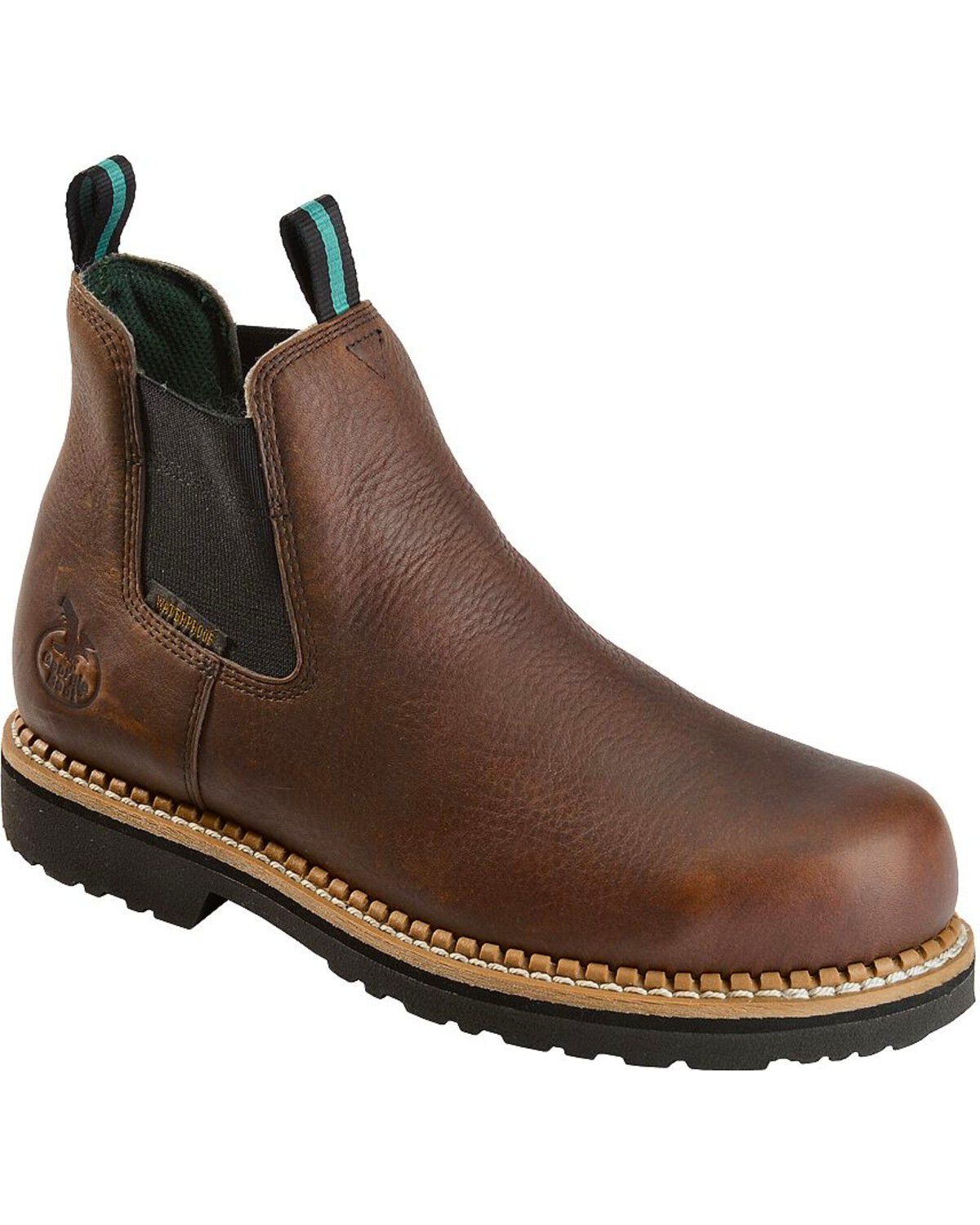
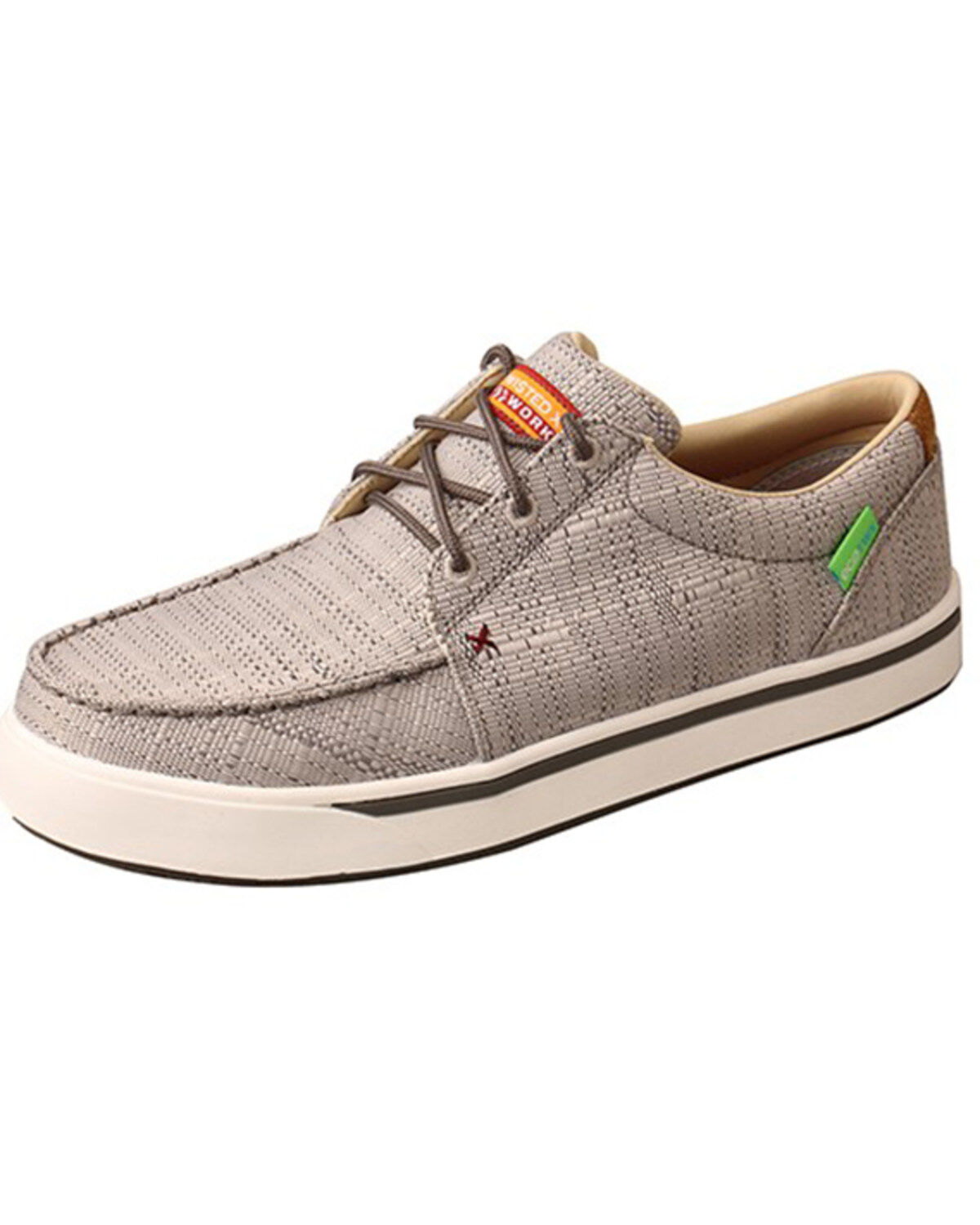
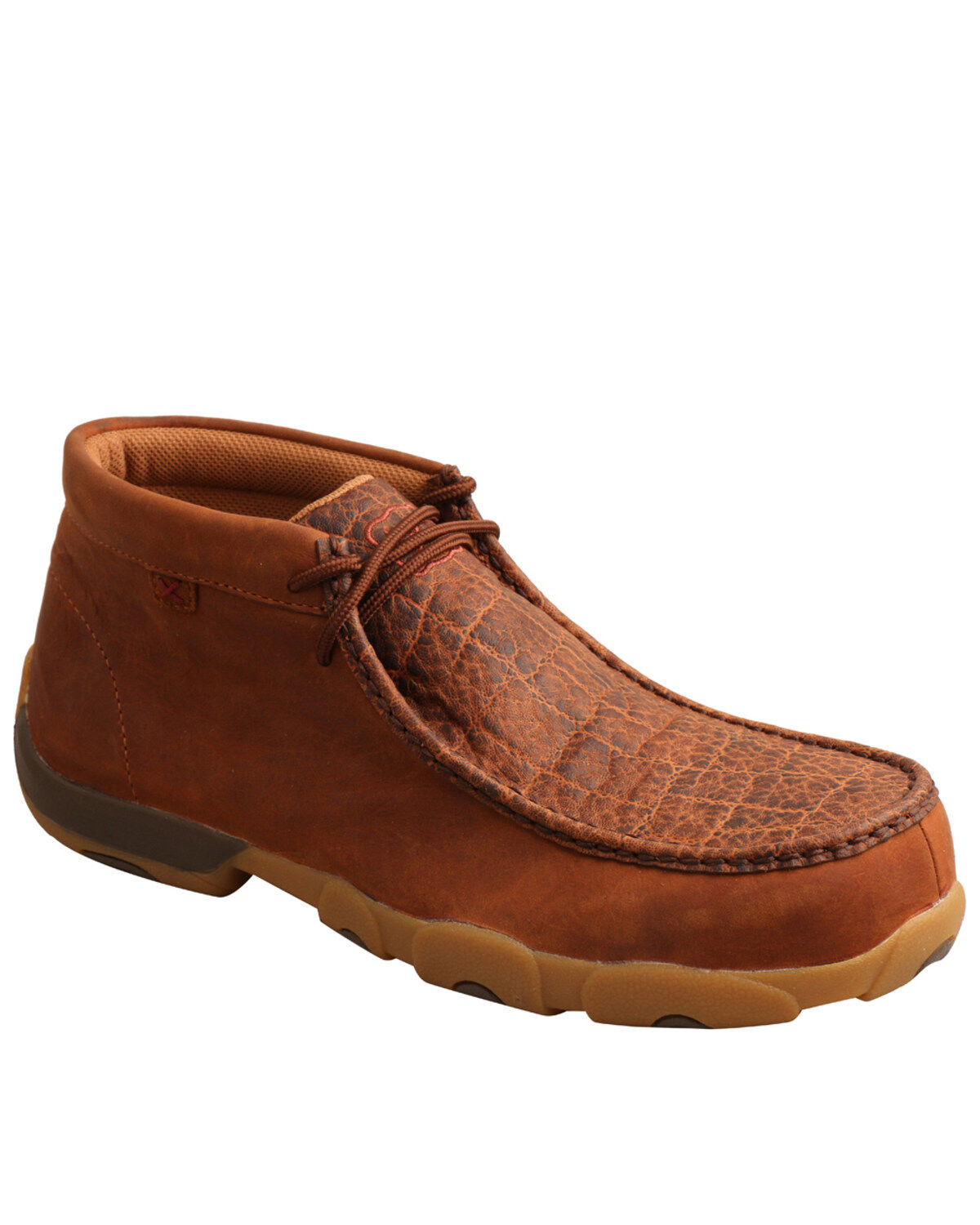
Warehouse work shoes for men are built around the demands of a job spent moving, standing, lifting, and changing direction on hard floors. A shift may start with unloading cartons at a receiving dock, continue through aisles of shelving, and finish at a packing station where there is little chance to sit down. Each task puts different pressure on the feet. Walking calls for cushioning that absorbs repeated impact, while standing in one place calls for steady support under the heel and arch. Turning around a pallet or stepping onto a platform requires a secure fit that keeps the foot from sliding inside the shoe. The right balance is supportive without feeling stiff through every step. Outsole construction matters just as much as the upper. Rubber compounds, tread patterns, and contact with the floor all affect grip, especially on smooth concrete or surfaces where dust and occasional spills can change footing. Slip-resistant footwear can help improve traction, but its performance depends on the surface, the substance underfoot, and the condition of the sole. Clean floors and safe work practices remain important. A broad, stable base can also make a difference when carrying a box that limits the view of the next step. For workers who spend most of the shift walking picking routes, a manageable shoe weight and a flexible forefoot can help movement feel less restricted. For those stationed at a conveyor or workbench, cushioning needs enough structure to remain supportive under sustained pressure. Low-cut work shoes often suit jobs that call for frequent walking and easy ankle movement, provided that the workplace permits them. Reinforcement around the toe and heel can help handle contact with shelving, pallet edges, and other rough surfaces. These details are worth considering together rather than judging a shoe by softness alone. A shoe that feels comfortable for a few minutes still needs to hold its shape, grip the floor, and fit securely through the full shift.

Materials influence how warehouse footwear feels and how well it handles daily wear. Leather uppers offer a sturdy surface for jobs involving repeated scuffs and contact with equipment, though they still need care to avoid drying and cracking. Textile and mesh panels can allow more airflow and reduce weight, making them useful for active roles in facilities where the work environment allows that construction. Reinforced panels can add durability in high-contact areas without making the entire upper equally rigid. Seams, eyelets, and the connection between the upper and sole deserve attention because repeated bending and abrasion test those points over time. Safety requirements come before material preferences. Some warehouse roles require protective toes, while others permit soft-toe footwear. Steel, alloy, and composite toe caps differ in construction, shape, and weight, but the relevant safety rating determines whether they meet a job requirement. A reinforced-looking toe is not necessarily a rated safety toe. Electrical hazard protection and static-dissipating construction also serve different purposes and are not interchangeable. Any required marking should match the employer’s footwear policy and the hazards of the task. Fit is the other part of dependable performance. The heel should stay seated, the widest part of the foot should have room without excessive sideways movement, and the toes should not press against the front when walking or bending. A protective toe cap will not stretch like the upper, so pressure in that area should not be treated as something that will disappear with wear. Trying shoes with the socks worn on the job gives a more useful picture of the fit, especially later in the day when feet may be fuller. Workers who use prescribed inserts need enough interior space for them without crowding the toes or lifting the heel out of position. Laces allow adjustments across the instep, while padding around the collar can reduce rubbing when the fit is correct. Room to move and a secure hold should work together; going larger simply to gain width can leave the foot sliding with every stop and turn.

Daily care helps warehouse work shoes retain the features that make them useful. Dust packed into tread channels can reduce contact with the floor, and small pieces of debris can lodge in the sole after a trip through receiving or storage areas. Checking the outsole and clearing debris helps keep the tread working as intended. Cleaning methods should match the upper material: leather, suede, and textile surfaces do not all respond well to the same brush, cleaner, or treatment. Following the footwear maker’s care directions helps avoid damage to finishes, stitching, and bonded parts. Leather conditioning, when suitable for the material, can help keep the upper from becoming dry and rigid. Removable footbeds can be aired separately, and shoes that become damp from use should dry away from direct heat. Rotating between pairs, when practical, gives each pair time to dry between shifts. Wear deserves attention even when the upper still looks sound. Flattened tread, a compressed midsole, loose stitching, or a heel lining worn through can change how a shoe grips, supports, or holds the foot. Deep cracks and separation around the sole are also reasons to assess whether the footwear can still do its job. Warehouse footwear shares many practical features with Men's Work Shoes, but the best match depends on the floor surfaces, daily movement, and safety requirements of the role. Order pickers, shipping crews, equipment operators, and inventory workers may work in the same building while needing different combinations of flexibility, protection, and support. Work shoes can also be a practical gift for someone starting a warehouse job, provided the required safety features, size, and width are known. Whether chosen for a new role or to replace a worn pair, dependable warehouse shoes should support the work without demanding attention at every step. Secure footing, suitable protection, durable construction, and a consistent fit matter more than appearance alone.
Read More

FAQs