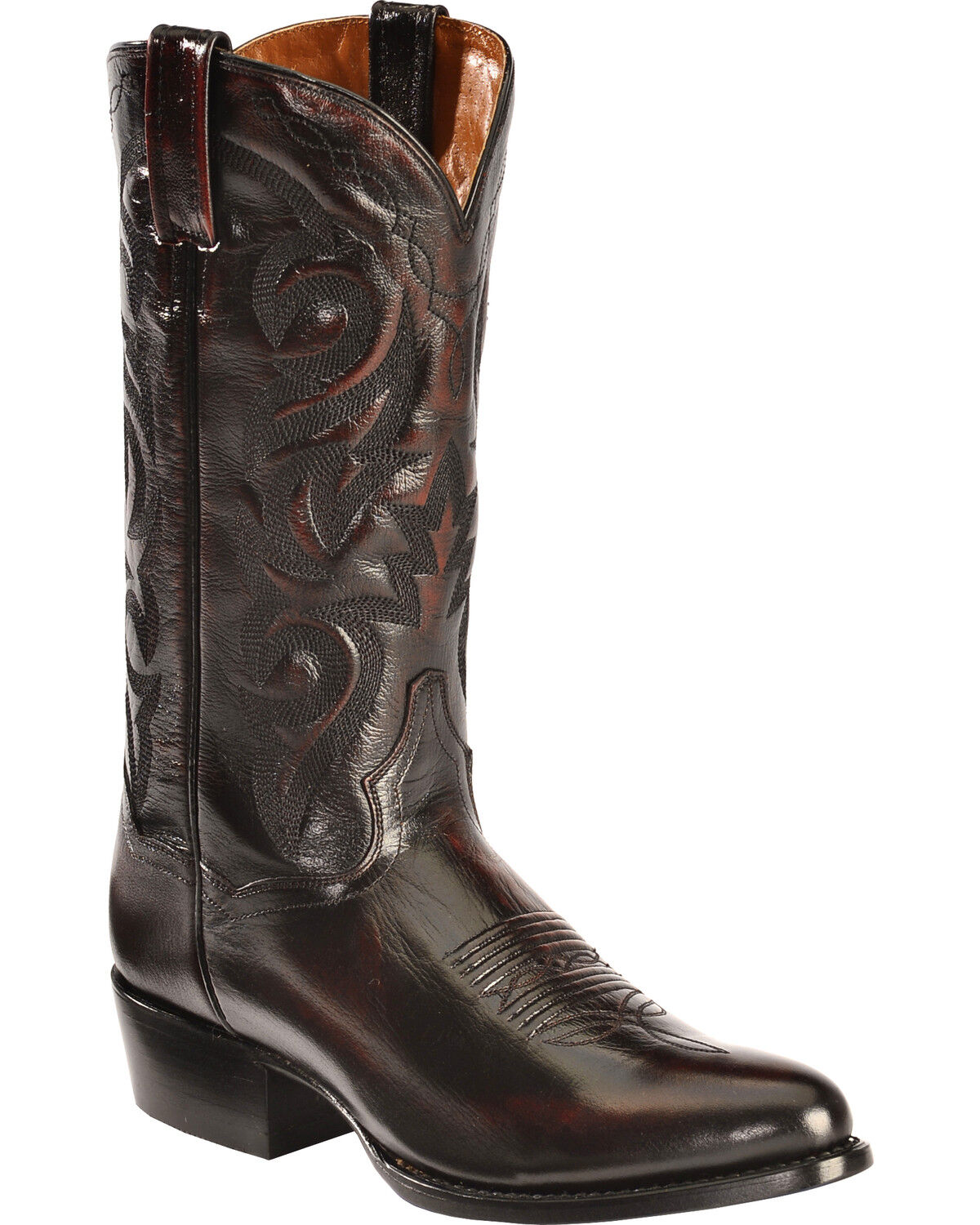
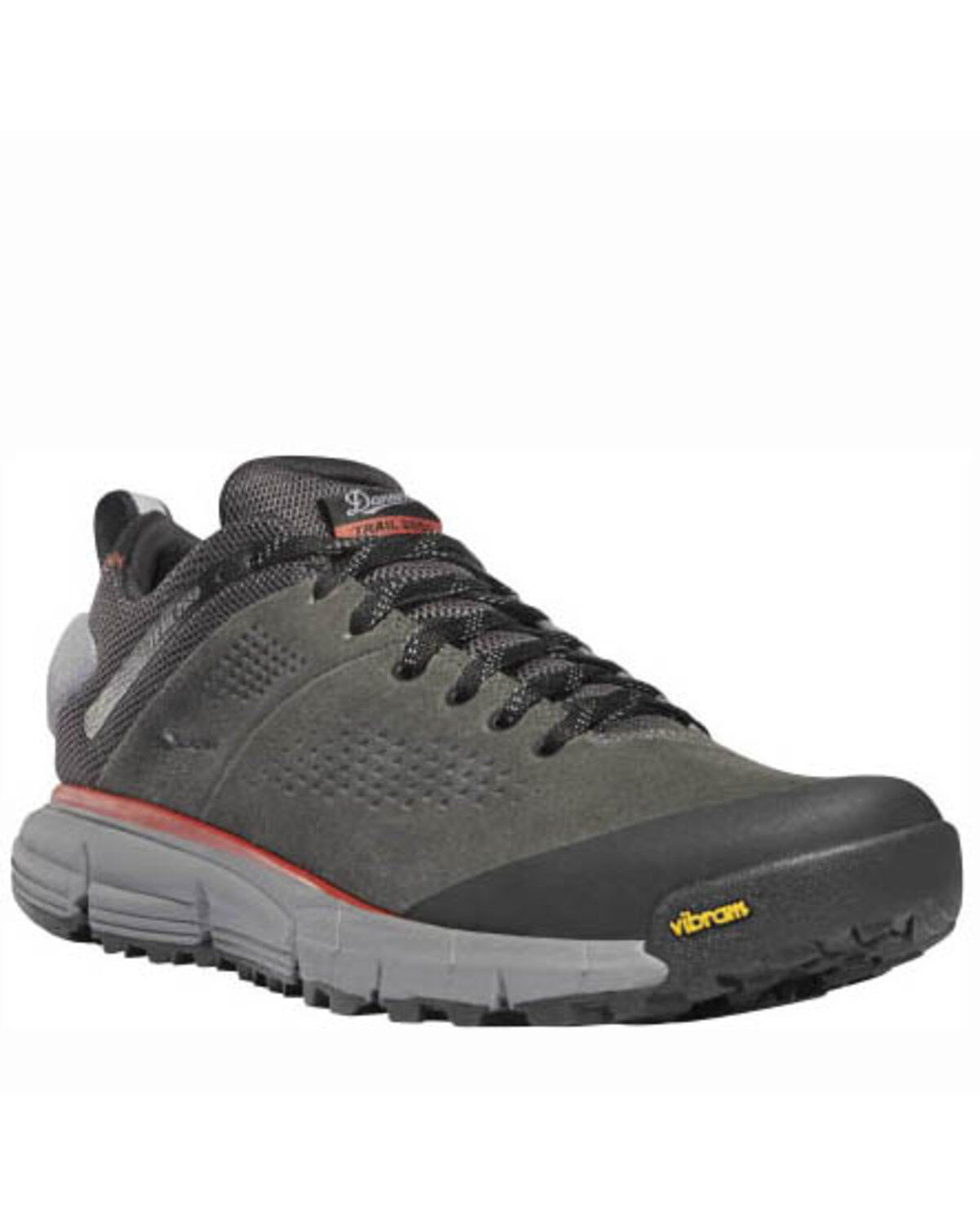
Wide Work Boots For Men

Find wide work boots for men when standard widths feel too snug. Browse available styles and sizes, and review each pair’s fit information and work features to choose boots that match your feet and job requirements.

Read More

Shop Your Store: Shop Your Store: Find a Store

(Turn off Shop Your Store to see all items)

(Turn off Shop Your Store to see all items)

close
  • Recommended
  • Lowest Price
  • Highest Price
Skip pass products

End of products

Wide Work Boots For Men

Wide work boots for men provide added room across the foot without relying on extra length to create space. That difference matters through hours of standing, walking, lifting, and climbing, when a cramped forefoot can turn a demanding shift into a harder one. A proper wide fit gives the toes room to move while keeping the heel and midfoot secure. Width labels often include EE or 2E for wide and EEEE or 4E for extra wide, with some manufacturers using additional designations such as 6E. These labels are not universal measurements, so the manufacturer’s size chart and the shape of the boot matter as much as the letters on the label. The last, or foot-shaped form used to build a boot, determines how much room it has through the toe box, instep, and heel. Two boots marked the same width can feel different, especially when one has a tapered toe and another has a broader profile. Men with broad forefeet, higher-volume feet, or a need for room around an approved orthotic may benefit from a wider fit, but width alone does not guarantee the right interior depth. For feet that need more space than a standard wide fit provides, Extra Wide Work Boots offer another fit category to consider. The right length still matters: buying a longer boot to gain width can leave the heel moving and put the foot’s natural bending point out of line with the boot. A small amount of heel movement can occur in some pull-on designs, but persistent rubbing, toe contact, or side pressure signals a fit problem. Safety-toe boots deserve particular attention because the protective cap will not stretch like leather. On a warehouse floor or beside a workbench, a dependable fit should feel secure without forcing the toes together. Work socks also take up space, so fit is best assessed with the socks and any compatible inserts intended for the job, preferably after a typical day on the feet.

Materials and construction determine how wide men’s work boots handle the job beyond fit. Full-grain leather is valued for durability and its ability to soften with wear, while other leather finishes and textile combinations offer different balances of flexibility, weight, and abrasion resistance. Reinforcement around the toe and heel can help limit wear from kneeling, brushing against rough surfaces, or moving through tight work areas. A waterproof membrane or waterproof construction can help limit water entry during tasks involving standing water or washdown areas, but water-resistant leather alone does not provide the same protection. Moisture management inside the boot matters, too, especially during long periods of activity. Linings, socks, and time to dry between shifts all contribute to how the interior feels. Underfoot, cushioning helps soften repeated steps, while the midsole, shank, and outsole influence support and stability. A broad wedge sole can spread contact across a firm, level floor; a defined heel and deeper tread may better suit certain climbing tasks or uneven ground, depending on workplace requirements. Deep lugs can collect debris, while shallower tread may be easier to keep clear. Neither pattern is right for every surface. Slip resistance and oil resistance describe different properties, and neither means a sole will hold on every contaminated floor. Men working around falling or rolling objects may need a protective toe, while other roles may permit a soft toe. Steel, composite, and alloy safety toes differ in construction and profile, but the relevant safety rating and workplace rules should drive the choice. In the United States, required protective footwear should carry the applicable ASTM marking specified by the employer. Electrical-hazard protection, puncture resistance, and metatarsal protection are separate features, not automatic benefits of a safety toe. A boot intended for electrical-hazard protection is also not a substitute for the required procedures or equipment. The practical choice matches the actual task, whether that means repeated trips across concrete, handling building materials, or maintaining equipment around abrasive surfaces.

Construction also shapes how a work boot wears over time. Welted construction can allow resoling in some designs, though repair options depend on the boot and its condition. Cemented and direct-attach construction can offer different combinations of flexibility, weight, and resistance to water entry; the method alone does not establish overall quality. Stitching, leather condition, outsole wear, and the bond between components all deserve attention throughout the boot’s working life. Lace-up wide work boots allow adjustment through the instep and ankle, which can help men who need forefoot room without excess movement above it. Pull-on work boots remove the need for laces but depend more heavily on the match between foot shape, instep volume, and shaft design. Neither style should require painful pressure to feel secure. Leather may soften with use, but break-in should not be expected to fix the wrong width or create space beneath a rigid toe cap. Regular care helps preserve the materials that make a dependable fit possible. Loose grit can be brushed away before it works into seams, and heavier dirt should be cleaned according to the material’s care instructions. Leather conditioner belongs on compatible leather, not automatically on suede, textiles, or every treated finish. Boots should dry away from direct heat, with removable insoles taken out when the manufacturer permits. Time to dry between wears helps limit trapped moisture, and rotating pairs can give the interior a longer drying period. Worn laces and compressed removable insoles may be replaceable, but deep cracks, sole separation, exposed protective components, or badly worn tread call for closer attention. A boot that still looks serviceable from above may no longer provide dependable traction underneath. For men whose work keeps them on their feet, the value of a wide work boot comes down to usable room, job-appropriate protection, and construction that holds up under repeated wear. The strongest match is not simply the widest boot; it is the one that keeps the foot secure and accommodates its shape without unnecessary pressure.
Read More

FAQs