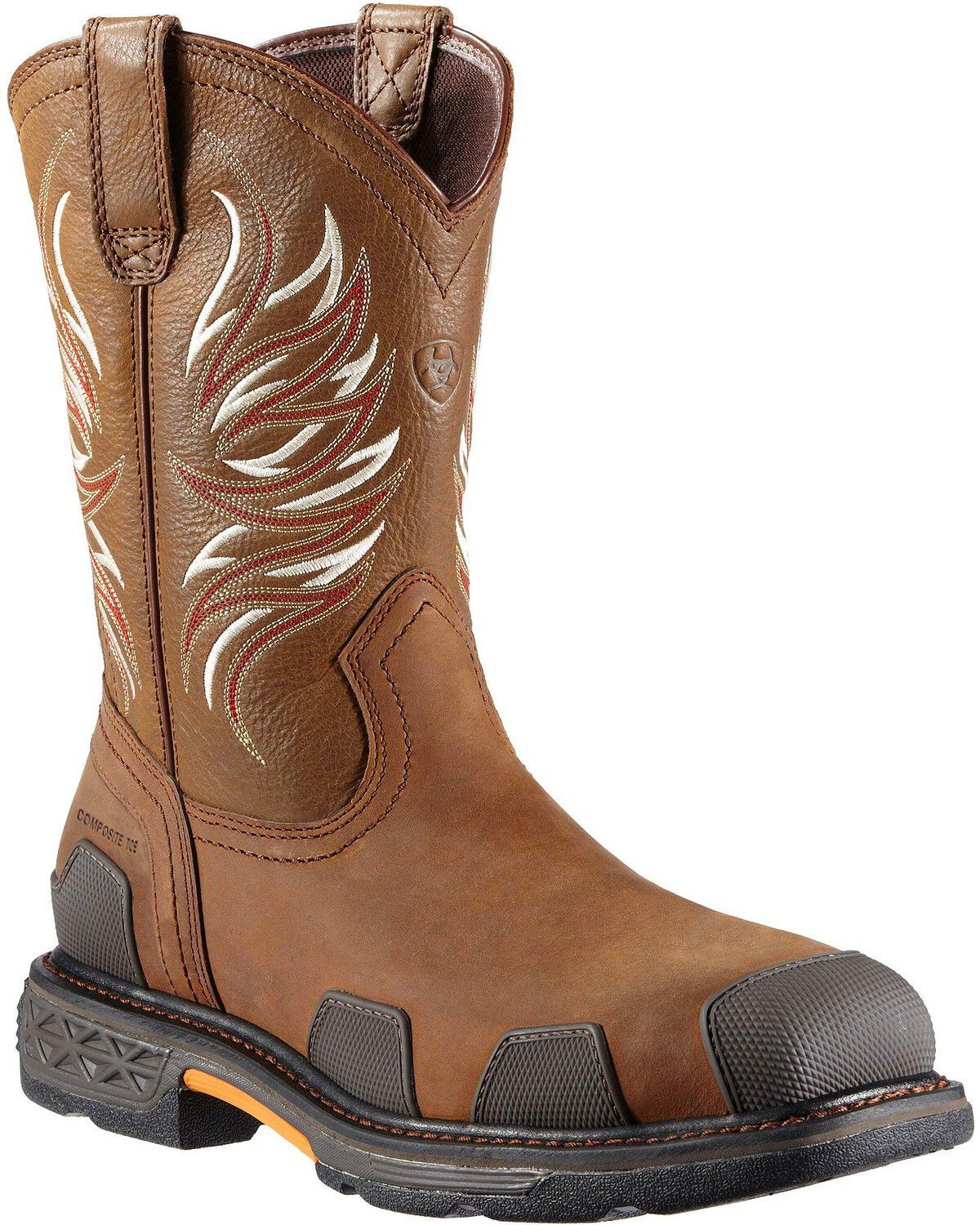
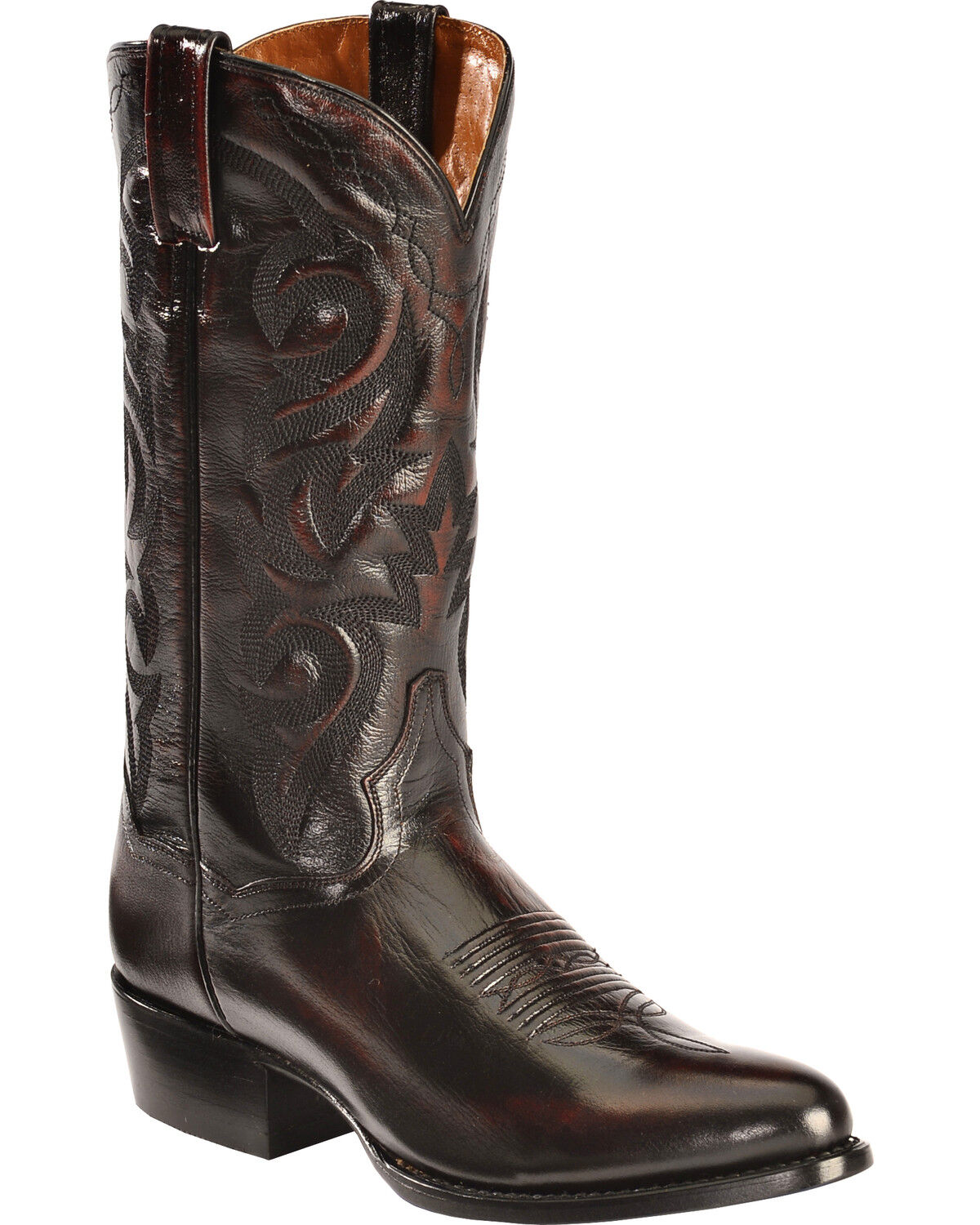
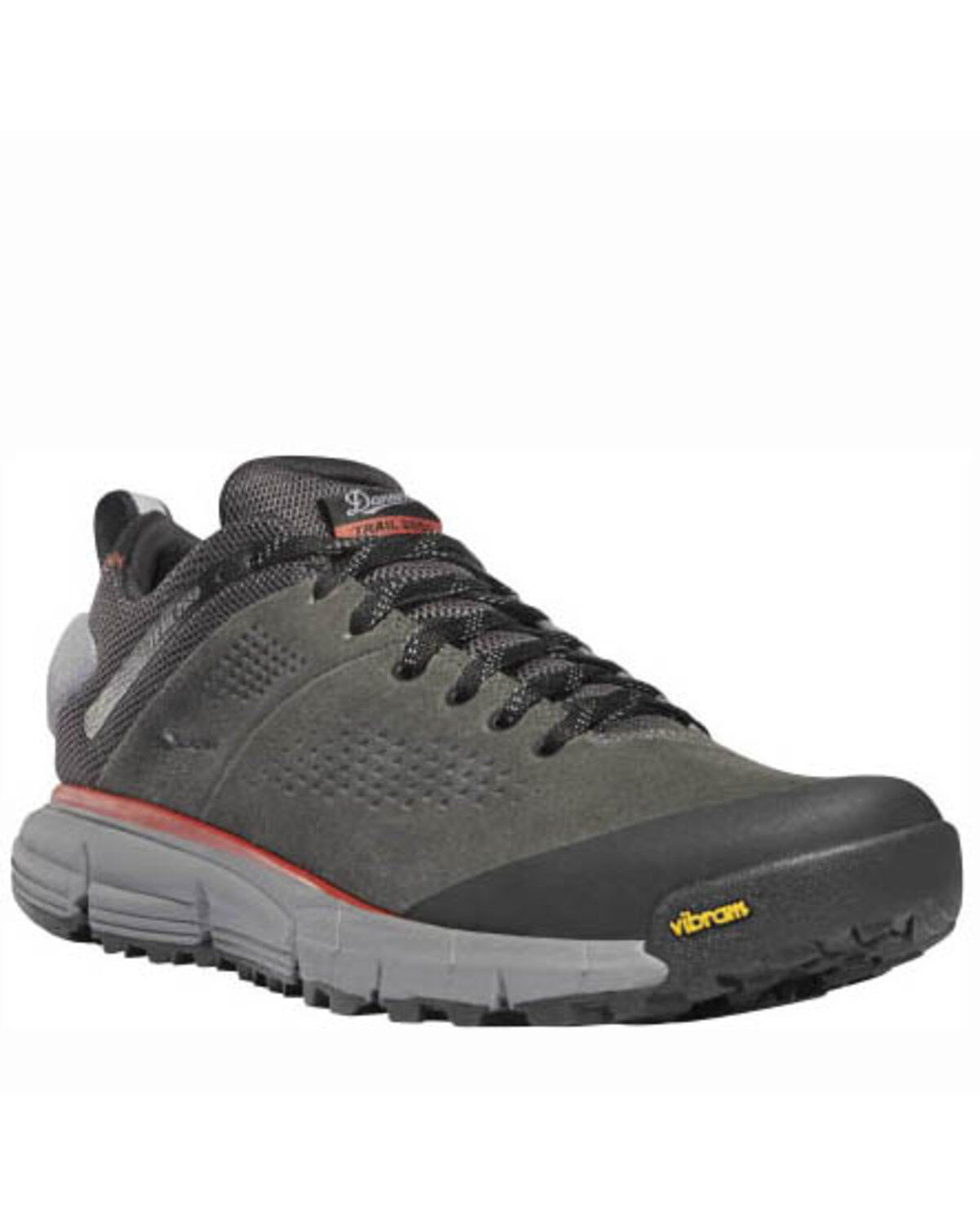
Extra Wide Work Boots

Extra wide work boots offer more room for broader feet. Browse available styles, compare each brand’s sizing information, and check listed features against your workplace requirements to choose a pair that fits your feet and your job.

Read More

Shop Your Store: Shop Your Store: Find a Store

(Turn off Shop Your Store to see all items)

(Turn off Shop Your Store to see all items)

close
  • Recommended
  • Lowest Price
  • Highest Price
Skip pass products

End of products

Extra Wide Work Boots

Extra wide work boots give broader feet more room without adding unnecessary length. A proper fit leaves space across the ball of the foot, keeps toes from pressing against the front or sides, and holds the heel securely enough for steady movement. Extra wide describes width, not a longer size, so moving up in length is not a reliable substitute for a wider boot. Excess length can let the foot slide forward, leave the heel loose, and place the boot’s flex point ahead of the ball of the foot. Width markings help narrow the fit, but they are not universal. EE or 2E commonly indicates wide, while EEEE or 4E commonly indicates extra wide; some sizing systems extend to 6E or 8E. The manufacturer’s size chart matters because the same marking can fit differently across boot shapes and constructions. Foot length, forefoot width, instep height, and heel shape all affect how a pair feels through a full shift. Measurements of both feet are useful, with the larger foot generally setting the size requirement. Work socks and any prescribed orthotics also take up space, so fit is best assessed with the combination that will actually be worn. Toes should have room to move without the foot drifting from side to side. Firm support is different from pressure, numbness, or a little toe pushed against a seam. Leather uppers may soften with wear, but a safety toe cap will not stretch to create missing room. For a broad toe profile, Extra Wide Square Toe Work Boots offer another shape to consider. A square outline alone does not establish the boot’s width, and the interior shape still needs to match the foot. Walking, bending, and kneeling reveal more about that match than standing still. Pressure that appears when crouching beside equipment or stepping onto a ladder rung matters just as much as the initial feel on level ground.

The construction of extra wide work boots should match the work underfoot. Long hours on a warehouse floor place different demands on footwear than climbing ladders, handling lumber, or walking over rough ground. Leather uppers offer a durable surface for demanding use, while textile panels can reduce bulk and allow more airflow, depending on their construction. Reinforced areas around the toe and heel can help limit wear where boots scrape against pallets, steps, and equipment. Outsole design deserves the same attention as the upper. Deeper lugs can provide purchase on loose ground, while shallower tread patterns may be easier to clear of debris. Wedge soles can spread contact across hard, level surfaces; defined heels may suit certain ladder and jobsite requirements. Neither shape is the right answer for every workplace. Slip resistance depends on the outsole compound, tread, surface, and contaminants present, and no boot prevents slipping under every condition. Oil resistance also does not mean that a sole is slip-proof on an oily floor. Protective features need equally careful distinctions. Steel, alloy, and composite safety toes are built to address impact and compression when they meet the applicable standards, but toe material alone does not establish a boot’s rating. Electrical hazard protection, puncture resistance, and metatarsal protection are separate features, not automatic benefits of a safety toe. The markings on the footwear and the employer’s requirements establish what is appropriate for the task. Waterproof construction can be useful where washdown water or wet ground is part of the job, though moisture management inside the boot still matters. Cushioning, a supportive footbed, and a stable base can make long periods of standing more manageable, but softness alone is not support. A boot that feels plush for a few steps may still allow too much movement during a loaded carry. Lace-up designs allow adjustment across the instep, while pull-on designs rely more heavily on the match between the foot and the boot’s overall shape.

Durability comes from both construction and routine care. Welted construction can allow resoling in some boots, while cemented construction often provides a flexible bond between the upper and sole; repair options depend on the individual design and its condition. Strong stitching, secure sole attachment, and reinforcement at high-wear points all matter when boots spend their days against concrete, gravel, and rough edges. Dirt left in seams and tread can hide developing damage, so regular cleaning serves a practical purpose beyond appearance. Loose soil can be brushed away, and a damp cloth can remove surface grime before a cleaner suited to the upper material is used. Smooth leather, suede, nubuck, and textile panels require different care, and treatments should follow the footwear manufacturer’s directions. Leather conditioner can help maintain suitable smooth leather, but excess treatment can alter its feel or finish. Waterproof membranes and treated materials may also need compatible care products. Boots should air-dry away from direct heat, with removable insoles taken out when permitted by the care instructions. Rotating between pairs gives interior moisture more time to dry and provides an opportunity to inspect each pair. Worn tread, split seams, loose soles, exposed protective components, or a footbed that no longer supports the foot are signs that repair or replacement may be needed. Fit also deserves another look as socks, insoles, or foot shape change. Adding a thick insert to fill excess space can crowd the toes or raise the heel, while adding an orthotic over an existing footbed can reduce usable depth. For construction workers, maintenance crews, warehouse staff, and others whose jobs keep them on their feet, the value of extra width is straightforward: room where it is needed, without sacrificing a secure fit. The right pair combines that room with the protection, support, and construction the work requires.
Read More

FAQs