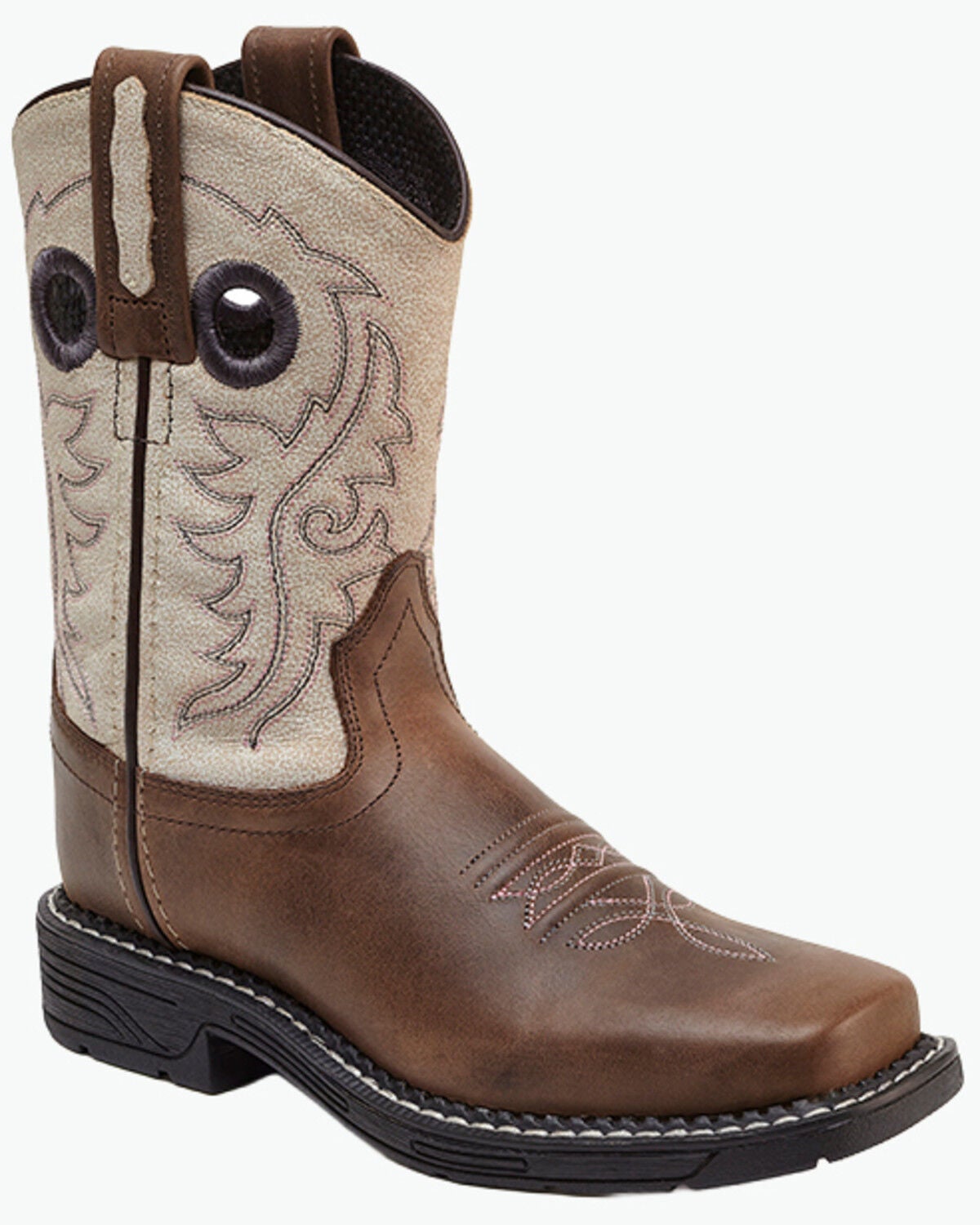
Brown And White Cowboy Boots

Shop brown and white cowboy boots for a two-tone western look that pairs naturally with jeans. Browse available styles and sizes, and review each pair’s fit details to find the right match for your wardrobe and how you plan to wear them.

Shop Your Store: Shop Your Store: Find a Store

(Turn off Shop Your Store to see all items)

(Turn off Shop Your Store to see all items)

close
  • Recommended
  • Lowest Price
  • Highest Price
Skip pass products

End of products

Brown And White Cowboy Boots

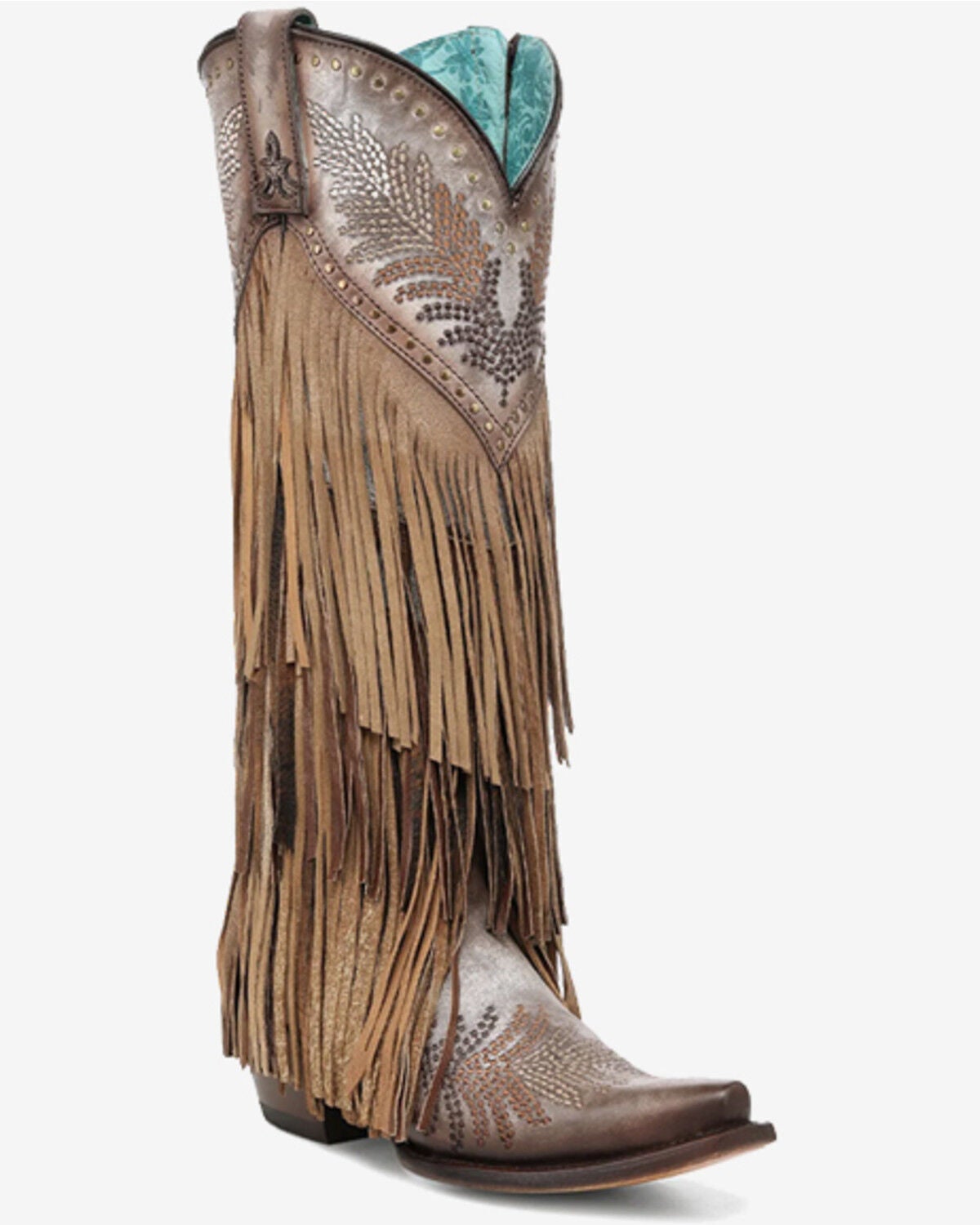
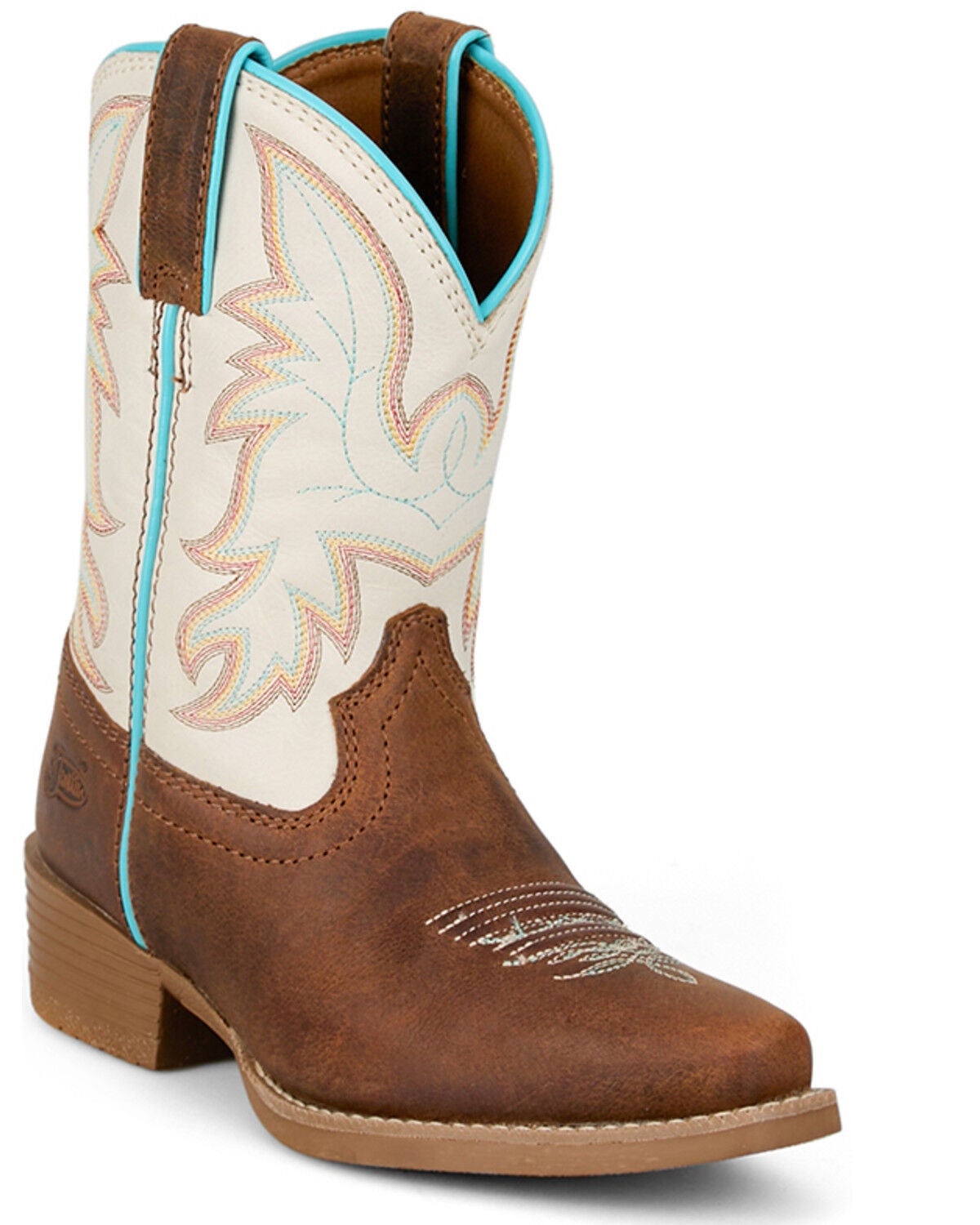
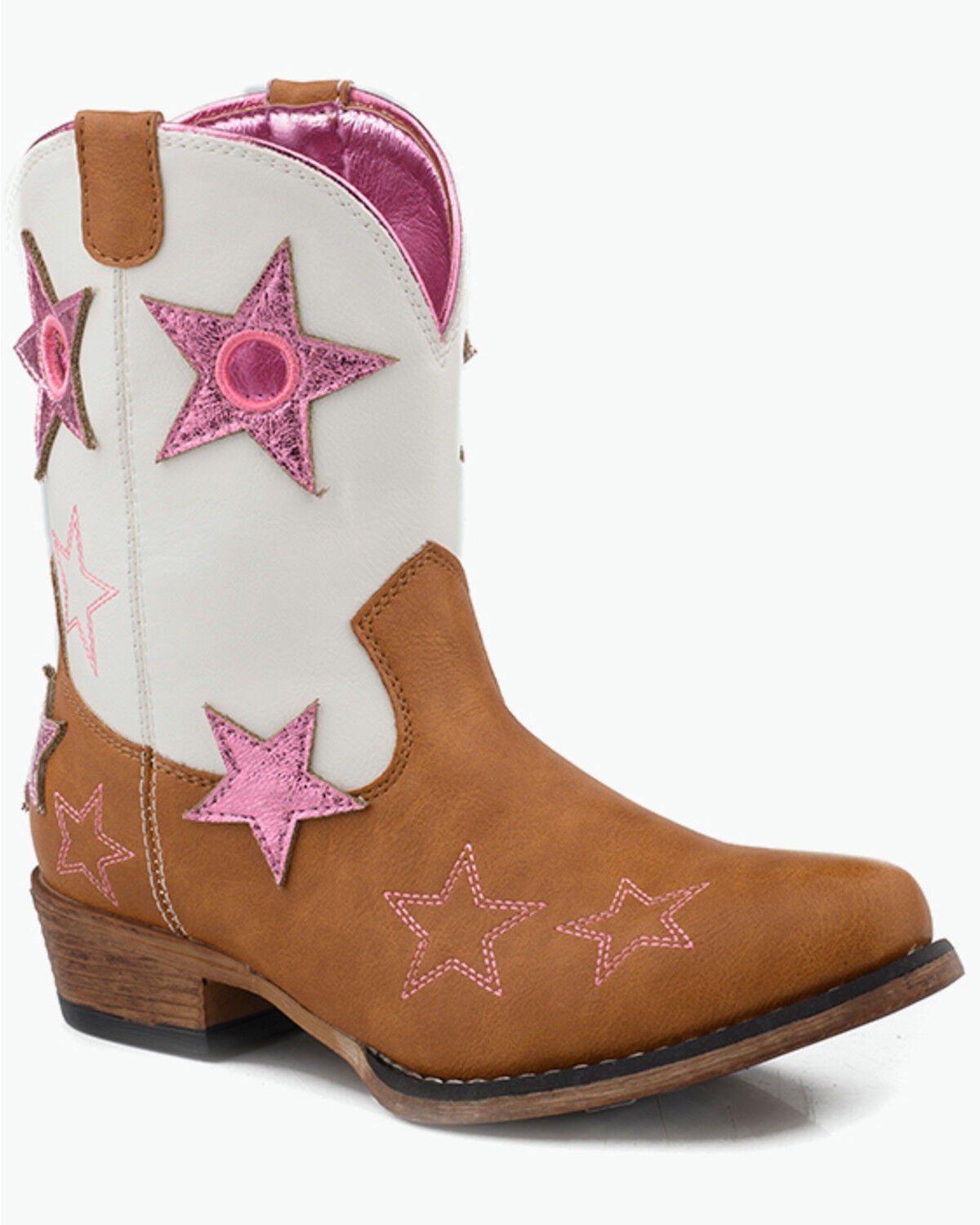
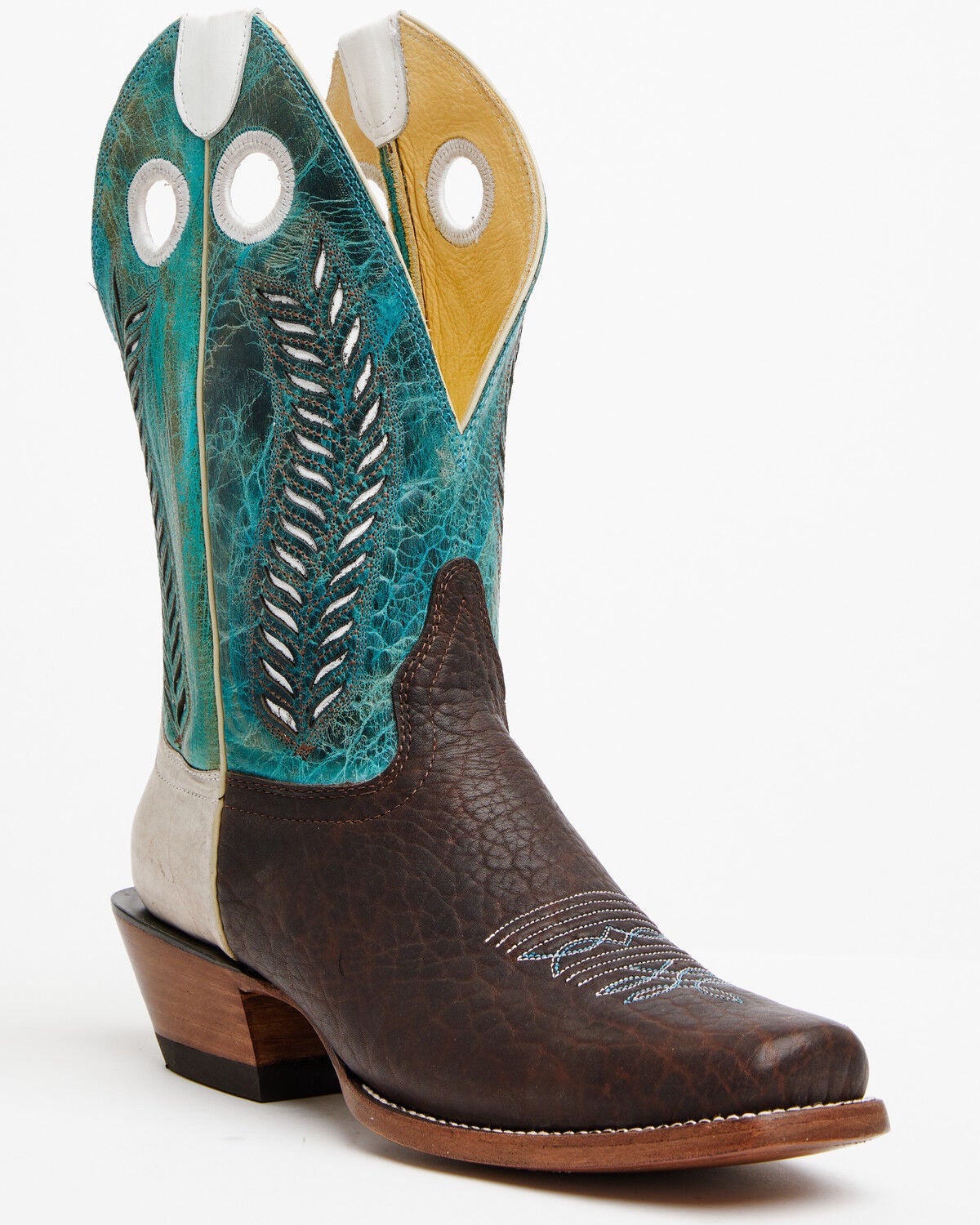
Brown and white cowboy boots bring two familiar western colors together in a look that can be understated or distinct. A brown leather foot with a white shaft puts the contrast above the ankle, while a white foot with brown overlays makes the pattern visible below a pair of jeans. Other designs use brown and white hair-on cowhide, contrasting stitching, or layered leather panels to create their character. The placement of each color matters as much as the shade. Dark chocolate brown gives white leather a strong outline, while tan and cream create a softer contrast. Bright white has a crisp appearance; ivory and off-white tend to blend more closely with the natural tones of brown leather. Materials also change how these boots look and wear. Smooth leather develops creases with use and can take on a more worn-in appearance over time. Suede has a brushed surface, while hair-on hide adds texture and naturally varied markings. Synthetic materials can offer a similar color combination, but their care requirements and ability to soften differ from those of leather. Embossed leather can imitate an ostrich or reptile pattern without being made from that particular hide, so the material description matters more than the appearance alone. Toe shape adds another distinction. A broad square toe creates a wider profile, while a round or snip toe gives the boot a more tapered outline. Shaft stitching, pull straps, piping, and heel shape help define the overall design without changing the basic appeal of the brown and white combination. With straight-leg jeans, the brown foot may do most of the showing. With a skirt or dress, the shaft becomes a larger part of the outfit. For a look centered more heavily on the lighter color, White Cowboy Boots offer a related direction. Brown and white styles keep that lighter finish while adding the depth and contrast of brown leather.

Fit determines how useful a pair of cowboy boots will be beyond its appearance. A pull-on boot should feel secure through the instep without squeezing across the widest part of the foot. Toes need room to rest naturally, even when the outside shape narrows toward the front. A pointed appearance does not mean the toes should be pressed into the point. Slight heel movement can occur in a new pull-on leather boot as the sole begins to flex, but the foot should not slide around or lift excessively. Leather may soften with wear; it will not correct a boot that is too short. The socks intended for regular wear belong in the fitting process, since a thicker sock can change the space across the instep and around the heel. Shaft fit deserves the same attention, especially when jeans will be tucked inside. There should be enough room for comfortable movement without the top edge pressing into the calf. For jeans worn over the boots, the leg opening needs enough width to fall cleanly over the shaft rather than catching on it. Intended use also shapes the right choice. Long hours on foot call for attention to cushioning, arch support, boot weight, and how the sole feels on the surfaces underfoot. Leather outsoles have a traditional appearance, while rubber outsoles can offer a different balance of flexibility, traction, and wear resistance. Tread design matters, and no outsole provides the same grip on every surface. Boots intended for riding need a heel and sole appropriate for use with stirrups, not just western styling. A pair chosen for a wedding or an evening out may put more emphasis on shaft detail and profile. Brown and white cowboy boots can also make a thoughtful gift for someone who wears western footwear, provided the size, width, calf fit, and return requirements are understood. A familiar shoe size alone does not account for every difference between boot shapes.

Regular care helps preserve the contrast that makes brown and white cowboy boots distinctive. Dust is easy to overlook on brown leather, but it can collect along stitching, around the welt, and in the folds where the foot bends. A soft brush or cloth removes loose dirt before it becomes worked into those areas. White sections need particular care because dark polish, dyed cloths, and excess conditioner can leave marks that stand out against the lighter surface. Separate cleaning cloths for the brown and white portions help prevent color transfer. Any cleaner or conditioner should match the material and finish, with a small test on an inconspicuous area before broader use. Smooth leather, suede, hair-on hide, and synthetic uppers do not all respond to the same treatment. Suede generally needs a suitable suede brush and material-specific care rather than ordinary leather polish. Hair-on hide benefits from gentle cleaning in the direction of the hair, without aggressive scrubbing. For smooth leather, a light application of an appropriate conditioner can help keep the material supple, but soaking the surface or applying heavy layers can change its color and feel. Embroidery, inlays, and contrasting panels may need a lighter touch than a plain leather foot. When boots become damp during cleaning or use, room-temperature air drying is preferable to direct heat. Keeping the shafts supported and storing the boots away from strong sunlight helps maintain their shape and finish. Durability also depends on construction and timely repairs. Worn heel caps, thinning soles, loose stitching, and separating edges deserve attention before damage spreads to the upper. Some boots can be resoled, depending on their construction and condition. A skilled boot repair professional can assess that option. Creasing and minor surface marks are normal signs of wear, especially across the vamp. Consistent care keeps the leather in better condition and helps the brown and white details remain clearly defined through repeated wear.

FAQs