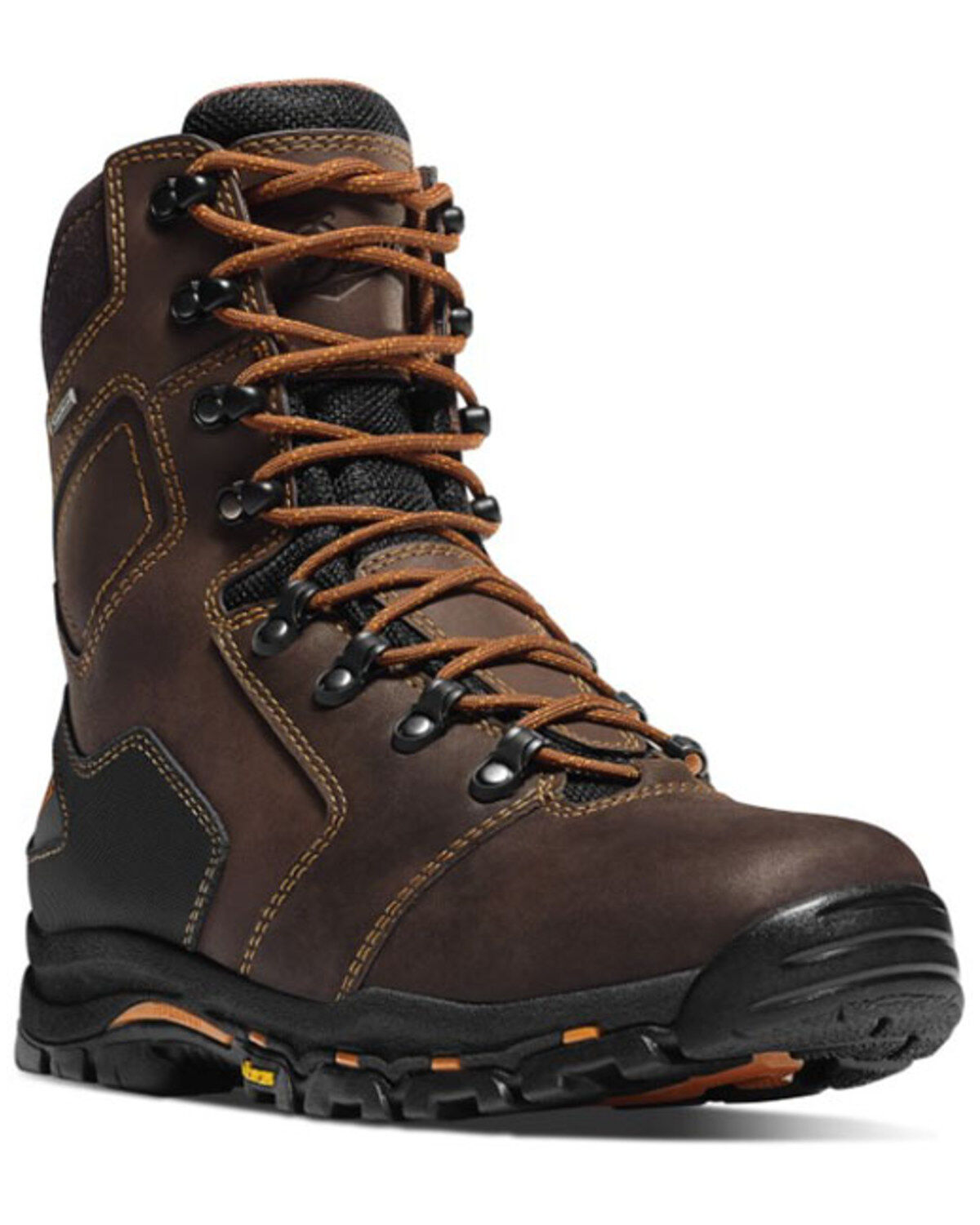
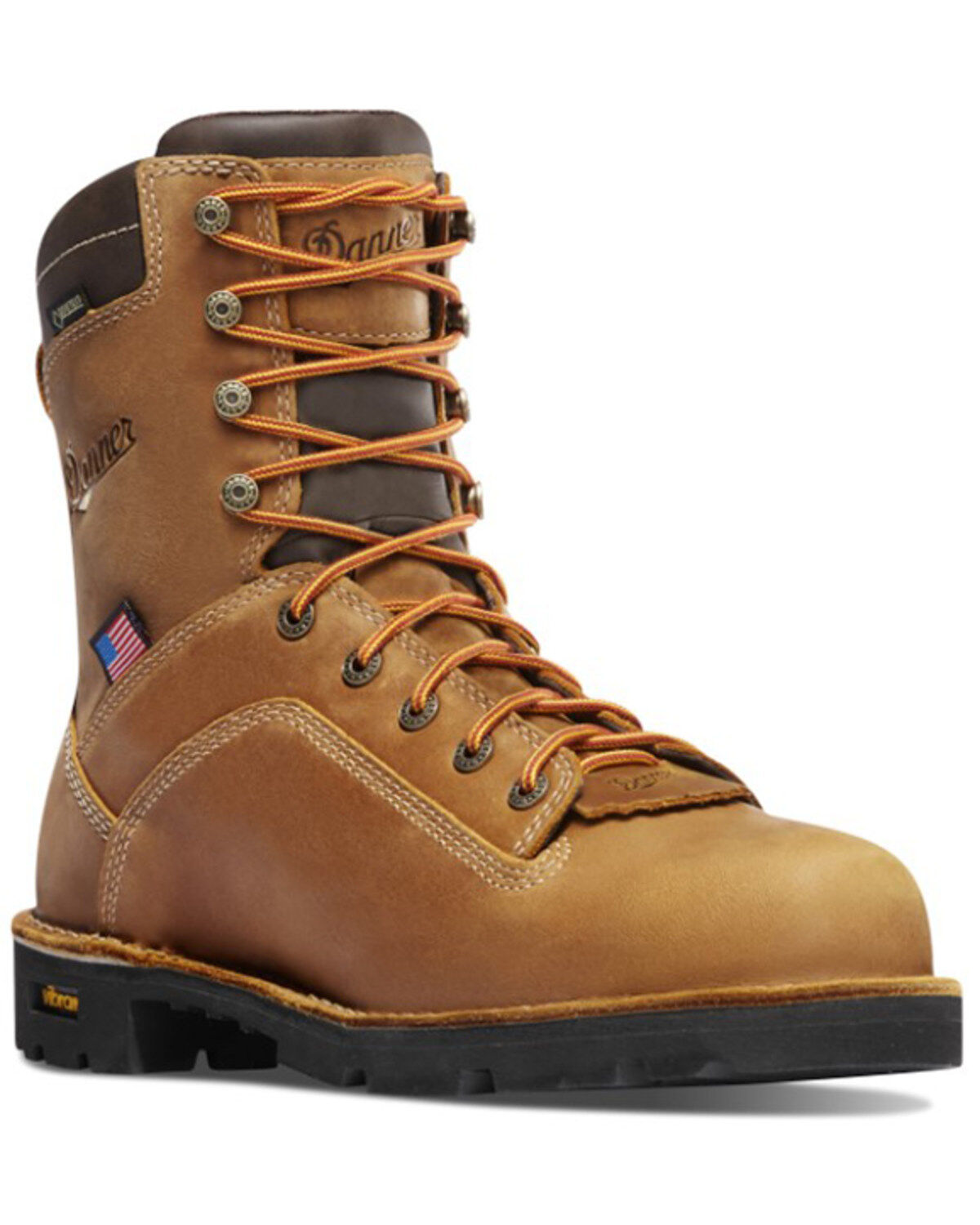
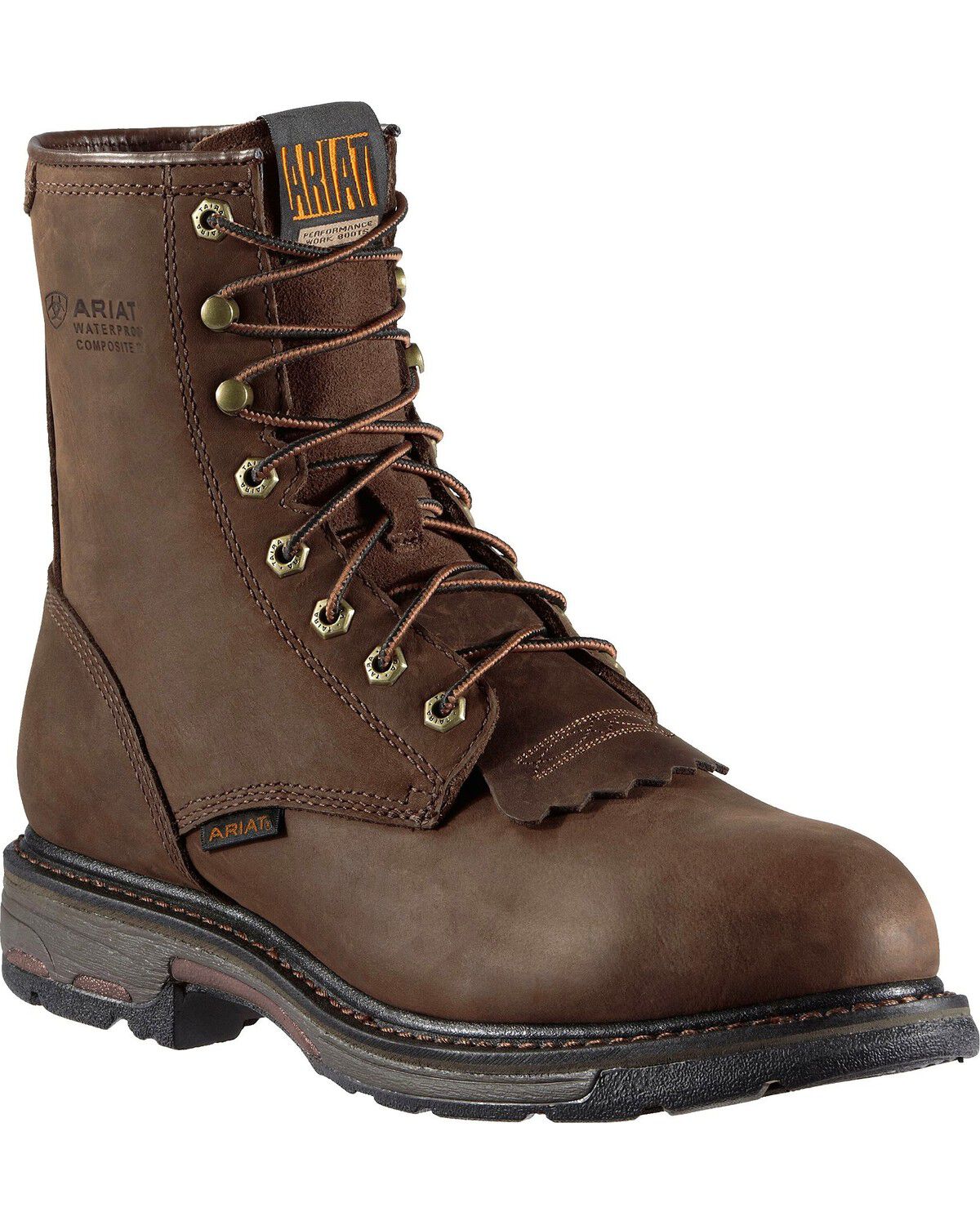
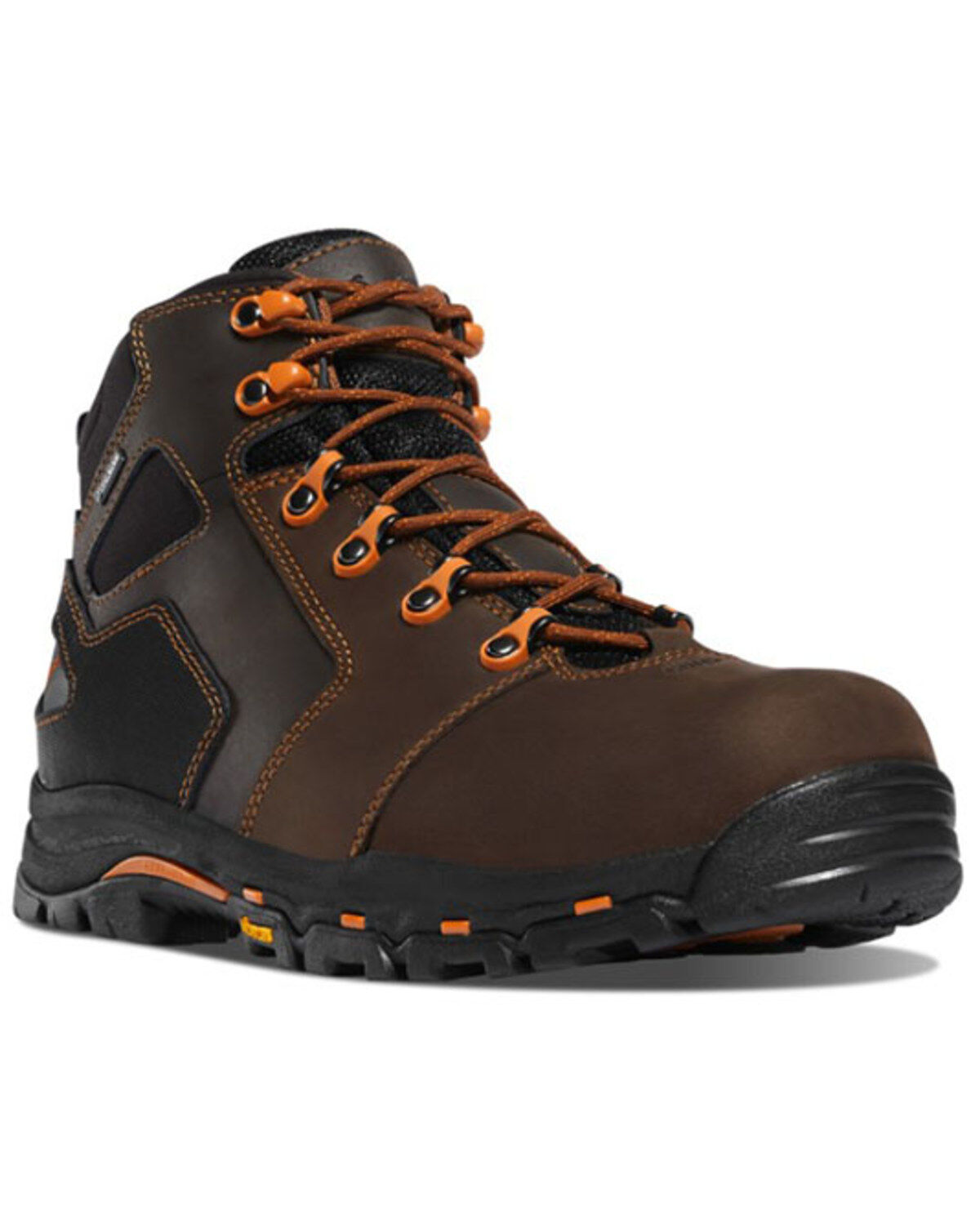
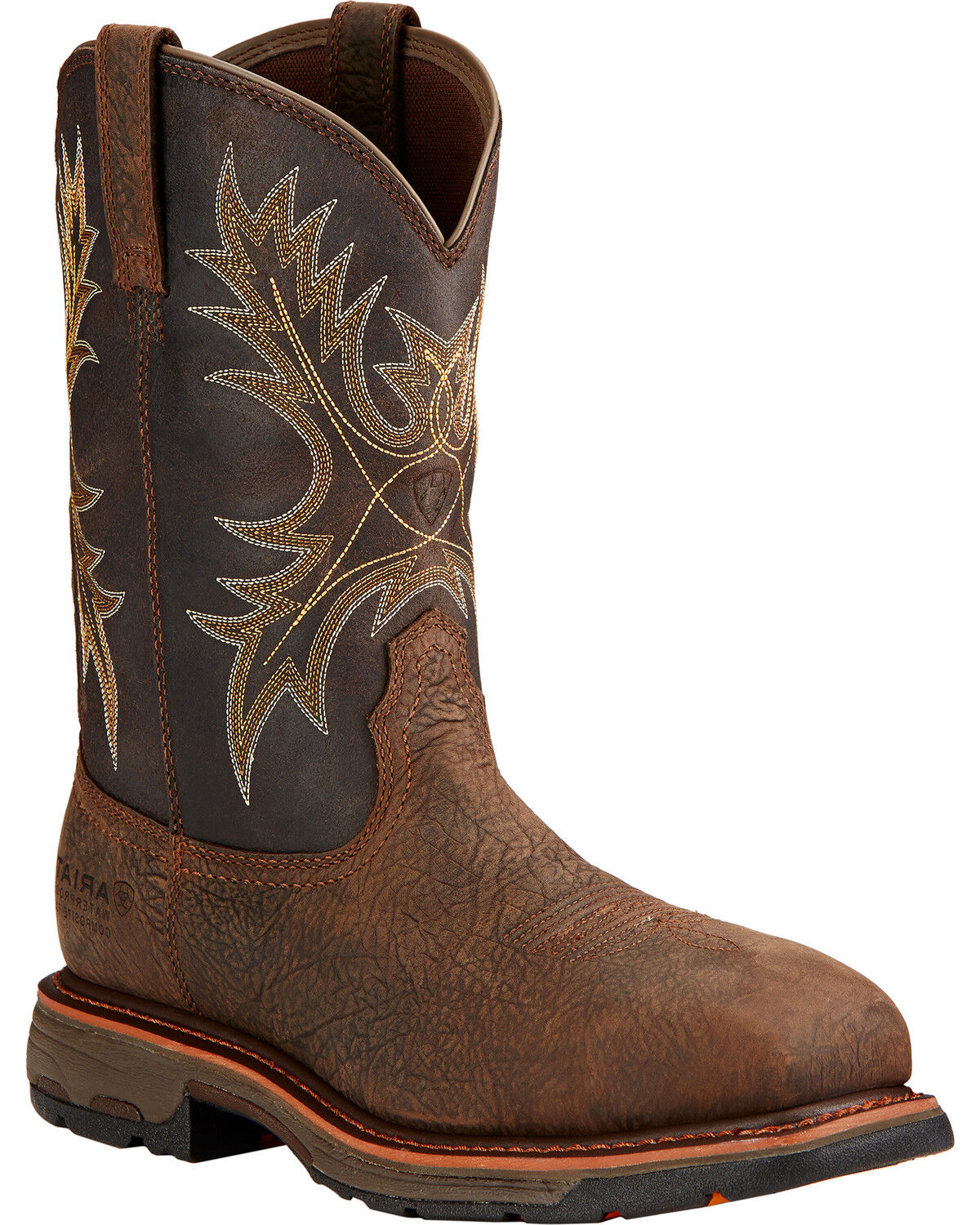
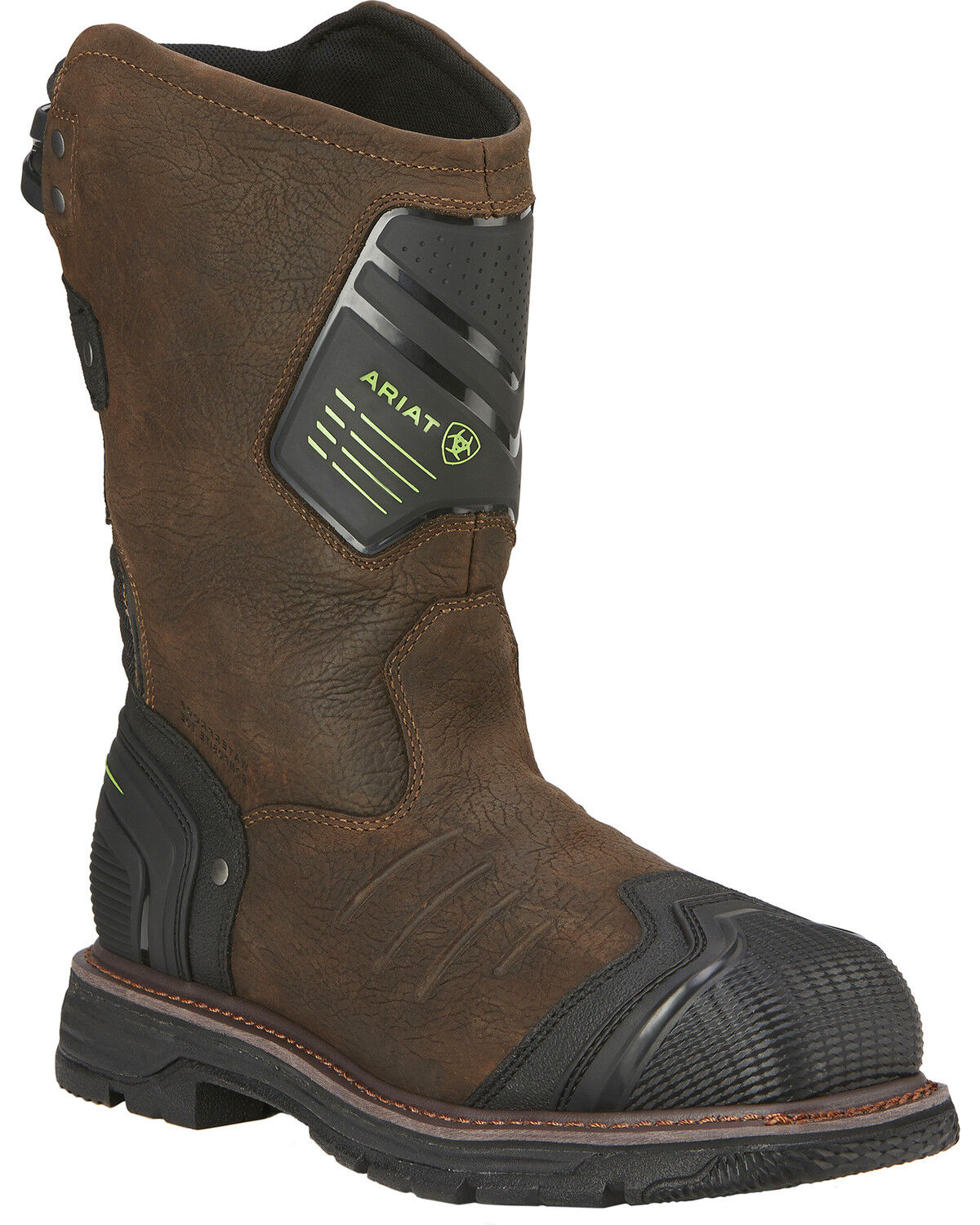
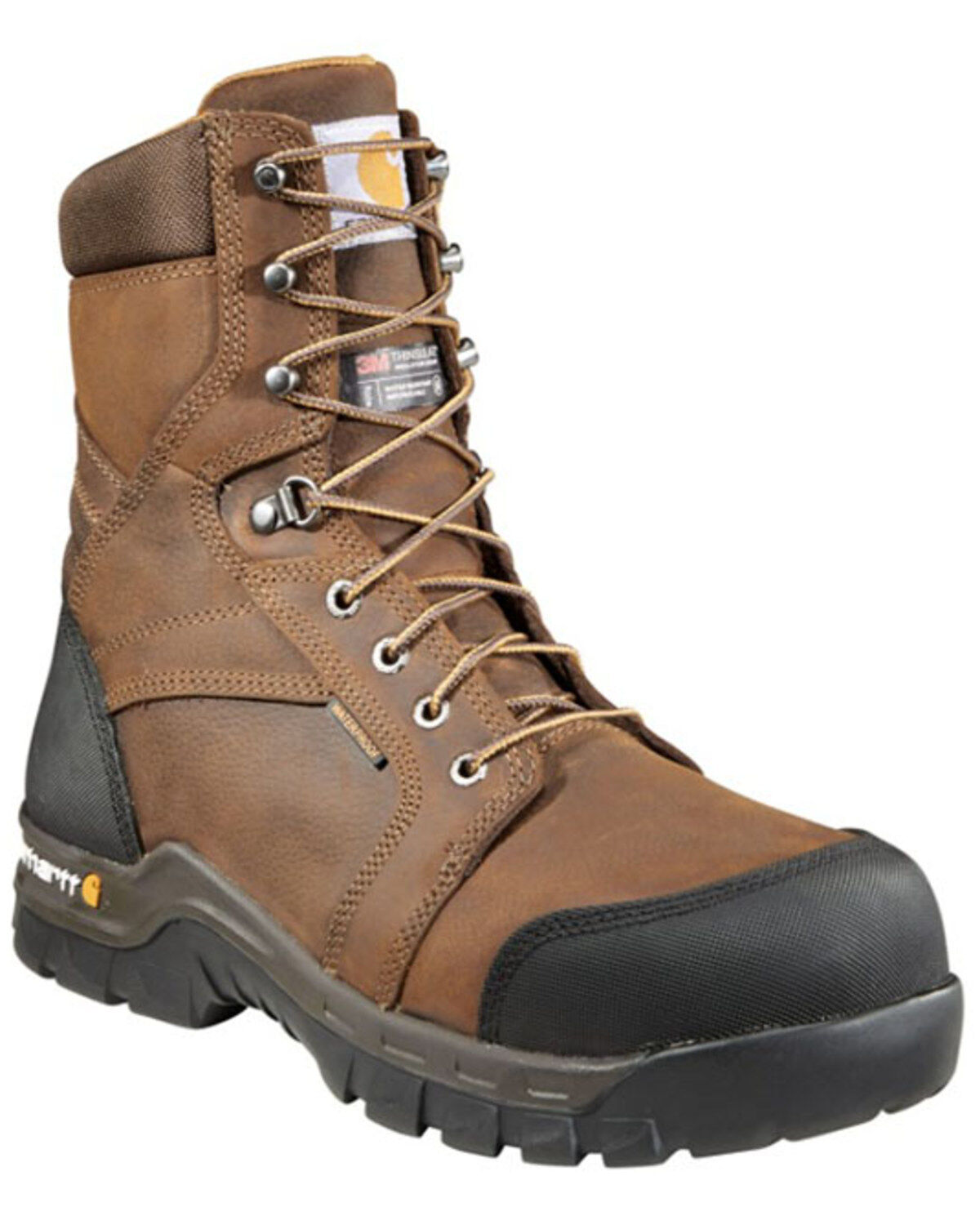
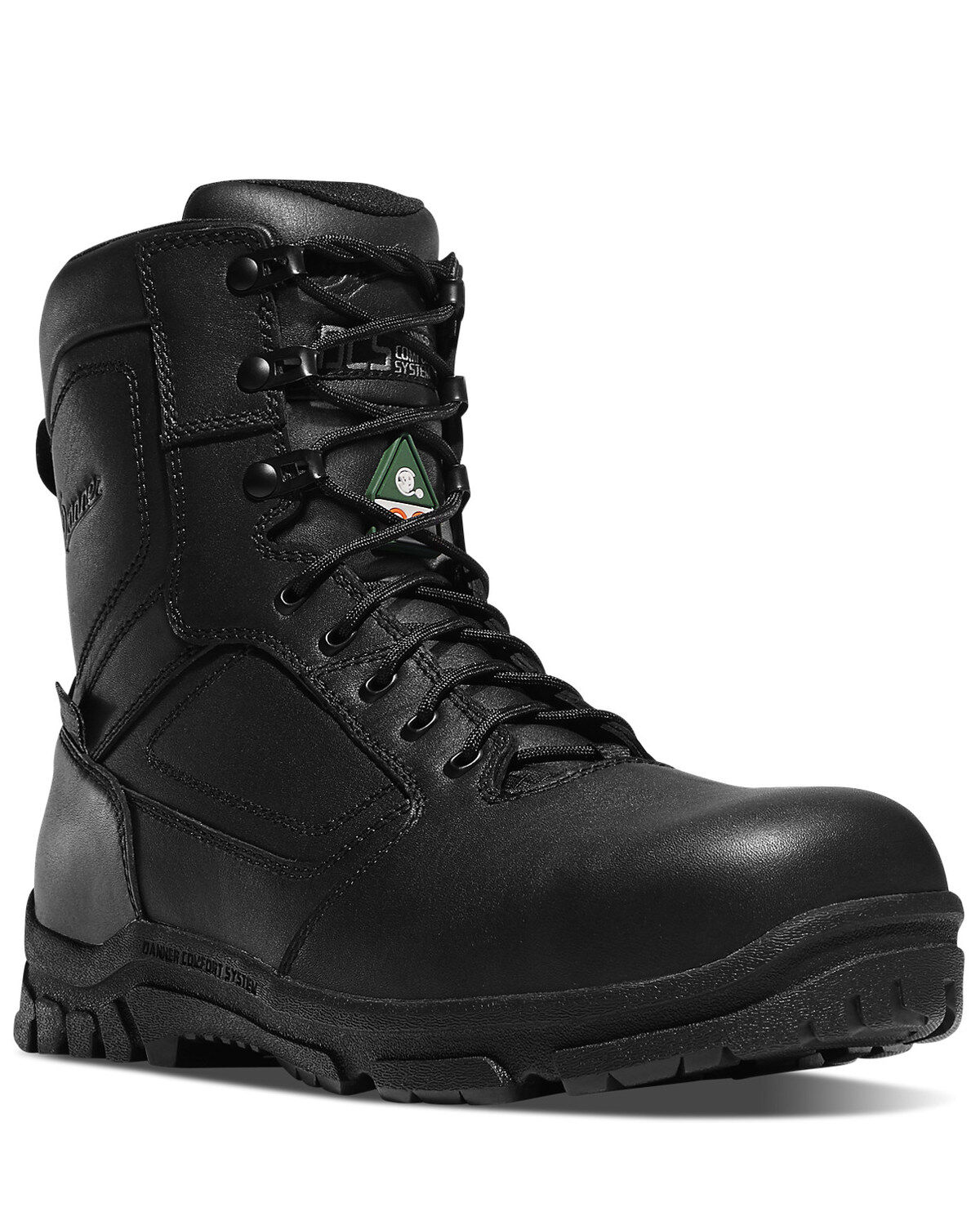
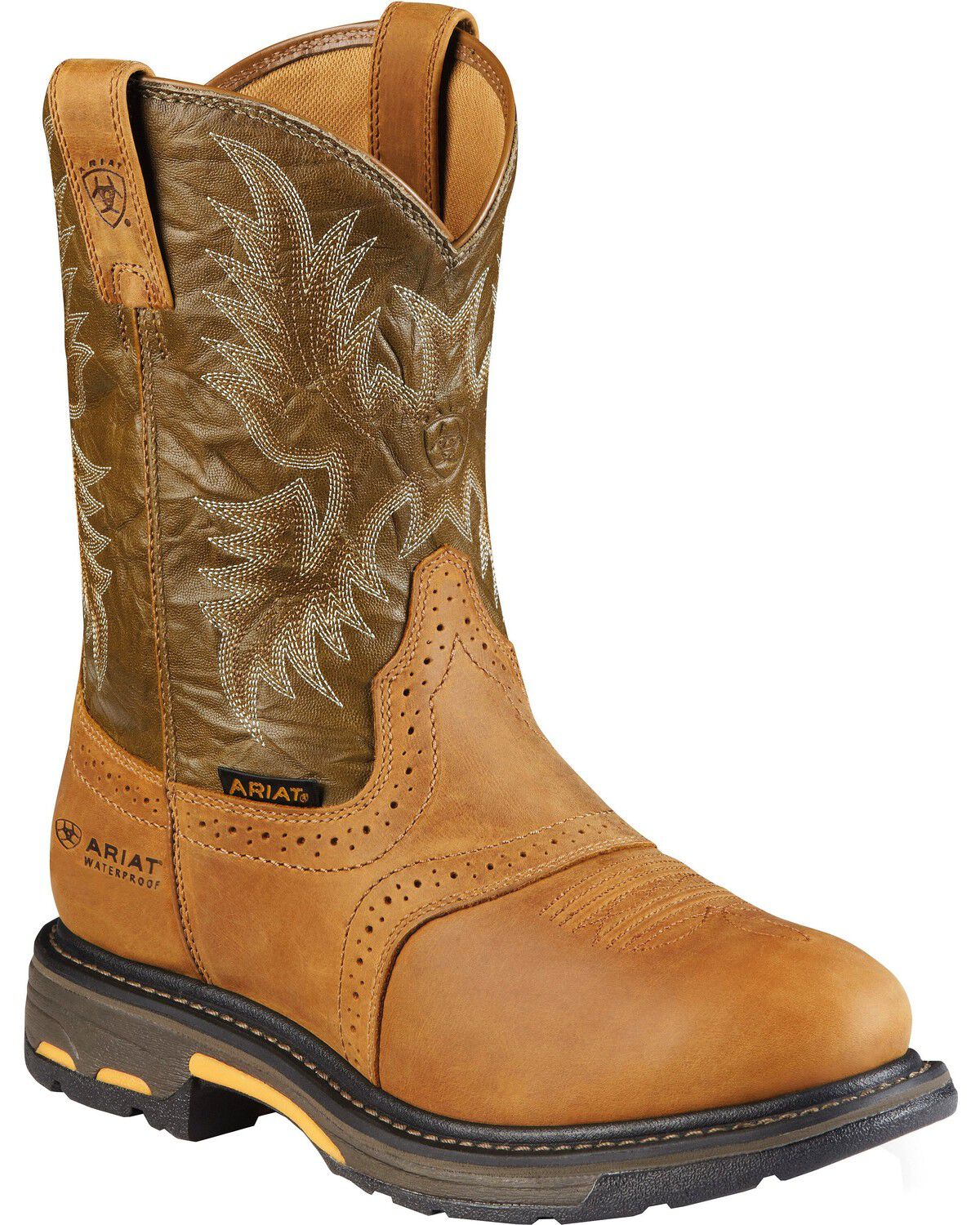
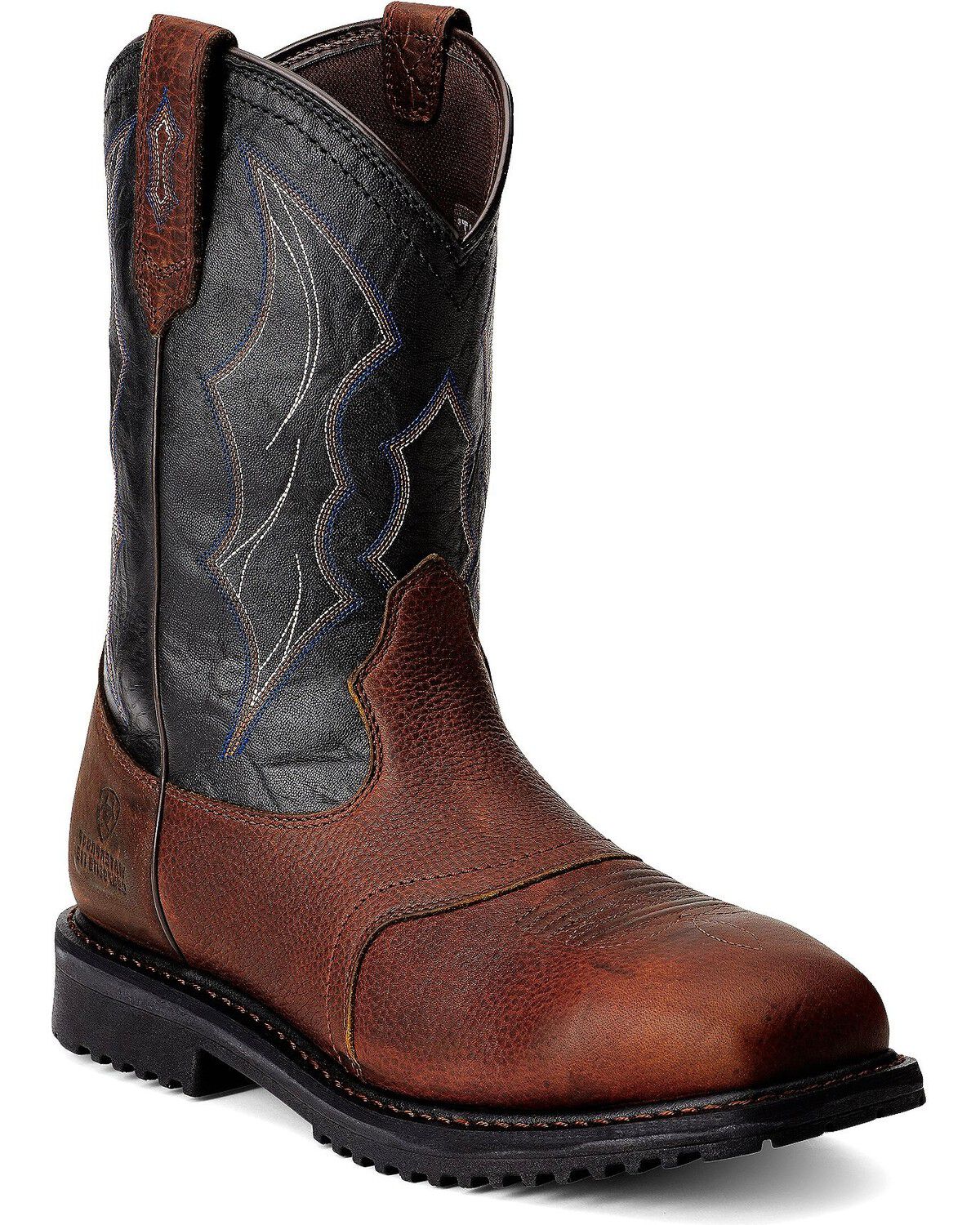
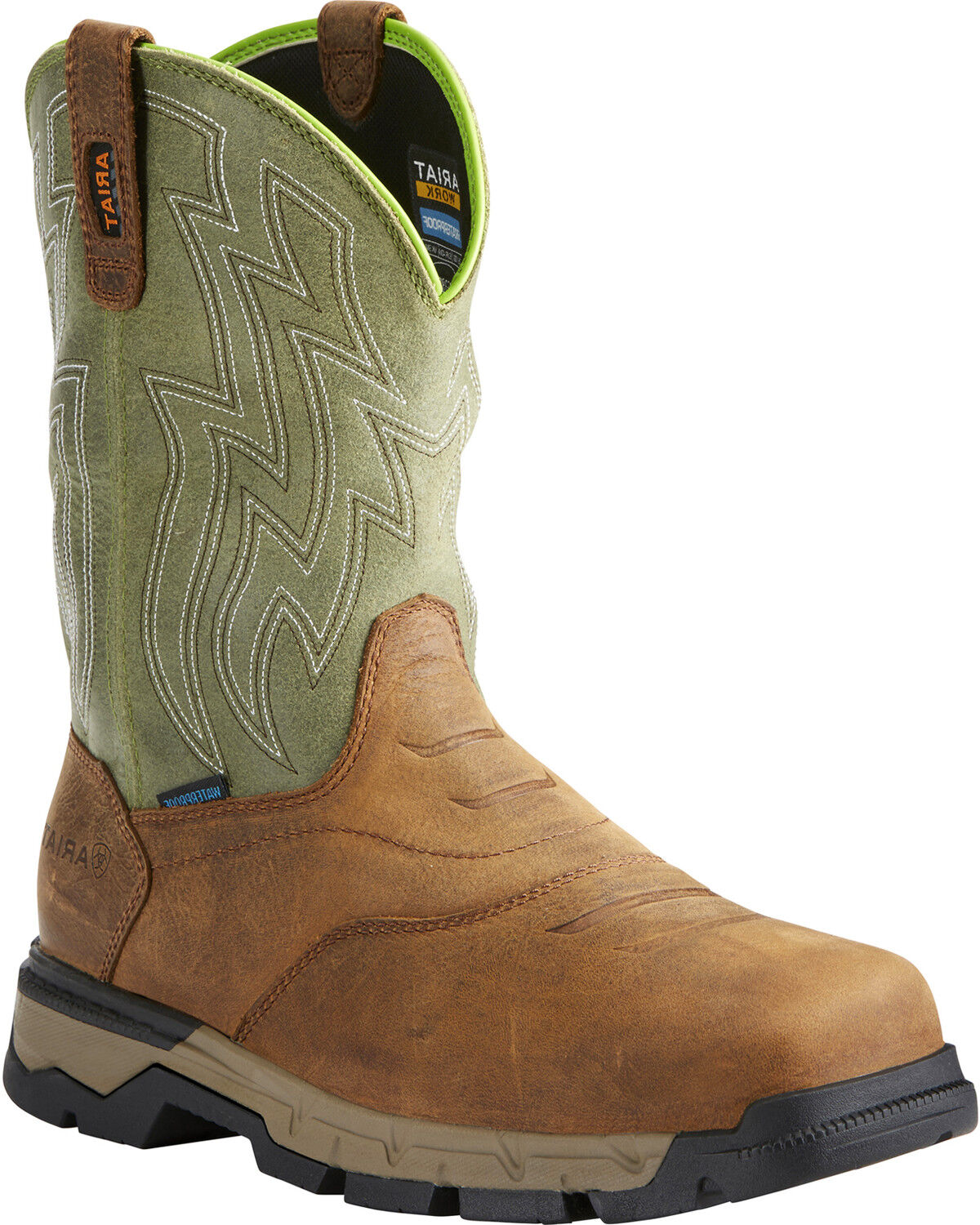
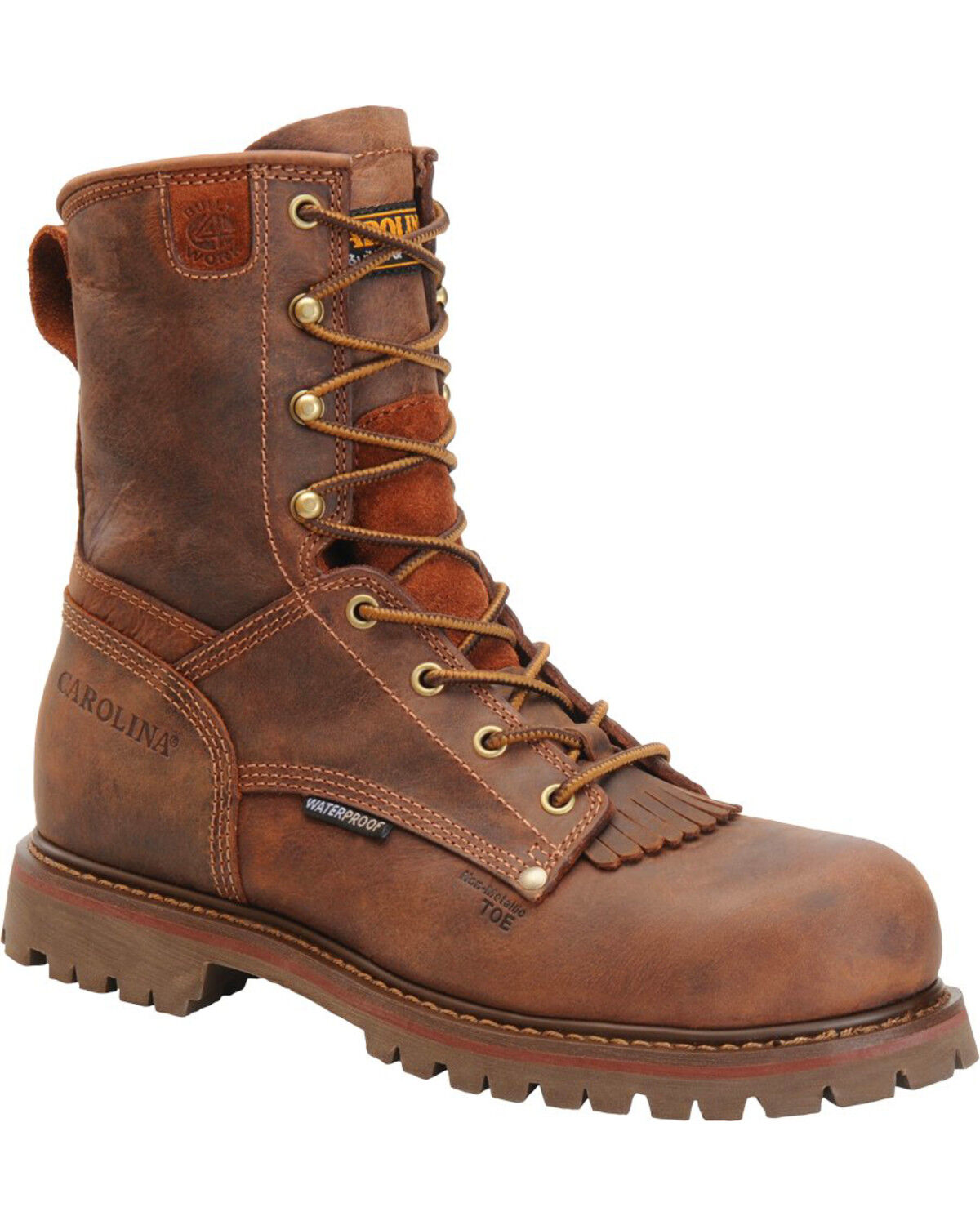
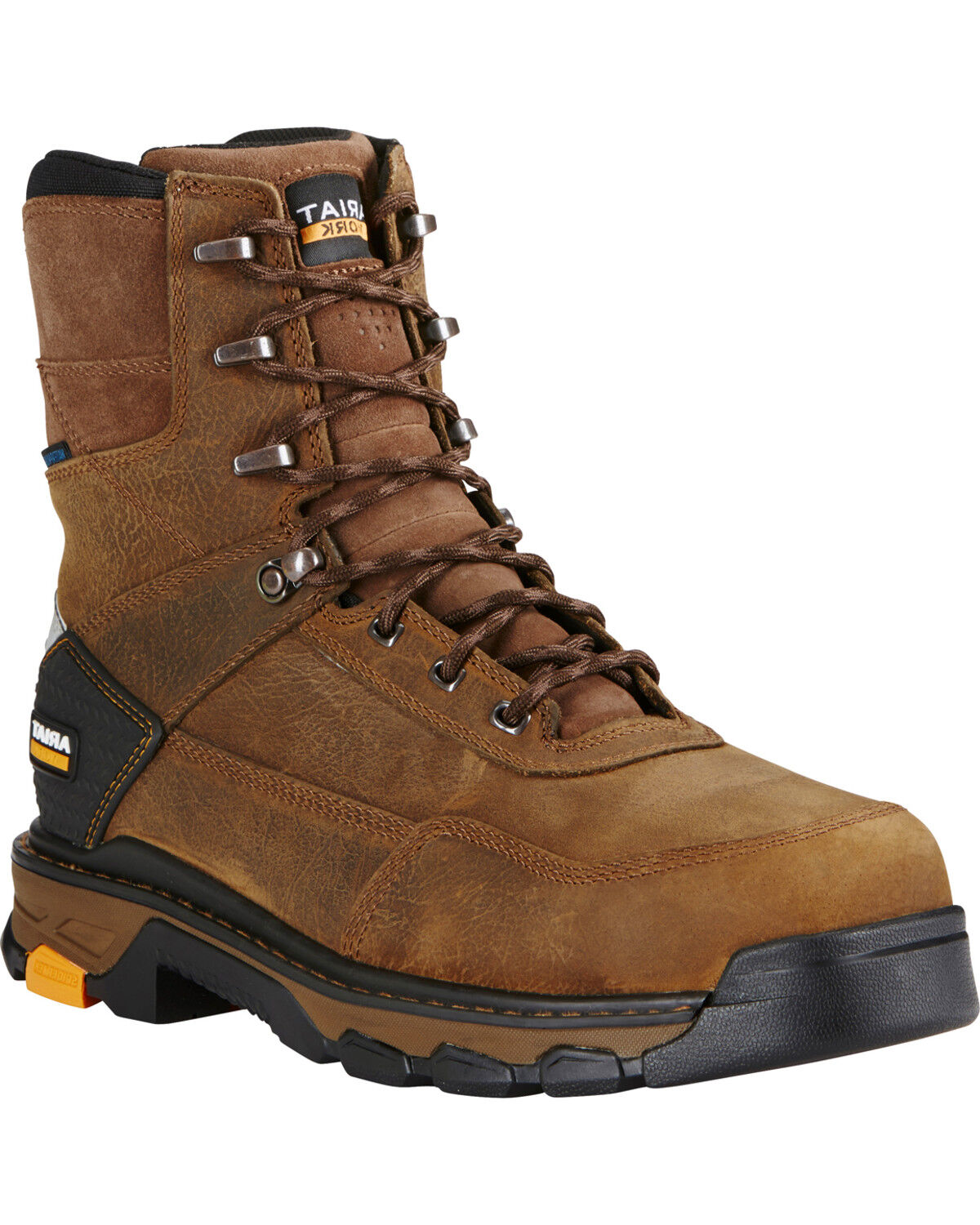
Waterproof Composite Toe Boots

Browse waterproof composite toe boots for work that calls for toe protection and help keeping feet dry. Compare fit, outsole design, and comfort features to choose work boots suited to your daily tasks and workplace requirements.

Read More

Shop Your Store: Shop Your Store: Find a Store

(Turn off Shop Your Store to see all items)

(Turn off Shop Your Store to see all items)

close
  • Recommended
  • Lowest Price
  • Highest Price
Skip pass products

End of products

Waterproof Composite Toe Boots

Waterproof composite toe boots combine a barrier against water with a protective toe cap made from nonmetal materials. That combination serves workers whose days include wet grass, muddy ground, damp loading areas, and jobs where toe protection is required. Composite toe caps may use fiberglass, carbon fiber, or other engineered materials to provide impact and compression protection when built and tested to the applicable safety standard. They can weigh less than steel alternatives, though the weight of the whole boot also depends on the outsole, upper, insulation, and supporting structure. A substantial rubber outsole and heavy leather upper still make for a substantial boot, regardless of toe material. Waterproof construction varies, too. Some boots use an internal membrane or waterproof bootie, while sealed seams and gusseted tongues help limit entry points for water. On lace-up styles, the height of the tongue gusset affects how far water can rise before entering through the opening. Water can also enter over the shaft of any boot, so waterproof footwear is not a substitute for equipment intended for prolonged immersion. Leather uppers offer abrasion resistance and can soften with wear, while textile panels may reduce weight and allow easier flex. Reinforced toes and heels add coverage in areas that frequently scrape against equipment, gravel, or concrete. The right combination depends on the work rather than appearance alone. Construction crews, groundskeepers, agricultural workers, and maintenance teams may all need waterproof protection, but their footing and safety requirements can differ considerably. A composite toe does not automatically make the entire boot metal-free, and waterproof construction does not establish electrical hazard protection, puncture resistance, or chemical resistance. Those features require separate verification. For jobs that permit either toe material, Steel Toe vs. Composite Toe Waterproof Work Boots offers useful context for comparing construction. The footwear’s safety markings and the employer’s requirements remain the basis for selecting appropriate protection.

Fit matters throughout a shift, especially when a protective toe cap limits how much the front of a boot can change with wear. Toes need room to move without pressing against the cap, and the widest part of the foot should sit comfortably within the boot rather than spill over the footbed. Leather may soften, but a rigid safety toe will not stretch to solve a cramped fit. Work socks also affect fit. A thicker sock takes up more room, while seams or bunching can create pressure during hours of walking. Trying boots with the socks intended for the job gives a more accurate sense of space through the toe, instep, and heel. Lace-up construction allows adjustment across the foot and ankle, which can help accommodate different foot shapes. Pull-on styles offer a straightforward entry and a taller shaft, though the instep must hold the foot securely without excessive heel movement. Neither construction suits every worker. Someone stepping in and out of equipment has different movement demands from someone walking a large facility or standing at a workbench. Underfoot support deserves the same attention as the upper. Cushioning helps soften repeated steps, while a supportive footbed and stable platform can make long periods on hard surfaces more manageable. Removable insoles provide flexibility when compatible replacements or prescribed orthotics are needed, provided there is enough interior room. Outsole design should match the ground. Deeper, more open tread can help shed loose mud, while other tread patterns are designed for contact with relatively smooth work surfaces. Slip-resistant footwear still requires care around water, oil, and debris; no tread prevents every slip. Oil resistance and slip resistance also describe different properties. For ladder work, uneven ground, or repeated kneeling, heel shape, ankle mobility, and forefoot flex become practical details rather than minor preferences. A boot needs to support the actual movements of the job without creating pressure or restricting a secure stance.

Durability comes from both construction and regular care. Wet grit left around seams and flex points can wear against the upper as the boot moves, while packed tread can reduce useful contact with the ground. Removing loose dirt with a soft brush and wiping away mud before it dries into a heavy crust helps keep those areas clear. Cleaning products should suit the upper material, and leather conditioner should be compatible with the boot’s waterproof construction. Leather, suede, and textile panels do not all respond well to the same treatment. Surface water-repellent treatments can help water bead on compatible materials, but they cannot repair a damaged internal membrane or an open seam. Drying also matters. Direct heat from a heater, fire, or hot vent can stiffen leather and damage adhesives or other components. Gentle airflow and drying methods approved by the manufacturer are better suited to preserving the boot’s structure. Removable footbeds can be taken out for drying when the care instructions allow it. Waterproof footwear still needs interior moisture management because perspiration can leave socks and linings damp even when outside water stays out. Suitable work socks and enough drying time between shifts help address that difference. Routine checks should include worn tread, separating soles, damaged seams, and deep cuts in the upper. After a significant impact or compression event, follow the manufacturer’s replacement guidance even if the outer material looks intact. A protective toe is not something to reshape or repair at home. For someone buying waterproof composite toe boots as a gift, the recipient’s work requirements, usual size and width, preferred shaft style, and need for orthotics matter more than looks alone. These boots are practical equipment for people who spend long hours on their feet around demanding conditions. A well-matched pair brings together verified protection, dependable footing, manageable weight, and enough room to work comfortably from the first task to the last.
Read More

FAQs