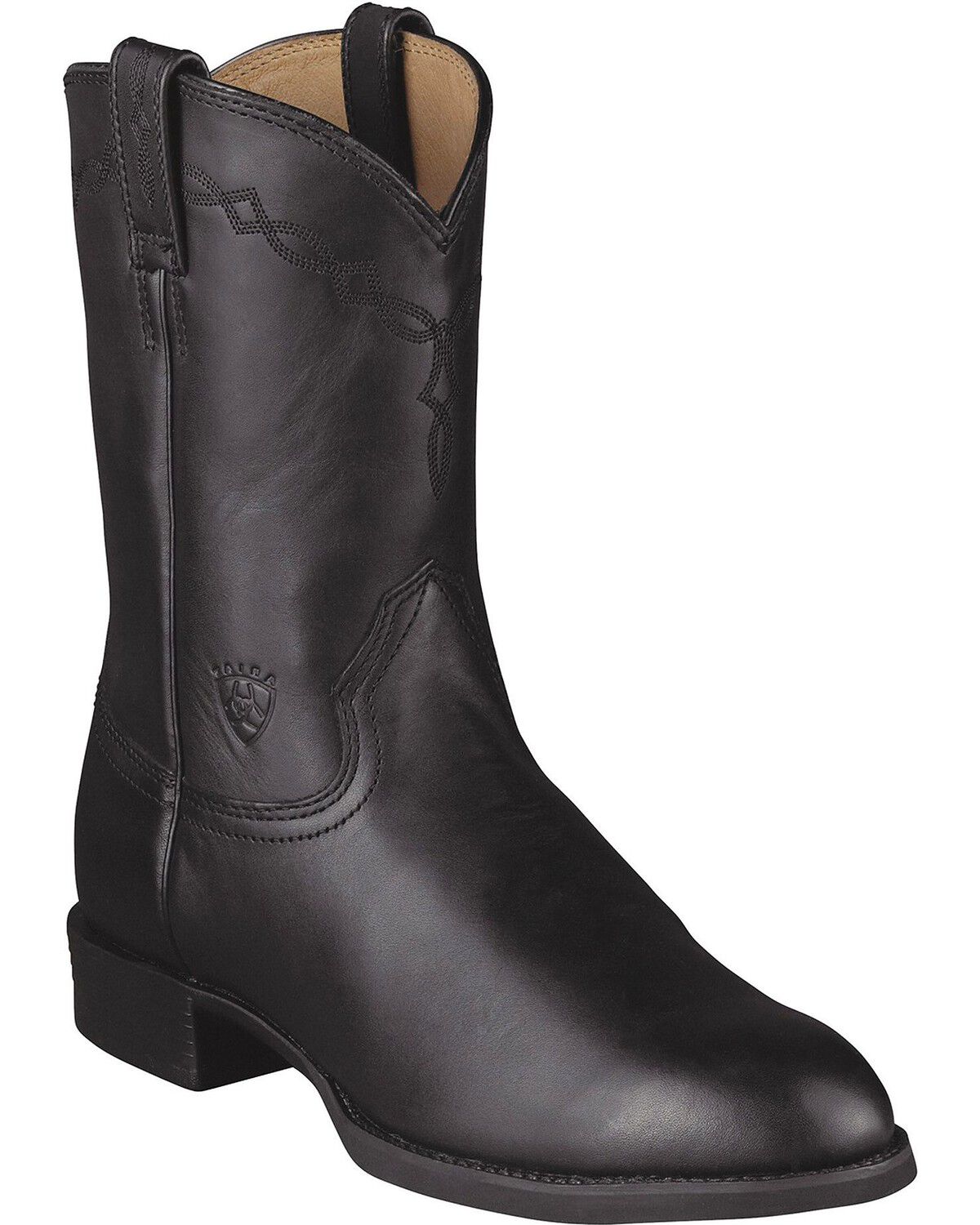
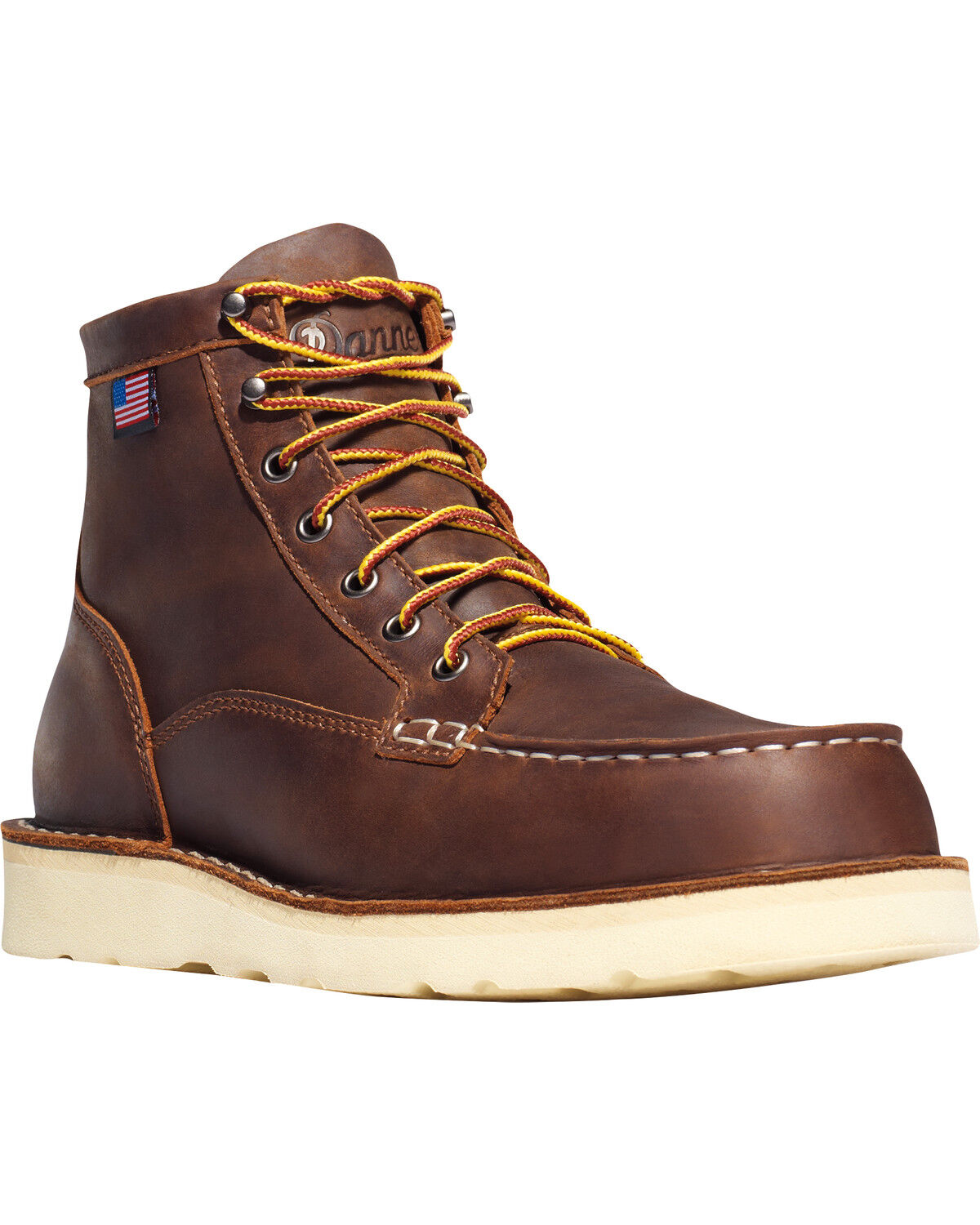
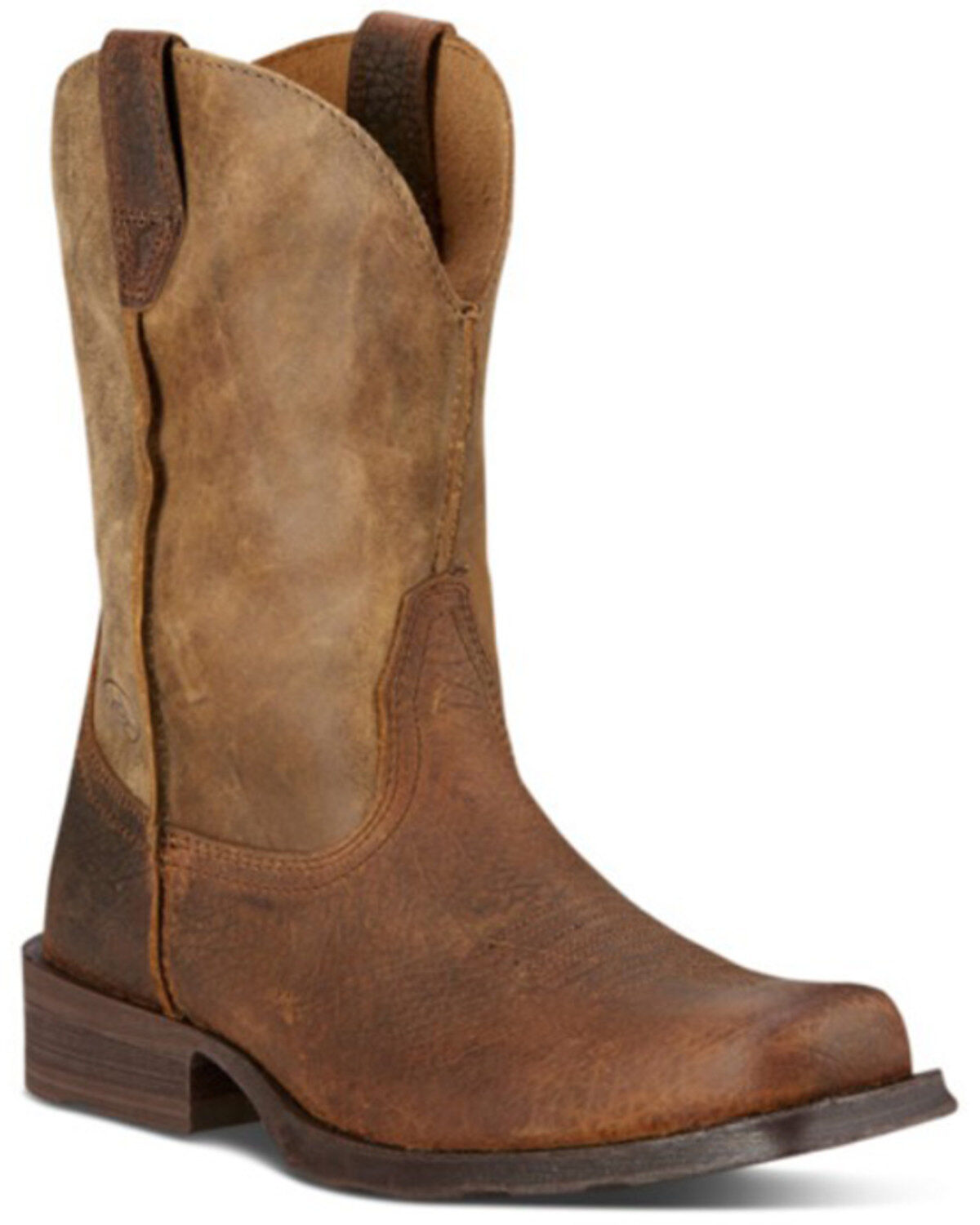
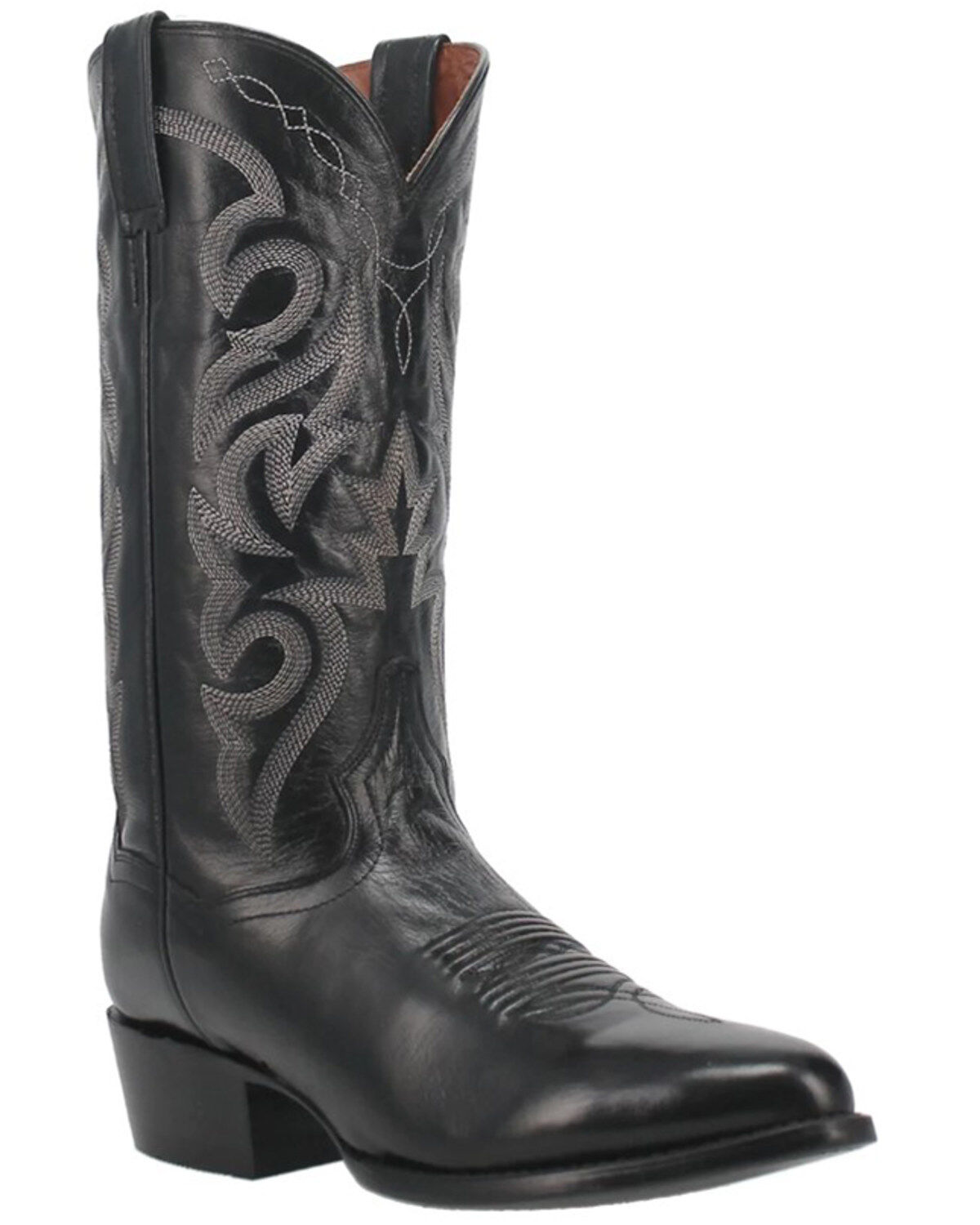
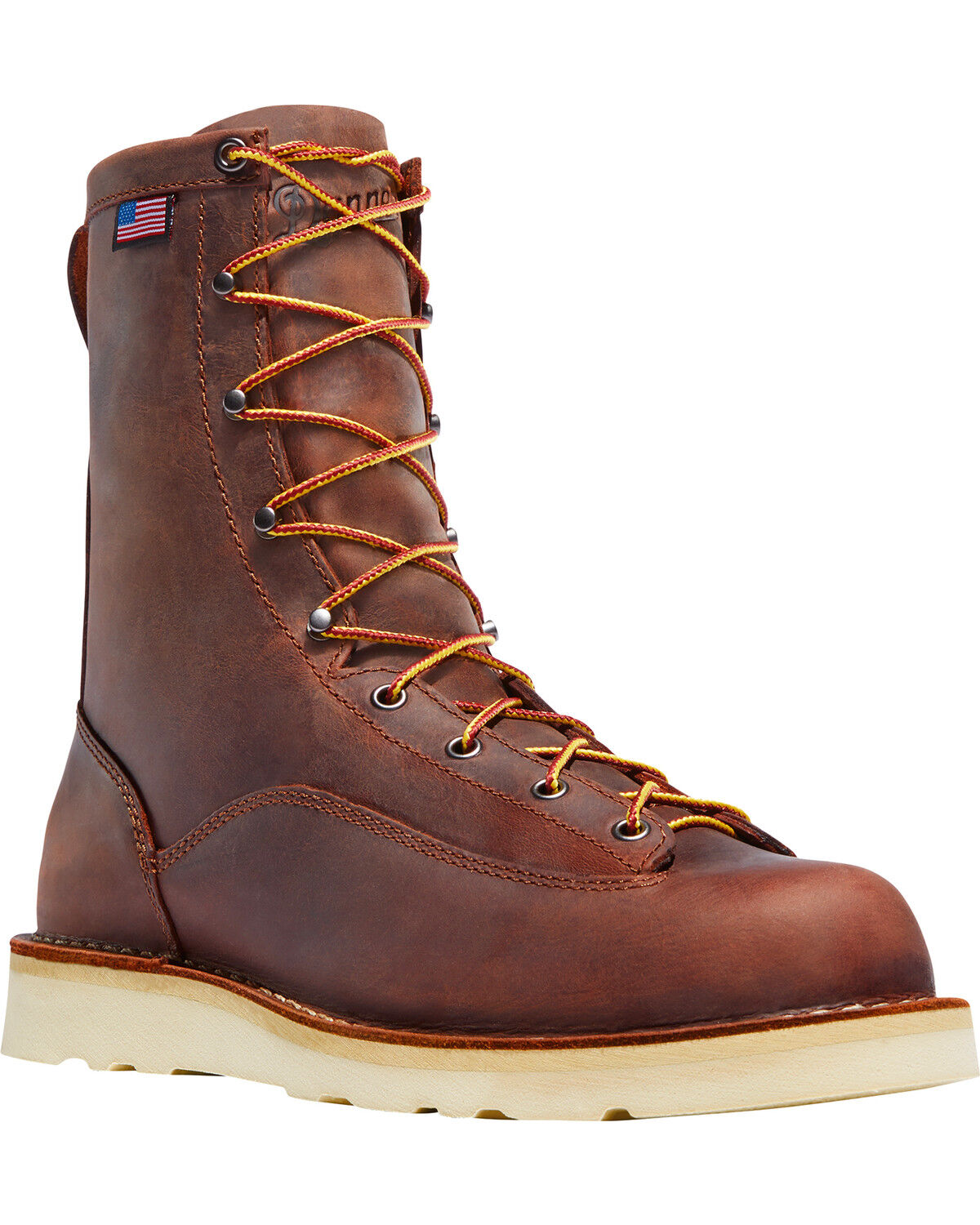
Work Boots With Composite Safety Toe

Find work boots with a composite safety toe for jobs that call for protective footwear. Compare available styles by fit, boot height, and listed safety features, and check each pair’s specifications against your workplace requirements before choosing.

Shop Your Store: Shop Your Store: Find a Store

(Turn off Shop Your Store to see all items)

(Turn off Shop Your Store to see all items)

close
  • Recommended
  • Lowest Price
  • Highest Price
Skip pass products

End of products

Work Boots With Composite Safety Toe

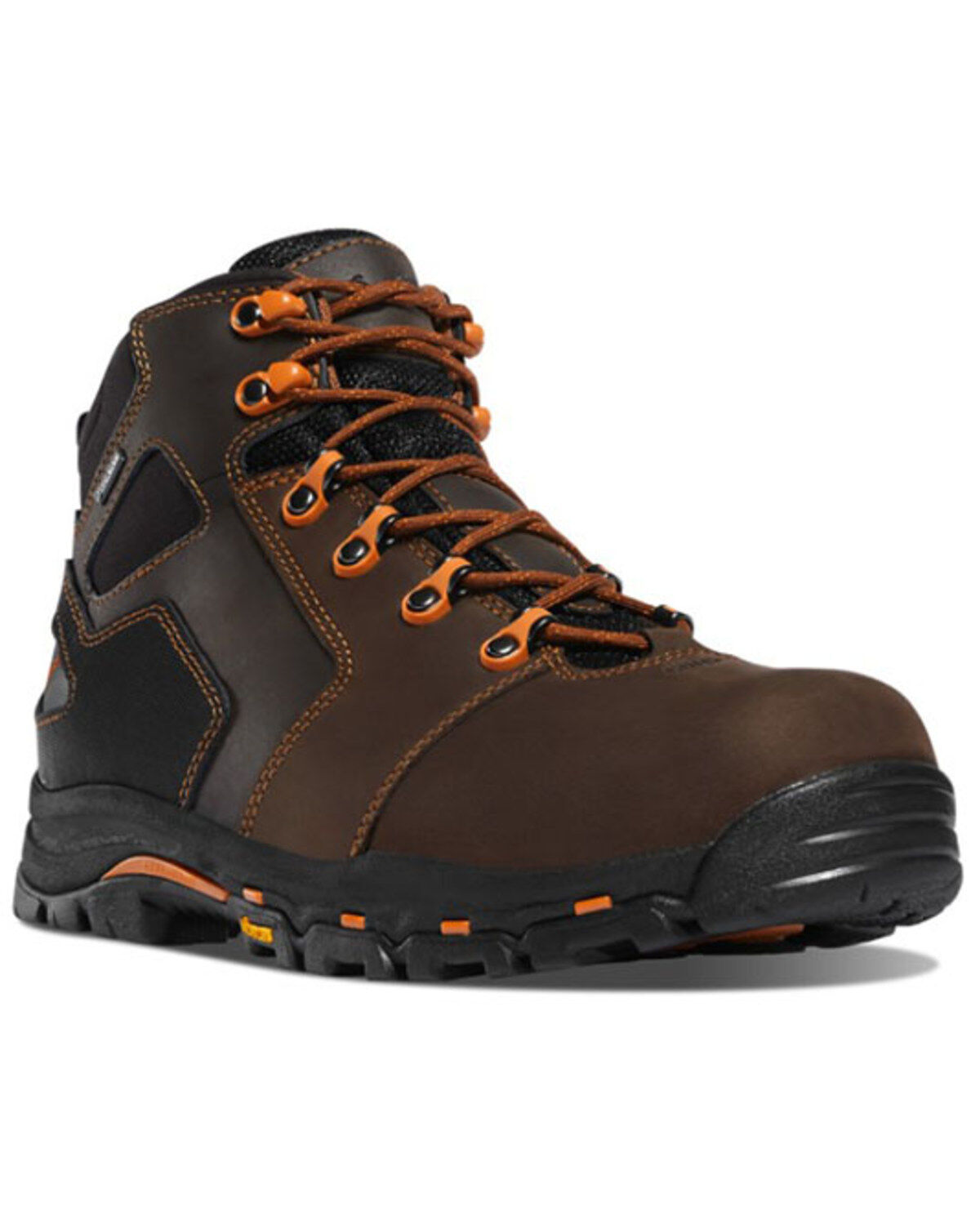
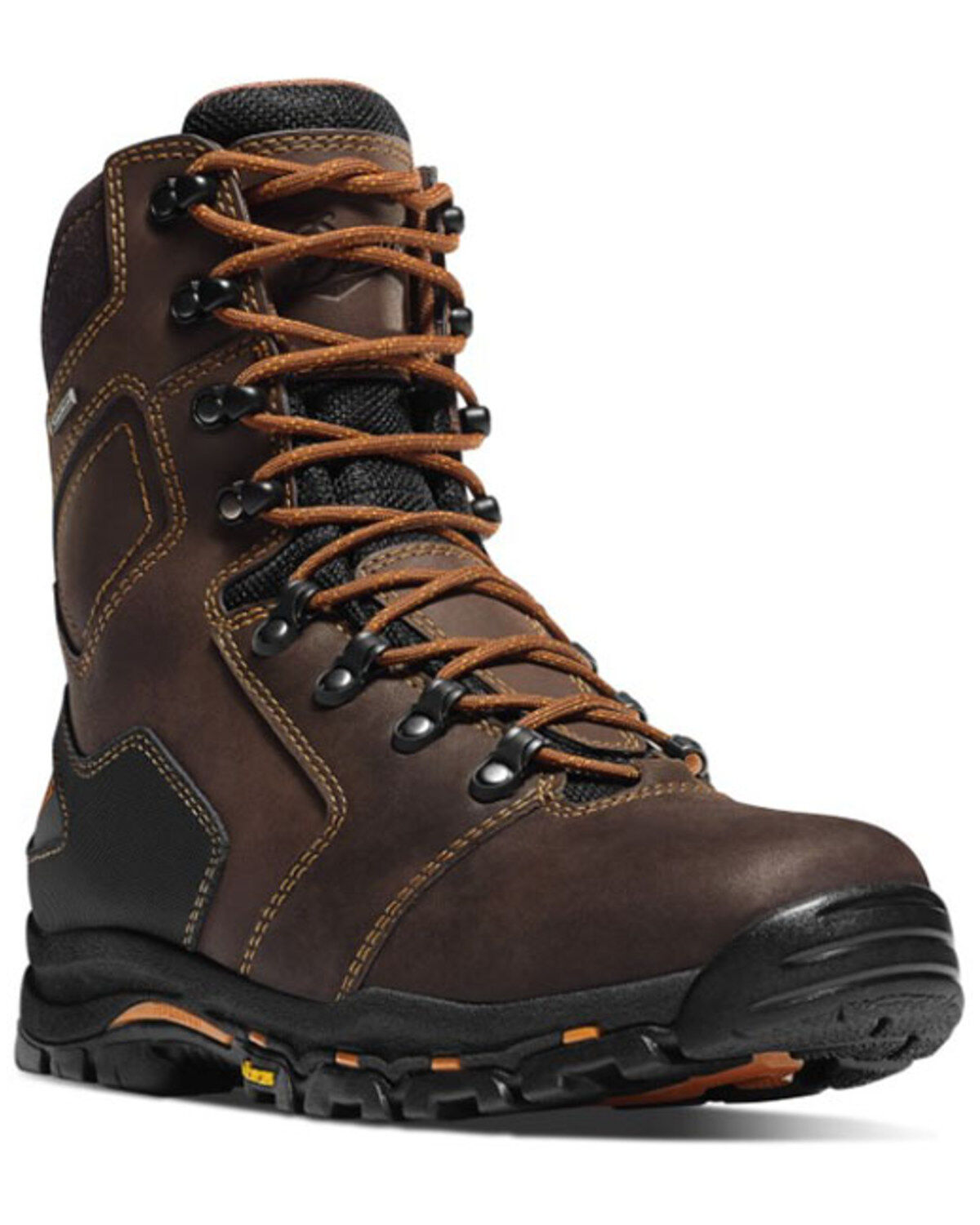
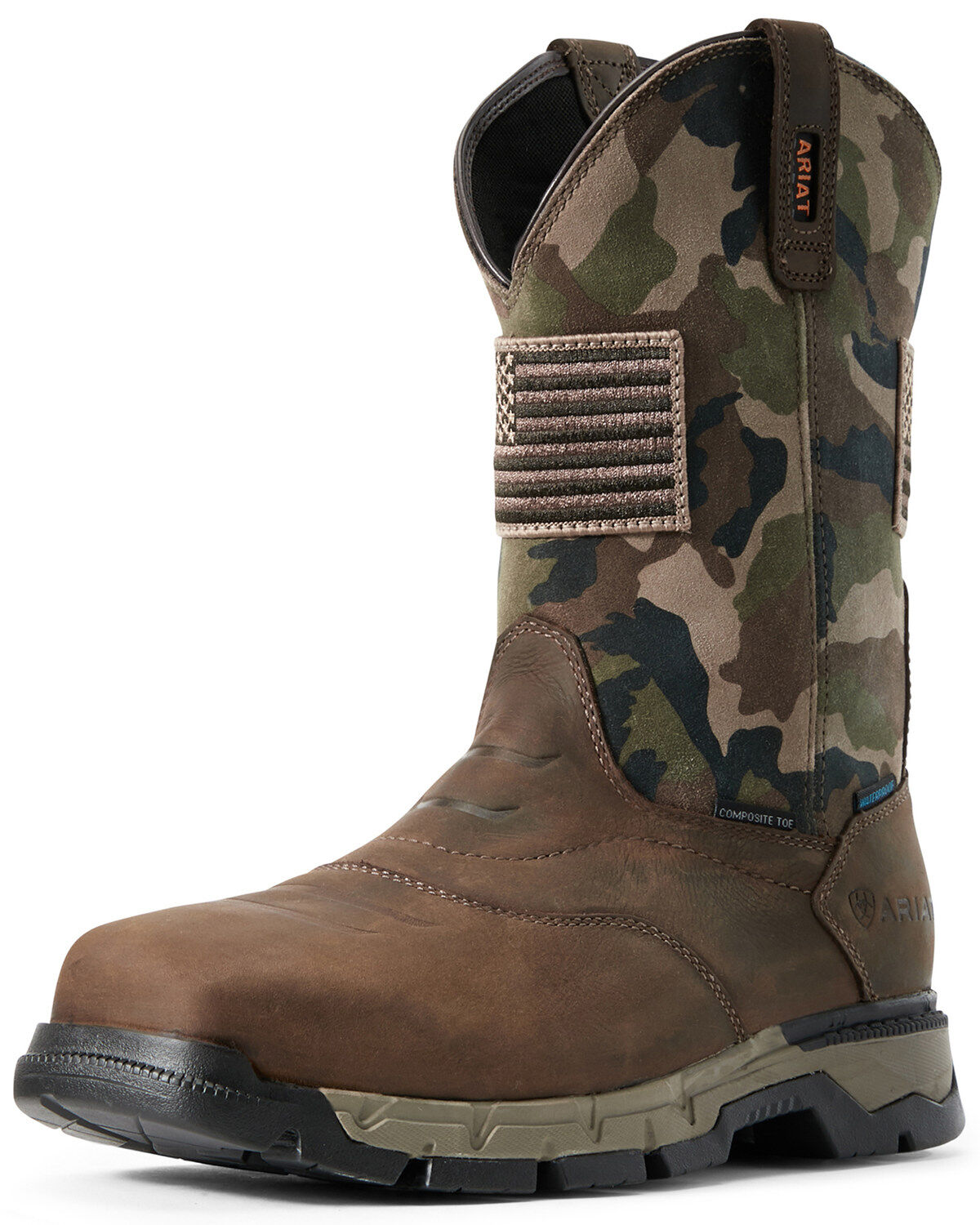
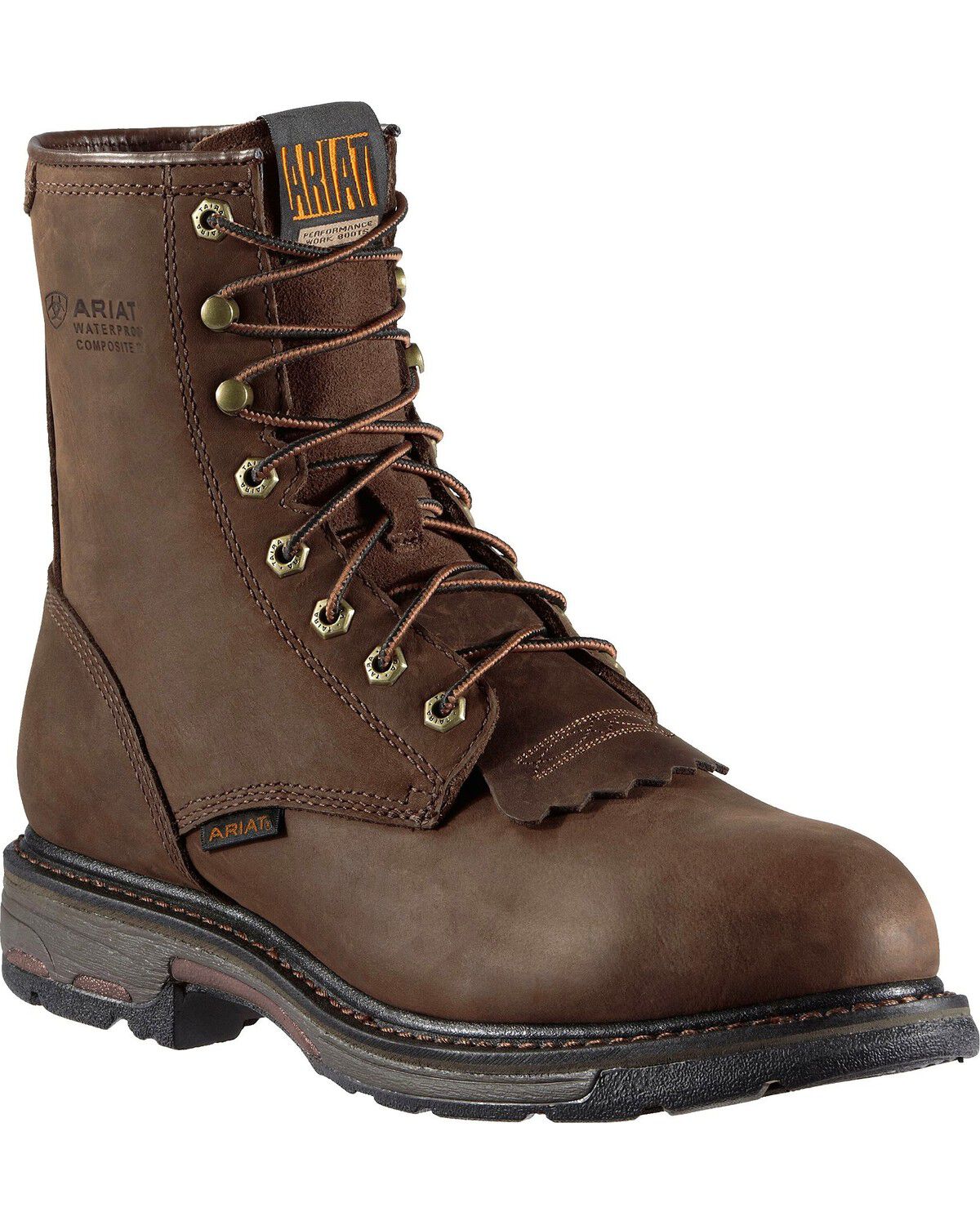
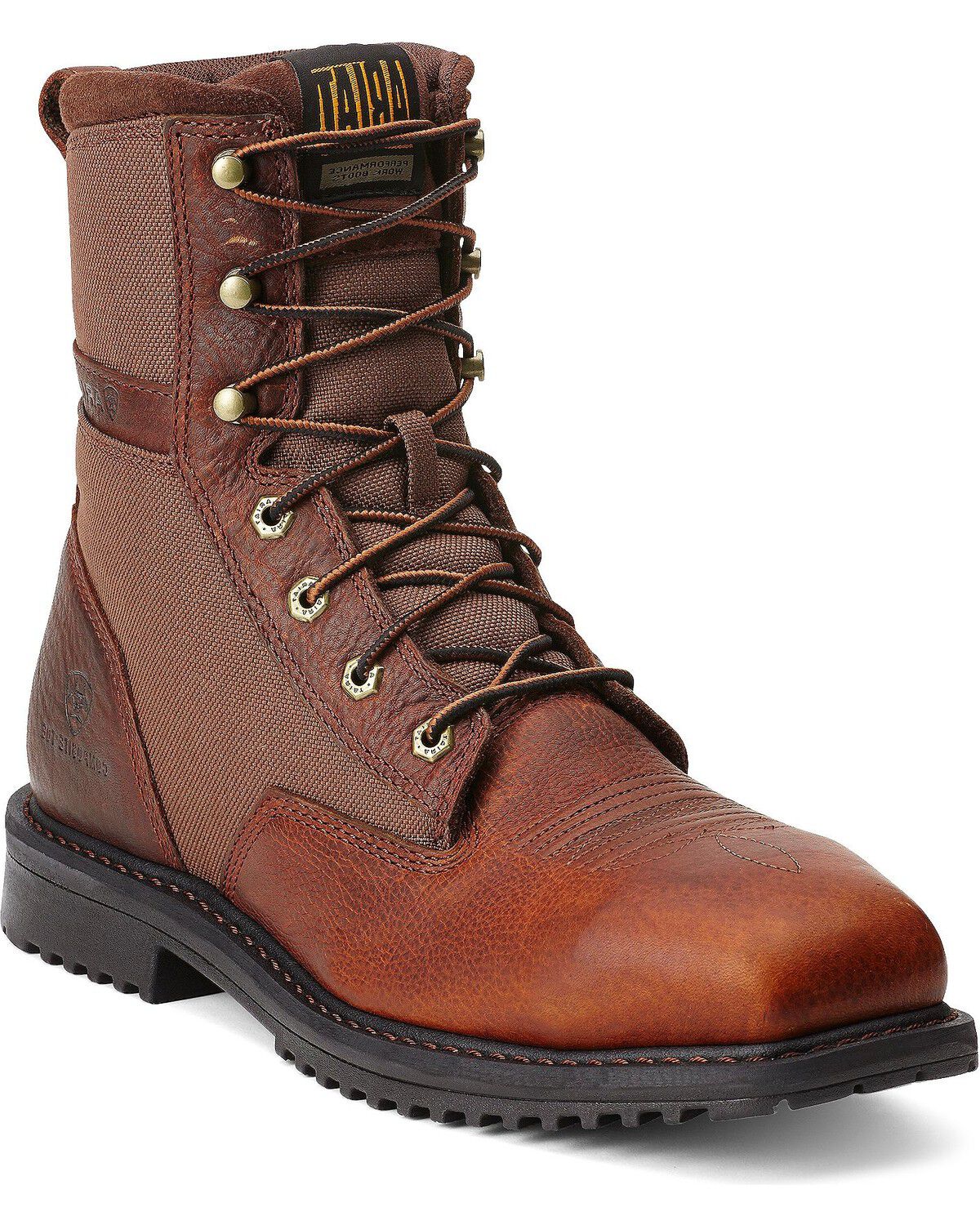
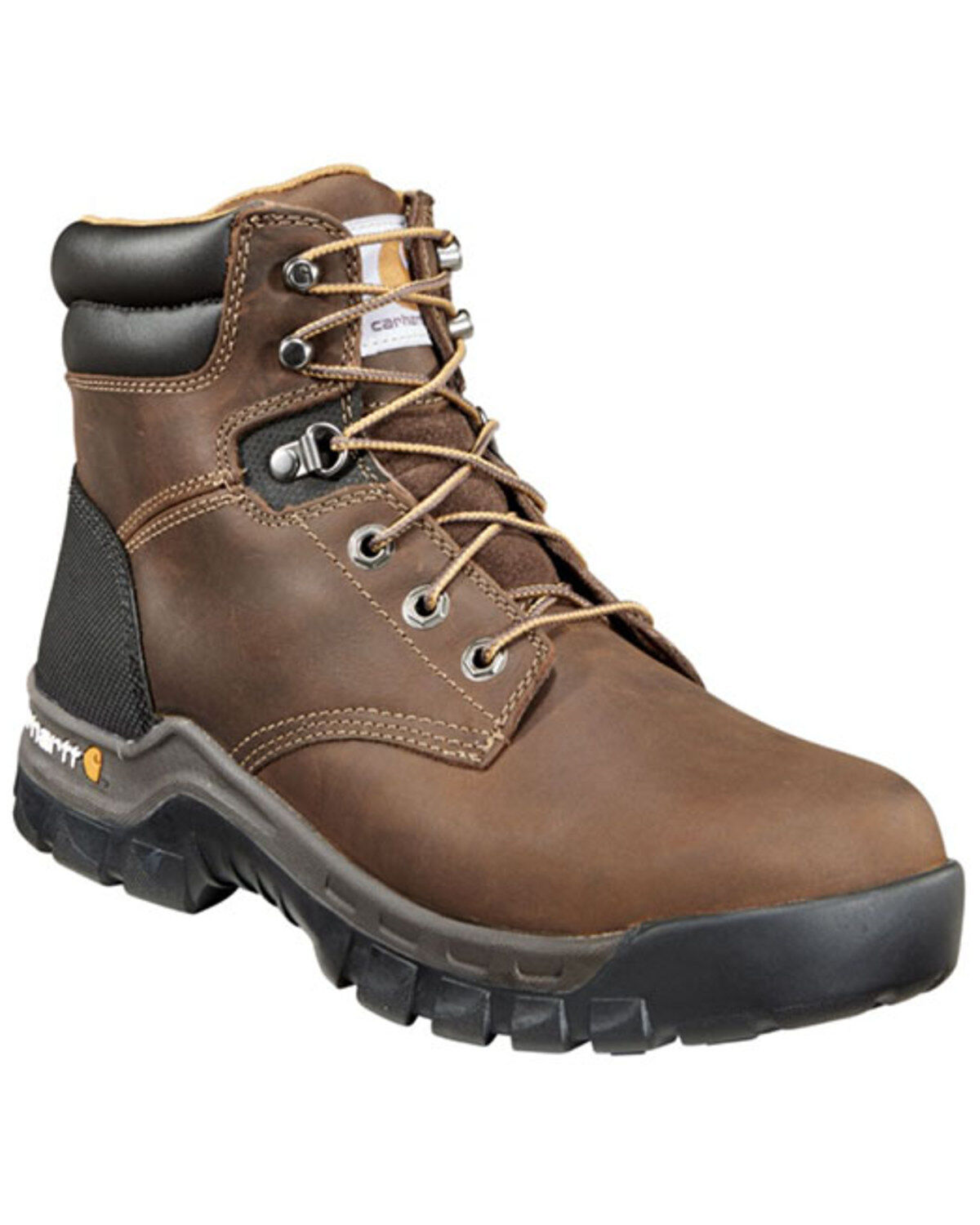
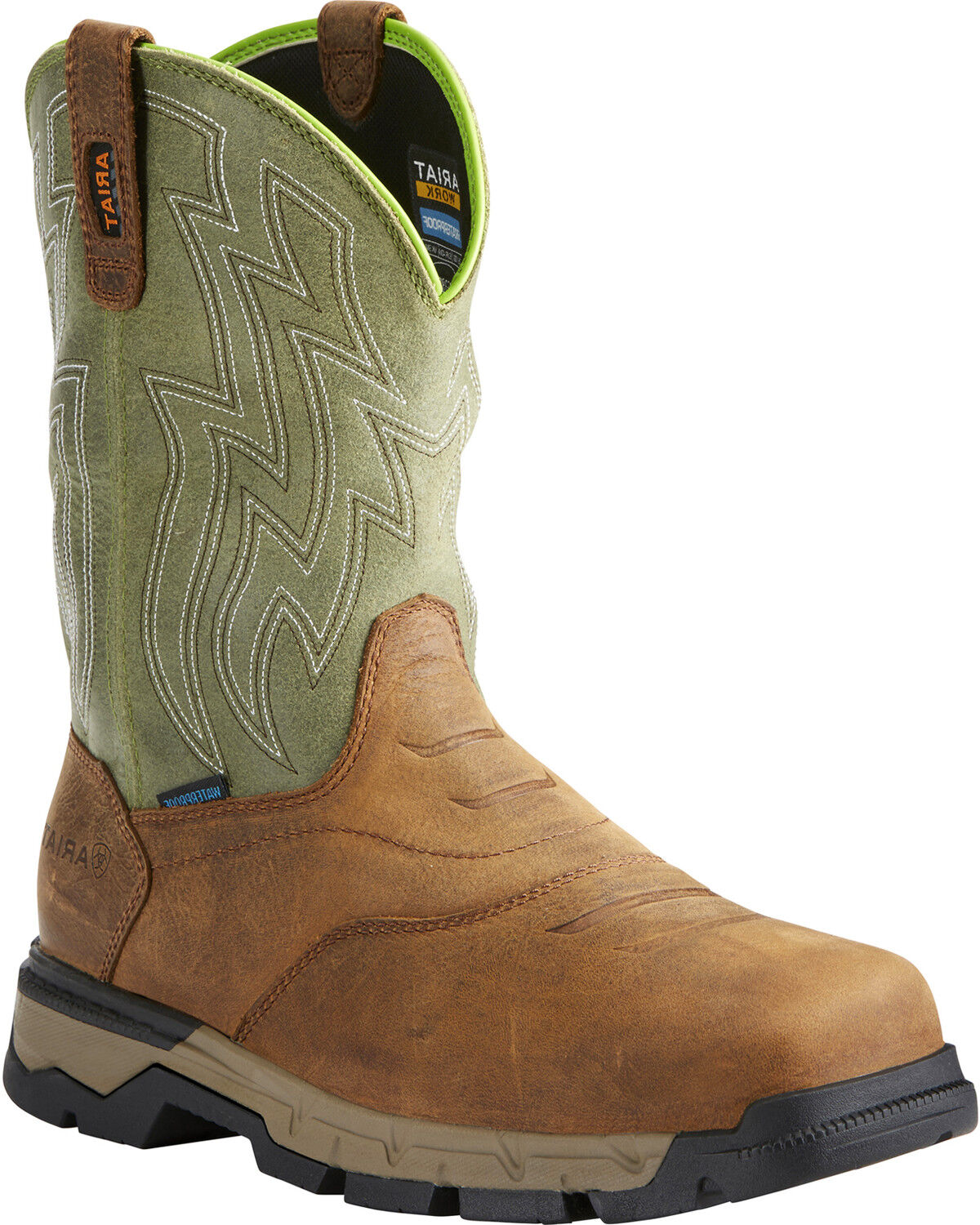
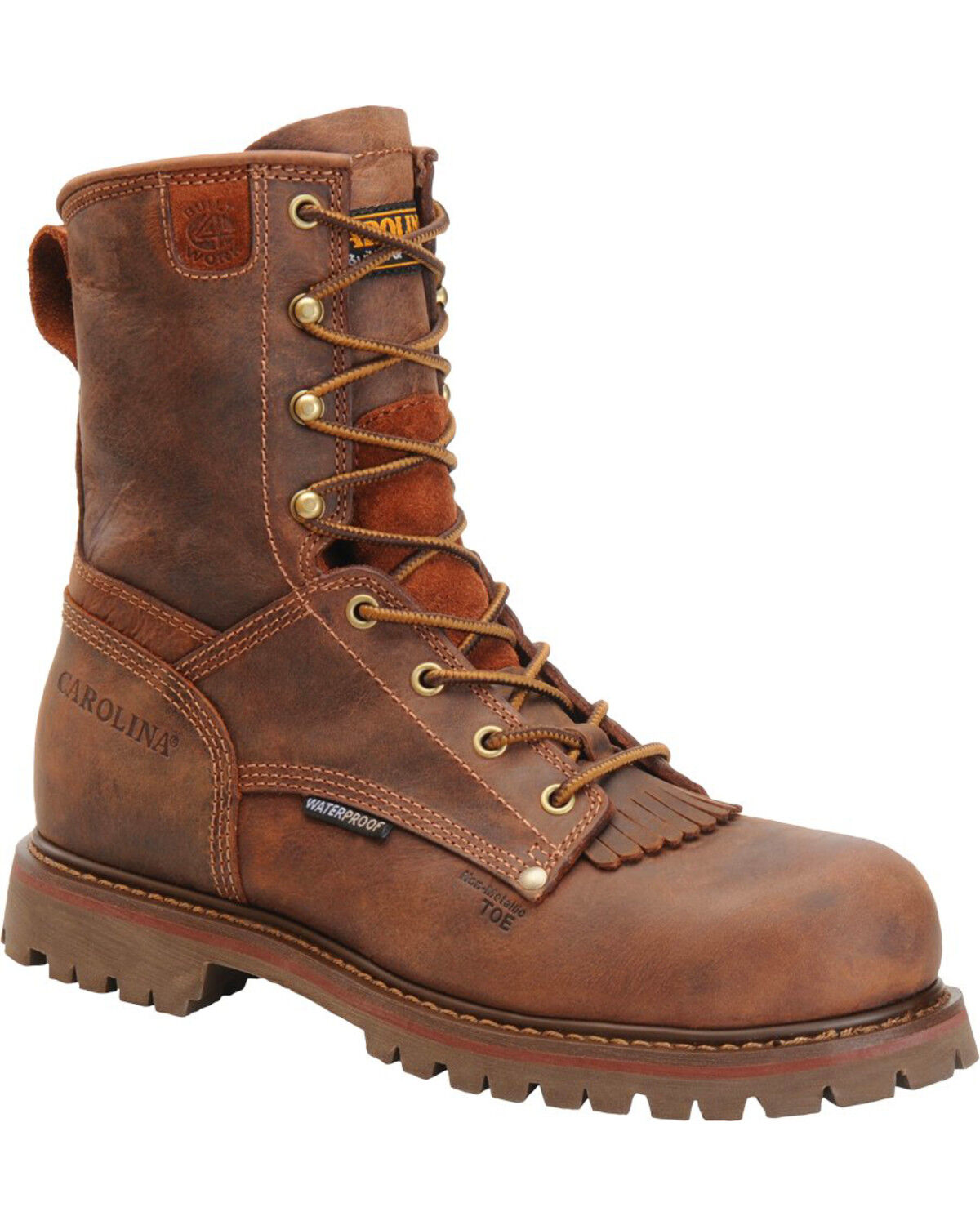
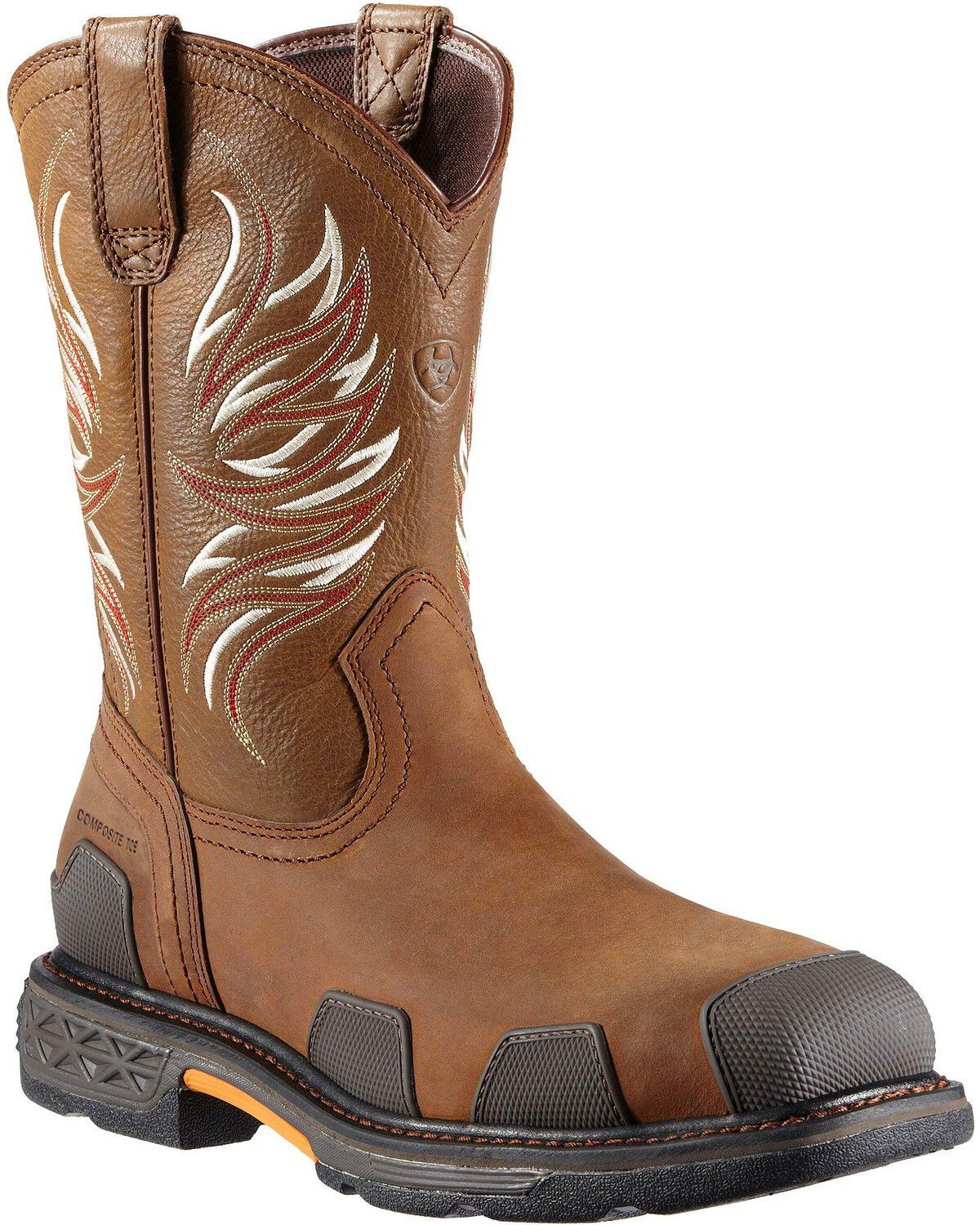
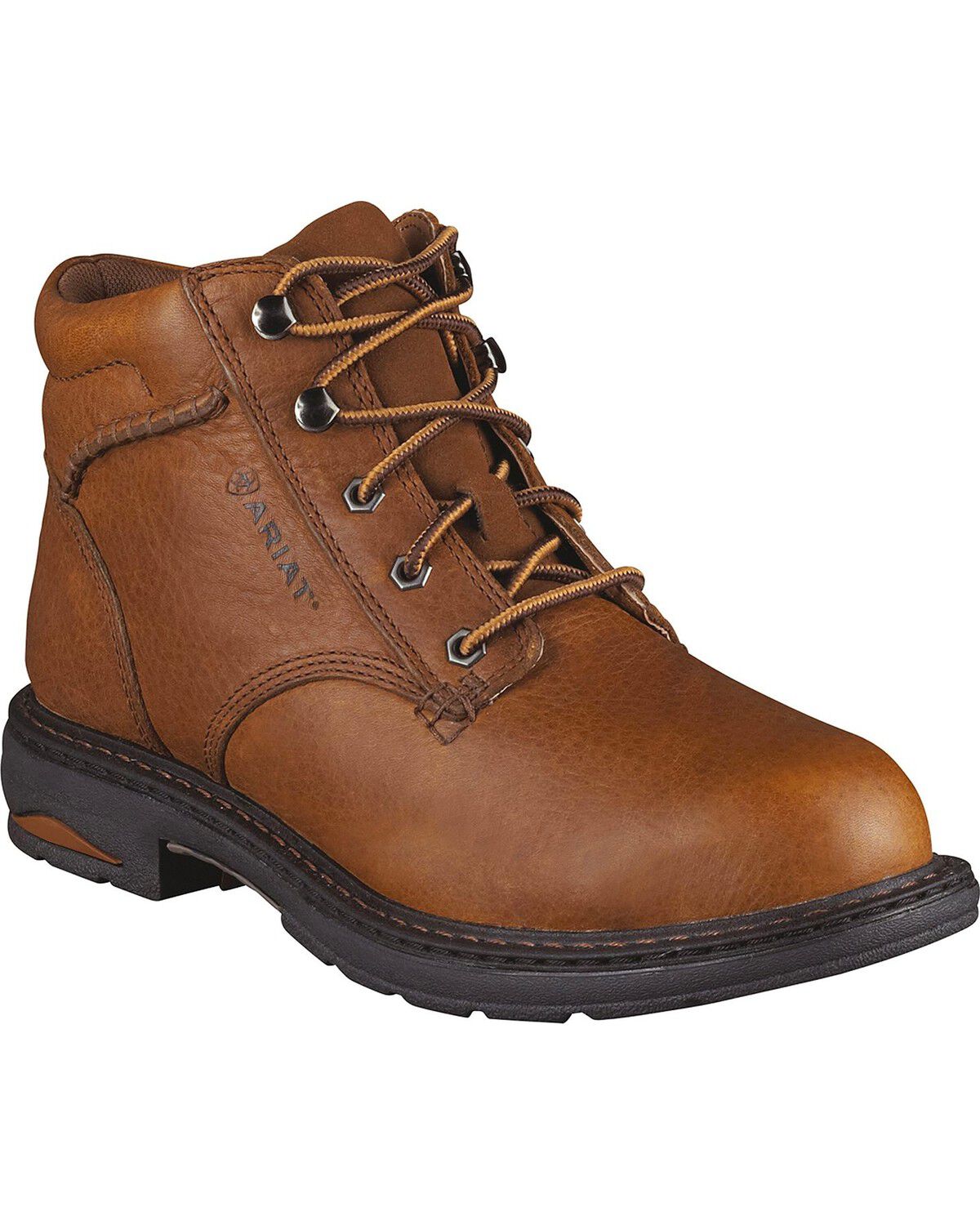
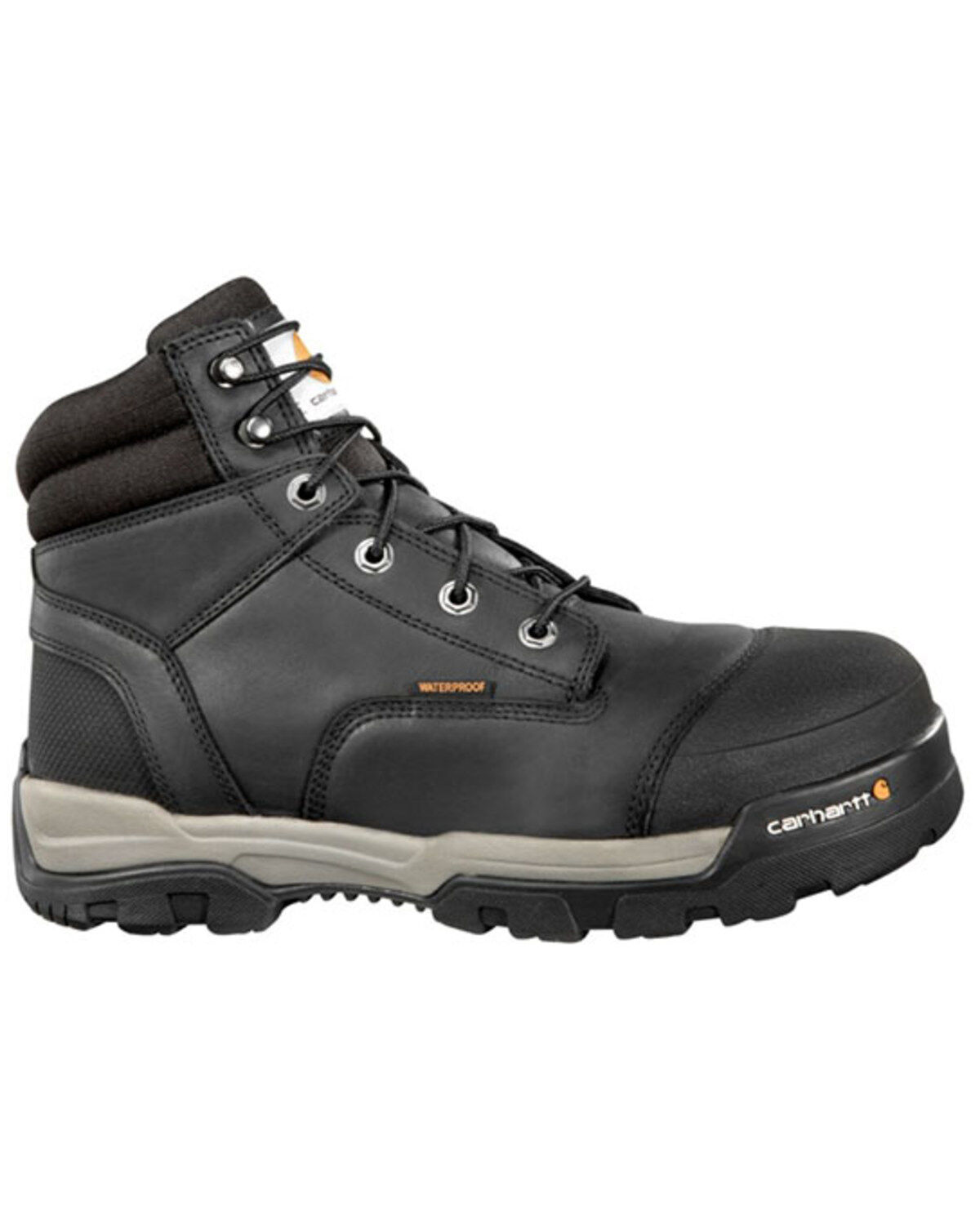
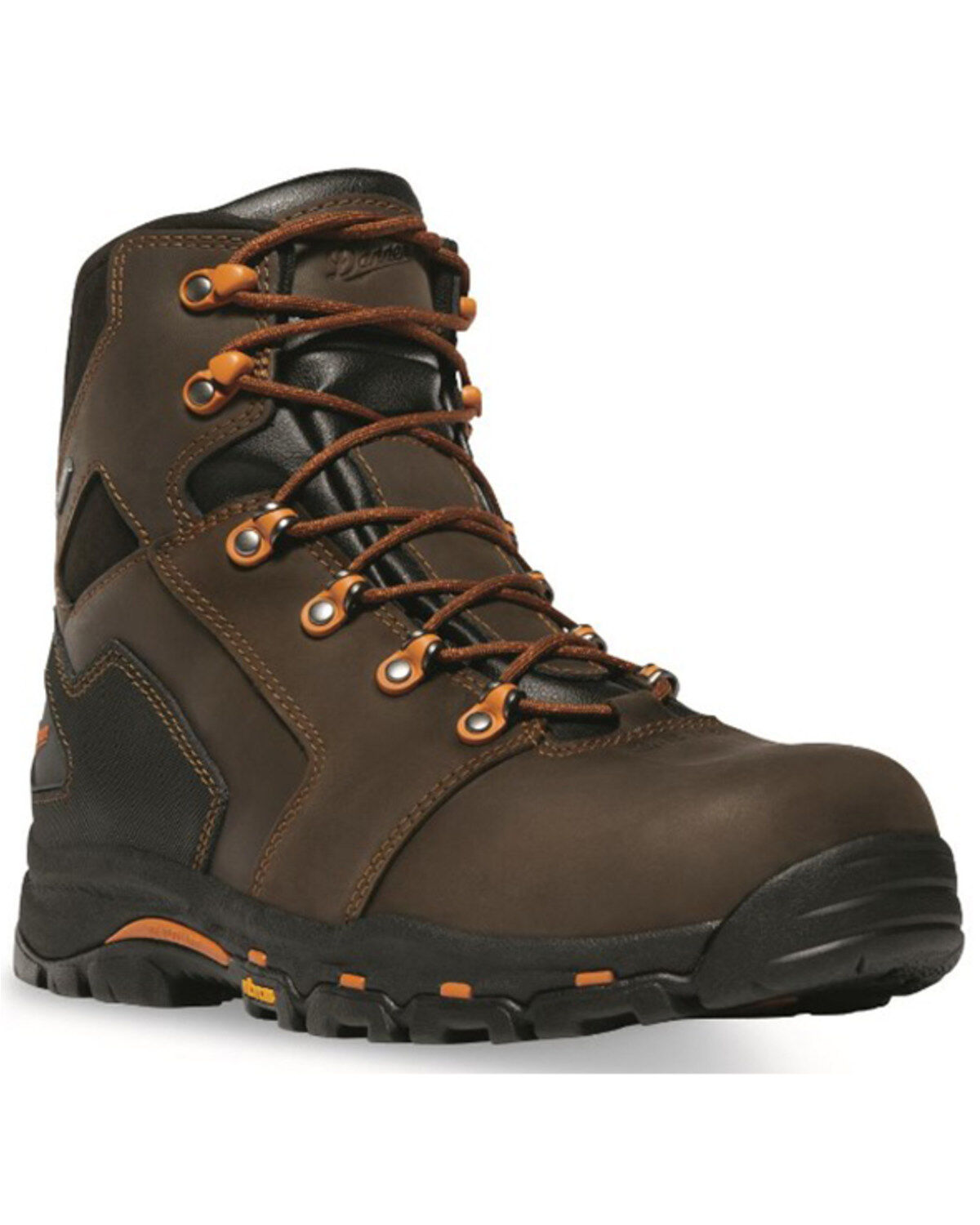
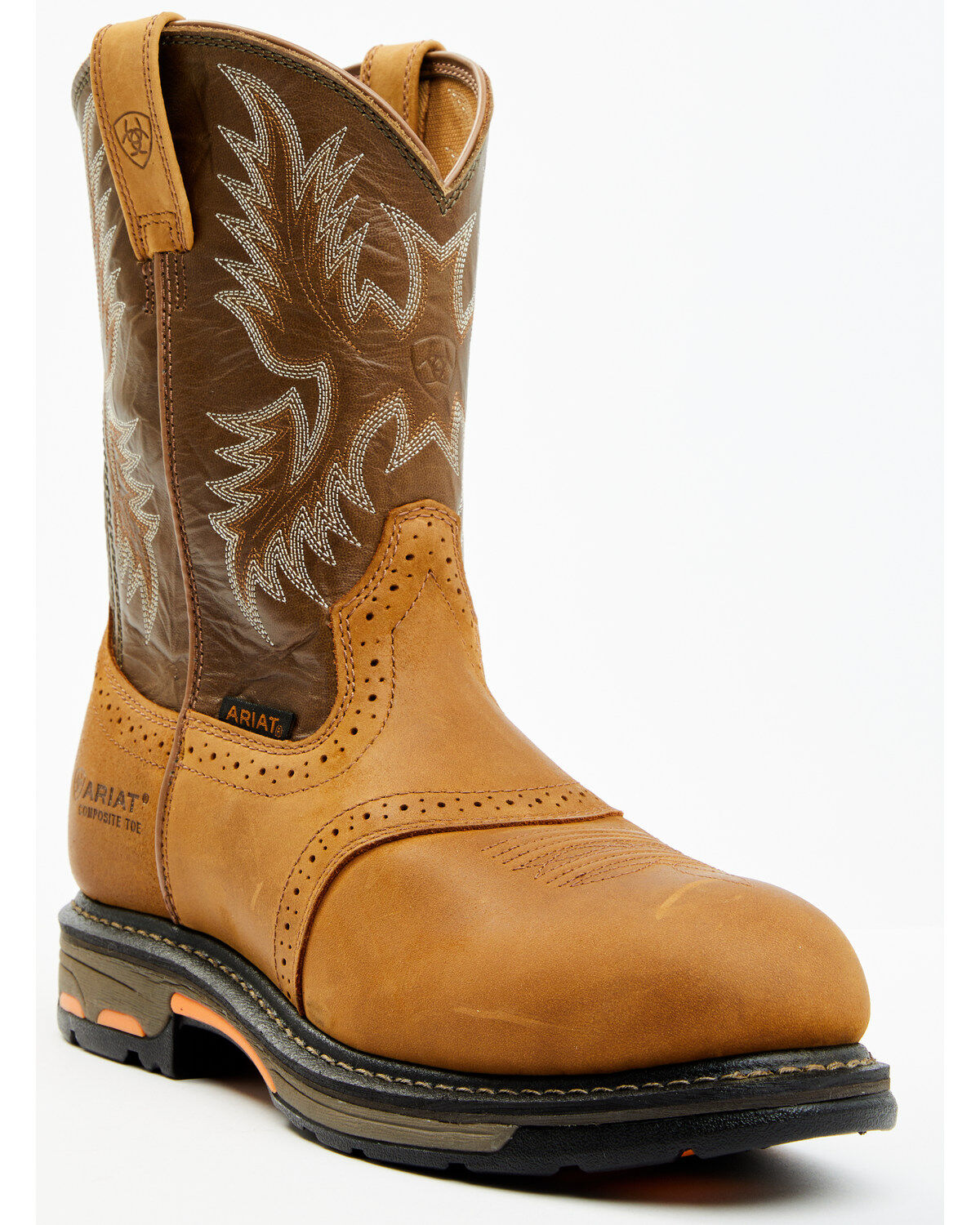
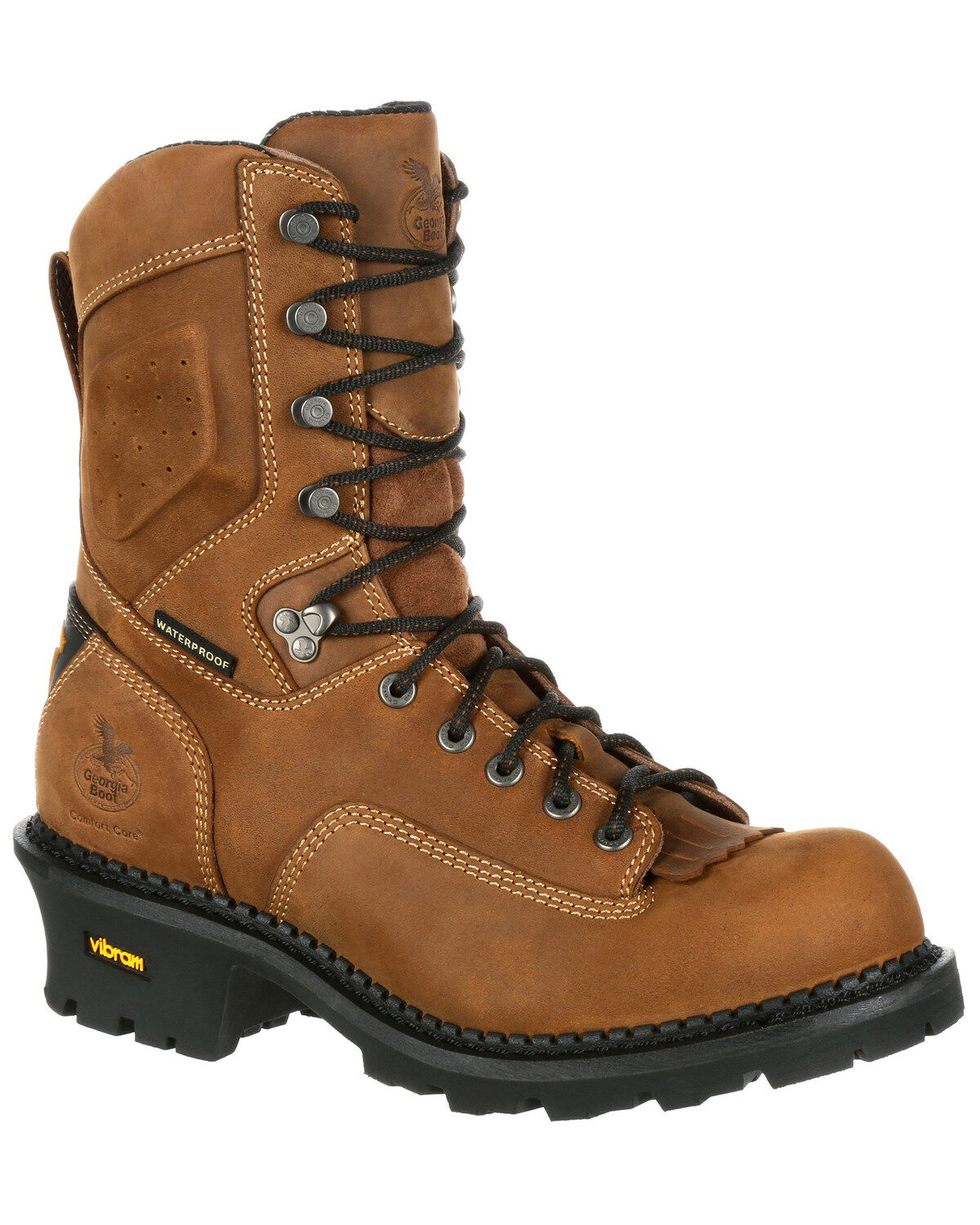
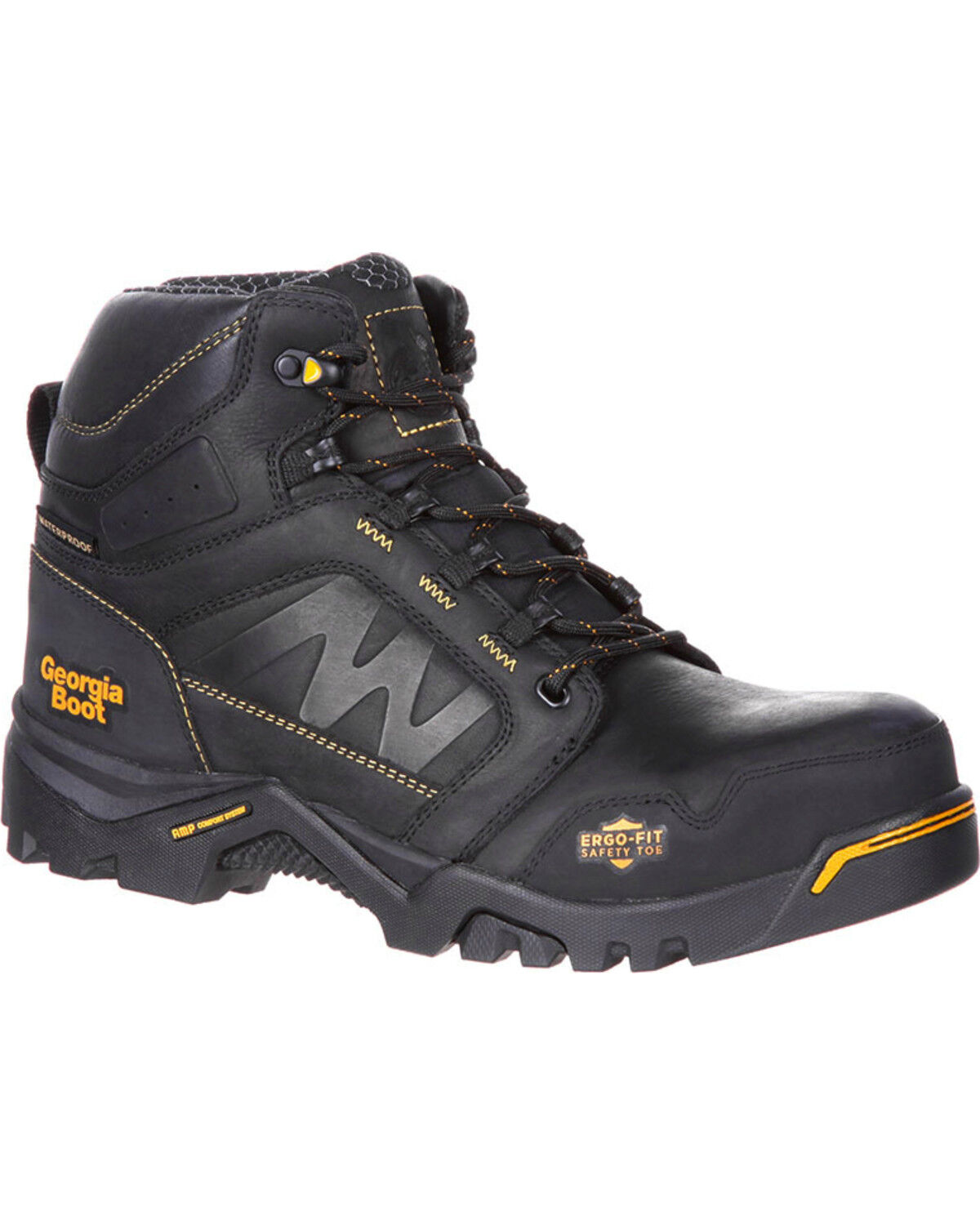
Work boots with composite safety toes use nonmetallic toe caps made from materials such as fiberglass, carbon fiber, reinforced plastics, or aramid fibers. These caps provide impact and compression protection without a steel toe insert. Composite toe caps often weigh less than comparable steel caps, although the total weight of a boot also depends on its outsole, upper, shank, and other components. That difference can matter to warehouse workers walking between loading bays, construction crews moving across a jobsite, and tradespeople spending long hours on their feet. The protection rating matters more than the toe material alone. Composite and steel safety toe footwear tested to the same applicable ASTM impact and compression requirements must meet the same protection thresholds. Product specifications and footwear markings identify which requirements a boot meets; a composite toe description by itself does not establish compliance with every workplace rule. Electrical hazard protection is a separate feature, not an automatic benefit of a nonmetallic cap. Footwear rated for electrical hazards provides secondary protection under specified dry conditions and does not replace required electrical safety practices or equipment. Likewise, a composite toe does not make an entire boot metal-free. Shanks, eyelets, hooks, and zippers may contain metal, which matters for workers passing through security checkpoints. Fully nonmetallic construction needs to be confirmed in the boot details. The right combination of features depends on the job. A warehouse floor calls for traction, cushioning, and a manageable boot weight, while a construction site may also demand puncture resistance and a sole suited to uneven ground. Puncture protection requires its own rated construction; a safety toe only addresses protection at the front of the foot. Slip-resistant outsoles can improve footing, but performance varies with the floor surface, contaminants, and tread condition. Composite safety toe work boots are a practical choice when their documented protection matches the employer’s requirements and the hazards of the work. They should support a full shift without adding features that serve no purpose for the wearer.

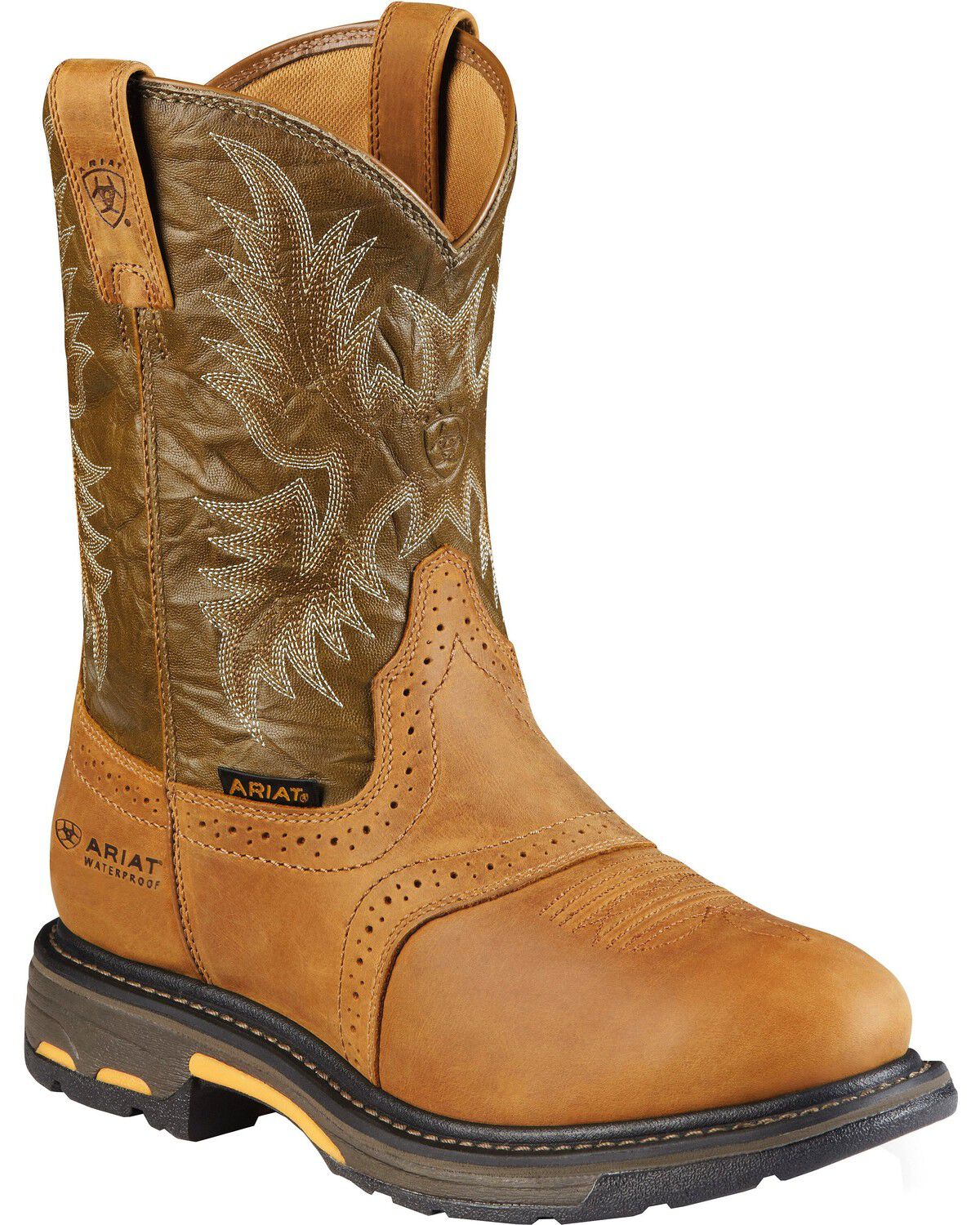
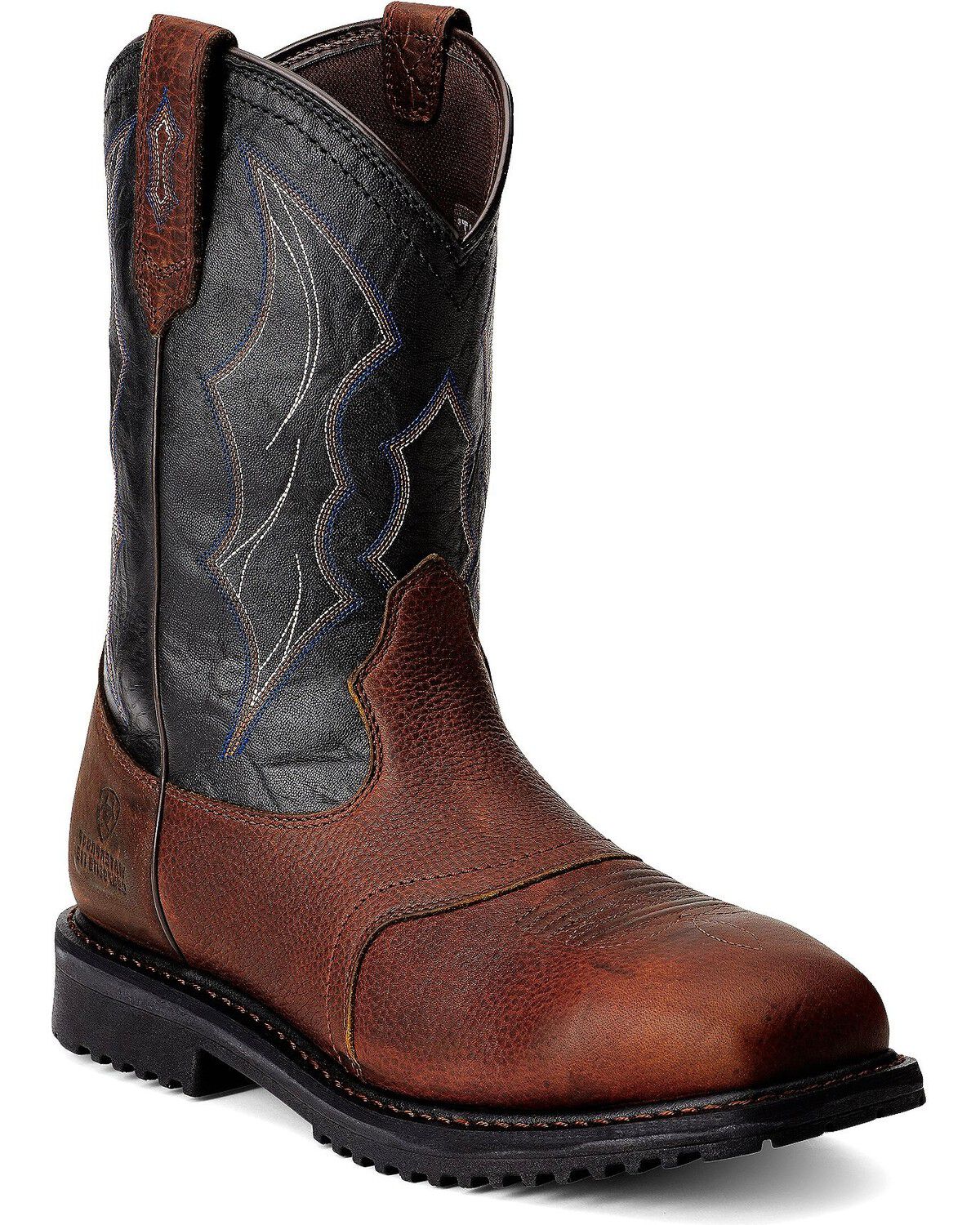
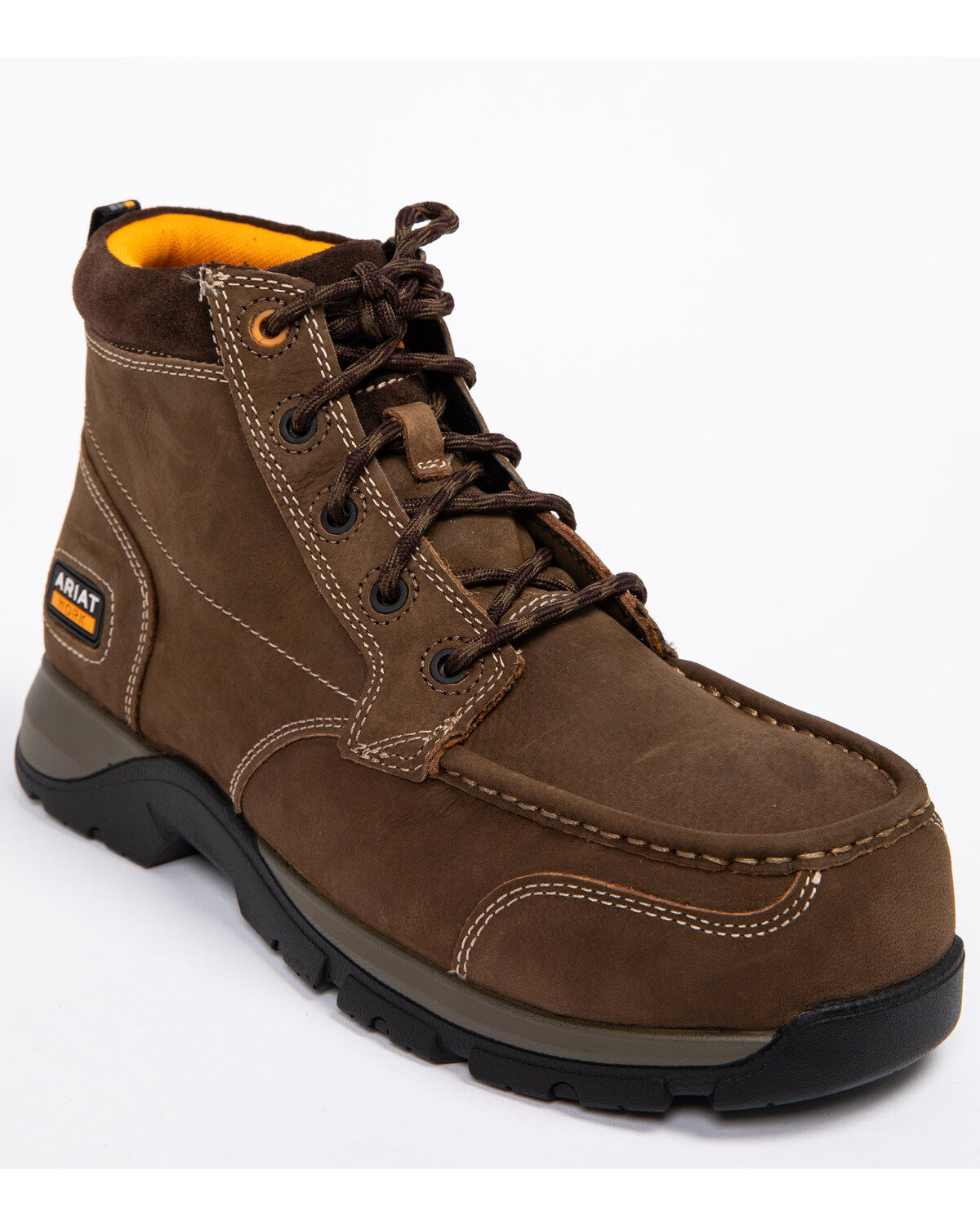
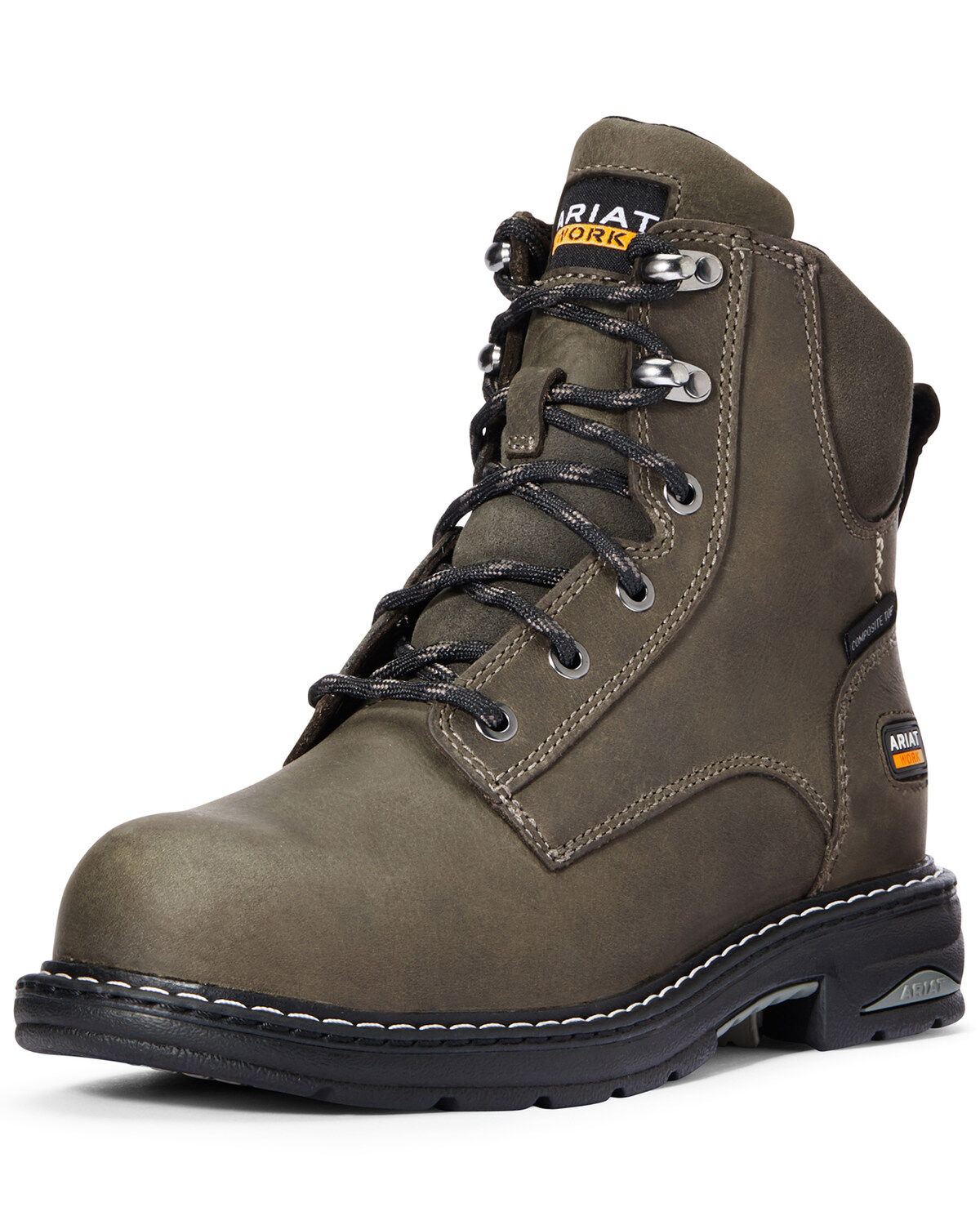
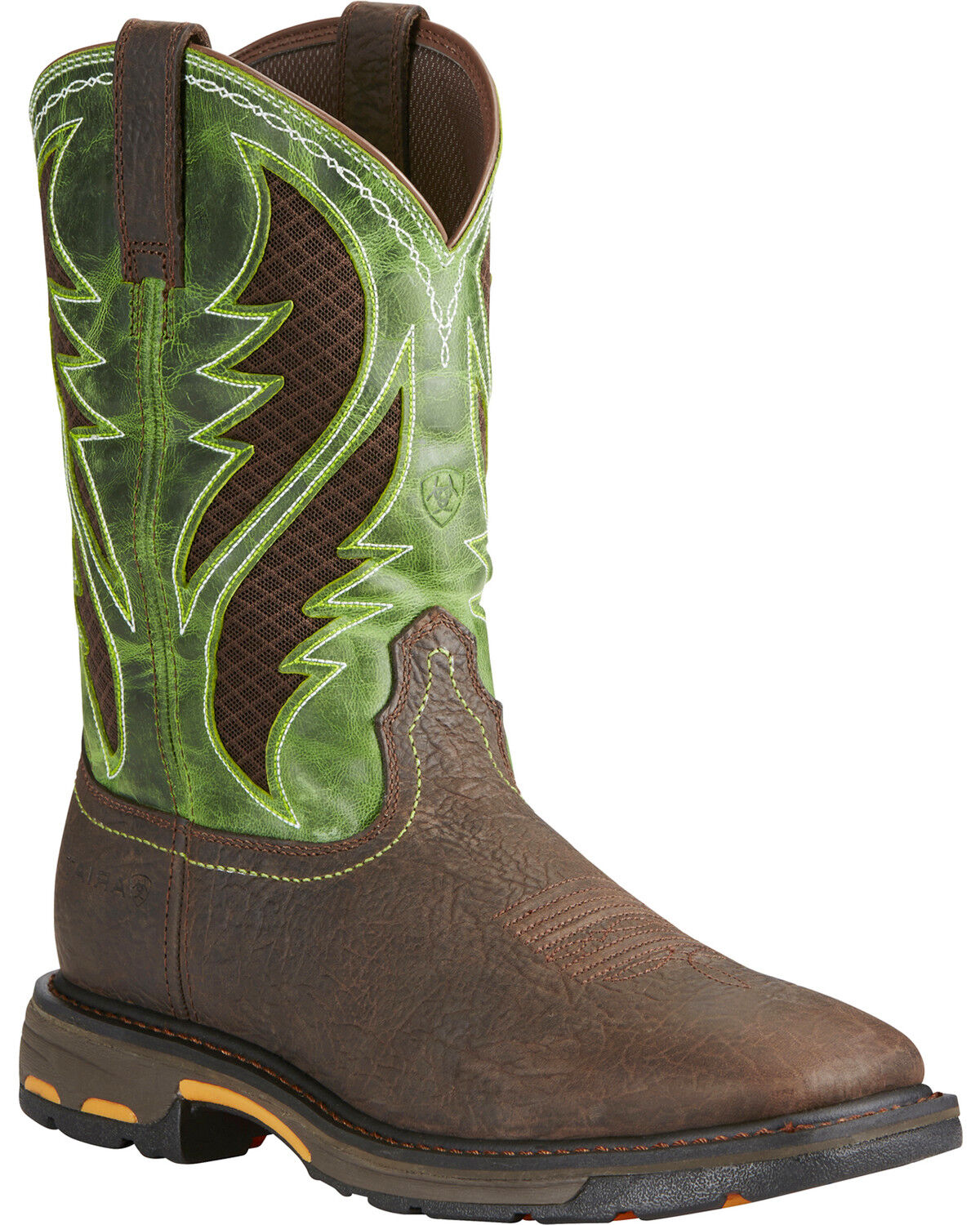
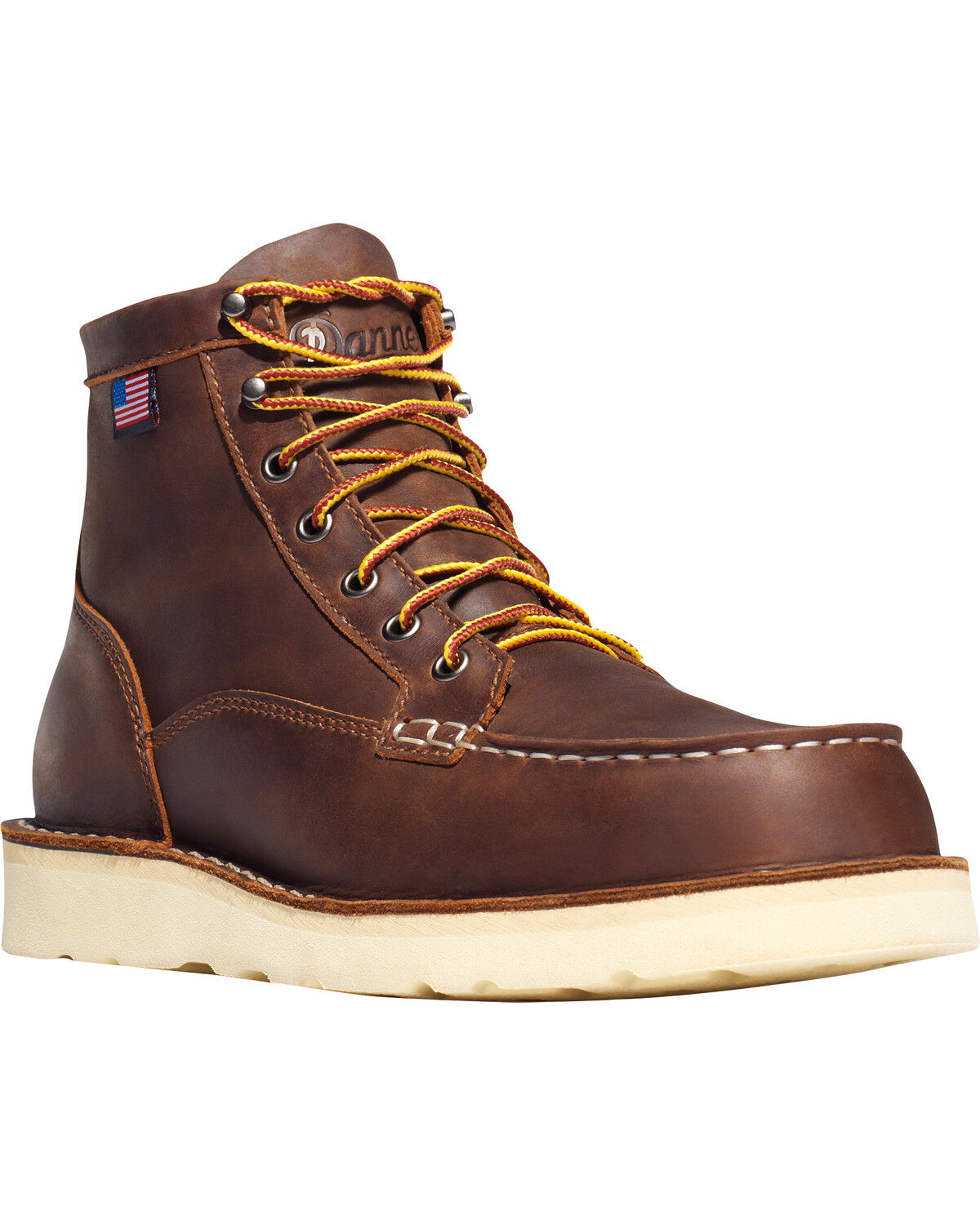
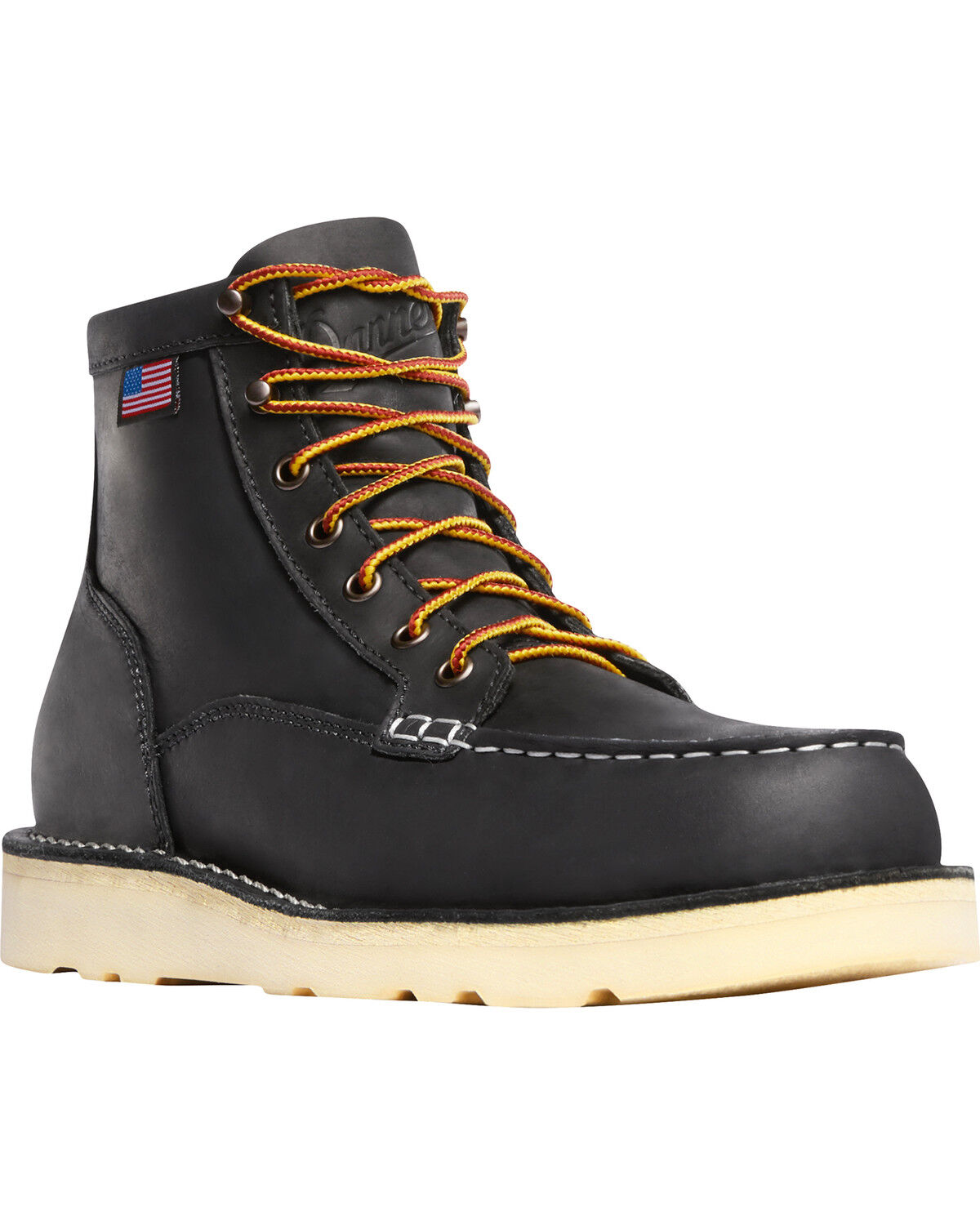
Materials and construction shape how composite toe boots feel, flex, and hold up. Leather uppers offer a sturdy surface for demanding work, while textile panels and synthetic materials can reduce weight or add flexibility. Full-grain leather develops creases with use and benefits from regular cleaning and conditioning. Nubuck and suede require care products suited to their finishes rather than treatment intended for smooth leather. Reinforced toe overlays can help limit surface wear for workers who kneel beside equipment or regularly brush their boots against pallets and concrete. Inside the boot, linings help manage moisture from the foot, and cushioned footbeds can soften repeated steps across hard floors. Midsole support and cushioning both matter: a soft feel at the first fitting does not necessarily mean steady support throughout a long shift. Outsoles also differ in tread depth, flexibility, and resistance to workplace substances. Broad contact surfaces can suit smooth floors, while more pronounced lugs may help on loose ground. A defined heel may be useful for certain ladder tasks, subject to workplace requirements. Lace-up boots allow adjustment across the instep and around the ankle; pull-on designs eliminate laces and rely more heavily on the shape of the foot, heel, and shaft for a secure fit. Styles such as Moc Toe Composite Safety Boots add a raised, stitched toe profile, but that appearance does not determine the safety rating or interior room. Fit still needs to be assessed with the socks worn on the job. Toes should have space to move without pressing against the safety cap, and the widest part of the foot should sit comfortably within the boot. A protective cap will not stretch like the surrounding upper, so pressure against it should not be treated as a normal break-in issue. The heel should remain secure without persistent rubbing or excessive lift. Workers who use prescribed inserts need enough interior depth for them without crowding the toes or changing the intended fit. Comfortable safety footwear starts with the right shape and size, not simply a larger size to make room for the cap.

Durability comes from the whole boot working together, including its upper, seams, sole attachment, and protective components. Stitched, cemented, and direct-attached construction each have different service and repair considerations. Some boots can be resoled, but visible stitching alone does not confirm that a particular construction is repairable. The work environment also affects wear. Repeated contact with concrete can abrade leather, while oils, cleaning agents, and other substances may damage materials that are not designed to handle them. Waterproof construction can help keep incidental liquid exposure from reaching the foot, but its effectiveness depends on the membrane, seams, and condition of the boot. Water resistance is not the same as waterproofing, and neither feature makes every boot suitable for chemical exposure. Care should follow the manufacturer’s instructions for the materials involved. Removing grit with a soft brush, wiping away surface dirt, and using an appropriate cleaner helps keep abrasive residue from working into seams and leather creases. Leather conditioner should be used as directed, while specialized finishes and synthetic panels may require a different treatment. Boots need time to dry fully between wears using a method approved by the manufacturer. Removable footbeds can be taken out for drying when the design allows it. Regular inspection is just as important as cleaning. Worn tread, separating soles, damaged seams, and exposed protective components can reduce performance. A boot subjected to a substantial impact or compression event should be evaluated according to the manufacturer’s guidance, even when the damage is not obvious from the outside. Comfort changes deserve attention too: flattened cushioning or a shifting heel can make a once-reliable pair harder to wear through a full shift. For someone entering a trade or starting a job with required safety footwear, composite toe boots can be a useful gift when the correct size and workplace specifications are known. For everyday work, the strongest choice is a pair that fits securely, meets the required safety standards, and has construction suited to the tasks ahead.

FAQs