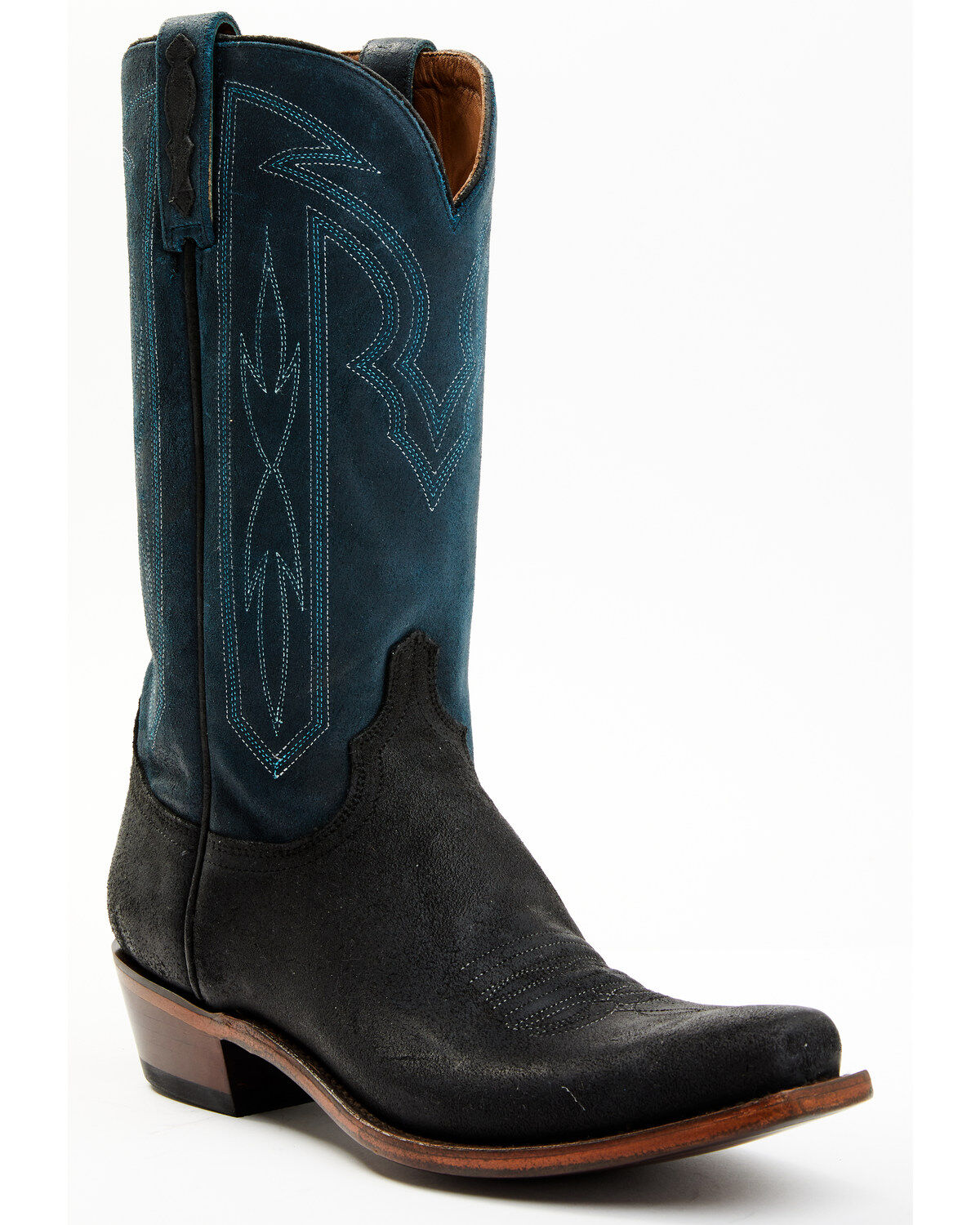
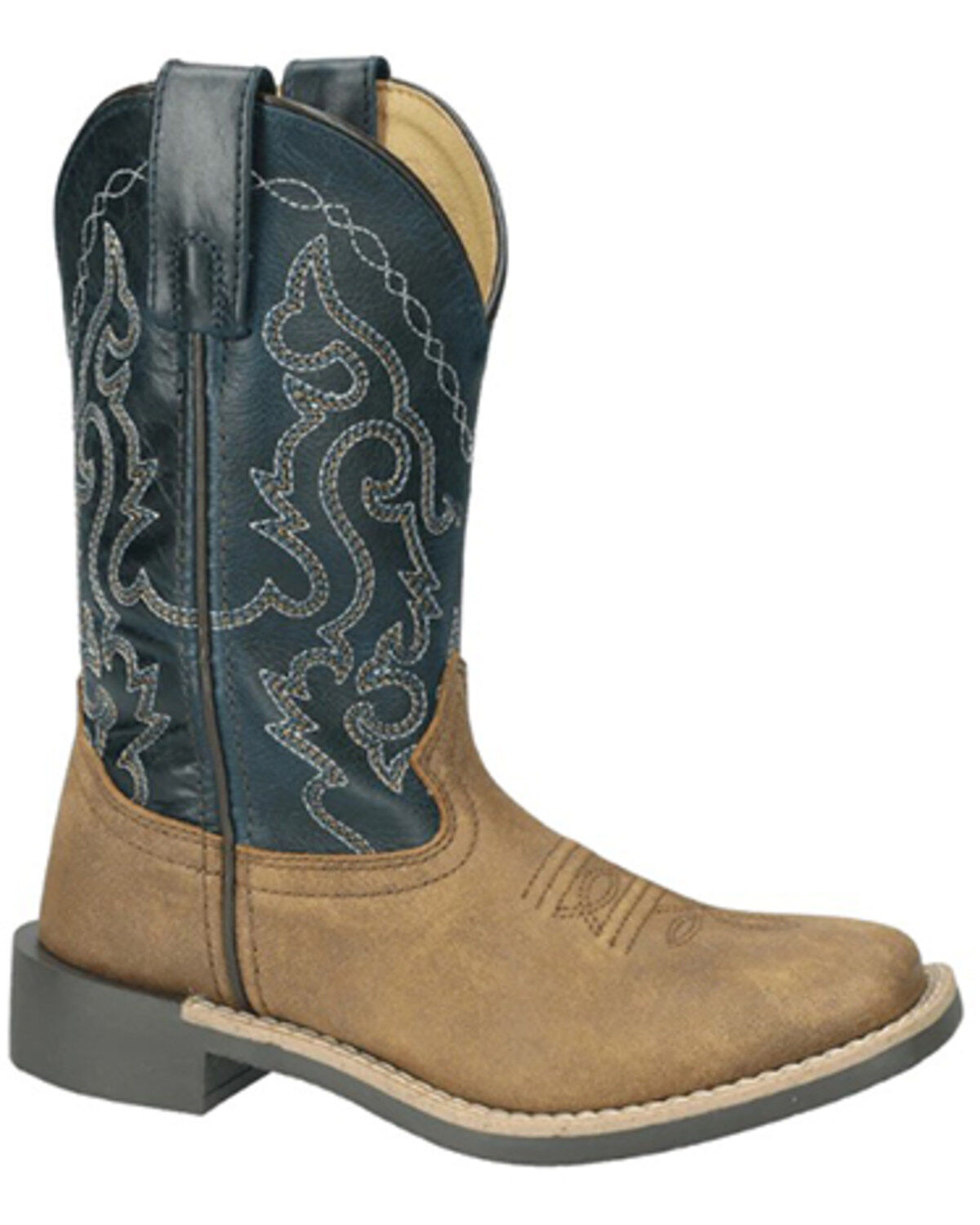
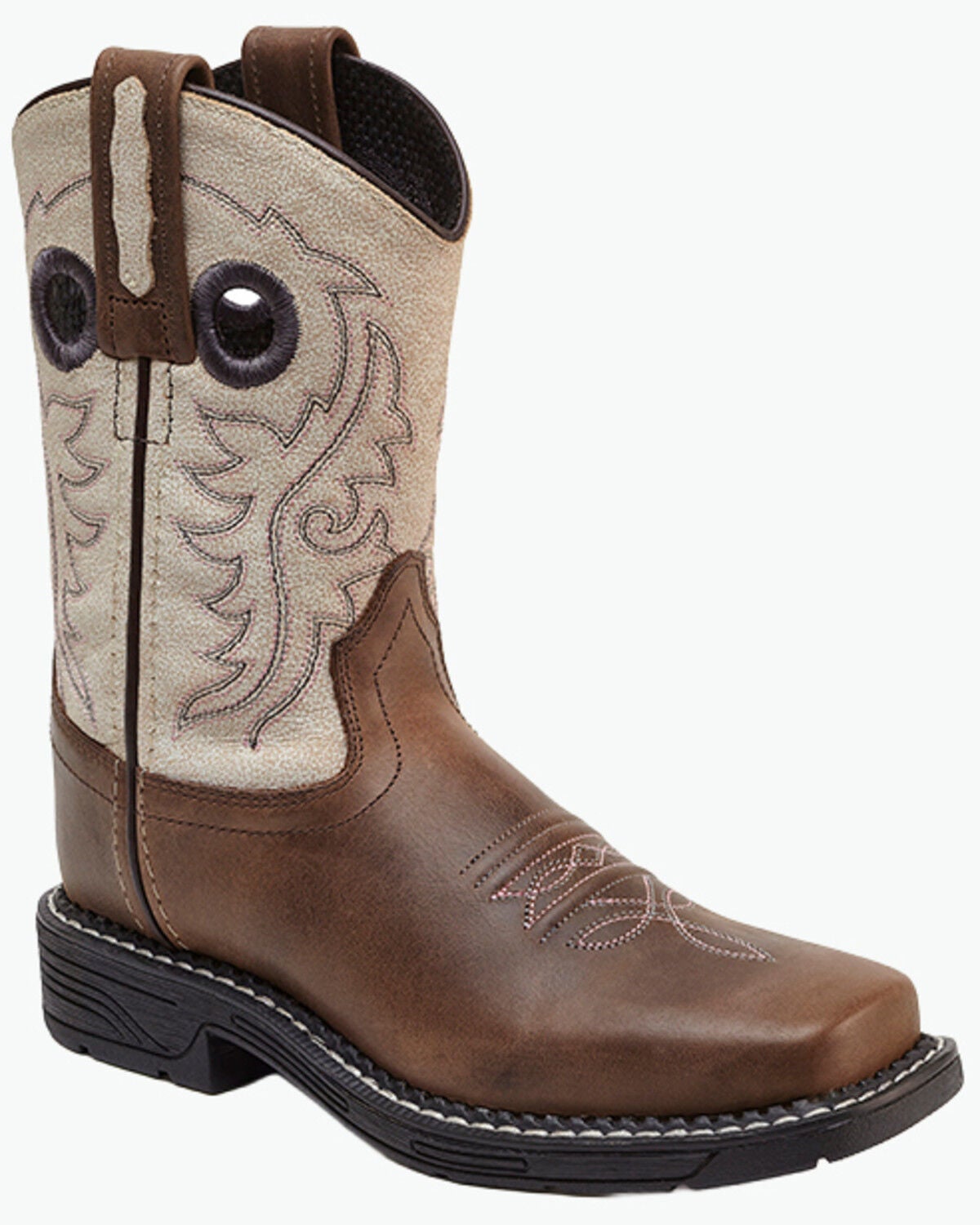
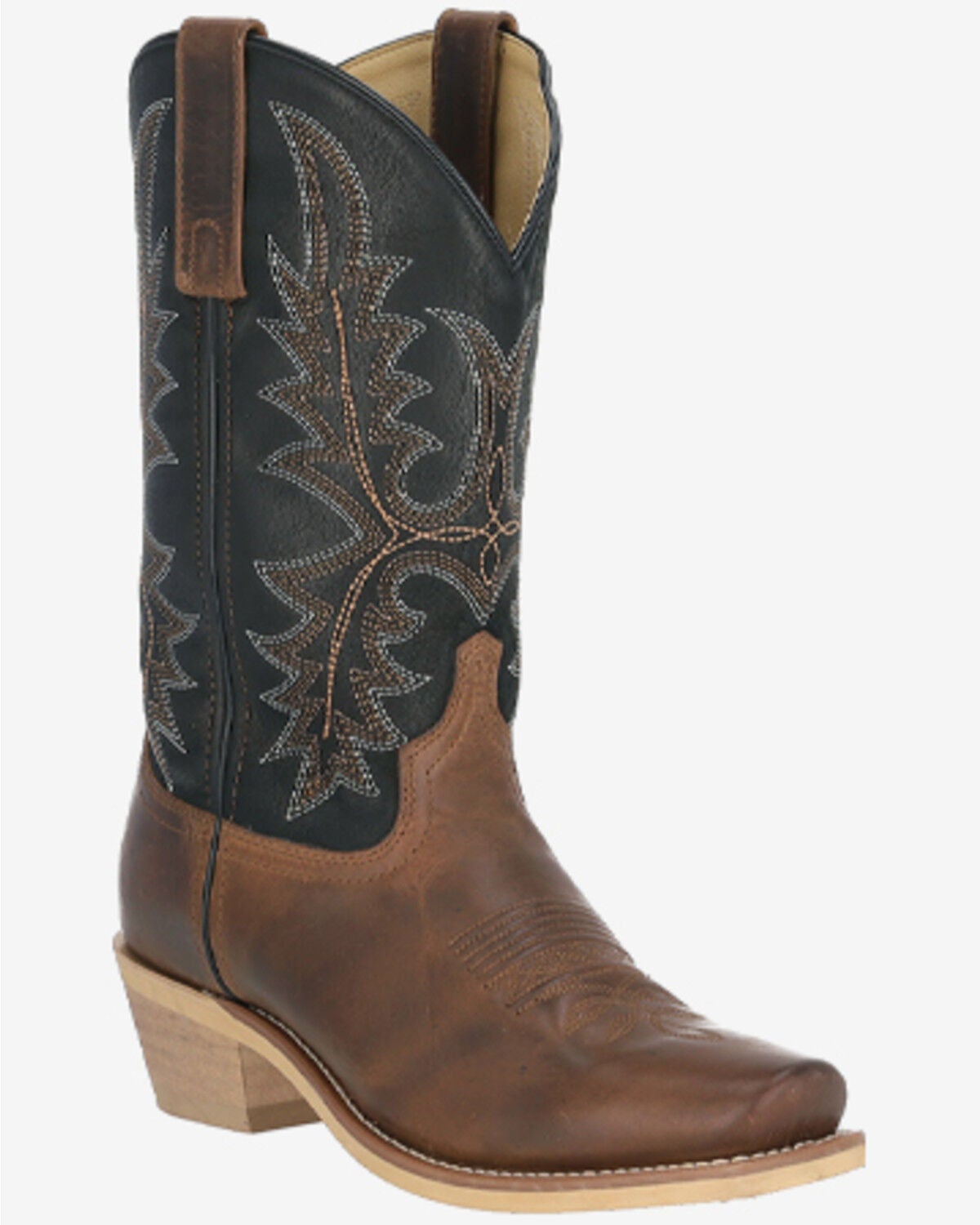
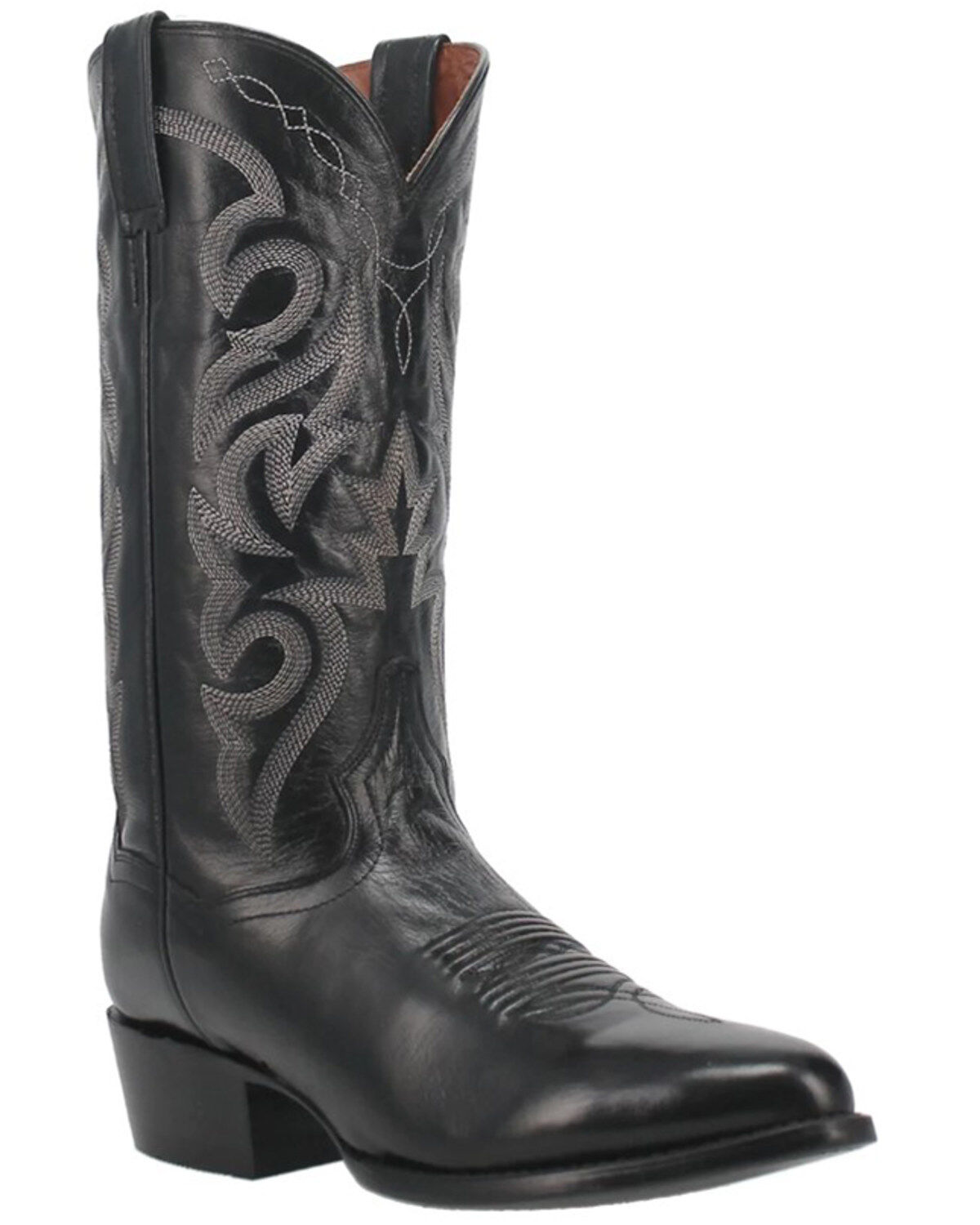
Two Tone Cowboy Boots

Find two tone cowboy boots with contrasting colors that set them apart from single-color styles. Browse the selection of western boots and compare color combinations to find a pair that works with your jeans and western wear.

Shop Your Store: Shop Your Store: Find a Store

(Turn off Shop Your Store to see all items)

(Turn off Shop Your Store to see all items)

close
  • Recommended
  • Lowest Price
  • Highest Price
Skip pass products

End of products

Two Tone Cowboy Boots

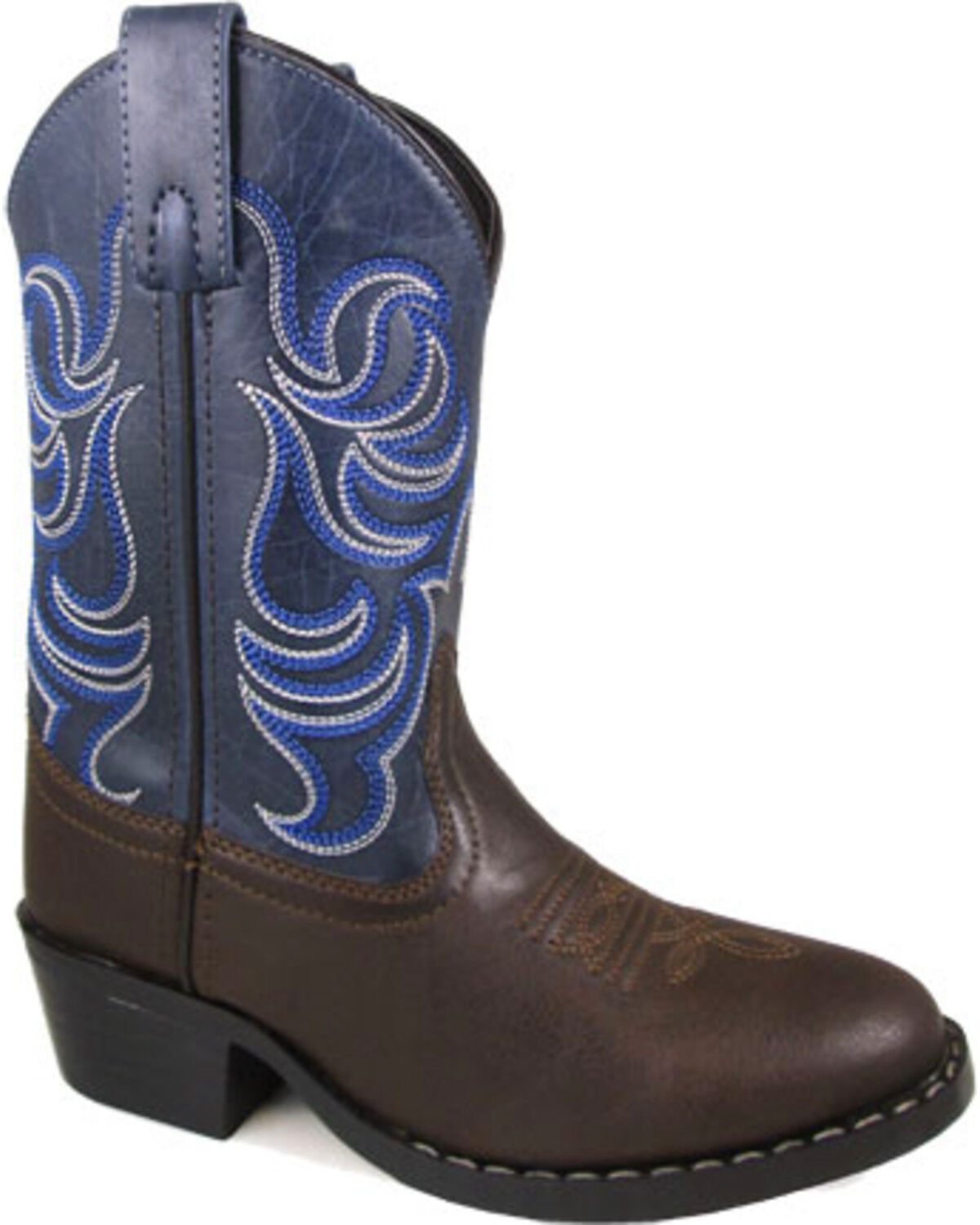
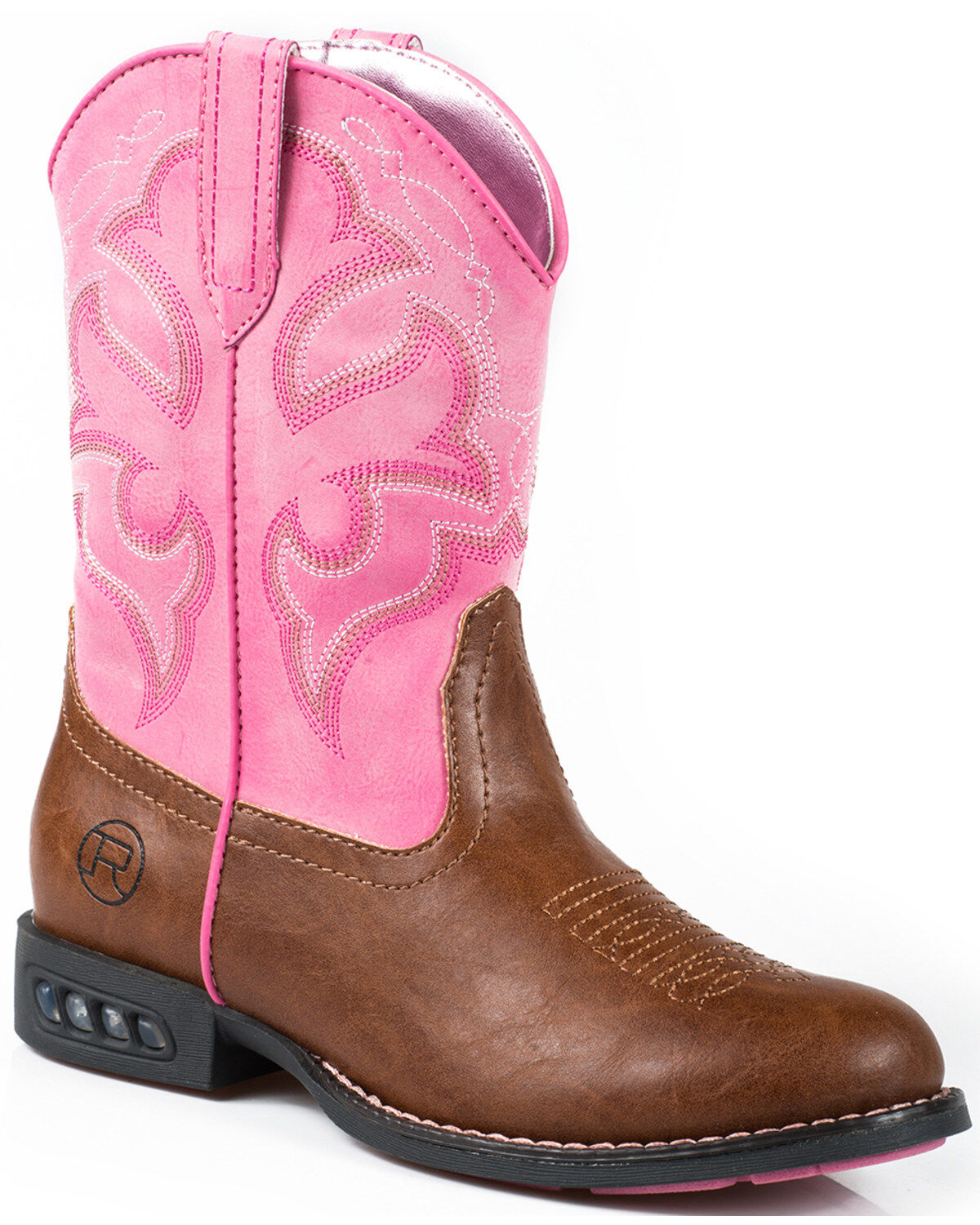
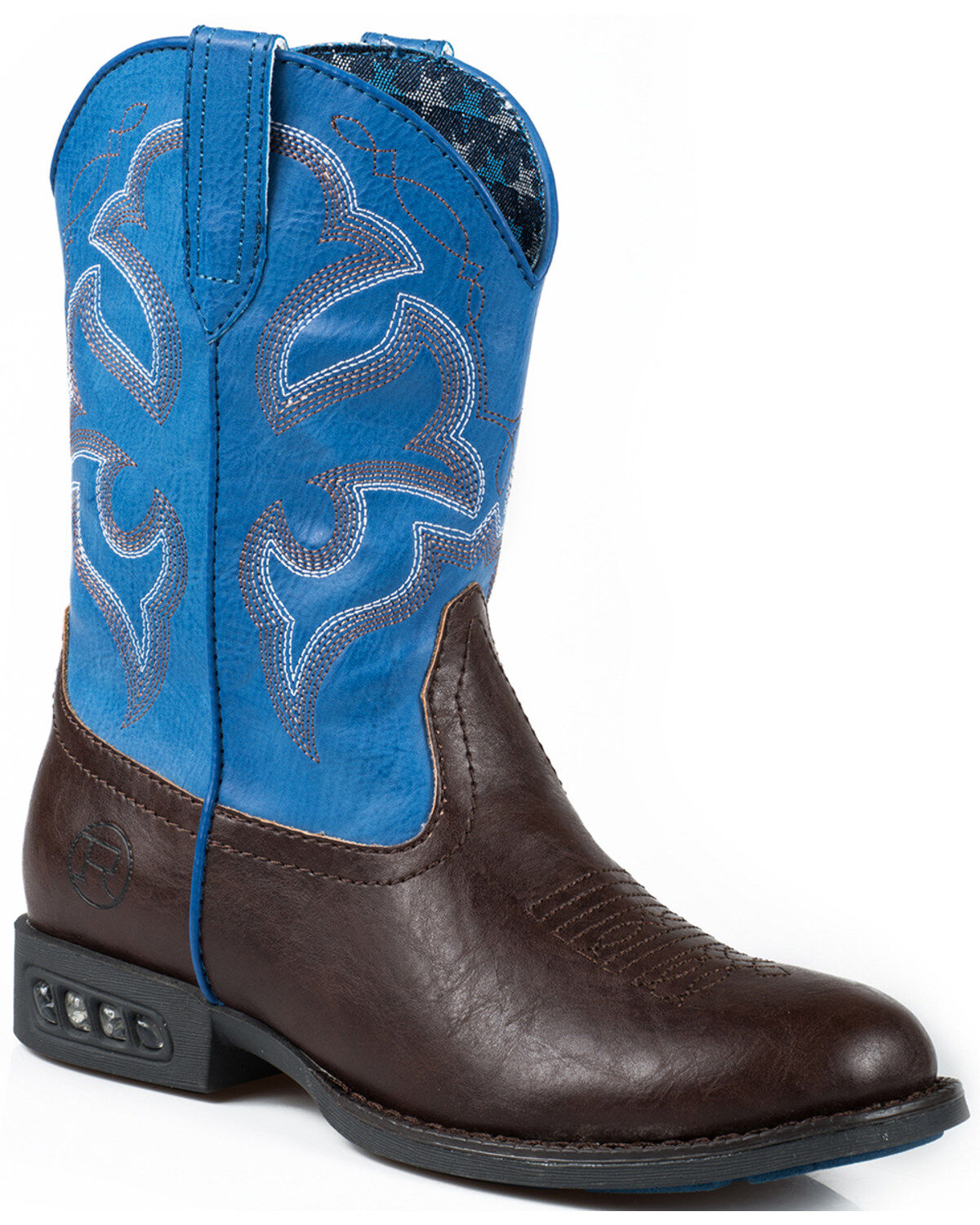
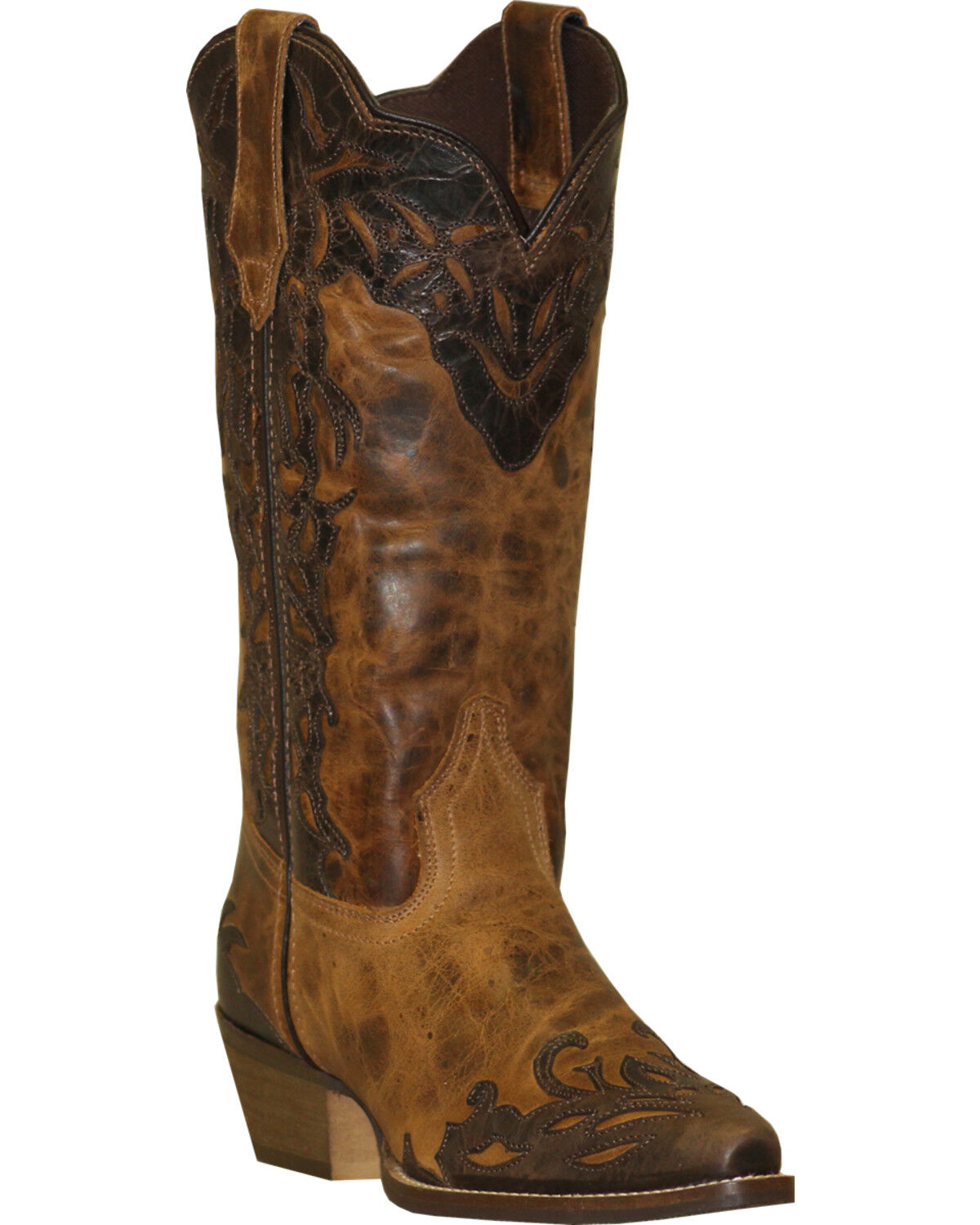
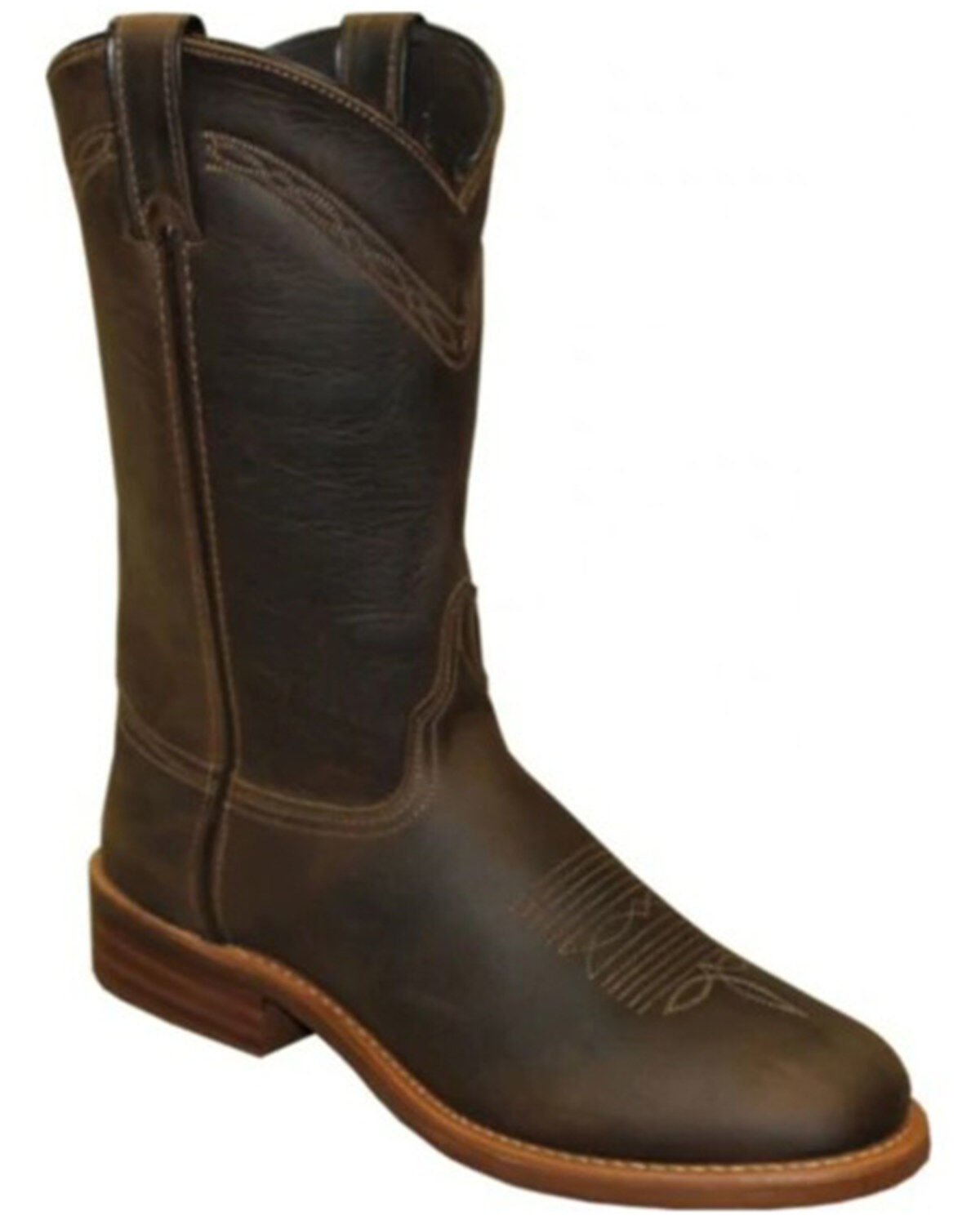
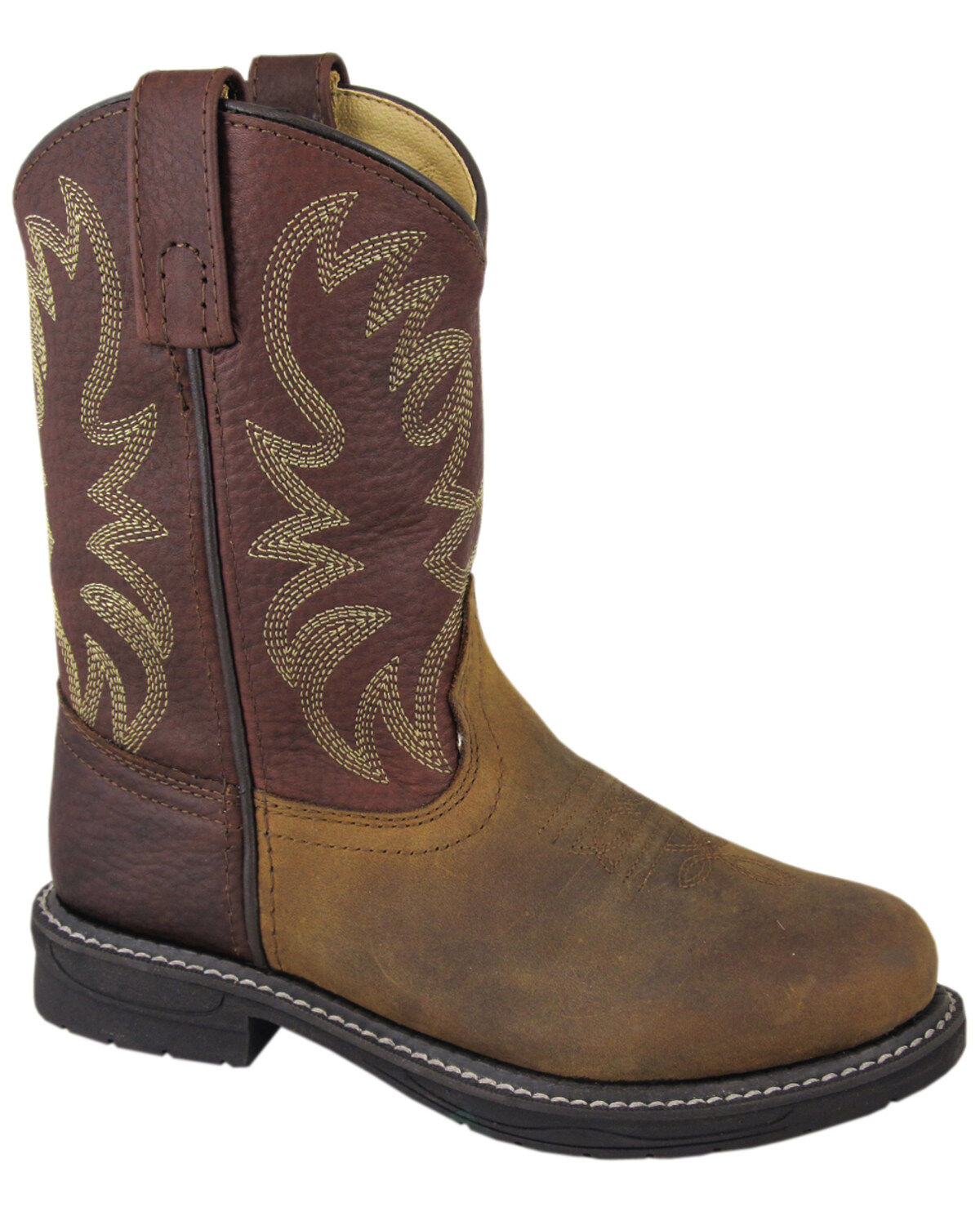
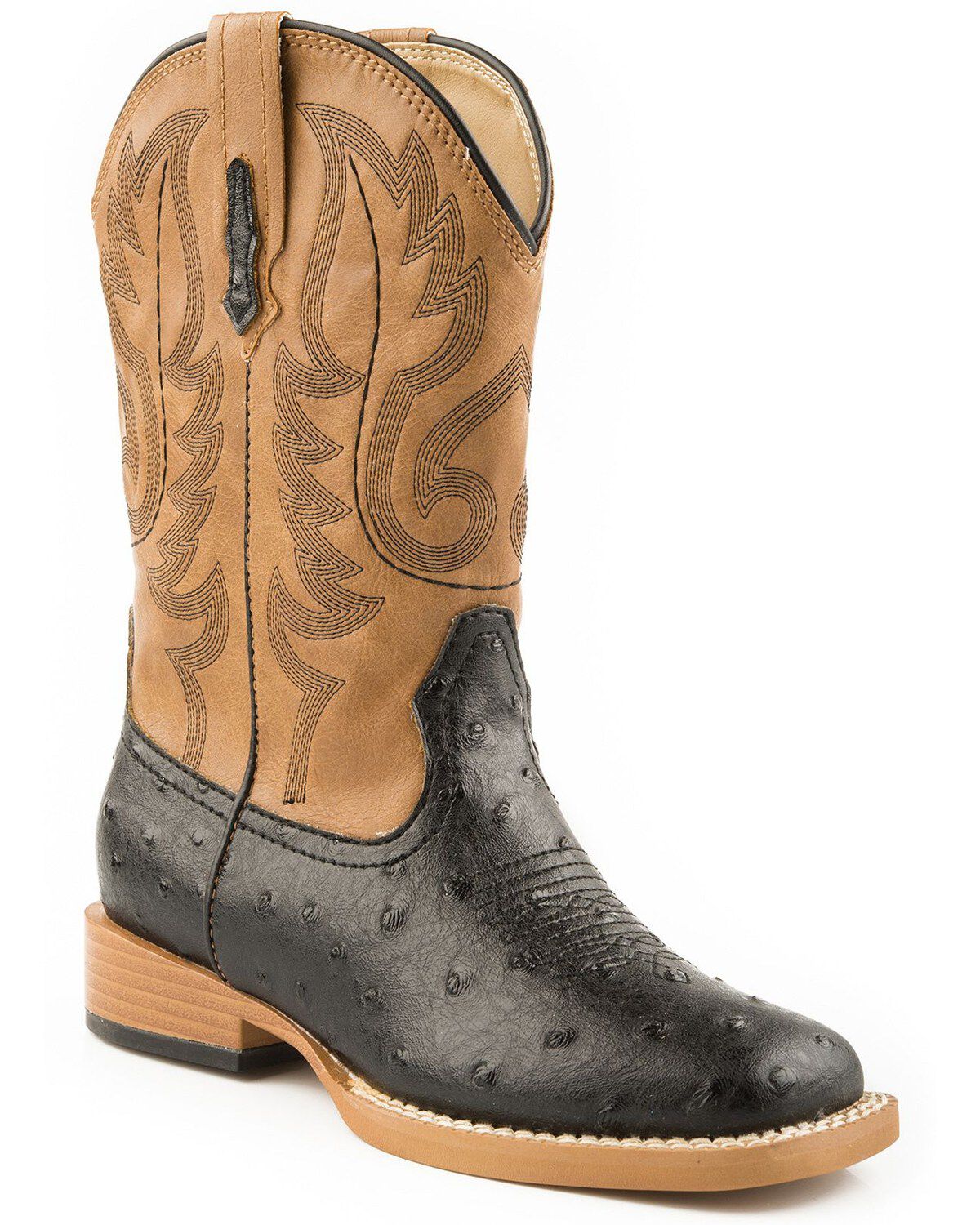
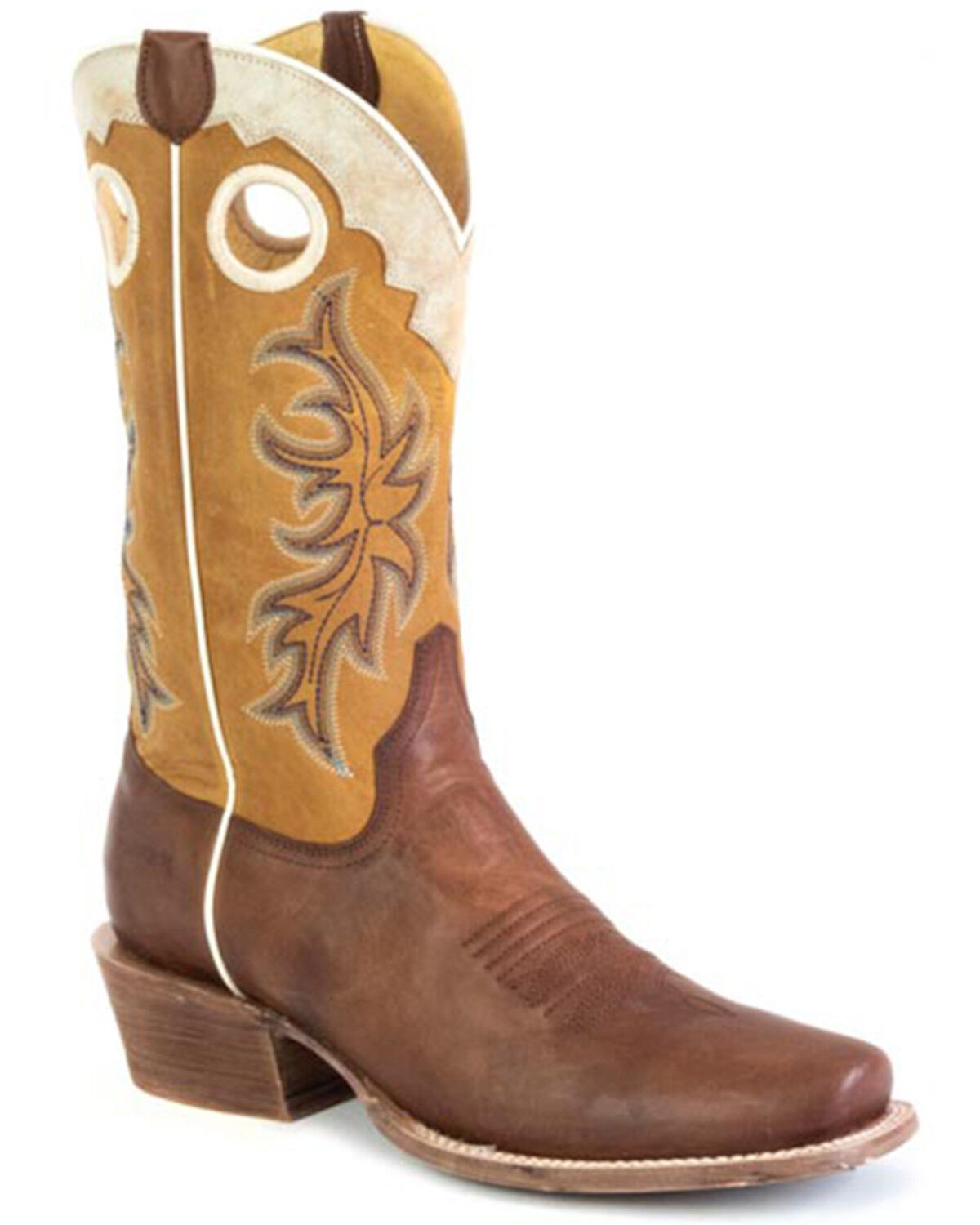
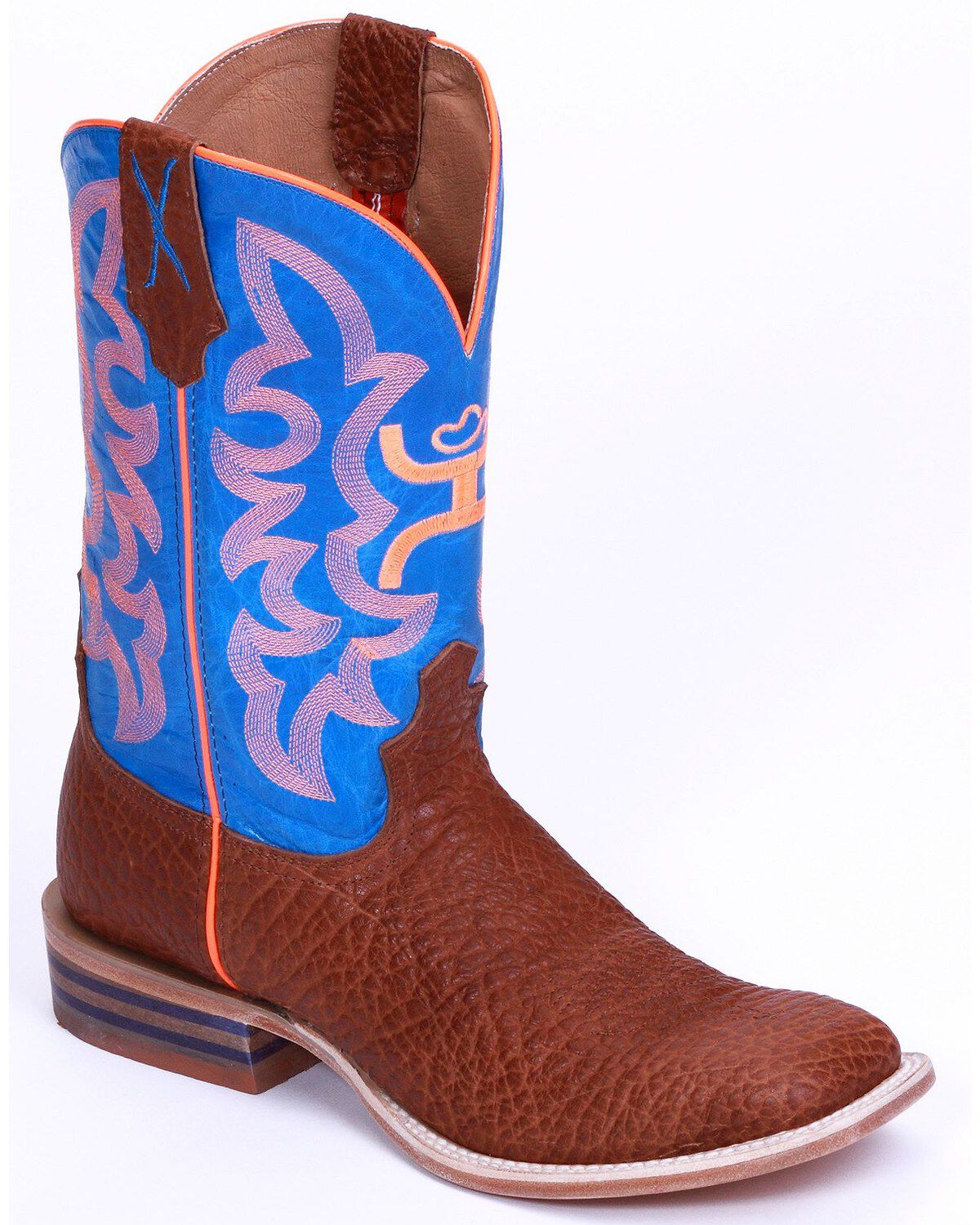
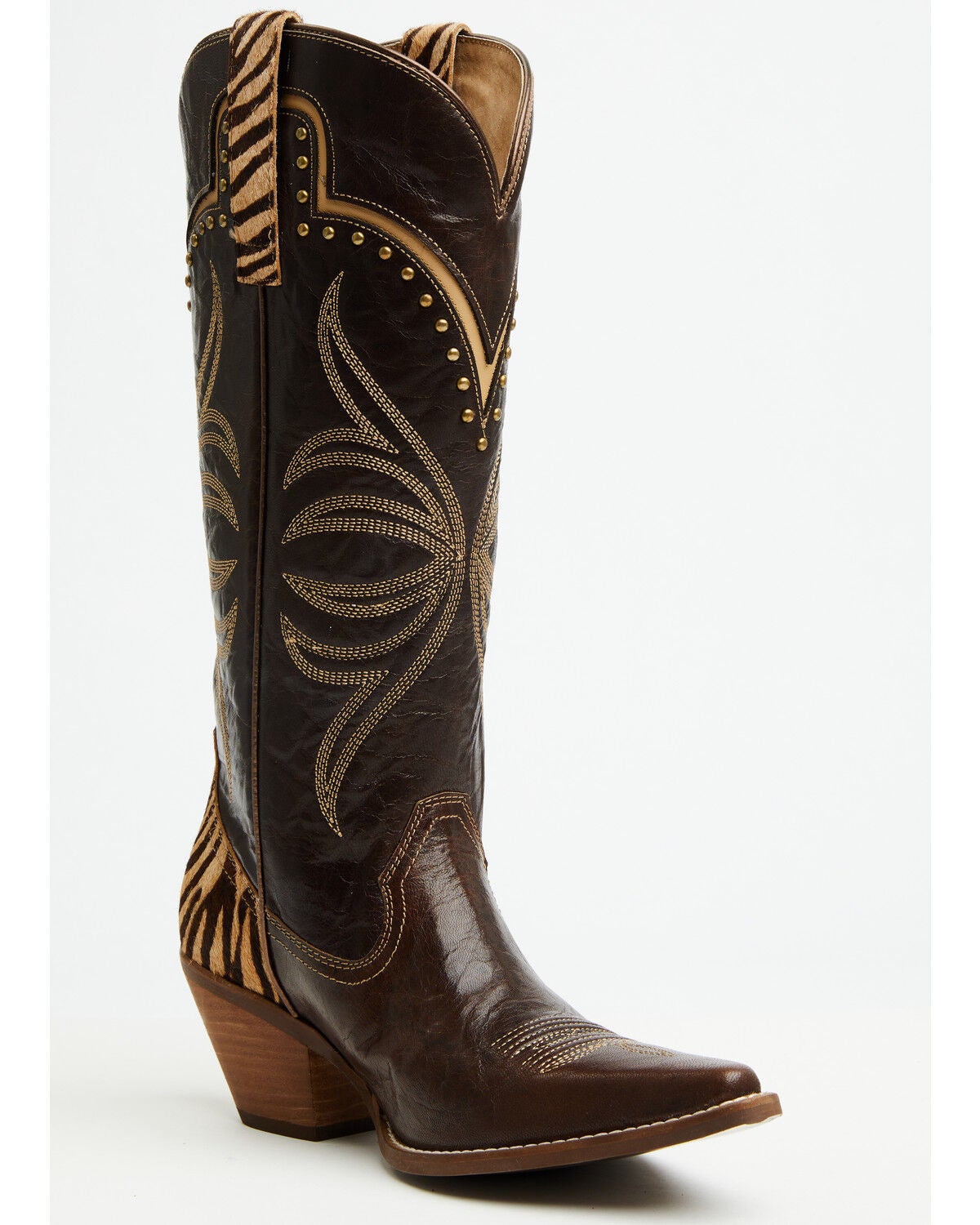
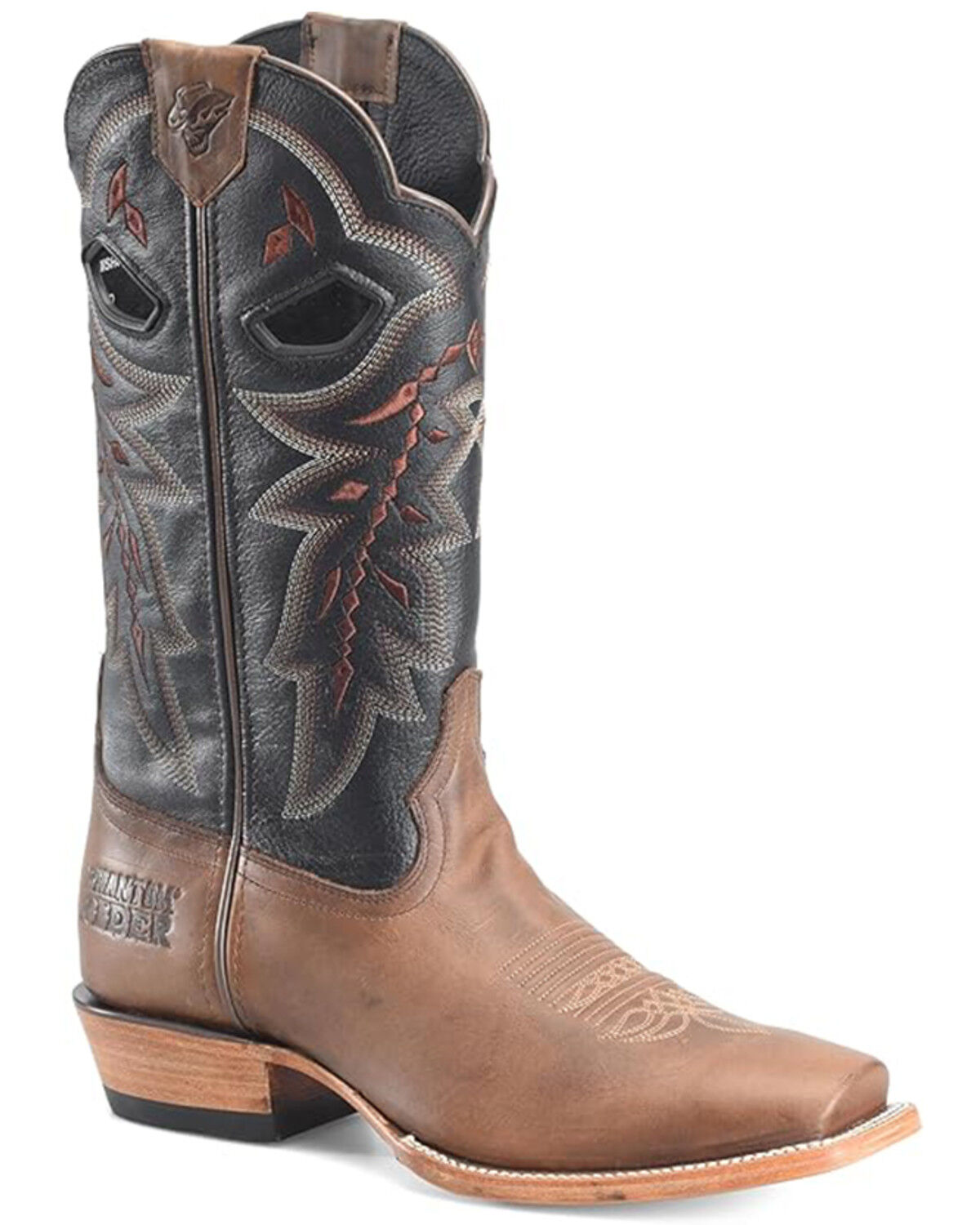
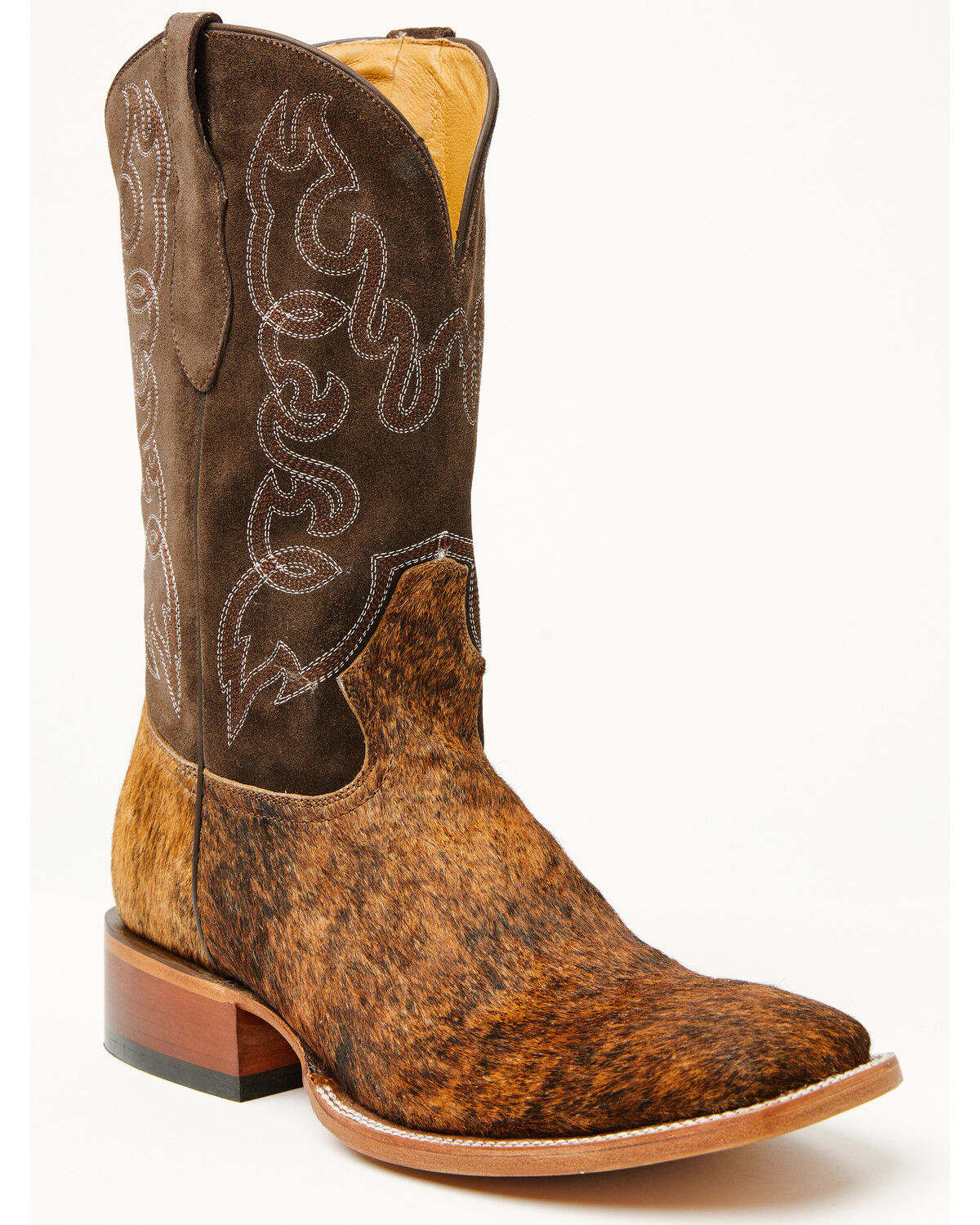
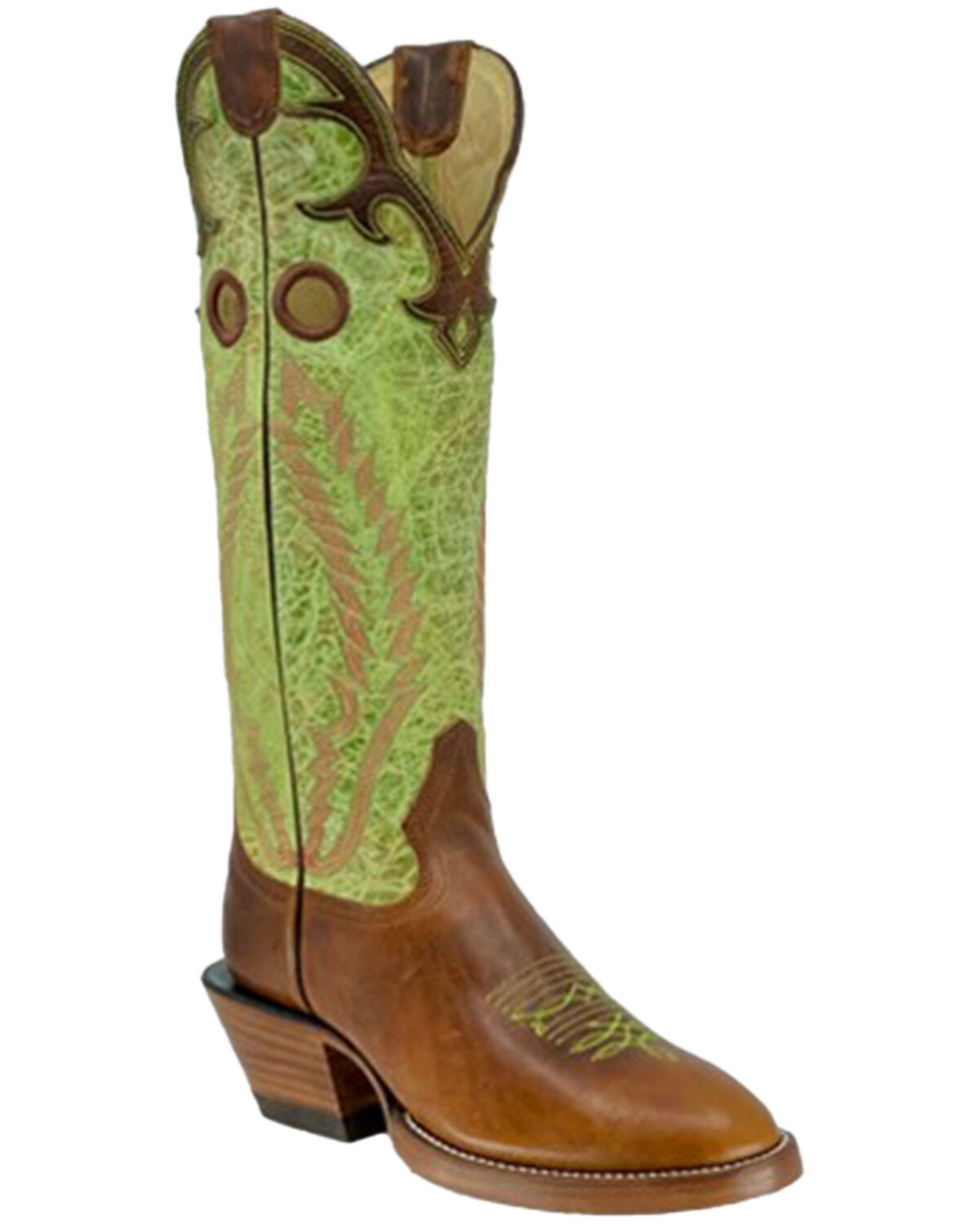
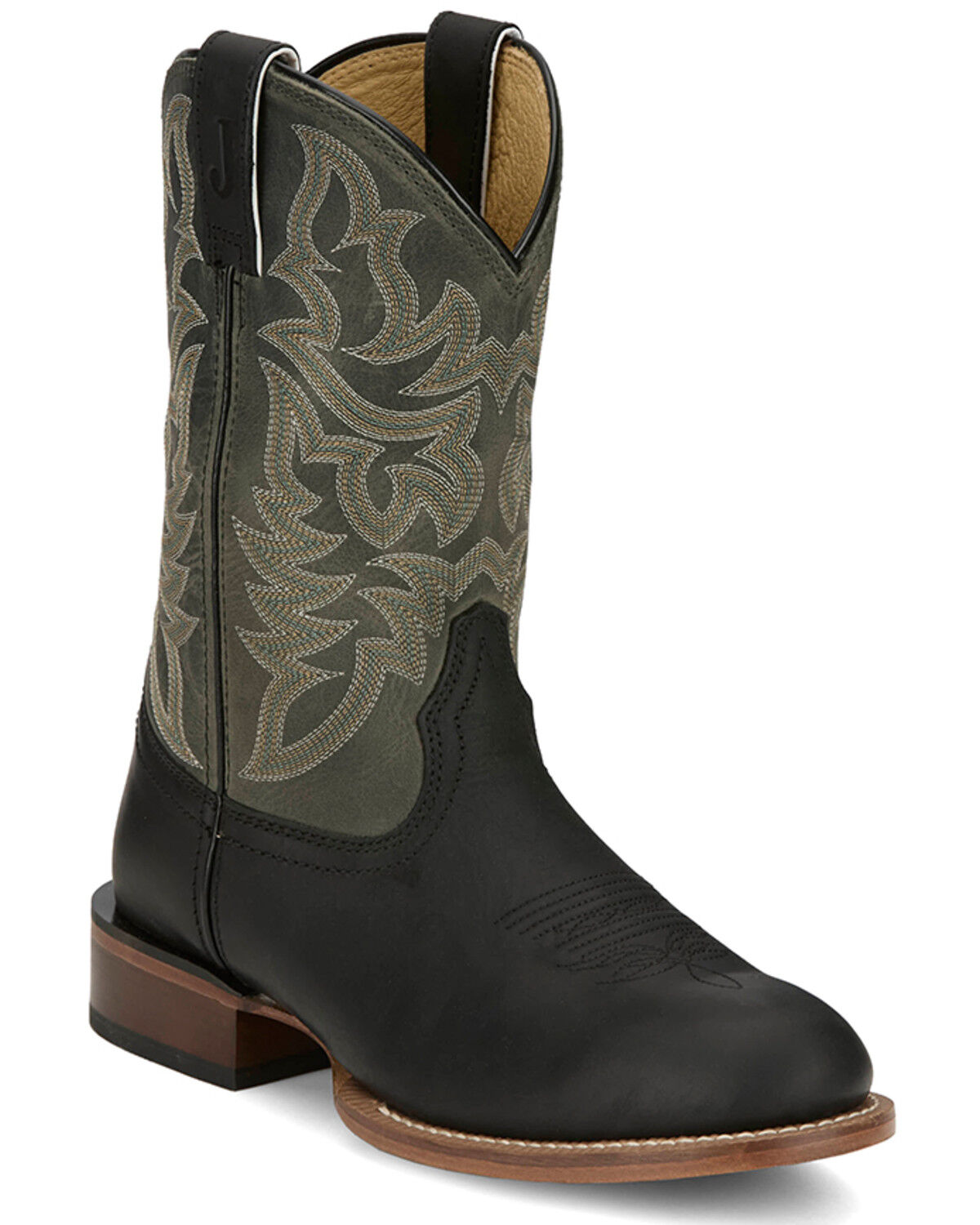
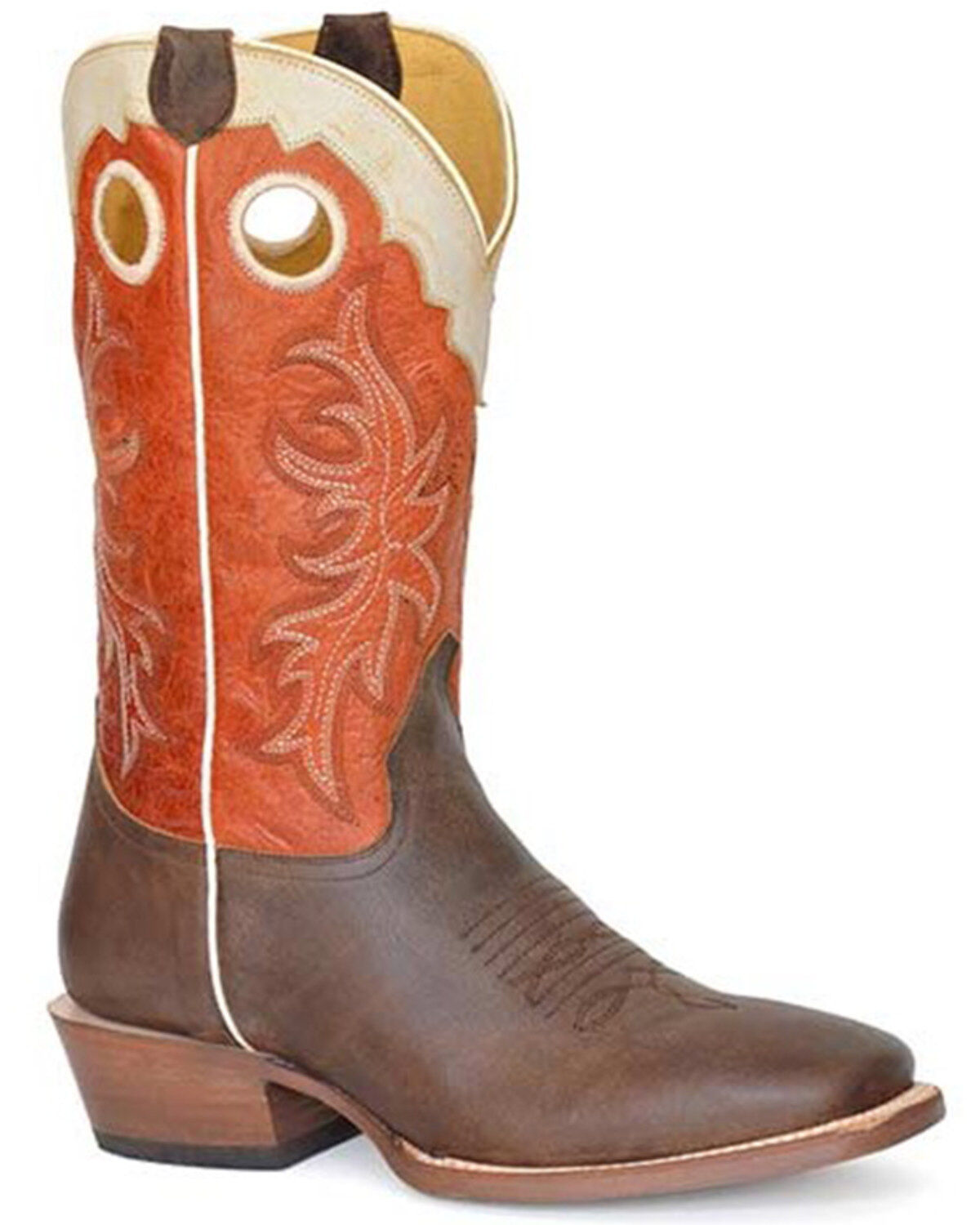
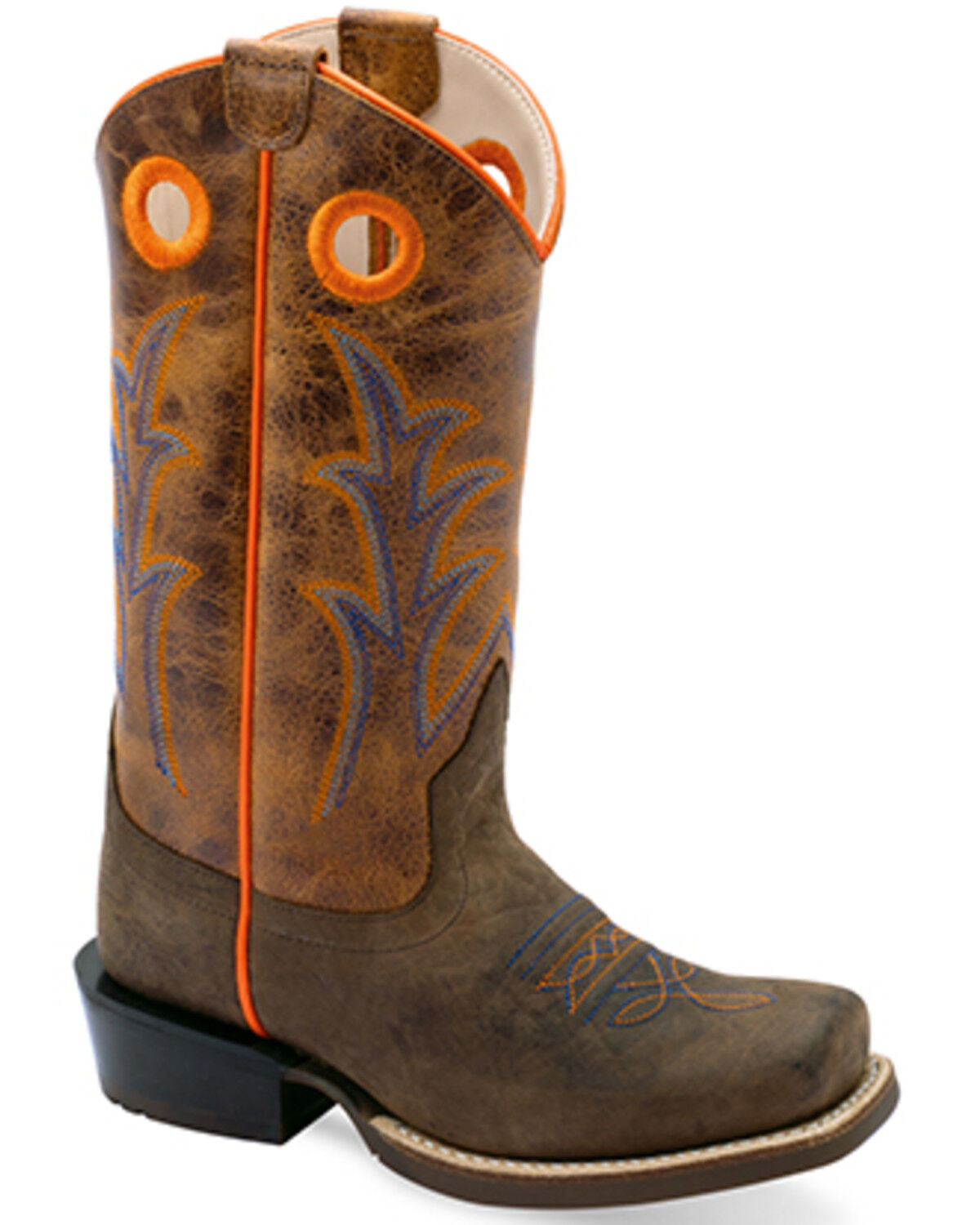
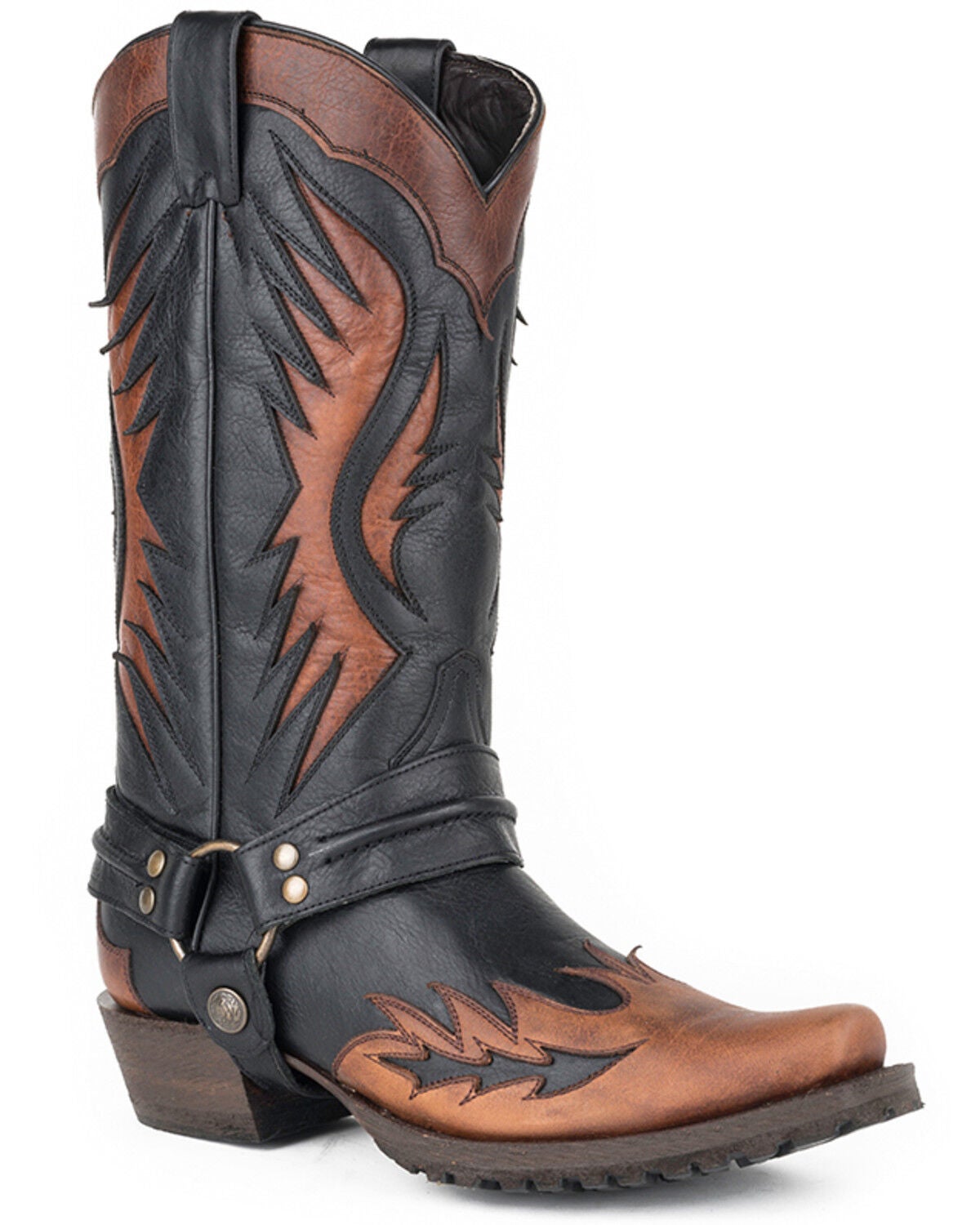
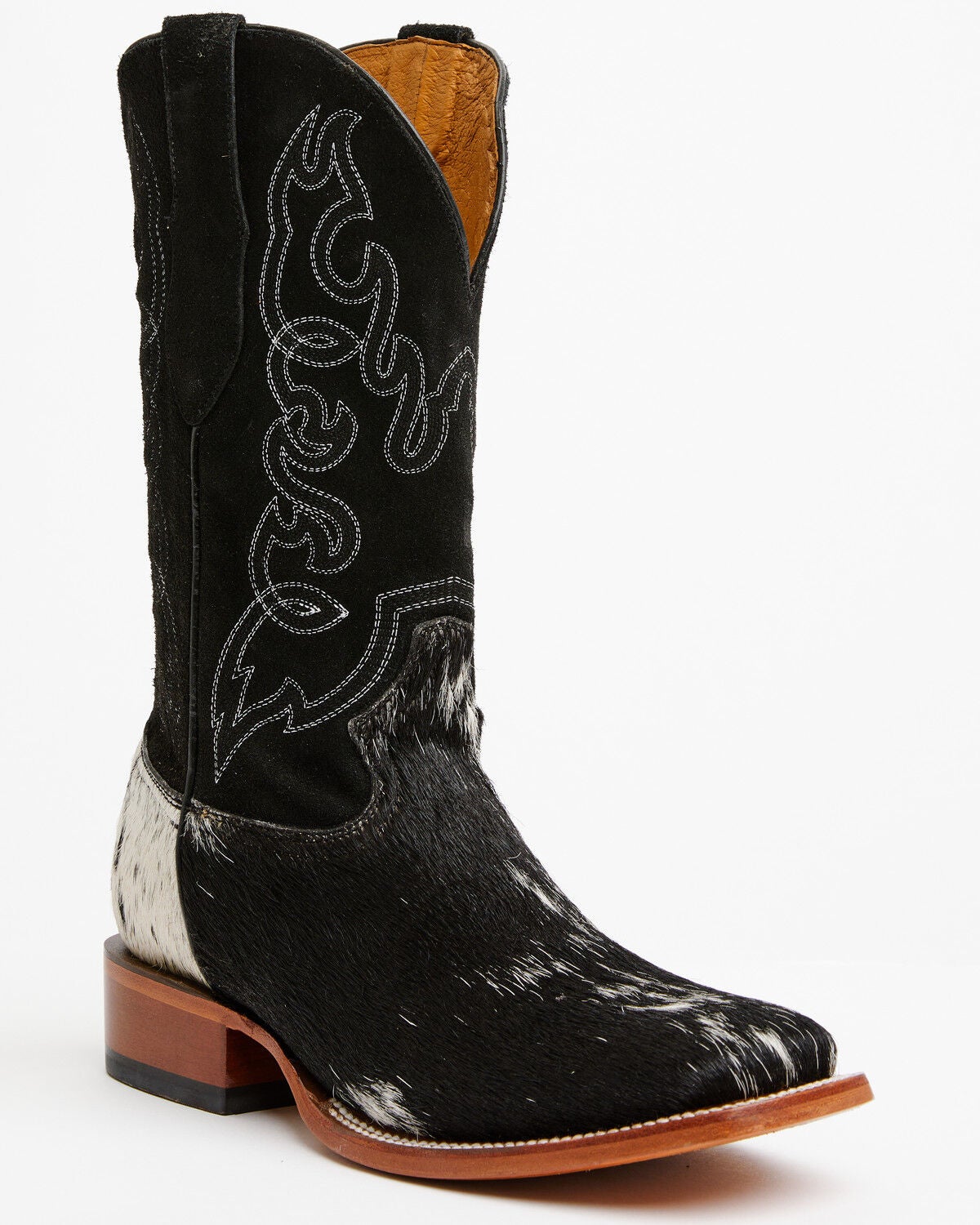
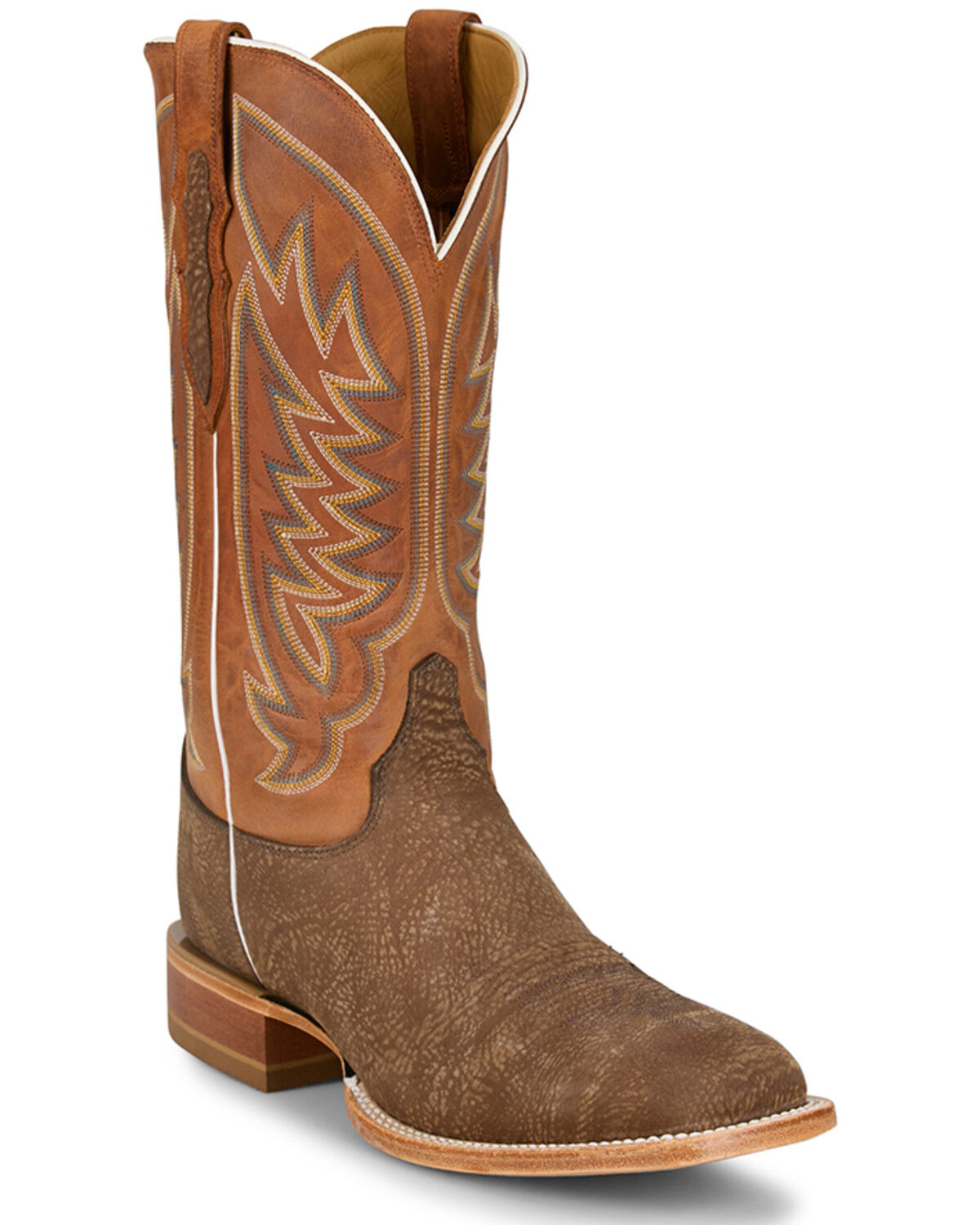
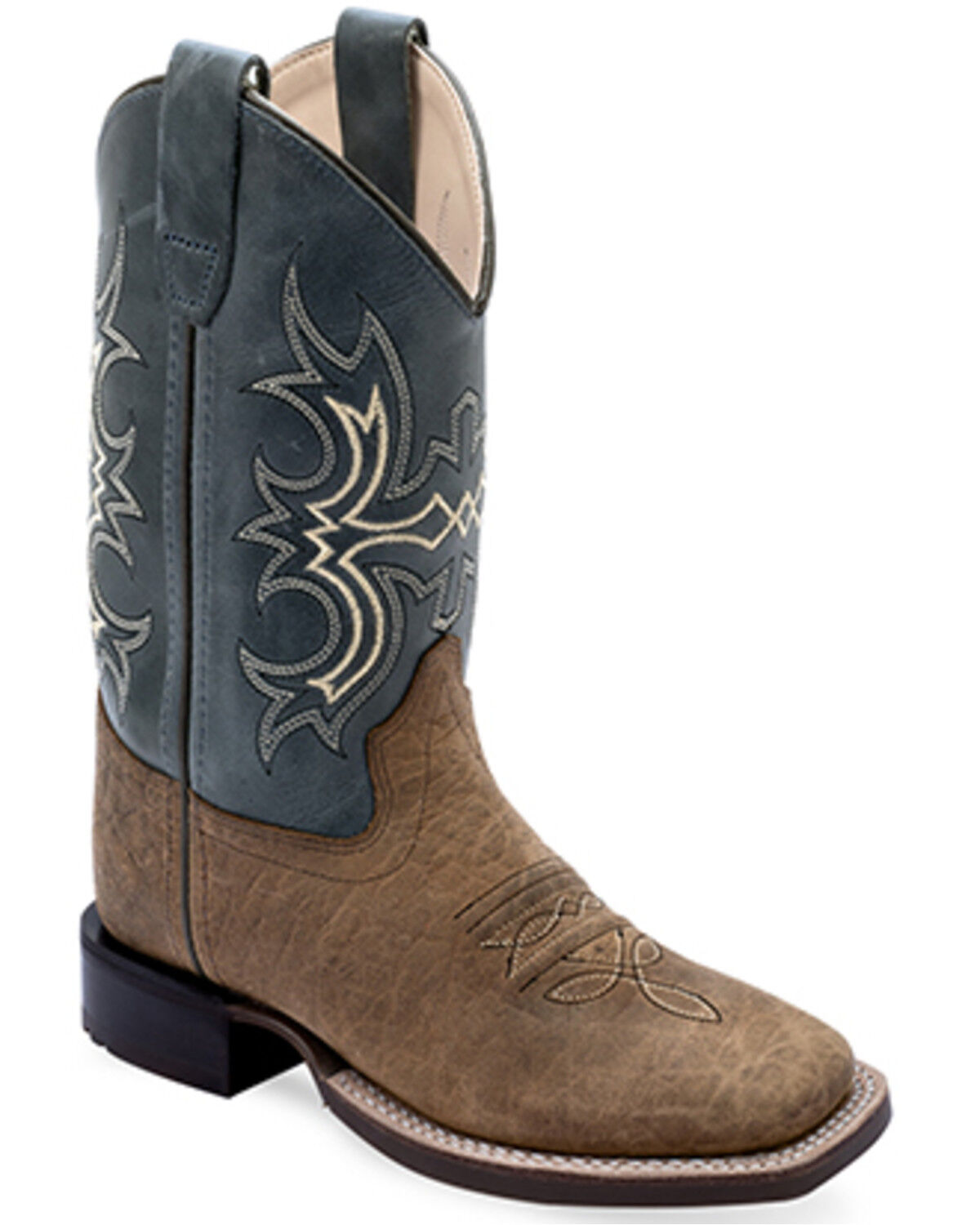
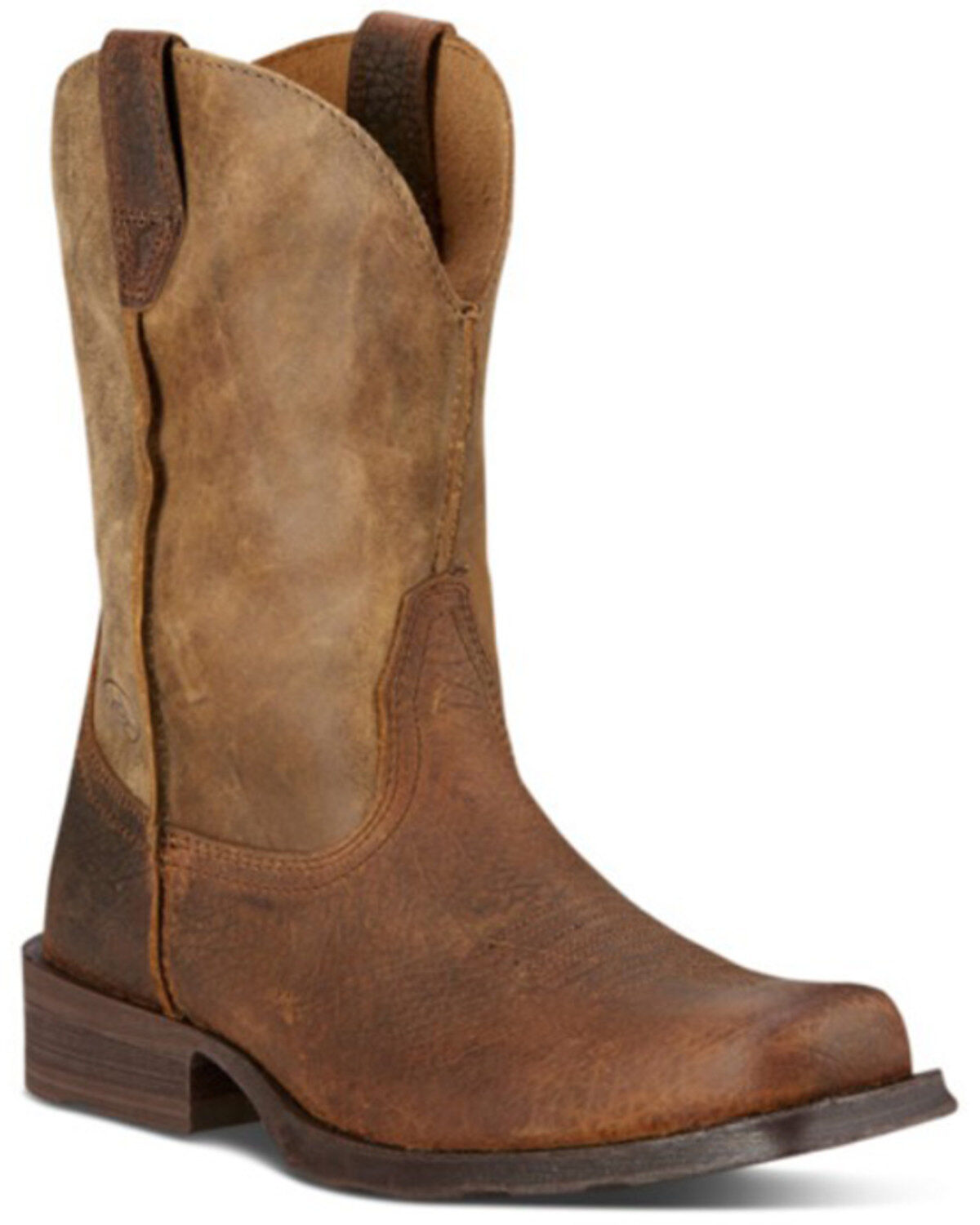
Two-tone cowboy boots feature two distinct colors, usually with a contrasting foot, also called the vamp, and upper shaft. That contrast gives a familiar western silhouette more definition without changing the basic shape of the boot. A dark brown foot beneath a lighter tan shaft creates a grounded, traditional look. A black foot paired with a cream or richly colored shaft makes the separation more pronounced. Other designs carry the contrast through overlays, heel counters, or panels, with stitching adding another layer of detail. The effect can be understated or bold, depending on the shades, finishes, and amount of contrast. Smooth leather gives color a clean outline, while suede and roughout bring a textured surface that catches light differently. Full-grain leather retains the natural grain surface and can develop visible character with wear; its feel and care needs still depend on the tannage and finish. A brushed leather shaft beside a smooth foot offers a different appearance than two smooth sections in contrasting shades. Neither combination determines comfort or durability on its own. Construction, leather quality, fit, and use matter more than color alone. Two-tone western boots work with straight-leg and bootcut jeans, western shirts, dresses, and skirts. With jeans worn over the shaft, much of the contrast stays covered, leaving the foot shape and finish to define the outfit. A shorter hem or dress shows the full design. For everyday wear, repeating one boot color in a belt or jacket keeps the outfit connected without matching every detail. The same approach works when pairing boots with Two Toned Buckle Cowboy Hats: let one shared shade tie the pieces together. These boots suit longtime western wearers and people choosing a first pair alike. The right amount of contrast depends on whether the boots need to blend into an everyday wardrobe or stand out for a concert, wedding, or night of dancing.

Fit gives two-tone cowboy boots their value beyond appearance. A pull-on boot should feel secure across the instep, with enough room for the toes to rest naturally rather than curl or press against the front. Some heel movement can be normal in a new cowboy boot while the sole is firm, but excessive lifting or a foot that slides forward can signal a poor fit. Leather may soften and conform with wear, but break-in should not be expected to correct a boot that is too short or painfully tight. Trying boots with the socks intended for regular wear gives a more useful sense of fit than trying them with an unusually thick or thin pair. Toe shape also affects the feel. Broad square, square, round, and pointed profiles create different outlines, but the outer shape does not establish the amount of usable space inside. Width, the boot’s underlying shape, and the construction of the toe all matter. Shaft height and circumference deserve equal attention, especially when boots will be worn over fitted pants or against bare legs. The opening should allow comfortable movement without rubbing or restricting the calf. Underfoot construction helps determine where a pair belongs. Leather outsoles offer a traditional feel and can suit dancing, though smooth surfaces may feel slippery before wear changes their texture. Rubber outsoles can provide cushioning and traction for frequent walking, with performance depending on tread design and the surface underfoot. A lower heel often feels more natural for extended walking, while a taller western heel changes posture and weight distribution. Stitched-welt construction may allow resoling, depending on the boot and the repair needed. For riding or demanding jobs, color is secondary to purpose-built construction. Riding suitability, protective toes, and workplace safety ratings should be confirmed from the boot’s stated specifications rather than assumed from its western appearance.

Care helps preserve the contrast that makes two-tone cowboy boots distinctive. Dust and grit can collect along stitching, welts, and the junction between the foot and shaft, so a soft brush or clean cloth is a useful starting point after wear. Smooth leather and textured leather often need different treatment, even when they appear on the same boot. A conditioner suited to finished leather may darken suede or flatten its texture. Matching the cleaner and treatment to each material helps avoid a pale shaft turning uneven or a brushed surface losing its original feel. Testing a care product on a small, hidden area is especially important when light and dark colors meet. Colored creams and polishes require a careful hand because pigment can transfer onto contrasting leather or stitching. A neutral formula may be appropriate for some finishes, but the manufacturer’s care directions should determine what touches the surface. Damp boots should dry naturally away from direct heat, with breathable support inside to help hold their shape. Leather is not automatically waterproof, and a decorative finish does not establish resistance to water, stains, or workplace substances. Allowing boots to dry fully between wears and storing them upright can help reduce unnecessary stress on the leather. Boot trees or suitable shaft supports help maintain shape, while checking heels and outsoles for uneven wear makes it easier to address repairs before damage spreads. These habits matter for boots worn to an office, across a dance floor, or through daily chores. Two-tone cowboy boots can also make a personal gift when the recipient’s size, preferred toe shape, and usual colors are known. An existing well-fitting pair offers a better starting point than guessing from a casual shoe size alone. For children, fit should allow natural movement without using excessive extra length as growing room. Across ages and styles, a well-chosen pair brings together clear color contrast, a secure fit, and construction suited to the way the boots will be worn.

FAQs