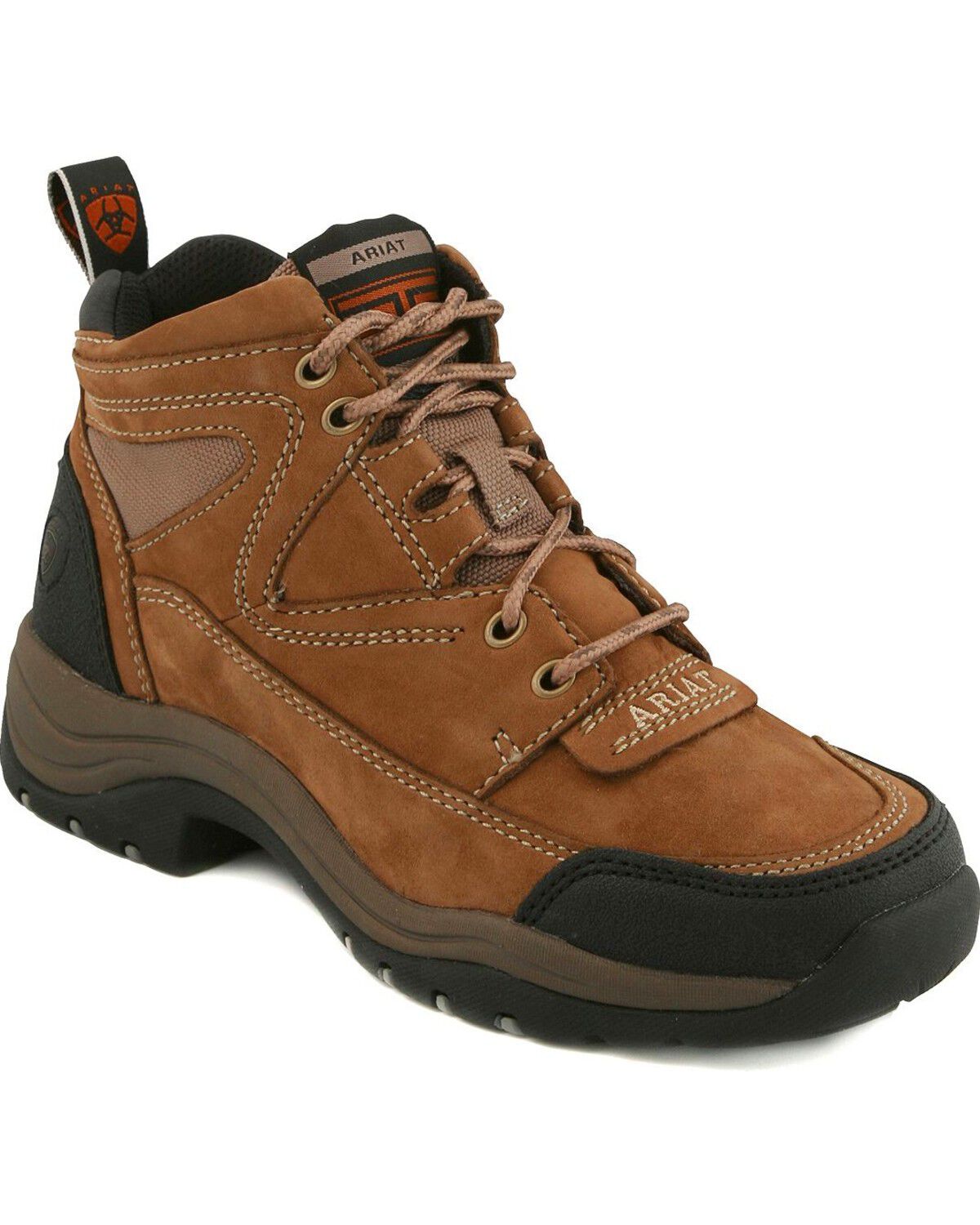
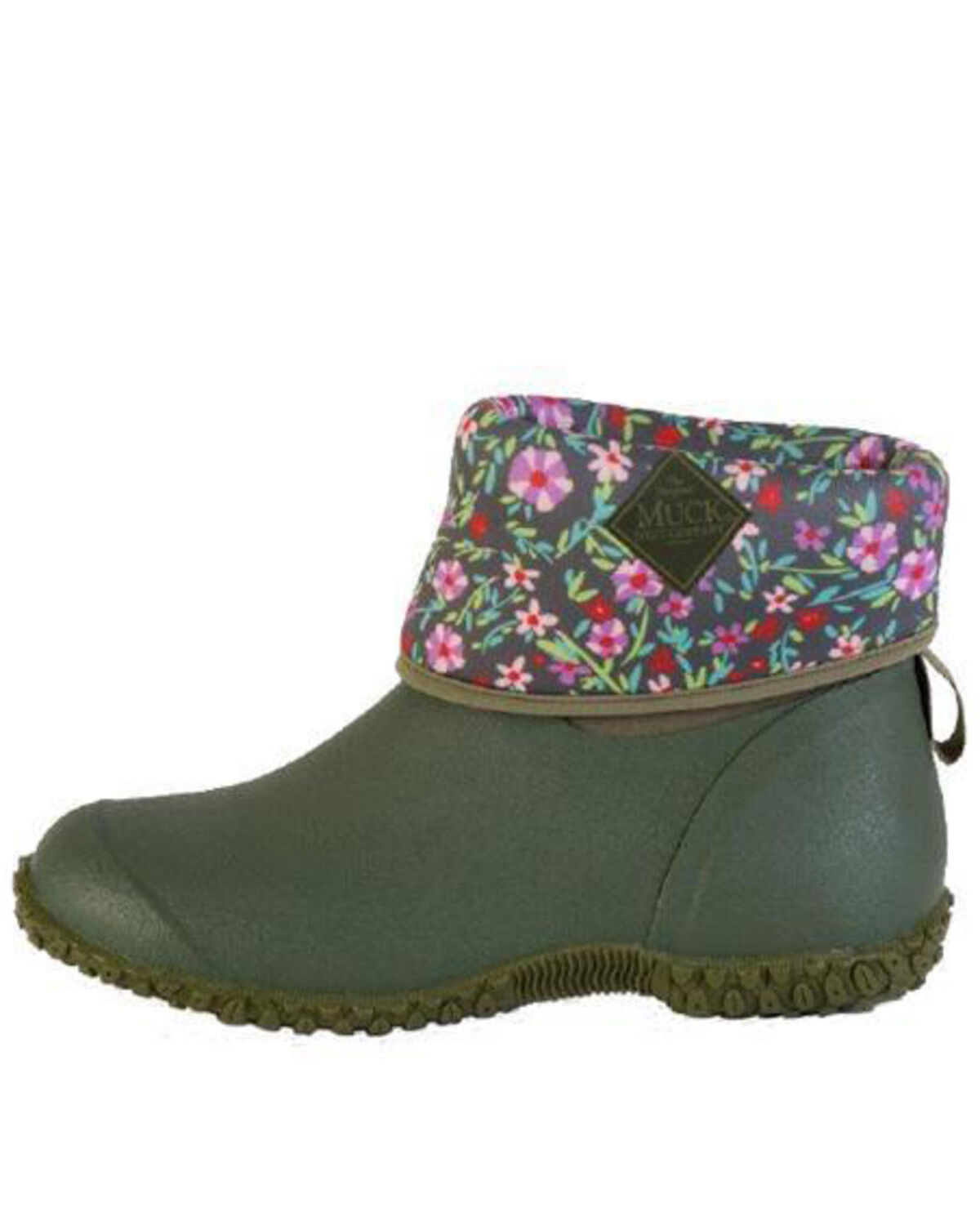
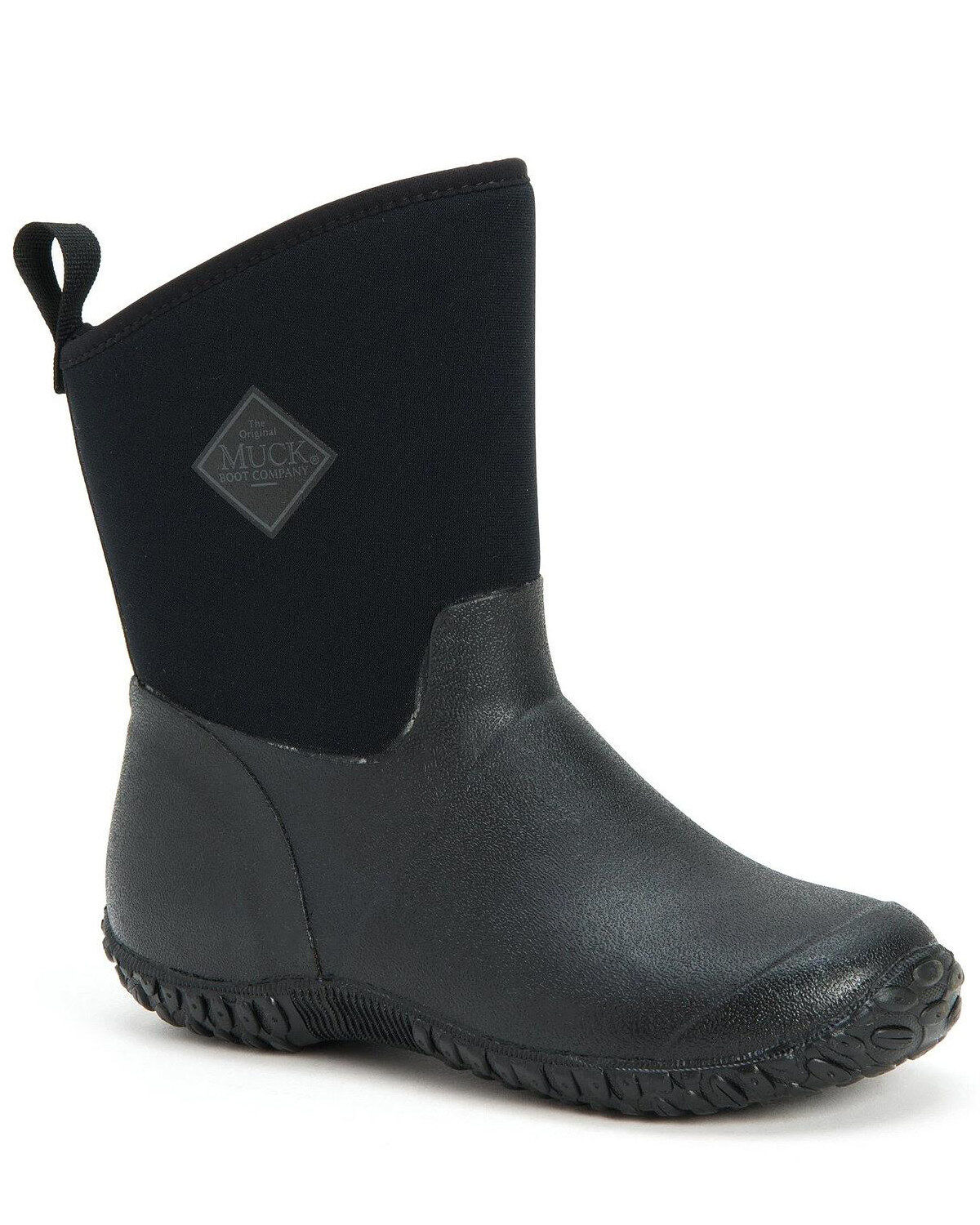
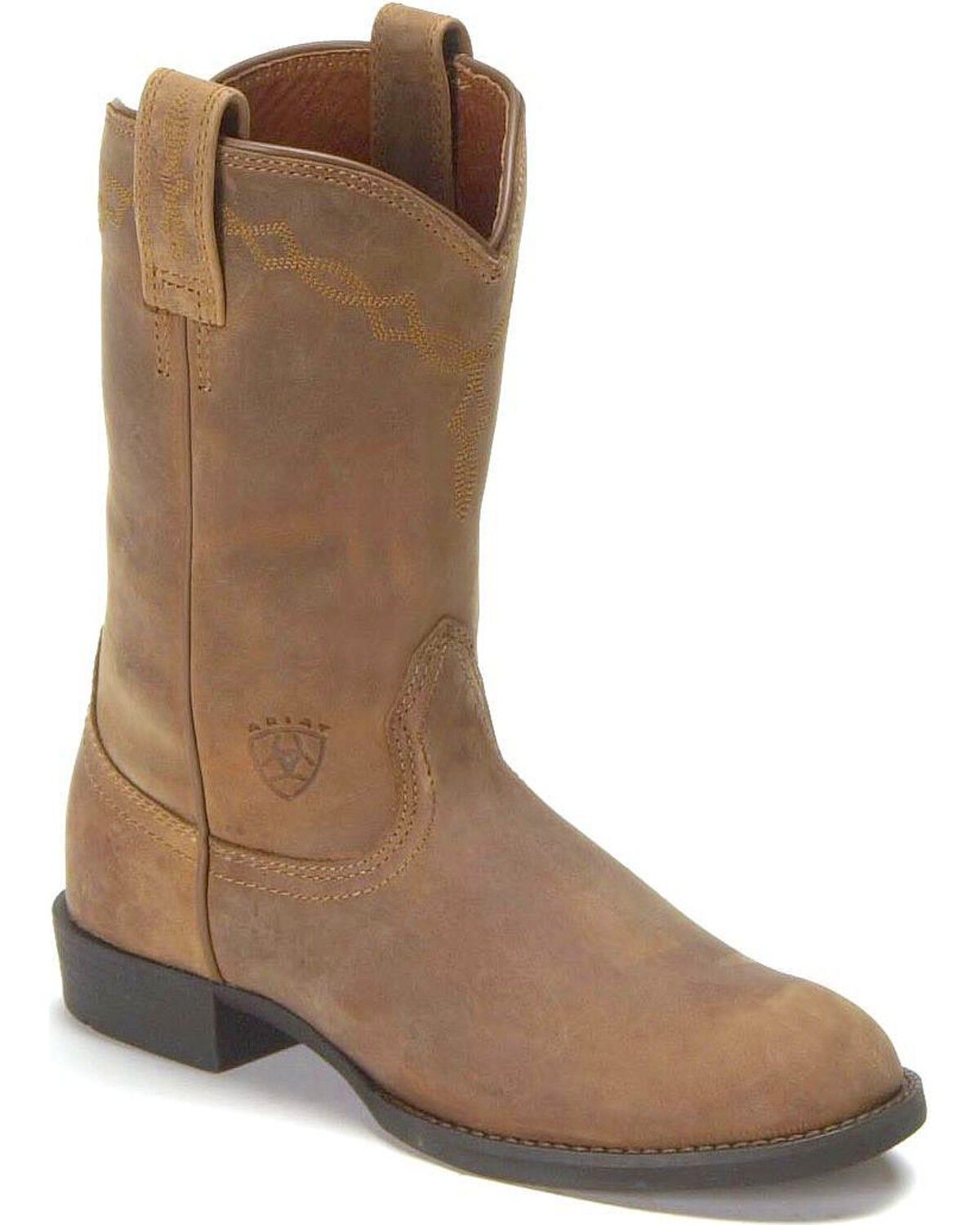
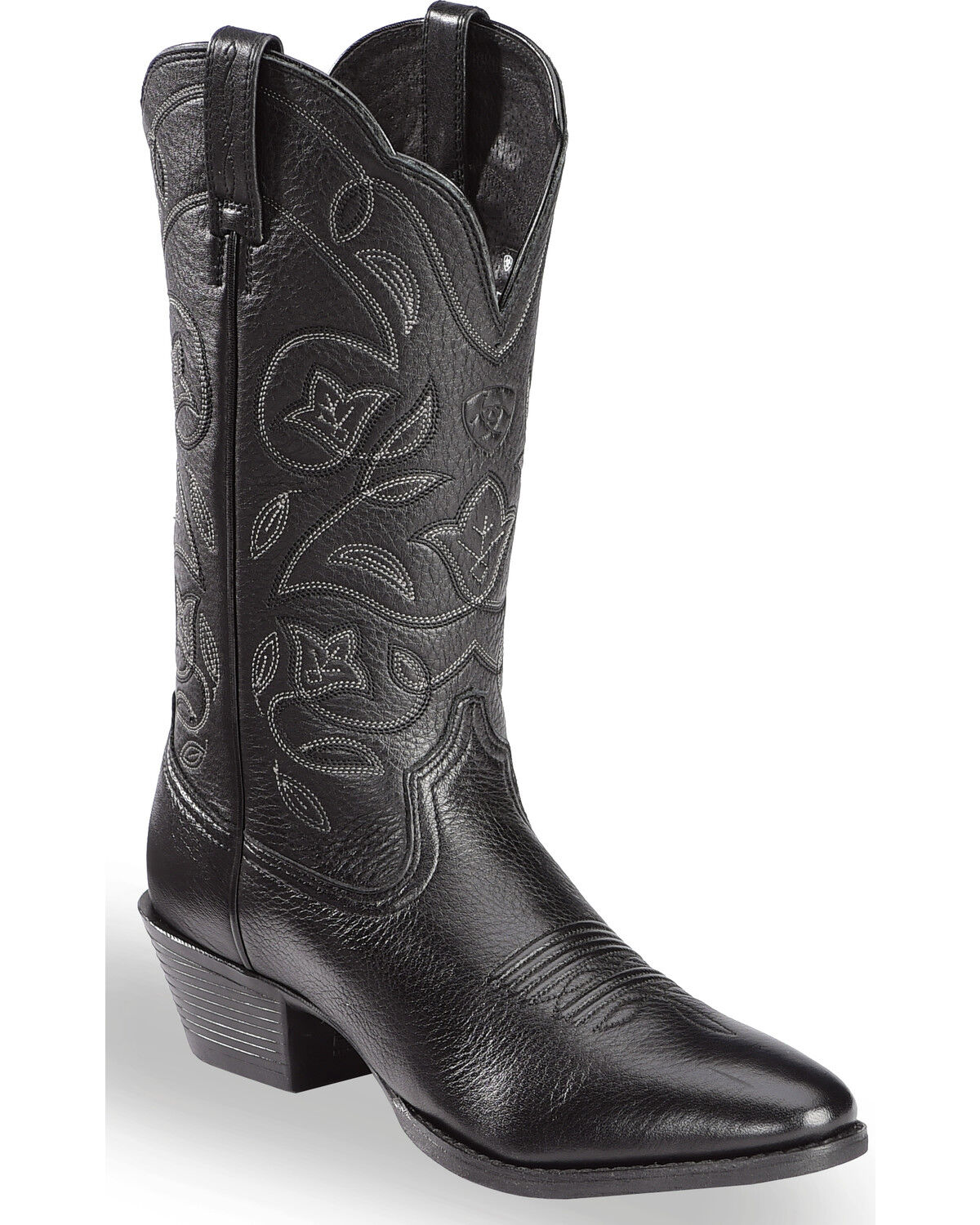
Tall Women's Waterproof Boots

Shop tall women’s waterproof boots for wet-weather protection and added coverage up the leg. Consider shaft height, calf fit, and where you will wear them to find the right pair.

Read More

Shop Your Store: Shop Your Store: Find a Store

(Turn off Shop Your Store to see all items)

(Turn off Shop Your Store to see all items)

close
  • Recommended
  • Lowest Price
  • Highest Price
Skip pass products

End of products

Tall Women's Waterproof Boots

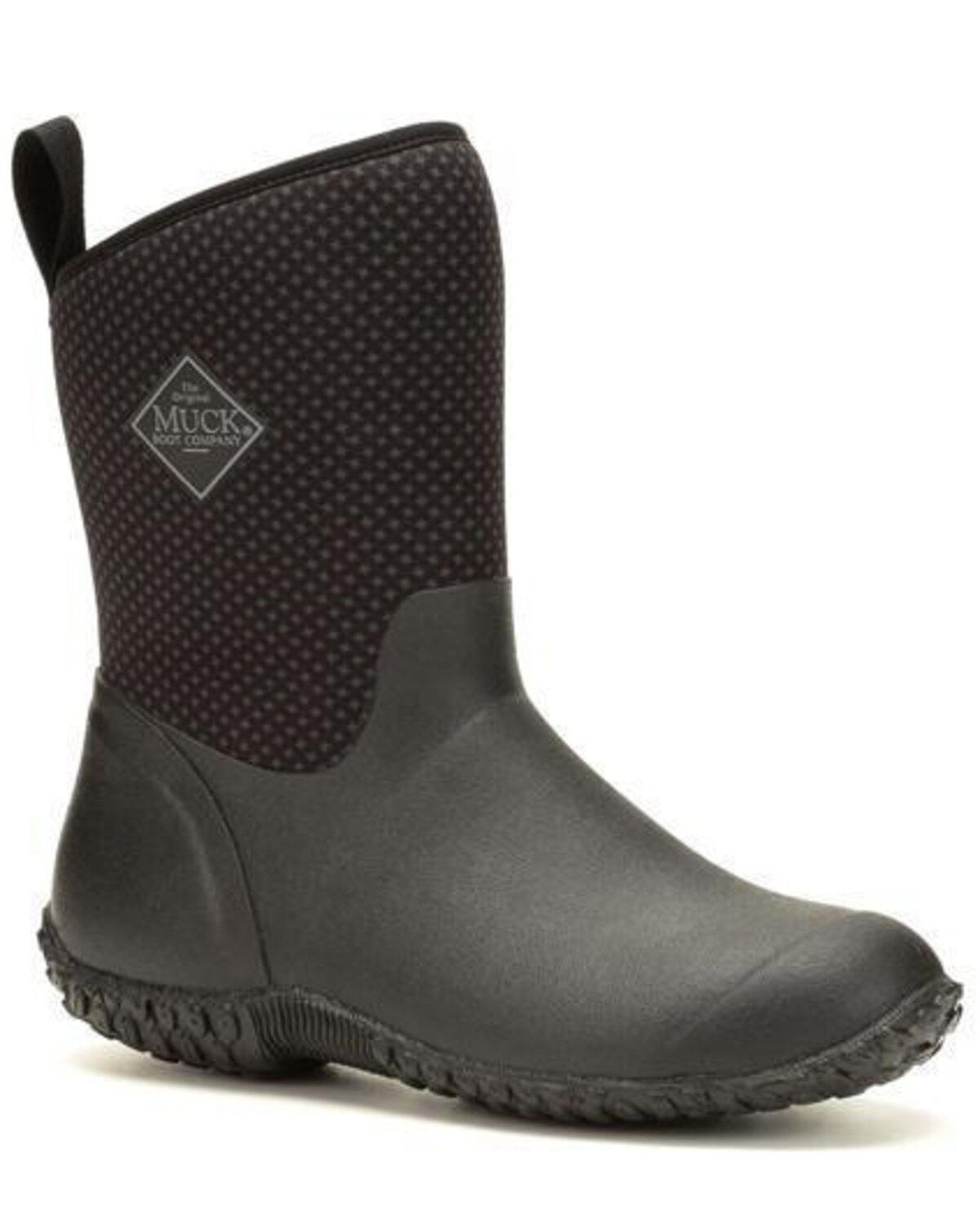
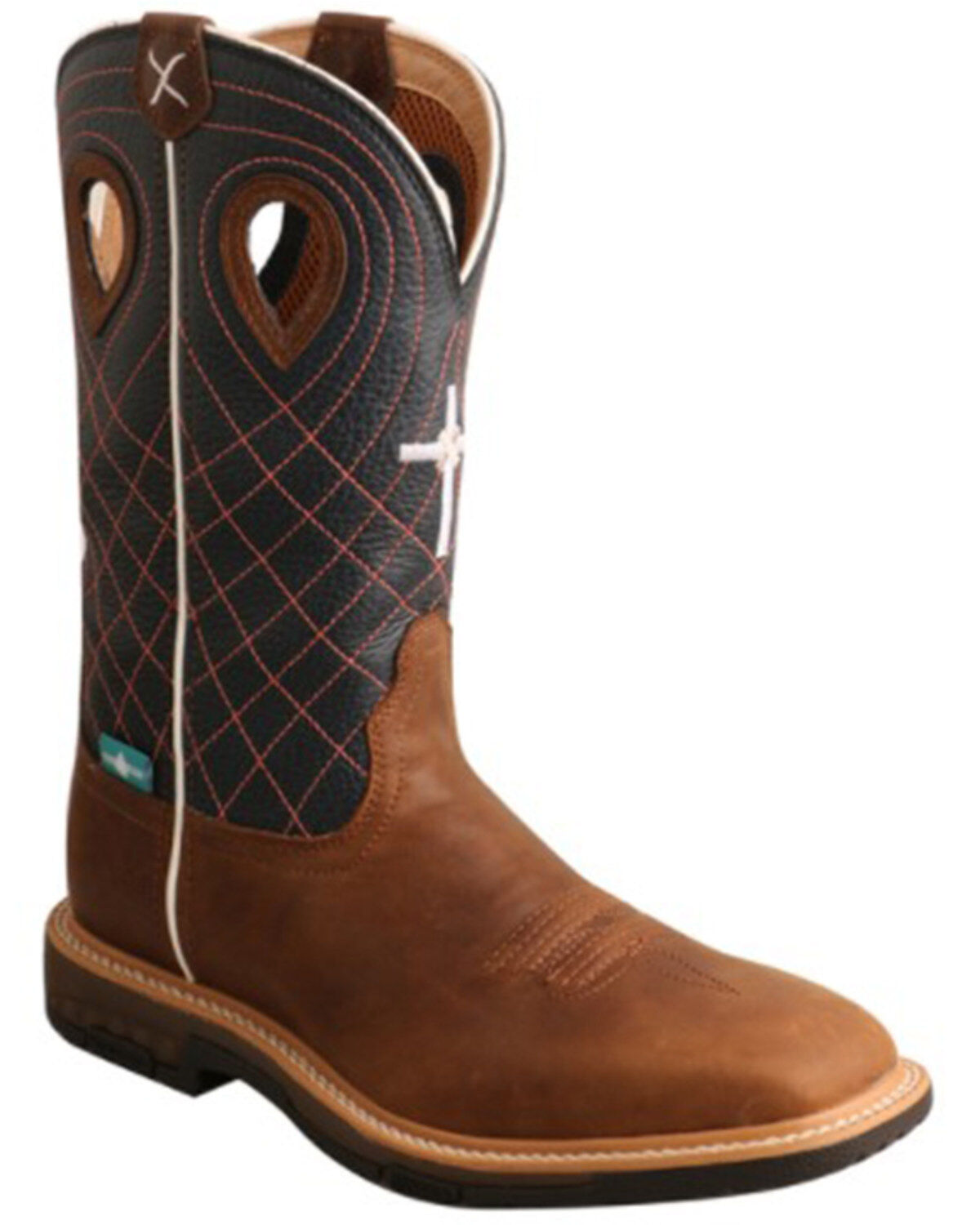
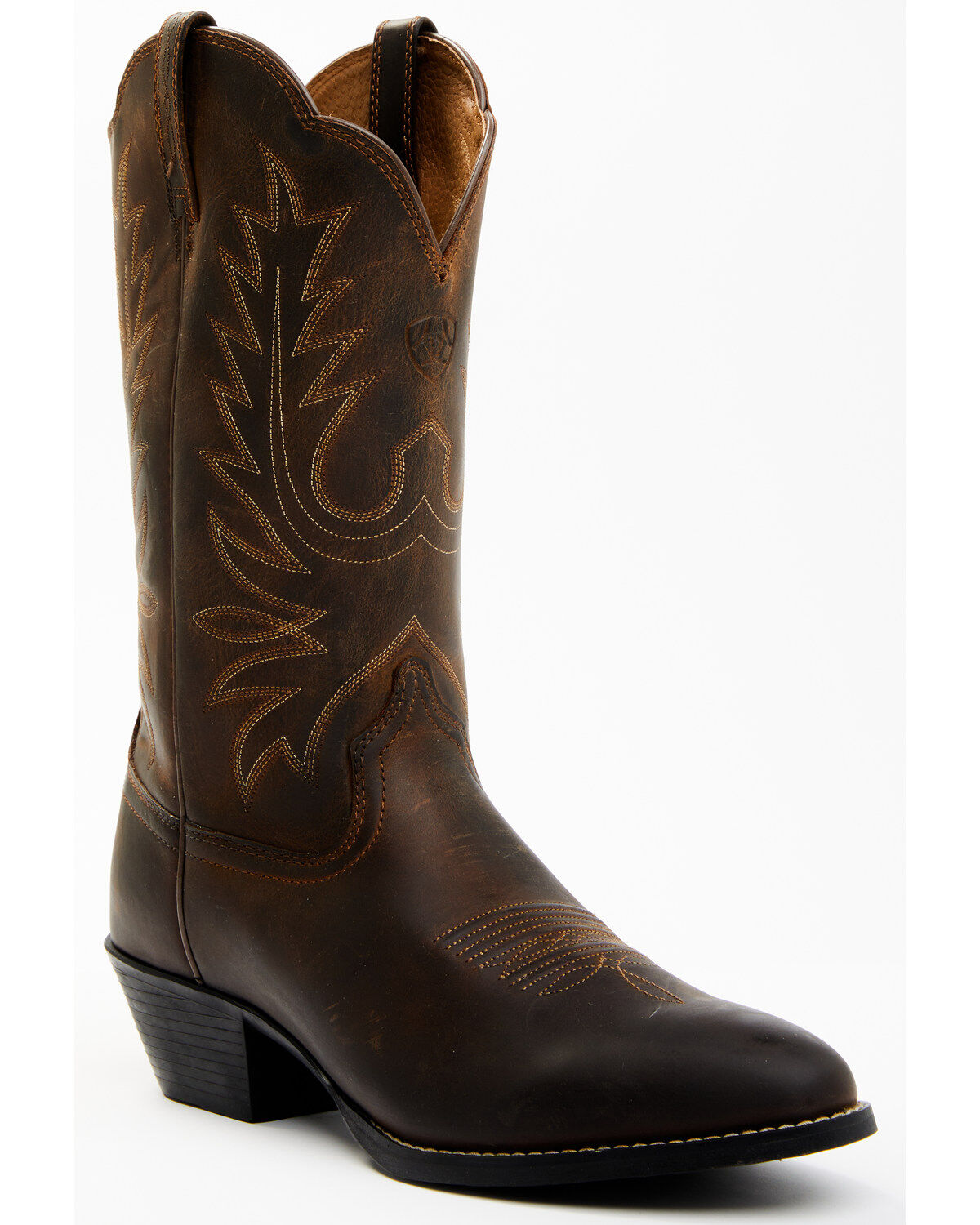
Tall women's waterproof boots combine extended shaft coverage with construction designed to help keep feet dry in wet conditions. The main types include rubber rain boots for puddles and muddy chores, insulated waterproof boots for cold and snow, and waterproof work boots for demanding outdoor use. Tall leather styles can also provide wet-weather protection when they include a waterproof membrane, sealed construction, or another specified waterproof system. Shaft height alone does not make a boot waterproof, and waterproofing does not automatically mean a boot is insulated or rated for workplace hazards. Those differences matter when the day includes feeding horses before daylight, walking across a soaked parking lot, or spending hours on wet ground. A taller shaft adds coverage against splashes, mud, and wet grass, with styles generally extending from the calf toward the knee. Actual protection depends on the materials, seams, closures, and height of the waterproof construction. Water can still enter over the opening, and a zipper or tongue needs protective construction to keep moisture from working through. Rubber is a practical material for repeated contact with mud because its smooth surface is easy to rinse clean. Flexible neoprene panels can add stretch and warmth, while waterproof leather brings a different balance of structure, support, and everyday wearability. Leather boots may use an internal membrane to block outside moisture while allowing some moisture vapor to escape. Breathability varies, however, and no waterproof boot eliminates perspiration during hard work. Rubber styles often make sense for short, wet chores and frequent cleanup. Leather or mixed-material designs may better suit longer periods of walking when their shape, support, and weight match the task. For wet snow, protection from moisture needs to work alongside suitable insulation and traction. For barn aisles and outdoor chores, easy cleanup and a secure footing may matter more than heavy insulation. The intended use should determine the construction, rather than treating every tall waterproof boot as interchangeable.

Fit has a direct effect on how tall waterproof boots feel through a full day. Foot size, calf circumference, shaft height, and the shape of the instep all deserve attention because a comfortable footbed cannot correct a shaft that pinches behind the knee or presses into the calf. Wide-calf construction provides more room through the upper portion of the boot; a wide foot size addresses a different measurement. Neither one guarantees the other. Calf measurements are most useful when taken around the fullest part of the leg while wearing the socks or pants intended for the boots. A shaft that feels comfortable over thin socks may feel tight with jeans tucked inside. Adjustable openings, stretch panels, and gussets can provide flexibility, although their adjustment range and waterproof coverage depend on the design. The upper edge should leave enough clearance for sitting, climbing steps, and bending without digging into the back of the knee. At the foot, toes need room to move without the heel sliding excessively or the foot shifting sideways on uneven ground. Thick socks are not a reliable fix for an oversized boot, and overly tight footwear can reduce comfort and warmth. Insulation adds another fit consideration because it occupies space and changes how the interior feels. Uninsulated waterproof boots can suit wet conditions when extra warmth is unnecessary, while insulated construction is useful for longer exposure to cold ground and snow. More insulation is not always better for active work, especially when walking or lifting generates body heat. Underfoot, cushioning can ease pressure during long periods of standing, while a supportive midsole helps give the boot structure. Outsole design matters just as much. Deeper, well-spaced lugs can help with loose soil and mud, while slip-resistant designs are intended for particular surfaces and conditions. No outsole guarantees traction on ice, wet wood, or every slick barn floor. Work settings may also call for a safety toe, puncture resistance, or electrical hazard protection. Waterproof construction does not establish any of those features; the boot's stated ratings must match the job.

Durability comes from matching the material to the work and giving it consistent care. Repeated flexing, abrasive mud, manure, road salt, and long exposure to moisture can wear down different parts of a boot, even when the waterproof system remains intact. Reinforced areas around the toe and heel can help manage contact with rough surfaces, while sound stitching, secure sole attachment, and a supportive heel structure contribute to dependable wear. A tall boot used for brief walks across wet grass faces different demands than one worn through daily stall cleaning or hours of outdoor labor. After use, removing mud before it hardens makes cleanup easier and keeps grit from collecting around seams and the outsole. Rubber generally needs a gentle rinse or wipe, followed by drying away from direct heat. Leather needs cleaning and conditioning suited to its finish and the manufacturer's care directions. A waterproofing treatment may help maintain surface water resistance when approved for the material, but it cannot repair a split sole, torn membrane, or failed seam. Related styles in Womens Tall Leather Boots provide another point of comparison for shaft shape and leather finish, though leather alone does not establish waterproof protection. Boots should dry with room for air to circulate, without a heater, radiator, or hot dryer forcing the process. Removable insoles can be taken out when permitted by the care instructions, and boot shapers can help tall leather shafts hold their form during storage. Regular checks around flex points, closures, and sole edges can reveal wear before the next wet day. For a gift, foot size is only part of the fit. Calf measurements, preferred shaft height, typical socks, and intended use help distinguish a useful pair from one that simply looks right. Whether the recipient spends mornings at the barn, walks dogs through wet fields, or works outdoors, the strongest choice is a boot built for those conditions and comfortable enough to wear through the task.
Read More

FAQs