Women's Waterproof Riding Boots

Find women’s waterproof riding boots for wet-weather days in the saddle and around the barn. Compare each pair’s fit, sizing, and care requirements to choose riding footwear that suits your routine.

Read More

Shop Your Store: Shop Your Store: Find a Store

(Turn off Shop Your Store to see all items)

(Turn off Shop Your Store to see all items)

close
  • Recommended
  • Lowest Price
  • Highest Price
Skip pass products

End of products

Women's Waterproof Riding Boots

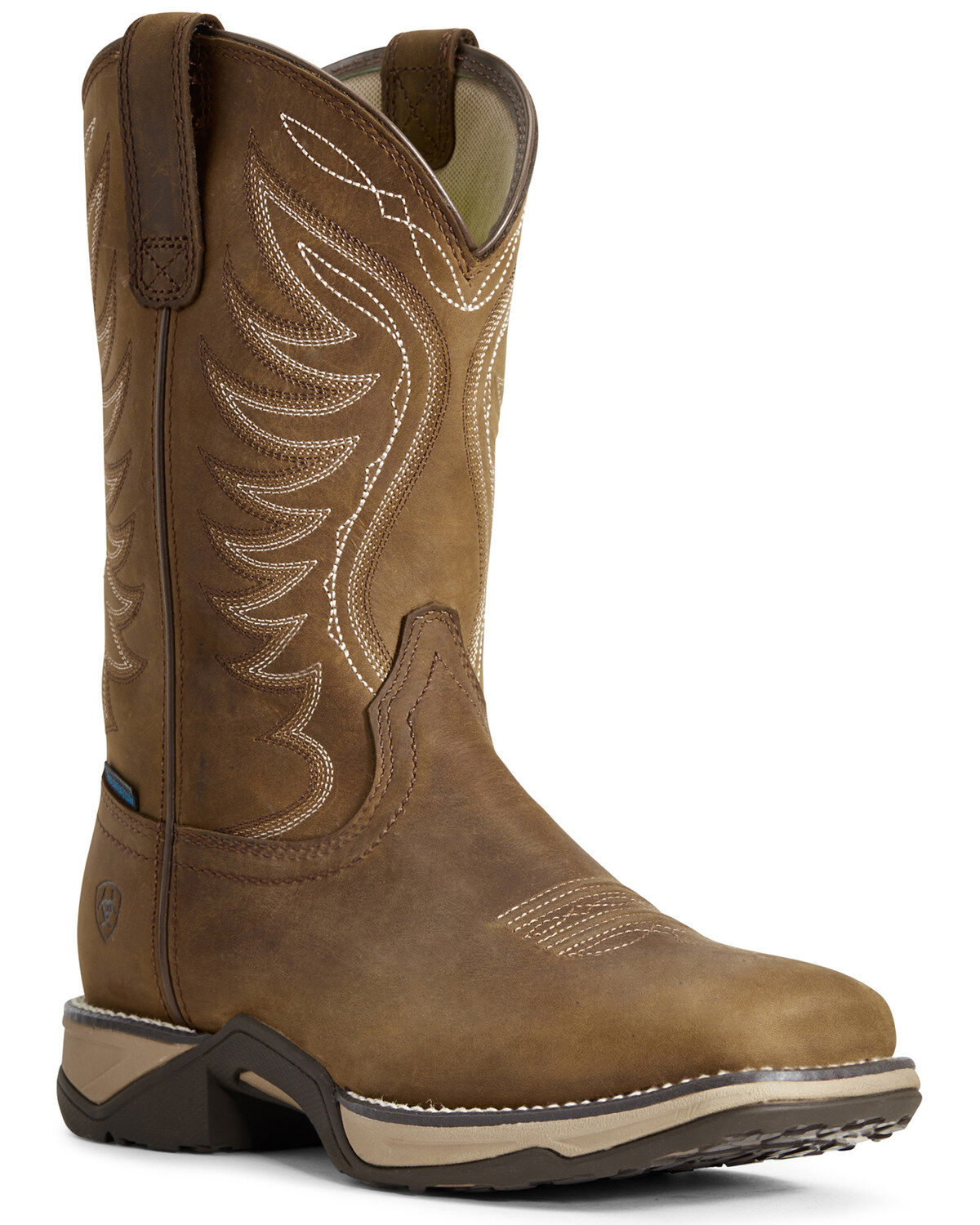
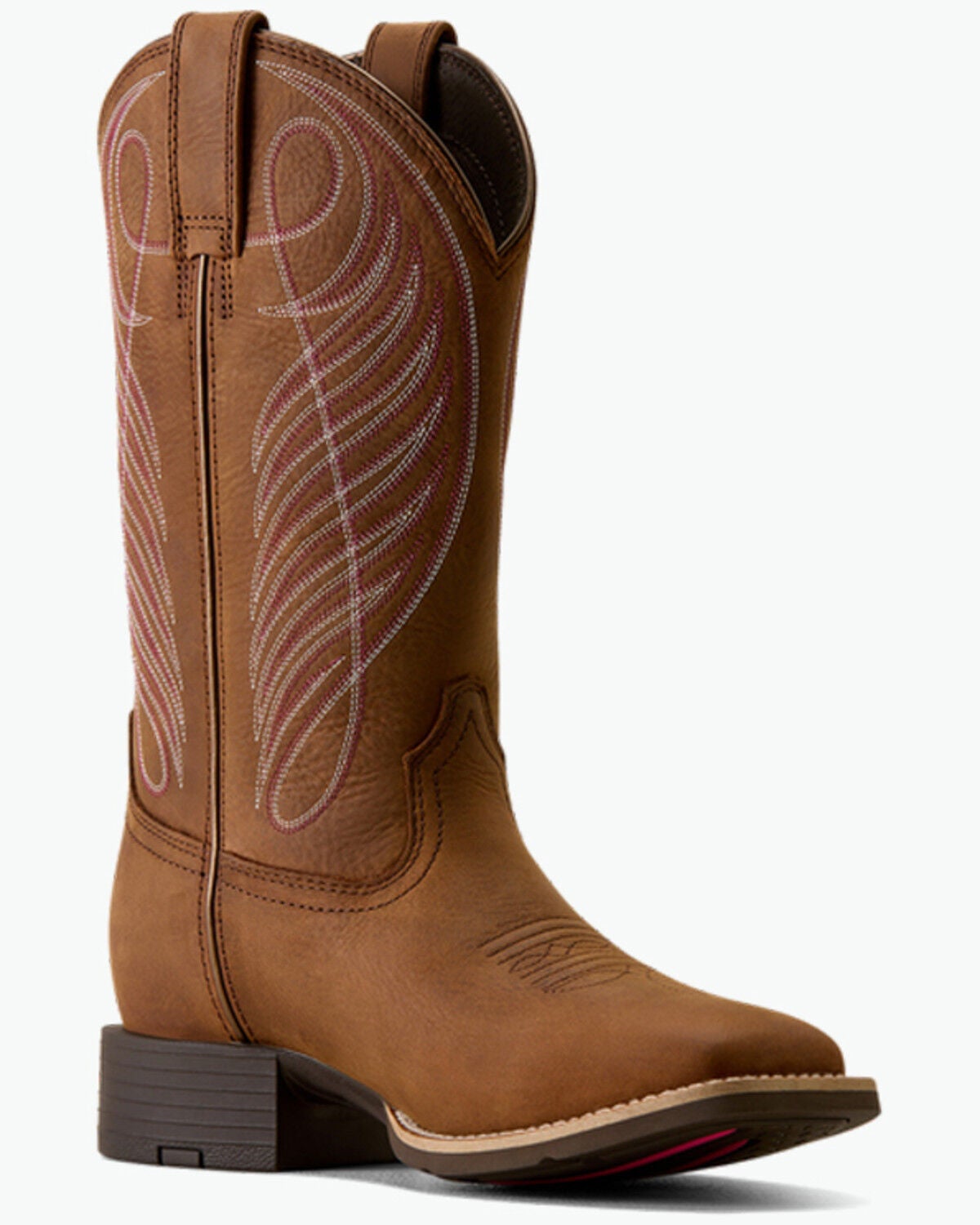
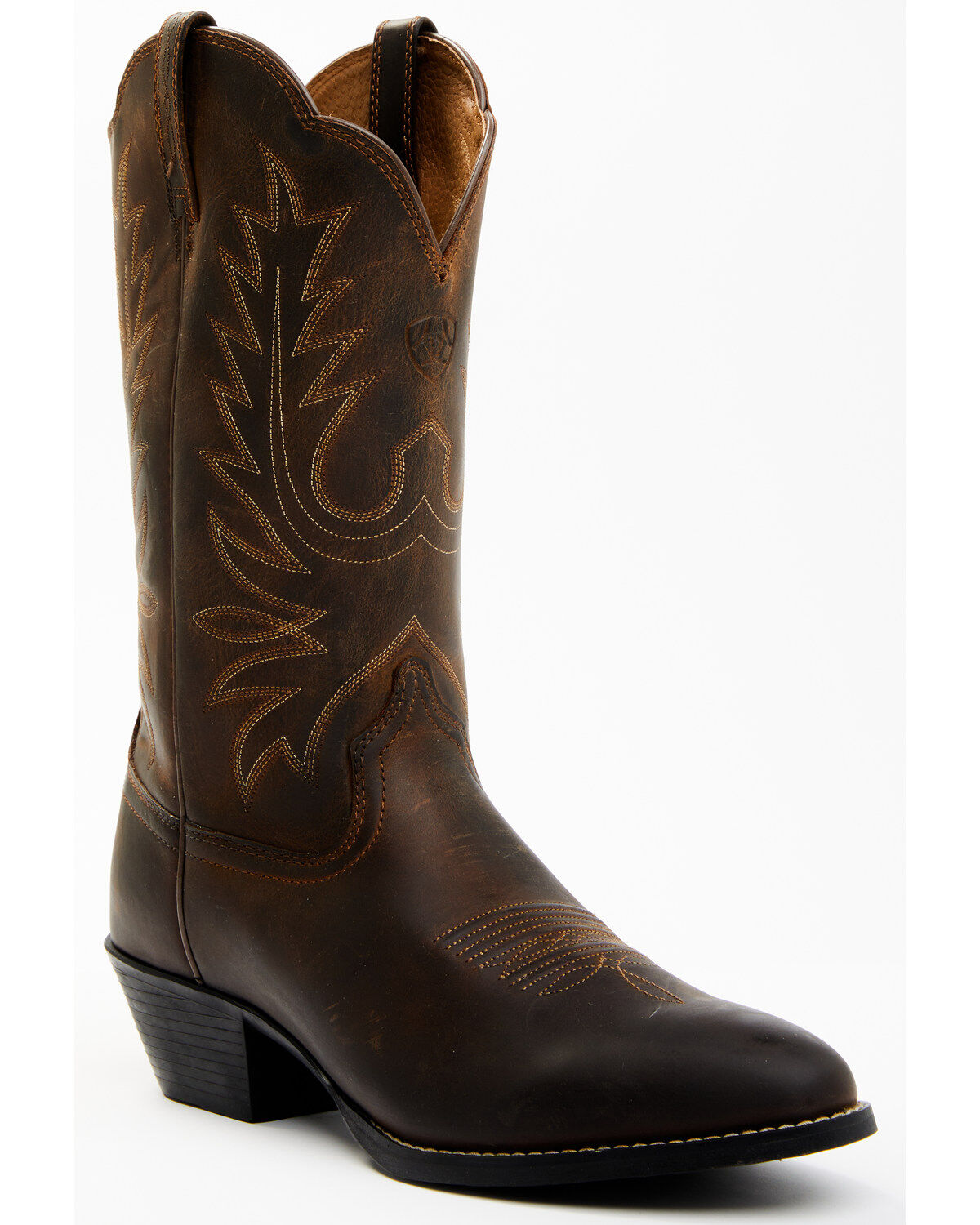
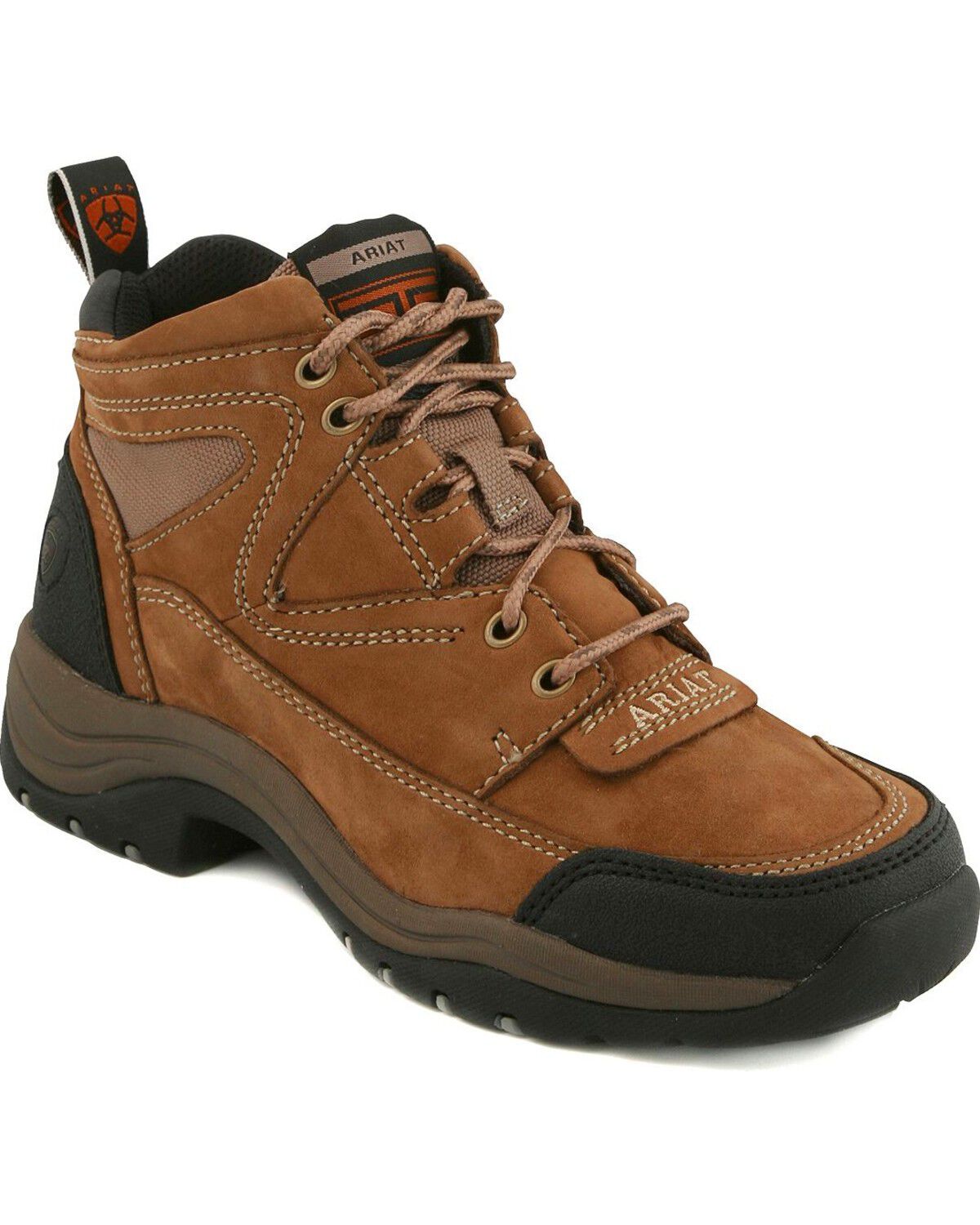
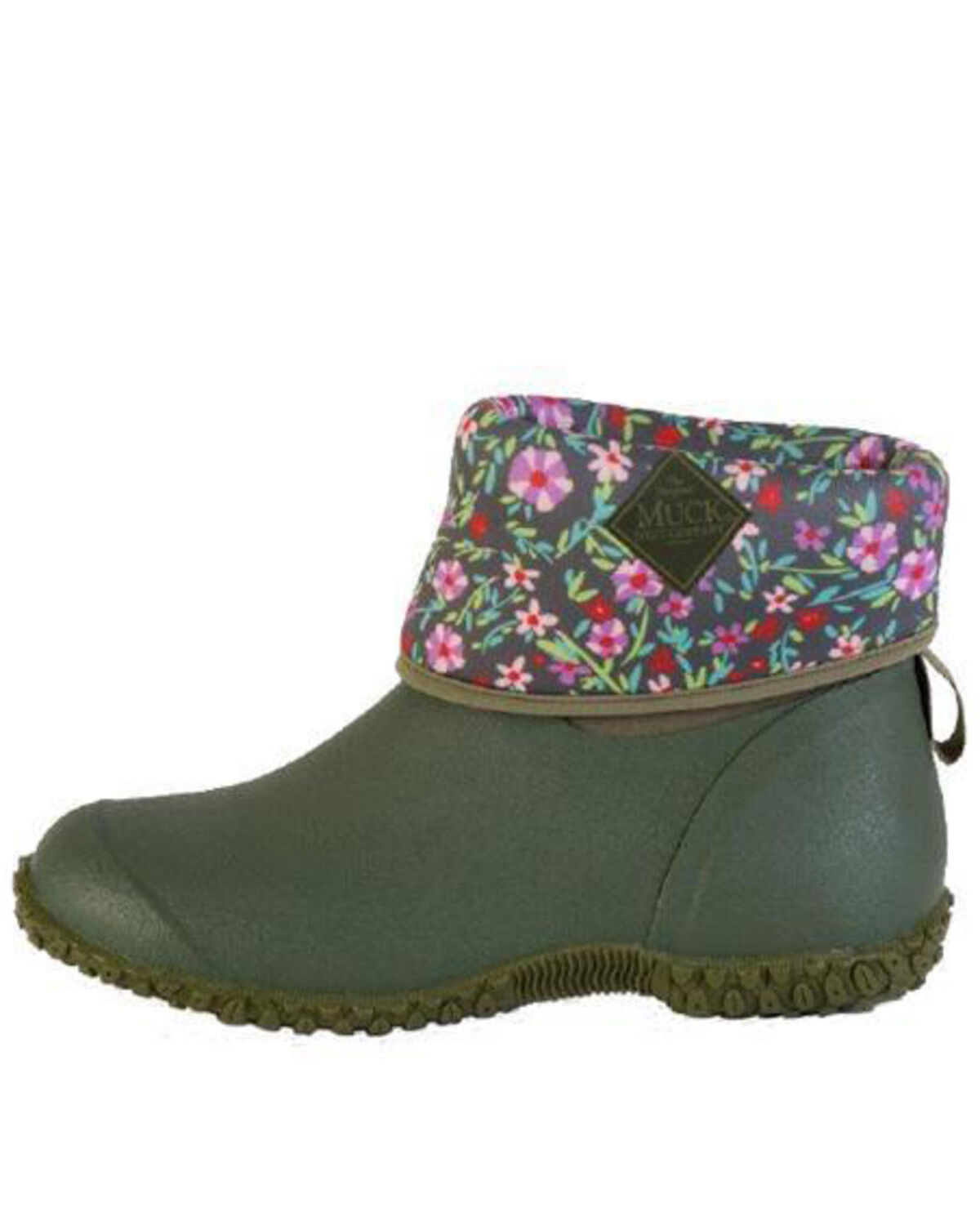
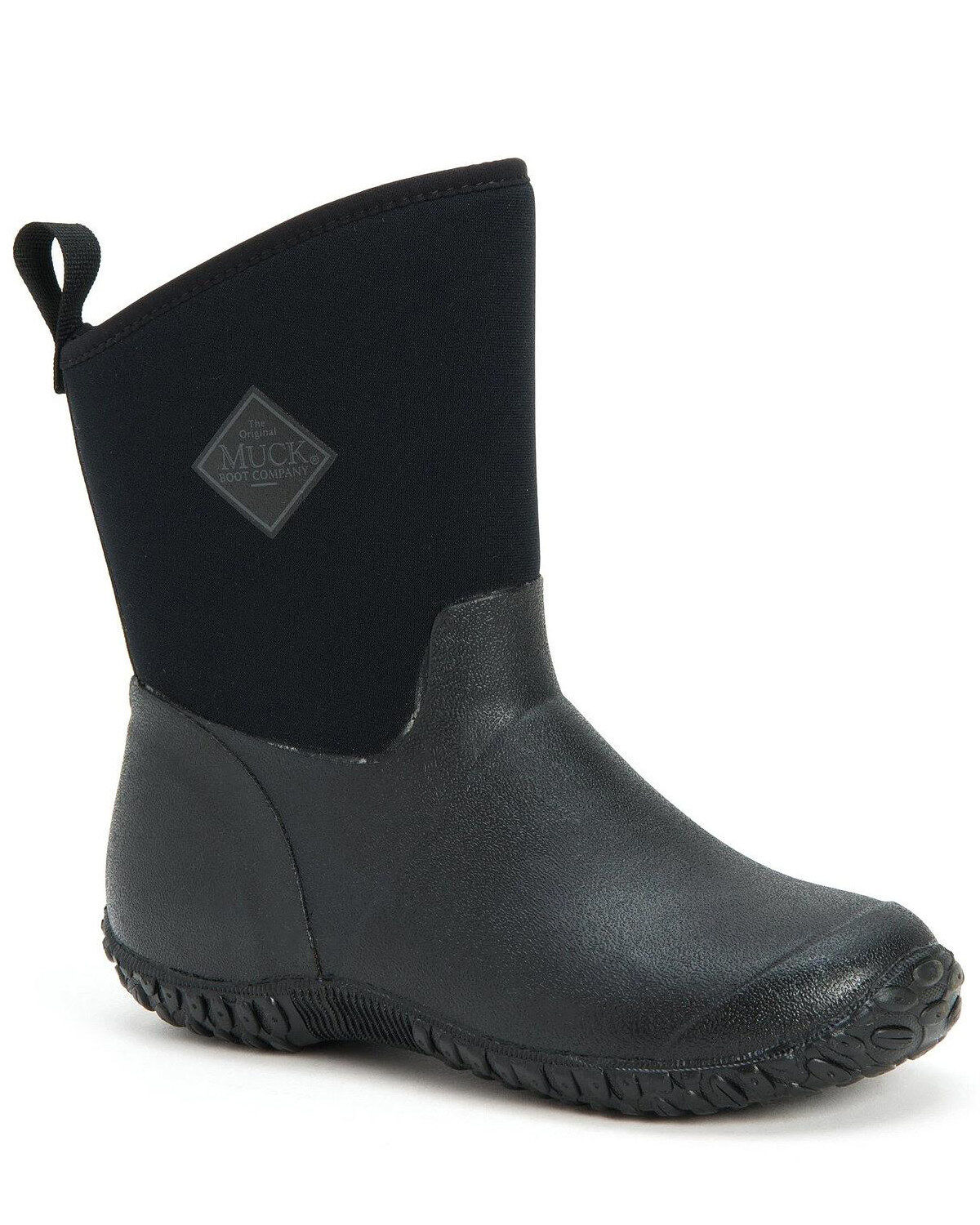
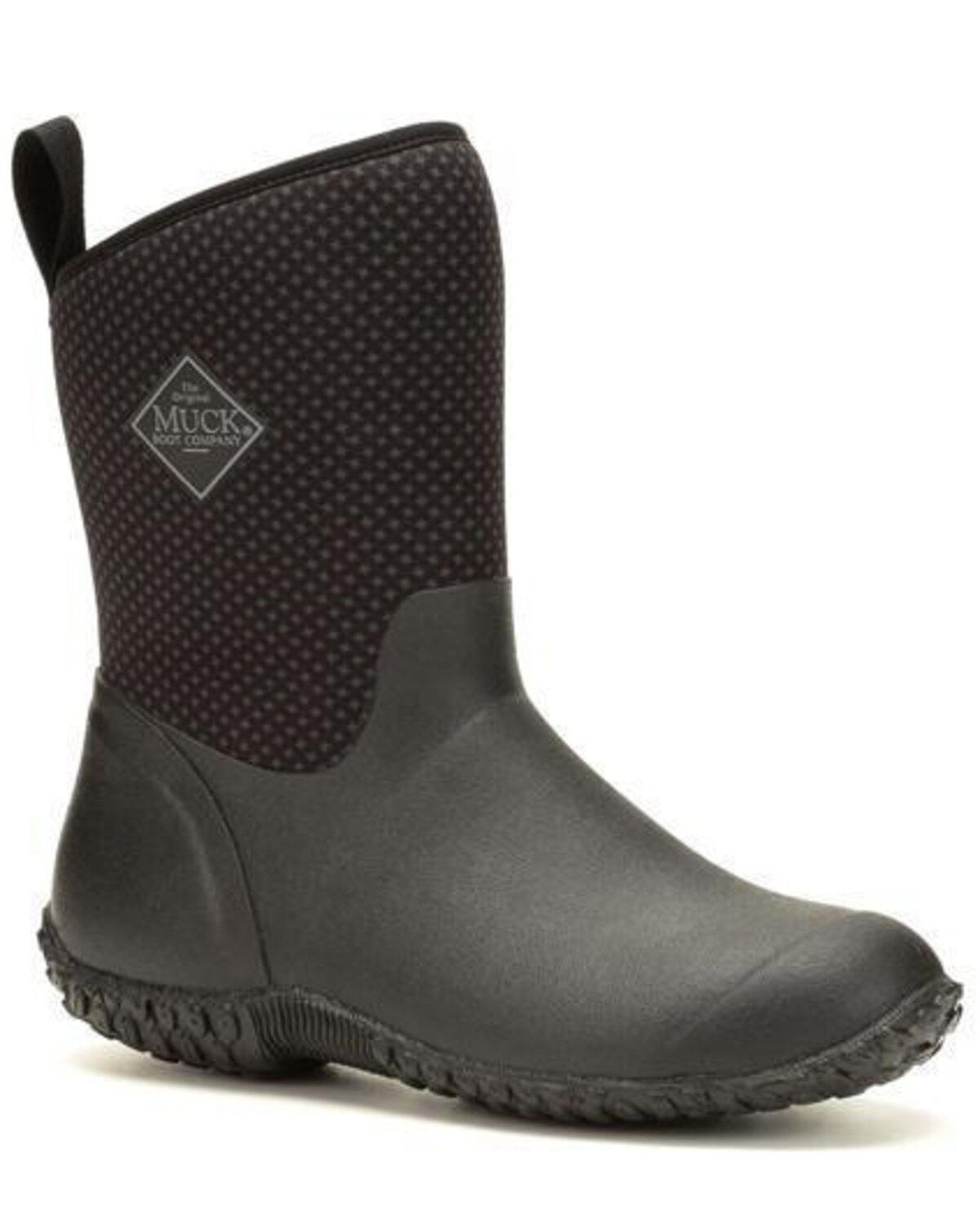
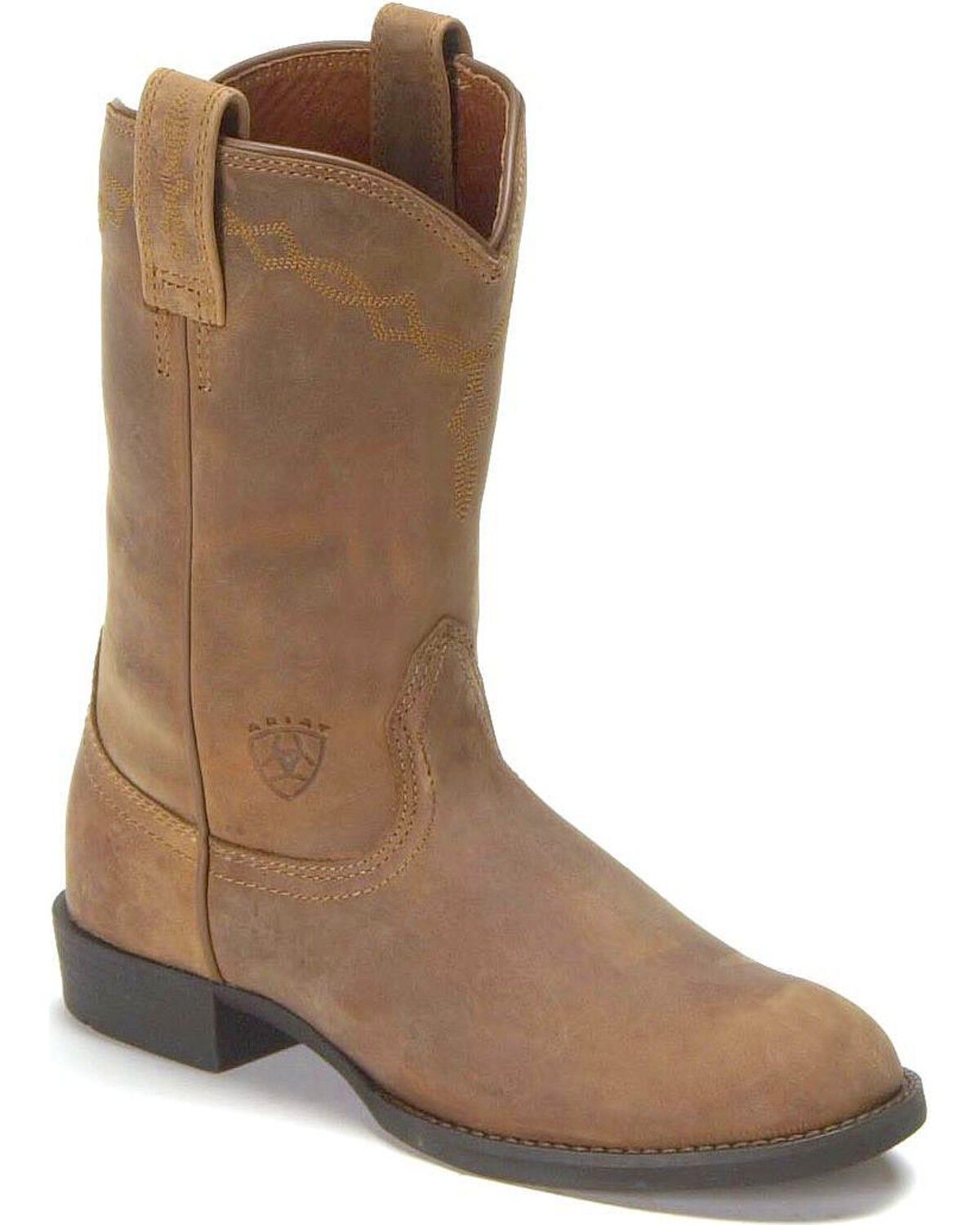
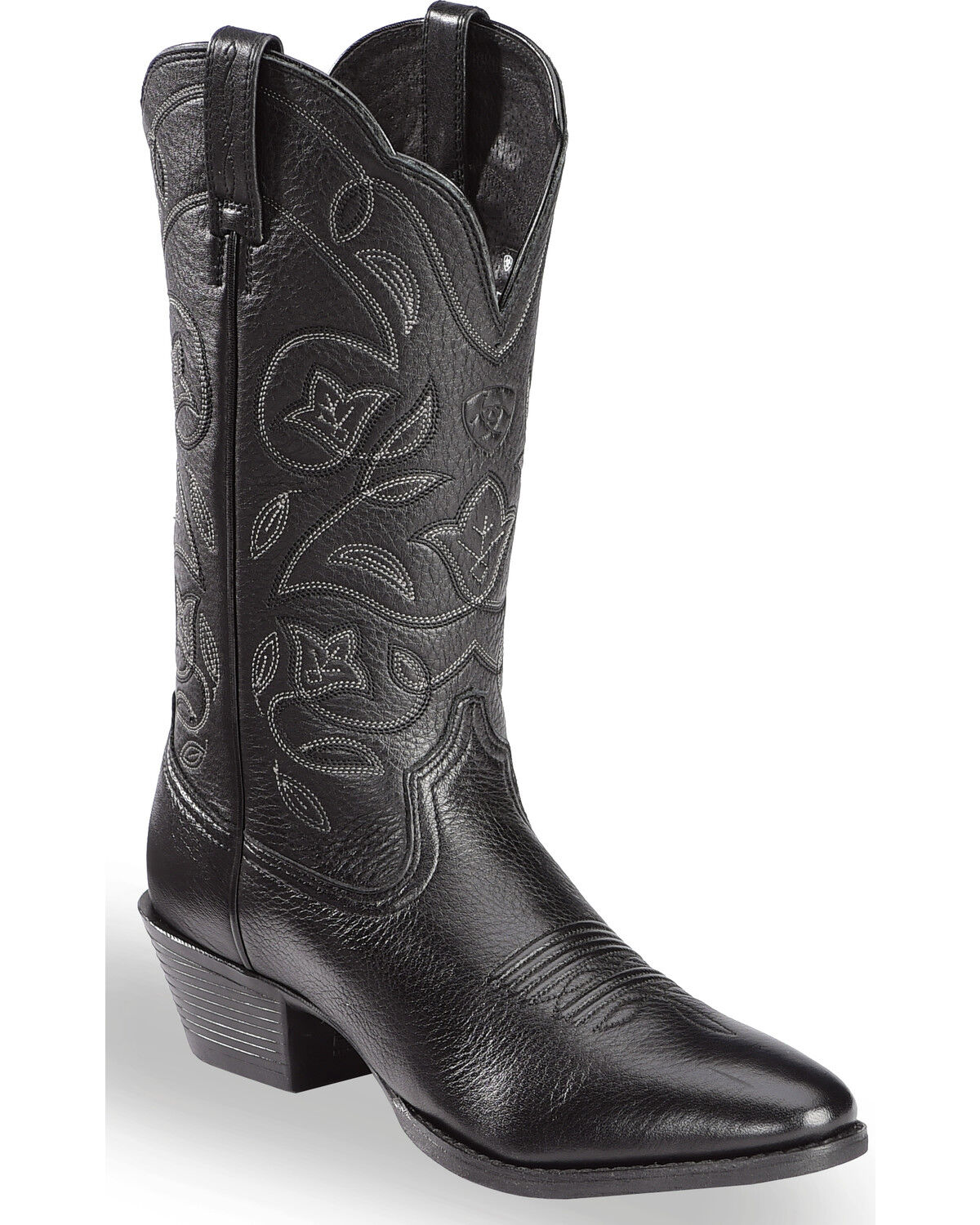
Women's waterproof riding boots combine protection from wet conditions with the shape and support needed for time in the saddle. They serve riders who cross damp pasture, handle horses after rain, or move between a muddy barnyard and a riding arena. Waterproofing can come from a barrier inside the boot, treated materials, sealed construction, or a combination of these features. The details matter: water-resistant leather can shed light moisture, but it is not the same as a boot constructed and designated as waterproof. Even waterproof footwear has limits, particularly when water reaches above the shaft opening or enters through an unprotected closure. Leather remains a practical choice for riding because it offers structure, abrasion resistance, and a fit that gradually conforms with wear. Synthetic materials can offer different weights, flexibility, and maintenance requirements, depending on their construction. Full-grain leather often shows natural markings and develops character over time, while other finishes provide a more uniform surface. Neither appearance alone nor shaft height establishes how well a boot keeps water out. Waterproof construction also does not automatically provide insulation. An uninsulated boot and an insulated boot can both protect against outside moisture, but they address different comfort needs. Breathability is another consideration for riders moving from stall chores to a longer ride. A breathable waterproof membrane is designed to limit outside water while allowing some moisture vapor to escape, though socks, activity level, and surrounding conditions still affect comfort. The Womens Breathable Waterproof Riding Boots page focuses on that combination of moisture protection and breathability. Across these constructions, lining texture, interior seams, and the amount of cushioning underfoot influence how a boot feels through hours of wear. A smooth lining can make pulling boots on easier, while cushioning can soften the feel of repeated steps across packed ground. Those comfort details work alongside waterproofing rather than replacing the need for proper riding construction.

Fit has a direct effect on comfort, control, and how securely a riding boot stays in place. Women's waterproof riding boots should hold the foot without crowding the toes or creating sharp pressure across the instep. Some initial heel movement can be normal in pull-on leather boots, but excessive lifting, sliding forward, or persistent rubbing can point to a poor fit. Leather may soften with use; it should not be expected to stretch enough to correct a boot that is too short or painfully narrow. The socks worn for riding also influence fit, particularly when a thicker pair takes up space through the forefoot and instep. Removable footbeds, when included, can affect interior room, and an added insert may change how the heel sits. Shaft fit deserves the same attention as foot size. A tall shaft should allow the rider to bend the knee without pressing into the back of it, while the calf needs enough room for the intended clothing without excessive movement. Shorter paddock-style boots offer a different feel around the ankle and are often worn with half chaps for English riding. Western riding boots generally use a pull-on shaft and are worn with jeans or riding pants, depending on the rider's preference and discipline. Neither a tall profile nor a Western appearance alone makes a boot suitable for riding. A defined riding heel, appropriate sole shape, and compatibility with the stirrup are important considerations. Very bulky toes or heavily lugged soles may interfere with suitable stirrup clearance. Ground traction matters around wet gates and barn aisles, but the outsole also needs to suit the riding task. A rider spending several hours on foot may value cushioning and manageable weight, while someone working from horseback may place greater emphasis on stability and a secure fit through the instep. Waterproof work boots and general outdoor boots are not automatically substitutes for footwear intended for the saddle.

Durability depends on both construction and the conditions a boot encounters. Repeated bending at the ball of the foot, contact with stirrup leathers, and abrasion from gravel put different demands on the upper and outsole. Reinforced areas, sound stitching, and well-finished joins can contribute to longer wear, but waterproof protection still needs attention over time. Mud left around seams and dried manure against leather can make routine cleaning harder and contribute to material deterioration. Loose dirt is best removed before gentle cleaning with products suited to the boot's materials. Leather conditioner can help maintain flexibility when the manufacturer permits its use, but it does not repair a damaged waterproof membrane. Heavy oils, harsh cleaners, and treatments not intended for a particular finish can alter the surface or affect performance. Waterproofing sprays and creams should likewise match the manufacturer's care directions rather than being treated as a universal fix. After a wet ride or a long day around the barn, drying at room temperature helps protect leather, adhesives, and interior components. Direct heat from a radiator, heater, or hot dryer can damage materials. Removable footbeds can be aired separately where the construction allows, and clean, dry storage helps preserve the boot's shape between wears. Wear at the heel, separation along the sole, damaged closures, and cracked leather deserve attention before the next ride. Repair options depend on how the boot was made, so a replaceable sole should not be assumed. For a gift, the rider's usual boot size is only part of the picture. Riding discipline, calf measurements, preferred socks, and the balance of saddle time to barn work all help determine a useful fit. Women's waterproof riding boots make a practical choice for horse owners, regular lesson riders, and women whose daily routines include wet ground and time in the saddle. The strongest match is a pair suited to the rider's work, stirrups, and care routine—not simply the pair with the tallest shaft or heaviest sole.
Read More

FAQs