Ladies Waterproof Boots

Find ladies waterproof boots to help keep your feet dry in rain and on wet ground. As you browse, compare fit, shaft height, and intended use to choose a pair suited to your routine and the conditions you expect.

Read More

Shop Your Store: Shop Your Store: Find a Store

(Turn off Shop Your Store to see all items)

(Turn off Shop Your Store to see all items)

close
  • Recommended
  • Lowest Price
  • Highest Price
Skip pass products

End of products

Ladies Waterproof Boots

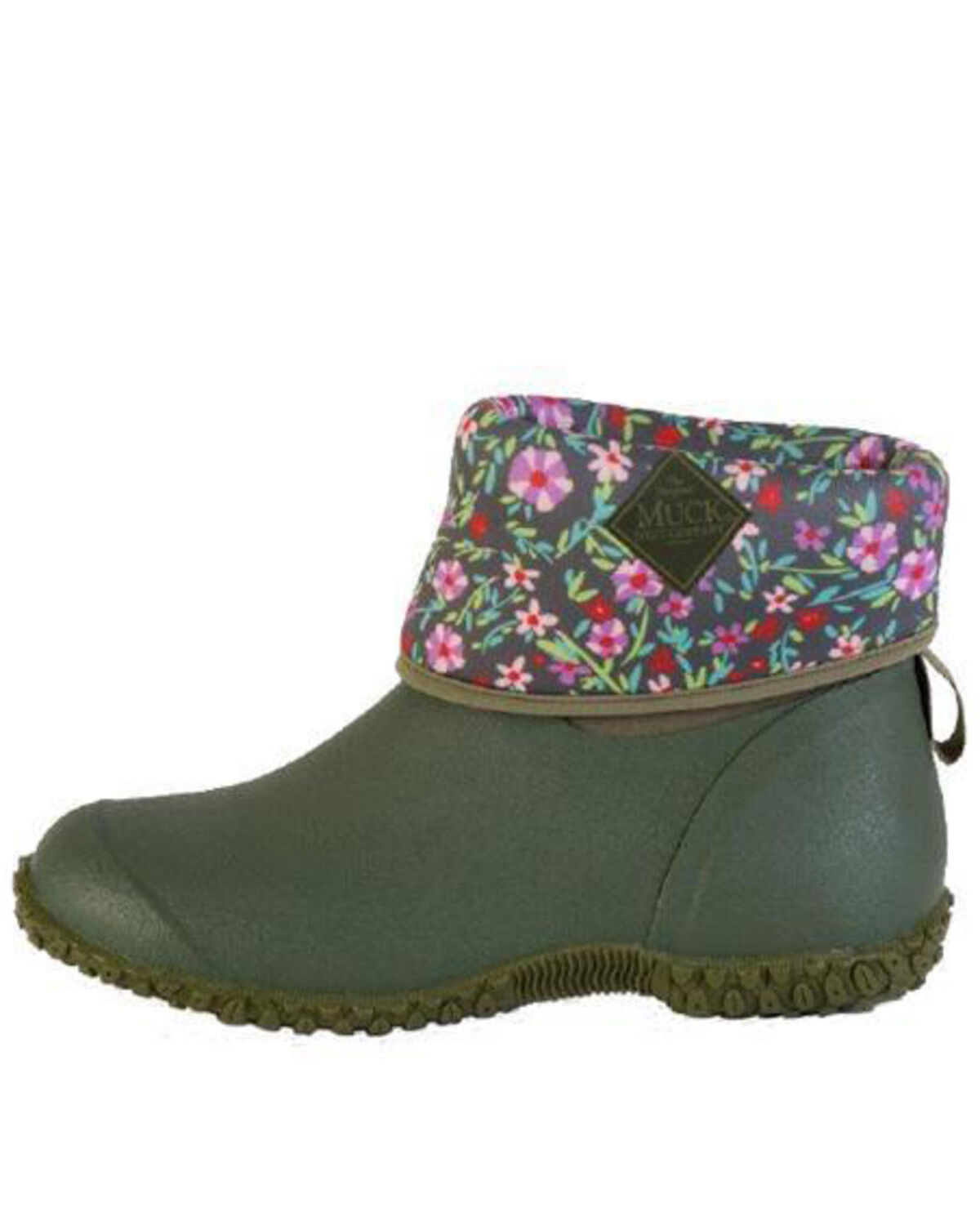
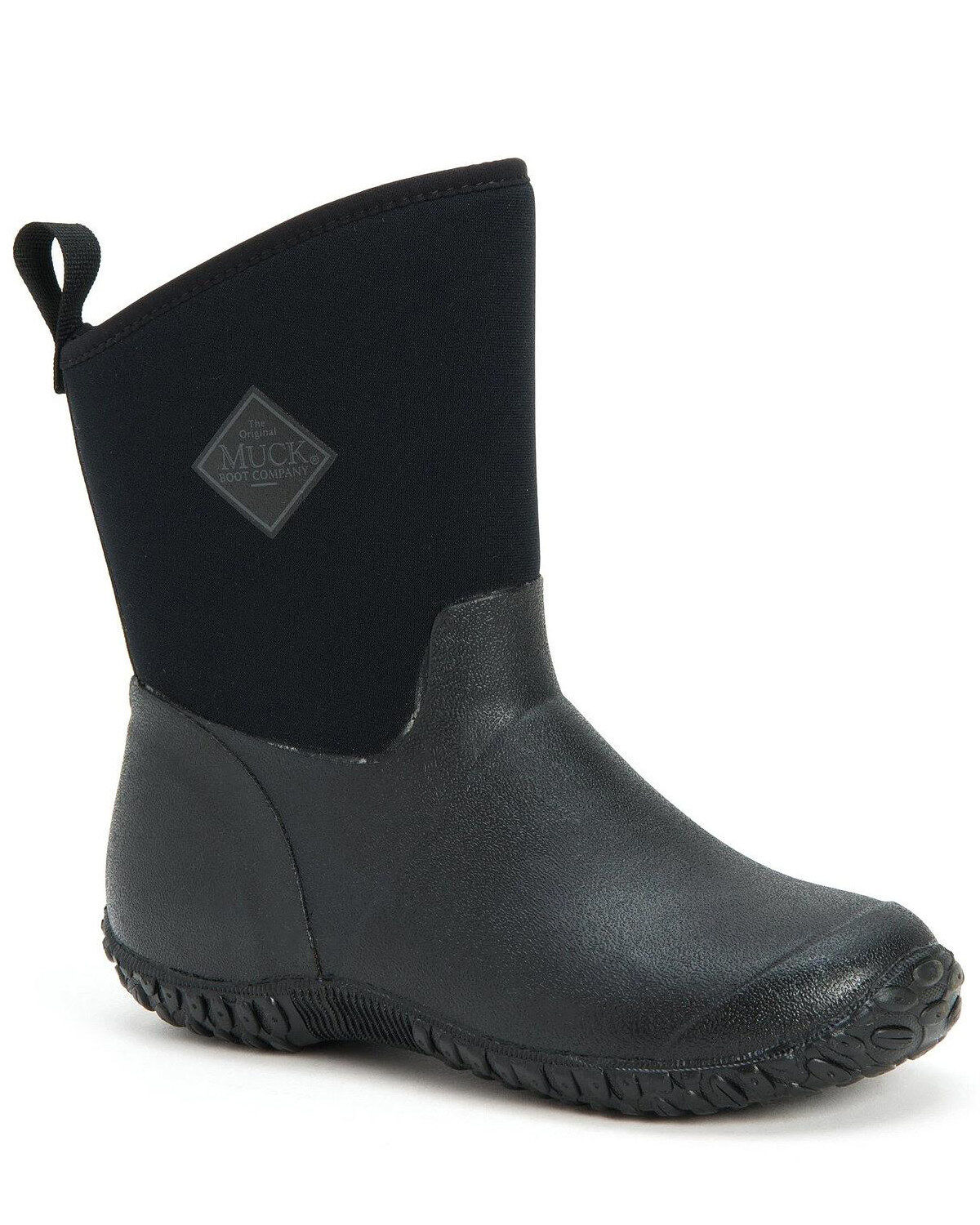
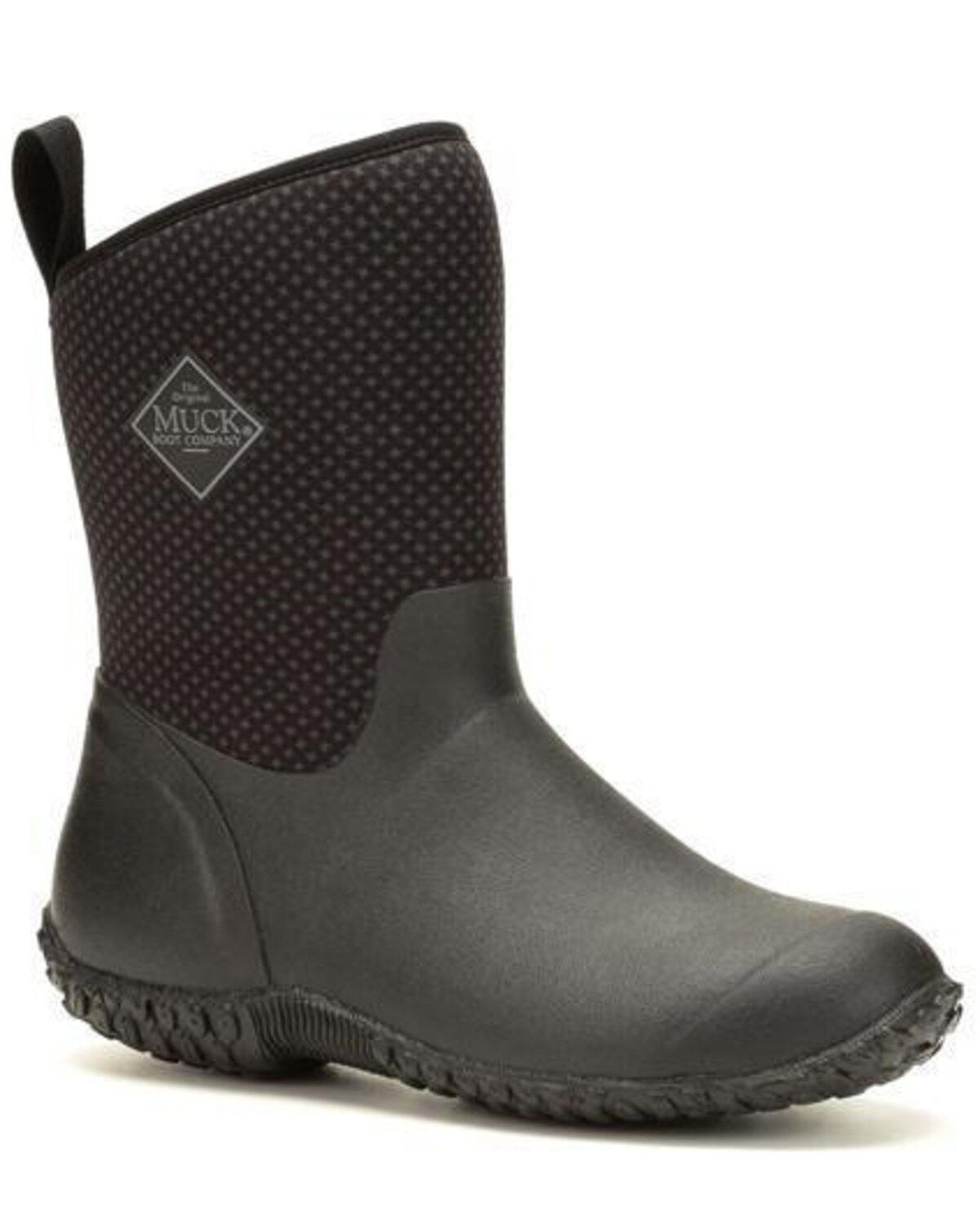
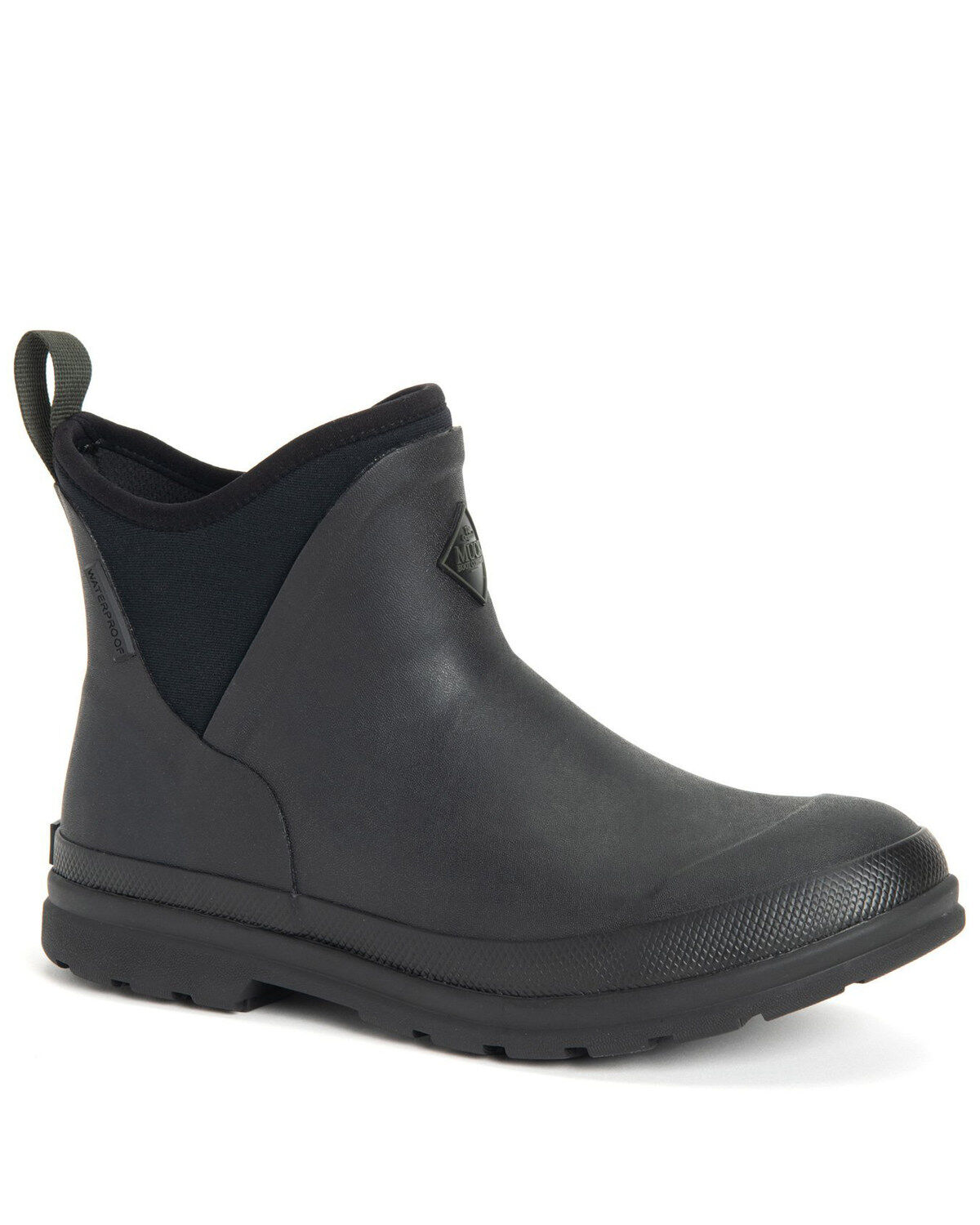
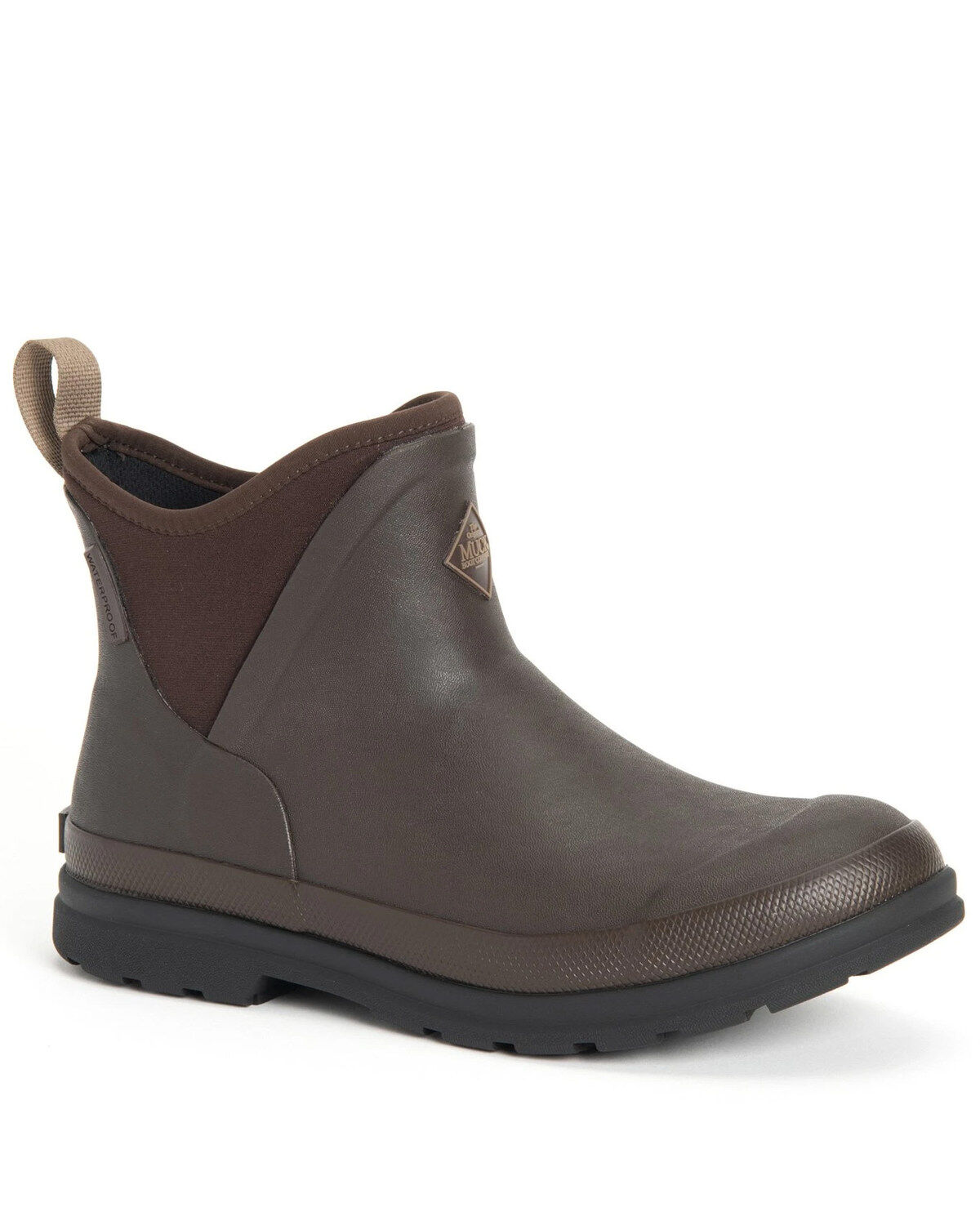
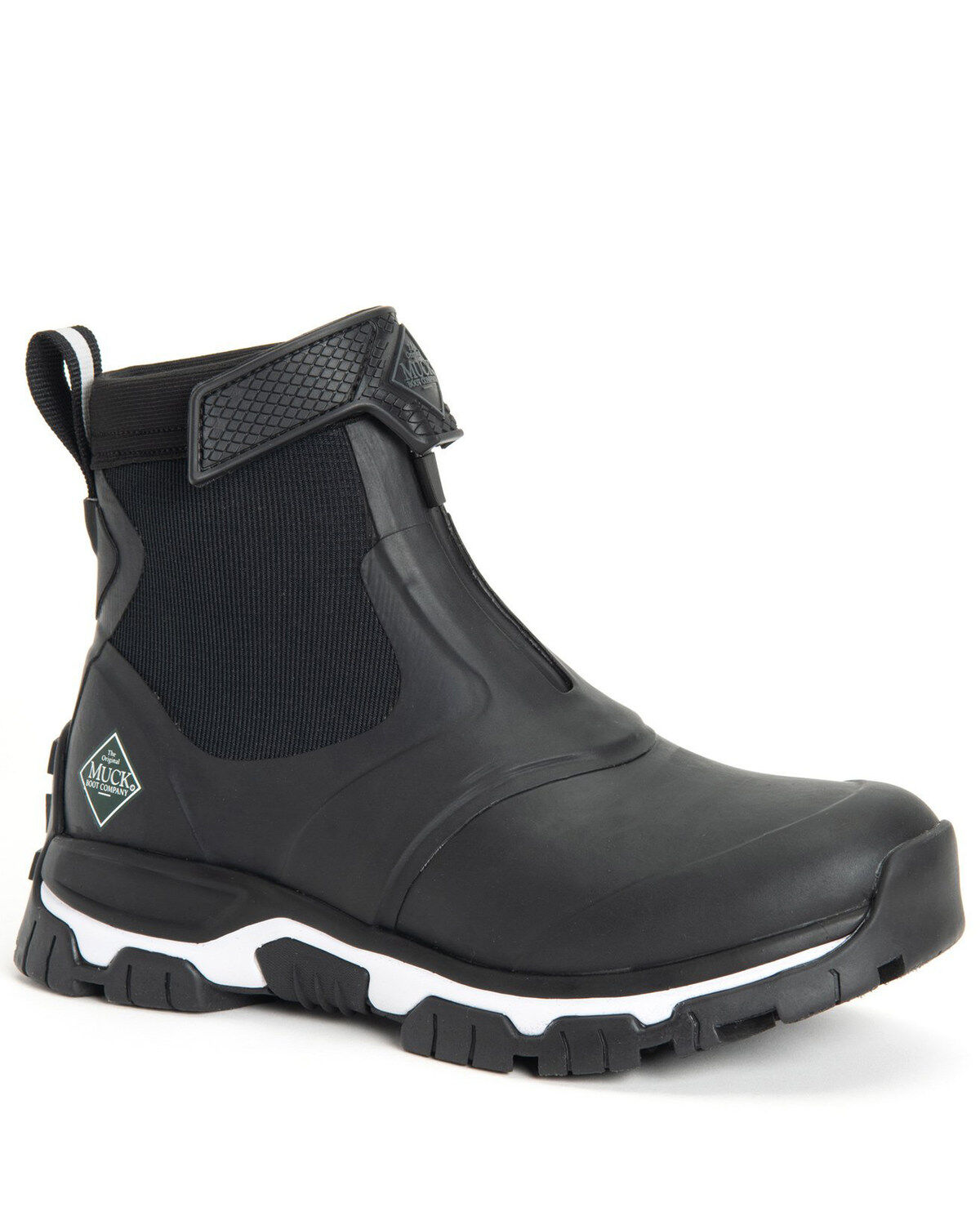
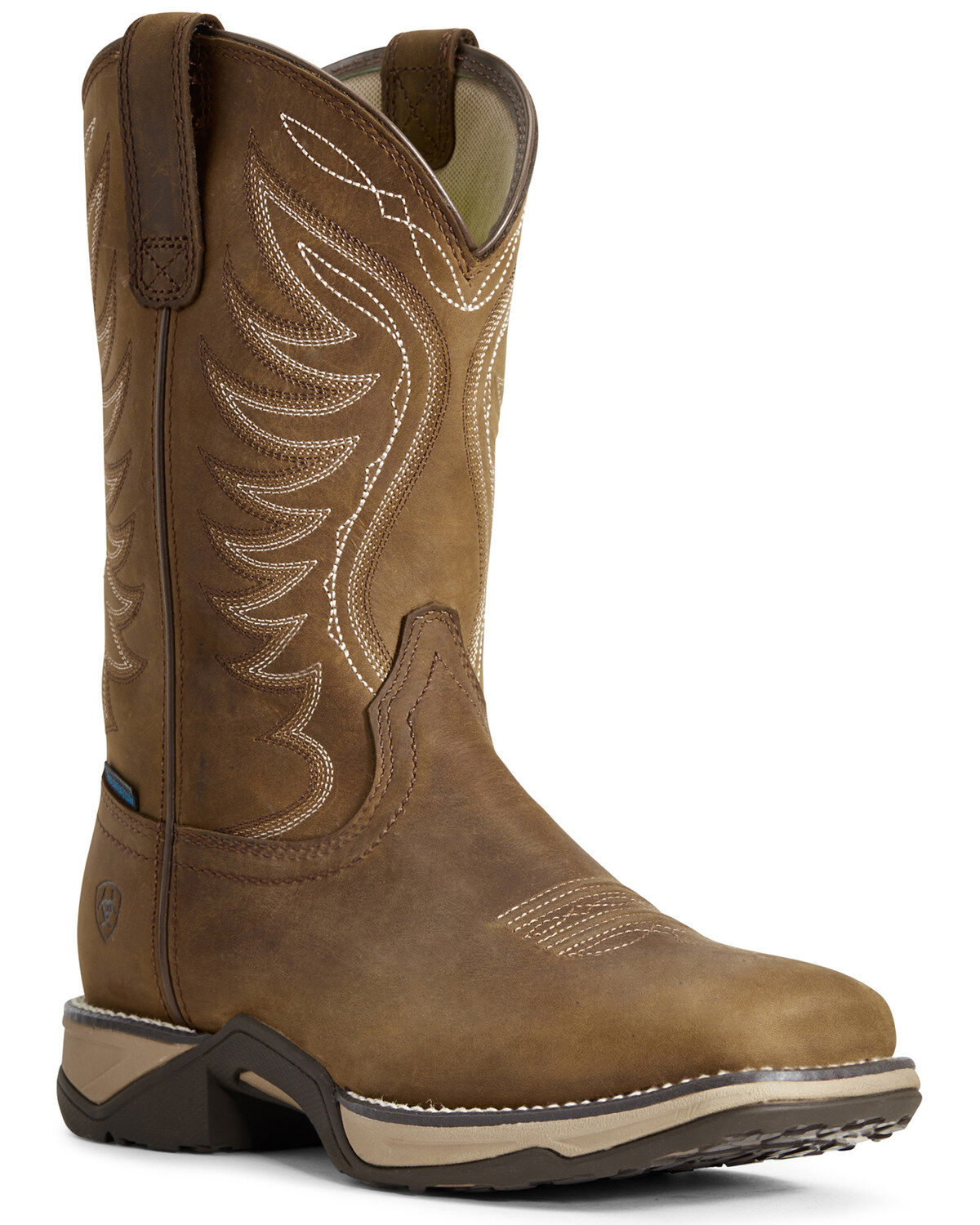
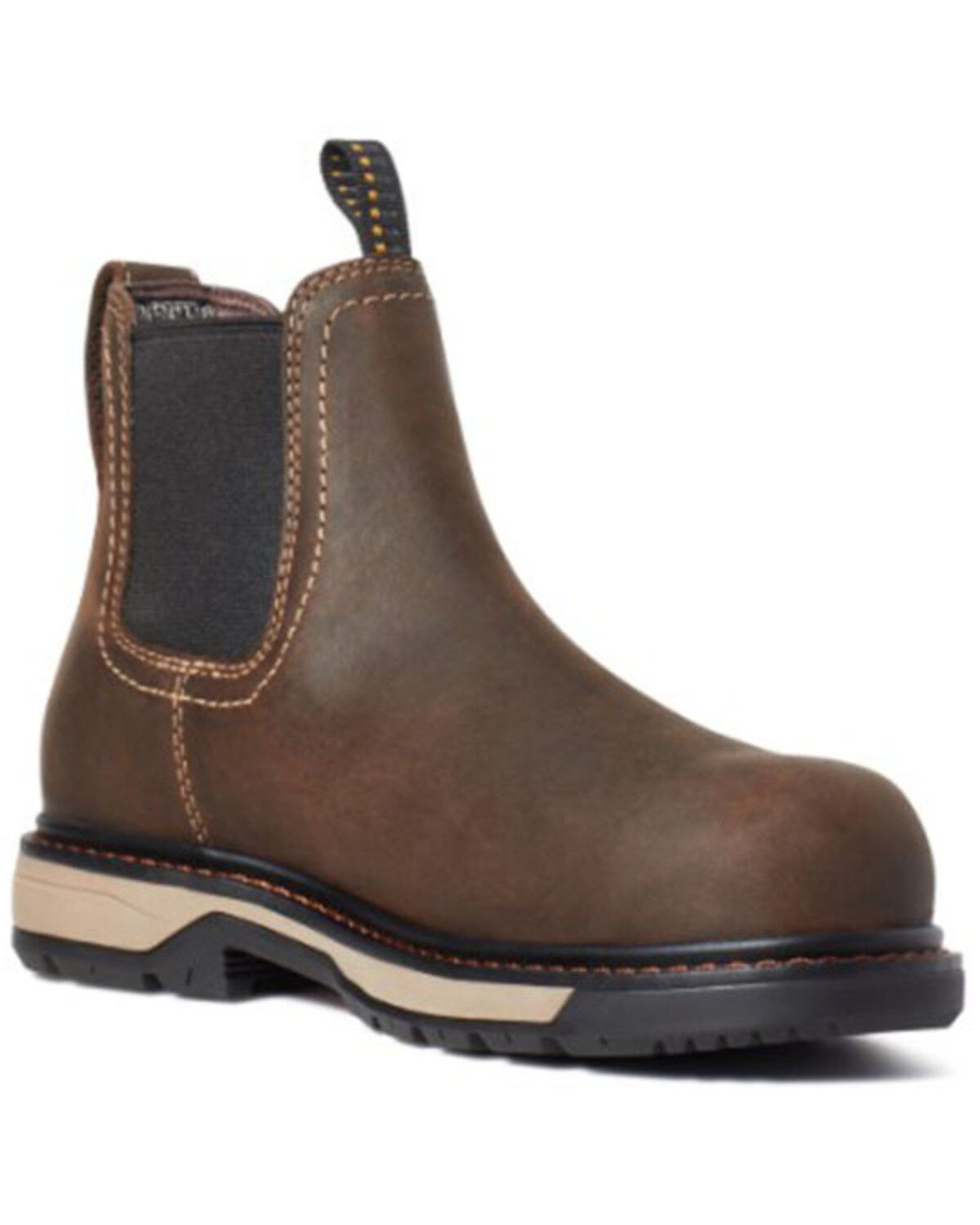
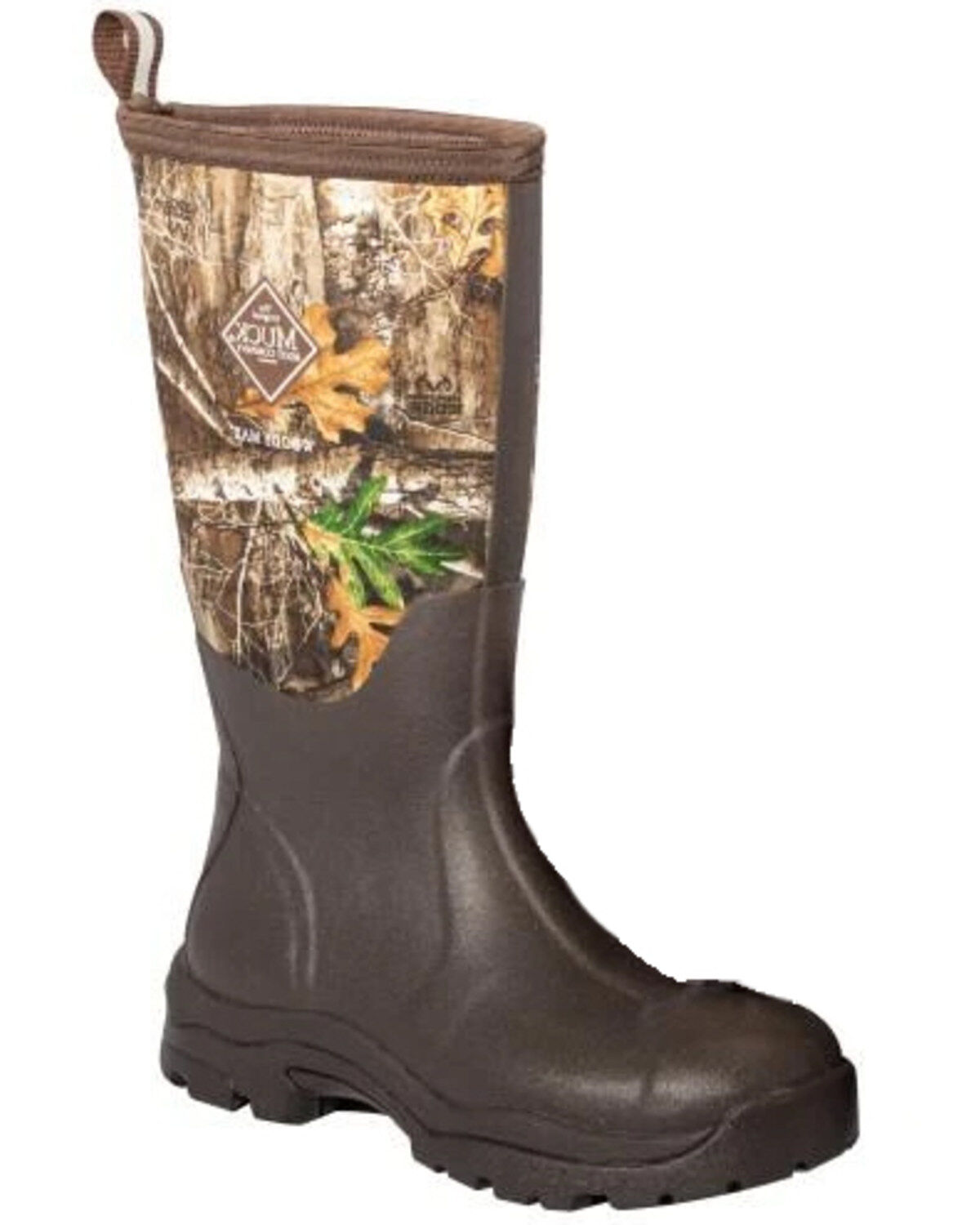
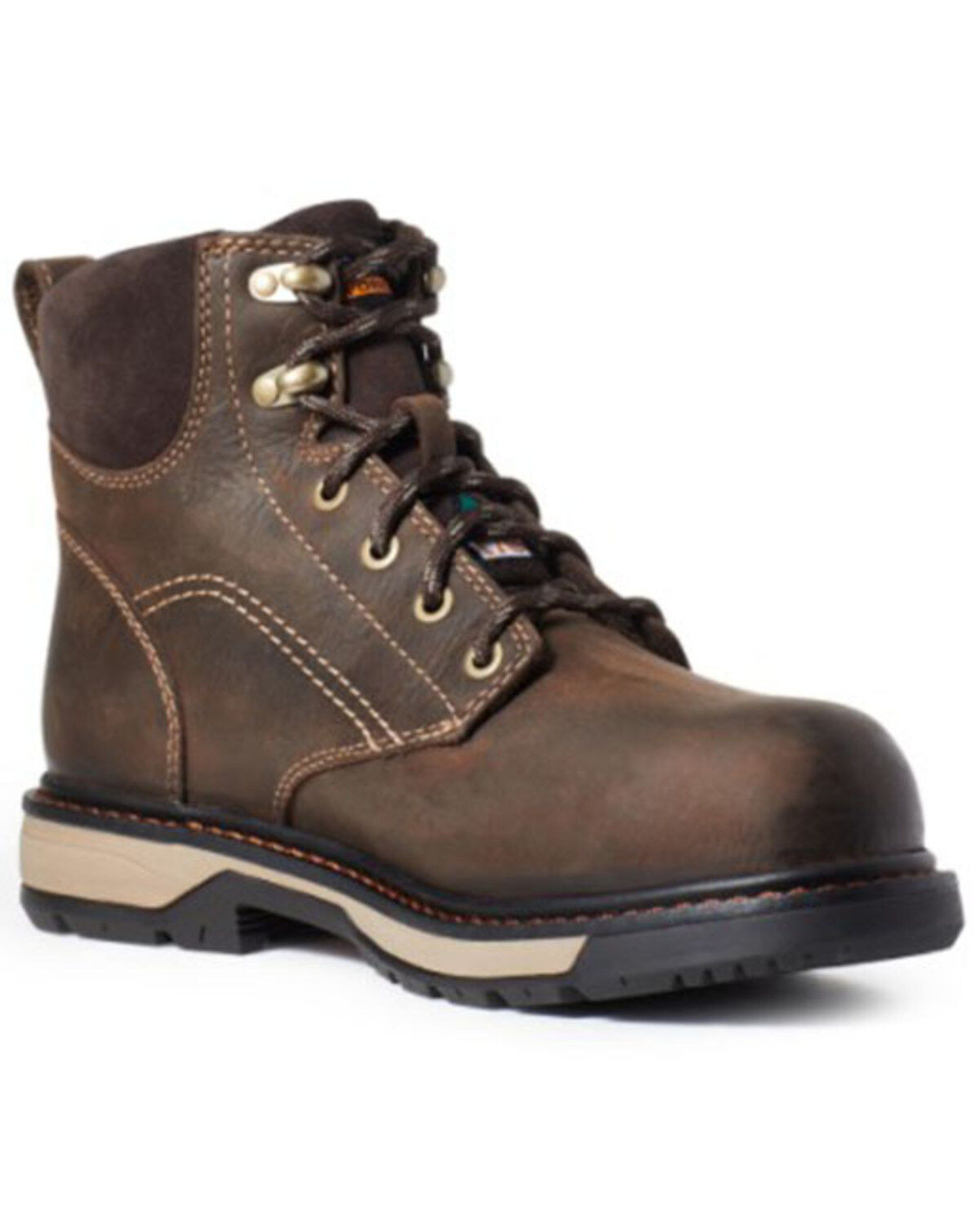
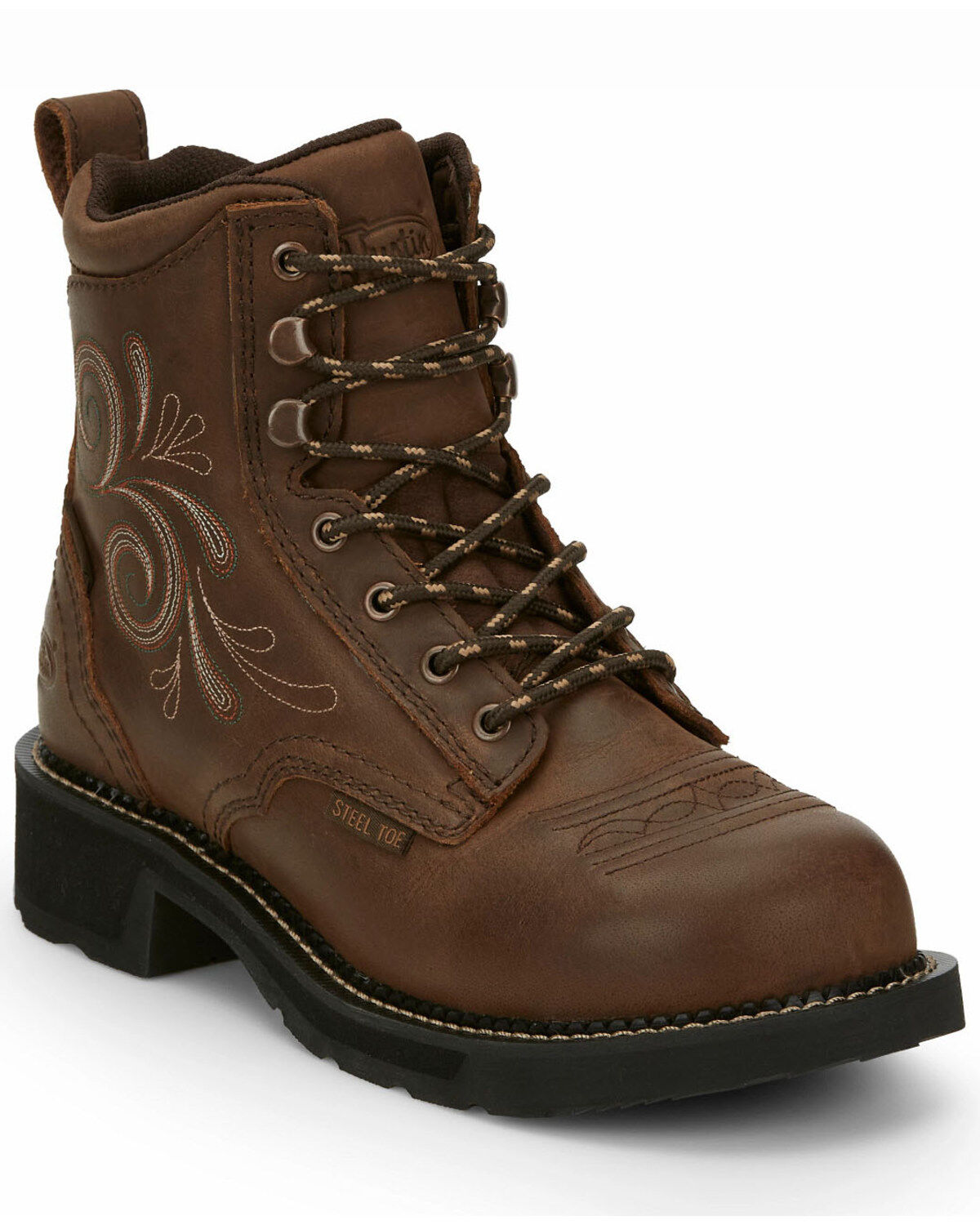
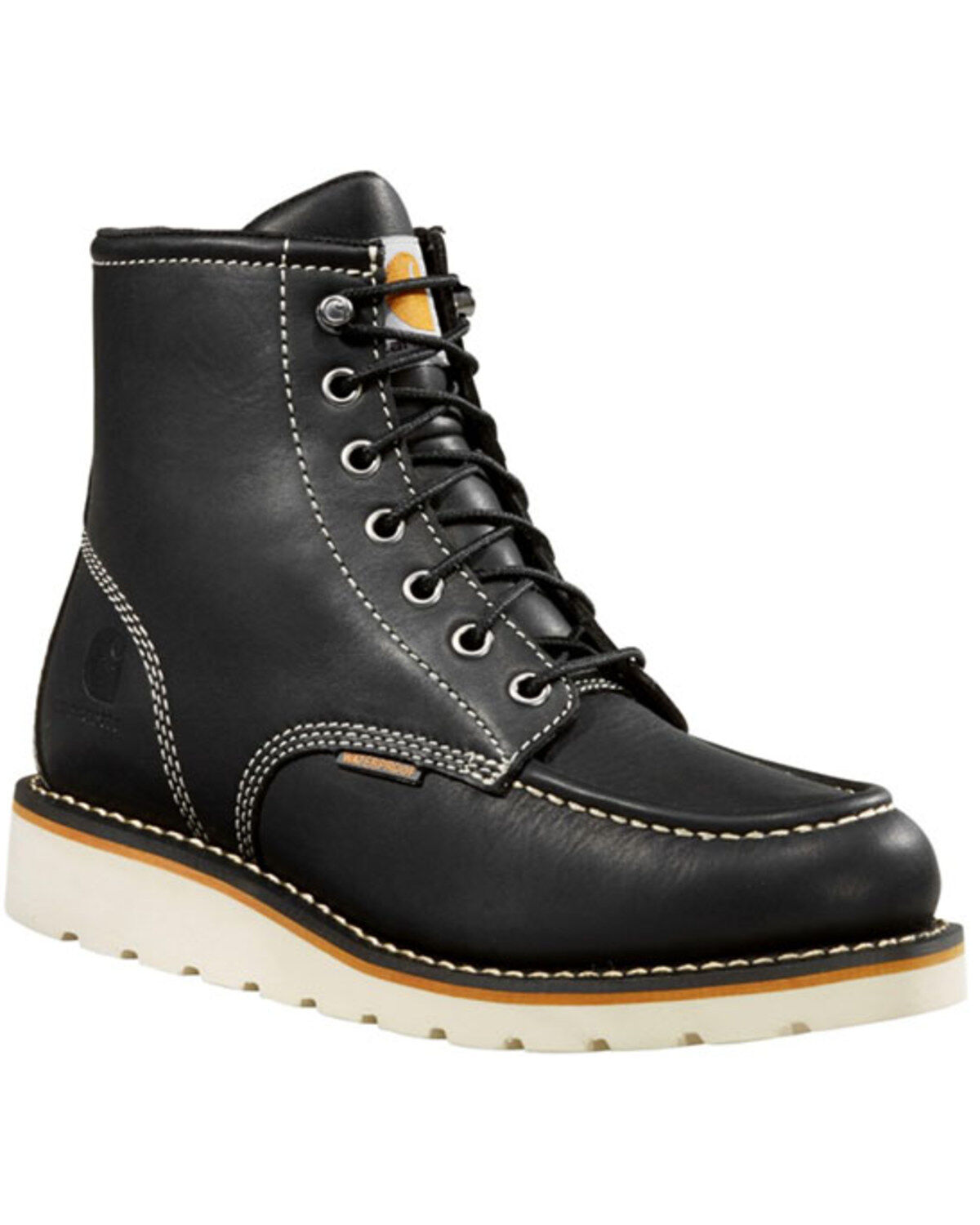
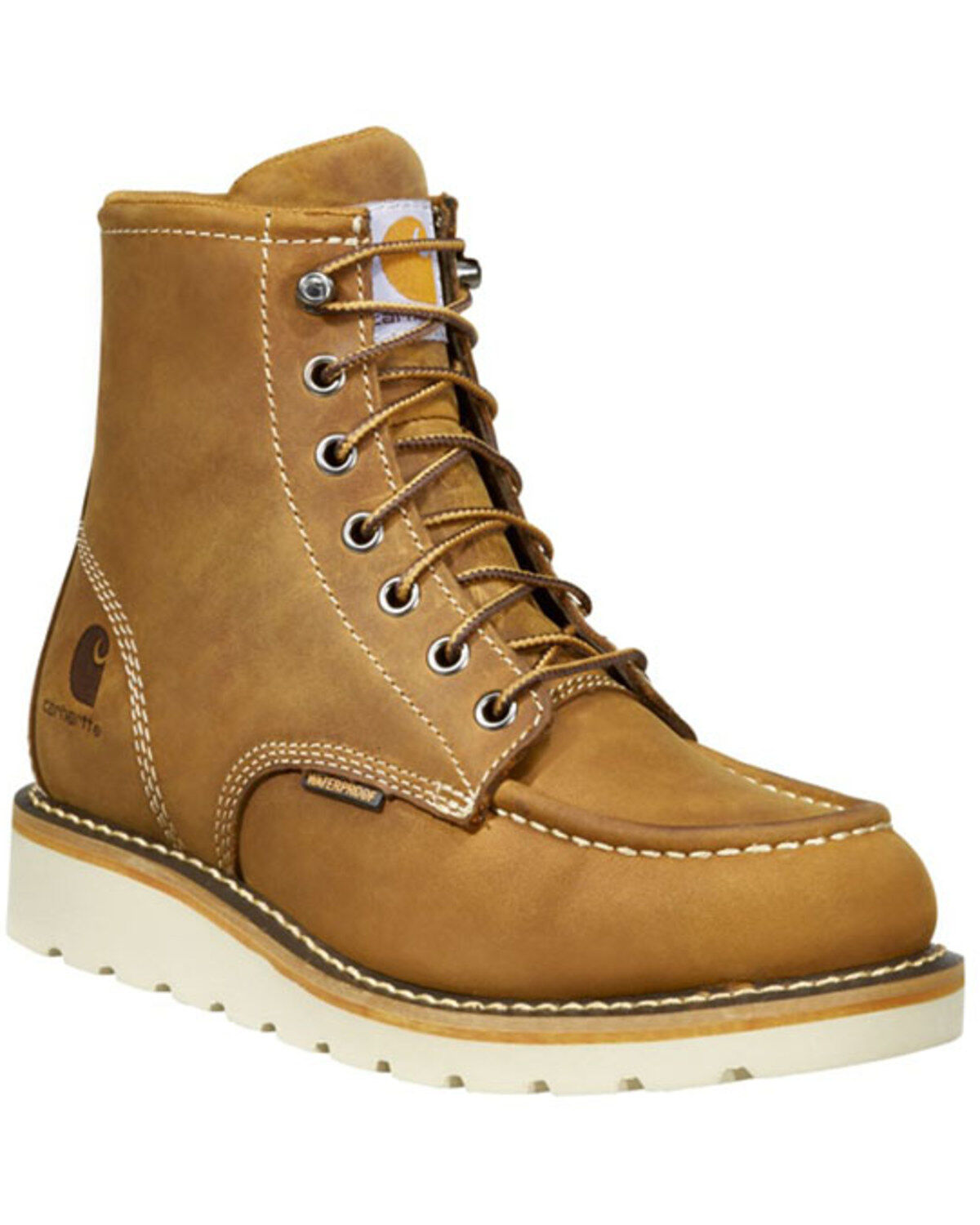
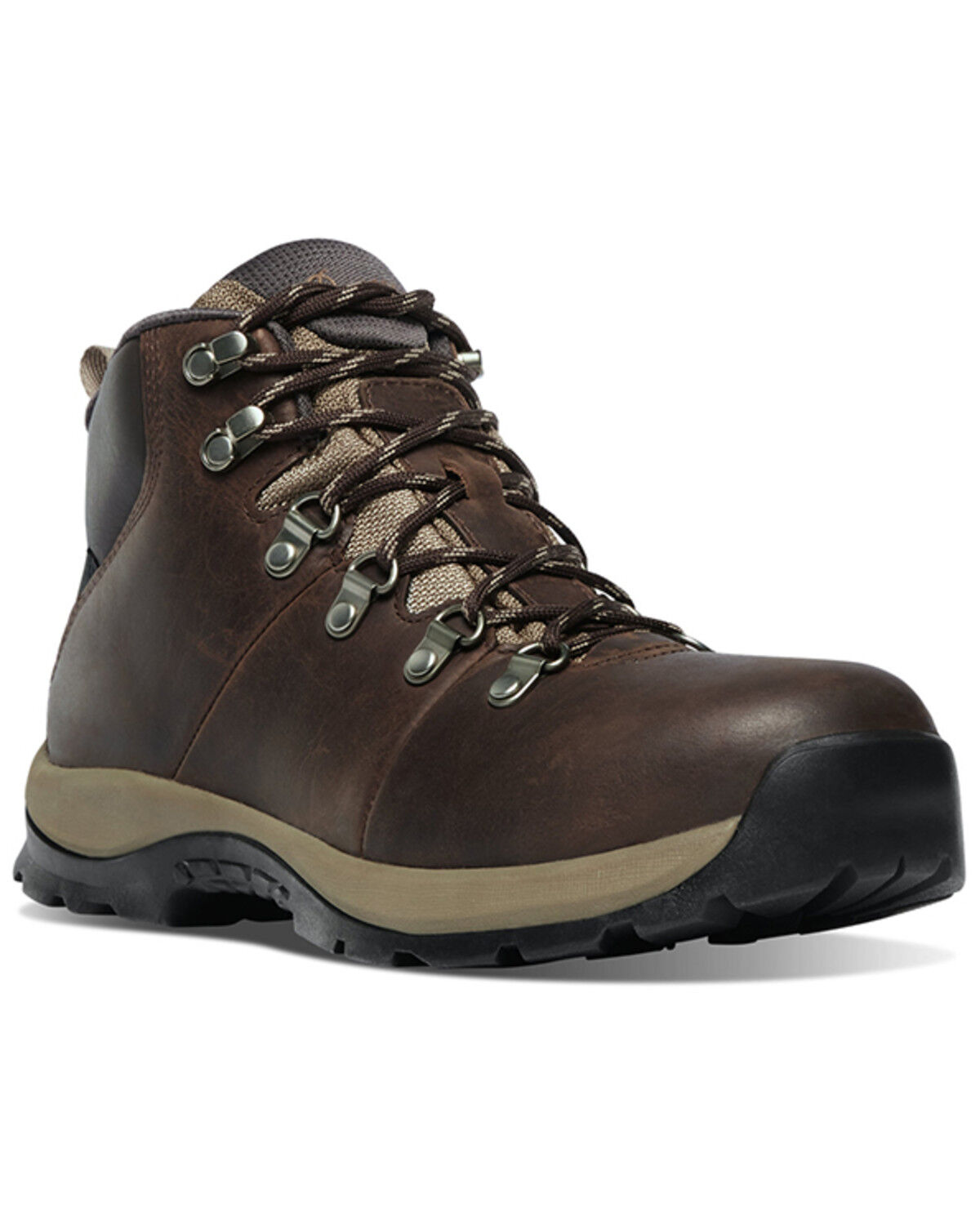
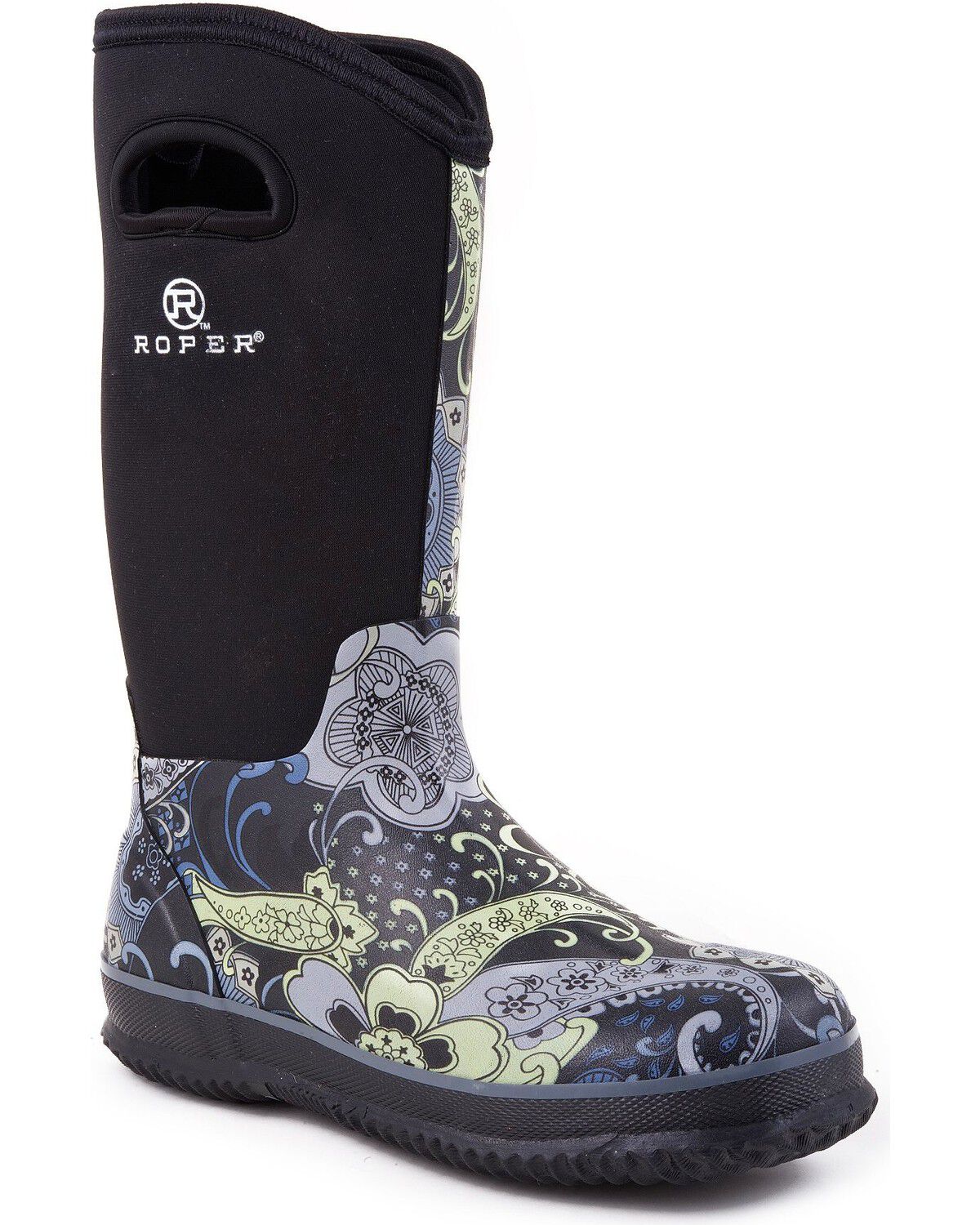
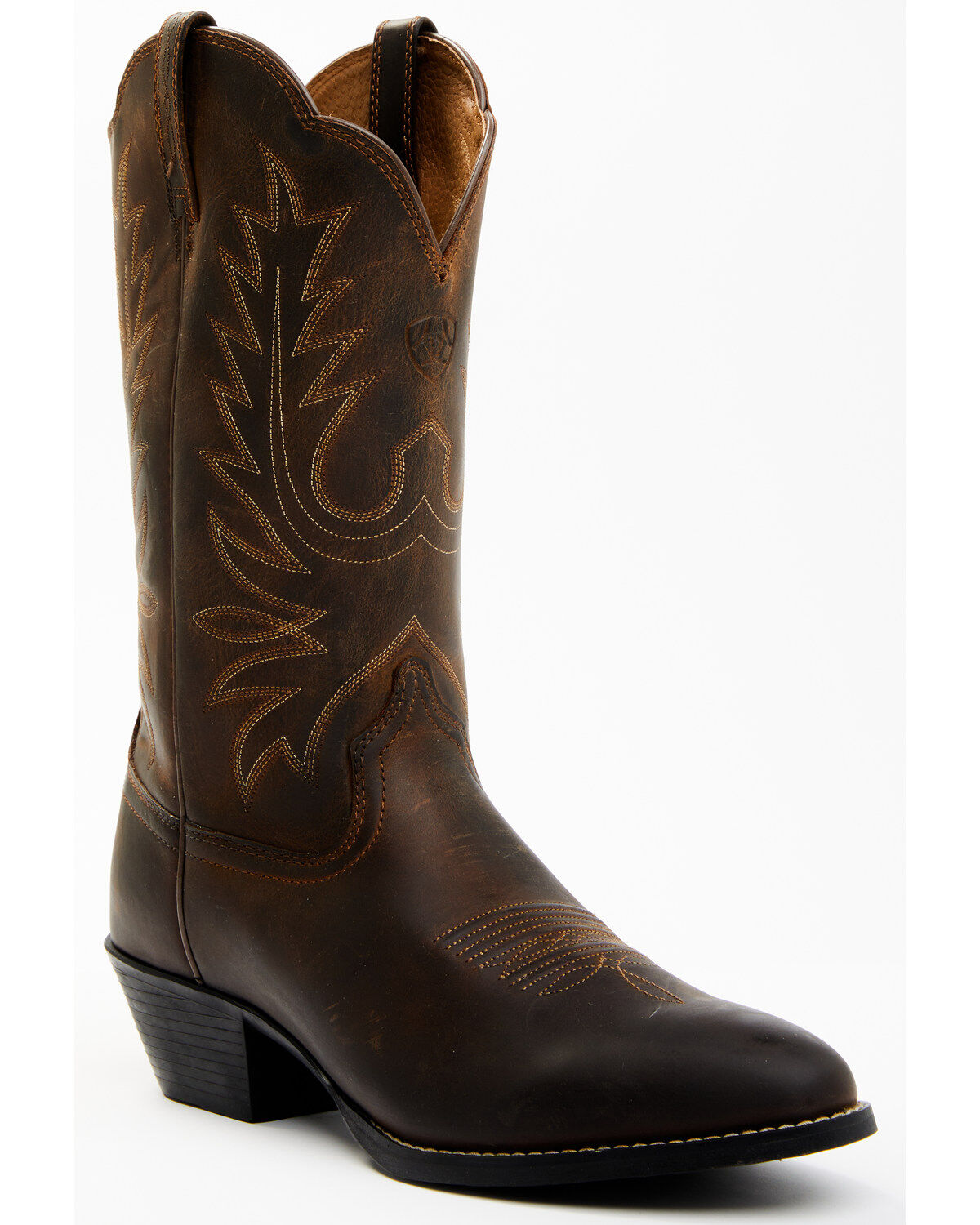
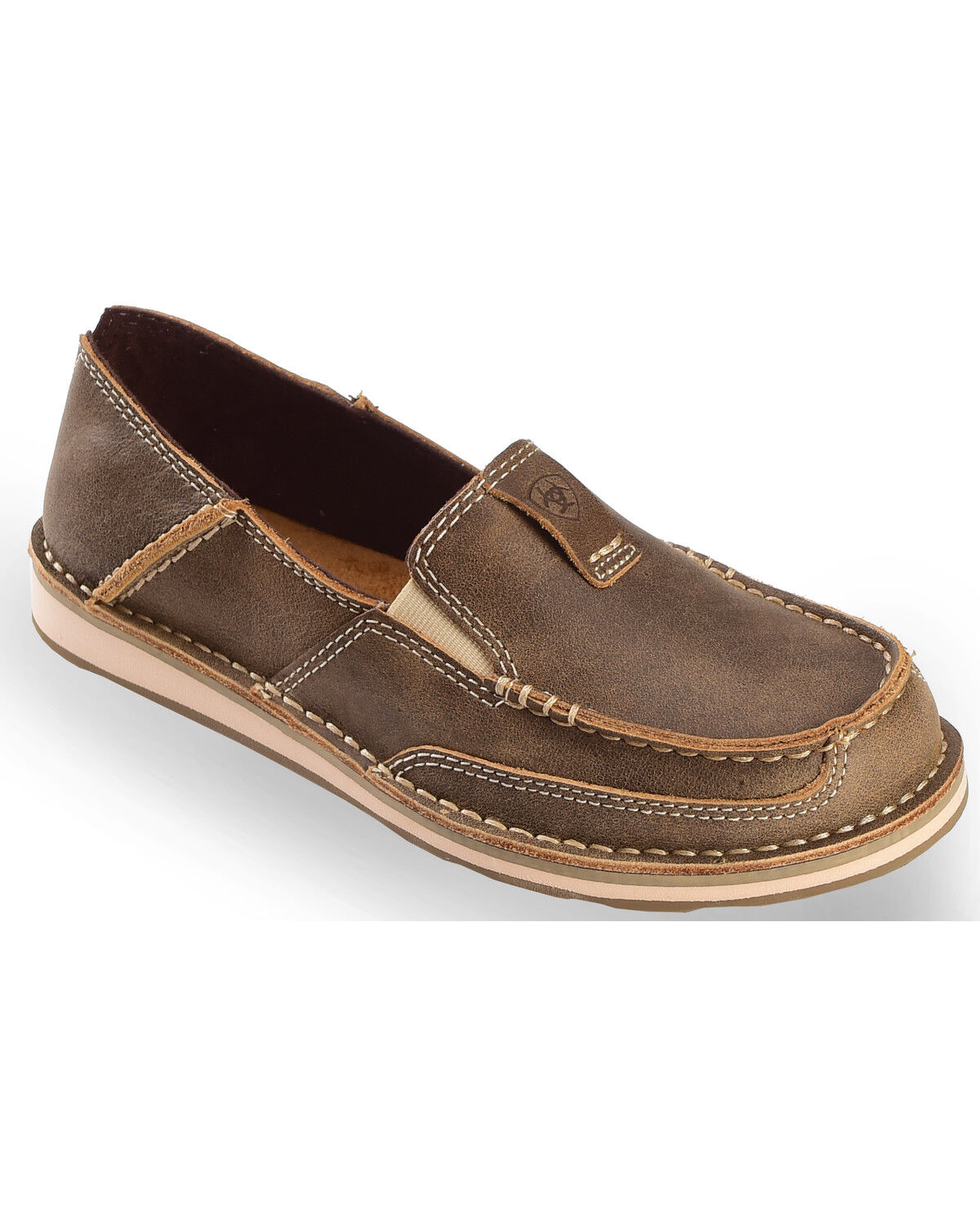
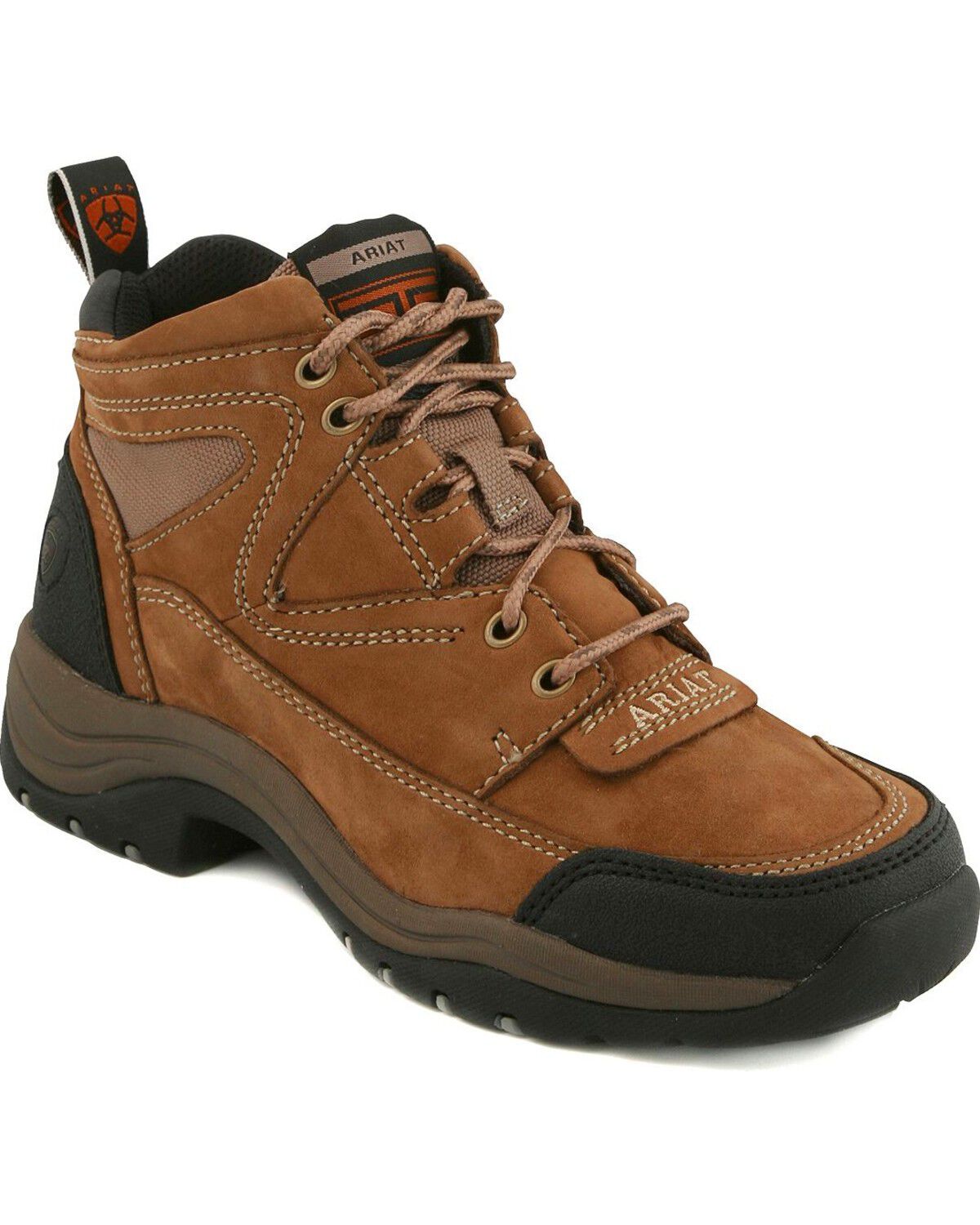
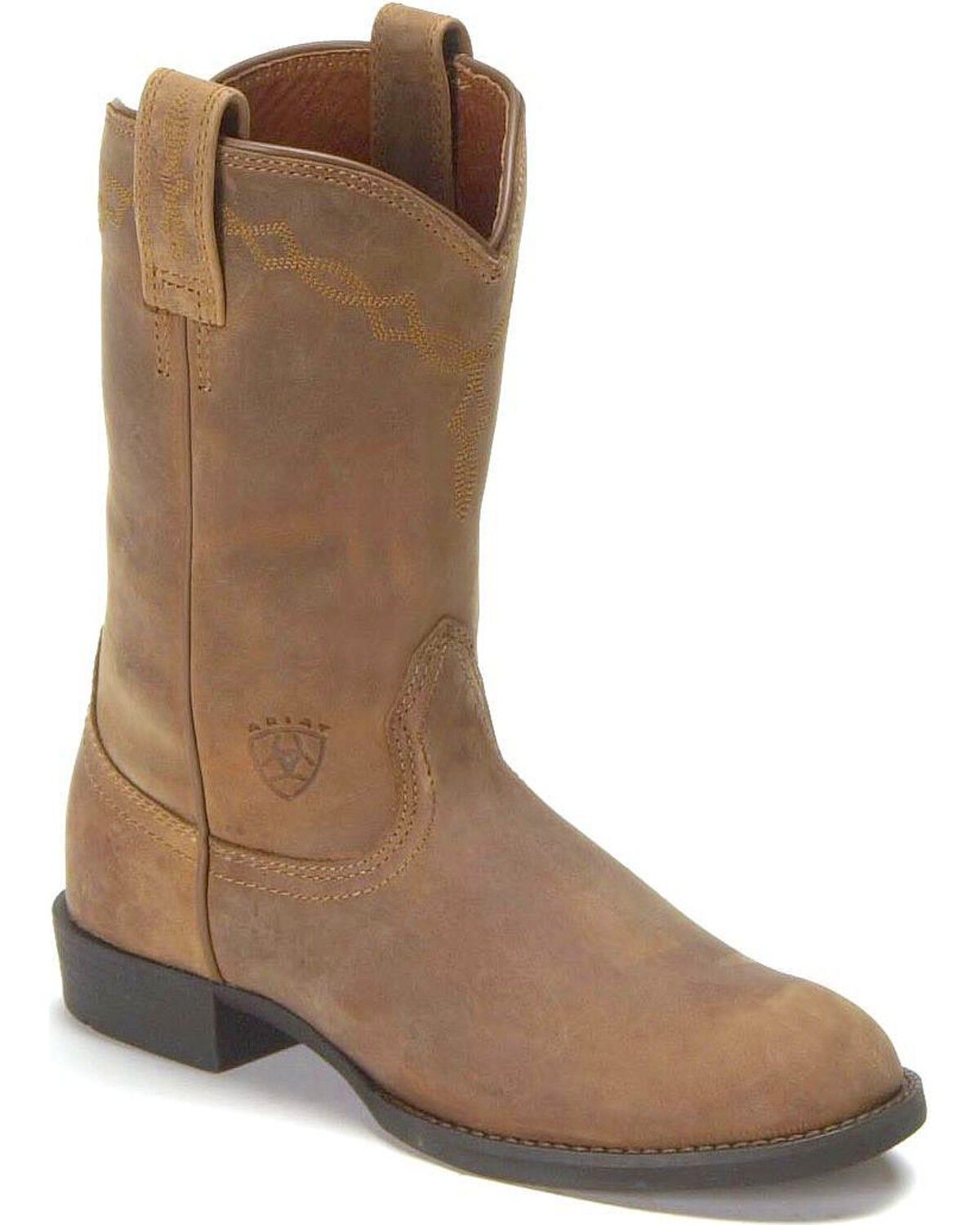
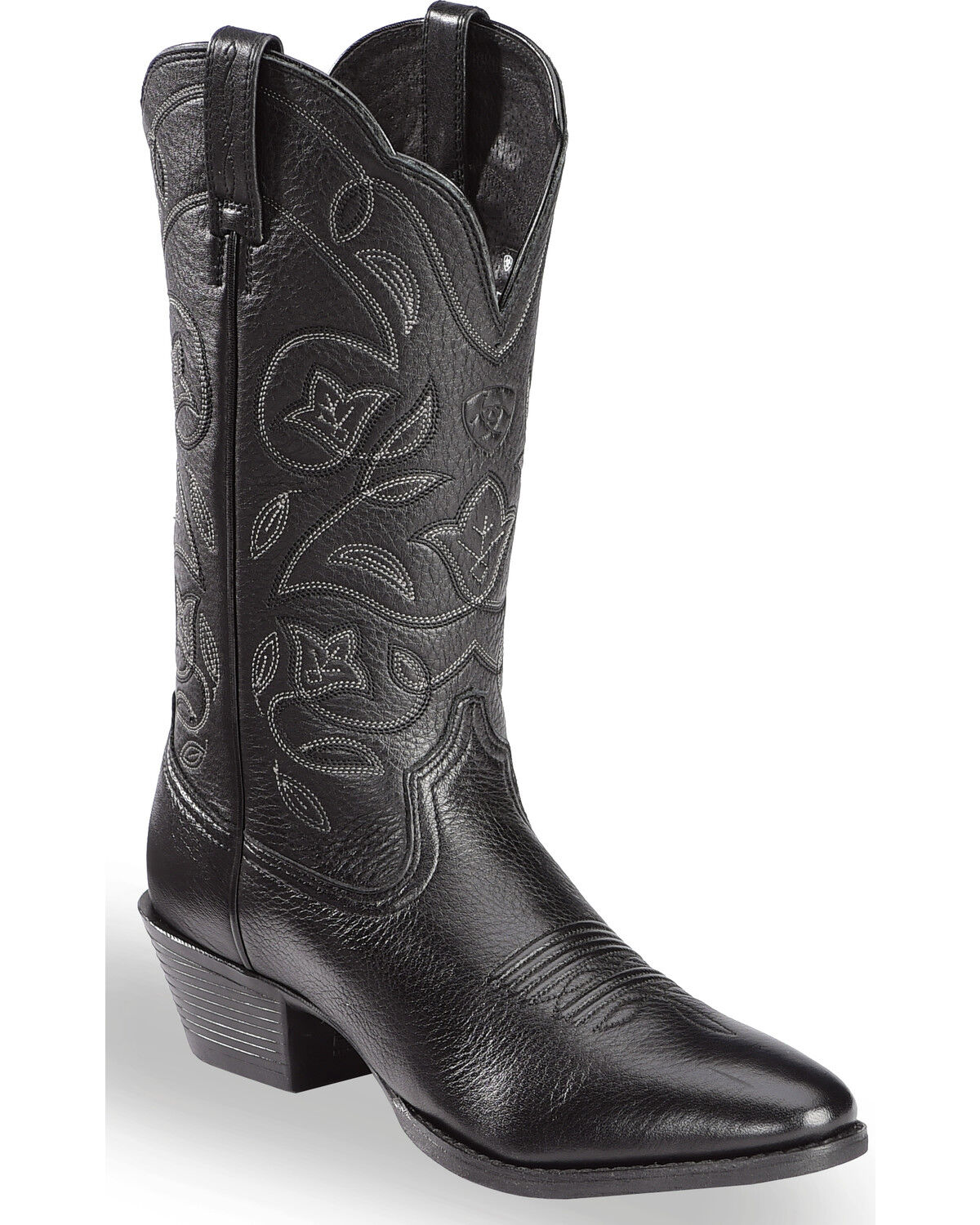
Ladies waterproof boots help keep feet dry through rain, puddles, damp grass, and muddy chores, with styles suited to everyday wear, outdoor work, and time around the barn. The right pair starts with the job it needs to handle. A low-profile ankle boot works well for walking between the truck and the store or taking the dog around the block. A taller pull-on boot offers more coverage when the path is muddy or wet grass reaches above the ankle. Lace-up designs allow a more adjustable fit, while pull-on construction keeps dressing straightforward. Leather, rubber, and synthetic materials each serve a purpose. Leather provides structure and a familiar western look, with waterproof construction adding protection beyond a surface treatment. Molded rubber is useful where frequent splashes and easy cleanup matter. Synthetic panels can reduce weight or add flexibility, depending on the design. Shoppers who prefer leather uppers can explore women's waterproof leather boots for that material and construction. Waterproof boots differ from water-resistant boots: water-resistant materials shed some moisture, while waterproof construction is designed to block water under the conditions described by the manufacturer. Sealed seams, waterproof membranes, and gusseted tongues can help keep moisture from entering through stitching or around the laces. Those details vary by style, so the product description matters more than appearance alone. No boot keeps water out if it comes in over the opening, and an unsealed tongue area can limit water protection around the laces. A waterproof label also does not mean a boot is insulated. Uninsulated styles suit active tasks and milder conditions, while insulated construction adds warmth for colder settings. Breathable membranes and moisture-managing linings may help handle perspiration, but socks and activity level still affect how feet feel. For a chore that starts on a gravel drive and ends on a damp barn floor, the useful combination is water protection, secure footing, and enough flexibility to move comfortably.

Fit matters as much as the waterproof barrier, especially when boots stay on through a full day. Toes need room to move without pressing against the front, and the heel should feel secure without rubbing. Some heel movement can occur in pull-on boots, but excessive lifting or sliding can lead to discomfort. A boot that pinches across the ball of the foot is not a good fit simply because its length seems right. Width options, toe shape, instep height, and shaft opening all affect comfort. Trying boots with the socks intended for daily wear gives a more useful sense of fit than wearing a thin pair just for the fitting. Thick socks also need enough room inside the boot; crowding the foot can reduce comfort rather than add warmth. Removable insoles, where included, may provide room for compatible inserts, though added cushioning should not make the fit too tight. Shaft height deserves attention as well. Taller boots cover more of the lower leg, but the opening needs enough space for comfortable movement and any clothing worn inside it. Shorter shafts offer less coverage but can feel less restrictive when bending, driving, or walking frequently. Underfoot, tread pattern and outsole material help determine how a boot handles its surroundings. Open tread channels can help release mud, while pronounced lugs provide grip on loose ground. A broad, stable heel can feel more planted on uneven surfaces than a narrow fashion heel. Slip-resistant soles may help on certain surfaces, but no outsole prevents every slip, particularly on wet metal, smooth tile, or ice. Waterproofing and traction are separate features, and neither replaces any safety protection required for a job. Work settings may call for a protective toe, puncture resistance, or other verified ratings. A comfortable everyday rain boot is not automatically a work safety boot. Boot weight and flexibility also matter when walking long distances, climbing steps, or repeatedly getting in and out of a vehicle.

Durability comes from construction, appropriate use, and regular care rather than a rugged appearance alone. Reinforced toes and heels can help protect high-wear areas, while sturdy stitching and well-bonded soles support repeated use. Leather may develop creases with wear, and those flex points benefit from attention before accumulated dirt dries into the surface. Rubber boots need care too, particularly around areas that bend with each step. After muddy work, removing loose soil and wiping the uppers helps keep grit from building up around seams, eyelets, and the outsole. Cleaning methods should match the material and the manufacturer's directions. Leather generally needs a different approach from molded rubber, and aggressive cleaners can damage finishes or components. Compatible leather conditioner can help maintain flexibility, but it does not repair a damaged waterproof membrane or an opening at the sole. Waterproofing treatments also need to suit the boot's materials; more product does not necessarily mean better protection. Boots should dry with air circulating around them, away from direct heat that can harm leather, adhesives, or rubber. Removable footbeds can be taken out for drying when the design allows. A boot that feels damp inside may be holding perspiration rather than leaking, so allowing the lining to dry fully helps with everyday comfort. Periodic checks around the toe bend, heel, seams, and sole edges can reveal wear before the next wet outing. For women who feed livestock, walk dogs, work outdoors, or spend long days moving between buildings, these details make waterproof boots practical beyond a single task. They can also make a useful gift for someone whose routine includes wet ground and muddy paths. Familiarity with her usual size, preferred shaft height, and daily activities makes that choice more personal and more likely to fit the job. The most useful pair balances coverage, comfort, traction, and care requirements without adding weight or bulk that the wearer does not need.
Read More

FAQs