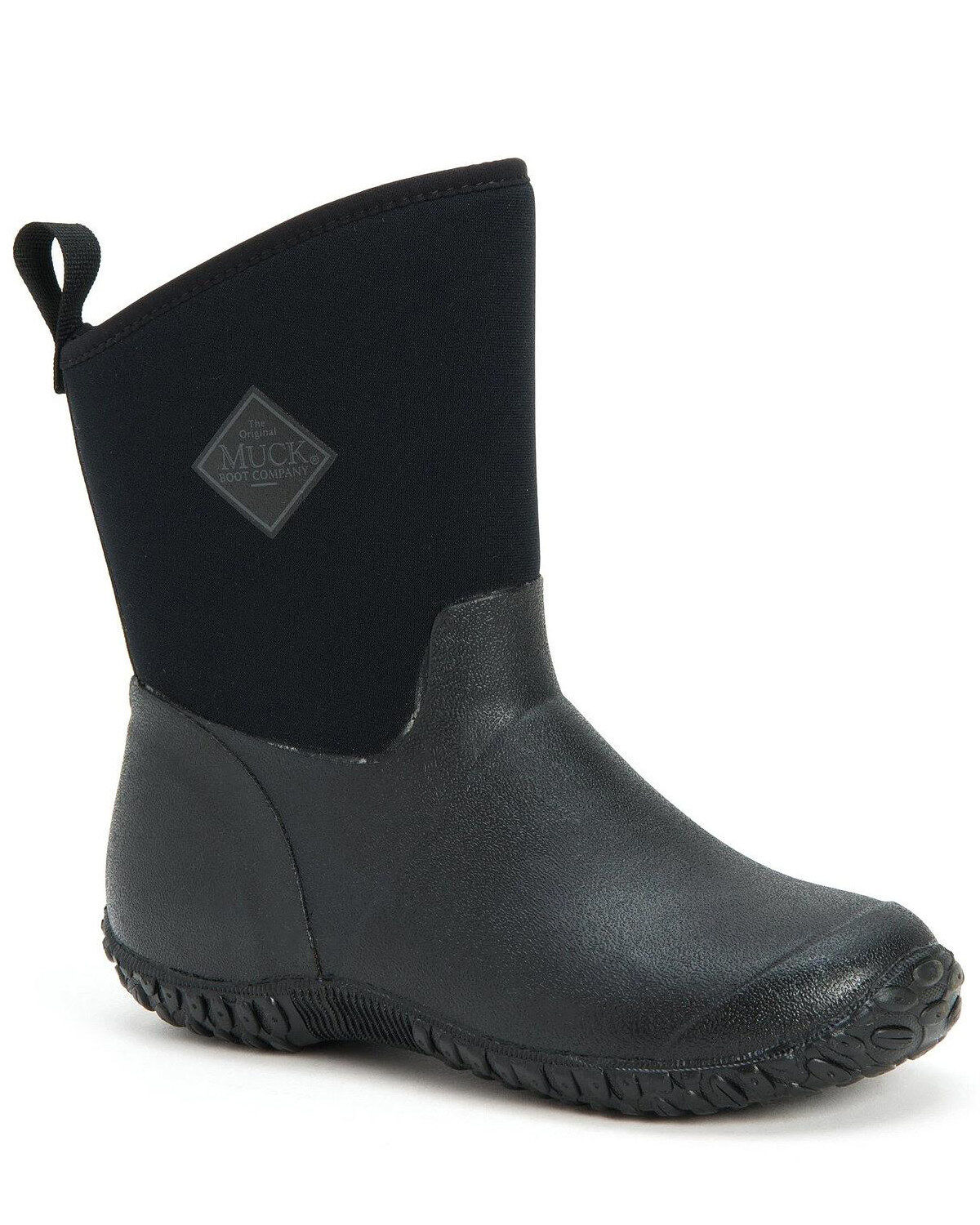
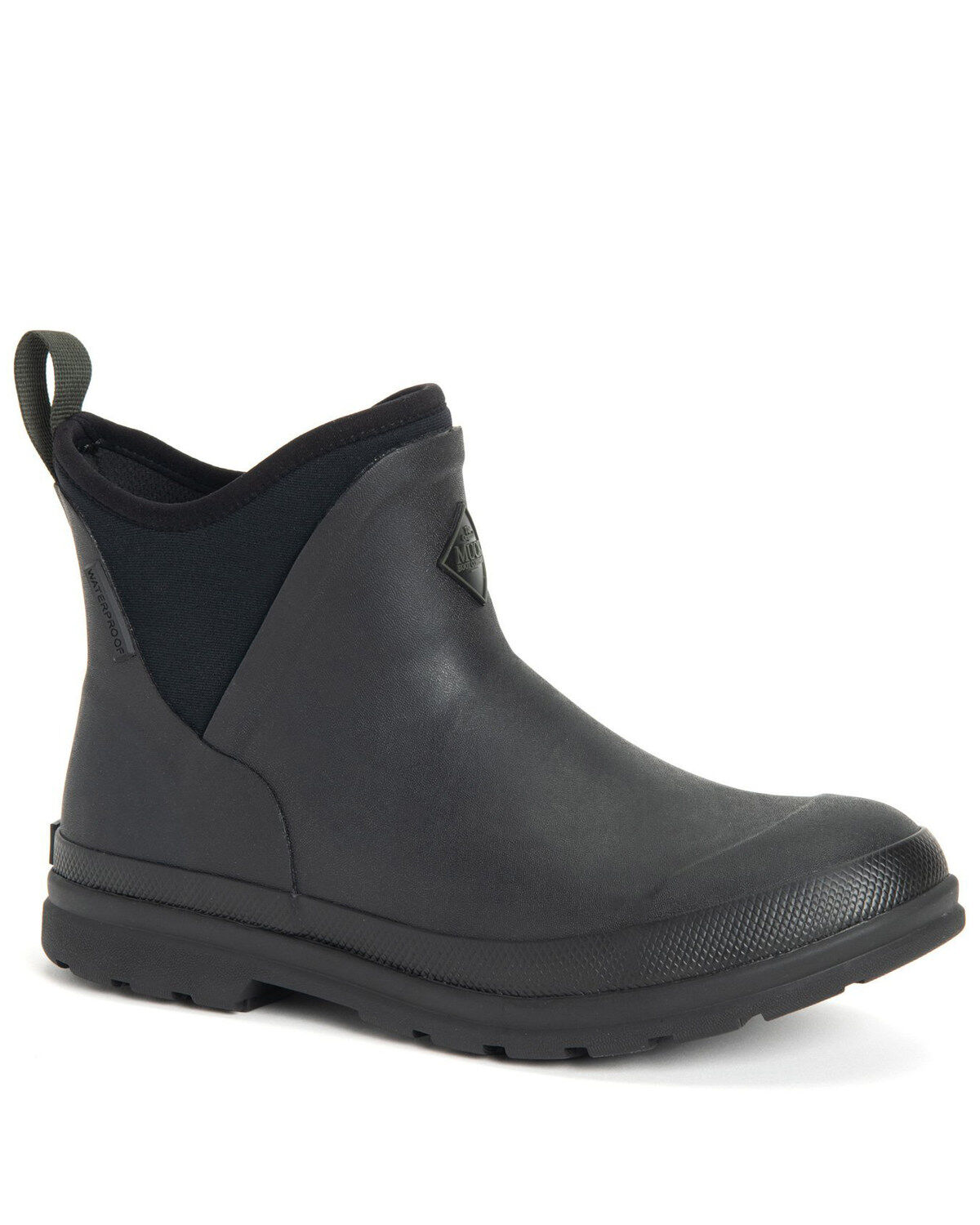
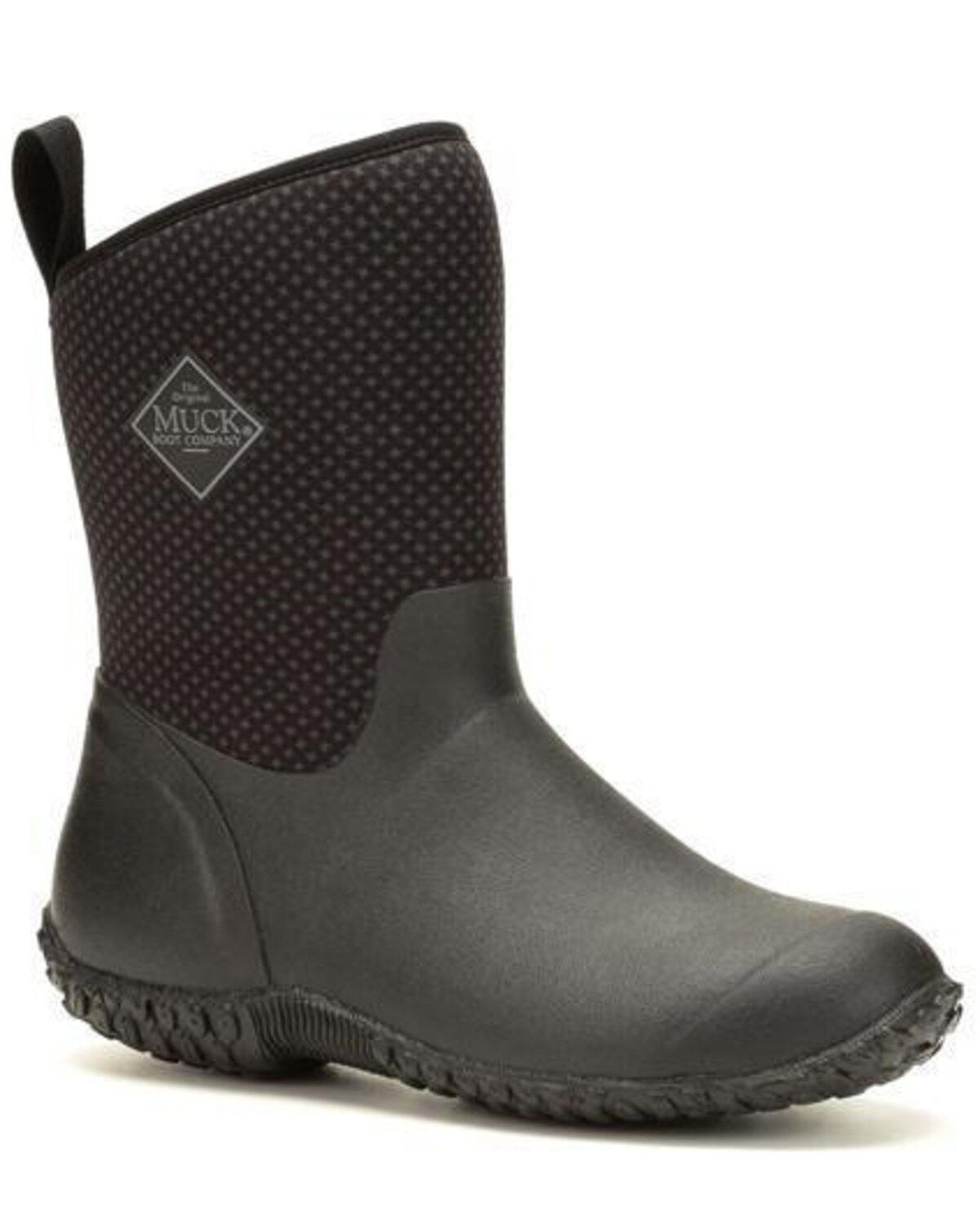
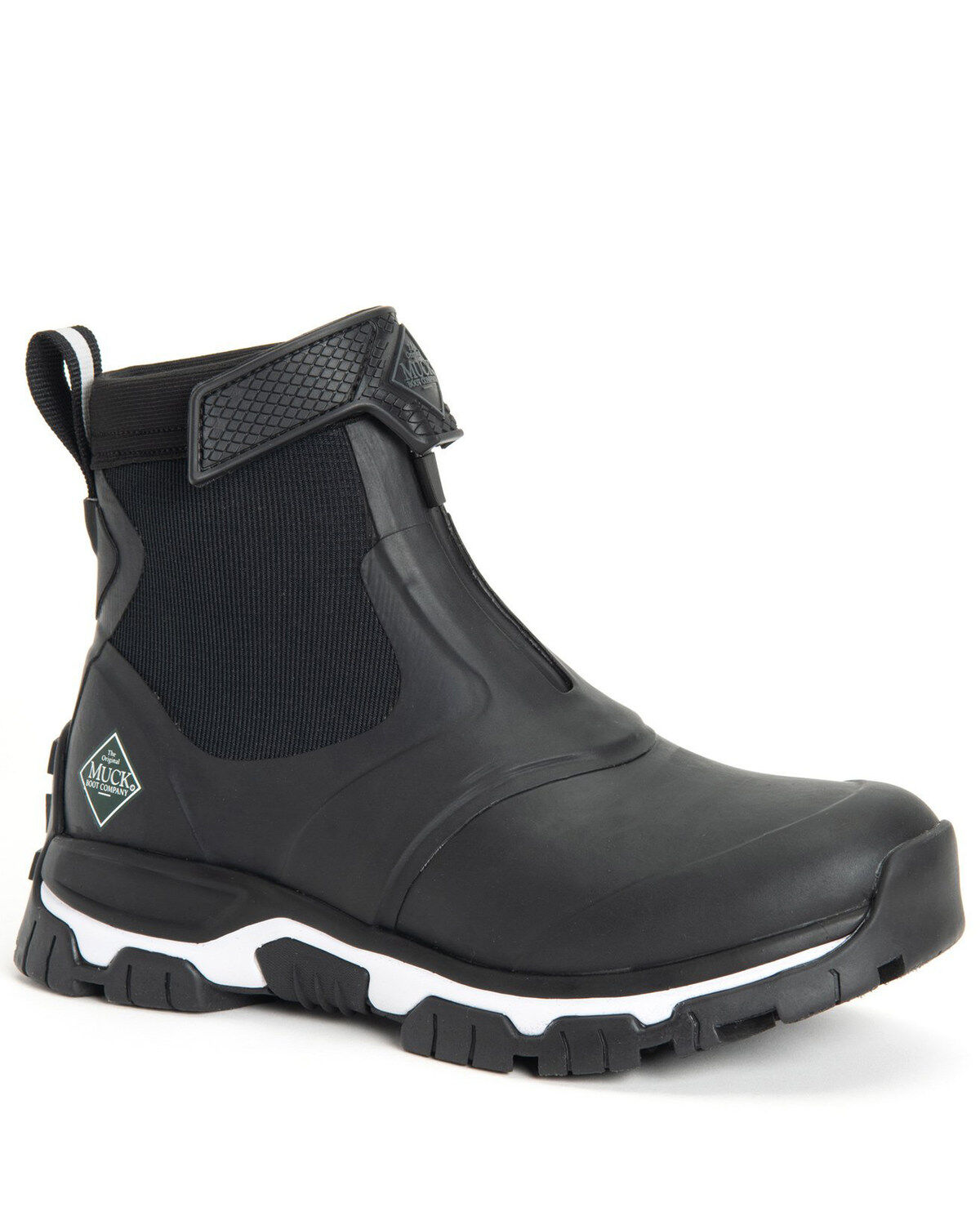
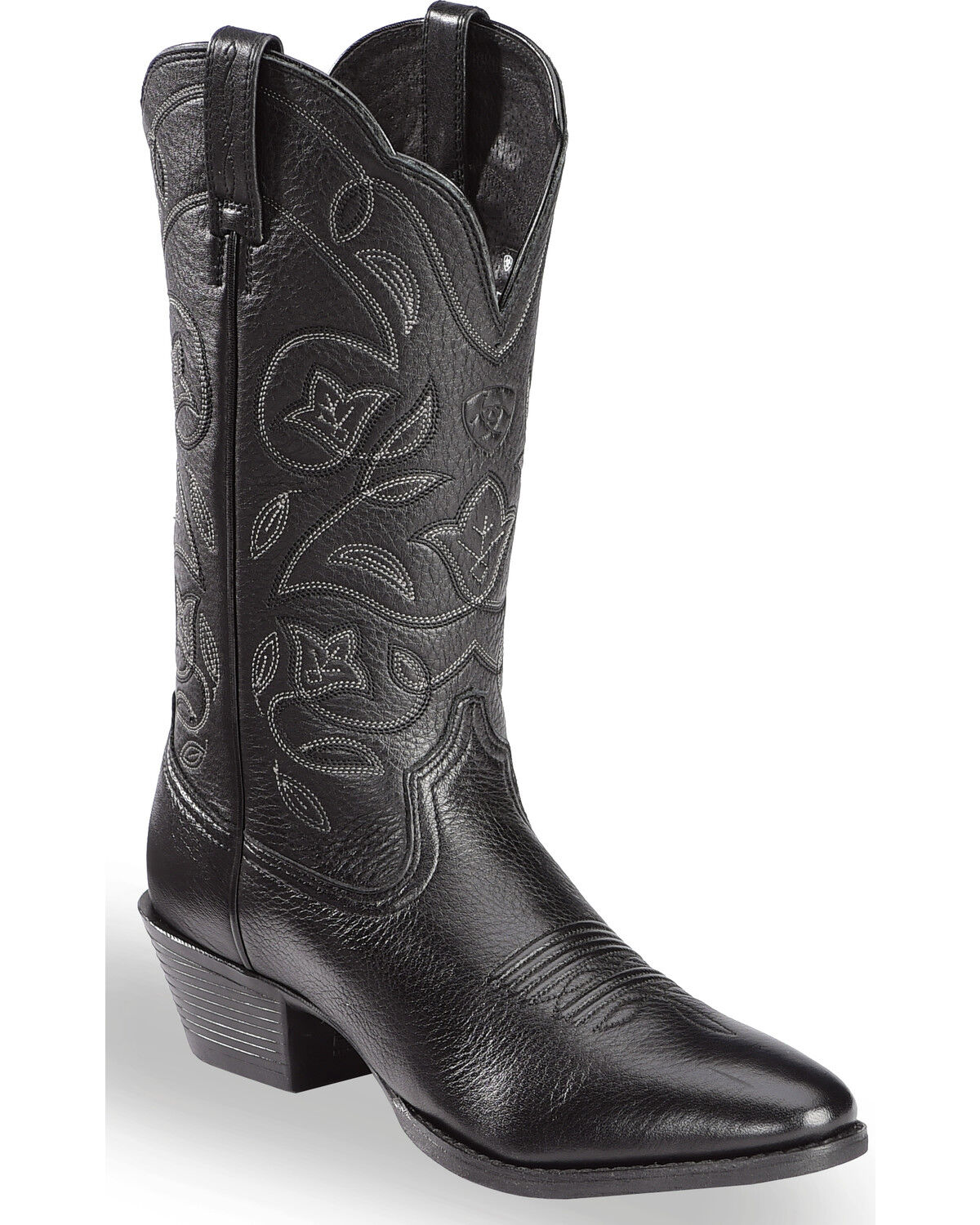
Women's Waterproof Black Boots

Find women's waterproof black boots to help keep your feet dry in wet conditions. Browse available styles and sizes, and compare fit, boot height, and waterproofing details to choose a pair suited to your daily routine.

Read More

Shop Your Store: Shop Your Store: Find a Store

(Turn off Shop Your Store to see all items)

(Turn off Shop Your Store to see all items)

close
  • Recommended
  • Lowest Price
  • Highest Price
Skip pass products

End of products

Women's Waterproof Black Boots

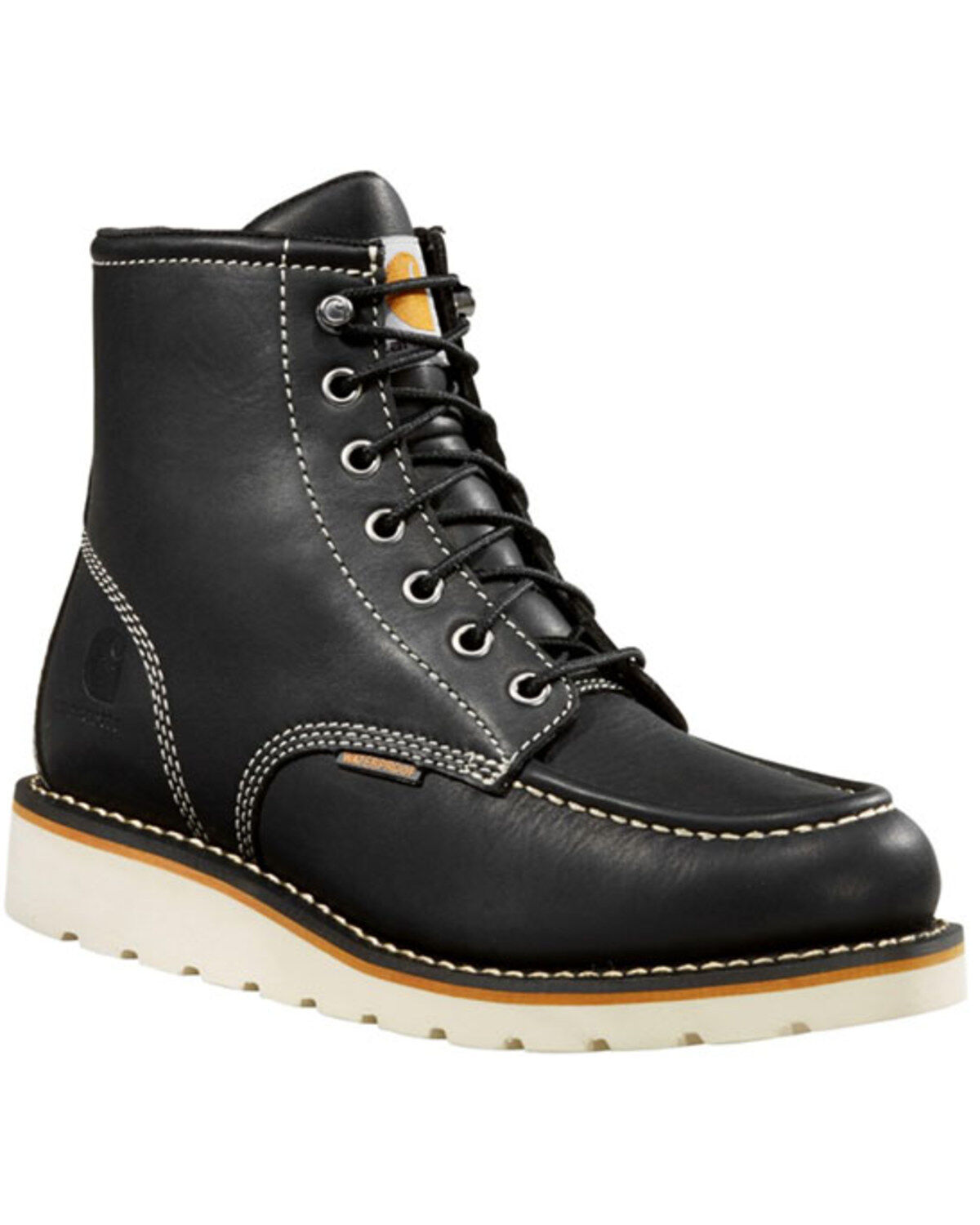
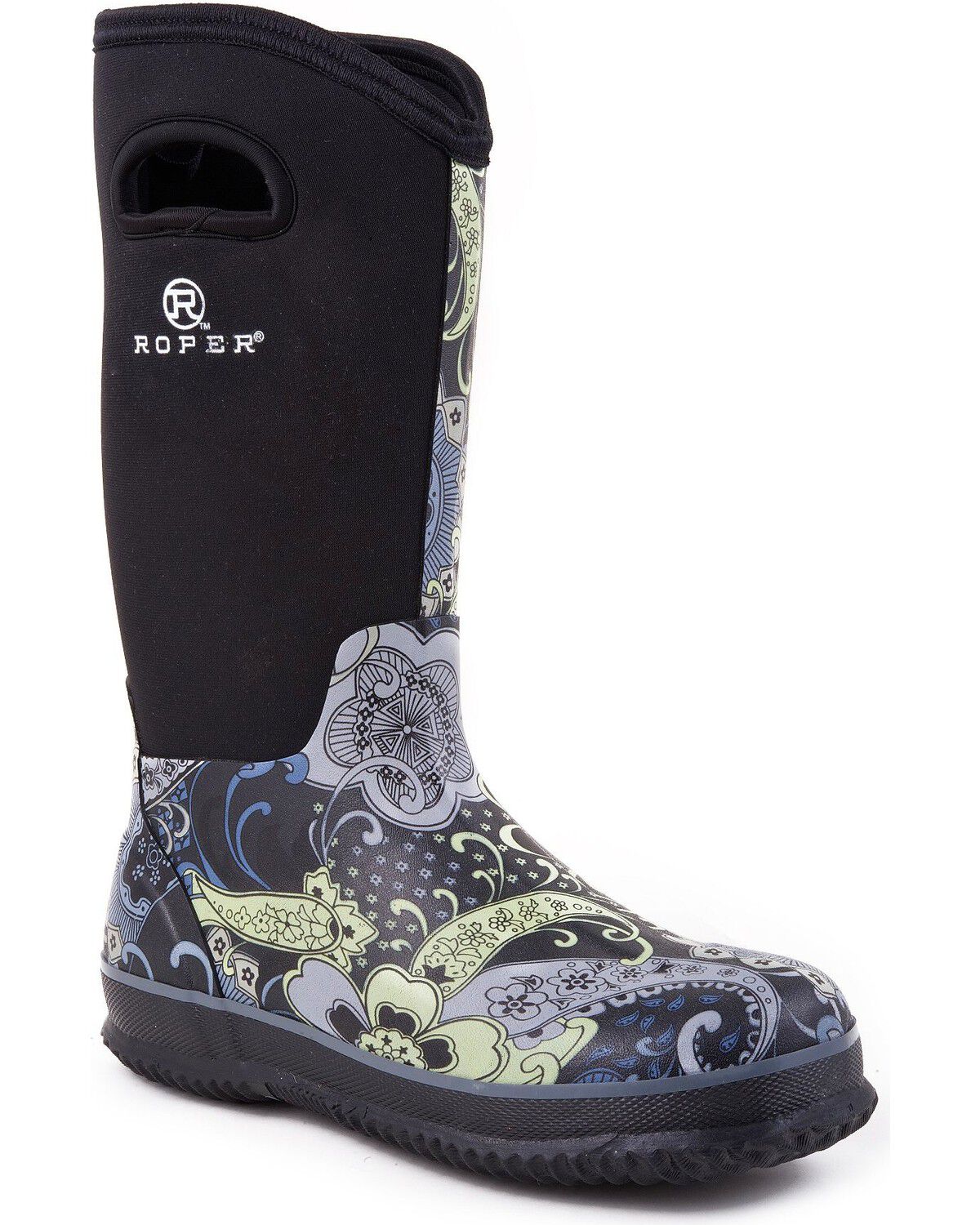
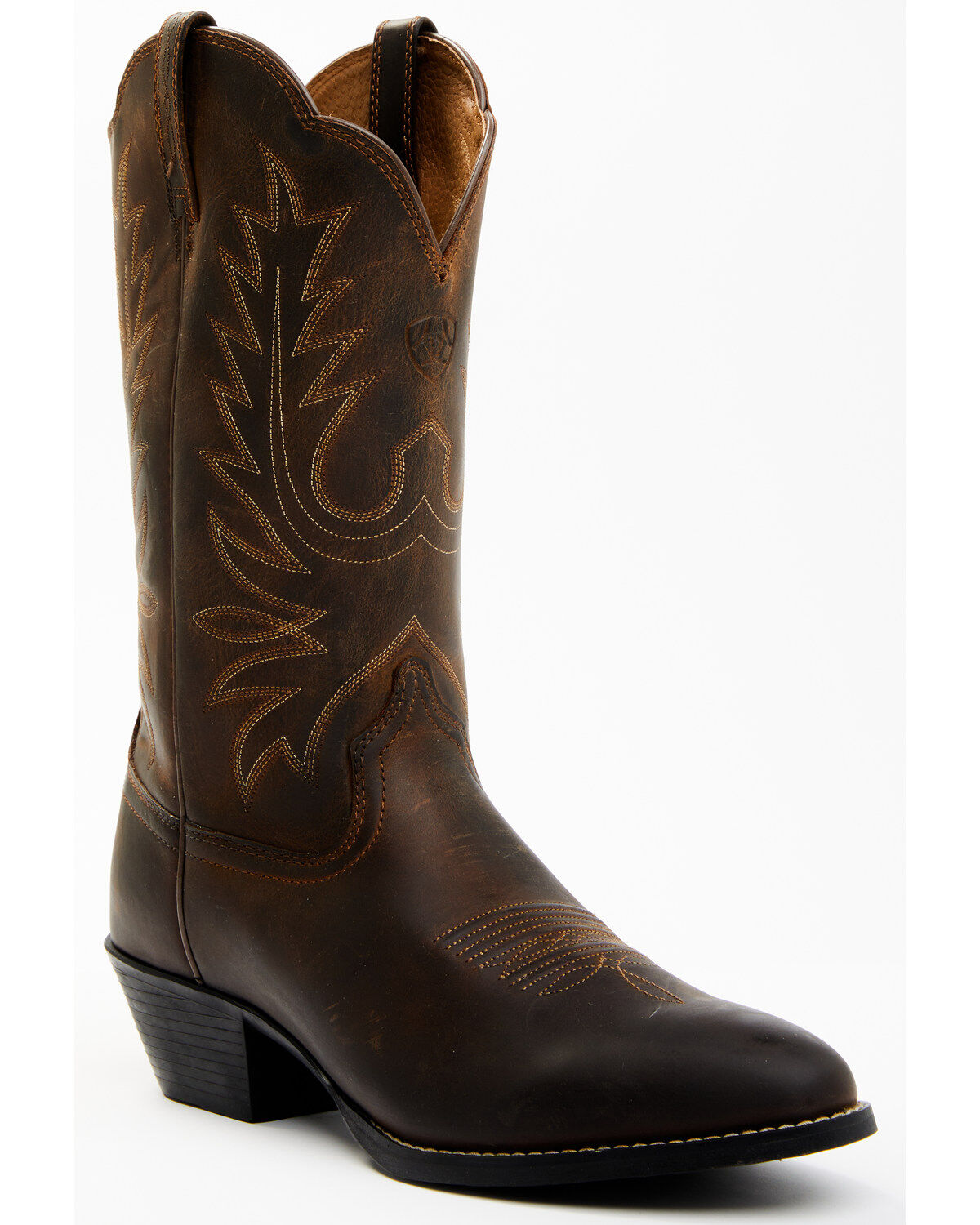
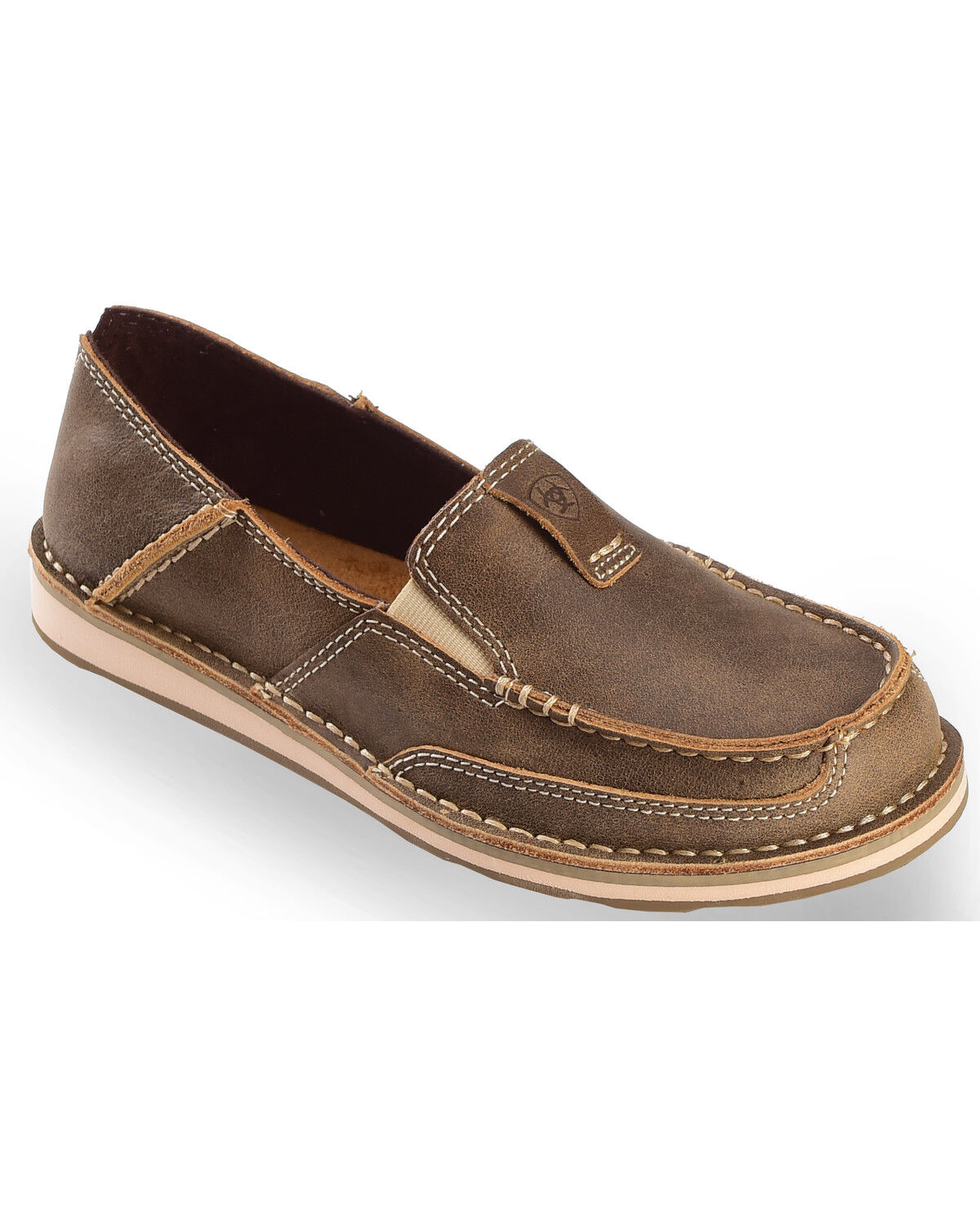
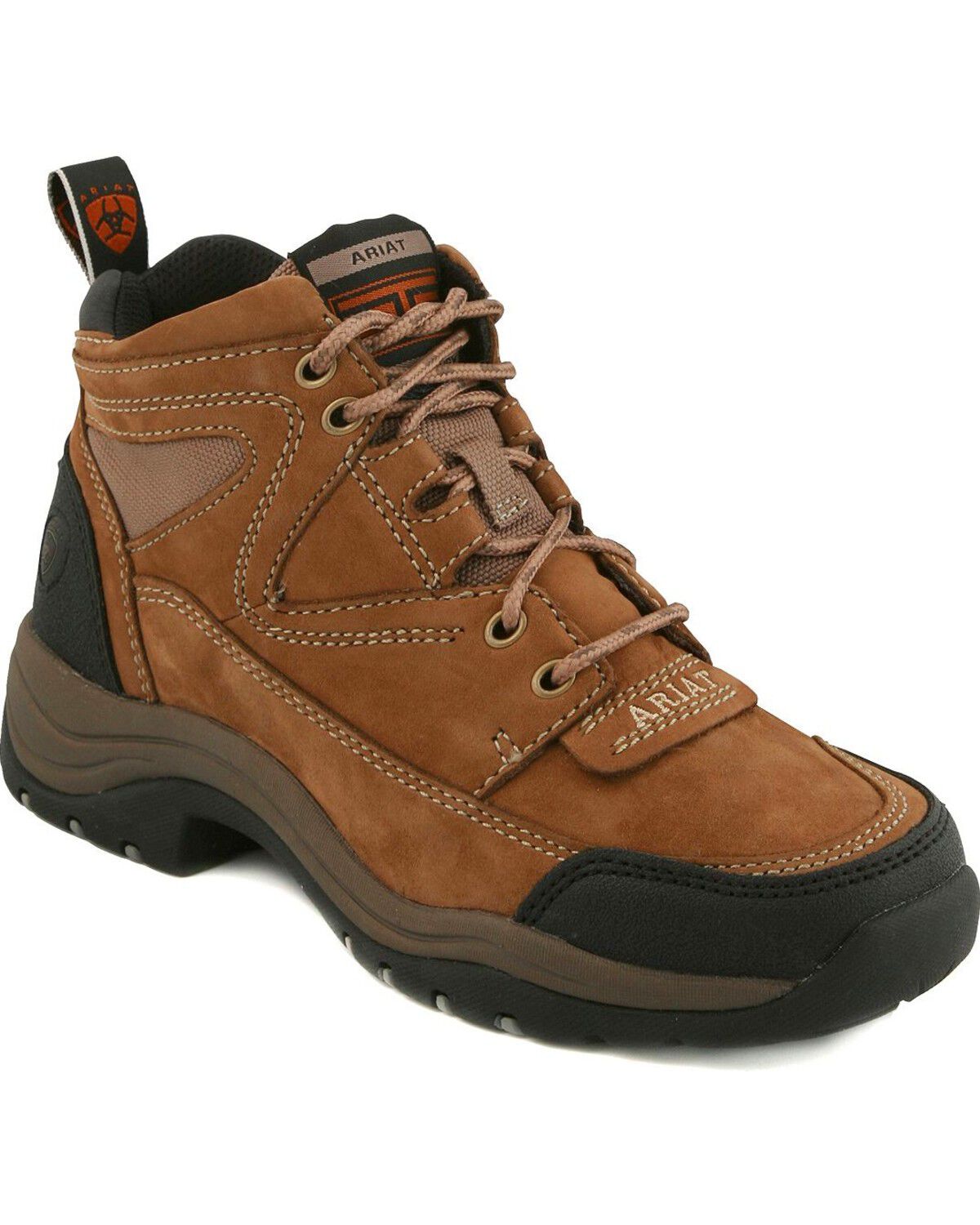
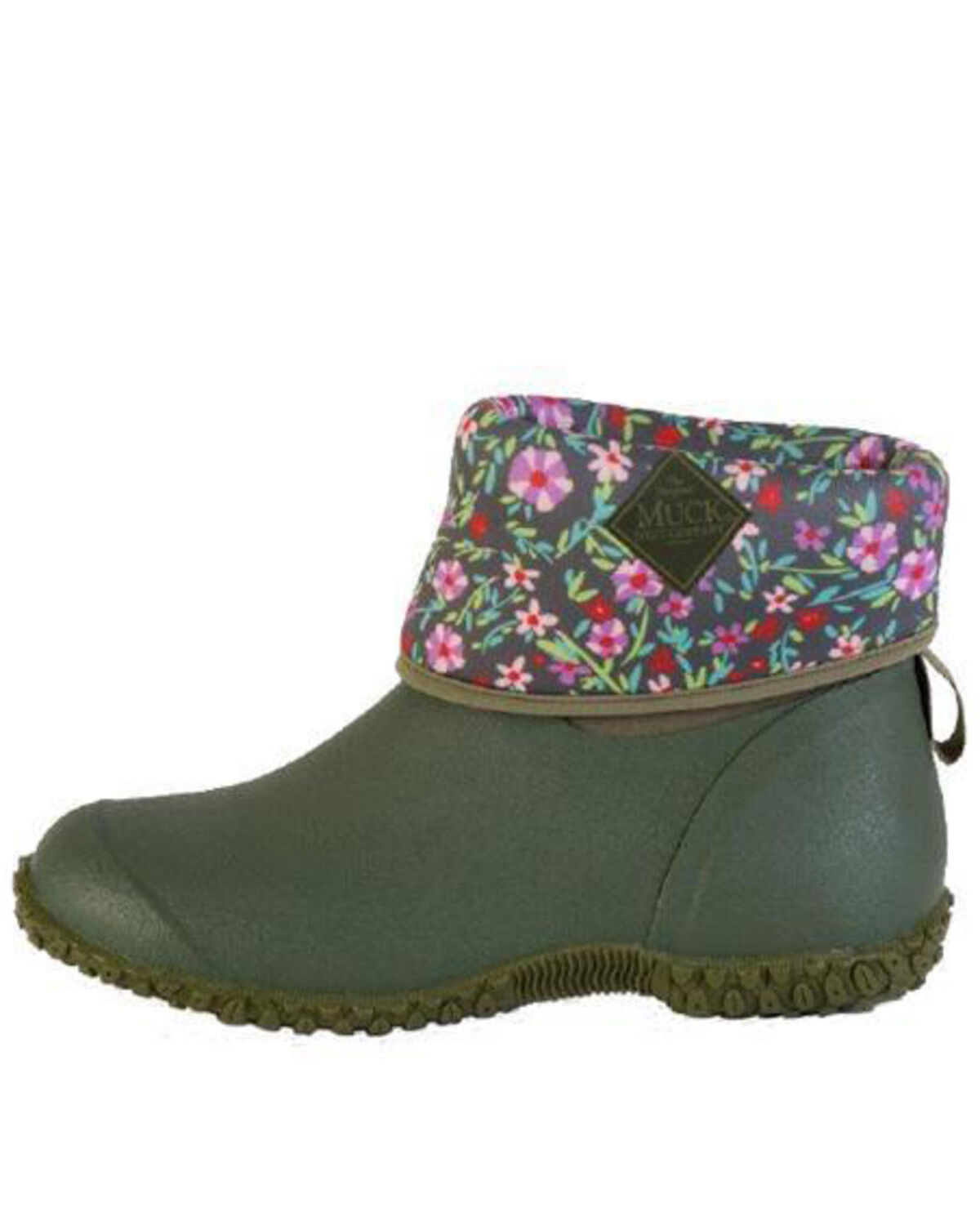
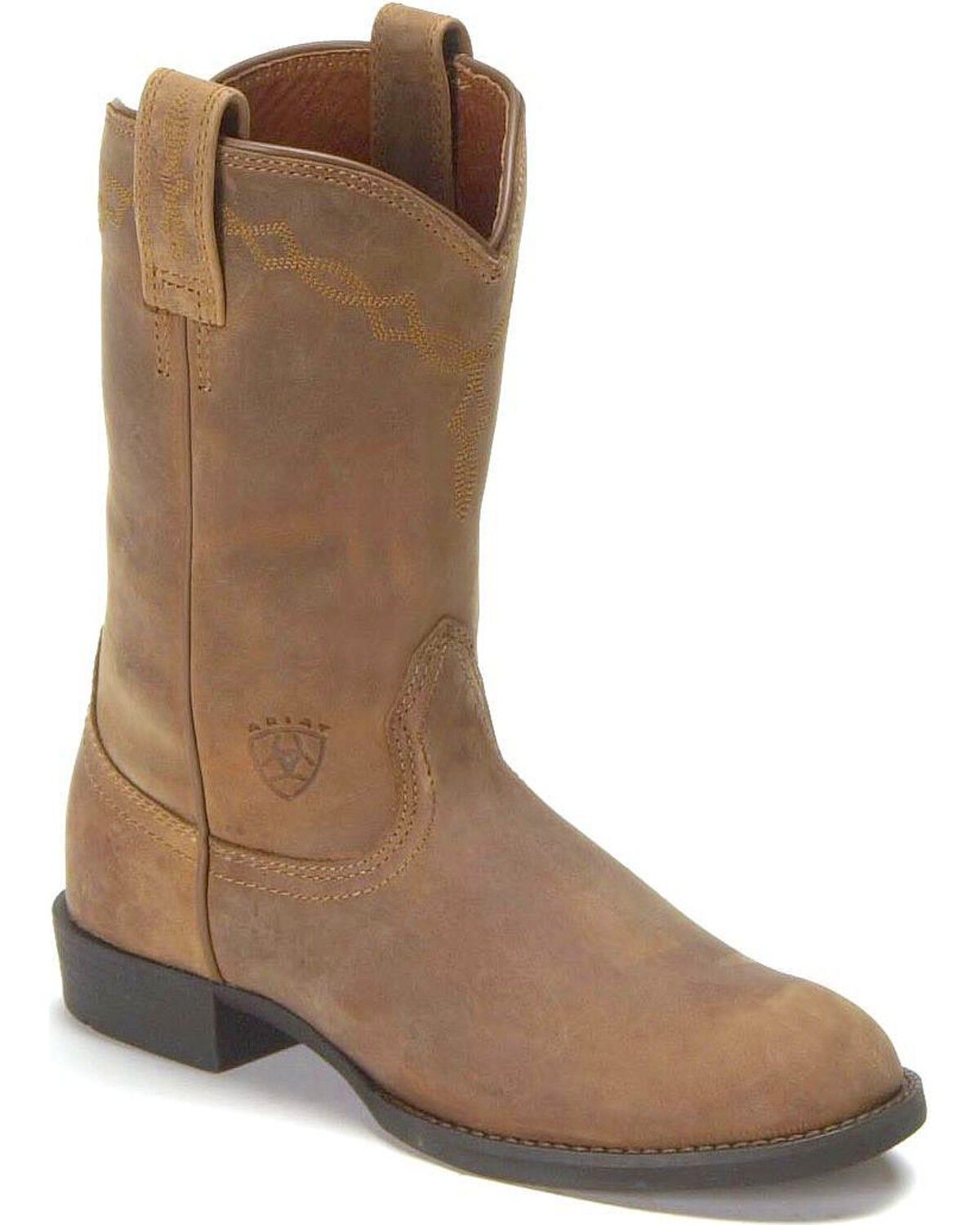
Women’s waterproof black boots combine protection from rain and wet ground with a color that works with denim, work pants, and everyday layers. The category spans ankle boots, pull-on styles, lace-up designs, and taller shafts, with different constructions suited to errands, outdoor chores, travel, or demanding workdays. Black leather has a clean, substantial look, while rubber offers a practical surface for muddy paths and repeated splashes. Textile panels can reduce bulk, and leather-and-textile combinations may offer flexibility around the ankle. Waterproof performance comes from the complete construction, not the color or material alone. Depending on the design, a boot may use sealed seams, a waterproof membrane, a molded rubber shell, or several of these features together. Water-resistant leather is not the same as a waterproof boot, and a rugged appearance does not establish how well footwear keeps out water. A waterproof membrane can help prevent outside moisture from reaching the foot while allowing some moisture vapor to escape, although breathability varies with construction and conditions. Rubber boots generally allow less airflow, making lining and sock choice important. Shaft height also matters. A taller shaft adds coverage against splashes and mud, but water can still enter over the opening. On lace-up boots, a gusseted tongue helps block water and debris only up to the height where it joins the upper. Low-profile ankle shapes sit neatly under straight-leg jeans, while taller shafts offer more coverage along wet grass or muddy barn lanes. Western-inspired shapes pair familiar lines with practical protection when the boots are specifically constructed to be waterproof. Within the broader Ladies Waterproof Boots category, black provides a straightforward foundation for work and casual outfits. A smooth finish gives the boot a cleaner appearance, while a textured upper has a more rugged character.

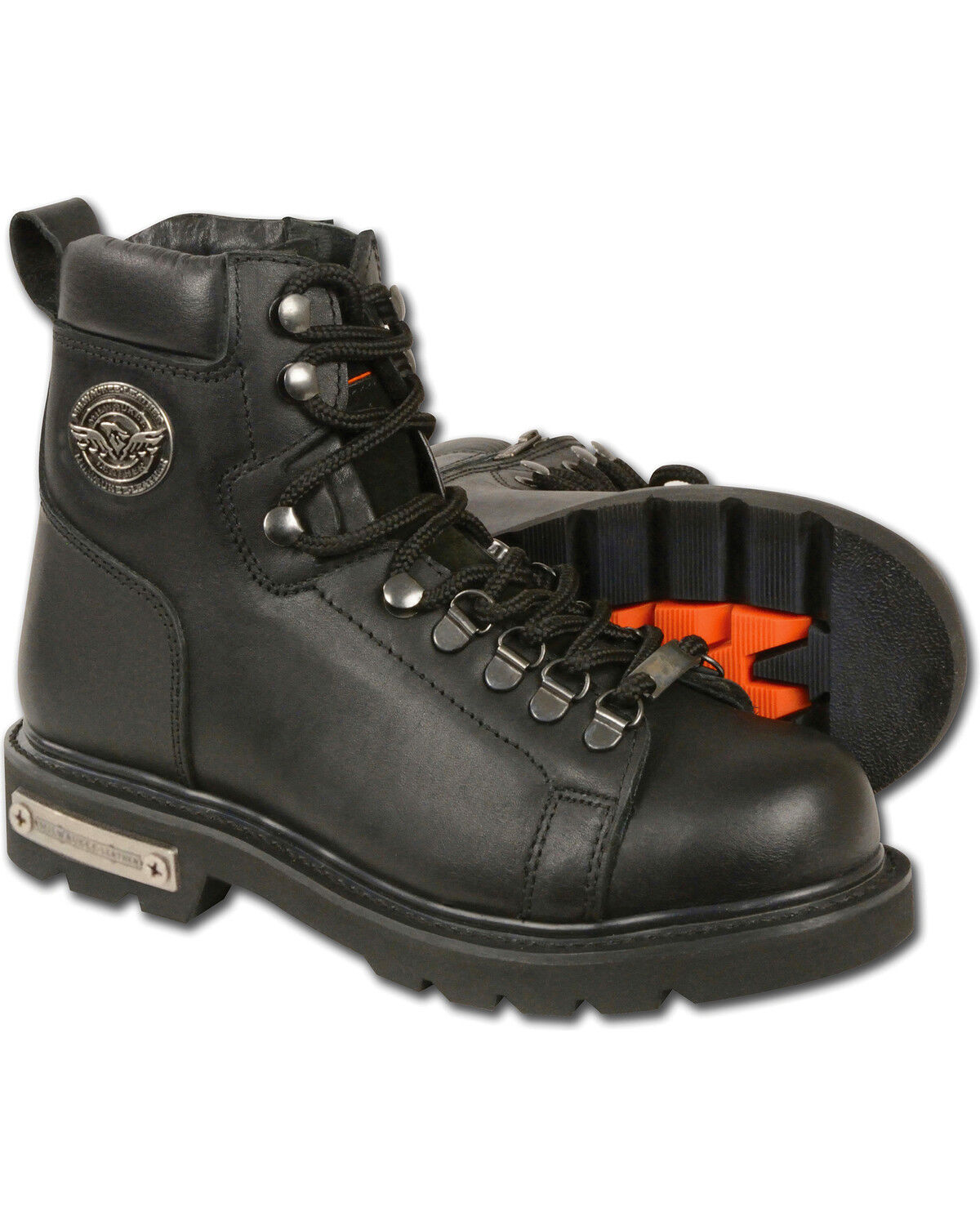
Fit affects how women’s black waterproof boots feel at the end of a long shift or a full day on foot. The toes need space to move without pressing against the front, and the widest part of the foot should sit comfortably in the widest part of the boot. A pointed profile does not necessarily mean a narrow fit, but the shape inside the boot matters more than the outline alone. Leather may soften with wear, yet break-in will not correct a boot that is too short or sharply pinches the foot. Trying boots with the socks intended for daily wear gives a more useful sense of fit than using a much thinner pair. Removable footbeds can make room for compatible inserts, though added support should not crowd the toes or lift the heel too high. Lace-up construction allows adjustment across the instep, while pull-on designs depend more on the shape of the heel, shaft, and opening. For women moving between a gravel parking lot, a concrete floor, and a muddy yard, outsole design deserves close attention. Deeper lugs can provide purchase on loose ground, while tread spacing affects how readily mud clears from the sole. Slip-resistant construction may be useful on certain workplace surfaces, but no tread makes every wet floor secure. Waterproofing, slip resistance, safety toes, and electrical hazard protection are separate features. Work requirements determine which protections are necessary; black leather and a sturdy build do not establish a safety rating. Cushioning can soften repeated steps, while a supportive midsole and stable heel help create a planted feel underfoot. A lower heel often suits extended walking, while a defined heel may serve a different purpose in work or western footwear. Insulation is another separate consideration. Waterproof does not automatically mean insulated, and a heavily lined boot can feel excessive for indoor wear. The most useful construction matches the actual routine, whether that means standing at a workbench, crossing a wet pasture, or walking several blocks between stops.

Regular care helps waterproof black boots retain their appearance and function. Mud left around seams, welt edges, and outsole grooves can make inspection harder and hold moisture against the boot. A soft brush or damp cloth removes ordinary dirt without the harsh scrubbing that can damage finishes. Leather, rubber, and textile uppers need different care, so cleaning products should match the material and the maker’s directions. Leather conditioner can help suitable leather stay supple, but too much may change its appearance, and some finishes require specialized treatment. Waterproofing sprays and creams are not interchangeable across materials, nor can they reliably repair a damaged internal membrane. After wet wear, boots need time to dry naturally in a ventilated space, away from radiators, direct heat, and clothes dryers. Removing removable footbeds and opening the shaft or loosening laces can improve airflow inside. Clean socks and fully dried linings also help keep the interior comfortable between wears. Black finishes can make a boot easy to pair with different outfits, but they still show dried mud, pale salt marks, and scuffs. Prompt cleaning keeps those marks from becoming harder to address. Regular checks around flex points, seams, heels, and tread help reveal wear before a long day outside. Smooth tread, separated seams, and cracks in rubber deserve attention even when the upper still looks presentable. Repair options depend on construction, and not every sole can be replaced. For gifting, waterproof black boots make sense for someone whose routine includes wet commutes, outdoor chores, or time on their feet. The strongest starting points are the recipient’s usual size, preferred shaft height, work requirements, and familiar boot shape. A well-matched pair should suit the way she moves and dresses, with enough protection for the ground she covers and a fit she can comfortably wear.
Read More

FAQs