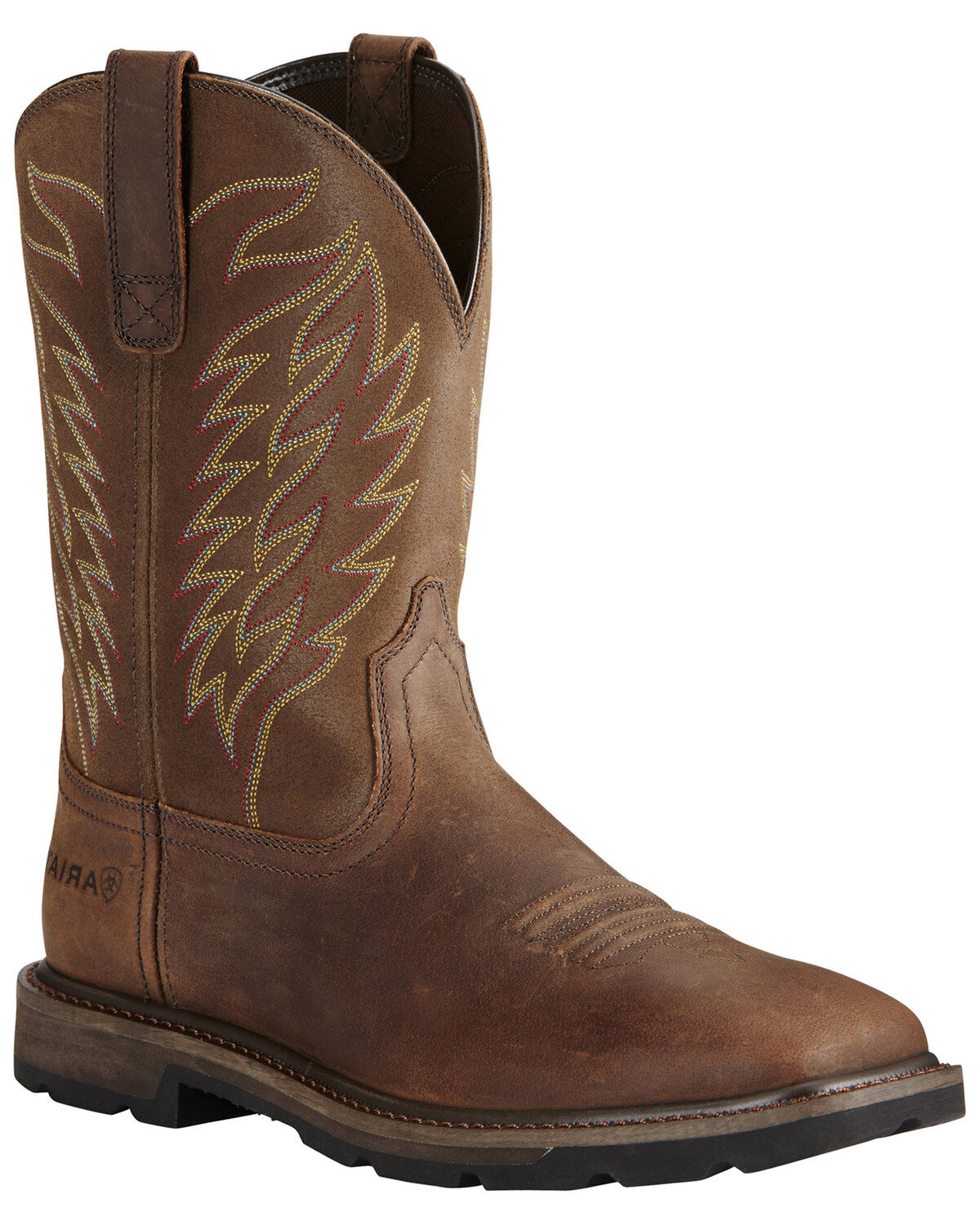
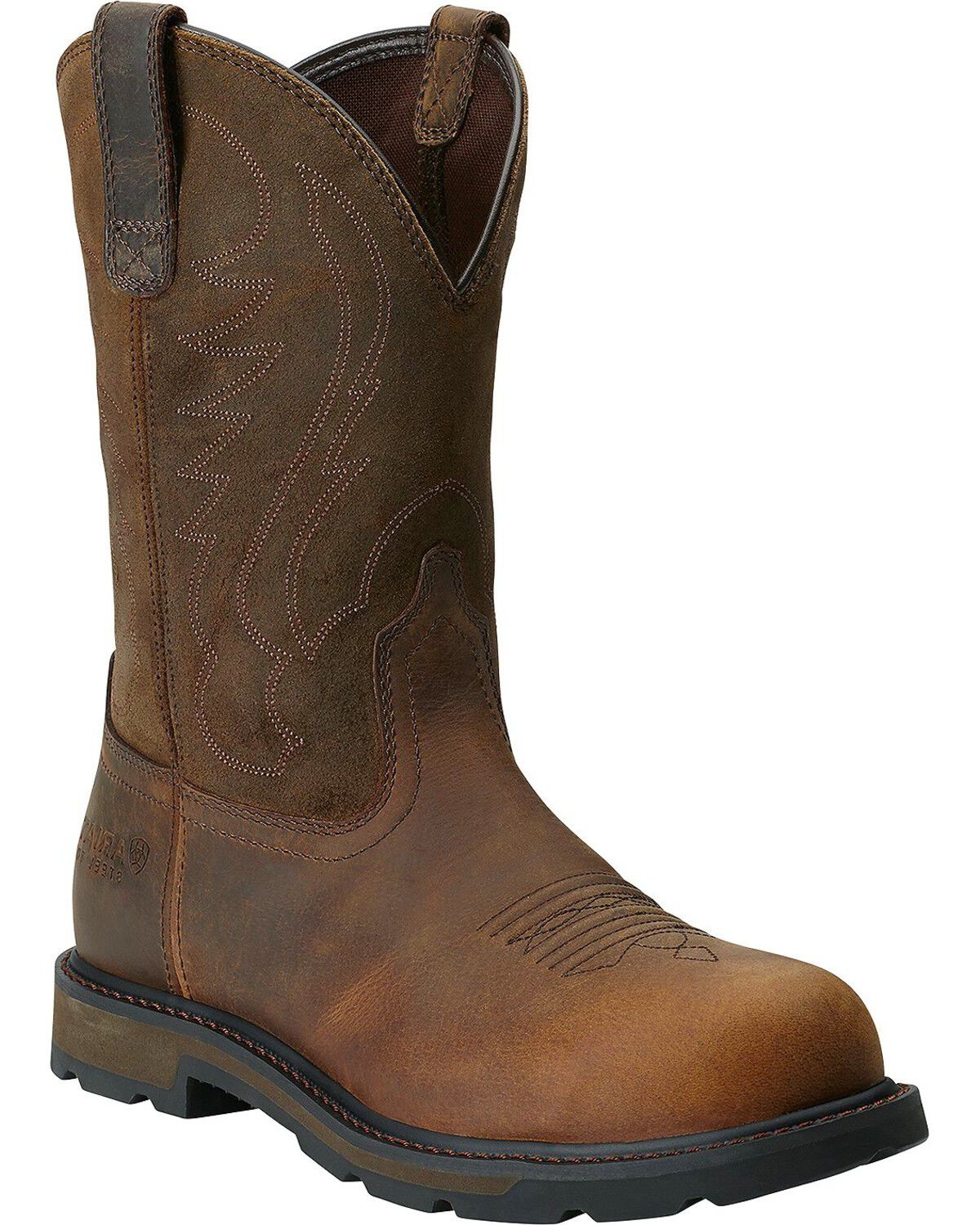
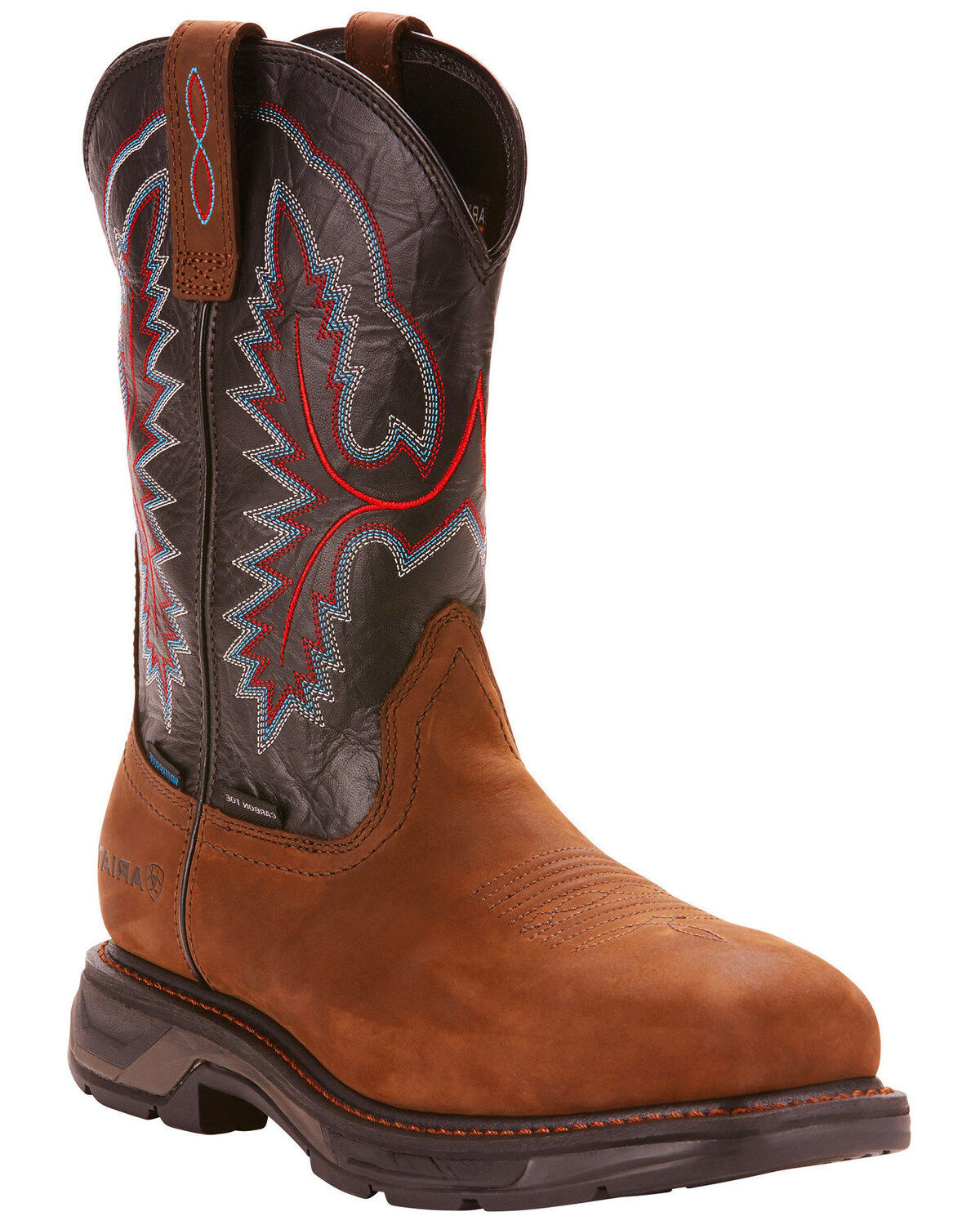
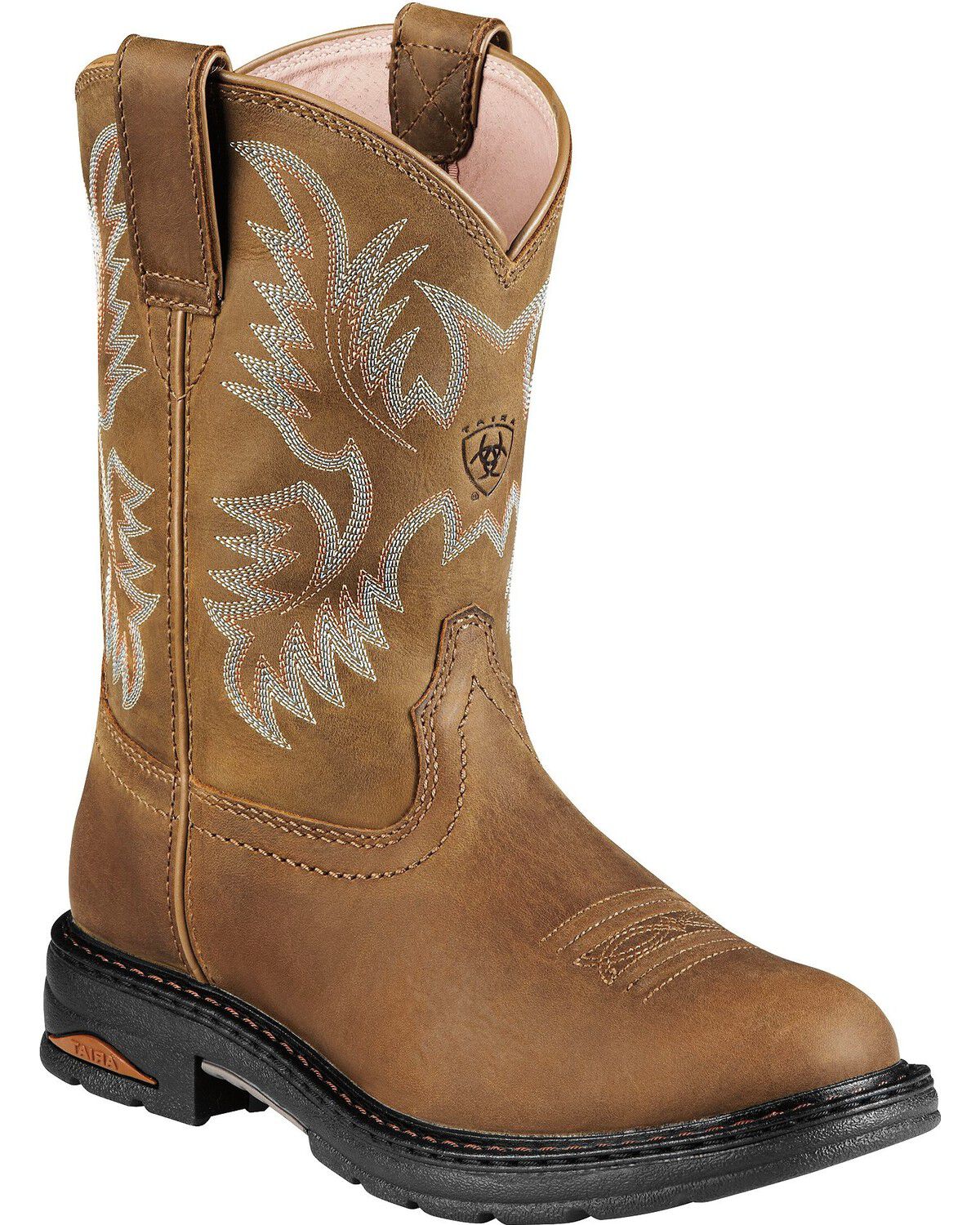
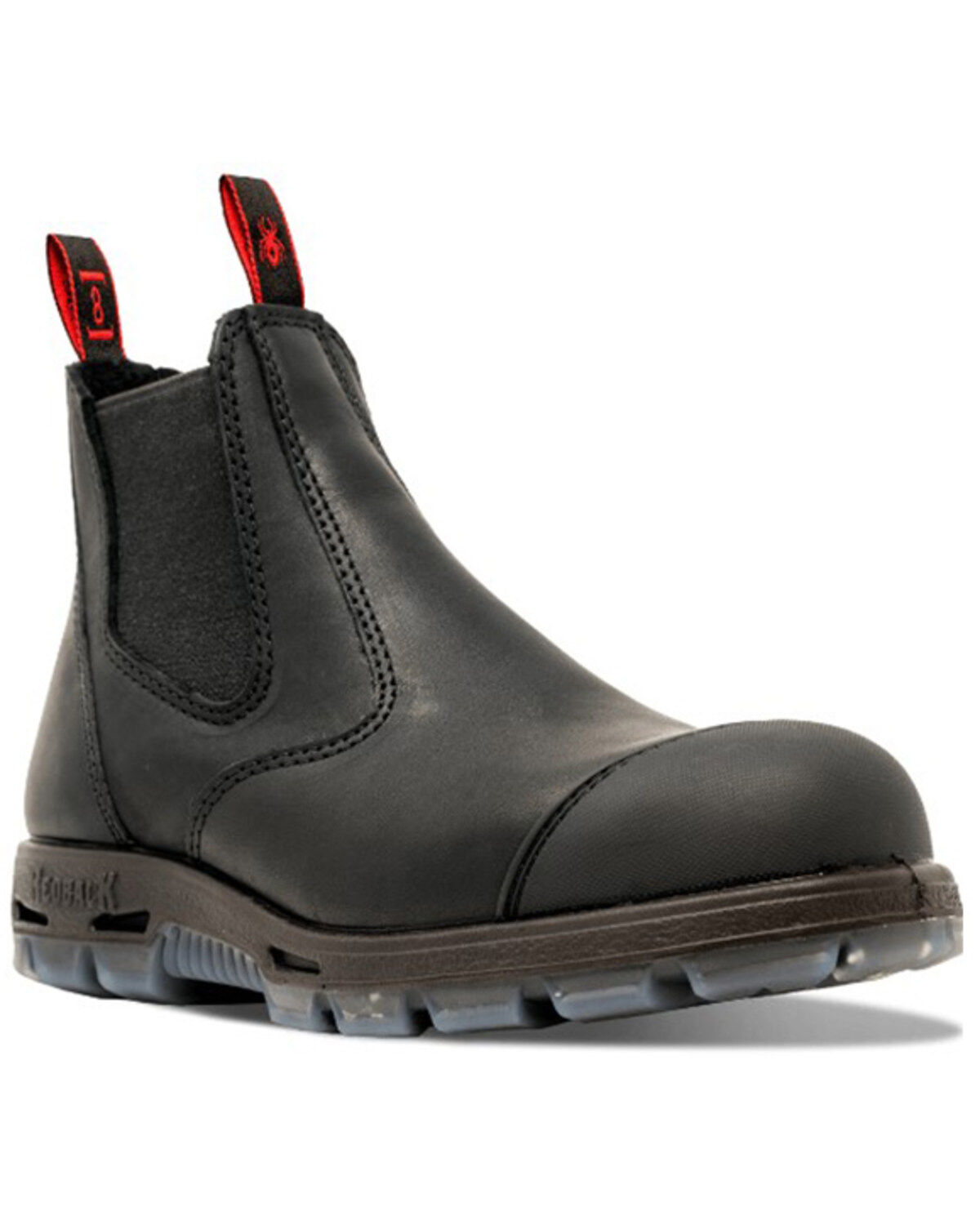
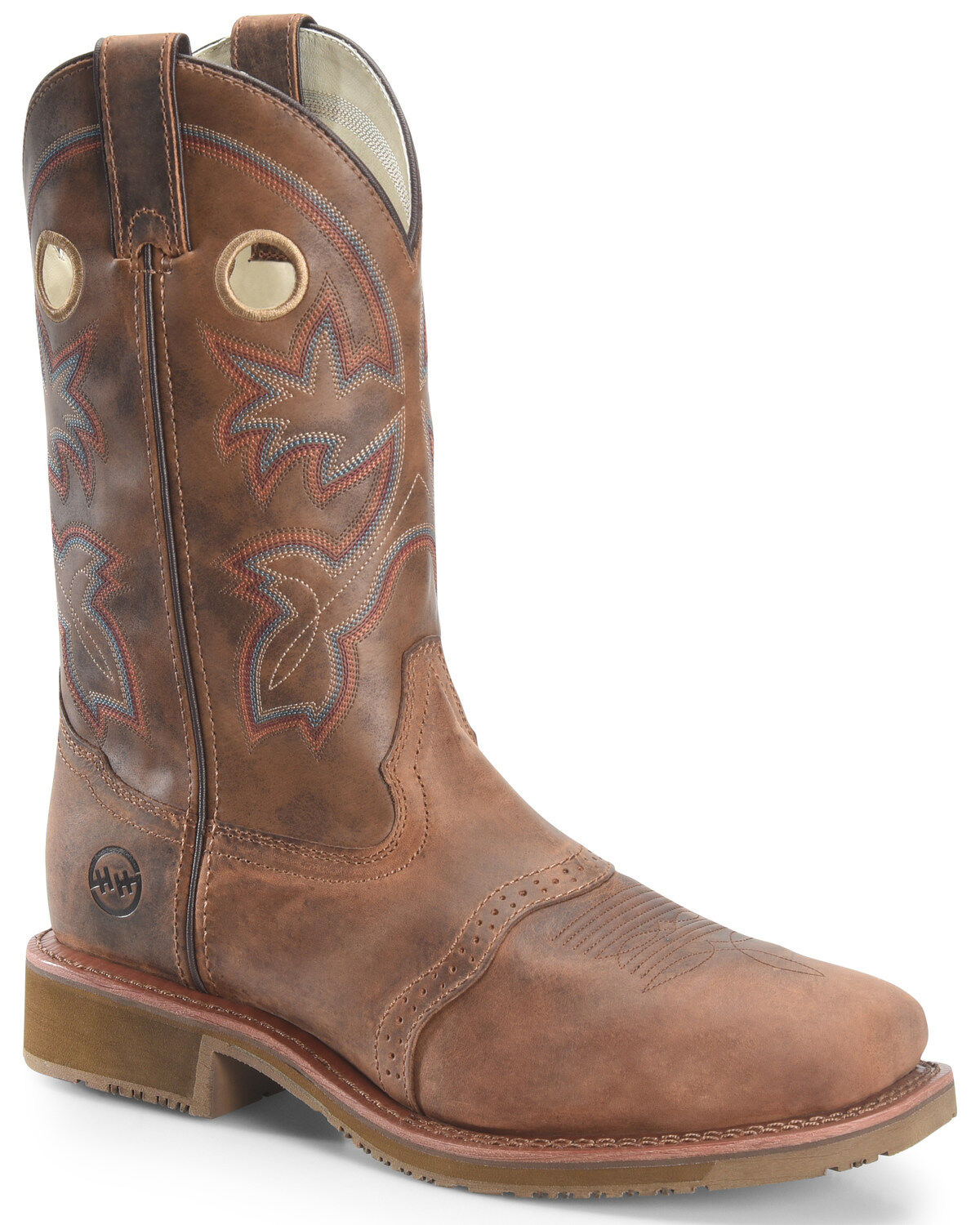
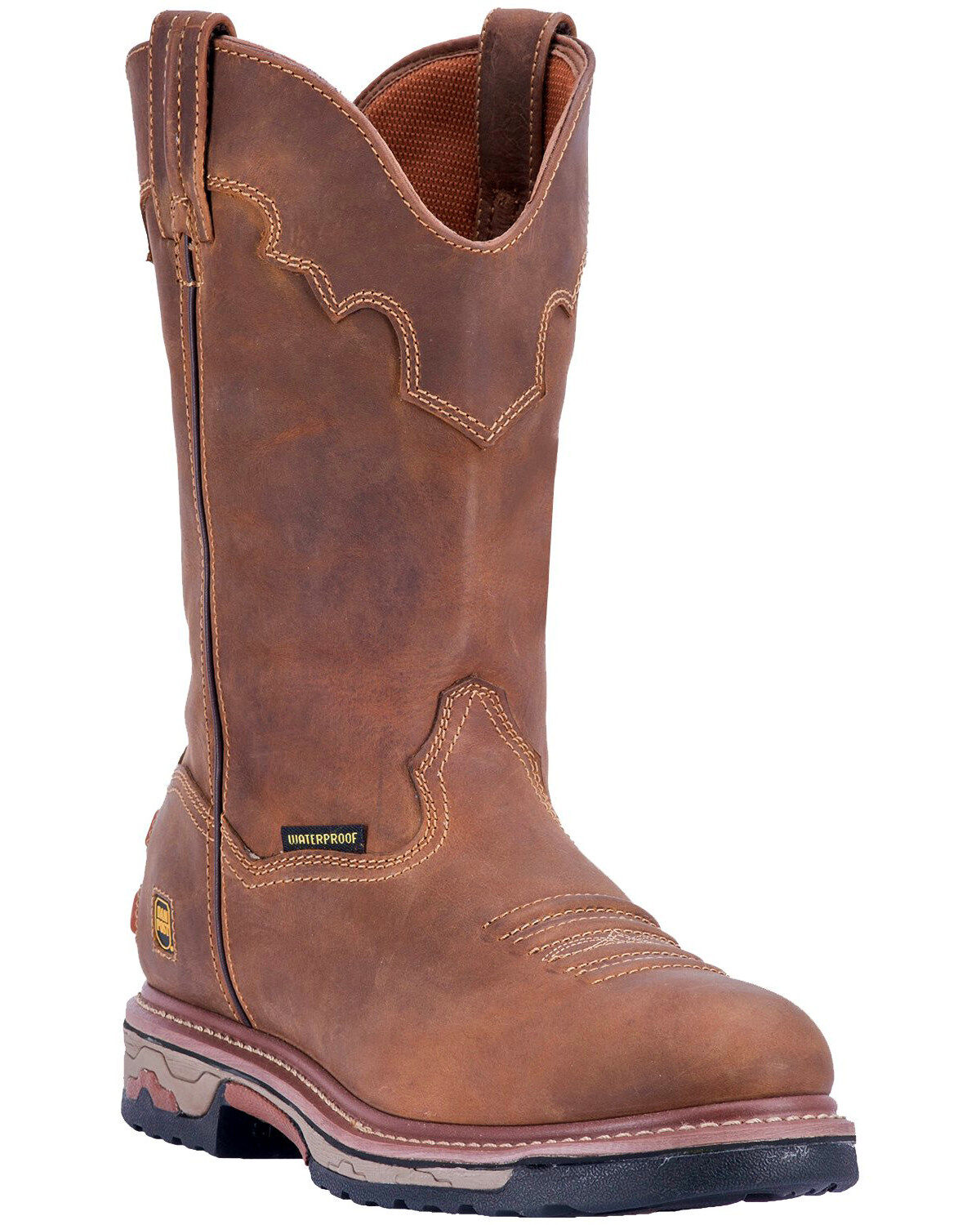
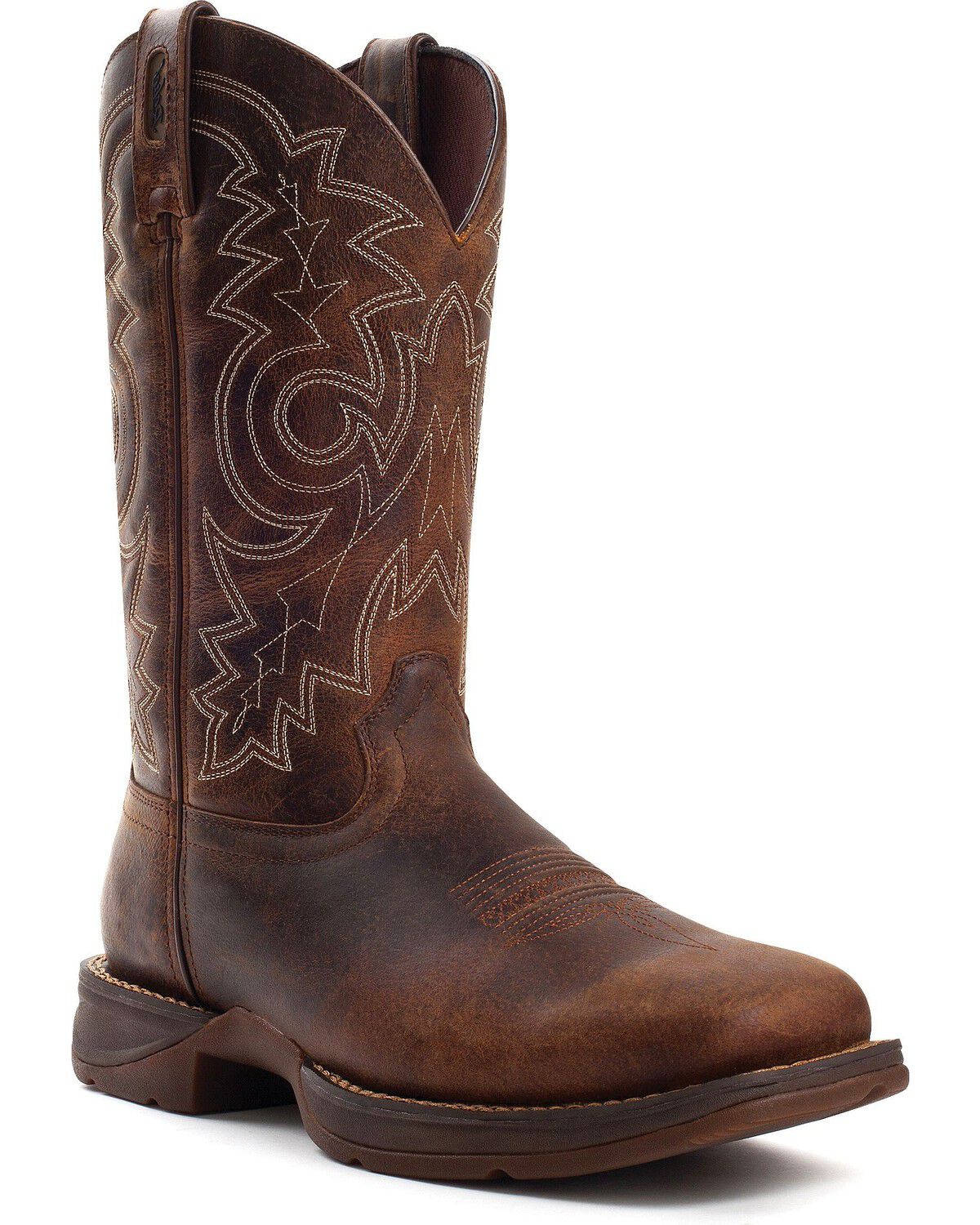
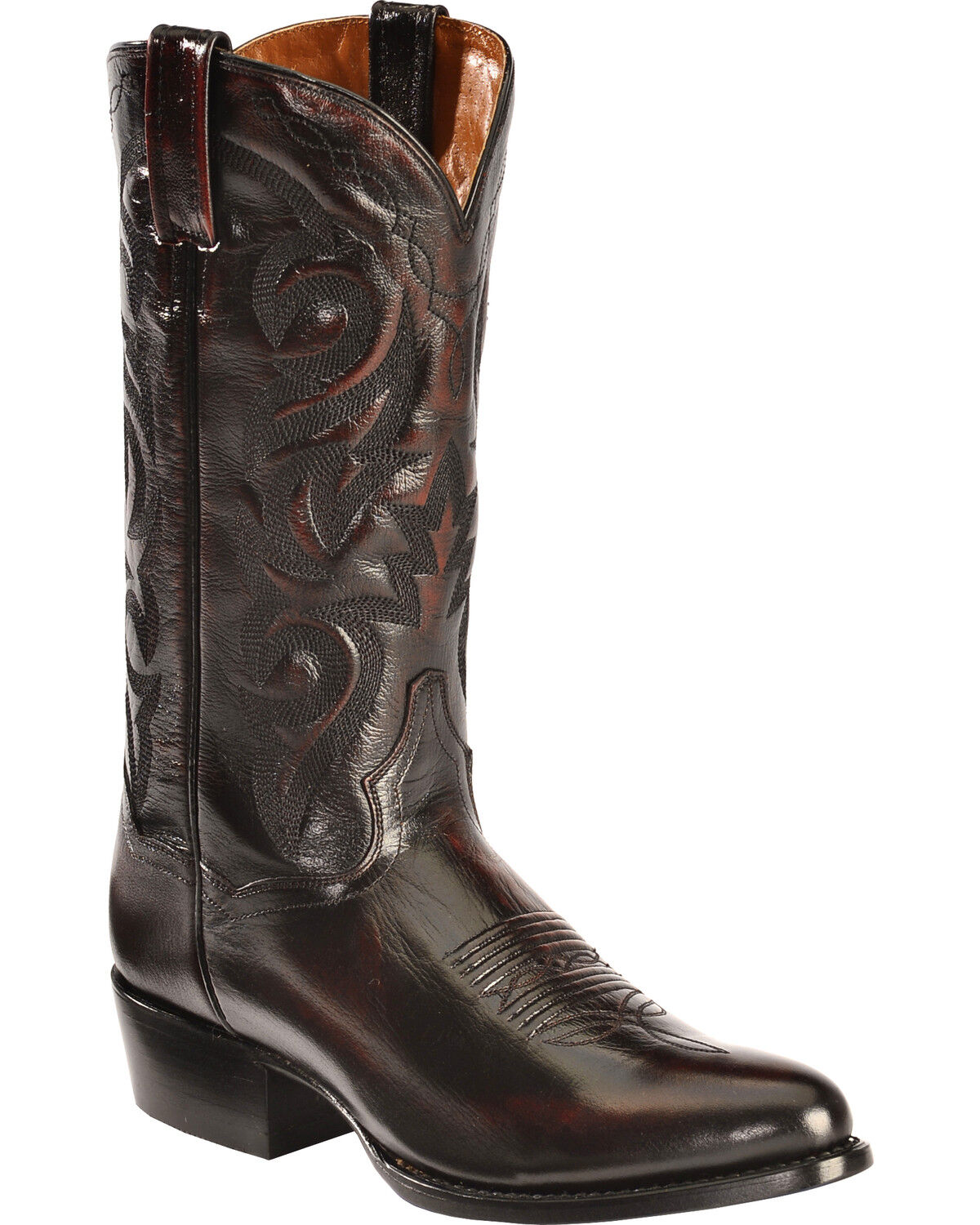
Pull On Safety Toe Work Boots

Find pull-on safety toe work boots with toe protection and a lace-free design for easy on and off. Compare available styles for fit, and check each pair’s listed safety ratings and features against your jobsite requirements before choosing.

Read More

Shop Your Store: Shop Your Store: Find a Store

(Turn off Shop Your Store to see all items)

(Turn off Shop Your Store to see all items)

close
  • Recommended
  • Lowest Price
  • Highest Price
Skip pass products
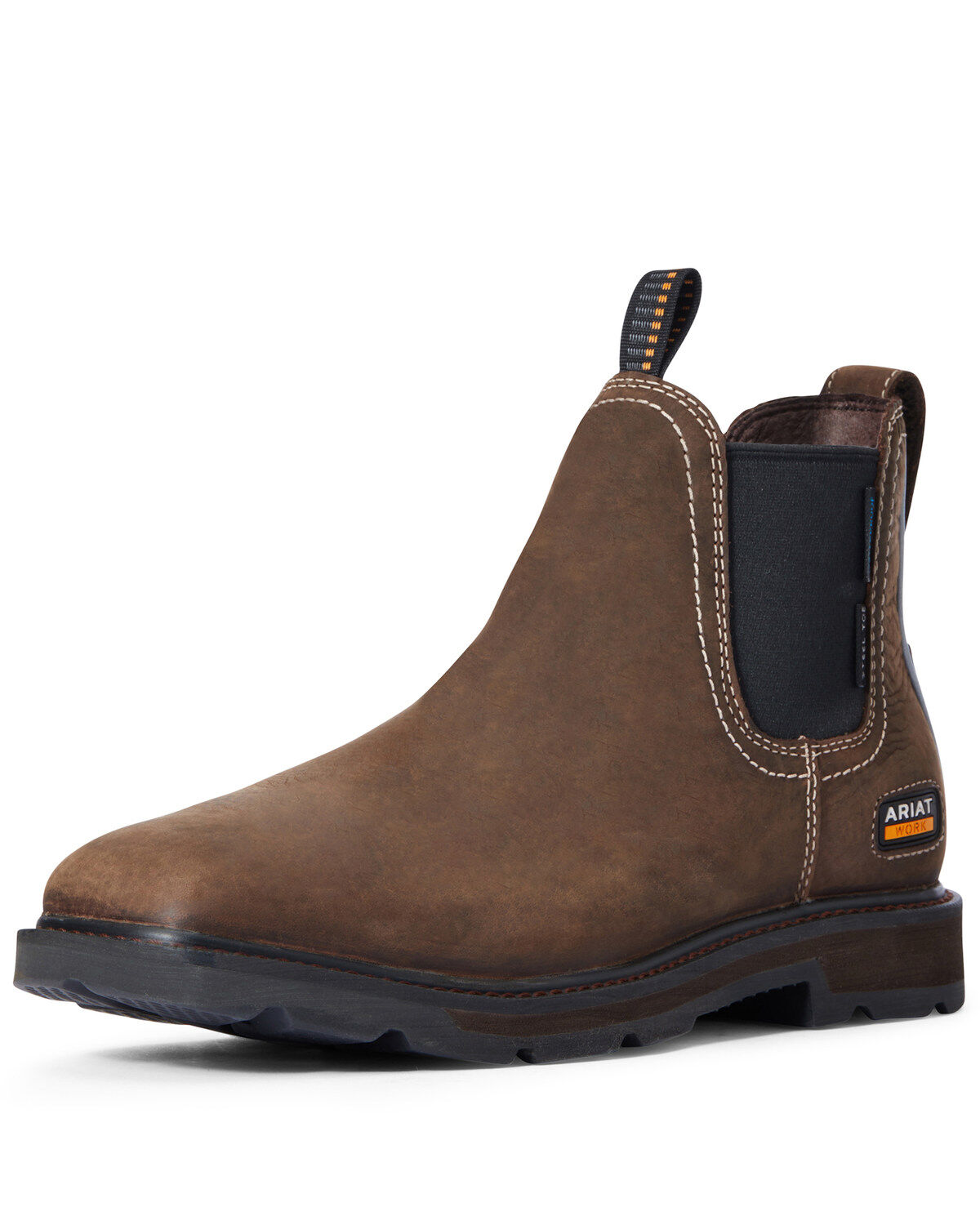
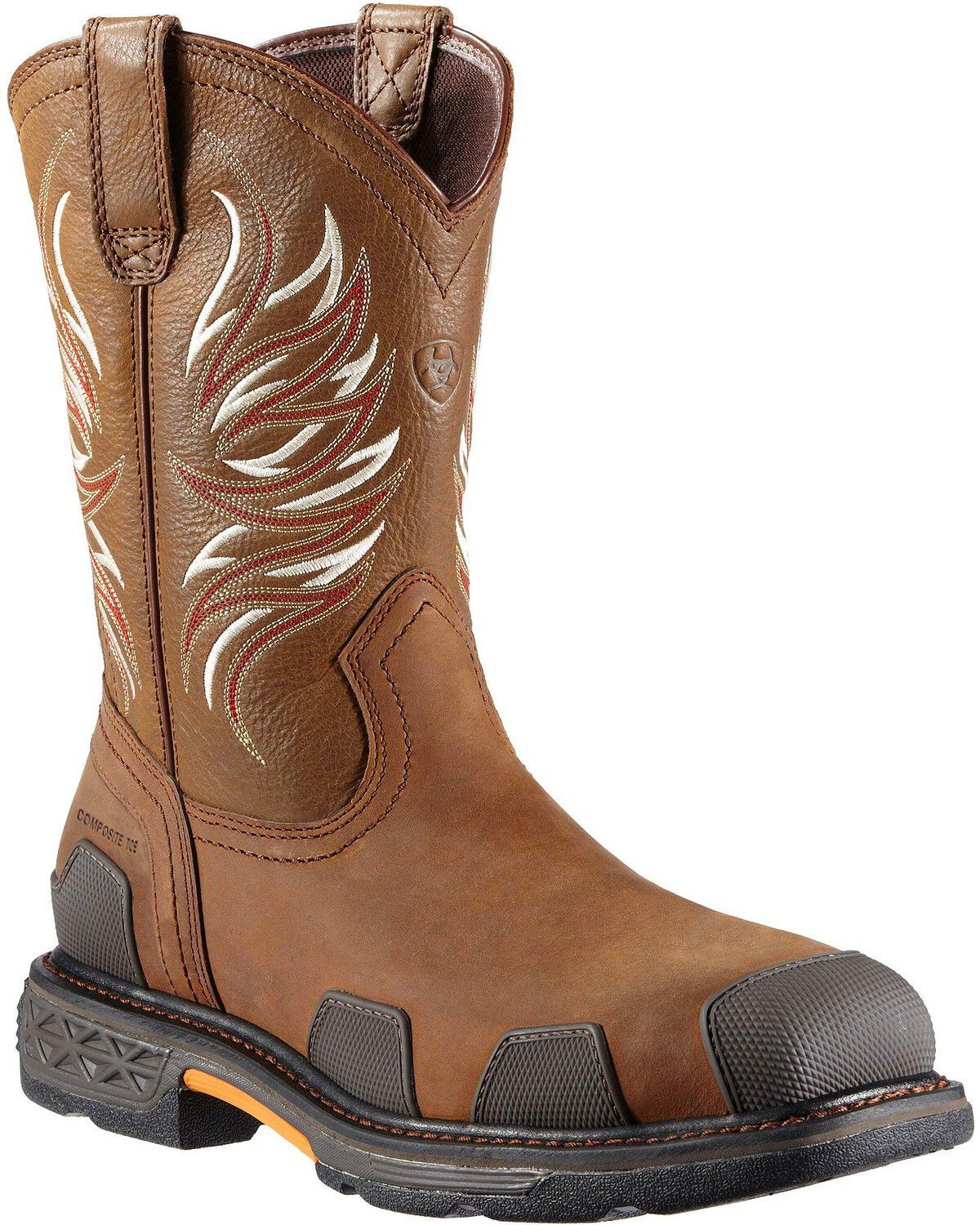
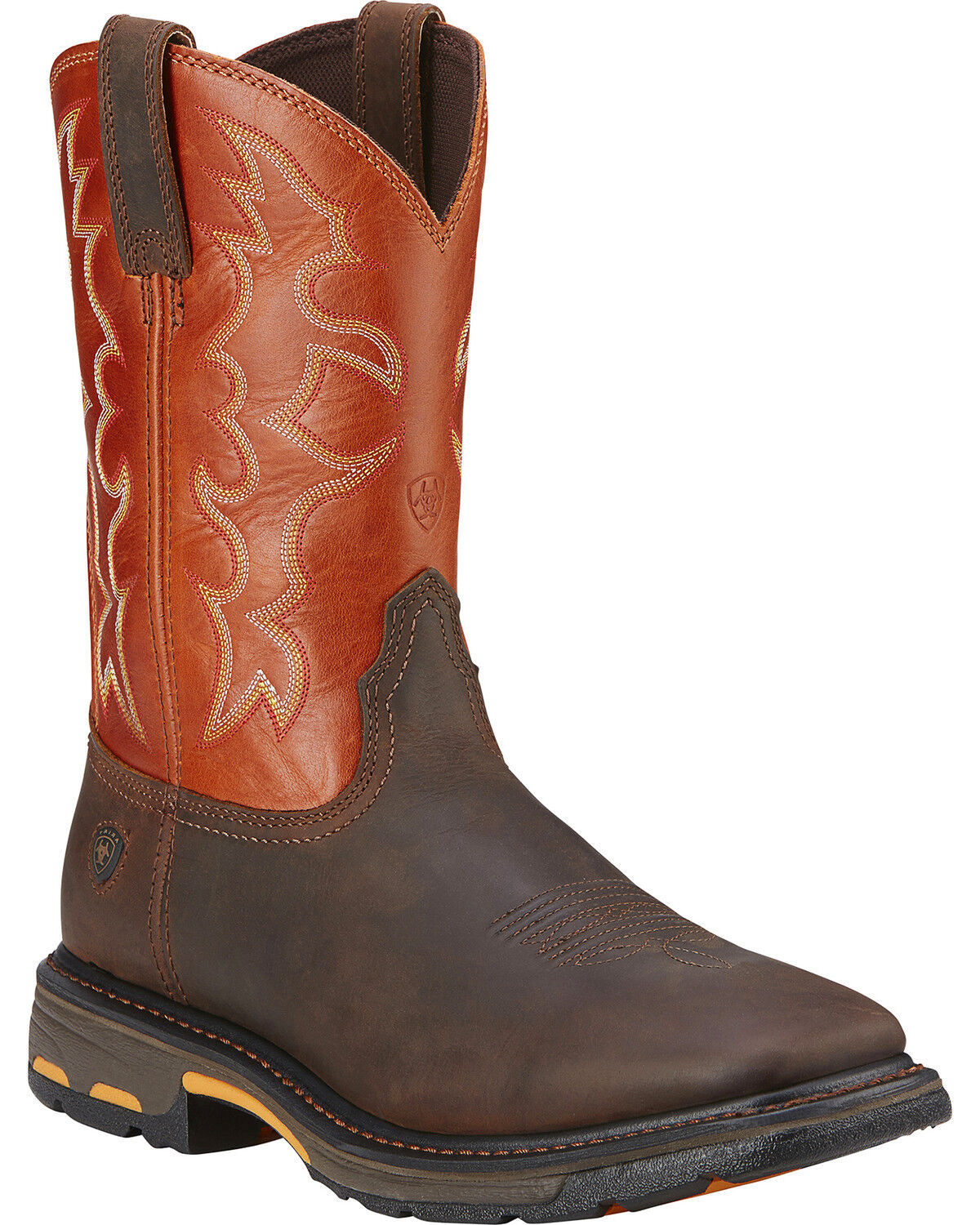
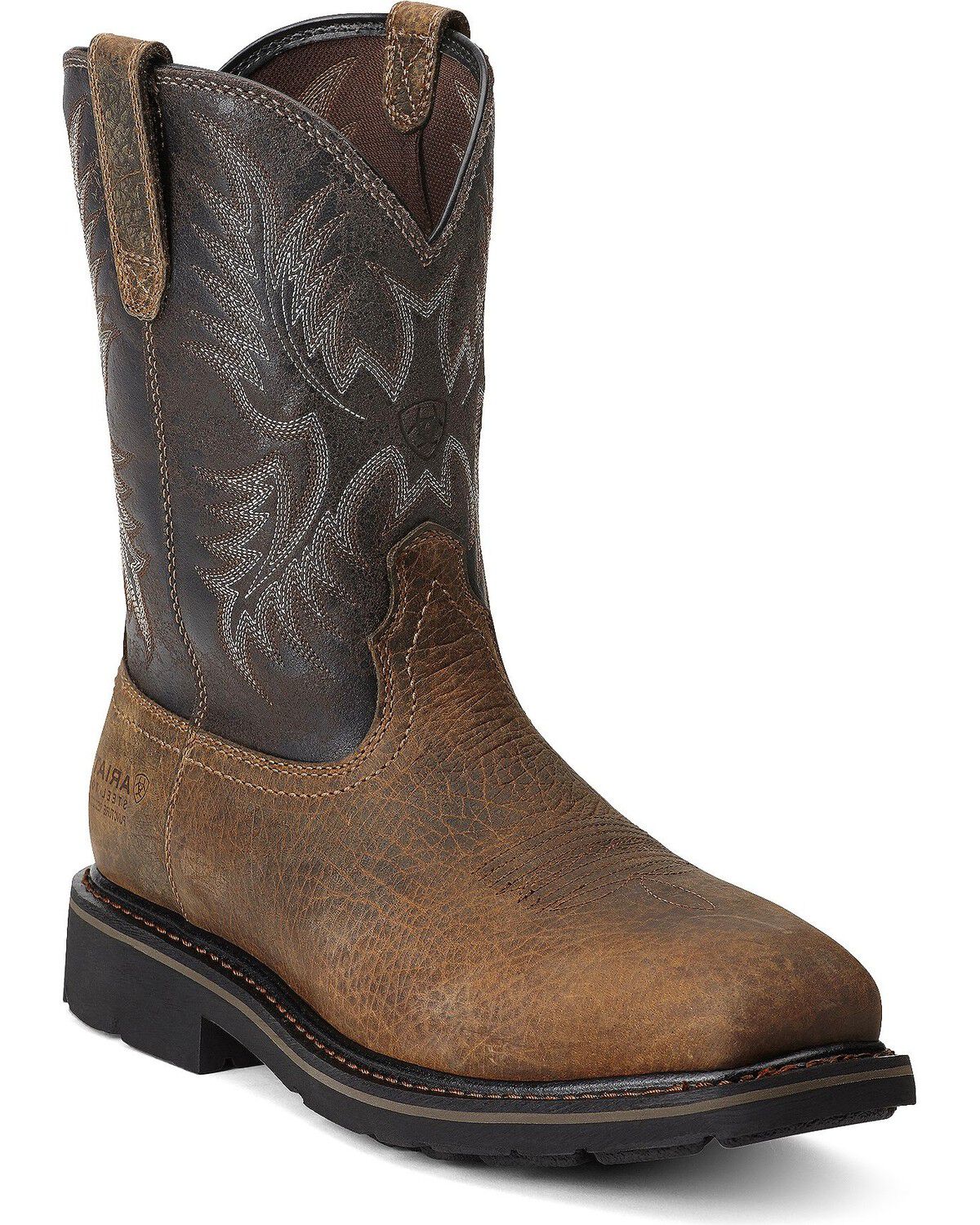
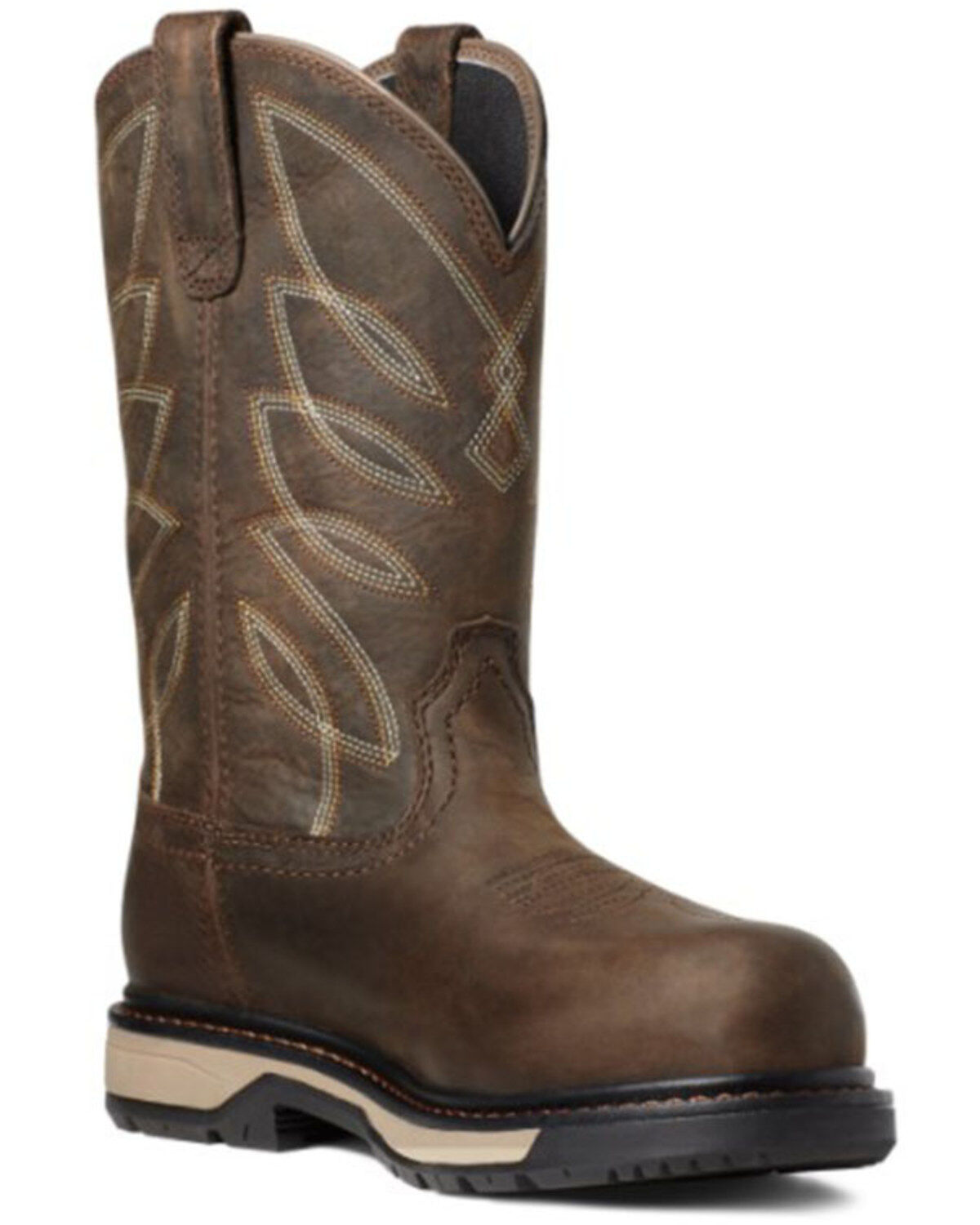
  • Men's Ariat WorkHog Pull-On Work Boots - Steel Toe
    Original Price $229.99 $159.97
    30% Total Savings

End of products

Pull On Safety Toe Work Boots

Pull-on safety toe work boots combine a slip-on design with a protective toe cap built to help guard against impact and compression hazards. They suit work that calls for dependable footwear without laces to tie, retighten, or drag through debris. Construction crews, equipment operators, agricultural workers, warehouse teams, and maintenance professionals may wear them when the boot’s protection matches the job requirements. The raised shaft provides coverage around the ankle and lower leg, while pull tabs or pull holes give hands a firm hold when putting the boots on. Underneath that straightforward design, the safety toe does a specific job. Steel, alloy, and composite toe caps can provide tested protection, but their weight, shape, and space inside the boot differ. Steel caps often have a relatively slim profile. Alloy caps can reduce weight compared with steel, while composite caps use nonmetal materials. A composite toe cap does not necessarily mean the entire boot is metal-free; shanks, fasteners, and other components may still contain metal. The material alone also does not establish the protection level. Applicable ASTM F2413 markings and the manufacturer’s specifications identify the performance a boot has been tested to provide. Those details matter more than the appearance of the toe or the thickness of the leather. Safety toe protection does not automatically include puncture resistance, metatarsal protection, or electrical hazard protection. Each addresses a different exposure and requires its own verification. Electrical hazard footwear provides secondary protection under specified conditions, not a substitute for electrical safety procedures. A boot worn around stacked materials on a warehouse floor may need different features from one used around nails, heavy equipment, or abrasive debris. Employer requirements and the actual work area should determine the necessary protection. The right pull-on work boot brings those requirements together with a fit that stays secure through walking, climbing, kneeling, and standing.

Fit starts with the relationship between the foot, the protective cap, and the instep. Toes need room to rest naturally without pressing against the cap, including when stepping down or crouching. Leather may soften with wear, but the safety toe will not stretch to create extra space. A small amount of heel movement can occur in a new pull-on boot, yet the heel should not slide excessively or leave the foot feeling unstable. The instep should hold the foot securely without painful pressure, and the shaft should allow movement without rubbing the calf. Trying boots with the socks worn for work gives a more useful picture of fit than trying them with thin everyday socks. Any required orthotics also need enough room without lifting the foot into the toe cap or crowding the instep. Width deserves as much attention as length. Going longer to solve a width problem can leave the heel loose and put the boot’s flex point in the wrong place. Toe shape affects the feel, too. A square profile may provide a broader shape across the front, but usable space still depends on the boot’s last and protective cap. Related pull-on square toe work boots show another common shape within pull-on work footwear; a square toe by itself does not indicate safety toe protection. Beyond fit, upper materials influence how the boot handles everyday wear. Full-grain leather is valued for its strength and ability to soften with use, while reinforced stitching and well-finished seams help support areas that flex repeatedly. Leather thickness alone does not tell the whole story. Lining quality, construction, and the connection between the upper and outsole all contribute to durability. Cushioned footbeds can ease the feel of standing on concrete, while supportive midsoles and shanks help manage the demands of long hours on foot. Cushioning should work with a stable fit rather than compensate for a boot that is too loose.

Outsole design determines much of how pull-on safety toe work boots feel underfoot. Broad contact areas can suit smooth work floors, while deeper tread patterns may help on loose ground. Neither tread depth nor a rugged appearance guarantees traction everywhere. Slip resistance depends on the outsole compound, tread, walking surface, and contaminants underfoot. Oil resistance describes how a sole material withstands exposure to oil; it does not mean the boot cannot slip on an oily floor. Mud and packed debris can also fill tread channels and reduce their usefulness. For work involving frequent kneeling, squatting, or climbing, flexibility and sole thickness deserve attention alongside traction. A heavy, rigid boot may feel different on a ladder than it does during steady walking across a yard. Construction methods create other practical differences. Welted construction may allow resoling when the boot is designed for it and the upper remains sound. Cemented construction can offer flexibility and reduced bulk, though repair options vary. Durability depends on matching those details to the work and maintaining the boots afterward. Brushing away dirt and wiping off jobsite residue keeps abrasive buildup from sitting against leather and seams. Cleaning products should suit the upper material, and leather conditioner should follow the manufacturer’s directions rather than being applied heavily or too often. Let damp boots dry naturally with airflow, away from direct heat, and remove removable footbeds when care instructions permit. Regular checks should include the outsole, heel, stitching, lining, and leather around the toe. Worn tread, separation between the sole and upper, exposed protective components, or damage after a significant impact can signal that the boots need replacement or professional assessment. Protective footwear should not stay in service simply because it still looks presentable from a distance. Well-chosen pull-on safety toe work boots balance verified protection, secure fit, useful traction, and practical care. Those are the details that matter when the work involves carrying materials, moving between tasks, and spending most of the day on foot.
Read More

FAQs