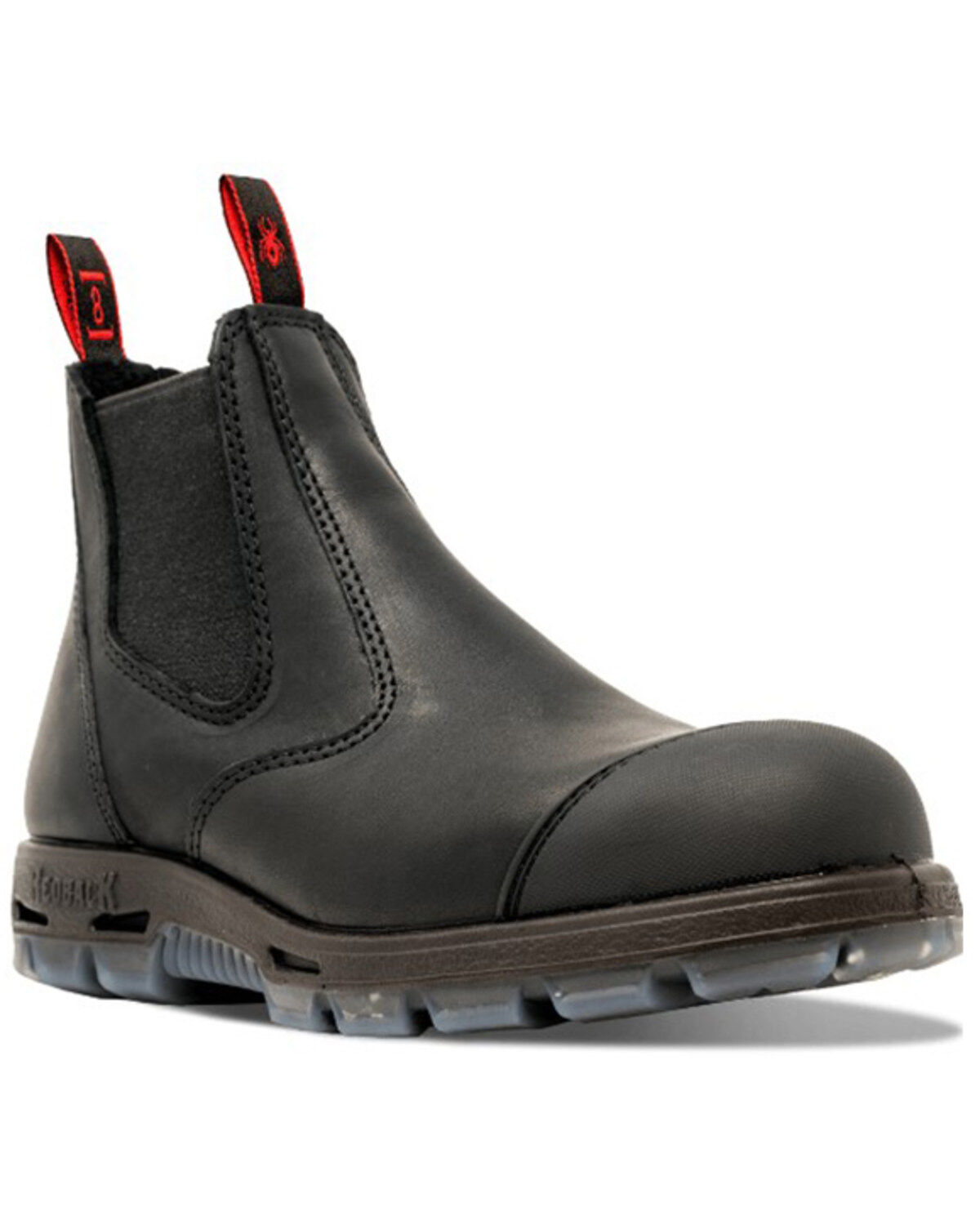
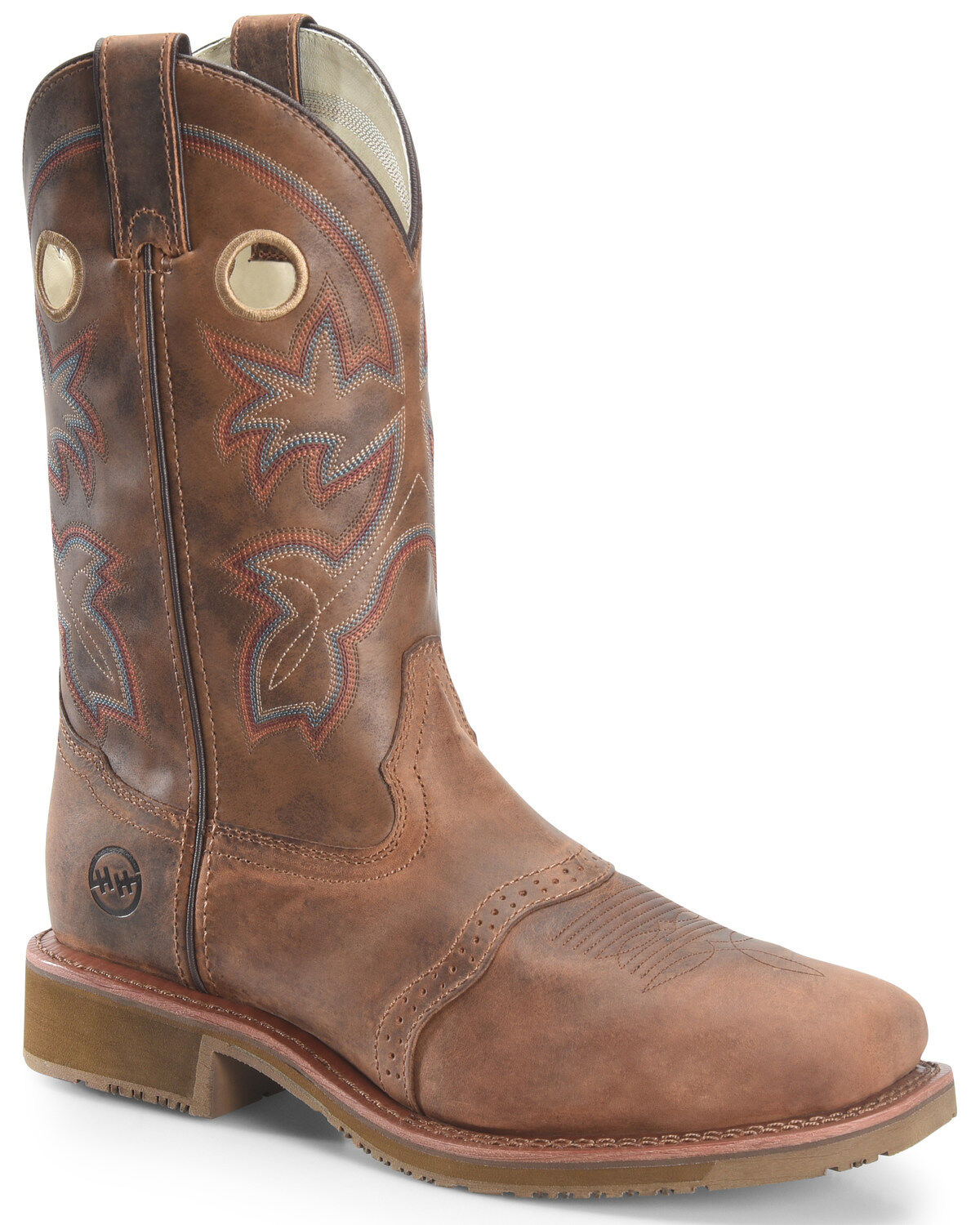
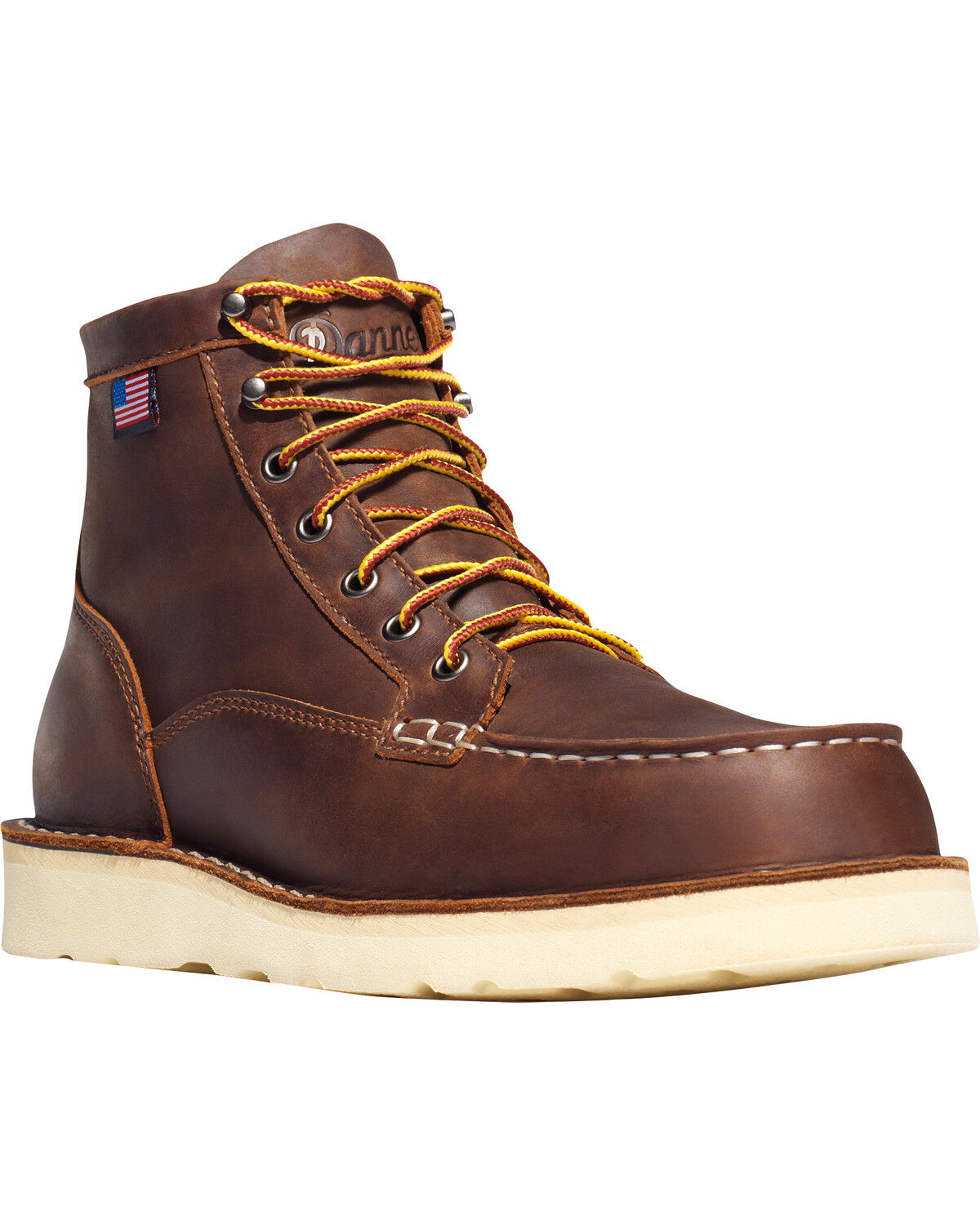
Steel Toe Pull On Boots

Shop steel toe pull on boots for work-ready toe protection without laces. Browse pull-on work boots with steel safety toes, and compare fit, coverage, and listed safety ratings to find a pair that meets your job requirements.

Read More

Shop Your Store: Shop Your Store: Find a Store

(Turn off Shop Your Store to see all items)

(Turn off Shop Your Store to see all items)

close
  • Recommended
  • Lowest Price
  • Highest Price
Skip pass products
  • Men's Justin Taskmaker Pull-On Work Boots - Steel Toe

    Original Price $149.99 $149.95
    0% Total Savings
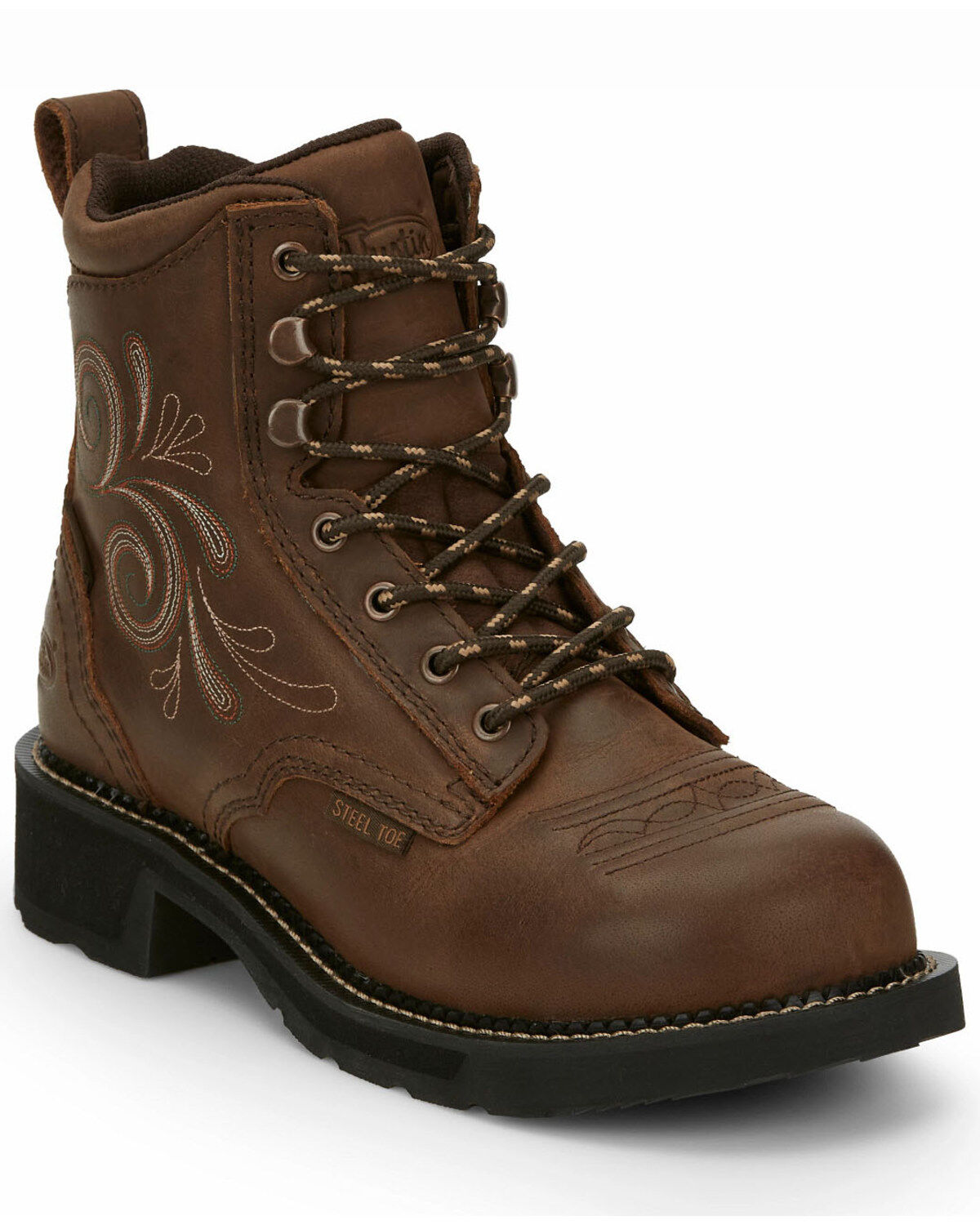
  • Women's Justin Katerina Waterproof Work Boots - Steel Toe

    Original Price $159.99 $159.95
    0% Total Savings

End of products

Steel Toe Pull On Boots

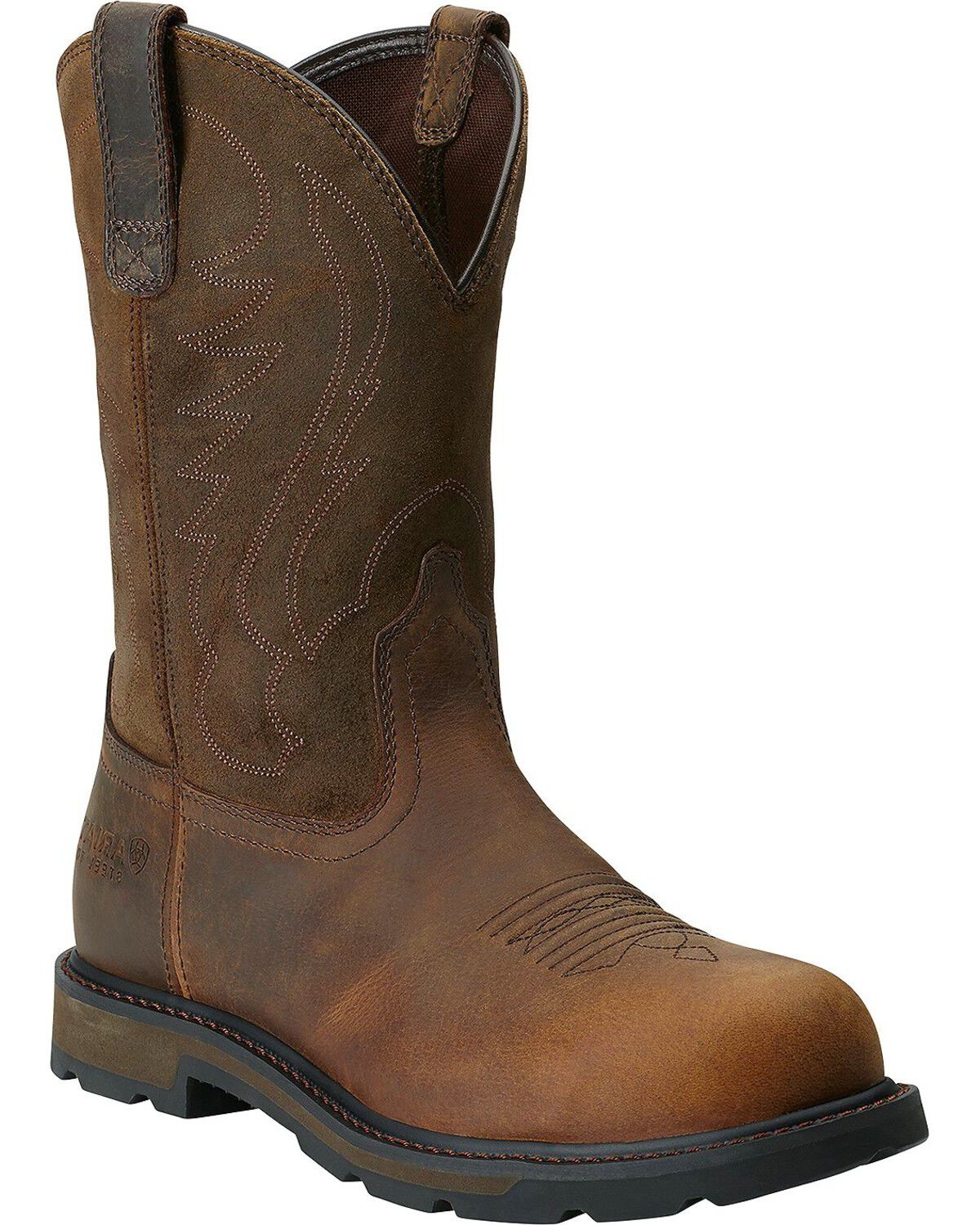
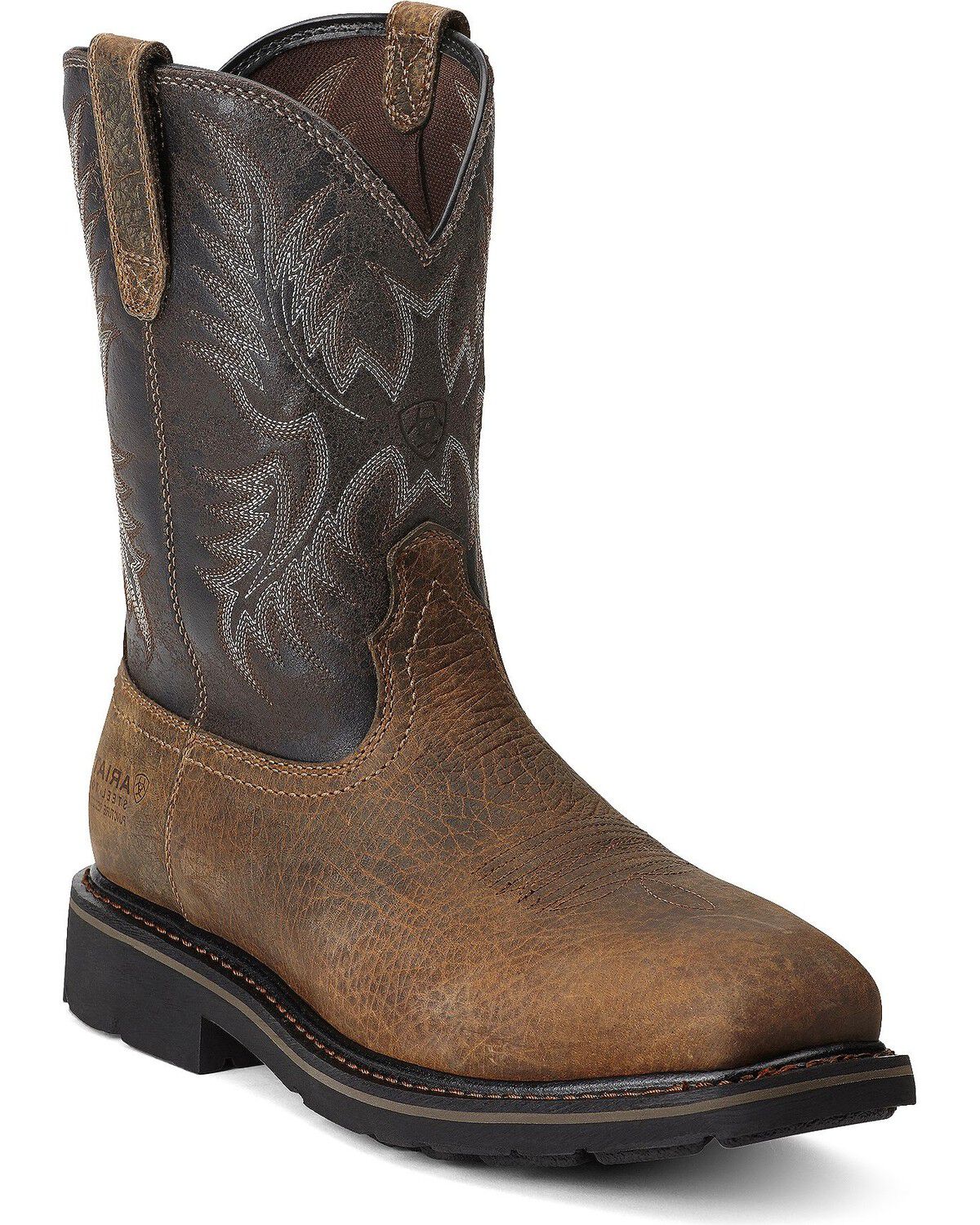
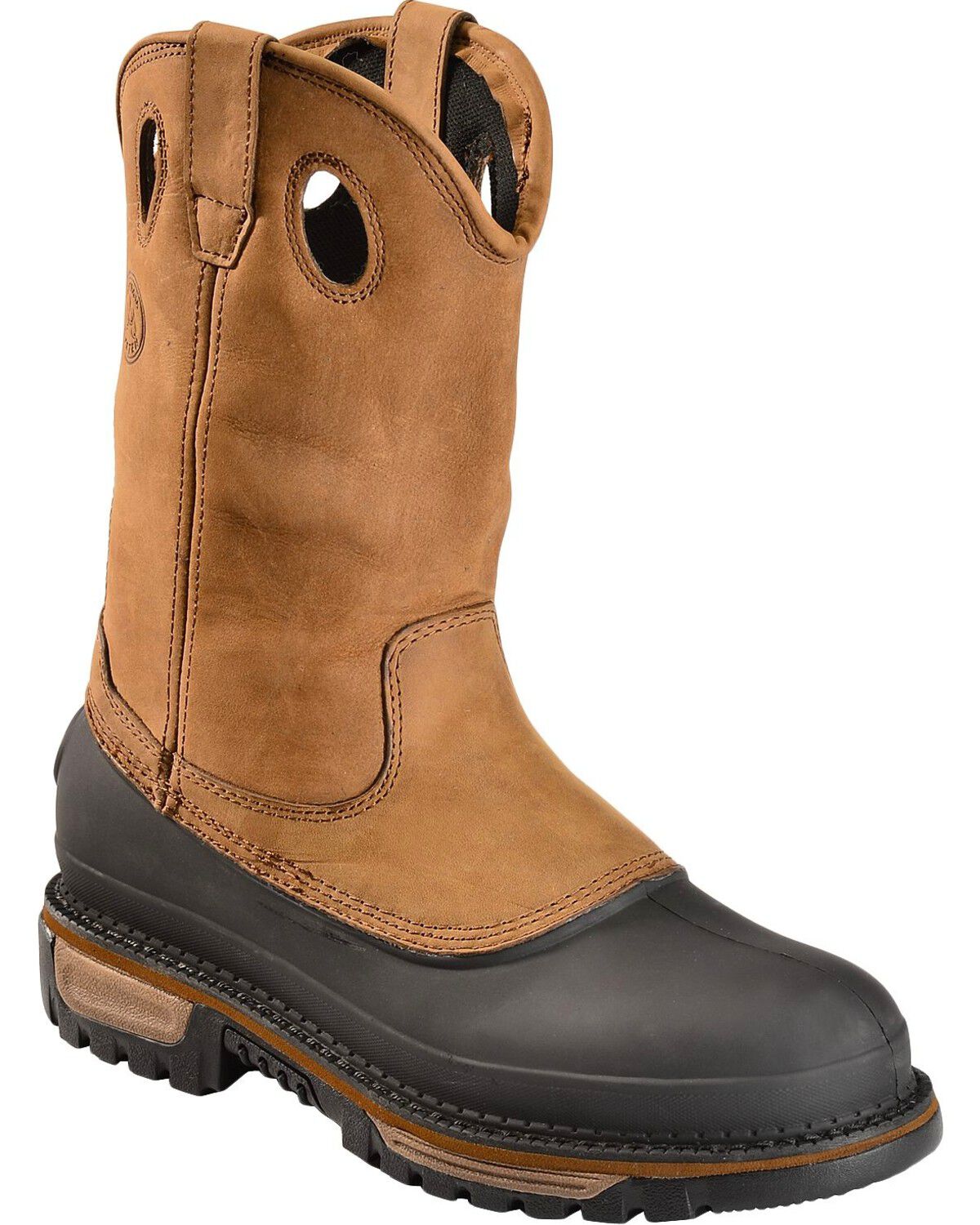
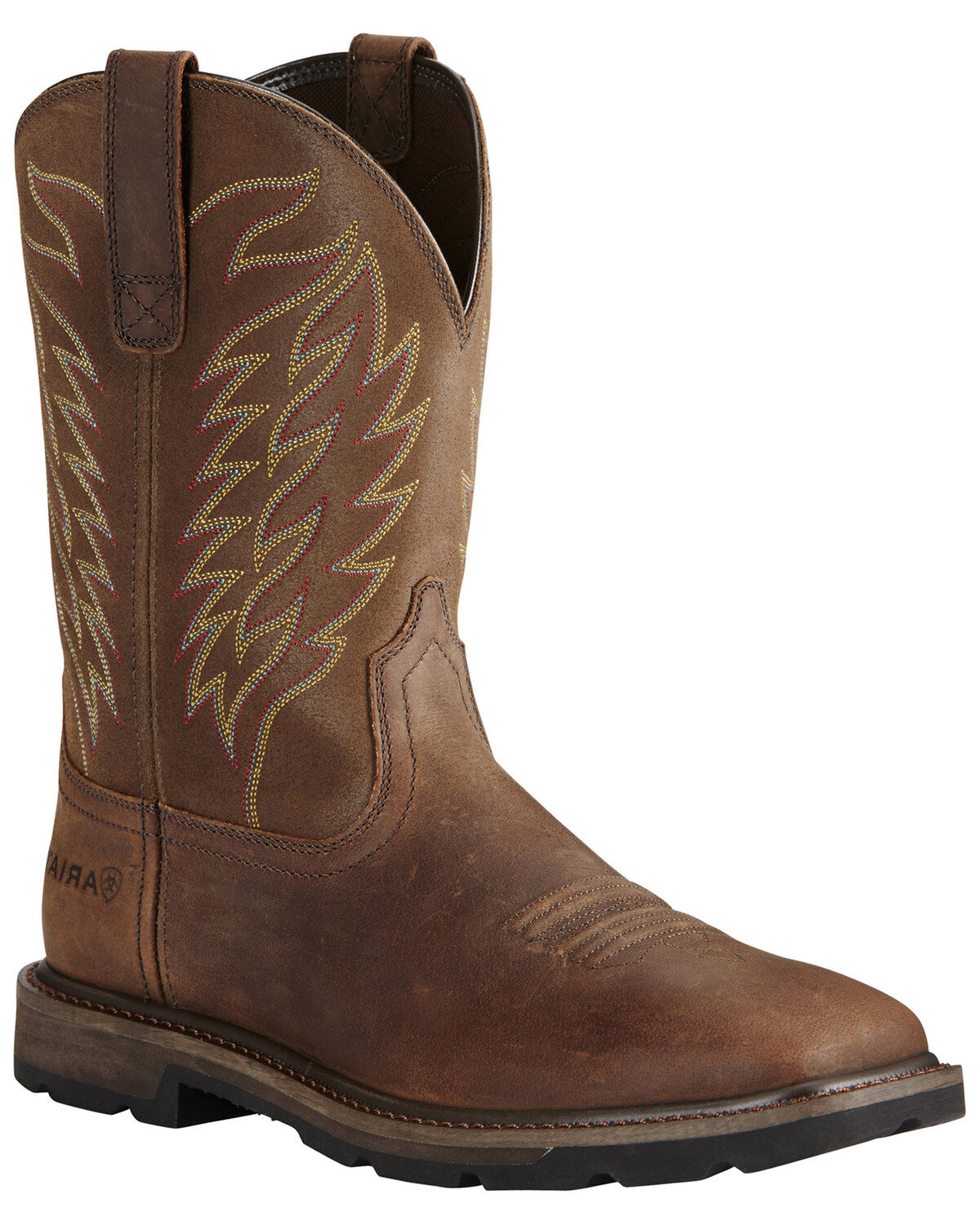
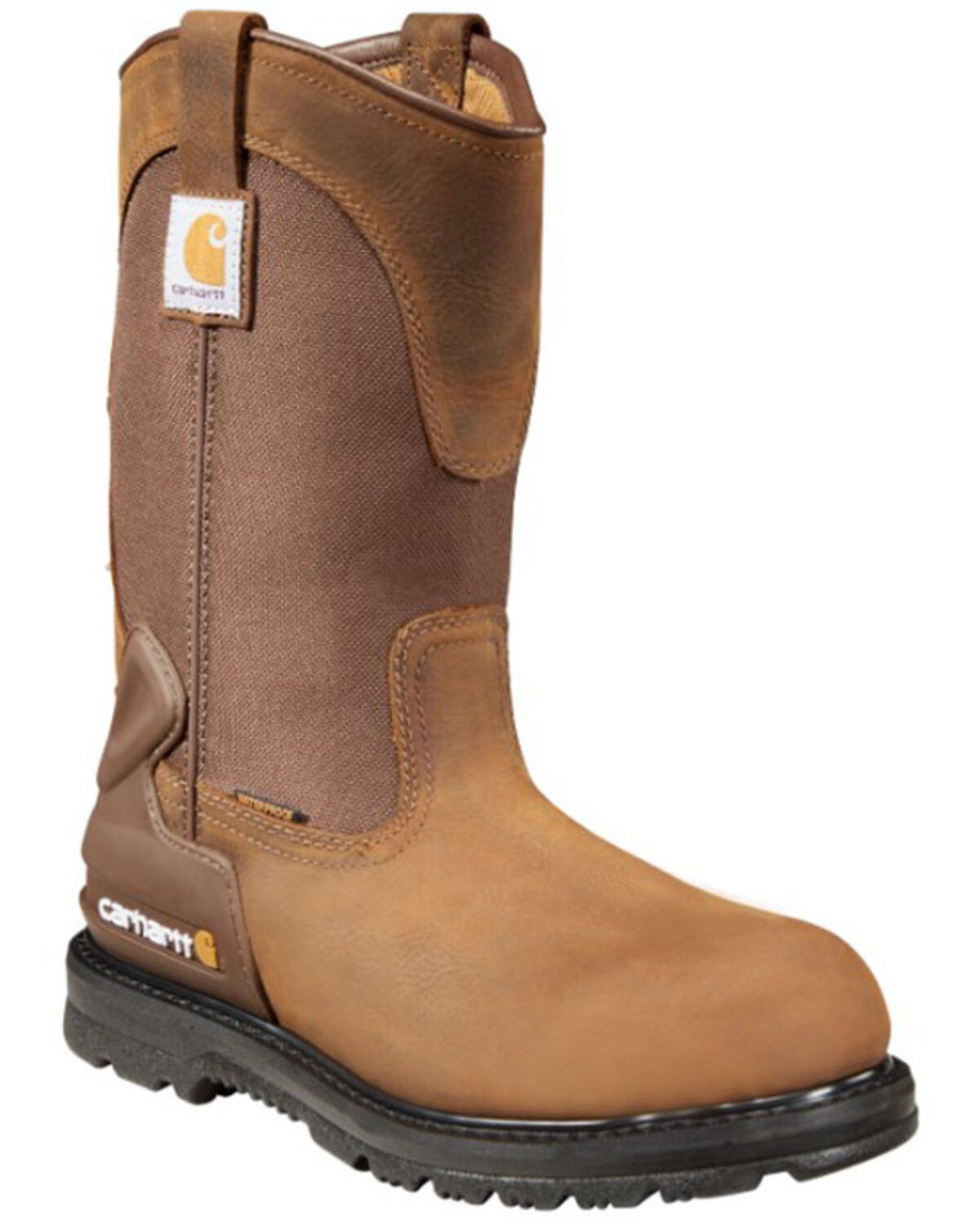
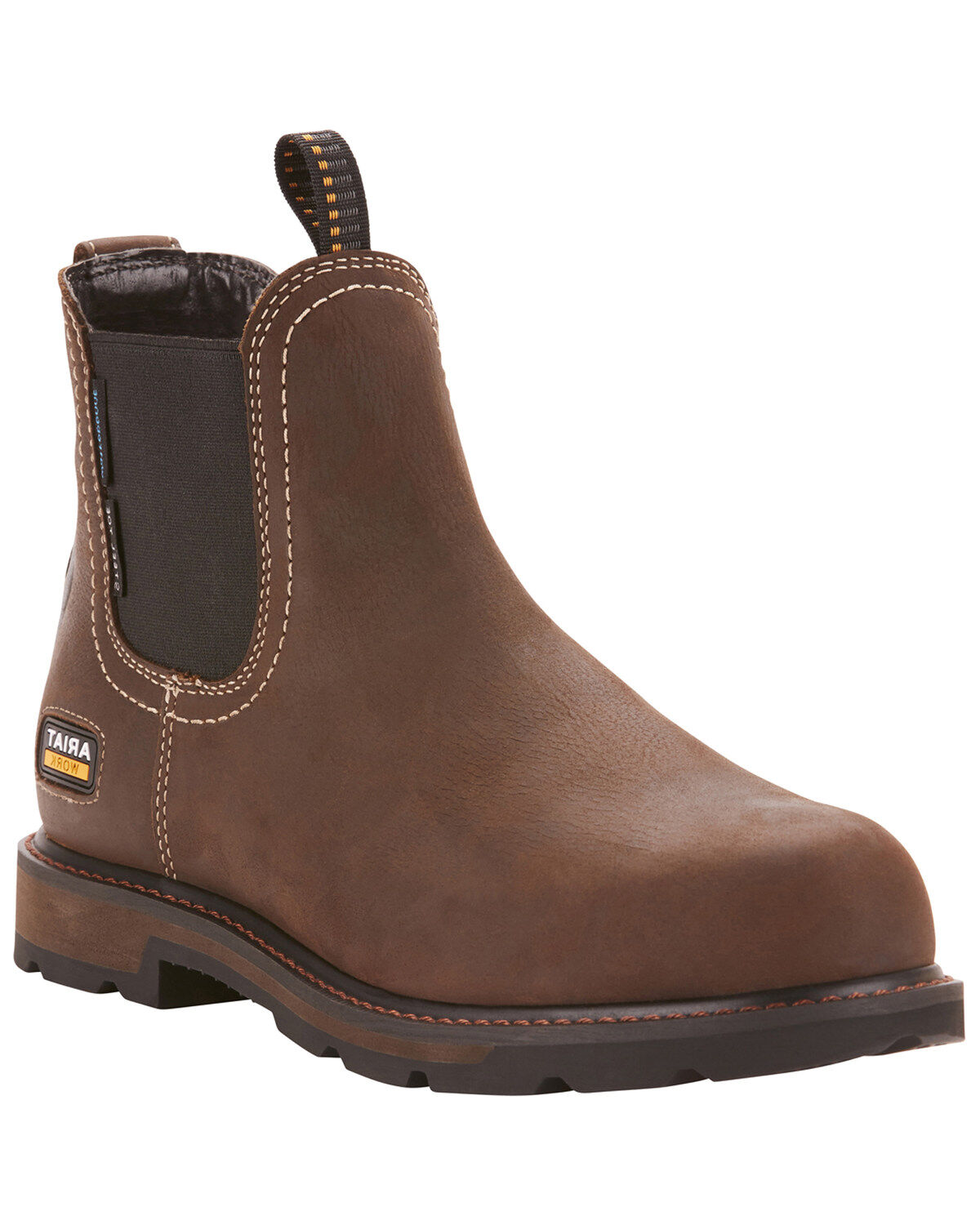
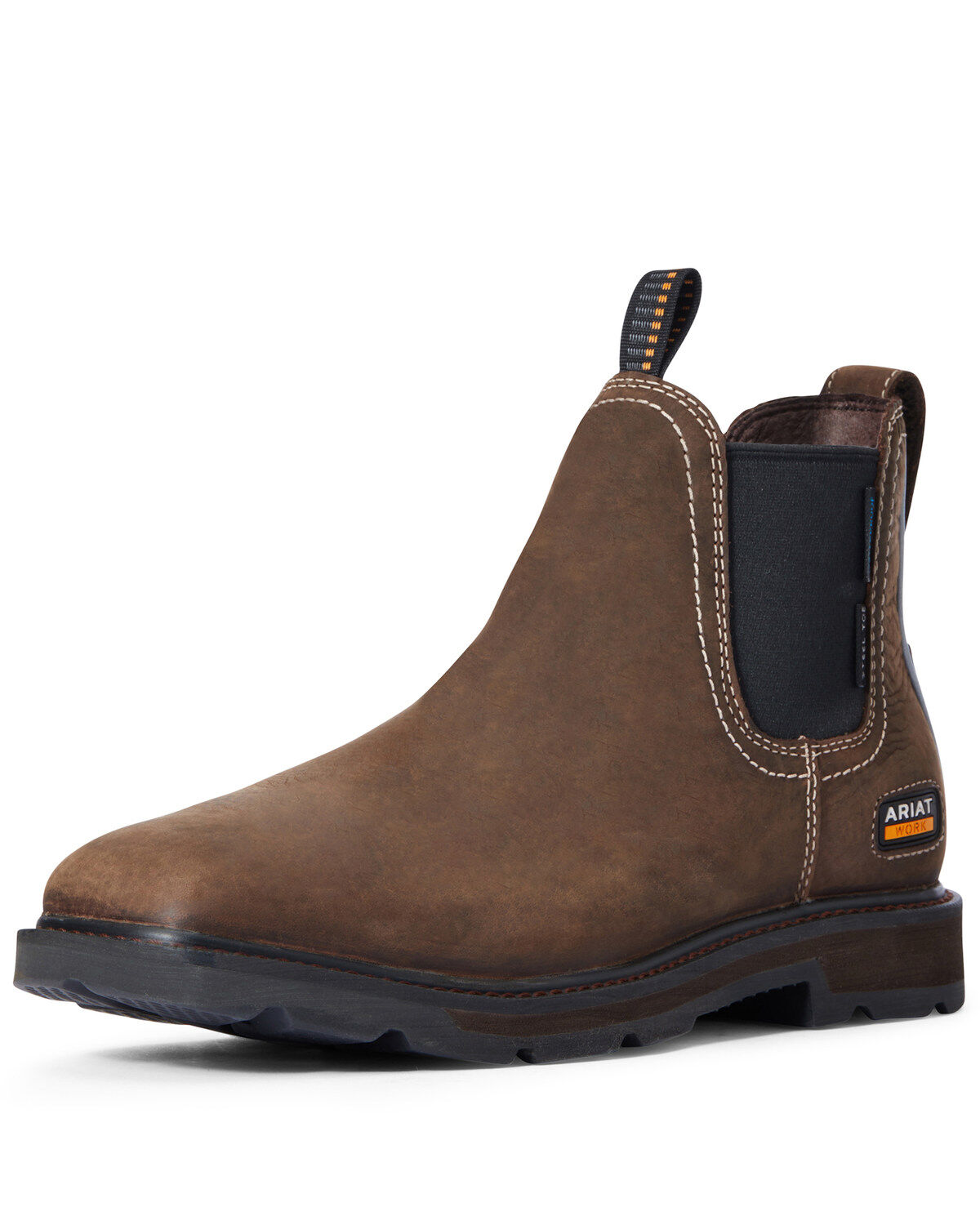
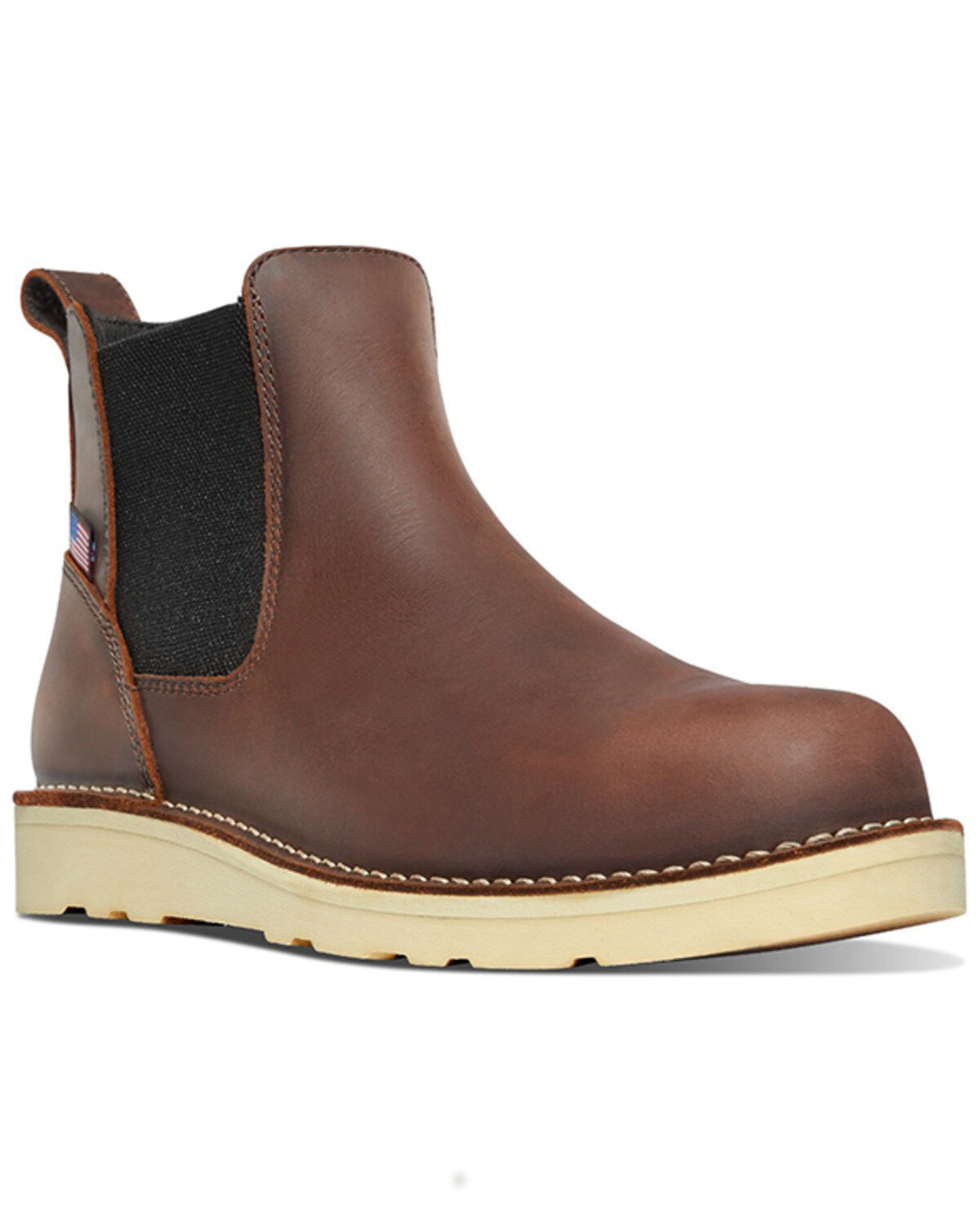
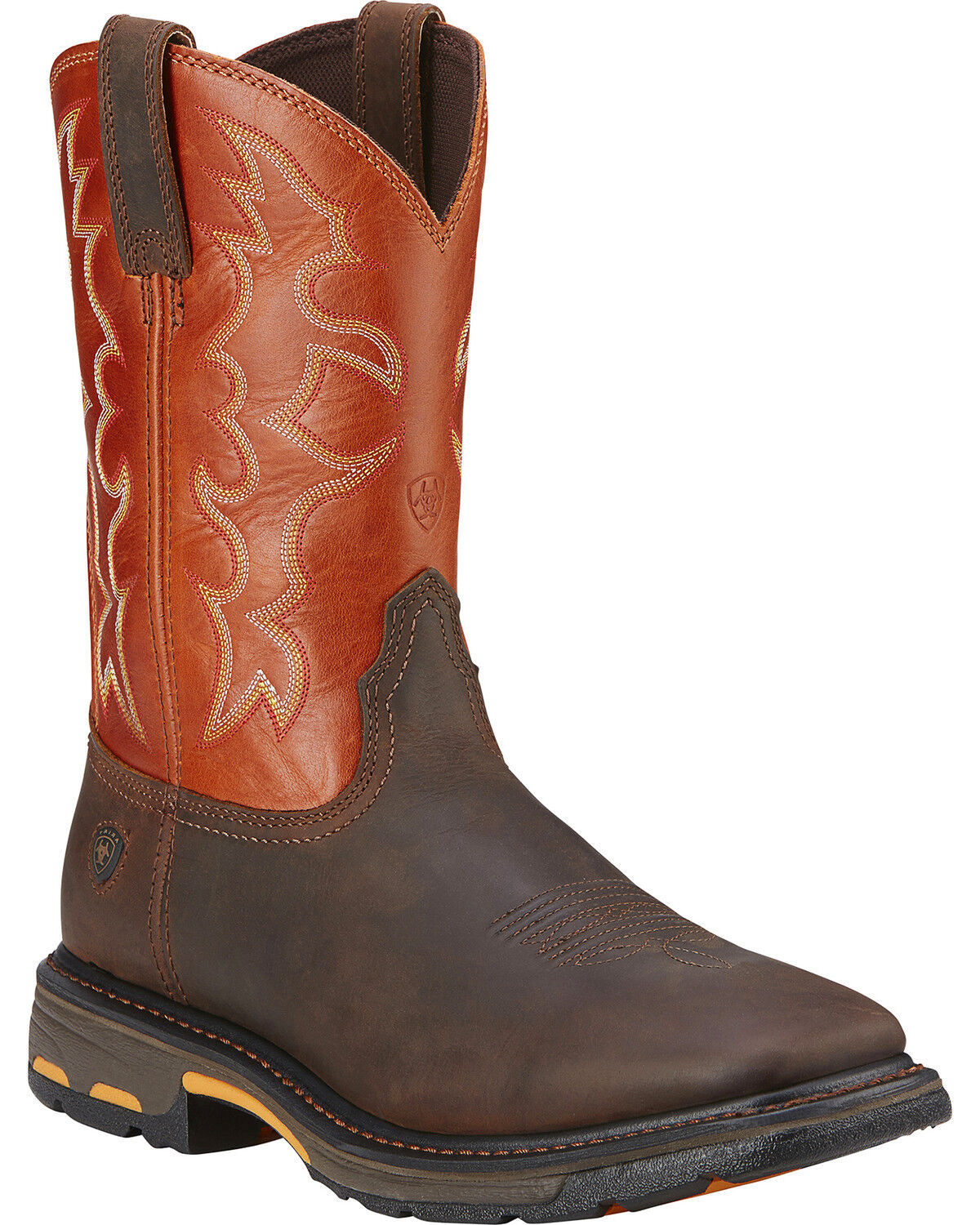
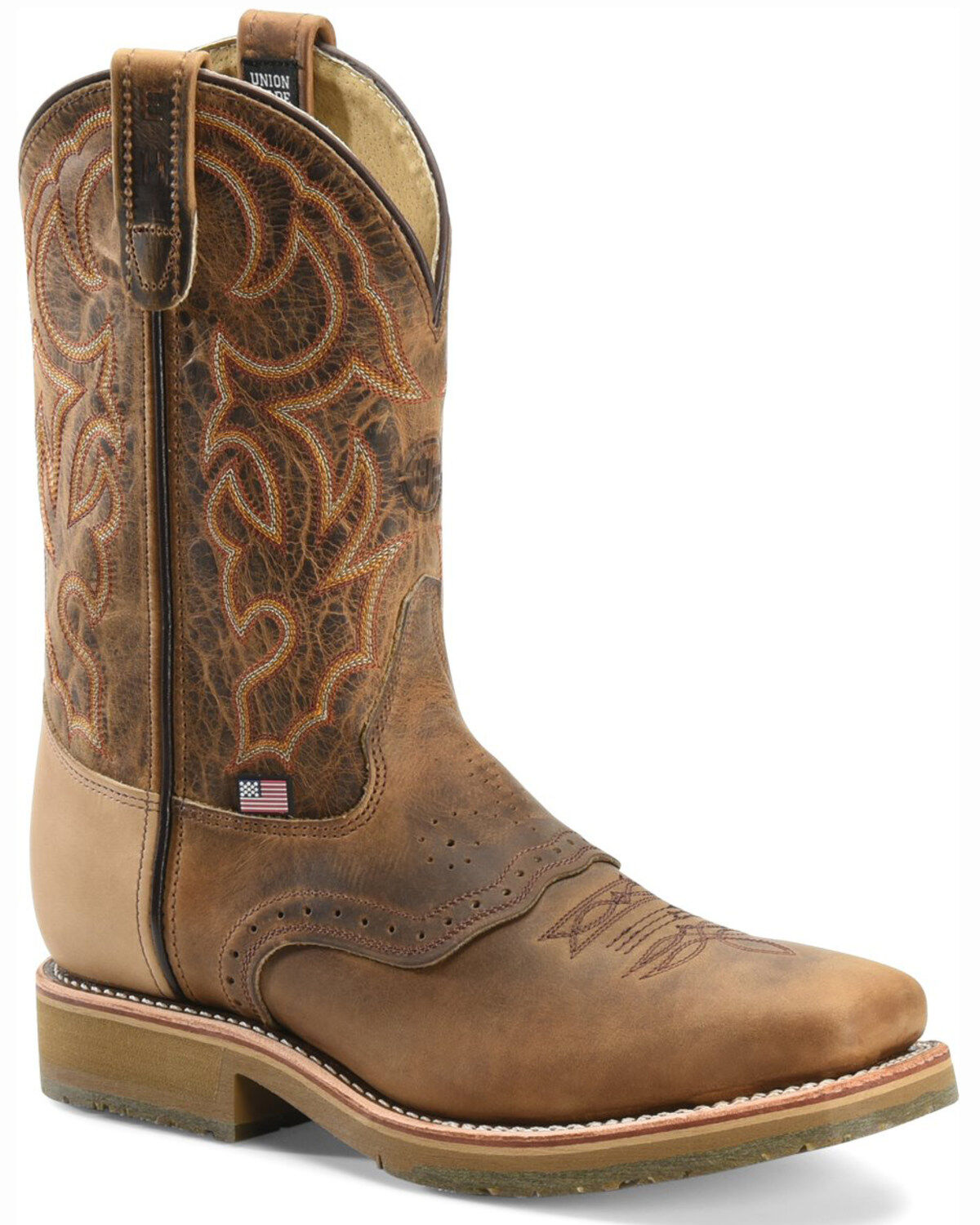
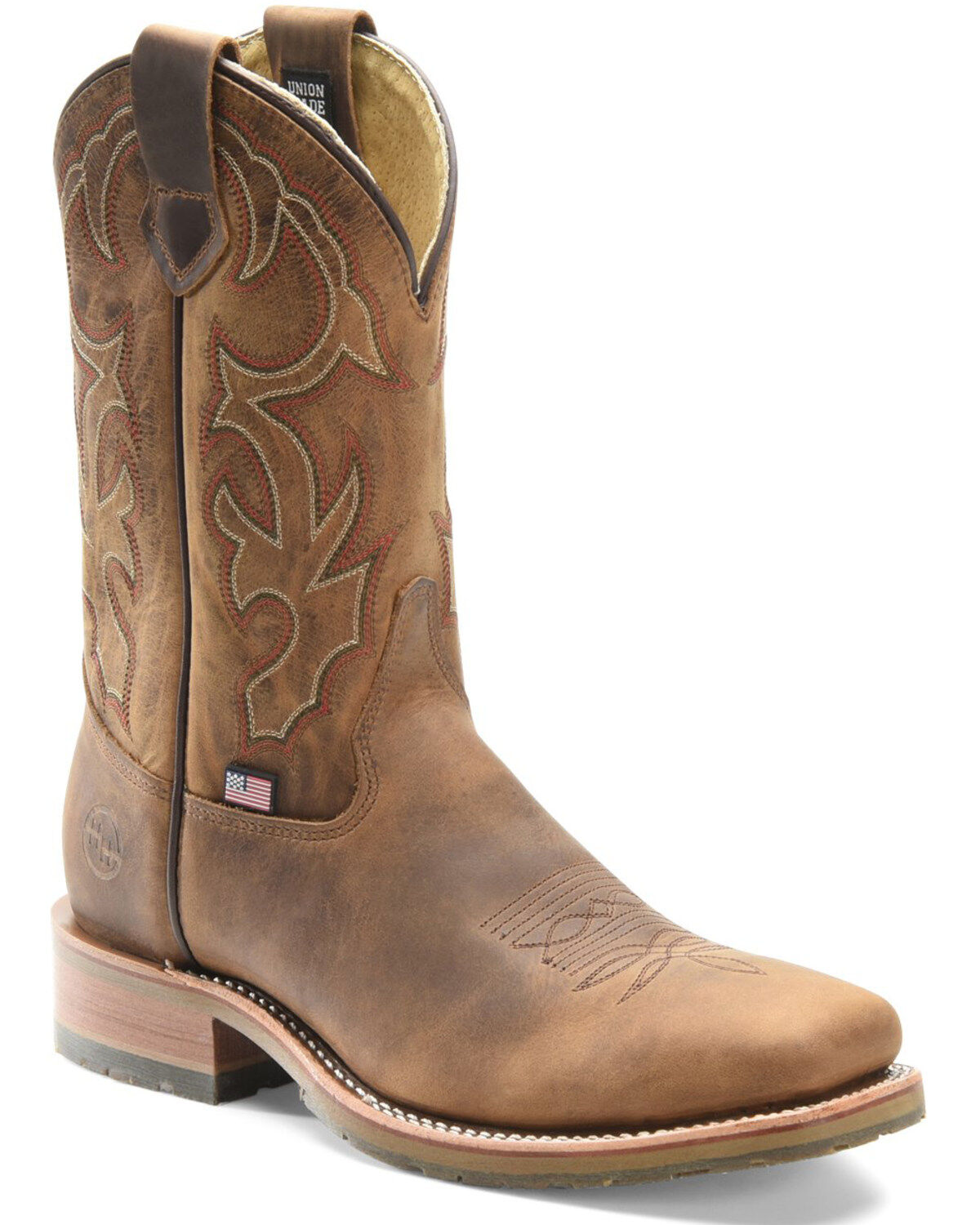
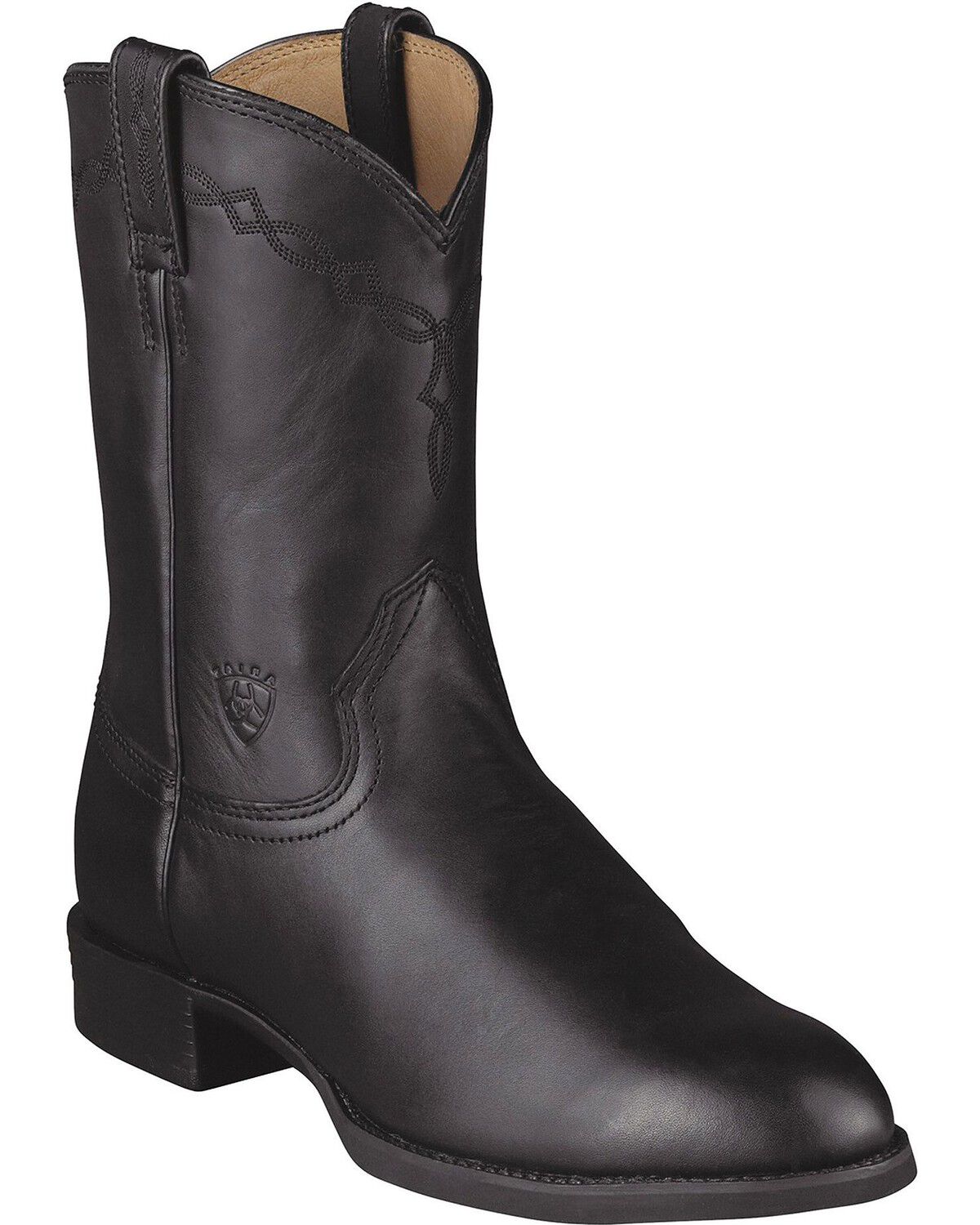
Steel toe pull on boots combine a protective toe with a straightforward, lace-free design built for demanding work. They suit people who spend their days moving materials, maintaining equipment, working around livestock, or walking between a shop floor and a loading area. The steel cap sits inside the toe box and provides impact and compression protection when the boot meets the applicable safety standard. That protection matters around falling tools and heavy materials, but it does not make every part of the foot protected against every hazard. Workplace requirements and the boot’s safety markings determine whether a pair is right for the job. The pull-on shape keeps laces out of the way, while a taller shaft provides coverage above the ankle. Pull tabs or loops help with entry, and the opening needs enough room to get the foot through without leaving the boot loose once it is on. Leather is a common upper material because it offers abrasion resistance and can become more flexible with wear. The thickness, finish, and construction of the leather affect how the boot feels and holds up. A smooth leather upper is generally easier to wipe clean than a textured surface, while reinforced stitching and sturdy seams help support areas that see repeated strain. Underfoot, outsole material and tread shape make a noticeable difference. Deep lugs can provide grip on loose ground, while shallower tread may be easier to clear of debris on a shop floor. Slip resistance, oil resistance, waterproof construction, and electrical hazard protection are separate features, not automatic benefits of a steel toe. Safety markings and construction details help distinguish those features. For a worker stepping from a concrete aisle onto gravel, the useful combination is a secure fit, an outsole suited to both surfaces, and protection that matches the work. A broad heel base can add stability, while the heel height and overall shape should suit the movements required throughout the day.

Fit has a direct effect on how steel toe pull on boots feel after several hours on the job. The protective cap does not stretch like leather, so adequate toe room needs to be present from the start. Toes should have space to move without pressing against the front, top, or sides of the cap. A firm fit across the instep helps hold the foot in place because there are no laces to tighten. Some heel movement can occur in a new pull-on boot, but excessive lifting, rubbing, or sliding forward points to a fit problem rather than something to ignore. Foot width, arch shape, and the height of the instep all influence which boot shape feels secure. The same attention matters when choosing Women's Pull On Steel Toe Work Boots, where toe room, heel hold, and overall proportions are just as important as the stated size. Trying boots with the socks normally worn at work gives a more useful picture of the fit. Any prescribed orthotic also needs room without crowding the toes or pushing the heel too high. Cushioning can soften the repeated contact of walking on concrete, while a supportive footbed and stable platform help keep the foot from shifting unnecessarily. More padding is not always the answer; the right balance depends on the surface, the length of the shift, and how much bending, lifting, or climbing the work involves. A maintenance worker kneeling beside equipment may notice flexibility through the forefoot more than someone standing at a fixed workstation. A warehouse worker covering long aisles may place more value on manageable weight and cushioning. Shaft height also affects comfort when sitting, crouching, or wearing boots under work pants. The top edge should not dig into the leg during those movements. As a gift, work boots require more care than casual footwear because the recipient’s size, preferred fit, and required safety features all matter. Knowing those details helps make the gift practical for the work they actually do.

Durability comes from the entire boot, not just the steel toe. Upper leather, lining, stitching, outsole attachment, and the footbed all carry part of the workload. Welted construction may allow resoling when the boot and its condition permit it, while other constructions can offer flexibility or a different underfoot feel. No single method is best for every task. A boot used around abrasive concrete, metal edges, or repeated contact with equipment faces different wear than one used mainly for walking across packed ground. Scuffs on the leather are part of hard use, but loose stitching, split seams, a separating sole, or an exposed safety toe deserve closer attention. Worn tread can change traction even when the upper still looks sound. Care starts with removing dirt and grit before they grind into seams and leather creases. A soft brush or damp cloth is often enough for routine cleaning, followed by drying away from direct heat. Soaking, harsh cleaners, and heat from a radiator or dryer can damage leather or affect other components. Leather conditioner should match the material and finish, with the maker’s care directions setting the limits. Suede and other textured finishes need different treatment from smooth leather. Waterproof membranes and treated uppers also have their own care requirements; adding a surface treatment does not turn an ordinary boot into waterproof footwear. Keeping the interior clean and allowing it to dry between wears helps maintain comfort. Removable footbeds can be cleaned or replaced according to their instructions, but a replacement should not crowd the fit. Mud, metal shavings, and other debris lodged in the outsole need attention before they affect footing or get carried into another work area. The best steel toe pull on boots for any wearer are the ones whose fit, protection, and construction match the actual job. They should stay secure while walking, leave enough room at the toes, and handle the repeated demands of the workday without unnecessary bulk.
Read More

FAQs