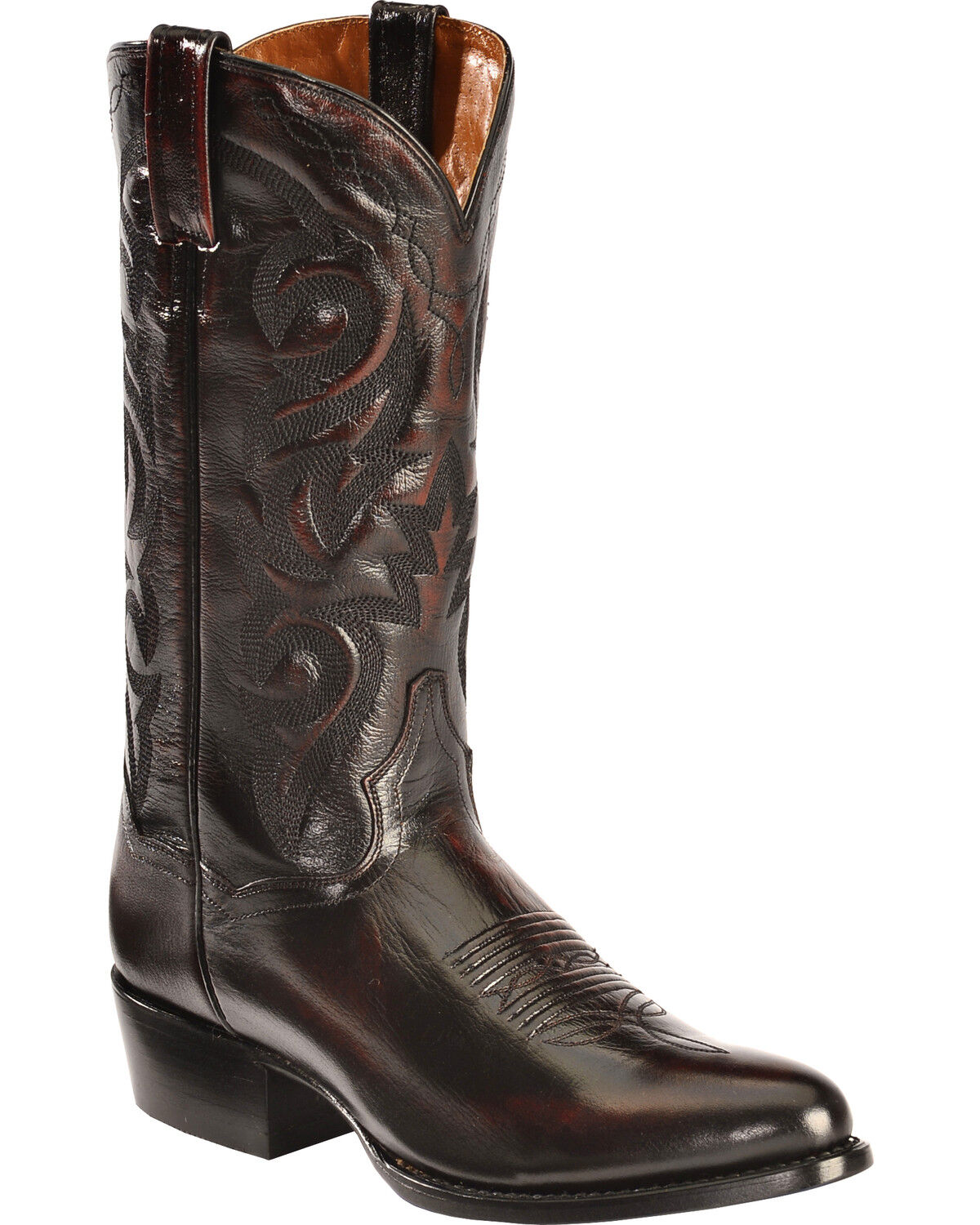
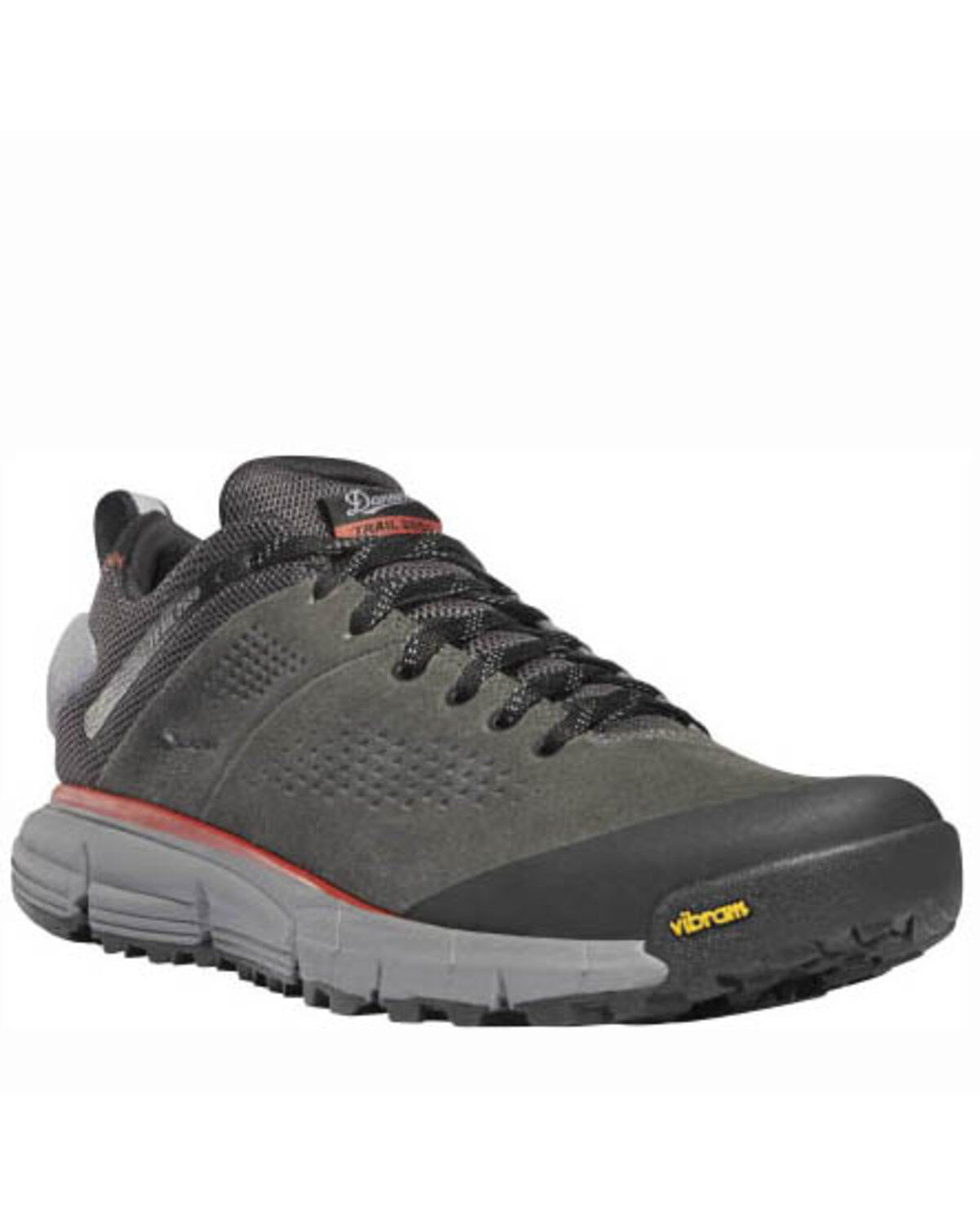
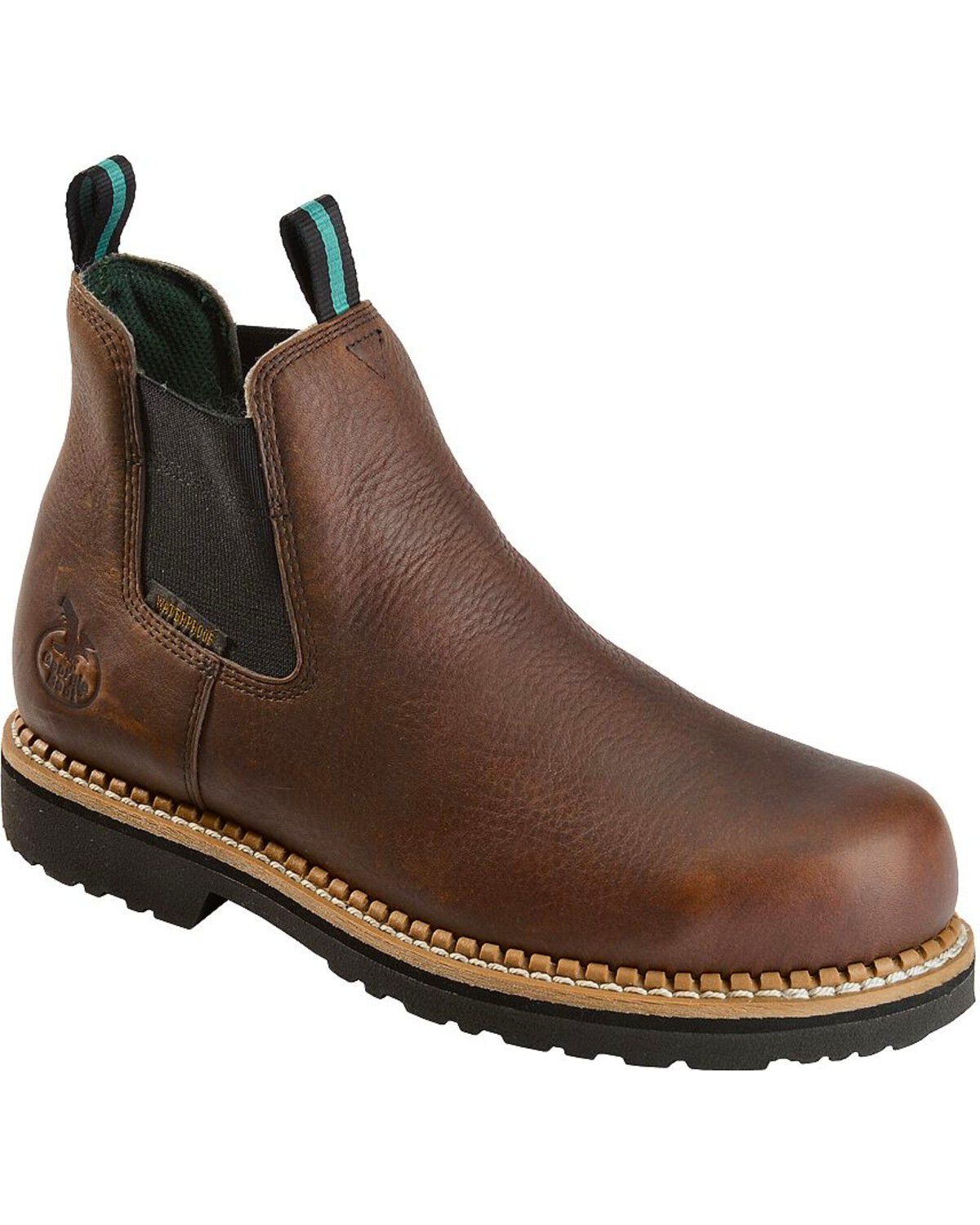
Men's Slip-On Steel Toe Shoes

Men's slip-on steel toe shoes offer toe protection in a lace-free design for work. Compare available styles and sizing, and check each pair’s listed safety features against your workplace requirements before choosing.
Read More

Shop Your Store: Shop Your Store: Find a Store

(Turn off Shop Your Store to see all items)

(Turn off Shop Your Store to see all items)

close
  • Recommended
  • Lowest Price
  • Highest Price
Skip pass products

End of products

Men's Slip-On Steel Toe Shoes

Men’s slip-on steel toe shoes combine a protective steel toe cap with a lace-free design for work that calls for safety footwear. Their appeal is straightforward: a secure work shoe that goes on without tying laces and fits comfortably into a regular workday. Depending on the design, elastic side panels, a flexible collar, or a wide opening help the foot slide into place. Slip-on construction does not automatically mean hands-free entry, and the heel should stay supported rather than folding underfoot. These shoes can suit warehouse employees, manufacturing crews, maintenance workers, and others whose duties require toe protection without the taller profile of a work boot. The steel cap helps protect the toes against impact and compression when the footwear meets the applicable safety standard. That protection is concentrated around the toe area; it does not make the entire shoe resistant to falling objects or replace separate protection required for other hazards. Workplace requirements remain the deciding factor. A steel toe alone does not establish electrical hazard protection, puncture resistance, metatarsal protection, or a particular level of slip resistance. Those features depend on the construction and the markings of the footwear. In the United States, employers may specify footwear that meets applicable ASTM requirements, along with additional features tied to the job. Matching those requirements matters more than choosing by appearance. A low-profile slip-on can make sense for someone moving between a production floor and a desk, while another assignment may call for a taller boot or a different closure. The absence of laces also removes loose lace ends from the design, though the shoe still needs to meet all site rules. For work environments where this style is permitted, the combination of toe protection, easy entry, and a clean profile gives it a practical place alongside traditional lace-up work shoes. The right choice starts with the work being done, not simply the shape of the shoe.

Fit matters just as much as the protective cap. A steel toe does not stretch to create extra room, so the front of the shoe needs enough space for the toes from the start. Toes should not press against the cap when walking, bending, or kneeling, and the widest part of the foot should sit comfortably within the shoe rather than spill over the footbed. At the same time, extra length is not a dependable fix for a width problem. A shoe that is too long can let the foot slide forward and lift at the heel. Because slip-ons do not have laces to adjust tension, a close, comfortable fit through the instep and heel is especially important. The work socks worn on the job affect that fit, as do any prescribed orthotics or replacement insoles. Adding a thick insert can reduce space beneath the toe cap and change how securely the heel sits. Underfoot cushioning helps soften repeated steps, while a stable midsole and supportive footbed can matter during long stretches on concrete. Neither should leave the foot moving loosely inside the shoe. Upper materials also shape how the footwear wears. Leather can provide a substantial feel and stand up well to everyday abrasion with appropriate care. Textile panels can add flexibility and airflow, while reinforced areas may help handle rubbing at common wear points. Smooth leather, suede, and mixed-material uppers have different cleaning needs, so the finish matters as much as the material name. Durable construction includes more than a sturdy-looking upper: secure stitching, well-bonded soles, resilient elastic panels, and a heel lining that holds up to repeated entry all contribute to useful wear. For someone walking warehouse aisles, stepping on and off equipment, or moving between workstations, comfort depends on how those parts function together. A shoe should flex where the foot bends while keeping the heel and midfoot stable through an ordinary stride.

Outsole design deserves attention on any work surface. Tread shape, rubber compound, and the condition of the floor all affect traction, whether the day involves polished concrete, loading areas, or a maintenance shop. Slip-resistant footwear is not slip-proof, and oil, water, dust, and loose debris can change footing. An outsole described as oil-resistant is not automatically rated for slip resistance; resistance to material breakdown and grip are different properties. Keeping tread channels clear helps the sole make contact with the floor, while checking for worn-flat areas can reveal when traction has declined. Care is equally practical. Dirt left along seams and sole edges can hide damage, and buildup inside the opening can wear against the lining. A soft brush or damp cloth may suit routine cleaning, with a material-appropriate cleaner used when needed. Leather conditioner belongs only on finishes that permit it, and suede requires its own tools and treatment. Letting the interior dry thoroughly between wears helps manage moisture from a full shift. Direct heat can damage leather, adhesives, and other components, so drying methods should follow the footwear maker’s directions. Regular checks should include the upper, elastic panels, heel lining, outsole, and the area around the protective cap. A shoe that has taken a significant impact may need replacement even when the damage is not obvious; continued use should follow workplace rules and manufacturer guidance. For someone considering steel toe slip-on shoes for men as a gift, knowing the recipient’s exact size, preferred width, and employer’s safety requirements is more useful than guessing from appearance. The same applies when replacing a familiar pair: similar styling does not guarantee the same fit or protective features. The strongest match is footwear suited to the wearer’s actual tasks, with enough toe room, dependable heel hold, appropriate traction, and materials that can handle daily use. Easy entry is useful, but secure fit and job-appropriate protection are what make a work shoe worth wearing through the whole shift.
Read More

FAQs