Lightweight Western Boots

Find lightweight western boots for a lighter feel and familiar cowboy styling. Compare available designs, fit information, and construction details to choose a pair that suits your everyday routine.

Read More

Shop Your Store: Shop Your Store: Find a Store

(Turn off Shop Your Store to see all items)

(Turn off Shop Your Store to see all items)

close
  • Recommended
  • Lowest Price
  • Highest Price
Skip pass products
  • Men's Durango Workin' Rebel Brown Western Boots - Composite Toe
    Original Price $169.99 $135.97
    20% Total Savings

End of products

Lightweight Western Boots

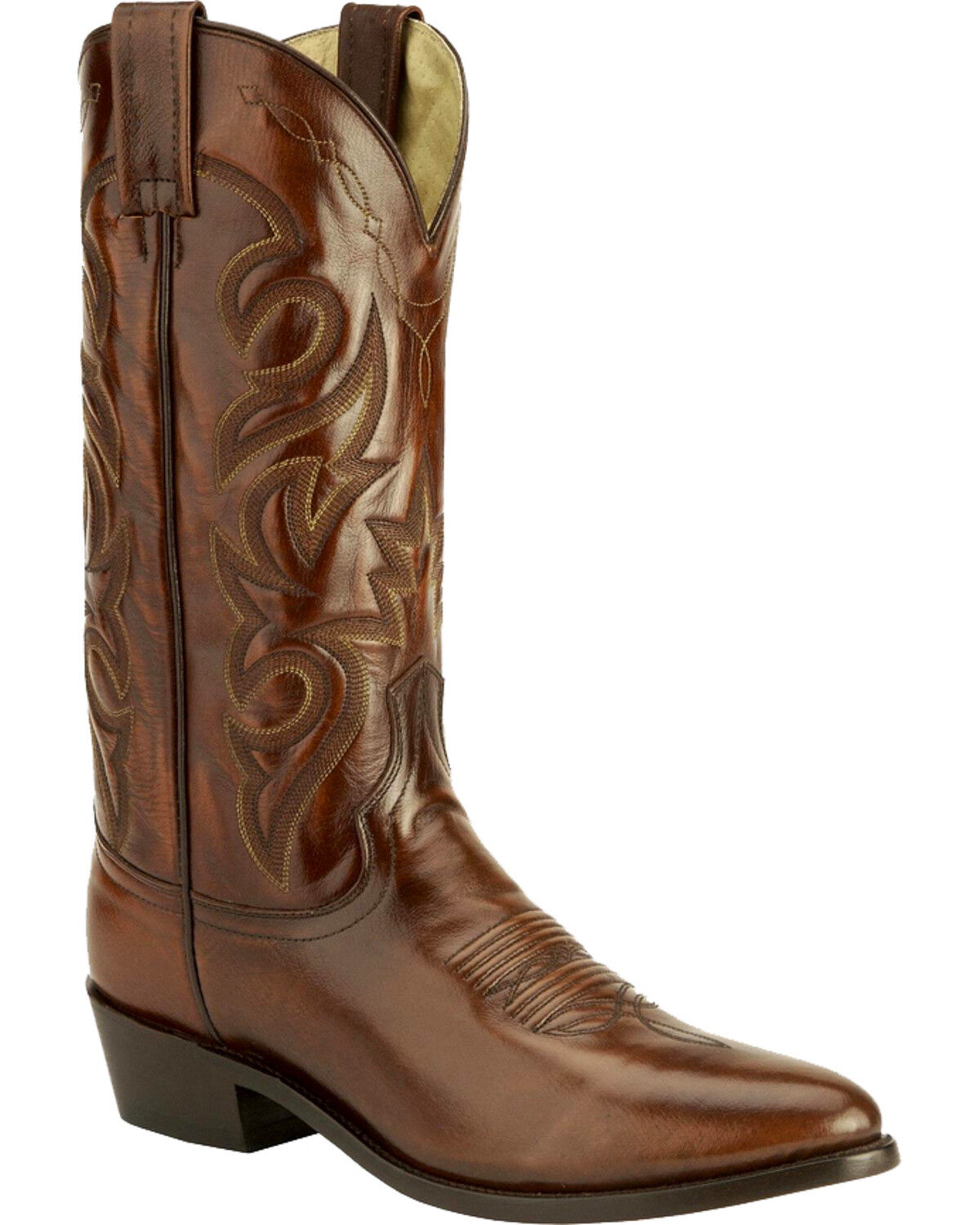
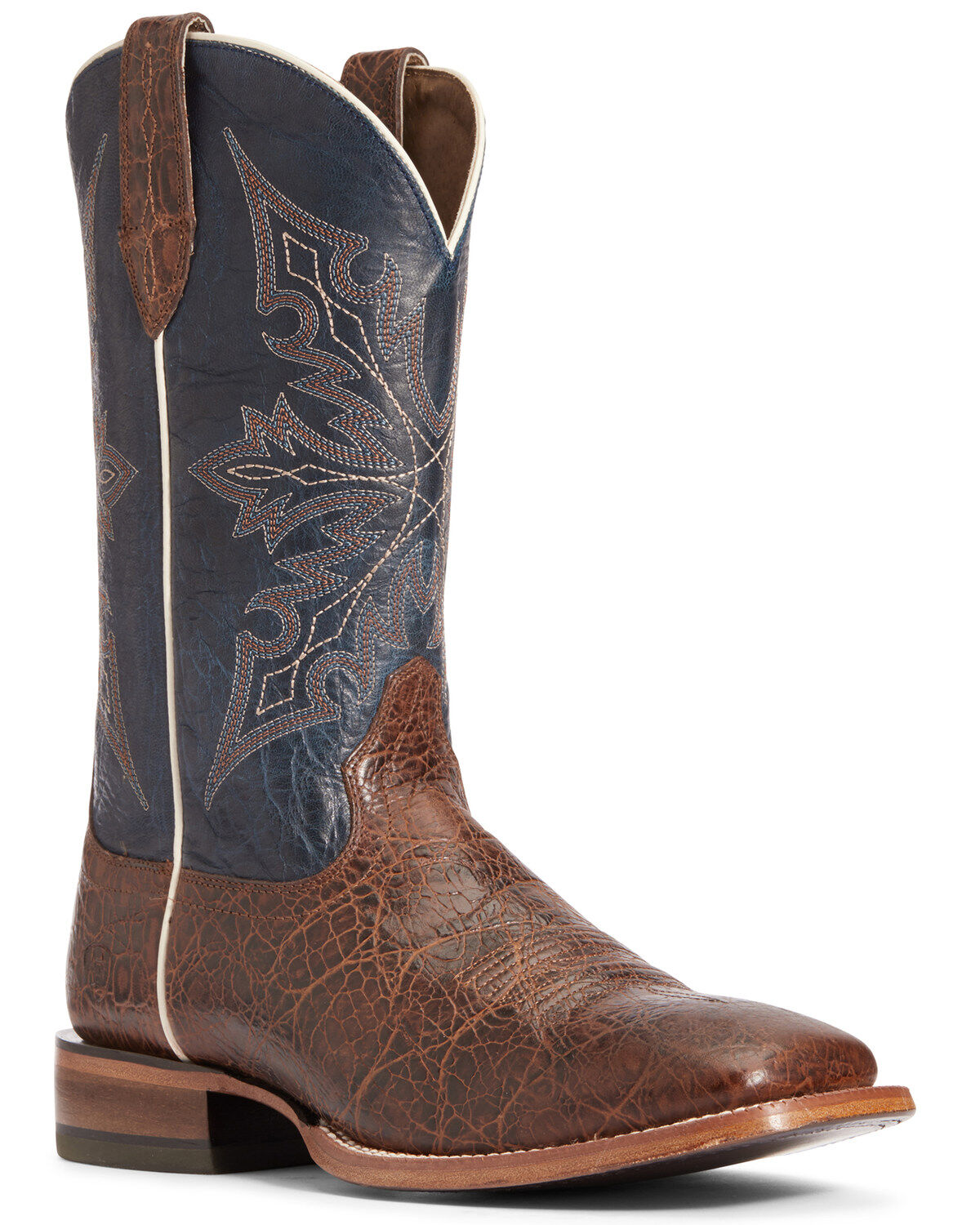
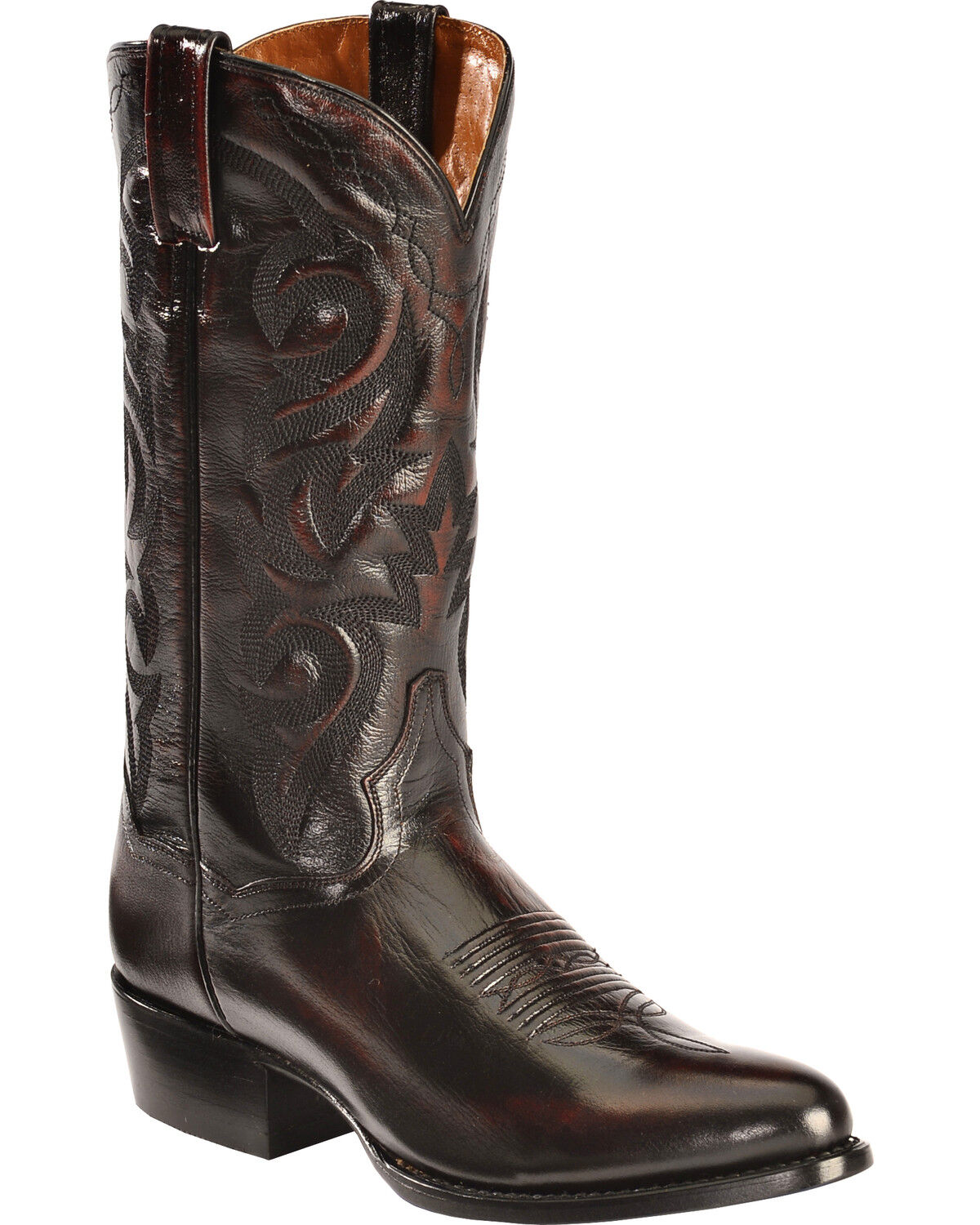
Lightweight western boots combine traditional cowboy boot styling with construction designed to reduce overall weight. Low-density midsoles, flexible outsole compounds, and carefully chosen upper materials can make a pair feel less cumbersome while keeping the familiar shaft, heel, and stitched details. EVA foam is one material used to add cushioning with relatively little weight, while rubber compounds can provide traction in targeted areas. The result depends on the whole boot, not just the sole: upper thickness, shaft height, lining, heel construction, and size all affect how much a pair weighs. Lightweight does not mean every boot has the same feel, support, or durability. Some designs favor a soft, flexible step, while others keep a firmer structure underfoot. Leather uppers bring a traditional look and can soften with wear, while textile panels and synthetic materials can help reduce weight in certain constructions. Full-grain leather retains its natural surface and develops visible wear patterns over time. Suede offers a softer, textured finish but needs different care than smooth leather. Inside, linings provide a layer against the foot and lower leg, and cushioned insoles add padding between the foot and the ground. A removable insole can also allow for a suitable replacement, provided the boot still fits correctly. These construction details matter during an afternoon spent walking between buildings, a shift with frequent time on foot, or a trip that involves more walking than sitting. Western styling remains just as varied. Square, round, and pointed toe profiles create different silhouettes, while restrained stitching or more detailed shafts change the overall appearance. A lighter build can keep the familiar proportions of a cowboy boot without requiring a thick, heavy sole. Shaft height and pull tabs preserve the recognizable pull-on design, and different heel shapes influence both the profile and the way the boot feels through each step.

A good fit matters more than a small difference in listed weight. Lightweight cowboy boots should hold the instep securely without pressing sharply across the top of the foot. Toes need space to rest naturally rather than being squeezed together, and the widest part of the foot should line up with the widest part of the boot. A little heel movement can be normal in a new pull-on boot as the sole begins to flex, but substantial slipping, rubbing, or a foot sliding forward points to a fit problem. Leather may relax with wear; that does not make a painfully tight boot the right size. Toe shape alone does not determine room, since width and the form used to build the boot matter just as much. The socks worn with the boots also affect fit. A thicker sock takes up more space, while a smooth, well-fitting boot sock can help limit bunching inside the foot and shaft. An insole or orthotic changes interior volume, so the combination needs to leave enough room without lifting the heel out of position. Underfoot comfort also involves more than soft padding. Stable heel placement, suitable arch support, and a sole that flexes where the foot bends all contribute to a more natural stride. For everyday use, lightweight western boots suit errands, casual gatherings, travel, and jobs where the footwear meets the actual demands of the workplace. A cushioned sole can be useful on hard floors, but low weight alone says nothing about slip resistance, toe protection, or electrical hazard protection. Those requirements depend on the stated features and applicable safety ratings. Riding calls for attention to heel shape, sole profile, and compatibility with the stirrup; a western appearance does not establish riding suitability. Jeans with enough room through the lower leg can fall cleanly over the shaft without catching. Bootcut and suitably sized straight-leg styles work well for that familiar outline, while the shaft opening should allow comfortable movement without crowding the calf.

Durability comes from the match between materials, construction, and intended use. A lighter outsole may make walking feel easier, but abrasion resistance varies by compound and tread design. Areas that contact the ground most often need enough material to handle repeated wear, and a defined tread can offer a different feel from a smoother sole. Stitching, bonded construction, and the connection between the upper and sole also affect how a boot holds up. A stitched sole is not automatically replaceable; repair options depend on how the entire boot is built. Care should follow the upper material rather than a single routine for every pair. Smooth leather generally benefits from loose dirt being brushed away, cleaning with an appropriate leather cleaner, and light conditioning when the leather needs it. Too much conditioner can leave residue or change the finish, so testing a care product on a small hidden area helps avoid surprises. Suede and nubuck need products and brushes made for those surfaces, not the same treatment used on polished leather. A soft brush can clear grit from stitching and the edge of the sole, where buildup is easy to miss. Boots should dry naturally away from direct heat after cleaning, and storage with the shafts supported helps preserve their shape. Letting pairs rest between wears gives the lining time to dry and makes it easier to notice loose stitching or uneven heel wear before those issues grow. Lightweight western boots can also make a practical gift for someone who already wears western footwear and wants a less heavy everyday pair. Their usual size, preferred width, toe shape, and daily routine are more useful details than appearance alone. Someone who spends hours walking across hard floors may value cushioning, while someone dressing for a casual dinner may prefer a cleaner profile and understated stitching. Western styles fit within the broader Lightweight Boots category, with their distinct combination of traditional shape and reduced weight. The right pair balances manageable weight with fit, support, and construction suited to the way it will be worn.
Read More

FAQs