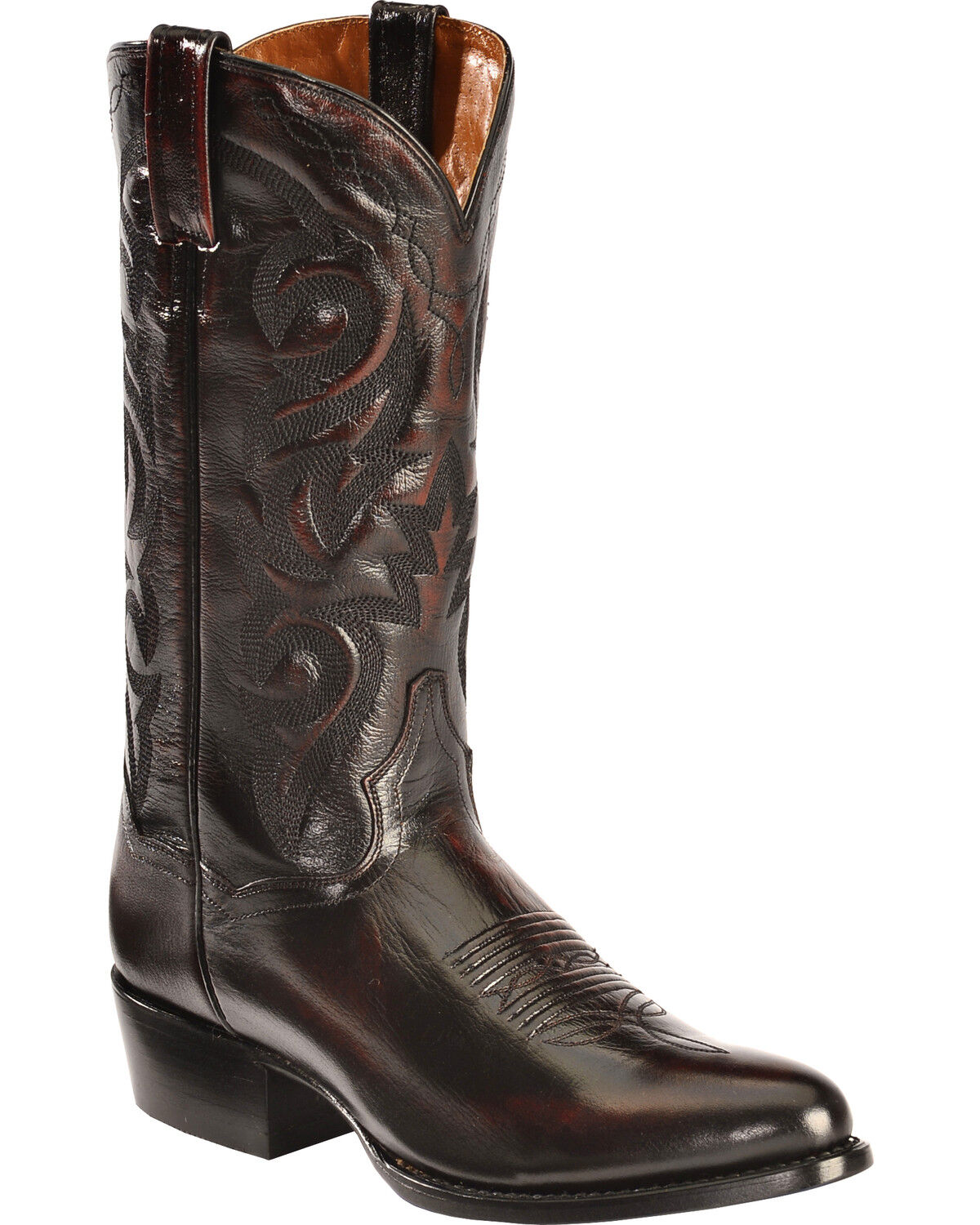
Ultra Lightweight Boots

Find ultra lightweight boots that put less weight underfoot. Compare available styles by fit, boot height, and listed features, keeping your intended use in mind. Weight is one factor; the right pair should also suit how and where you will wear it.

Read More

Shop Your Store: Shop Your Store: Find a Store

(Turn off Shop Your Store to see all items)

(Turn off Shop Your Store to see all items)

close
  • Recommended
  • Lowest Price
  • Highest Price
Skip pass products
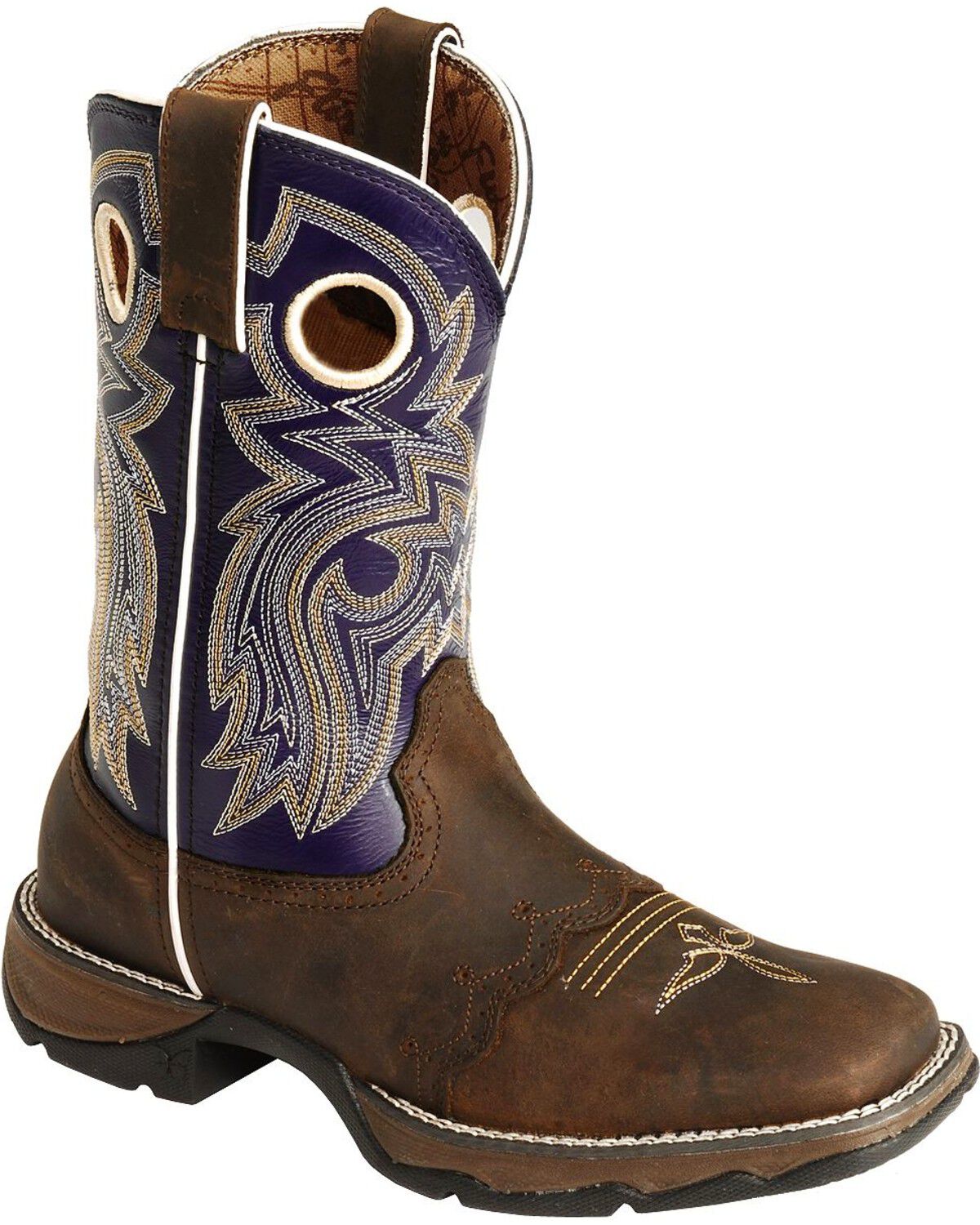
  • Women's Twisted X 4" UltraLite X Chelsea Boots - Round Toe
    Original Price $139.99 $94.97
    32% Total Savings
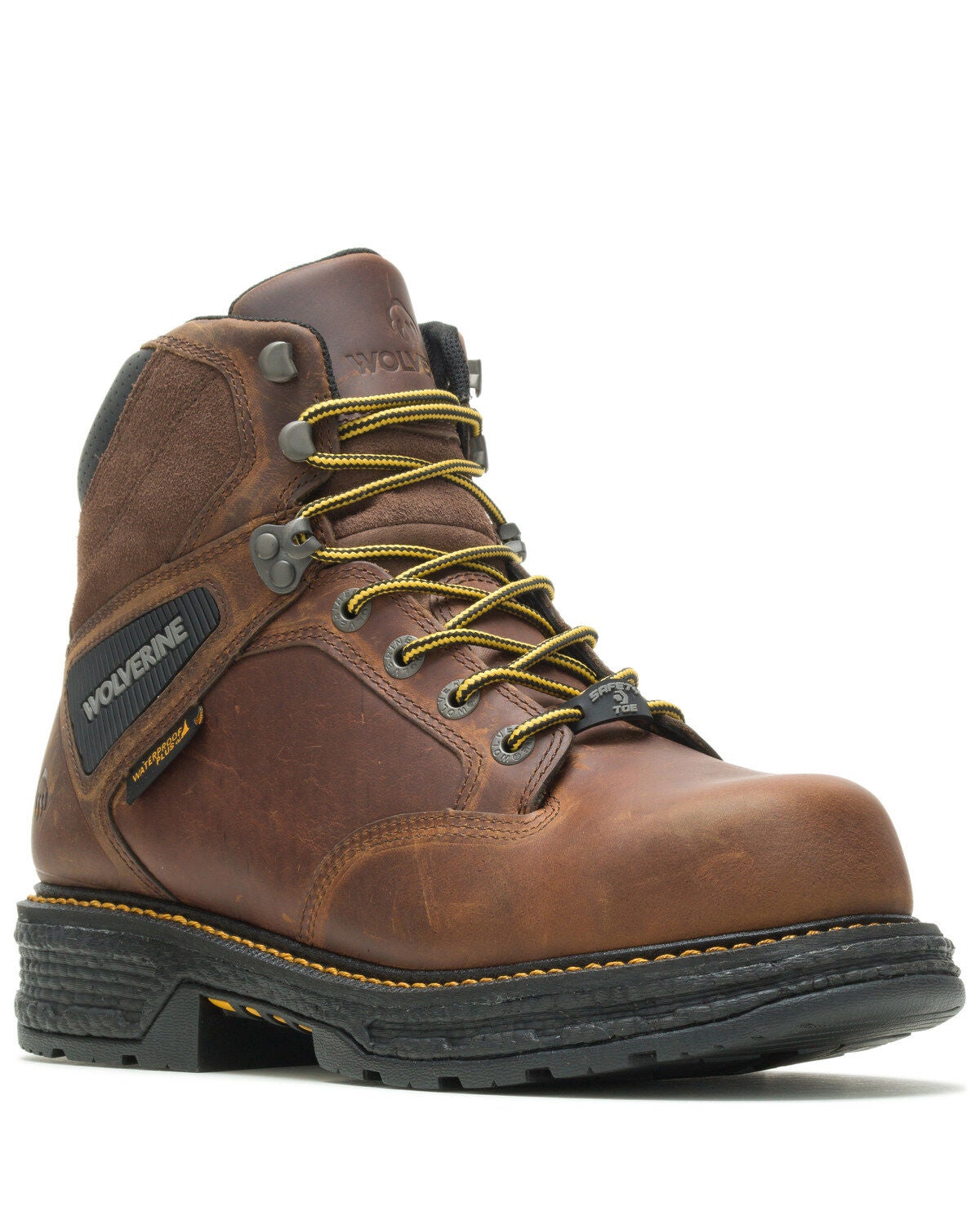
  • Men's Wolverine Hellcat Ultraspring Western Work Boots - Soft Toe
    Original Price $174.99 $144.97
    17% Total Savings
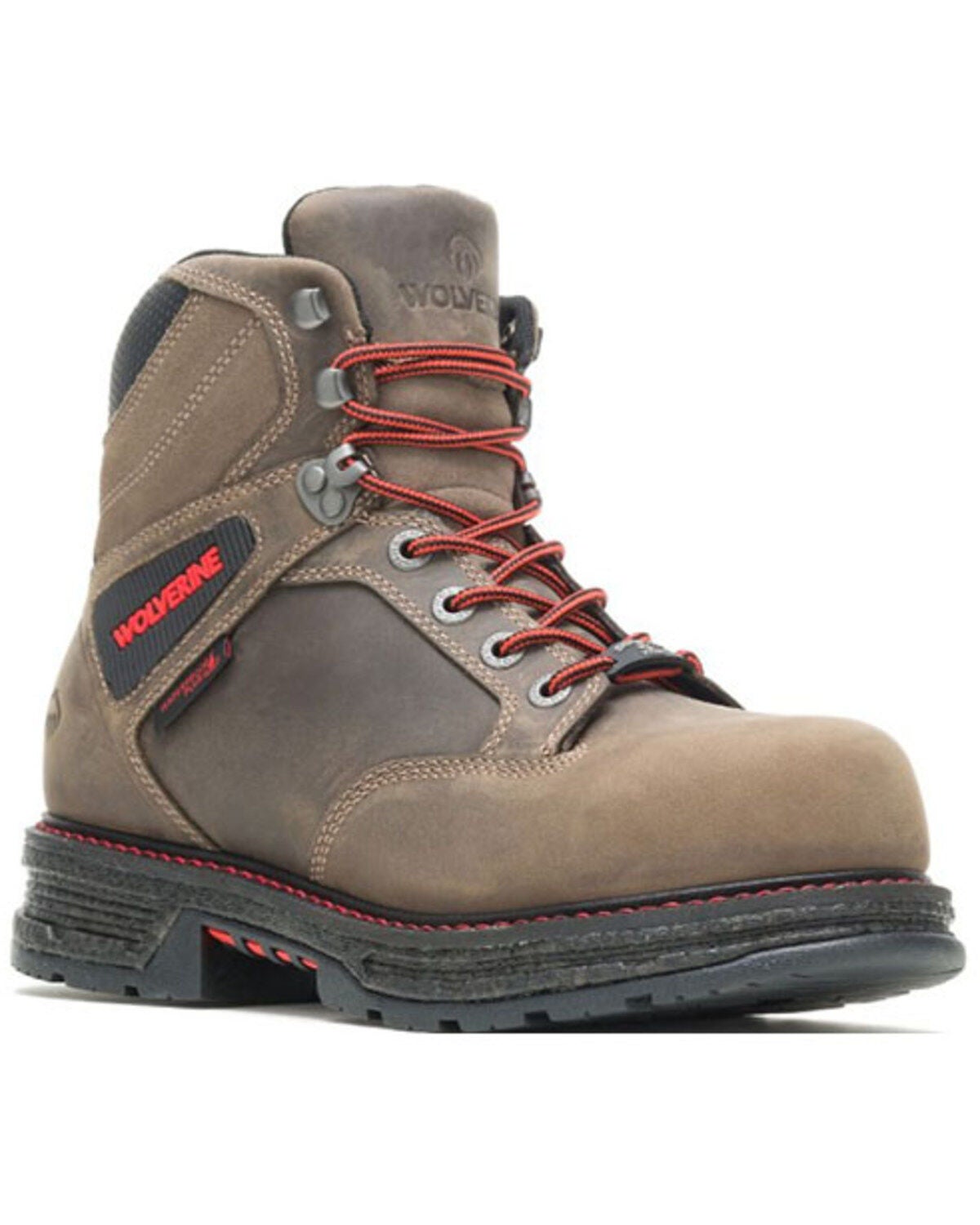
  • Men's Wolverine Hellcat Coyote Waterproof Work Boots - Soft Toe
    Original Price $174.99 $104.97
    40% Total Savings

End of products

Ultra Lightweight Boots

Ultra lightweight boots combine the coverage and structure of a boot with construction designed to keep weight down. The category spans western, work, and tactical styles, with different priorities behind each design. A lightweight western boot may focus on an easy stride and a familiar pull-on shape, while a lightweight work boot may balance cushioning with job-specific protection. Tactical styles often pair a lace-up fit with flexible materials for movement across varied surfaces. There is no single weight cutoff that makes every boot “ultra lightweight.” Size, shaft height, materials, and protective features all affect the final weight, and published measurements may describe one boot rather than a pair. Meaningful comparisons start with similar sizes and intended uses. Leather uppers provide structure and abrasion resistance, while textile panels can reduce bulk and allow more airflow. Some designs combine the two, keeping leather around high-wear areas and using lighter fabric elsewhere. Underfoot, foam midsoles help cushion each step without adding the weight of a thick, solid rubber platform. Rubber placed at key contact points can add grip and wear resistance, though outsole construction varies. A flexible forefoot can make walking feel more natural, while a supportive shank helps the boot hold its shape through the arch. Those details matter during an ordinary day: walking from a parking lot to a job site, covering warehouse aisles, or spending hours on foot between tasks. Less weight can make a boot feel less cumbersome, but low weight alone does not establish comfort, support, or durability. The strongest choice for a particular routine is a boot whose materials and construction suit the demands placed on it, not simply the pair with the lowest listed weight.

Fit gives lightweight construction a chance to do its job. A boot should hold the foot securely without squeezing the toes or pressing across the instep. Enough room through the forefoot allows the toes to move, while a stable heel helps limit rubbing as the wearer walks. Pull-on and lace-up styles achieve that hold differently. A pull-on boot relies on the shape of the instep, heel, and shaft opening; laces allow more adjustment across the foot and around the ankle. Slight heel movement can occur in a new pull-on boot, but pronounced lifting or sliding deserves attention rather than an assumption that wear will fix it. Leather can soften and conform with use, but a boot that is too short will not gain the needed length. Socks also affect fit, especially when a cushioned work sock takes up more room than a thin everyday pair. Trying boots with the socks intended for regular wear provides a more useful sense of space and support. Removable footbeds can make room for a compatible replacement insole, although added cushioning should not crowd the foot or lift the heel out of position. Intended use matters just as much as fit. Someone standing at a workbench may value steady underfoot support, while someone walking long routes may prefer more forefoot flexibility. On concrete, cushioning and outsole wear resistance deserve attention. On uneven ground, secure footing depends on tread, outsole material, fit, and the surface itself. Slip-resistant labeling does not mean a boot will grip every floor or substance equally well. For jobs with protective-footwear requirements, the stated safety rating takes priority over weight. A safety toe does not automatically provide puncture resistance or electrical hazard protection. Composite toe construction may save weight compared with some steel designs, but the complete boot determines the actual difference. Required protection must match workplace rules, regardless of how light a boot feels.

Durability comes from the way the whole boot is built and how closely that construction matches its use. Reinforced stitching, protected seams, and abrasion-resistant material around the toe and heel can help handle repeated contact with equipment, steps, and rough surfaces. A lighter outsole may feel flexible underfoot, but its wear pattern depends on the compound, walking surface, and daily workload. Toe dragging, repeated kneeling, and contact with sharp edges can wear through materials that perform well during ordinary walking. A lightweight everyday boot and a boot intended for demanding job-site use should not be treated as interchangeable. Care also depends on the materials. Loose dirt is easier to remove before it works into seams and creases. Leather generally benefits from cleaning and an appropriate conditioner used according to the maker’s directions; textile panels usually need a different approach. Too much conditioner can alter leather’s appearance or feel, and products intended for smooth leather may not suit suede or nubuck. Insoles removed when permitted, loosened laces, and open shafts help the interior air out after wear. Direct heat can damage leather, adhesives, and other components, so drying methods matter. Rotating pairs gives each boot time to dry between uses and makes it easier to notice worn tread, loose stitching, or a compressed footbed. For everyday clothing, western silhouettes pair naturally with straight-leg or bootcut jeans, while lace-up work styles suit work pants and other durable fabrics. The same attention to weight, fit, and purpose applies when comparing Men's Lightweight Boots for daily wear or work. As a gift, boots are most useful when the recipient’s size, preferred fit, and daily routine are known. Someone who walks extensively may appreciate reduced bulk, while a tradesperson needs any required protective features confirmed first. A familiar toe shape, suitable shaft height, and dependable fit make lightweight construction a practical benefit rather than the only reason to choose a pair.
Read More

FAQs