Lightweight Boots

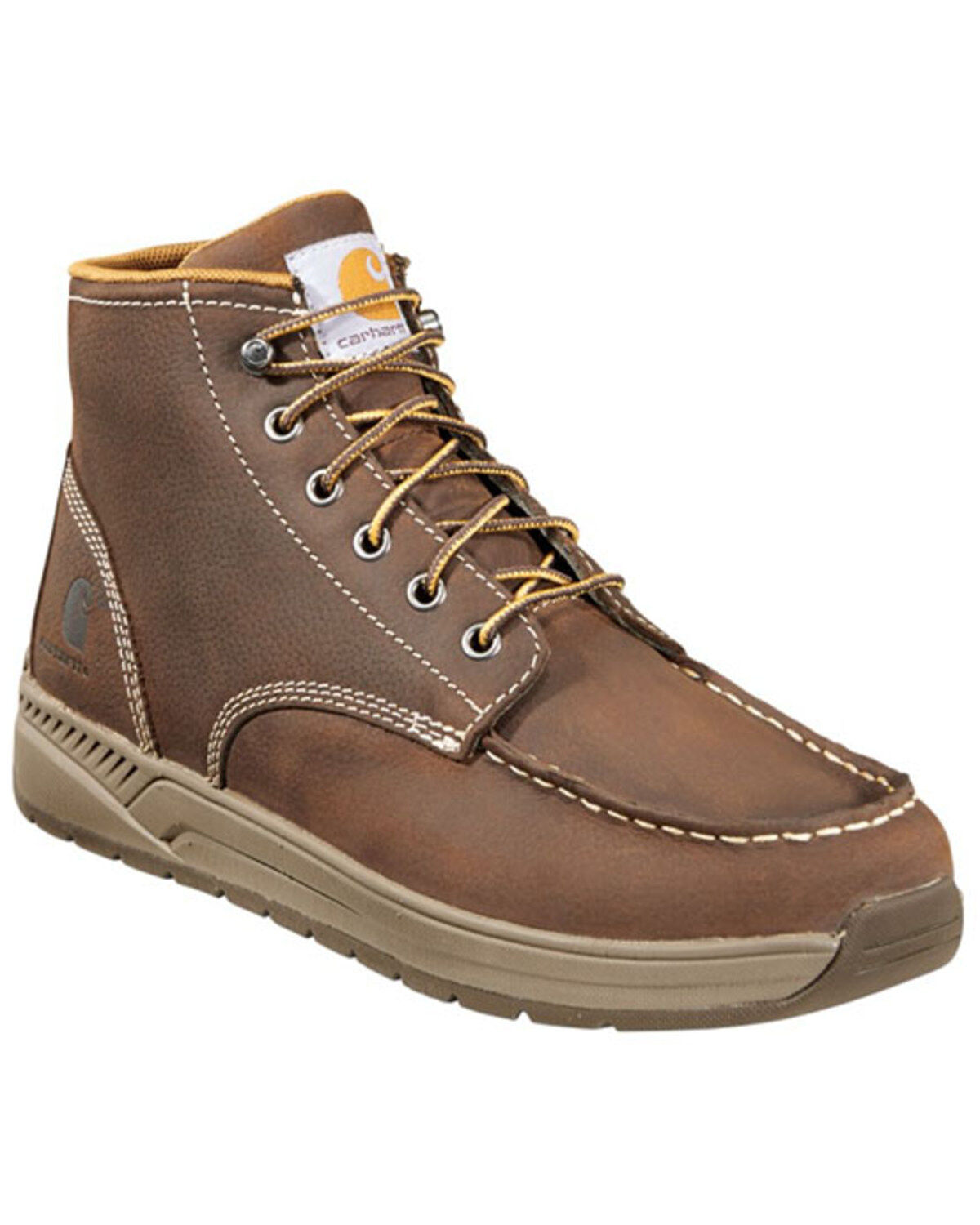
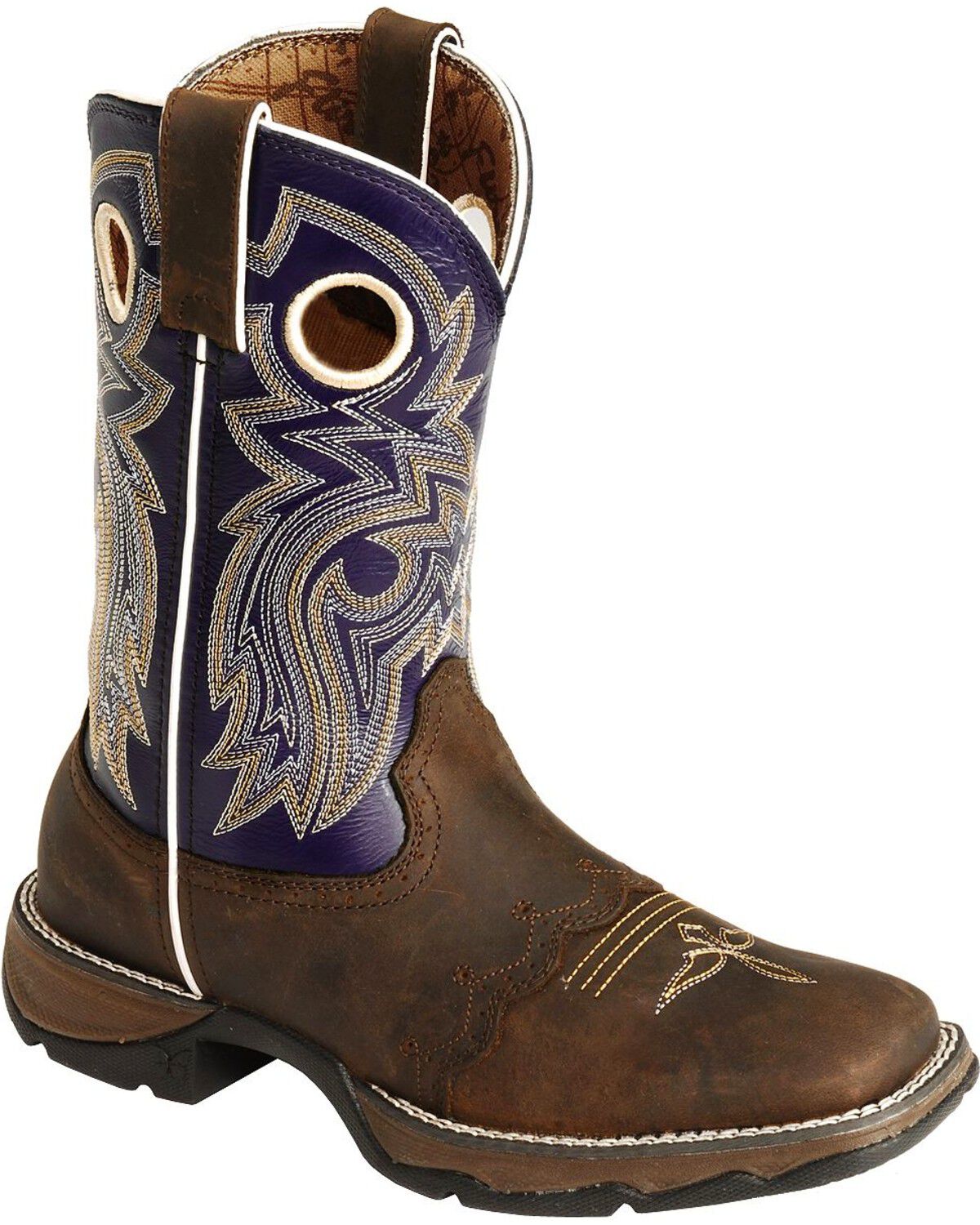
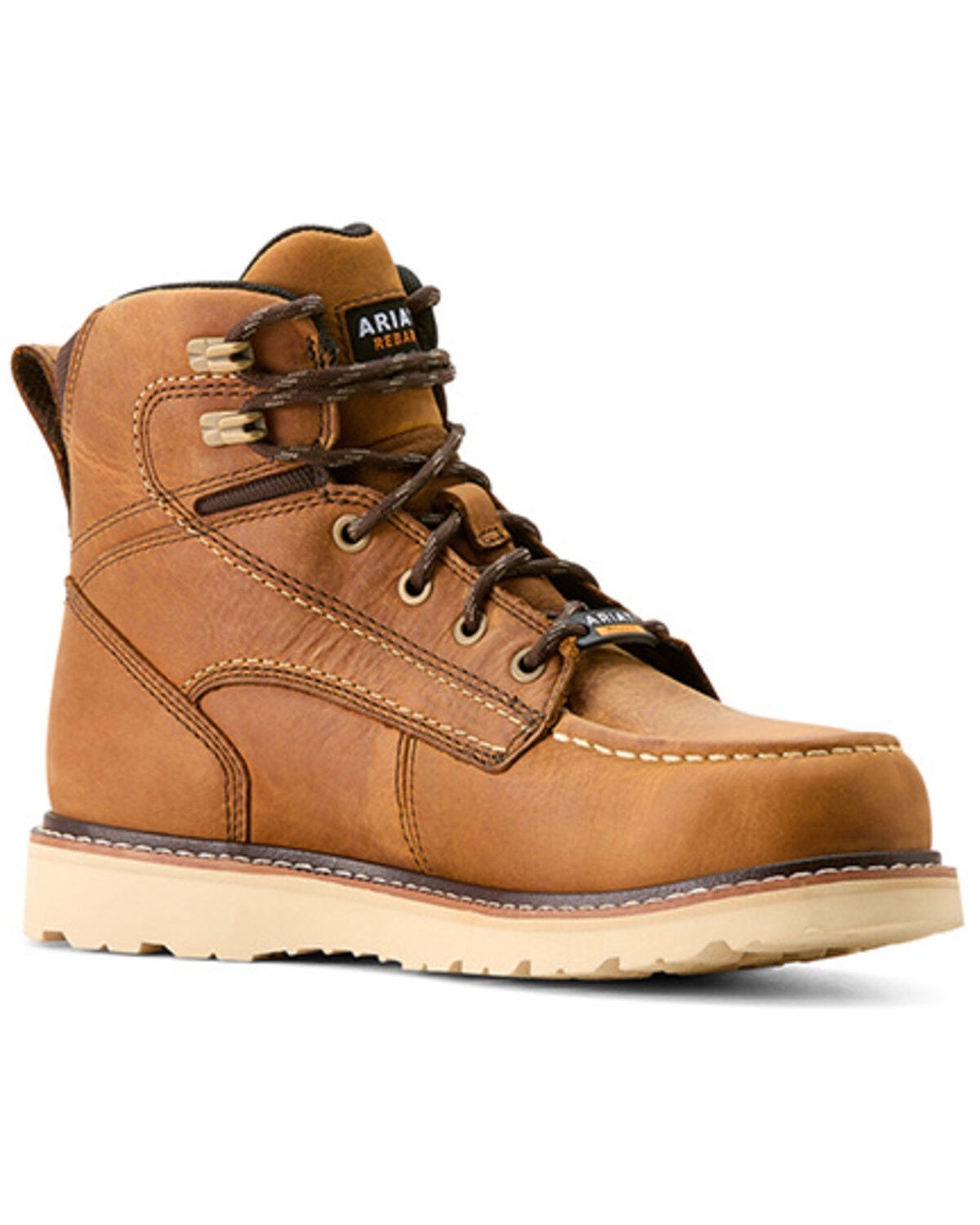
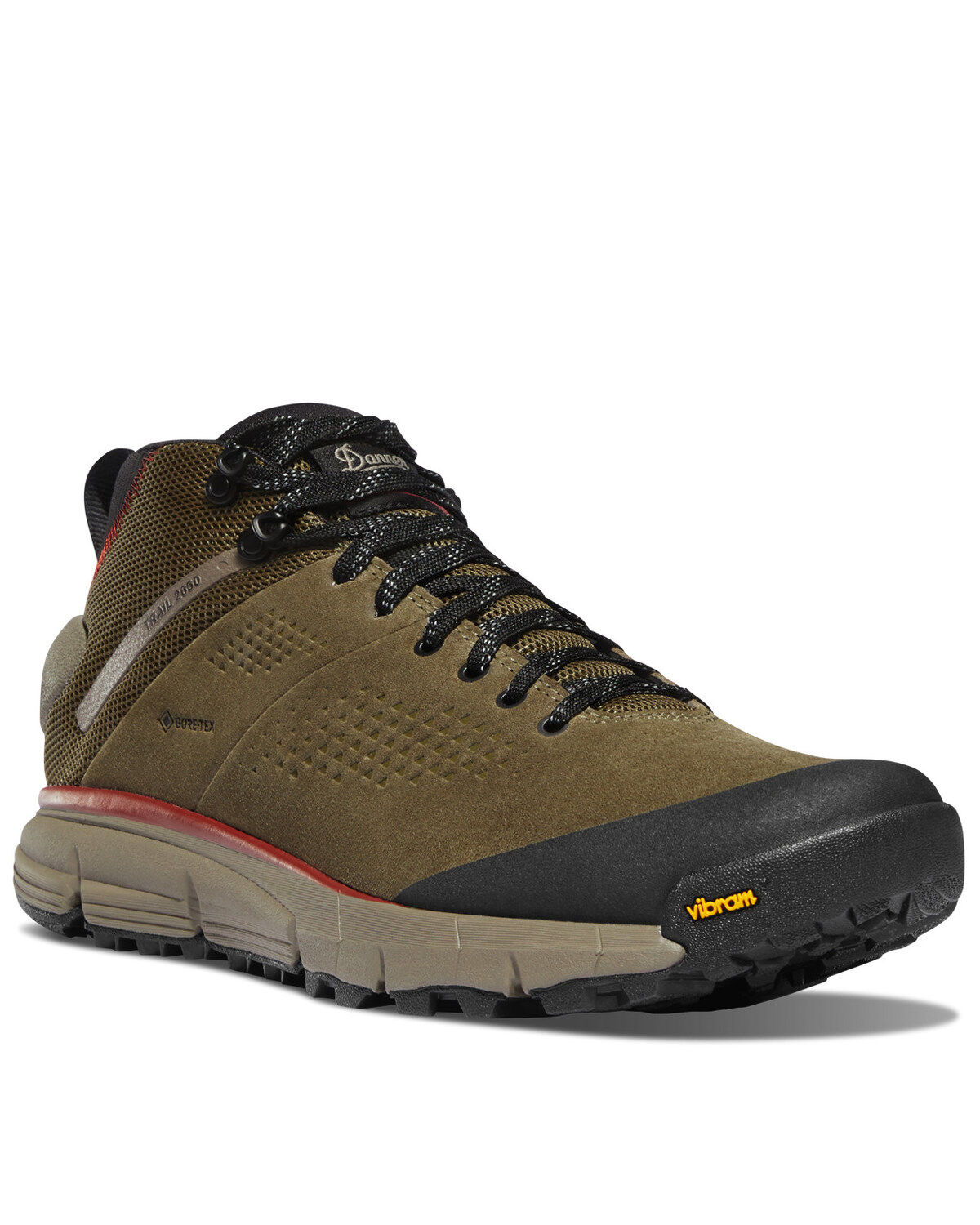
Find lightweight boots that keep added weight to a minimum for work or everyday wear. Browse the selection with your routine in mind, and compare each pair’s listed weight, fit, and features to find the right match.

Shop Your Store: Shop Your Store: Find a Store

(Turn off Shop Your Store to see all items)

(Turn off Shop Your Store to see all items)

close
  • Recommended
  • Lowest Price
  • Highest Price
Skip pass products
  • Women's Twisted X 4" UltraLite X Chelsea Boots - Round Toe
    Original Price $139.99 $94.97
    32% Total Savings
  • Men's Cody James Hoverfly Western Performance Boots - Square Toe
    Original Price $189.99 $129.97
    32% Total Savings

End of products

Lightweight Boots

Lightweight boots reduce the weight carried on the feet while providing coverage, support, and protection suited to their intended use. The category includes work boots, western boots, hiking boots, and everyday lace-up or pull-on styles. There is no single weight cutoff that makes a boot lightweight. Size, shaft height, outsole construction, and protective features all affect the total, and comparisons are useful only when they refer to the same size and distinguish between one boot and a pair. For someone walking across a warehouse floor, moving between job sites, or spending hours on a trail, less weight means less to lift with each step. Still, the lightest boot is not always the best match for the task. Materials explain much of the difference. Leather offers abrasion resistance and can develop a comfortable shape with wear, while textile panels and mesh can reduce bulk and allow airflow. Synthetic uppers can also keep weight down, with durability depending on the material and how the boot is built. Lightweight midsoles often use cushioning foam, while rubber outsoles provide a contact surface designed for grip and wear resistance. Some boots combine a foam midsole with rubber placed in high-wear areas rather than using a thick rubber layer throughout. Flexible construction can make a boot easier to walk in, but flexibility should not come at the expense of the structure needed for the job. Reinforced toes, supported heels, and secure stitching remain important where equipment, rough ground, or repeated friction put footwear under strain. A lower shaft generally uses less material, while a taller shaft provides more coverage. Neither is automatically better. A boot worn for driving and walking around town has different demands than one worn while carrying tools or stepping over uneven ground. Lightweight construction makes the most sense when it removes unnecessary bulk without removing features the wearer depends on.

Fit determines whether that lighter construction feels comfortable through a full day. The toes need room to move without pressing against the front or sides, and the foot should remain secure rather than sliding forward with each step. A wide foot needs an appropriate width, not simply a longer boot. Extra length can leave the heel loose and place the boot’s natural flex point too far ahead of the ball of the foot. Lace-up boots allow adjustments across the instep and around the ankle, which can help accommodate different foot shapes. Pull-on boots rely more heavily on the relationship between the heel, instep, and shaft opening. A small amount of heel movement can be normal in a new western boot, but excessive slipping or persistent pressure is not a sign of a good fit. The socks worn for the intended activity also matter, as do any orthotic inserts. An added insert takes up space and can change how firmly the heel sits in the boot. Cushioning should feel supportive rather than allowing the foot to shift around inside. Intended use is just as important as fit. Lightweight work boots may have soft toes or protective safety toes, and a soft toe does not provide the impact protection of a rated safety toe. Nonmetallic toe materials can help reduce weight, but the complete boot construction determines the final result. Required protection should match the workplace, including any applicable requirements for toe protection, puncture resistance, or electrical hazard protection. A nonmetallic toe alone does not establish an electrical hazard rating. Slip resistance is another separate feature, and traction depends on the outsole design, surface, and substances underfoot. Deep lugs can help on loose ground, while a tread suited to indoor floors serves a different purpose. For western use, heel shape and outsole design also matter, especially around stirrups. A boot chosen for riding needs to suit that activity rather than merely resemble riding footwear. Lightweight hiking boots place different demands on traction, foot stability, and support when carrying a pack.

Durability comes from the whole boot, not weight alone. A well-built lightweight boot can stand up to repeated wear, but thinner materials and softer cushioning may respond differently to abrasion and pressure than heavier construction. High-wear areas deserve attention: the toe that brushes against equipment, the heel that contacts the ground first, and the point where the upper bends with every step. Scuffed leather is not necessarily a sign that a boot has failed, while a separating sole, damaged protective toe, or worn-down tread can affect function. Cushioning also changes with use. A boot may still look sound after the midsole has compressed enough to feel noticeably less supportive. Routine care helps preserve the materials and makes wear easier to spot. Loose dirt can be brushed away before it works into seams, and smooth leather generally benefits from cleaning and conditioning products intended for that leather. Suede and nubuck need their own care methods; products made for smooth leather can change their texture or appearance. Textile sections should be cleaned according to the maker’s directions rather than treated like leather. Boots should dry naturally away from direct heat, and removable footbeds can be taken out to allow the interior to air. Rotating between pairs gives each pair time to dry between wears. These habits matter for the warehouse worker covering long aisles, the ranch worker moving between chores, and the walker who wants dependable footing without unnecessary bulk. Lightweight boots can also make a practical gift for someone whose daily routine involves considerable time on their feet. Knowing the recipient’s size, preferred fit, typical use, and required safety features is more useful than choosing by appearance alone. For footwear intended specifically for winter use, explore Lightweight Winter Boots. Across the broader category, the right balance stays consistent: manageable weight, a secure fit, suitable protection, and materials that can handle the work expected of them.

FAQs