Insulated Overalls For Work

Insulated overalls for work add warmth and coverage for cold-weather jobs. Browse available styles and check each pair’s insulation, fit, and sizing details, keeping your usual work layers and the movement your job requires in mind.

Read More

Shop Your Store: Shop Your Store: Find a Store

(Turn off Shop Your Store to see all items)

(Turn off Shop Your Store to see all items)

close
  • Recommended
  • Lowest Price
  • Highest Price
Skip pass products

End of products

Insulated Overalls For Work

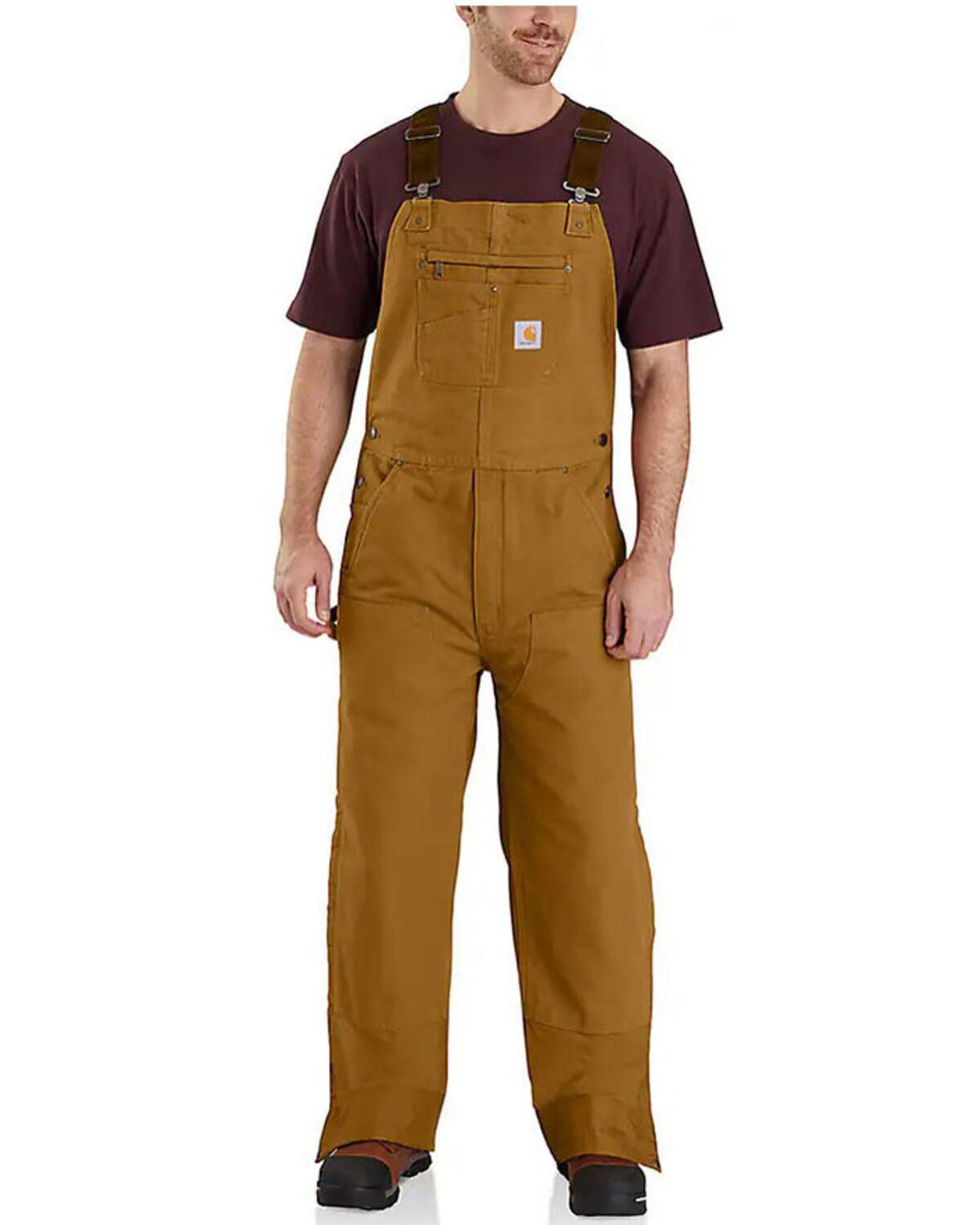
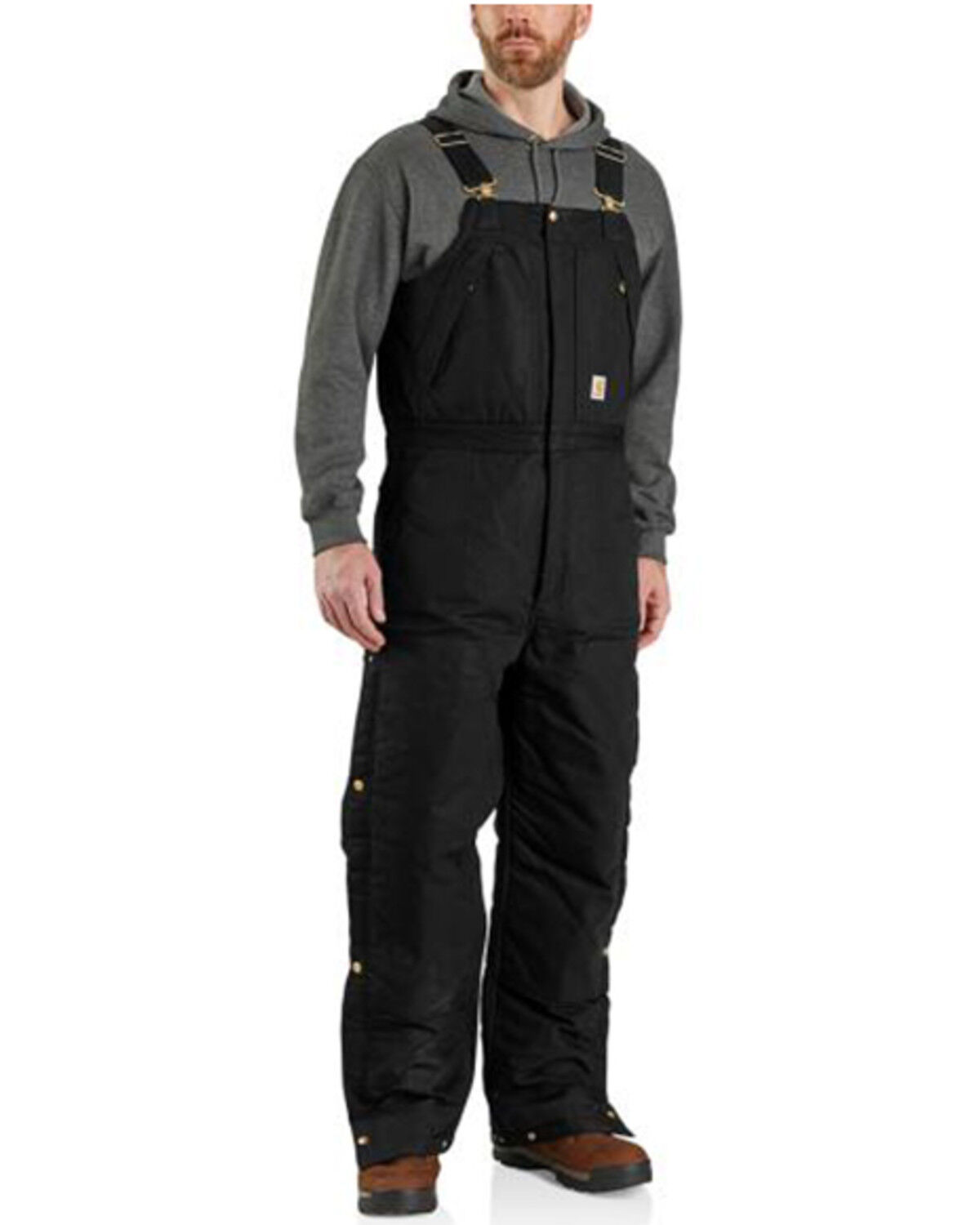
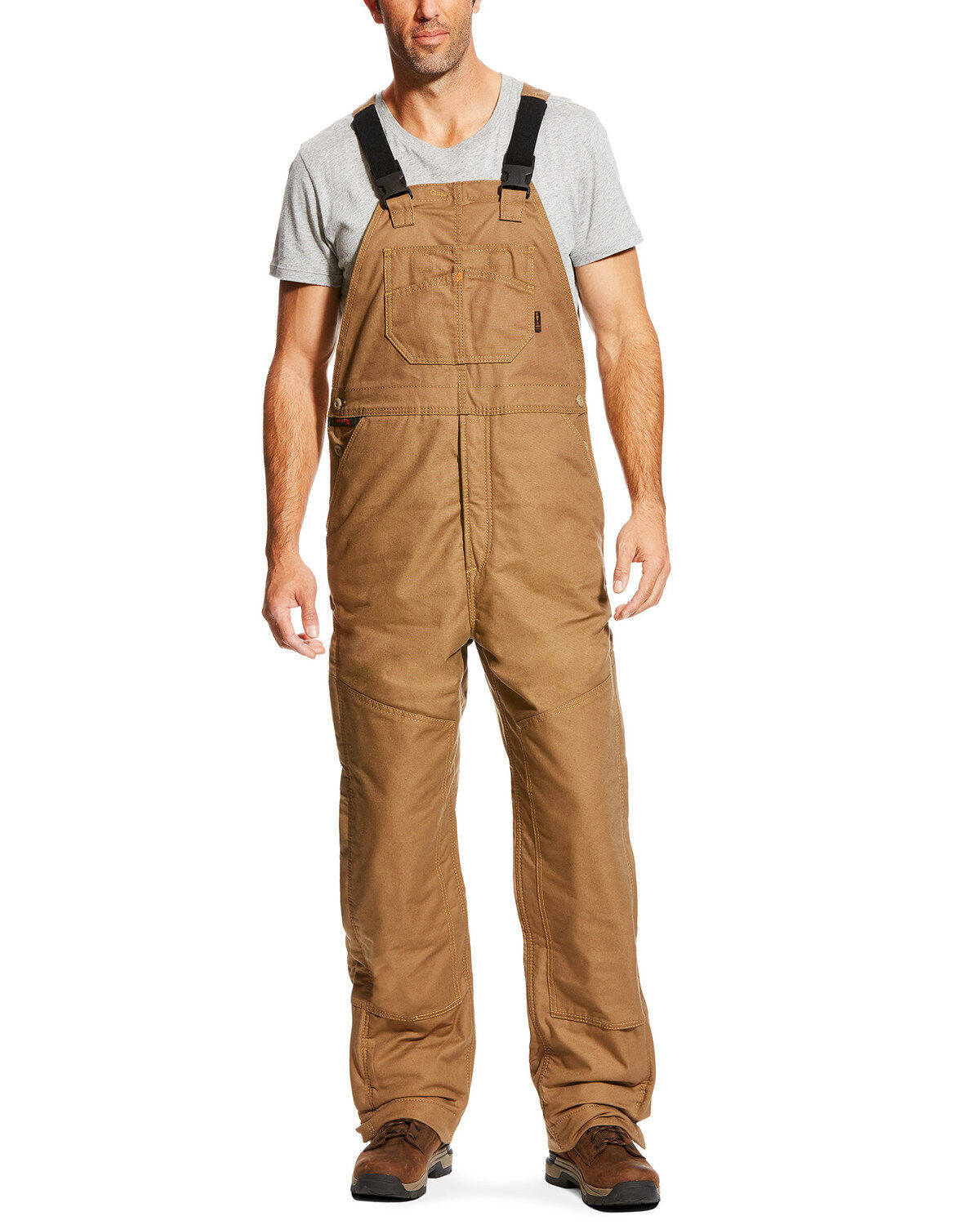
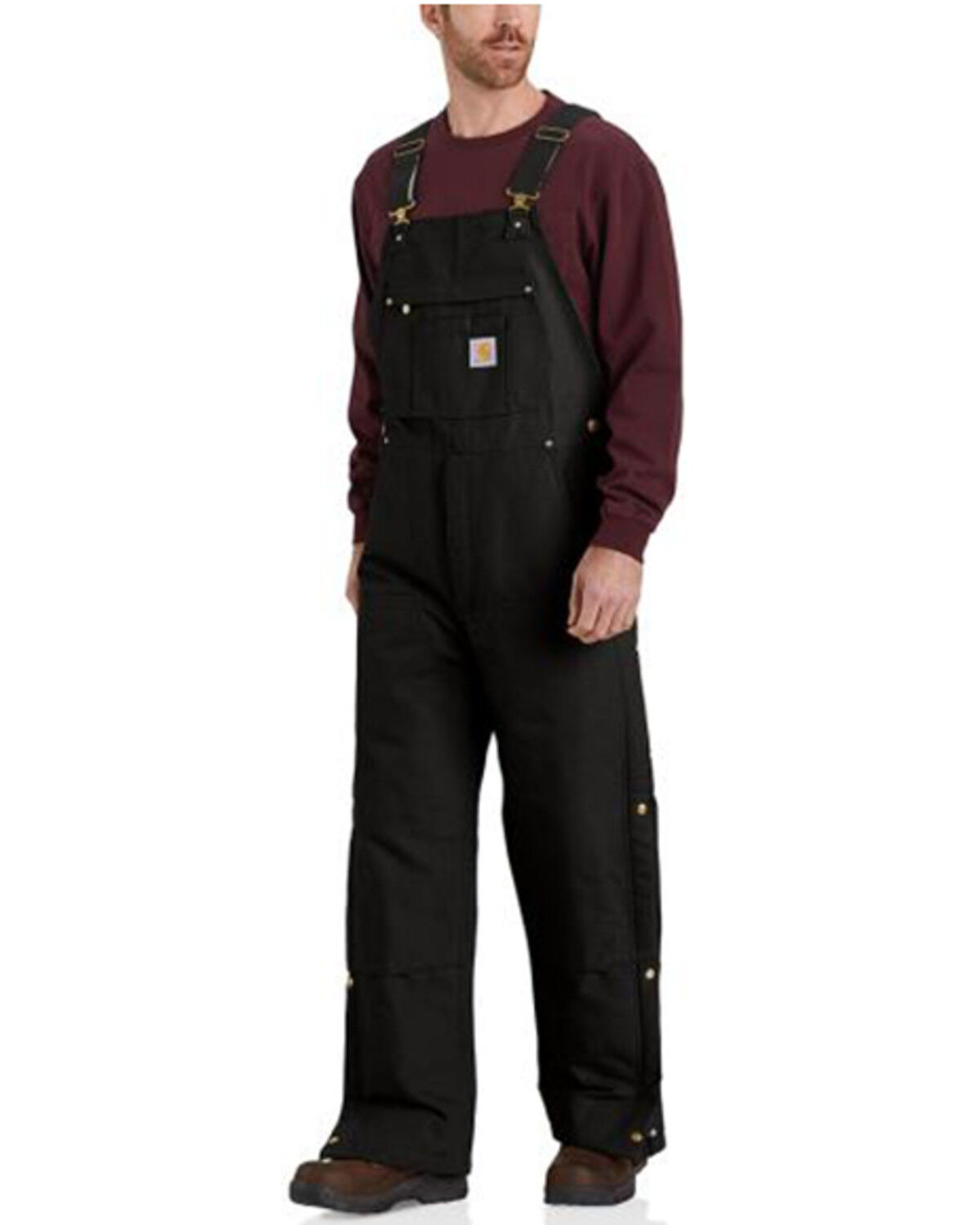
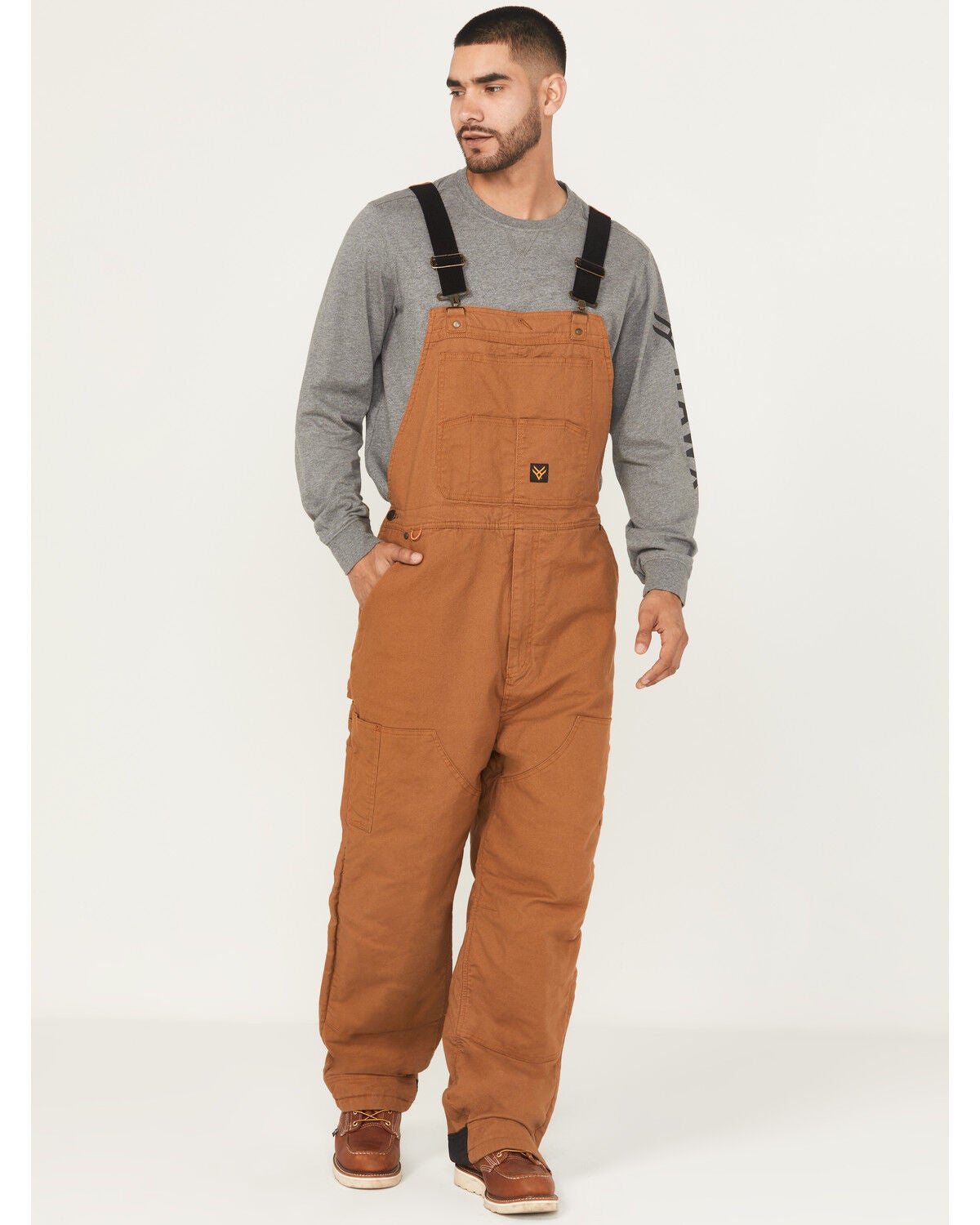
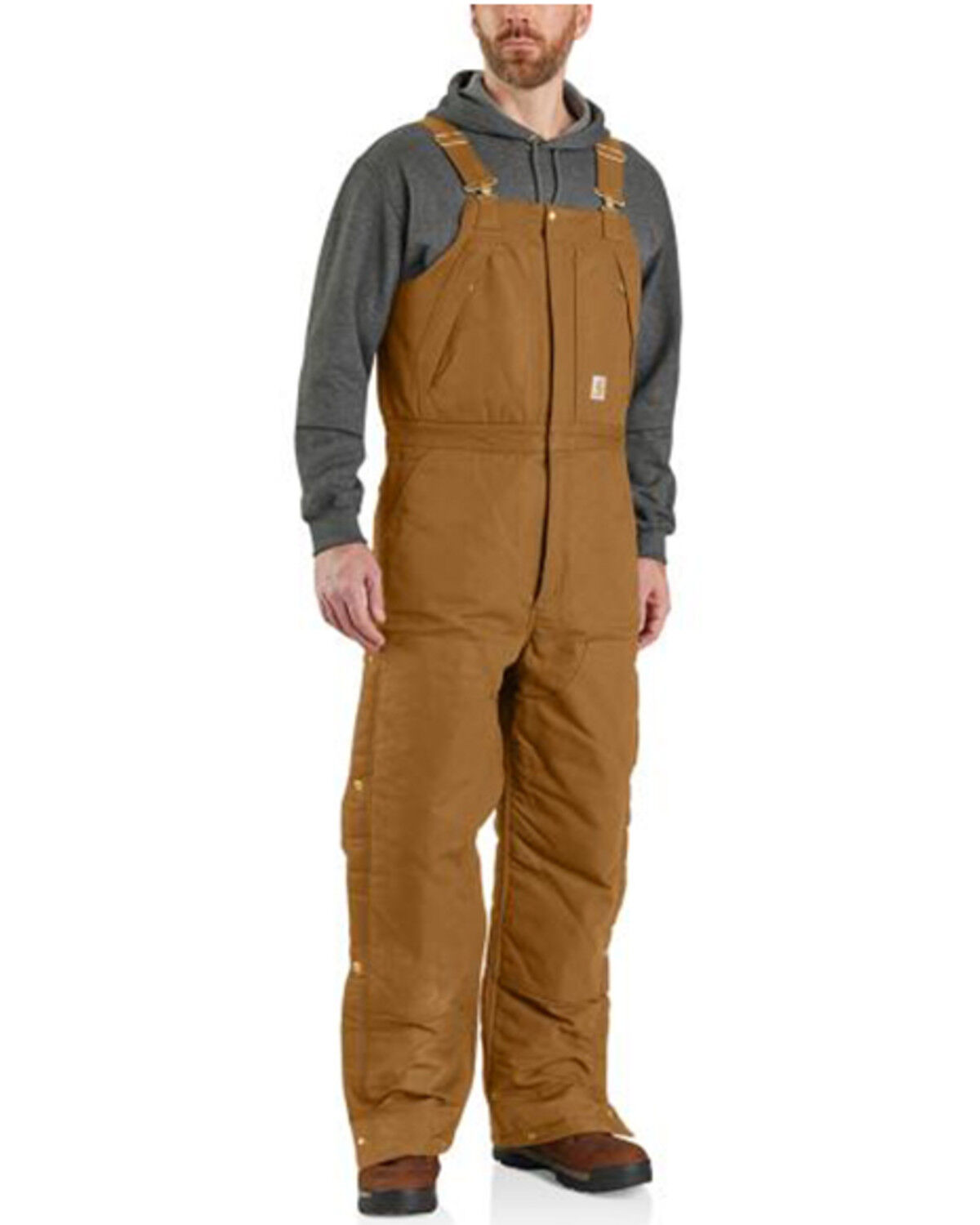
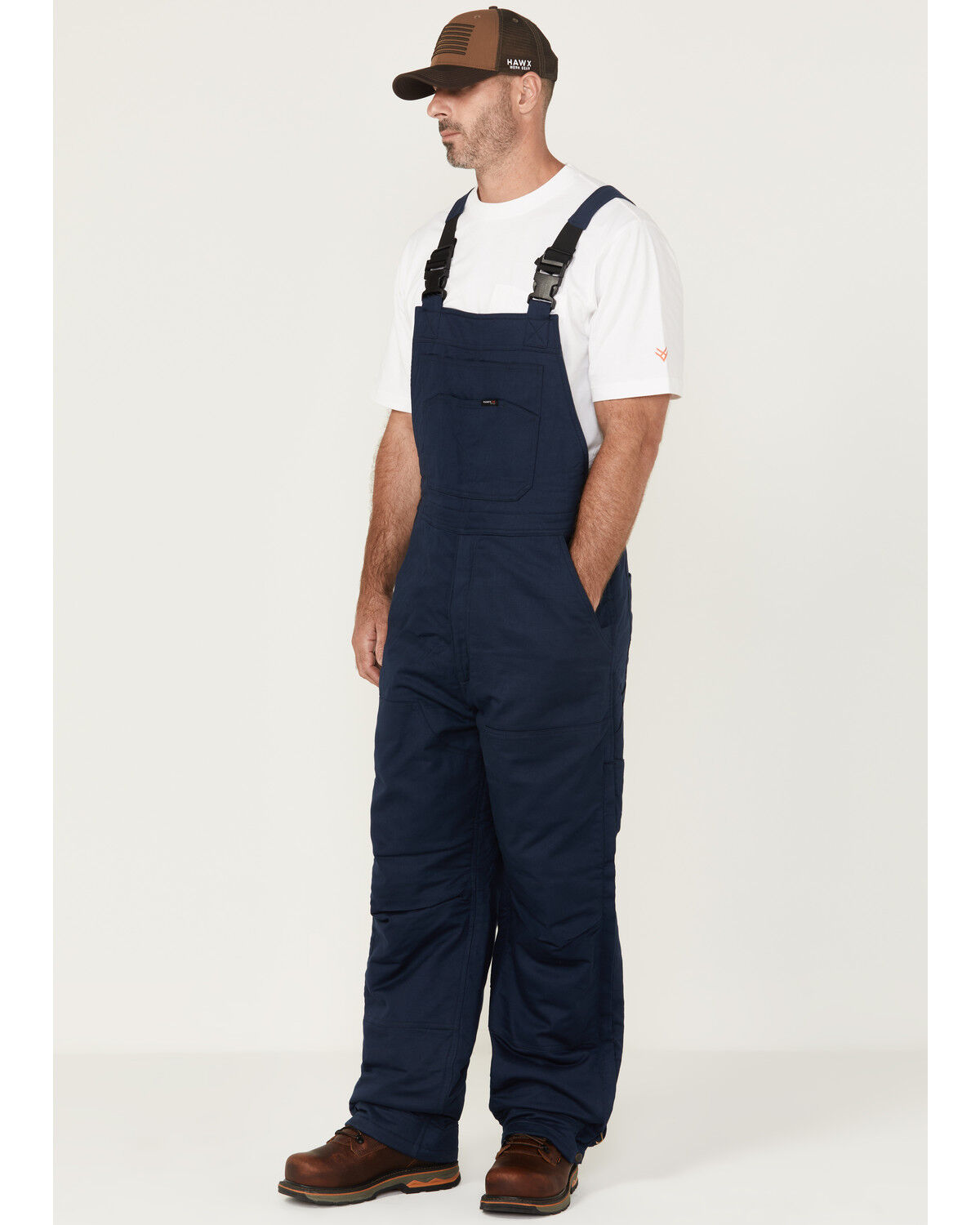
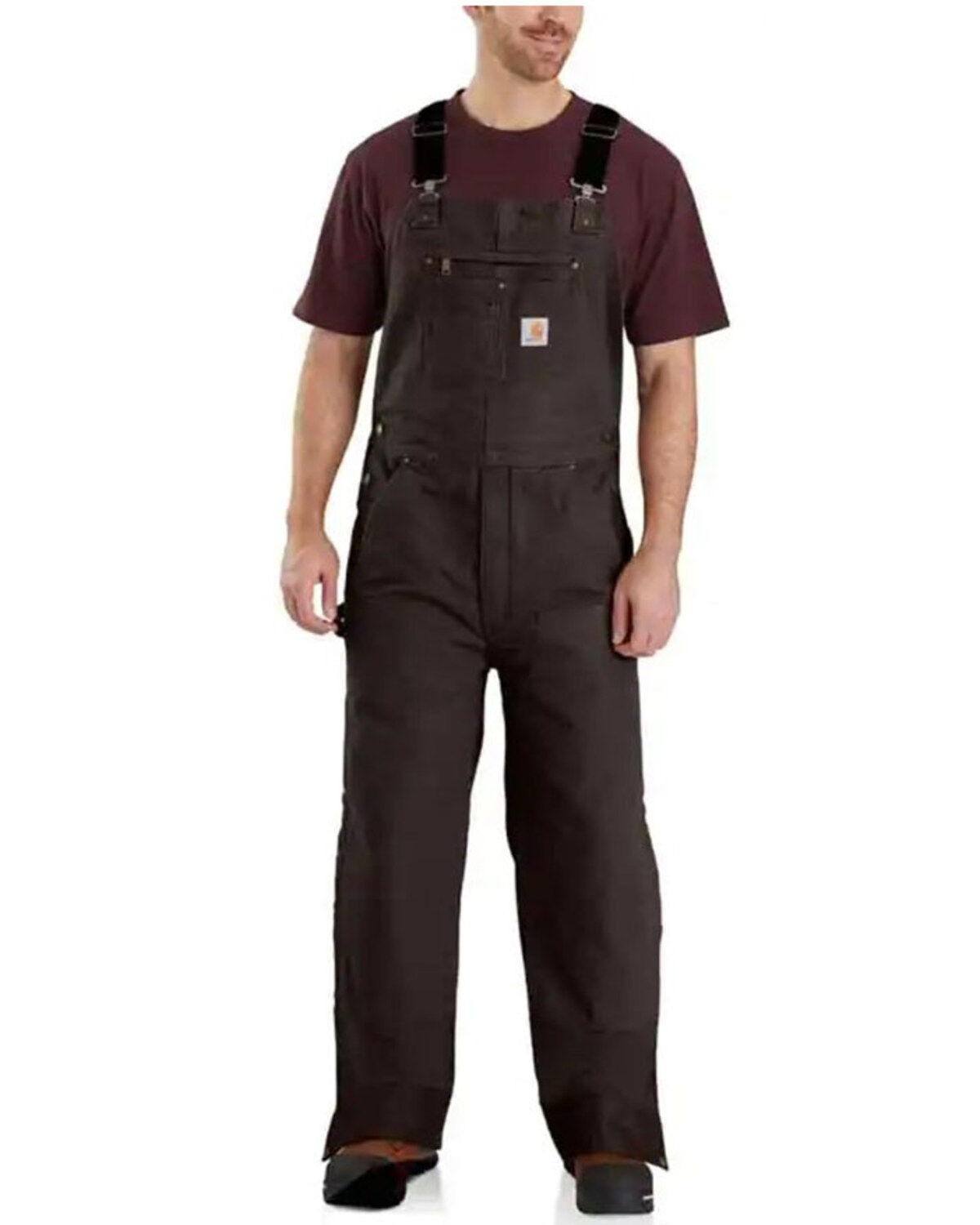
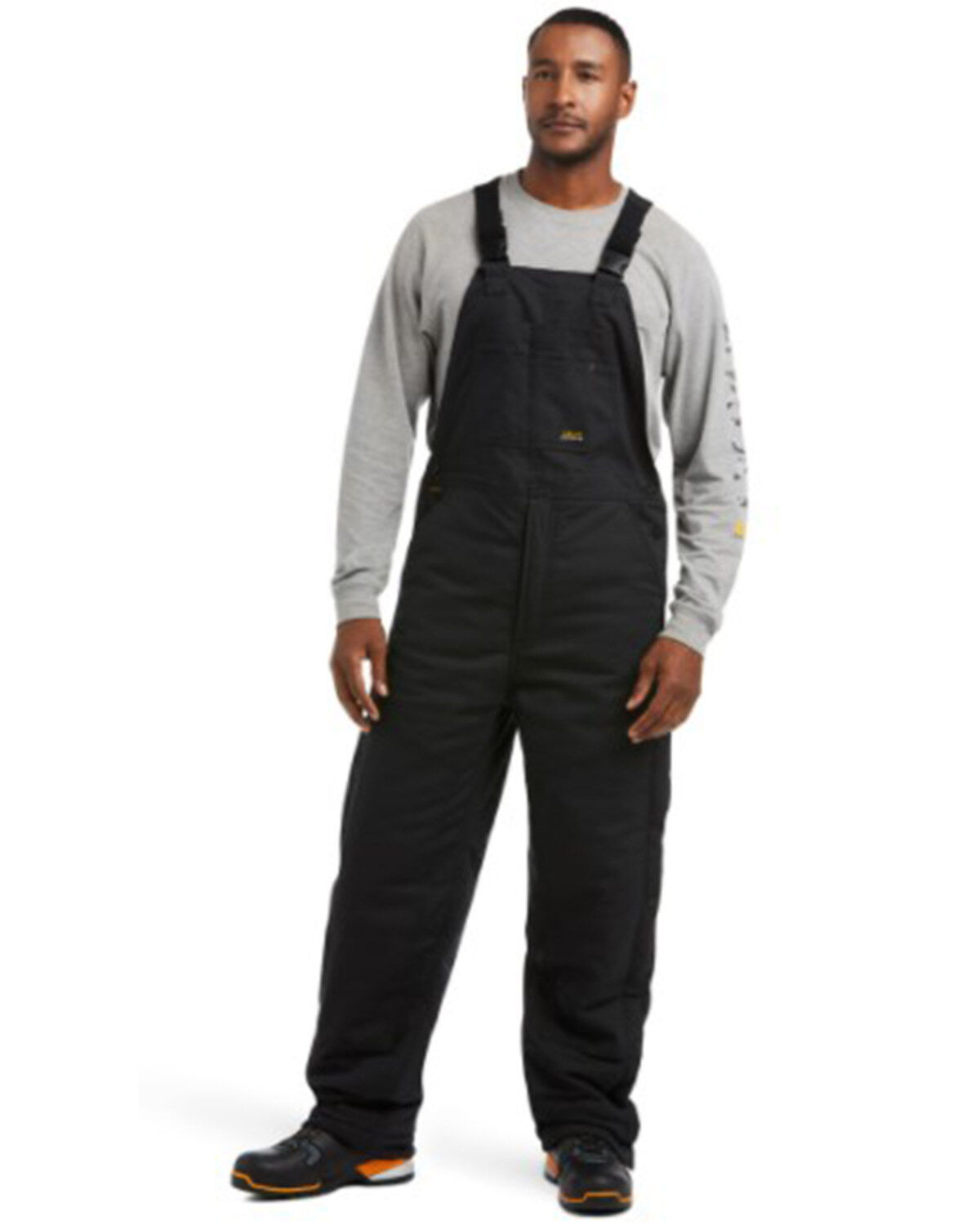
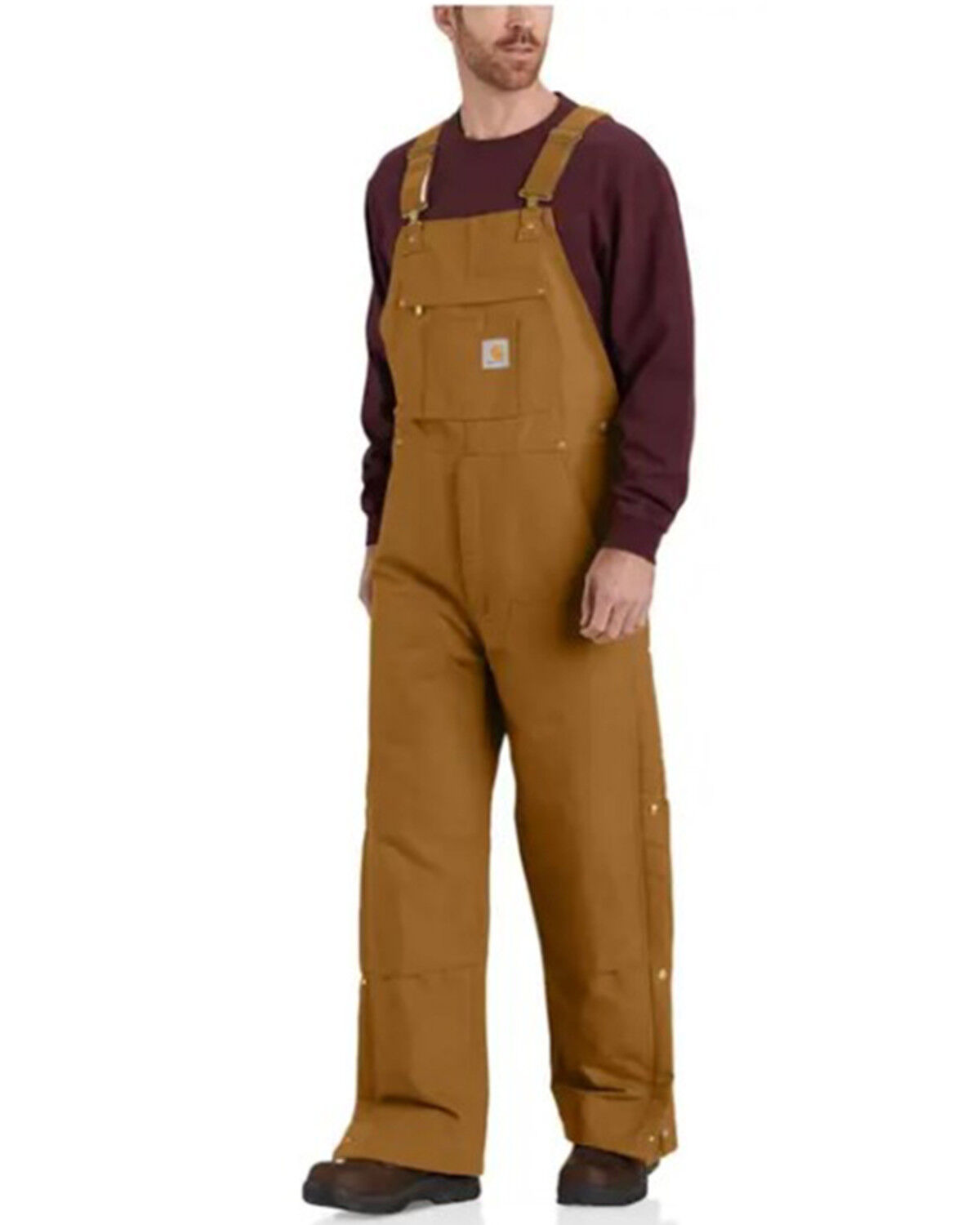
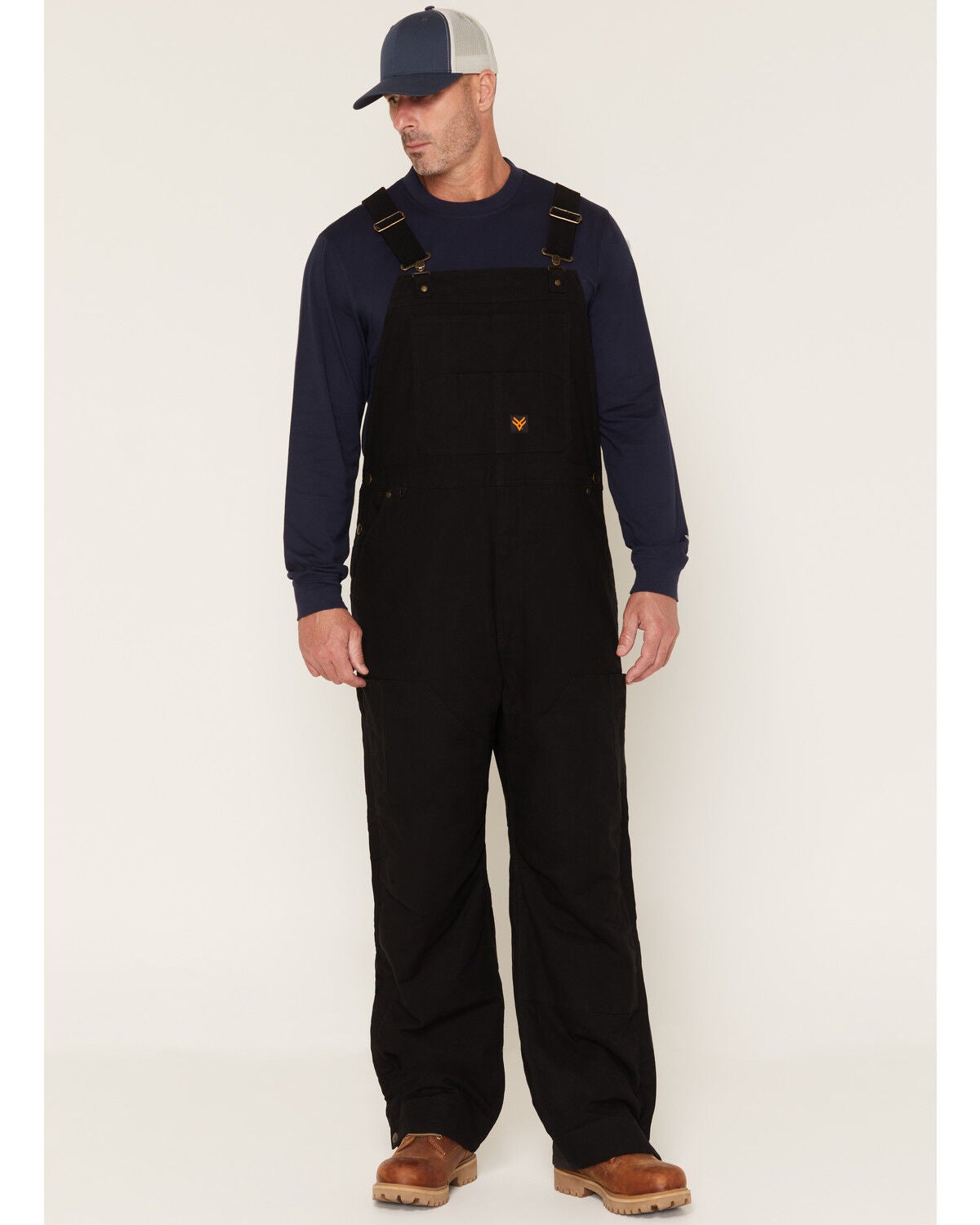
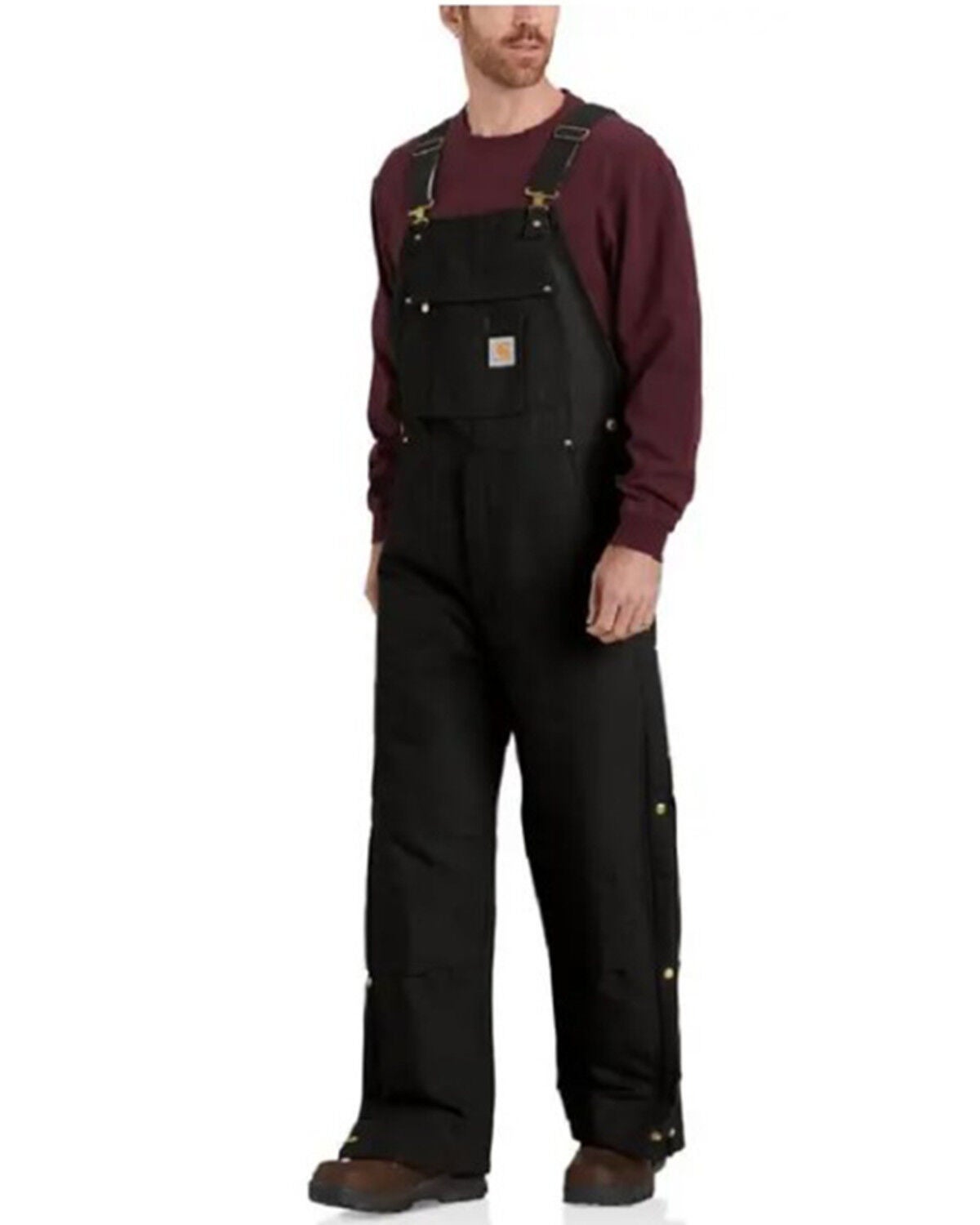
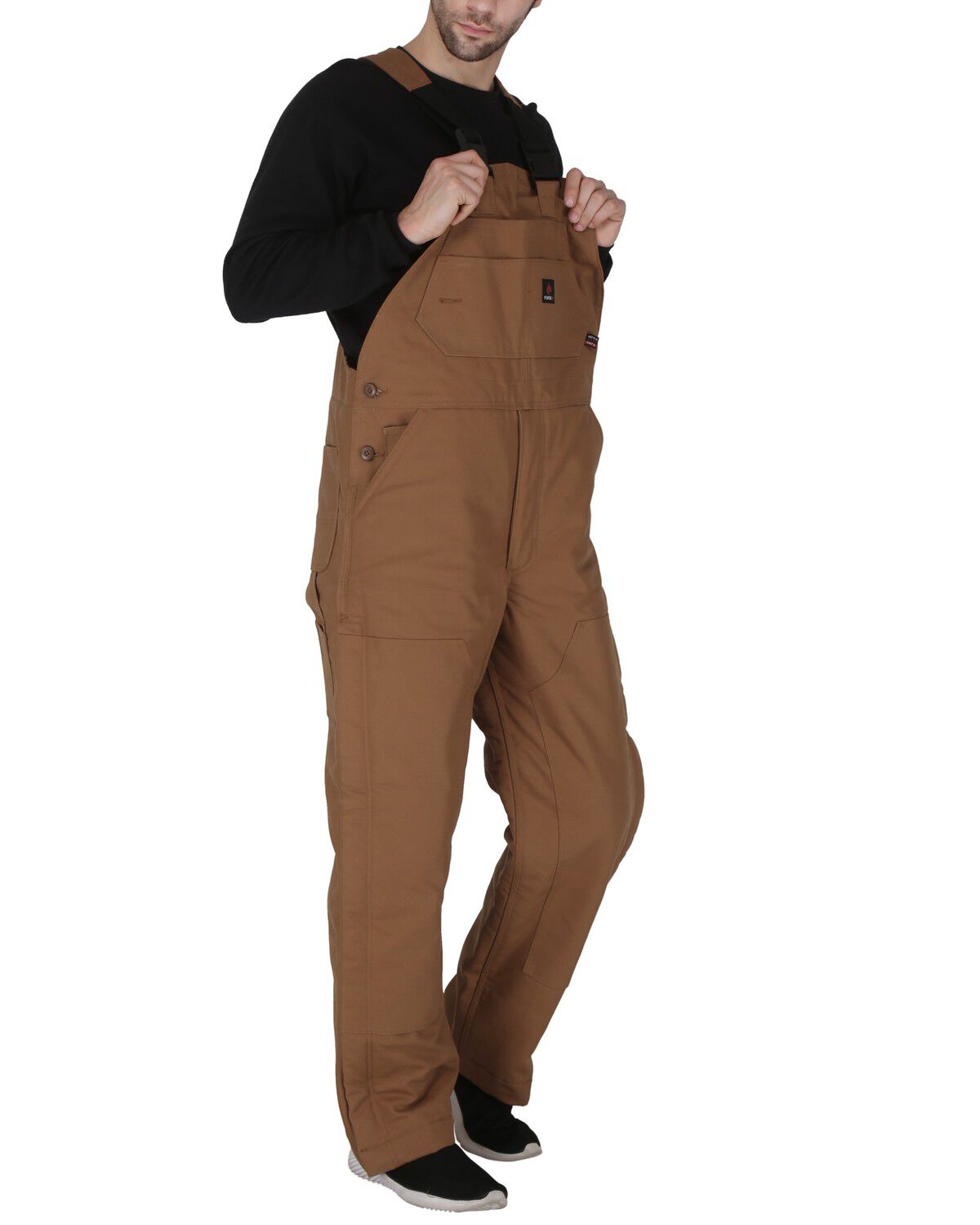
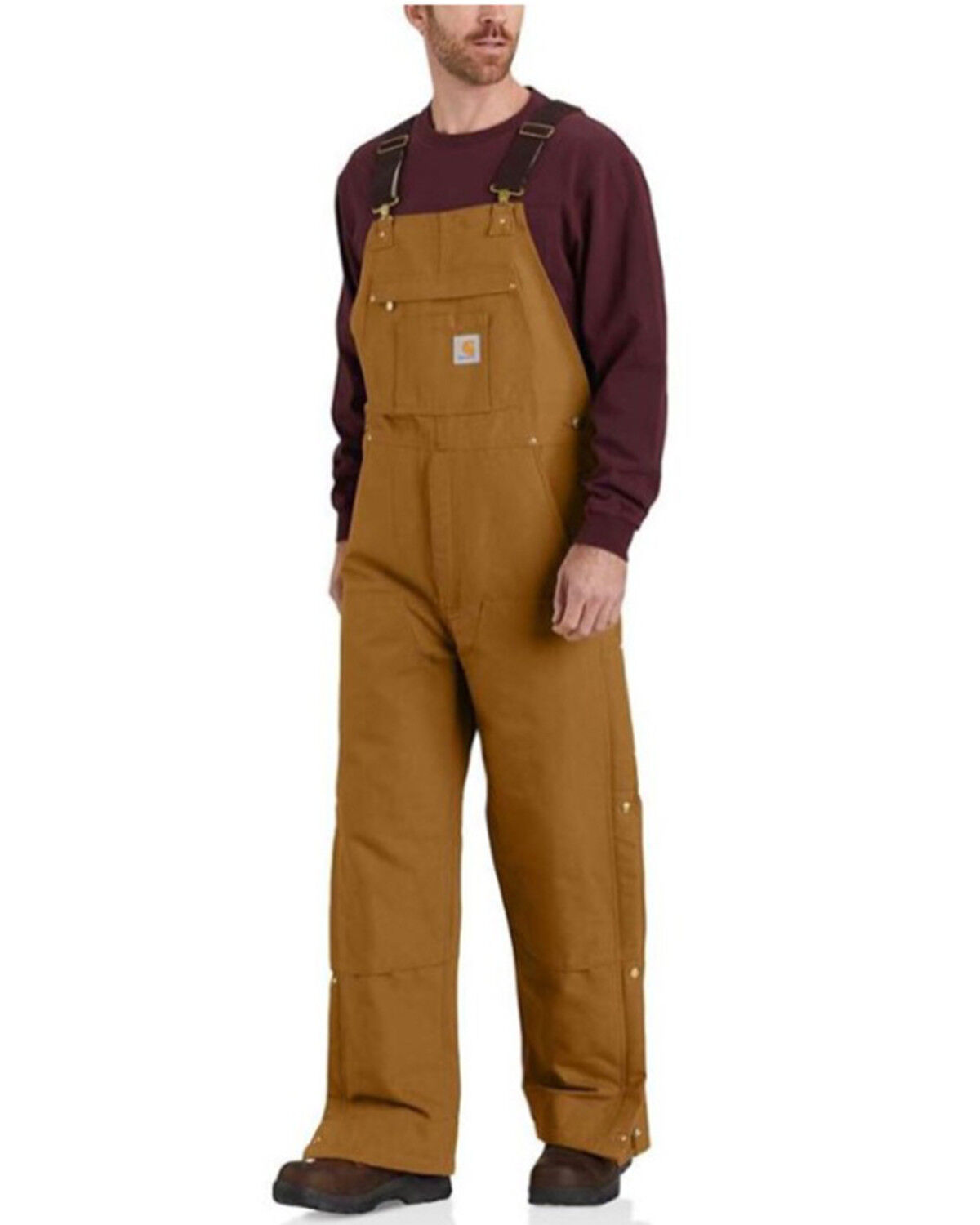
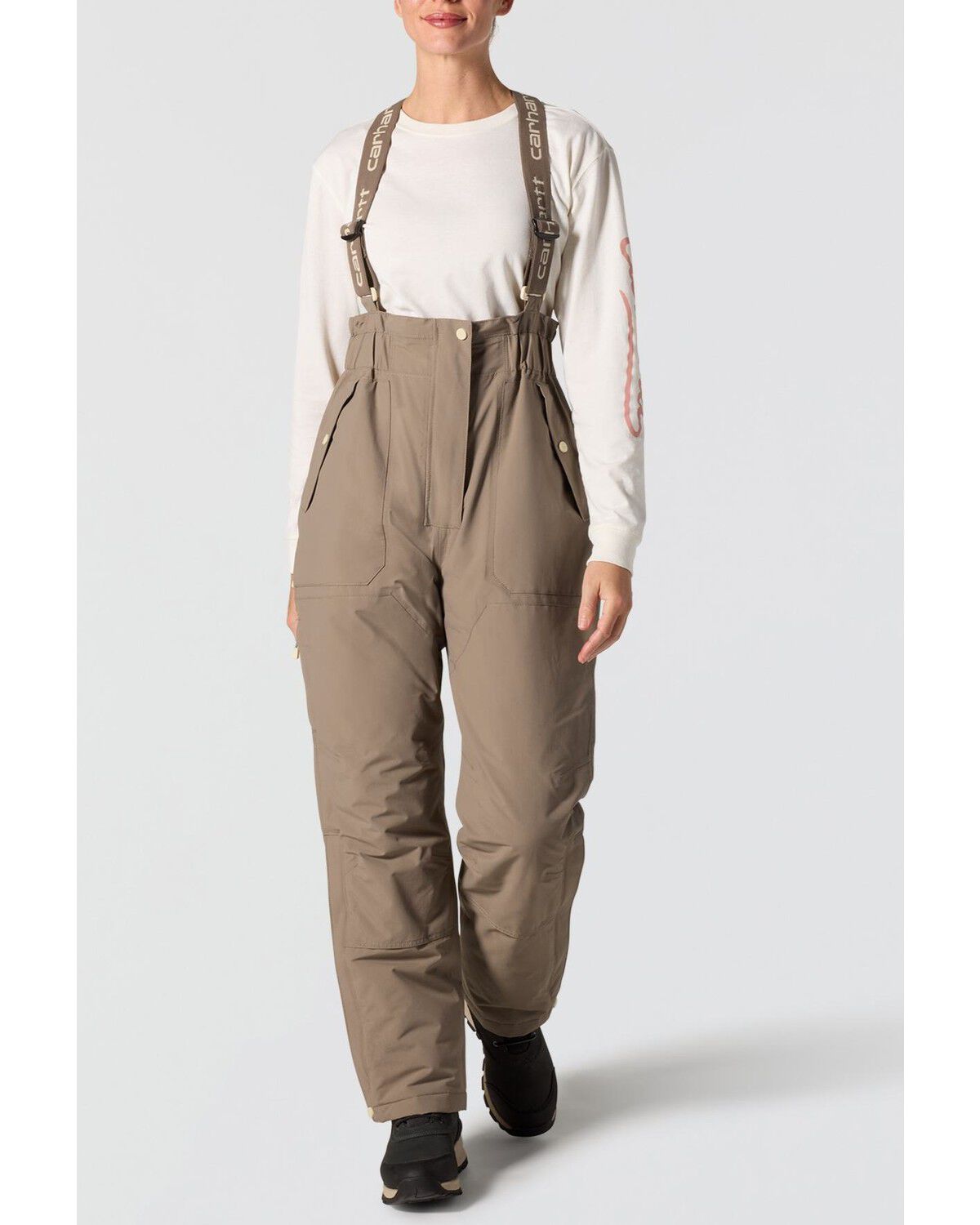
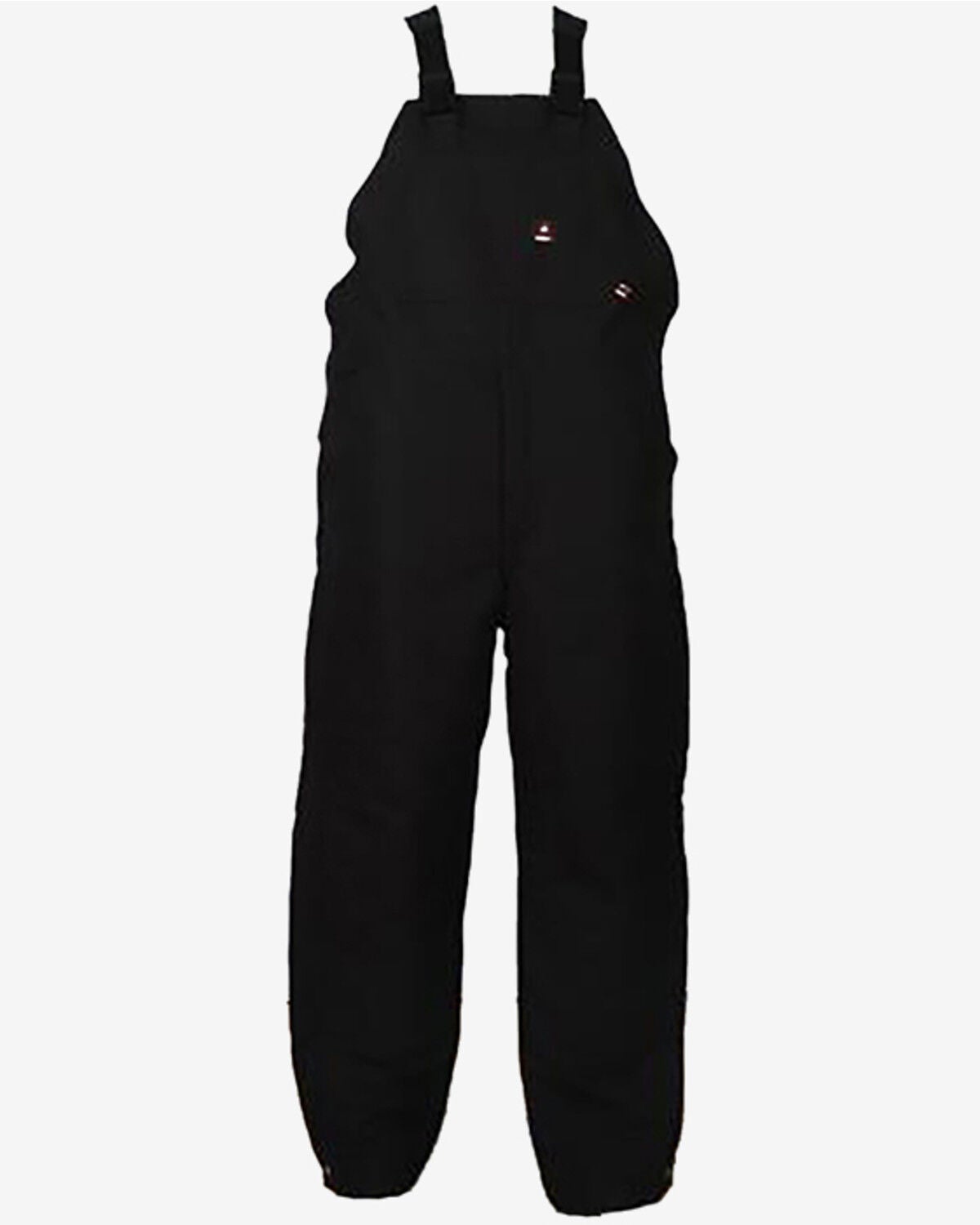
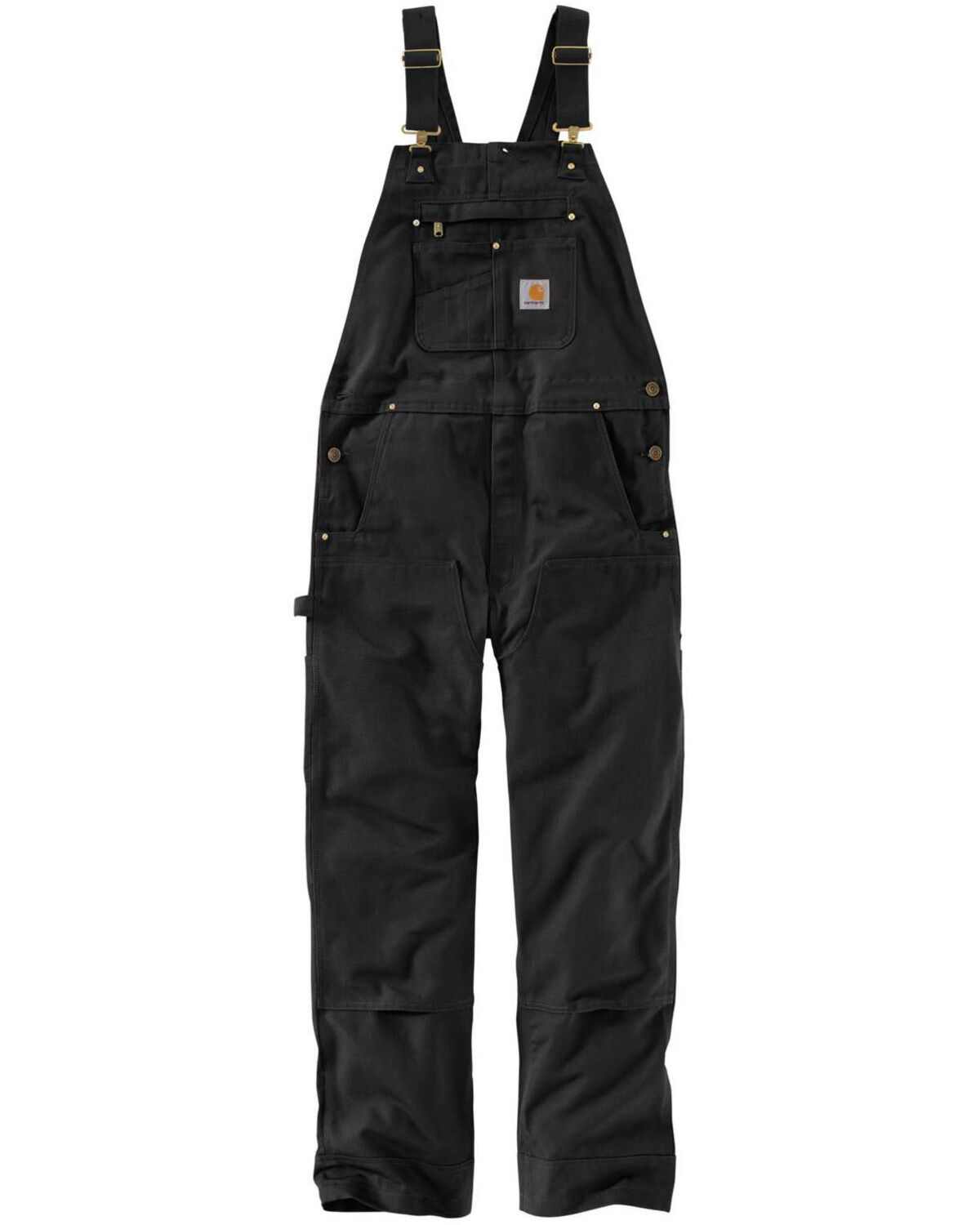
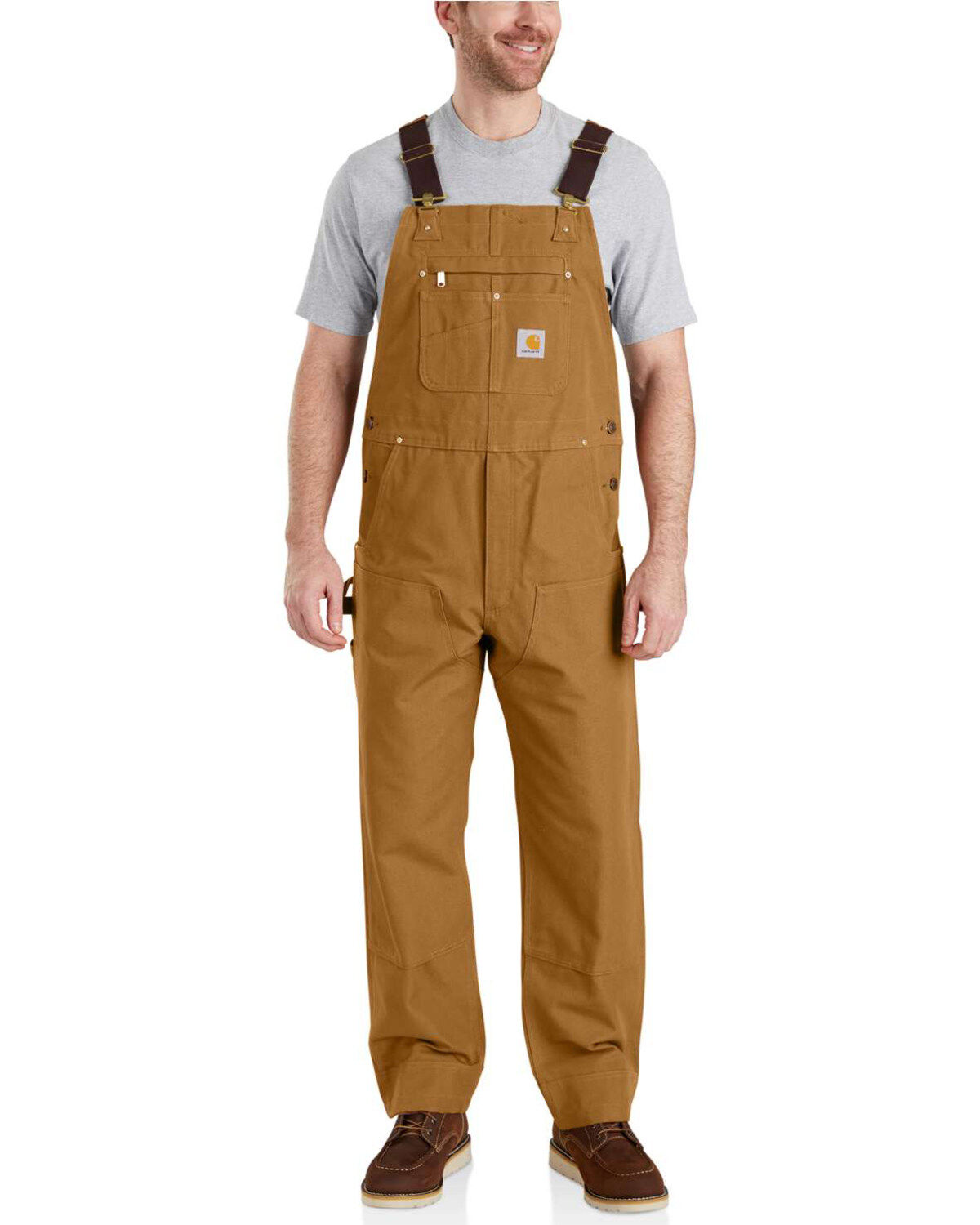
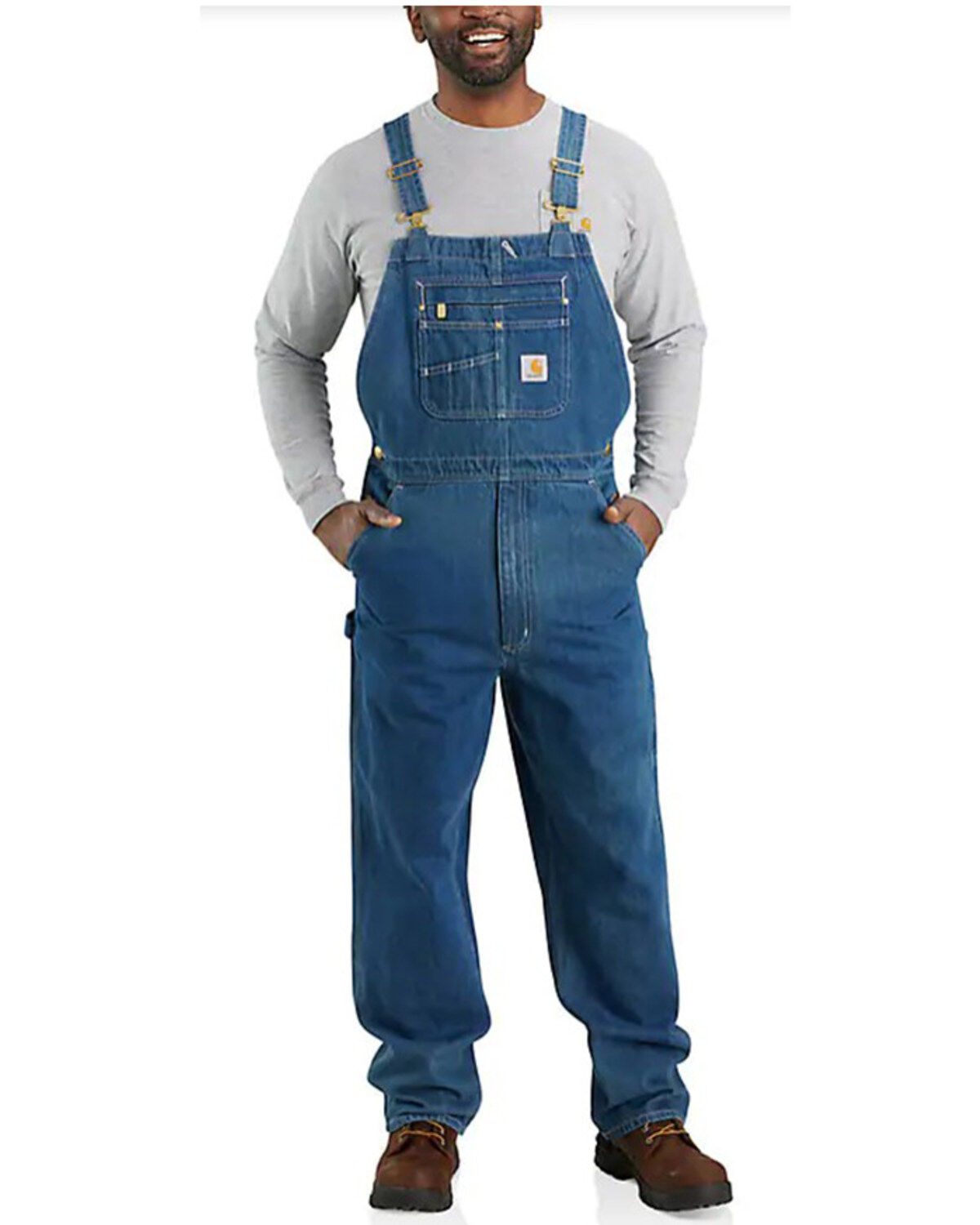
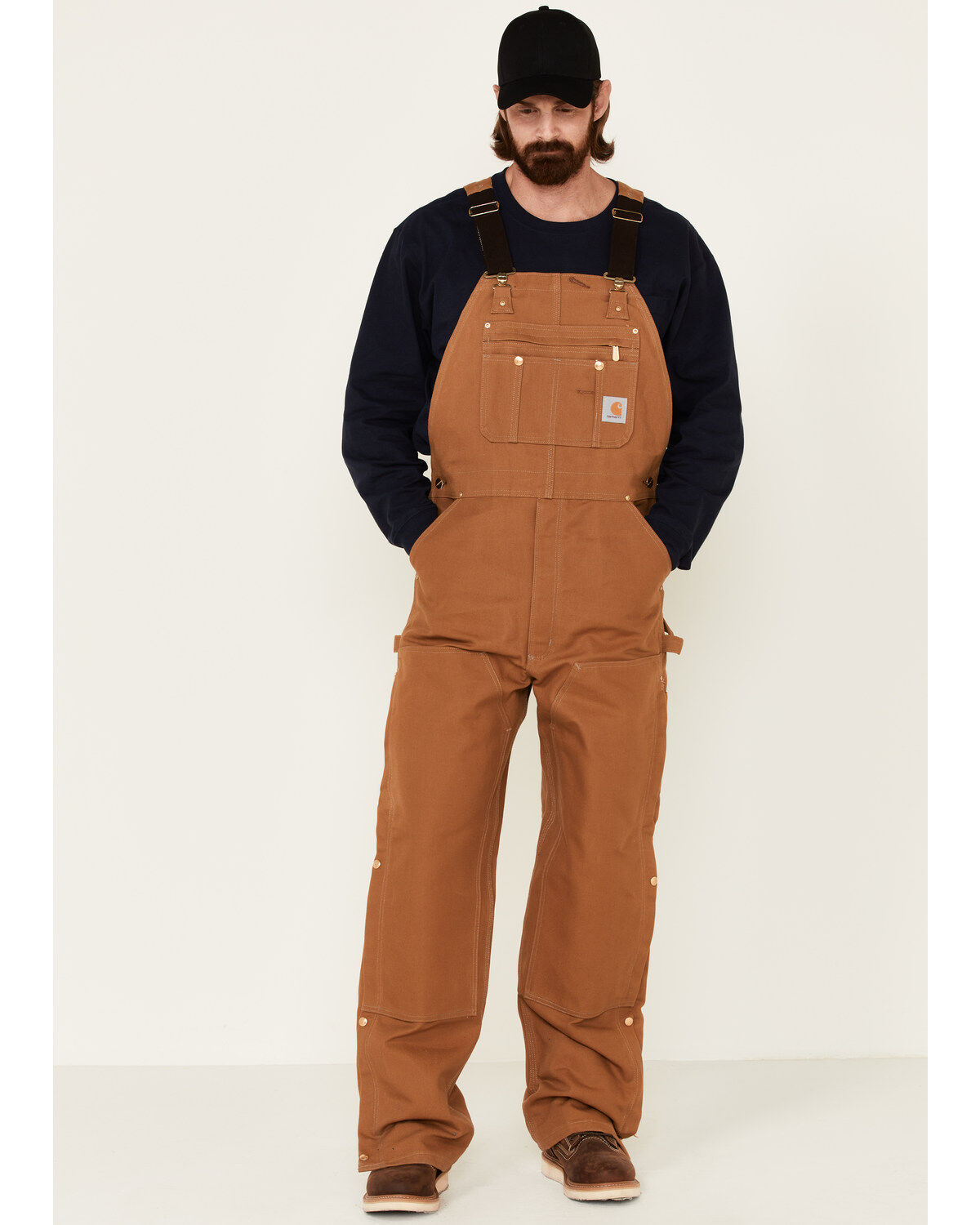
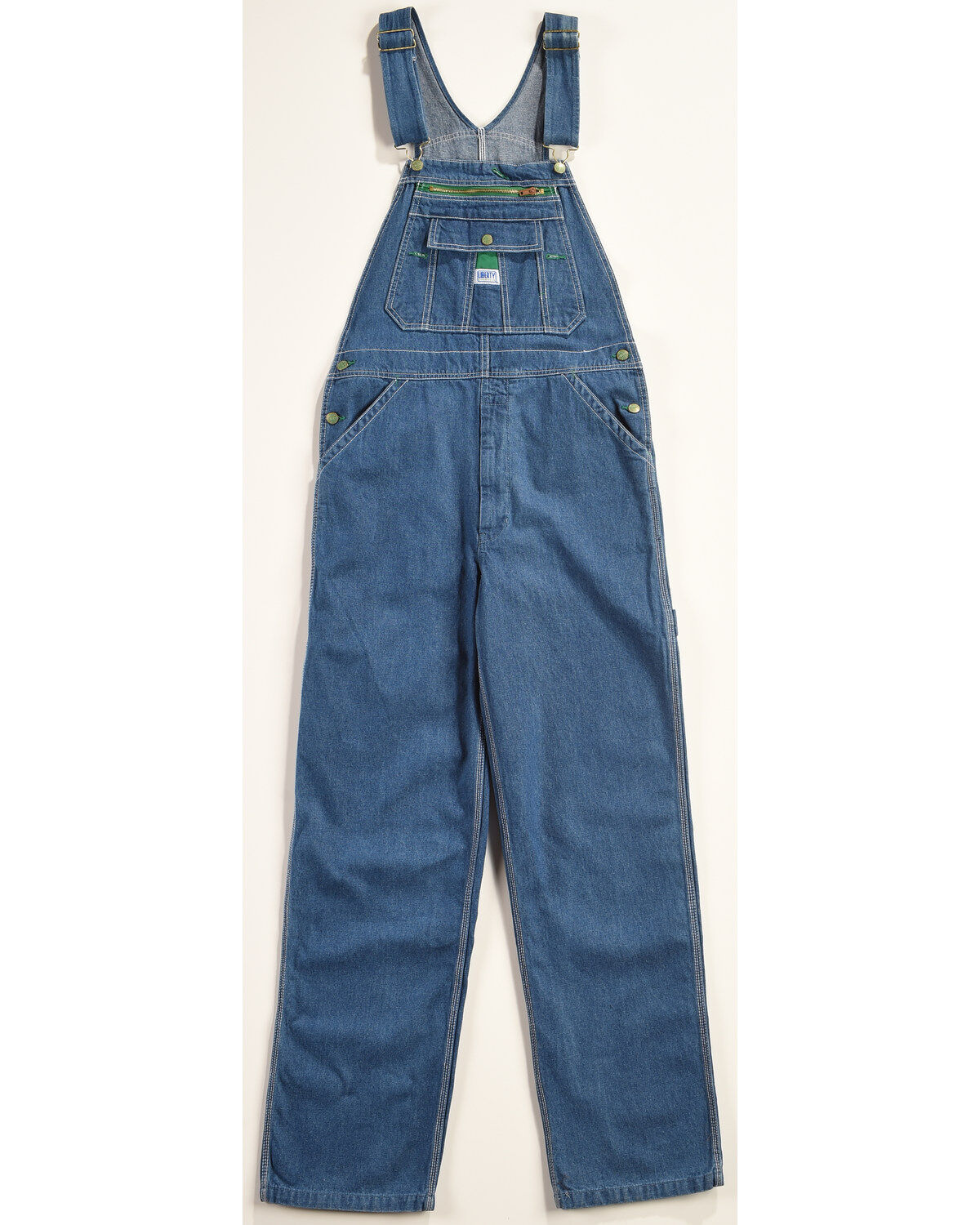
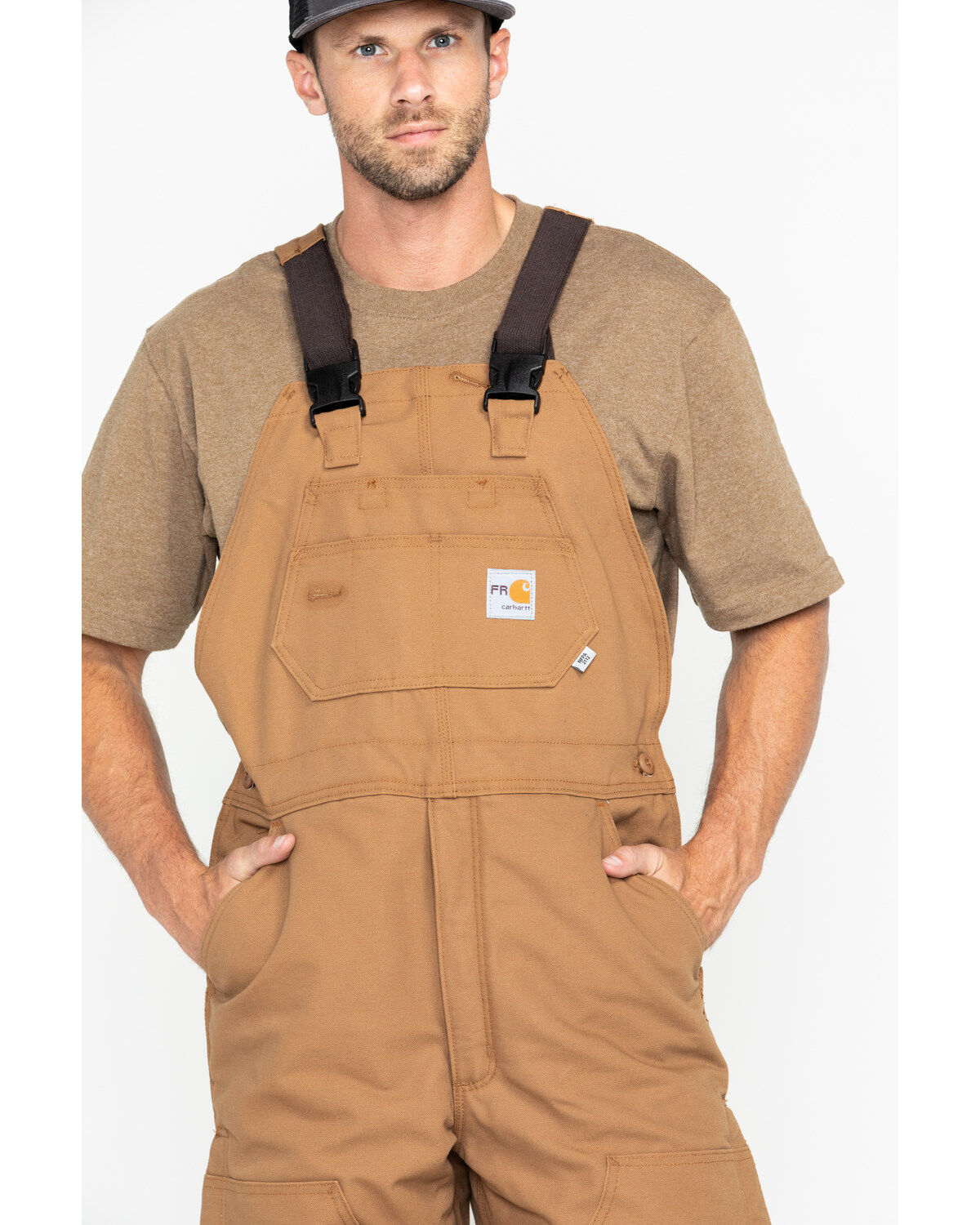
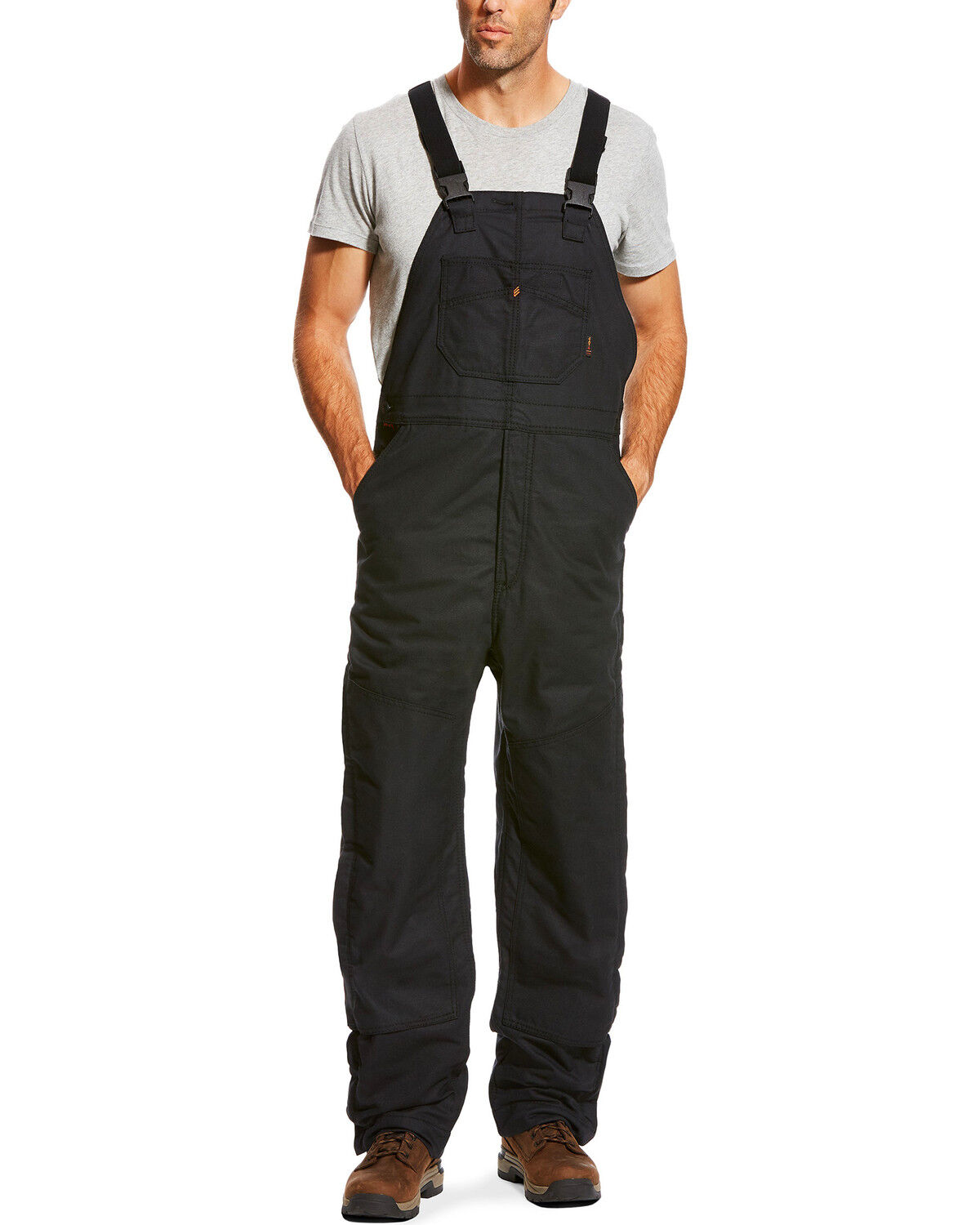
Insulated overalls for work combine a durable outer shell with an insulating layer to help retain body heat on cold job sites. They add coverage over everyday work clothes, making them useful for ranch chores, construction, equipment maintenance, utility work, and other jobs that keep people outside or in unheated buildings. Bib-style overalls cover the legs and much of the torso while leaving the arms free for a separate shirt or jacket. That setup gives workers flexibility when reaching overhead, handling tools, or moving between a sheltered shop and an exposed work area. The right construction depends on the job. Cotton duck and canvas shells provide a substantial feel and stand up to repeated contact with rough surfaces. Fabric blends can balance abrasion resistance with flexibility, while some synthetic shells offer a lighter feel or a smoother surface that sheds dirt more easily. Insulation adds warmth without requiring several separate layers, though its thickness and performance vary by garment. Quilted linings often help keep insulation distributed and make overalls easier to pull over work pants. A heavier build may suit extended periods of standing or operating equipment, while a less bulky design can be more comfortable for steady lifting, walking, and climbing. Wind resistance, water resistance, and waterproof protection are separate features, not automatic benefits of every insulated garment. A tightly woven shell may reduce drafts, but exposed seams and openings can still let moisture enter. Water-resistant fabric can help with light moisture; prolonged rain or wet snow calls for protection specifically designed for those conditions. Warmth also depends on activity level, base layers, wind exposure, and how long the work lasts. Insulation weight alone does not establish a safe temperature range. A worker repairing a fence in an open field has different needs from someone unloading materials in a covered building, even when both jobs require dependable warmth and freedom of movement.

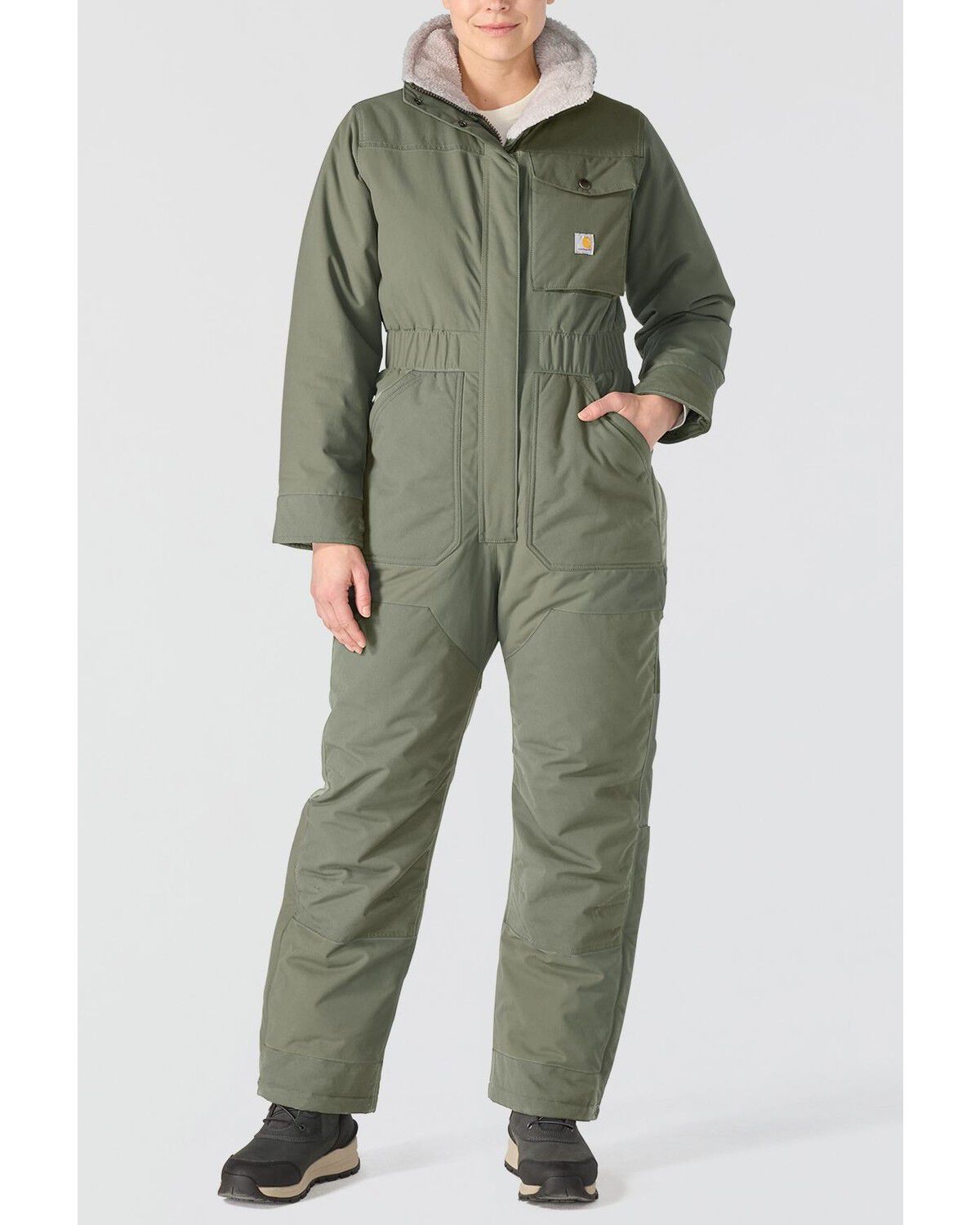
Fit matters as much as fabric because work overalls need room for movement without leaving excess material around tools or equipment. Measurements should account for the clothing worn underneath, whether that means work pants and a shirt or a heavier combination of base layers and fleece. Follow the garment’s size chart rather than automatically choosing a larger size. Too much room can leave the waist sagging and the hems dragging, while a close fit can pull across the seat, knees, and shoulders when bending. Adjustable shoulder straps help position a bib correctly, and a well-fitting waist keeps the lower half from shifting during a long day. When checking fit, sit as though operating equipment, kneel to reach a low fitting, and raise both arms. The fabric should allow each movement without tightening sharply or pulling the cuffs above the boot tops. Inseam length deserves attention because insulated fabric can bunch heavily over footwear. Cuffs should work with the height and shape of work boots without dragging under the heel. Leg openings with zippers or snaps can make it easier to dress over boots, while storm flaps can help cover those openings against drafts. Closure length varies, so a short ankle zipper will not offer the same access as one extending farther up the leg. Reinforced knees and seat panels are useful where kneeling, sitting on rough surfaces, or climbing causes concentrated wear. Articulated knees or a gusseted crotch can add movement without requiring an oversized fit. Pockets should keep essentials within reach without interfering with bending or a tool belt. Secure closures are helpful for small belongings, but loaded pockets should not pull the bib out of position. For work that calls for integrated sleeve coverage, Insulated Coveralls extend coverage through the arms in a single garment. Bibs paired with a separate jacket offer more flexibility to adjust upper-body layers as the workload changes.

Long service starts with construction that matches the wear a job creates. Strong seams, reinforced pocket openings, substantial closures, and extra fabric at high-friction areas all deserve attention. A worker who spends time kneeling beside machinery may put the most stress on the knees, while someone hauling fencing supplies may see wear at the thighs and pocket edges. No fabric is immune to sharp metal, persistent abrasion, or damage from chemicals, so inspect workwear regularly rather than waiting for a small tear to spread. Keep hems clear of the ground and secure straps and closures before working near equipment. Standard insulated overalls are not automatically flame-resistant, arc-rated, high-visibility, or suitable for chemical exposure. Where workplace rules require protective clothing, the garment must meet the applicable requirements; warmth and a rugged appearance do not establish that protection. Care also affects how well insulation and outer fabric perform over time. Follow the sewn-in care label for washing temperature, detergent, drying, and any restrictions on bleach or fabric softener. Empty pockets, brush away loose dirt, and close fasteners before laundering when the care directions call for it. Pay attention to mud around the hems and debris caught in zipper teeth, where buildup can interfere with closures. Dry the garment completely before storage, using only the method and heat level allowed by its label. Excessive heat can damage certain fabrics, finishes, and components. Store overalls clean and dry rather than leaving them compressed in a damp truck box or on a shop floor. Address loose stitching and minor damage promptly, and follow the manufacturer’s instructions for any specialized protective garment. Insulated work overalls can also make a practical gift for someone who handles livestock, maintains property, or works outdoors. Knowing the person’s measurements, usual layers, job requirements, and preference for bibs or full coverage makes that choice more useful. The goal is straightforward: dependable coverage that allows the wearer to bend, climb, carry, and get through the work comfortably.
Read More

FAQs