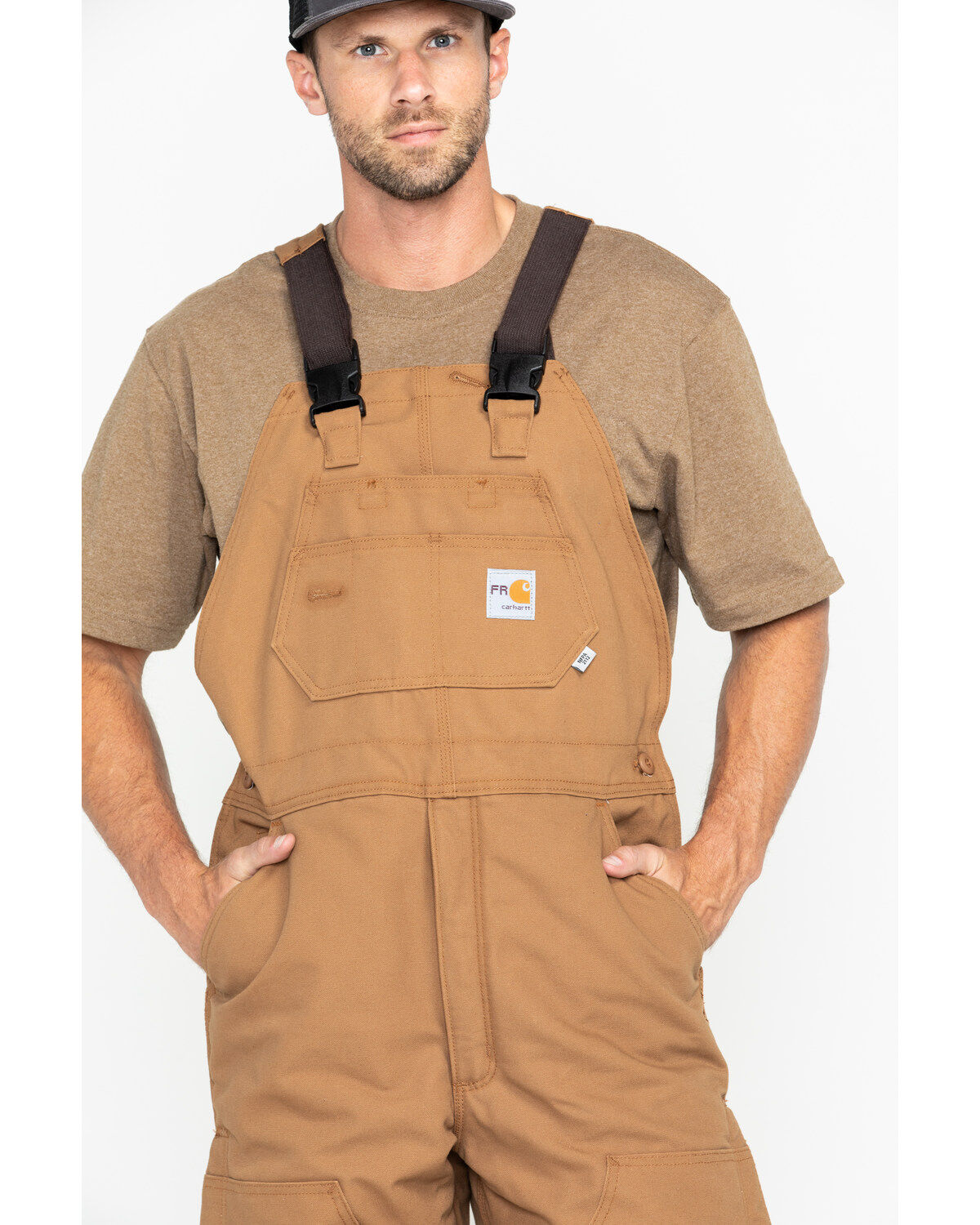
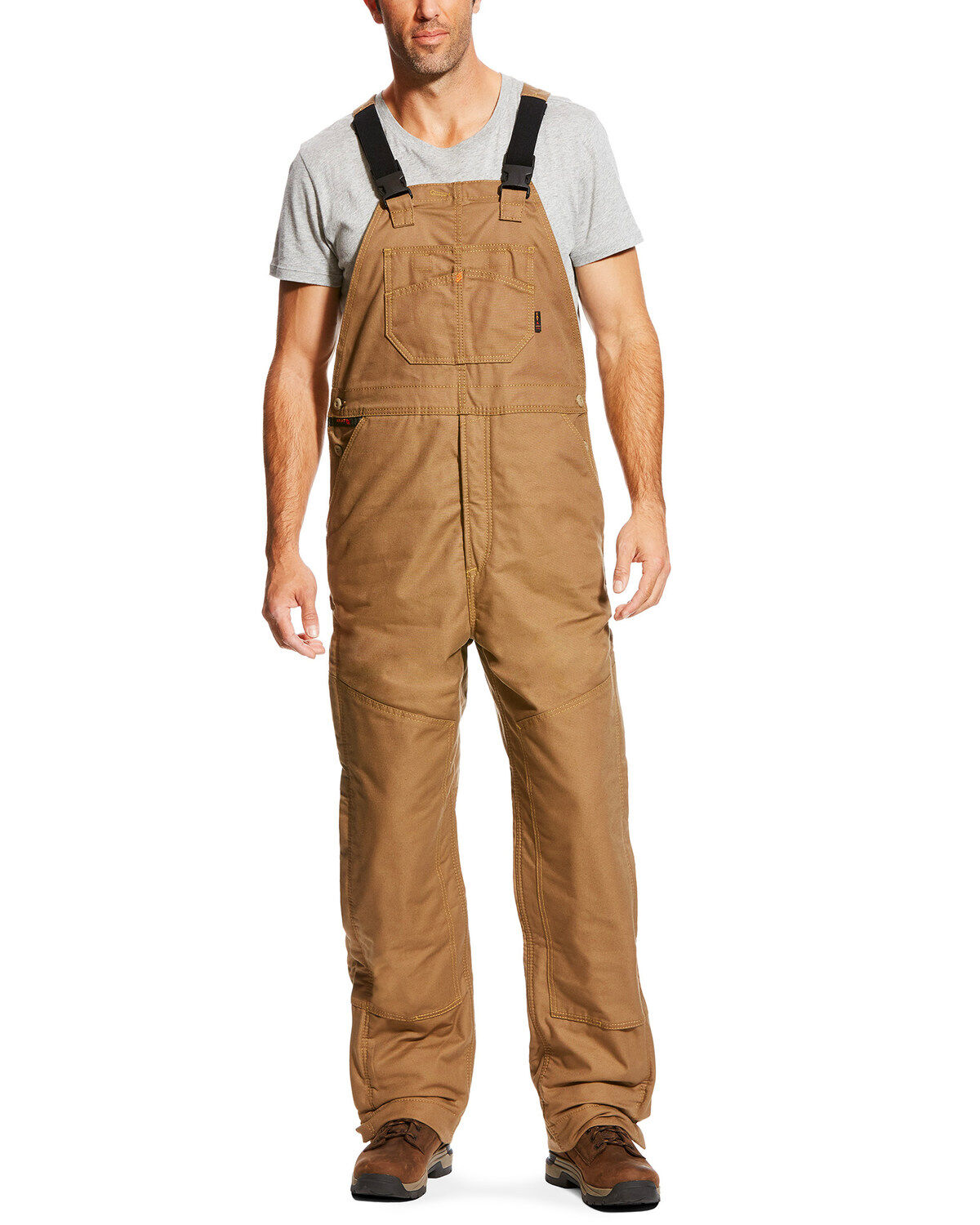
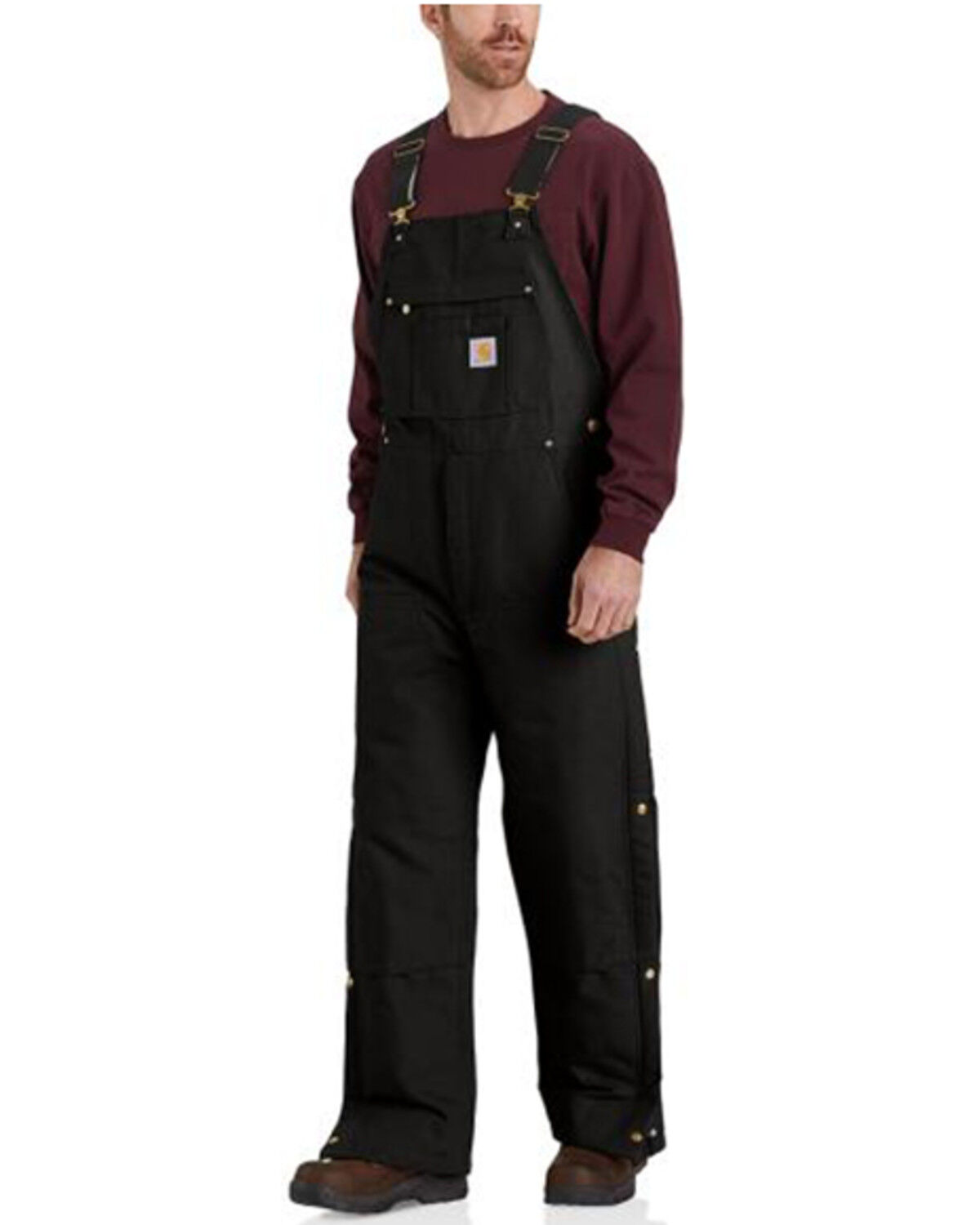
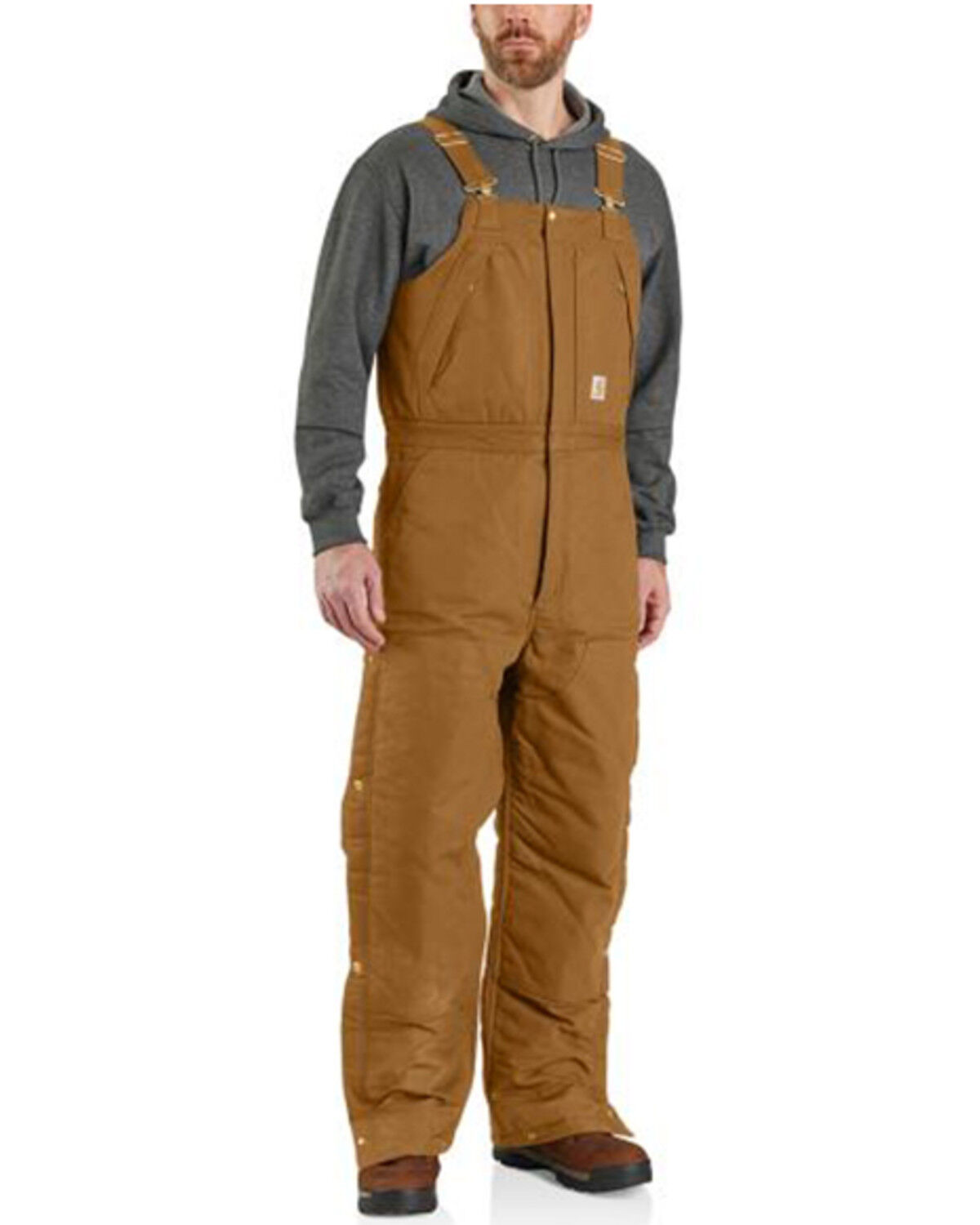
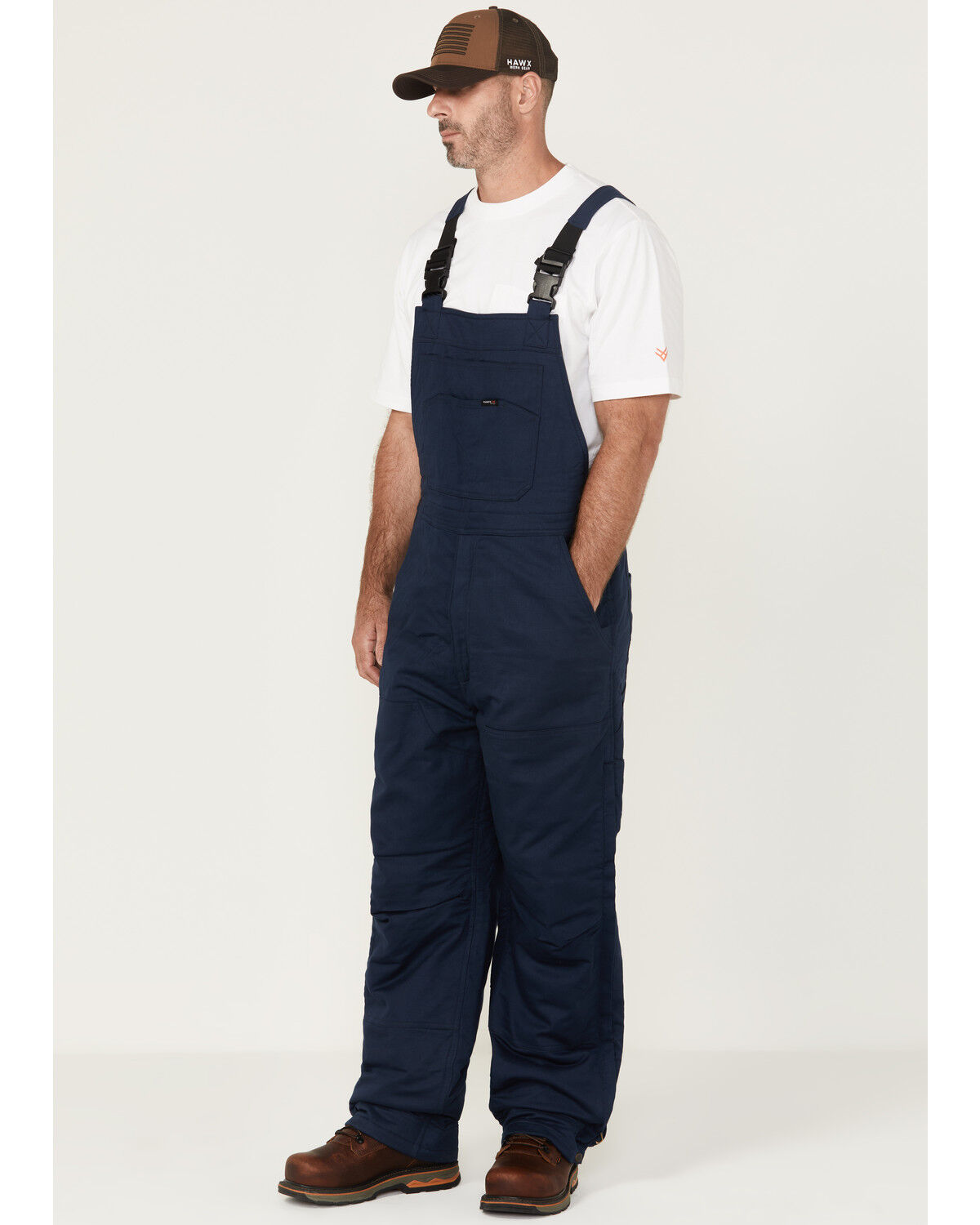
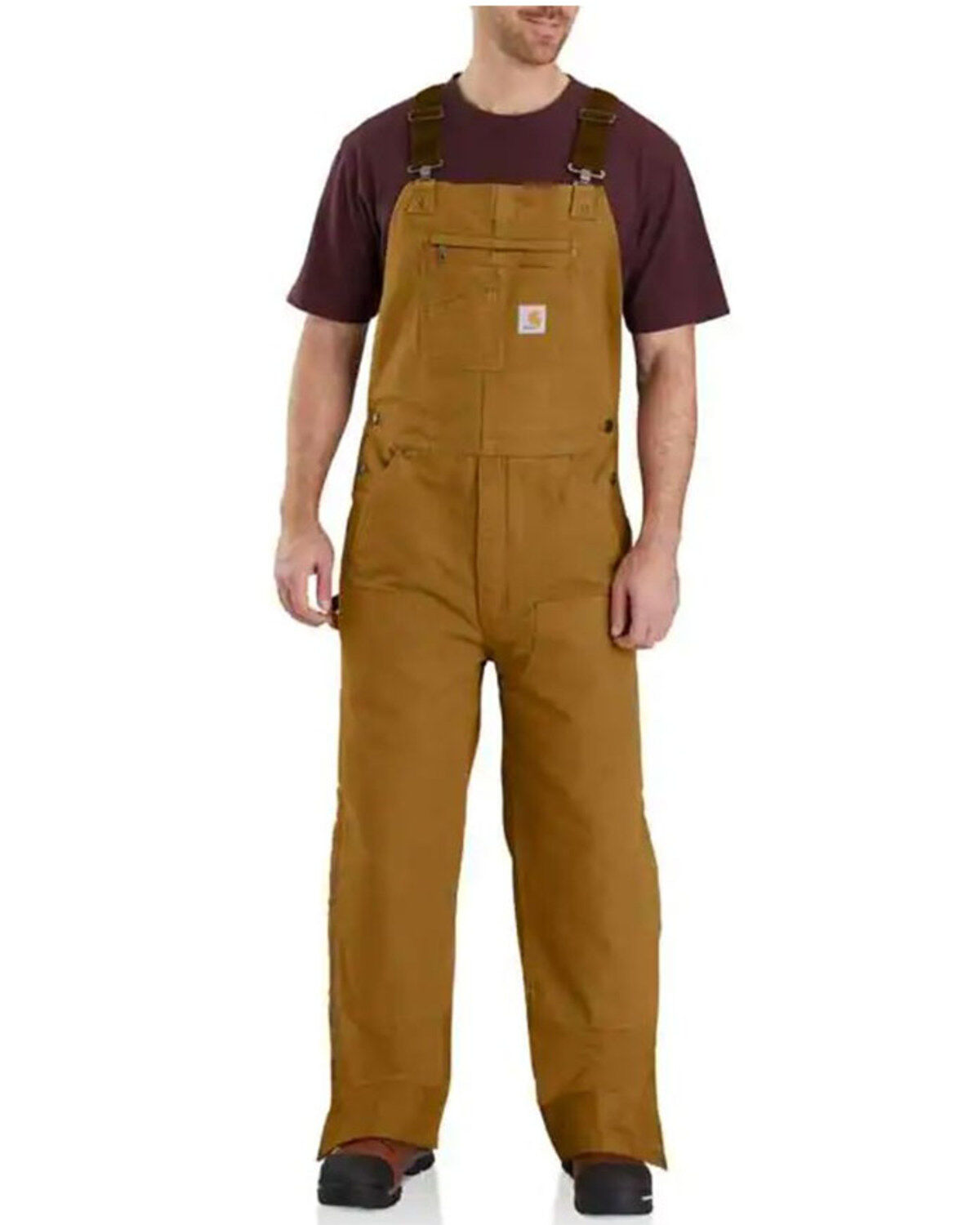
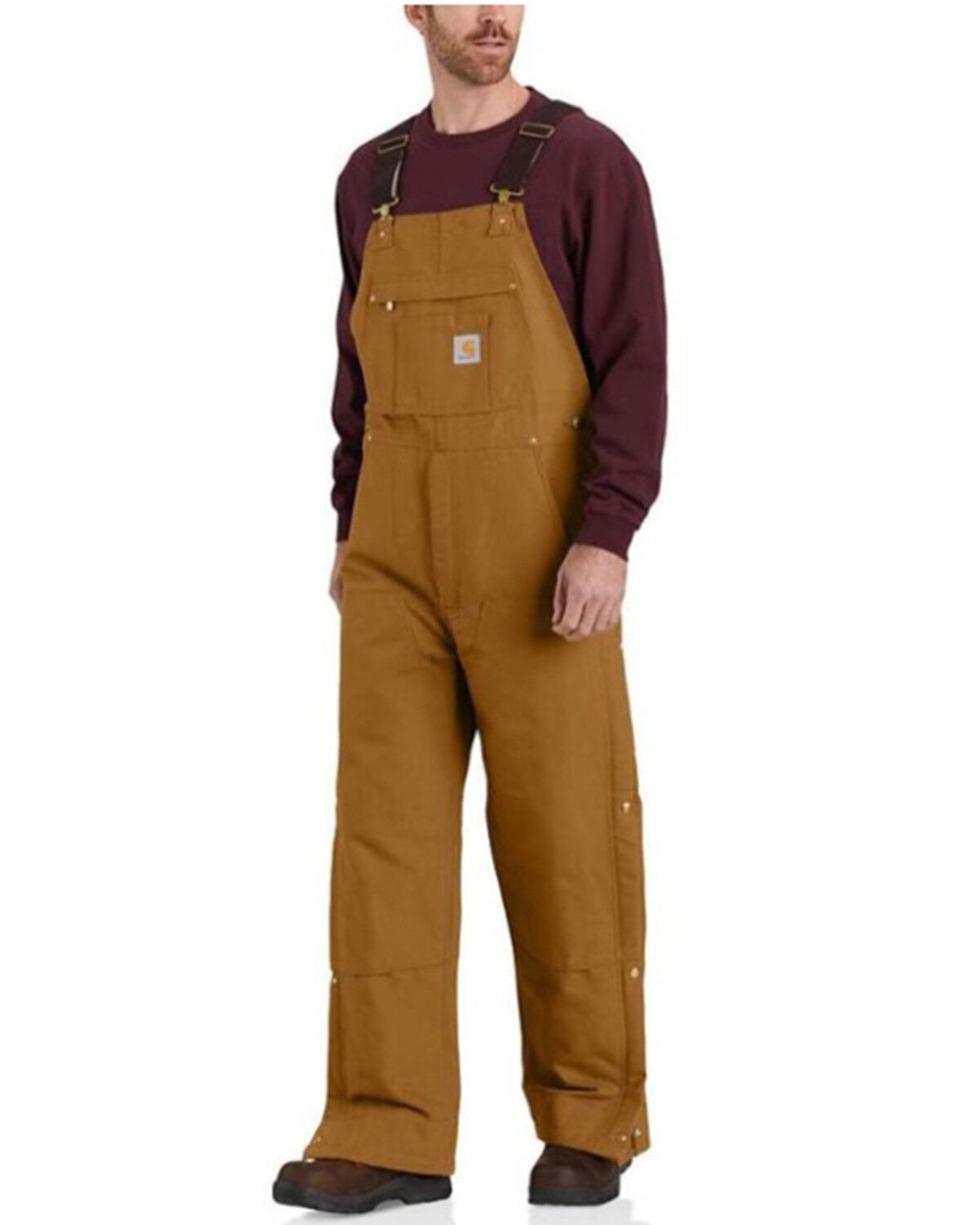
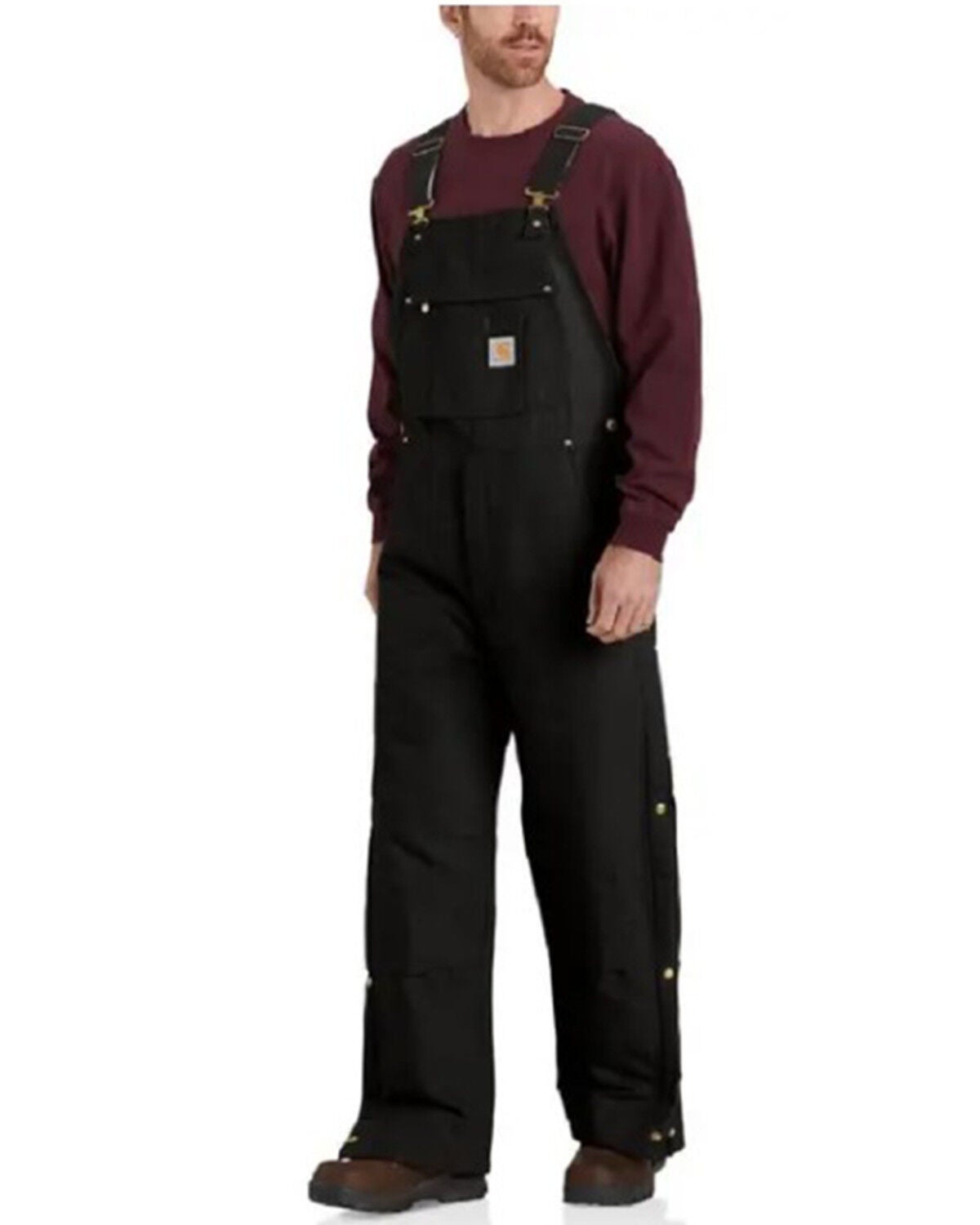
Men's Insulated Overalls

Men’s insulated overalls add warmth and coverage for work in cold weather. Browse insulated workwear with room for layers, and compare fit and coverage to find a pair suited to your workday.

Read More

Shop Your Store: Shop Your Store: Find a Store

(Turn off Shop Your Store to see all items)

(Turn off Shop Your Store to see all items)

close
  • Recommended
  • Lowest Price
  • Highest Price
Skip pass products
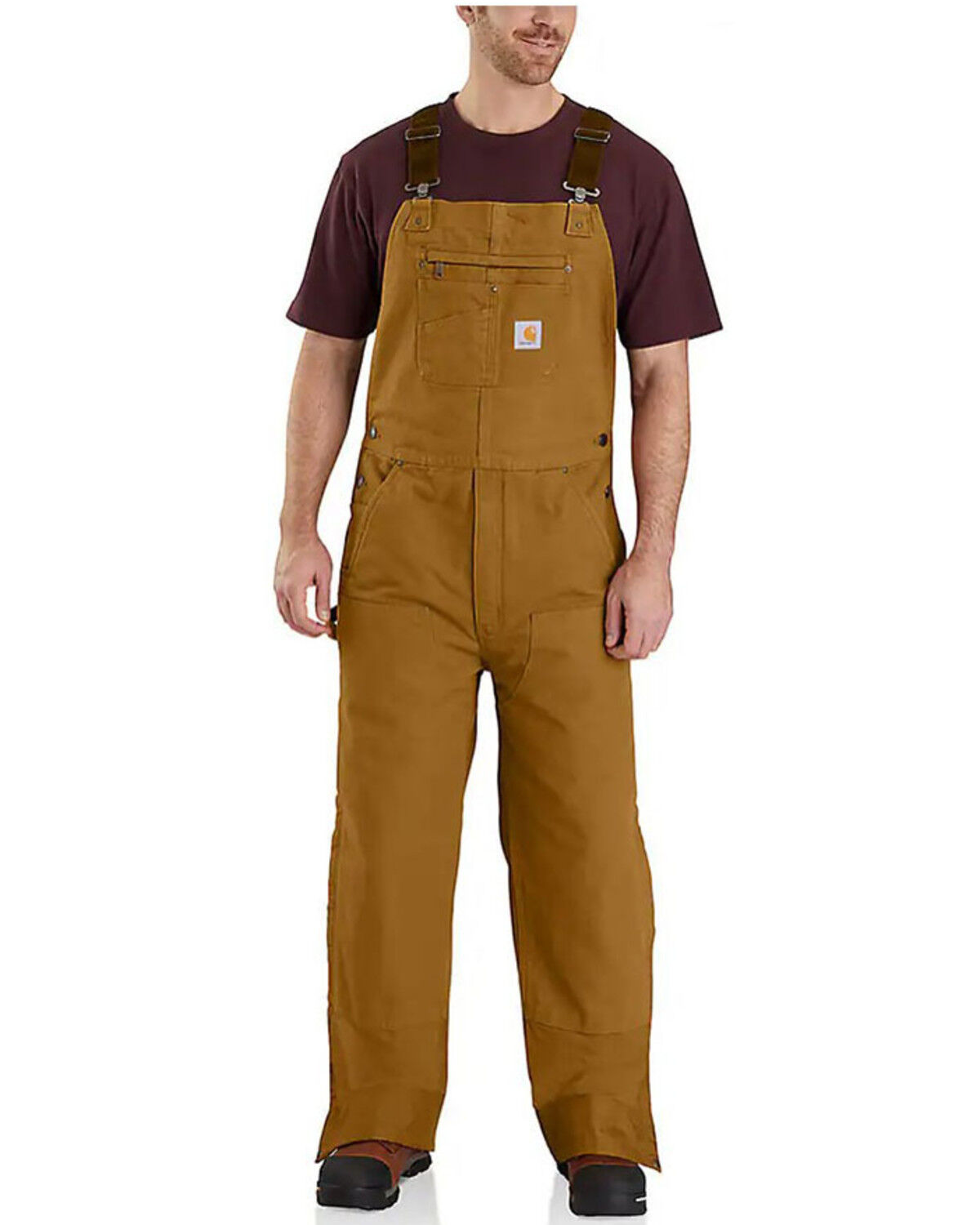
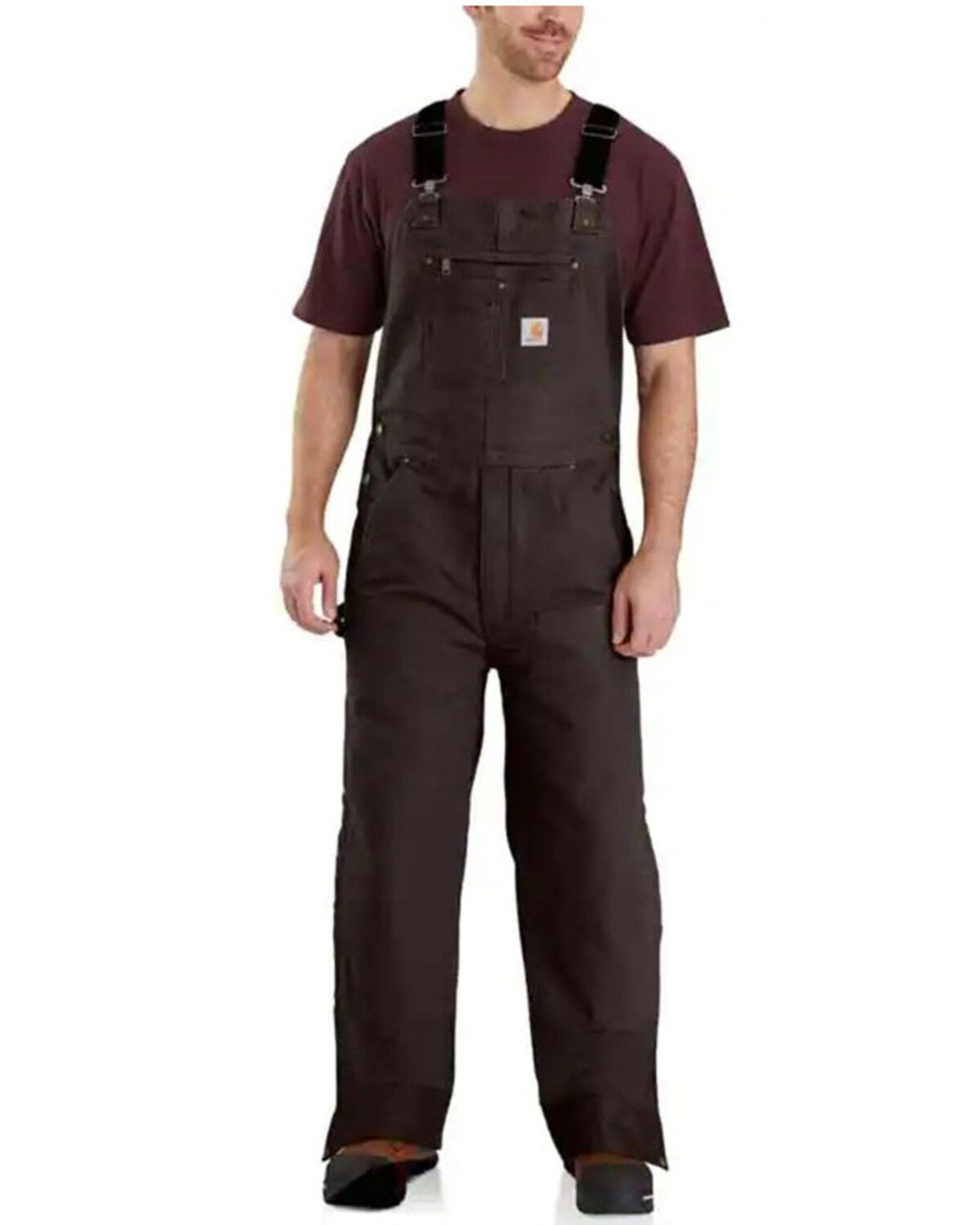
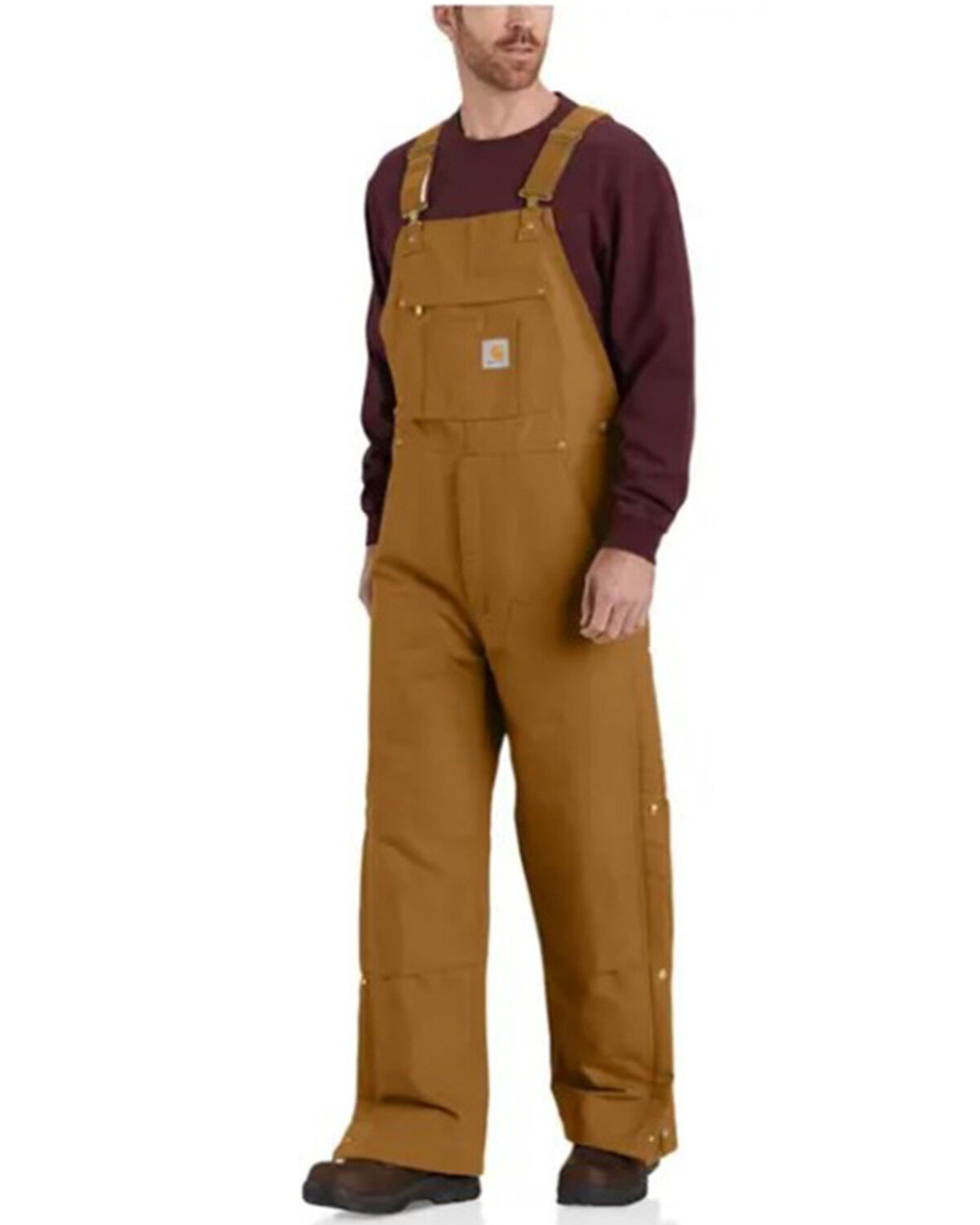
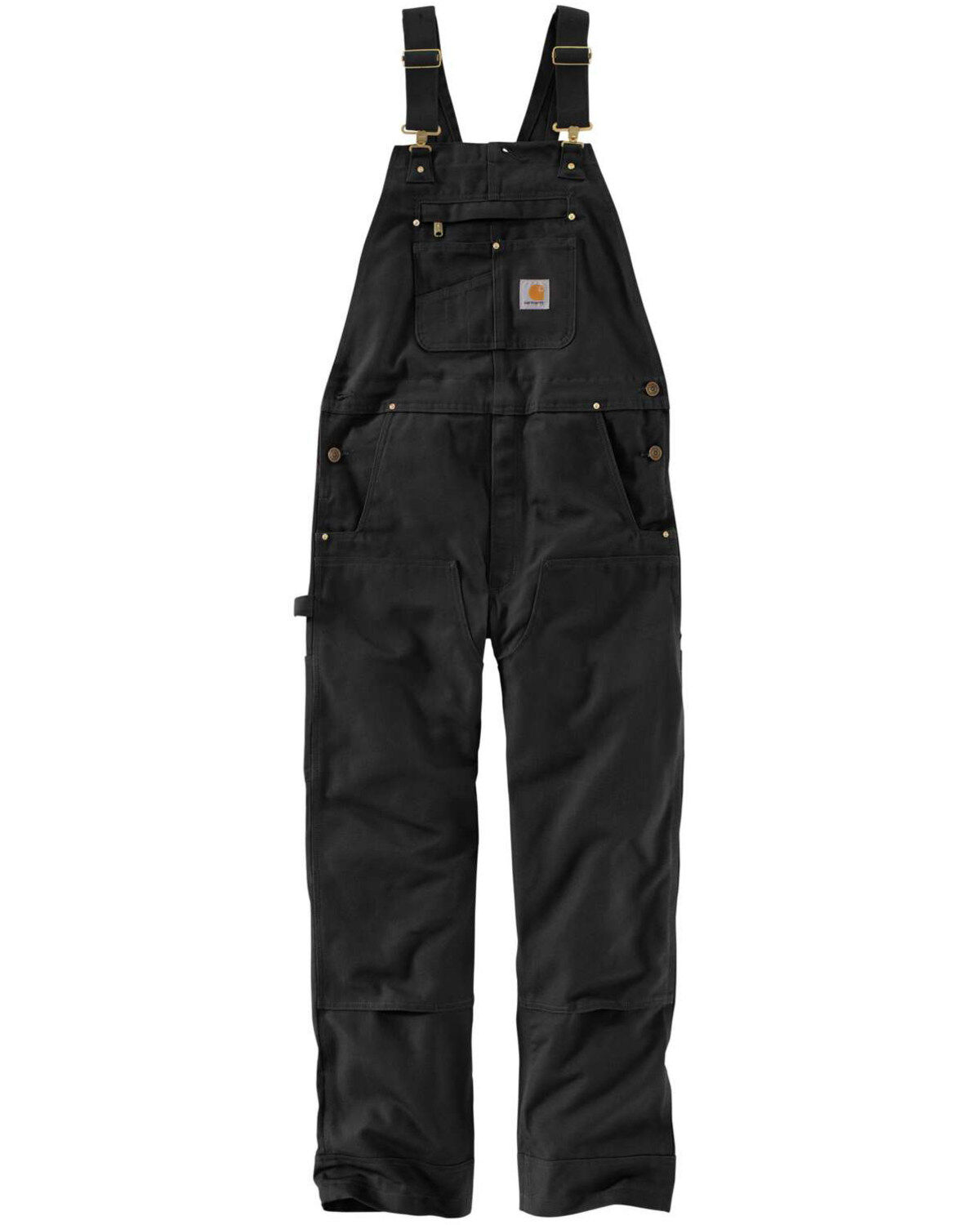
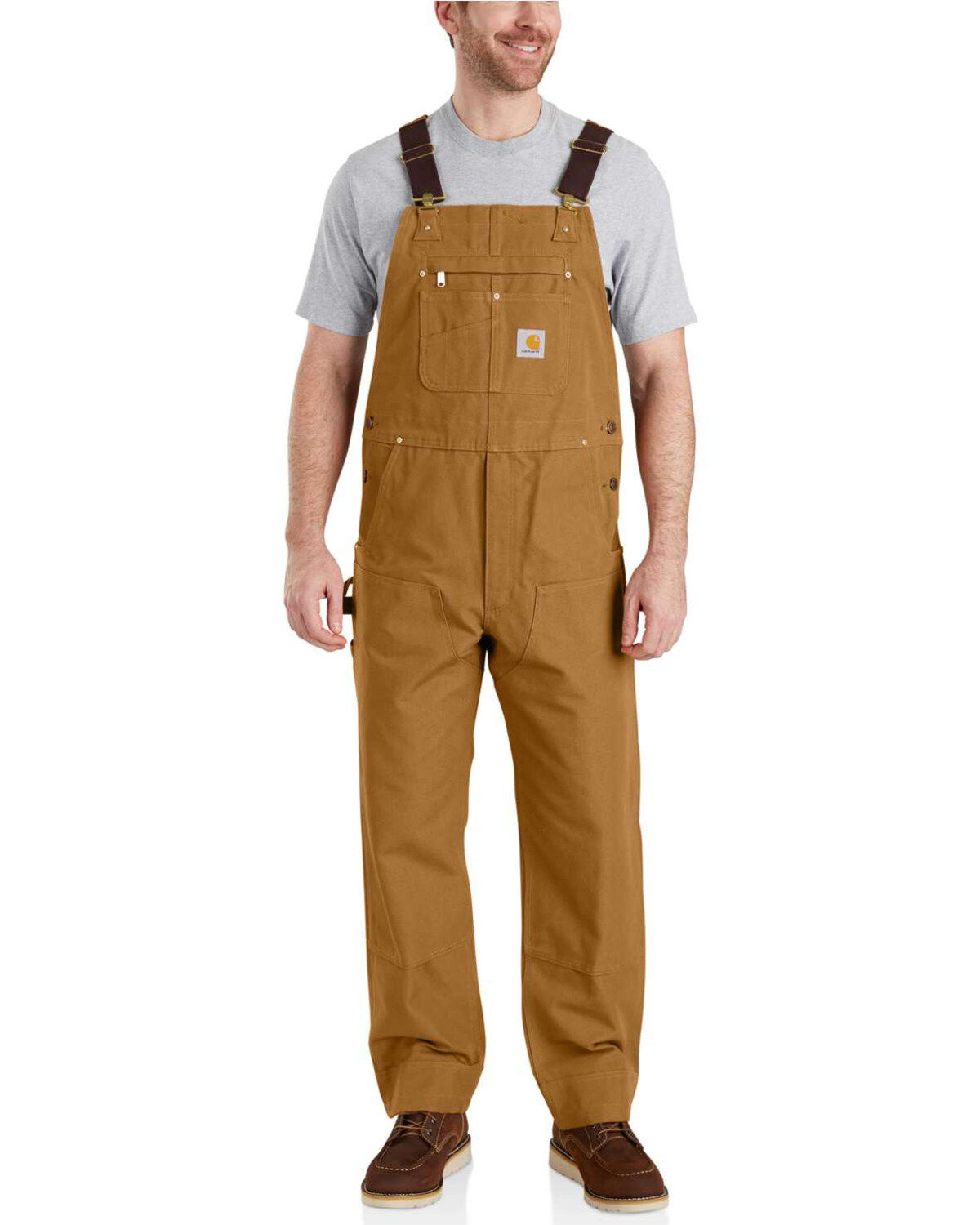
  • Men's Carhartt Quilt Lined Washed Bib Work Overalls - Tall

    Original Price $139.99 $67.48
    52% Total Savings

End of products

Men's Insulated Overalls

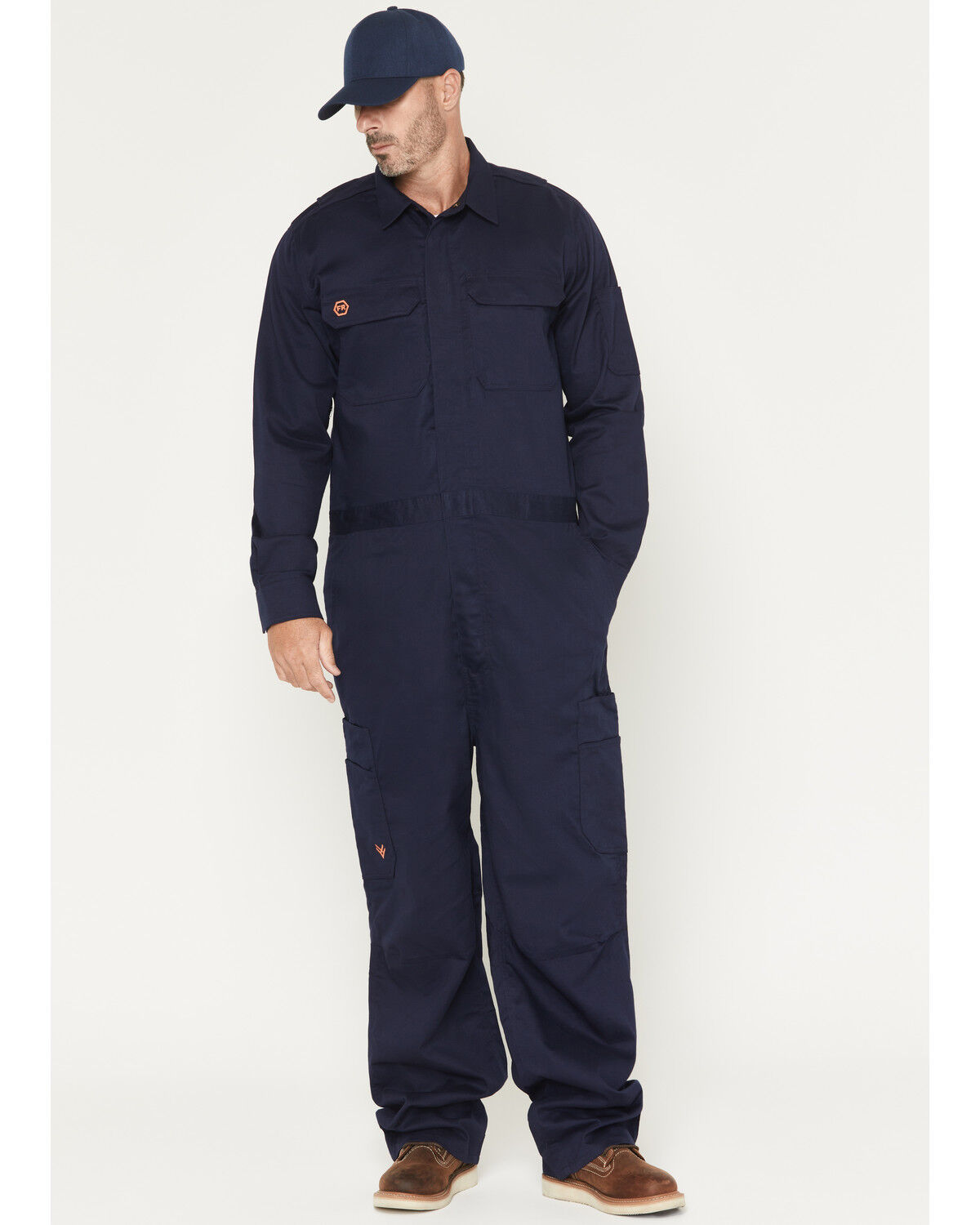
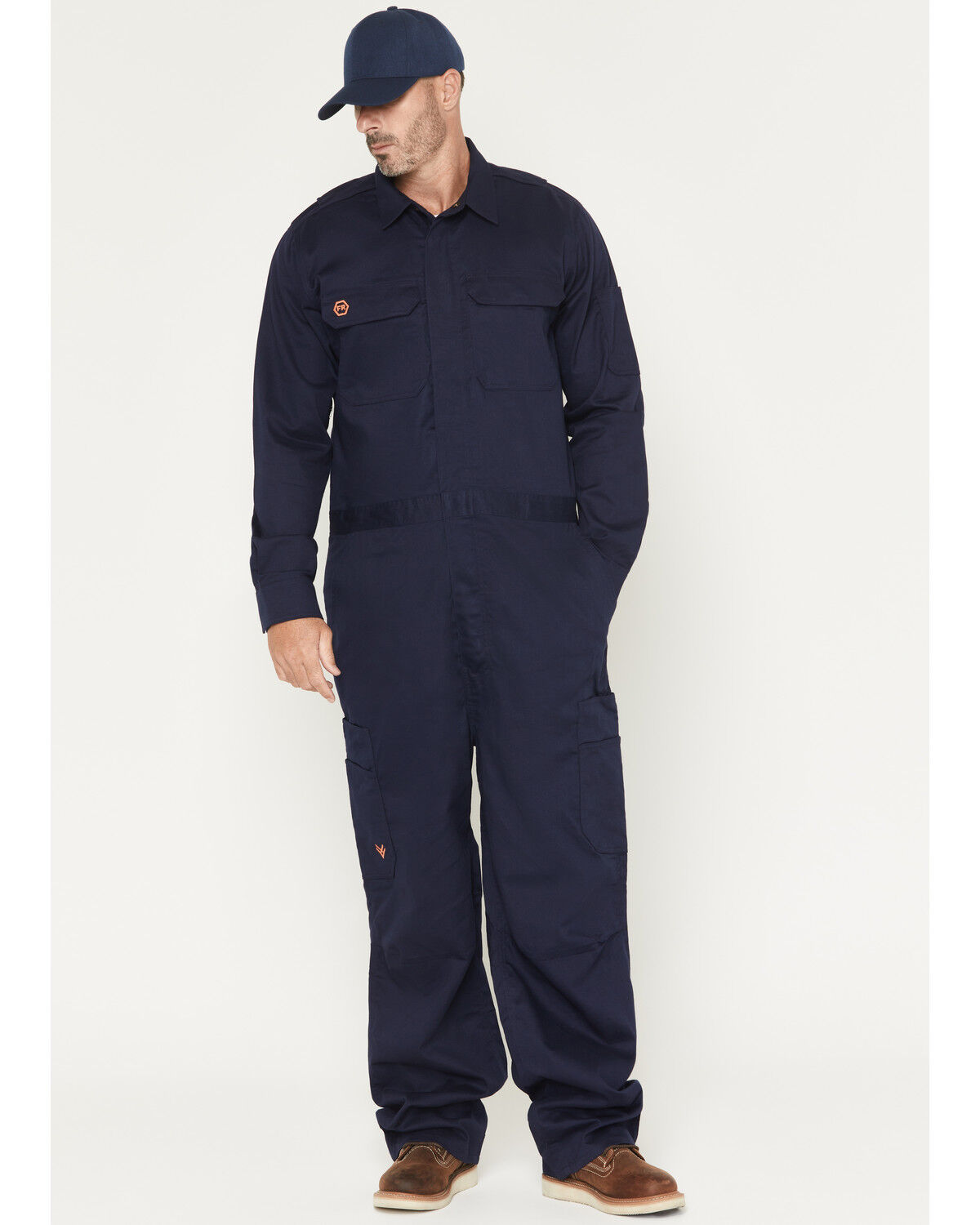
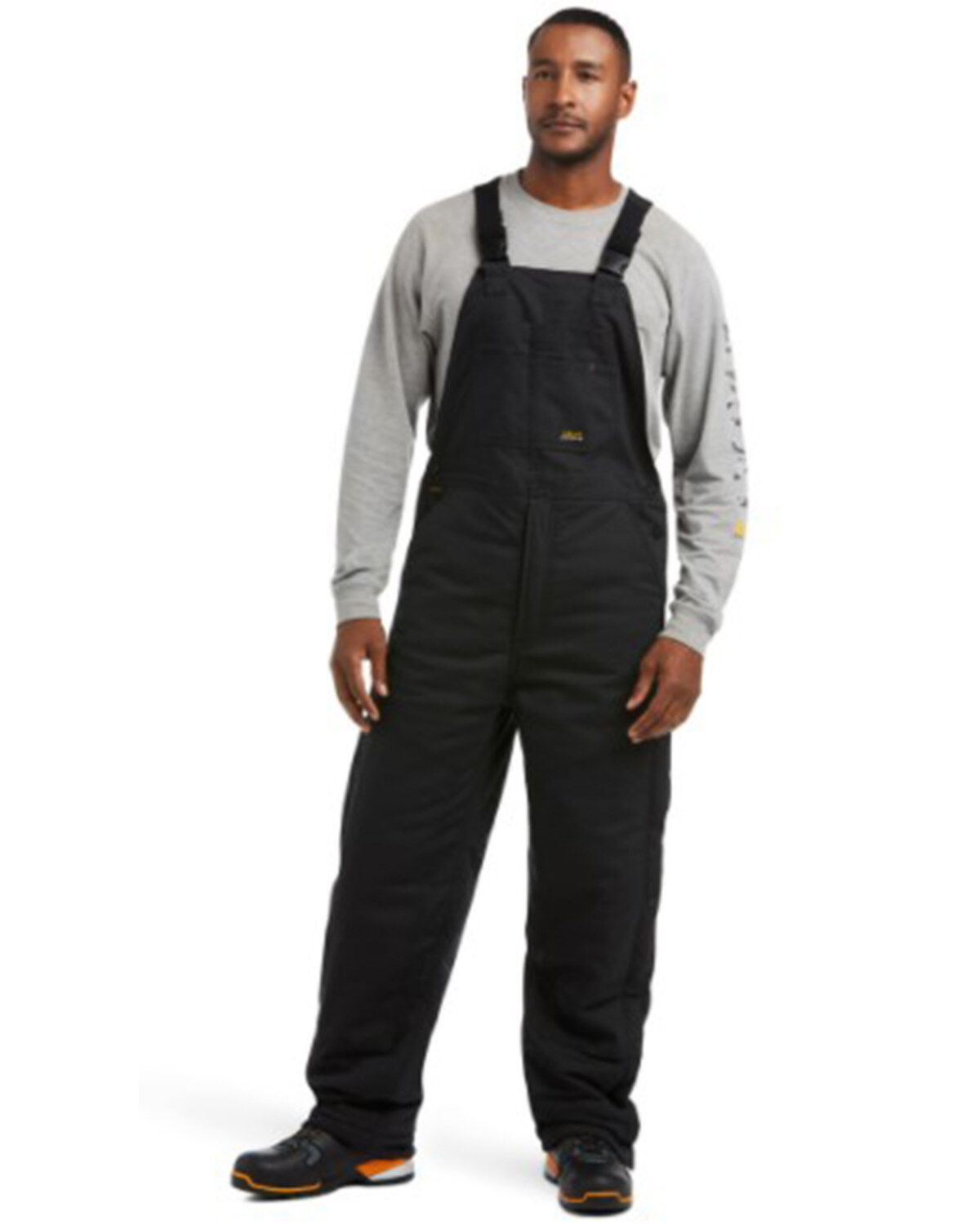
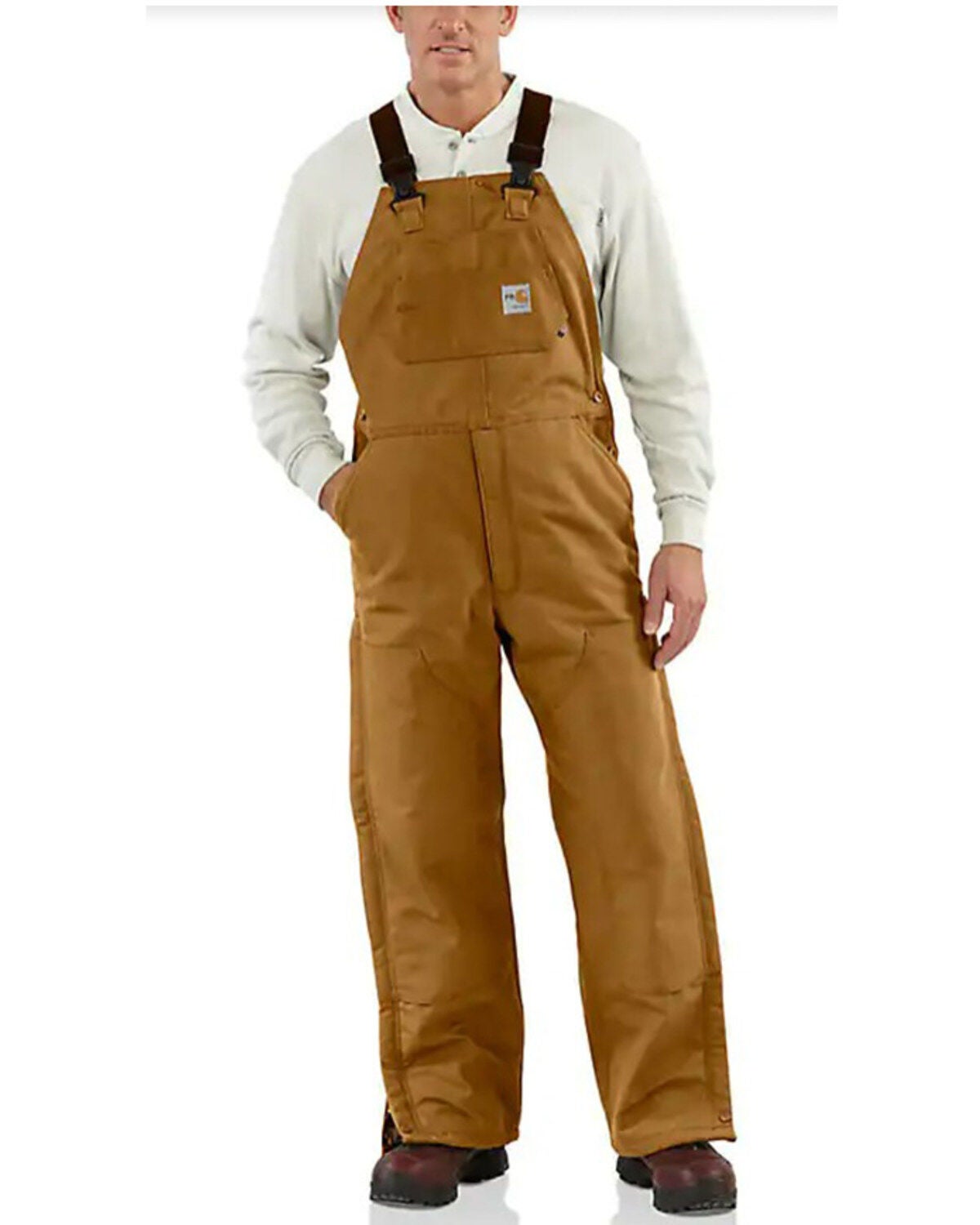
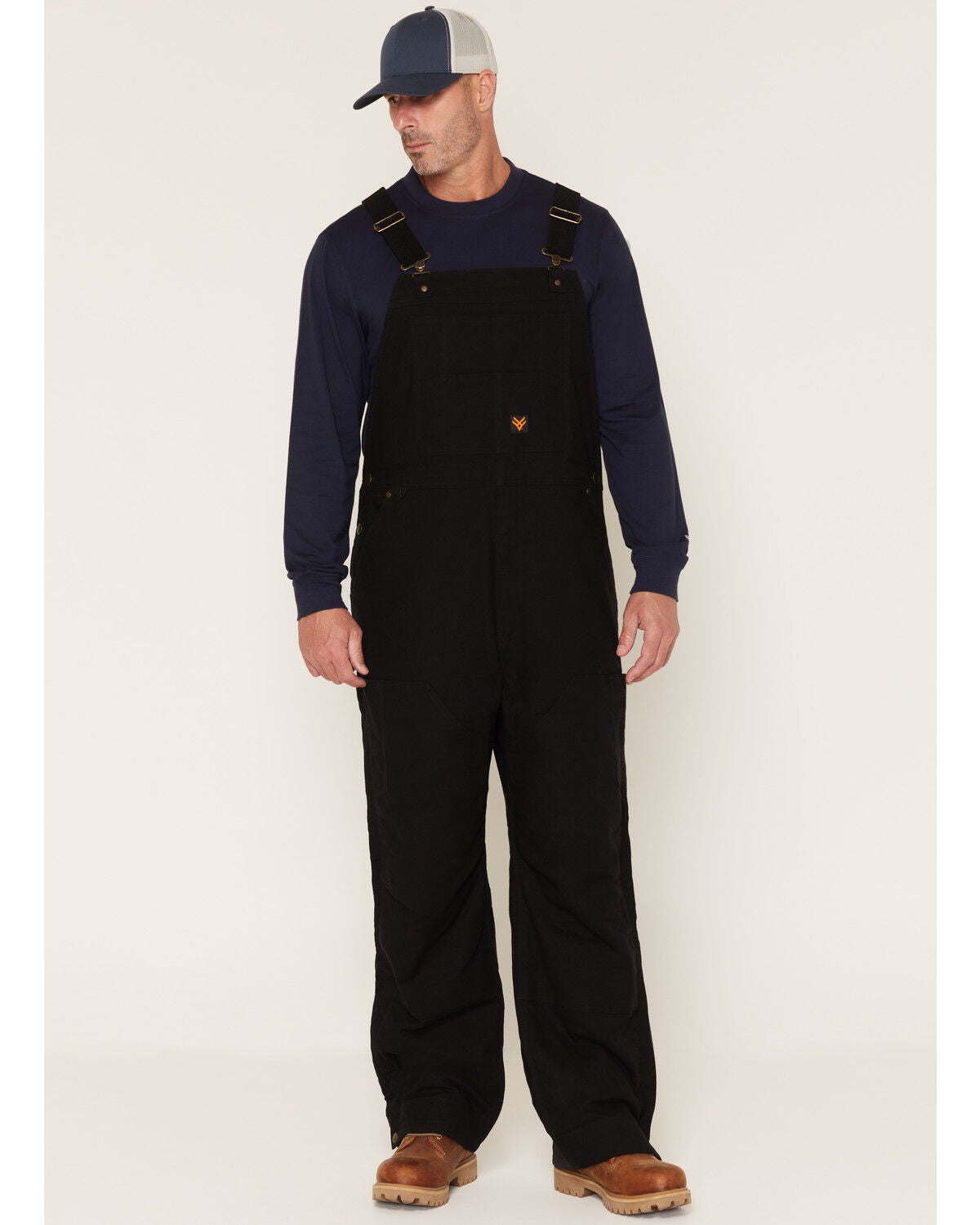
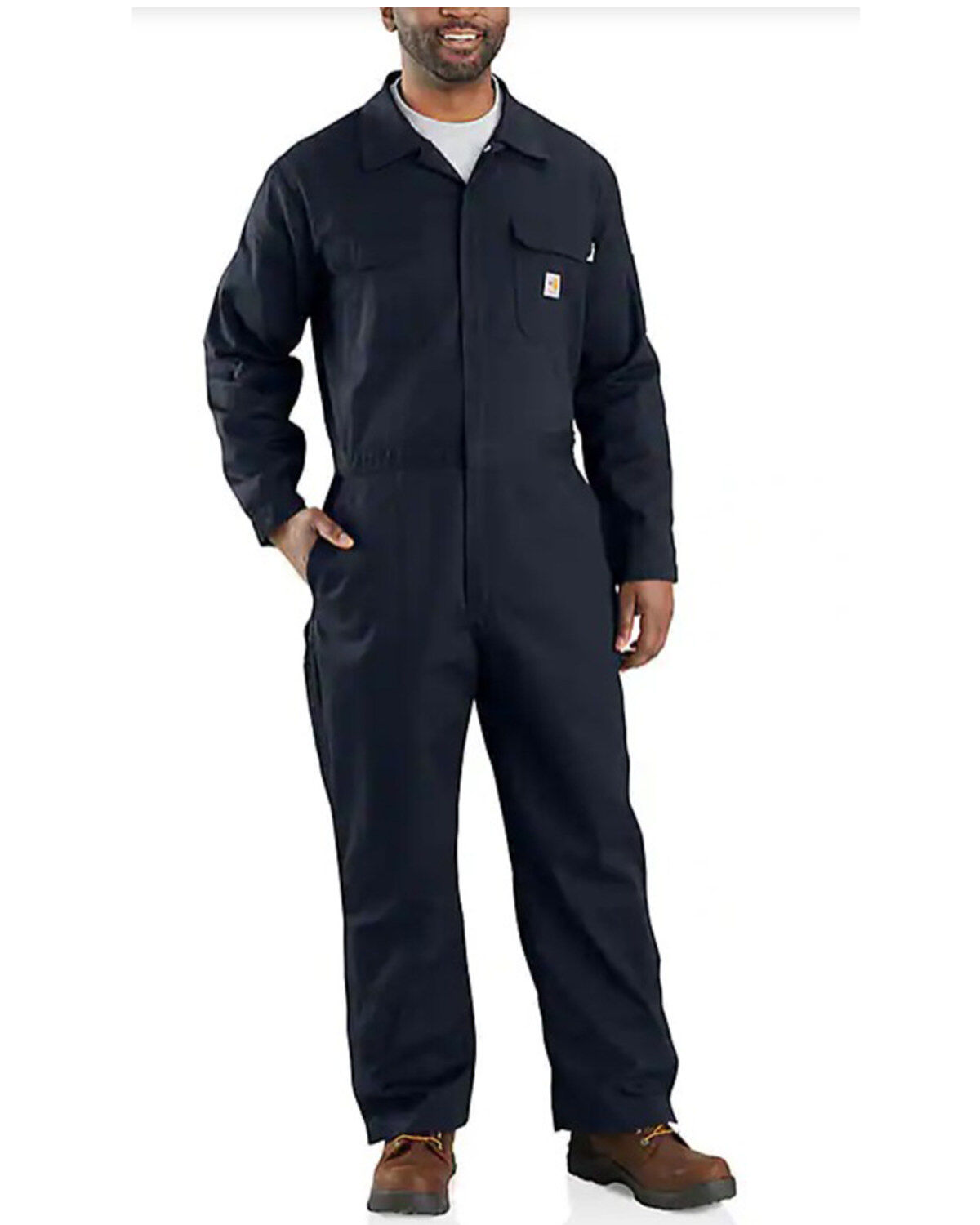
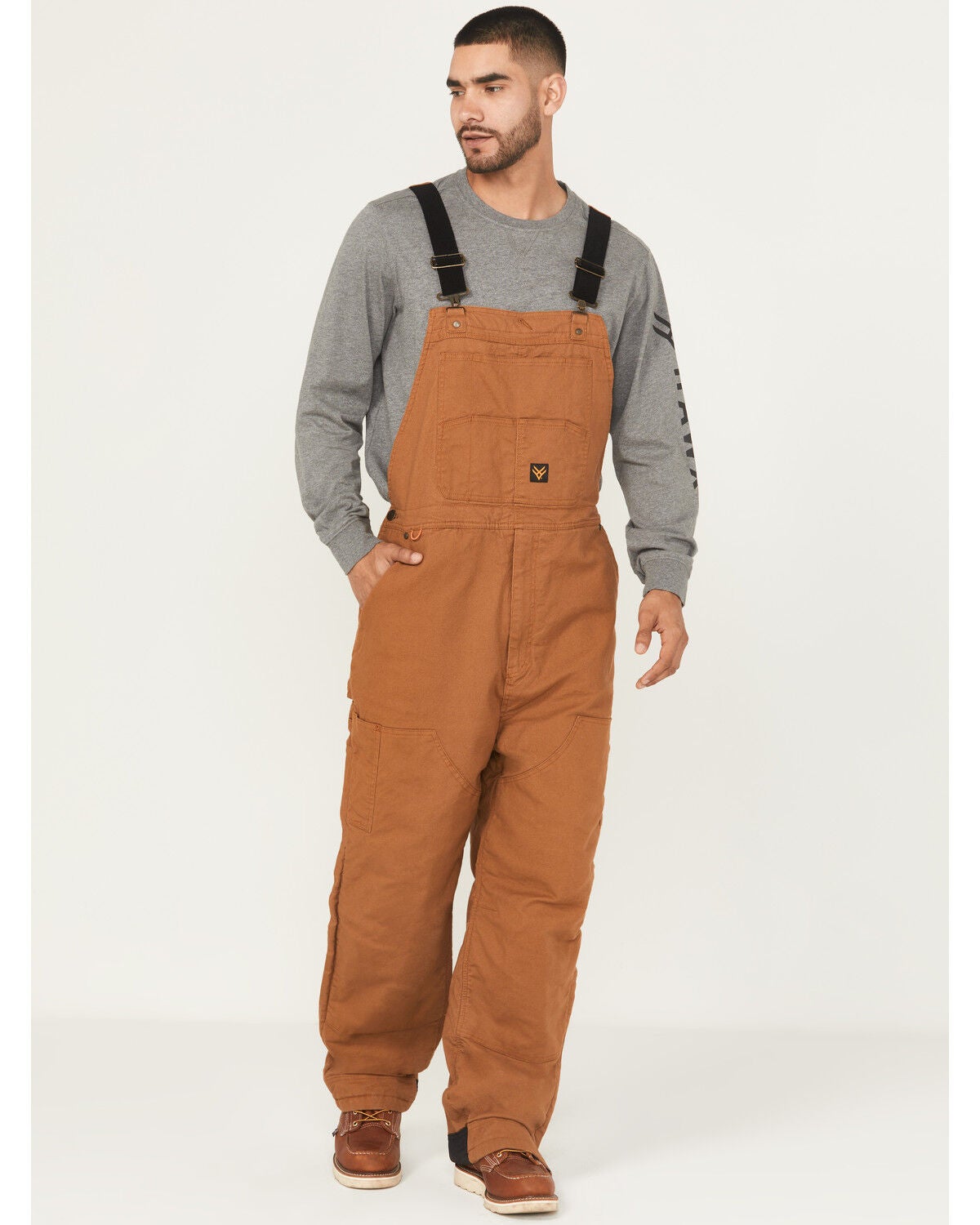
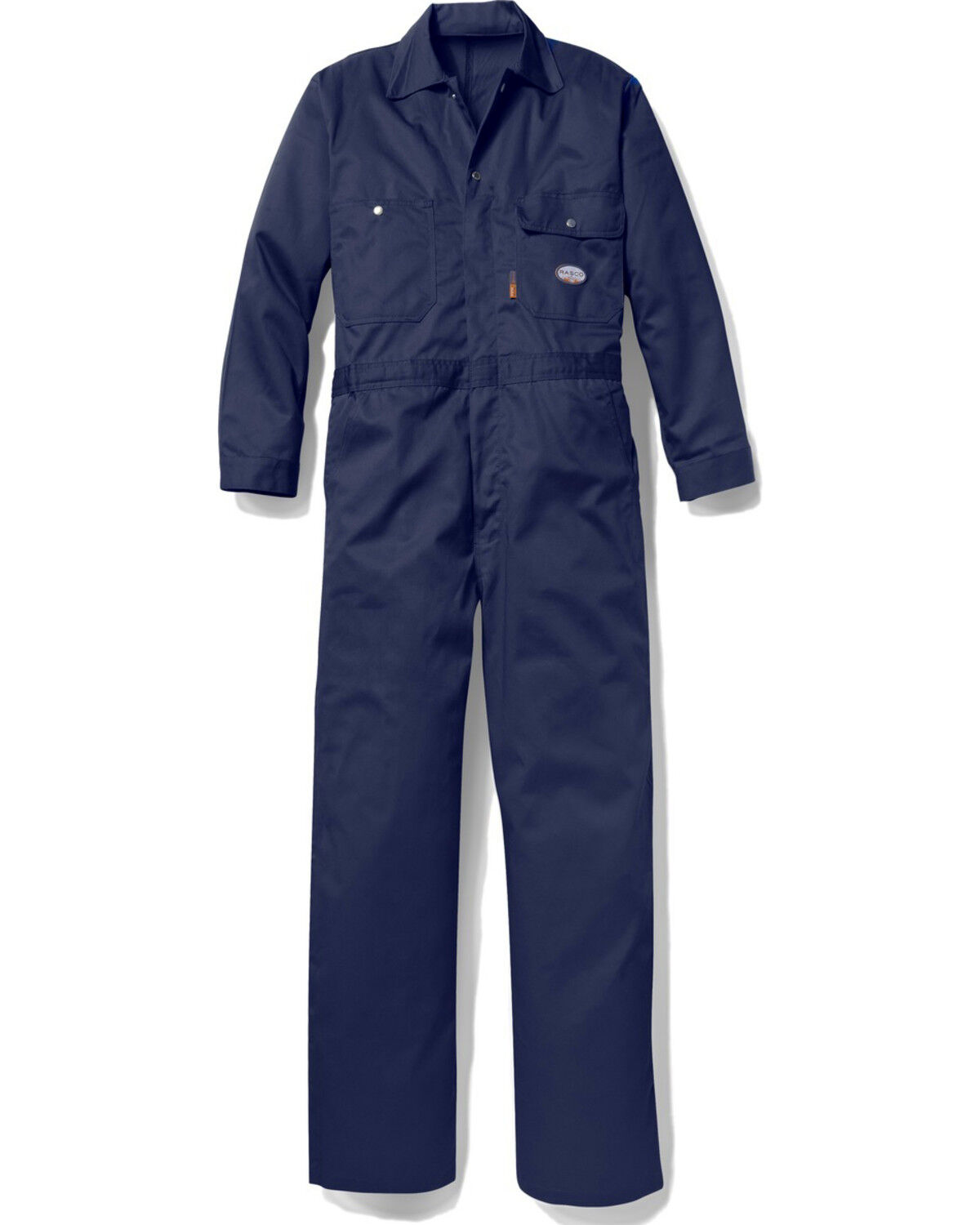
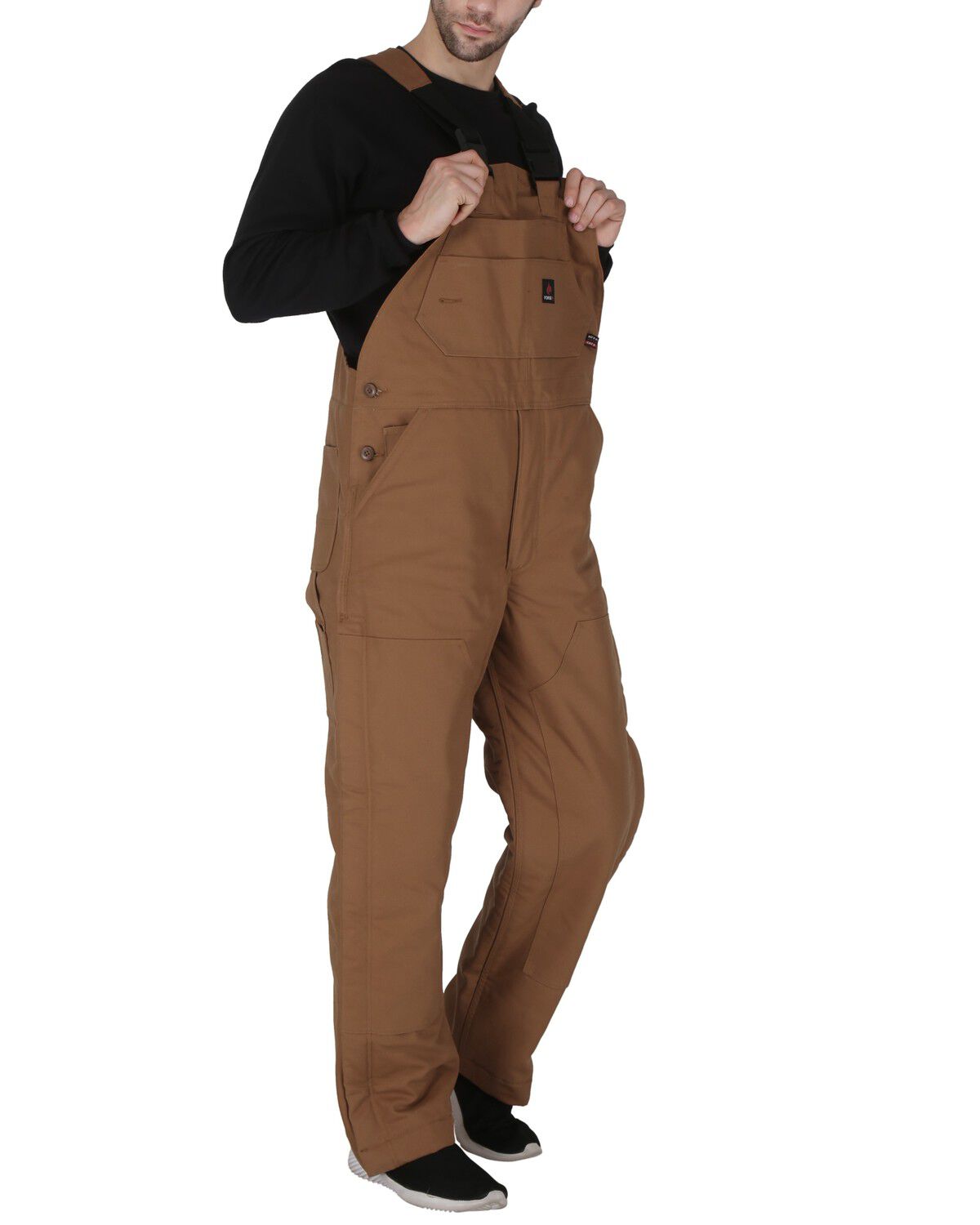
Men’s insulated overalls combine a durable outer shell with an insulating layer to help retain body heat during cold-weather work. Bib styles cover the chest, back, and legs while leaving the arms free for a separate jacket; insulated coveralls add sleeves and enclose more of the body in one garment. That distinction matters when comparing coverage, movement, and layering. For a ranch hand checking fences, a construction worker handling materials, or a homeowner clearing snow from a long driveway, insulated bib overalls provide coverage through repeated bending, kneeling, and reaching. The raised waist helps limit gaps between a shirt and pants, while adjustable shoulder straps support the garment without relying on a tight waistband. Outer fabrics can include cotton duck, polyester-cotton blends, and nylon, each with different strengths. Cotton duck has a dense weave suited to repeated contact with rough surfaces, although untreated cotton can absorb moisture and take time to dry. Blended fabrics can balance durability with easier care, while nylon shells can offer abrasion resistance without the same weight as heavy cotton canvas. Fabric weight, weave, and construction all affect performance; fiber content alone does not tell the whole story. Inside, quilted linings help hold insulation in place, and smooth lining fabrics make it easier to pull the garment over base layers and work pants. Synthetic insulation provides warmth by trapping air, while fleece-lined styles offer a different feel against clothing. Heavier insulation can be useful for extended periods of low activity, but extra bulk is not always an advantage when climbing, carrying, or walking throughout a shift. There is no single temperature rating that applies to all men’s insulated overalls. Comfort depends on insulation, wind, moisture, activity level, and the layers worn underneath. Water-resistant fabric can help shed limited moisture, but it should not be treated as waterproof unless the garment is identified that way. Snow, sleet, and prolonged rain place different demands on outerwear, making shell construction and stated weather protection as important as insulation.

Fit is central to how men’s insulated bib overalls perform through a full day. The garment needs enough room for the intended base layers and pants without excess fabric catching on tools or restricting a secure stance. A fit that feels comfortable while standing can become tight across the seat or thighs when crouching beside a trailer hitch or stepping onto equipment. Room through the hips, knees, and torso allows those movements without pulling the bib down or driving the straps into the shoulders. Adjustable straps help set the bib height, but they cannot correct an unsuitable waist size or inseam. Length also deserves attention: hems should cover the boot opening without dragging on the ground, collecting moisture, or wearing through at the heel. Measurements and garment size charts are more useful than assuming an everyday pants size will translate directly to insulated workwear. For men comparing Insulated Overalls, the clothing worn underneath is part of the fit, not an afterthought. A thin base layer and jeans require different room than several heavy layers. Leg openings and side zippers can make dressing over work boots easier, with longer openings generally allowing more access. Covered zippers, secure closures, and adjustable cuffs can help reduce drafts, depending on the design. Storage features also affect daily use. Chest pockets keep small essentials accessible above the waist, while deeper lower pockets can hold gloves or everyday tools. Pocket placement matters when wearing a tool belt, climbing a ladder, or sitting in a vehicle. Reinforced knees and seat panels add material where kneeling and repeated contact can cause wear, and reinforced seams can help withstand strain at high-use points. Hardware should be practical with gloves on, especially when a worker needs to open a pocket or adjust a strap outdoors. Loose straps, open pockets, and unnecessary bulk need attention around moving equipment. Insulated overalls provide warmth and coverage, but they are not a substitute for task-specific protective equipment. Flame resistance, high visibility, and other safety properties must be stated for the garment rather than assumed from a rugged appearance.

The intended job helps determine which construction details matter most. Someone standing at an outdoor gate for long stretches needs a different balance of insulation and mobility than someone carrying feed bags between a barn and a truck. Frequent transitions between indoor and outdoor spaces make layering useful because heat buildup can leave clothing damp with perspiration. A moisture-managing base layer, suitable midlayer, and insulated outer garment work together, while a separate jacket can provide upper-body coverage with bib styles. Work boots, gloves, and headwear complete that coverage; overalls alone cannot keep exposed hands or feet comfortable. Durability also depends on how the garment is used and maintained. Kneeling on concrete, brushing against fencing, and loading rough lumber stress different areas, so reinforcement is most valuable where it matches the work. Care begins with the sewn-in label because shell fabrics, insulation, linings, and protective finishes do not all tolerate the same washing and drying methods. Empty pockets, secure closures as directed, and remove heavy dirt before laundering. Strong detergents, bleach, fabric softener, or excessive dryer heat may be unsuitable for certain materials or finishes. Insulated garments need to dry thoroughly before storage so moisture does not remain trapped in the lining. A clean, dry storage space helps preserve their condition between uses. Checking strap attachments, zipper operation, seams, and hems makes it easier to address small problems before they interfere with a shift. Worn cuffs and damaged closures deserve attention because they can affect both coverage and usability. Men’s insulated overalls can also be a practical gift for someone who works outdoors, maintains property, or spends hours on winter chores. Size, layering habits, and the recipient’s actual work are more useful starting points than appearance alone. The right pair leaves room to move, keeps needed tools within reach, and provides warmth suited to the task without unnecessary bulk. Those everyday details are what make insulated workwear useful from the first fence check to the last load of the day.
Read More

FAQs