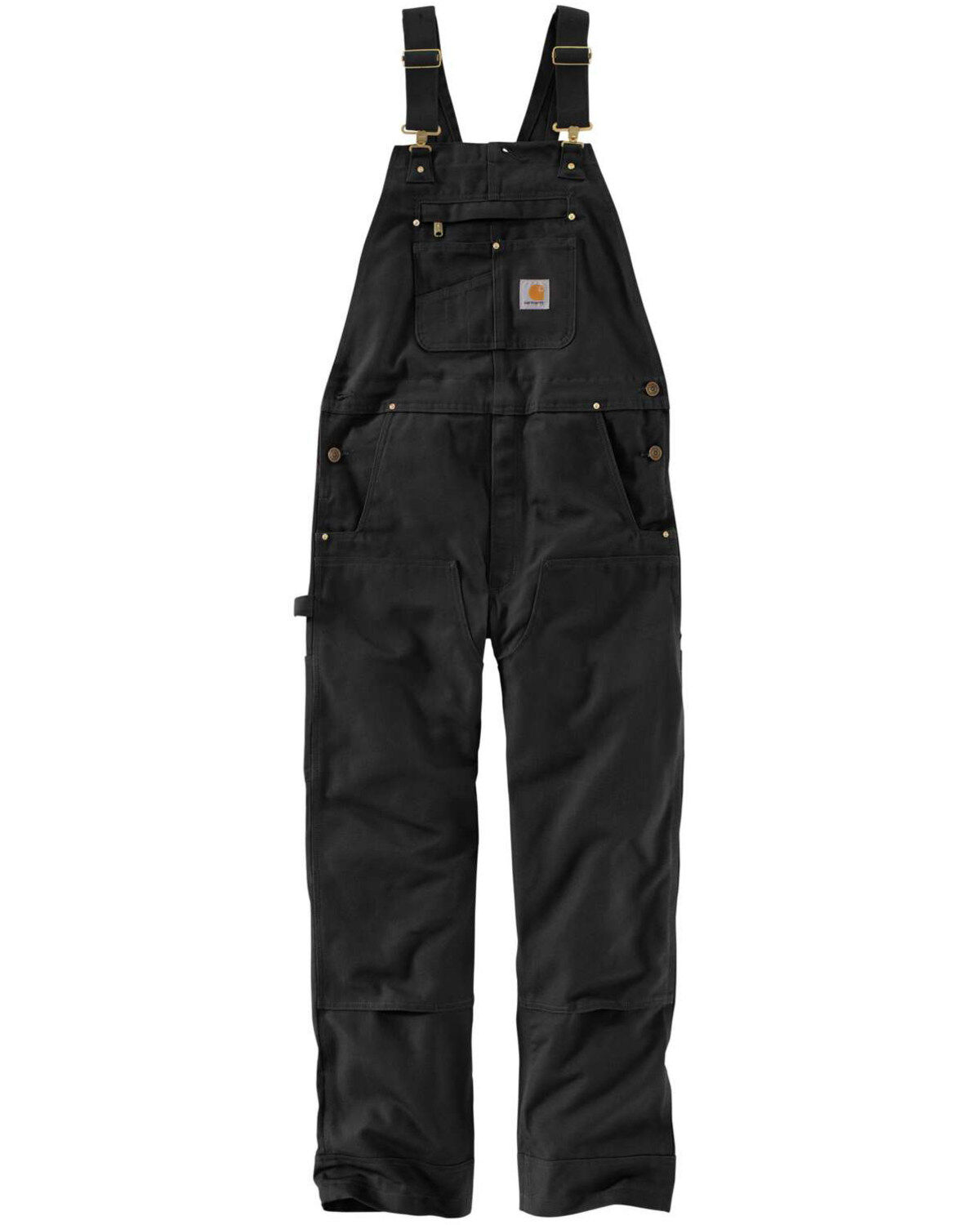
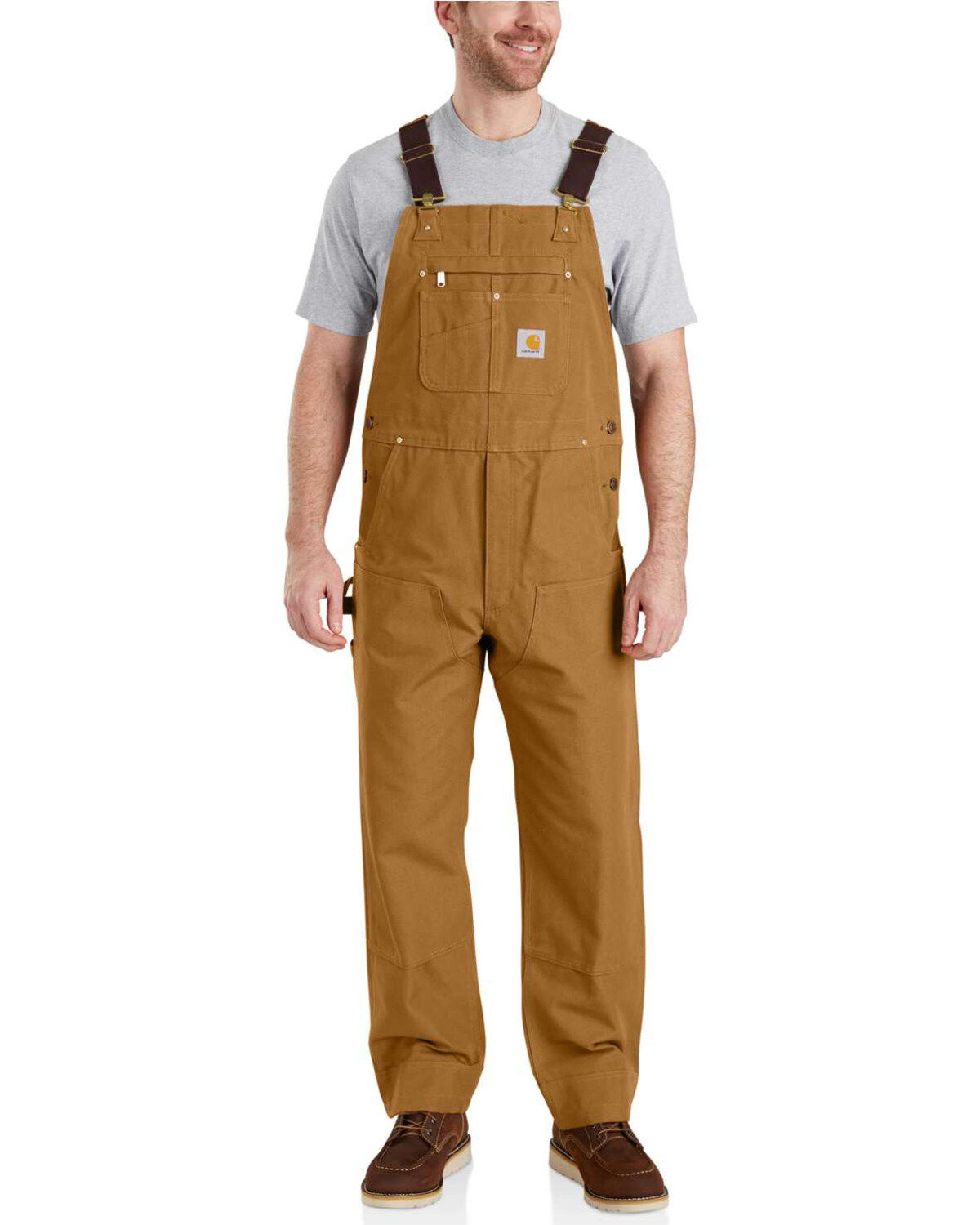
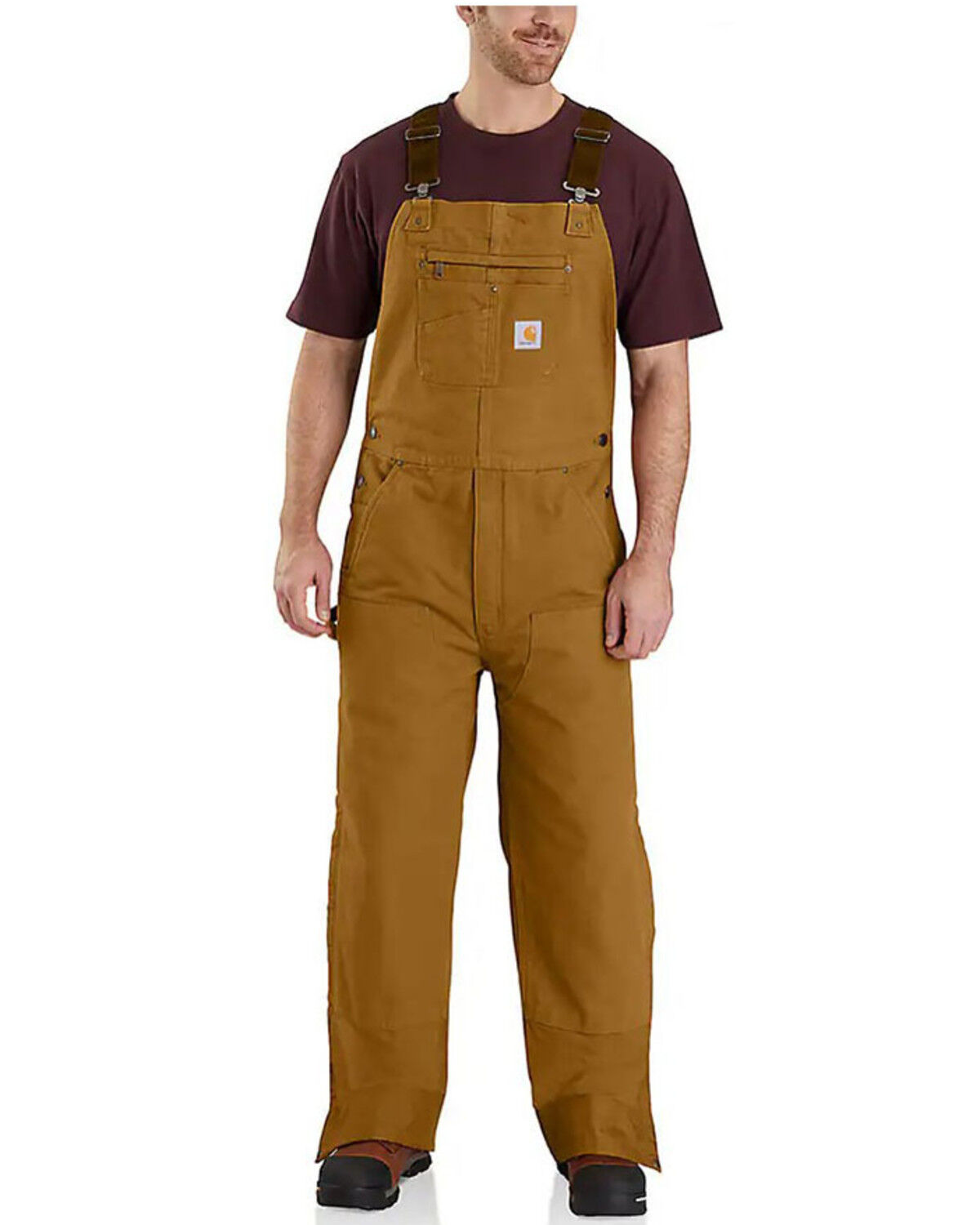
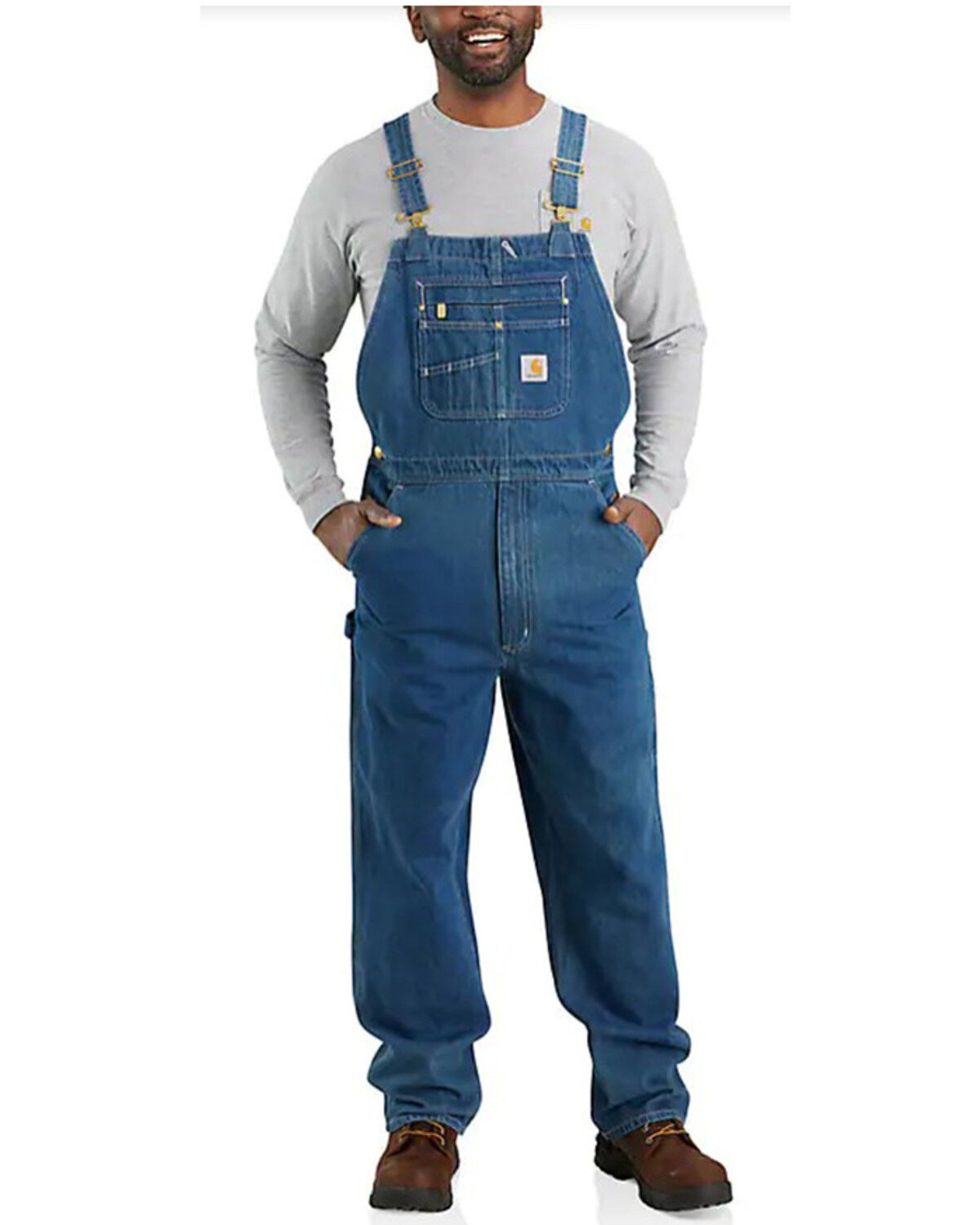
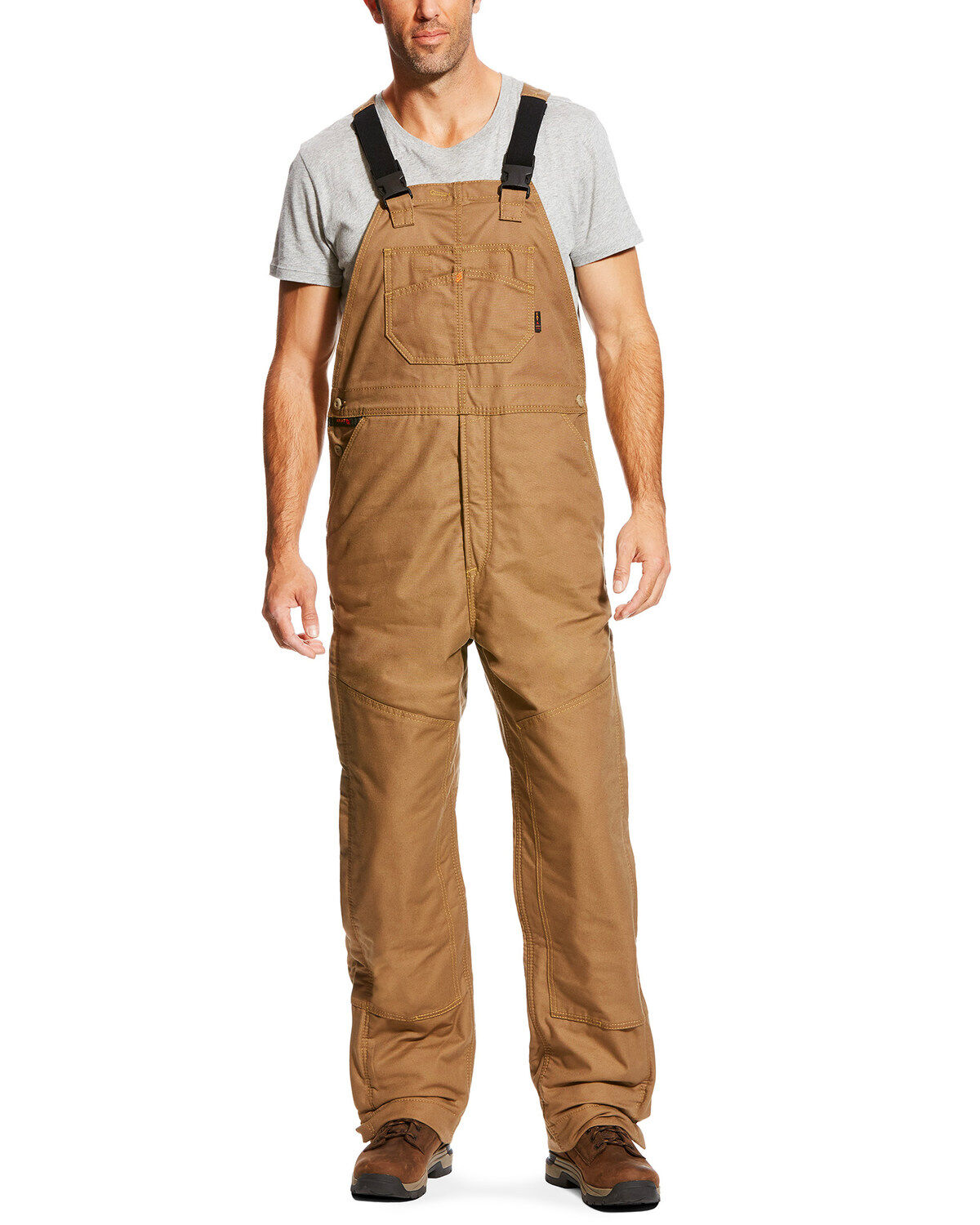
Fire Resistant Insulated Bib Overalls

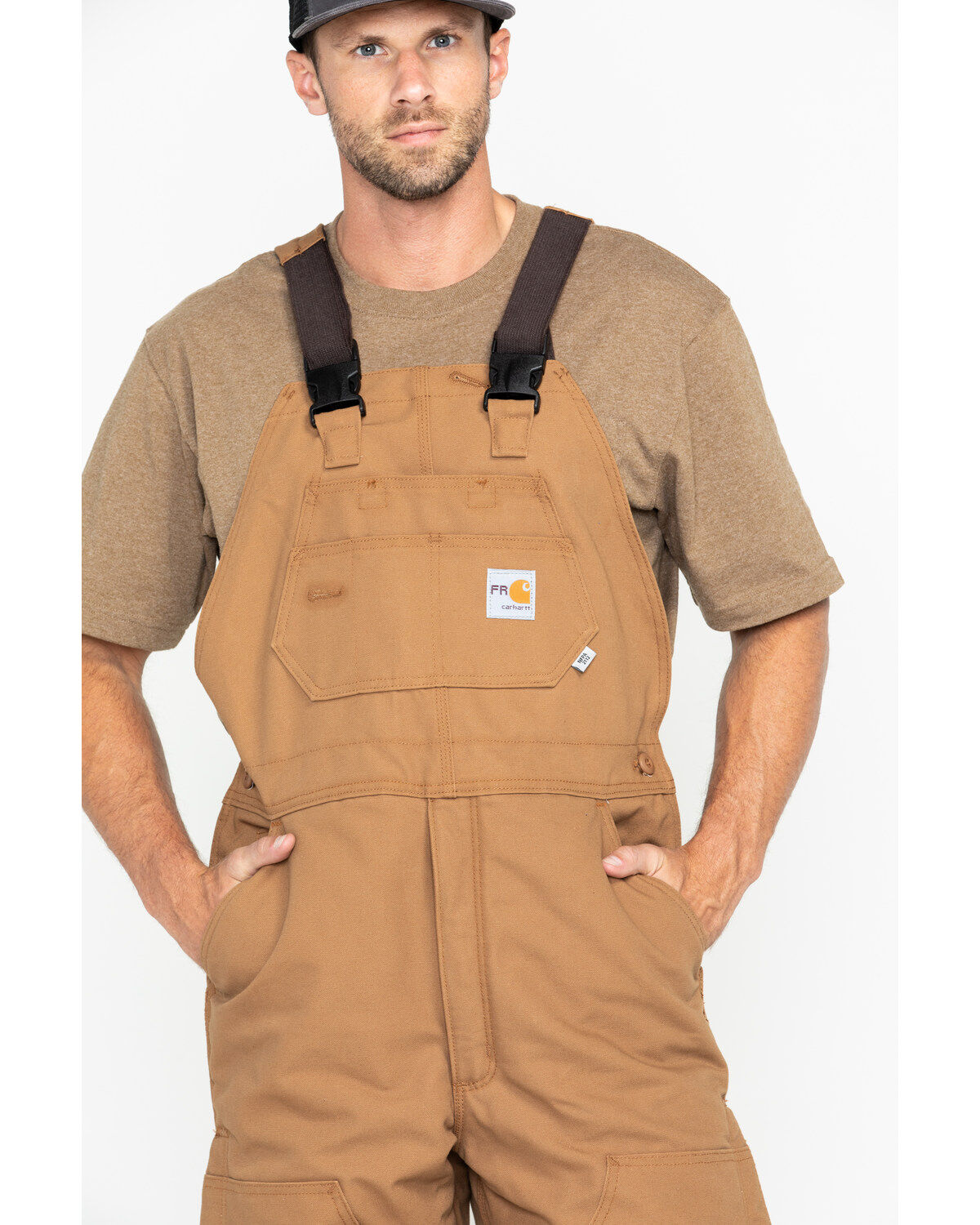
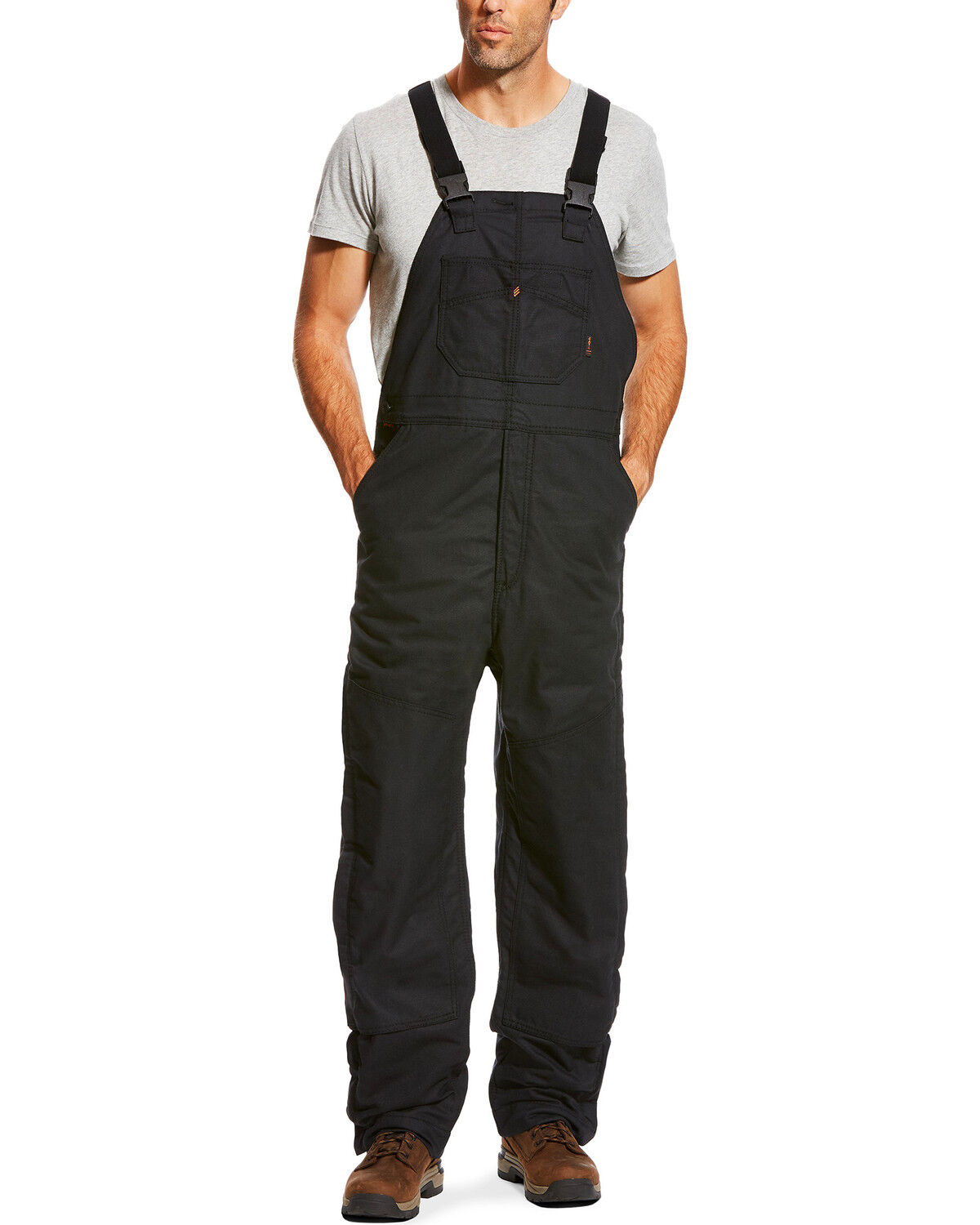
Shop fire resistant insulated bib overalls for cold-weather work that requires flame-resistant coverage. Review each pair’s fit, care instructions and listed safety ratings to find insulated workwear suited to your job’s requirements.
Read More

Shop Your Store: Shop Your Store: Find a Store

(Turn off Shop Your Store to see all items)

(Turn off Shop Your Store to see all items)

close
  • Recommended
  • Lowest Price
  • Highest Price
Skip pass products

End of products

Fire Resistant Insulated Bib Overalls

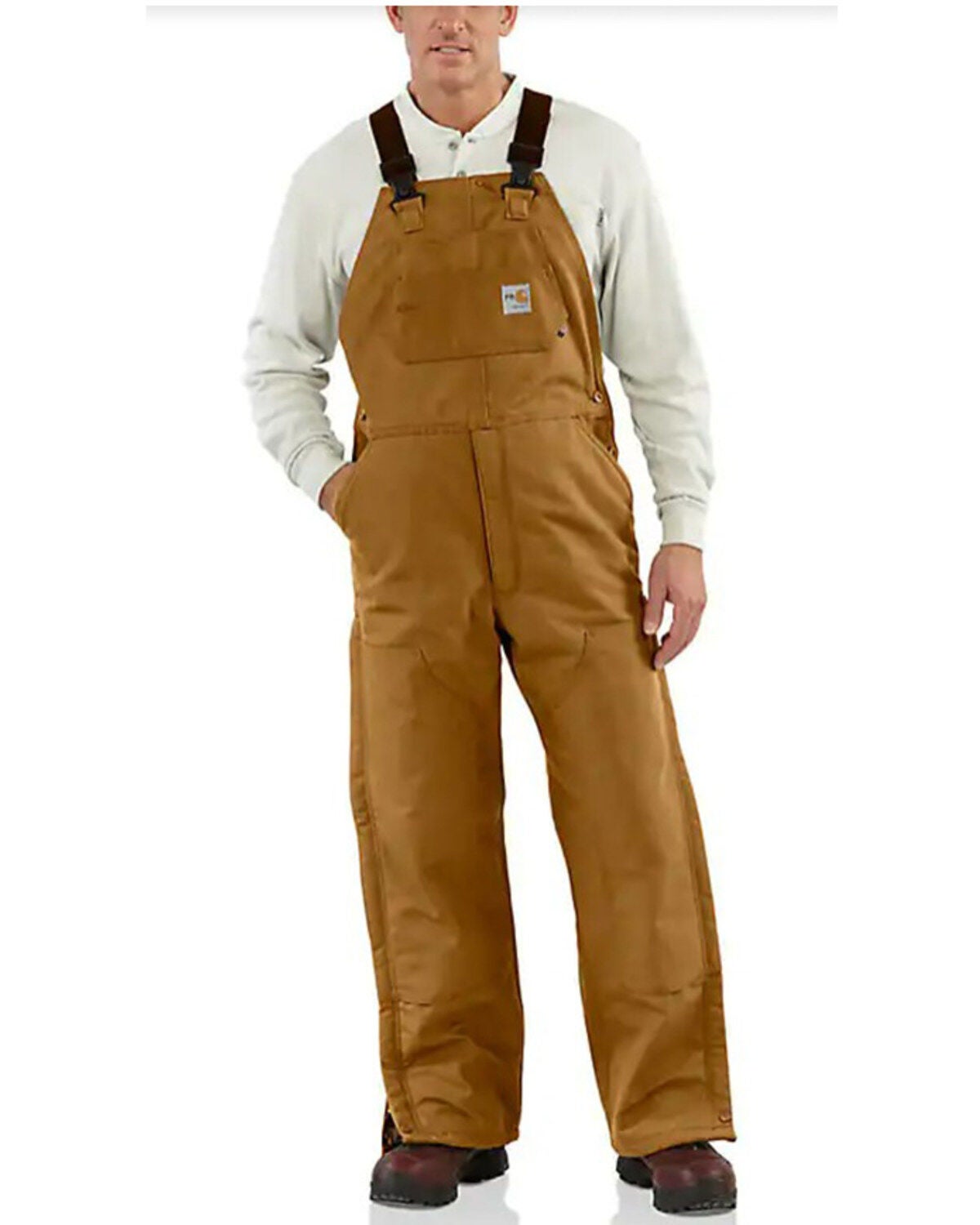
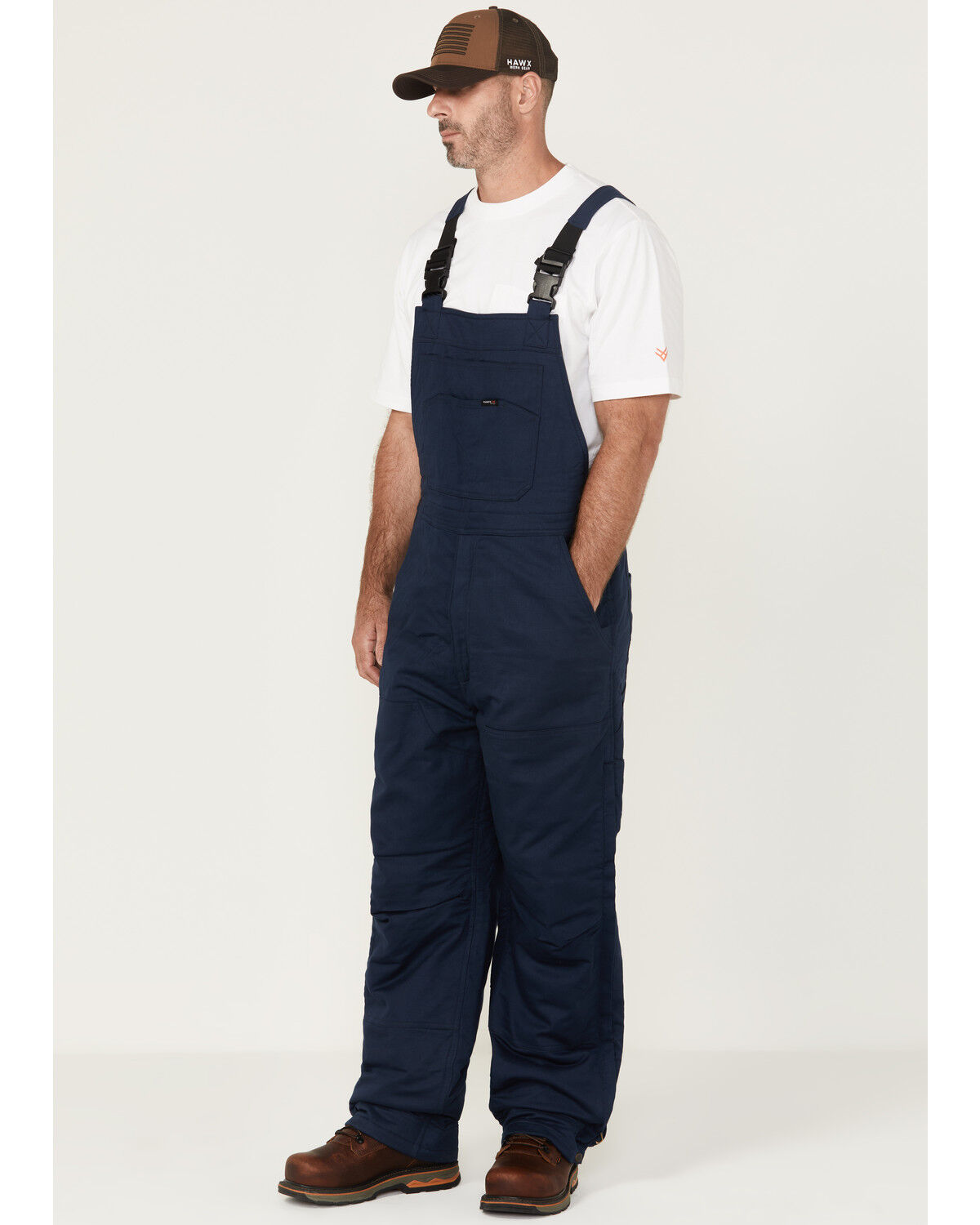
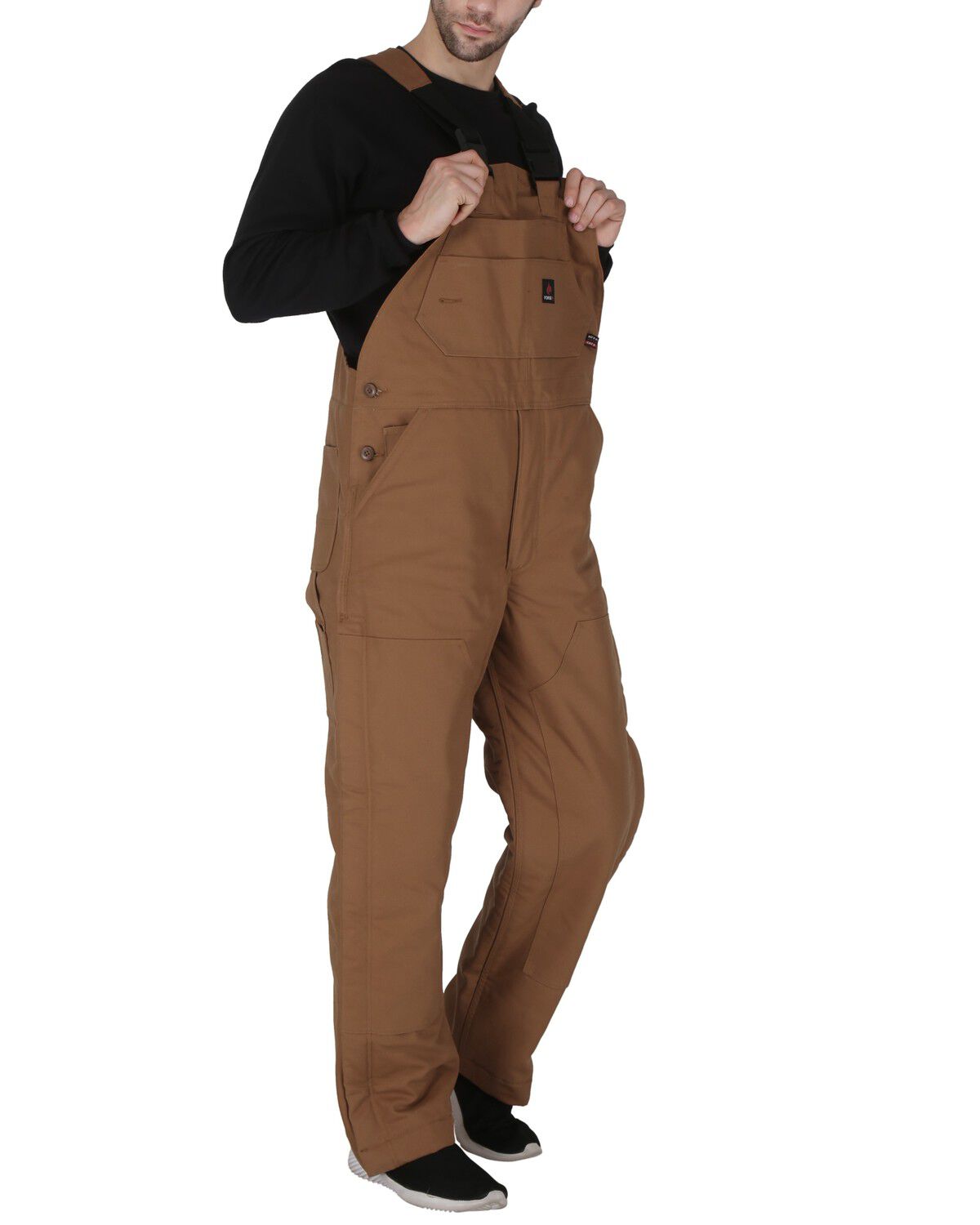
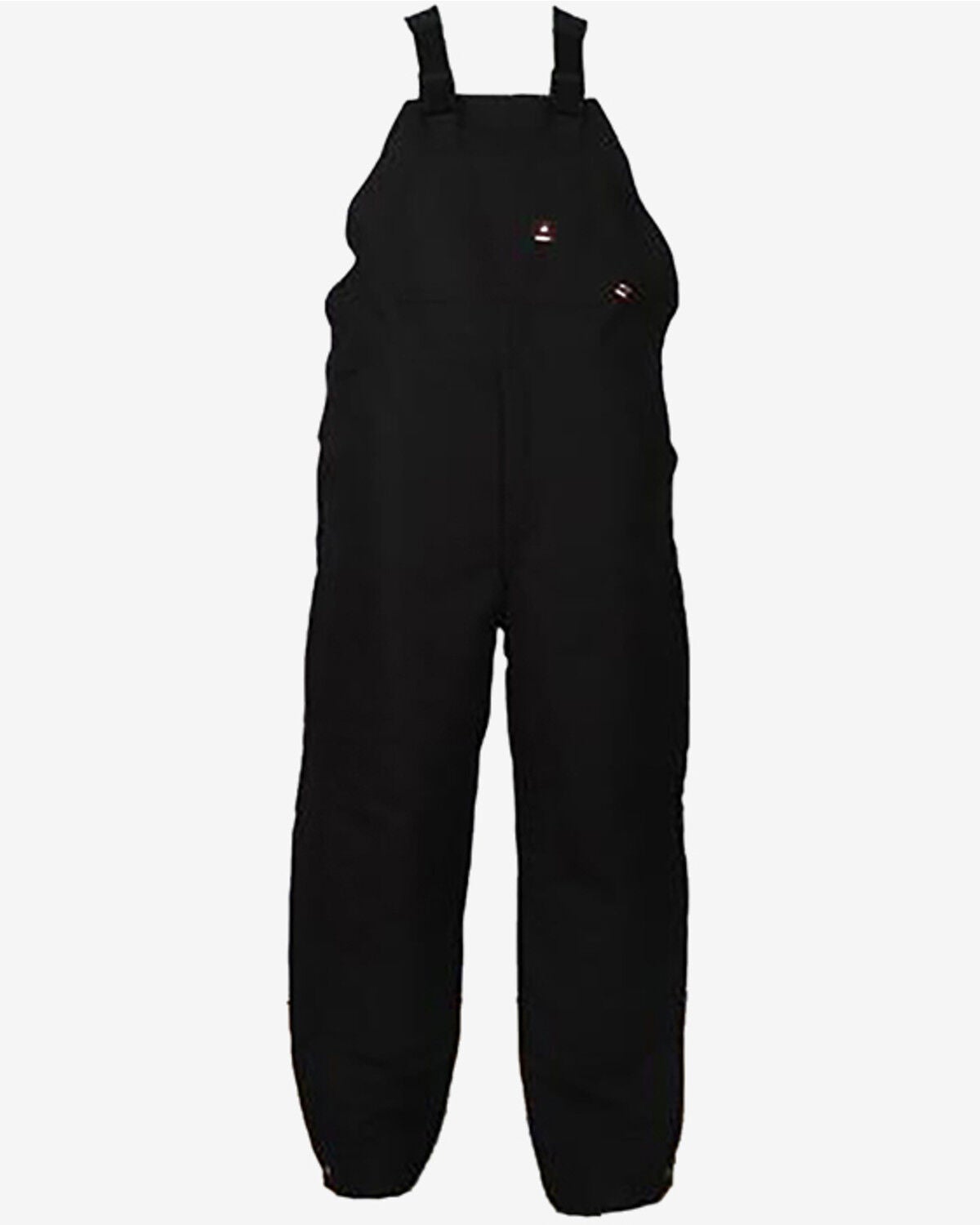
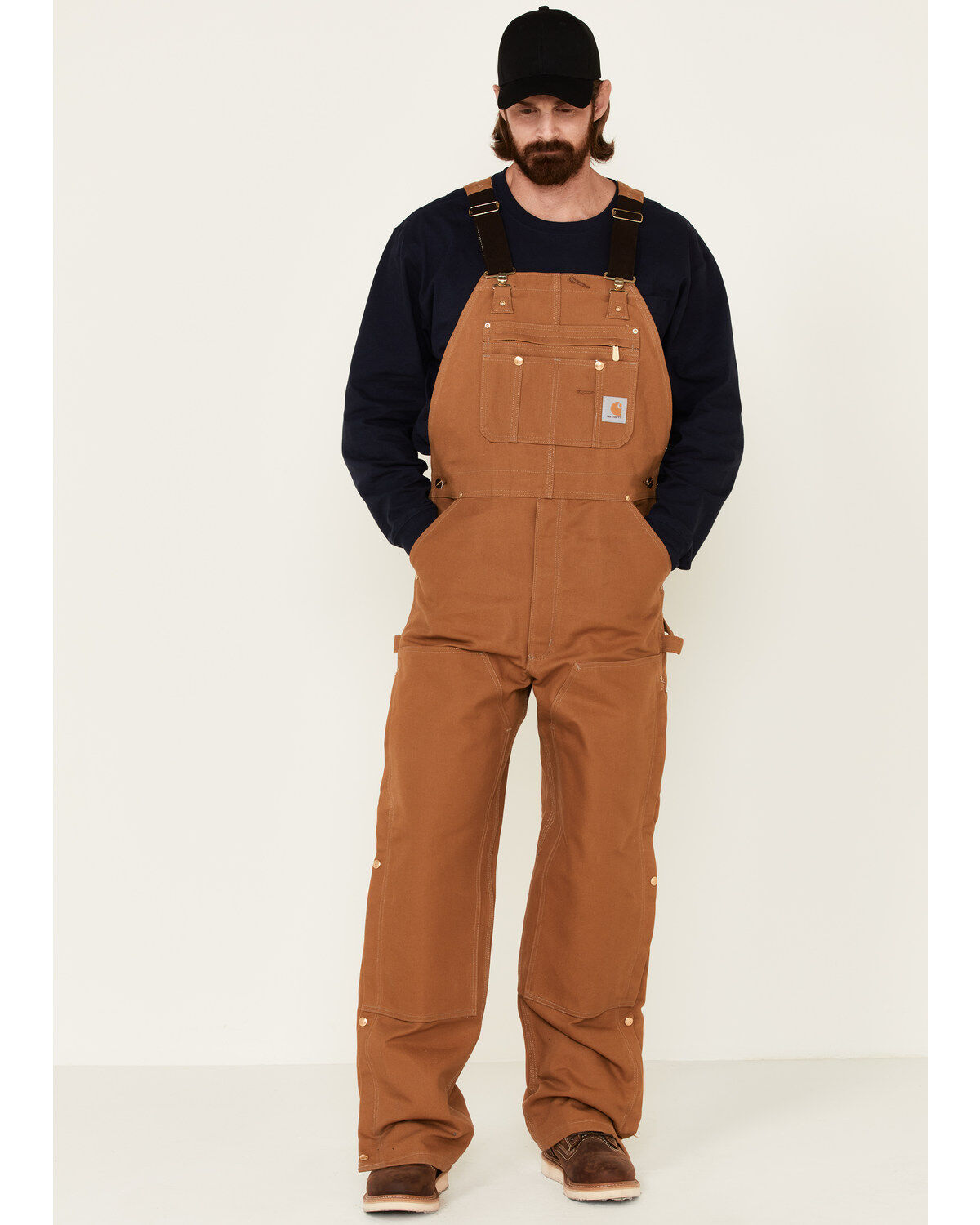
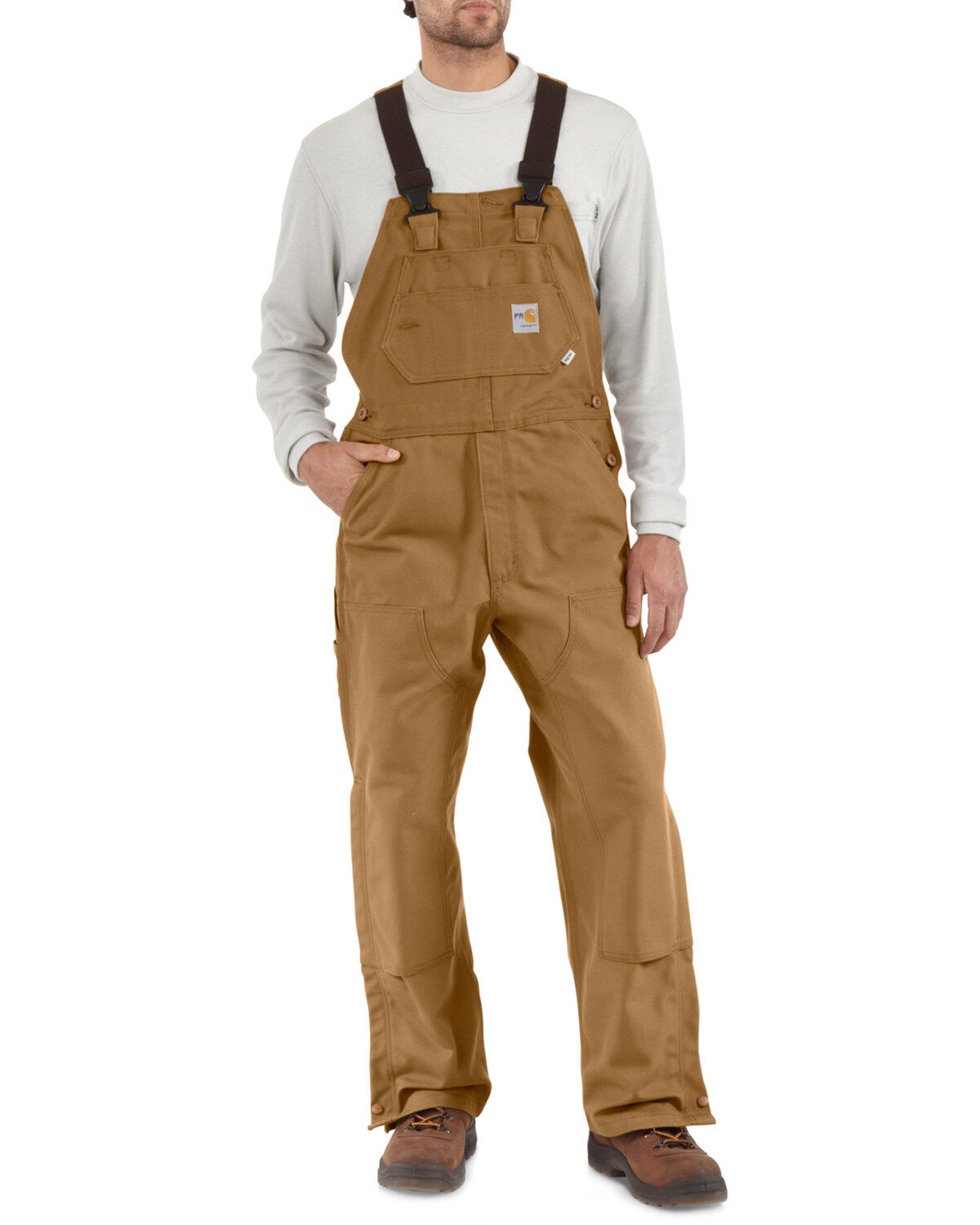
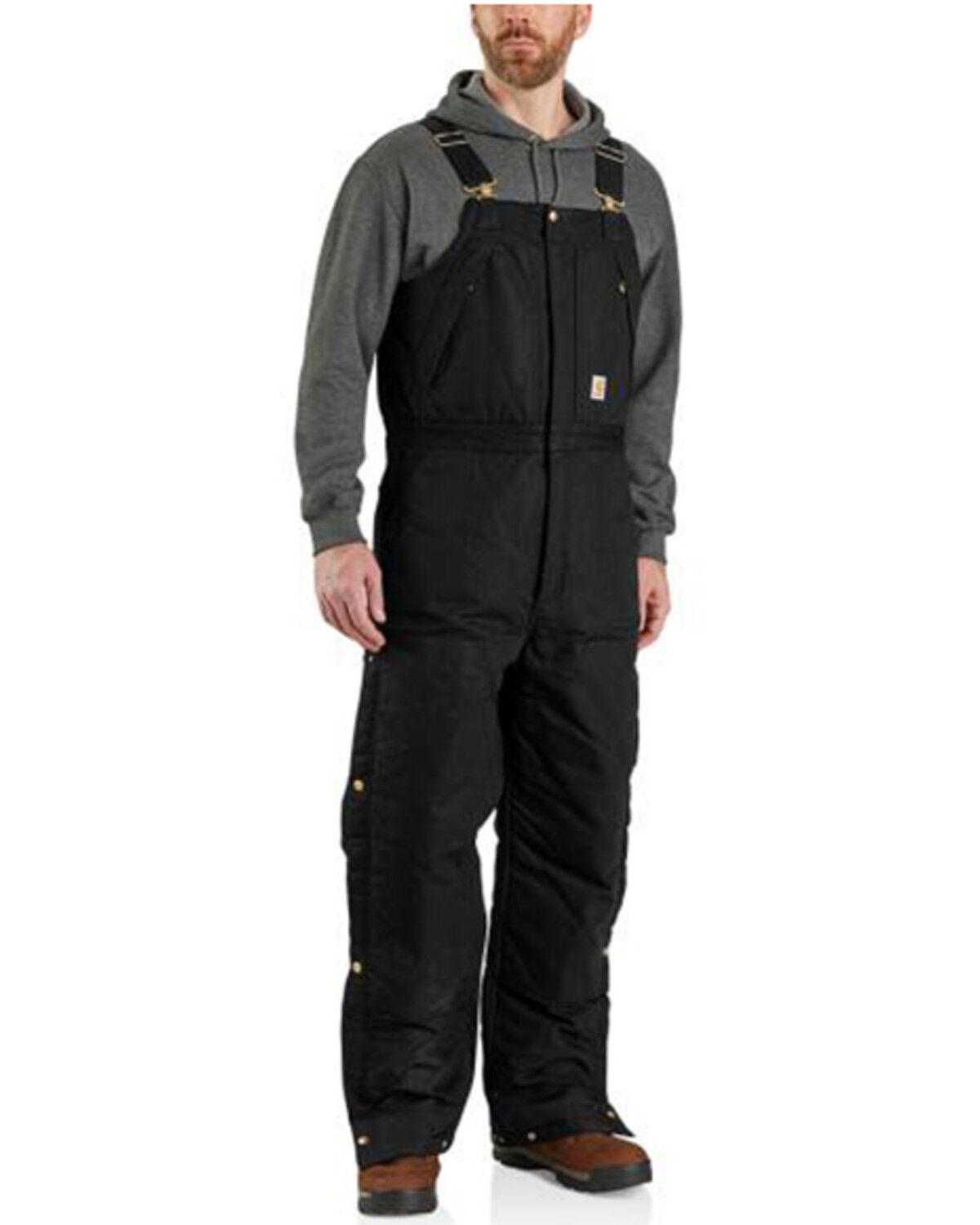
Fire resistant insulated bib overalls combine flame-resistant workwear with insulation for jobs where cold conditions and thermal hazards overlap. The bib front extends coverage above the waist, while the full-length legs help protect the lower body and hold warmth around the core. This construction suits outdoor industrial work, including certain electrical, utility, oil-and-gas, and maintenance tasks, when the garment meets the requirements established for that job. A worker inspecting equipment on an exposed platform has different needs from someone moving between a heated shop and an outdoor service area, but both may need protective clothing that allows steady movement without leaving gaps. Flame-resistant fabric is designed to resist ignition and limit continued burning after the ignition source is removed. It is not fireproof, and insulation does not establish a garment’s level of protection. For electrical work, the labeled arc rating matters. Expressed in calories per square centimeter, or cal/cm², that rating describes tested performance against thermal energy from an electric arc. It may be reported as an arc thermal performance value, or ATPV, or an energy breakopen threshold, or EBT. Arc-rated clothing is flame resistant, but not every flame-resistant garment is arc rated. ASTM F1506 addresses performance requirements for flame-resistant and arc-rated protective clothing used by workers exposed to electric arcs. NFPA 2112 certification addresses protection against short-duration thermal exposure from fire in industrial settings. NFPA 70E addresses electrical workplace safety, including protective clothing selection; it is not a garment certification. These distinctions matter when comparing insulated workwear for different hazards. The right selection follows the employer’s hazard assessment, required ratings, and clothing program rather than fabric thickness or appearance. Where arc-flash protective equipment categories are used, the required protection applies to the complete clothing and equipment ensemble. Insulated bibs do not automatically qualify for a higher category because they feel heavier. Their insulation, lining, outer fabric, and construction must be evaluated through the garment’s applicable testing and labeling. Protective bib overalls are also not a substitute for structural firefighting clothing or specialized protective equipment required for other hazards.

Materials affect how insulated flame-resistant bib overalls feel through a full workday. Cotton duck and cotton-blend canvas can provide a firm outer shell suited to repeated contact with rough surfaces. Some fabrics combine cotton with nylon for added abrasion resistance, while others use fibers with flame-resistant properties built into their structure. Fabric composition alone does not establish protection: ordinary cotton canvas is not the same as tested flame-resistant canvas. Properly treated fabrics and inherently flame-resistant fabrics can both serve demanding work applications when their performance meets the job requirements. The lining and insulation matter as much as the outer shell, particularly where the complete garment carries an arc rating. Insulation helps retain body heat during stationary tasks, but heavier construction may feel restrictive when climbing steps, crouching beside a valve, or walking long distances across a facility. Fit should account for the layers worn underneath without leaving excessive loose material around moving equipment. A suitable size allows the wearer to bend at the knees and hips, reach overhead, and sit without pulling tightly across the shoulders or seat. Adjustable shoulder straps help position the bib correctly, while the inseam should work with job-required boots without dragging beneath the heel. A hem that catches underfoot or fabric that bunches behind the knee can interfere with movement. Side openings and leg zippers, where included, can make dressing over work boots easier, but closures need to be secured as directed during hazardous tasks. Reinforced knees, strong seams, and abrasion-resistant panels can support durability where workers kneel on concrete or brush against equipment. These features do not replace the required protective rating. Pocket placement also deserves attention: tools should remain accessible without creating pressure points under a harness or interfering with bending. A chest pocket may be useful for a small notebook, while lower pockets can hold approved work essentials. Every feature should support the task without compromising fit, coverage, or required protective equipment.

Daily use and proper care help flame-resistant insulated bib overalls retain their intended performance. The garment label is the starting point for wash temperature, detergent, drying method, and any cleaning restrictions. Bleach, fabric softeners, starch, and other laundry additives should not be used unless the manufacturer expressly permits them. Washing instructions can differ between fabrics, so a method suitable for one garment should not be assumed suitable for another. Oil, grease, fuel, and other combustible contamination can undermine protective performance; contaminated clothing needs to be removed from service and handled according to workplace and manufacturer procedures. Regular inspection should cover worn knees, torn fabric, damaged closures, loose stitching, and areas where insulation has shifted or become exposed. A small tear at a pocket corner may spread during repeated bending, while a damaged leg closure can prevent proper coverage. Repairs should use materials and methods approved for the garment rather than ordinary patches or thread that may not provide the same protective performance. Storage matters as well: clean, dry workwear should be kept away from substances that could contaminate it before the next shift. Underlayers and outer layers need to follow the employer’s protective clothing requirements. Ordinary synthetic fabrics can melt under thermal exposure, and adding an unapproved jacket over protective bibs can introduce a hazard. Layering also affects comfort and mobility, especially when insulation and a work harness occupy the same space. Any claimed protection from a layered system must come from applicable testing or approved selection methods, not from adding individual garment ratings together. Insulated bibs belong within the broader Flame Resistant Overalls category, with added warmth for work that requires protective coverage in cold conditions. For someone receiving workwear as a gift, exact sizing and job-required certifications are more useful than guessing from everyday clothing preferences. The practical choice is a garment matched to the wearer’s work, required protection, usual layers, and range of motion. Those details make the difference between bibs that merely fit while standing and workwear that remains comfortable and properly positioned throughout a demanding shift.
Read More

FAQs