How to Waterproof Leather Work Boots
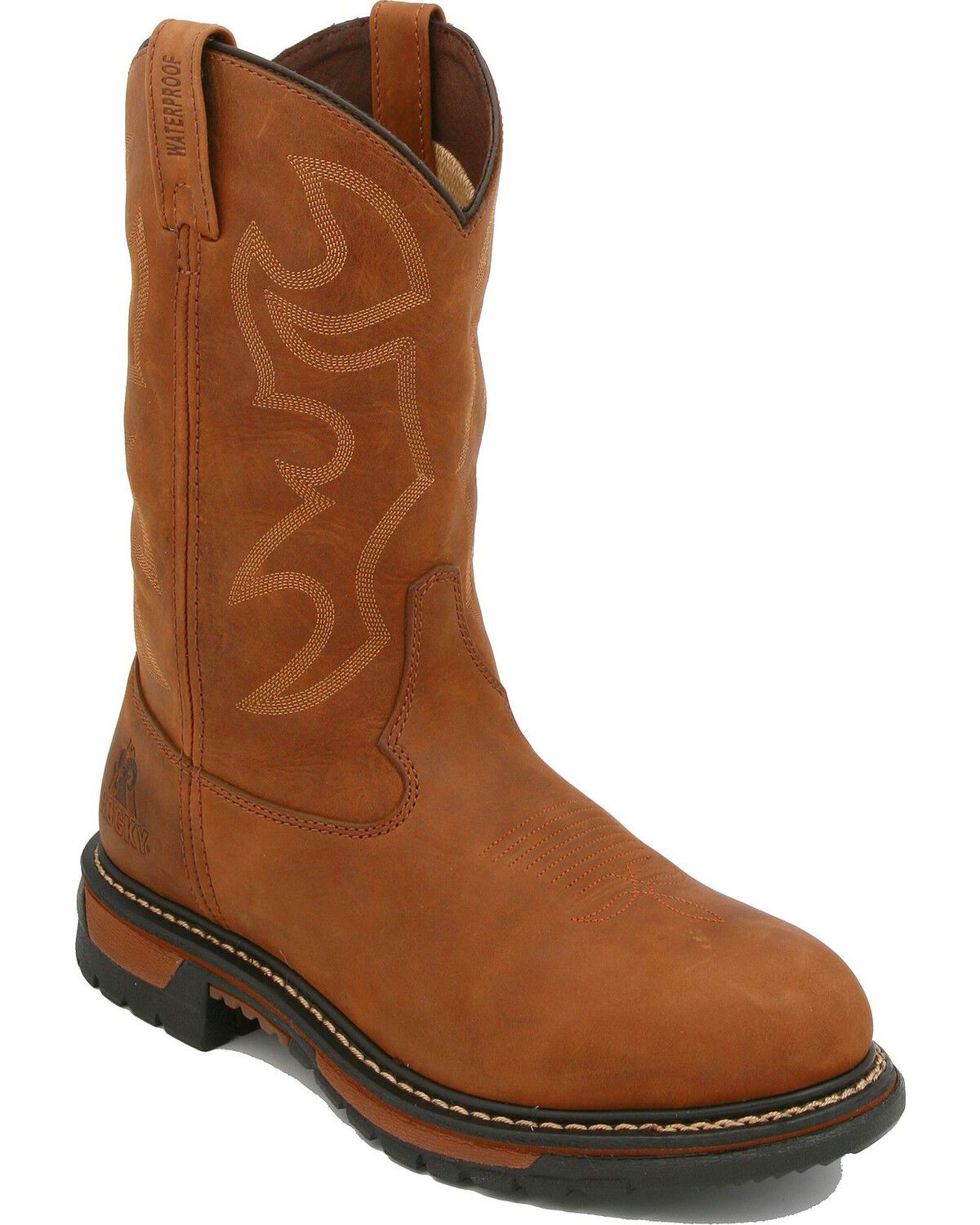
How to Waterproof Leather Work Boots starts with clean, dry leather and the right care routine. Regular waterproofing helps maintain your boots through wet conditions, workdays, and changing weather. Follow the proper steps to prepare, treat, and maintain your leather work boots.
(Turn off Shop Your Store to see all items)
How to Waterproof Leather Work Boots
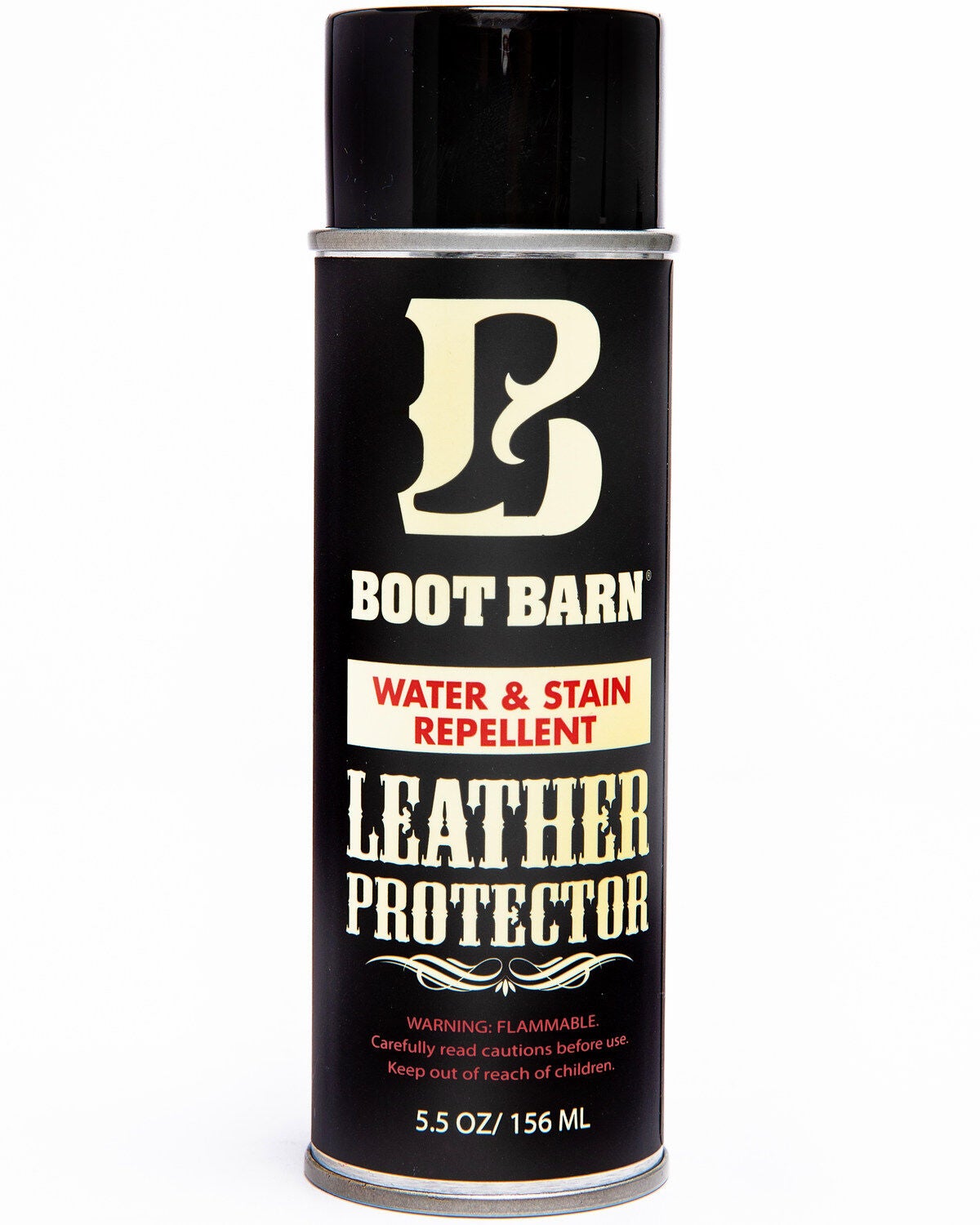
Proper preparation matters as much as the waterproofing treatment itself. Remove the laces so you can reach the tongue, eyelets, and spaces beneath the lace row. Brush away dried mud, grit, and dust with a stiff-bristled boot brush, then wipe the leather with a lightly damp cloth if more dirt remains. Do not spread wax over a layer of grime. It can trap the dirt against the leather and leave an uneven finish. Let boots dry completely at room temperature before applying anything. Wet leather is easier to damage, and placing boots beside a heater, radiator, fireplace, or other intense heat source can shrink the leather, weaken adhesives, and cause cracking. Once clean and dry, apply a small amount of wax, balm, or other waterproofing treatment with a clean cloth, sponge, or your fingers, depending on the product instructions. Work it into the leather in thin, even layers. Pay close attention to seams, stitching, creases, the tongue, and the welt, since those areas see repeated flexing and are common paths for water. A warm boot can help wax spread and penetrate more evenly, but use only gentle warmth. A hair dryer on a low, warm setting is enough; the leather should feel comfortably warm, never hot. Avoid high heat and avoid a heat gun unless the treatment specifically calls for it and you know how to control the temperature. Apply less than you think you need. Extra product does not provide extra protection, and a thick layer can leave boots greasy, stiff, or prone to collecting dust. Wipe away excess treatment with a dry cloth, then leave the boots in a warm, dry place for several hours or overnight so the product can settle and cure.
Waterproofing is not a one-time job. Inspect work boots after muddy shifts, long walks through wet grass, or days spent in snow and slush. If water no longer beads on the surface, if the leather looks pale and dry, or if creases begin to feel rough, clean the boots and refresh the treatment. Heavy-use boots may need attention more often than boots worn occasionally, while boots used in dry indoor work areas may need only periodic conditioning. Keep in mind that waterproofing wax and leather conditioner serve different purposes. Wax is intended to improve water resistance and protect exposed leather, while conditioner helps replace some of the oils lost through flexing, washing, and exposure to dry air. Too much conditioner can soften structured work boots or reduce the firmness needed for support, so follow the directions and avoid layering several treatments without checking their compatibility. Let boots dry between uses, remove the insoles if they hold moisture, and store the pair where air can circulate. A boot dryer can help after a soaked workday, but use a low-temperature setting and do not force heat directly against the leather. Brush off salt or chemical residue as soon as possible, since these substances can stain and break down leather over time. A simple care setup with a cleaner, suitable waterproofing treatment, brush, and soft cloth gives most workers what they need to keep their boots serviceable through changing conditions. The goal is not a showroom finish. It is leather that stays flexible, seams that remain protected, and boots ready for the next shift.
FAQs
Use a leather-specific waterproofing product, such as wax, cream, or conditioner. Choose a formula made for the type of leather on your boots and follow the product instructions.
Remove the laces and brush away dirt and dust. Wipe the boots with a damp cloth or use a leather cleaner, then let them dry completely before applying any waterproofing product.
Apply a small, even layer with a clean cloth or applicator. Work the product into the seams, stitching, and areas that see regular wear. Remove excess product and let the boots dry according to the label.
Only use oil or grease if the boot manufacturer recommends it. These products can darken leather, soften its structure, or alter its finish. A leather-specific waterproofing product is the better choice.
Brush off dirt after use and wipe away moisture with a clean cloth. Let the boots air dry at room temperature, then reapply leather conditioner or waterproofing product when the leather begins to look dry.
Top selling and popular products
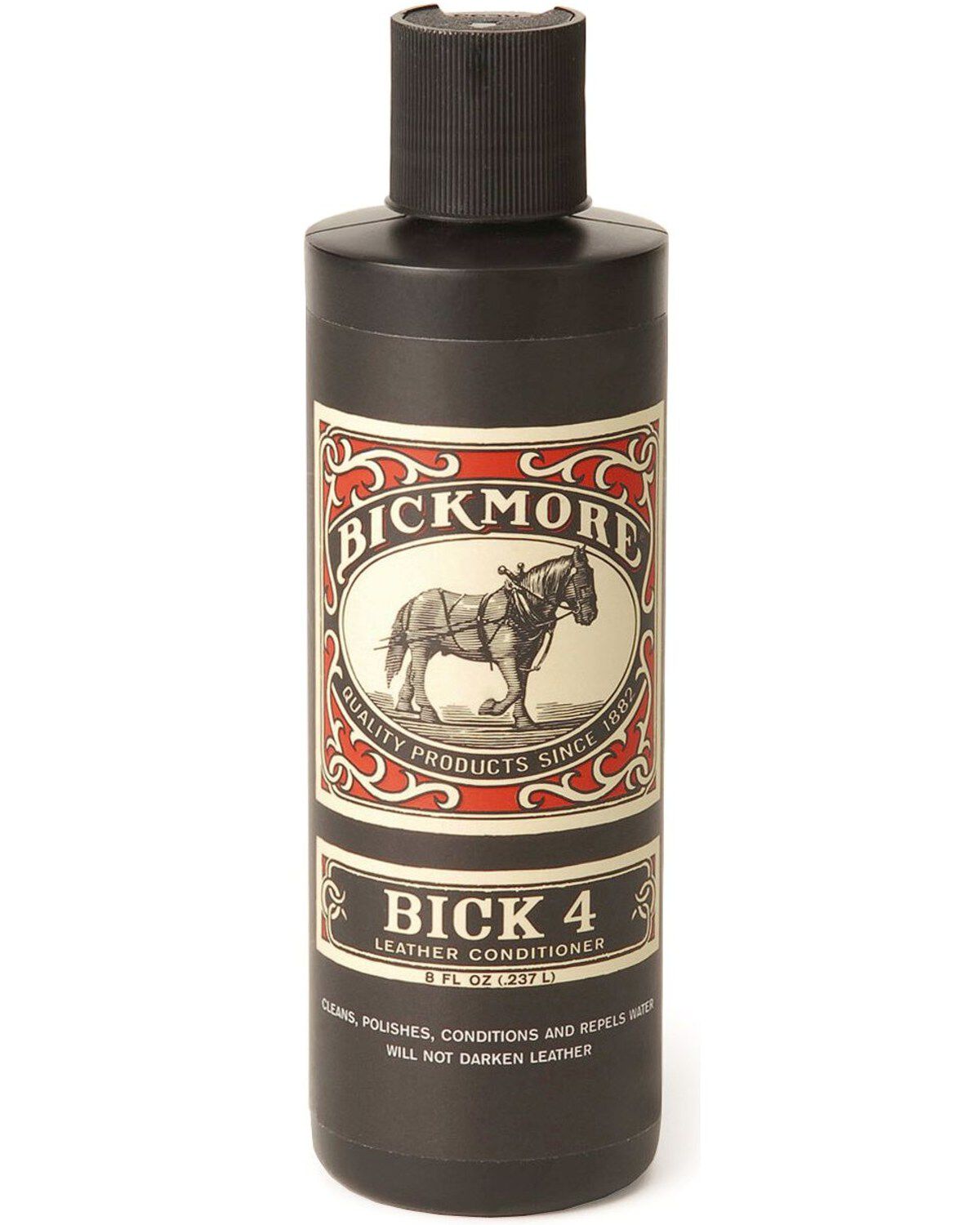
Bickmore Bick 4 Leather Conditioner
A natural, wax-free leather conditioner that cleans, conditions, polishes, and protects all smooth leathers.
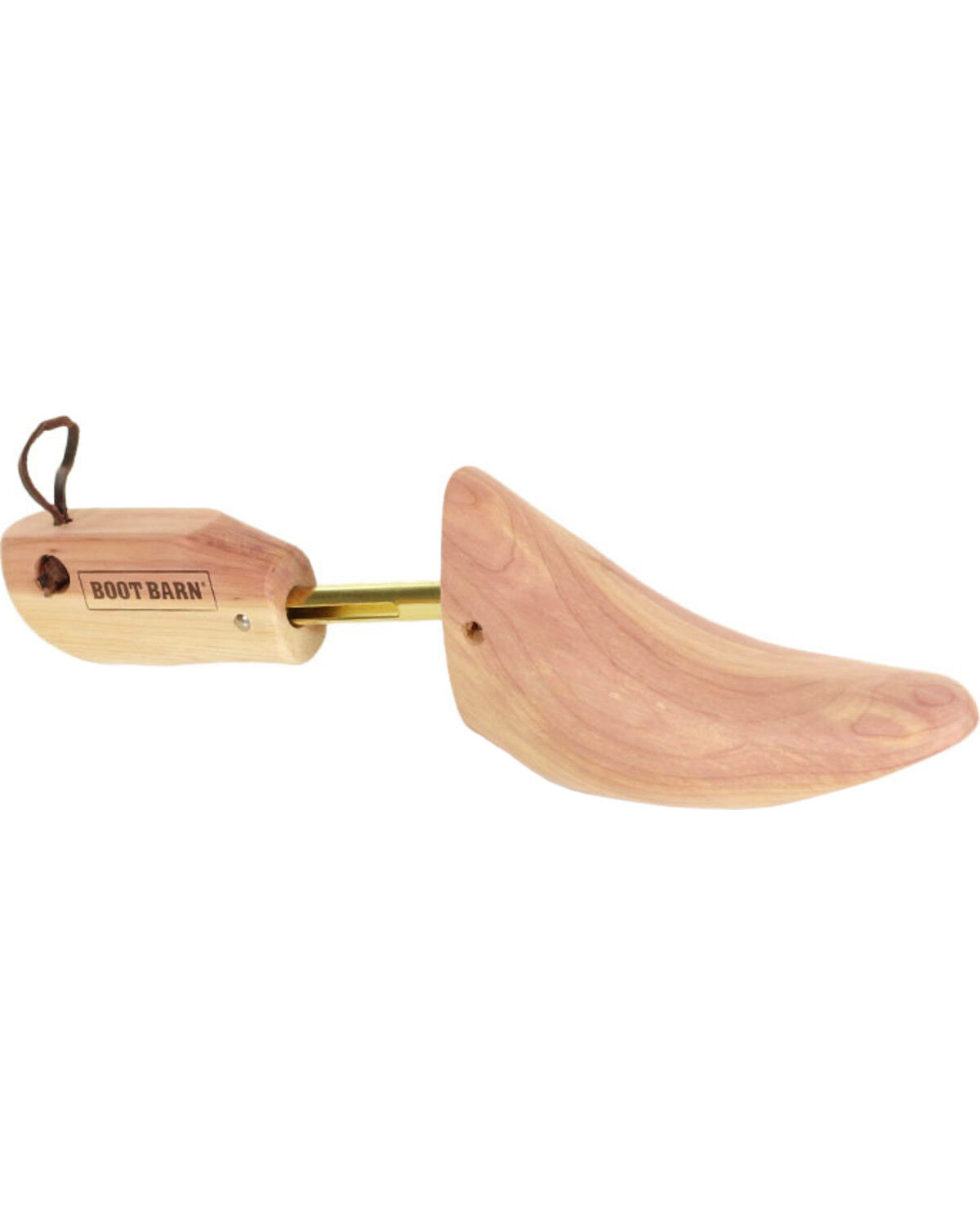
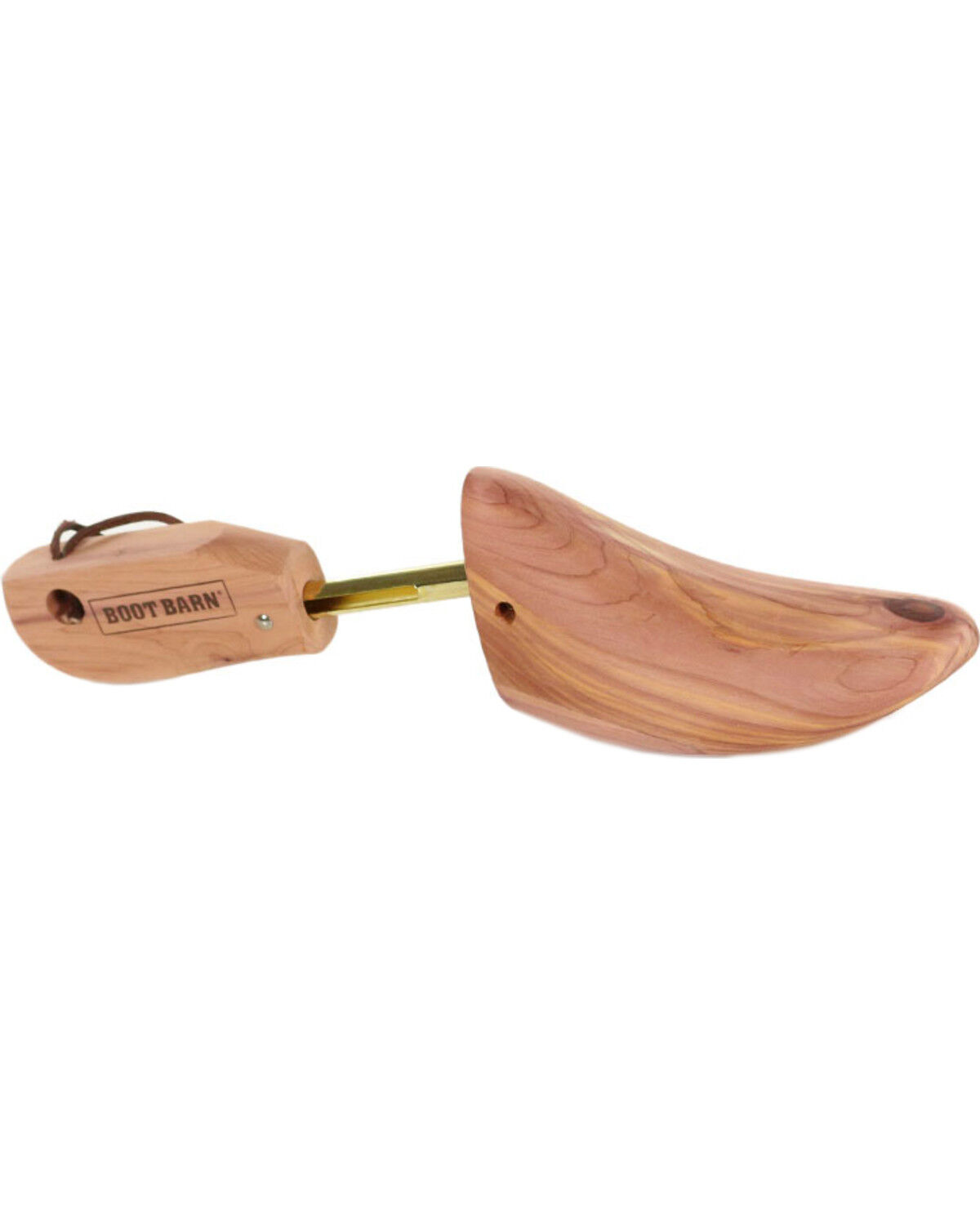
BB Ranch Western Boot Trees - Round Toe
A pair of aromatic red cedar boot trees that maintain shape, absorb moisture, and prevent odor in boots.
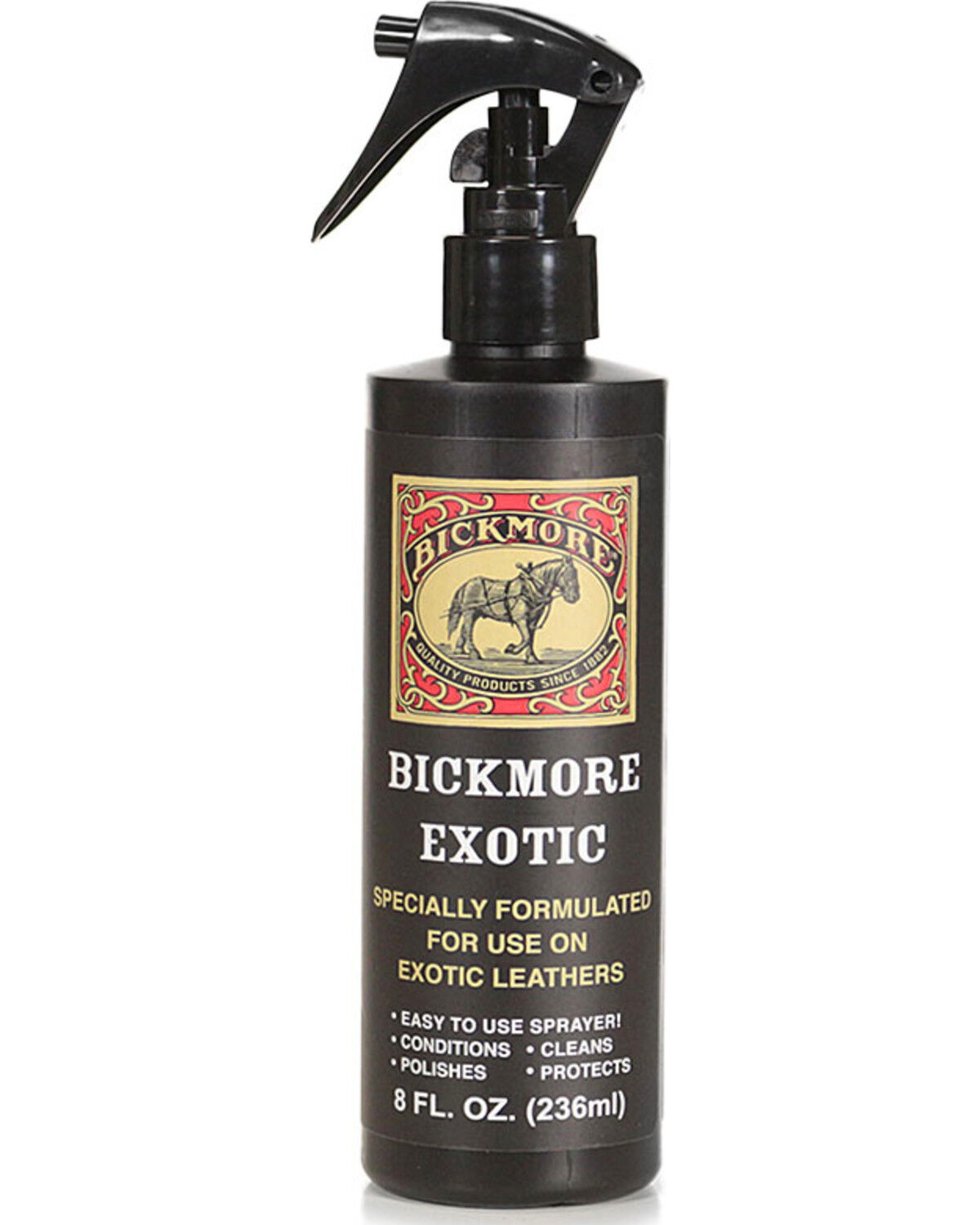
Bickmore Exotic Leather Cleaner & Conditioner
An easy-to-use spray that cleans, conditions, and protects exotic and reptile leathers in black.
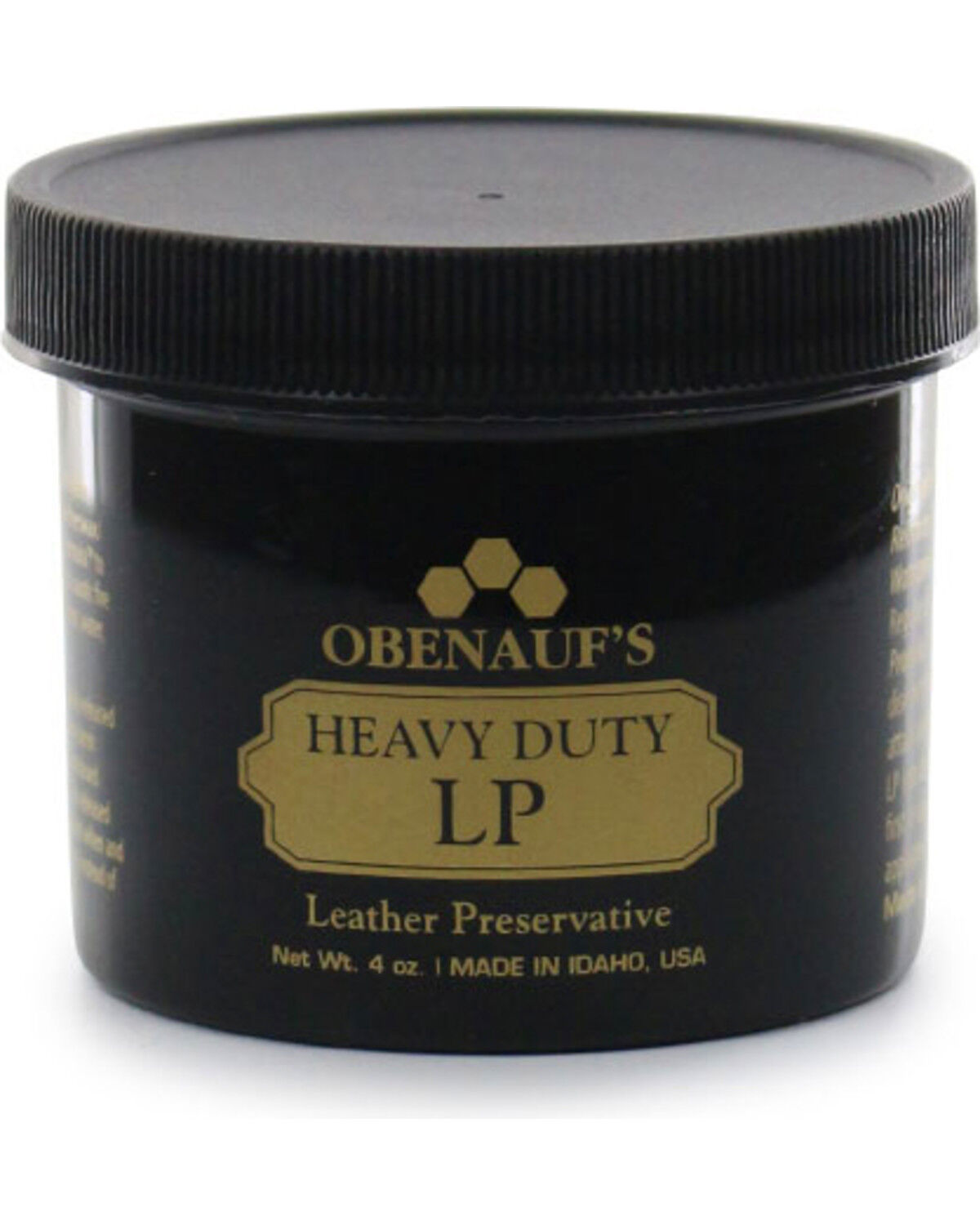
Obenauf's Leather Heavy Duty Leather Preservative
A natural beeswax and oil blend that deeply conditions, protects, and preserves all types of leather goods.
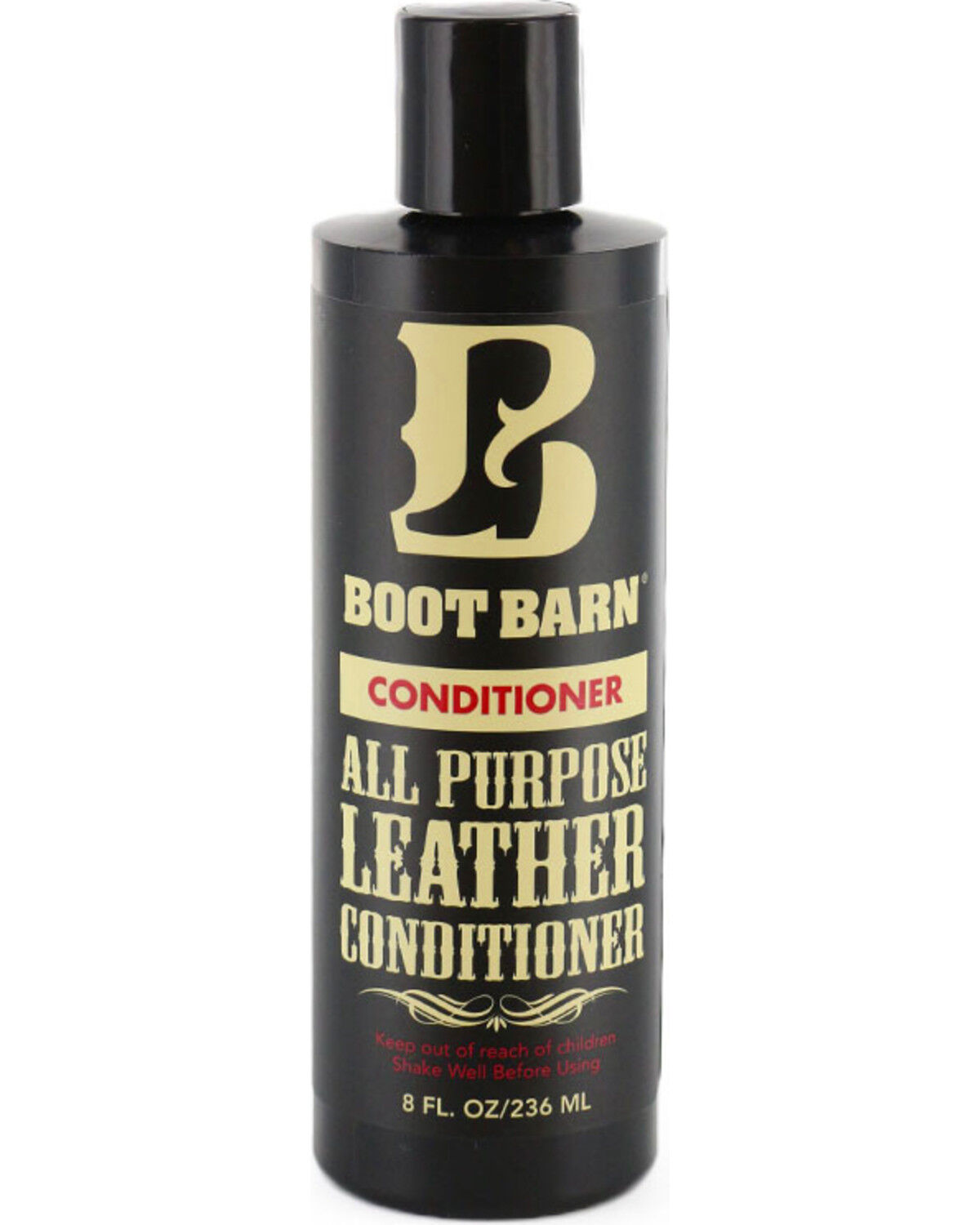
Boot Barn All Purpose Leather Conditioner
A nourishing conditioner that polishes, protects, and preserves all smooth, finished leather without darkening.
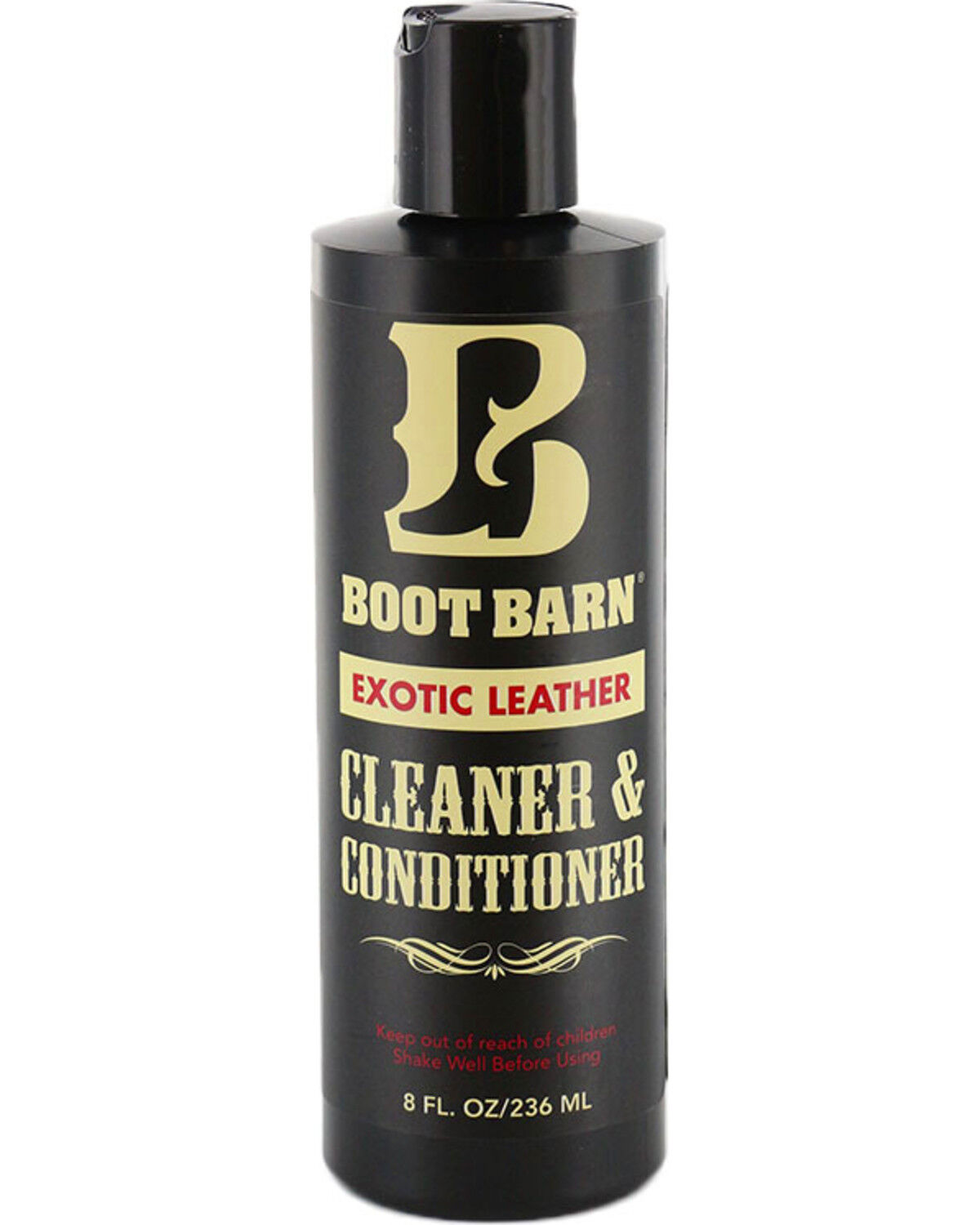
Boot Barn Exotic Leather Cleaner & Conditioner
A non-silicone formula that cleans, conditions, and restores all exotic leathers while preventing scuffs and dryness.
BB Ranch Western Boot Trees - Square Toe
A light brown aromatic red cedar boot tree that preserves shape, absorbs moisture, and prevents odor in square toe boots.
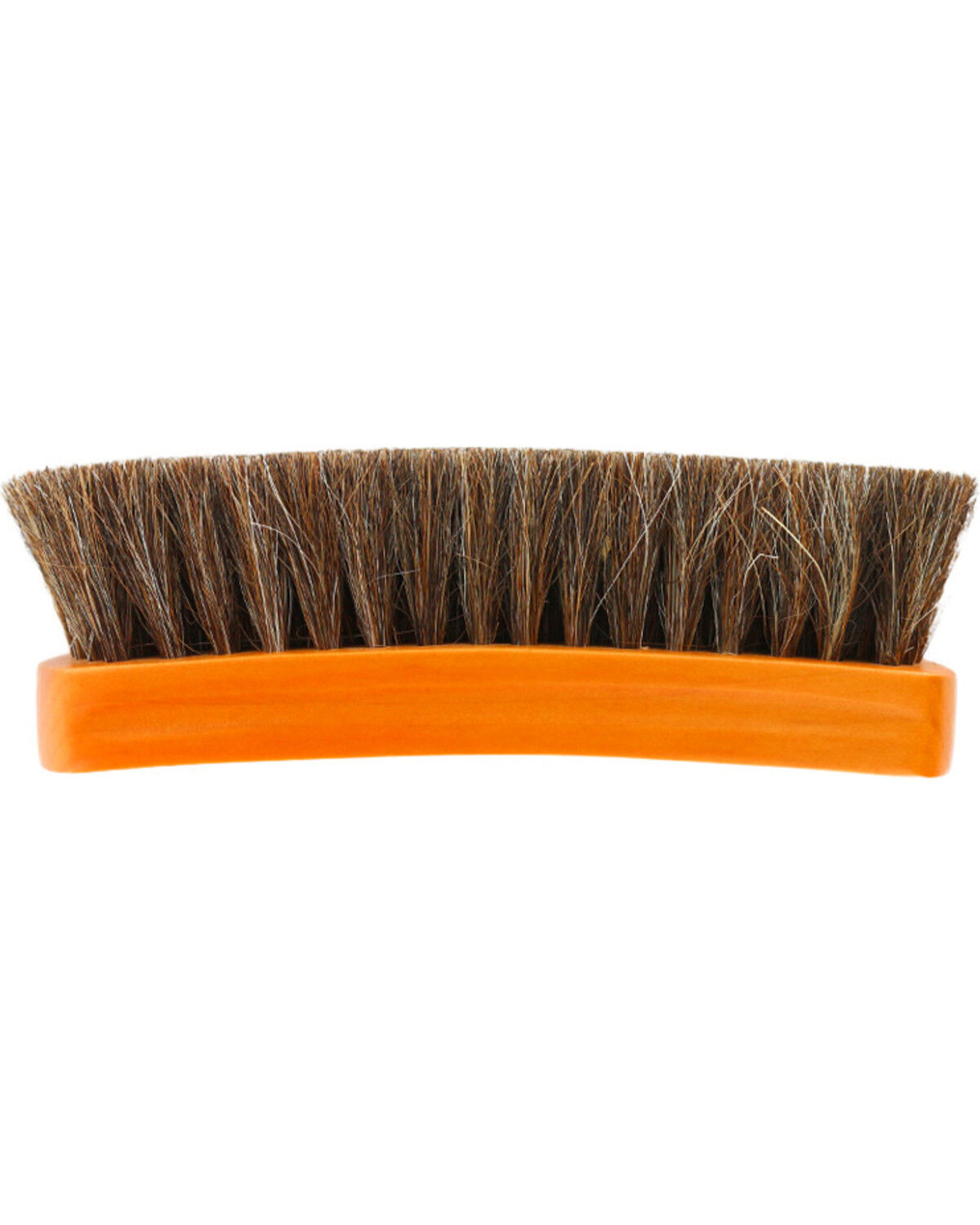
Boot Barn Horse Hair Boot Brush
A brown wood-handled brush with genuine horse hair bristles for gentle, effective cleaning of all leather boots.
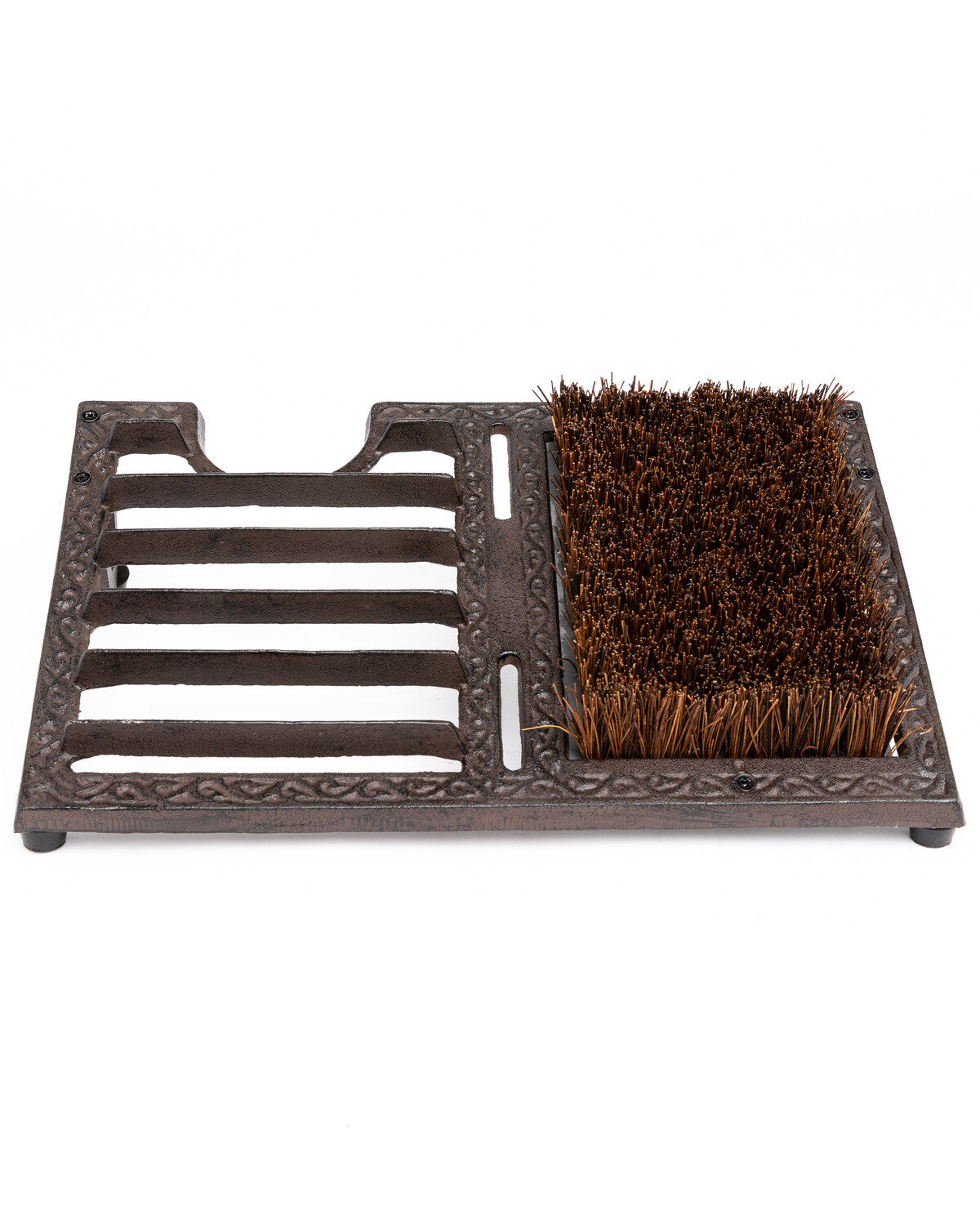
Boot Barn Ranch Cast Iron Boot Jack & Brush
A durable brown cast iron and bamboo boot jack with brush, combining easy boot removal and cleaning.
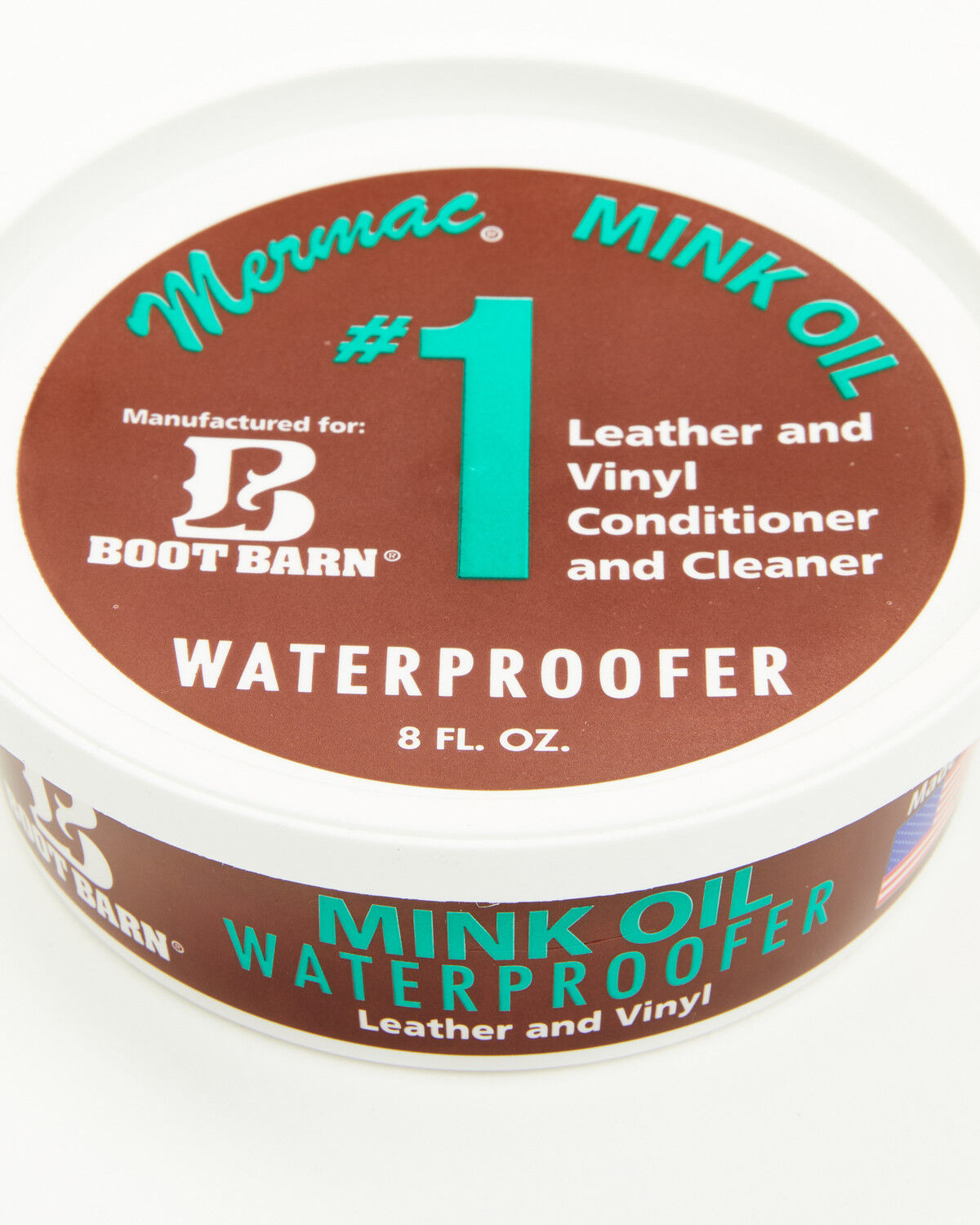
Boot Barn Mermac Mink Oil Tub
A colorless mink oil compound that deeply conditions, softens, and enhances water-resistance for leather goods.