How to Waterproof Leather Boots

How to Waterproof Leather Boots starts with clean, dry leather and the right boot care routine. Learn how to prepare your boots, apply waterproofing treatment, and maintain them through regular wear so they stay ready for work, travel, and time outdoors.

Read More

Shop Your Store: Shop Your Store: Find a Store

(Turn off Shop Your Store to see all items)

(Turn off Shop Your Store to see all items)

close
  • Recommended
  • Lowest Price
  • Highest Price
Skip pass products

End of products

How to Waterproof Leather Boots

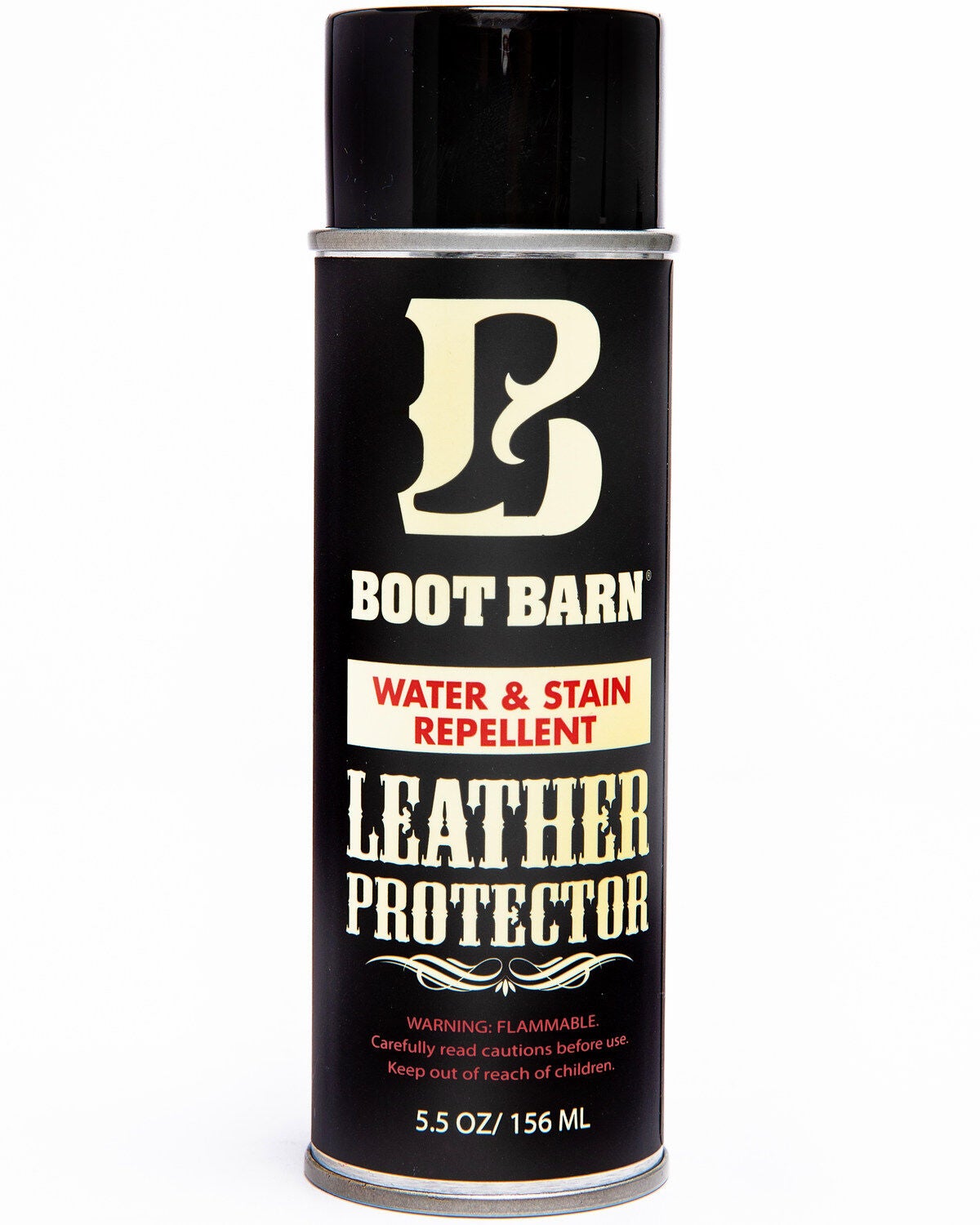
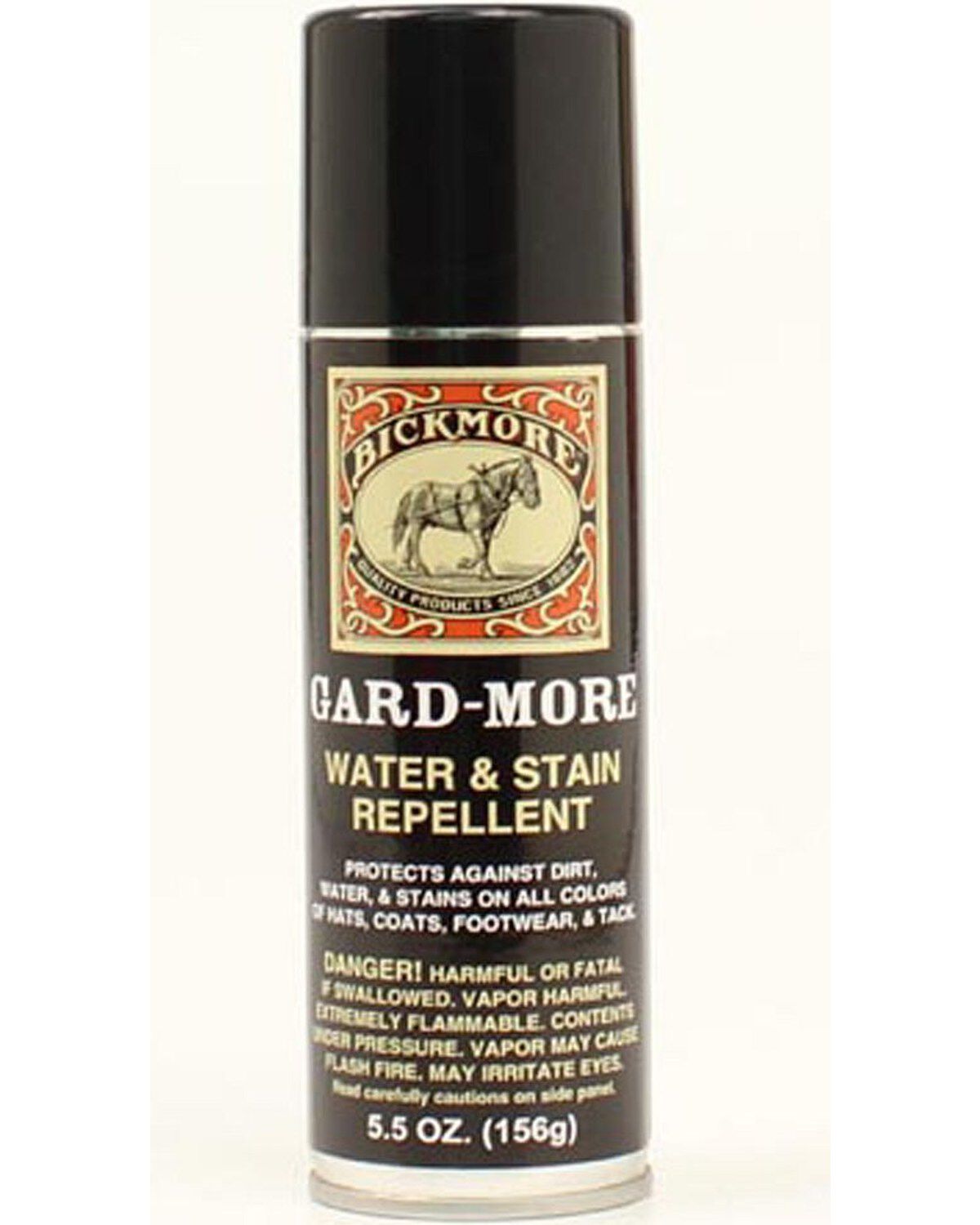
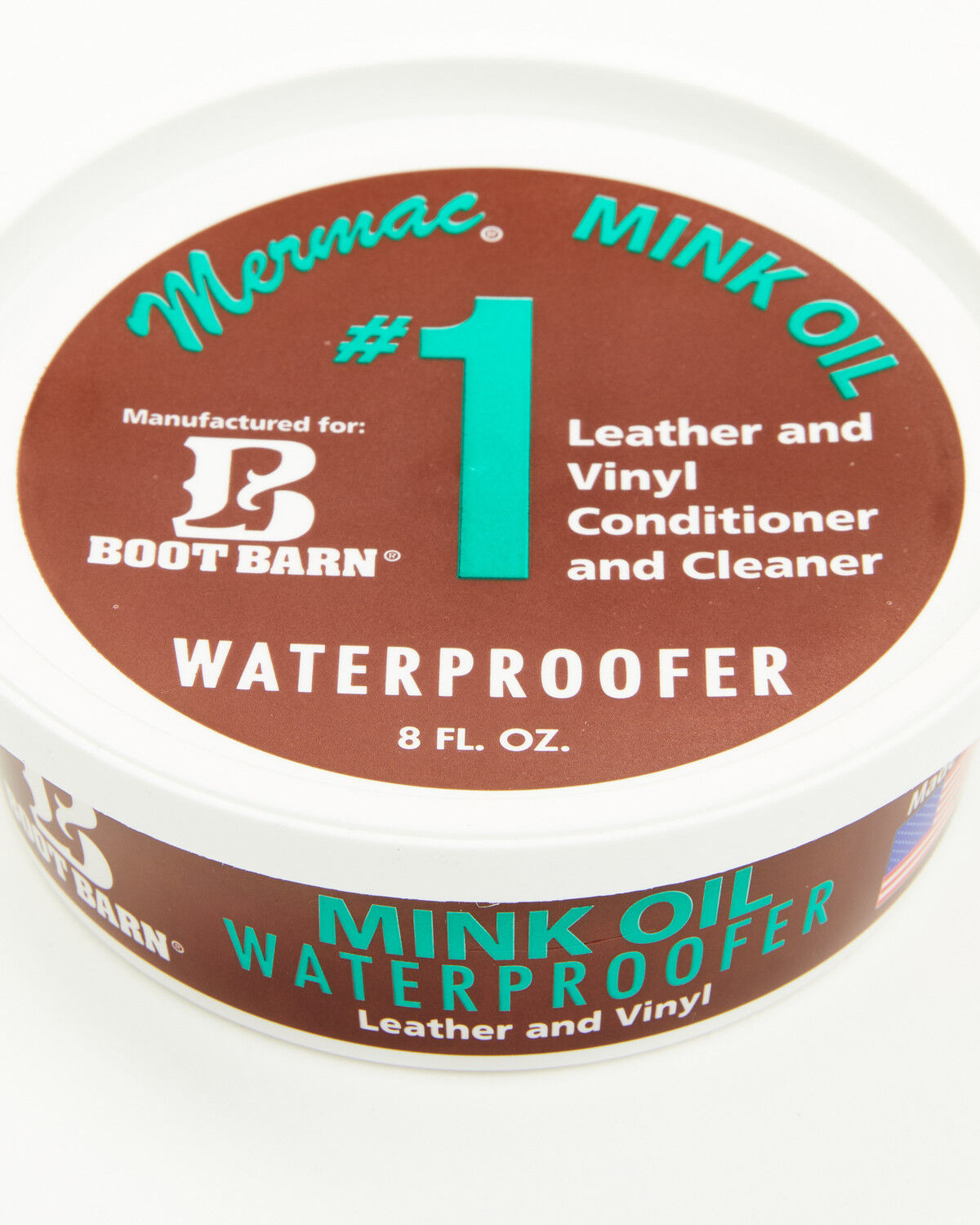
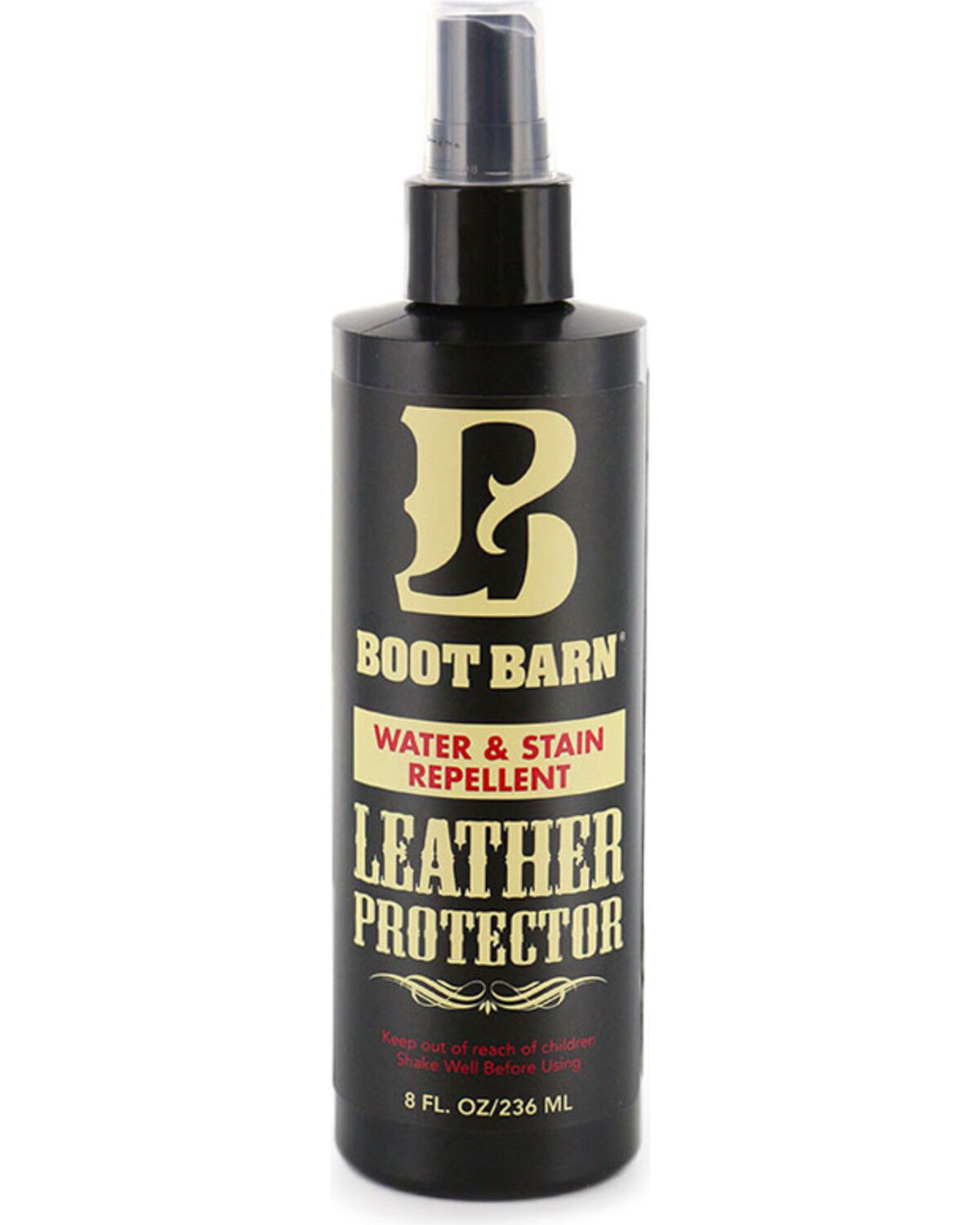
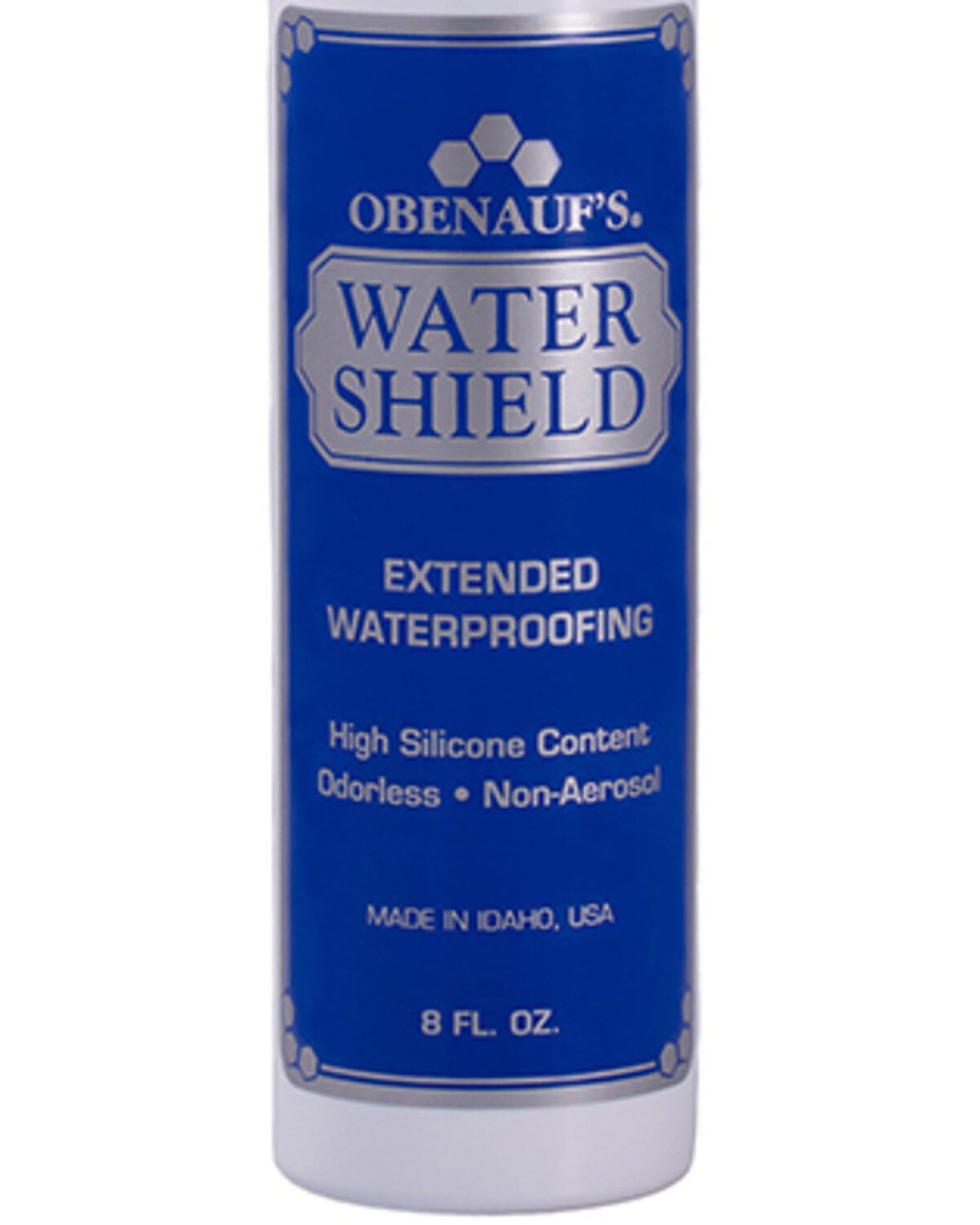
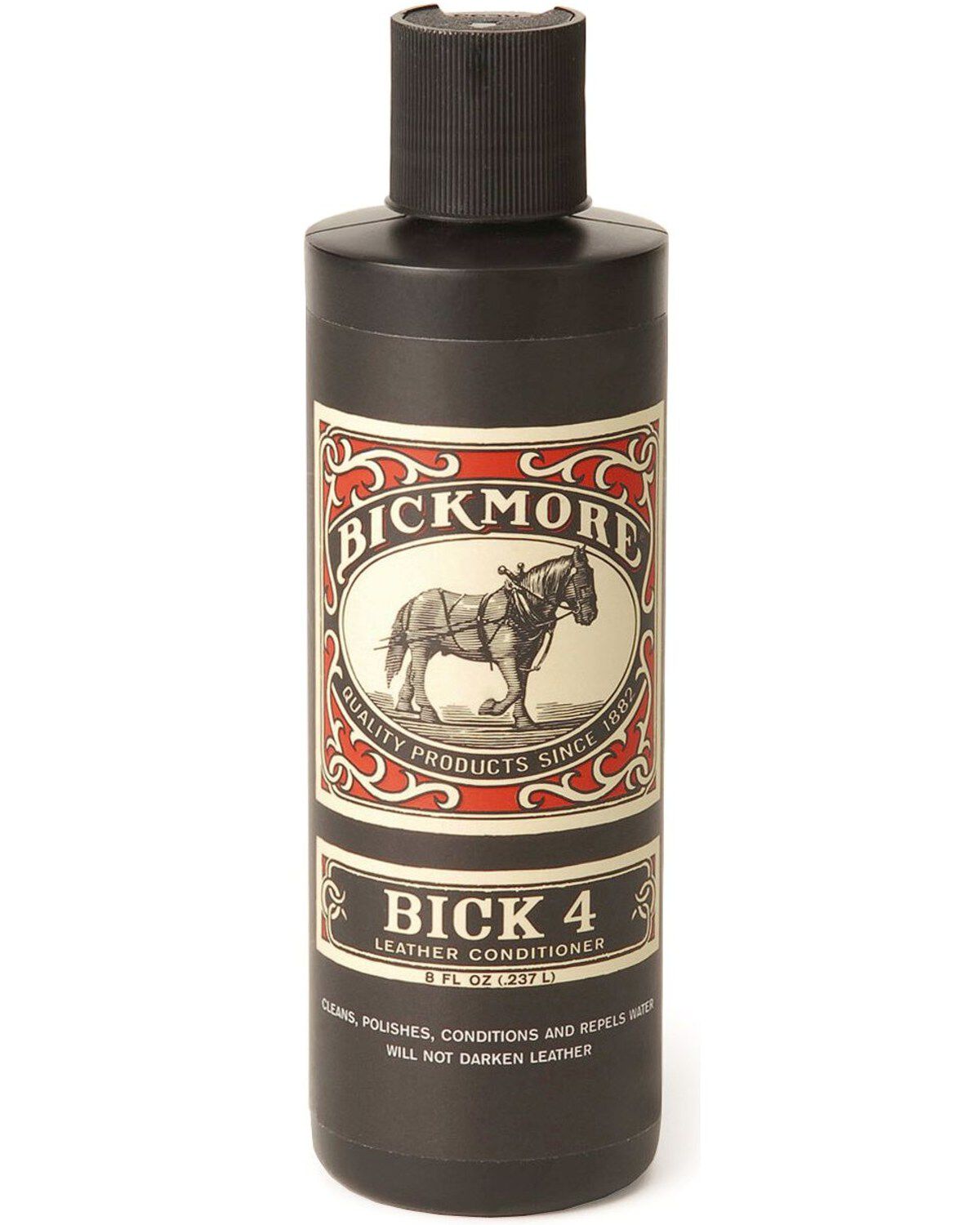
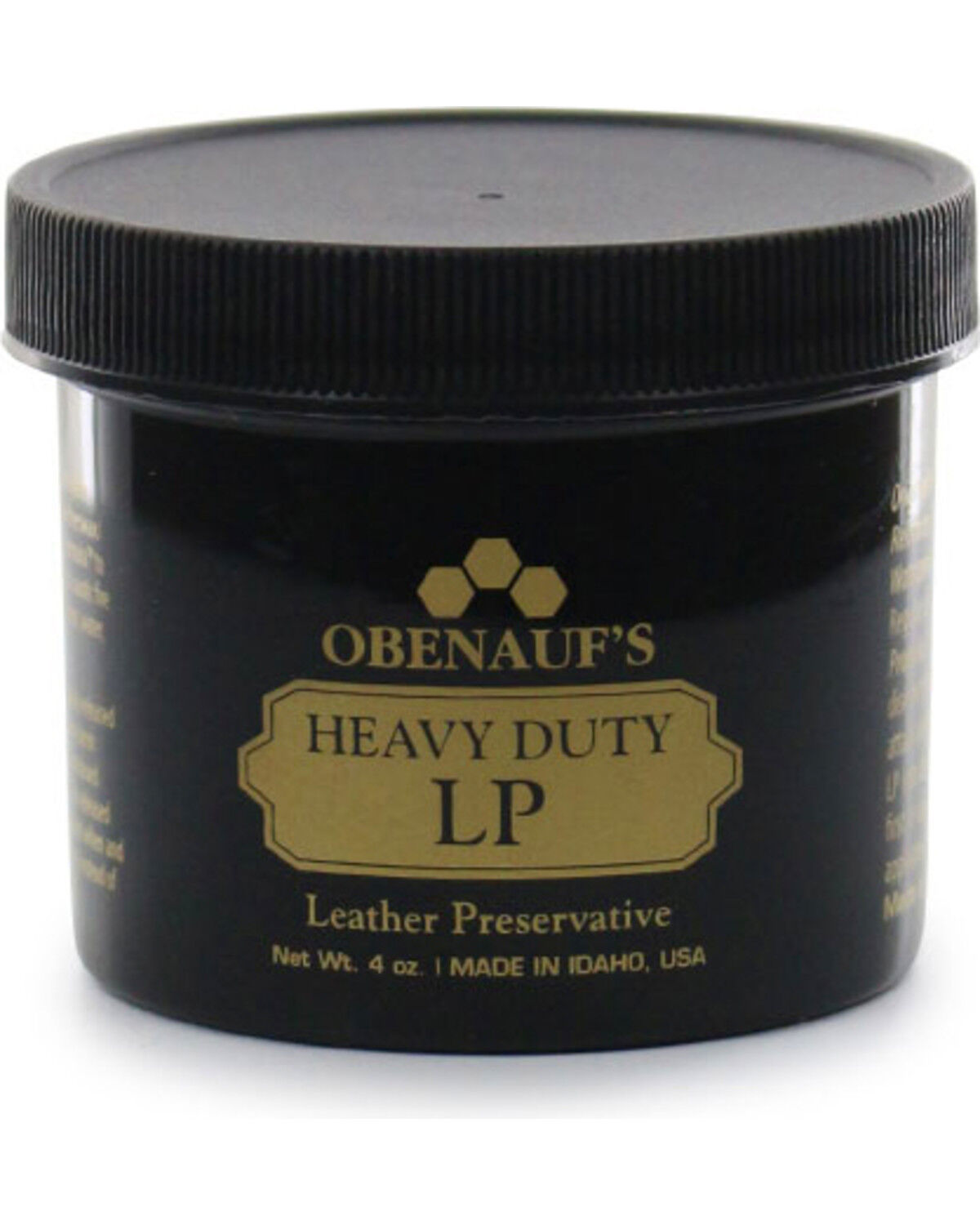
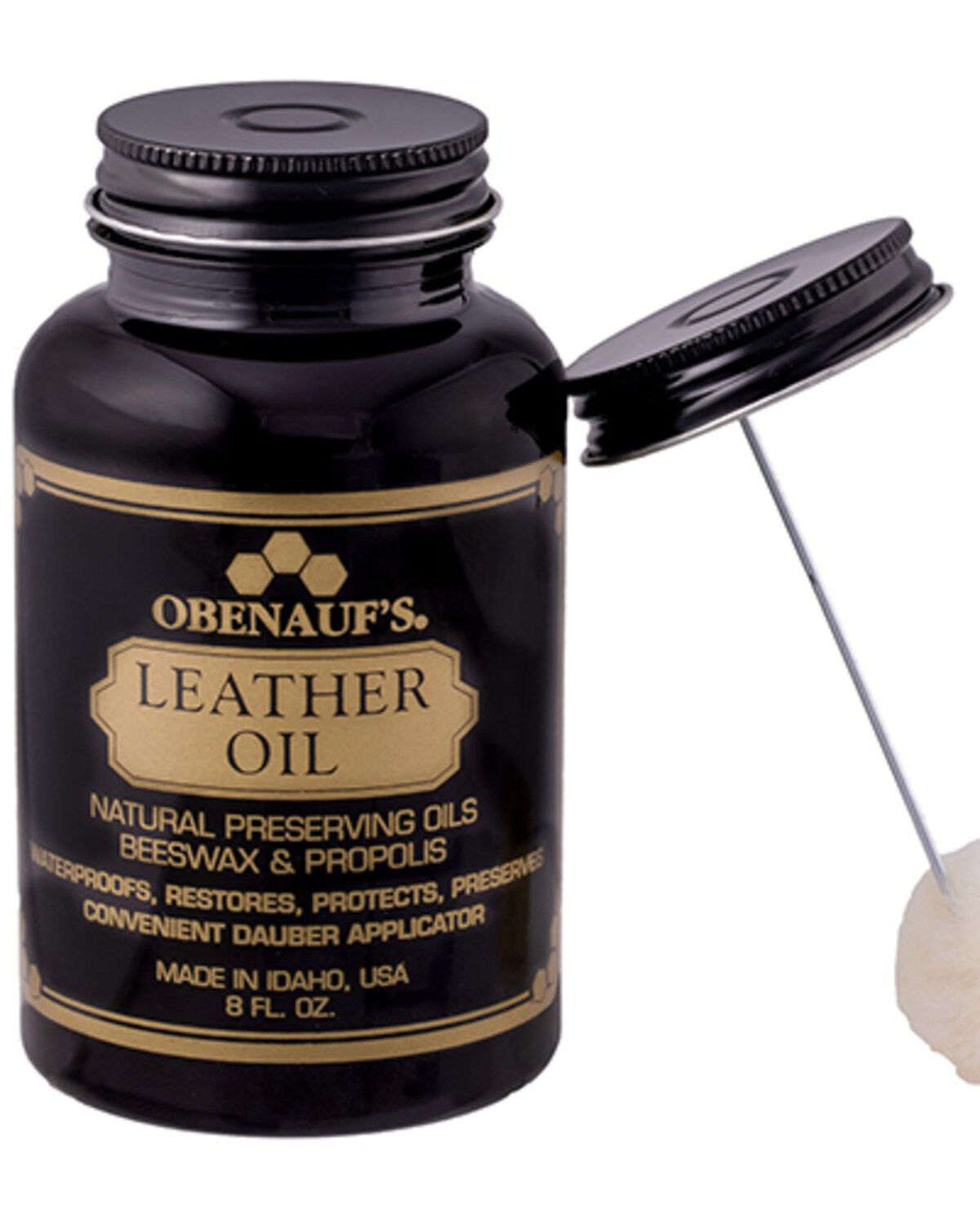
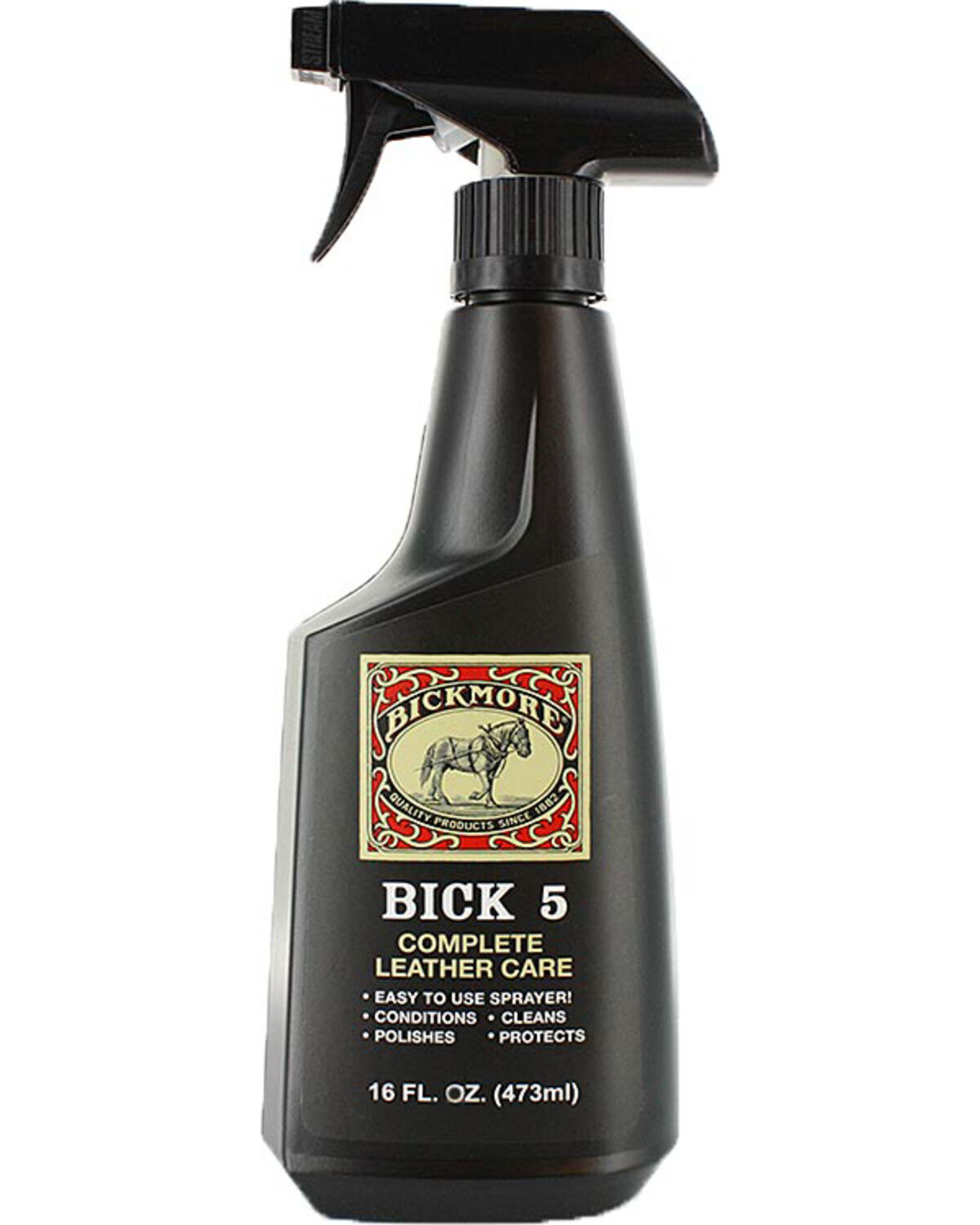
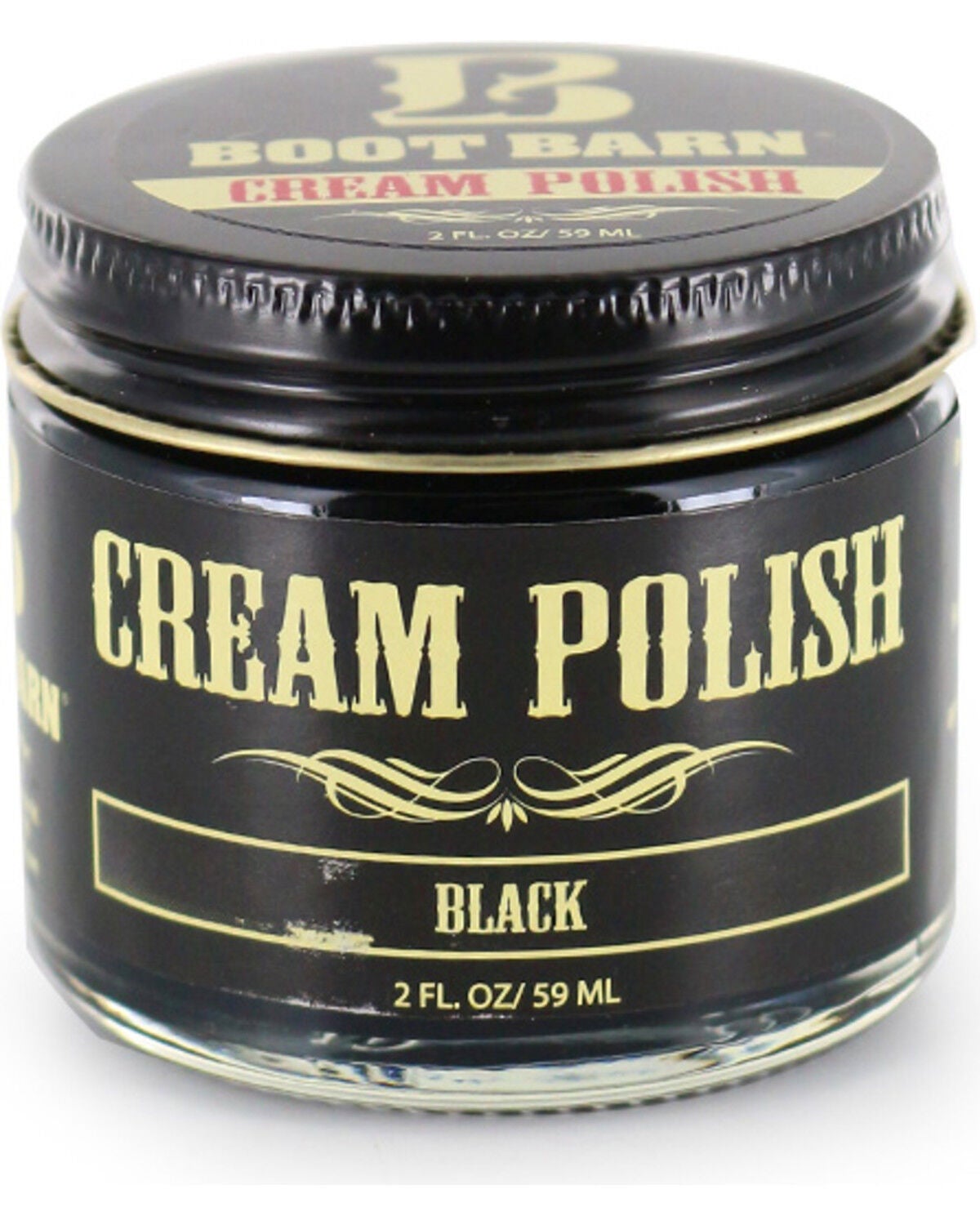
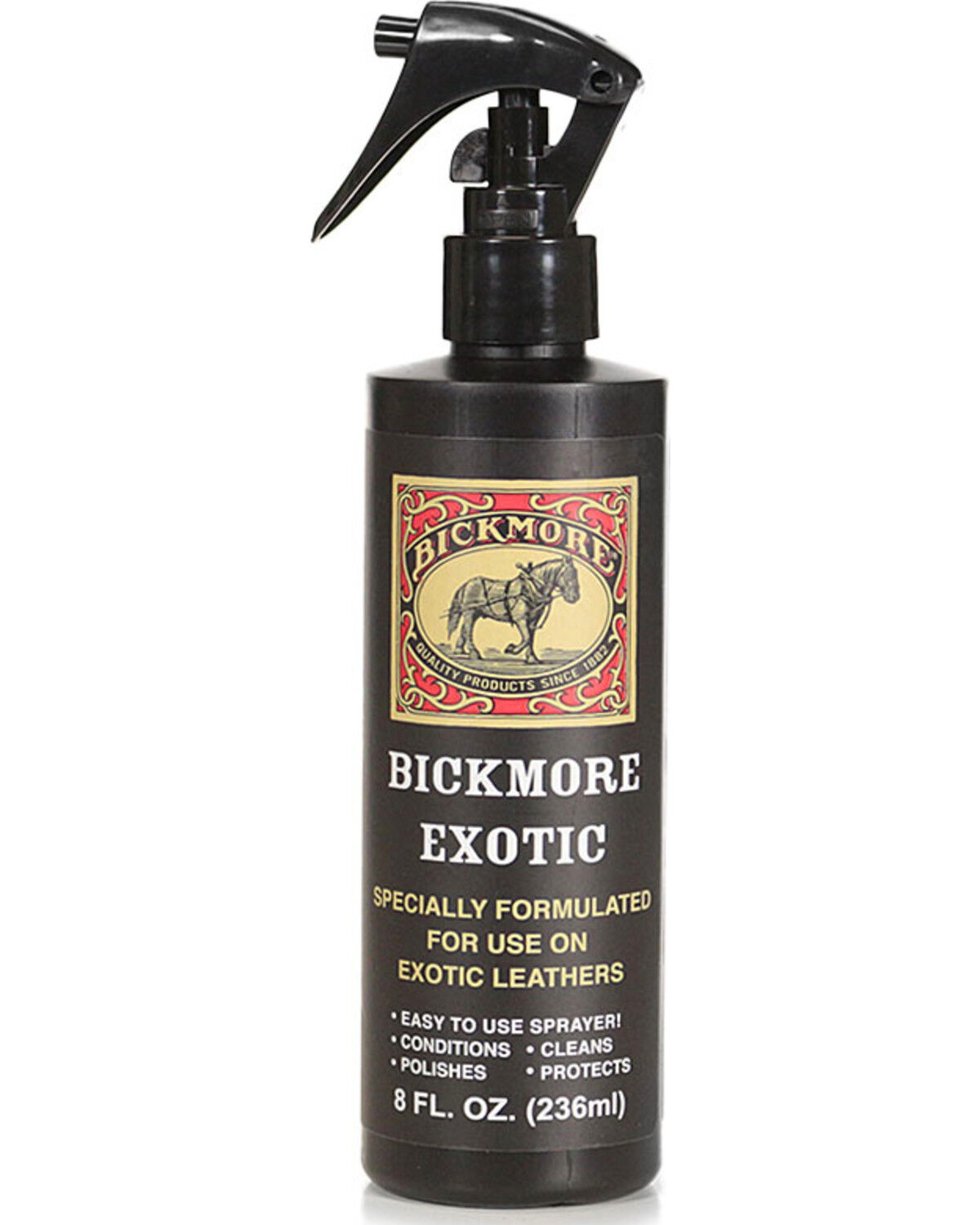
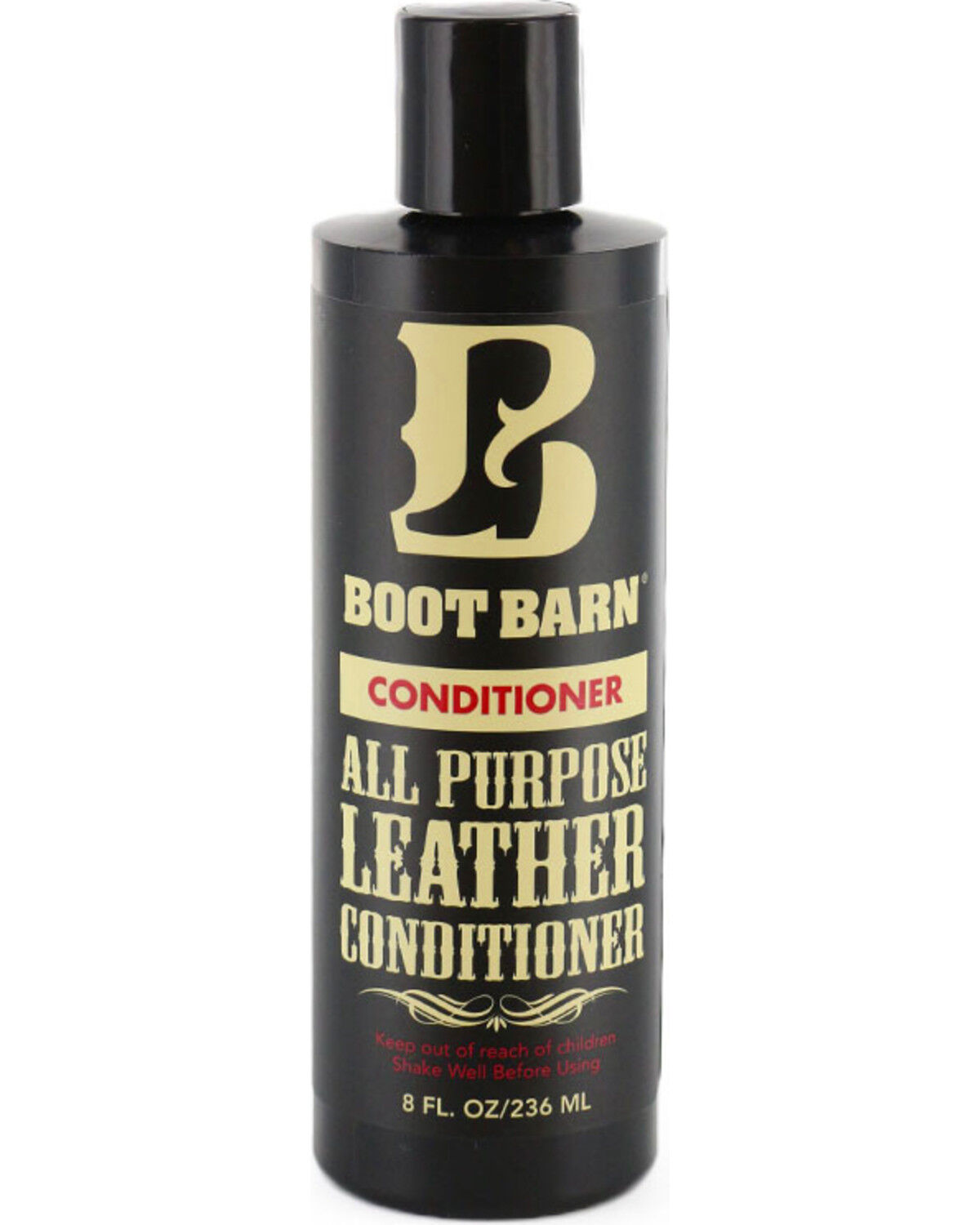
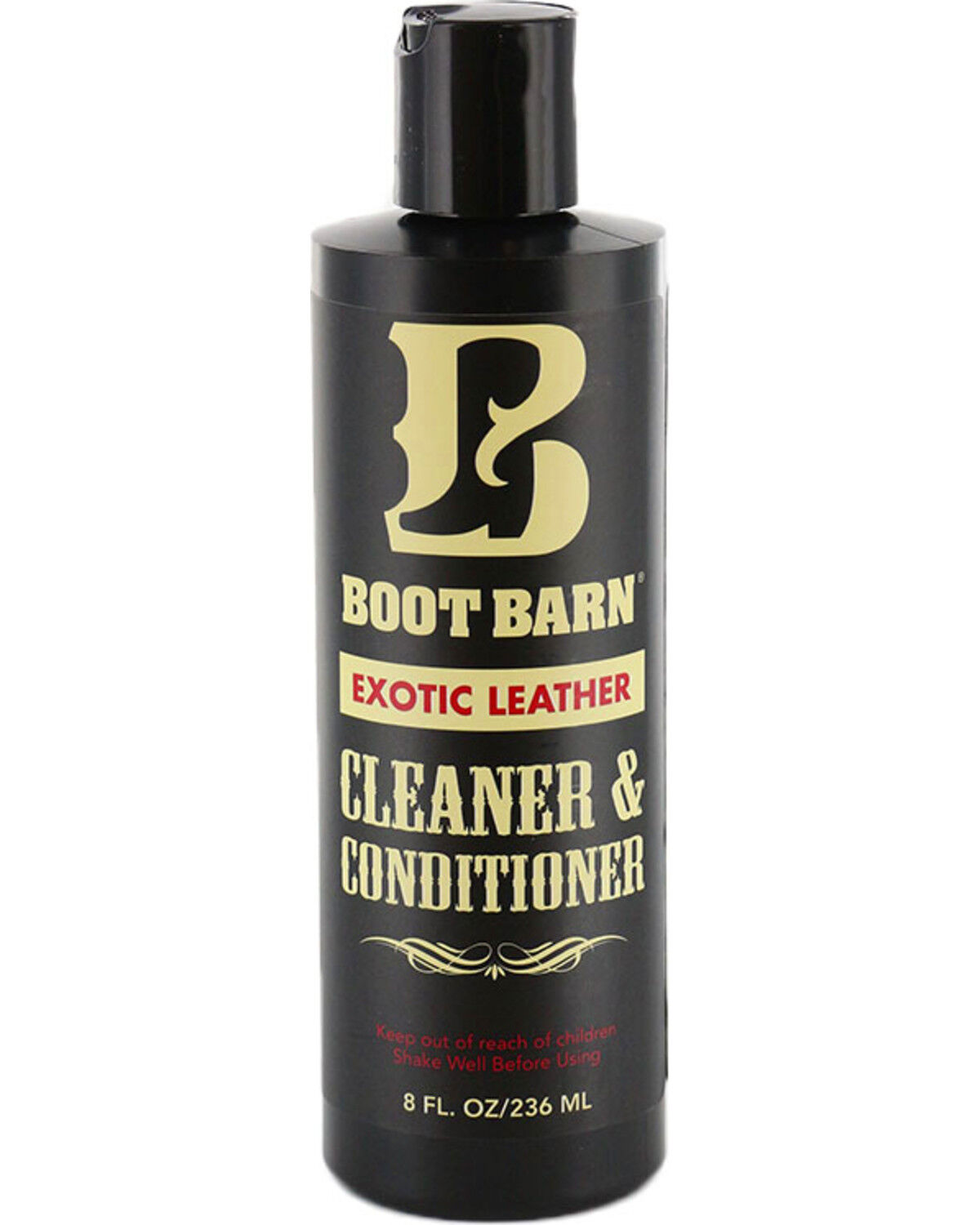
Waterproofing leather boots starts with choosing care products that match the leather and the way the boots are used. Smooth full-grain and finished leather can usually handle a conditioning wax, cream, balm, or leather-safe waterproofing treatment. These products help slow water absorption and protect the leather from damp ground, slush, mud, and road spray. Suede and nubuck need a different approach. Their textured surfaces can flatten, darken, or develop uneven marks when treated with a heavy wax, so a conditioner or spray made for suede or nubuck is generally the better choice. Always check the care instructions for the boot before applying anything, and test the treatment on a small hidden area first. Even clear products can slightly deepen the color or change the finish. A waterproofing treatment also does not turn every boot into a fully sealed rubber boot. The leather may resist rain and snow, but water can still enter through the tongue, seams, openings, worn stitching, or a sole that is not built for wet conditions. If staying dry is the main priority, compare the treatment with the boot’s construction and consider [Waterproof Boots](Waterproof Boots) designed with weather protection in mind. Products in this category make practical additions to a boot-care setup and useful gifts for anyone who works outdoors, spends time around livestock, hunts, hikes, travels in changing weather, or wears the same dependable pair through the cooler months. They are also worth keeping on hand for everyday boots that see wet sidewalks, muddy lots, damp trails, and the occasional bad forecast.

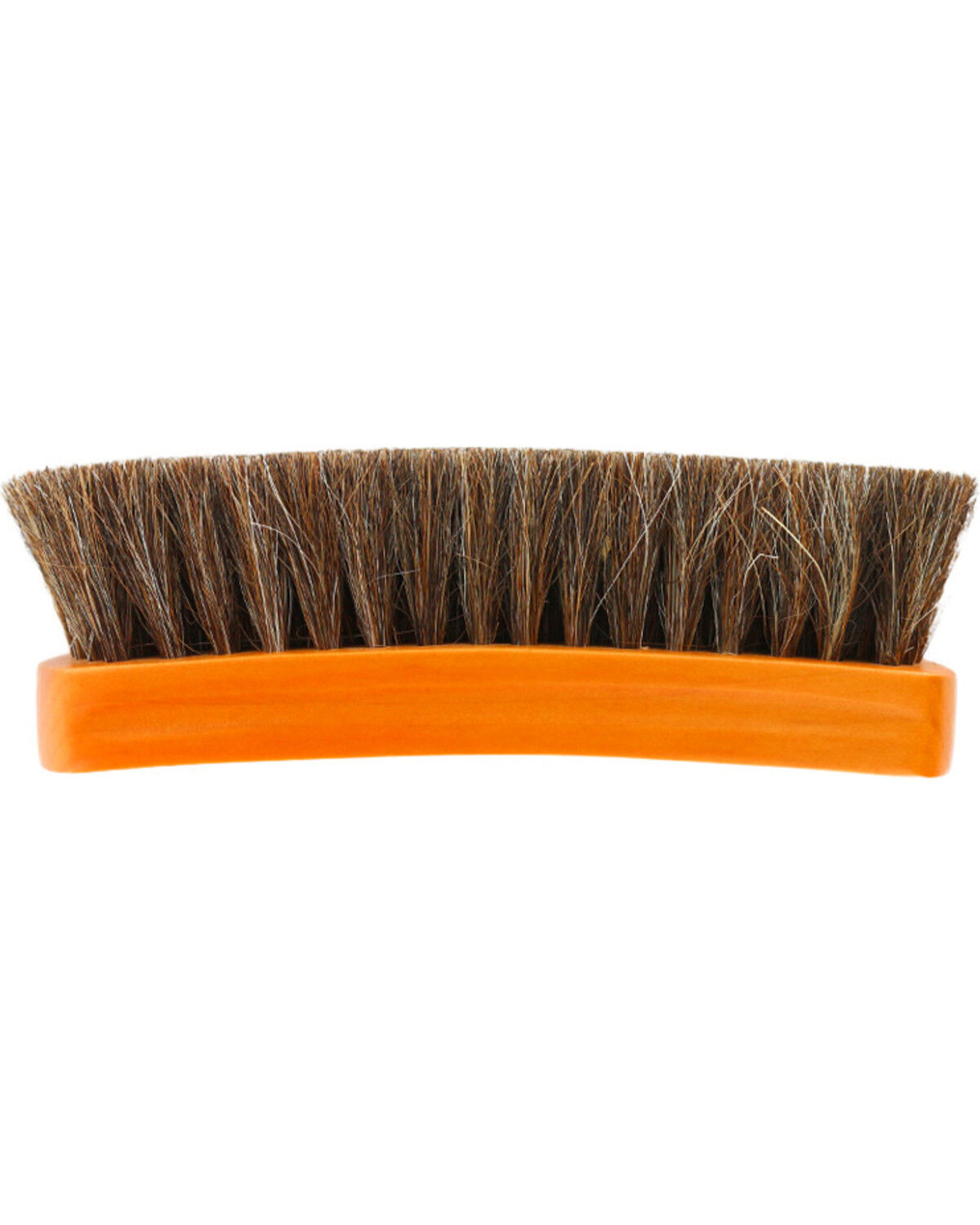
Before applying a waterproofing product, remove the laces so the treatment can reach the tongue, eyelets, folds, and seams. Brush away dried dirt with a soft brush, paying attention to the welt and the places where mud collects around the sole. If the boots are heavily soiled, use a cleaner made for the leather rather than household soap or harsh detergent. A damp cloth or a small amount of leather-safe cleaner can lift grime without stripping away the material’s natural oils and existing finish. Do not saturate the boots during cleaning. Excess water can work its way into the lining and make the drying process longer than necessary. Let the surface become clean and slightly damp, then follow the directions for the selected treatment. Waxes, pastes, creams, and balms are generally worked into smooth leather in a thin, even layer with a clean cloth or applicator. Use small circular motions and give extra attention to stitching, seams, creases, and the area around the welt. Heavy buildup can leave the leather greasy, attract dirt, or make the finish look uneven, so more is not better. Sprays should be applied in an even coat from the distance listed on the container, covering the entire exterior rather than only the toe and heel. Overlapping passes help prevent missed spots. Keep the application area ventilated and protect nearby floors or surfaces. For suede and nubuck, use a light coat and avoid rubbing the nap flat. A clean brush after the treatment has dried can restore the texture. The right preparation matters as much as the product itself. Waterproofing over dust, salt, or mud traps that material against the leather and can leave permanent discoloration.

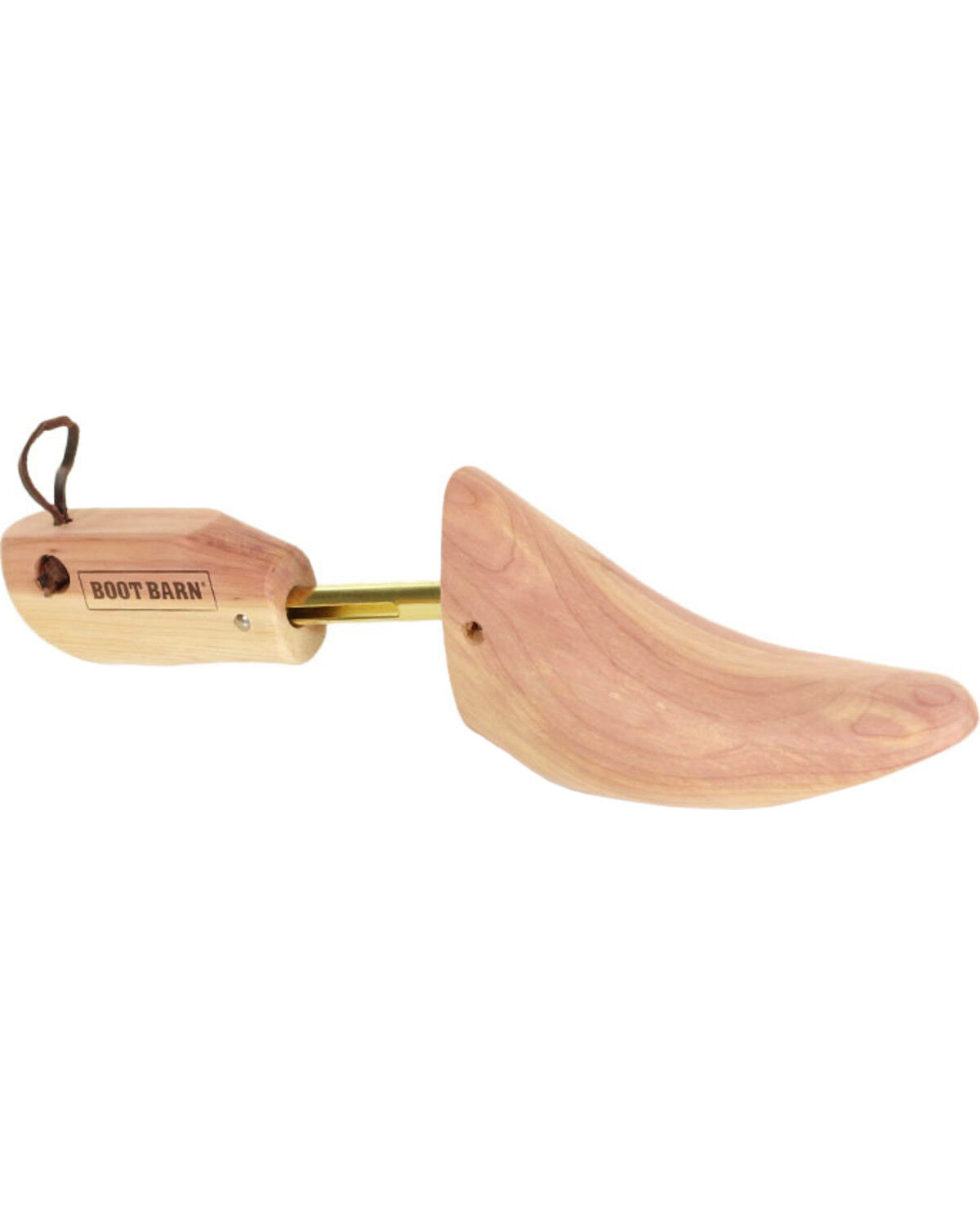
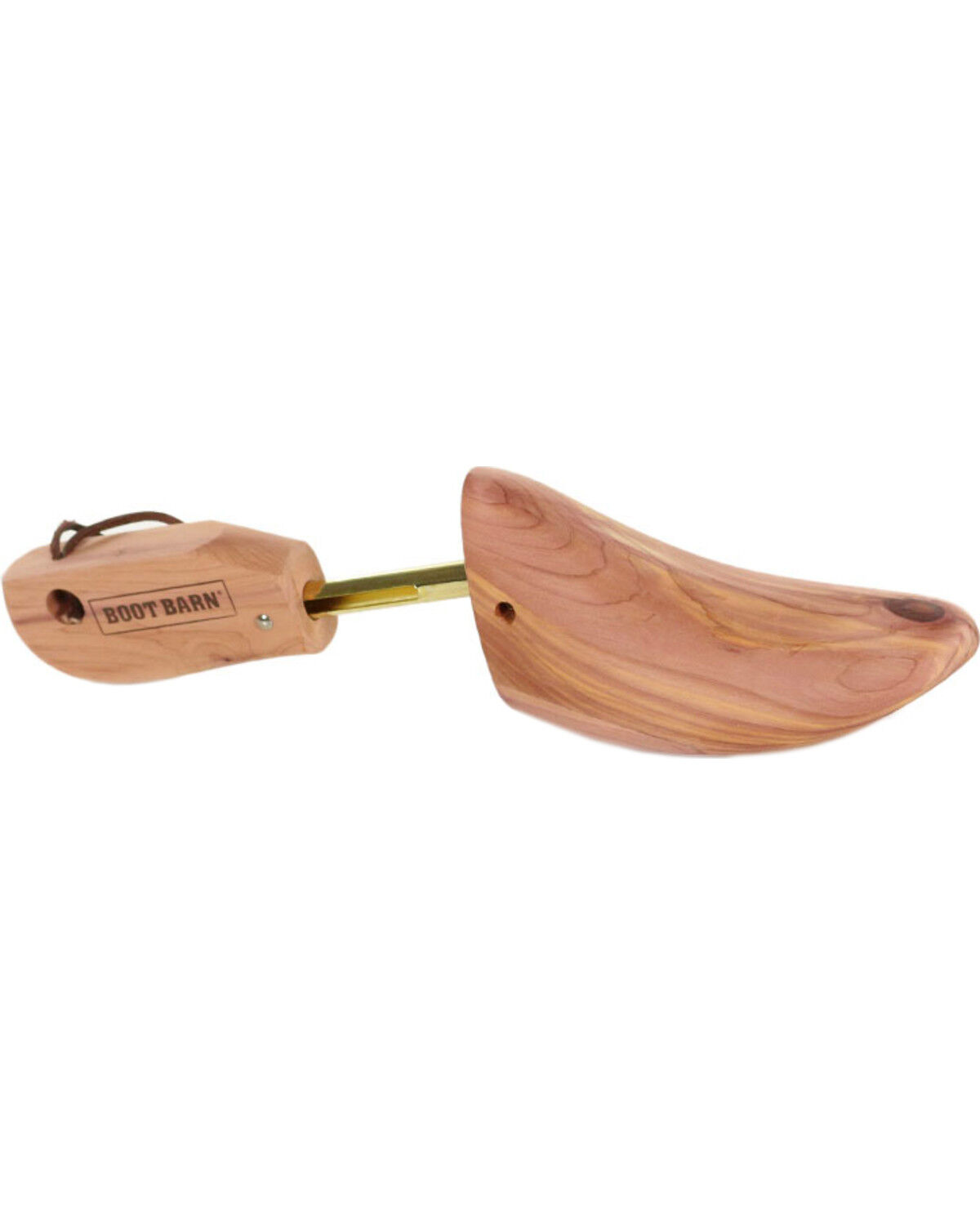
Allow treated boots to dry naturally at room temperature before wearing them. Set them in a well-ventilated place with the opening spread wide so air can move through the boot. Drying may take a full day or longer when the leather, lining, or insoles are damp. Keep boots away from radiators, heaters, fireplaces, hair dryers, and other direct heat. High heat can pull moisture from the leather too quickly, causing stiffness, shrinking, cracked finish, or separated soles. Stuffing the boots loosely with plain paper can help absorb moisture and hold their shape; replace the paper if it becomes wet. Avoid using printed newspaper, since ink can transfer to lighter linings. Once the boots are completely dry, wipe away any excess treatment with a soft cloth and reinstall the laces. Reapply waterproofing when the leather begins to absorb water instead of allowing it to bead or roll away, or when the finish looks dry after repeated exposure to wet conditions. Clean the boots before each reapplication, and condition smooth leather as needed without overloading it. Regular care is especially useful during periods of rain, snow, freezing temperatures, and muddy ground, when leather faces more moisture and grit than it does during dry weather. A small care kit can serve a working partner who spends long hours outside, a family member preparing for a trip, or someone who has invested in a well-made pair and wants to keep it comfortable for years. The best results come from matching the treatment to the leather, applying a light and complete coat, and giving the boots enough time to dry before they return to the job, trail, or daily routine.
Read More

FAQs