Leather Boot Care

Find leather boot care supplies to help maintain your cowboy boots and work boots. Match your care routine to your boots’ leather and finish, and check both the boot manufacturer’s care instructions and product directions before use.

Read More

Shop Your Store: Shop Your Store: Find a Store

(Turn off Shop Your Store to see all items)

(Turn off Shop Your Store to see all items)

close
  • Recommended
  • Lowest Price
  • Highest Price
Skip pass products

End of products

Leather Boot Care

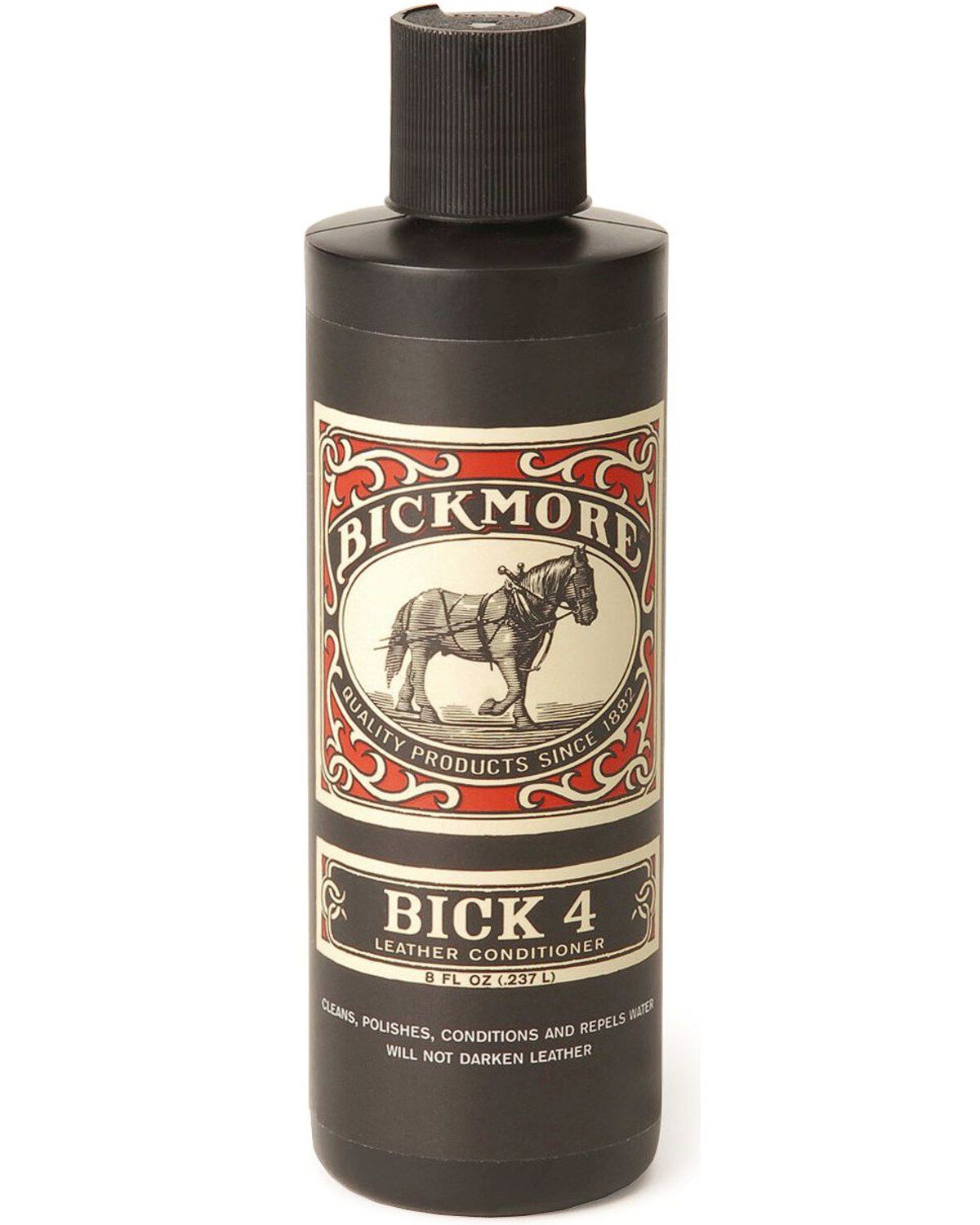
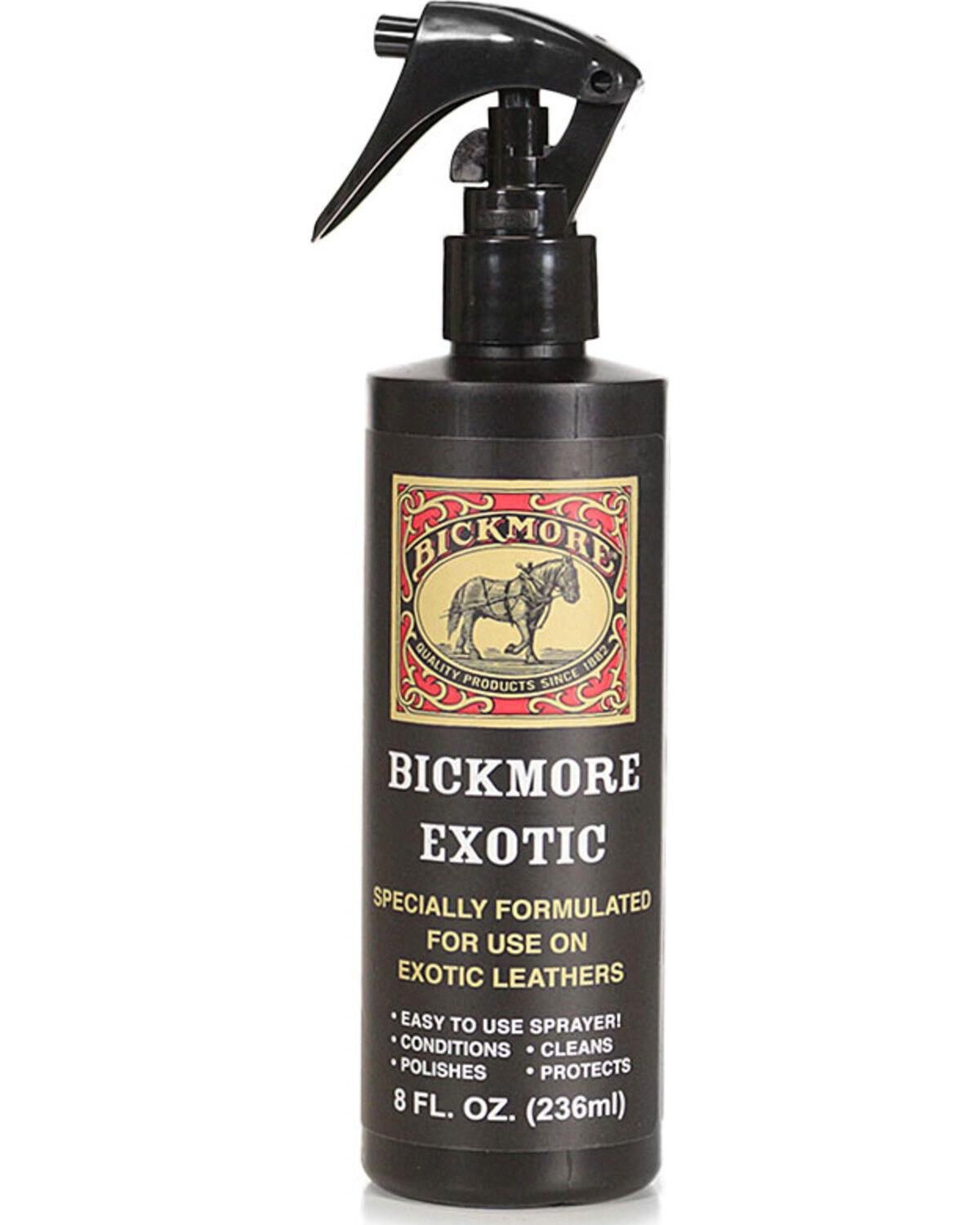
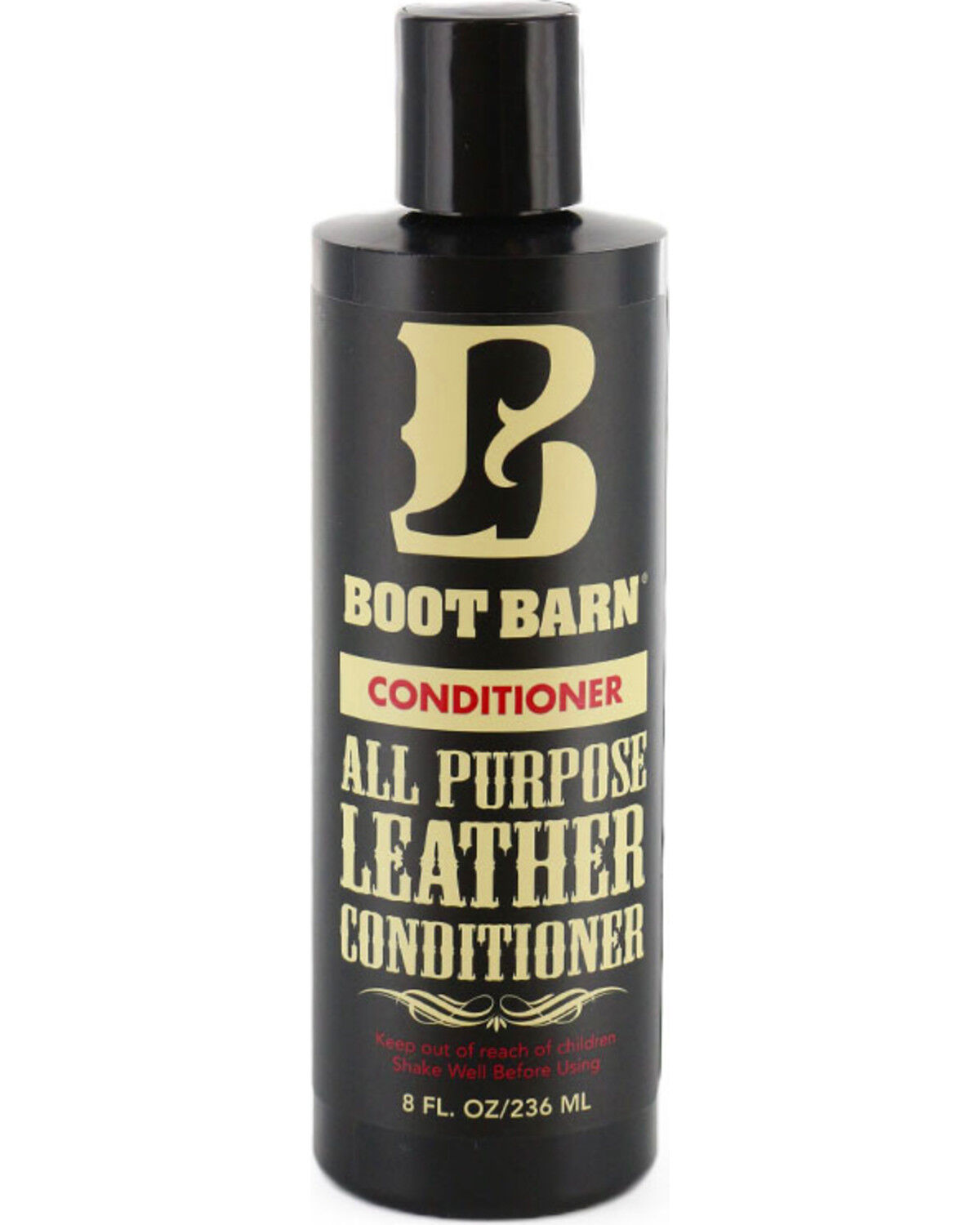
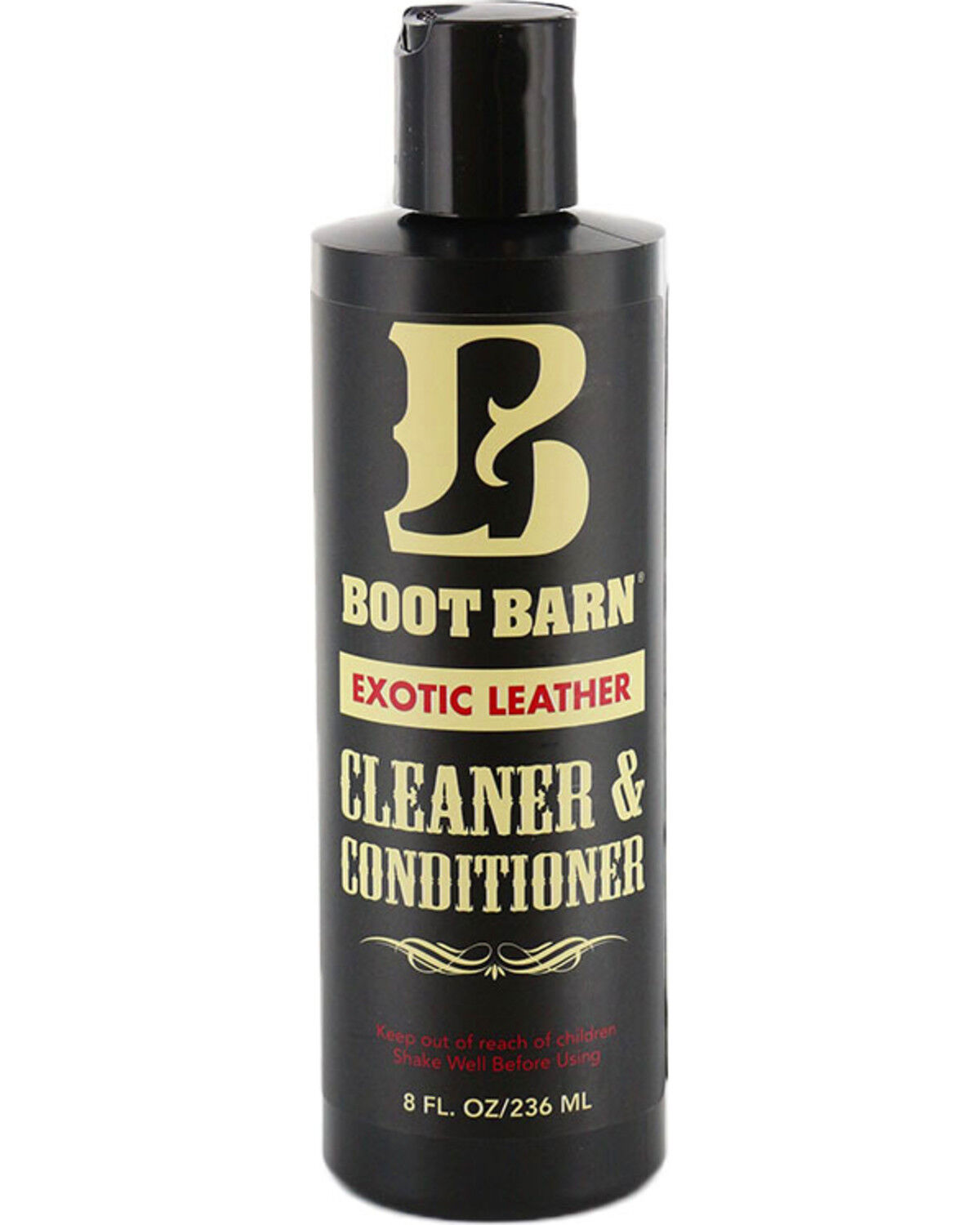
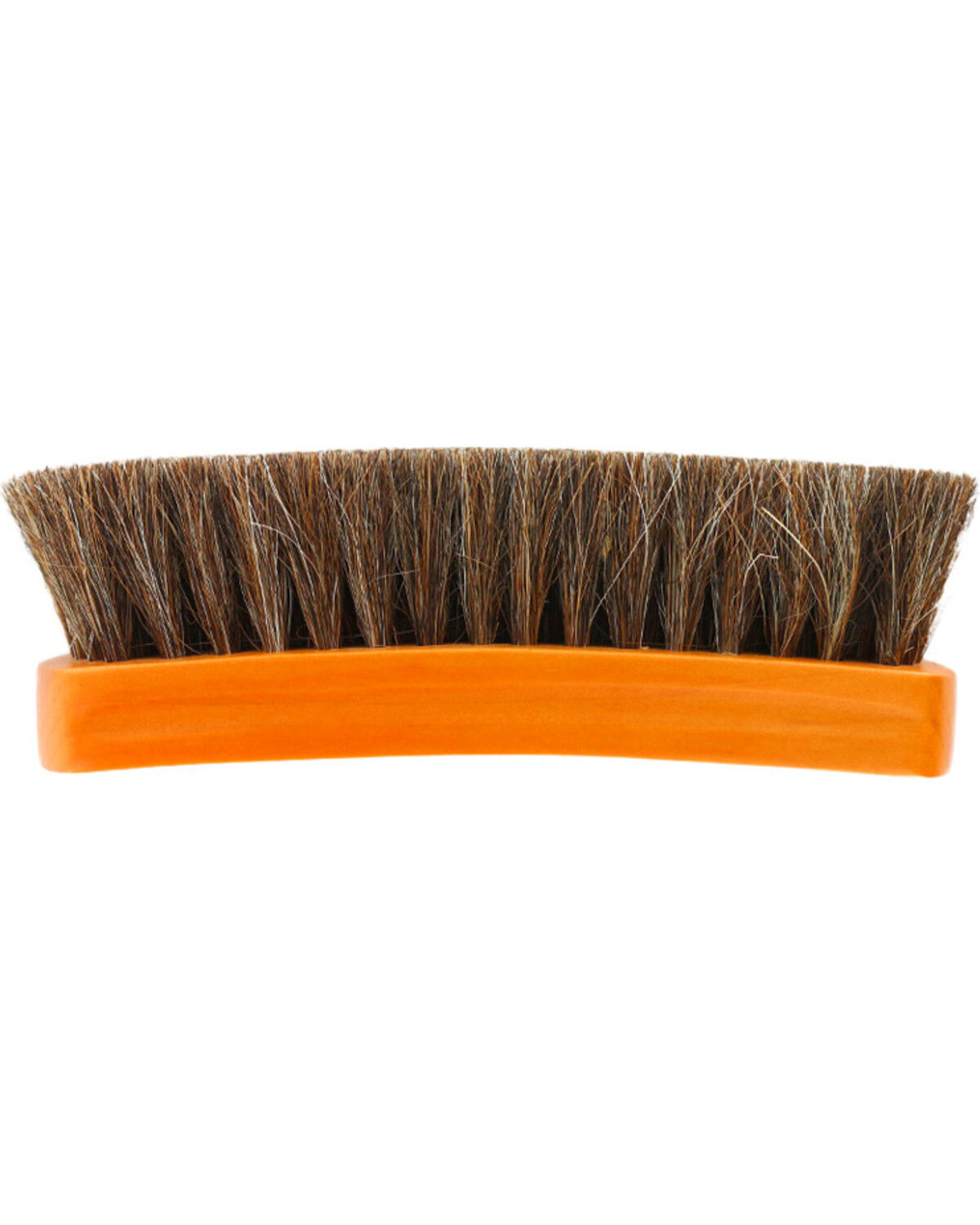
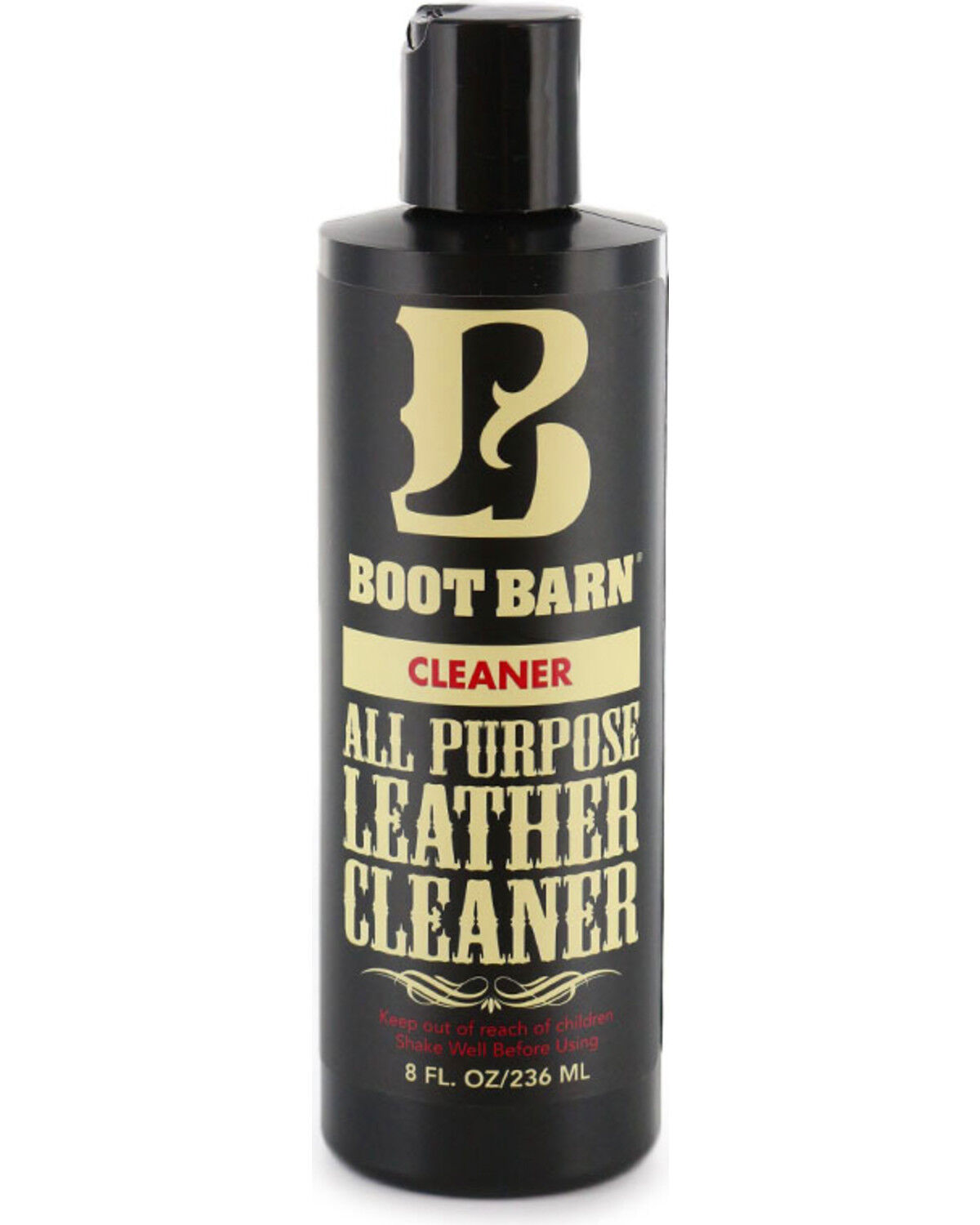
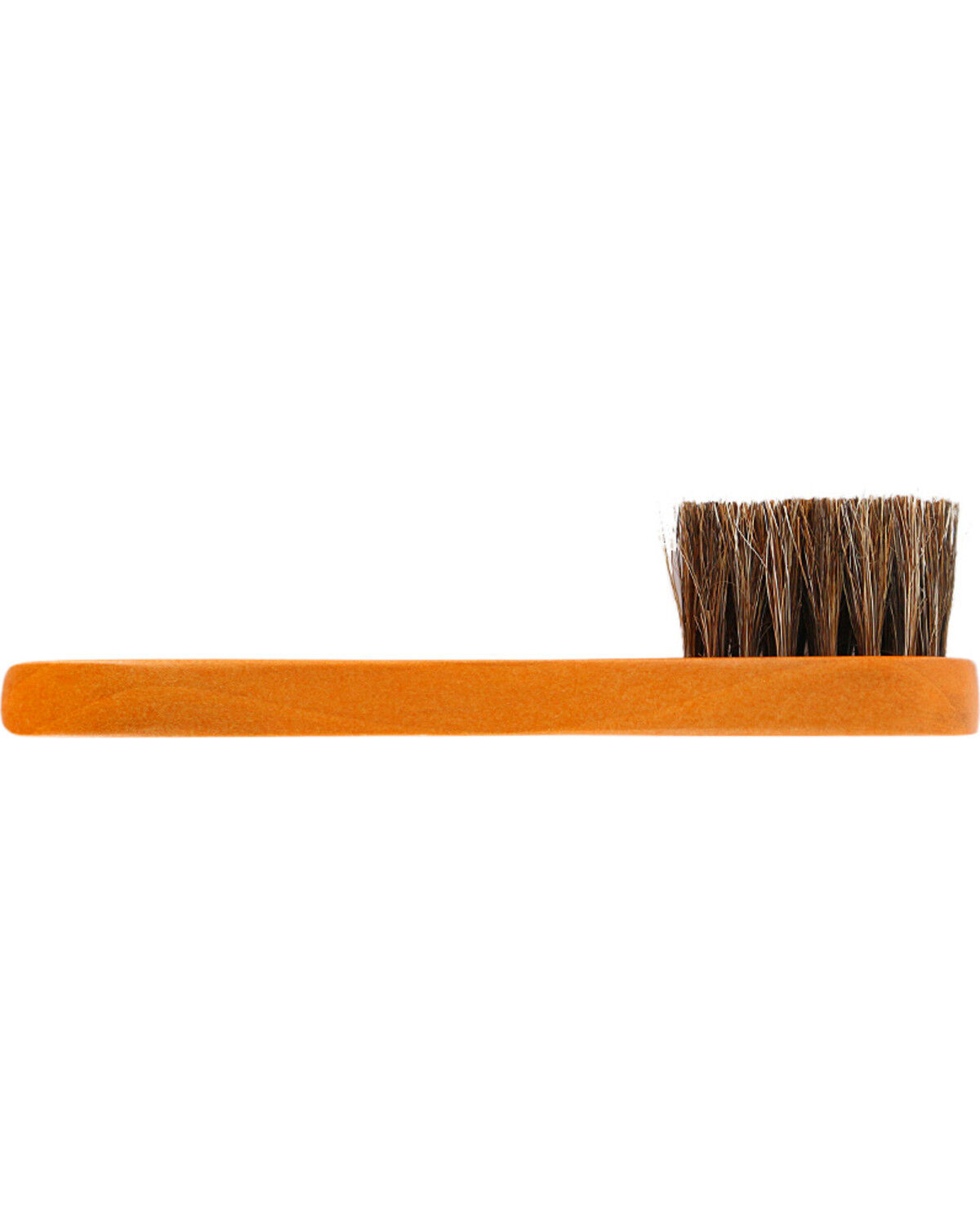
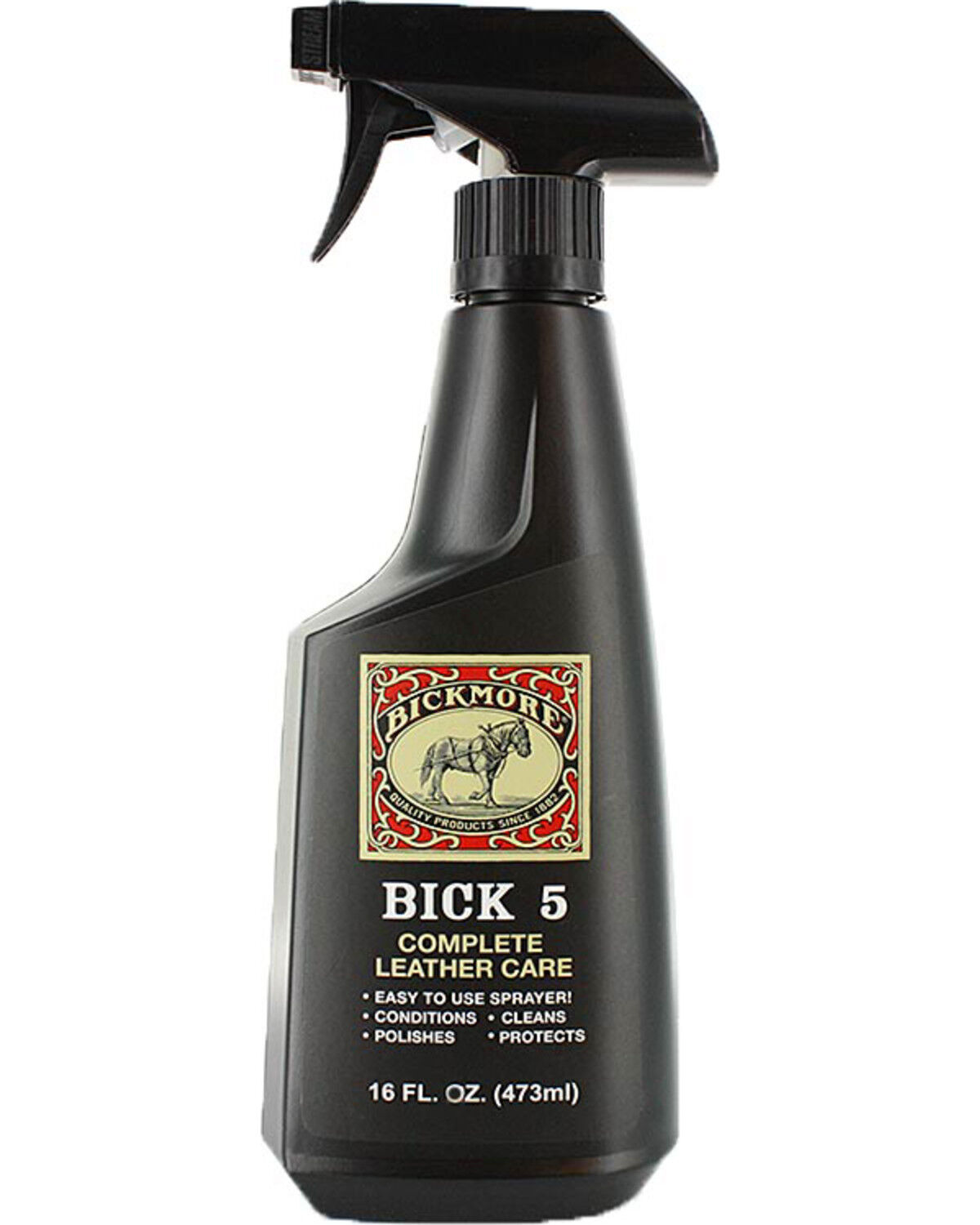
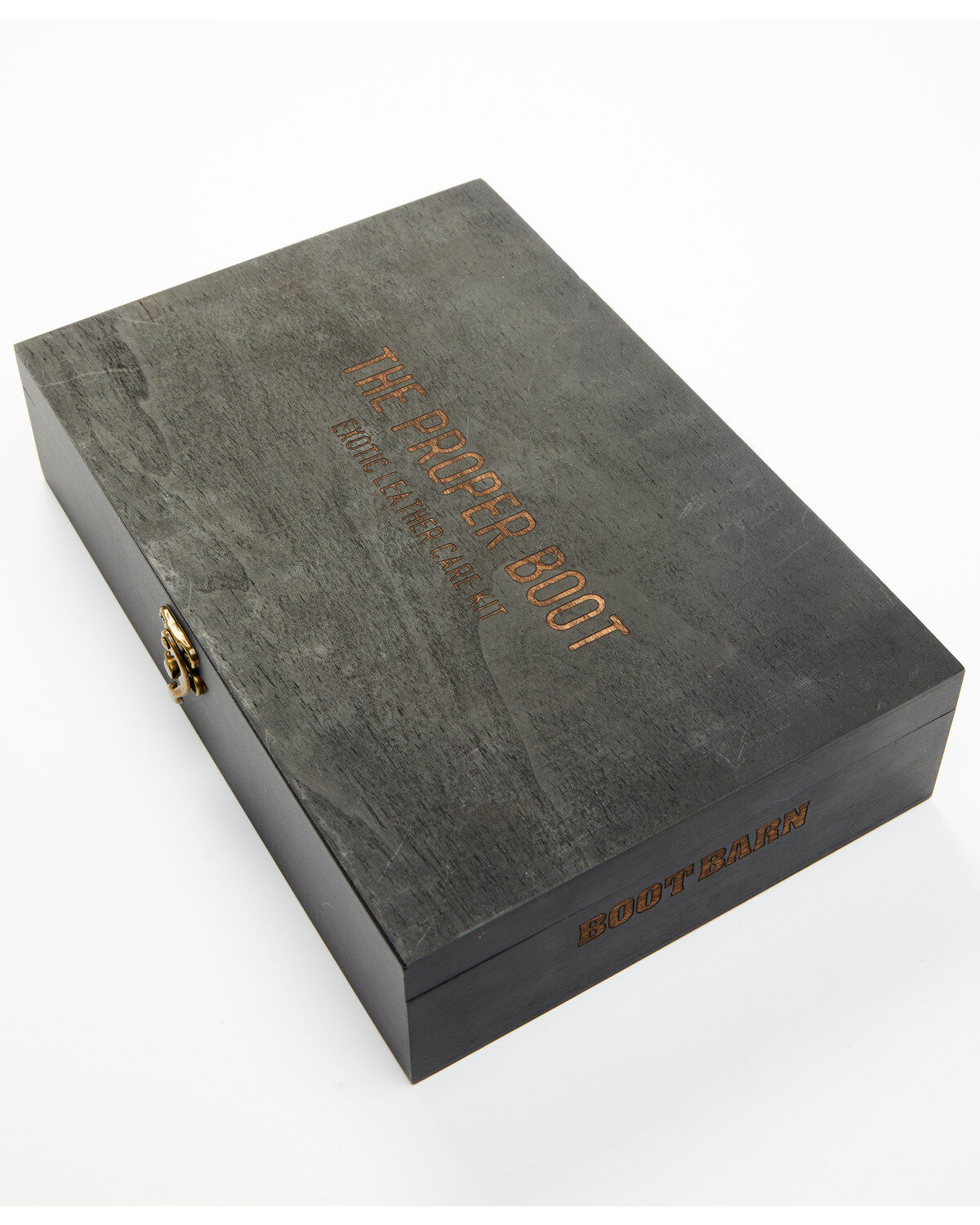
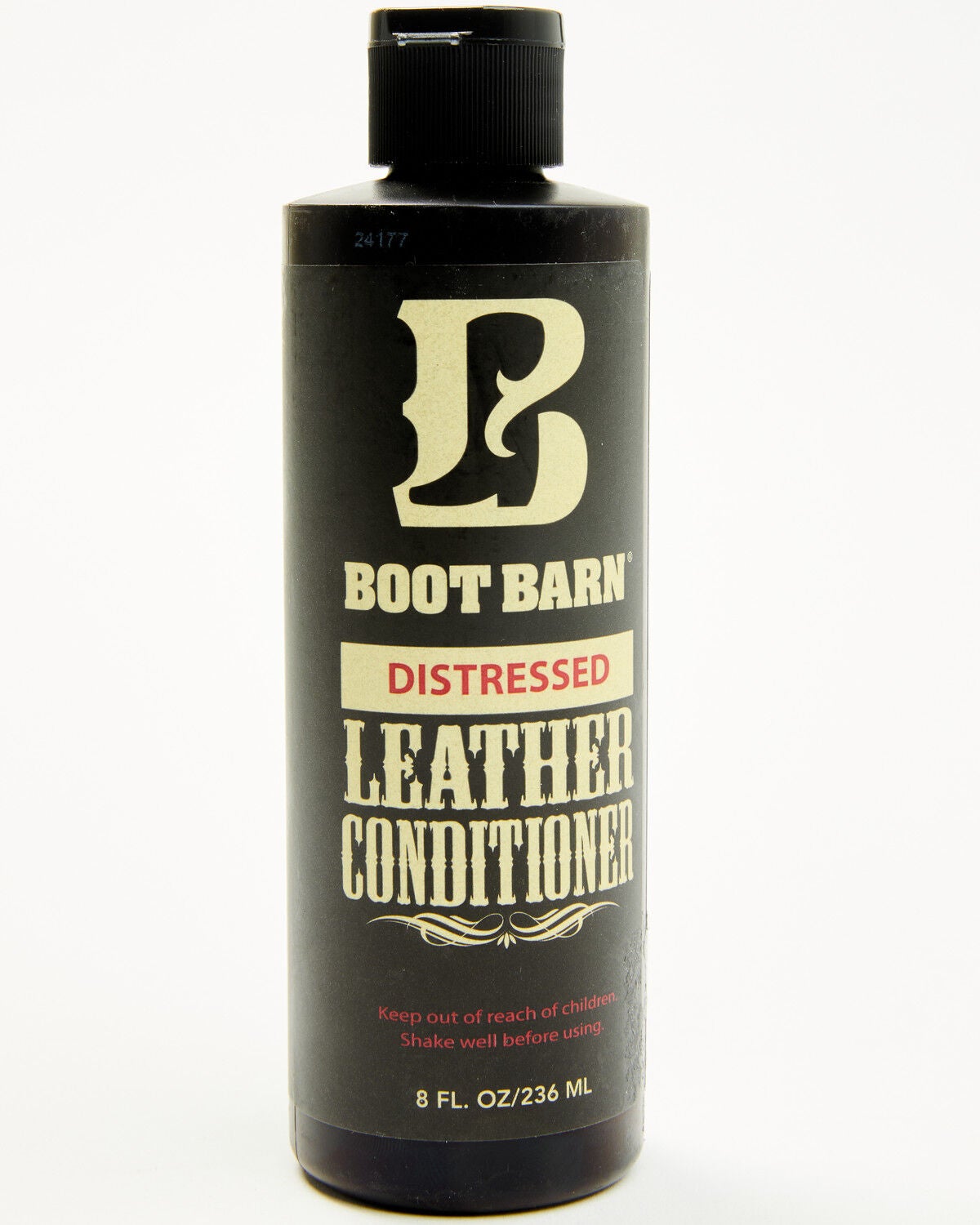
Leather boot care products help preserve the material, finish, and appearance of footwear that sees regular use. Cowboy boots worn around the barn, leather work boots on a jobsite, and dress boots with a polished toe all collect dirt and develop wear in different ways. A useful care routine addresses three needs: removing surface dirt, conditioning leather when it needs moisture, and protecting the finish with a treatment suited to the material. Cleaners, conditioners, brushes, cloths, and polishing supplies serve different purposes rather than acting as interchangeable solutions. Leather cleaner lifts residue that a dry brush cannot remove. Conditioner helps keep compatible leather supple. Polish improves the appearance of smooth, finished leather and can soften the look of light surface scuffs. The right choice starts with the boot itself. Full-grain describes leather that retains its original grain surface, but its finish still determines which care products are appropriate. Smooth leather, oil-tanned leather, suede, and nubuck do not all respond well to the same formula. Suede and nubuck have a raised texture that can become flattened or discolored by products intended for polished leather. Exotic leathers, decorative finishes, and contrasting leather panels may also require specialized care. Manufacturer care directions are the best starting point for matching a formula to those materials. For routine cleaning, a soft horsehair brush removes loose dust from smooth leather, while a lightly damp cloth can lift surface residue without soaking the boot. A brush intended for suede or nubuck helps maintain the texture of those materials. Dirt lodged around stitching, the welt, or the base of the shaft deserves attention because grit can rub against leather as the boot flexes. Mild leather cleaners offer a more controlled option than household detergents, which may strip oils or affect the finish. Cleaning before conditioning also keeps dirt from being worked into the surface. Boots should be allowed to dry naturally before another treatment is applied, leaving the leather ready for care rather than covered by another layer of residue.

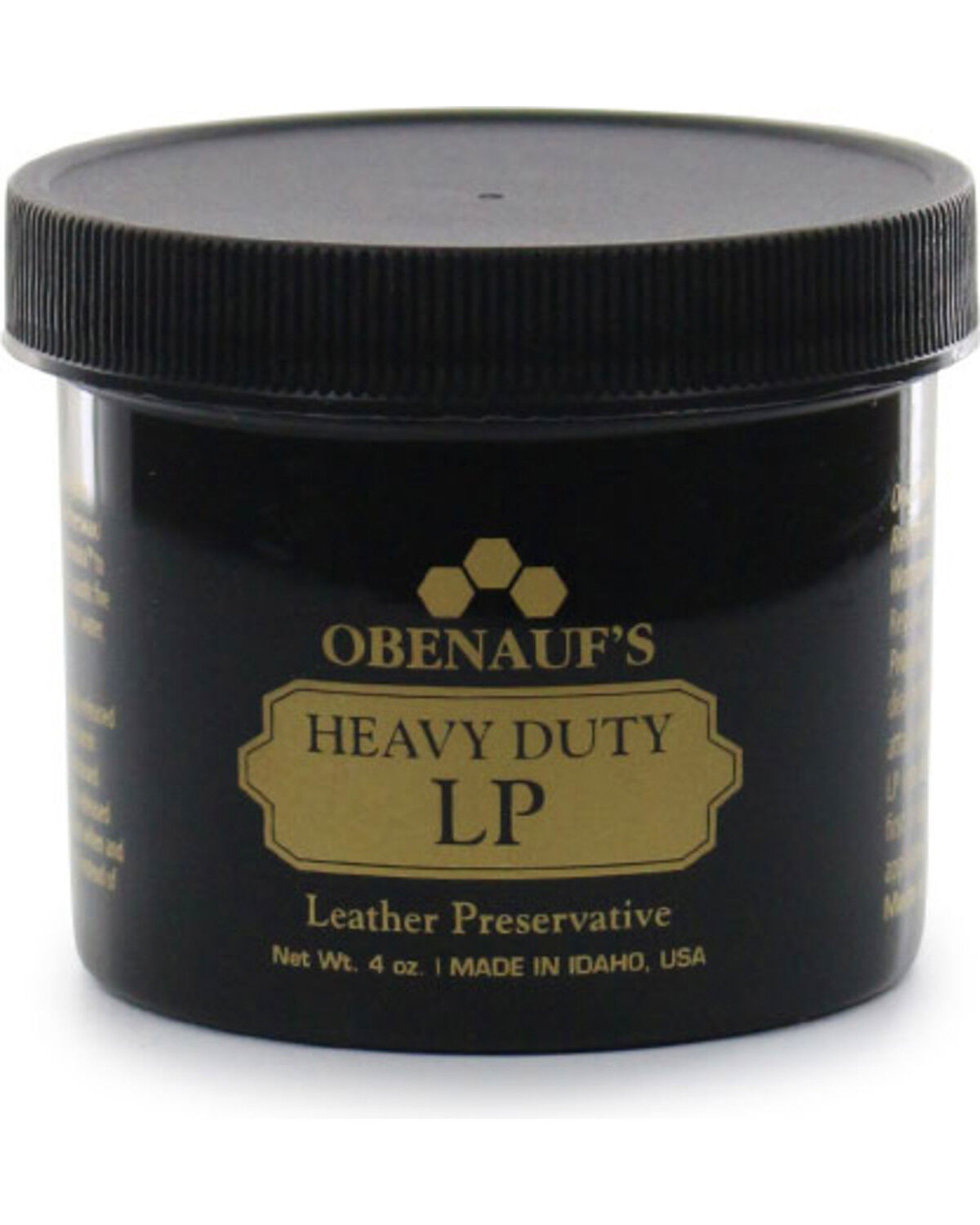
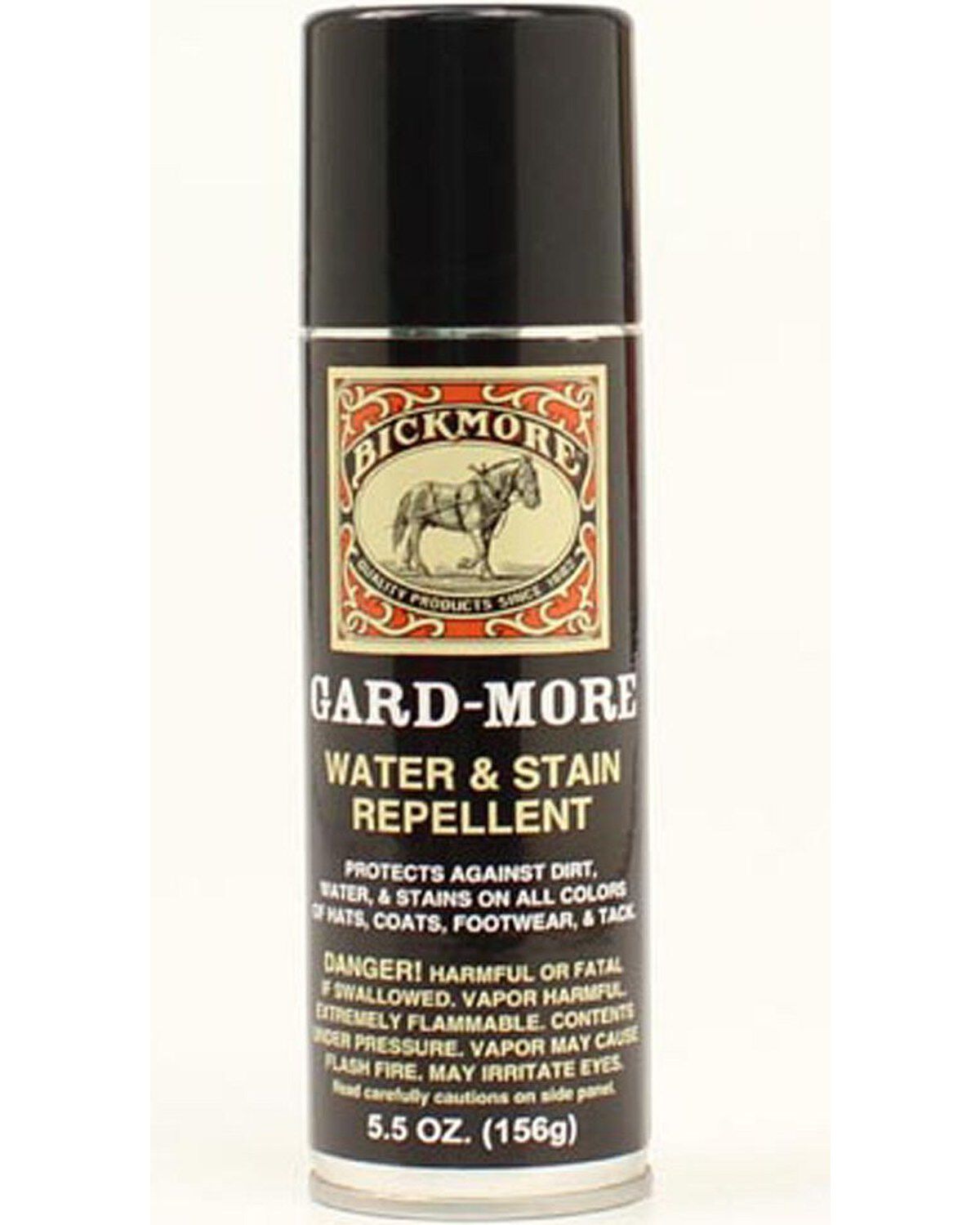
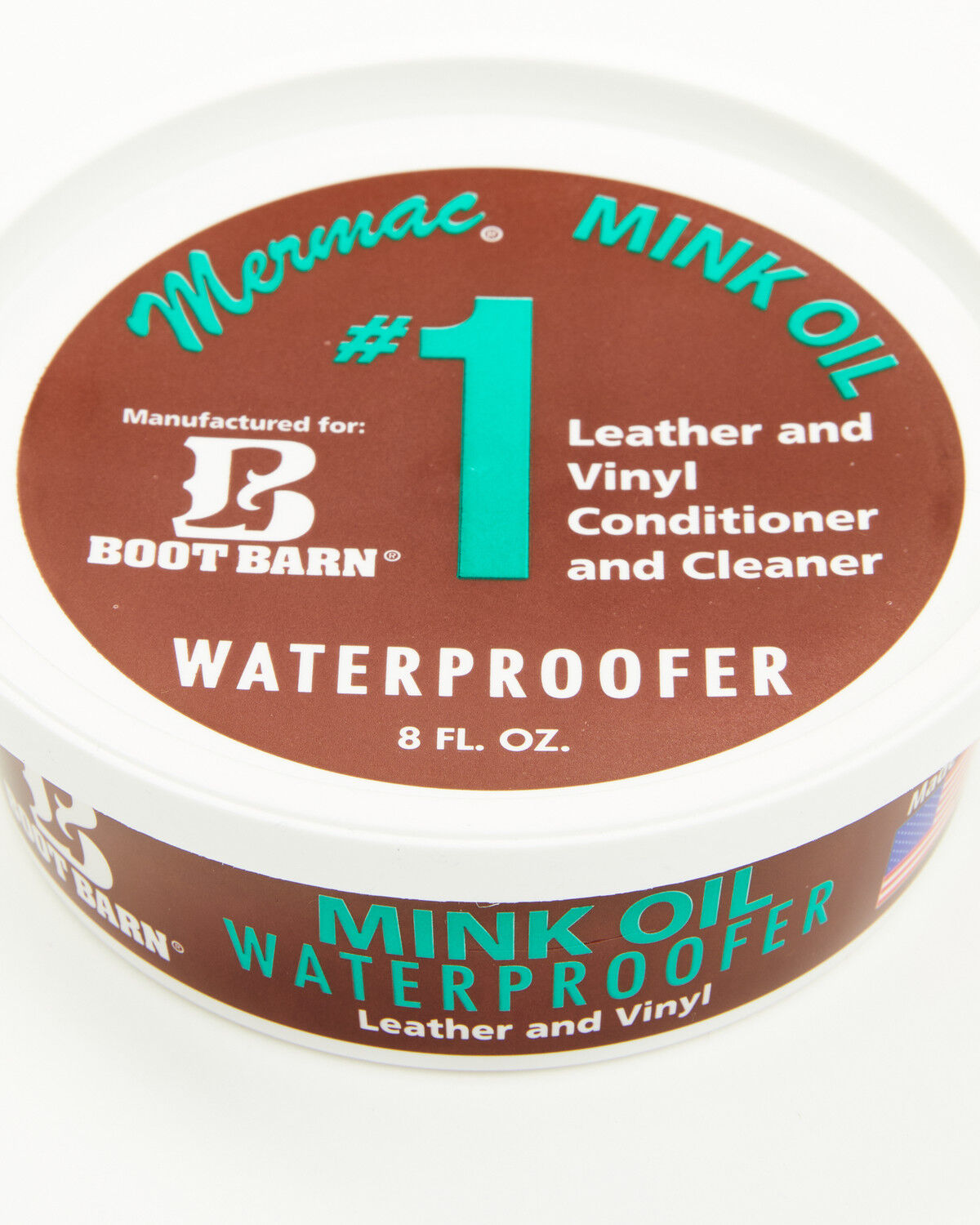
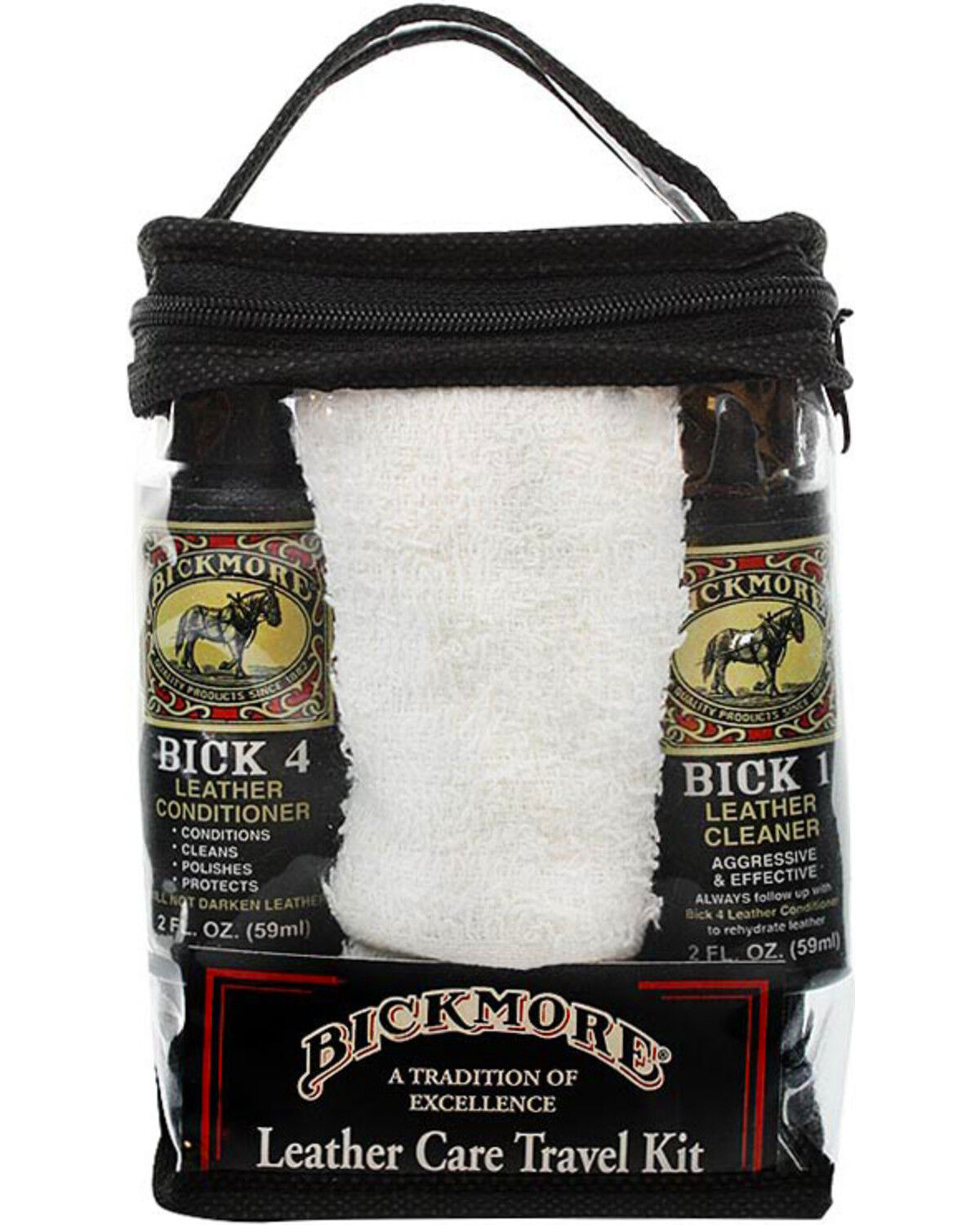
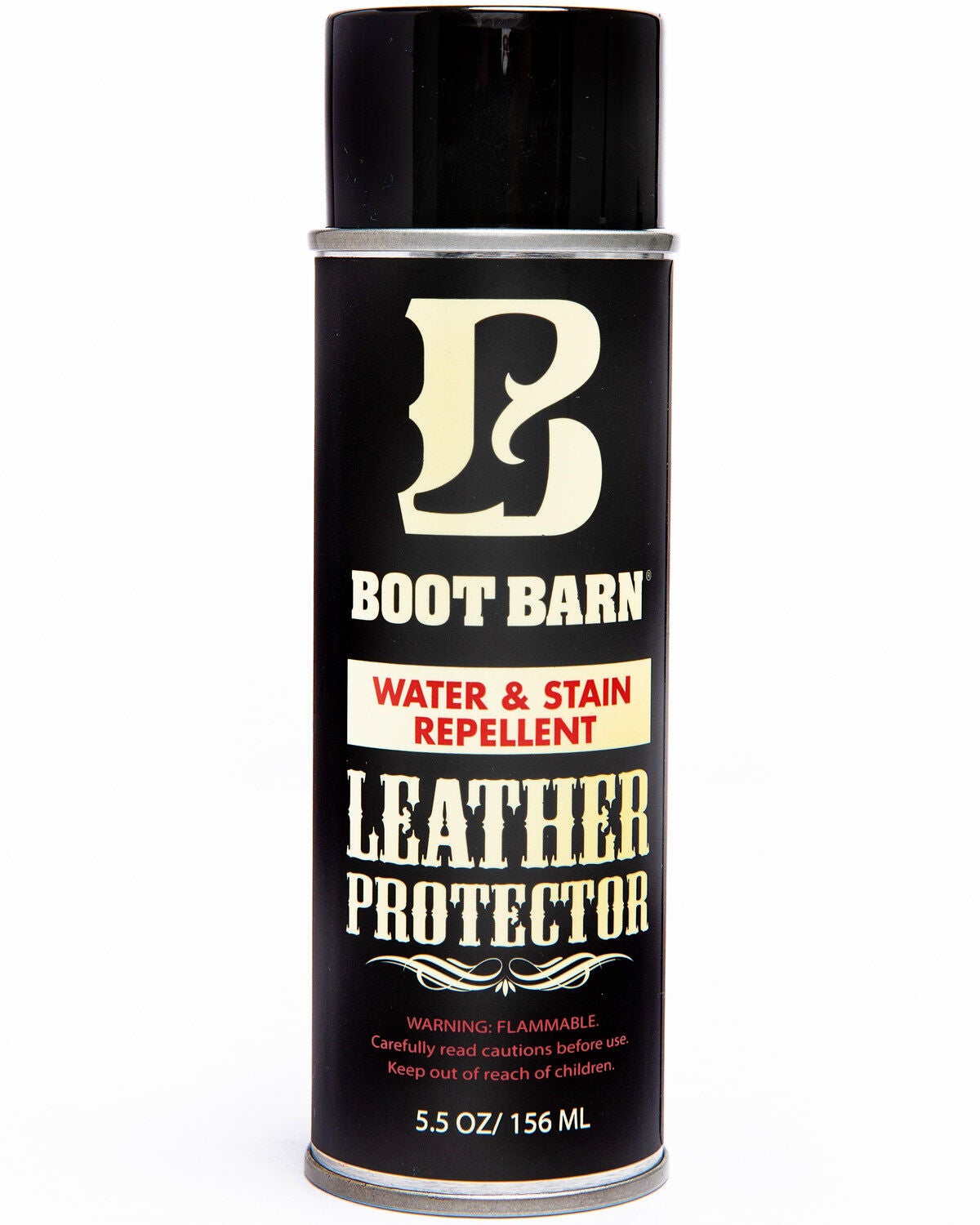
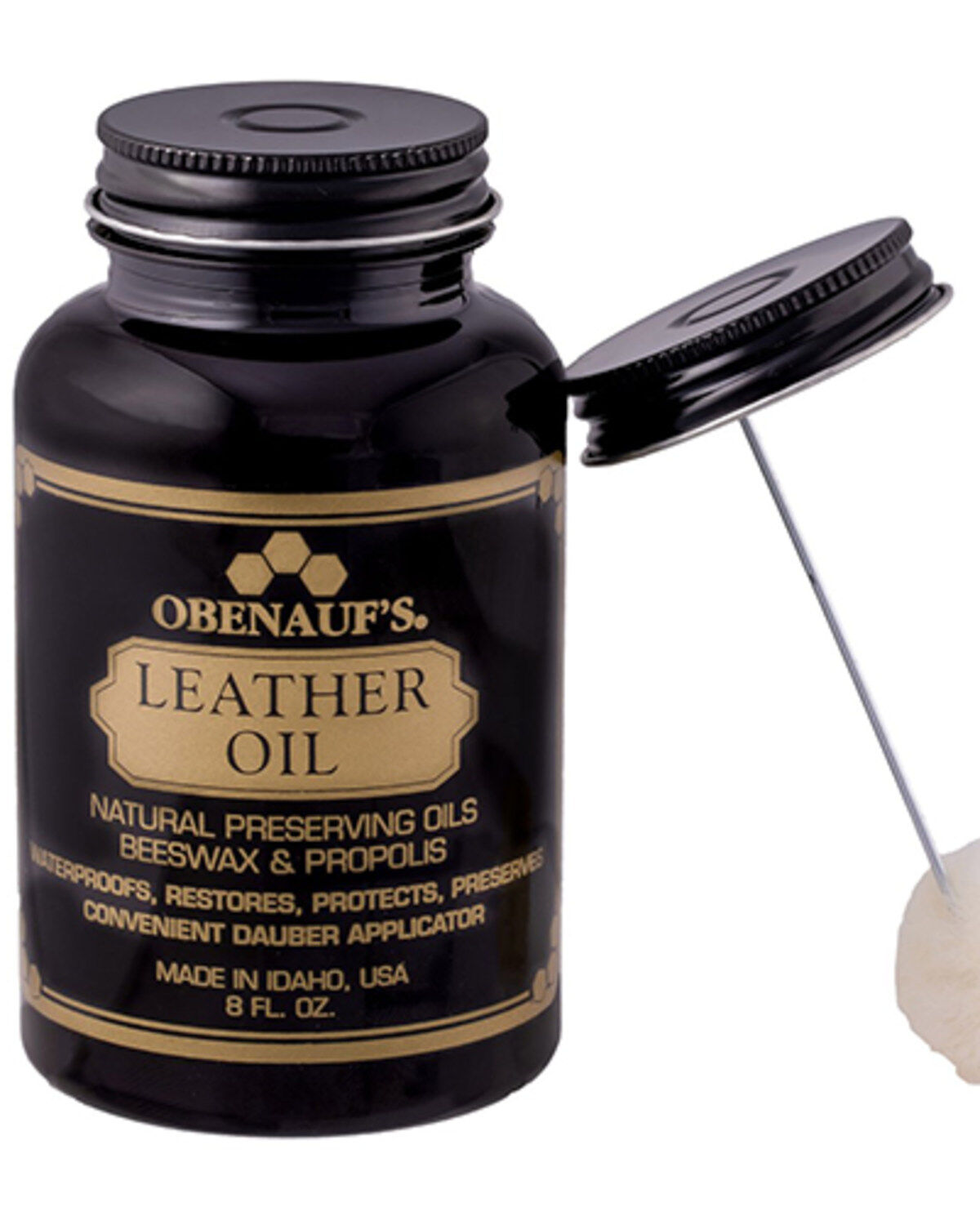
Leather conditioners vary in texture, ingredients, and the finish they leave behind. Some absorb with little visible change; others deepen the color or leave a richer surface sheen. Oils, creams, and wax-based formulas are not equally suitable for every pair, especially when light-colored leather, detailed tooling, or a matte finish is part of the boot’s appearance. A small test on an inconspicuous area helps reveal darkening or other changes before the whole boot is treated. For compatible smooth leather, a thin, even application is generally more useful than a heavy coating. Excess product can leave the surface greasy, attract dust, or build up around seams. Conditioning needs depend on the leather, how often the boots are worn, and how they are used. A pair worn daily may need attention sooner than boots reserved for occasional wear, so a fixed calendar schedule is less useful than checking the material and following the maker’s directions. Leather that looks dull or feels unusually dry may need conditioning, while leather that remains soft and flexible may not. Polish serves a different purpose: it adds color and shine to suitable finished leather but does not replace a conditioner when the material needs one. Neutral polish avoids adding pigment, though it can still change the appearance of a finish. Colored polish requires a close match and care around contrast stitching, embroidery, and lighter panels. For boots exposed to damp ground or frequent splashes, Leather Boot Waterproofing Products offer treatments designed to help compatible materials resist moisture. Waxes, creams, and sprays differ in their suitability for smooth leather, textured leather, and boots with waterproof membranes. A surface treatment does not make every boot completely waterproof; seams, construction, and any built-in barrier still matter. Compatibility with the boot’s material and construction matters more than choosing the heaviest coating. Keeping treatments off outsoles also helps prevent residue from affecting traction. These differences make finish, intended use, and application method practical considerations when selecting leather care supplies.

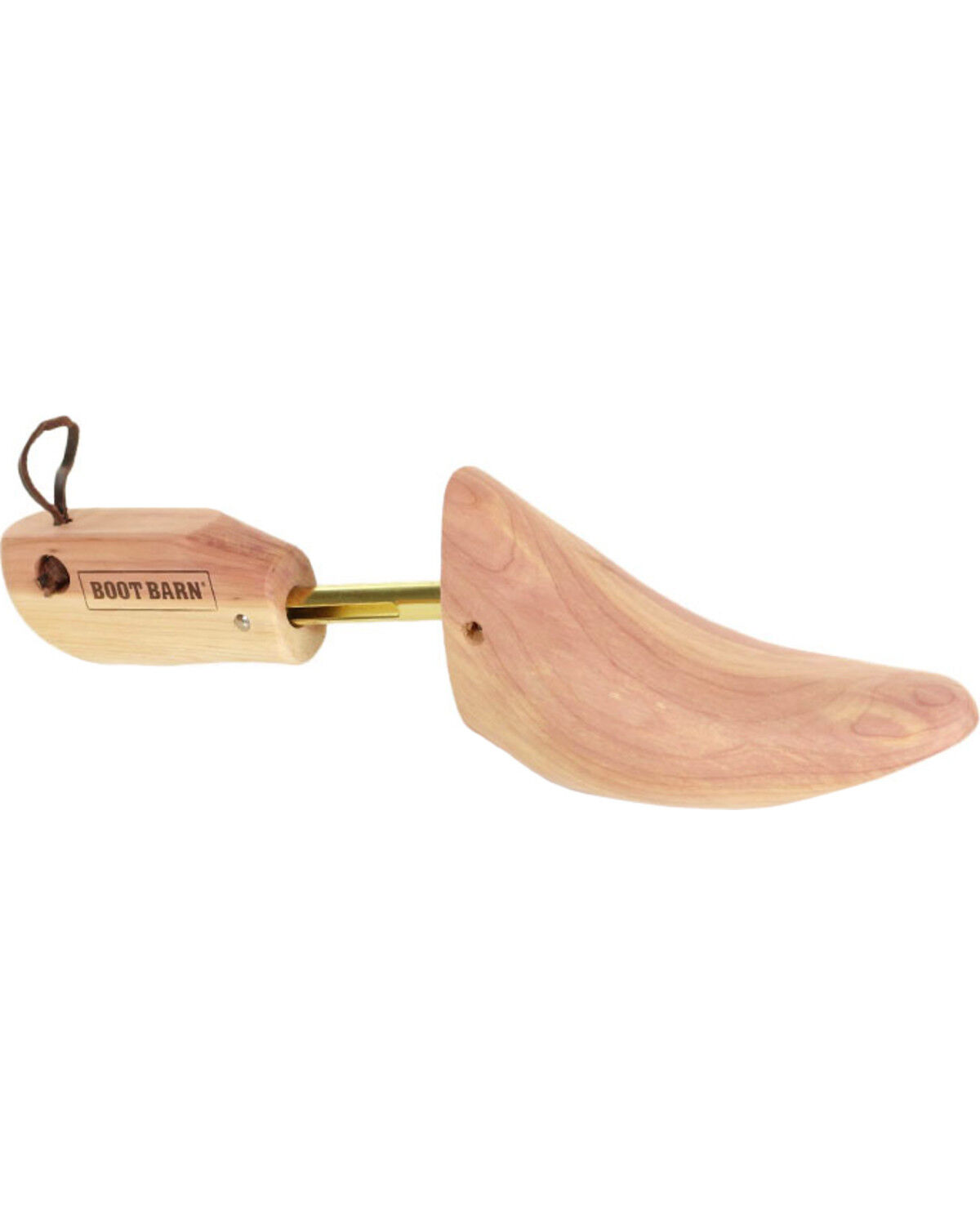
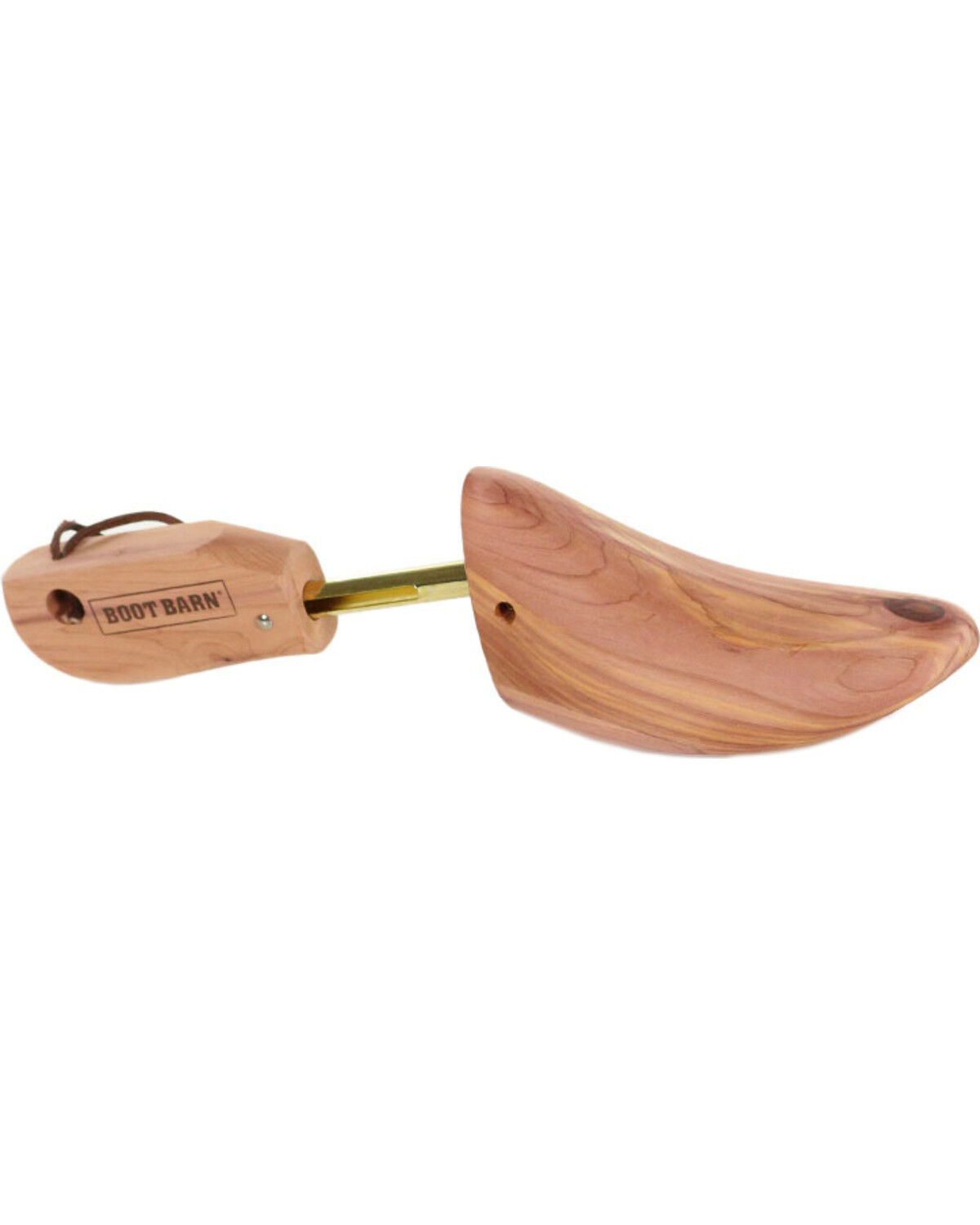
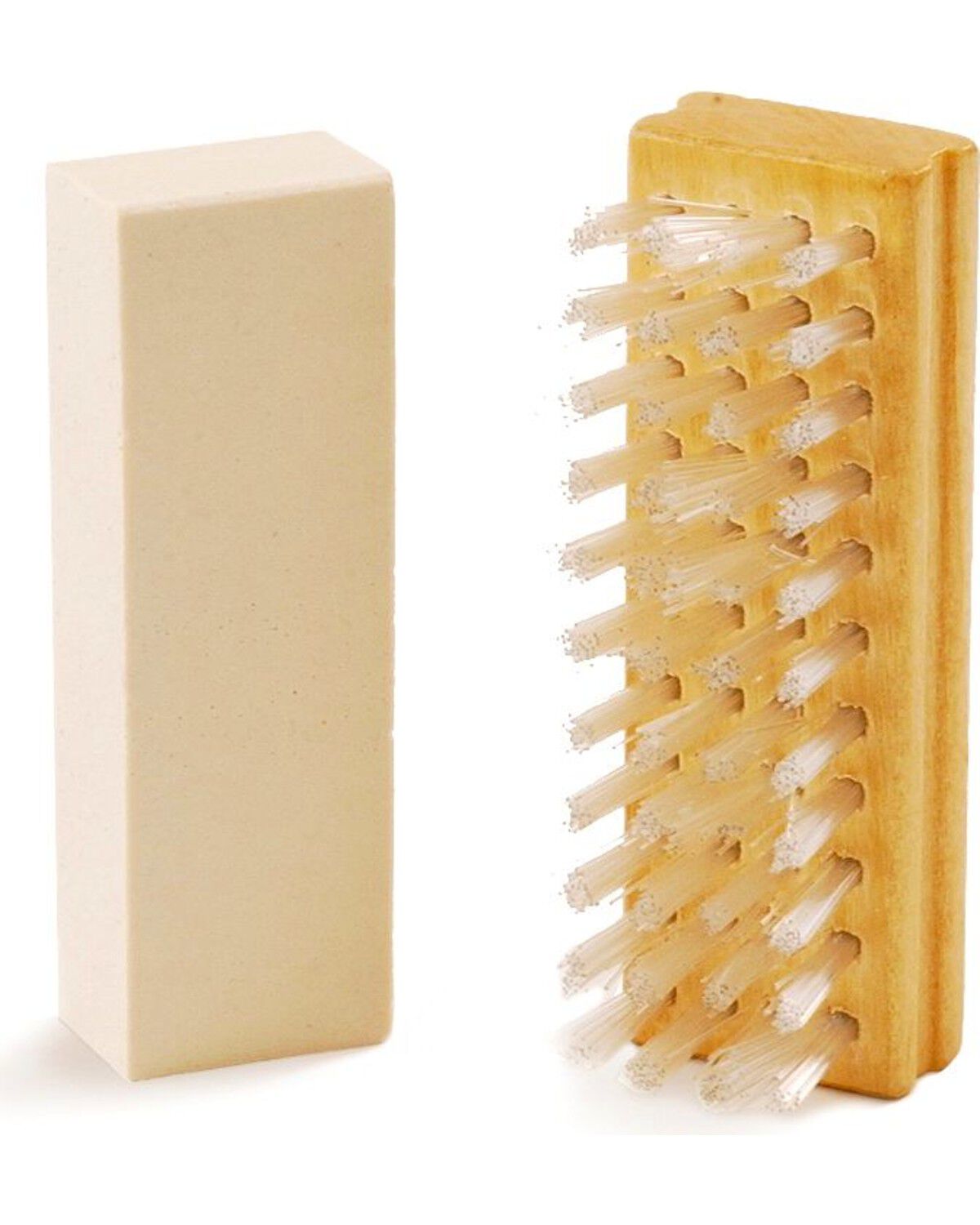
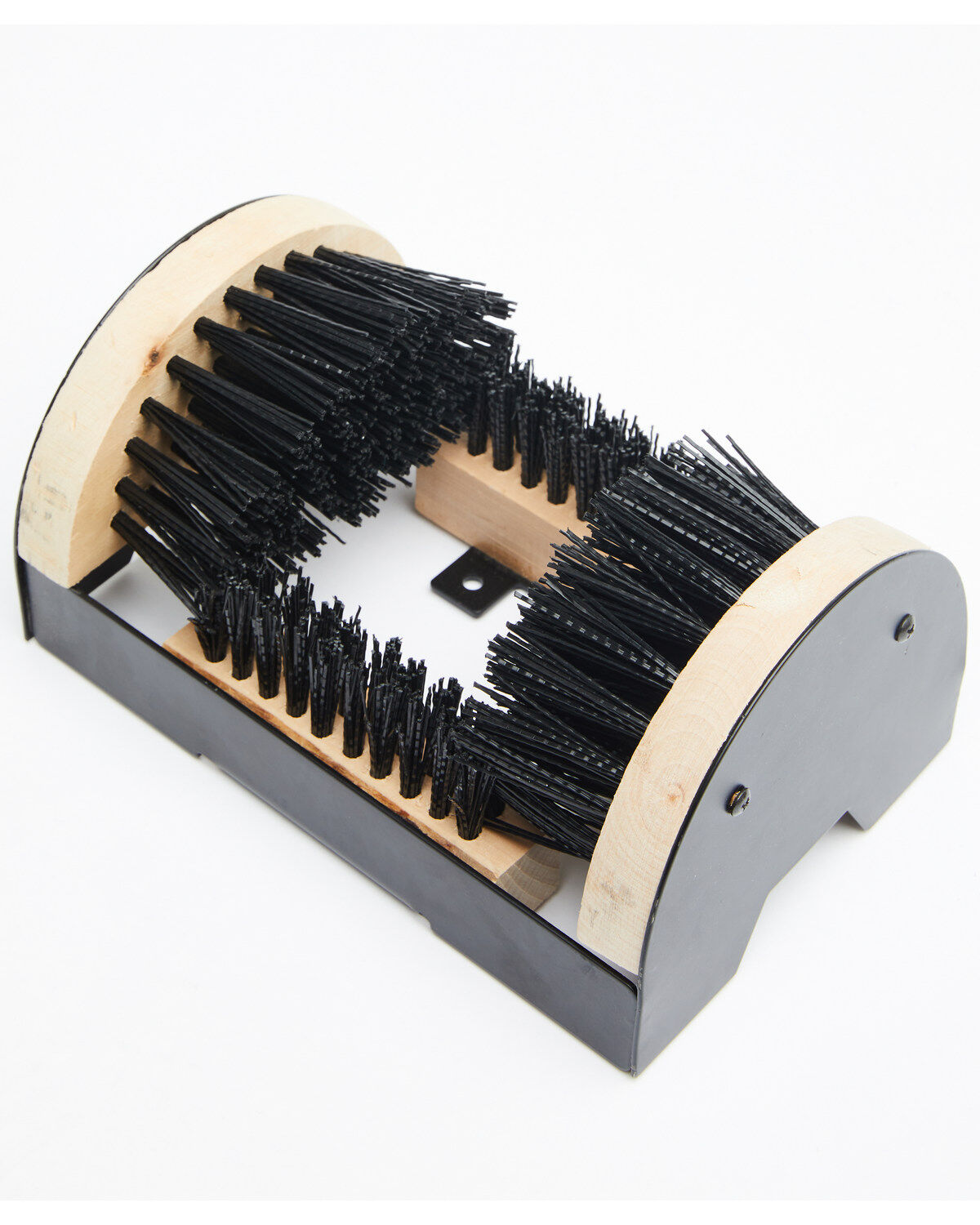
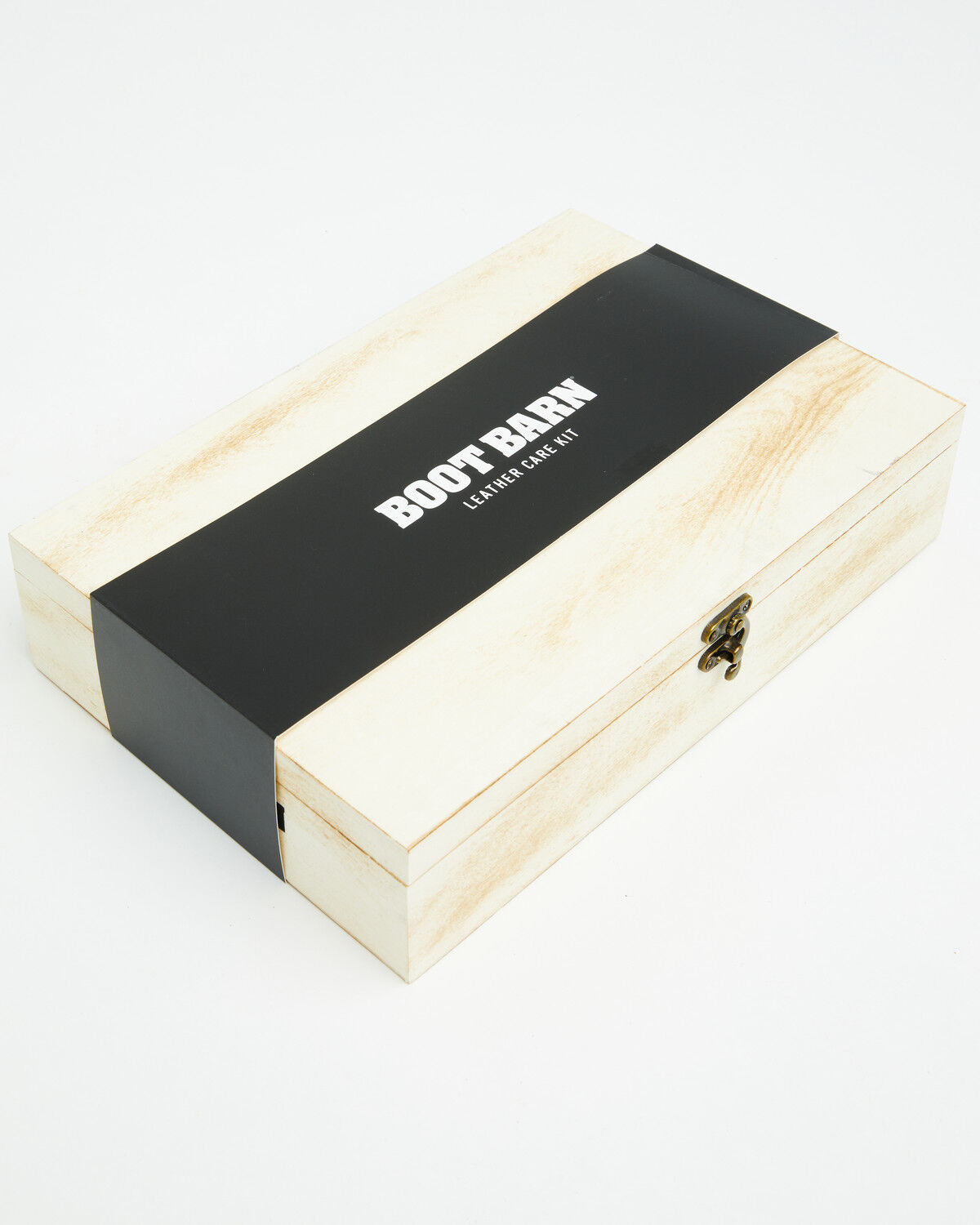
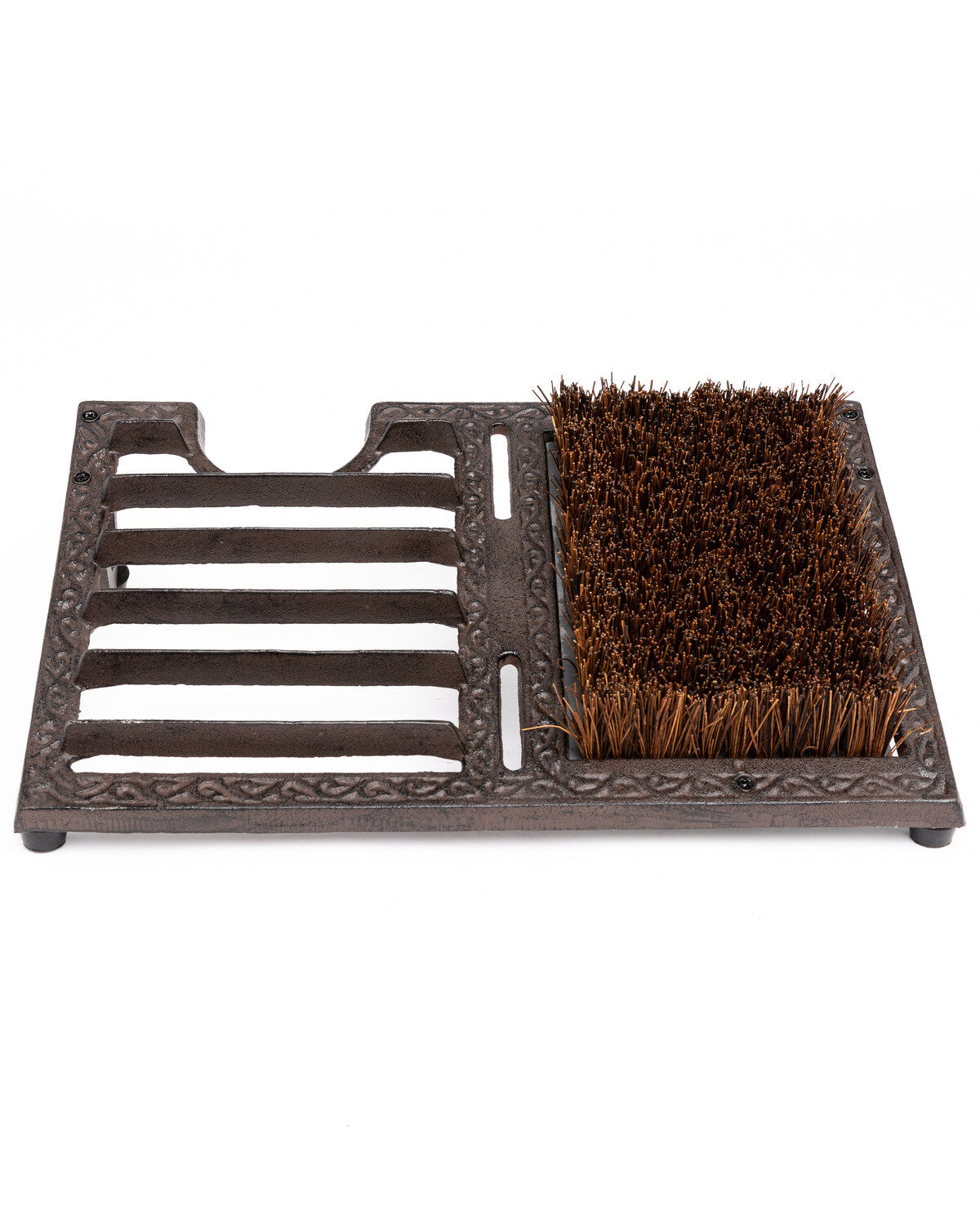
Brushes, applicators, polishing cloths, and boot supports make leather care easier to manage without requiring a crowded shelf. A soft brush suits regular dust removal from smooth leather, a smaller applicator can reach around the welt, and a clean cloth gives better control when spreading or buffing a compatible treatment. Separate cloths and brushes for cleaning, conditioning, and colored polish help prevent unwanted transfer, especially when caring for both dark and light leather boots. Storage accessories address another part of boot maintenance: preserving shape between wears. Boot trees should fit the foot of the boot without forcing it wider, while shaft supports help tall boots stand upright rather than folding sharply at the ankle. Neither should be treated as a substitute for proper fit. Leather care can maintain flexibility, but it cannot reliably correct a boot that is too tight, too loose, or built on the wrong shape for the wearer’s foot. Drying and storage matter just as much as the treatment on the surface. Damp leather should dry naturally at room temperature, away from heaters, hair dryers, and other direct heat sources that can make it stiff or contribute to cracking. Loosely placed plain absorbent paper can help take up interior moisture and should be replaced when damp. Boots are best stored clean and dry, with enough space to avoid rubbing against nearby footwear or bending the shafts. For someone who wears boots through long shifts, rotating between pairs gives each pair time to dry and air out. For someone who wears dress boots occasionally, protection from dust and careful storage help preserve the finish between outings. Care supplies can also make a practical gift for a boot owner when the formulas match the leather they wear. Regular upkeep can improve appearance and help extend useful life, but it has limits. Deep cracks, loose stitching, worn heels, and damaged soles call for assessment by a qualified boot repair professional rather than another coat of conditioner. Well-matched care products support the leather; sound construction and timely repairs keep the whole boot working.
Read More

FAQs