How to Clean Snakeskin Boots

How to Clean Snakeskin Boots starts with knowing how to handle the material with care. Regular dust removal, gentle cleaning, and proper conditioning can help maintain the boots’ appearance and texture. Use the right approach for snakeskin to avoid unnecessary wear and keep your boots looking their best.

Read More

Shop Your Store: Shop Your Store: Find a Store

(Turn off Shop Your Store to see all items)

(Turn off Shop Your Store to see all items)

close
  • Recommended
  • Lowest Price
  • Highest Price
Skip pass products

End of products

How to Clean Snakeskin Boots

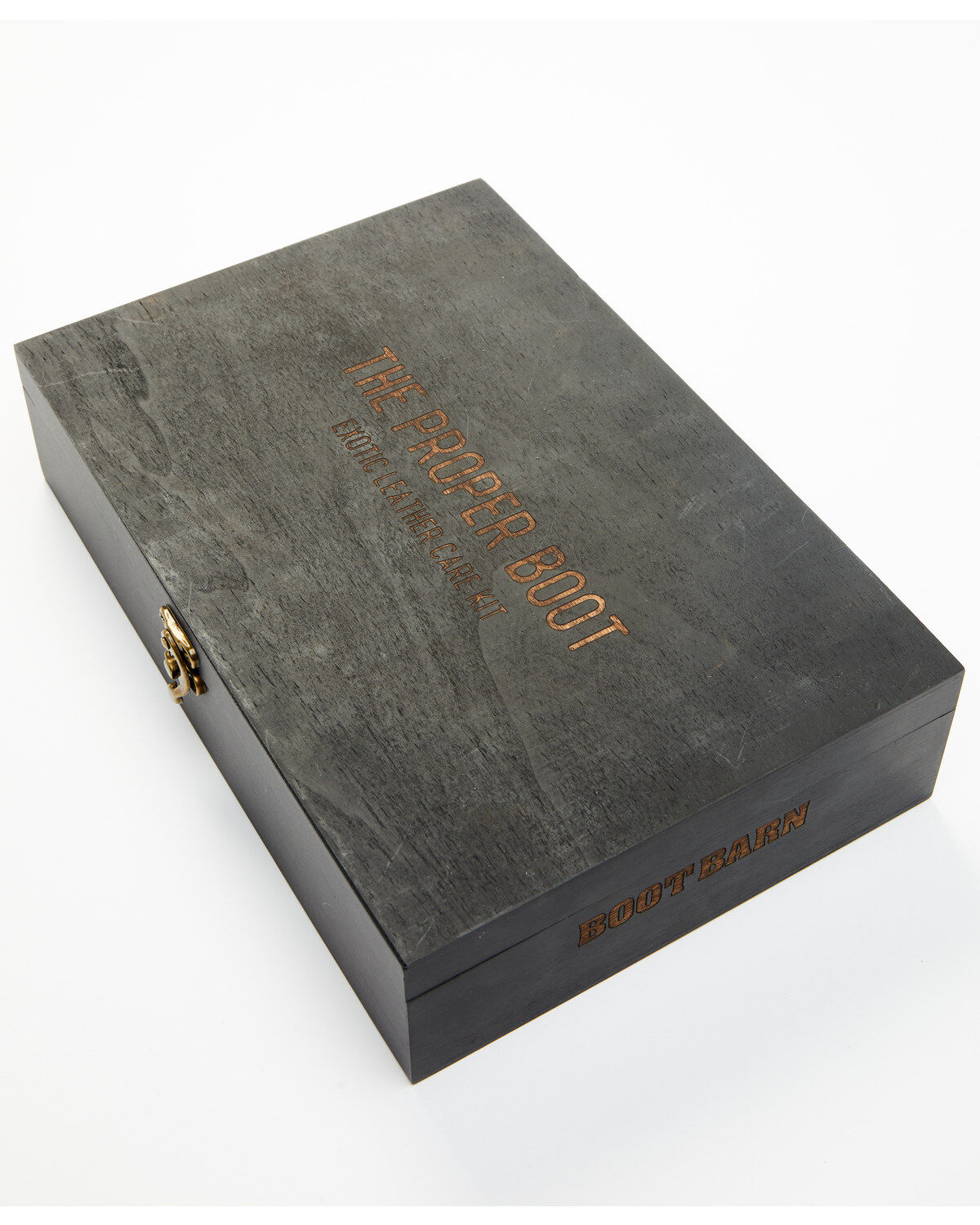
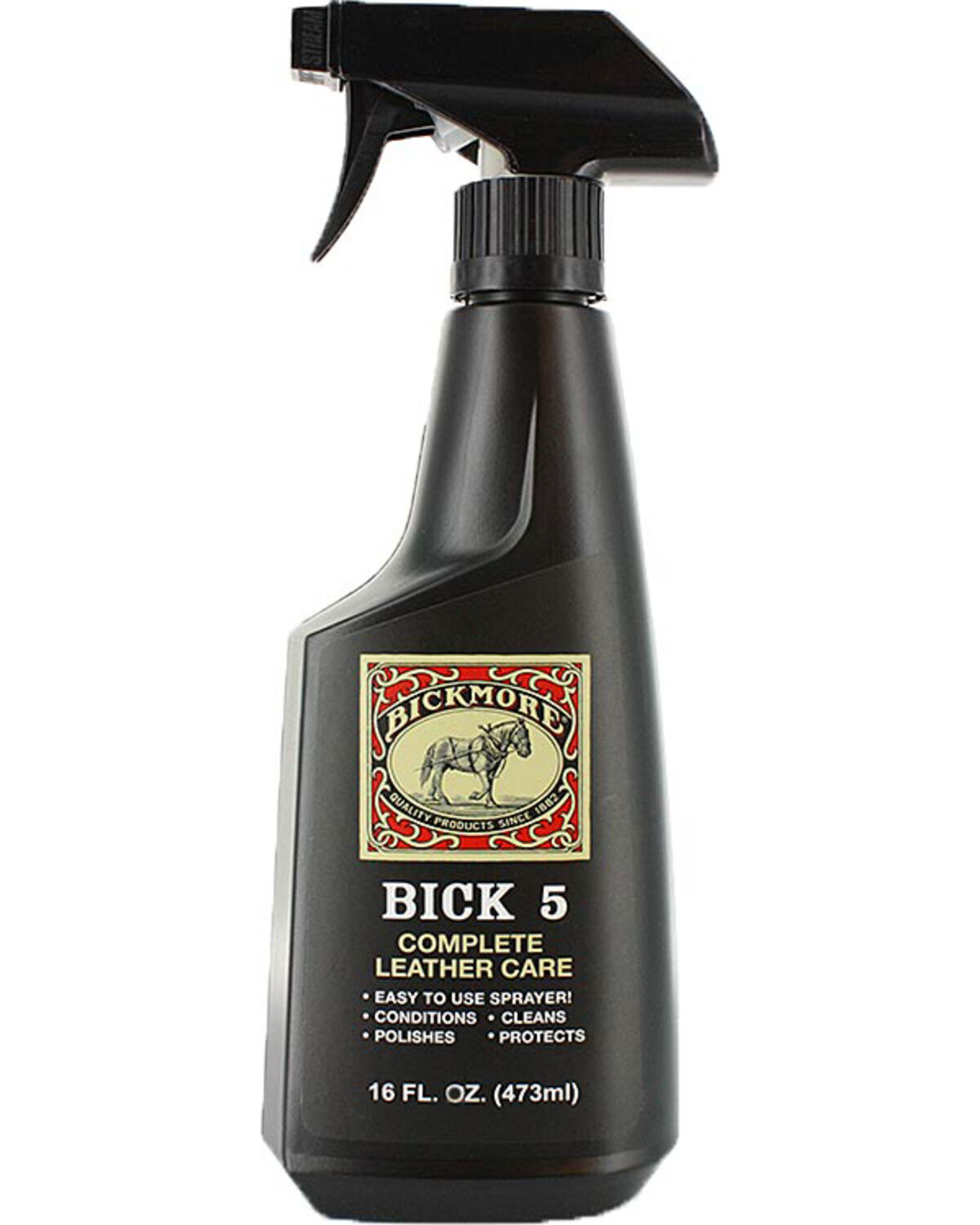
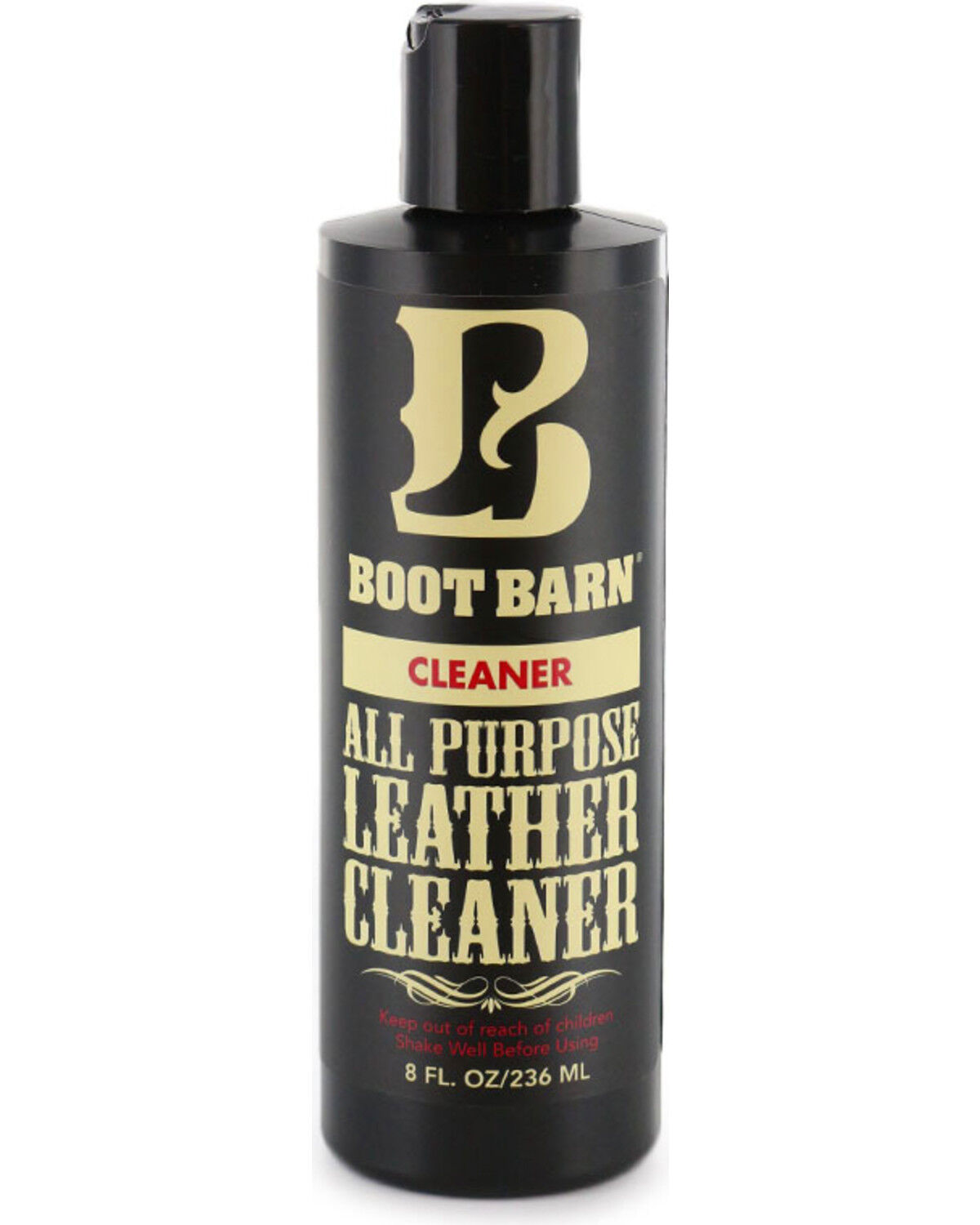
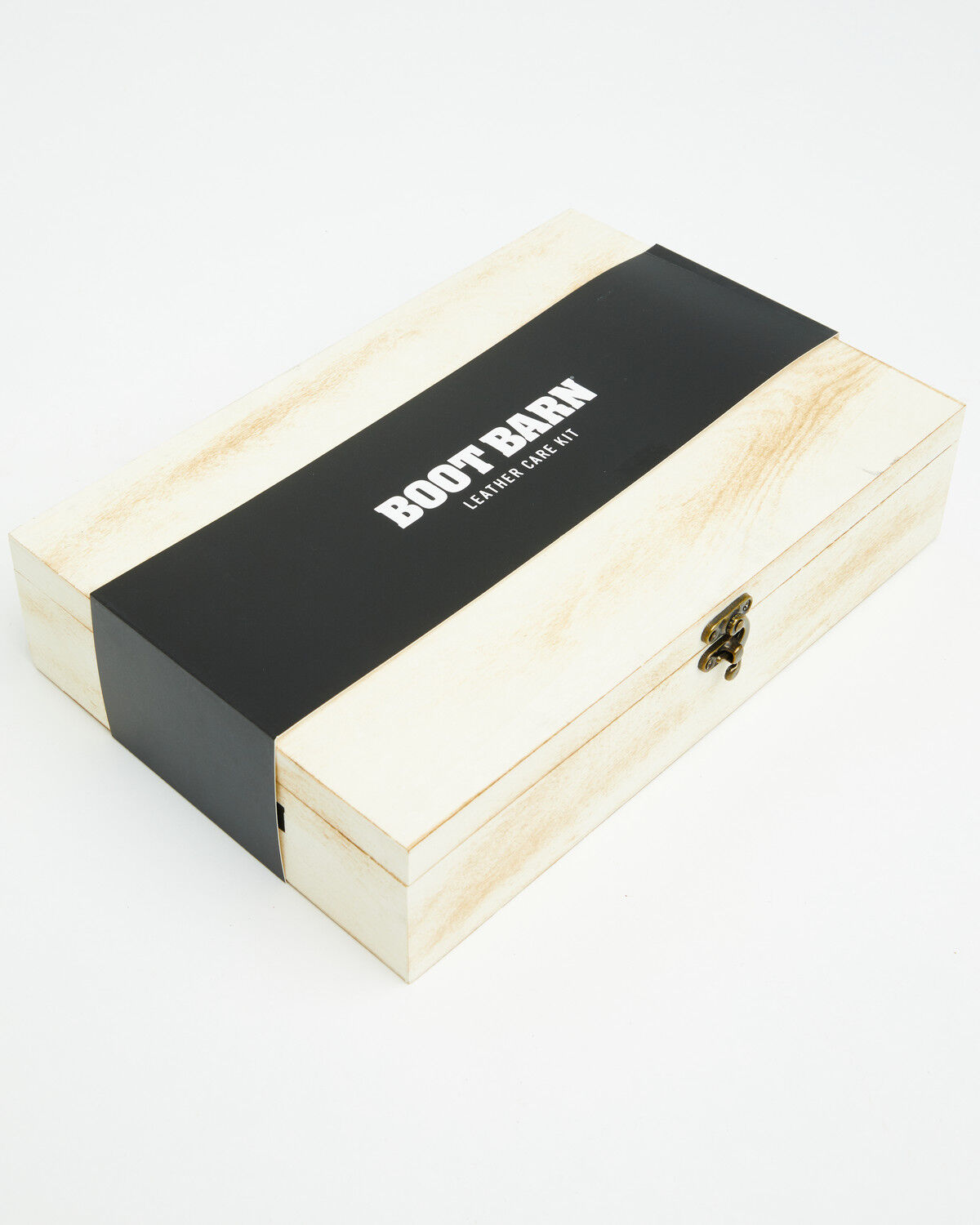
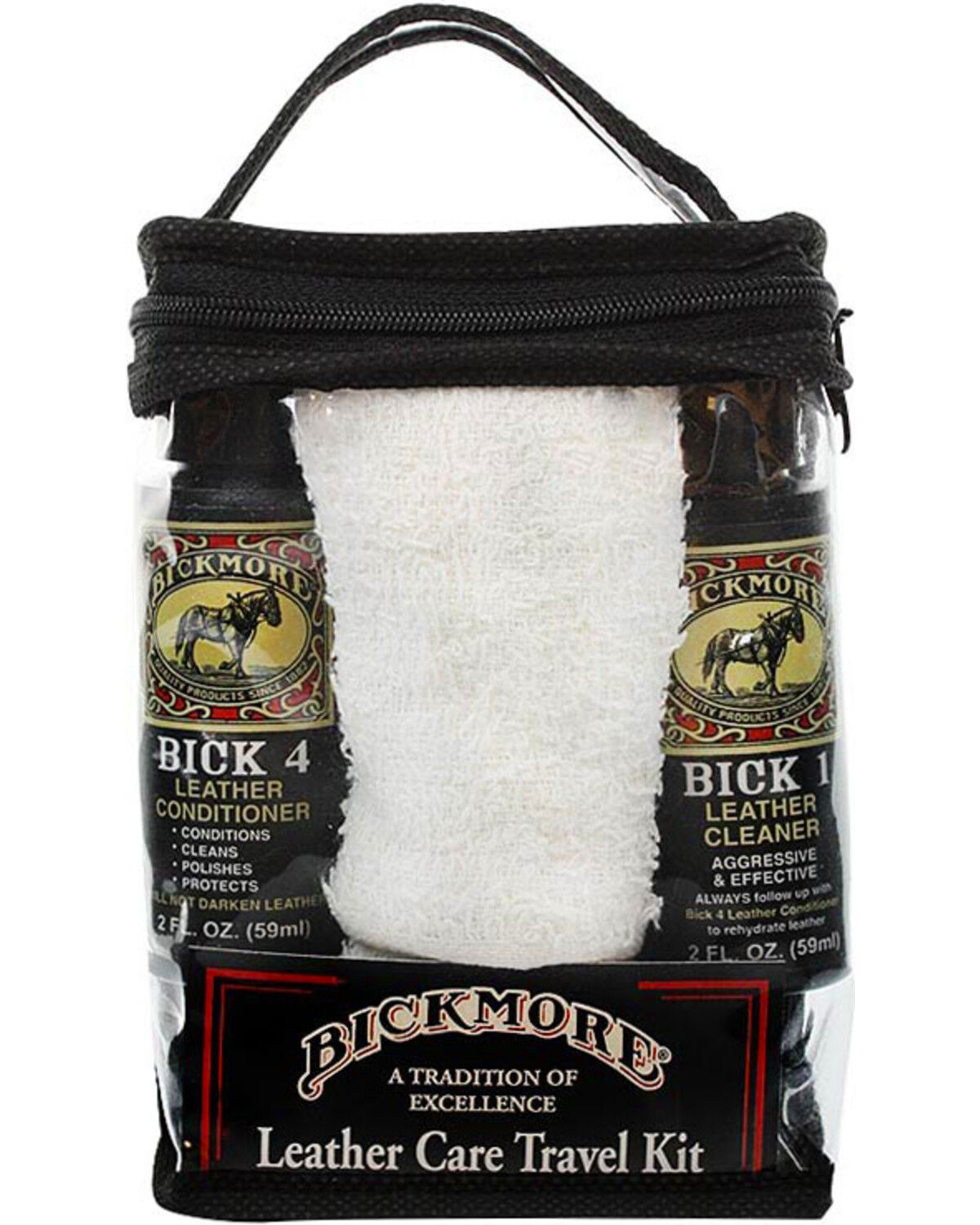
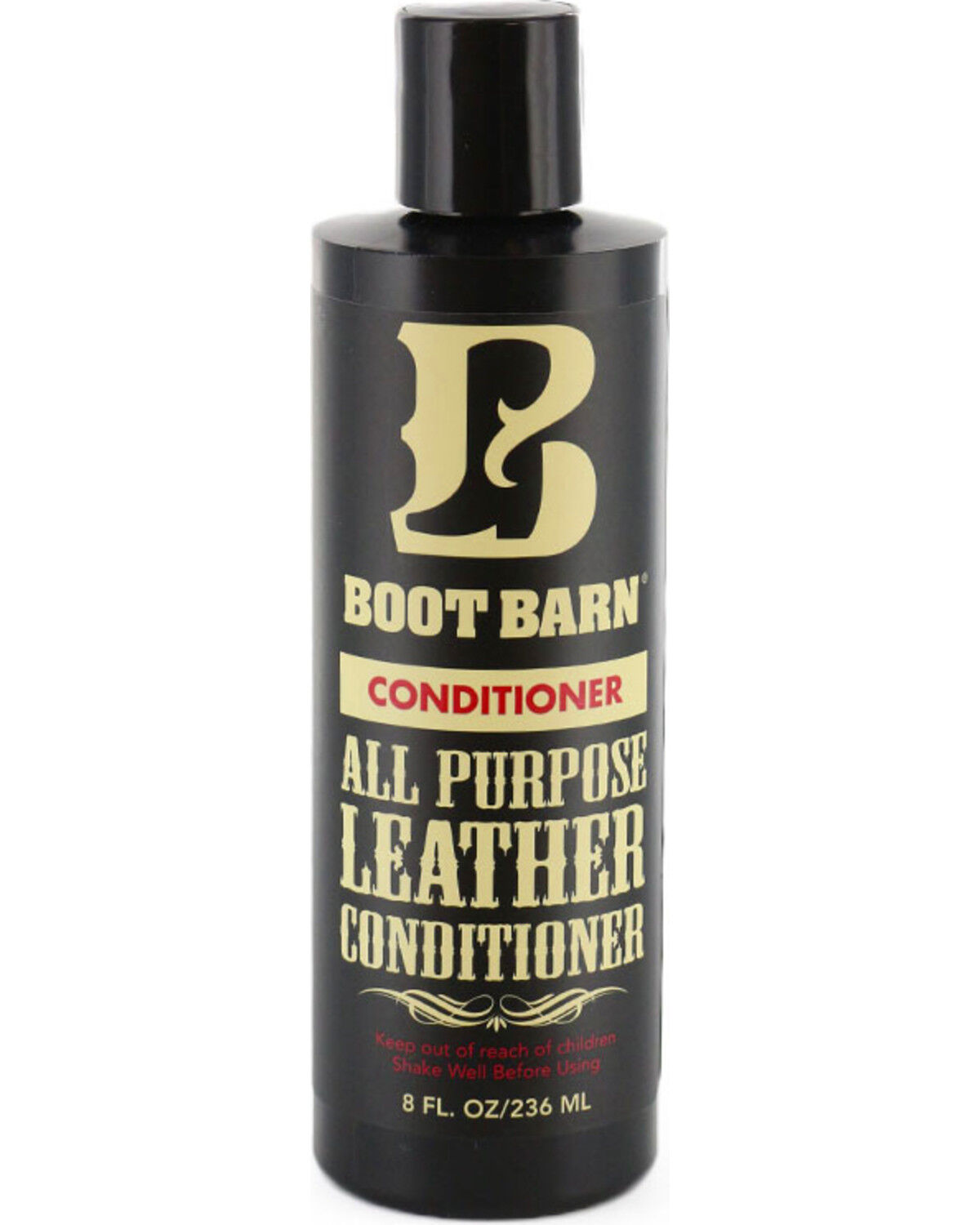
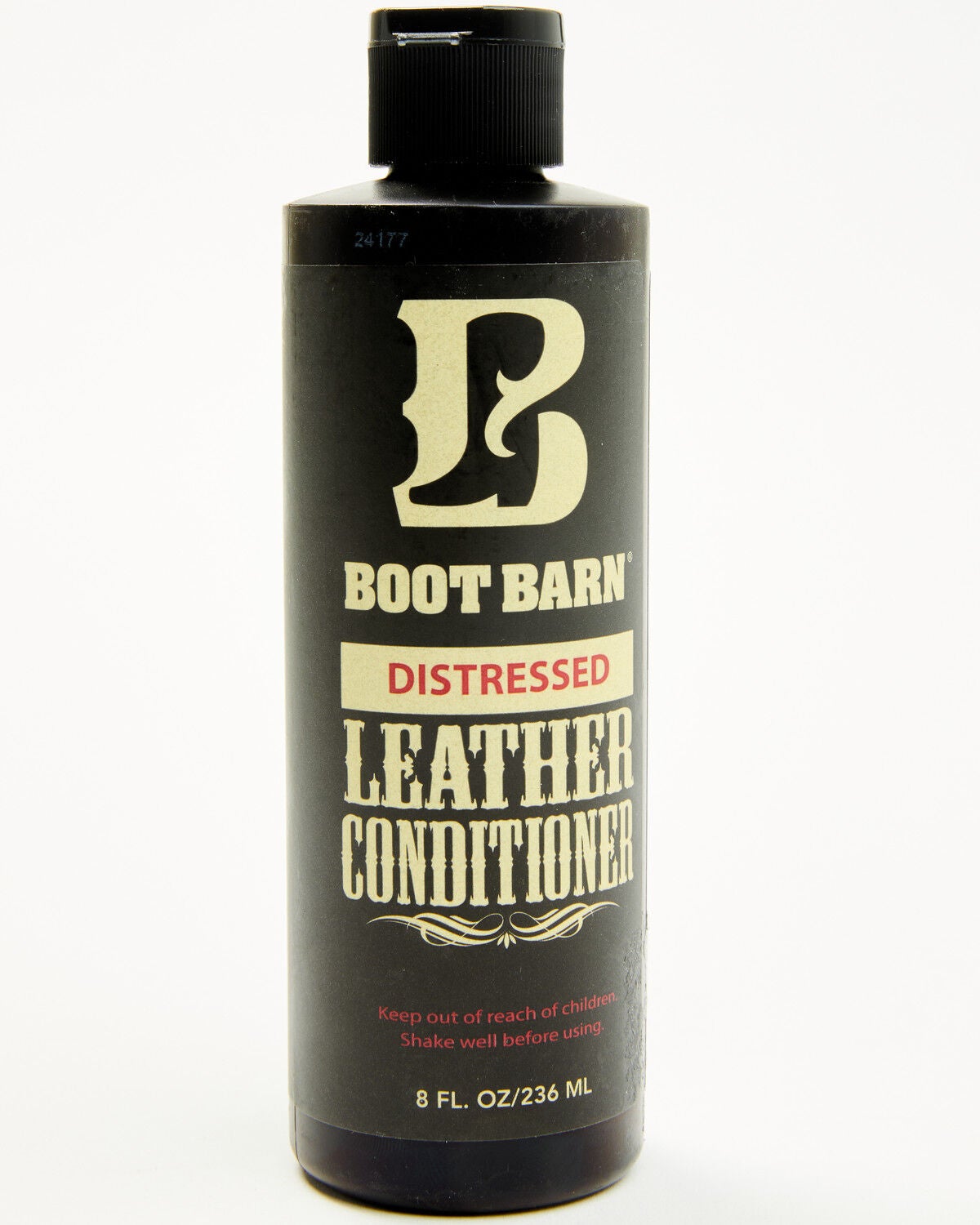
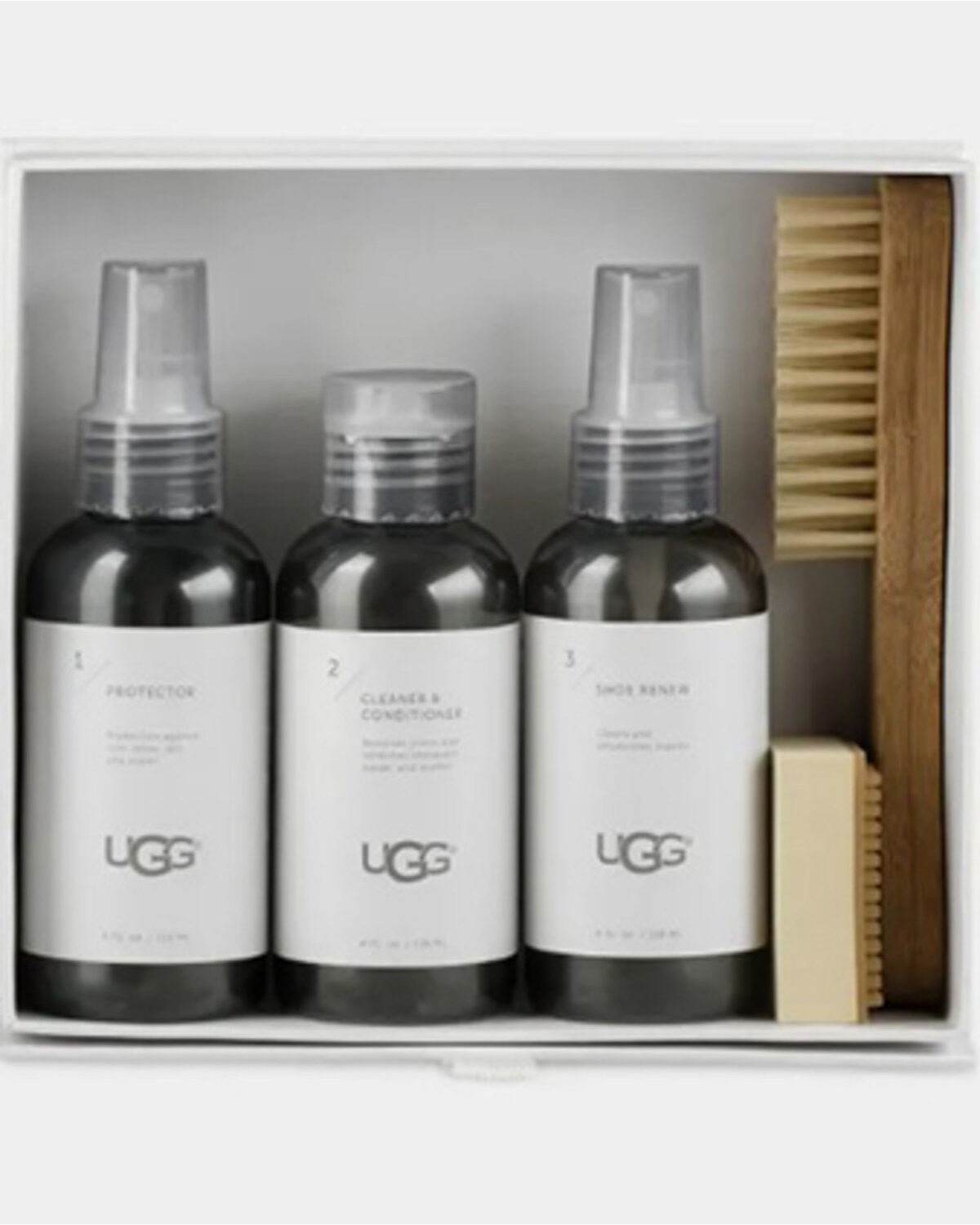
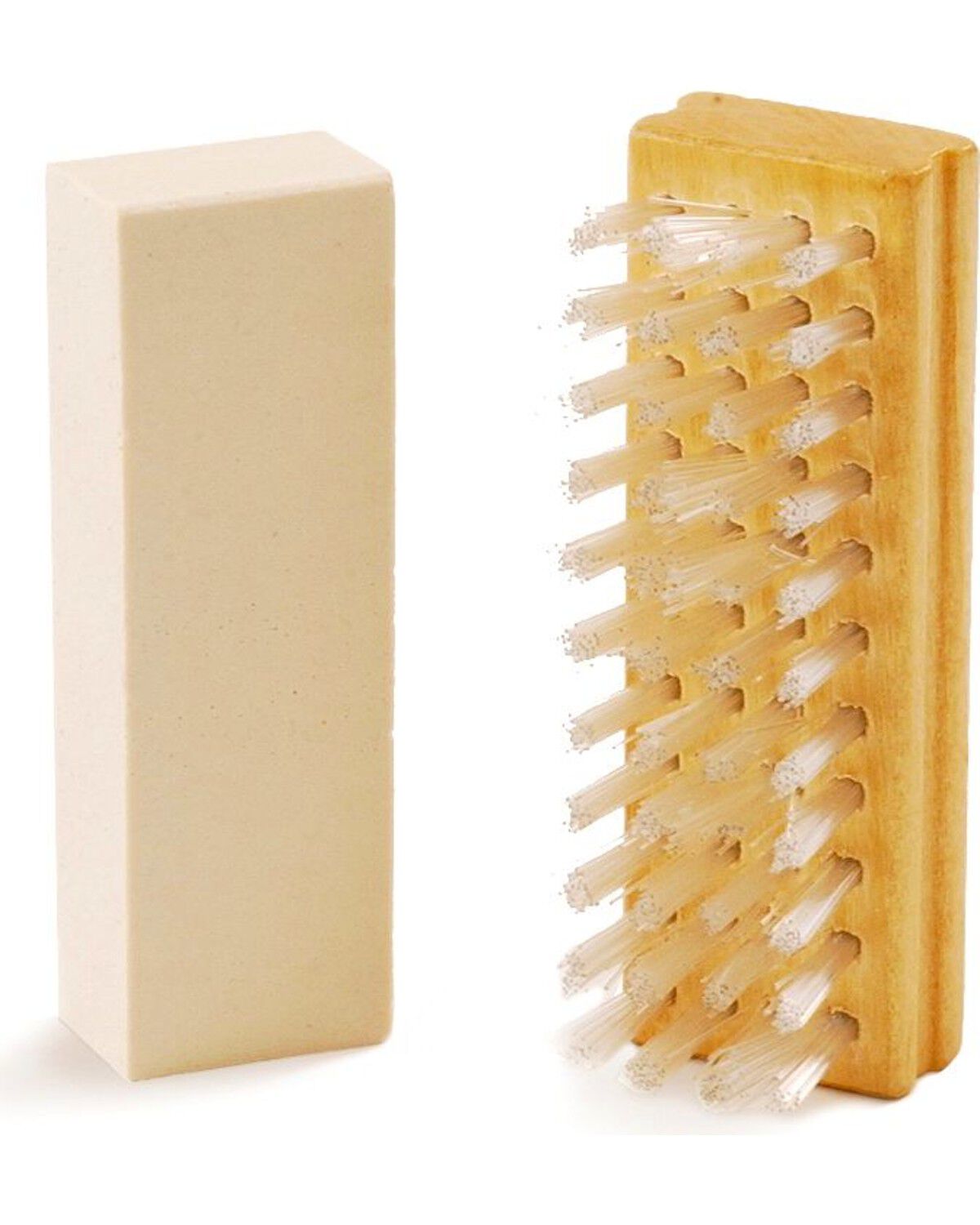
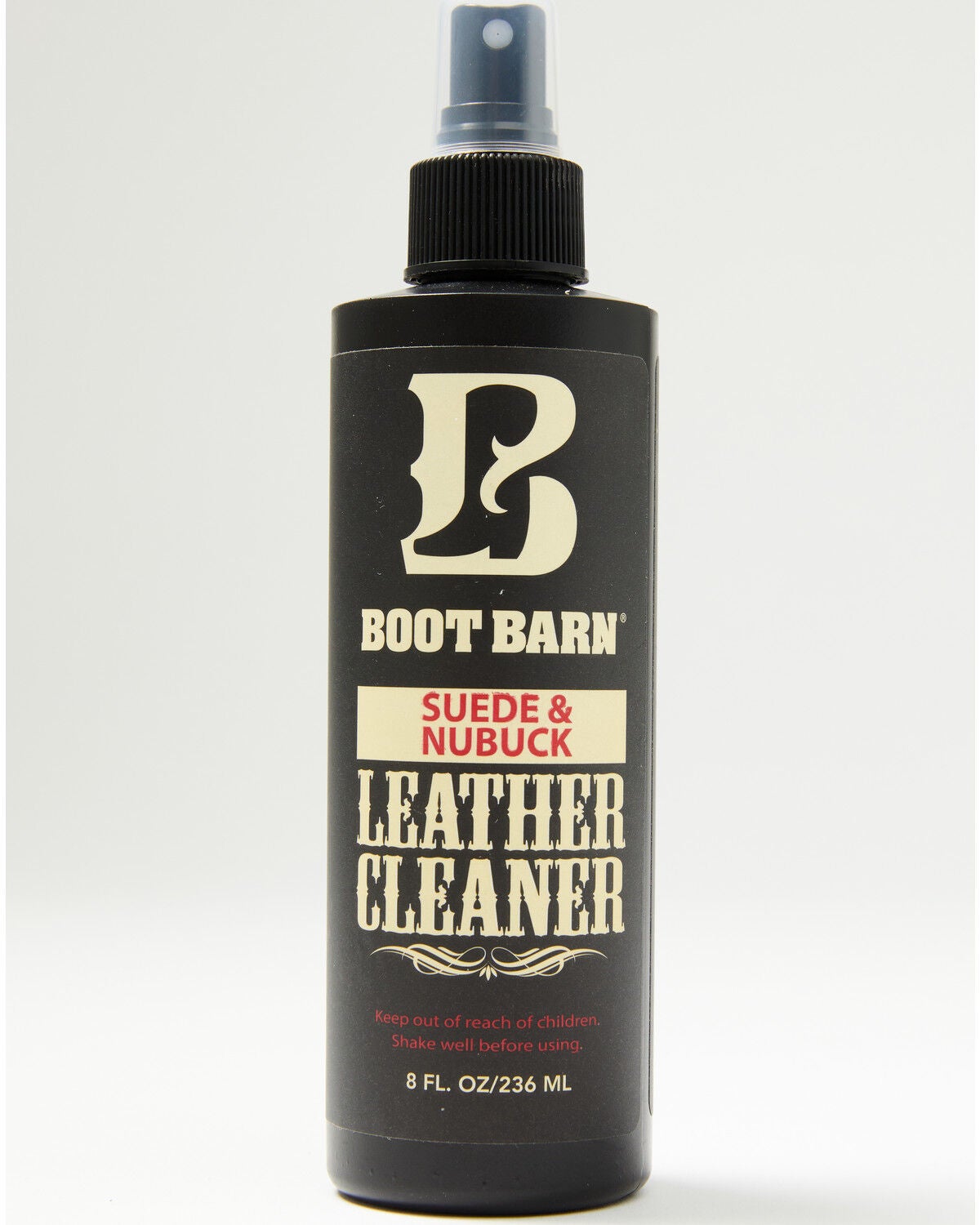
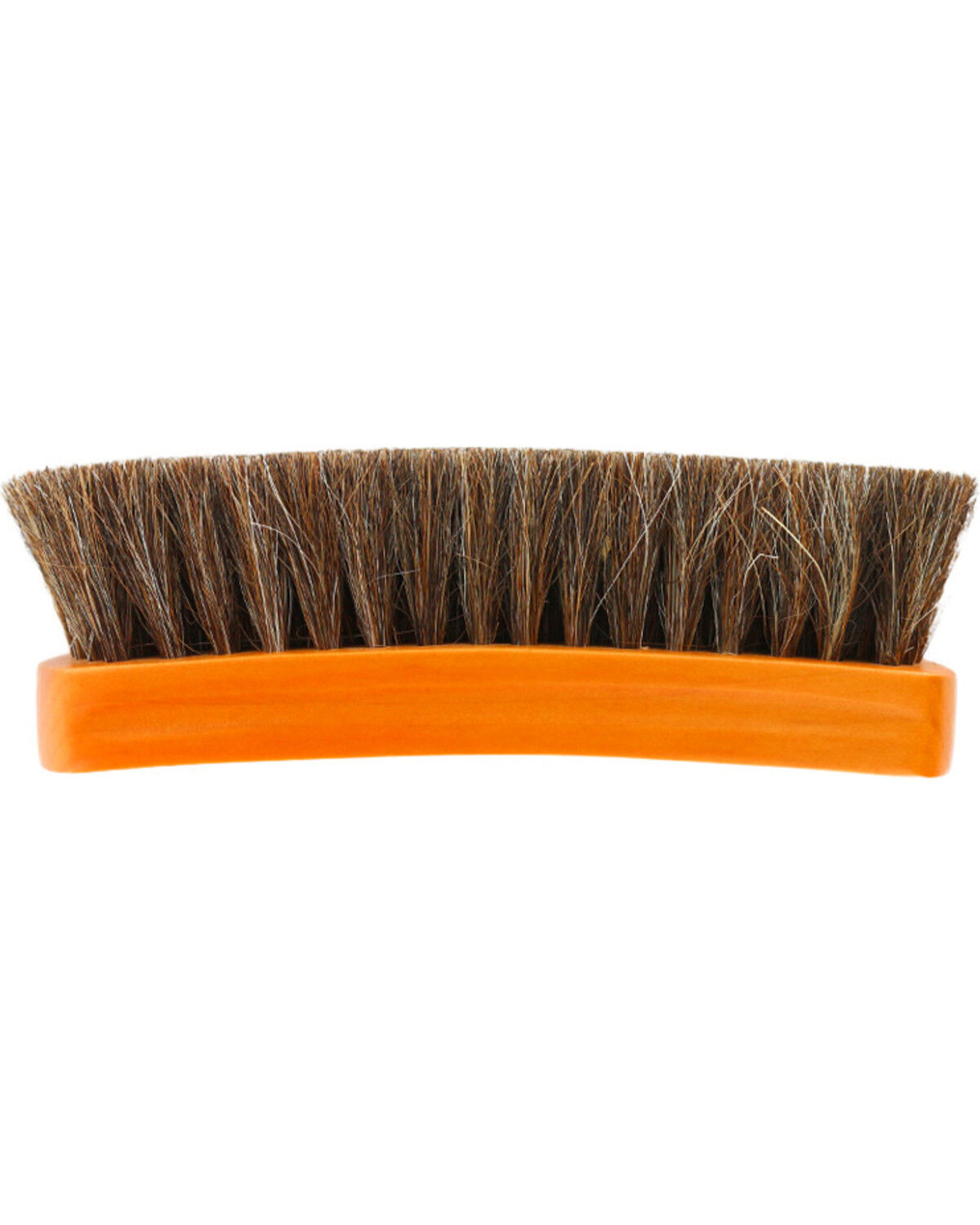
Snakeskin boots need a different cleaning routine than smooth leather boots. The scales are thin, naturally textured, and more sensitive to friction, moisture, and harsh chemicals. A care collection built for exotic leather can help remove surface dust, preserve the skin, and keep the boots looking presentable without flattening or lifting the scales. These products are useful for anyone who wears python, rattlesnake, or another type of snakeskin boot regularly, whether the boots are part of a work wardrobe, reserved for weekends, or brought out for dinners, concerts, and other occasions. They also make a practical gift for someone who has invested in a pair of exotic boots and wants to protect that investment. A good starting point is a soft horsehair brush or microfiber cloth for dry cleaning. Brush or wipe gently in the direction the scales lay, working from the shaft toward the toe. Moving against the grain can catch the edges of the scales and create unnecessary wear. Pay close attention to the welt, stitching, heel area, and other places where dust settles. A clean, soft toothbrush can help reach narrow crevices, but it should be used with a light hand. Remove loose dirt before applying any liquid cleaner. Rubbing grit into the skin can leave fine scratches and spread grime across the surface. It is also smart to test any cleaner or conditioner on a hidden section first. Different snakeskin finishes can respond differently, and a small test area gives the material a chance to show how it will react before the whole boot is treated. Products made specifically for exotic or reptile leather are generally the safer choice because they are designed with the structure of the skin in mind. Standard saddle soap, strong household cleaners, alcohol-based solutions, and heavy degreasers can strip natural oils or leave the scales dry and brittle. The right products should support careful maintenance, not force a quick result.

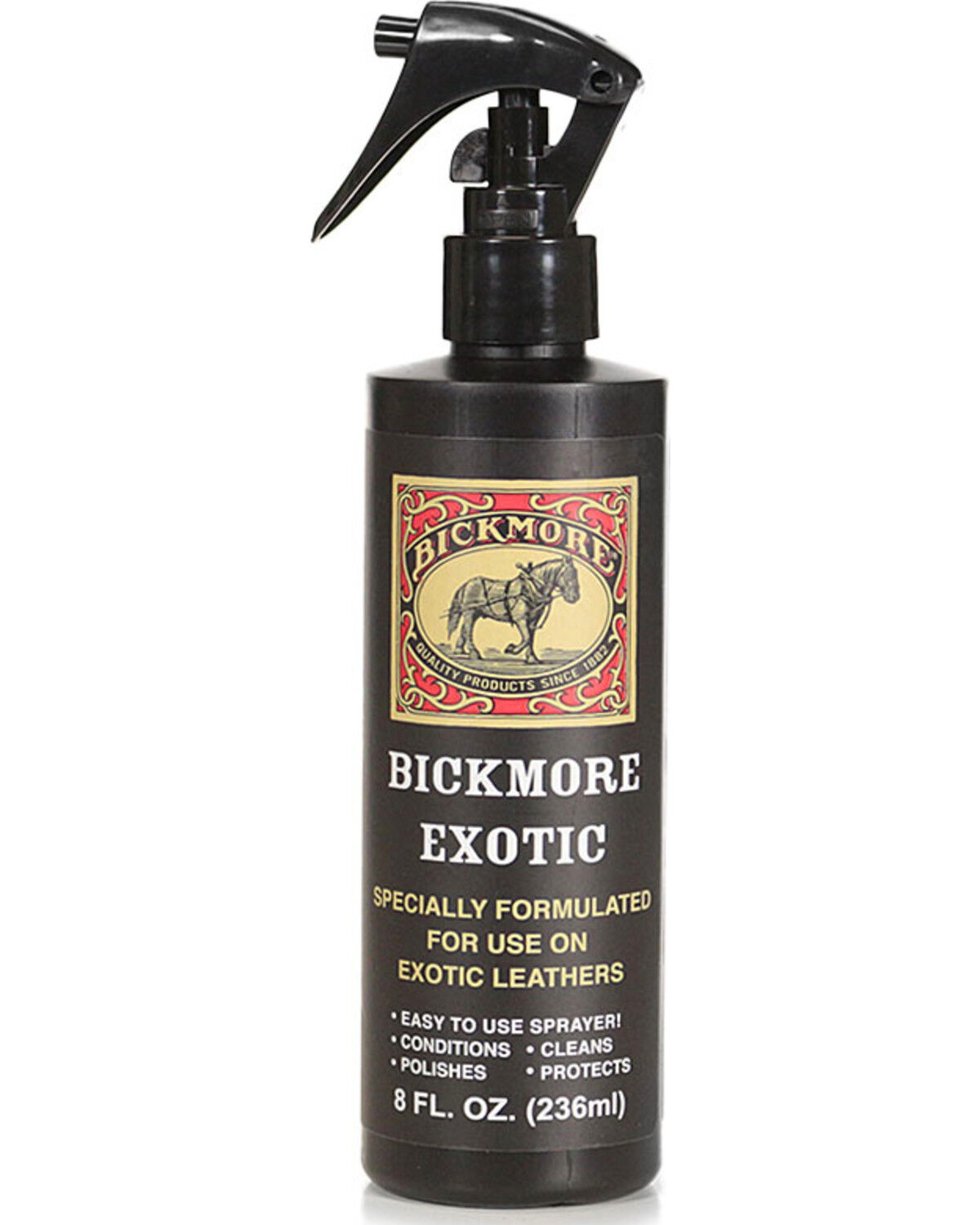
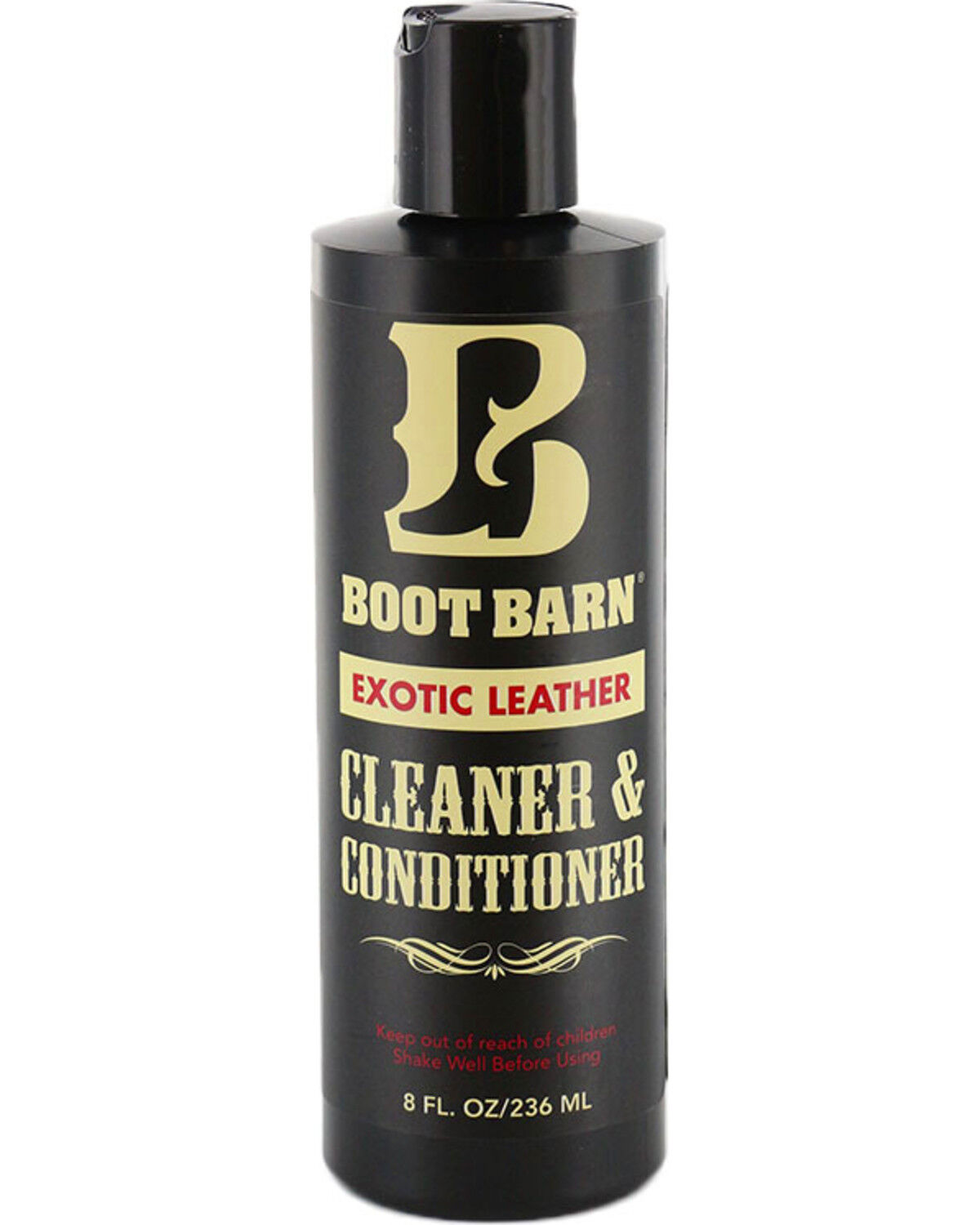
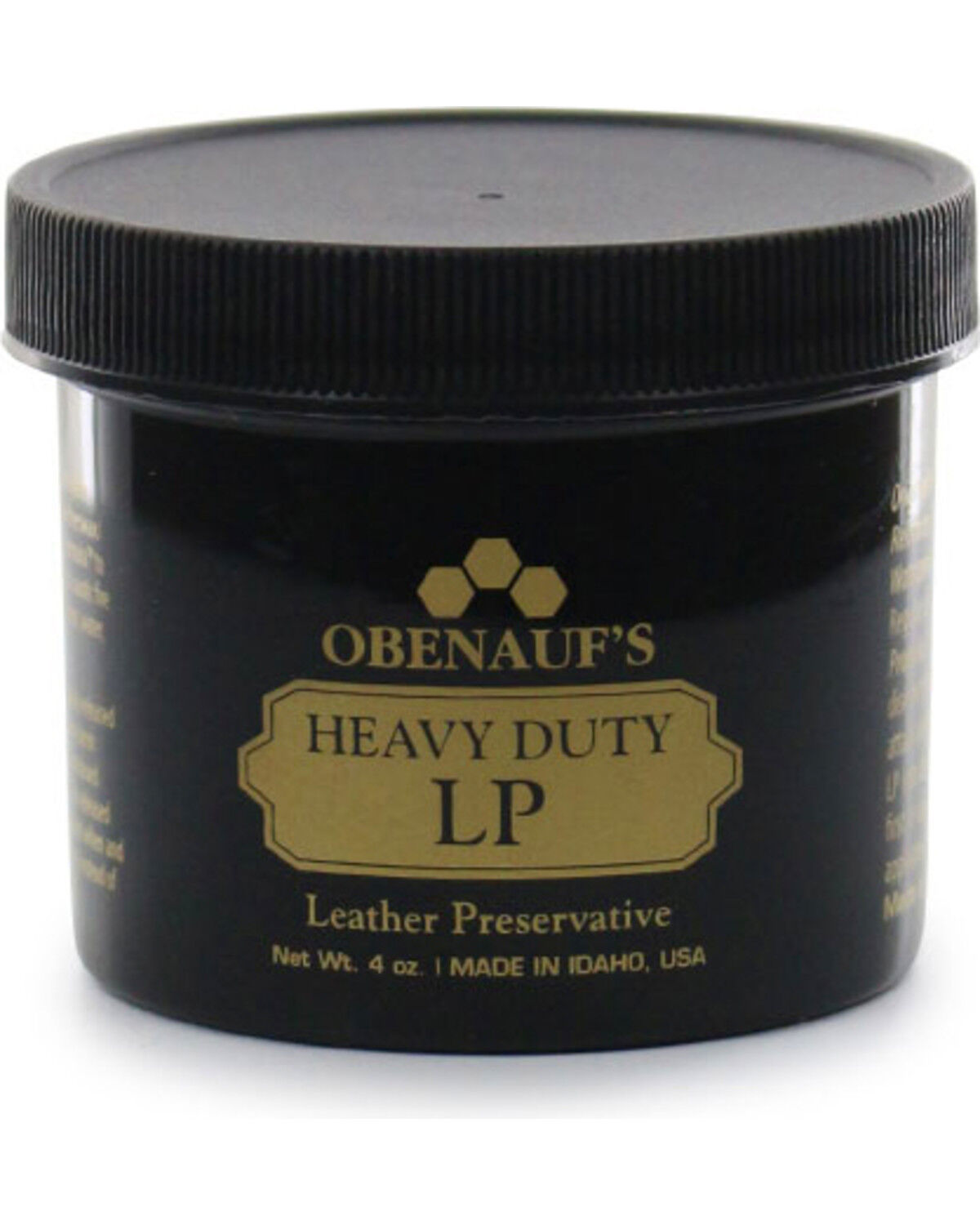
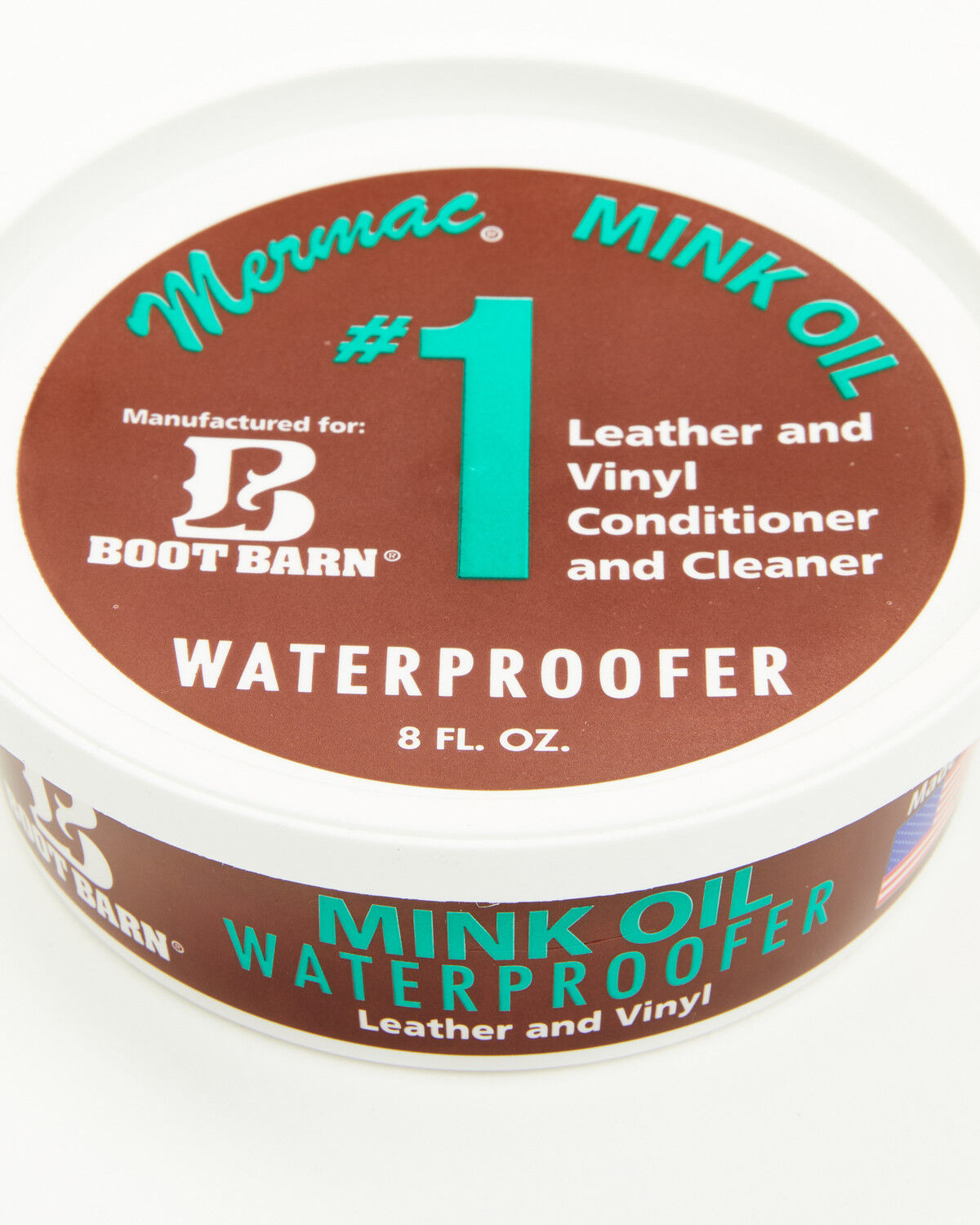
When the boots need more than a dry brushing, an exotic leather cleaner can help lift built-up dirt and light stains. Apply a small amount according to the product directions rather than saturating the boot. If the cleaner creates a light foam, work it across the surface with a soft cloth or applicator, always following the direction of the scales. Do not scrub back and forth, press hard, or flood the skin. Snakeskin can absorb moisture unevenly, and excess liquid may affect the finish or the material beneath the scales. Once the dirt has loosened, wipe away the residue with a clean, slightly damp cloth. Use a separate section of the cloth as it picks up soil so that grime is not transferred back onto the boot. Stubborn marks may require patience and more than one light application, but aggressive rubbing usually creates a larger problem than the original stain. After cleaning, an exotic leather conditioner can help restore suppleness and reduce the dry, tight appearance that develops when natural oils are lost. Apply a thin, even layer with a soft cloth or clean hands, keeping the amount controlled around the scale edges. A little conditioner goes a long way. Let it absorb according to the care instructions, then buff gently if the finish calls for it. Conditioners intended for smooth leather are not always suitable for snakeskin, and oily products can darken or change the appearance of some finishes. Anyone shopping for care supplies should consider the color, finish, and type of snake skin, along with how often the boots are worn. A person who wears exotic boots through dust, mud, or changing weather may need a more complete care setup with a brush, cleaner, conditioner, cloths, and storage support. Someone who wears them only occasionally may need a smaller set focused on dust removal and conditioning between outings. For a thoughtful gift, care products pair well with Full Grain Snake Boots, especially for a recipient who values well-maintained leather and takes pride in keeping footwear ready for the next wear.

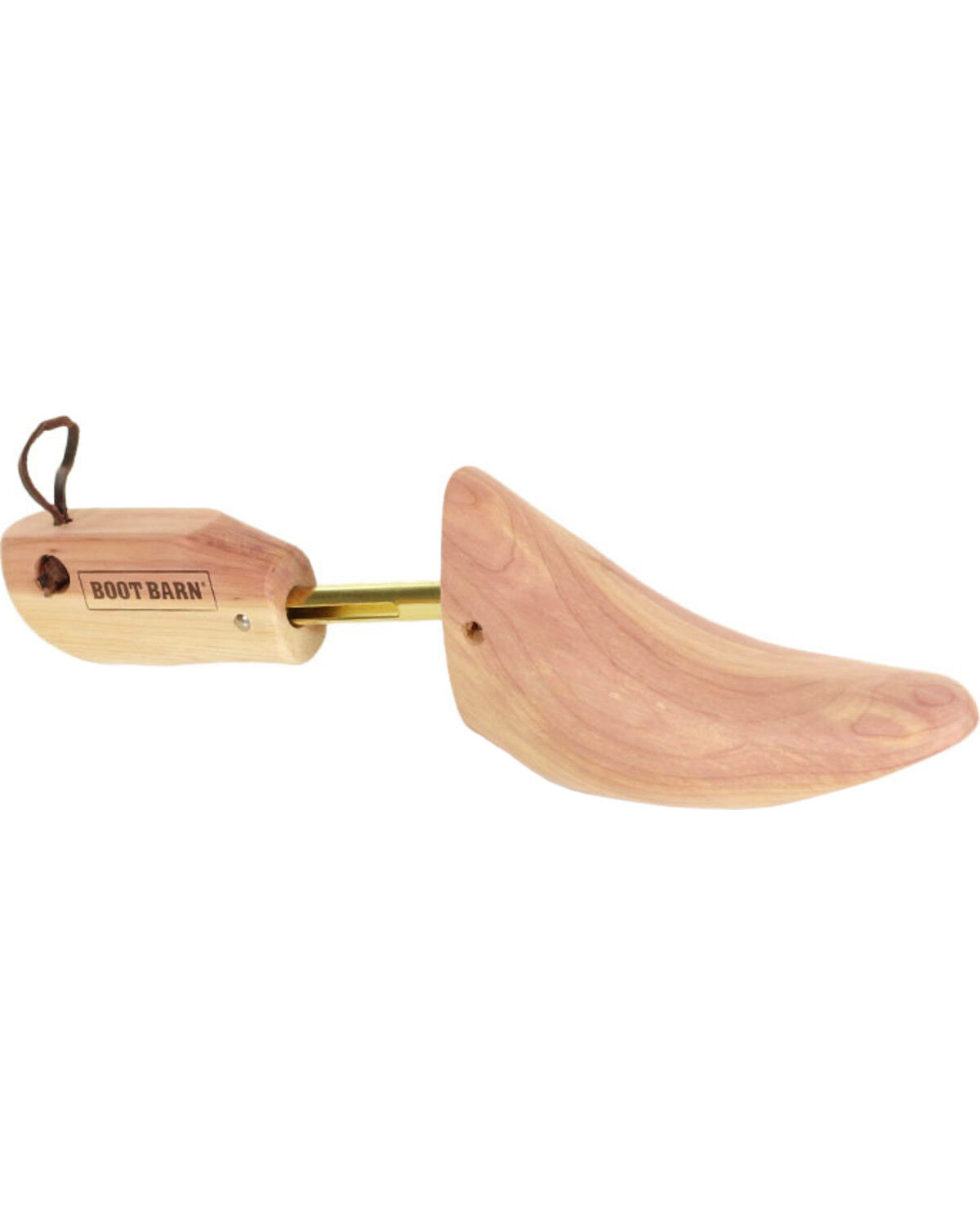
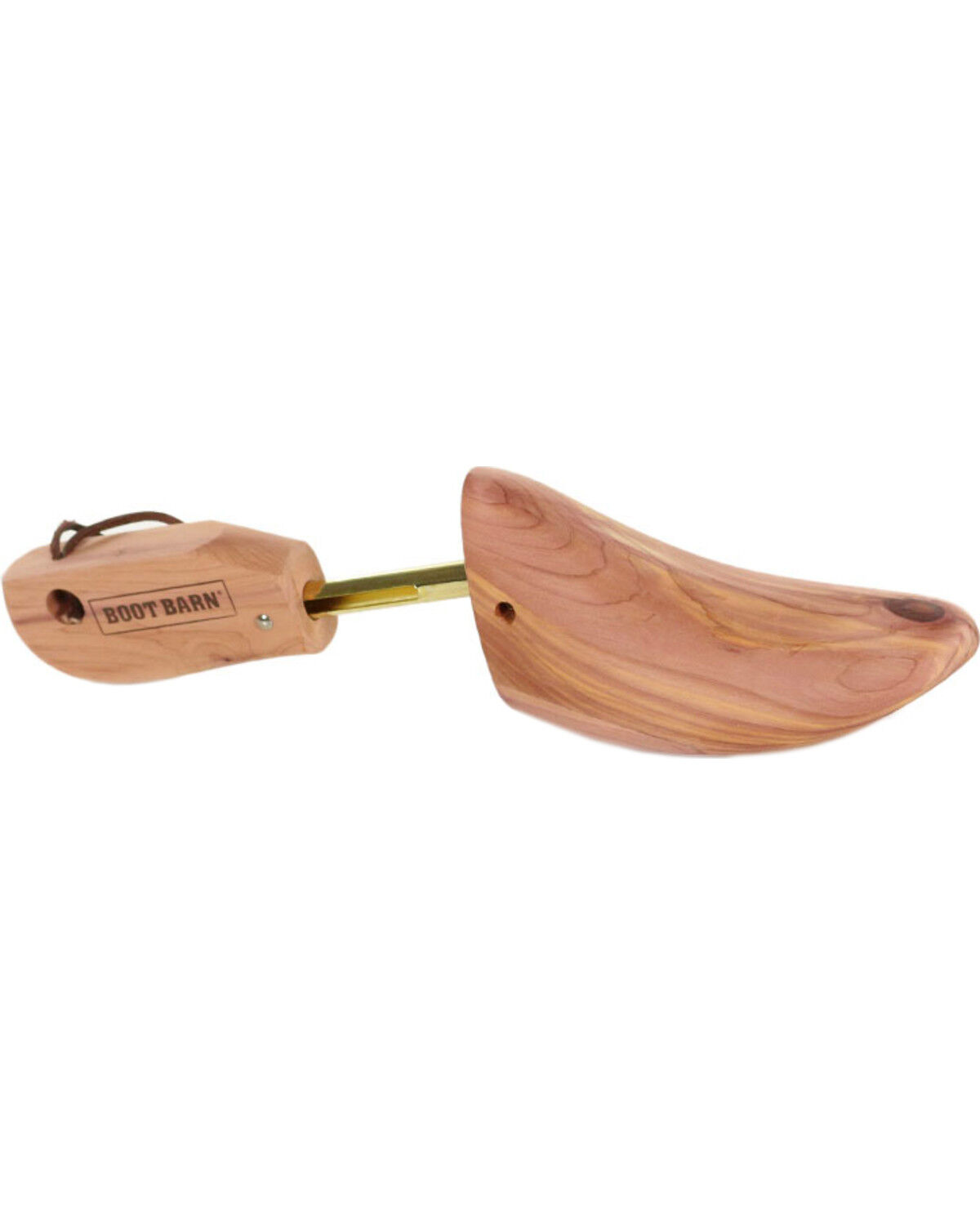
Drying and storage matter just as much as cleaning. After any damp treatment, let snakeskin boots air dry naturally in a cool, well-ventilated place. Keep them away from radiators, heaters, fireplaces, hair dryers, and direct sunlight. Fast, intense heat can pull moisture from the skin, harden the scales, and contribute to cracking or distortion. Boot trees can help the shafts and foot retain their shape while the boots dry, while plain, unprinted paper can provide light support inside the toes. Avoid packing wet boots tightly into a closet or leaving them on a damp floor. Once completely dry, store them upright in a breathable boot bag or another location where the scales will not rub against rough surfaces. During the cooler months, boots may encounter wet sidewalks, road salt, indoor heating, and mud tracked in from outside. Wipe away moisture and salt as soon as possible with a clean cloth, then allow the boots to dry before conditioning. Regular light care is better than waiting until the skin feels stiff or the surface is heavily soiled. A quick brushing after wear can keep dust from settling into the texture, while occasional cleaning and conditioning can help maintain the finish over time. Keep in mind that no care product can reverse severe cracking, lifted scales, deep staining, or structural damage. Those issues may require attention from a professional who understands exotic leather. For everyday maintenance, though, the approach is straightforward: remove loose debris gently, use a cleaner made for exotic skin, wipe away residue without soaking the boots, condition sparingly, and dry them away from direct heat. The right brushes, cloths, cleaners, conditioners, and storage accessories give snakeskin boots a better chance to remain supple, shaped, and ready for years of wear.
Read More

FAQs