Taking Bandana Prints Into Fall: Layers and Coverage

Shop bandana-print clothing for fall with layers and coverage in mind. As you browse, compare sleeve lengths, necklines, and fits to find styles that work under a jacket or over a simple base layer. Pair the print with solid colors, jeans, and boots for a balanced look.
Shop Your Store: Shop Your Store: Find a Store

(Turn off Shop Your Store to see all items)

(Turn off Shop Your Store to see all items)

close
  • Recommended
  • Lowest Price
  • Highest Price
Skip pass products

End of products

Taking Bandana Prints Into Fall: Layers and Coverage

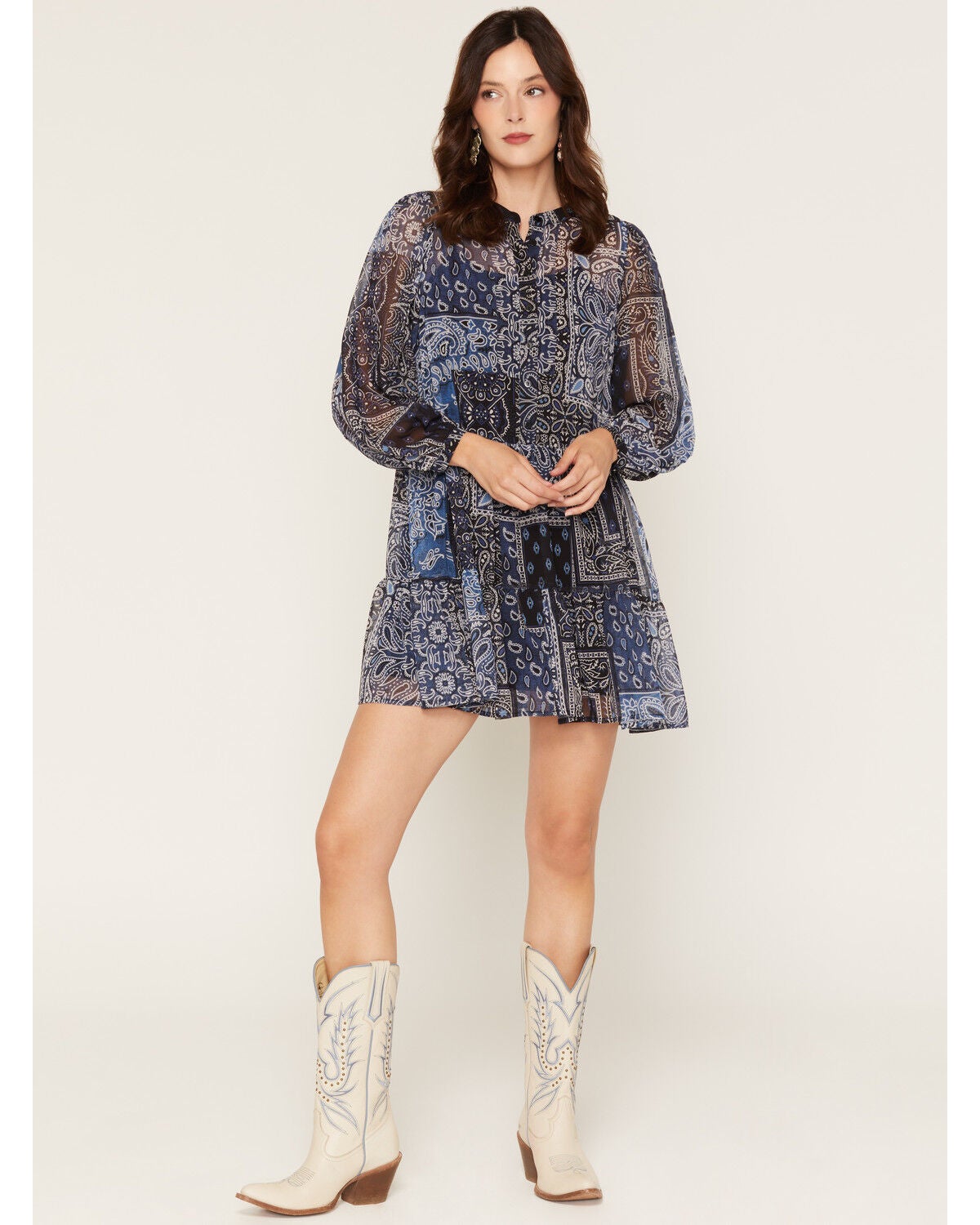
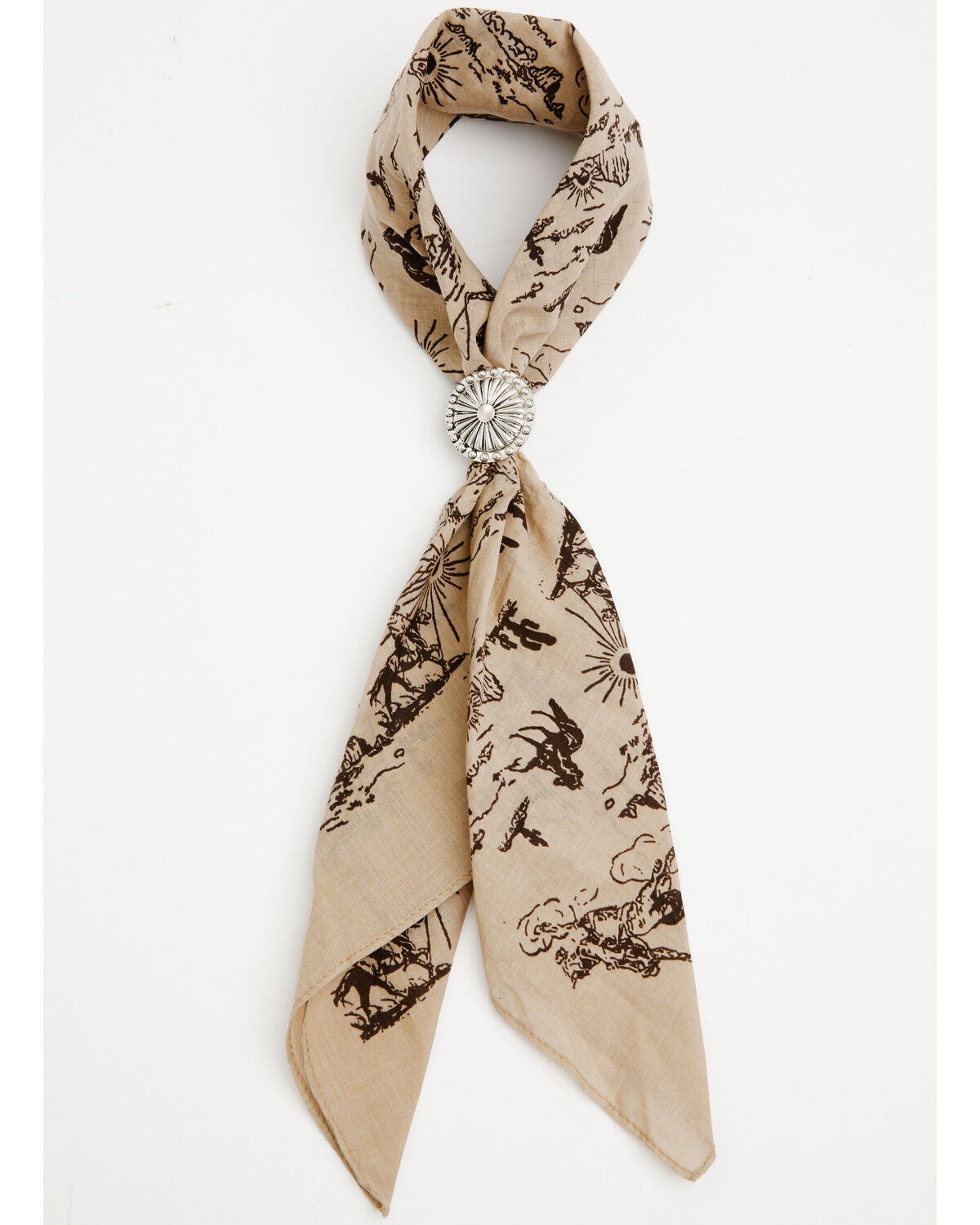
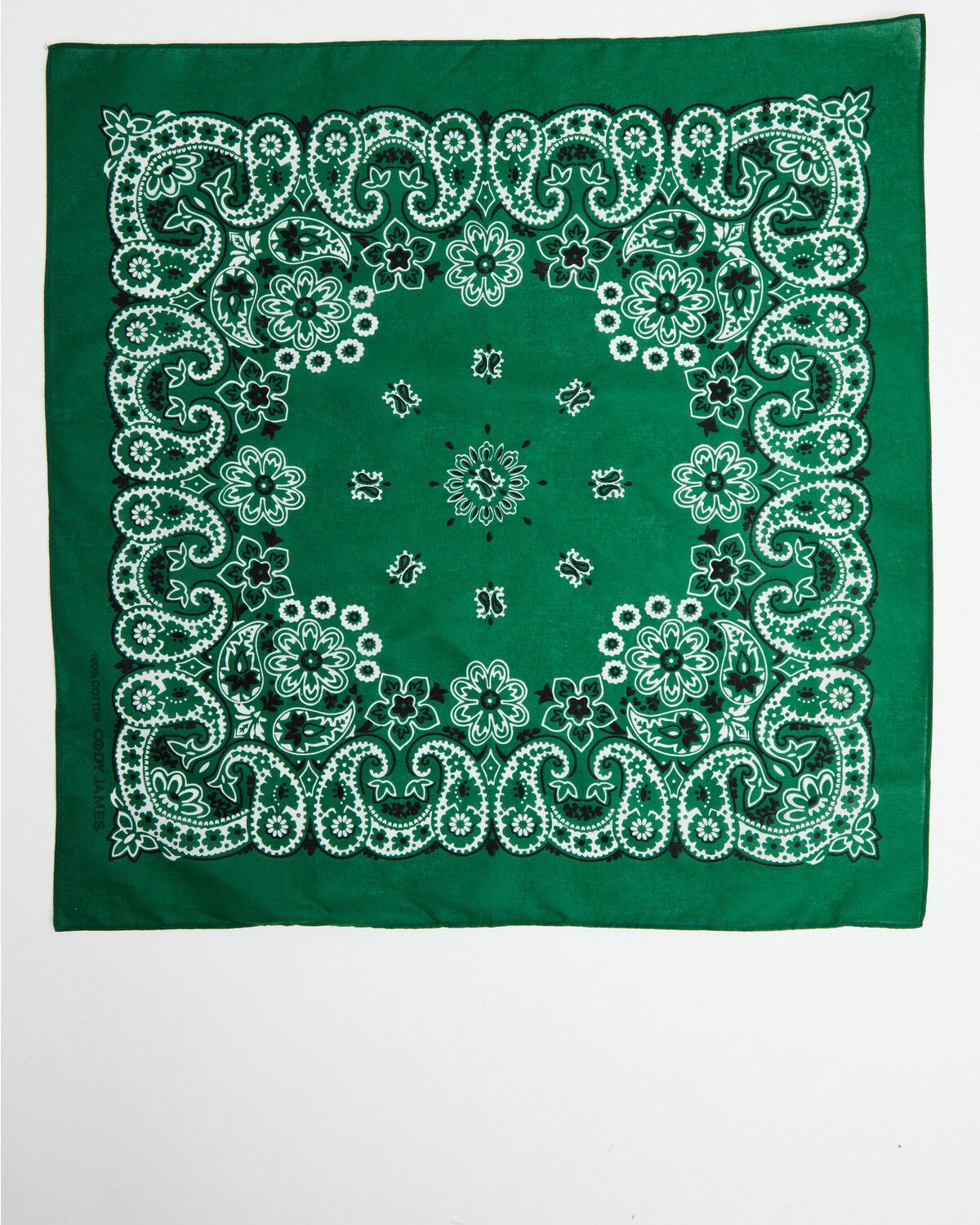
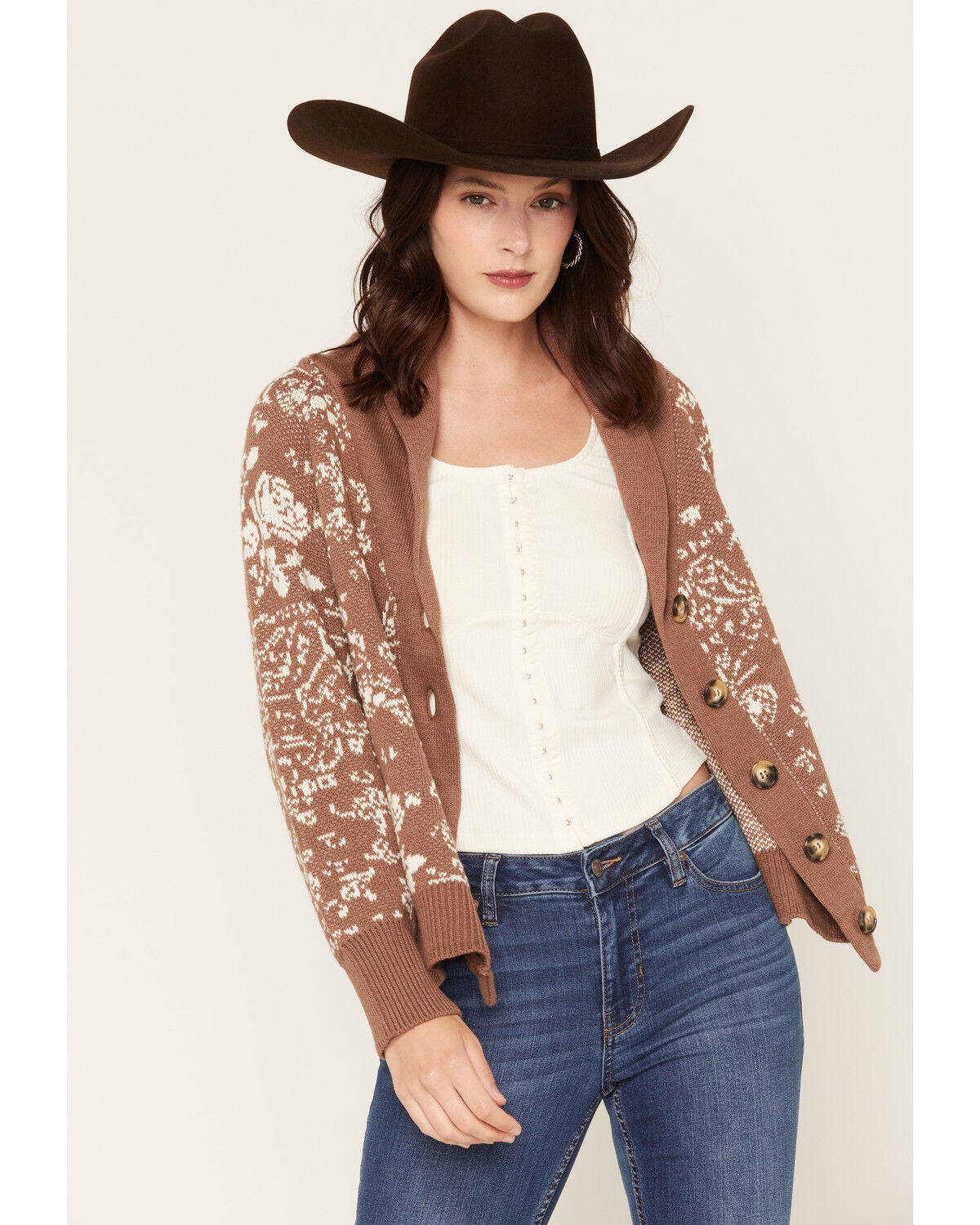
Bandana prints bring familiar western pattern to fall clothing without requiring a full outfit built around it. Paisley curves, framed borders, and small repeating shapes give these fabrics their character, whether the pattern covers a dress or appears at a neckline beneath a solid jacket. Taking bandana prints into fall comes down to three practical details: fabric weight, room for layers, and coverage where it matters. Rust, burgundy, deep olive, and brown sit naturally alongside denim and leather, while cream, charcoal, and navy backgrounds keep a detailed print understated. Red and white remain useful choices, too; a dark outer layer can make a brighter pattern feel less prominent. Print scale also changes the overall look. Small paisley patterns can appear almost textured from a distance, while larger motifs and strong borders make the shape of a garment more noticeable. A patterned hem below a plain coat offers a different effect from an allover print worn without an outer layer. Solid denim, knitwear, and simple leather accessories leave enough space for either approach. For everyday wear, the appeal is straightforward: recognizable pattern with the same practical layers already used for a morning commute, an outdoor gathering, or dinner after work. Long sleeves, higher necklines, and longer hems can add coverage, but none of those details alone establishes warmth. A loose sleeve may let air enter at the wrist, and a lightweight maxi-length dress may still need an insulating layer. The combination matters more than any single feature. A close-fitting base layer, a bandana-print middle layer, and an outer layer with enough room through the shoulders can provide coverage without making the outfit feel crowded. A cotton bandana folded flat beneath a collar adds a small amount of neck coverage without the bulk of a thick scarf, though it does not replace insulation or wind-resistant outerwear. That balance keeps the print useful from early fall layering through outfits built for early winter.

Materials determine how bandana-print clothing hangs, feels against the skin, and fits under other layers. Woven cotton often has a dry, breathable feel and enough structure to show a border print clearly. Lighter cotton fabrics generally fold neatly beneath a jacket, while heavier weaves can hold their shape with less cling. Cotton is not inherently windproof, and it holds moisture after getting wet, so its usefulness depends on the setting and the layers worn with it. Rayon and viscose often offer a softer drape, allowing a longer skirt or relaxed sleeve to move freely rather than stand away from the body. They may also need more careful washing and drying to maintain their dimensions. Polyester blends can contribute wrinkle resistance and shape retention, although performance varies with the blend, weave, and garment construction. Stretch fabrics allow some give through fitted areas, but stretch does not make an undersized garment suitable for layering. A lining can improve opacity and help clothing slide over a base layer; it does not necessarily provide substantial warmth. Fabric density matters when coverage is the priority, especially across the shoulders, seat, and skirt when standing in daylight. Fit deserves the same attention as fiber content. Shoulder seams should sit comfortably, armholes should allow movement, and buttons should lie flat rather than pull across the chest. An outfit that feels comfortable while standing can fit differently when sitting in a truck, reaching for an overhead shelf, or bending to pick something up. Sleeve openings need enough room for the layer beneath them without bunching inside a jacket cuff. At the waist, a defined seam gives shape, while a straighter cut can leave more room for an undershirt or knit layer. Hem length, side slits, and wrap openings all affect coverage in motion. For a closer look at those differences, Bandana-Print Dresses: Compare Silhouettes And Coverage puts the focus on garment shape and the details that influence how much coverage a dress provides.

Bandana-print layers suit people who want western character in clothing that still works for ordinary plans. A longer patterned silhouette with opaque tights and boots can offer more leg coverage for an outdoor meal, while a printed shirt under a plain jacket keeps the pattern contained for a casual workplace. Workplace dress requirements still apply, and everyday printed clothing should not be treated as protective workwear. For extended time outdoors, insulation, precipitation protection, and footwear traction deserve their own consideration. A bandana at the neck may fill a gap at the collar, but it will not provide the protection of purpose-built cold-weather gear. Indoors, removable outer layers make it easier to stay comfortable without changing the whole outfit. The best combinations allow each layer to sit smoothly: a flat neckline beneath a collar, sleeves that do not twist inside a coat, and a hem that moves freely rather than catching on a rough lining. Durability depends partly on those everyday points of contact. Bags, belts, jacket closures, and boot shafts can rub against fabric, so secure stitching and a weave suited to the intended use matter as much as the print itself. Care starts with the garment label, particularly when a piece combines different fibers, lining materials, or trim. Washing with similar colors and using the specified water temperature helps limit avoidable color transfer. Turning printed garments inside out can reduce surface abrasion during washing, while excessive dryer heat may cause shrinkage or affect stretch fibers. Damp clothing should dry fully before storage, and fabrics prone to stretching may hold their shape better when stored folded rather than left on a hanger. Bandana-print clothing can also make a thoughtful gift for someone who already wears paisley, denim, and western accessories. Familiar colors, a known size, and a preferred sleeve or hem length offer a better starting point than an unfamiliar cut. Across everyday wear and casual occasions, the lasting value of these patterns is their versatility: enough detail to stand on their own, with clear options for adding layers and coverage.

FAQs