How to Balance Bandana-Print Outfits With Denim and Cowboy Boots

Balance bandana-print outfits with solid denim and cowboy boots to keep the pattern in focus. Pair a printed shirt with jeans, or add a bandana to a denim shirt for a smaller touch of print. Browse western wear, denim, and cowboy boots to build the look, choosing simple accessories that do not compete with the pattern.
Shop Your Store: Shop Your Store: Find a Store

(Turn off Shop Your Store to see all items)

(Turn off Shop Your Store to see all items)

close
  • Recommended
  • Lowest Price
  • Highest Price
Skip pass products
  • Women's Cleo + Wolf Bandana Print Tiered Mini Skort
    Original Price $49.99 $33.97
    32% Total Savings

End of products

How to Balance Bandana-Print Outfits With Denim and Cowboy Boots

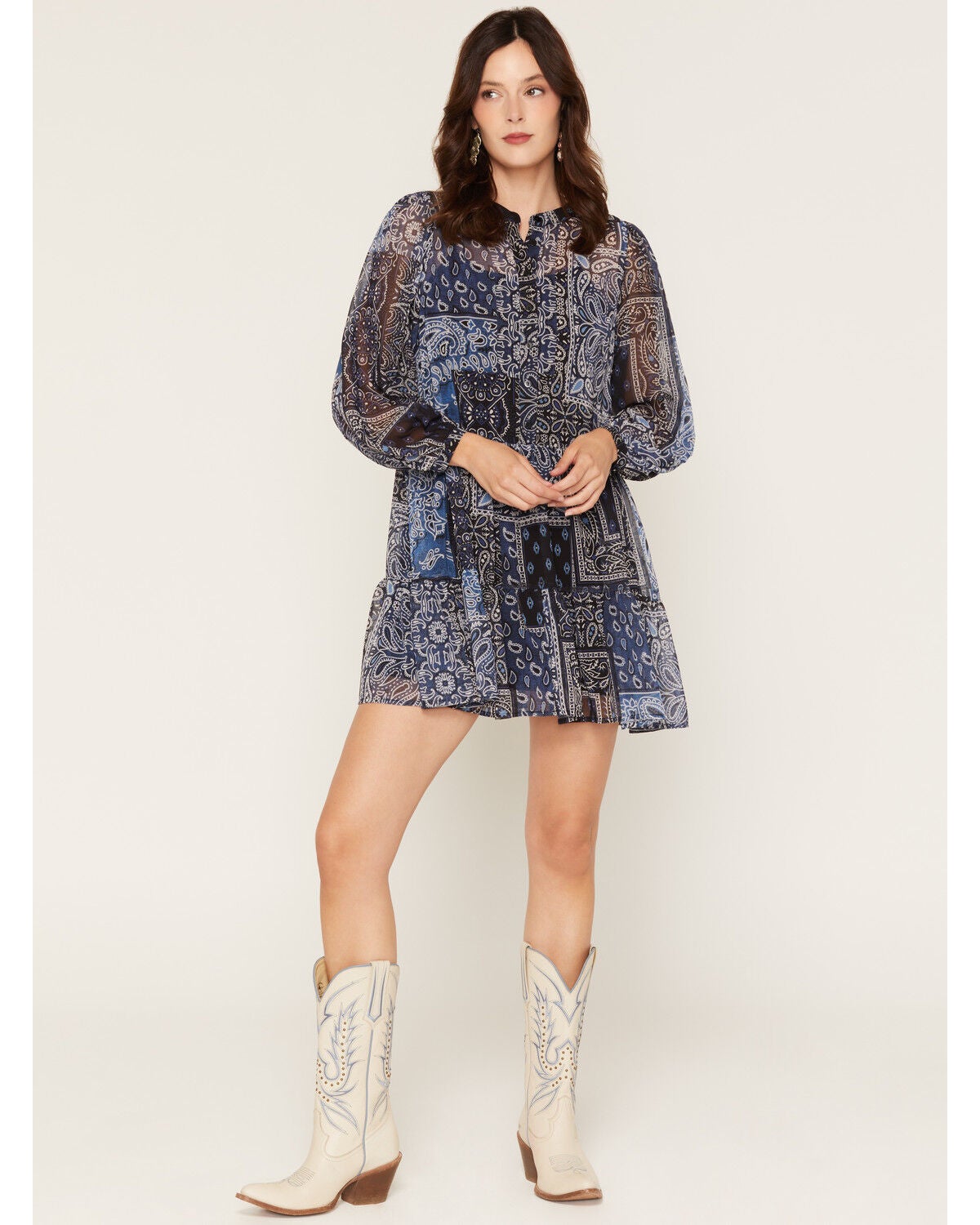
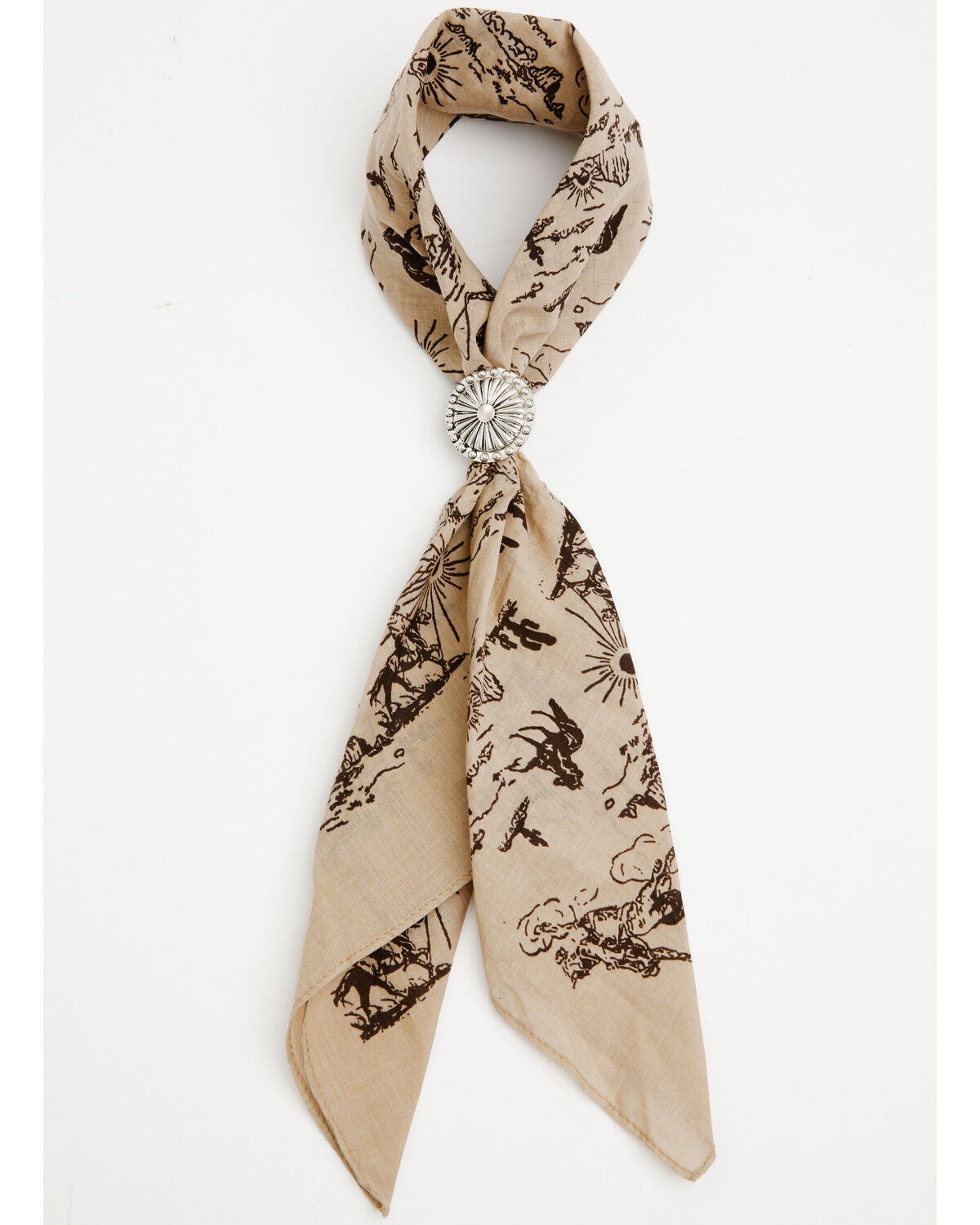
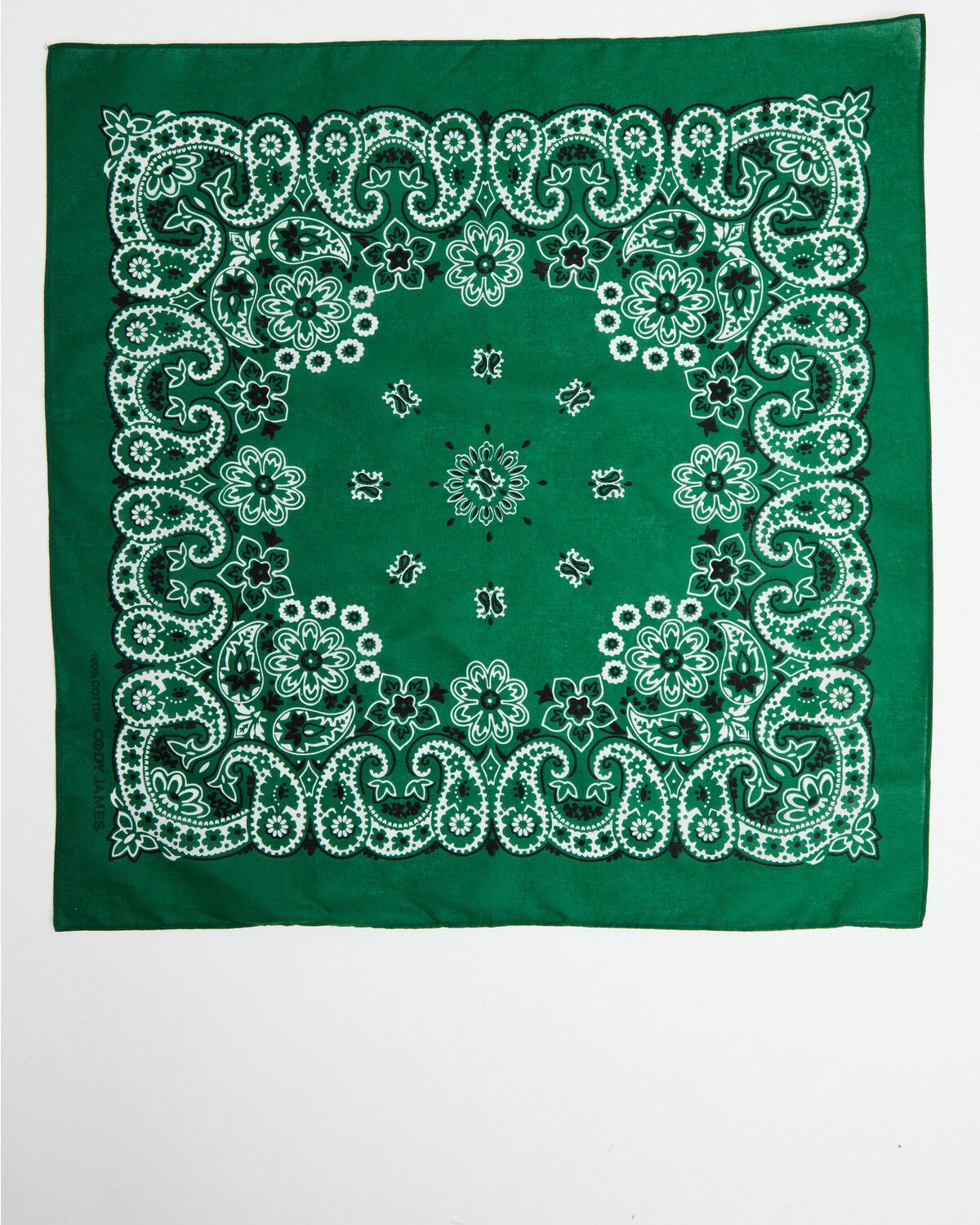
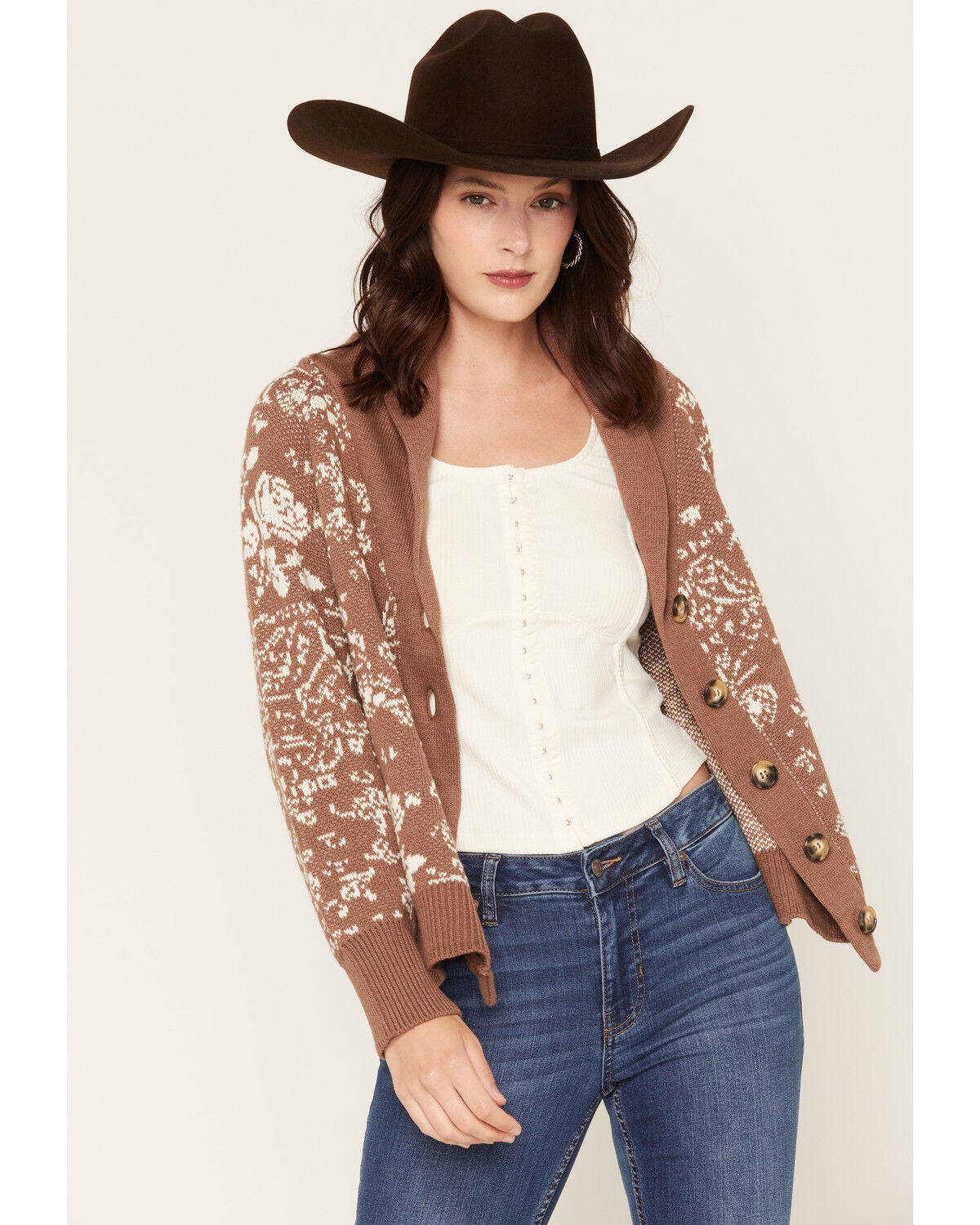
Bandana-print outfits bring paisley, border patterns, and familiar red, blue, or black accents into western wear. Denim and cowboy boots give those details a solid foundation without adding another competing print. The clearest balance comes from one main patterned piece, a consistent denim wash, and leather boots in a grounded color such as brown, tan, or black. A red bandana-print top has a different presence against dark indigo jeans than against faded blue denim: the darker wash looks sharper, while the faded wash feels more relaxed. Black-and-white paisley works well with black jeans and black boots when the goal is a restrained outfit with visible texture. Matching every color is not necessary. Repeating one shade from the print in a belt or pair of boots can be enough to connect the outfit. Pattern placement matters as much as color. A small bandana at the neckline adds a narrow point of interest, while an allover paisley dress makes the print the main feature. Large border designs draw attention to hems, sleeves, and necklines; smaller repeating patterns tend to read more evenly across a garment. Clean denim gives both room to stand out. Heavy fading, prominent distressing, elaborate boot stitching, and several accessories can pull attention in different directions when worn together. Plain pockets, subtle stitching, and a simple leather belt keep the focus clear. These combinations suit everyday western dressing, a concert, a casual dinner, or a gathering where jeans and boots feel at home. Someone who prefers understated clothing can bring in the pattern through a scarf rather than a full printed shirt. Someone comfortable with a stronger print can wear a bandana-pattern dress with a solid denim jacket and understated boots. The difference is the amount of pattern, not the need for a completely different wardrobe. Denim supplies structure, leather adds depth, and the bandana print carries the visual interest.

Fit determines whether bandana prints, denim, and cowboy boots look balanced together and feel comfortable through a full day. A relaxed printed blouse pairs naturally with straight-leg or bootcut jeans that give the outfit a clear line below the waist. A closer-fitting top works with wider denim because the shapes remain distinct rather than loose everywhere. A flowing bandana-print dress takes on more definition under a denim jacket that fits well through the shoulders and ends near the waist. Jacket length deserves attention: a long, roomy layer can hide the shape of a dress, while a shorter layer leaves more of the print visible. For outfits built around a denim shirt, How to Style a Western Denim Shirt offers related pairing ideas. A solid denim shirt with a small patterned scarf gives the same mix of materials without requiring a larger printed garment. Jeans worn over cowboy boots need enough room through the lower leg to fall over the shaft without catching or showing its outline too strongly. Straight-leg openings vary, so the cut name alone does not settle the fit. Bootcut denim offers more space at the hem, while cropped denim deliberately shows more of the boot. Full-length jeans should clear the ground rather than drag beneath the heel. With a dress or skirt, the space between the hem and the boot shaft changes the overall proportion; a visible gap separates the two, while a longer hem creates a more continuous line. Trying the full outfit on together reveals where fabric catches, bunches, or restricts movement. Boot toe shape and heel height also affect the look and feel. A pointed profile gives a sharper outline, while a square or rounded toe creates a broader one. Fit still comes first. Toes need room, the instep should feel secure rather than painful, and some initial heel movement can be normal in pull-on leather boots. Walking and sitting in the outfit provide a better fit check than standing still.

Materials and construction influence how these pieces drape, wear, and hold their shape. Cotton bandanas and cotton printed shirts often have a crisp, familiar hand, while rayon and some blended fabrics fall more softly against the body. That softer drape can contrast well with firm denim, particularly in a loose blouse or longer dress. Fiber content alone does not tell the whole story; fabric weight, weave, lining, and seam construction also affect comfort and coverage. Rigid denim tends to hold a defined shape, while stretch denim allows more give through the seat, knees, and waist. Neither should require pulling or constant adjustment to stay comfortable. Secure seams, neatly finished edges, and reinforced stress points are useful details for clothing that will see frequent wear. Smooth leather cowboy boots provide a clean contrast to paisley and denim, while suede adds a softer surface that calls for different care. Simple shafts keep the outfit quiet; more visible stitching can work when the printed piece is small and the remaining clothing is plain. Intended use matters beyond appearance. Cowboy boots worn for everyday outings are not automatically suitable for jobs that require protective footwear, and a western profile alone does not establish safety features. Care should follow the garment label and the boot maker’s directions. Deep denim dyes and strong print colors may transfer, especially during early wear or washing, so contact with light-colored clothing and leather deserves attention. Washing compatible garments inside out and avoiding unnecessary high heat can help limit surface wear and shrinkage. Smooth leather generally benefits from regular dirt removal and a conditioner suited to its finish. Suede needs an appropriate brush and products intended for that material rather than smooth-leather conditioner. Let damp boots dry naturally away from direct heat. For gifts, a bandana offers a way to add pattern without the fit demands of jeans or boots, though fabric, size, and the recipient’s usual colors still matter. Across the outfit, useful details and sound fit do more than extra embellishment. A clear print, well-fitting denim, and comfortable cowboy boots make a combination that feels considered without looking overworked.

FAQs