Bandana Prints Beyond Scarves: Clothing Guide

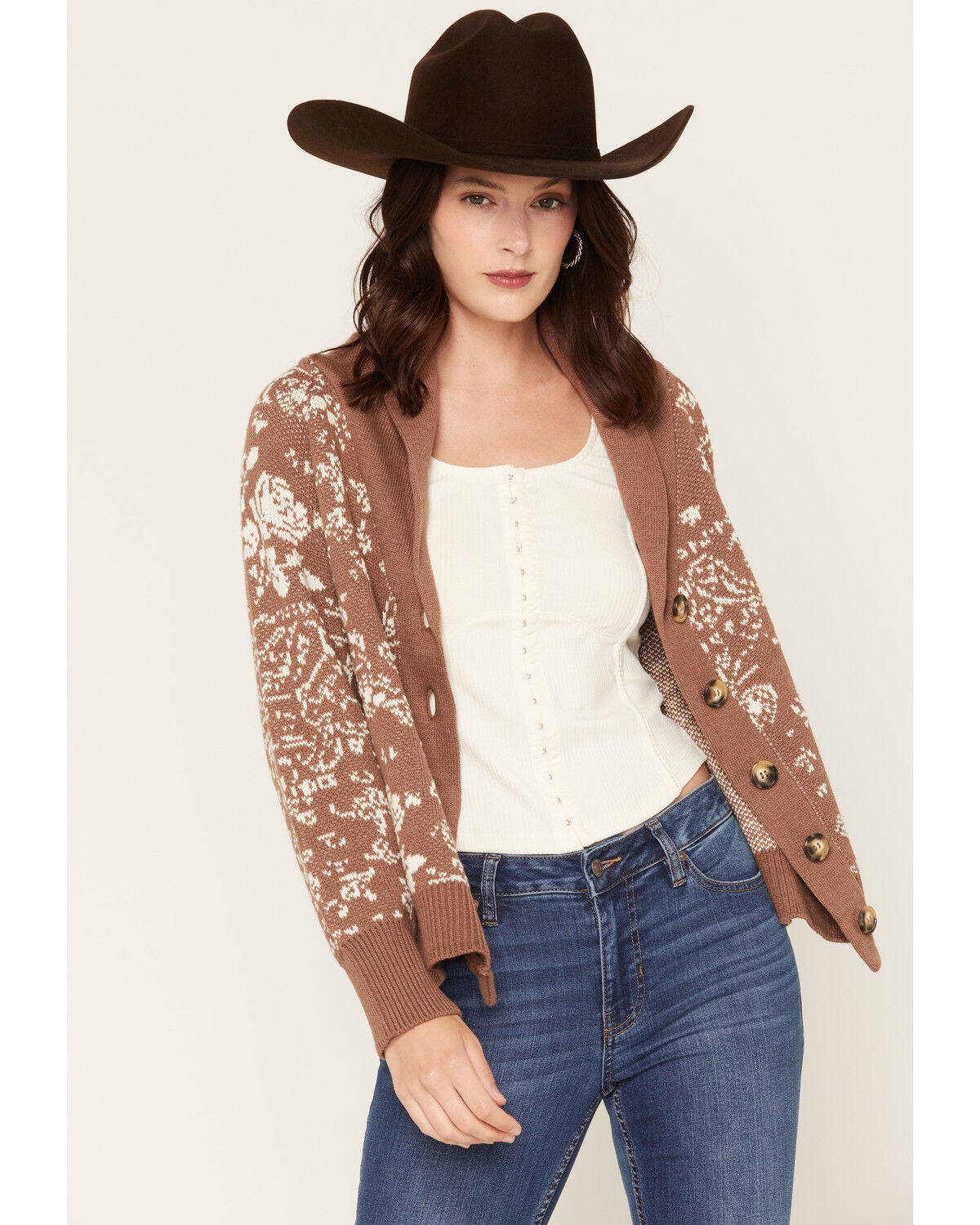
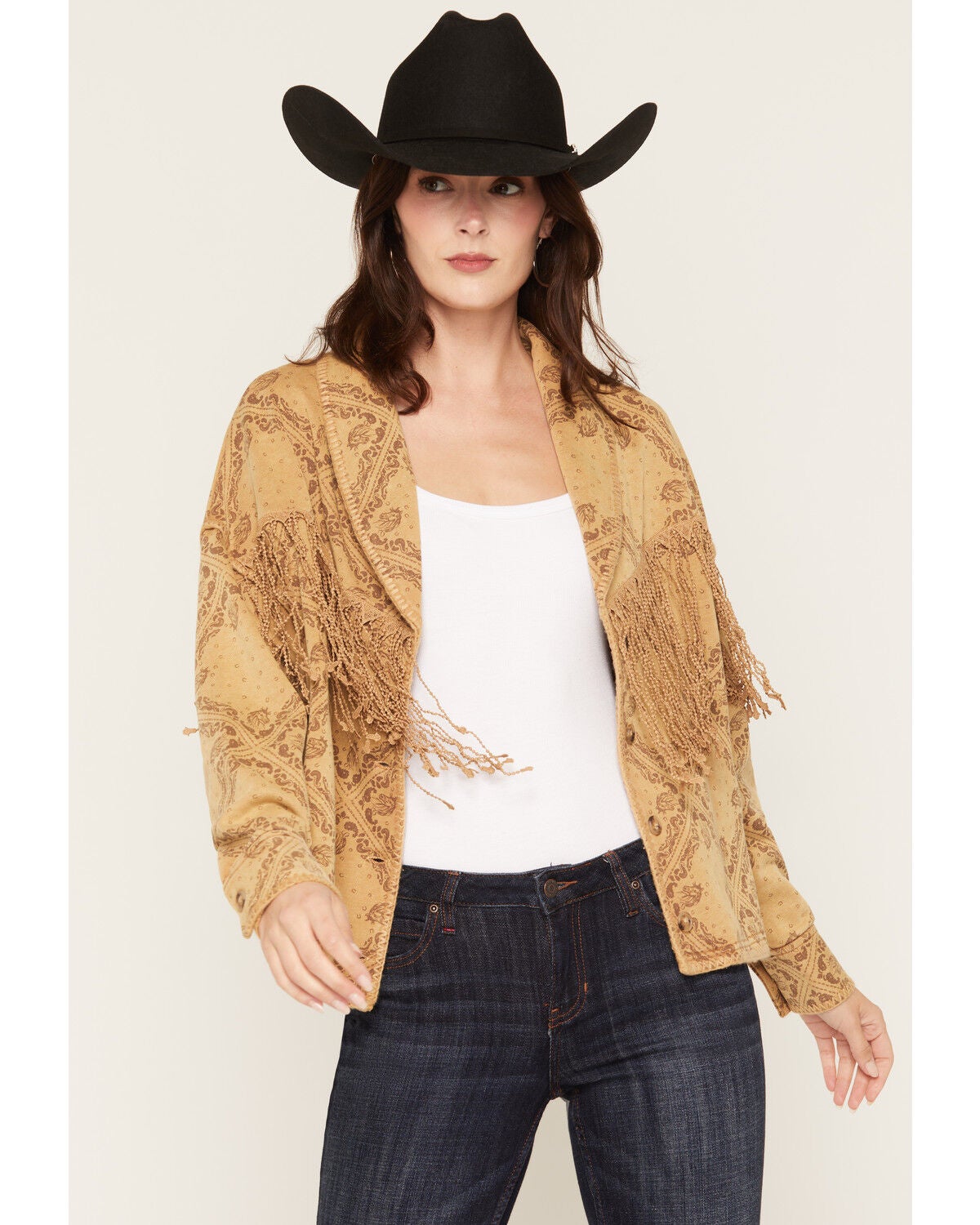
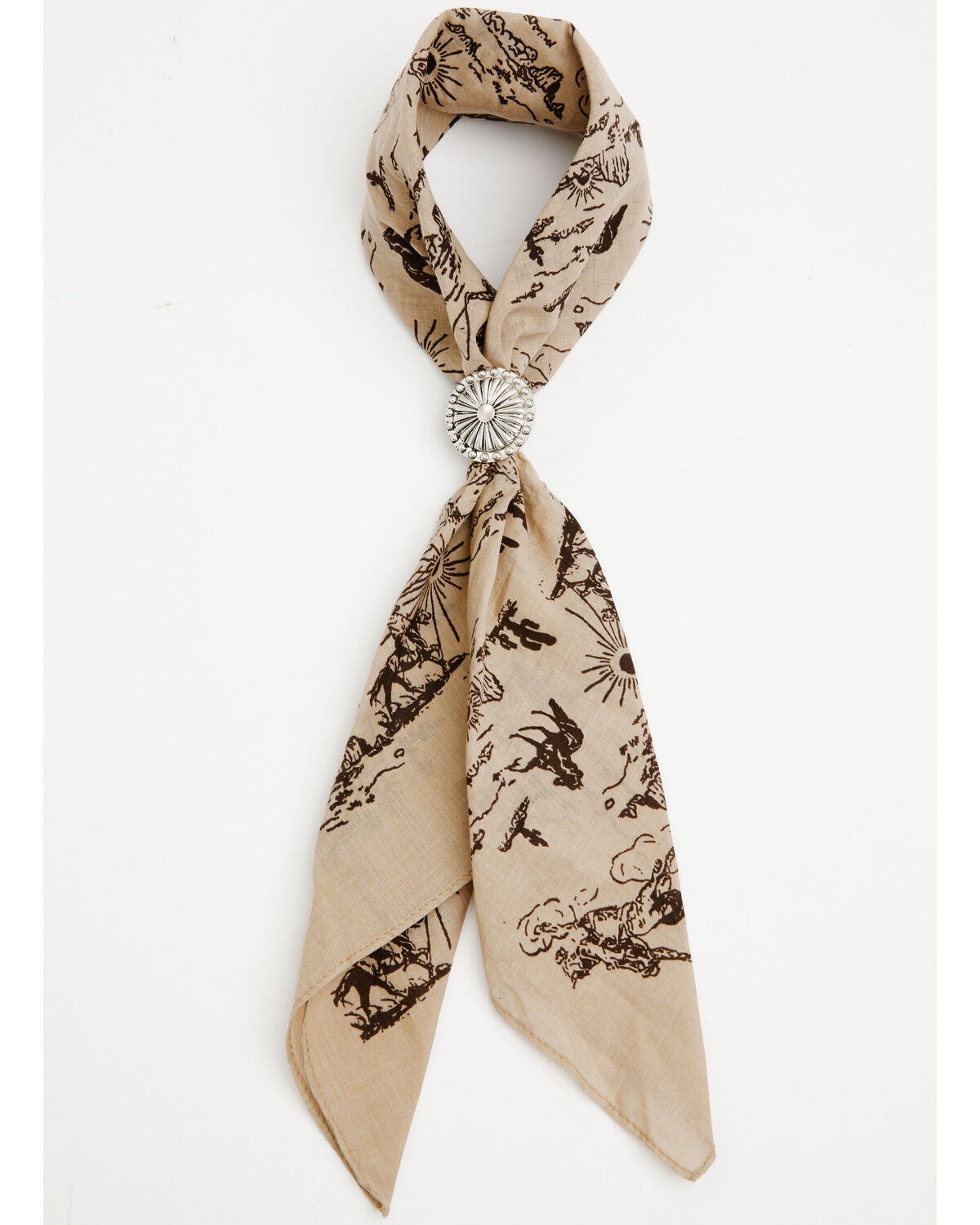
Explore bandana prints beyond scarves with clothing that brings familiar paisley patterns to everyday western wear. A bandana-print shirt or top pairs well with solid denim, keeping the pattern the focus of your outfit. Compare each item’s fit, fabric, and care details to find a piece that suits your routine.

Shop Your Store: Shop Your Store: Find a Store

(Turn off Shop Your Store to see all items)

(Turn off Shop Your Store to see all items)

close
  • Recommended
  • Lowest Price
  • Highest Price
Skip pass products
  • Women's Cleo + Wolf Bandana Print Tiered Mini Skort
    Original Price $49.99 $33.97
    32% Total Savings

End of products

Bandana Prints Beyond Scarves: Clothing Guide

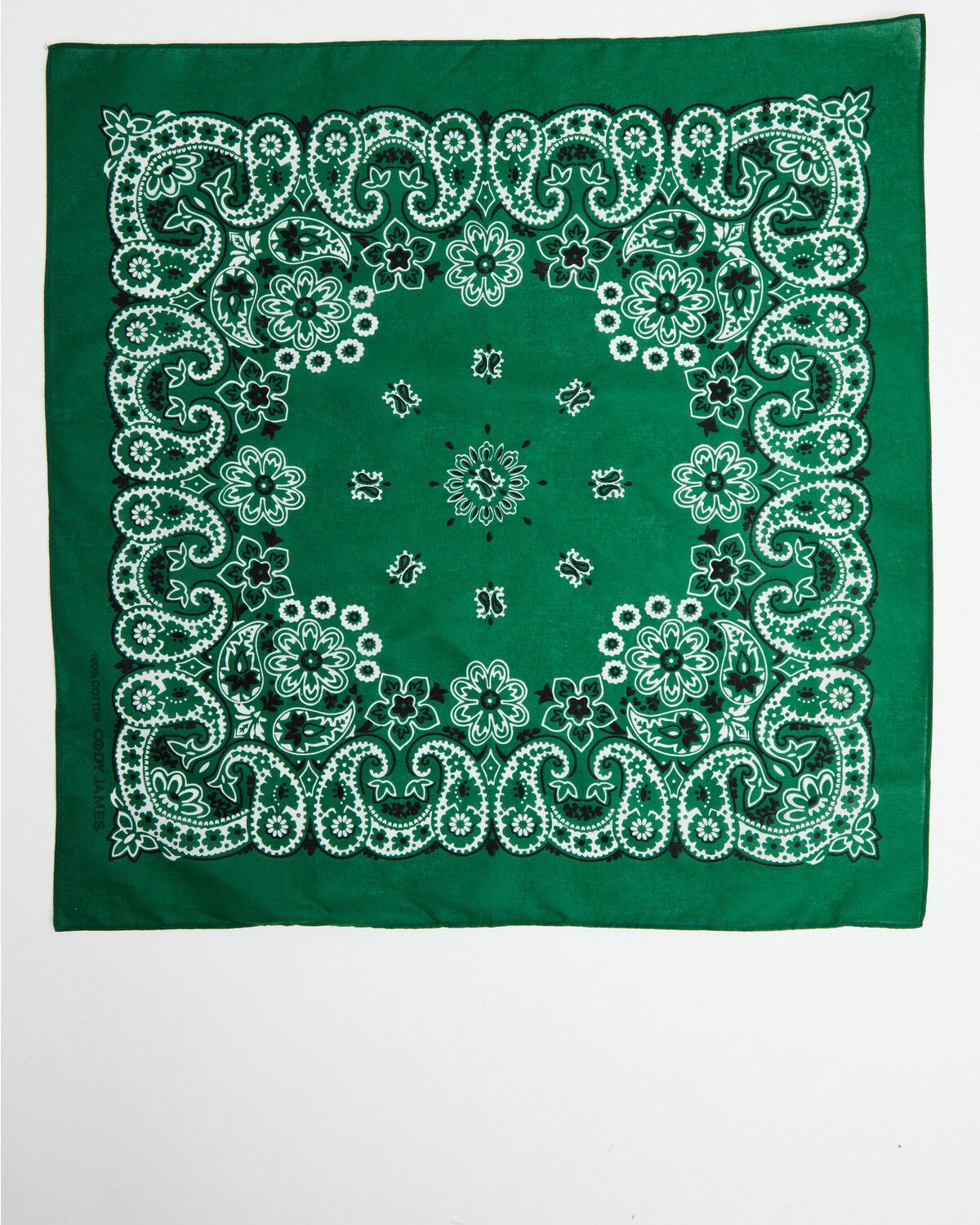
Bandana-print clothing takes the familiar paisley, small geometric shapes, and framed borders of a traditional bandana and puts them on shirts, tops, dresses, skirts, and other everyday apparel. The result can feel distinctly western without relying on a neck scarf or a full outfit built around the same pattern. Curved paisley motifs give the fabric movement, while dots, floral details, and straight borders add structure. Some prints repeat evenly across the garment; others place a large central design across the front or use a border along the hem. That placement matters as much as color. A narrow border can define a neckline, while an allover pattern creates a more uniform look from shoulder to hem. Red, navy, black, and white are familiar choices, though muted browns and other earth tones bring a softer contrast. Smaller patterns tend to blend together from a distance, making them easier to wear with everyday denim. Larger motifs and sharply contrasting colors put more attention on the garment itself. Bandana-print shirts offer a straightforward way to wear the pattern, especially in button-front cuts that work tucked or untucked. Handkerchief-hem tops bring the shape of a bandana into the silhouette, but a bandana print does not have to come with an angled hem, cropped length, or tie closure. A full-length blouse or relaxed shirt can carry the same pattern with more coverage. Dresses and skirts give the design a broader surface, where border placement and the direction of the print are especially noticeable. Printed shorts and pants shift the focus to the lower half of an outfit and pair well with a plain top. For casual dinners, live music, or an afternoon away from work, one patterned piece is often enough. Cowboy boots and solid denim keep the outfit grounded in western wear, while simple accessories leave room for the print to stand on its own.

Fabric and construction determine how bandana-print apparel feels and hangs. Cotton often has a familiar, breathable feel, but weight and weave make a difference: a crisp woven cotton shirt holds its shape differently from a soft cotton knit. Lightweight woven fabrics can give a blouse or skirt an easy drape, while a heavier fabric lends more structure to a straight hem or defined collar. Rayon and similar flowing fabrics may fall close to the body rather than standing away from it. Polyester blends can help with shape retention and wrinkle resistance, depending on the blend and construction. A small amount of stretch may add flexibility, but it does not replace the need for the right size. Check garment measurements against a shirt or pair of pants that already fits well, paying attention to the chest, shoulders, waist, hips, and length. With a button-front shirt, the placket should lie flat rather than pull open when sitting or reaching forward. Shoulder seams and armholes should allow comfortable movement without excess fabric bunching under the arms. For cropped, halter, or tie-back styles, look closely at neckline depth, strap adjustment, and where the hem meets the waistband. A top can provide enough coverage while standing and sit quite differently when reaching for something on a shelf. Handkerchief hems also have high and low points, so the longest measurement alone does not tell the whole story. With skirts and dresses, lining, fabric opacity, and room through the hips affect comfort and coverage. Printed pants and shorts need enough ease through the seat and thighs for sitting and walking, not just a comfortable waistband. Close, dense patterning can make pockets and seams less visible, so examine those details separately from the design. Even stitching, neatly finished seams, and securely attached closures are useful signs of careful construction. Bandana-print clothing suits everyday wear, but the pattern itself does not make a garment protective workwear or suitable for demanding physical tasks.

Building an outfit around bandana prints is usually simpler than matching every detail. A red-and-white patterned shirt with dark jeans gives the eye one clear point of interest. A navy printed skirt with a plain white top creates a similar balance with a different silhouette. Black, cream, brown, and denim are useful partners because they leave the finer details of the print visible. Matching one color from the pattern is enough; boots, belts, and jewelry do not all need to repeat it. When wearing a printed shirt open over a solid base, check that the two hems sit cleanly together and that the collar does not crowd the neckline underneath. A tucked shirt shows more of the waistband and belt, while an untucked cut works best when its length looks deliberate rather than oversized by accident. For more coverage-focused combinations, Taking Bandana Prints Into Fall: Layers and Coverage offers related outfit ideas. Care deserves the same attention as fit, particularly with strong light-and-dark contrasts or deep red and navy shades. Follow the garment’s care label rather than assuming every bandana print can be washed like a cotton scarf. Sort colors as directed, avoid prolonged soaking unless the instructions allow it, and use the recommended wash and drying settings. Turning a garment inside out can help limit surface abrasion during washing. Excess heat can affect fit, fibers, and certain printed finishes, so check before using a dryer or iron. Smooth woven shirts and shaped garments before drying to help preserve their intended lines, and avoid hanging stretchy knits in ways that pull at the shoulders. Frequent friction at cuffs, pockets, and seams can affect appearance over time; fabric weight, finishing, and care all play a part in how well a piece holds up. As a gift, bandana-print clothing makes sense for someone who already wears paisley, western shirts, or patterned separates. Their preferred cut and usual colors are better starting points than an unfamiliar silhouette. The strongest choice fits comfortably, works with clothes they already own, and lets the pattern add character without taking over.

FAQs